Building Blocks
This section contains fundamental products for the synthesis of organic and biological compounds. Building blocks are the essential starting materials used to construct complex molecules through various chemical reactions. They play a critical role in drug discovery, material science, and chemical research. At CymitQuimica, we offer a diverse range of high-quality building blocks to support your innovative research and industrial projects, ensuring you have the essential components for successful synthesis.
Subcategories of "Building Blocks"
- Boronic Acids & Boronic Acid Derivatives(5,778 products)
- Chiral Building Blocks(1,242 products)
- Hydrocarbon Building Blocks(6,098 products)
- Organic Building Blocks(61,034 products)
Found 199601 products of "Building Blocks"
Sort by
Purity (%)
0
100
|
0
|
50
|
90
|
95
|
100
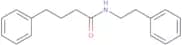
4-Phenyl-N-(2-phenylethyl)butanamide
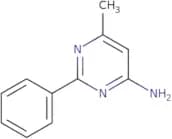
CAS:<p>Versatile small molecule scaffold</p>Formula:C18H21NOPurity:Min. 95%Molecular weight:267.4 g/mol6-Methyl-2-phenylpyrimidin-4-amine
CAS:<p>Versatile small molecule scaffold</p>Formula:C11H11N3Purity:Min. 95%Molecular weight:185.23 g/mol1-Bromo-3-(ethylsulfanyl)propane
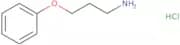
CAS:<p>Versatile small molecule scaffold</p>Formula:C5H11BrSPurity:Min. 95%Molecular weight:183.11 g/mol(3-Aminopropoxy)benzene hydrochloride
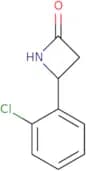
CAS:<p>Versatile small molecule scaffold</p>Formula:C9H14ClNOPurity:Min. 95%Molecular weight:187.67 g/mol4-(2-Chlorophenyl)azetidin-2-one
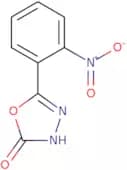
CAS:<p>Versatile small molecule scaffold</p>Formula:C9H8ClNOPurity:Min. 95%Molecular weight:181.62 g/mol5-(2-Nitrophenyl)-3H-1,3,4-oxadiazol-2-one
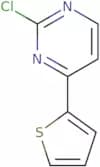
CAS:Versatile small molecule scaffoldFormula:C8H5N3O4Purity:Min. 95%Molecular weight:207.14 g/mol2-chloro-4-(thiophen-2-yl)pyrimidine
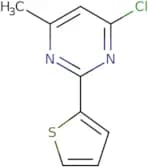
CAS:<p>Versatile small molecule scaffold</p>Formula:C8H5ClN2SPurity:Min. 95%Molecular weight:196.65 g/mol4-Chloro-6-methyl-2-(thiophen-2-yl)pyrimidine
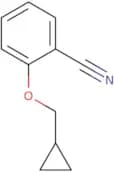
CAS:<p>Versatile small molecule scaffold</p>Formula:C9H7ClN2SPurity:Min. 95%Molecular weight:210.68 g/mol2-(Cyclopropylmethoxy)benzonitrile
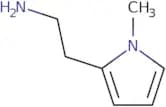
CAS:<p>Versatile small molecule scaffold</p>Formula:C11H11NOPurity:Min. 95%Molecular weight:173.21 g/mol2-(1-Methyl-1H-pyrrol-2-yl)ethanamine
CAS:<p>2-(1-Methyl-1H-pyrrol-2-yl)ethanamine (MPEA) is a tetracoordinated cationic aminopyridine with a dimeric structure. It reacts with x-rays, showing an X-ray diffraction pattern. The crystallographic data for MPEA can be found in the PDB database under accession code 3AB6. MPEA is also synthesized from 1,4-dimethylpyrrole and ethylamine in a two step procedure with high yields. The reactivity of MPEA has been studied by reacting it with aminopyridines or amino groups and observing the products formed as well as the equilibrium conditions.</p>Formula:C7H12N2Purity:Min. 95%Molecular weight:124.19 g/mol2-Hydroxyquinoline-5-carboxylic acid
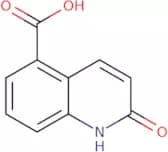
CAS:<p>Quinoline-5-carboxylic acid is a compound that has been studied for its use as an ionic liquid. It can be used in experiments to study the selectivity of 2-hydroxyquinoline-5-carboxylic acid in terms of density, thermally, and isotherms. The uptake and binding sites of 2-hydroxyquinoline-5-carboxylic acid are also being researched. This compound is stable and has a high selectivity for nitrogen adsorption.</p>Formula:C10H7NO3Purity:Min. 95%Molecular weight:189.17 g/mol2-Hydroxyquinoline-8-carboxylic acid
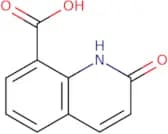
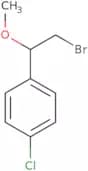
CAS:<p>2-Hydroxyquinoline-8-carboxylic acid is a molecule with coagulant properties that has been quantified in human serum. It binds to heparin and can be used as a diagnostic marker for inflammation, infection, and diseases of the cardiovascular system. 2-Hydroxyquinoline-8-carboxylic acid has been shown to bind to calcium ions and c-reactive protein (CRP) polypeptides. It may also be able to bind to other proteins that are involved in a number of biological processes, including drug development. The binding of CRP polypeptides by 2-hydroxyquinoline-8-carboxylic acid may be due to the presence of amino groups on its structure.</p>Formula:C10H7NO3Purity:Min. 95%Molecular weight:189.17 g/mol1-(2-Bromo-1-methoxyethyl)-4-chlorobenzene
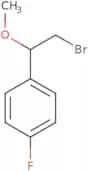
CAS:<p>Versatile small molecule scaffold</p>Formula:C9H10BrClOPurity:Min. 95%Molecular weight:249.53 g/mol1-(2-Bromo-1-methoxyethyl)-4-fluorobenzene
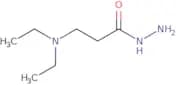
CAS:<p>Versatile small molecule scaffold</p>Formula:C9H10BrFOPurity:Min. 95%Molecular weight:233.08 g/mol3-(Diethylamino)propanehydrazide
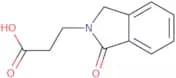
CAS:<p>Versatile small molecule scaffold</p>Formula:C7H17N3OPurity:Min. 95%Molecular weight:159.23 g/mol3-(1-Oxo-1,3-dihydro-2H-isoindol-2-yl)-propanoic acid
CAS:<p>3-(1-Oxo-1,3-dihydro-2H-isoindol-2-yl)-propanoic acid is a ligand that has been shown to form square complexes with copper. It was found in x-ray structure analysis to bind to the axial position of the backbone of the protein and carboxylate groups coordinate with copper ions at the backbones. The coordination of copper ions and carboxylate groups are reversible. 3-(1-Oxo-1,3-dihydro-2H-isoindol-2-yl)-propanoic acid can be used as a bifunctional ligand for x-ray diffraction studies.</p>Formula:C11H11NO3Purity:Min. 95%Molecular weight:205.22 g/mol3-[(Propan-2-yloxy)methyl]aniline
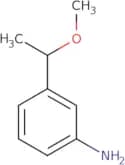
CAS:<p>Versatile small molecule scaffold</p>Formula:C10H15NOPurity:Min. 95%Molecular weight:165.23 g/mol3-(1-Methoxyethyl)aniline
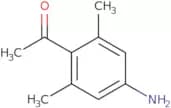
CAS:<p>Versatile small molecule scaffold</p>Formula:C9H13NOPurity:Min. 95%Molecular weight:151.21 g/mol1-(4-Amino-2,6-dimethyl-phenyl)-ethanone
CAS:<p>Versatile small molecule scaffold</p>Formula:C10H13NOPurity:Min. 95%Molecular weight:163.21 g/mol2-Chloro-4-ethoxypyrimidine
CAS:2-Chloro-4-ethoxypyrimidine is a transition metal compound with a high reactivity. It has been shown to undergo an elimination reaction with chloro substituents and nitrogen in the presence of electron acceptors such as oxygen, water, or peroxides. The kinetic rate is statistically dependent on the size of the substituents and the substituent's position on the ring. Substituents that are coplanar with the reactive site have a higher rate of substitution than those that are not coplanar.Formula:C6H7ClN2OPurity:Min. 95%Molecular weight:158.59 g/mol2-Chloro-4-propoxypyrimidine
CAS:<p>Versatile small molecule scaffold</p>Formula:C7H9ClN2OPurity:Min. 95%Molecular weight:172.61 g/mol2-Chloro-5-phenoxypyrimidine
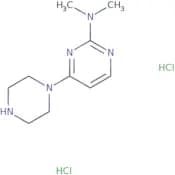
CAS:<p>Versatile small molecule scaffold</p>Formula:C10H7ClN2OPurity:Min. 95%Molecular weight:206.63 g/molN,N-Dimethyl-4-(piperazin-1-yl)pyrimidin-2-amine dihydrochloride
CAS:<p>Versatile small molecule scaffold</p>Formula:C10H19Cl2N5Purity:Min. 95%Molecular weight:280.19 g/mol2,3-Dihydro-1H-indene-2-thiol
CAS:<p>Versatile small molecule scaffold</p>Formula:C9H10SPurity:Min. 95%Molecular weight:150.24 g/mol(2S)-Chroman-2-carboxylic acid
CAS:<p>Versatile small molecule scaffold</p>Formula:C10H10O3Purity:Min. 95%Molecular weight:178.18 g/mol2-(Bromomethyl)-1-chloro-3-methoxybenzene
CAS:<p>Versatile small molecule scaffold</p>Formula:C8H8BrClOPurity:Min. 95%Molecular weight:235.5 g/mol(3-Sulfanylphenyl)methanol
CAS:<p>(3-Sulfanylphenyl)methanol is an imine that can be synthesized from a sulfonamide and an aldehyde. It can act as a ligand in coordination chemistry, binding to metal ions. The affinity of the ligand for the metal ion is dependent on its structure and stoichiometry. This ligand can also be terminated with an amine or alcohol. The reaction between the (3-sulfanylphenyl)methanol and the metal ion is reversible and unsymmetrical. The titration calorimetry method was used to determine the stoichiometry of this reaction, which was found to be hexameric.</p>Formula:C7H8OSPurity:Min. 95%Molecular weight:140.2 g/mol2-(4-Bromo-phenyl)-4-chloro-quinazoline
CAS:<p>Versatile small molecule scaffold</p>Formula:C14H8BrClN2Purity:Min. 95%Molecular weight:319.58 g/mol2-(4-Methylpiperazin-1-yl)acetamide
CAS:<p>Versatile small molecule scaffold</p>Formula:C7H15N3OPurity:Min. 95%Molecular weight:157.21 g/mol4,4-Dimethyl-1,2,3,4-tetrahydronaphthalen-2-one
CAS:Versatile small molecule scaffoldFormula:C12H14OPurity:Min. 95%Molecular weight:174.24 g/mol(4-Phenylcyclohexyl)methanol
CAS:<p>Versatile small molecule scaffold</p>Formula:C13H18OPurity:Min. 95%Molecular weight:190.28 g/mol3-tert-Butyl-5-iodosalicylaldehyde
CAS:<p>Versatile small molecule scaffold</p>Formula:C11H13IO2Purity:Min. 95%Molecular weight:304.12 g/mol5-Methyl-3-(thiophen-2-yl)isoxazole-4-carboxylic acid
CAS:<p>Versatile small molecule scaffold</p>Formula:C9H7NO3SPurity:Min. 95%Molecular weight:209.22 g/molEthyl 4-(3-methylphenyl)-3-oxobutanoate
CAS:<p>Versatile small molecule scaffold</p>Formula:C13H16O3Purity:Min. 95%Molecular weight:220.26 g/mol1-Methyl-1,4-dihydro-pyrazolo[4,3-d]pyrimidine-5,7-dione
CAS:<p>Versatile small molecule scaffold</p>Formula:C6H6N4O2Purity:Min. 95%Molecular weight:166.14 g/mol1-Benzyl 2-methyl (2S,3S)-3-methylaziridine-1,2-dicarboxylate
CAS:<p>Versatile small molecule scaffold</p>Formula:C13H15NO4Purity:Min. 95%Molecular weight:249.3 g/mol(2S)-2-Amino-3-(propan-2-yloxy)propanoic acid
CAS:<p>Versatile small molecule scaffold</p>Formula:C6H13NO3Purity:Min. 95%Molecular weight:147.17 g/molN-Cyclohexyl-N-methylsulfamoyl chloride
CAS:N-Cyclohexyl-N-methylsulfamoyl chloride is a quinoline derivative that inhibits the activity of metalloproteases. It has been shown to inhibit the growth of tumor cells in vitro and in vivo, with a potency that is greater than or equal to that of other metalloprotease inhibitors. It blocks the degradation of proteins by inhibiting the activity of metalloproteases, which are enzymes involved in protein degradation. The inhibition of these enzymes results in reduced proliferation and even cell death. N-Cyclohexyl-N-methylsulfamoyl chloride also inhibits bacterial proliferation by blocking the synthesis of DNA and RNA, leading to cell death.Formula:C7H14ClNO2SPurity:Min. 95%Molecular weight:211.71 g/mol2-Propylquinolin-4-ol
CAS:<p>Versatile small molecule scaffold</p>Formula:C12H13NOPurity:Min. 95%Molecular weight:187.24 g/mol(1-Chloropropan-2-yl)diethylamine hydrochloride
CAS:<p>Versatile small molecule scaffold</p>Formula:C7H17Cl2NPurity:Min. 95%Molecular weight:186.1 g/molN-[2-(Dimethylamino)propyl]-2,6-dimethylaniline
CAS:<p>Versatile small molecule scaffold</p>Formula:C13H22N2Purity:Min. 95%Molecular weight:206.33 g/mol5-Nitroquinoline-8-carboxylic acid
CAS:<p>Versatile small molecule scaffold</p>Formula:C10H6N2O4Purity:Min. 95%Molecular weight:218.17 g/mol2,3-Dihydro-benzo[b]thiophen-3-amine 1,1-dioxide
CAS:Versatile small molecule scaffoldFormula:C8H9NO2SPurity:Min. 95%Molecular weight:183.23 g/molMethyl 2-(2-chloroethoxy)acetate
CAS:<p>Methyl 2-(2-chloroethoxy)acetate is a dihydrochloride salt of cetirizine, which is an amide. It is hydrolyzed in the body to form cetirizine, which is a histamine H1 receptor antagonist. Methyl 2-(2-chloroethoxy)acetate has been used as a research tool and as an intermediate in organic chemical processes.</p>Formula:C5H9ClO3Purity:Min. 95%Molecular weight:152.58 g/molCetirizine
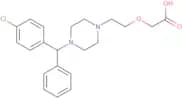
CAS:<p>Cetirizine is a non-sedating h1 antagonist that is used to treat allergic rhinitis and other allergic conditions. Cetirizine has been shown to produce statistically significant reductions in eosinophil cationic protein (ECP) in experimental models of allergic inflammation. The clinical significance of this finding remains unclear, but the results suggest that cetirizine may have anti-inflammatory effects. Cetirizine is metabolized by cytochrome P450 enzymes, including CYP3A4, which can lead to drug interactions with other pharmaceuticals. Low doses of cetirizine were found to inhibit 5-ht2 receptors in rats, which may be responsible for its sedative effects. Cetirizine was also found to be an effective wastewater treatment agent because it inhibits the growth of bacteria such as Escherichia coli and Pseudomonas aeruginosa.</p>Formula:C21H25ClN2O3Purity:Min. 95%Molecular weight:388.89 g/mol2-Phenyl-2-(piperidin-4-yl)acetonitrile hydrochloride
CAS:<p>Versatile small molecule scaffold</p>Formula:C13H17ClN2Purity:Min. 95%Molecular weight:236.74 g/mol2-(4-Methoxyphenyl)-2-(morpholin-4-yl)acetamide
CAS:<p>Versatile small molecule scaffold</p>Formula:C13H18N2O3Purity:Min. 95%Molecular weight:250.29 g/mol2-Chloro-N-cyclopropyl-5-nitrobenzamide
CAS:<p>Versatile small molecule scaffold</p>Formula:C10H9ClN2O3Purity:Min. 95%Molecular weight:240.64 g/molN-(3-Bromophenyl)methanesulfonamide
CAS:<p>Versatile small molecule scaffold</p>Formula:C7H8BrNO2SPurity:Min. 95%Molecular weight:250.11 g/mol5-(Methylsulfanyl)thiophene-2-carboxamide
CAS:<p>Versatile small molecule scaffold</p>Formula:C6H7NOS2Purity:Min. 95%Molecular weight:173.3 g/mol


![3-[(Propan-2-yloxy)methyl]aniline](/_next/image/?url=https%3A%2Fstatic.cymitquimica.com%2Fproducts%2F3D%2Fthumb-webp%2FIDA75142.webp&w=3840&q=75)




![1-Methyl-1,4-dihydro-pyrazolo[4,3-d]pyrimidine-5,7-dione](/_next/image/?url=https%3A%2Fstatic.cymitquimica.com%2Fproducts%2F3D%2Fthumb-webp%2FIDA82438.webp&w=3840&q=75)


![N-[2-(Dimethylamino)propyl]-2,6-dimethylaniline](/_next/image/?url=https%3A%2Fstatic.cymitquimica.com%2Fproducts%2F3D%2Fthumb-webp%2FIDA84349.webp&w=3840&q=75)

![2,3-Dihydro-benzo[b]thiophen-3-amine 1,1-dioxide](/_next/image/?url=https%3A%2Fstatic.cymitquimica.com%2Fproducts%2F3D%2Fthumb-webp%2FIDA86351.webp&w=3840&q=75)