Building Blocks
This section contains fundamental products for the synthesis of organic and biological compounds. Building blocks are the essential starting materials used to construct complex molecules through various chemical reactions. They play a critical role in drug discovery, material science, and chemical research. At CymitQuimica, we offer a diverse range of high-quality building blocks to support your innovative research and industrial projects, ensuring you have the essential components for successful synthesis.
Subcategories of "Building Blocks"
- Boronic Acids & Boronic Acid Derivatives(5,778 products)
- Chiral Building Blocks(1,242 products)
- Hydrocarbon Building Blocks(6,098 products)
- Organic Building Blocks(61,084 products)
Found 198714 products of "Building Blocks"
Sort by
Purity (%)
0
100
|
0
|
50
|
90
|
95
|
100
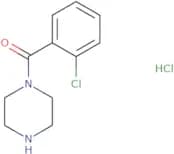
(2-Chlorophenyl)-1-piperazinyl-methanone hydrochloride
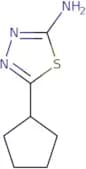
CAS:<p>Versatile small molecule scaffold</p>Formula:C11H14Cl2N2OPurity:Min. 95%Molecular weight:261.14 g/mol2-Amino-5-cyclopentyl-1,3,4-thiadiazole
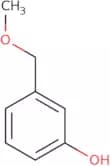
CAS:<p>Versatile small molecule scaffold</p>Formula:C7H11N3SPurity:Min. 95%Molecular weight:169.25 g/mol3-(Methoxymethyl)phenol
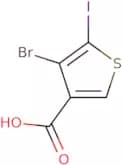
CAS:<p>Versatile small molecule scaffold</p>Formula:C8H10O2Purity:Min. 95%Molecular weight:138.16 g/mol4-Bromo-5-iodothiophene-3-carboxylic acid
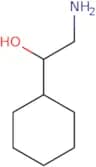
CAS:<p>Versatile small molecule scaffold</p>Formula:C5H2BrIO2SPurity:Min. 95%Molecular weight:332.94 g/mol2-Amino-1-cyclohexylethan-1-ol
CAS:<p>2-Amino-1-cyclohexylethanol is an organic compound that contains a hydroxy group with two nitro groups. It has a specific interaction with diethanolamine and forms a molecule in the presence of primers and laser irradiation. The carbon disulphide reacts with the hydroxyl group to form an inorganic compound, which can be removed by adding a hydroxide solution. This reaction is used for the synthesis of cyclohexanols from 2-aminocyclohexanol. 2-Amino-1-cyclohexylethanol has been shown to have cancer inhibiting effects, as well as anti-inflammatory properties. It also interacts with amines and sodium hydroxide solution in the presence of heat to form a new product, which is used as an intermediate for other syntheses.</p>Formula:C8H17NOPurity:Min. 95%Molecular weight:143.23 g/mol5,6-dimethyl-1,2-dihydropyrazin-2-one
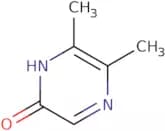
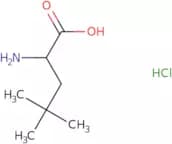
CAS:<p>5,6-Dimethyl-1,2-dihydropyrazin-2-one is a chromatographic and spectrometric reagent that has been used as a reference standard in the characterization of coccinella. 5,6-Dimethyl-1,2-dihydropyrazin-2-one is an apolar compound with two structural isomers. The deuterated form of this chemical has been used to study the resonance between protons and deuterium atoms. This chemical can be fragmented by various methods such as stoppers or by multidimensional magnetic methods. Mass spectrometric data has also been collected for this chemical.<br>5,6-dimethyl-1,2-dihydropyrazin-2-one has also been found to have mass spectral properties similar to those of other compounds like 2-(3'-methoxyphenyl)-5-(4'-nitrophenyl)pyrazinone</p>Formula:C6H8N2OPurity:Min. 95%Molecular weight:124.14 g/mol2-Amino-4,4-dimethylpentanoic acid hydrochloride
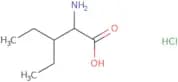
CAS:Versatile small molecule scaffoldFormula:C7H16ClNO2Purity:Min. 95%Molecular weight:181.66 g/mol2-Amino-3-ethylpentanoic acid hydrochloride
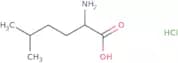
CAS:<p>Versatile small molecule scaffold</p>Formula:C7H16ClNO2Purity:Min. 95%Molecular weight:181.66 g/mol2-Amino-5-methylhexanoic acid hydrochloride
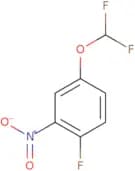
CAS:<p>Versatile small molecule scaffold</p>Formula:C7H16ClNO2Purity:Min. 95%Molecular weight:181.66 g/mol4-(Difluoromethoxy)-1-fluoro-2-nitro-benzene
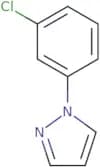
CAS:<p>Versatile small molecule scaffold</p>Formula:C7H4F3NO3Purity:Min. 95%Molecular weight:207.11 g/mol1-(3-Chlorophenyl)-1H-pyrazole
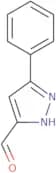
CAS:<p>1-(3-Chlorophenyl)-1H-pyrazole is an antibacterial agent that inhibits bacterial DNA gyrase and topoisomerase IV. It has been shown to have potent antibacterial activity against clinical isolates of organisms, including methicillin-resistant Staphylococcus aureus (MRSA) and Clostridium perfringens. 1-(3-Chlorophenyl)-1H-pyrazole binds to the pyrazole ring in DNA, inhibiting the production of proteins vital for cell division. This drug has minimal inhibitory concentration values of 0.02 μg/mL for Escherichia coli and 0.06 μg/mL for Salmonella enterica serovar typhimurium, making it an effective antibiotic for these types of bacteria.</p>Formula:C9H7ClN2Purity:Min. 95%Molecular weight:178.62 g/mol5-Phenyl-1H-pyrazole-3-carbaldehyde
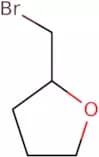
CAS:<p>Versatile small molecule scaffold</p>Formula:C10H8N2OPurity:Min. 95%Molecular weight:172.18 g/mol(2R)-2-(Bromomethyl)oxolane
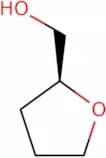
CAS:<p>Versatile small molecule scaffold</p>Formula:C5H9BrOPurity:Min. 95%Molecular weight:165.03 g/mol(2S)-(+)-2-(Hydroxymethyl)tetrahydrofuran
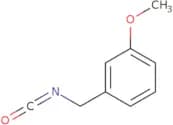
CAS:<p>Versatile small molecule scaffold</p>Formula:C5H10O2Purity:Min. 95%Molecular weight:102.13 g/mol1-(Isocyanatomethyl)-3-methoxybenzene
CAS:<p>Versatile small molecule scaffold</p>Formula:C9H9NO2Purity:Min. 95%Molecular weight:163.18 g/mol2-Chloro-1-(pentamethylphenyl)ethanone
CAS:Versatile small molecule scaffoldFormula:C13H17ClOPurity:Min. 95%Molecular weight:224.72 g/mol2-Bromo-1,3-diisopropylbenzene
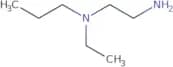
CAS:<p>2-Bromo-1,3-diisopropylbenzene is an organic compound that belongs to the group of sulfamic acids. It has been shown to inhibit hypercholesterolemia and cholesterol absorption in rats. The mechanism of action of 2-bromo-1,3-diisopropylbenzene is not well understood but may involve inhibition of the enzyme HMG-CoA reductase. This drug has also been shown to have a photophysical activity and can be used as a light emitting material in devices such as organic light emitting diodes (OLEDs). 2-Bromo-1,3-diisopropylbenzene can also be used for the synthesis of phosphane ligands and Grignard reagents.</p>Formula:C12H17BrPurity:Min. 95%Molecular weight:241.17 g/mol(2-Aminoethyl)(ethyl)propylamine
CAS:<p>Versatile small molecule scaffold</p>Formula:C7H18N2Purity:Min. 95%Molecular weight:130.23 g/mol4-Cyclopropanecarbonylbenzene-1-sulfonyl chloride
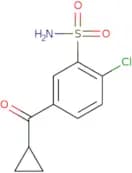
CAS:Versatile small molecule scaffoldFormula:C10H9ClO3SPurity:Min. 95%Molecular weight:244.69 g/mol2-Chloro-5-cyclopropanecarbonylbenzene-1-sulfonamide
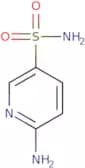
CAS:Versatile small molecule scaffoldFormula:C10H10ClNO3SPurity:Min. 95%Molecular weight:259.71 g/mol6-Aminopyridine-3-sulfonamide
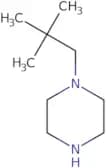
CAS:Versatile small molecule scaffoldFormula:C5H7N3O2SPurity:Min. 95%Molecular weight:173.2 g/mol1-(2,2-Dimethylpropyl)piperazine
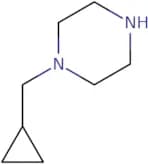
CAS:<p>Versatile small molecule scaffold</p>Formula:C9H20N2Purity:Min. 95%Molecular weight:156.27 g/mol1-(Cyclopropylmethyl)piperazine
CAS:<p>1-(Cyclopropylmethyl)piperazine is a drug that has been used to treat deficiencies of pyruvate kinase, which is an enzyme needed for the metabolism of pyruvate. It has also been used to treat hemisulfate deficiency and is currently being studied as a potential treatment for metabolic disorders such as diabetes. 1-(Cyclopropylmethyl)piperazine is an amorphous form of the drug that can be administered orally or intravenously. This crystalline form can be administered by injection and is often given with glucose to increase absorption.</p>Formula:C8H16N2Purity:Min. 95%Molecular weight:140.23 g/mol1-(4-Methyl-2-phenyl-1,3-thiazol-5-yl)ethan-1-one
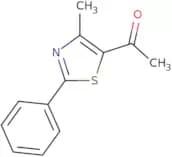
CAS:<p>Versatile small molecule scaffold</p>Formula:C12H11NOSPurity:Min. 95%Molecular weight:217.29 g/mol4-(Dimethyl-1,3-thiazol-5-yl)-1,3-thiazol-2-amine
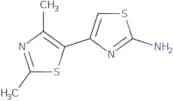
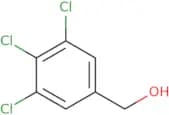
CAS:Versatile small molecule scaffoldFormula:C8H9N3S2Purity:Min. 95%Molecular weight:211.3 g/mol(3,4,5-Trichlorophenyl)methanol
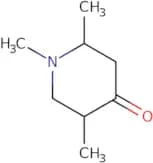
CAS:<p>Versatile small molecule scaffold</p>Formula:C7H5Cl3OPurity:Min. 95%Molecular weight:211.5 g/mol1,2,5-Trimethylpiperidin-4-one
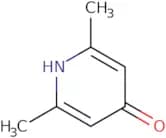
CAS:<p>1,2,5-Trimethylpiperidin-4-one is an active substance that belongs to the class of benzofuran derivatives. It has been shown to be a potent inhibitor of the enzyme oxalate oxidase and has been used in the synthesis of analogs. The tautomeric form of 1,2,5-trimethylpiperidin-4-one is its enol form with an oxime group on the alpha carbon atom. This molecule can react with ethyl bromoacetate in a condensation reaction to produce an amide derivative.</p>Formula:C8H15NOPurity:Min. 95%Molecular weight:141.21 g/mol2,6-Dimethyl-1,4-dihydropyridin-4-one
CAS:<p>2,6-Dimethyl-1,4-dihydropyridin-4-one is an organic acid that is used as a surface active agent. It has been shown to have coccidiosis in poultry and can be recycled from reaction solutions. 2,6-Dimethyl-1,4-dihydropyridin-4-one reacts with hydrochloric acid to form salicylic acid and hydrogen chloride gas. Impurities are removed by ion exchange or activated charcoal. Chlorine gas is added to neutralize the solution of 2,6-dimethylpyridine 4-one and convert it into salicylic acid. Finally, the solution is chlorinated to remove any remaining impurities. The organic solvent is then evaporated off and 2,6-dimethylpyridine 4 one crystals are left behind.</p>Formula:C7H9NOPurity:Min. 95%Molecular weight:123.15 g/mol[(1E)-4-Bromobut-1-en-1-yl]benzene
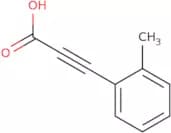
CAS:<p>Versatile small molecule scaffold</p>Formula:C10H11BrPurity:Min. 95%Molecular weight:211.1 g/mol3-(2-Methylphenyl)prop-2-ynoic acid
CAS:<p>Versatile small molecule scaffold</p>Formula:C10H8O2Purity:Min. 95%Molecular weight:160.17 g/mol1-Bromo-7-methylnaphthalene
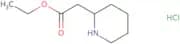
CAS:<p>Versatile small molecule scaffold</p>Formula:C11H9BrPurity:Min. 95%Molecular weight:221.09 g/molEthyl 2-(piperidin-2-yl)acetate hydrochloride
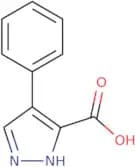
CAS:Versatile small molecule scaffoldFormula:C9H18ClNO2Purity:Min. 95%Molecular weight:207.7 g/mol4-Phenyl-1H-pyrazole-3-carboxylic acid
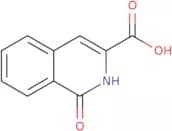
CAS:4-Phenyl-1H-pyrazole-3-carboxylic acid is a chiral, alkoxycarbonyl, regulator that has been used agriculturally as a growth regulator and weed control. It can be used in the form of an alkyl ester or carbonic ester. It has been shown to have active oxygen and hydrochloric acid which are responsible for its regulatory properties. 4-Phenyl-1H-pyrazole-3-carboxylic acid has been shown to be effective against weeds like Triazole resistant weeds.Formula:C10H8N2O2Purity:Min. 95%Molecular weight:188.18 g/mol1-Oxo-1,2-dihydroisoquinoline-3-carboxylic acid
CAS:1-Oxo-1,2-dihydroisoquinoline-3-carboxylic acid (ODHC) is a synthetic compound that has been shown to have anti-tumor activity in mouse melanoma cells. ODHC inhibits the production of aldehydes through the interaction with thiourea and homophthalic acid. ODHC also binds to topoisomerase II, which prevents the unwinding of DNA and limits DNA replication. This leads to cell death by inhibition of DNA synthesis. ODHC has been shown to be photostable and has a low toxicity for healthy cells. It is also able to chelate metal ions, such as iron, copper, or zinc, which are important for cancer cell growth and proliferation.Formula:C10H7NO3Purity:Min. 95%Molecular weight:189.17 g/mol3-Nitro-6,7,8,9-tetrahydro-5H-benzo[7]annulen-5-one
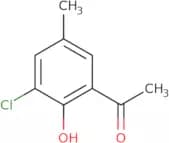
CAS:<p>Versatile small molecule scaffold</p>Formula:C11H11NO3Purity:Min. 95%Molecular weight:205.21 g/mol1-(3-Chloro-2-hydroxy-5-methylphenyl)ethan-1-one
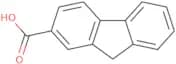
CAS:<p>Versatile small molecule scaffold</p>Formula:C9H9ClO2Purity:Min. 95%Molecular weight:184.62 g/mol9H-Fluorene-2-carboxylic acid
CAS:<p>9H-Fluorene-2-carboxylic acid is a fluorescent chemical that has been modified to include fluorine atoms. Fluorescence is a property of 9H-fluorene-2-carboxylic acid that can be used to track its distribution in the body. This modification also reduces the affinity for the D4 receptor, which may lead to side effects such as mitogenesis, and it does not have any effect on dopamine D3 receptors. The synthesis of this compound is possible through a reaction with an olefinic compound in nonpolar solvents or solvents. The linker between the fluorene moiety and the carboxylic acid group may be important for determining its biological activity.</p>Formula:C14H10O2Purity:Min. 95%Molecular weight:210.23 g/mol3-(3,5-Dimethylphenoxy)propanoic acid
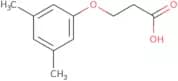
CAS:<p>Versatile small molecule scaffold</p>Formula:C11H14O3Purity:Min. 95%Molecular weight:194.23 g/mol2-(4-Propylphenoxy)acetic acid
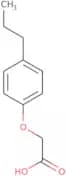
CAS:Versatile small molecule scaffoldFormula:C11H14O3Purity:Min. 95%Molecular weight:194.23 g/mol2-Methylaminobenzamide
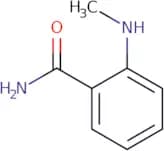
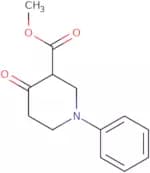
CAS:<p>2-Methylaminobenzamide (2MAB) is a fluorescent compound that can be used to detect the presence of an anthranilic acid. 2MAB is prepared by reacting methylamine with benzoyl chloride and hydrochloric acid to form an amide in the tautomeric form. This compound has been shown to have neuroprotective properties and also inhibits the metabolic pathway of aromatic amino acids, which may play a role in Alzheimer's disease. 2MAB is also used in the preparation of other fluorescent compounds.</p>Formula:C8H10N2OPurity:Min. 95%Molecular weight:150.18 g/molMethyl 4-oxo-1-phenylpiperidine-3-carboxylate
CAS:Versatile small molecule scaffoldFormula:C13H15NO3Purity:Min. 95%Molecular weight:233.26 g/molEthyl [(3-nitrophenyl)carbamoyl]formate
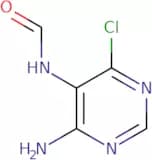
CAS:<p>Versatile small molecule scaffold</p>Formula:C10H10N2O5Purity:Min. 95%Molecular weight:238.2 g/molN-(4-Amino-6-chloropyrimidin-5-yl)formamide
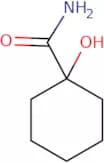
CAS:Versatile small molecule scaffoldFormula:C5H5ClN4OPurity:Min. 95%Molecular weight:172.57 g/mol1-Hydroxycyclohexane-1-carboxamide
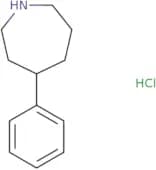
CAS:Versatile small molecule scaffoldFormula:C7H13NO2Purity:Min. 95%Molecular weight:143.18 g/mol4-Phenylazepane hydrochloride
CAS:<p>Versatile small molecule scaffold</p>Formula:C12H17N·HClPurity:Min. 95%Molecular weight:211.73 g/mol5-Phenylazepan-2-one
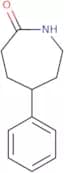
CAS:<p>Versatile small molecule scaffold</p>Formula:C12H15NOPurity:Min. 95%Molecular weight:189.25 g/mol3-tert-Butylbenzoic acid
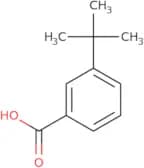
CAS:<p>3-tert-Butylbenzoic acid is a heat-resistant organic compound that has been used in the production of polymers and plastics. 3-tert-Butylbenzoic acid can be used as a nucleation agent for crystallization, or as an enhancer for crystallization. In this application, 3-tert-butylbenzoic acid is used to increase the number of crystals formed and to make them larger. The processability of 3-tert-butylbenzoic acid is also enhanced with the addition of 3-tert-butylbenzoic acid. This substance can be measured by calorimetry, which measures the enthalpy change associated with its melting point. The melting point of 3-tert-butylbenzoic acid is between 100°C and 140°C.</p>Formula:C11H14O2Purity:Min. 95%Molecular weight:178.23 g/mol7-Chloro-[1,2,4]triazolo[4,3-c]pyrimidin-8-amine
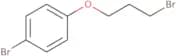
CAS:Versatile small molecule scaffoldFormula:C5H4ClN5Purity:Min. 95%Molecular weight:169.57 g/mol4-Bromophenyl 3-bromopropyl ether
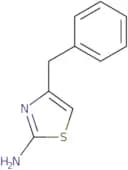
CAS:<p>Versatile small molecule scaffold</p>Formula:C9H10Br2OPurity:Min. 95%Molecular weight:293.99 g/mol4-benzyl-1,3-thiazol-2-amine
CAS:<p>Versatile small molecule scaffold</p>Formula:C10H10N2SPurity:Min. 95%Molecular weight:190.26 g/mol




![[(1E)-4-Bromobut-1-en-1-yl]benzene](/_next/image/?url=https%3A%2Fstatic.cymitquimica.com%2Fproducts%2F3D%2Fthumb-webp%2FHAA51541.webp&w=3840&q=75)

![3-Nitro-6,7,8,9-tetrahydro-5H-benzo[7]annulen-5-one](/_next/image/?url=https%3A%2Fstatic.cymitquimica.com%2Fproducts%2F3D%2Fthumb-webp%2FHAA50793.webp&w=3840&q=75)
![Ethyl [(3-nitrophenyl)carbamoyl]formate](/_next/image/?url=https%3A%2Fstatic.cymitquimica.com%2Fproducts%2F3D%2Fthumb-webp%2FHAA50169.webp&w=3840&q=75)
![7-Chloro-[1,2,4]triazolo[4,3-c]pyrimidin-8-amine](/_next/image/?url=https%3A%2Fstatic.cymitquimica.com%2Fproducts%2F3D%2Fthumb-webp%2FHAA49826.webp&w=3840&q=75)