Building Blocks
This section contains fundamental products for the synthesis of organic and biological compounds. Building blocks are the essential starting materials used to construct complex molecules through various chemical reactions. They play a critical role in drug discovery, material science, and chemical research. At CymitQuimica, we offer a diverse range of high-quality building blocks to support your innovative research and industrial projects, ensuring you have the essential components for successful synthesis.
Subcategories of "Building Blocks"
- Boronic Acids & Boronic Acid Derivatives(5,778 products)
- Chiral Building Blocks(1,242 products)
- Hydrocarbon Building Blocks(6,098 products)
- Organic Building Blocks(61,059 products)
Found 199580 products of "Building Blocks"
Sort by
Purity (%)
0
100
|
0
|
50
|
90
|
95
|
100
N-Methoxy-N-methylbenzamide
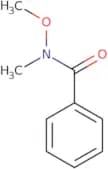
CAS:<p>N-Methoxy-N-methylbenzamide is an amide that has been synthesized and characterized. It is a hydrogen bonding compound with the ability to form stable complexes with boron trifluoride etherate. This complex can be used as a reagent for the synthesis of quinoxalines from carbocations, which are formed by the reaction of trifluoroacetic acid with amides. The synthesis of N-Methoxy-N-methylbenzamide has been shown to be an efficient method for the production of quinoxalines. N-Methoxy-N-methylbenzamide has also been found to have anticancer activity, which may be due to its absorption in the UV region.</p>Formula:C9H11NO2Purity:Min. 95%Molecular weight:165.19 g/mol1-Azidonaphthalene
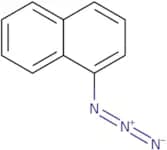
CAS:1-Azidonaphthalene is a chemical species that has an absorption band at around 280 nm. It is used in the optical and vibrational spectroscopy of silver trifluoromethanesulfonate, which is a reactive, azide-forming species. The compound can be obtained by reacting 1-naphthol with sodium azide in the presence of cellulose acetate to form a peroxide and an aromatic acid. 1-Azidonaphthalene is unstable due to its intramolecular hydrogen and reacts with oxygen or ozone to generate other chemical species such as nitrosobenzene and nitrobenzene.Formula:C10H7N3Purity:Min. 95%Molecular weight:169.18 g/mol1-(4-Cyclopropylphenyl)ethanone
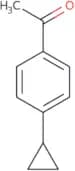
CAS:<p>Versatile small molecule scaffold</p>Formula:C11H12OPurity:Min. 95%Molecular weight:160.22 g/mol1-(4-Cyclobutylphenyl)ethan-1-one
CAS:Versatile small molecule scaffoldFormula:C12H14OPurity:Min. 95%Molecular weight:174.24 g/mol2-(Hydroxymethyl)-2-methylbutanoic acid
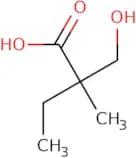
CAS:<p>2-(Hydroxymethyl)-2-methylbutanoic acid is an inducer of microbial growth that can be used in the synthesis of organic acids. It has been shown to be efficient in the synthesis of 2-methyl-3-oxobutyric acid, which is a byproduct of L-malate degradation. The enantiomeric form of 2-(hydroxymethyl)-2-methylbutanoic acid is more effective at inducing the production of organic acids than its enantiomer. The source for this chemical is either from natural sources or from chemical synthesis. The carbon source for this chemical can be sugars, starch, or cellulose. This chemical has been found to increase efficiency in the production of organic acids through enzymatic reactions when used as a culture medium additive.</p>Formula:C6H12O3Purity:Min. 95%Molecular weight:132.16 g/mol2,3-Dimethyl-quinoxaline-5-carboxylic acid
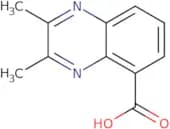
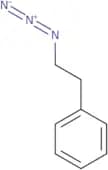
CAS:<p>Versatile small molecule scaffold</p>Formula:C11H10N2O2Purity:Min. 95%Molecular weight:202.21 g/mol(2-Azidoethyl)benzene
CAS:<p>2-Azidoethylbenzene is a coumarin derivative that has been identified as an important bioactive molecule. It is synthesized by the reaction of azides and benzene using a reaction solution. The compound reacts with hydroxyl groups to form a C-N bond, which may be responsible for its biological activity. 2-Azidoethylbenzene has been shown to have anti-leukemia effects in radiation-sensitive leukemia cells. It also has vasodilatory properties that may be related to the increase in blood pressure induced by the compound. 2-Azidoethylbenzene has also been shown to be effective against hypoxia inducible factors such as HIF1α, which are proteins involved in cell growth and proliferation.</p>Formula:C8H9N3Purity:Min. 95%Molecular weight:147.18 g/mol1-Azidohexane
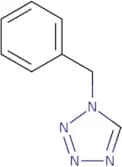
CAS:1-Azidohexane is a nitro-containing molecule that can be used as a receptor binding agent. It binds to the dopamine receptor and has been shown to inhibit tumor growth in mice. 1-Azidohexane has been found to bind to the polymerase chain reaction (PCR) enzyme, which is an enzyme that replicates DNA as part of the process of DNA amplification. The hydroxyl group on the molecule reacts with azides to form cationic polymers that are able to cross membranes and enter cells, which then polymerize inside the cell. This process can be used for gene delivery or for DNA sequencing.Formula:C6H13N3Purity:Min. 95%Molecular weight:127.19 g/mol1-Benzyl-1H-1,2,3,4-tetrazole
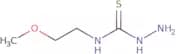
CAS:<p>1-Benzyl-1H-1,2,3,4-tetrazole (BTT) is a tetrazole compound that can be used as an alkylating agent. It reacts with primary amines to form a 1:1 adduct by N-alkylation. The reaction of BTT with azide results in the formation of an azido group. BTT has shown minimal inhibitory concentration against gram-negative bacteria such as Salmonella enterica and Escherichia coli. It also interacts with the molecule's p2 orbital which is predicted to have minimal interaction and reaction intermediates.</p>Formula:C8H8N4Purity:Min. 95%Molecular weight:160.18 g/mol3-Amino-1-(2-methoxyethyl)thiourea
CAS:<p>Versatile small molecule scaffold</p>Formula:C4H11N3OSPurity:Min. 95%Molecular weight:149.22 g/mol4,4-Dimethyl-3-thiosemicarbazide
CAS:<p>Versatile small molecule scaffold</p>Formula:C3H9N3SPurity:Min. 95%Molecular weight:119.19 g/mol2-[2-(Methoxycarbonyl)phenyl]benzoic acid
CAS:<p>2-[2-(Methoxycarbonyl)phenyl]benzoic acid is a colorless crystalline compound that is soluble in water and insoluble in alcohol. It has a constant boiling point at 310°C, with a melting point of 186°C. 2-[2-(Methoxycarbonyl)phenyl]benzoic acid reacts with methyl alcohol and heat to produce methyl benzoate. The reaction rate increases with increasing concentrations of alkaline hydrolysis, monomethyl, and methyl alcohol. The product of the reaction is an anion that can be alkenyl or diphenic depending on the other reactants present. The parameters for this reaction are temperature, kinetics, alkaline hydrolysis, monomethyl, and isopropyl alcohol.</p>Formula:C15H12O4Purity:Min. 95%Molecular weight:256.25 g/mol1,7,7-Trimethylspiro[bicyclo[2.2.1]heptane-2,4'-imidazolidine]-2',5'-dione
CAS:<p>Versatile small molecule scaffold</p>Formula:C12H18N2O2Purity:Min. 95%Molecular weight:222.28 g/mol6,6-Dimethylspiro[bicyclo[3.1.1]heptane-2,2'-oxirane]
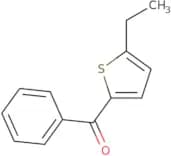
CAS:<p>6,6-Dimethylspiro[bicyclo[3.1.1]heptane-2,2'-oxirane] is an inorganic compound that can be synthesized through the reaction of diphenyl sulfoxide with hydroxyl group. It is a polymerization initiator that is used to produce polymers with cationic polymerization and has been shown to have bactericidal activity against gram-positive bacteria such as Staphylococcus aureus. 6,6-Dimethylspiro[bicyclo[3.1.1]heptane-2,2'-oxirane] is also an excellent chemical for producing epoxides and other organic compounds as products of its reactions.</p>Formula:C10H16OPurity:Min. 95%Molecular weight:152.23 g/mol(5-Ethylthiophen-2-yl)(phenyl)methanone
CAS:<p>Extensive studies have been conducted to investigate the photochemical reactivity of (5-ethylthiophen-2-yl)(phenyl)methanone. The compound is activated by irradiation, and the rate of reaction increases with the intensity of light. Potassium clavulanate enhances this process, increasing the yield of products formed. Studies have shown that carprofen and benoxaprofen inhibit this reaction, which suggests that these drugs may be useful for treating skin diseases caused by bacteria. The ethyl group in (5-ethylthiophen-2-yl)(phenyl)methanone is a nonsteroidal moiety that produces an antibacterial effect. Hplc analysis has shown that clavulanic acid can be used as a constant in a model system to study the interaction between (5-ethylthiophen-2-yl)(phenyl)methanone and bacterial cells in vivo.</p>Formula:C13H12OSPurity:Min. 95%Molecular weight:216.3 g/molEthyl 4-aminobutyrate hydrochloride
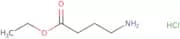
CAS:<p>Ethyl 4-aminobutyrate hydrochloride is a potent inhibitor of matrix metalloproteinases that is used in the treatment of cancer. It has been shown to inhibit the production of lipofuscin and oxidative stress in cell cultures. Ethyl 4-aminobutyrate hydrochloride has also been shown to inhibit the uptake of toxic substances by cells, as well as to suppress degenerative diseases such as Parkinson's disease. This compound is able to inhibit MMPs by competitive inhibition of zinc binding or by binding to the active site. It can also be synthesized chemically using a fluorophore and chemoenzymatic method. The synthesis requires a hydroxide solution and a sodium hydroxide solution.</p>Formula:C6H13NO2·HClPurity:Min. 95%Molecular weight:167.63 g/mol3-(Benzylamino)-2-methylpropanoic acid hydrochloride
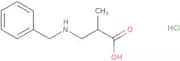
CAS:<p>Versatile small molecule scaffold</p>Formula:C11H16ClNO2Purity:Min. 95%Molecular weight:229.7 g/mol5-Nitro-1H-quinolin-2-one
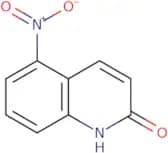
CAS:<p>Versatile small molecule scaffold</p>Formula:C9H6N2O3Purity:Min. 95%Molecular weight:190.16 g/mol1-Bromodocosane
CAS:<p>1-Bromodocosane is a microcapsule that is used as an antimicrobial agent. It consists of a water-soluble polymer, polyvinyl alcohol, which forms a shell around the active ingredient, 1-bromodocosane. The brominated derivative of docosane has been shown to have a profound effect on aliphatic hydrocarbons in plant physiology.</p>Formula:C22H45BrPurity:Min. 95%Molecular weight:389.5 g/mol2-(Heptylamino)acetic acid hydrochloride
CAS:Versatile small molecule scaffoldFormula:C9H20ClNO2Purity:Min. 95%Molecular weight:209.71 g/mol7-Methyl-1-naphthol
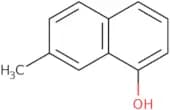
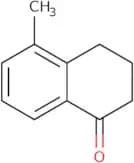
CAS:7-Methyl-1-naphthol is a prenylated aromatic compound that has been shown to have antioxidative properties. This compound has been found in Streptomyces coelicolor and was shown to have an inhibitory effect on the growth of monosubstituted benzenes. 7-Methyl-1-naphthol has also been found to be insoluble in water and does not dissolve in organic solvents, making it difficult to analyse. It is presumed that this compound is present in environmental pollution because it is resistant to peroxide degradation.Formula:C11H10OPurity:Min. 95%Molecular weight:158.2 g/mol5-Methyl-3,4-dihydronaphthalen-1(2H)-one
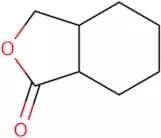
CAS:Versatile small molecule scaffoldFormula:C11H12OPurity:Min. 95%Molecular weight:160.22 g/molrac-(3aR,7aS)-Octahydro-2-benzofuran-1-one
CAS:<p>Racemic octahydro-2-benzofuran-1-one can be synthesized by the electrogenerated method. The reaction of benzyl alcohol and o-toluic acid in dimethylformamide with a constant current of 8 amps produces a constant yield of racemic octahydro-2-benzofuran-1-one. Racemic octahydro-2-benzofuran-1-one can also be synthesized from toluene and perchlorate in anion exchange resin at room temperature. This reaction is conducted for 24 hours, and yields about 60% of the desired product. Racemic octahydro-2-benzofuran 1 one is a colorless liquid that has a boiling point of 138°C at atmospheric pressure, and it has a constant boiling point of 141°C at reduced pressure. It has a density of 0.988 g/mL, and its molecular weight</p>Formula:C8H12O2Purity:Min. 95%Molecular weight:140.18 g/mol3-Chloro-±-methylbenzyl Alcohol
CAS:<p>3-Chloro-±-methylbenzyl Alcohol is an alcohol that can be used as a biocatalyst. It is chiral and has been shown to be an efficient catalyst for the asymmetric synthesis of (R)-2,3-butanediol in the presence of saccharomyces cerevisiae. This compound has also been shown to be an effective optical resolution agent, with a high optical purity and excellent stability in organic solvents. 3-Chloro-±-methylbenzyl Alcohol is useful in the catalyzed conversion of glucose into ethanol, which is a dry weight procedure that does not require water or addition of cosubstrate.</p>Formula:C8H9ClOPurity:Min. 95%Molecular weight:156.61 g/mol2-[2,2-Bis-(1H-indol-3-yl)-ethyl]-phenylamine
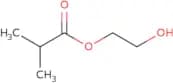
CAS:2-[2,2-Bis-(1H-indol-3-yl)-ethyl]-phenylamine is a drug that inhibits the growth of cancer cells by interfering with the epidermal growth factor receptor, which is a protein involved in cell proliferation. This drug has been shown to be effective against leukemia and breast cancer cells. 2-[2,2-Bis-(1H-indol-3-yl)-ethyl]-phenylamine has also been shown to synergistically interact with light emission and preventative therapies, such as radiation therapy and chemotherapy. The compound has been shown to have an effect on body fat mass and also transport properties for certain drugs.Formula:C24H21N3Purity:Min. 95%Molecular weight:351.4 g/mol2-Hydroxyethyl 2-methylpropanoate
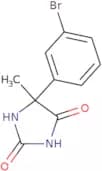
CAS:<p>2-Hydroxyethyl 2-methylpropanoate is a fatty acid ester that has been used as a chemical intermediate in the synthesis of other chemicals. It can be synthesized by reacting a carboxylate with an alcohol, followed by hydrolysis. The reaction is exothermic, and the product has a lipophilic nature. This compound is often used in clinical applications because it is hydrophobic and can form polymers easily.</p>Formula:C6H12O3Purity:Min. 95%Molecular weight:132.16 g/mol5-(3-Bromo-phenyl)-5-methyl-imidazolidine-2,4-dione
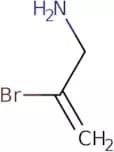
CAS:<p>Versatile small molecule scaffold</p>Formula:C10H9BrN2O2Purity:Min. 95%Molecular weight:269.1 g/mol2-Bromo-allylamine
CAS:<p>2-Bromo-allylamine is an inorganic compound that can be used as a synthetic intermediate for organic synthesis. It has been used to synthesize a variety of compounds, such as pharmaceuticals and agrochemicals. The bromide group is attached to the amine group through an ether bond. Bromoallylation is a chemoenzymatic reaction system that uses 2-bromo-allylamine as an intermediate.<br>2-Bromo-allylamine can also be synthesized by reacting allyl chloride with bromine or chlorodibromomethane in the presence of catalysts such as copper(II) acetate and sodium methoxide. This reaction has been shown to be able to produce 2-bromo-allylamine in high yield without any side reactions.</p>Formula:C3H6BrNPurity:Min. 95%Molecular weight:135.99 g/molN-(3-Bromo-4-methoxyphenyl)acetamide
CAS:<p>Versatile small molecule scaffold</p>Formula:C9H10BrNO2Purity:Min. 95%Molecular weight:244.08 g/mol1-(3-Bromopropyl)-3-methoxybenzene
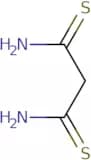
CAS:<p>Versatile small molecule scaffold</p>Formula:C10H13OBrPurity:Min. 95%Molecular weight:229.11 g/molPropanedithioamide
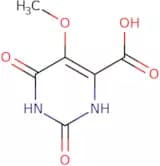
CAS:Propanedithioamide is an organic compound that shows surfactant properties. It has a hydrophobic character and can be used as a coating or stabilizer. Propanedithioamide reacts with metal ions in the environment, such as chloride ions, to form metal-dithiocarbamate complexes that are soluble in organic solvents. The ligand is also able to react with hydroxyl groups on surfaces, which leads to bond cleavage and a new coating. The chemical reactions of propanedithioamide are often used as catalysts for other reactions.Formula:C3H6N2S2Purity:Min. 95%Molecular weight:134.23 g/mol5-Methoxyorotic acid
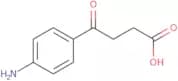
CAS:Versatile small molecule scaffoldFormula:C6H6N2O5Purity:Min. 95%Molecular weight:186.12 g/mol4-(4-Aminophenyl)-4-oxobutanoic acid
CAS:<p>Versatile small molecule scaffold</p>Formula:C10H11NO3Purity:Min. 95%Molecular weight:193.2 g/mol2-Aminocyclohexanone hydrochloride
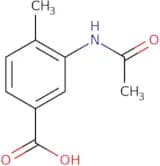
CAS:<p>2-Aminocyclohexanone hydrochloride is a hydroxy nitro compound that has shown inhibitory effects on nicotinic acetylcholine receptors of the crth2 type. It is an aromatic hydrocarbon, which contains a fluorine atom and a nitro group. 2-Aminocyclohexanone hydrochloride is structurally related to pyridine compounds and reacts with chlorine in the presence of acid catalysts. The geometric isomers are designated by the prefixes "cis-" or "trans-" and can be differentiated by their physical properties.</p>Formula:C6H12ClNOPurity:Min. 95%Molecular weight:149.62 g/mol3-Acetamido-4-methylbenzoic acid
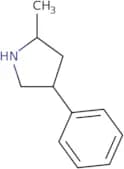
CAS:<p>3-Acetamido-4-methylbenzoic acid is a product of organic synthesis. It is an amide compound and is synthesized by the condensation reaction of cyanamide and aniline. 3-Acetamido-4-methylbenzoic acid has been used in the synthesis of medicines such as nilotinib, which is a tyrosine kinase inhibitor that blocks cancer cell growth.</p>Formula:C10H11NO3Purity:Min. 95%Molecular weight:193.2 g/mol2-Methyl-4-phenylpyrrolidine
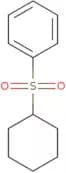
CAS:<p>2-Methyl-4-phenylpyrrolidine is an aryl group that is assembled with a sequence of cyclic, stereoselective, substituent, and organic chemistry. It is reductively alkene and chiral in nature. 2-Methyl-4-phenylpyrrolidine has efficient functional group properties.</p>Formula:C11H15NPurity:Min. 95%Molecular weight:161.24 g/mol(Cyclohexanesulfonyl)benzene
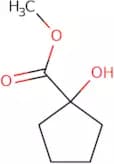
CAS:<p>Cyclohexanesulfonyl)benzene is a chemical compound that can be synthesized by reacting nitrobenzene with benzyl halides in the presence of copper(II) salt. Cyclohexanesulfonyl)benzene can be used for the synthesis of epoxides and anion, which are important intermediates in organic chemistry. Cyclohexanesulfonyl)benzene is also known to have a respiratory disease-preventing effect. It has been shown to prevent radiation-induced damage to the lungs in animals. This effect may be due to its ability to inhibit cyclic nucleotide phosphodiesterase, an enzyme that breaks down cyclic nucleotides and is responsible for bronchoconstriction.</p>Formula:C12H16O2SPurity:Min. 95%Molecular weight:224.32 g/molMethyl 1-hydroxycyclopentane-1-carboxylate
CAS:<p>Versatile small molecule scaffold</p>Formula:C7H12O3Purity:Min. 95%Molecular weight:144.17 g/mol1-[(Methoxycarbonyl)amino]cyclopentane-1-carboxylic acid
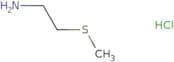
CAS:Versatile small molecule scaffoldFormula:C8H13NO4Purity:Min. 95%Molecular weight:187.19 g/mol2-(Methylthio)ethanamine HCl
CAS:<p>2-Methylthioethanamine HCl is an insecticide that belongs to the group of sulfide compounds. It has been shown to have high insecticidal activity against plutella xylostella at temperatures below 20 degrees Celsius. The bioassay results suggest that 2-Methylthioethanamine HCl is a non-systemic, contact and stomach poison, with no significant toxicity to mammals. This compound has been shown to be photostable and can be used as a stabilizer for perovskite solar cells. 2-Methylthioethanamine HCl inhibits the larval development of Plutella xylostella by interacting with the electron transport chain and blocking ATP synthesis.</p>Formula:C3H10ClNSPurity:Min. 95%Molecular weight:127.64 g/mol[2-(Methylsulfanyl)ethyl]urea
CAS:<p>Versatile small molecule scaffold</p>Formula:C4H10N2OSPurity:Min. 95%Molecular weight:134.2 g/mol3-[(Pyridin-2-ylmethyl)amino]propan-1-ol
CAS:<p>3-[(Pyridin-2-ylmethyl)amino]propan-1-ol is an industrial chemical that is used in the production of peroxy compounds. It is a byproduct of hydrogenation and aluminium production processes, and can be produced using transition metal ions such as copper or nickel. 3-[(Pyridin-2-ylmethyl)amino]propan-1-ol has a low molecular weight, which allows it to be used in a variety of applications. This compound has been shown to interact with adsorption equilibrium and kinetic techniques, as well as being suitable for sustainable development.</p>Formula:C9H14N2OPurity:Min. 95%Molecular weight:166.22 g/mol3-[(Pyridin-3-ylmethyl)amino]propan-1-ol
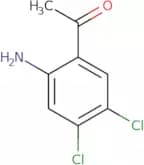
CAS:<p>Versatile small molecule scaffold</p>Formula:C9H14N2OPurity:Min. 95%Molecular weight:166.22 g/mol1-(2-Amino-4,5-dichlorophenyl)ethanone
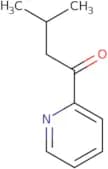
CAS:<p>Versatile small molecule scaffold</p>Formula:C8H7Cl2NOPurity:Min. 95%Molecular weight:204.05 g/mol2-(Isobutylcarbonyl)pyridine
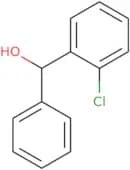
CAS:<p>Versatile small molecule scaffold</p>Formula:C10H13NOPurity:Min. 95%Molecular weight:163.22 g/mol2-Chlorobenzhydrol-d5
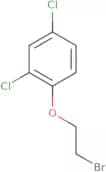
CAS:<p>2-Chlorobenzhydrol-d5 is a ligand that forms complexes with palladium. It is used as a catalyst in the recycling of phosphine, which has been shown to be more efficient than other catalysts. 2-Chlorobenzhydrol-d5 can also react with aldehydes to form carbinols and is used in the production of toluene and diethyl ether. This compound can be isolated by distillation and reused up to six times without significant loss of activity.<br>2-Chlorobenzhydrol-d5 also has volatile properties, so it can be isolated by vacuum distillation and yields are high when compared to other compounds.</p>Formula:C13H6D5ClOPurity:Min. 95%Molecular weight:223.71 g/mol1-(2-Bromoethoxy)-2,4-dichlorobenzene
CAS:<p>Versatile small molecule scaffold</p>Formula:C8H7BrCl2OPurity:Min. 95%Molecular weight:269.96 g/mol2-(4-Bromo-2-methylphenoxy)acetic acid
CAS:<p>2-(4-Bromo-2-methylphenoxy)acetic acid is a sulfonated phenolic compound that is synthesized by the sulfurylation of 2-methylphenoxyacetic acid with sulfuryl chloride. It has been used as a chemical intermediate in the synthesis of various drugs, such as triethanolamine. 2-(4-Bromo-2-methylphenoxy)acetic acid can also be used to produce fluorinated compounds, such as pentafluoropropionic and hexafluoroacetic acids. The chlorination reaction is an efficient method for the production of this compound.</p>Formula:C9H9BrO3Purity:Min. 95%Molecular weight:245.08 g/molEthyl 2,2-dichloro-2-ethoxyacetate
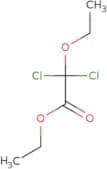
CAS:Ethyl 2,2-dichloro-2-ethoxyacetate is a heterocyclic chemical substance that has been used as an analytical reagent for the detection of chloride ions. It can be used as an enhancer to increase the sensitivity and selectivity of various analytical methods. This compound has also been shown to have a high degree of sensitivity and high selectivity for benzofuran, which is a heterocycle with two double bonds in its ring system. Ethyl 2,2-dichloro-2-ethoxyacetate has since been used as a reference standard for the analysis of oxazole and naphthyl compounds by GC/MS.Formula:C6H10Cl2O3Purity:Min. 95%Molecular weight:201.04 g/mol4,6-dichloro-N-methylpyrimidin-5-amine
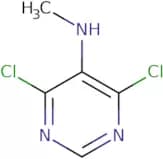
CAS:Versatile small molecule scaffoldFormula:C5H5Cl2N3Purity:Min. 95%Molecular weight:178 g/mol




![2-[2-(Methoxycarbonyl)phenyl]benzoic acid](/_next/image/?url=https%3A%2Fstatic.cymitquimica.com%2Fproducts%2F3D%2Fthumb-webp%2FGAA92684.webp&w=3840&q=75)
![1,7,7-Trimethylspiro[bicyclo[2.2.1]heptane-2,4'-imidazolidine]-2',5'-dione](/_next/image/?url=https%3A%2Fstatic.cymitquimica.com%2Fproducts%2F3D%2Fthumb-webp%2FGAA92930.webp&w=3840&q=75)
![6,6-Dimethylspiro[bicyclo[3.1.1]heptane-2,2'-oxirane]](/_next/image/?url=https%3A%2Fstatic.cymitquimica.com%2Fproducts%2F3D%2Fthumb-webp%2FGAA93154.webp&w=3840&q=75)



![2-[2,2-Bis-(1H-indol-3-yl)-ethyl]-phenylamine](/_next/image/?url=https%3A%2Fstatic.cymitquimica.com%2Fproducts%2F3D%2Fthumb-webp%2FGAA94173.webp&w=3840&q=75)



![1-[(Methoxycarbonyl)amino]cyclopentane-1-carboxylic acid](/_next/image/?url=https%3A%2Fstatic.cymitquimica.com%2Fproducts%2F3D%2Fthumb-webp%2FGAA94976.webp&w=3840&q=75)
![[2-(Methylsulfanyl)ethyl]urea](/_next/image/?url=https%3A%2Fstatic.cymitquimica.com%2Fproducts%2F3D%2Fthumb-webp%2FGAA95055.webp&w=3840&q=75)
![3-[(Pyridin-2-ylmethyl)amino]propan-1-ol](/_next/image/?url=https%3A%2Fstatic.cymitquimica.com%2Fproducts%2F3D%2Fthumb-webp%2FGAA95099.webp&w=3840&q=75)
![3-[(Pyridin-3-ylmethyl)amino]propan-1-ol](/_next/image/?url=https%3A%2Fstatic.cymitquimica.com%2Fproducts%2F3D%2Fthumb-webp%2FGAA95100.webp&w=3840&q=75)