Building Blocks
This section contains fundamental products for the synthesis of organic and biological compounds. Building blocks are the essential starting materials used to construct complex molecules through various chemical reactions. They play a critical role in drug discovery, material science, and chemical research. At CymitQuimica, we offer a diverse range of high-quality building blocks to support your innovative research and industrial projects, ensuring you have the essential components for successful synthesis.
Subcategories of "Building Blocks"
- Boronic Acids & Boronic Acid Derivatives(5,778 products)
- Chiral Building Blocks(1,242 products)
- Hydrocarbon Building Blocks(6,098 products)
- Organic Building Blocks(61,084 products)
Found 198714 products of "Building Blocks"
Sort by
Purity (%)
0
100
|
0
|
50
|
90
|
95
|
100
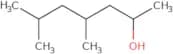
4,6-Dimethylheptan-2-ol
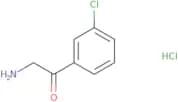
CAS:<p>Versatile small molecule scaffold</p>Formula:C9H20OPurity:Min. 95%Molecular weight:144.25 g/mol2-Amino-1-(3-chlorophenyl)ethanone hydrochloride
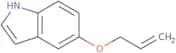
CAS:Controlled ProductVersatile small molecule scaffoldFormula:C8H9Cl2NOPurity:Min. 95%Molecular weight:206.07 g/mol5-(Prop-2-en-1-yloxy)-1H-indole
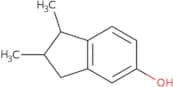
CAS:<p>5-(Prop-2-en-1-yloxy)-1H-indole is a synthetic compound that acts as a dopaminergic agonist. It has been shown to induce thermolysis in the presence of organic solvents, such as ether and benzene. 5-(Prop-2-en-1-yloxy)-1H-indole has been used in the synthesis of ellipticines, which are examples of dibenzofuran derivatives. This compound has also been used in multistep synthesis reactions, including filtration and recrystallization.</p>Formula:C11H11NOPurity:Min. 95%Molecular weight:173.21 g/mol1,2-Dimethyl-2,3-dihydro-1H-inden-5-ol
CAS:Versatile small molecule scaffoldFormula:C11H14OPurity:Min. 95%Molecular weight:162.23 g/mol2-[(4-Ethoxyphenyl)sulfanyl]acetic acid
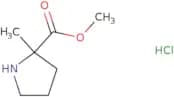
CAS:<p>Versatile small molecule scaffold</p>Formula:C10H12O3SPurity:Min. 95%Molecular weight:212.27 g/molMethyl 2-methylpyrrolidine-2-carboxylate hydrochloride
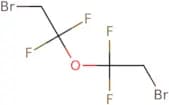
CAS:Versatile small molecule scaffoldFormula:C7H14ClNO2Purity:Min. 95%Molecular weight:179.64 g/mol2-Bromo-1-(2-bromo-1,1-difluoroethoxy)-1,1-difluoroethane
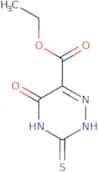
CAS:Versatile small molecule scaffoldFormula:C4H4Br2F4OPurity:Min. 95%Molecular weight:303.88 g/molEthyl 5-oxo-3-thioxo-2H-1,2,4-triazine-6-carboxylate
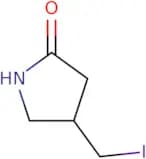
CAS:Ethyl 5-oxo-3-thioxo-2H-1,2,4-triazine-6-carboxylate is an acid ethyl ester of the triazine compound ethyl 3,5,6,7,8,-tetrahydro-2H-[1]benzothiopyran-2,4(3H)-dione. It has been shown to inhibit bacterial growth by binding to the enzyme ribonucleotide reductase.Formula:C6H7N3O3SPurity:Min. 95%Molecular weight:201.21 g/mol4-(Iodomethyl)pyrrolidin-2-one
CAS:<p>Versatile small molecule scaffold</p>Formula:C5H8INOPurity:Min. 95%Molecular weight:225.03 g/mol3-Methyl-3,8-diaza-bicyclo[3.2.1]octane
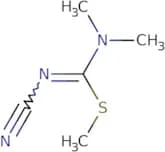
CAS:<p>Versatile small molecule scaffold</p>Formula:C7H14N2Purity:Min. 95%Molecular weight:126.2 g/molN'-Cyano-N,N-dimethyl(methylsulfanyl)methanimidamide
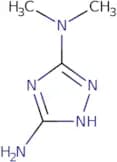
CAS:Versatile small molecule scaffoldFormula:C5H9N3SPurity:Min. 95%Molecular weight:143.21 g/mol3-N,3-N-Dimethyl-1H-1,2,4-triazole-3,5-diamine
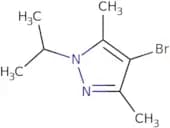
CAS:<p>Versatile small molecule scaffold</p>Formula:C4H9N5Purity:Min. 95%Molecular weight:127.15 g/mol4-Bromo-3,5-dimethyl-1-(propan-2-yl)-1H-pyrazole
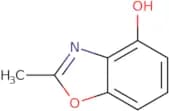
CAS:Versatile small molecule scaffoldFormula:C8H13BrN2Purity:Min. 95%Molecular weight:217.11 g/mol2-Methyl-1,3-benzoxazol-4-ol
CAS:<p>2-Methyl-1,3-benzoxazol-4-ol is a planar torsion with a chloride. The crystal structure of 2-Methyl-1,3-benzoxazol-4-ol has been solved by XRD and the molecular weight was found to be 253.2 g/mol. The chemical formula for 2-Methyl-1,3-benzoxazol-4-ol is C11H12ClNO2. <br>The benzoxazole ring in 2 methyl 1,3 benzoxazole 4 ol is planar and contains two methyl groups on the 4 position. This molecule can exist as either cis or trans form depending on the geometry of the molecule. The cis form has two hydrogen atoms on the opposite side of the molecule to each other whereas in trans it has only one hydrogen atom on opposite sides of the molecule. These two forms are not interchangeable and have different physical properties such as</p>Formula:C8H7NO2Purity:Min. 95%Molecular weight:149.15 g/mol2-Carboxyethyl(triphenyl)phosphonium bromide
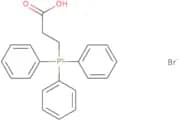
CAS:<p>2-Carboxyethyl(triphenyl)phosphonium bromide is a phosphonium salt that inhibits the adenosine receptors. It is also shown to have anti-cancer effects on cells. 2-Carboxyethyl(triphenyl)phosphonium bromide has been shown to inhibit the growth of cancer cells in cell culture and in animal models. It has been proposed as a potential therapeutic agent for neurodegenerative diseases, such as Parkinson's disease and Huntington's disease, due to its ability to inhibit the activity of the enzyme formylation. The drug binds to nucleophilic sites on proteins, which may be due to its structure activity relationship with adenosine receptors. The synthesis of this drug involves ethyl formate as a starting material, which undergoes an amination reaction with diisobutylaluminium followed by formylation with dibromomethane in acid catalyst conditions.</p>Formula:C21H20O2PBrPurity:Min. 95%Molecular weight:415.26 g/mol1-(5-Methyl-1-phenyl-1H-1,2,3-triazol-4-yl)ethan-1-one
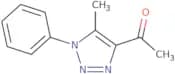
CAS:Versatile small molecule scaffoldFormula:C11H11N3OPurity:Min. 95%Molecular weight:201.22 g/molPyrazolo[1,5-a]pyridin-3-ol
CAS:<p>Versatile small molecule scaffold</p>Formula:C7H6N2OPurity:Min. 95%Molecular weight:134.14 g/mol2-Aminopyrazolo[1,5-a]pyridine
CAS:<p>2-Aminopyrazolo[1,5-a]pyridine is a chemical compound that yields yellow crystals. It cyclizes in the presence of acid to form 2,6-diaminopyrazolo[1,5-a]pyridine. The cyclization reaction can be used for the synthesis of other compounds as well.</p>Formula:C7H7N3Purity:Min. 95%Molecular weight:133.15 g/mol2-Amino-3-[(2-methoxy-2-oxoethyl)sulfanyl]propanoic acid
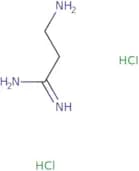
CAS:Versatile small molecule scaffoldFormula:C6H11NO4SPurity:Min. 95%Molecular weight:193.2 g/mol3-Aminopropanimidamide dihydrochloride
CAS:Versatile small molecule scaffoldFormula:C3H11Cl2N3Purity:Min. 95%Molecular weight:160.04 g/mol9-Oxa-6-azaspiro[4.5]decane
CAS:<p>Versatile small molecule scaffold</p>Formula:C8H15NOPurity:Min. 95%Molecular weight:141.21 g/mol8-Oxa-1-azaspiro[4.5]decane
CAS:<p>Versatile small molecule scaffold</p>Formula:C8H15NOPurity:Min. 95%Molecular weight:141.21 g/mol1-Bromo-4-N-phthalimido-2-butanone
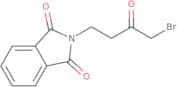
CAS:<p>1-Bromo-4-N-phthalimido-2-butanone is a quinazolinone that has been shown to be active against a number of bacterial strains, including Staphylococcus aureus, Salmonella typhi, and Escherichia coli. It also has cytotoxic effects on the human breast cancer cell line MCF-7. 1-Bromo-4-N-phthalimido-2-butanone has been shown to inhibit the growth of human prostate cancer cells by binding to the DNA in these cells and inhibiting RNA synthesis. This drug also prevents the development of influenza A virus in mice by acting as an analgesic and an antitumor agent. The antiinflammatory activities of 1BBA may be due to its inhibition of prostaglandin synthesis.</p>Formula:C12H10BrNO3Purity:Min. 95%Molecular weight:296.12 g/mol2-(Imidazo[1,2-a]pyridin-2-yl)ethanamine dihydrochloride
CAS:<p>Versatile small molecule scaffold</p>Formula:C9H13Cl2N3Purity:Min. 95%Molecular weight:234.13 g/mol2-{5H,6H,7H,8H-Imidazo[1,2-a]pyridin-2-yl}ethan-1-amine
CAS:Versatile small molecule scaffoldFormula:C9H15N3Purity:Min. 95%Molecular weight:165.24 g/mol2-Chloro-1-{imidazo[1,5-a]pyridin-1-yl}ethan-1-one
CAS:Versatile small molecule scaffoldFormula:C9H7ClN2OPurity:Min. 95%Molecular weight:194.62 g/mol1-[2-(Morpholin-4-yl)ethyl]piperidin-4-one
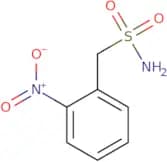
CAS:Versatile small molecule scaffoldFormula:C11H20N2O2Purity:Min. 95%Molecular weight:212.29 g/mol(2-Nitrophenyl)methanesulfonamide
CAS:<p>Versatile small molecule scaffold</p>Formula:C7H8N2O4SPurity:Min. 95%Molecular weight:216.22 g/mol1,3-Diazaspiro[4.5]decane-2,4,8-trione
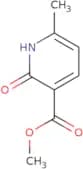
CAS:<p>Versatile small molecule scaffold</p>Formula:C8H10N2O3Purity:Min. 95%Molecular weight:182.18 g/mol6-Methyl-2-oxo-1,2-dihydro-pyridine-3-carboxylic acid methyl ester
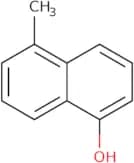
CAS:6-Methyl-2-oxo-1,2-dihydro-pyridine-3-carboxylic acid methyl ester is a molecule that is emitted by the combustion of coal and oil. It has a protonated nitrogen atom, which can be transferred to an electron in an excited state. This transfer is accomplished through fluorescence or n-hexane. The hydroxyl group on the 6-methyl group can be measured as well as the constant and transfer rates. Molecular properties include a tautomeric form, pyridine nitrogen protonation, and n-hexane solvation.Formula:C8H9NO3Purity:Min. 95%Molecular weight:167.16 g/mol5-Methylnaphthalen-1-ol
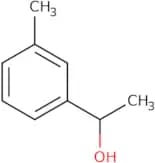
CAS:<p>Versatile small molecule scaffold</p>Formula:C11H10OPurity:Min. 95%Molecular weight:158.2 g/mol(1S)-1-(3-Methylphenyl)ethan-1-ol
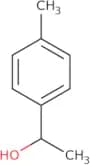
CAS:<p>Versatile small molecule scaffold</p>Formula:C9H12OPurity:Min. 95%Molecular weight:136.19 g/mol(1S)-1-(4-Methylphenyl)ethan-1-ol
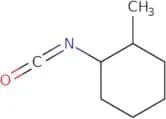
CAS:<p>Versatile small molecule scaffold</p>Formula:C9H12OPurity:Min. 95%Molecular weight:136.19 g/mol1-Isocyanato-2-methylcyclohexanes
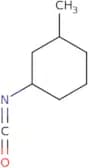
CAS:<p>1-Isocyanato-2-methylcyclohexanes is an organic compound with a molecular weight of 210.1 g/mol. It is a colorless liquid that has an odor similar to that of acetone. 1-Isocyanato-2-methylcyclohexanes has been shown to inhibit mitochondrial protein synthesis, which may be due to its ability to introduce mutations in the mitochondrial genome. 1-Isocyanato-2-methylcyclohexanes also interacts with human neurodegenerative diseases such as Parkinson's disease and Alzheimer's disease, and may have therapeutic effects against these diseases. The oral bioavailability of this drug is low, but it has been shown to be effective in the treatment of Parkinson's disease and Alzheimer's disease when administered intravenously. This drug has not yet been approved for use by the FDA and is still undergoing clinical trials for safety and efficacy</p>Formula:C8H13NOPurity:Min. 95%Molecular weight:139.2 g/mol1-Isocyanato-3-methylcyclohexane
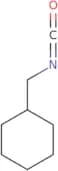
CAS:<p>Versatile small molecule scaffold</p>Formula:C8H13NOPurity:Min. 95%Molecular weight:139.19 g/molCyclohexanemethyl isocyanate
CAS:<p>Cyclohexanemethyl isocyanate is a reactive carboxylate. It is used as a polymerization initiator for polyurethane coatings, binders, and adhesives. It reacts with primary amino groups in the presence of an alkali metal to form ureas and amines. Cyclohexanemethyl isocyanate also reacts with hydroxyl groups to form esters or ethers. This compound has functional groups that include a primary amino group, a hydroxyl group, and a zirconium oxide group.</p>Formula:C8H13NOPurity:Min. 95%Molecular weight:139.2 g/mol2-[(6-Methylpyrimidin-4-yl)amino]acetic acid
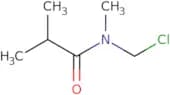
CAS:Versatile small molecule scaffoldFormula:C7H9N3O2Purity:Min. 95%Molecular weight:167.17 g/molN-(Chloromethyl)-N-methylisobutyramide
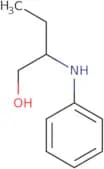
CAS:Versatile small molecule scaffoldFormula:C6H12ClNOPurity:Min. 95%Molecular weight:149.62 g/mol2-(Phenylamino)butan-1-ol
CAS:<p>Versatile small molecule scaffold</p>Formula:C10H15NOPurity:Min. 95%Molecular weight:165.23 g/molMethyl 5-cyanopicolinate
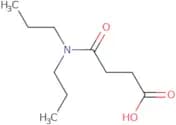
CAS:<p>Methyl 5-cyanopicolinate is a medicinal compound that is used in the treatment of various diseases. It has been shown to block the activation of plasminogen by plasmin, which prevents the breakdown of fibrin and other proteins. Methyl 5-cyanopicolinate has also been found to be an inhibitor of acetylcholinesterase, which leads to increased acetylcholine levels in the brain and can be used for the treatment of Alzheimer's disease. The synthesis and chemical studies of this substance are still ongoing.</p>Formula:C8H6N2O2Purity:Min. 95%Molecular weight:162.15 g/mol3-(Dipropylcarbamoyl)propanoic acid
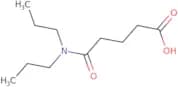
CAS:<p>Versatile small molecule scaffold</p>Formula:C10H19NO3Purity:Min. 95%Molecular weight:201.26 g/mol4-(Dipropylcarbamoyl)butanoic acid
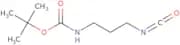
CAS:<p>Versatile small molecule scaffold</p>Formula:C11H21NO3Purity:Min. 95%Molecular weight:215.29 g/moltert-Butyl N-(3-isocyanatopropyl)carbamate
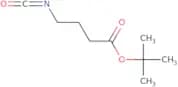
CAS:<p>Versatile small molecule scaffold</p>Formula:C9H16N2O3Purity:Min. 95%Molecular weight:200.2 g/moltert-Butyl 4-isocyanatobutanoate
CAS:<p>Versatile small molecule scaffold</p>Formula:C9H15NO3Purity:Min. 95%Molecular weight:185.22 g/molBoc-3-exo-aminobicyclo[2.2.1]-heptane-2-exo-carboxylic acid
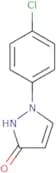
CAS:Versatile small molecule scaffoldFormula:C13H21NO4Purity:Min. 95%Molecular weight:255.32 g/mol1-(4-Chlorophenyl)-1,2-dihydro-3H-pyrazol-3-one
CAS:1-(4-Chlorophenyl)-1,2-dihydro-3H-pyrazol-3-one is a synthetic oxidant that reacts with hydrogen peroxide and nitric acid to produce an intermediate which can be used as a pesticide. This compound has also been used in the production of acrylics, as well as in the synthesis of organic compounds. The reaction time for this compound is optimal at room temperature and produces the best results when using an organic solvent. 1-(4-Chlorophenyl)-1,2-dihydro-3H-pyrazol-3-one should be stored under a nitrogen atmosphere to avoid oxidation.Formula:C9H7ClN2OPurity:Min. 95%Molecular weight:194.62 g/mol3-(Bromomethyl)-1,1-dimethylcyclobutane
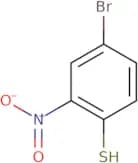
CAS:<p>Versatile small molecule scaffold</p>Formula:C7H13BrPurity:Min. 95%Molecular weight:177.09 g/mol4-Bromo-2-nitrothiophenol
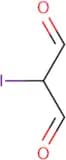
CAS:<p>Versatile small molecule scaffold</p>Formula:C6H4BrNO2SPurity:Min. 95%Molecular weight:234.07 g/mol2-Iodopropanedial
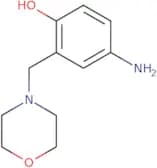
CAS:<p>2-Iodopropanedial is a pyridine compound. It is used as an antineoplastic agent in the treatment of cancer and damages cellular DNA by binding to nucleic acids and inhibiting protein synthesis. 2-Iodopropanedial also has acrylonitrile, a spectrum that includes antitumor activity and herbicides. 2-Iodopropanedial is an aromatic compound with carboxylic and ethynyl groups. The c-c bond provides its anti-tumor properties.</p>Formula:C3H3IO2Purity:Min. 95%Molecular weight:197.96 g/mol4-Amino-2-(morpholin-4-ylmethyl)phenol
CAS:<p>Versatile small molecule scaffold</p>Formula:C11H16N2O2Purity:Min. 95%Molecular weight:208.26 g/mol

![2-[(4-Ethoxyphenyl)sulfanyl]acetic acid](/_next/image/?url=https%3A%2Fstatic.cymitquimica.com%2Fproducts%2F3D%2Fthumb-webp%2FBCA09445.webp&w=3840&q=75)
![3-Methyl-3,8-diaza-bicyclo[3.2.1]octane](/_next/image/?url=https%3A%2Fstatic.cymitquimica.com%2Fproducts%2F3D%2Fthumb-webp%2FBCA10241.webp&w=3840&q=75)
![Pyrazolo[1,5-a]pyridin-3-ol](/_next/image/?url=https%3A%2Fstatic.cymitquimica.com%2Fproducts%2F3D%2Fthumb-webp%2FBCA11868.webp&w=3840&q=75)
![2-Aminopyrazolo[1,5-a]pyridine](/_next/image/?url=https%3A%2Fstatic.cymitquimica.com%2Fproducts%2F3D%2Fthumb-webp%2FBCA11905.webp&w=3840&q=75)
![2-Amino-3-[(2-methoxy-2-oxoethyl)sulfanyl]propanoic acid](/_next/image/?url=https%3A%2Fstatic.cymitquimica.com%2Fproducts%2F3D%2Fthumb-webp%2FBCA12486.webp&w=3840&q=75)
![9-Oxa-6-azaspiro[4.5]decane](/_next/image/?url=https%3A%2Fstatic.cymitquimica.com%2Fproducts%2F3D%2Fthumb-webp%2FBCA13061.webp&w=3840&q=75)
![8-Oxa-1-azaspiro[4.5]decane](/_next/image/?url=https%3A%2Fstatic.cymitquimica.com%2Fproducts%2F3D%2Fthumb-webp%2FBCA13063.webp&w=3840&q=75)
![2-(Imidazo[1,2-a]pyridin-2-yl)ethanamine dihydrochloride](/_next/image/?url=https%3A%2Fstatic.cymitquimica.com%2Fproducts%2F3D%2Fthumb-webp%2FBCA13202.webp&w=3840&q=75)
![2-{5H,6H,7H,8H-Imidazo[1,2-a]pyridin-2-yl}ethan-1-amine](/_next/image/?url=https%3A%2Fstatic.cymitquimica.com%2Fproducts%2F3D%2Fthumb-webp%2FBCA13204.webp&w=3840&q=75)
![2-Chloro-1-{imidazo[1,5-a]pyridin-1-yl}ethan-1-one](/_next/image/?url=https%3A%2Fstatic.cymitquimica.com%2Fproducts%2F3D%2Fthumb-webp%2FBCA13206.webp&w=3840&q=75)
![1-[2-(Morpholin-4-yl)ethyl]piperidin-4-one](/_next/image/?url=https%3A%2Fstatic.cymitquimica.com%2Fproducts%2F3D%2Fthumb-webp%2FBCA13777.webp&w=3840&q=75)
![1,3-Diazaspiro[4.5]decane-2,4,8-trione](/_next/image/?url=https%3A%2Fstatic.cymitquimica.com%2Fproducts%2F3D%2Fthumb-webp%2FBCA14574.webp&w=3840&q=75)
![2-[(6-Methylpyrimidin-4-yl)amino]acetic acid](/_next/image/?url=https%3A%2Fstatic.cymitquimica.com%2Fproducts%2F3D%2Fthumb-webp%2FBCA16363.webp&w=3840&q=75)

![Boc-3-exo-aminobicyclo[2.2.1]-heptane-2-exo-carboxylic acid](/_next/image/?url=https%3A%2Fstatic.cymitquimica.com%2Fproducts%2F3D%2Fthumb-webp%2FBDA19837.webp&w=3840&q=75)