Building Blocks
This section contains fundamental products for the synthesis of organic and biological compounds. Building blocks are the essential starting materials used to construct complex molecules through various chemical reactions. They play a critical role in drug discovery, material science, and chemical research. At CymitQuimica, we offer a diverse range of high-quality building blocks to support your innovative research and industrial projects, ensuring you have the essential components for successful synthesis.
Subcategories of "Building Blocks"
- Boronic Acids & Boronic Acid Derivatives(5,778 products)
- Chiral Building Blocks(1,242 products)
- Hydrocarbon Building Blocks(6,098 products)
- Organic Building Blocks(61,063 products)
Found 197855 products of "Building Blocks"
Sort by
Purity (%)
0
100
|
0
|
50
|
90
|
95
|
100
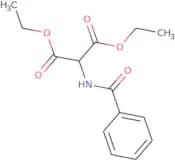
Diethyl benzoylaminomalonate
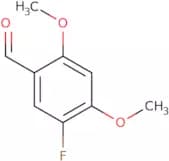
CAS:<p>Diethyl benzoylaminomalonate is a hypoglycemic agent that was found to reduce the levels of low density lipoproteins (LDL) and increase the levels of high density lipoproteins (HDL). It also has an anti-atherogenic effect. Diethyl benzoylaminomalonate has been shown to be effective in lowering LDL cholesterol and increasing HDL cholesterol, which helps to prevent atherosclerosis. In addition, this drug is used as a disinfectant and medicine. This active compound reacts with phosphorus pentoxide, forming a white precipitate that can be filtered out. Diethyl benzoylaminomalonate can also react with sodium carbonate to form cyanuric acid chloride, which can then react with chlorine gas to form carboxylic acid chloride, or it can react with hydrochloric acid to form chloride ions.</p>Formula:C14H17NO5Purity:Min. 95%Molecular weight:279.29 g/mol5-Fluoro-2,4-dimethoxybenzaldehyde
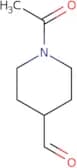
CAS:<p>Versatile small molecule scaffold</p>Formula:C9H9FO3Purity:Min. 95%Molecular weight:184.16 g/mol1-Acetyl-piperidine-4-carbaldehyde
CAS:<p>Versatile small molecule scaffold</p>Formula:C8H13NO2Purity:Min. 95%Molecular weight:155.2 g/molBenzyl 2-bromo-2,2-difluoroacetate
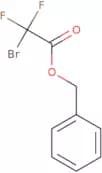
CAS:Benzyl 2-bromo-2,2-difluoroacetate (BBDFA) is a synthetic drug that is used as an inhibitor of human leukocyte elastase. It is used in diagnostic and industrial process to inhibit the proteolytic activity of leukocyte elastase. This compound has been shown to be effective in the treatment of degenerative diseases such as Alzheimer's disease and Parkinson's disease. The inhibition of leukocyte elastase by BBDFA may provide a therapeutic benefit by reducing the levels of extracellular matrix degradation products from tissue or organs. Benzyl 2-bromo-2,2-difluoroacetate is synthesized by reacting cyclic acetal with bromine followed by reaction with difluoroacetic acid. The compound inhibits the enzyme proteolytic through binding to its active site, which blocks access to substrate peptides.Formula:C9H7BrF2O2Purity:Min. 95%Molecular weight:265.05 g/mol3,5-Bis(trifluoromethyl)cinnamic acid
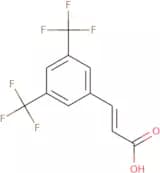
CAS:<p>3,5-Bis(trifluoromethyl)cinnamic acid is a hydrophobic molecule that can be encapsulated in nanocarriers and used for drug delivery. The encapsulation of hydrophobic molecules in nanocarriers can increase their solubility and stability. 3,5-Bis(trifluoromethyl)cinnamic acid has been shown to form micelles with ethylene oxide chains. Micelles are spherical structures formed by amphiphilic molecules that have both a hydrophobic and a hydrophilic end. This characteristic allows the micelles to self-assemble when they are mixed with water or other polar liquids such as oil. 3,5-Bis(trifluoromethyl)cinnamic acid is also an antagonist at the CXCR1 receptor, which is involved in inflammatory processes.</p>Formula:C11H6F6O2Purity:Min. 95%Molecular weight:284.15 g/mol4-IBP
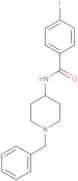
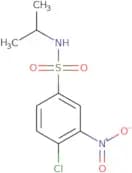
CAS:4-IBP is a drug candidate for prostate cancer. It has been shown to inhibit tumor cell growth and induce autophagy, which is a process whereby cells can eliminate damaged proteins and organelles. 4-IBP also inhibits the uptake of glucosylceramide, which is required for the synthesis of complex lipids that are important in cellular signaling pathways. 4-IBP is able to bind with human protein and inhibit serotonin reuptake inhibitor. This drug also binds with receptors that are involved in the inhibition of prostate cancer cell proliferation.Formula:C19H21IN2OPurity:Min. 95%Molecular weight:420.29 g/mol4-Chloro-3-nitro-N-(propan-2-yl)benzene-1-sulfonamide
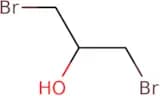
CAS:Versatile small molecule scaffoldFormula:C9H11ClN2O4SPurity:Min. 95%Molecular weight:278.71 g/mol1,3-Dibromo-2-propanol (stabilized with Copper chip)
CAS:<p>1,3-Dibromo-2-propanol (stabilized with Copper chip) is an organic compound that belongs to the group of diacids. It is a colorless liquid with a pungent odor. 1,3-Dibromo-2-propanol has been synthetically prepared from hexane and allyl bromide. The product can be used agriculturally as a halogenated hydrocarbon solvent or as an intermediate in the synthesis of other chemicals. 1,3-Dibromo-2-propanol reacts with nucleophiles such as halides and carboxylates to produce unsymmetrical aldehydes. This reaction is catalyzed by hypobromous acid (HOBr). The product also reacts with carboxylic acid chlorides to form nucleophilic carboxylates. 1,3-Dibromo-2-propanol contains chiral centers and</p>Formula:C3H6Br2OPurity:Min. 95%Molecular weight:217.89 g/mol1,2,3-Trichloropropene
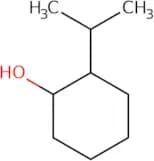
CAS:<p>1,2,3-Trichloropropene is an organic compound that is used as a chemical intermediate in the production of other chemicals. It has been shown to inhibit the activity of certain enzymes and may be useful in the treatment of influenza virus infection. The chemical has also been detected at high levels in Covid-19 pandemic samples. 1,2,3-Trichloropropene is a hydrated molecule that consists of three chlorine atoms bonded to one carbon atom. This compound does not react with itself or with other molecules at room temperature. At higher temperatures (over 100 degrees Celsius), it reacts with nucleophiles such as water or alcohols to form chlorohydrins. It can also react with silver ions to form chloride complexes that are soluble in water and can be removed by washing.<br>1,2,3-Trichloropropene has two isomers: cis and trans. The cis isomer is more reactive than the trans isomer</p>Formula:C3H3Cl3Purity:Min. 95%Molecular weight:145.41 g/mol2-Isopropylcyclohexan-1-ol
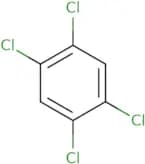
CAS:<p>2-Isopropylcyclohexan-1-ol is a nonpolar organic compound with a high boiling point. It is used in the industrial production of β-lactam antibiotics, such as cephalosporins and carbapenems. The synthesis of 2-isopropylcyclohexanol involves an asymmetric process that produces two enantiomers. One enantiomer can be converted to an α-hydroxy acid (2-isopropylmalic acid) and the other to a β hydroxy acid (2-isobutyric acid). 2-Isopropylcyclohexan-1-ol is also used in chromatographic science as a solute for column chromatography. It has been shown that magnesium sulfate can be used to increase the separation efficiency of 2-isopropylcyclohexanol, which may be because it increases the adsorption of this solute on silica</p>Formula:C9H18OPurity:Min. 95%Molecular weight:142.24 g/mol1,2,4,5-Tetrachlorobenzene
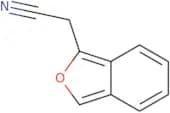
CAS:<p>1,2,4,5-Tetrachlorobenzene is a chlorinated aromatic compound that is used as an industrial chemical and in wastewater treatment. It has been detected in the atmosphere at low levels and is present in small quantities in some food products. The toxicity of 1,2,4,5-tetrachlorobenzene to animals has been studied by observing the effects on aminotransferase activity after oral exposure. Acute toxicity studies have shown that 1,2,4,5-tetrachlorobenzene causes dose-dependent inhibition of enzyme activity following administration. It has also been found to be toxic to plants with a half-maximal inhibitory concentration (IC50) of 0.32 mg/L.</p>Formula:C6H2Cl4Purity:Min. 95%Molecular weight:215.89 g/mol(Benzofuran-2-yl)acetonitrile
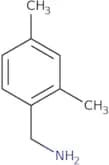
CAS:<p>Versatile small molecule scaffold</p>Formula:C10H7NOPurity:Min. 95%Molecular weight:157.17 g/mol(2,4-Dimethylphenyl)methanamine
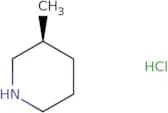
CAS:<p>Versatile small molecule scaffold</p>Formula:C9H13NPurity:Min. 95%Molecular weight:135.21 g/mol(S)-3-Methylpiperidine hydrochloride
CAS:<p>Versatile small molecule scaffold</p>Formula:C6H14ClNPurity:Min. 95%Molecular weight:135.64 g/mol5-Oxo-hexahydropyrrolo[2,1-b][1,3]thiazole-7a-carboxylic acid
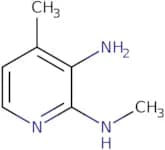
CAS:Versatile small molecule scaffoldFormula:C7H9NO3SPurity:Min. 95%Molecular weight:187.22 g/molN2,4-Dimethylpyridine-2,3-diamine
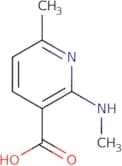
CAS:<p>Versatile small molecule scaffold</p>Formula:C7H11N3Purity:Min. 95%Molecular weight:137.18 g/mol6-Methyl-2-(methylamino)pyridine-3-carboxylic acid
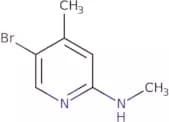
CAS:Versatile small molecule scaffoldFormula:C8H10N2O2Purity:Min. 95%Molecular weight:166.18 g/mol5-Bromo-2-methylamino-4-picoline
CAS:Versatile small molecule scaffoldFormula:C7H9BrN2Purity:Min. 95%Molecular weight:201.64 g/mol2-Amino-4H,5H,6H,7H,8H-[1,3]thiazolo[5,4-c]azepin-4-one
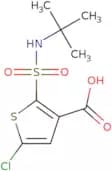
CAS:Versatile small molecule scaffoldFormula:C7H9N3OSPurity:Min. 95%Molecular weight:183.23 g/mol2-(tert-Butylsulfamoyl)-5-chlorothiophene-3-carboxylic acid
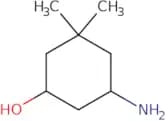
CAS:<p>Versatile small molecule scaffold</p>Formula:C9H12ClNO4S2Purity:Min. 95%Molecular weight:297.8 g/molrac-(1R,5S)-5-Amino-3,3-dimethylcyclohexan-1-ol
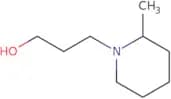
CAS:Versatile small molecule scaffoldFormula:C8H17NOPurity:Min. 95%Molecular weight:143.23 g/mol3-(2-Methylpiperidin-1-yl)propan-1-ol
CAS:<p>Versatile small molecule scaffold</p>Formula:C9H19NOPurity:Min. 95%Molecular weight:157.25 g/mol6-Bromopyrido[2,3-d]pyrimidin-4(1H)-one
CAS:Versatile small molecule scaffoldFormula:C7H4BrN3OPurity:Min. 95%Molecular weight:226.03 g/mol2-[2-(Hydroxymethyl)pyrrolidin-1-yl]acetic acid
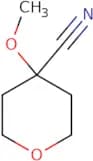
CAS:Versatile small molecule scaffoldFormula:C7H13NO3Purity:Min. 95%Molecular weight:159.18 g/mol4-Methoxyoxane-4-carbonitrile
CAS:<p>4-Methoxyoxane-4-carbonitrile (4MOC) is a leukotriene B4 inhibitor. It is used to treat human arthritis, asthma, and rheumatoid arthritis. 4MOC inhibits the conversion of arachidonic acid to leukotriene B4 by blocking the 5-lipoxygenase enzyme. This drug also inhibits the production of inflammatory mediators such as prostaglandins and leukotrienes by inhibiting phospholipase A2, which leads to vasodilation and bronchial relaxation. 4MOC has been shown to reduce the number of exudates in patients with rheumatoid arthritis, as well as inhibit the proliferation of inflammatory cells in these patients. 4MOC is orally available and has an excellent safety profile.</p>Formula:C7H11NO2Purity:Min. 95%Molecular weight:141.17 g/mol2-[3-({[(tert-Butoxy)carbonyl]amino}methyl)phenoxy]acetic acid
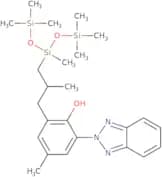
CAS:Versatile small molecule scaffoldFormula:C14H19NO5Purity:Min. 95%Molecular weight:281.3 g/molDrometrizole trisiloxane
CAS:<p>Drometrizole trisiloxane is a dispersive solid-phase extraction (DSPE) sorbent that has been used in the separation of sesquiterpene lactones. Drometrizole trisiloxane has shown to be effective in the pre-treatment of samples for GC/MS analysis, although it has only been used successfully with fatty acids and potassium dichromate. This compound is lipophilic in nature and can be absorbed by skin cells. It also absorbs UVA radiation, which may have an adverse effect on DNA synthesis or cell division.</p>Formula:C24H39N3O3Si3Purity:Min. 95%Molecular weight:501.84 g/mol2,4-DB
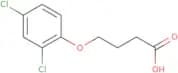
CAS:Controlled Product<p>2,4-DB is a chemical compound used as a herbicide. It inhibits the growth of phytophthora megasperma and other plant pathogens by inhibiting the synthesis of fatty acids. 2,4-DB also has been shown to have carcinogenic potential in rats and mice. Humans exposed to this compound show an immune reaction that is characterized by the production of antibodies against 2,4-DB in their serum. This chemical can be used as a matrix for producing monoclonal antibodies that are specific to bacterial strains or tumour cells. The affinity constants for 2,4-DB are 3×10 M with polymeric matrix and 6×10 M with solanum tuberosum. The sublethal doses for 2,4-DB are 5 mg/kg bw with phenoxy and 10 mg/kg bw without phenoxy.</p>Formula:C10H10Cl2O3Purity:Min. 95%Molecular weight:249.09 g/mol2-[4-(Aminomethyl)phenyl]benzoic acid hydrochloride
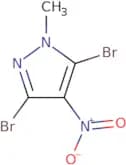
CAS:Versatile small molecule scaffoldFormula:C14H14ClNO2Purity:Min. 95%Molecular weight:263.7 g/mol3,5-Dibromo-1-methyl-4-nitro-1H-pyrazole
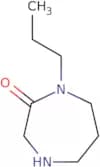
CAS:<p>Versatile small molecule scaffold</p>Formula:C4H3Br2N3O2Purity:Min. 95%Molecular weight:284.91 g/mol1-Propyl-1,4-diazepan-2-one
CAS:Versatile small molecule scaffoldFormula:C8H16N2OPurity:Min. 95%Molecular weight:156.23 g/mol11-Chloro-4,6-dioxa-10-thia-12-azatricyclo[7.3.0.0,3,7]dodeca-1,3(7),8,11-tetraene
CAS:Versatile small molecule scaffoldFormula:C8H4ClNO2SPurity:Min. 95%Molecular weight:213.64 g/mol6-Fluoro-2-[(2-fluoroethyl)sulfanyl]-1,3-benzoxazole
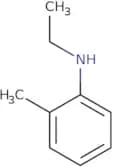
CAS:Versatile small molecule scaffoldFormula:C9H7F2NOSPurity:Min. 95%Molecular weight:215.22 g/molN-Ethyl-o-toluidine(N-Ethyl-2-methyl-benzenamine)
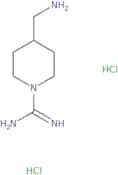
CAS:N-Ethyl-o-toluidine is a chemical compound that is used as an agrochemical. It can be synthesized by the reaction of crotonic acid with amines and hydrogen chloride. N-Ethyl-o-toluidine has been shown to have various properties, such as being able to react with nitric oxide and form a nitro group. This reaction is also coupled with its uptake in plants. The ketone group in the molecule reacts with diisopropylamine to form an amide and crotonic acid. N-Ethyl-o-toluidine can be synthesized by reacting diisopropylamine with amines and hydrogen chloride, which leads to the formation of crotonic acid and a dipole. The dipole can then react with nitric oxide to form a nitro group.Formula:C9H13NPurity:Min. 95%Molecular weight:135.21 g/mol4-(Aminomethyl)piperidine-1-carboximidamide dihydrochloride
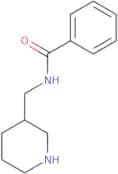
CAS:Versatile small molecule scaffoldFormula:C7H18Cl2N4Purity:Min. 95%Molecular weight:229.15 g/molN-(Piperidin-3-ylmethyl)benzamide
CAS:<p>Versatile small molecule scaffold</p>Formula:C13H18N2OPurity:Min. 95%Molecular weight:218.29 g/molMethyl 2-{[(4-chlorophenyl)methyl]amino}acetate hydrochloride
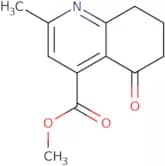
CAS:<p>Versatile small molecule scaffold</p>Formula:C10H13Cl2NO2Purity:Min. 95%Molecular weight:250.12 g/molMethyl 2-methyl-5-oxo-5,6,7,8-tetrahydroquinoline-4-carboxylate
CAS:<p>Versatile small molecule scaffold</p>Formula:C12H13NO3Purity:Min. 95%Molecular weight:219.24 g/mol1-[4-(Hydroxymethyl)piperidin-1-yl]-2,2-dimethylpropan-1-one
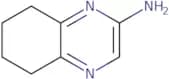
CAS:<p>Versatile small molecule scaffold</p>Formula:C11H21NO2Purity:Min. 95%Molecular weight:199.29 g/mol5,6,7,8-Tetrahydroquinoxalin-2-amine
CAS:<p>Versatile small molecule scaffold</p>Formula:C8H11N3Purity:Min. 95%Molecular weight:149.19 g/mol1-N-Propylbenzene-1,3-diamine
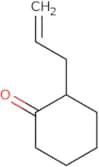
CAS:<p>Versatile small molecule scaffold</p>Formula:C9H14N2Purity:Min. 95%Molecular weight:150.22 g/mol2-Allylcyclohexanone
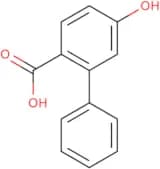
CAS:<p>2-Allylcyclohexanone is an unsaturated ketone that is synthesized by the ring-opening of allyl cyclohexane carboxylate with sodium hydroxide. It can be used as a chemical intermediate for the synthesis of other compounds. 2-Allylcyclohexanone can also be used to react with hydroxide solution to produce a salt and an alcohol. The hydroxide solution can act as a base, reducing the carbonyl group in the presence of an acid to form the corresponding alcohol. This reaction is stereoselective because it only occurs when there are two different groups on adjacent carbons.<br>2-Allylcyclohexanone has been shown to inhibit non-nucleoside reverse transcriptase inhibitors (NNRTIs) such as nevirapine, efavirenz, and delavirdine. In addition, it has been found to have functional groups that are capable of reacting</p>Formula:C9H14OPurity:Min. 95%Molecular weight:138.21 g/mol4-Hydroxy-2-phenylbenzoic acid
CAS:<p>Versatile small molecule scaffold</p>Formula:C13H10O3Purity:Min. 95%Molecular weight:214.22 g/mol2-Propylcyclohexanone
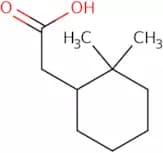
CAS:<p>2-Propylcyclohexanone is a competitive inhibitor of the binding of choline to acetylcholine receptors in rat brain membranes. It has a significant inhibitory effect on the binding of acetylcholine to its receptor, with an inhibition constant (Ki) of 0.2 mM. 2-Propylcyclohexanone also inhibits bacterial growth by interacting with the active site of enzymes that catalyze the synthesis or breakdown of biomolecules. 2-Propylcyclohexanone has shown antibacterial activity against both Gram-positive and Gram-negative bacteria, including Staphylococcus aureus, Pseudomonas aeruginosa, and Escherichia coli. The mechanism is not known for this drug's anti-bacterial activity, but it may be due to its ability to bind to substrates in the active site of enzymes that catalyze the synthesis or breakdown of biomolecules or inhibit adsorption equilibrium by acting</p>Formula:C9H16OPurity:Min. 95%Molecular weight:140.23 g/mol2-(2,2-Dimethylcyclohexyl)acetic acid
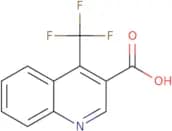
CAS:<p>Versatile small molecule scaffold</p>Formula:C10H18O2Purity:Min. 95%Molecular weight:170.25 g/mol4-(Trifluoromethyl)quinoline-3-carboxylic acid
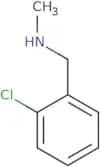
CAS:Versatile small molecule scaffoldFormula:C11H6F3NO2Purity:Min. 95%Molecular weight:241.17 g/molN-(2-Chlorobenzyl)-n-methylamine
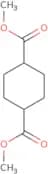
CAS:<p>2-Chlorobenzyl-N-methylamine is a benzoxazole that has been shown to have antihypertensive activity. It is an oxidant and also has the ability to inhibit the oxidation of amines, which may be due to its efficient electron transfer. 2-Chlorobenzyl-N-methylamine can be used as an additive for animal feed, or as a chemical intermediate in the synthesis of benzylamine derivatives. In vitro studies show that it reduces blood pressure by inhibiting angiotensin II production and increasing vasodilation. This drug also inhibits phosphodiesterase activity, leading to increased levels of cAMP and suppression of the renin–angiotensin system.</p>Formula:C8H10ClNPurity:Min. 95%Molecular weight:155.62 g/molDimethyl Cyclohexane-1,4-dicarboxylate(1,4-Cyclohexanedicarboxylic Dimethyl Ester)
CAS:<p>Dimethyl cyclohexane-1,4-dicarboxylate is an aliphatic hydrocarbon with a molecular formula of C8H14O2. It is found in the environment as a natural product and can be synthesized by hydrogenation of cyclohexane. Dimethyl cyclohexane-1,4-dicarboxylate has been shown to bind to certain receptors and has been used in studies to determine receptor binding. It also has a reactive functional group that reacts with hydroxyl groups, producing reaction products. Dimethyl cyclohexane-1,4-dicarboxylate is toxic when ingested and may cause irritation on contact with skin or eyes. It can be used as a catalyst in the production of polycarboxylic acid from fatty acids.</p>Formula:C10H16O4Purity:Min. 95%Molecular weight:200.23 g/molGaramine
CAS:<p>Please enquire for more information about Garamine including the price, delivery time and more detailed product information at the technical inquiry form on this page</p>Formula:C13H27N3O6Purity:Min. 95%Molecular weight:321.37 g/mol2-Amino-6-nitrobenzaldehyde
CAS:<p>2-Amino-6-nitrobenzaldehyde is a glycol amide that is industrially synthesized to produce 9-nitrocamptothecin. This drug is used in the treatment of cancer and inhibits topoisomerase II, which is an enzyme that maintains DNA integrity. 2-Amino-6-nitrobenzaldehyde has a high product yield and high industrial capacity, making it an ideal candidate for large scale production. It can be obtained by a condensation reaction between acetone and nitroethane. The reaction proceeds smoothly at room temperature and pressure with no catalyst or solvent required.</p>Formula:C7H6N2O3Purity:Min. 95%Molecular weight:166.14 g/mol


![5-Oxo-hexahydropyrrolo[2,1-b][1,3]thiazole-7a-carboxylic acid](/_next/image/?url=https%3A%2Fstatic.cymitquimica.com%2Fproducts%2F3D%2Fthumb-webp%2FFGA79608.webp&w=3840&q=75)
![2-Amino-4H,5H,6H,7H,8H-[1,3]thiazolo[5,4-c]azepin-4-one](/_next/image/?url=https%3A%2Fstatic.cymitquimica.com%2Fproducts%2F3D%2Fthumb-webp%2FFGA77836.webp&w=3840&q=75)
![6-Bromopyrido[2,3-d]pyrimidin-4(1H)-one](/_next/image/?url=https%3A%2Fstatic.cymitquimica.com%2Fproducts%2F3D%2Fthumb-webp%2FFGA69079.webp&w=3840&q=75)
![2-[2-(Hydroxymethyl)pyrrolidin-1-yl]acetic acid](/_next/image/?url=https%3A%2Fstatic.cymitquimica.com%2Fproducts%2F3D%2Fthumb-webp%2FFGA68121.webp&w=3840&q=75)
![2-[3-({[(tert-Butoxy)carbonyl]amino}methyl)phenoxy]acetic acid](/_next/image/?url=https%3A%2Fstatic.cymitquimica.com%2Fproducts%2F3D%2Fthumb-webp%2FFGA63675.webp&w=3840&q=75)
![2-[4-(Aminomethyl)phenyl]benzoic acid hydrochloride](/_next/image/?url=https%3A%2Fstatic.cymitquimica.com%2Fproducts%2F3D%2Fthumb-webp%2FFGA61687.webp&w=3840&q=75)
![11-Chloro-4,6-dioxa-10-thia-12-azatricyclo[7.3.0.0,3,7]dodeca-1,3(7),8,11-tetraene](/_next/image/?url=https%3A%2Fstatic.cymitquimica.com%2Fproducts%2F3D%2Fthumb-webp%2FFGA55977.webp&w=3840&q=75)
![6-Fluoro-2-[(2-fluoroethyl)sulfanyl]-1,3-benzoxazole](/_next/image/?url=https%3A%2Fstatic.cymitquimica.com%2Fproducts%2F3D%2Fthumb-webp%2FFGA55957.webp&w=3840&q=75)
![Methyl 2-{[(4-chlorophenyl)methyl]amino}acetate hydrochloride](/_next/image/?url=https%3A%2Fstatic.cymitquimica.com%2Fproducts%2F3D%2Fthumb-webp%2FFGA54187.webp&w=3840&q=75)
![1-[4-(Hydroxymethyl)piperidin-1-yl]-2,2-dimethylpropan-1-one](/_next/image/?url=https%3A%2Fstatic.cymitquimica.com%2Fproducts%2F3D%2Fthumb-webp%2FFGA53554.webp&w=3840&q=75)