Building Blocks
This section contains fundamental products for the synthesis of organic and biological compounds. Building blocks are the essential starting materials used to construct complex molecules through various chemical reactions. They play a critical role in drug discovery, material science, and chemical research. At CymitQuimica, we offer a diverse range of high-quality building blocks to support your innovative research and industrial projects, ensuring you have the essential components for successful synthesis.
Subcategories of "Building Blocks"
- Boronic Acids & Boronic Acid Derivatives(5,778 products)
- Chiral Building Blocks(1,243 products)
- Hydrocarbon Building Blocks(6,098 products)
- Organic Building Blocks(61,057 products)
Found 200716 products of "Building Blocks"
Sort by
Purity (%)
0
100
|
0
|
50
|
90
|
95
|
100
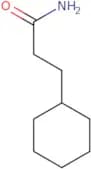
3-Cyclohexylpropionamide
CAS:<p>3-Cyclohexylpropionamide is a reactivating agent that inhibits the growth of cancer cells by binding to their receptors. 3-Cyclohexylpropionamide has been shown to reactivate tumor cells that have become resistant to certain drugs, such as phenylacetate. This drug also has inhibitory effects on the growth of tumor cell lines and in animal tests has shown efficacy against drug-resistant breast cancer and colon cancer models. 3-Cyclohexylpropionamide binds to the protein receptor at a site near the active site, which prevents it from activating the catalytic site. This binding prevents the formation of an enzyme-drug complex with the enzyme that is required for cell division, inhibiting protein synthesis and cell division.</p>Formula:C9H17NOPurity:Min. 95%Molecular weight:155.24 g/mol3-Cyclohexylbutanoic acid
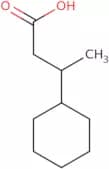
CAS:<p>Versatile small molecule scaffold</p>Formula:C10H18O2Purity:Min. 95%Molecular weight:170.25 g/mol3-Cyclohexyl-2-phenylpropanoic acid
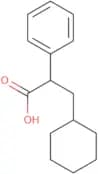
CAS:<p>Versatile small molecule scaffold</p>Formula:C15H20O2Purity:Min. 95%Molecular weight:232.32 g/mol4-Chloromethyl-2,2-dimethyl-1,3-dioxolane
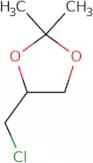
CAS:4-Chloromethyl-2,2-dimethyl-1,3-dioxolane is a chemical compound that is used as a marker to identify the presence of fatty acids in plant tissues. It can be synthesized by reacting chloroacetaldehyde with methanol and sodium hydroxide. This compound has a cyclic structure and is chiral. It is also used for mass spectrometric analysis of fatty acid composition in plants. The synthesis of 4-chloromethyl-2,2-dimethyl-1,3-dioxolane involves four steps: (i) chlorination of acetaldehyde with sodium hypochlorite; (ii) hydrolysis of the resulting chloroacetaldehyde with methanol and sodium hydroxide; (iii) oxidation of the resulting chloroformate with hydrogen peroxide; and (iv) hydrolysis of the resulting 4-chloromethyloxymethanol with water.Formula:C6H11ClO2Purity:Min. 95%Molecular weight:150.6 g/mol2-Phenylethene-1-sulfonamide
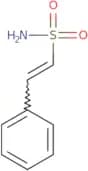
CAS:<p>2-Phenylethene-1-sulfonamide is a heterocyclic compound that is a disulfide. It is used in the biomedical field as an intramolecular crosslinker for polystyrene and polyacrylonitrile. 2-Phenylethene-1-sulfonamide has been shown to react with acetone, forming carbon disulfide, which is toxic to living cells. 2-Phenylethene-1-sulfonamide has also been shown to be a basic chemical with life science applications. This heterocyclic compound can be synthesized by cyclization of styrene and it's derivatives.</p>Formula:C8H9NO2SPurity:Min. 95%Molecular weight:183.23 g/molN-Cyclohexylcarbamoyl chloride
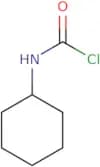
CAS:<p>N-Cyclohexylcarbamoyl chloride is a phenoxy, diphenyl ether (DPDE) analog that acts as a competitive inhibitor of the enzyme RNA polymerase. It binds to the DPDE binding site on RNA polymerase and blocks the binding of DPDE substrates, thereby inhibiting transcription. This compound has been shown to be expressed in plants and its profile primarily includes chlorides, alkynyl groups, alicyclic, carbonyl groups, and c1-6 alkylsulfonyls.</p>Formula:C7H12ClNOPurity:Min. 95%Molecular weight:161.63 g/mol2-[(4-tert-Butylphenyl)sulfanyl]acetic Acid
CAS:<p>Versatile small molecule scaffold</p>Formula:C12H16O2SPurity:Min. 95%Molecular weight:224.31 g/mol2-Chloroquinoline-4-carbonitrile
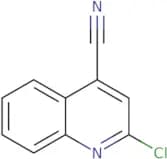
CAS:2-Chloroquinoline-4-carbonitrile is a nucleophilic substitution reaction with methanol as the electrophile. The reaction has been studied kinetically, and the rate of reaction was found to depend on the substituents on the chloroquinoline ring. The substituent effect can be described by mesomeric interactions. The rate of reaction is also dependent on the concentration of methoxide ion, which is a reactant in this substitution reaction. 2-Chloroquinoline-4-carbonitrile is an organic compound that contains two methyl groups substituted onto the 2 and 4 positions of the quinoline ring. This organic compound reacts with methanol to form a substituted quinoline product and hydrogen gas.Formula:C10H5ClN2Purity:Min. 95%Molecular weight:188.61 g/mol(2,2,2-Trimethoxyethyl)benzene
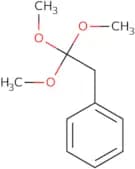
CAS:<p>Versatile small molecule scaffold</p>Formula:C11H16O3Purity:Min. 95%Molecular weight:196.24 g/mol4-Phenylbenzene-1-sulfonamide
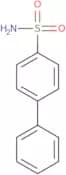
CAS:4-Phenylbenzenesulfonamide (4PBSA) is a phenoxy compound that binds to the active site of histone deacetylase and inhibits its activity. It has been shown that 4PBSA can inhibit acetylation at nanomolar concentrations and it may be an effective treatment for cancer. The effects of 4PBSA were studied in two different assays, one using cisplatin and the other using nitro. Nitro was found to have a more potent effect than cisplatin, but both compounds had similar results in the assays. 4PBSA has also been shown to be an estrogen receptor antagonist, which may explain some of its anticancer properties. This drug may also inhibit DNA replication by binding to human estrogen receptors and preventing transcriptional activation.Formula:C12H11NO2SPurity:Min. 95%Molecular weight:233.29 g/molMethyl[phenyl(pyridin-2-yl)methyl]amine
CAS:<p>Versatile small molecule scaffold</p>Formula:C13H14N2Purity:Min. 95%Molecular weight:198.26 g/mol3,4-Diphenylbutanoic acid
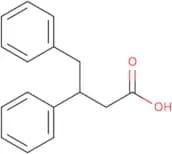
CAS:3,4-Diphenylbutanoic acid is a fungicide that belongs to the class of phenoxyethanol esters. It is an oily liquid that is soluble in petroleum ether and benzene. The molecule has a chemical formula of C14H12O3, with a molecular weight of 240.3 g/mol, and it contains two phenoxy groups (-OCH2-), one methoxy group (-OCH3) and one chlorine atom (-Cl). 3,4-Diphenylbutanoic acid has been shown to be effective against certain fungi such as Botrytis cinerea, Sclerotinia sclerotiorum, Alternaria alternata and Fusarium oxysporum; it may also have some activity against pathogenic fungi such as Candida albicans.Formula:C16H16O2Purity:Min. 95%Molecular weight:240.3 g/mol2-Hydroxy-2-methyl-4-phenylbutanoic acid
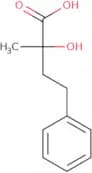
CAS:<p>Naproxen is a nonsteroidal anti-inflammatory drug (NSAID) that is used to treat pain and inflammation. It inhibits the enzyme cyclooxygenase, which is required for the production of prostaglandins. Naproxen has high enantioselectivity when reacting with nitriles and dinitriles because it acts as a diacid or amid acid in these reactions. This means that naproxen preferentially reacts with the 2-hydroxy group of an acyl chloride or ester, forming an amide or amidine respectively. It also has an ability to inhibit bacterial strains such as those from Streptococcus pyogenes and Staphylococcus aureus. Naproxen may act by substituting for the carboxylic acid groups of the bacterial cell wall, where it can form a covalent bond with glutamic acid residues on the cell wall surface.</p>Formula:C11H14O3Purity:Min. 95%Molecular weight:194.23 g/mol4-Isothiocyanatobutanoic acid
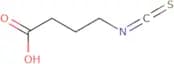
CAS:4-Isothiocyanatobutanoic acid is an antimicrobial that is used as a derivatization agent for the production of a microbicidal compound. It has been shown to be active against bacteria such as Escherichia coli, Staphylococcus aureus, and Bacillus subtilis. 4-Isothiocyanatobutanoic acid is also autolytic, which means it breaks down into other substances when exposed to water. The hydrolysis product of 4-isothiocyanatobutanoic acid is methyl ester and this can be extracted from the reaction mixture with organic solvents. 4-Isothiocyanatobutanoic acid has been shown to have antibiotic activity against human pathogens in laboratory experiments.Formula:C5H7NO2SPurity:Min. 95%Molecular weight:145.18 g/molOctahydro-1H-indole
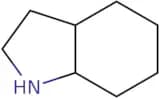
CAS:Octahydro-1H-indole is a chiral compound with two asymmetric carbon atoms. It can be synthesized from cyclohexane ring and intramolecular hydrogen. Octahydro-1H-indole has been shown to have inhibitory properties against enzymes, such as cholinesterase, which are responsible for the breakdown of acetylcholine in the body. It can also be used to treat bowel disease, lung damage, and congestive heart failure. Octahydro-1H-indole is industrially prepared by reacting allyl carbonate with indole in the presence of a catalyst to produce an intermediate that reacts with hydrochloric acid to produce octahydro-1H-indole.Formula:C8H15NPurity:Min. 95%Molecular weight:125.21 g/molButane-2-sulfonyl chloride
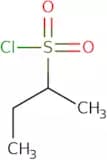
CAS:Butane-2-sulfonyl chloride is a sulfonamide with the chemical formula CH3SO2Cl. It is a benzylic sulfonamide, which means it has a benzylic carbon atom in its structure. Butane-2-sulfonyl chloride is used as an intermediate for the synthesis of other sulfonamides. It can also be used as an oxidizing agent to form nitrates from carbanions or carboxylates.Formula:C4H9ClO2SPurity:Min. 95%Molecular weight:156.63 g/mol1-Phenylbut-3-yn-2-ol
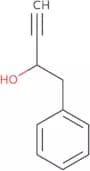
CAS:<p>1-Phenylbut-3-yn-2-ol is a stable compound that can be synthesized by the reaction of propargyl alcohols with an acid. One of the products that is formed in this process is propargyl alcohol, which can then be used to produce 1-phenylbut-3-yn-2-ol. This compound has been shown to form intramolecular yields and is stable when stored at room temperature for up to two weeks.</p>Formula:C10H10OPurity:Min. 95%Molecular weight:146.19 g/mol1,2,5-Oxadithiolane 2,2,5,5-tetraoxide
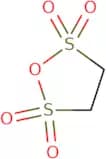
CAS:<p>Versatile small molecule scaffold</p>Formula:C2H4O5S2Purity:Min. 95%Molecular weight:172.19 g/mol2-Cyclohexylethane-1-sulfonamide
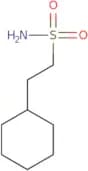
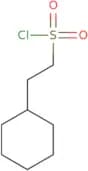
CAS:<p>Versatile small molecule scaffold</p>Formula:C8H17NO2SPurity:Min. 95%Molecular weight:191.29 g/mol2-Cyclohexylethane-1-sulfonyl chloride
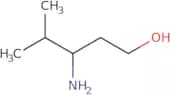
CAS:Versatile small molecule scaffoldFormula:C8H15ClO2SPurity:Min. 95%Molecular weight:210.72 g/mol3-Amino-4-methyl-pentan-1-ol
CAS:Versatile small molecule scaffoldFormula:C6H15NOPurity:Min. 95%Molecular weight:117.19 g/molS-Methyl-S-phenylsulfoximine
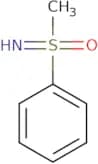
CAS:S-Methyl-S-phenylsulfoximine is a chiral sulfoxide that has been used as a reagent in organic synthesis. It reacts with alkenes to form symmetrical sulfoxides. S-Methyl-S-phenylsulfoximine is also known to react with carbonyl groups in the presence of an acid catalyst, forming an acetonitrile derivative. S-Methyl-S-phenylsulfoximine can be synthesized by reacting sulfoxide with acetone, followed by hydrogenation of the resulting alcohol. This functional group has been used in control experiments to probe the mechanism of photocatalytic reactions and it has been used as a surrogate for drug molecules.Formula:C7H9NOSPurity:Min. 95%Molecular weight:155.22 g/mol1-(Pyridin-4-yl)-3-(quinolin-2-yl)prop-2-en-1-one
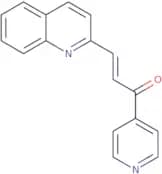
CAS:<p>1-(Pyridin-4-yl)-3-(quinolin-2-yl)prop-2-en-1-one is a small molecule that inhibits the aerobic glycolysis pathway in cancer cells. It has been shown to induce immunogenic cell death in colorectal adenocarcinoma cells and to reduce tumor size in immunodeficient mice. This compound may be useful for cancer therapy as it targets the immune system, rather than directly killing tumor cells. 1-(Pyridin-4-yl)-3-(quinolin-2-yl)prop-2-en-1-one has also been shown to inhibit aneurysm formation and to have antiangiogenic properties in mouse models of pancreatic cancer.</p>Formula:C17H12N2OPurity:Min. 95%Molecular weight:260.3 g/molN-Allylbenzylamine
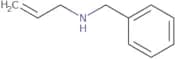
CAS:<p>N-Allylbenzylamine is an aliphatic hydrocarbon that is found in a variety of natural sources, including peanuts. It has shown anticancer activity against certain cell lines and may be useful in the treatment of cancer. N-Allylbenzylamine reacts with primary amines to form reaction products such as benzyl amine, which is used as a polymerization initiator in the production of polyurethane. The β-amino acid group can be incorporated into proteins by substitution with an amino acid side chain and is important for bone metabolism. N-Allylbenzylamine has also been shown to have anti-inflammatory properties due to its ability to inhibit prostaglandin synthesis.</p>Formula:C10H13NPurity:Min. 95%Molecular weight:147.22 g/molN-Benzylcyclohexanamine
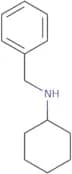
CAS:<p>N-Benzylcyclohexanamine is a protected cyclohexylamine and is soluble in organic solvents such as benzene and chloroform, but insoluble in water.</p>Formula:C13H19NPurity:Min. 95%Color and Shape:Clear LiquidMolecular weight:189.3 g/mol5-Benzyl-2-hydroxybenzoic acid
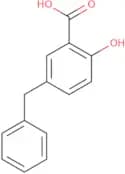
CAS:<p>Versatile small molecule scaffold</p>Formula:C14H12O3Purity:Min. 95%Molecular weight:228.24 g/mol2-Hydroxy-3-methoxy-5-methylbenzoic acid
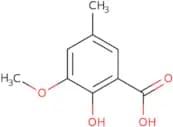
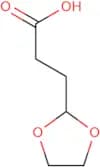
CAS:<p>2-Hydroxy-3-methoxy-5-methylbenzoic acid is a molecule that has been shown to be an effective antioxidant. It has been shown to have an activation energy of 36.8 kJ/mol and a high rate of reaction with peroxides. The kinetic parameters for 2-hydroxy-3-methoxy-5-methylbenzoic acid are not well understood, but it has been experimentally determined that the oxidation reactions are fast, irreversible, and exothermic. It can also be used as a model compound for lignin oxidation in the environment. The molecular structure is shown below:</p>Formula:C9H10O4Purity:Min. 95%Molecular weight:182.17 g/mol3-(1,3-Dioxolan-2-yl)propanoic acid
CAS:<p>Versatile small molecule scaffold</p>Formula:C6H10O4Purity:Min. 95%Molecular weight:146.14 g/molHexahydro-benzo[1,3]dioxol-2-one
CAS:<p>Versatile small molecule scaffold</p>Formula:C7H10O3Purity:Min. 95%Molecular weight:142.15 g/molEthyl 5-formyl-3,4-dimethyl-1H-pyrrole-2-carboxylate
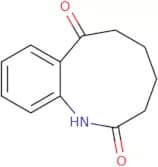
CAS:Ethyl 5-formyl-3,4-dimethyl-1H-pyrrole-2-carboxylate is a conformationally restricted pyrrole derivative that has been synthesized as the dihydrate. It is a layered compound with a centrosymmetric crystal structure. The molecule has two imine groups and a phenyl ring connected to the central carbon atom by two hydrogen bonds. The hydrazone group also forms hydrogen bonds with the carbonyl group of the adjacent molecule, which is stabilized by resonance.Formula:C10H13NO3Purity:Min. 95%Molecular weight:195.21 g/mol2,3,4,5,6,7-Hexahydro-1H-1-benzazonine-2,7-dione
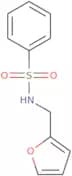
CAS:<p>Versatile small molecule scaffold</p>Formula:C12H13NO2Purity:Min. 95%Molecular weight:203.24 g/molN-(Furan-2-ylmethyl)benzenesulfonamide
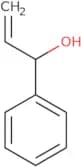
CAS:Versatile small molecule scaffoldFormula:C11H11NO3SPurity:Min. 95%Molecular weight:237.28 g/molα-Vinylbenzyl alcohol
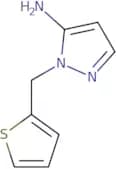
CAS:α-Vinylbenzyl alcohol is a chiral compound with a hydroxyl group. It is an allylation product of hydrochloric acid and allyl chloride. α-Vinylbenzyl alcohol has been shown to be effective against allergic reactions in human serum, which are caused by the release of histamine. This chemical compound also has nucleophilic attack capabilities that can produce reaction products such as malonic acid or allyl carbonate. The effective dose for this drug is not known, but it may be around 1mg/kg of body weight.Formula:C9H10OPurity:Min. 95%Molecular weight:134.17 g/mol1-(Thiophen-2-ylmethyl)-1H-pyrazol-5-amine
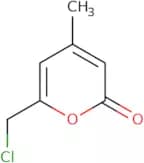
CAS:Versatile small molecule scaffoldFormula:C8H9N3SPurity:Min. 95%Molecular weight:179.24 g/mol6-(Chloromethyl)-4-methyl-2H-pyran-2-one
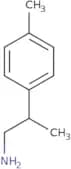
CAS:<p>Versatile small molecule scaffold</p>Formula:C7H7ClO2Purity:Min. 95%Molecular weight:158.58 g/mol2-(4-Methylphenyl)propan-1-amine
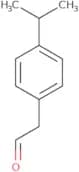
CAS:Controlled Product<p>Versatile small molecule scaffold</p>Formula:C10H15NPurity:Min. 95%Molecular weight:149.23 g/mol(4-Isopropylphenyl)acetaldehyde
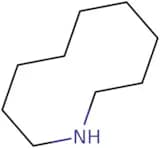
CAS:<p>4-Isopropylphenyl)acetaldehyde is a phosphodiesterase inhibitor that has been shown to inhibit the activity of cyclic nucleotide phosphodiesterases. These enzymes have been implicated in the development of Alzheimer's disease and other neurological disorders. 4-Isopropylphenyl)acetaldehyde inhibits the formation rate of cAMP, which leads to downstream effects on neurotransmitter release, causing an increase in signaling from receptor cells and an increase in cytoarchitecture. The drug also inhibits phosphodiesterase activity in nasal tissue and parathyroid glands, leading to increased levels of intracellular cAMP. 4-Isopropylphenyl)acetaldehyde is only active against cyclic nucleotide phosphodiesterases that are sensitive to inhibition by this compound.</p>Formula:C11H14OPurity:Min. 95%Molecular weight:162.23 g/molAzecane
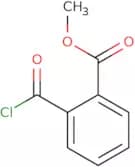
CAS:<p>Azecane is a functional group that contains an hydroxyl (OH) and a lactam (-NH-C(=O)-). It is used in the synthesis of α-lactams, which are antibiotics. Azecane has been shown to be a potent inhibitor of cancer cells. It has also been shown to have strong inhibitory effects on bacteria, such as methicillin resistant Staphylococcus aureus and Mycobacterium tuberculosis. Azecane is synthesized through an asymmetric synthesis process involving silver ions and nitrogen atoms. This process produces two enantiomers, which can be distinguished by optical imaging techniques.</p>Formula:C9H19NPurity:Min. 95%Molecular weight:141.25 g/molMethyl phthaloyl chloride
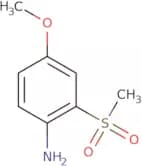
CAS:Methyl phthaloyl chloride is a phenoxy compound that has been used as an inhibitor in the preparation of cyclic peptides. This compound has been shown to have anticancer and antiviral properties, and it also inhibits the growth of cancer cells by inhibiting cell-cycle progression. Methyl phthaloyl chloride is a nitro compound that can undergo nucleophilic attack by water molecules to produce an amide. The structural formula of this compound is shown below.Formula:C9H7ClO3Purity:Min. 95%Molecular weight:198.6 g/mol2-Methanesulfonyl-4-methoxyaniline
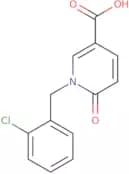
CAS:Versatile small molecule scaffoldFormula:C8H11NO3SPurity:Min. 95%Molecular weight:201.25 g/mol1-(2-Chlorobenzyl)-6-oxo-1,6-dihydro-3-pyridinecarboxylic acid
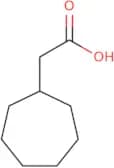
CAS:Versatile small molecule scaffoldFormula:C13H10ClNO3Purity:Min. 95%Molecular weight:263.68 g/mol2-Cycloheptylacetic acid
CAS:<p>2-Cycloheptylacetic acid (2CHA) is a hydrochloride salt of 2-cycloheptylacetic acid. It has been shown to be a potent inhibitor of the GABA transaminase enzyme, which leads to GABA accumulation in the brain and thus an increase in GABAergic signalling. This inhibition leads to increased inhibitory neurotransmission and decreased excitatory neurotransmission in the brain. 2CHA has been validated with electrochemical impedance spectroscopy as a diagnostic tool for bowel disease, with potential applications for inflammatory bowel disease.</p>Formula:C9H16O2Purity:Min. 95%Molecular weight:156.23 g/mol2-Oxaspiro[4.6]undecane-1,3-dione
CAS:<p>Versatile small molecule scaffold</p>Formula:C10H14O3Purity:Min. 95%Molecular weight:182.22 g/mol4,4-Dimethylcycloheptane-1-carboxylic acid
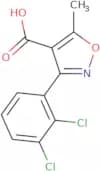
CAS:<p>Versatile small molecule scaffold</p>Formula:C10H18O2Purity:Min. 95%Molecular weight:170.2 g/mol3-(2,3-Dichlorophenyl)-5-methyl-1,2-oxazole-4-carboxylic acid
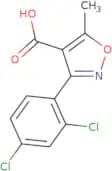
CAS:Versatile small molecule scaffoldFormula:C11H7Cl2NO3Purity:Min. 95%Molecular weight:272.08 g/mol3-(2,4-Dichlorophenyl)-5-methyl-1,2-oxazole-4-carboxylic acid
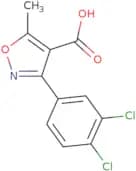
CAS:Versatile small molecule scaffoldFormula:C11H7Cl2NO3Purity:Min. 95%Molecular weight:272.08 g/mol3-(3,4-Dichlorophenyl)-5-methyl-1,2-oxazole-4-carboxylic acid
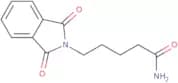
CAS:Versatile small molecule scaffoldFormula:C11H7Cl2NO3Purity:Min. 95%Molecular weight:272.08 g/mol5-(1,3-Dioxo-2,3-dihydro-1H-isoindol-2-yl)pentanamide
CAS:Versatile small molecule scaffoldFormula:C13H14N2O3Purity:Min. 95%Molecular weight:246.26 g/molEthyl sulfamate
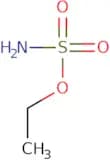
CAS:<p>Ethyl sulfamate is a drug that has been developed as an agrochemical and as a potential anticancer agent. It is an aziridine-forming reagent that is used to convert epidermal growth factor (EGF) into EGF-2, which has been shown to have anticancer properties. The mechanism of action of ethyl sulfamate is not yet fully understood, but it appears to be related to its ability to inhibit the kinase activities of protein tyrosine kinases and protein serine/threonine kinases. In addition, ethyl sulfamate inhibits the activity of acid catalyst and enhances the activity of depression in rats. Ethyl sulfamate can also be used as a selective growth factor for erythrocyte progenitor cells in culture.</p>Formula:C2H7NO3SPurity:Min. 95%Molecular weight:125.15 g/molBenzylsulfinic acid
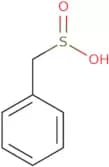
CAS:Benzylsulfinic acid is a hydroxyl group containing compound. It is an antihypertensive agent and it has been shown to have antioxidant properties. Benzylsulfinic acid is photosensitive and should not be used in the presence of light. This compound has been shown to inhibit the production of tiglic acid, which is a component of bowel disease, in the small intestine. Benzylsulfinic acid can also be converted into other compounds that are involved in biochemical reactions, such as hydrochloric acid, a cationic surfactant, or methyl ethyl sulfate. This conversion process can lead to metabolic disorders, as well as hydrogen bond and methyl ethyl sulfonium ion formation.Formula:C7H8O2SPurity:Min. 95%Molecular weight:156.2 g/mol

![2-[(4-tert-Butylphenyl)sulfanyl]acetic Acid](/_next/image/?url=https%3A%2Fstatic.cymitquimica.com%2Fproducts%2F3D%2Fthumb-webp%2FEAA36563.webp&w=3840&q=75)
![Methyl[phenyl(pyridin-2-yl)methyl]amine](/_next/image/?url=https%3A%2Fstatic.cymitquimica.com%2Fproducts%2F3D%2Fthumb-webp%2FEAA37244.webp&w=3840&q=75)
![Hexahydro-benzo[1,3]dioxol-2-one](/_next/image/?url=https%3A%2Fstatic.cymitquimica.com%2Fproducts%2F3D%2Fthumb-webp%2FEAA38922.webp&w=3840&q=75)
![2-Oxaspiro[4.6]undecane-1,3-dione](/_next/image/?url=https%3A%2Fstatic.cymitquimica.com%2Fproducts%2F3D%2Fthumb-webp%2FEAA40121.webp&w=3840&q=75)