Building Blocks
This section contains fundamental products for the synthesis of organic and biological compounds. Building blocks are the essential starting materials used to construct complex molecules through various chemical reactions. They play a critical role in drug discovery, material science, and chemical research. At CymitQuimica, we offer a diverse range of high-quality building blocks to support your innovative research and industrial projects, ensuring you have the essential components for successful synthesis.
Subcategories of "Building Blocks"
- Boronic Acids & Boronic Acid Derivatives(5,778 products)
- Chiral Building Blocks(1,242 products)
- Hydrocarbon Building Blocks(6,098 products)
- Organic Building Blocks(61,059 products)
Found 199580 products of "Building Blocks"
Sort by
Purity (%)
0
100
|
0
|
50
|
90
|
95
|
100
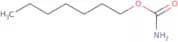
Heptyl carbamate
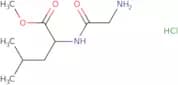
CAS:<p>Heptyl carbamate is a cholinergic antagonist of the blood disorders. It has been shown to inhibit hydroxy and hiv infection. In vitro assays have shown that heptyl carbamate inhibits the synthesis of fatty acid, thereby reducing cholesterol levels and inhibiting the production of insulin resistance in cells. Heptyl carbamate also binds to the same site on acetylcholinesterase as donepezil, which blocks the breakdown of acetylcholine and leads to an accumulation of this neurotransmitter in nerve cells. This increased concentration of acetylcholine in nerve cells can lead to a reduced incidence of Alzheimer's disease-related symptoms.</p>Formula:C8H17NO2Purity:Min. 95%Molecular weight:159.23 g/molH-Gly-Leu-OMe hydrochloride
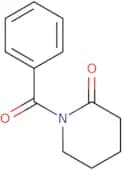
CAS:<p>Versatile small molecule scaffold</p>Formula:C9H19ClN2O3Purity:Min. 95%Molecular weight:238.71 g/mol1-Benzoylpiperidin-2-one
CAS:<p>1-Benzoylpiperidin-2-one is a cyclic amide that contains an iminium group. It is synthesized in the presence of phenolic and yields two isomers, with one being more stable than the other. 1-Benzoylpiperidin-2-one has been shown to inhibit nicotine metabolism by inhibiting cytochrome P450 enzymes. Mechanistically, 1-benzoylpiperidin-2-one binds to the heme moiety at the active site of the enzyme and acts as a reversible inhibitor. The nitrogen atom of 1-benzoylpiperidin-2-one binds to the methylene carbon of heme b, leading to inhibition of microsomal enzymes such as phenol hydroxylase and deuterium incorporation into piperidine metabolites.</p>Formula:C12H13NO2Purity:Min. 95%Molecular weight:203.24 g/mol1-(4-(Benzyloxy)phenyl)-2-bromoethanone
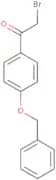
CAS:<p>1-(4-Benzyloxy)phenyl-2-bromoethanone is a carbonylation agent that is used to synthesize alkaloids. This compound is efficient and can be used in the synthesis of rigidin, a tetrasubstituted benzene. It is also used as a reagent for the protection of benzyl groups. The deprotection reaction occurs by using triphosgene or catalytic hydrogenation.</p>Formula:C15H13BrO2Purity:Min. 95%Molecular weight:305.17 g/mol1-Phenylpent-4-en-2-amine
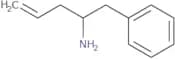
CAS:Controlled Product<p>1-Phenylpent-4-en-2-amine is a fatty alcohol that is soluble in water and organic solvents. It is used as a pharmaceutical dosage form, usually as an ester or salt. 1-Phenylpent-4-en-2-amine has been shown to be effective for the treatment of high blood pressure and diagnosing serotonin transporter gene disorders. The human body metabolizes this drug into conjugates, which are then excreted from the body. Diagnostic agents can be used to detect the presence of these metabolites in urine samples.</p>Formula:C11H15NPurity:Min. 95%Molecular weight:161.24 g/mol2-Hydroxy-4-phenylbutanoic acid
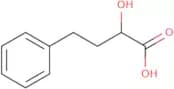
CAS:<p>2-Hydroxy-4-phenylbutanoic acid is an aliphatic hydrocarbon that is used for the synthesis of chiral compounds. It inhibits enzymes such as esterases, transferases, and oxidoreductases. 2-Hydroxy-4-phenylbutanoic acid also catalyzes the Friedel-Crafts reaction. This chemical has been shown to be a stereoselective enzyme inhibitor, which may be useful in asymmetric synthesis.</p>Formula:C10H12O3Purity:Min. 95%Molecular weight:180.2 g/mol6-Bromo-1,2,3,4-tetrahydropyrimidine-2,4-dione
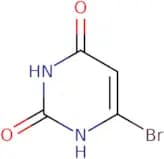
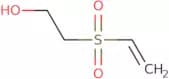
CAS:Versatile small molecule scaffoldFormula:C4H3BrN2O2Purity:Min. 95%Molecular weight:190.98 g/mol2-(Ethenesulfonyl)ethan-1-ol
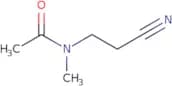
CAS:2-(Ethenesulfonyl)ethan-1-ol is a versatile compound with various characteristics and applications. It has high bioavailability and can be easily absorbed by the body. This compound is known to inhibit the activity of glucoamylase, an enzyme that breaks down carbohydrates. It has also been studied for its potential antiviral properties. In addition to its pharmaceutical applications, 2-(Ethenesulfonyl)ethan-1-ol finds use in other industries as well. It is commonly used in research chemicals and synthetic cannabinoids production. Its phototoxicity properties make it useful in the development of sunscreen products. Moreover, it can be utilized as a building block in the synthesis of copolymers, glutamate derivatives, fatty acids, and other organic compounds. Overall, 2-(Ethenesulfonyl)ethan-1-ol is a valuable compound with diverse applications across multiple industries. Its unique characteristics make it an essential ingredientFormula:C4H8O3SPurity:Min. 95%Color and Shape:Clear LiquidMolecular weight:136.17 g/molN-(2-Cyanoethyl)-N-methylacetamide
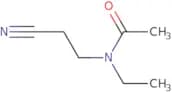
CAS:Versatile small molecule scaffoldFormula:C6H10N2OPurity:Min. 95%Molecular weight:126.16 g/molN-(2-Cyanoethyl)-N-ethylacetamide
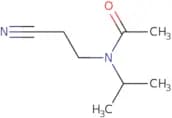
CAS:<p>Versatile small molecule scaffold</p>Formula:C7H12N2OPurity:Min. 95%Molecular weight:140.18 g/molN-(2-Cyanoethyl)-N-(propan-2-yl)acetamide
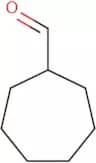
CAS:Versatile small molecule scaffoldFormula:C8H14N2OPurity:Min. 95%Molecular weight:154.21 g/molcycloheptanecarbaldehyde
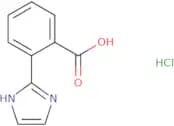
CAS:Cycloheptanecarbaldehyde is a divalent hydrocarbon that is an agonist at the opioid receptor. It also has been shown to react with chlorinated compounds, such as hydrochloric acid or chloramine, which may indicate its presence in the environment. Cycloheptanecarbaldehyde has been found to be reactive with amines and other compounds that have a hydrogen atom attached to a heteroatom such as oxygen or nitrogen. The compound can also react with aliphatic hydrocarbons under certain conditions, thereby forming tropylium ions.Formula:C8H14OPurity:Min. 95%Molecular weight:126.2 g/mol2-(1H-Imidazol-2-yl)benzoic acid hydrochloride
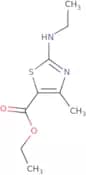
CAS:Versatile small molecule scaffoldFormula:C10H9ClN2O2Purity:Min. 95%Molecular weight:224.64 g/molEthyl 2-(ethylamino)-4-methyl-1,3-thiazole-5-carboxylate
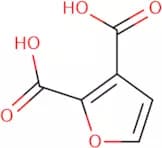
CAS:Versatile small molecule scaffoldFormula:C9H14N2O2SPurity:Min. 95%Molecular weight:214.29 g/molFuran-2,3-dicarboxylic acid
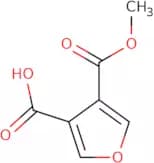
CAS:<p>Furan-2,3-dicarboxylic acid is a fluorogenic probe that reacts with water vapor to form a fluorescent product. The reaction of furan-2,3-dicarboxylic acid with methanol and ethylene glycol yields 2,5-furandicarboxylic acid. This compound is also the product of the reaction of furan-2,3-dicarboxylic acid with magnesium salt in anhydrous sodium carbonate. Furan-2,3-dicarboxylic acid can be oxidized by pyridinium chlorochromate (PCC) to form 5-hydroxymethylfurfural. Furan-2,3-dicarboxylic acid has been shown to react with p-hydroxybenzoic acid in the presence of an oxidation catalyst to yield a furandicarboxyl derivative.</p>Formula:C6H4O5Purity:Min. 95%Molecular weight:156.09 g/mol4-(Methoxycarbonyl)furan-3-carboxylic acid
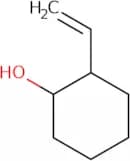
CAS:4-(Methoxycarbonyl)furan-3-carboxylic acid is a fluorescent compound that can be used as an efficient hydrogenation reagent. It is also a versatile and efficient synthetic intermediate for the synthesis of bicyclic and heterocycled amines. 4-(Methoxycarbonyl)furan-3-carboxylic acid is generated from the reduction of 4-(methoxycarbonyl)pyrazole with lithium aluminum hydride, followed by hydrolysis. This method has been shown to yield high yields and functionalized products.Formula:C7H6O5Purity:Min. 95%Molecular weight:170.12 g/mol2-Ethenylcyclohexan-1-ol
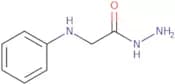
CAS:Versatile small molecule scaffoldFormula:C8H14OPurity:Min. 95%Molecular weight:126.2 g/mol2-(Phenylamino)acetohydrazide
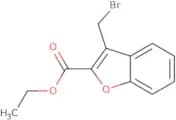
CAS:<p>2-(Phenylamino)acetohydrazide is a non-steroidal antibacterial agent that binds to the active site of bacterial ribosomes and inhibits protein synthesis. The molecule is stabilized by electron-withdrawing groups, which are favorable for binding to metal ions. 2-(Phenylamino)acetohydrazide has been shown to be effective against a wide range of bacteria, including E. coli, Pseudomonas aeruginosa, Candida neoformans, and Staphylococcus epidermidis. It also has a strong inhibitory effect on S. epidermidis and Escherichia coli.</p>Formula:C8H11N3OPurity:Min. 95%Molecular weight:165.19 g/molEthyl 3-(bromomethyl)-1-benzofuran-2-carboxylate
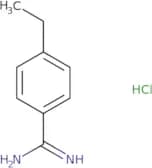
CAS:Ethyl 3-(bromomethyl)-1-benzofuran-2-carboxylate (BMC) is a potent anticancer agent that inhibits cancer cell growth by inhibiting the activity of regulatory proteins. BMC selectively interacts with the regulatory domain of these proteins, which causes them to become inactive and inhibits tumor growth. BMC also induces necroptosis, which is an alternative form of programmed cell death that can be induced by multiple stimuli. This process results in the release of proinflammatory cytokines such as IL-1β and IL-18, which may contribute to its anti-cancer effects. BMC has been shown to inhibit murine lung tumor growth in vivo and inhibit tumor growth in vitro.Formula:C12H11BrO3Purity:Min. 95%Molecular weight:283.12 g/mol4-Ethylbenzene-1-carboximidamide hydrochloride
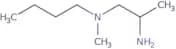
CAS:Versatile small molecule scaffoldFormula:C9H13ClN2Purity:Min. 95%Molecular weight:184.66 g/mol(2-Aminopropyl)(butyl)methylamine
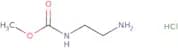
CAS:<p>Versatile small molecule scaffold</p>Formula:C8H20N2Purity:Min. 95%Molecular weight:144.26 g/molMethyl N-(2-aminoethyl)carbamate hydrochloride
CAS:Versatile small molecule scaffoldFormula:C4H11ClN2O2Purity:Min. 95%Molecular weight:154.59 g/mol1-Azabicyclo[3.3.1]nonan-3-one
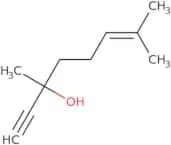
CAS:<p>Versatile small molecule scaffold</p>Formula:C8H13NOPurity:Min. 95%Molecular weight:139.19 g/mol3,7-Dimethyl-6-octen-1-yn-3-ol
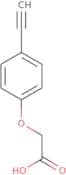
CAS:<p>3,7-Dimethyl-6-octen-1-yn-3-ol (linalool) is a naturally occurring chemical in plants. It has been shown to inhibit the growth of hepatitis C virus and is used as a chemical intermediate. Linalool is hydrogenated by using a catalyst, such as phosphotungstic acid. The process of hydrogenation can be optimized through kinetic studies. This compound is also used in the synthesis of ethylene diamine, which is used in particle activation energies for pleural fluid.</p>Formula:C10H16OPurity:Min. 95%Molecular weight:152.23 g/mol2-(4-Ethynylphenoxy)acetic acid
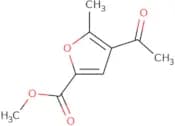
CAS:<p>Versatile small molecule scaffold</p>Formula:C10H8O3Purity:Min. 95%Molecular weight:176.17 g/molMethyl 4-acetyl-5-methyl-2-furoate
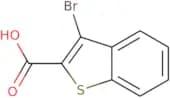
CAS:<p>Versatile small molecule scaffold</p>Formula:C9H10O4Purity:Min. 95%Molecular weight:182.17 g/mol3-Bromobenzothiophene-2-carboxylic acid
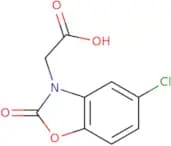
CAS:3-Bromobenzothiophene-2-carboxylic acid is an organic compound that is used in the synthesis of pharmaceuticals, including anticancer agents. It inhibits the growth of cancer cells by binding to a specific site on their DNA and preventing the formation of terminal alkynes. 3-Bromobenzothiophene-2-carboxylic acid has been shown to be a potent inhibitor of lactamase, which is an enzyme that breaks down lactams and other esters. This effect leads to decreased cell proliferation in some cancer cells. 3-Bromobenzothiophene-2-carboxylic acid also has a fluorescent property, which can be used for research purposes.Formula:C9H5BrO2SPurity:Min. 95%Molecular weight:257.1 g/mol(5-Chloro-2-oxo-benzooxazol-3-yl)-acetic acid
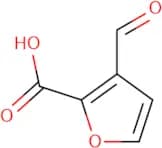
CAS:<p>Versatile small molecule scaffold</p>Formula:C9H6ClNO4Purity:Min. 95%Molecular weight:227.6 g/mol3-Formylfuran-2-carboxylic acid
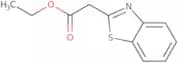
CAS:<p>3-Formylfuran-2-carboxylic acid is a furanic sugar derivative that is used as a sweetener. It can be obtained by the reaction of glycerol with formaldehyde and catalytic acid. 3-Formylfuran-2-carboxylic acid has a particle size of less than 2 microns, which means it can be used in chewing gum and other food products. This product has been shown to have antioxidant activity due to its ability to scavenge free radicals and inhibit oxidation, making it suitable for use as a preservative.</p>Formula:C6H4O4Purity:Min. 95%Molecular weight:140.09 g/molEthyl 1,3-benzothiazol-2-ylacetate
CAS:Ethyl 1,3-benzothiazol-2-ylacetate is a coumarin derivative that has been shown to be active against tuberculosis. It inhibits bacterial growth by binding to the gyrase enzyme and preventing the formation of a new DNA strand. The synthesis of ethyl 1,3-benzothiazol-2-ylacetate starts with the condensation of 2 molecules of acetoacetic ester in the presence of an acid catalyst. This reaction takes place in vivo in animal tissues and is catalyzed by enzymes such as gyrase or topoisomerase IV. The reaction time for this synthesis is typically 3 hours. Ethyl 1,3-benzothiazol-2-ylacetate emits fluorescent emissions at a wavelength of 330 nanometers.Formula:C11H11NO2SPurity:Min. 95%Molecular weight:221.28 g/mol4-[(4-Chlorophenyl)sulfanyl]butanoic acid
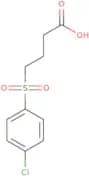
CAS:<p>Versatile small molecule scaffold</p>Formula:C10H11ClO2SPurity:Min. 95%Molecular weight:230.71 g/mol4-(4-Chlorobenzenesulfonyl)butanoic acid
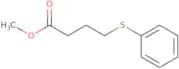
CAS:Versatile small molecule scaffoldFormula:C10H11ClO4SPurity:Min. 95%Molecular weight:262.71 g/molMethyl 4-(phenylsulfanyl)butanoate
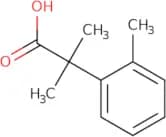
CAS:<p>Versatile small molecule scaffold</p>Formula:C11H14O2SPurity:Min. 95%Molecular weight:210.29 g/mol2-Methyl-2-(2-methylphenyl)propanoic acid
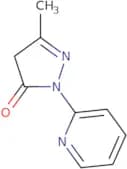
CAS:<p>Versatile small molecule scaffold</p>Formula:C11H14O2Purity:Min. 95%Molecular weight:178.23 g/mol3-Methyl-1-(pyridin-2-yl)-4,5-dihydro-1H-pyrazol-5-one
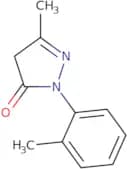
CAS:Versatile small molecule scaffoldFormula:C9H9N3OPurity:Min. 95%Molecular weight:175.19 g/mol3-Methyl-1-(2-methylphenyl)-4,5-dihydro-1H-pyrazol-5-one
CAS:<p>Versatile small molecule scaffold</p>Formula:C11H12N2OPurity:Min. 95%Molecular weight:188.23 g/mol5-Methoxy-2-thiophenecarboxylic acid
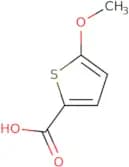
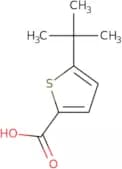
CAS:5-Methoxy-2-thiophenecarboxylic acid is an aldehyde that is synthesized by the reaction of lithium, phosphoryl chloride and thiophene. The azomethine group in this compound can be converted to the corresponding phosphoryl chloride and sulfides. 5-Methoxy-2-thiophenecarboxylic acid is used as an intermediate for manufacturing dyes and pharmaceuticals, such as analgesics and antibiotics.Formula:C6H6O3SPurity:Min. 95%Molecular weight:158.18 g/mol5-tert-Butylthiophene-2-carboxylic acid
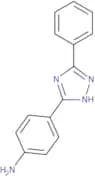
CAS:<p>Versatile small molecule scaffold</p>Formula:C9H12O2SPurity:Min. 95%Molecular weight:184.26 g/mol4-(3-Phenyl-1H-1,2,4-triazol-5-yl)aniline
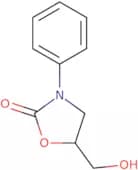
CAS:Versatile small molecule scaffoldFormula:C14H12N4Purity:Min. 95%Molecular weight:236.27 g/mol5-(Hydroxymethyl)-3-phenyl-1,3-oxazolidin-2-one
CAS:<p>Versatile small molecule scaffold</p>Formula:C10H11NO3Purity:Min. 95%Molecular weight:193.2 g/molBicyclo[2.2.2]octane-2-carboxylic acid
CAS:Versatile small molecule scaffoldFormula:C9H14O2Purity:Min. 95%Molecular weight:154.21 g/mol(2S)-2-{[(2S)-5-Oxopyrrolidin-2-yl]formamido}pentanedioic acid
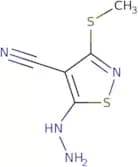
CAS:(2S)-2-{[(2S)-5-Oxopyrrolidin-2-yl]formamido}pentanedioic acid is an optically active glutamic acid amide, which is a natural product. It has a bitter taste and may be found in soybeans and zinc salts. The salt form of this compound is used as a mouthwash to reduce the sensation of bitterness. This compound has been reported to have anti-inflammatory activities and has been shown to inhibit the growth of Aspergillus flavus and other fungi.Formula:C10H14N2O6Purity:Min. 95%Molecular weight:258.23 g/mol5-Hydrazino-3-(methylthio)isothiazole-4-carbonitrile
CAS:Versatile small molecule scaffoldFormula:C5H6N4S2Purity:Min. 95%Molecular weight:186.3 g/molFa-Gly-OH
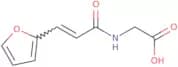
CAS:Fa-Gly-OH is a molecule that is used to study the kinetics of drug metabolism and the metabolism of drugs. It can be synthesized from glycerol and furfural, which are both readily available chemicals. Fa-Gly-OH has been shown to have a magnetic resonance profile that is similar to that of other fatty acids. The metabolic profile of this molecule was determined in groups of mice, with doses ranging from 10 mg/kg to 500 mg/kg. Fa-Gly-OH was found to be metabolized in the liver, with no detectable levels in the urine or faeces. Fa-Gly-OH is eventually converted into conjugates, such as methylglyoxal, which are excreted in the urine and faeces.Formula:C9H9NO4Purity:Min. 95%Molecular weight:195.17 g/mol(1-Phenylethyl)hydrazine hydrochloride
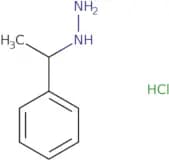
CAS:<p>Versatile small molecule scaffold</p>Formula:C8H13ClN2Purity:Min. 95%Molecular weight:172.65 g/mol4-Butoxy-2-hydroxybenzoic acid
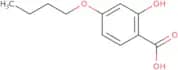
CAS:<p>Versatile small molecule scaffold</p>Formula:C11H14O4Purity:Min. 95%Molecular weight:210.23 g/mol2-(1,2-Benzothiazol-3-yl)acetic acid
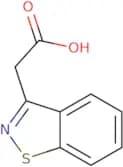
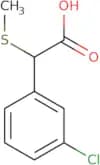
CAS:<p>2-(1,2-Benzothiazol-3-yl)acetic acid is a plant hormone that is found in the indole-3-acetic acid family of plant hormones. It is one of the auxins and it has been shown to promote germination and root growth. Auxins have also been shown to be involved in the development of vascular tissue and other aspects of plant growth. 2-(1,2-Benzothiazol-3-yl)acetic acid has been isolated from Pisum sativum L., Lycopersicon esculentum, and Esculentum.</p>Formula:C9H7NO2SPurity:Min. 95%Molecular weight:193.22 g/mol2-(3-Chlorophenyl)-2-(methylsulfanyl)acetic acid
CAS:<p>Versatile small molecule scaffold</p>Formula:C9H9ClO2SPurity:Min. 95%Molecular weight:216.68 g/molMethyl 3-[(trifluoromethyl)sulfanyl]propanoate
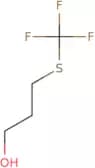
CAS:<p>Versatile small molecule scaffold</p>Formula:C5H7F3O2SPurity:Min. 95%Molecular weight:188.17 g/mol3-((Trifluoromethyl)thio)propan-1-ol
CAS:<p>Versatile small molecule scaffold</p>Formula:C4H7F3OSPurity:Min. 95%Molecular weight:160.16 g/mol

![1-Azabicyclo[3.3.1]nonan-3-one](/_next/image/?url=https%3A%2Fstatic.cymitquimica.com%2Fproducts%2F3D%2Fthumb-webp%2FEBA17080.webp&w=3840&q=75)
![4-[(4-Chlorophenyl)sulfanyl]butanoic acid](/_next/image/?url=https%3A%2Fstatic.cymitquimica.com%2Fproducts%2F3D%2Fthumb-webp%2FEBA19363.webp&w=3840&q=75)
![Bicyclo[2.2.2]octane-2-carboxylic acid](/_next/image/?url=https%3A%2Fstatic.cymitquimica.com%2Fproducts%2F3D%2Fthumb-webp%2FEBA22125.webp&w=3840&q=75)
![(2S)-2-{[(2S)-5-Oxopyrrolidin-2-yl]formamido}pentanedioic acid](/_next/image/?url=https%3A%2Fstatic.cymitquimica.com%2Fproducts%2F3D%2Fthumb-webp%2FEBA22792.webp&w=3840&q=75)
![Methyl 3-[(trifluoromethyl)sulfanyl]propanoate](/_next/image/?url=https%3A%2Fstatic.cymitquimica.com%2Fproducts%2F3D%2Fthumb-webp%2FEBA27131.webp&w=3840&q=75)