Building Blocks
Subcategories of "Building Blocks"
- Boronic Acids & Boronic Acid Derivatives(5,783 products)
- Chiral Building Blocks(1,242 products)
- Hydrocarbon Building Blocks(6,105 products)
- Organic Building Blocks(61,055 products)
Found 205383 products of "Building Blocks"
2-[1,2,4]Triazol-1-yl-benzylamine
CAS:2-[1,2,4]Triazol-1-yl-benzylamine is a chemical compound that has been shown to be an excellent reagent in organic synthesis. It is also used as a building block for the synthesis of compounds related to pharmaceuticals, pesticides and other speciality chemicals. 2-[1,2,4]Triazol-1-yl-benzylamine is a versatile intermediate that can be used in the synthesis of complex compounds with good yields and high purity.
Formula:C9H10N4Purity:Min. 95%Color and Shape:PowderMolecular weight:174.2 g/molRef: 3D-FT50933
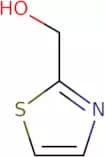
Discontinued product1,3-Thiazol-2-ylmethanol
CAS:1,3-Thiazol-2-ylmethanol is a macrocyclic compound that has a structure similar to that of the natural product phenylbutazone. It is synthesized from 1,3-thiazol-2-amine and benzaldehyde by dehydrogenative condensation. The ligand binds with metal ions via its thionyl group. The metal ion coordinates with the chloride anion and the ligand to produce a planar geometry. This process also produces a distillate that contains phenylbutazone as a major product.
Formula:C4H5NOSPurity:Min. 95%Color and Shape:White PowderMolecular weight:115.15 g/molRef: 3D-FT53502
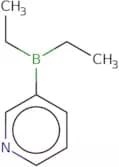
Discontinued product3-(Diethylboryl) pyridine
CAS:3-(Diethylboryl) pyridine is a halogenated biphenyl. It is used in the synthesis of 3-aryl substituted pyridines by cross-coupling reactions with aryl iodides, bromides and chlorides. Cross-coupling reactions are usually carried out at low temperatures (0 to 20°C) in order to minimize side reactions. The reaction is usually conducted in a biphasic system containing an organic solvent and water, which facilitates the extraction of the product from the mixture. 3-(Diethylboryl) pyridine reacts with halide ions via an electrophilic substitution reaction to form a reactive intermediate, which reacts with palladium catalyst to produce the desired product. This process is also called catalytic hydrogenation. 3-(Diethylboryl) pyridine has been shown to inhibit human cytochrome P450 enzymes, which are involved in drug metabolism and break down drugs
Formula:C9H14BNPurity:Min. 95%Color and Shape:PowderMolecular weight:147.03 g/molRef: 3D-FD29987
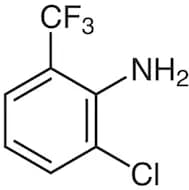
Discontinued product2-Amino-3-chlorobenzotrifluoride
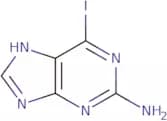
CAS:Formula:C7H5ClF3NPurity:>97.0%(GC)Color and Shape:Colorless to Almost colorless clear liquidMolecular weight:195.572-Amino-6-iodopurine
CAS:2-Amino-6-iodopurine is an analog of the purine nucleoside guanine, which has been used to synthesize a variety of boronic acids. The most common use for 2-amino-6-iodopurine is in the synthesis of benzylboronic acid, which can be used as an organometallic reagent in organic synthesis. This compound also has dehydrogenase activity and has been shown to catalyze the conversion of benzoic acid to benzaldehyde, mediated by NADH. 2-Amino-6-iodopurine is found in the biosynthesis of ribonucleotides and deoxyribonucleotides, where it reacts with chloride ions and phosphate groups to form adenylate and xanthosine monophosphates.
Formula:C5H4IN5Purity:Min. 95%Color and Shape:PowderMolecular weight:261.02 g/molRef: 3D-FA08193
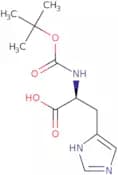
Discontinued productBoc-L-Histidine
CAS:Boc-L-histidine is a histidine derivative with a boronic acid group that can be used to synthesize imines. It is an organic solvent and can be used in magnetic resonance spectroscopy. Boc-L-histidine has been shown to inhibit the tyrosine activity of tyrosinase, which is involved in melanin synthesis. This compound also inhibits cancer cells by inhibiting the cellular process of protein synthesis and, as such, may be useful for the treatment of cancers.
Formula:C11H17N3O4Purity:Min. 98 Area-%Color and Shape:White PowderMolecular weight:255.27 g/molRef: 3D-FB36891
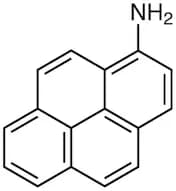
Discontinued product1-Aminopyrene (purified by sublimation)
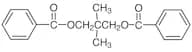
CAS:Formula:C16H11NPurity:>99.0%(T)(HPLC)Color and Shape:Light yellow to Amber to Dark green powder to crystalMolecular weight:217.27Neopentyl Glycol Dibenzoate
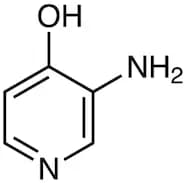
CAS:Formula:C19H20O4Purity:>98.0%(GC)Color and Shape:White to Almost white powder to crystalMolecular weight:312.373-Amino-4-hydroxypyridine
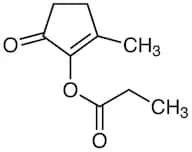
CAS:Formula:C5H6N2OPurity:>98.0%(T)(HPLC)Color and Shape:Light yellow to Brown powder to crystalMolecular weight:110.122-Methyl-5-oxo-1-cyclopentenyl Propionate
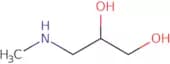
CAS:Formula:C9H12O3Purity:>98.0%(GC)Color and Shape:White to Light yellow powder to lumpMolecular weight:168.193-Methylamino-1,2-propanediol
CAS:3-Methylamino-1,2-propanediol is a reactive compound that is used in the synthesis of organic acids. It is also used as an intermediate in the manufacture of polyethylene glycols and particle coatings. 3-Methylamino-1,2-propanediol can be synthesized from allylamine and alkanolamine via a thermal process. It reacts with chloride to form methyl chloroacetate, which can then be converted into 3-methylamino-1,2-propanediol by reaction with methanol. The production process for this substance has been shown to generate low levels of hazardous substances such as polycyclic aromatic hydrocarbons (PAHs) and dioxins.
Formula:C4H11NO2Purity:Min. 95%Color and Shape:PowderMolecular weight:105.14 g/molRef: 3D-FM34214
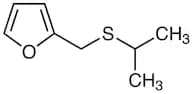
Discontinued productFurfuryl Isopropyl Sulfide
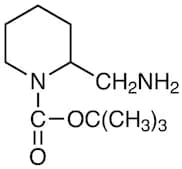
CAS:Formula:C8H12OSPurity:>98.0%(GC)Color and Shape:Colorless to Almost colorless clear liquidMolecular weight:156.242-(Aminomethyl)-1-tert-butoxycarbonylpiperidine
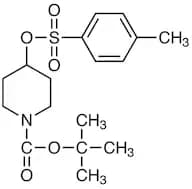
CAS:Formula:C11H22N2O2Purity:>98.0%(T)Color and Shape:Colorless to Light yellow clear liquidMolecular weight:214.311-(tert-Butoxycarbonyl)-4-(p-toluenesulfonyloxy)piperidine
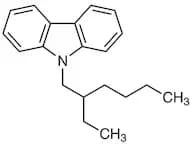
CAS:Formula:C17H25NO5SPurity:>98.0%(HPLC)Color and Shape:White to Almost white powder to crystalMolecular weight:355.459-(2-Ethylhexyl)carbazole
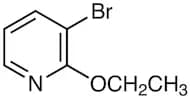
CAS:Formula:C20H25NPurity:>97.0%(GC)Color and Shape:Light yellow to Yellow to Orange clear liquidMolecular weight:279.433-Bromo-2-ethoxypyridine
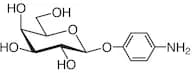
CAS:Formula:C7H8BrNOPurity:>97.0%(GC)(T)Color and Shape:Colorless to Light yellow clear liquidMolecular weight:202.054-Aminophenyl β-D-Galactopyranoside
CAS:Formula:C12H17NO6Purity:>98.0%(HPLC)Color and Shape:White to Almost white powder to crystalMolecular weight:271.276-Nitroquinoline
CAS:6-Nitroquinoline is a nucleophilic compound that reacts with nitroalkanes to form alkyl nitrites. It undergoes a bioreductive reaction, in which it is reduced to the corresponding amine by hydrogen peroxide and ammonia. 6-Nitroquinoline contains functional groups that can act as either electron donors or electron acceptors and is therefore reactive towards other compounds. The reaction mechanism involves nucleophilic attack at the carbon atom in the ring of the 6-nitroquinoline molecule, resulting in an addition product. 6-Nitroquinoline has been shown to react with fluorophores such as fluorescein, forming a fluorescent product that can be detected by spectroscopy. This chemical can also form hydrogen bonds with other molecules, which are important for its reactivity. The reaction products of this compound are nitrite and quinolines where one or more of the nitrogens have been oxidized to nitro groups.
ENDFormula:C9H6N2O2Purity:Min. 95%Color and Shape:White PowderMolecular weight:174.16 g/molRef: 3D-FN31115
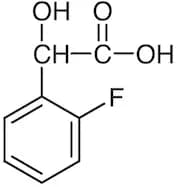
Discontinued product2-Fluoro-DL-mandelic Acid
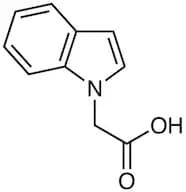
CAS:Formula:C8H7FO3Purity:>98.0%(GC)(T)Color and Shape:White to Almost white powder to crystalMolecular weight:170.14(1-Indolyl)acetic Acid
CAS:Formula:C10H9NO2Purity:>97.0%(T)Color and Shape:Light yellow to Yellow to Orange powder to crystalMolecular weight:175.195-Nitro-7-azaindole
CAS:5-Nitro-7-azaindole is a heterocyclic compound that is structurally related to the furoquinolines. It has been shown to act as an inhibitor of benzene and pyridine oxidases, which are enzymes that catalyze the conversion of these compounds into reactive intermediates. The reaction mechanism of 5-Nitro-7-azaindole with benzene and pyridine oxidases involves the formation of covalent bonds with reactive sulfur atoms in the enzyme active site. 5-Nitro-7-azaindole also inhibits bacterial growth by inhibiting DNA synthesis. This compound has been found to be scalable and can be produced at large scales without loss in quality. 5-Nitro-7-azaindole is not stereoselective and it is not an aromatic system, meaning that it does not have a benzene ring.
Formula:C7H5N3O2Purity:Min. 95%Color and Shape:PowderMolecular weight:163.13 g/molRef: 3D-FN15227
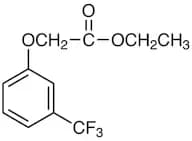
Discontinued productEthyl 3-(Trifluoromethyl)phenoxyacetate
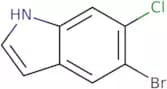
CAS:Formula:C11H11F3O3Purity:>95.0%(GC)Color and Shape:Light yellow to Yellow to Orange clear liquidMolecular weight:248.205-Bromo-6-chloro-1H-indole
CAS:5-Bromo-6-chloro-1H-indole is a fine chemical that is used as a building block for research chemicals, reagents, and speciality chemicals. It is soluble in chloroform and benzene, but insoluble in water. This product can be used as a reaction component or a useful intermediate in the production of complex compounds. 5-Bromo-6-chloro-1H-indole has been reported to be an effective scaffold for the synthesis of many novel compounds with potential applications such as pharmaceuticals, agrochemicals, and dyes.
Formula:C8H5BrClNPurity:Min. 95%Color and Shape:PowderMolecular weight:230.49 g/molRef: 3D-FB29903
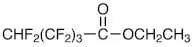
Discontinued productEthyl 5H-Octafluorovalerate
CAS:Formula:C7H6F8O2Purity:>98.0%(GC)Color and Shape:Colorless to Almost colorless clear liquidMolecular weight:274.112-Chloro-4-fluorobenzyl Bromide
CAS:Formula:C7H5BrClFPurity:>98.0%(GC)Color and Shape:White to Light yellow to Light orange powder to crystalMolecular weight:223.47Methyl Nonanoate
CAS:Methyl Nonanoate is an ester with a chemical formula of C11H24O2. It has been shown to have antidiabetic activity in mice and is being developed as a potential therapeutic agent for type 2 diabetes. Methyl Nonanoate inhibits the production of glucose by inhibiting the conversion of glucose into glycogen, which can be accomplished via its interaction with the insulin receptor. This chemical also has antimicrobial properties, which are due to its ability to inhibit bacterial cell wall synthesis. This mechanism may be due to methyl nonanoate's ability to bind to the hydroxyl group on glycol esters and react with hydrogen fluoride (HF), which leads to the release of energy that is used in the production of fatty acids.
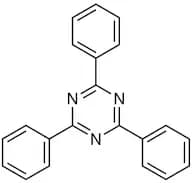
Formula:C10H20O2Purity:Min. 95%Color and Shape:Clear LiquidMolecular weight:172.27 g/mol2,4,6-Triphenyl-1,3,5-triazine (purified by sublimation)
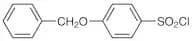
CAS:Formula:C21H15N3Purity:>99.0%(GC)Color and Shape:White to Almost white powder to crystalMolecular weight:309.374-(Benzyloxy)benzenesulfonyl Chloride
CAS:Formula:C13H11ClO3SPurity:>98.0%(T)Color and Shape:White to Light yellow powder to crystalMolecular weight:282.743-Amino-2-bromopyridine
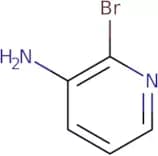
CAS:3-Amino-2-bromopyridine is a synthetic compound that has been found to be a potential antitumor agent. It undergoes a palladium-catalyzed coupling reaction with 3-phenylpropene, forming an amide. The reaction yield is dependent on the temperature of the reaction, which must be low enough for the desired product to form. 3-Amino-2-bromopyridine has been shown to possess pharmacokinetic properties and can be transported by amide, hydroxyl, and carboxyl groups. This compound also undergoes acid formation reactions at elevated temperatures.
Formula:C5H5BrN2Purity:Min. 95%Color and Shape:White PowderMolecular weight:173.01 g/molRef: 3D-FA50747
Discontinued product(4-Fluorophenyl)urea
CAS:Formula:C7H7FN2OPurity:>97.0%(HPLC)(N)Color and Shape:White to Almost white powder to crystalMolecular weight:154.142-Nitrobenzylamine hydrochloride
CAS:2-Nitrobenzylamine hydrochloride is a compound that has been shown to have cancer-fighting properties. It inhibits the synthesis of proteins necessary for the proliferation of cancer cells, but it does not affect the synthesis of proteins in healthy cells. This drug is used to diagnose and treat certain types of cancers, such as lymphoma and leukemia. 2-Nitrobenzylamine hydrochloride can be modified by genetic engineering techniques to specifically target cancer cells, which may help with the treatment of other types of diseases in the future. It is believed that this drug will be useful for treating cancers that are resistant to chemotherapy or radiation therapy, as well as those that are caused by mutations in DNA.
Formula:C7H9ClN2O2Purity:Min. 95%Color and Shape:PowderMolecular weight:188.61 g/molRef: 3D-FN69987
Discontinued productPro-Gly-OH
CAS:Pro-Gly-OH is a cyclic peptide that has been shown to have antimicrobial activity. Pro-Gly-OH has been shown to be an intramolecular hydrogen acceptor, which leads to the formation of a carbonyl group. This compound also has site specific interactions with the cell membrane and is taken up by cells. It is active at acidic pHs and can be activated by growth factors.
The conformational properties of Pro-Gly-OH are due to hydrogen bonding interactions and amide bond formation.Formula:C7H12N2O3Purity:Min. 95%Color and Shape:PowderMolecular weight:172.18 g/molRef: 3D-FP49343
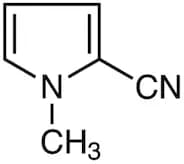
Discontinued product1-Methylpyrrole-2-carbonitrile
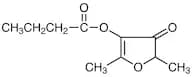
CAS:Formula:C6H6N2Purity:>98.0%(GC)Color and Shape:Colorless to Light yellow clear liquidMolecular weight:106.134,5-Dihydro-2,5-dimethyl-4-oxofuran-3-yl Butyrate
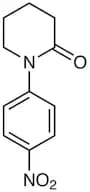
CAS:Formula:C10H14O4Purity:>96.0%(GC)Color and Shape:Colorless to Light yellow to Light orange clear liquidMolecular weight:198.221-(4-Nitrophenyl)-2-piperidone
CAS:Formula:C11H12N2O3Purity:>98.0%(GC)Color and Shape:White to Yellow to Green powder to crystalMolecular weight:220.234-(Acetylamino)-2-nitrobenzoic acid
CAS:4-(Acetylamino)-2-nitrobenzoic acid (AAANB) is a versatile building block that can be used in the synthesis of a wide range of organic and pharmaceutical compounds. AAANB is an intermediate in the preparation of 4-Amino-3-nitrophenol, which is an important research chemical. This compound is a useful scaffold for the synthesis of organic compounds with various biological activities. The CAS number for this product is 21573-29-5.
Formula:C9H8N2O5Purity:Min. 95%Color and Shape:PowderMolecular weight:224.17 g/molRef: 3D-FA131194
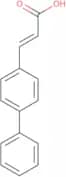
Discontinued product4-Phenylcinnamic acid
CAS:4-Phenylcinnamic acid is a prenylated aromatic compound that is used as a chromatographic stationary phase. It has been shown to inhibit the activity of tyrosinase and thus may be used for the treatment of hyperpigmentation disorders such as melasma. 4-Phenylcinnamic acid interacts with piperidine and inhibits its activity, which may lead to new drug development. Molecular modelling of 4-phenylcinnamic acid has shown that it is possible to introduce functional groups into the molecule, making it more reactive. The introduction of biphenyl derivatives may improve the lipophilicity of this molecule.
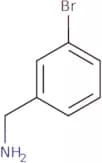
Formula:C15H12O2Purity:Min. 95%Color and Shape:White PowderMolecular weight:224.25 g/mol3-Bromobenzylamine
CAS:3-Bromobenzylamine is a chemical compound that belongs to the class of amines. It is used as an intermediate in organic synthesis, and its derivative 3-bromobenzylamine hydrochloride is used in pharmaceuticals as a heart stimulant. 3-Bromobenzylamine can be synthesized by reacting an amine with phosgene and then brominating it. This chemical has been shown to have inhibitory activity against cancer cells and can be used for the treatment of cancer. 3-Bromobenzylamine has also been shown to inhibit the growth of bacteria, fungi, and viruses in vitro. 3-Bromobenzylamine may also be useful for treating psoriasis due to its ability to inhibit prostaglandin synthesis.
Formula:C7H8BrNPurity:Min. 95%Color and Shape:Colorless PowderMolecular weight:186.04 g/molRef: 3D-FB10708
Discontinued product6-Amino-1-hexanol
CAS:6-Amino-1-hexanol is a chemical compound that belongs to the group of amines. It is also an ester of hexanol and ethylene diamine. 6-Amino-1-hexanol has been shown to have hemolytic activity, which is due to its ability to form an acyl chain with the hydroxyl group on the plate test. 6-Amino-1-hexanol has been used as a chemical intermediate in analytical chemistry and has been shown to be effective against bacterial strains such as Staphylococcus aureus and Bacillus subtilis. This substance also inhibits the growth of Streptococcus pneumoniae and Mycoplasma pneumoniae.6-Amino-1-hexanol does not inhibit uptake by bacteria, which may be due to its lack of amine functionality.
Formula:C6H15NOPurity:(Titration) Min. 97%Color and Shape:PowderMolecular weight:117.19 g/molRef: 3D-FA01980
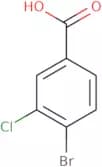
Discontinued product4-Bromo-3-chlorobenzoic acid
CAS:4-Bromo-3-chlorobenzoic acid is a molecule that belongs to the class of antimicrobial compounds and is used for the treatment of gram-negative pathogens. It inhibits the growth of these bacteria by blocking their ability to synthesize DNA, RNA, and proteins. 4-Bromo-3-chlorobenzoic acid has been shown to be effective against bacteria in mammalian cells and also has activity against multidrug resistant strains. This compound is biosynthesized in plant cells from carbon sources like glucose, and it can be found in plants like carrot tissue. The resistance of bacteria to this compound has been observed globally, with outbreaks occurring in Japan and India.
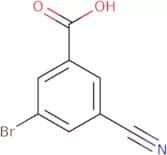
Formula:C7H4BrClO2Purity:Min. 95%Color and Shape:White PowderMolecular weight:235.46 g/mol3-Bromo-5-cyanobenzoic acid
CAS:3-Bromo-5-cyanobenzoic acid is a fine chemical that is used as a reagent or intermediate in the production of other chemicals. 3-Bromo-5-cyanobenzoic acid can be used as an intermediate in the synthesis of pharmaceuticals, agrochemicals, and perfumes. This compound is also useful as a building block for making speciality chemicals and research chemicals. 3-Bromo-5-cyanobenzoic acid is versatile because it can be used in many different reactions with many different substrates to make many different products.
Formula:C8H4BrNO2Purity:Min. 95%Color and Shape:PowderMolecular weight:226.03 g/molRef: 3D-FB12102
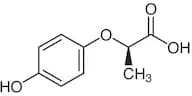
Discontinued product(R)-(+)-2-(4-Hydroxyphenoxy)propionic Acid
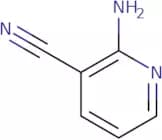
CAS:Formula:C9H10O4Purity:>98.0%(GC)(T)Color and Shape:White to Light yellow powder to crystalMolecular weight:182.182-Amino-3-pyridinecarbonitrile
CAS:2-Amino-3-pyridinecarbonitrile is an analgesic that belongs to the group of nonsteroidal anti-inflammatory drugs. It is a member of the class of chemical compounds known as aminopyridines. 2-Amino-3-pyridinecarbonitrile has been shown to have a high affinity for binding to the water vapor in cells, and has physiological effects on tissues. 2APC binds to adenosine receptors in cell membranes and blocks their activation. As a result, it inhibits the release of substances such as prostaglandins and leukotrienes that are involved in inflammation. This drug also has an inhibitory effect on the growth of cancerous cells by interfering with cell proliferation.
Purity:Min. 95%Color and Shape:PowderMolecular weight:119.12 g/molRef: 3D-FA03080
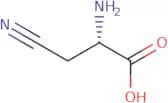
Discontinued productbeta-Cyano-L-alanine
CAS:Beta-cyano-l-alanine is a naturally occurring amino acid that is found in plants. It is synthesized by the enzyme beta-cyanoalanine synthase and is involved in plant metabolism. Beta-cyano-l-alanine is a precursor of the neurotransmitter gamma aminobutyric acid, or GABA, which has been shown to regulate the opening and closing of calcium channels in brain cells. In addition, it has been shown to inhibit enzymes such as phosphofructokinase and pyruvate kinase that are involved in the breakdown of glucose and other nutrients. Beta-cyano-l-alanine has also been shown to inhibit ryanodine receptors and other enzymes involved in muscle contraction. This amino acid can be used as an indicator for tissue culture experiments because it can be detected by sephadex G-100 chromatography.
Formula:C4H6N2O2Purity:Min. 95%Color and Shape:White PowderMolecular weight:114.1 g/molRef: 3D-FC47678
Discontinued product2-(Chloromethyl)-1,2-epoxybutane
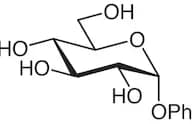
CAS:Formula:C5H9ClOPurity:>95.0%(GC)Color and Shape:Colorless to Almost colorless clear liquidMolecular weight:120.58Phenyl α-D-Glucopyranoside
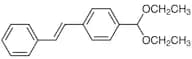
CAS:Formula:C12H16O6Purity:>97.0%(GC)Color and Shape:White to Light yellow powder to crystalMolecular weight:256.254-(Diethoxymethyl)-trans-stilbene
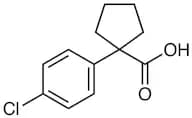
CAS:Formula:C19H22O2Purity:>98.0%(GC)Color and Shape:White to Almost white powder to crystalMolecular weight:282.381-(4-Chlorophenyl)-1-cyclopentanecarboxylic Acid
CAS:Formula:C12H13ClO2Purity:>98.0%(GC)(T)Color and Shape:White to Almost white powder to crystalMolecular weight:224.682-Chloro-5-(trifluoromethyl)phenol
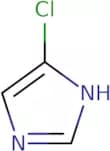
CAS:Formula:C7H4ClF3OPurity:>98.0%(GC)Color and Shape:Light orange to Yellow to Green clear liquidMolecular weight:196.554-Chloro-1H-imidazole
CAS:4-Chloro-1H-imidazole is an organic chemical compound that contains a heterocyclic ring with one nitrogen and three carbons. It is classified as a weak acid. 4-Chloro-1H-imidazole can be found in hydrochloric acid, methyl ketones, and the acid conjugates of pyrazole rings. It has minimal toxicity. 4-Chloro-1H-imidazole binds to receptors in the body, which may account for its effects on blood pressure and heart rate. This drug also reacts with diazonium salts to form an intermediate that is then oxidized by chloride ions to form a reactive intermediate that can react with histidine or flavin (a type of vitamin B2) to form a fluorescent product that can be detected by light absorption or fluorescence emission spectroscopy.
Formula:C3H3ClN2Purity:Min. 95%Color and Shape:White PowderMolecular weight:102.52 g/molRef: 3D-FC19980
Discontinued product
![2-[1,2,4]Triazol-1-yl-benzylamine](/_next/image/?url=https%3A%2Fstatic.cymitquimica.com%2Fproducts%2F3D%2Fthumb-webp%2FFT50933.webp&w=3840&q=75)