Building Blocks
Subcategories of "Building Blocks"
- Boronic Acids & Boronic Acid Derivatives(5,783 products)
- Chiral Building Blocks(1,242 products)
- Hydrocarbon Building Blocks(6,105 products)
- Organic Building Blocks(61,055 products)
Found 205383 products of "Building Blocks"
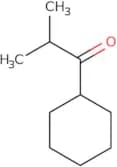
1-Cyclohexyl-2-methylpropan-1-one
CAS:Versatile small molecule scaffold
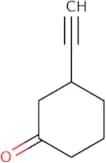
Formula:C10H18OPurity:Min. 95%Molecular weight:154.25 g/mol3-Ethynylcyclohexan-1-one
CAS:Versatile small molecule scaffold
Formula:C8H10OPurity:Min. 95%Molecular weight:122.16 g/molRef: 3D-ECA12518
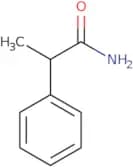
Discontinued product2-Phenylpropanamide
CAS:2-Phenylpropanamide is an amide that has been shown to have anti-inflammatory activity in a variety of animal models. It is also a metalloprotease inhibitor and suppresses the release of inflammatory cytokines. 2-Phenylpropanamide has shown some efficacy against cancer in human cell lines, and inhibits the production of the enzyme acetylcholinesterase. This drug also binds to adenosine A3 receptors, which are involved in inflammatory processes. 2-Phenylpropanamide has antioxidant properties, as it can scavenge radicals and inhibit hydroxyl radical formation. 2-Phenylpropanamide also has a high affinity for magnesium ions, which may explain its long elimination half-life after oral administration.
Formula:C9H11NOPurity:Min. 95%Molecular weight:149.19 g/mol5-Bromo-1H-imidazo[4,5-b]pyrazine
CAS:Versatile small molecule scaffold
Formula:C5H3BrN4Purity:Min. 95%Molecular weight:199.01 g/molRef: 3D-RDA22541
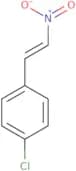
Discontinued product1-Chloro-4-(2-nitro-vinyl)-benzene
CAS:1-Chloro-4-(2-nitro-vinyl)-benzene is a colorless liquid that is soluble in organic solvents. It is used as a dehydrating agent and can be used to synthesize nitromethane by reacting with sodium methoxide in the presence of nitrogen gas. 1-Chloro-4-(2-nitro-vinyl)-benzene is stable at room temperature and has an environmental impact that is low. This compound can also be used as a catalyst for other reactions, such as the conversion of nitrobenzene to aniline.
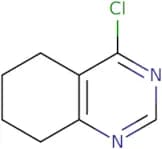
Formula:C8H6ClNO2Purity:Min. 95%Molecular weight:183.59 g/mol4-Chloro-5,6,7,8-tetrahydroquinazoline
CAS:Versatile small molecule scaffold
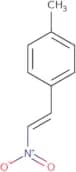
Formula:C8H9ClN2Purity:Min. 95%Molecular weight:168.62 g/moltrans-4-Methyl-beta-nitrostyrene
CAS:Trans-4-methyl-beta-nitrostyrene is a quinoline derivative that is used as an intermediate in the synthesis of other compounds. It has been shown to be an efficient method for inducing gene expression and regulating cellular response in animals. Trans-4-methyl-beta-nitrostyrene induces tyrosine kinase activity and telomerase activity, which are important in cell proliferation and tumor growth. This compound also activates downstream signal transduction pathways such as those mediated by epidermal growth factor receptor (EGFR). Trans-4-methyl-beta-nitrostyrene can be used to induce gene expression and regulate cellular response in animals. The compound also activates downstream signal transduction pathways such as those mediated by epidermal growth factor receptor (EGFR).
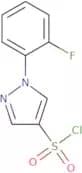
Formula:C9H9NO2Purity:Min. 95%Molecular weight:163.17 g/mol1-(2-Fluorophenyl)-1H-pyrazole-4-sulfonyl chloride
CAS:Versatile small molecule scaffoldFormula:C9H6ClFN2O2SPurity:Min. 95%Molecular weight:260.67 g/molRef: 3D-DWB04204
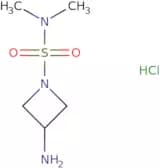
Discontinued product3-Amino-N,N-dimethylazetidine-1-sulfonamide hydrochloride
CAS:Versatile small molecule scaffoldFormula:C5H14ClN3O2SPurity:Min. 95%Molecular weight:215.7 g/molRef: 3D-UGD90188
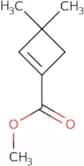
Discontinued product1-Cyclobutene-1-carboxylic acid, 3,3-dimethyl-, methyl ester
CAS:Versatile small molecule scaffold
Formula:C8H12O2Purity:Min. 95%Molecular weight:140.18 g/molRef: 3D-MBA67691
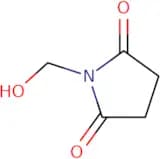
Discontinued product1-(Hydroxymethyl)pyrrolidine-2,5-dione
CAS:1-(Hydroxymethyl)pyrrolidine-2,5-dione is an organic compound that has been shown to be a potent inhibitor of the cyclooxygenase (COX) enzyme. It is also a precursor in the synthesis of aspirin. This chemical has been shown to be an effective inhibitor of COX and other enzymes in vitro. 1-(Hydroxymethyl)pyrrolidine-2,5-dione was found to be stable in acidic conditions and can be used as a model for this type of environment. 1-(Hydroxymethyl)pyrrolidine-2,5-dione is not absorbed from the gastrointestinal tract and must be given by injection or intravenously. The pharmacokinetic profile of this drug has been studied using animal models and microscopy techniques on intestinal tissue.
Formula:C5H7NO3Purity:Min. 95%Molecular weight:129.11 g/mol2-(2,5-Dimethyl-1-phenyl-1H-pyrrol-3-yl)ethan-1-amine hydrochloride
CAS:Versatile small molecule scaffold
Formula:C14H19ClN2Purity:Min. 95%Molecular weight:250.77 g/molRef: 3D-UGD90184
Discontinued producttert-Butyl N-{3',4'-dihydro-2'H-spiro[cyclobutane-1,1'-pyrrolo[1,2-a]pyrazine]-3-yl}carbamate
CAS:Versatile small molecule scaffold
Formula:C15H23N3O2Purity:Min. 95%Molecular weight:277.36 g/molRef: 3D-JBD30949
Discontinued product[4-(Methylamino)butyl][(2-methylcyclopropyl)methyl]amine dihydrochloride
CAS:Versatile small molecule scaffold
Formula:C10H24Cl2N2Purity:Min. 95%Molecular weight:243.21 g/molRef: 3D-UGD90175
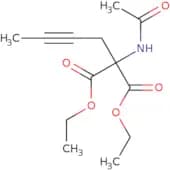
Discontinued product1,3-Diethyl 2-(but-2-yn-1-yl)-2-acetamidopropanedioate
CAS:Versatile small molecule scaffoldFormula:C13H19NO5Purity:Min. 95%Molecular weight:269.29 g/molRef: 3D-UAA01358
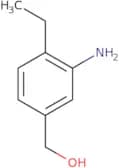
Discontinued product(3-Amino-4-ethylphenyl)methanol
CAS:Versatile small molecule scaffold
Formula:C9H13NOPurity:Min. 95%Molecular weight:151.21 g/molRef: 3D-FAA12922
Discontinued product2-azaspiro[4.4]nonane-1,3-dione
CAS:2-Azaspiro[4.4]nonane-1,3-dione is a linker that is used in the synthesis of active derivatives of drugs. It has pharmacological and physicochemical properties that are similar to those of methylene. 2-Azaspiro[4.4]nonane-1,3-dione is used as an analytical standard for rp-hplc analysis and x-ray structural analysis. It can be used to synthesize pentylenetetrazole and imine derivatives for anticonvulsant properties, which have been shown to have properties similar to those of phenytoin.
Formula:C8H11NO2Purity:Min. 95%Molecular weight:153.18 g/molRef: 3D-BAA12495
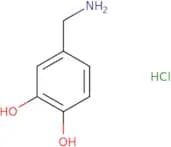
Discontinued product4-(Aminomethyl)-1,2-benzenediol hydrochloride
CAS:4-(Aminomethyl)-1,2-benzenediol hydrochloride is a potent inhibitor of monoamine neurotransmitter synthesis. It has been shown to inhibit the polymerase chain reaction (PCR) and is effective in the preparation of samples for PCR analysis. 4-(Aminomethyl)-1,2-benzenediol hydrochloride is chemically stable and has an electrochemical detector that can be used in its detection. This chemical also inhibits the incorporation of thymidine into DNA during DNA synthesis, leading to a decrease in DNA synthesis. The monoclonal antibody technique has been used to detect this compound in human serum and tissue biopsies.
Formula:C7H10ClNO2Purity:Min. 95%Molecular weight:175.61 g/moltert-Butyl 9-oxo-2,5,8-triazaspiro[3.6]decane-2-carboxylate
CAS:Versatile small molecule scaffold
Formula:C12H21N3O3Purity:Min. 95%Molecular weight:255.31 g/molRef: 3D-UGD90167
Discontinued product5-(Chloromethyl)-1-azabicyclo[3.3.1]nonane hydrochloride
CAS:Versatile small molecule scaffoldFormula:C9H17Cl2NPurity:Min. 95%Molecular weight:210.14 g/molRef: 3D-UGD90163
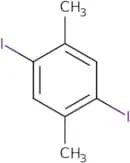
Discontinued product1,4-Diiodo-2,5-dimethylbenzene
CAS:1,4-Diiodo-2,5-dimethylbenzene is an iodide that can be used in the industrialization of iodine. It can be prepared from bicyclopropylidene and nitrosobenzene by coupling with a carbonyl group. The yield of this reaction is high and the product is stable. 1,4-Diiodo-2,5-dimethylbenzene can also be prepared by palladium-catalyzed cross coupling or a Diels–Alder reaction between 2,5-dimethylaniline and 3-(bromomethyl)cyclobutane. This process yields only one regioisomer because there are no other reactive groups on the ring to form a second regioisomeric product.
Formula:C8H8I2Purity:Min. 95%Molecular weight:357.96 g/molEthyl[(4-methoxyphenyl)(pyridin-3-yl)methyl]amine
CAS:Versatile small molecule scaffold
Formula:C15H18N2OPurity:Min. 95%Molecular weight:242.32 g/molRef: 3D-DWB03283
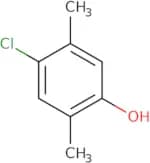
Discontinued product4-Chloro-2,5-dimethylphenol
CAS:4-Chloro-2,5-dimethylphenol is a phenolic compound that is used as an intermediate in the synthesis of other organic compounds. It has low ph and can form adducts with methanol at high ph. 4-Chloro-2,5-dimethylphenol can be reacted with hydrogen chloride to produce the corresponding chloride or with a coupling agent to produce the corresponding imine. 4-Chloro-2,5-dimethylphenol can also be used as an elimination agent.
Formula:C8H9ClOPurity:Min. 95%Molecular weight:156.61 g/molRef: 3D-BAA12406
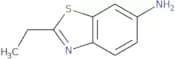
Discontinued product2-Ethyl-6-benzothiazolamine
CAS:2-Ethyl-6-benzothiazolamine is a quaternary ammonium salt that is synthesized from 2-ethyl-6-nitrobenzothiazole by reaction with methyl methacrylate. It has a number of photochromic properties, including the ability to undergo reversible color changes in response to light irradiation. This compound can be used to synthesize methacrylic chloride copolymers, which are used in the manufacture of paints and coatings. 2-Ethyl-6-benzothiazolamine has been shown to have nitro and chloride functionalities, which may make it useful as an explosive ingredient.
Formula:C9H10N2SPurity:Min. 95%Molecular weight:178.25 g/mol3-[(2-Fluoroethanesulfonyl)methyl]azetidine hydrochloride
CAS:Versatile small molecule scaffoldFormula:C6H13ClFNO2SPurity:Min. 95%Molecular weight:217.69 g/molRef: 3D-UGD90158
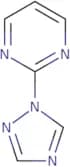
Discontinued product2-(1H-1,2,4-Triazol-1-yl)pyrimidine
CAS:Versatile small molecule scaffold
Formula:C6H5N5Purity:Min. 95%Molecular weight:147.14 g/molRef: 3D-RDA15994
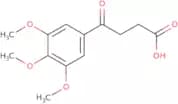
Discontinued product4-Oxo-4-(3,4,5-trimethoxyphenyl)butanoic acid
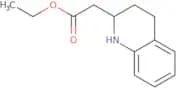
CAS:Versatile small molecule scaffoldFormula:C13H16O6Purity:Min. 95%Molecular weight:268.26 g/molEthyl (1,2,3,4-tetrahydroquinolin-2-yl)acetate
CAS:Versatile small molecule scaffoldFormula:C13H17NO2Purity:Min. 95%Molecular weight:219.28 g/molRef: 3D-FAA10058
Discontinued product3-(4-Acetylphenoxy)propanoic acid
CAS:Versatile small molecule scaffold
Formula:C11H12O4Purity:Min. 95%Molecular weight:208.21 g/molRef: 3D-RDA14372
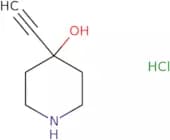
Discontinued product4-Ethynylpiperidin-4-ol hydrochloride
CAS:Versatile small molecule scaffold
Formula:C7H12ClNOPurity:Min. 95%Molecular weight:161.63 g/mol2-Methyl-indan-2-carboxylic acid
CAS:Versatile small molecule scaffold
Formula:C11H12O2Purity:Min. 95%Molecular weight:176.21 g/molRef: 3D-RDA14258
Discontinued product1-[4-(Furan-2-yl)-5-methyl-1,3-thiazol-2-yl]ethan-1-amine hydrochloride
CAS:Versatile small molecule scaffold
Formula:C10H13ClN2OSPurity:Min. 95%Molecular weight:244.74 g/molRef: 3D-JBD30926
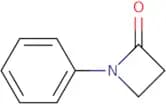
Discontinued product1-Phenylazetidin-2-one
CAS:1-Phenylazetidin-2-one is a diastereomer of zinc acetate. It is activated by refluxing with concentrated hydrochloric acid and then treated with carbon dioxide to form the chloride. The chloride is heated in an open vessel with a solvent such as benzene, toluene, xylene, chloroform, or dichloromethane for about three hours until it becomes a deep red color. The 1-phenylazetidin-2-one is isolated from the reaction mixture by recrystallization from methanol and water. This compound has shown anticancer activity by binding to the toll-like receptor 4 (TLR4) on tumor cells and inhibiting the production of inflammatory cytokines. Its interaction with cholesterol may be due to its ability to inhibit HMG-CoA reductase activity in rats.
Formula:C9H9NOPurity:Min. 95%Molecular weight:147.17 g/mol1-(1-Phenyl-1H-pyrazol-3-yl)ethan-1-one
CAS:Versatile small molecule scaffoldFormula:C11H10N2OPurity:Min. 95%Molecular weight:186.21 g/molRef: 3D-RDA13773
Discontinued product3,3-Dimethylglutarimide
CAS:3,3-Dimethylglutarimide is a molecule that has been shown to inhibit the enzyme butyrylcholinesterase in a stepwise manner. This inhibition prevents the breakdown of acetylcholine, which leads to increased levels of this neurotransmitter and an improvement in cognition. 3,3-Dimethylglutarimide also has protonation properties that allow it to form complexes with metal ions such as zinc and copper. These complexes are formed by the interaction of functional groups on the molecules with protons on the metal ions.
Formula:C7H11NO2Purity:Min. 95%Molecular weight:141.17 g/mol8-Azaspiro[4.5]decane hydrochloride
CAS:Versatile small molecule scaffold
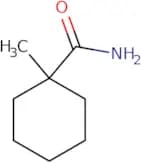
Formula:C9H17N·HClPurity:Min. 95%Molecular weight:175.7 g/mol1-Methylcyclohexane-1-carboxamide
CAS:1-Methylcyclohexane-1-carboxamide is a sclerotiorin, which are natural substances that have been shown to have inhibitory effects against fungi. It has been shown to be effective against Sclerotinia sclerotiorum and Gaseous Botrytis cinerea. The inhibition of sclerotiorin 1-methylcyclohexane-1-carboxamide is due to its ability to inhibit the synthesis of ergosterol, which is an important component of the fungal cell membrane. This drug has also been shown to have inhibitory effects on carbon bond formation in natural substances such as ginseng root or solid form.
Formula:C8H15NOPurity:Min. 95%Molecular weight:141.21 g/molRef: 3D-BAA12324
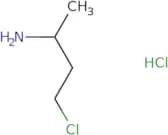
Discontinued product4-Chlorobutan-2-amine hydrochloride
CAS:Versatile small molecule scaffoldFormula:C4H11Cl2NPurity:Min. 95%Molecular weight:144.04 g/molRef: 3D-UGD87244
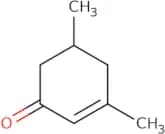
Discontinued product3,5-Dimethyl-2-cyclohexen-1-one
CAS:3,5-Dimethyl-2-cyclohexen-1-one is a β-unsaturated ketone that has been synthesized using an efficient method. It has been shown to have anti-inflammatory properties and is used for the treatment of pulmonary fibrosis in humans. The compound also binds to polyene compounds and supramolecular substrates. 3,5-Dimethyl-2-cyclohexen-1-one reacts with chloride ions to form a β unsaturated ketone chloride that can undergo alkylation with an electron donor such as acetonitrile. This reaction is catalyzed by microsomal cytochrome P450 enzymes and requires a reaction time of about two hours to complete.
Formula:C8H12OPurity:Min. 95%Molecular weight:124.18 g/mol1-[1-(4-Fluorophenyl)-5-methyl-1H-pyrazol-4-yl]ethan-1-one
CAS:Versatile small molecule scaffoldFormula:C12H11FN2OPurity:Min. 95%Molecular weight:218.23 g/molRef: 3D-FAA07858
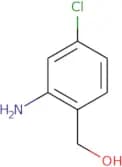
Discontinued product(2-amino-4-chlorophenyl)methanol
CAS:Ruthenium-based catalysts can be used for the synthesis of 2-amino-4-chlorophenylmethanol. This catalyst is a sustainable, low cost, and efficient solution to many industrial chemical production problems. The catalyst utilizes magnetic nanoparticles that are inexpensive and easy to produce. It also has a short reaction time, which helps to increase efficiency. The oxidation of this compound produces hydrogen peroxide as an oxidant, which reduces the need for other oxidizing agents in the reaction.
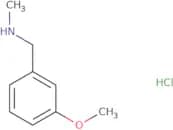
Formula:C7H8ClNOPurity:Min. 95%Molecular weight:157.6 g/mol(3-Methoxybenzyl)methylamine hydrochloride
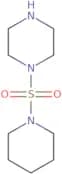
CAS:Versatile small molecule scaffoldFormula:C9H14ClNOPurity:Min. 95%Molecular weight:187.66 g/mol1-(Piperidine-1-sulfonyl)-piperazine
CAS:Versatile small molecule scaffold
Formula:C9H19N3O2SPurity:Min. 95%Molecular weight:233.33 g/molRef: 3D-AVA58748
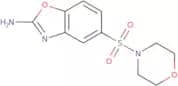
Discontinued product5-(Morpholine-4-sulfonyl)-1,3-benzoxazol-2-amine
CAS:Versatile small molecule scaffold
Formula:C11H13N3O4SPurity:Min. 95%Molecular weight:283.31 g/mol[(1-aminocyclohexyl)methyl]amine
CAS:[(1-aminocyclohexyl)methyl]amine is a white crystalline solid that is soluble in water, alcohol, and ether. It has a pKb of 2.5 and decomposes at 240°C. [(1-aminocyclohexyl)methyl]amine is an unsymmetrical molecule with two phenyl groups. This compound has been shown to catalyze the reaction between cyclohexanone and hydrophilic inorganic compounds, such as hydrochloric acid or potassium hydroxide, to form alkali metal cyclohexanones. [(1-aminocyclohexyl)methyl]amine also has antitumor activity by causing DNA damage and inhibiting protein synthesis in cancer cells.
[[File:https://upload.wikimedia.org/wikipedia/commons/thumb/2/2a/Chemical_Structures_of_Quinolones-5D4A8F87EFormula:C7H16N2Purity:Min. 95%Molecular weight:128.22 g/mol2-{8-Methyl-8-azabicyclo[3.2.1]octan-3-yl}acetic acid hydrochloride
CAS:Versatile small molecule scaffold
Formula:C10H18ClNO2Purity:Min. 95%Molecular weight:219.71 g/molRef: 3D-RDA12978
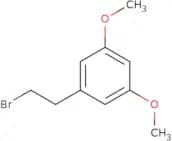
Discontinued product1-(2-Bromoethyl)-3,5-dimethoxybenzene
CAS:Versatile small molecule scaffold
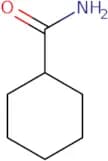
Formula:C10H13BrO2Purity:Min. 95%Molecular weight:245.11 g/molCyclohexanecarboxamide
CAS:Cyclohexanecarboxamide is a carboxamide that has been shown to inhibit the growth of bacteria. It binds to the bacterial receptor and inhibits the activity of the enzyme carboxide, which is involved in the synthesis of monoamine neurotransmitters. Cyclohexanecarboxamide has also been shown to inhibit axonal growth in mammalian cells, which may be due to its ability to block potassium channels on nerve cells. Cyclohexanecarboxamide has been shown to have antimicrobial properties against a range of organisms including those resistant mutants.
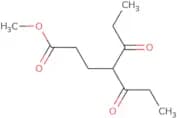
Formula:C7H13NOPurity:Min. 95%Molecular weight:127.18 g/molMethyl 5-oxo-4-propanoylheptanoate
CAS:Versatile small molecule scaffold
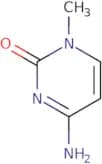
Formula:C11H18O4Purity:Min. 95%Molecular weight:214.26 g/mol4-Amino-1-methylpyrimidin-2(1H)-one
CAS:4-Amino-1-methylpyrimidin-2(1H)-one is a chemical compound that belongs to the group of pyrimidine compounds. It has been shown to be an inhibitor of viral life, with its activity against HIV being most well studied. The tautomers of 4-amino-1-methylpyrimidin-2(1H)-one are protonated and stable, meaning that they do not undergo any chemical change in the body. 4-Amino-1-methylpyrimidin-2(1H)-one is also able to form stable complexes with nitrogen atoms. The xray crystal structure for this compound shows that it coordinates with group P2, which contains two nitrogen atoms and one oxygen atom. The interaction between these three atoms is called a dinucleotide phosphate. This group binds to DNA by hydrogen bonds, forming intramolecular hydrogen bonds. The groups on the other side of the molecule bind
Formula:C5H7N3OPurity:Min. 95%Molecular weight:125.13 g/mol

![5-Bromo-1H-imidazo[4,5-b]pyrazine](/_next/image/?url=https%3A%2Fstatic.cymitquimica.com%2Fproducts%2F3D%2Fthumb-webp%2FRDA22541.webp&w=3840&q=75)

![tert-Butyl N-{3',4'-dihydro-2'H-spiro[cyclobutane-1,1'-pyrrolo[1,2-a]pyrazine]-3-yl}carbamate](/_next/image/?url=https%3A%2Fstatic.cymitquimica.com%2Fproducts%2F3D%2Fthumb-webp%2FJBD30949.webp&w=3840&q=75)
![[4-(Methylamino)butyl][(2-methylcyclopropyl)methyl]amine dihydrochloride](/_next/image/?url=https%3A%2Fstatic.cymitquimica.com%2Fproducts%2F3D%2Fthumb-webp%2FUGD90175.webp&w=3840&q=75)
![2-azaspiro[4.4]nonane-1,3-dione](/_next/image/?url=https%3A%2Fstatic.cymitquimica.com%2Fproducts%2F3D%2Fthumb-webp%2FBAA12495.webp&w=3840&q=75)
![tert-Butyl 9-oxo-2,5,8-triazaspiro[3.6]decane-2-carboxylate](/_next/image/?url=https%3A%2Fstatic.cymitquimica.com%2Fproducts%2F3D%2Fthumb-webp%2FUGD90167.webp&w=3840&q=75)
![5-(Chloromethyl)-1-azabicyclo[3.3.1]nonane hydrochloride](/_next/image/?url=https%3A%2Fstatic.cymitquimica.com%2Fproducts%2F3D%2Fthumb-webp%2FUGD90163.webp&w=3840&q=75)
![Ethyl[(4-methoxyphenyl)(pyridin-3-yl)methyl]amine](/_next/image/?url=https%3A%2Fstatic.cymitquimica.com%2Fproducts%2F3D%2Fthumb-webp%2FDWB03283.webp&w=3840&q=75)
![3-[(2-Fluoroethanesulfonyl)methyl]azetidine hydrochloride](/_next/image/?url=https%3A%2Fstatic.cymitquimica.com%2Fproducts%2F3D%2Fthumb-webp%2FUGD90158.webp&w=3840&q=75)


![1-[4-(Furan-2-yl)-5-methyl-1,3-thiazol-2-yl]ethan-1-amine hydrochloride](/_next/image/?url=https%3A%2Fstatic.cymitquimica.com%2Fproducts%2F3D%2Fthumb-webp%2FJBD30926.webp&w=3840&q=75)


![8-Azaspiro[4.5]decane hydrochloride](/_next/image/?url=https%3A%2Fstatic.cymitquimica.com%2Fproducts%2F3D%2Fthumb-webp%2FBAA12330.webp&w=3840&q=75)
![1-[1-(4-Fluorophenyl)-5-methyl-1H-pyrazol-4-yl]ethan-1-one](/_next/image/?url=https%3A%2Fstatic.cymitquimica.com%2Fproducts%2F3D%2Fthumb-webp%2FFAA07858.webp&w=3840&q=75)
![[(1-aminocyclohexyl)methyl]amine](/_next/image/?url=https%3A%2Fstatic.cymitquimica.com%2Fproducts%2F3D%2Fthumb-webp%2FFAA06267.webp&w=3840&q=75)
![2-{8-Methyl-8-azabicyclo[3.2.1]octan-3-yl}acetic acid hydrochloride](/_next/image/?url=https%3A%2Fstatic.cymitquimica.com%2Fproducts%2F3D%2Fthumb-webp%2FRDA12978.webp&w=3840&q=75)