Building Blocks
This section contains fundamental products for the synthesis of organic and biological compounds. Building blocks are the essential starting materials used to construct complex molecules through various chemical reactions. They play a critical role in drug discovery, material science, and chemical research. At CymitQuimica, we offer a diverse range of high-quality building blocks to support your innovative research and industrial projects, ensuring you have the essential components for successful synthesis.
Subcategories of "Building Blocks"
- Boronic Acids & Boronic Acid Derivatives(5,778 products)
- Chiral Building Blocks(1,242 products)
- Hydrocarbon Building Blocks(6,098 products)
- Organic Building Blocks(61,034 products)
Found 199601 products of "Building Blocks"
Sort by
Purity (%)
0
100
|
0
|
50
|
90
|
95
|
100
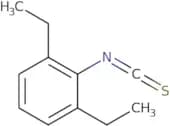
2,6-Diethylphenylisothiocyanate
CAS:<p>2,6-Diethylphenylisothiocyanate is an aliphatic anesthetic agent that binds to the acceptor site of the ligand-gated ion channels. It has a hydrophobic nature and can be used for research as a potential drug candidate for a variety of protein targets. This compound also has the ability to alter conformations of proteins such as apoferritin, which may lead to new insights into how these proteins function.</p>Formula:C11H13NSPurity:Min. 95%Molecular weight:191.29 g/molMethyl 3-Benzoylpropionate
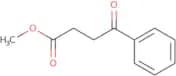
CAS:<p>Methyl 3-benzoylpropionate (MBAP) is an alkylating agent that is used in the synthesis of various drugs. MBAP reacts with an amine to form a pyridinium salt, which undergoes dehydrogenation, followed by alkylation. This reaction is catalyzed by the addition of chloride ions and olefinic compounds. The asymmetric synthesis of MBAP involves bromolactonization, followed by benzoylation. The structural analysis of MBAP was determined using NMR spectroscopy, which provides information about the stereochemistry of the molecule. The catalytic mechanism for MBAP was determined through X-ray crystallography and quantum chemical calculations.</p>Formula:C11H12O3Purity:Min. 95%Molecular weight:192.21 g/mol3-Chloro-4-hydroxybenzene-1-sulfonamide
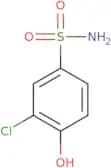
CAS:Versatile small molecule scaffoldFormula:C6H6ClNO3SPurity:Min. 95%Molecular weight:207.64 g/mol2-(3-Methoxyphenyl)propanenitrile
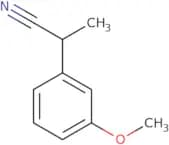
CAS:<p>Versatile small molecule scaffold</p>Formula:C10H11NOPurity:Min. 95%Molecular weight:161.2 g/mol1-Ethyl-4-iodobenzene
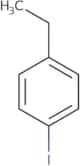
CAS:<p>1-Ethyl-4-iodobenzene is a chemical compound with an aromatic ring that is used as a starting material for the synthesis of other compounds. It is mainly used in cross-coupling reactions, such as the Suzuki reaction, and can be used to link two molecules together to form a new molecule. 1-Ethyl-4-iodobenzene can be used as a low molecular weight solvent and has been shown to have potent inhibitory activity against cell growth. The toxicity of 1-ethyl-4-iodobenzene has been studied by using various imaging techniques, including fluorescence microscopy and electron microscopy.</p>Formula:C8H9IPurity:Min. 95%Molecular weight:232.06 g/mol1-Phenylcyclohept-1-ene
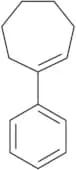
CAS:<p>1-Phenylcyclohept-1-ene is a chemical reagent that is used in the production of polymers. It belongs to the dichlorocarbene class of hypervalent molecules and can be used for the preparation of styrene derivatives, such as iminium ions and halides. 1-Phenylcyclohept-1-ene also reacts with hypobromous acid to form pyridinium chlorochromate, which is a useful oxidizing agent. The rate of 1-phenylcyclohept-1-ene reactions has been studied using kinetics methods. This compound has shown to be an effective sensitizer for radiation polymerization processes.</p>Formula:C13H16Purity:Min. 95%Molecular weight:172.27 g/molMethyl 3-methoxy-2,2-dimethylpropanoate
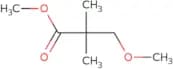
CAS:Versatile small molecule scaffoldFormula:C7H14O3Purity:Min. 95%Molecular weight:146.18 g/mol5-(Difluoromethyl)-1,3,4-thiadiazol-2-amine
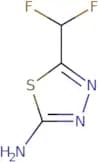
CAS:<p>Versatile small molecule scaffold</p>Formula:C3H3F2N3SPurity:Min. 95%Molecular weight:151.14 g/mol5-(1-Methyl-1H-imidazol-2-yl)-1,3,4-thiadiazol-2-amine
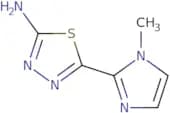
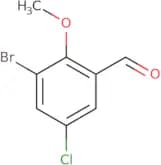
CAS:<p>Versatile small molecule scaffold</p>Formula:C6H7N5SPurity:Min. 95%Molecular weight:181.22 g/mol3-bromo-5-chloro-2-methoxybenzaldehyde
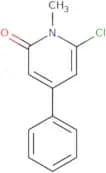
CAS:<p>Versatile small molecule scaffold</p>Formula:C8H6O2ClBrPurity:Min. 95%Molecular weight:249.49 g/mol6-Chloro-1-methyl-4-phenyl-1,2-dihydropyridin-2-one
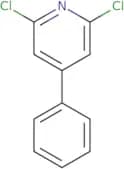
CAS:Versatile small molecule scaffoldFormula:C12H10ClNOPurity:Min. 95%Molecular weight:219.66 g/mol2,6-Dichloro-4-phenylpyridine
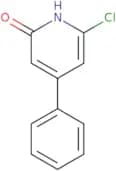
CAS:<p>2,6-Dichloro-4-phenylpyridine is a chemosensor that can be used to detect the presence of aromatic compounds. It has a modular structure consisting of an emission domain and a substrate binding domain. The fluorophore is reversibly bound to the substrate binding domain, which means that it can be detached from the substrate when the desired molecule is detected. This sensor has been shown to have high selectivity for aromatic molecules in both water and organic solvents. 2,6-Dichloro-4-phenylpyridine has also been studied structurally and found to react with a number of other chemical entities such as thiocyanate ion, nitrobenzene, and nitrophenol.</p>Formula:C11H7Cl2NPurity:Min. 95%Molecular weight:224.09 g/mol6-Chloro-4-phenyl-1,2-dihydropyridin-2-one
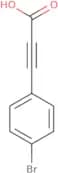
CAS:<p>Versatile small molecule scaffold</p>Formula:C11H8ClNOPurity:Min. 95%Molecular weight:205.64 g/mol3-(4-Bromophenyl)propiolic Acid
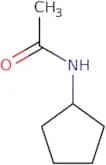
CAS:<p>3-(4-Bromophenyl)propiolic acid is an alkynyl compound that can be synthesized by the catalyzed cross-coupling of triarylbismuth with aryl bromides. This reaction requires a catalyst and is carried out in the presence of a base, such as potassium carbonate. The reaction proceeds rapidly at room temperature and can be performed using either an organic or inorganic solvent. The product is obtained in high yield, but it must be purified to remove any residual starting materials and byproducts. 3-(4-Bromophenyl)propiolic acid has a carboxylic functional group that can undergo further reactions to form other compounds, such as cross-coupling reactions with alkenes or carboxylic acids.</p>Formula:C9H5BrO2Purity:Min. 95%Molecular weight:225.04 g/molN-Cyclopentylacetamide
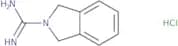
CAS:<p>N-Cyclopentylacetamide is a reactive alkylating agent that is used in the synthesis of organic chemicals. It reacts with chlorine to form chloroform, and with acetonitrile to form acetanilide. N-Cyclopentylacetamide also reacts electrochemically with fission products such as uranium to form uranium hexafluoride. The reaction of N-Cyclopentylacetamide with bromides yields a spectrum of cyclopentyl bromides. This compound can be used for the synthesis of pharmaceuticals and other chemical compounds.</p>Formula:C7H13NOPurity:Min. 95%Molecular weight:127.18 g/mol2,3-Dihydro-1H-isoindole-2-carboximidamide hydrochloride
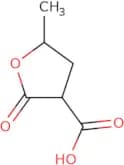
CAS:Versatile small molecule scaffoldFormula:C9H12ClN3Purity:Min. 95%Molecular weight:197.66 g/mol5-Methyl-2-oxooxolane-3-carboxylic acid
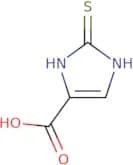
CAS:<p>Versatile small molecule scaffold</p>Formula:C6H8O4Purity:Min. 95%Molecular weight:144.12 g/mol2-Mercapto-1H-imidazole-5-carboxylic Acid
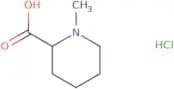
CAS:<p>Versatile small molecule scaffold</p>Formula:C4H4N2O2SPurity:Min. 95%Molecular weight:144.15 g/mol1-Methylpiperidine-2-Carboxylic Acid Hydrochloride
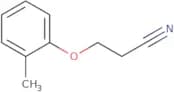
CAS:<p>Versatile small molecule scaffold</p>Formula:C7H14ClNO2Purity:Min. 95%Molecular weight:179.64 g/mol3-(2-Methylphenoxy)propanenitrile
CAS:<p>Versatile small molecule scaffold</p>Formula:C10H11NOPurity:Min. 95%Molecular weight:161.2 g/mol2-Chloro-1-(4-pyridinyl)ethanone hydrochloride
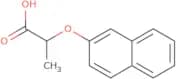
CAS:Versatile small molecule scaffoldFormula:C7H6ClNO·HClPurity:Min. 95%Molecular weight:192.04 g/mol(2S)-2-(Naphthalen-2-yloxy)propanoic acid
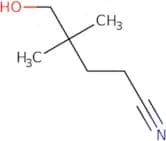
CAS:<p>Versatile small molecule scaffold</p>Formula:C13H12O3Purity:Min. 95%Molecular weight:216.23 g/mol5-Hydroxy-4,4-dimethylpentanenitrile
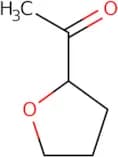
CAS:<p>Versatile small molecule scaffold</p>Formula:C7H13NOPurity:Min. 95%Molecular weight:127.18 g/mol1-(Oxolan-2-yl)ethan-1-one
CAS:<p>Versatile small molecule scaffold</p>Formula:C6H10O2Purity:Min. 95%Molecular weight:114.14 g/mol1-Methyl-3-phenyl-1H-thieno[2,3-c]pyrazole-5-carboxylic acid
CAS:<p>Versatile small molecule scaffold</p>Formula:C13H10N2O2SPurity:Min. 95%Molecular weight:258.3 g/mol1-Iodo-2,3-dimethoxybenzene
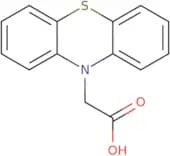
CAS:<p>1-Iodo-2,3-dimethoxybenzene is a complex of palladium with two molecules of diiodomethane. It has been shown to inhibit the activity of tyrosinase and to be toxic to tumor cells in culture. 1-Iodo-2,3-dimethoxybenzene is also an environmental pollutant and has been shown to react with aromatic hydrocarbons in the environment and form carcinogenic compounds.</p>Formula:C8H9IO2Purity:Min. 95%Molecular weight:264.06 g/mol2-(10H-Phenothiazin-10-yl)acetic acid
CAS:<p>The 2-(10H-phenothiazine-10-yl)acetic acid (2PTA) is a protonated molecule that has been studied computationally and experimentally in order to understand its supramolecular properties. It was found that 2PTA can be protonated at the C2 position by simulated light, leading to a change in properties. This molecule may have applications as a photoactive material for supramolecular assembly, as well as as a photochromic agent for DNA sequences. The compound also has the ability to bind nucleobases and flavin, which are used in DNA synthesis and repair.</p>Formula:C14H11NO2SPurity:Min. 95%Molecular weight:257.31 g/mol2-[(2-Aminoethyl)amino]acetic acid dihydrochloride
CAS:<p>Tetracarboxylic acid dianhydride is a tetradentate ligand that can form complexes with metals. It has been shown to have magnetic properties and can be used as a kinetic reagent in the study of chemical reactions that involve electron transfer. Tetracarboxylic acid dianhydride can also be used for chromatographic analysis of unsymmetrical compounds and isomers. This compound exists in two geometric isomers, namely the cis- and trans-isomers. The trans-isomer has been shown to be more stable than the cis-isomer due to its higher energy content. The functional theory predicts that this difference in stability results from steric hindrance between hydrogen atoms on adjacent carbons.<br>2-[(2-Aminoethyl)amino]acetic acid dihydrochloride has been shown to have a constant carboxylate group and deuterated analogues that are useful for kinetic studies of electron transfer</p>Formula:C4H12Cl2N2O2Purity:Min. 95%Molecular weight:191.05 g/mol2-Ethyloctanoic acid
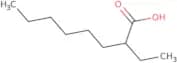
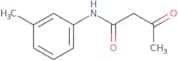
CAS:<p>2-Ethyloctanoic acid is an industrial chemical used in the process of making polymers. It is a low temperature, processable chemical that has been shown to form nanoparticles at room temperature. 2-Ethyloctanoic acid can be used as a raw material for the production of polymeric materials and coatings with optical, metallic, and transition properties. This compound has been shown to have a high transmittance (80%) and low exothermic values (less than 0.5 J/g).</p>Formula:C10H20O2Purity:Min. 95%Molecular weight:172.26 g/molN-(3-Methylphenyl)-3-oxobutanamide
CAS:<p>Versatile small molecule scaffold</p>Formula:C11H13NO2Purity:Min. 95%Molecular weight:191.23 g/molmethyl 2-formylpyridine-3-carboxylate
CAS:<p>Versatile small molecule scaffold</p>Formula:C8H7NO3Purity:Min. 95%Molecular weight:165.1 g/mol2-[(1E)-1,2,3,4-Tetrahydronaphthalen-1-ylidene]acetic acid
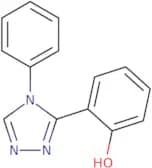
CAS:<p>Versatile small molecule scaffold</p>Formula:C12H12O2Purity:Min. 95%Molecular weight:188.2 g/mol2-(4-Phenyl-4H-1,2,4-triazol-3-yl)phenol
CAS:Versatile small molecule scaffoldFormula:C14H11N3OPurity:Min. 95%Molecular weight:237.26 g/molTricyclo[3.3.1.1~3,7~]dec-2-ylideneacetic acid
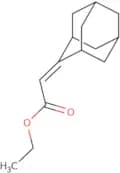
CAS:<p>Versatile small molecule scaffold</p>Formula:C12H16O2Purity:Min. 95%Molecular weight:192.25 g/molEthyl 2-(adamantan-2-ylidene)acetate
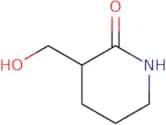
CAS:<p>Ethyl 2-(adamantan-2-ylidene)acetate is a reactive molecule that can undergo 1,3-dipolar cycloaddition with spiropyrans and benzonitrile. The experimentally observed regioselectivities of the reaction are benzopyran > spiropyran > benzonitrile. The colour changes from colourless to red in the presence of light. The reactivity of this molecule is increased at higher temperatures. Ethyl 2-(adamantan-2-ylidene)acetate is an isomeric molecule and can be converted into spiropyrans and benzonitrile by thermolysis or photochromic reactions.</p>Formula:C14H20O2Purity:Min. 95%Molecular weight:220.31 g/mol3-(Hydroxymethyl)piperidin-2-one
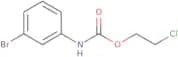
CAS:<p>Versatile small molecule scaffold</p>Formula:C6H11NO2Purity:Min. 95%Molecular weight:129.16 g/mol2-Chloroethyl N-(3-bromophenyl)carbamate
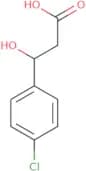
CAS:<p>Versatile small molecule scaffold</p>Formula:C9H9BrClNO2Purity:Min. 95%Molecular weight:278.53 g/mol3-(4-Chlorophenyl)-3-hydroxypropanoic acid
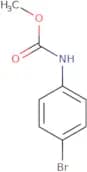
CAS:<p>Versatile small molecule scaffold</p>Formula:C9H9ClO3Purity:Min. 95%Molecular weight:200.62 g/molMethyl N-(4-bromophenyl)carbamate
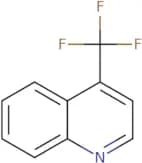
CAS:<p>Methyl N-(4-bromophenyl)carbamate is a chemical compound with the molecular formula CHBrNOC. It has an orthorhombic crystal structure and is soluble in organic solvents such as acetone, ethanol, and diethyl ether.</p>Formula:C8H8BrNO2Purity:Min. 95%Molecular weight:230.06 g/mol4-(Trifluoromethyl)quinoline
CAS:<p>4-(Trifluoromethyl)quinoline (4-TFMQ) is an aniline derivative that can be used in the preparation of heroin. 4-TFMQ is a photophysics reactive compound and has been shown to react with nucleophiles, such as amines, thiols, and alcohols. 4-TFMQ has been shown to react with acidic compounds such as water and alcohols. The fluorescence of 4-TFMQ is sensitive to changes in pH. It also reacts with quinoline derivatives and fluorescent quinolinecarboxylic acid esters. Cross-coupling reactions are used to attach the 4-TFMQ molecule to other organic molecules. These reactions are often performed using palladium catalysis and copper salts.</p>Formula:C10H6F3NPurity:Min. 95%Molecular weight:197.16 g/mol2-(Methanesulfonylmethyl)aniline
CAS:<p>Versatile small molecule scaffold</p>Formula:C8H11NO2SPurity:Min. 95%Molecular weight:185.25 g/mol[2-(Methanesulfonylmethyl)phenyl]methanamine hydrochloride
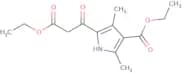
CAS:<p>Versatile small molecule scaffold</p>Formula:C9H14ClNO2SPurity:Min. 95%Molecular weight:235.73 g/molEthyl 5-(3-ethoxy-3-oxopropanoyl)-2,4-dimethyl-1H-pyrrole-3-carboxylate
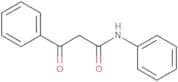
CAS:Versatile small molecule scaffoldFormula:C14H19NO5Purity:Min. 95%Molecular weight:281.3 g/mol3-Oxo-N,3-diphenylpropanamide
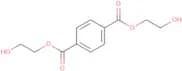
CAS:<p>3-Oxo-N,3-diphenylpropanamide is a hydroxyl group that has been shown to form a copper complex in the presence of hydrochloric acid. 3-Oxo-N,3-diphenylpropanamide is an aliphatic hydrocarbon with optical properties that are different from those of other aliphatic hydrocarbons. It has been shown to have high resistance to nitro groups and can be used as a microsphere for medical purposes. The reaction products of 3-oxo-N,3-diphenylpropanamide are diazonium salts and immune reactions against nonpolar solvents such as hexane and dichloromethane. 3-Oxo-N,3-diphenylpropanamide reacts with an active methylene (methyl alcohol) by forming an imine.</p>Formula:C15H13NO2Purity:Min. 95%Molecular weight:239.27 g/molBis(2-hydroxyethyl) terephthalate
CAS:Bis(2-hydroxyethyl) terephthalate (BHT) is the glycol ester of terephthalic acid. It is a colorless, odorless, viscous liquid that is soluble in water and has a synergetic effect with polyethylene glycols. BHT is used to increase the stability of plastics and other materials against chemical degradation by inhibiting oxidation reactions. This compound can be prepared by reacting trifluoroacetic acid with ethylene glycol. The activation energy for this reaction is 28 kJ/mol. The reaction mechanism involves an intramolecular hydrogen bond between the hydroxy group on the 2-position of the terephthalate molecule and the carbonyl group on the 1-position. The high values are due to its ability to intercept radiation from UV light sources and gamma rays.Formula:C12H14O6Purity:94%Molecular weight:254.24 g/molDiphenamid
CAS:<p>Diphenamid is a diphenyl ether herbicide. It is used to control weeds in agricultural crops and dry hay, straw, and cereal grains. Diphenamid has been shown to inhibit the growth of certain fungi such as Triticum aestivum. The toxicological effects of diphenamid have been studied extensively and it has been classified as practically non-toxic to humans, with no evidence of carcinogenicity or mutagenicity. Diphenamid has also been shown to be an effective weed killer for plants that are grown in low light conditions. This study was conducted using a flow system that simulated low light conditions, which consisted of anhydrous sodium carbonate solution and methanol solvent. A linear regression analysis showed that the uptake rate increased with increasing concentrations of diphenamid in the nutrient solution.</p>Formula:C16H17NOPurity:Min. 95%Molecular weight:239.31 g/mol2-[(4-Bromophenyl)sulfanyl]pyridine-3-carboxylic acid
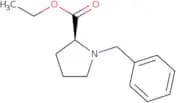
CAS:Versatile small molecule scaffoldFormula:C12H8BrNO2SPurity:Min. 95%Molecular weight:310.17 g/molethyl benzyl-L-prolinate
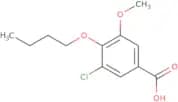
CAS:<p>Ethyl benzyl-L-prolinate is a nitrogenous organic compound that can be prepared by the oxidation of ethyl benzyl-L-proline. Crystalline ethyl benzyl-L-prolinate is an enantioselective reagent for the cyanosilylation of aldehydes with phenyllithium. It is also a stable magnesium reagent that has been used in preparative methods to produce α,β-unsaturated ketones and esters.</p>Formula:C14H19NO2Purity:Min. 95%Molecular weight:233.31 g/mol4-Butoxy-3-chloro-5-methoxybenzoic acid
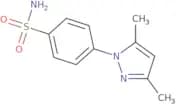
CAS:<p>Versatile small molecule scaffold</p>Formula:C12H15ClO4Purity:Min. 95%Molecular weight:258.7 g/mol4-(3,5-Dimethyl-1H-pyrazol-1-yl)benzene-1-sulfonamide
CAS:<p>4-(3,5-Dimethyl-1H-pyrazol-1-yl)benzenesulfonamide is a centrosymmetric molecule with a dimer in the central position. It has hydrogen bonds that form between two molecules of the same type. The molecule has two hydrogen atoms bonded to each oxygen atom on the sulfonamide group and one hydrogen atom bonded to each carbon atom on the benzene ring. This molecule also has coordinated bonds, which are formed when an electron is shared by two atoms. This molecule also has symmetry in its molecular structure and can be found in nature as a component of some enzymes.</p>Formula:C11H13N3O2SPurity:Min. 95%Molecular weight:251.31 g/mol


![1-Methyl-3-phenyl-1H-thieno[2,3-c]pyrazole-5-carboxylic acid](/_next/image/?url=https%3A%2Fstatic.cymitquimica.com%2Fproducts%2F3D%2Fthumb-webp%2FABA25247.webp&w=3840&q=75)

![2-[(2-Aminoethyl)amino]acetic acid dihydrochloride](/_next/image/?url=https%3A%2Fstatic.cymitquimica.com%2Fproducts%2F3D%2Fthumb-webp%2FABA24038.webp&w=3840&q=75)

![2-[(1E)-1,2,3,4-Tetrahydronaphthalen-1-ylidene]acetic acid](/_next/image/?url=https%3A%2Fstatic.cymitquimica.com%2Fproducts%2F3D%2Fthumb-webp%2FABA22737.webp&w=3840&q=75)
![Tricyclo[3.3.1.1~3,7~]dec-2-ylideneacetic acid](/_next/image/?url=https%3A%2Fstatic.cymitquimica.com%2Fproducts%2F3D%2Fthumb-webp%2FABA22007.webp&w=3840&q=75)

![[2-(Methanesulfonylmethyl)phenyl]methanamine hydrochloride](/_next/image/?url=https%3A%2Fstatic.cymitquimica.com%2Fproducts%2F3D%2Fthumb-webp%2FABA19567.webp&w=3840&q=75)

![2-[(4-Bromophenyl)sulfanyl]pyridine-3-carboxylic acid](/_next/image/?url=https%3A%2Fstatic.cymitquimica.com%2Fproducts%2F3D%2Fthumb-webp%2FAAA95552.webp&w=3840&q=75)