


Building Blocks
Subcategories of "Building Blocks"
- Boronic Acids & Boronic Acid Derivatives(5,778 products)
- Chiral Building Blocks(1,243 products)
- Hydrocarbon Building Blocks(6,098 products)
- Organic Building Blocks(61,036 products)
Found 205240 products of "Building Blocks"
Methyl 2-Octynoate
CAS:Methyl 2-octynoate is a chemical that has been shown to bind to the nicotinic acetylcholine receptor. Methyl 2-octynoate has been shown to have antitumor activity in various types of cancer cells, including breast, prostate, and lung cancer cells. This chemical is not known to be chemically stable or film-forming. It also disrupts mitochondrial membrane potential and reduces the endpoints of oxidative phosphorylation. Methyl 2-octynoate was found to have low potency against cancer cells in vitro and in vivo.
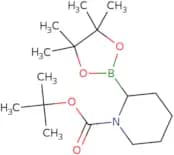
Formula:C9H14O2Purity:Min. 95%Molecular weight:154.21 g/mol1-Boc-piperidine-2-boronic Acid Pinacol Ester
CAS:Versatile small molecule scaffoldFormula:C16H30BNO4Purity:Min. 95%Molecular weight:311.23 g/molRef: 3D-WHD19258
Discontinued product4-(2-Methylphenyl)-3-thiosemicarbazide
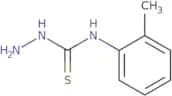
CAS:4-(2-Methylphenyl)-3-thiosemicarbazide is a crystalline solid that belongs to the group of benzoic acid derivatives. It has an orthorhombic crystal structure, with a yellow color. The crystals are measured at room temperature, and it has an atomic weight of 197.11 g/mol. 4-(2-Methylphenyl)-3-thiosemicarbazide is stable in air and in solution, but decomposes at temperatures above 250°C. This compound has been studied by using X-ray diffraction measurements and Bruker parameters. Its isotropic radiation is recorded at the following wavelength: 1.5418 Å (1).
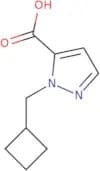
Formula:C8H11N3SPurity:Min. 95%Molecular weight:181.26 g/mol1-(Cyclobutylmethyl)-1H-pyrazole-5-carboxylic acid
CAS:Versatile small molecule scaffoldFormula:C9H12N2O2Purity:Min. 95%Molecular weight:180.2 g/molRef: 3D-WJC58413
Discontinued product2-[(3-Nitrophenyl)formamido]acetic acid
CAS:2-[(3-Nitrophenyl)formamido]acetic acid (2NPA) is a modifying agent that has been used in the modification of carboxyl groups. It can react with nucleophiles to form adducts and with carbodiimides to form ureas. 2NPA reacts with amino acids, peptides, and other nitrogenous compounds at their carboxyl groups to form ester or amide bonds. The nature of the residues after modification varies depending on the nature of the carboxyl group that was modified.
Formula:C9H8N2O5Purity:Min. 95%Molecular weight:224.17 g/molRef: 3D-AAA61710
Discontinued productAcetic acid, dibromo-, ethyl ester
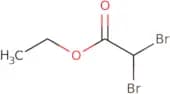
CAS:Acetic acid, dibromo-, ethyl ester is a reactive molecule that can be used as a nucleophilic substituent. It has hydroxyl group and ruthenium complex. It is a particle that can be used in the production of monoclonal antibodies. Acetic acid, dibromo-, ethyl ester also has viscosity and polycarboxylic acid. This chemical reacts with β-unsaturated ketones to form polymerization initiator. Acetic acid, dibromo-, ethyl ester also has carbonyl group and monoclonal antibodies. Acetic acid, dibromo-, ethyl ester can be conjugated with ethyl bromoacetate to produce conjugates.
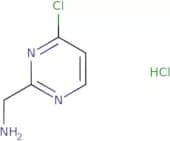
Formula:C4H6Br2O2Purity:Min. 95%Molecular weight:245.9 g/mol2-(Aminomethyl)-4-chloropyrimidine HCl
CAS:Versatile small molecule scaffold
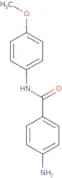
Formula:C5H7Cl2N3Purity:Min. 95%Molecular weight:180.04 g/mol4-Amino-n-(4-methoxyphenyl)benzamide
CAS:4-Amino-N-(4-methoxyphenyl)benzamide is a catalytic sulfamate that has been optimized for use in the synthesis of benzimidazole derivatives. 4-Amino-N-(4-methoxyphenyl)benzamide is used as a reagent for the preparation of aldehydes from sulfamic acid and various types of carboxylic acids. The reaction mechanism involves nucleophilic attack by the hydroxyl group from the sulfamate on the carbonyl carbon atom to form an intermediate, which then reacts with water to release hydrogen sulfate and form a new double bond.
Formula:C14H14N2O2Purity:Min. 95%Molecular weight:242.27 g/molRef: 3D-AAA89135
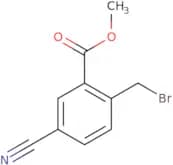
Discontinued productMethyl 2-(bromomethyl)-5-cyanobenzoate
CAS:Versatile small molecule scaffold
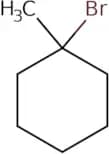
Formula:C10H8BrNO2Purity:Min. 95%Molecular weight:254.08 g/mol1-Bromo-1-methylcyclohexane
CAS:1-Bromo-1-methylcyclohexane is a monomolecular gas that is used as an intermediate in organic synthesis. It reacts with halides to form cyclopentyl derivatives. This reaction has been shown to be faster than the corresponding reaction of 1-bromocyclohexane with chlorides or bromides. The rate of this reaction may be due to the polarizability and conformational changes of the molecule upon substitution by a methyl group. 1-Bromo-1-methylcyclohexane is also an ionizing reagent, which means it can cause electrophilic reactions to occur on other molecules. It has been found that the solvent effect on this product can affect its reactivity, with solvents such as water having more of an effect than solvents such as benzene. 1-Bromo-1-methylcyclohexane has been shown to interact with other compounds in both transfer and complex
Formula:C7H13BrPurity:Min. 95%Molecular weight:177.08 g/molRef: 3D-AAA93177
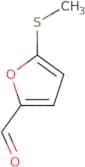
Discontinued product5-(Methylsulfanyl)furan-2-carbaldehyde
CAS:Versatile small molecule scaffold
Formula:C6H6O2SPurity:Min. 95%Molecular weight:142.18 g/molRef: 3D-AAA93294
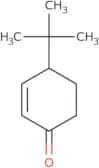
Discontinued product4-tert-Butylcyclohex-2-en-1-one
CAS:Versatile small molecule scaffold
Formula:C10H16OPurity:Min. 95%Molecular weight:152.23 g/molRef: 3D-AAA93707
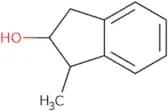
Discontinued product1-Methyl-2,3-dihydro-1H-inden-2-ol
CAS:Versatile small molecule scaffold
Formula:C10H12OPurity:Min. 95%Molecular weight:148.2 g/molRef: 3D-ACA82313
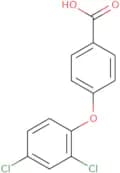
Discontinued product4-(2,4-Dichlorophenoxy)benzoic acid
CAS:Versatile small molecule scaffold
Formula:C13H8Cl2O3Purity:Min. 95%Molecular weight:283.1 g/mol2-[1-(Difluoromethyl)-3,5-dimethyl-1H-pyrazol-4-yl]acetic acid
CAS:Controlled Product2-[1-(Difluoromethyl)-3,5-dimethyl-1H-pyrazol-4-yl]acetic acid is a potent inhibitor of peptide binding to the receptor. It has a Kd value of 0.2 μM and a Ki value of 1.6 μM in the inhibition of insulin binding to its receptor. 2-[1-(Difluoromethyl)-3,5-dimethyl-1H-pyrazol-4-yl]acetic acid is also an activator of protein interactions and ligand for research tools used for studying ion channels and other receptors. This chemical can be used as high purity reagent for life sciences, including cell biology and pharmacology.
Formula:C8H10F2N2O2Purity:Min. 95%Molecular weight:204.17 g/mol1-[(3-Bromothiophen-2-yl)methyl]piperazine
CAS:Versatile small molecule scaffold
Formula:C9H13BrN2SPurity:Min. 95%Molecular weight:261.18 g/molRef: 3D-WYB72635
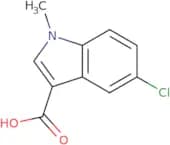
Discontinued product5-Chloro-1-methyl-1H-indole-3-carboxylic acid
CAS:Controlled ProductVersatile small molecule scaffoldFormula:C10H8ClNO2Purity:Min. 95%Molecular weight:209.63 g/molRef: 3D-XGA59662
Discontinued producttert-Butyl N-[(2R)-4-chloro-3-oxobutan-2-yl]carbamate
CAS:Versatile small molecule scaffold
Formula:C9H16ClNO3Purity:Min. 95%Color and Shape:PowderMolecular weight:221.68 g/molRef: 3D-XKC24150
Discontinued product5-Fluoropyridine-3-sulfonamide
CAS:Versatile small molecule scaffold
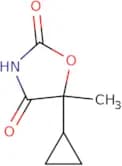
Formula:C5H5FN2O2SPurity:Min. 95%Molecular weight:176.17 g/mol5-cyclopropyl-5-methyl-1,3-oxazolidine-2,4-dione
CAS:Versatile small molecule scaffold
Formula:C7H9NO3Purity:Min. 95%Molecular weight:155.15 g/molRef: 3D-YDA54752
Discontinued product4-Acetyl-5-methyl-3-(propan-2-yl)-1H-pyrrole-2-carboxylic acid
CAS:Versatile small molecule scaffold
Formula:C11H15NO3Purity:Min. 95%Molecular weight:209.24 g/molRef: 3D-YGC02414
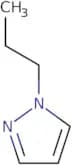
Discontinued product1-Propylpyrazole
CAS:1-Propylpyrazole is a non-classical inhibitor of aldehyde oxidase that has been shown to have an inhibitory effect on pentane. 1-Propylpyrazole has peroxidase-like activity, which means it can bind to lipid hydroperoxides in the presence of hydrogen peroxide or peroxidase. It has also been shown to be an effective inhibitor of dehydrogenase, which is an enzyme that catalyzes the oxidation of aldehydes and ketones to carboxylic acids. This drug is not active against classical aldehyde oxidases such as alcohol dehydrogenase, but it does inhibit polyunsaturated fatty acid synthesis by binding with cytochrome P450 enzymes.
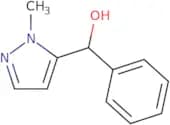
Formula:C6H10N2Purity:Min. 95%Molecular weight:110.16 g/mol(1-Methyl-1H-pyrazol-5-yl)(phenyl)methanol
CAS:Versatile small molecule scaffold
Formula:C11H12N2OPurity:Min. 95%Molecular weight:188.23 g/molRef: 3D-HBA50065
Discontinued product3-Chloro-4-[3-(trifluoromethyl)-1H-pyrazol-1-yl]aniline
CAS:Versatile small molecule scaffoldFormula:C10H7ClF3N3Purity:Min. 95%Molecular weight:261.63 g/molRef: 3D-GQB46761
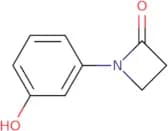
Discontinued product1-(3-Hydroxyphenyl)azetidin-2-one
CAS:Versatile small molecule scaffold
Formula:C9H9NO2Purity:Min. 95%Molecular weight:163.17 g/molRef: 3D-BDA22801
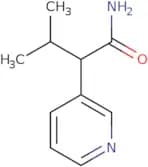
Discontinued product3-Methyl-2-(pyridin-3-yl)butanamide
CAS:Versatile small molecule scaffold
Formula:C10H14N2OPurity:Min. 95%Molecular weight:178.23 g/molRef: 3D-BFC36176
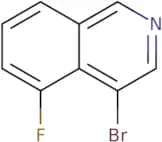
Discontinued product4-Bromo-5-fluoro-isoquinoline
CAS:Versatile small molecule scaffold
Formula:C9H5BrFNPurity:Min. 95%Molecular weight:226.04 g/molRef: 3D-BPA45758
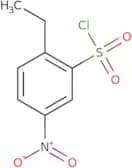
Discontinued product2-Ethyl-5-nitrobenzene-1-sulfonyl chloride
CAS:Versatile small molecule scaffold
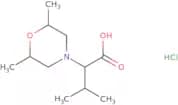
Formula:C8H8ClNO4SPurity:Min. 95%Molecular weight:249.67 g/mol2-(2,6-Dimethylmorpholin-4-yl)-3-methylbutanoic acid hydrochloride
CAS:Versatile small molecule scaffoldFormula:C11H22ClNO3Purity:Min. 95%Molecular weight:251.75 g/moltert-Butyl N-{4-[1-(4-bromophenoxy)ethyl]phenyl}carbamate
CAS:Versatile small molecule scaffold
Formula:C19H22BrNO3Purity:Min. 95%Molecular weight:392.3 g/molRef: 3D-PZC05838
Discontinued product2-(Pyrrolidin-3-yl)ethanol hydrochloride
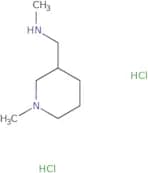
CAS:Versatile small molecule scaffoldFormula:C6H13NO·HClPurity:Min. 95%Molecular weight:151.64 g/molN-Methyl-1-(1-methylpiperidin-3-yl)methanamine
CAS:Versatile small molecule scaffoldFormula:C8H18N2Purity:Min. 95%Molecular weight:142.25 g/mol5-Chloro-3-cyclobutyl-1,2,4-oxadiazole
CAS:Versatile small molecule scaffold
Formula:C6H7ClN2OPurity:Min. 95%Molecular weight:158.58 g/molRef: 3D-NXB26496
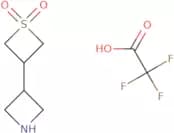
Discontinued product3-(1,1-dioxido-3-thietanyl)-azetidine 2,2,2-trifluoroacetate
CAS:Versatile small molecule scaffold
Formula:C8H12F3NO4SPurity:Min. 95%Molecular weight:275.25 g/molRef: 3D-PZC06126
Discontinued product3-(3-Fluorophenoxymethyl)-5H,6H,7H,8H,9H-[1,2,4]triazolo[4,3-a]azepine
CAS:Versatile small molecule scaffoldFormula:C14H16FN3OPurity:Min. 95%Molecular weight:261.29 g/molRef: 3D-QGB27246
Discontinued product3-Hydroxy-5-methylpyridine
CAS:3-Hydroxy-5-methylpyridine (3HMP) is a chemical substance that has been classified as an amine. It is a product of the metabolism of purines, which are nitrogenous bases found in DNA and RNA. 3HMP is produced by aerogenic bacteria (such as Enterobacter), and can be used to estimate the number of these bacteria present in water samples. 3HMP has been shown to have antiviral properties against influenza virus, and can be used as a biomarker for the presence of other viruses in animals. 3HMP also has mineralization properties, which have been studied extensively, particularly with regards to pancreatic disease.
Formula:C6H7NOPurity:Min. 95%Color and Shape:PowderMolecular weight:109.13 g/molRef: 3D-FH16174
Discontinued product4-Chloro-2-hydroxy-6-methylphenylboronic acid
CAS:Versatile small molecule scaffoldFormula:C7H8BClO3Purity:Min. 95%Molecular weight:186.4 g/mol2-Bromo-3,3,3-trifluoro-1-propene
CAS:Controlled Product2-Bromo-3,3,3-trifluoro-1-propene is a chemical compound that has been synthesized in an asymmetric reaction. The reactant is bromopropane and the product is 2,2,2-trifluoropropene. The methylene group on the propene molecule is activated by the nucleophilic attack of a fluoride ion from hydrogen fluoride to form a cavity with a highly strained bond. The kinetic study of this reaction revealed that the activation energy for the reaction is 42 kJ/mol. Palladium-catalyzed coupling reactions are catalyzed by palladium and require nonpolar solvents such as toluene or dichloromethane. This type of reaction has been shown to be exothermic with an isolated yield of 1%.
Formula:C3H2BrF3Purity:Min. 95%Color and Shape:Colorless PowderMolecular weight:174.95 g/mol4,5-Dihydroxy-2,3-Pentanedione
CAS:4,5-Dihydroxy-2,3-pentanedione is a carbonyl compound that is the product of the oxidation of ascorbic acid. It is used in wastewater treatment and has antimicrobial properties against infectious diseases. This compound has been shown to inhibit protein synthesis by binding to the ribosome and preventing the formation of peptide bonds between amino acids. 4,5-Dihydroxy-2,3-pentanedione has also been shown to bind to plasma proteins, which may be due to its acyl chain structure. 4,5-Dihydroxy-2,3-pentanedione can be synthesized in a catalytic mechanism that involves dehydroascorbic acid and molecular oxygen.
Formula:C5H8O4Purity:Min. 95%Color and Shape:PowderMolecular weight:132.11 g/molRef: 3D-FD180770
Discontinued productPiperyline
CAS:Piperyline is an alkanoic acid that has shown to be effective against skin cancer. It also has antimicrobial properties, which may be due to its ability to bind metal ions and form polymeric compounds. Piperyline inhibits microbial growth by inhibiting the synthesis of proteins and nucleic acids. The antimicrobial activity is related to its cationic polymerization with hydroxyl groups, which forms a structure that can inhibit microbial enzymes and disrupt microbial cell membranes. This compound also interacts with the skin's natural lipids, making it difficult for microorganisms to attach and grow on the skin. Piperyline is synthesized in organic chemistry laboratories as an amide precursor of other pharmaceuticals such as penicillin.
Formula:C16H17NO3Purity:Min. 95%Molecular weight:271.31 g/mol


![2-[(3-Nitrophenyl)formamido]acetic acid](/_next/image/?url=https%3A%2Fstatic.cymitquimica.com%2Fproducts%2F3D%2Fthumb-webp%2FAAA61710.webp&w=3840&q=75)
![2-[1-(Difluoromethyl)-3,5-dimethyl-1H-pyrazol-4-yl]acetic acid](/_next/image/?url=https%3A%2Fstatic.cymitquimica.com%2Fproducts%2F3D%2Fthumb-webp%2FWYB72452.webp&w=3840&q=75)
![1-[(3-Bromothiophen-2-yl)methyl]piperazine](/_next/image/?url=https%3A%2Fstatic.cymitquimica.com%2Fproducts%2F3D%2Fthumb-webp%2FWYB72635.webp&w=3840&q=75)
![tert-Butyl N-[(2R)-4-chloro-3-oxobutan-2-yl]carbamate](/_next/image/?url=https%3A%2Fstatic.cymitquimica.com%2Fproducts%2F3D%2Fthumb-webp%2FXKC24150.webp&w=3840&q=75)


![3-Chloro-4-[3-(trifluoromethyl)-1H-pyrazol-1-yl]aniline](/_next/image/?url=https%3A%2Fstatic.cymitquimica.com%2Fproducts%2F3D%2Fthumb-webp%2FGQB46761.webp&w=3840&q=75)
![tert-Butyl N-{4-[1-(4-bromophenoxy)ethyl]phenyl}carbamate](/_next/image/?url=https%3A%2Fstatic.cymitquimica.com%2Fproducts%2F3D%2Fthumb-webp%2FPZC05838.webp&w=3840&q=75)


![3-(3-Fluorophenoxymethyl)-5H,6H,7H,8H,9H-[1,2,4]triazolo[4,3-a]azepine](/_next/image/?url=https%3A%2Fstatic.cymitquimica.com%2Fproducts%2F3D%2Fthumb-webp%2FQGB27246.webp&w=3840&q=75)




