Building Blocks
Subcategories of "Building Blocks"
- Boronic Acids & Boronic Acid Derivatives(5,780 products)
- Chiral Building Blocks(1,241 products)
- Hydrocarbon Building Blocks(6,100 products)
- Organic Building Blocks(61,029 products)
Found 205306 products of "Building Blocks"
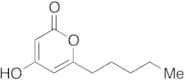
4-Hydroxy-6-pentyl-2H-pyran-2-one
CAS:Controlled ProductFormula:C10H14O3Color and Shape:NeatMolecular weight:182.22rac 1-Phenyl-1,2,3,4-tetrahydroisoquinoline
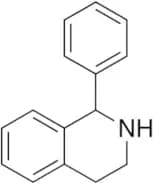
CAS:Controlled ProductApplications 1-Phenyl-1,2,3,4-tetrahydroisoquinoline is a Solifenacin (S676700) intermediate. 1-Phenyl-1,2,3,4-tetrahydroisoquinoline had been detected in parkinsonian human brain. 1-Phenyl-1,2,3,4-tetrahydroisoquinoline maybe a candidate for endogenous MPTP-like neurotoxin since it is a structural analogue of MPTP which produces parkinsonism in humans.
References Kajita, M. et al.: J. Chrom. B Biomed. Appl., 669, 345 (1995);Formula:C15H15NColor and Shape:NeatMolecular weight:209.291-Bromo-3-methylbutane
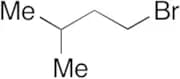
CAS:Controlled ProductApplications 1-Bromo-3-methylbutane, is used as an extraction solvent to determine various polycyclic aromatic hydrocarbons in water samples though dispersive liquid-liquid microextraction along with GC-MS (gas chromatography- mass spectrometry).
Not a dangerous good if item is equal to or less than 1g/ml and there is less than 100g/ml in the package
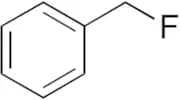
References Rezaee, M., et al.: J. Chromat. A., 1116, 1 (2006)Formula:C5H11BrColor and Shape:NeatMolecular weight:151.04(Fluoromethyl)benzene
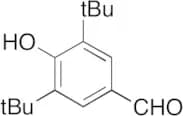
CAS:Controlled ProductFormula:C7H7FColor and Shape:NeatMolecular weight:110.1293,5-Di-tert-butyl-4-hydroxybenzaldehyde
CAS:Controlled ProductFormula:C15H22O2Color and Shape:NeatMolecular weight:234.33Methyl 4-Chloropicolinate
CAS:Controlled ProductApplications Methyl 4-Chloropicolinate (cas# 24484-93-3) is a compound useful in organic synthesis.
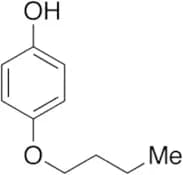
Formula:C7H6ClNO2Color and Shape:NeatMolecular weight:171.584-Butoxyphenol
CAS:Controlled ProductApplications Pramoxine impurity. Phenol derivatives induced tumor cell apoptosis.
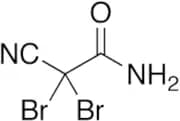
References Li, B., et al.: J. Biochem., 138, 679 (2005), Peltason, L., et al.: J. Med. Chem., 50, 5571 (2007),Formula:C10H14O2Color and Shape:NeatMolecular weight:166.22Dibromocyanoacetamide
CAS:Controlled ProductApplications A chemical additive to control bacterial contamination in ethanol fermentation.
Not a dangerous good if item is equal to or less than 1g/ml and there is less than 100g/ml in the package
References Vaisanen, O., et al.: J. Ind. Microbio., 4, 419 (1989), Costerton, J., et al.: J. Bacteriol., 176, 2137 (1994), Pirttijarvi, T., et al.: J. Appl. Bacteriol., 81, 445 (1996),Formula:C3H2Br2N2OColor and Shape:WhiteMolecular weight:241.87(S)-1-Phenyl-1,2,3,4-tetrahydroisoquinoline
CAS:Controlled ProductImpurity Solifenacin EP impurity A
Applications Solifenacin (S676700) intermediate.
References Andersson, K., et al.: Drugs, 35, 477 (1988), Wallis, R., et al.: Life Sci., 64, 395 (1999), Mitsuya, M., et al.: J. Med. Chem., 43, 5017 (2000), Ohtake, A., et al.: Eur. J. Pharmacol., 492, 243 (2004),Formula:C15H15NColor and Shape:White To Off-WhiteMolecular weight:209.292,3,4-Trihydroxybenzaldehyde
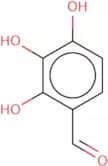
CAS:2,3,4-Trihydroxybenzaldehyde is a chemical compound that has been shown to have anti-cancer properties. It is used in the detection of cancer cells and as an indicator for the presence of palladium complexes. 2,3,4-Trihydroxybenzaldehyde is also a skin allergen and can cause allergic reactions. This chemical reacts with potassium ions in solution to form a precipitate or sludge. 2,3,4-Trihydroxybenzaldehyde has been shown to be effective against colorectal carcinoma cells and Group P2 bacteria.Formula:C7H6O4Purity:Min. 95%Color and Shape:PowderMolecular weight:154.12 g/mol2-Chloro-3-pyridinecarboxyaldehyde
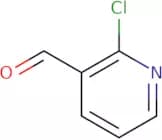
CAS:2-Chloro-3-pyridinecarboxyaldehyde is a synthetic molecule that contains two chlorines and three pyridines. It is a potential drug for the treatment of cancer or tuberculosis. The synthesis of this compound starts from 2,4-dichlorobenzaldehyde and 3-amino-5-(chloromethyl)pyridine. The reaction with acetic acid yields 2-chloro-3-pyridinecarboxyaldehyde. This product has been shown to inhibit cancer cells in vitro, but it does not have any effect on healthy cells. In addition, this product can be used as an anticancer agent against cervical cancer cells in vitro.Formula:C6H4ClNOPurity:Min. 98 Area-%Color and Shape:PowderMolecular weight:141.55 g/mol(R,R)-2,8-Diazabicyclo[4.3.0]nonane
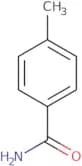
CAS:(R,R)-2,8-Diazabicyclo[4.3.0]nonane is an antibacterial agent that is synthesized from piperazine and fluoroquinolone derivatives. It has a high yield of (R,R)-2,8-diazabicyclo[4.3.0]nonane and a low reaction time in the microwave amination reaction. This compound can be used to replace environmentally hazardous chemicals such as mercury(II) chloride in the synthesis of (R,R)-2,8-diazabicyclo[4.3.0]nonane by avoiding the use of toxic mercury compounds and reducing the cost of production by using microwave irradiation.Formula:C7H14N2Purity:Min. 95%Color and Shape:PowderMolecular weight:126.2 g/mol4-Methylbenzamide
CAS:4-Methylbenzamide is a palladium complex that has been used in the synthesis of imatinib, a drug used to treat chronic myeloid leukemia. 4-Methylbenzamide has been shown to form a hydrogen bond with water molecules and also exhibits cavity effects. The cavity effect can be explained by intermolecular hydrogen bonding and the deuterium isotope effect. The deuterium isotope effect is observed when an atom of deuterium replaces an atom of hydrogen in a molecule. This substitution leads to reduced boiling point and increased solubility for the compound. 4-Methylbenzamide is also known for its inhibitory effects on p38 kinase, which are seen through titration calorimetry.Formula:C8H9NOPurity:Min. 95%Color and Shape:PowderMolecular weight:135.16 g/mol4-Methoxybenzamide
CAS:4-Methoxybenzamide is a small molecule that has been shown to have anticancer activity in vitro and in vivo. It is a hydroxylated benzamide with an intramolecular hydrogen bond, which allows it to selectively bind to DNA at the C4' position of cytosine. The compound's anticancer effects are due to its ability to inhibit the transcription of genes involved in cancer cell proliferation and its ability to induce apoptosis via caspase activation. 4-Methoxybenzamide has been shown to be synergistic when used with other chemotherapeutics, such as cisplatin, doxorubicin or 5-fluorouracil. This drug also inhibits the uptake of these drugs by cancer cells, limiting their therapeutic effects on healthy tissues.
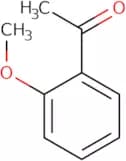
Formula:C8H9NO2Purity:Min. 95%Color and Shape:PowderMolecular weight:151.16 g/mol2'-Methoxyacetophenone
CAS:2'-Methoxyacetophenone is a member of the class of halogenated phenols that exhibits anti-inflammatory activities. It inhibits protease activity in vitro and has been shown to have anti-inflammatory effects in vivo. 2'-Methoxyacetophenone is a ruthenium complex with hydrochloride salt that has been shown to be an efficient catalyst for acylation reactions. This compound also inhibits the transfer of the nerve impulse from the trigeminal nerve to the brain, which may be due to its ability to inhibit lipid peroxidation and protein autoxidation. 2'-Methoxyacetophenone has also been shown to have antimicrobial activity against gram-negative bacterial species, such as Proteus vulgaris, Escherichia coli, Pseudomonas aeruginosa, and Salmonella enterica.
Formula:C9H10O2Purity:Min. 98 Area-%Color and Shape:Clear LiquidMolecular weight:150.17 g/mol1,8-Diazido-3,6-dioxaoctane
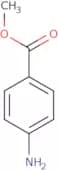
CAS:1,8-Diazido-3,6-dioxaoctane is a synthetic molecule that is used in the synthesis of macrolactones, polymers, and biomolecules. It can be used as a bioconjugate to attach other functional groups to biomaterials and polymers, such as azido groups. This compound has high sensitivity and thermal stability with good solubility in organic solvents. 1,8-Diazido-3,6-dioxaoctane has been shown to be compatible with many functional groups and is an important monomer for use in cross-linked polymers.Formula:C6H12N6O2Purity:Min. 95%Color and Shape:Colorless PowderMolecular weight:200.2 g/molMethyl 4-aminobenzoate
CAS:Methyl 4-aminobenzoate is a chemical compound that is used as a fluorescence probe in the study of DNA replication. It can be used to detect the presence of viral RNA in cell culture, and has been shown to inhibit the replication of bacterial RNA. Methyl 4-aminobenzoate binds to guanine residues in DNA and forms an alkyl bond with them. This prevents the binding of other amino acids, which are essential for DNA replication. Methyl 4-aminobenzoate has also been shown to have pharmacokinetic properties that make it useful for intravenous administration and oral administration.
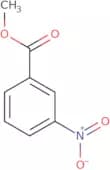
Formula:C8H9NO2Purity:Min. 97.5 Area-%Color and Shape:White PowderMolecular weight:151.16 g/mol3-Nitrobenzoic acid methyl ester
CAS:3-Nitrobenzoic acid methyl ester is an organic compound that contains a hydroxyl group and a nitro group. It can be synthesized by the reaction of 3-nitrophenol and methanol in a solvent such as water or ethanol. The nitro group is important for the solvating power of this molecule, which has been shown to have approximations with other molecules. 3-Nitrobenzoic acid methyl ester is found in two different forms: the cis form and the trans form, which differ in the orientation of their nitro groups. The cis form is more stable than the trans form because it has a dipole moment. The vibrational frequencies are also higher for the cis form than for its trans counterpart. 3-Nitrobenzoic acid methyl ester has been shown to react with nintedanib, which is used to treat cancer, and inhibit kinetics. The kinetic data obtained from this study canFormula:C8H7NO4Purity:(Gc) Min. 98%Color and Shape:PowderMolecular weight:181.15 g/mol2-Nitrobenzenesulfonyl chloride
CAS:2-Nitrobenzenesulfonyl chloride is a cyclic peptide that has been shown to be effective in the synthesis of a variety of biologically active compounds. It is used in the preparation of hydrochloric acid, hydroxyl group, lysine residues, and methyl ketones. It also has been used in analytical methods for the determination of cancer. 2-Nitrobenzenesulfonyl chloride is an aziridine with a Michaelis-Menten kinetics. This chemical structure allows hydrogen bonding with proteins, which is important for conformational changes and biological activity. 2-Nitrobenzenesulfonyl chloride has also been shown to inhibit cancer cells as well as human serum through hydrogen bond interactions.Formula:C6H4ClNO4SPurity:Min. 95%Color and Shape:Slightly Yellow PowderMolecular weight:221.62 g/mol1-Boc-4-bromomethylpiperidine
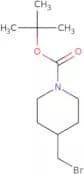
CAS:1-Boc-4-bromomethylpiperidine is a versatile building block for the synthesis of complex compounds with diverse biological activity. It is an excellent reagent for the synthesis of 1,2,3-triazoles, which are useful scaffolds in the synthesis of high quality pharmaceuticals. This compound can be used as a reaction component and as a useful intermediate in various chemical reactions.Formula:C11H20BrNO2Purity:Min. 97 Area-%Color and Shape:PowderMolecular weight:278.19 g/mol




![(R,R)-2,8-Diazabicyclo[4.3.0]nonane](/_next/image/?url=https%3A%2Fstatic.cymitquimica.com%2Fproducts%2F3D%2Fthumb-webp%2FFD21506.webp&w=3840&q=75)