Building Blocks
Subcategories of "Building Blocks"
- Boronic Acids & Boronic Acid Derivatives(5,805 products)
- Chiral Building Blocks(1,248 products)
- Hydrocarbon Building Blocks(6,122 products)
- Organic Building Blocks(61,463 products)
Found 208442 products of "Building Blocks"
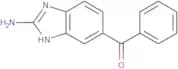
2-Amino-5(6)-benzoylbenzimidazole
CAS:2-Amino-5(6)-benzoylbenzimidazole is an antifilarial and anthelmintic drug that belongs to the benzimidazole class. It is used for the treatment of filarial infections in humans, including lymphatic filariasis, which is caused by worms transmitted by mosquitoes. 2-Amino-5(6)-benzoylbenzimidazole has low bioavailability due to its poor water solubility. The drug can be administered orally or topically and is metabolized in the liver. The metabolites are excreted in urine as glucuronides and sulfates.
Formula:C14H11N3OPurity:Min. 95%Color and Shape:PowderMolecular weight:237.26 g/mol4-Hydroxy-4'-dimethylaminoazobenzene
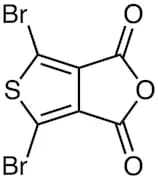
CAS:Formula:C14H15N3OPurity:>98.0%(T)(HPLC)Color and Shape:Orange to Brown to Dark red powder to crystalMolecular weight:241.292,5-Dibromo-3,4-thiophenedicarboxylic Anhydride
CAS:Formula:C6Br2O3SPurity:>98.0%(GC)Color and Shape:Light yellow to Brown to Dark green powder to crystalMolecular weight:311.93(Methylthio)acetonitrile
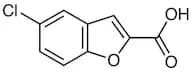
CAS:Formula:C3H5NSPurity:>99.0%(GC)Color and Shape:Colorless to Light yellow to Light orange clear liquidMolecular weight:87.145-Chlorobenzofuran-2-carboxylic Acid
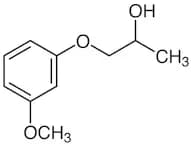
CAS:Formula:C9H5ClO3Purity:>98.0%(GC)(T)Color and Shape:White to Light yellow powder to crystalMolecular weight:196.591-(3-Methoxyphenoxy)-2-propanol
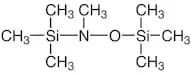
CAS:Formula:C10H14O3Purity:>90.0%(GC)Color and Shape:Colorless to Light yellow to Light orange clear liquidMolecular weight:182.22N-Methyl-N,O-bis(trimethylsilyl)hydroxylamine
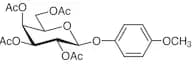
CAS:Formula:C7H21NOSi2Purity:>98.0%(T)Color and Shape:Colorless to Light yellow to Light orange clear liquidMolecular weight:191.424-Methoxyphenyl 2,3,4,6-Tetra-O-acetyl-β-D-galactopyranoside
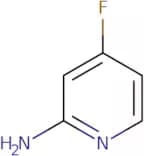
CAS:Formula:C21H26O11Purity:>98.0%(HPLC)Color and Shape:White to Almost white powder to crystalMolecular weight:454.432-Amino-4-fluoropyridine
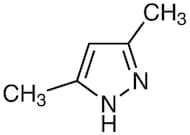
CAS:2-Amino-4-fluoropyridine is an acylation reaction product of 2-amino-4-chloropyridine and a fatty acid. The diaminopyridine moiety is responsible for the inhibition of copper enzymes. In addition, fluorine substitution provides a higher operational stability. The synthesis of this compound is accomplished through the use of thionyl chloride in an operational procedure that includes heating at 180 °C for 4 hours. 2-Amino-4-fluoropyridine has been shown to be effective against some bacteria such as Mycobacterium tuberculosis and Legionella pneumophila, which are resistant to other agents. This drug also has antiplasmodial properties and can be used to treat malaria. The structure based design of this molecule was optimized by replacing chlorine with fluorine as well as introducing a n oxide group to provide a sterically more favorable conformation.Formula:C5H5FN2Purity:Min. 95%Color and Shape:White To Yellow SolidMolecular weight:112.11 g/mol3,5-Dimethylpyrazole
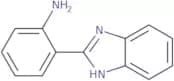
CAS:Formula:C5H8N2Purity:>98.0%(GC)(T)Color and Shape:White to Almost white powder to crystalMolecular weight:96.132-(2-Aminophenyl)benzimidazole
CAS:2-(2-Aminophenyl)benzimidazole is a synthetic compound with the chemical formula C8H6N2. It has an intramolecular hydrogen bond and reacts with salicylaldehyde to form 2-aminobenzimidazole, which is a reaction product. 2-(2-Aminophenyl)benzimidazole may be used as an antimicrobial agent, but it also has other uses such as a reagent in organic synthesis. It is soluble in water and can be obtained through liquid chromatography.
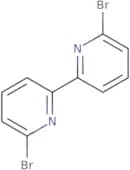
Formula:C13H11N3Purity:Min. 95%Color and Shape:Off-White PowderMolecular weight:209.25 g/mol6,6'-Dibromo-2,2'-bipyridine
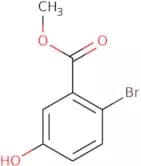
CAS:6,6'-Dibromo-2,2'-bipyridine is a synthetic molecule that is used to produce amines. It can be synthesized in a cross-coupling reaction involving the reaction of an amine with bromine and a palladium catalyst. 6,6'-Dibromo-2,2'-bipyridine reacts with formaldehyde to form 2,4-diaminobiphenyls. This reaction is catalyzed by acid or base. 6,6'-Dibromo-2,2'-bipyridine has been shown to be reactive and photoexcited. Its photophysical properties make it a useful synthetic intermediate for the production of amines.Formula:C10H6Br2N2Purity:Min. 95%Color and Shape:PowderMolecular weight:313.98 g/mol2-Bromo-5-hydroxybenzoic acid methyl ester
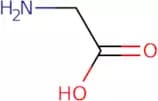
CAS:2-Bromo-5-hydroxybenzoic acid methyl ester (2BB) is a phenoxy activator that activates the glucokinase activator. It has been shown to have a glucose lowering effect in both animal and human studies. 2BB is orally bioavailable and has an allosteric mode of action, which means it works by binding to the allosteric site on the enzyme's active site, thereby increasing its activity. It binds to the benzamide of glucokinase, which causes an increase in glucose uptake and utilization by cells. 2BB is being studied for use as an oral treatment for type II diabetes mellitus.Formula:C8H7BrO3Purity:Min. 95%Color and Shape:PowderMolecular weight:231.04 g/molGlycine
CAS:Glycine is a buffering agent that can be used in electrophoresis for protein samples. It has an optimal pH range of 2.2-3.6 and a pKa of 2.35.Formula:NH2CH2COOHPurity:Min. 95%Color and Shape:PowderMolecular weight:75.07 g/moltrans-1,4-Dibromo-2-butene
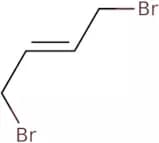
CAS:Trans-1,4-Dibromo-2-butene is a chemical compound with the molecular formula of C4H8Br2. It is an organic halide and a member of the class of compounds known as dibromides. The molecule has two bromine atoms, one on each carbon atom in the chain. Trans-1,4-Dibromo-2-butene is used as a monomer to create polymers such as cationic polymerization or benzalkonium chloride. In addition, trans-1,4-Dibromo-2-butene can be used in the synthesis of amides by reacting with ammonia. This chemical compound also has antimicrobial properties and has been shown to inhibit the activity of bacteria by disrupting protein synthesis and cell division.Formula:C4H6Br2Purity:Min. 95%Color and Shape:White PowderMolecular weight:213.9 g/mol2-Pentenoic acid
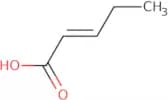
CAS:2-Pentenoic acid is a fatty acid that belongs to the group of sodium salts. It is often used as a catalyst in organic synthesis. 2-Pentenoic acid has been shown to reduce the incidence of bowel disease and improve mitochondrial function. This compound is not toxic at doses up to 1 g/kg in mice, although it may cause acute toxicity at higher doses. 2-Pentenoic acid has also been shown to have anti-inflammatory properties that may be due to its ability to inhibit prostaglandin synthesis.
Formula:C5H8O2Purity:Min. 95%Color and Shape:Colorless Clear LiquidMolecular weight:100.12 g/molN-alpha-Acetyl-L-arginine methyl ester hydrochloride
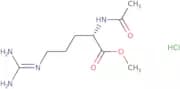
CAS:N-alpha-Acetyl-L-arginine methyl ester hydrochloride is an enzyme that catalyzes the conversion of arginine to citrulline. It is a part of a group of enzymes called kallikreins. Kinetic constants for this enzyme have been determined in both porcine and human pancreatic preparations. The efficiency of this enzyme has been found to be increased in the presence of L-phenylalanine, and it was found that the C-terminal subsite is responsible for this effect.Formula:C9H18N4O3·HClPurity:Min. 95%Color and Shape:White PowderMolecular weight:266.73 g/mol4-(1H-pyrazol-1-yl)phenol
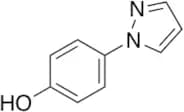
CAS:Controlled ProductFormula:C9H8N2OColor and Shape:NeatMolecular weight:160.173