Building Blocks
Subcategories of "Building Blocks"
- Boronic Acids & Boronic Acid Derivatives(5,780 products)
- Chiral Building Blocks(1,241 products)
- Hydrocarbon Building Blocks(6,100 products)
- Organic Building Blocks(61,029 products)
Found 205306 products of "Building Blocks"
Methyl 3-[(3-methoxy-2-methyl-3-oxopropyl)disulfanyl]-2-methylpropanoate
CAS:Versatile small molecule scaffoldFormula:C10H18O4S2Purity:Min. 95%Molecular weight:266.4 g/mol2-Chloro-N-[2-(naphthalen-1-yl)ethyl]acetamide
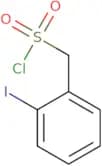
CAS:Versatile small molecule scaffoldFormula:C14H14ClNOPurity:Min. 95%Molecular weight:247.72 g/mol(2-Iodophenyl)methanesulfonyl chloride
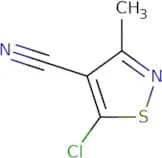
CAS:Versatile small molecule scaffoldFormula:C7H6ClIO2SPurity:Min. 95%Molecular weight:316.54 g/mol5-Chloro-3-methyl-1,2-thiazole-4-carbonitrile
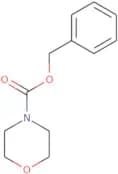
CAS:Versatile small molecule scaffoldFormula:C5H3ClN2SPurity:Min. 95%Molecular weight:158.61 g/molBenzyl morpholine-4-carboxylate
CAS:Benzyl morpholine-4-carboxylate is an ester of morpholine and benzoic acid. It is a good solvent for amines, alcohols, and sulfonamides. Benzyl morpholine-4-carboxylate can be used as a catalyst in the synthesis of aliphatic amines. The catalytic activity of this compound was found to be higher than that of either DBU or DBN in the reaction with ethylamine. The reaction yield was high when benzyl morpholine-4-carboxylate was used, which made it a good candidate for use in the synthesis of aliphatic amines with high yields.
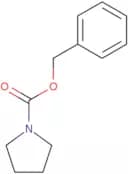
Formula:C12H15NO3Purity:Min. 95%Molecular weight:221.26 g/mol1-Cbz-pyrrolidine
CAS:1-Cbz-pyrrolidine is a substrate for the reaction of hydroxylation with recombinant Escherichia coli. It was used as a model substrate to study the effects of concentration and stereoselectivity on the rate of reaction. A preparative scale reaction was carried out using 1-Cbz-pyrrolidine in order to examine the effect of substrate concentration on product yield. The immobilization of 1-Cbz-pyrrolidine onto an insoluble support material was then investigated in order to determine the suitability of this process for the preparation of a reusable bioreactor. Immobilization led to an increase in activity, and therefore immobilizing 1-Cbz-pyrrolidine onto an insoluble support material is a feasible method for its preparation as a reusable bioreactor.Formula:C12H15NO2Purity:Min. 95%Molecular weight:205.26 g/mol2-Bromo-4,5,6,7-tetrahydro-1-benzothiophen-4-one
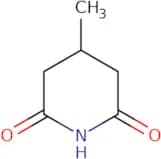
CAS:Versatile small molecule scaffoldFormula:C8H7BrOSPurity:Min. 95%Molecular weight:231.11 g/mol4-Methylpiperidine-2,6-dione
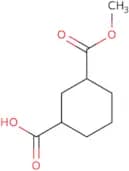
CAS:4-Methylpiperidine-2,6-dione is a diacid that is used as an iron chelating agent. It binds to ferric ions and prevents them from reacting with other molecules. The molecular descriptors for 4-methylpiperidine-2,6-dione are acidic ph, piperazine, and chloride. This molecule has been shown to be reactive in predictive models and hydrolyzes in aqueous solutions.Formula:C6H9NO2Purity:Min. 95%Molecular weight:127.14 g/mol3-(methoxycarbonyl)cyclohexane-1-carboxylic acid, Mixture of diastereomers
CAS:Versatile small molecule scaffoldFormula:C9H14O4Purity:Min. 95%Molecular weight:186.2 g/mol5-(Methoxycarbonyl)bicyclo[3.1.0]hexane-1-carboxylic acid
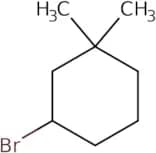
CAS:Versatile small molecule scaffoldFormula:C9H12O4Purity:Min. 95%Molecular weight:184.2 g/mol3-Bromo-1,1-dimethylcyclohexane
CAS:Versatile small molecule scaffold
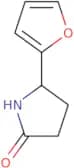
Formula:C8H15BrPurity:Min. 95%Molecular weight:191.11 g/mol5-(Furan-2-yl)pyrrolidin-2-one
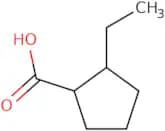
CAS:Versatile small molecule scaffoldFormula:C8H9NO2Purity:Min. 95%Molecular weight:151.16 g/mol2-Ethylcyclopentane-1-carboxylic acid
CAS:Versatile small molecule scaffold
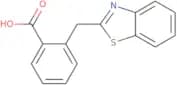
Formula:C8H14O2Purity:Min. 95%Molecular weight:142.2 g/mol2-(1,3-Benzothiazol-2-ylmethyl)benzoic acid
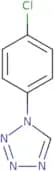
CAS:Versatile small molecule scaffoldFormula:C15H11NO2SPurity:Min. 95%Molecular weight:269.3 g/mol1-(4-Chlorophenyl)-1H-1,2,3,4-tetrazole
CAS:1-(4-Chlorophenyl)-1H-1,2,3,4-tetrazole is a chemical compound that was synthesized in order to study the uptake rate of heavy metals by marine sponges. This molecule is a cross-linking agent that can be used to form protein molecules with other proteins or amino acids. It has been found to have an antigenic profile and is also able to cause growth regulation in bacteria. The element analysis of 1-(4-chlorophenyl)-1H-1,2,3,4-tetrazole reveals the presence of carbon (C), hydrogen (H), nitrogen (N), and chlorine (Cl). The molecular weight of this compound is 271.25 g/mol and its melting point is 155°C.
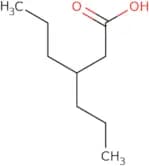
Formula:C7H5ClN4Purity:Min. 95%Molecular weight:180.59 g/mol3-Propylhexanoic acid
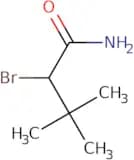
CAS:3-Propylhexanoic acid is a teratogenic compound that has been shown to be effective against epilepsy and cytomegalovirus. It is also an inhibitor of histone deacetylases, which are enzymes that catalyze the removal of acetyl groups from lysine residues in histones. 3-Propylhexanoic acid has been shown to inhibit the enzyme activity of these enzymes, leading to increased levels of acetylation in the brain and liver. This leads to decreased transcription of genes involved in neuronal growth and differentiation and cell survival, as well as increased transcription of genes involved in apoptosis. 3-Propylhexanoic acid is a potent teratogen, causing abnormalities in fetal development when administered during pregnancy.Formula:C9H18O2Purity:Min. 95%Molecular weight:158.24 g/mol2-Bromo-3,3-dimethylbutanamide
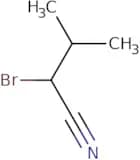
CAS:2-Bromo-3,3-dimethylbutanamide is a carbamate herbicide with optimum activity on broadleaf weeds and grasses. It is the carbamate derivative of 2,2,2-trifluoroethanol. The herbicidal composition contains this compound as an active ingredient.Formula:C6H12BrNOPurity:Min. 95%Molecular weight:194.07 g/mol2-Bromo-3-methylbutanenitrile
CAS:Versatile small molecule scaffoldFormula:C5H8BrNPurity:Min. 95%Molecular weight:162.03 g/mol2,3-Dioxoindoline-5-carboxylic acid
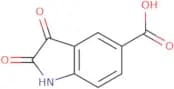
CAS:2,3-Dioxoindoline-5-carboxylic acid (2,3-DIAC) is a carboxylic acid that has been found in plants. It can be used as a building block for the synthesis of indole compounds. 2,3-DIAC is an important intermediate in organic chemistry and has been used as a starting material for the synthesis of many other carboxylic acids.Formula:C9H5NO4Purity:Min. 95%Molecular weight:191.14 g/molMethyl 2-(prop-2-en-1-yloxy)acetate
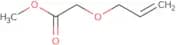
CAS:Methyl 2-(prop-2-en-1-yloxy)acetate is an ester that is soluble in organic solvents, such as acetone and ether. The compound has been shown to be a potent antifungal agent against dermatophytes and other fungi. It has been shown to exhibit the ability to cleave esters and amides with high enantiomeric excess (ee). This compound can also be used for the synthesis of chiral compounds, by using asymmetric synthesis methods, such as the Wittig reaction.Formula:C6H10O3Purity:Min. 95%Molecular weight:130.14 g/mol
![Methyl 3-[(3-methoxy-2-methyl-3-oxopropyl)disulfanyl]-2-methylpropanoate](/_next/image/?url=https%3A%2Fstatic.cymitquimica.com%2Fproducts%2F3D%2Fthumb-webp%2FABA05541.webp&w=3840&q=75)

![2-Chloro-N-[2-(naphthalen-1-yl)ethyl]acetamide](/_next/image/?url=https%3A%2Fstatic.cymitquimica.com%2Fproducts%2F3D%2Fthumb-webp%2FABA05569.webp&w=3840&q=75)

![5-(Methoxycarbonyl)bicyclo[3.1.0]hexane-1-carboxylic acid](/_next/image/?url=https%3A%2Fstatic.cymitquimica.com%2Fproducts%2F3D%2Fthumb-webp%2FABA09043.webp&w=3840&q=75)