Alcohols
Subcategories of "Alcohols"
Found 5818 products of "Alcohols"
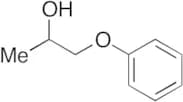
1-Phenoxy-2-propanol
CAS:Applications 1-Phenoxy-2-propanol is a useful synthetic intermediate. It was used in the preparation of acylarylthiocarbamates as nonnucleoside reverse transcriptase inhibitors.
References Ranise, A., et al.: J. Med. Chem., 46, 768 (2003);Formula:C9H12O2Color and Shape:ColourlessMolecular weight:152.194-Amino-1-pentanol
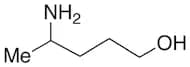
CAS:Controlled ProductApplications 4-Amino-1-pentanol (cas# 927-55-9) is a compound useful in organic synthesis.
Not a dangerous good if item is equal to or less than 1g/ml and there is less than 100g/ml in the packageFormula:C5H13NOColor and Shape:NeatMolecular weight:103.164-[2-(Cyclopropylmethoxy)ethyl]phenol
CAS:Controlled ProductImpurity Betaxolol EP Impurity D
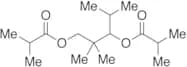
Applications 4-[2-(Cyclopropylmethoxy)ethyl]phenol (Betaxolol EP Impurity D) is an intermediate for the synthesis of Betaxolol.Formula:C12H16O2Color and Shape:NeatMolecular weight:192.252,2,4-Trimethyl-1,3-pentanediol Diisobutyrate
CAS:Applications 2,2,4-Trimethyl-1,3-pentanediol Diisobutyrate is a plastic additive and was found to associate with newly diagnosed asthma.
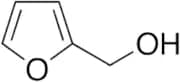
References Gao, X.L., et al.: Food. Sci. Biotechnol., 18, 1447 (2009); Villberg, K., et al.: Indoor. Built. Environ., 17, 455 (2008);Formula:C16H30O4Color and Shape:ColourlessMolecular weight:286.41Furfuryl Alcohol
CAS:Controlled ProductApplications Furfuryl Alcohol has been obtained by yeast reduction of furfural. Furfuryl Alcohol is used as solvent and in the manufacturing of wetting agents, resins.
Not a dangerous good if item is equal to or less than 1g/ml and there is less than 100g/ml in the package
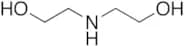
References Basketter, D., et al.: J. Appl. Toxicol., 19, 261 (1999), Butler, J., et al.: J. Immunoassay, 21, 165 (2000), Frederick, C., et al.: Toxicol. Appl. Pharmacol., 183, 23 (2002), Johnson, V., et al.: J. Immunol., 179, 1864 (2007),Formula:C5H6O2Color and Shape:ColourlessMolecular weight:98.1Diethanolamine
CAS:Stability Hygroscopic
Applications Diethanolamine similar to triethanolamine (T775580) is used as a surfactant. It also has the potential to be a corrosion inhibitor by means of chemisorption.
References Bhajiwala, H.M et al.: Bull. Electrochem., 17, 441 (2001); Yu, J. et al.: Thin. Solid. Films., 379, 7 (2000);Formula:C4H11NO2Color and Shape:NeatMolecular weight:105.141-Pentanol
CAS:Applications 1-Pentanol is a volatile component usually found in Jostaberry extracts, and is also used as a reagent to prepare derivatives of Ferulic acid (F308900) and Caffeic acid (C080000) which exhibit anticancer properties.
Not a dangerous good if item is equal to or less than 1g/ml and there is less than 100g/ml in the package
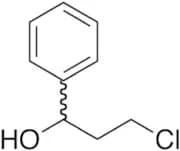
References Hempfling, K., et al.: J. Agr. Food Chem., 61, 9067 (2013); Li, W., et al.: Biorgan. Med. Chem., 22, 6085 (2012)Formula:C5H12OColor and Shape:ColourlessMolecular weight:88.15rac 3-Chloro-1-phenylpropanol
CAS:Controlled ProductApplications An intermediate of racemic Atomoxetine.
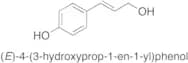
References Hage, A., et al.: Biotechnol. Bioeng., 73, 69 (2001), La Regina, G., et al.: J. Med., Chem., 51, 3841 (2008),Formula:C9H11ClOColor and Shape:NeatMolecular weight:170.64p-Coumaryl Alcohol
CAS:Applications p-Coumaryl Alcohol is a monolignon which is used to synthesize lignin through a biosynthetic enzyme-catalyzed phenol dehydrogenation reaction.
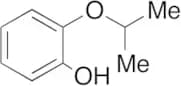
References Quideau, Ste?phane., J. Agric. Food Chem., 40, 1108-1110, (1992)Formula:C9H10O2Color and Shape:NeatMolecular weight:150.17o-Isopropoxyphenol
CAS:Controlled ProductApplications o-Isopropoxyphenol is used in the synthesis of α1-adrenoreceptor antagonist activity of tamsulosin analogues. Also used in the preparation of 5-HT1A receptor agonists.
References Sagratini, G. et al.: Eur. J. Med. Chem., 45, 5800 (2010); Franchini, S. et al.: Bioorg. Med. Chem. Lett., 2017 (2010);Formula:C9H12O2Color and Shape:ColourlessMolecular weight:152.191-Hexanol
CAS:Applications 1-Hexanol was examined as a perturbing agent on actomyosin ATPase and and was found to modulate the function of actomyosin motor via intermediate-specific structural perturbation.
Not a dangerous good if item is equal to or less than 1g/ml and there is less than 100g/ml in the package
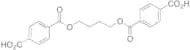
References Komatsu, H., et al.: J. Muscle. Res. Cell. Motil., 25, 77 (2004); Hua, J.F., et al.: J. Insect. Physiol., 59, 690 (2013);Formula:C6H14OColor and Shape:ColourlessMolecular weight:102.171,4-Butanediol Terephthalate
CAS:Controlled ProductApplications 1,4-Butanediol Terephthalate is an intermediate in the synthesis of Cyclotris(1,4-butylene Terephthalate) (C988975), a cyclic trimer of poly(butylene terephthalate), a thermoplastic engineering polymer.
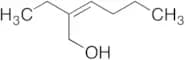
References East, G.C. et al.: Polymer, 23, 323 (1982)Formula:C20H18O8Color and Shape:NeatMolecular weight:386.352-Ethyl-2-hexenol (~85%)
CAS:Controlled ProductApplications 2-Ethyl-2-hexenol is an intermediate in the synthesis of 2-(Chloromethyl)-1-butene (C368570). 2-(Chloromethyl)-1-butene is a useful reagent for palladium(II)-catalyzed intramolecular tandem aminoalkylation. It can also be used to prepare (±)-Stemonamine and (±)-Cephalotaxine.
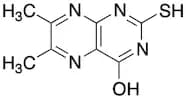
References Du, W., etal.: J. Am. Chem. Soc. 137, 1130 (2015); Zhao, Y., et al.: J. Org. Chem 74, 3211 (2009)Formula:C8H16OPurity:~85%Color and Shape:NeatMolecular weight:128.212-Mercapto-6,7-dimethyl-pteridin-4-ol
CAS:Controlled ProductApplications 2-Mercapto-6,7-Dimethyl-Pteridin-4-Ol (cas# 54030-51-2) is a useful research chemical.
Formula:C8H8N4OSColor and Shape:NeatMolecular weight:208.241,3-Propanediol
CAS:Controlled ProductApplications 1,3-Propanediol is a common organic reagent used in the synthesis of polymers and used in industrial organic chemistry for the synthesis of lubricants, foods, medicines and cosmetics.
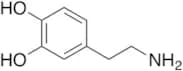
References Sun, Y. et al.: Bioproc. Renew. Res. Commod. Bioprod., 289 (2014);Formula:C3H8O2Color and Shape:NeatMolecular weight:76.09Dopamine
CAS:Stability Hygroscopic
Applications 4-(2-Aminoethyl)benzene-1,2-diol has been studied for its role in Parkinson's disease.
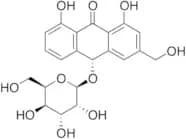
References Segura-Aguilar, J.: Neural Regeneration Research, 12, 897 (2017)Formula:C8H11NO2Color and Shape:Light Brown To BrownMolecular weight:153.18Casanthranol (A mixture of Casanthranol A, Casanthranol B, Cascaroside A and Cascaroside B) (Technical Grade)
CAS:Applications Casanthranol (cas# 8024-48-4) is a useful research chemical.
Formula:C21H22O10Color and Shape:NeatMolecular weight:434.42-Propyl-1-heptanol
CAS:Controlled ProductApplications 2-Propyl-1-heptanol (cas# 10042-59-8) is a compound useful in organic synthesis.
Formula:C10H22OColor and Shape:NeatMolecular weight:158.282-Benzothiazolethiol
CAS:Controlled ProductApplications 2-Benzothiazolethiol is an intermediate used to synthesize benzothiazole derivatives as cyclooxygenase inhibitors. It is also used to prepare pyridinone derivatives as potent non-nucleoside human immunodeficiency virus type 1 specific reverse transcriptase inhibitors.
Not a dangerous good if item is equal to or less than 1g/ml and there is less than 100g/ml in the package
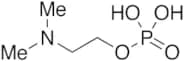
References Paramashivappa, R., et al.: Bioorg. Med. Chem. Lett., 13, 657 (2003); Dolle, V., et al.: J. Med. Chem., 38, 4679 (1995)Formula:C7H5NS2Color and Shape:NeatMolecular weight:167.25(1)N,N-Dimethylaminoethanol Phosphate (~70%)
CAS:Controlled ProductApplications N,N-Dimethylaminoethanol Phosphate is a metabolite of Dimethylaminoethanol, a precursor to the neurotransmitter acetylcholine.
Not a dangerous good if item is equal to or less than 1g/ml and there is less than 100g/ml in the package
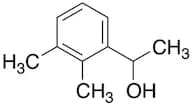
References Ansell, G.B. et al.: Zhur. Evol. Biochim, Fiziol., 15, 249 (1979): Miyazaki, H. et al.: Chem. Pharm. Bull., 24, 763 (1976); Haidar, N.E. et al.: Neurochem. Res., 19, 457 (1994);Formula:C4H12NO4PPurity:~70%Color and Shape:NeatMolecular weight:169.121-(2,3-Dimethylphenyl)ethanol
CAS:Controlled ProductApplications 1-(2,3-Dimethylphenyl)ethanol is a reagent used in the synthesis of α-adrenoreceptor agonist used in veterinary medicine for its analgesic and sedative activity. Dexmedetomidine (D299000), an α2-Adrenergic agonist, impurity.
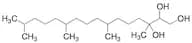
References Fakhraian, H. et al.: Org. Prep. Proc. Int., 47, 141 (2015); Rajala, R., et al.: Eur. J. Pharm. Sci., 1, 219 (1994),Formula:C10H14OColor and Shape:NeatMolecular weight:150.218Phytantriol
CAS:Controlled ProductApplications Phytantriol 74563-64-7 (cas# 74563-64-7) is a useful research chemical.
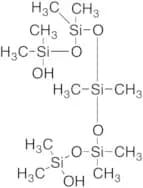
Formula:C20H42O3Color and Shape:NeatMolecular weight:330.55Decamethyl-1,9-Pentasiloxanediol
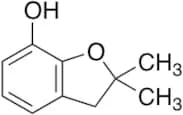
CAS:Controlled ProductFormula:C10H32O6Si5Color and Shape:ColourlessMolecular weight:388.782,3-Dihydro-2,2-dimethyl-7-benzofuranol
CAS:Controlled ProductApplications 2,3-Dihydro-2,2-dimethyl-7-benzofuranol (cas# 1563-38-8) is a useful research chemical.
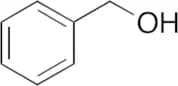
Formula:C10H12O2Color and Shape:NeatMolecular weight:164.2Benzyl Alcohol
CAS:Applications α-Toluenol is used in the synthesis of Cephalosporolide B as a versatile biomimetic synthetic precursor for chemical synthesis of other cephalosporides.
Not a dangerous good if item is equal to or less than 1g/ml and there is less than 100g/ml in the package
References Song, L. et al.: Org. Lett., 15, 5850 (2013);Formula:C7H8OColor and Shape:ColourlessMolecular weight:108.142-Dimethylaminoethanol
CAS:Controlled ProductStability Hygroscopic
Applications Dimethylaminoethanol is used as a curing agent for polyurethanes and epoxy resins. It is also used in mass quantities for water treatment, and to some extent in the coatings industry. It is used in the synthesis of dyestuffs, textile auxiliaries, pharmaceuticals, emulsifiers, and corrosion inhibitors. It is also an additive to paint removers, boiler water and amino resins.
Not a dangerous good if item is equal to or less than 1g/ml and there is less than 100g/ml in the package
References Littel, R., et al.: J. Chem. Eng. Data, 35, 276 (1990); Sanders, M., et al.: J. Phys. Chem. A, 113, 10143 (2009); Zahniser, N., et al.: J. Pharmacol. Exp. Ther., 200, 545 (1977);Formula:C4H11NOColor and Shape:ColourlessMolecular weight:89.143-Methyl-1,3,5-pentanetriol (Technical Grade)
CAS:Controlled ProductApplications 3-Methyl-1,3,5-pentanetriol is used in the synthesis of Mevalonolactone (M339040), in the synthesis of vitamins and isoprenoids such as steroids.
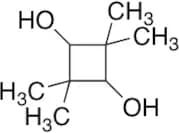
References Yamashita, H. et al.: Frag. J., 28, 62 (2000); Huang, F. et al.: J. Am. Chem. Soc., 97, 4144 (1975);Formula:C6H14O3Color and Shape:NeatMolecular weight:134.172,2,4,4-Tetramethyl-1,3-cyclobutanediol
CAS:Controlled ProductApplications 2,2,4,4-Tetramethyl-1,3-cyclobutanediol (cas# 3010-96-6) is a useful research chemical.
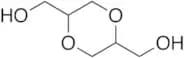
Not a dangerous good if item is equal to or less than 1g/ml and there is less than 100g/ml in the packageFormula:C8H16O2Color and Shape:NeatMolecular weight:144.211Bis(2,5-hydroxymethyl)dioxane(Mixture of Diastereomers)
CAS:Controlled ProductApplications A component in beef flavoring. A derivative of dioxane.
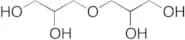
References Defaye, J., et al.: Bull. Soc. Chim. Fr., 999 (1964), Nemoto, H., et al.: J. Med. Chem., 38, 1673 (1995),Formula:C6H12O4Color and Shape:NeatMolecular weight:148.16Diglycerol (Mixture of Isomers)
CAS:Controlled ProductApplications Diglycerol was used in cosmetic deodorants. It is also a component in thickening and gelatation agents.
References Wolf, F., et al.: Eur. Pat. Appl. (1996), EP 691125 A1 19960110.; Yamada, M., et al.: Jpn. Kokai Tokkyo Koho (1980), JP 55025430 A 19800223.Formula:C6H14O5Color and Shape:NeatMolecular weight:166.174-(3’,6’-Dimethyl-3’-heptyl)phenol Diethoxylate
CAS:Controlled ProductApplications 4-(3’,6’-Dimethyl-3’-heptyl)phenol Diethoxylate (cas# 1119449-38-5) is a compound useful in organic synthesis.
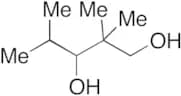
Formula:C19H32O3Color and Shape:NeatMolecular weight:308.462,2,4-Trimethyl-1,3-pentanediol
CAS:Applications 2,2,4-Trimethyl-1,3-pentanediol is used in the synthesis of monoisobutyrate derivatives used in film forming auxilleries in paint substances.
References Li, Y. et al.: Chem. Papers, 68, 422 (2014);Formula:C8H18O2Color and Shape:NeatMolecular weight:146.227N-Lauryldiethanolamine
CAS:Applications N-Lauryldiethanolamine (cas# 1541-67-9) is a useful research chemical.
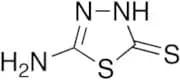
Formula:C16H35NO2Color and Shape:NeatMolecular weight:273.455-Amino-1,3,4-thiadiazole-2-thiol
CAS:Controlled ProductImpurity Acetazolamide EP Impurity G
Applications 5-Amino-1,3,4-thiadiazole-2-thiol is a thiadiazole derivative with antibacterial acitivity used in the preparation of herbicides as well as carbonic anhydrase inhibitors. (Acetazolamide EP Impurity G)
References Li, Z. et al.: Ying. Huax., 5, 54 (1988); Supuran, C. et al.: Rev. Roum. Chim., 40, 1227 (1995);Formula:C2H3N3S2Color and Shape:White To BeigeMolecular weight:133.19(8Z)-8-Dodecen-1-ol
CAS:Controlled ProductApplications (8Z)-8-Dodecen-1-ol is a component of various insect sex pheromones.
References Kim, S.H., et al: Repub. Korean Kongkae Taeho Kongbo, KR 2015046436 A 20150430 (2015); Ma, R., et al.: Faming Zhuanli Shenqing, CN 104177256 A 20141203 (2014)Formula:C12H24OPurity:>90%Color and Shape:Colourless To Light YellowMolecular weight:184.321-Propanol
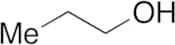
CAS:Controlled ProductStability Volatile
Applications 1-Propanol is a low molecular weight alcohol that is currently being investigated as an alternative fuel for direct methanol/oxygen fuel cells. 1-Propanol is also used as a coupling and dispersing agent in the pharmaceutical and chemicals industries.
Not a dangerous good if item is equal to or less than 1g/ml and there is less than 100g/ml in the package
References Gupta, M., et al.: Fluid Phase Equil., 244, 26 (2006); Lamy, C., et al.: J. Appl. Electrochem., 31, 799 (2001); Wang, J., et al.: J. Electrochem. Soc., 142 (1995)Formula:C3H8OColor and Shape:ClearMolecular weight:60.12-(2-Nitroanilino)ethanol
CAS:Controlled ProductApplications 2-(2-Nitroanilino)ethanol is used in the preparation of (phenylamino)quinoxalinone derivatives which has been identified as a new class of glycogen phosphorylase inhibitors.
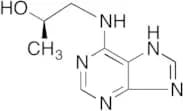
References Dudash, J., et al.: Bioorg. Med. Chem. Lett., 21, 4790 (2005); Hellerstein, M., et al.: J. Clin. Invest. 100, 1305 (1994)Formula:C8H10N2O3Color and Shape:Dark Red To RedMolecular weight:182.18(2R)-1-(9H-Purin-6-ylamino)-2-propanol
CAS:Controlled ProductApplications (2R)-1-(9H-Purin-6-ylamino)-2-propanol is a reagent for the synthesis of tenofovir disoproxil fumarate, a medication for the treatment of hepatitis B and to prevent and treat HIV/AIDS.
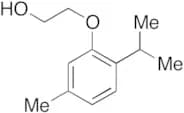
References Yan, N., et al.: Jingxi Huagong, 31, 983 (2014); Ripin, D. H. B., et al.: Org. Process Res. Dev., 14, 1194 (2010)Formula:C8H11N5OColor and Shape:NeatMolecular weight:193.212-Thymyloxyethanol
CAS:Controlled ProductApplications 2-Thymyloxyethanol is an intermediate in the synthesis of monoterpene compound that has a fresh minty camphor-like odour, and naturally occurs in extracts of commercial oil of peppermint.
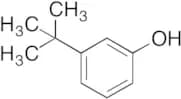
References Birch, A. J., et al.: J. Chem. Soc., 2531 (1949);Formula:C12H18O2Color and Shape:NeatMolecular weight:194.273-tert-Butylphenol
CAS:Applications 3-tert-Butylphenol was used in the stufy of agonistic effects of diverse xenobiotics on the constitutive androstane receptor detected by a recombinant yeast-cell assay. It was also used in the study of aquatic toxicity of benzene derivatives.
Not a dangerous good if item is equal to or less than 1g/ml and there is less than 100g/ml in the package
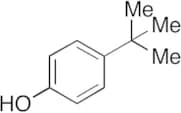
References Kamata, Ryo, et al.: Toxicology In Vitro, 46, 335-349 (2018) Martinez-Lopez, Yoan, et al.: Envir. Toxi. and Pharma., 56, 314-321 (2017)Formula:C10H14OColor and Shape:NeatMolecular weight:150.224-tert-Butylphenol
CAS:Controlled ProductApplications 4-tert-Butylphenol is a reactant in the preparation of (2-bromocyclopent-2-en-1-yl)phenols.
Not a dangerous good if item is equal to or less than 1g/ml and there is less than 100g/ml in the package
References Speck, K., et. al.: Org. Lett., 17, 1982 (2015)Formula:C10H14OColor and Shape:NeatMolecular weight:150.224-[(2-Isopropoxyethoxy)methyl]phenol
CAS:Controlled ProductImpurity Bisoprolol EP Impurity M
Applications 4-[(2-Isopropoxyethoxy)methyl]phenol (Bisoprolol EP Impurity M) is an intermediate for the synthesis of Bisoprolol.
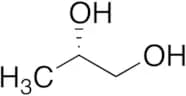
References Haeusler, G., et al.: J. Cardiovasc. Pharmacol., 8, S2 (1986), Dubois, E., et al.: J. Med. Chem., 39, 3256 (1996), Horikiri, Y., et al.: J. Pharm. Sci., 86, 560 (1997),Formula:C12H18O3Color and Shape:Colourless To Light YellowMolecular weight:210.27(S)-(+)-Propane-1,2-diol
CAS:Controlled ProductApplications (S)-(+)-Propane-1,2-diol is a general reagent used in organic synthesis. (S)-(+)-Propane-1,2-diol is used in the synthesis of anti-tuberculosis agents inspired by BTZ043 for MDR resistant strains.
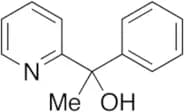
References Tiwari, R. et al.: ACS Med. Chem. Lett., 5, 587 (2014); Tiwari, R. et al.: J. Am. Chem. Soc., 135, 3539 (2013);Formula:C3H8O2Color and Shape:ColourlessMolecular weight:76.091-Phenyl-1-(2-pyridyl)ethanol
CAS:Impurity Doxylamine EP Impurity B
Stability Light Sensitive
Applications Doxylamine intermediate.
References Rennison, D., et al.: Bioorg. Med. Chem., 15, 2963 (2007),Formula:C13H13NOColor and Shape:Off-White To Light YellowMolecular weight:199.252-Octyldodecane-1-ol
CAS:References Munafo, A., et al.: J. Pharma. Sci., 77, 169 (1988); Smikalia, M., et al.: Int. J. Pharmaceuticals., 405, 122 (2011); Kakubari, I., et al.: Biol. Pharma. Bull., 29, 1717 (2006);
Formula:C20H42OColor and Shape:NeatMolecular weight:298.55Isopropanol
CAS:Controlled ProductApplications Isopropanol is a volatile organic compound (VOC) that is widely used in the rubber, cosmetics, pharmaceutical, and chemical industries worldwide. Isopropanol’s ability to dissolve a variety of compounds, and its fast evaporation time make it an ideal solvent to work with in the laboratory. Isopropanol is used as a disinfectant in the medical field, and is also utilized for the preservation of biological specimens.
Not a dangerous good if item is equal to or less than 1g/ml and there is less than 100g/ml in the package
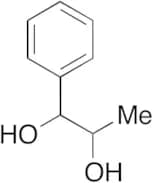
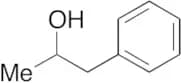
References Adams, D., et al.: J. Hosp. Infect., 61, 287 (2005); Bustard, M., et al.: Extremophiles, 6, 319 (2002); Herman, C.: Jour. Lab. & Clin. Med., 26, 1788 (1941)Formula:C3H8OColor and Shape:ColourlessMolecular weight:60.11-Phenyl-1,2-propanediol (Mixture of Diastereomers)
CAS:Controlled ProductApplications 1-Phenyl-1,2-propanediol is a reagent in pharmaceutical chemistry, used in the synthesis of nor(pseudo)ephedrine related compounds.
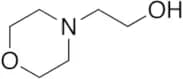
References Sehl, T. et al.: Green Chem., 16, 3341 (2014); Moorthy, J. et al.: J. Org. Chem., 76, 9593 (2011);Formula:C9H12O2Color and Shape:NeatMolecular weight:152.194-Morpholineethanol
CAS:Controlled ProductApplications 4-(2-Hydroxyethyl)morpholine is a morphiline derivative used in the preparation of ester prodrugs of naproxen. 4-(2-Hydroxyethyl)morpholine was also shown to induce repair in rat hepatocyte primary culture/DNA.
References Conaway, C.C. et al.: Mutat. Res. Gen. Toxicol. Test., 136, 153 (1984); Tsai, S.-W. et al.: Chem. Technol. Biotechnol., 74, 751 (1999);Formula:C6H13NO2Color and Shape:YellowMolecular weight:131.17Tea Polyphenol (TP98)
CAS:Controlled ProductApplications Tea Polyphenol (TP98). CAS#: 84650-60-2 (cas# 84650-60-2) is a useful research chemical.
Formula:C22H18O11Color and Shape:NeatMolecular weight:458.43,4-Dihydro-2H-benzo[b][1,4]oxazin-6-ol
CAS:Controlled ProductApplications 3,4-Dihydro-2H-benzo[b][1,4]oxazin-6-ol (cas# 26021-57-8) is a useful research chemical.
Formula:C8H9NO2Color and Shape:Light Brown To BlackMolecular weight:151.162-(Ethylthio)ethanol
CAS:Controlled ProductApplications 2-(Ethylthio)ethanol is used to prepare aryldihydropyrimidinones as inhibitors of fatty acid transporter FATP4.
Not a dangerous good if item is equal to or less than 1g/ml and there is less than 100g/ml in the package
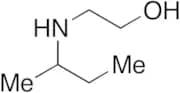
References Blackburn, C., et al.: Bioorg. Med. Chem. Lett., 16, 3504 (2006)Formula:C4H10OSColor and Shape:NeatMolecular weight:106.192-(2-Butylamino)ethanol
CAS:Stability Volatile
Applications 2-(2-Butylamino)ethanol is an intermediate used to prepare 2-arylimino-1,3-thiazolidines as progesterone receptor binding ligands.
Not a dangerous good if item is equal to or less than 1g/ml and there is less than 100g/ml in the package
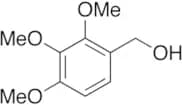
References Dixon, B., et al.: U.S., US 6353006 B1 20020305 (2002)Formula:C6H15NOColor and Shape:NeatMolecular weight:117.192,3,4-Trimethoxybenzyl Alcohol
CAS:Controlled ProductImpurity Trimetazidine EP impurity D
Applications 2,3,4-Trimethoxybenzyl Alcohol is a trimethoxylated aromatic alcohol. 2,3,4-Trimethoxybenzyl Alcohol is an impurity of the anti-anginal drug Trimetazidine (T795610).
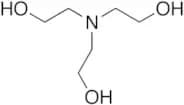
References Medenica, M.B. et al.: J. Chrom. Sci., 46, 430 (2008);Formula:C10H14O4Color and Shape:Clear Colourless To Light YellowMolecular weight:198.22Triethanolamine
CAS:Controlled ProductApplications Triethanolamine is used primarily as a surfactant, reducing the surface tension between two media. It is also used as a general emulsifier for preparations, such as ones involving drug penetration assays.
References Huo, Q. et al.: Chem. Mat., 8, 1147 (1996); Alves, MN. et al.: Int. J. Pharm., 341, 215 (2007);Formula:C6H15NO3Color and Shape:ColourlessMolecular weight:149.19Methylbenzeneethanol
CAS:Controlled ProductApplications Methylbenzeneethanol is a chemical reagent used towards the synthesis of ruthenium nanoparticles supported on graphene.
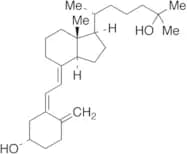
References Gopiraman, M. et al.: J. Phys. Chem. C., 117, 23582 (2013);Formula:C9H12OColor and Shape:NeatMolecular weight:136.19Calcifediol
CAS:Controlled ProductStability Light Sensitive, Temperature Sensitive
Applications Calcifediol is a metabolite of Vitamin D. The principal circulating form of vitamin D3, formed in the liver by hydroxylation at C-25. Calcium regulator.
Not a dangerous good if item is equal to or less than 1g/ml and there is less than 100g/ml in the package
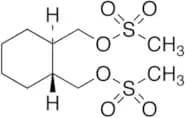
References Morii, et al.: Arch. Biochem. Biophys., 120, 513 (1967); Blunt, et al.: Biochemistry, 7, 3317 (1968), Liu, et al.: Science, 311, 1770 (2006);Formula:C27H44O2Color and Shape:Off-WhiteMolecular weight:400.64(1R,2R)-1,2-Cyclohexanedimethanol 1,2-Dimethanesulfonate
CAS:Controlled ProductApplications (1R,2R)-1,2-Cyclohexanedimethanol 1,2-Dimethanesulfonate (cas# 186204-35-3) is a compound useful in organic synthesis.
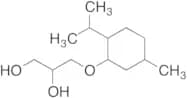
Formula:C10H20O6S2Color and Shape:NeatMolecular weight:300.39Menthoxypropane-1,2-diol
CAS:Controlled ProductApplications Menthoxypropane-1,2-diol, is a Cyclohexane derivative are disclosed in a variety of tech. products, household products, or in cosmetic and pharmaceutical compounds. The substances are well tolerated and characterized by their good biodegradability.
References Anon.IP.com Journal, Vol.14, P:1-42 (2014);Formula:C13H26O3Color and Shape:NeatMolecular weight:230.32-Thiopheneethanol Tosylate
CAS:Controlled ProductApplications Intermediate in the preparation of Rotigotine
References Janssens, F., et al.: J. Med. Chem., 29, 2290 (1986),Formula:C13H14O3S2Color and Shape:NeatMolecular weight:282.38α,α-Bis[4-(dimethylamino)phenyl]-4-(methylamino)-benzenemethanol (>75%)
CAS:Stability Light Sensitive, Unstable in Solution
Applications α,α-Bis[4-(dimethylamino)phenyl]-4-(methylamino)-benzenemethanol is a product from degradation of methyl green.
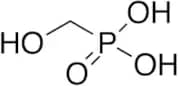
References Chen, C., et al.: Environ. Sci. Technol., 41, 4389 (2007)Formula:C24H29N3OPurity:>75%Color and Shape:NeatMolecular weight:375.51Phosphonomethanol
CAS:Controlled ProductApplications Phosphonomethanol has been used in the investigation on the stereochemistry of 2-Hydroxyethylphosphonate Dioxygenase.
References Whitteck, J.T., et al.: J. Am. Chem. Soc., 133, 4236 (2011); Duca, J.S., et al.: Chem. Materials., 12, 3821 (2000);Formula:CH5O4PColor and Shape:Off White SolidMolecular weight:112.02Lanolin (Technical Grade)
CAS:Controlled ProductApplications Lanolin (cas# 8006-54-0) is a useful research chemical.
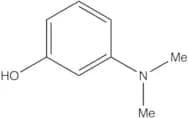
Formula:C34H68O2Color and Shape:NeatMolecular weight:508.93-(Dimethylamlno)phenol
CAS:Controlled ProductApplications 3-(Dimethylamlno)phenol (cas# 99-07-0) is a compound useful in organic synthesis.
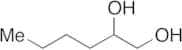
Formula:C8H11NOColor and Shape:Brown To PurpleMolecular weight:137.181,2-Hexanediol
CAS:Controlled ProductApplications 1,2-Hexanediol is used in the synthesis of sulfamidates which lead a simple route into β-amino acids. Also used in the controlled growth of GE nanowires.
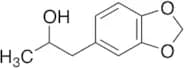
References Nicolaou, K. et al.: Angew. Chem. Int. Ed., 41, 834 (2002); Lotty, O. et al.: J. Mat. Chem. C., Mat. Optic. Electro. Devices., 1, 4450 (2013);Formula:C6H14O2Color and Shape:ColourlessMolecular weight:118.171-(2H-1,3-benzodioxol-5-yl)propan-2-ol
CAS:Controlled ProductApplications 1-(2H-1,3-benzodioxol-5-yl)propan-2-ol (cas# 6974-61-4) is a useful research chemical.
Formula:C10H12O3Color and Shape:NeatMolecular weight:180.22,2-Dimethyl-1,3-dioxan-5-ol
CAS:Controlled ProductFormula:C6H12O3Color and Shape:NeatMolecular weight:132.158Phosphorylethanolamine
CAS:Controlled ProductApplications Phosphorylethanolamine is used in the synthesis of Sphingomyelin, a type of sphingolipid found in animal cell membrane.
Not a dangerous good if item is equal to or less than 1g/ml and there is less than 100g/ml in the package
References Myller, A.T. et al.: Appl. Surf. Sci., 257, 1616 (2010);Formula:C2H8NO4PColor and Shape:NeatMolecular weight:141.062-(2-Aminoethylamino)ethanol
CAS:Controlled ProductApplications 2-(2-Aminoethylamino)ethanol is a reagent used in the synthesis of various pharmacologically active compounds and functional groups. Its used in the synthesis of antitumor anthracene-diones and antitumor DNA intercalators. More recently used in the synthesis of ionic liquids with various thermal, dielectric and catalytic properties.
Not a dangerous good if item is equal to or less than 1g/ml and there is less than 100g/ml in the package
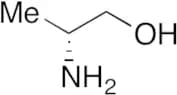
References Bair, K. et al.: J. Med. Chem., 33, 2385 (1990); Krapcho, A. et al.: J. Med. Chem., 37, 828 (1994); Karadag, A. et al.: J. Mol. Liq., 177, 369 (2013);Formula:C4H12N2OColor and Shape:NeatMolecular weight:104.1509(R)-(-)-2-Amino-1-propanol
CAS:Controlled ProductApplications (R)-(-)-2-Amino-1-propanol is used as a reagent in the synthesis of naphthyridinone integrase inhibitors.
Not a dangerous good if item is equal to or less than 1g/ml and there is less than 100g/ml in the package
References Johns, B.A., et al.: Bioorg. Med. Chem. Lett., 24, 3104 (2014)Formula:C3H9NOColor and Shape:NeatMolecular weight:75.10977-[(Dimethylamino)methyl]-2,2,4-trimethyl-1,2-dihydroquinolin-6-ol
CAS:7-[(Dimethylamino)methyl]-2,2,4-trimethyl-1,2-dihydroquinolin-6-ol is a chemical compound that belongs to the group of fine chemicals. It is a versatile building block and useful intermediate for research chemicals. 7-[(Dimethylamino)methyl]-2,2,4-trimethyl-1,2-dihydroquinolin-6-ol is also a speciality chemical with high purity and quality. CAS No. 300690-44-2Formula:C15H22N2OPurity:Min. 95 Area-%Color and Shape:PowderMolecular weight:246.35 g/mol2-(3,5-Dimethyl-1H-pyrazol-1-yl)quinolin-8-amine
CAS:2-(3,5-Dimethyl-1H-pyrazol-1-yl)quinolin-8-amine is a fine chemical that belongs to the group of versatile building blocks. It can be used as a reagent or as a speciality chemical in research and development. 2-(3,5-Dimethyl-1H-pyrazol-1-yl)quinolin-8-amine is also a useful scaffold for the synthesis of complex compounds and has been shown to be an effective inhibitor of protein tyrosine kinases.Formula:C14H14N4Purity:Min. 95%Color and Shape:PowderMolecular weight:238.29 g/mol3-[2-(Ethylhexyl)oxyl]-1,2-propandiol
CAS:3-[2-(Ethylhexyl)oxyl]-1,2-propandiol is an organic compound that belongs to the group of sodium salts. It is used as an antimicrobial agent and preservative in cosmetic products. 3-[2-(Ethylhexyl)oxyl]-1,2-propandiol has been shown to have a synergistic effect with benzalkonium chloride, which is another antimicrobial agent. It has also been found to be effective against skin cells that are infected with the bacteria Staphylococcus aureus. 3-[2-(Ethylhexyl)oxyl]-1,2-propandiol has been shown to have an inhibitory effect on fatty acid synthesis in skin cells and may be useful for treating acne.Formula:C11H24O3Purity:Min. 95%Color and Shape:Colorless Clear LiquidMolecular weight:204.31 g/mol15,16-Bis-nor-LABD-11-En-13-on-8-ol
15,16-bis-nor-LABD-11-En-13-on-8-ol is a fine chemical that is useful as a building block for research chemicals and as a reagent in the synthesis of speciality chemicals. This compound has been found to be an intermediate for the synthesis of various other compounds, including complex compounds and versatile building blocks. 15,16-bis-nor-LABD-11-En-13-on-8--ol is also a versatile scaffold due to its ability to undergo reactions with various functional groups.Formula:C18H30O2Purity:Min. 95%Molecular weight:278.43 g/mol1,4-Dioxane-2,5-dimethanol
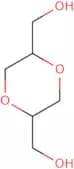
CAS:1,4-Dioxane-2,5-dimethanol is a low molecular weight compound that is insoluble in water. It reacts with glycidol to form ring-opening polymerization products. This compound has been shown to exhibit a variety of spectra, including peaks at ν = 3.69, 4.38, and 5.27 ppm (C-H stretching). The major configuration for 1,4-dioxane-2,5-dimethanol is the cis form due to the fact that it has two cationic rings. This substance can be used as an intermediate in the production of polyethers and polyesters. 1,4-Dioxane-2,5-dimethanol can also be used as a solvent for cellulose acetate or nitrocellulose coatings on paperboard or film base materials; however it may cause contamination by substances such as cationic ring opening products and trifluoride
Formula:C6H12O4Purity:Min. 95%Color and Shape:PowderMolecular weight:148.16 g/mol4-Bromo-2-fluorobenzyl alcohol
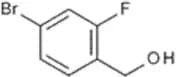
CAS:4-Bromo-2-fluorobenzyl alcohol is a high quality chemical that is used as an intermediate to produce other useful chemicals. It is also a reagent, useful in the production of complex compounds. 4-Bromo-2-fluorobenzyl alcohol has a CAS No. 188582-62-9 and can be used as a building block for producing speciality chemicals. This compound can be used as a versatile building block for the production of new products and it is often used as a reaction component in organic synthesis.
Formula:C7H6BrFOPurity:Min. 95%Color and Shape:PowderMolecular weight:205.02 g/molResorcinol bis(2-hydroxyethyl)ether
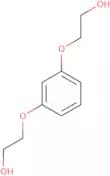
CAS:Resorcinol bis(2-hydroxyethyl)ether is a chemical compound that belongs to the class of polyols. It is a colorless liquid with a strong odor and has a molecular weight of 198.22 g/mol. Resorcinol bis(2-hydroxyethyl)ether is used in the production of polyester, polyurethane, and cellulose acetate butyrate. This chemical also has an anti-oxidant effect that can be utilized in industrial processes such as oxidation polymerization, dyeing, and curing agents. The synthesis methods for resorcinol bis(2-hydroxyethyl)ether include acetaldehyde condensation with glycerol or ethylene oxide followed by hydrolysis.Formula:C10H14O4Purity:Min. 95%Color and Shape:White PowderMolecular weight:198.22 g/mol4-Ethoxy-3-methoxybenzyl alcohol
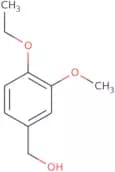
CAS:4-Ethoxy-3-methoxybenzyl alcohol is a metabolite of the drug benzocaine. It is formed by hydrolysis of the ester linkages in benzocaine and is then further metabolized to form 4-hydroxy-3-methoxybenzyl alcohol. 4-Ethoxy-3-methoxybenzyl alcohol has been shown to have antinociceptive effects in rats, which may be due to its ability to inhibit pain signals from the peripheral nerves.Formula:C10H14O3Purity:Min. 95%Color and Shape:PowderMolecular weight:182.22 g/mol(3,4,5-Trimethoxyphenyl)methyl carbinol
CAS:(3,4,5-Trimethoxyphenyl)methyl carbinol is a neuroprotective compound that belongs to the class of benzyl alcohols. It has been shown to have neuroprotective effects against daldinia-induced oxidative stress and biotoxicity. This compound has high electron transfer rates and can be used as an electron donor in enzymatic reactions. (3,4,5-Trimethoxyphenyl)methyl carbinol exhibits a high reactivity with alcohols and can be used in the synthesis of other compounds by transferring its alcohol group onto other molecules. The addition of deuterium atoms to this molecule has been shown to increase its reactivity with oxidants.
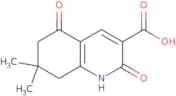
Formula:C11H16O4Purity:Min. 95%Color and Shape:LiquidMolecular weight:212.24 g/mol7,7-Dimethyl-2,5-dioxo-1,2,5,6,7,8-hexahydroquinoline-3-carboxylic acid
CAS:Please enquire for more information about 7,7-Dimethyl-2,5-dioxo-1,2,5,6,7,8-hexahydroquinoline-3-carboxylic acid including the price, delivery time and more detailed product information at the technical inquiry form on this pageFormula:C12H13NO4Purity:Min. 95%Color and Shape:PowderMolecular weight:235.24 g/mol2-Tributyltin-allyl-1-ol
CAS:Controlled Product2-Tributyltin-allyl-1-ol is a research chemical that has shown potential in various areas of study. It has been found to interact with epidermal growth factor (EGF) and may have implications in the development of new therapies targeting EGF receptors. Additionally, 2-Tributyltin-allyl-1-ol has been studied for its potential interactions with drugs such as afatinib and paroxetine, indicating its possible role in drug metabolism and pharmacokinetics.
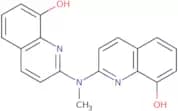
Formula:C15H32OSnPurity:Min. 95%Color and Shape:Colorless Clear LiquidMolecular weight:347.12 g/mol2,2'-(Methylimino)diquinolin-8-ol
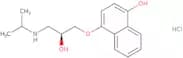
CAS:Please enquire for more information about 2,2'-(Methylimino)diquinolin-8-ol including the price, delivery time and more detailed product information at the technical inquiry form on this pageFormula:C19H15N3O2Purity:Min. 95%Molecular weight:317.34 g/mol(S)-4-Hydroxy propranolol hydrobromide
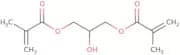
CAS:(S)-4-Hydroxy propranolol hydrobromide is an enantiomer of propranolol. It is a beta blocker that blocks the action of the neurotransmitter noradrenaline. The (S)-enantiomer of propranolol has been shown to be more potent in inhibiting the release of noradrenaline from nerve endings than the (R)-enantiomer and also to have a longer duration of action. This product is used as an antihypertensive agent and for beta-blockade during myocardial infarction. It can be used in assays to assess drug metabolism, quantify alprenolol, or assess the effects on carbon source, ionic environment, and fluorescence by measuring changes in pH.Formula:C16H22BrNO3Purity:Min. 95 Area-%Color and Shape:PowderMolecular weight:356.25 g/molGlycerol Dimethacrylate (mixture of 1,2- and 1,3-form) (stabilized with MEHQ)
CAS:Glycerol Dimethacrylate is a monomer that is used in the preparation of polymeric materials. It is usually used as a cross-linking agent, but can also be used as a polymerization initiator. Glycerol Dimethacrylate is usually polymerized at temperatures from 60 to 100 °C, and it forms polymers with a wide range of properties.Formula:C11H16O5Purity:Min. 90.0 Area-%Color and Shape:PowderMolecular weight:228.24 g/mol8-Nitroquinoline
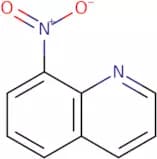
CAS:8-Nitroquinoline is a nitrogenous compound that has been used as an inhibitor of Leishmania, a parasite that causes leishmaniasis. 8-Nitroquinoline inhibits the growth of Leishmania by inhibiting the enzyme hepg2, which is involved in the synthesis of lipids and cholesterol. The inhibition of this enzyme leads to the accumulation of malonic acid, which inhibits the production of ATP. This inhibition may lead to cell death or inhibitory effects on other enzyme activities. 8-Nitroquinoline has been shown to be effective against Leishmania parasites in vivo.Formula:C9H6N2O2Purity:Min. 95%Color and Shape:PowderMolecular weight:174.16 g/molIngenol
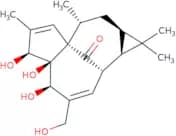
CAS:Ingenol is a natural product, which belongs to the group of ingenol esters. It has been shown to have significant cytotoxic effects on solid tumours in vitro and in vivo. Ingenol is metabolized by esterases and glucuronidases, or hydrolyzed by esterases or glucuronidases, leading to the release of methyl ethyl erythritol tetranitrate (MEETN). The MEETN molecule is then converted into a nitrate radical that causes cell death. Ingenol is also effective against skin cancers. Studies have shown that it inhibits the growth of skin cancer cells through mitochondrial membrane potential and cytosolic calcium levels. This drug has a chemical stability of less than one week at room temperature.Formula:C20H28O5Purity:Min. 95%Color and Shape:SolidMolecular weight:348.43 g/mol2-(2-Aminoethyl)phenol
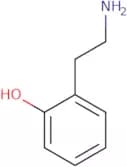
CAS:2-(2-Aminoethyl)phenol is a monoamine oxidase inhibitor. It is a biogenic amine that is found in animals and plants. 2-(2-Aminoethyl)phenol has been found to have anti-inflammatory properties and can be used to treat mongolism.Formula:C8H11NOPurity:Min. 95 Area-%Color and Shape:PowderMolecular weight:137.18 g/molDiethanololeamide
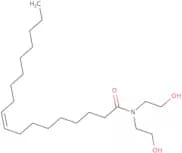
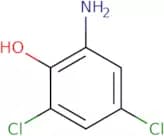
CAS:Emulgator; stabilizing surfactant used in cosmetics, pharmaceuticals, textilesFormula:C22H43NO3Color and Shape:Yellow PowderMolecular weight:369.58 g/mol6-Amino-2,4-dichlorophenol
CAS:6-Amino-2,4-dichlorophenol is an organic solution that has been shown to inhibit the uptake of quinoline derivatives by lung fibroblasts. It also inhibits cellular targets such as flavin, blood pressure and v79 cells. 6-Amino-2,4-dichlorophenol has potent antibacterial activity and a reactive nucleophilic group that can form covalent bonds with proteins in the cell membrane. 6-Amino-2,4-dichlorophenol is a reactive agent that binds to DNA and RNA in the bacterial cell's cytoplasmic membrane and inhibits protein synthesis.
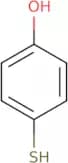
Formula:C6H5Cl2NOPurity:Min. 95%Color and Shape:PowderMolecular weight:178.02 g/mol4-Hydroxythiophenol
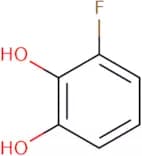
CAS:4-Hydroxythiophenol is an organic compound with the molecular formula C6H4OHO. It is a white crystalline solid that is soluble in water and ethanol. 4-Hydroxythiophenol has been shown to inhibit the growth of bacteria by reacting with free intracellular hydroxyl groups, which are necessary for the biosynthesis of cell walls. This molecule also reacts with other biological molecules, such as nucleic acids and proteins, to form covalent bonds. 4-Hydroxythiophenol has been shown to be effective against both Gram-positive and Gram-negative bacteria in vitro assays.Formula:C6H6OSPurity:(%) Min. 75%Color and Shape:PowderMolecular weight:126.18 g/mol3-Fluorobenzene-1,2-diol
CAS:3-Fluorobenzene-1,2-diol is a chemical that belongs to the group of phenols. It has an effective dose of 0.1 mM and inhibits bacterial growth by reacting with the diphenyl ether and benzoate reaction intermediates. 3-Fluorobenzene-1,2-diol is able to inhibit the growth of Gram positive bacteria and thus can be used for the treatment of infections caused by these bacteria. 3-Fluorobenzene-1,2-diol has been shown to inhibit bacterial growth at concentrations greater than or equal to 1 mM. 3-Fluorobenzene-1,2-diol also binds to triclosan which causes a conformational change in the enzyme protein that leads to a reduction in its activity.Formula:C6H5FO2Purity:Min. 95%Color and Shape:PowderMolecular weight:128.1 g/mol7-Octyn-1-ol
CAS:7-Octyn-1-ol is a synthetic compound that is used for the synthesis of deuterated compounds. It has been shown to have neurotrophic effects and the ability to modulate carbon chains. In addition, 7-octyn-1-ol may be used as an intermediate in the synthesis of nicotine. 7-Octyn-1-ol is also an isomeric form of octyne, which is a natural product found in malonate and fatty acids.
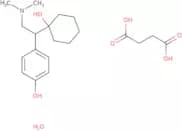
Formula:C8H14OPurity:Min. 95%Color and Shape:Colorless Clear LiquidMolecular weight:126.2 g/mol4-(2-(Dimethylamino)-1-(1-hydroxycyclohexyl)ethyl)phenol
CAS:Controlled ProductVenlafaxine is a selective serotonin and norepinephrine reuptake inhibitor (SNRI) that is used to treat depression. Venlafaxine inhibits the reuptake of serotonin and norepinephrine into the presynaptic neuron, increasing their availability in the synaptic cleft. Venlafaxine has been shown to be effective in treating major depressive disorder and other depressive disorders, such as dysthymia and post-partum depression. The antidepressant effects of venlafaxine are believed to be due to its ability to block the uptake of serotonin and norepinephrine in the brain, resulting in an increased concentration of these neurotransmitters. Venlafaxine is metabolized by CYP2D6, CYP3A4, CYP1A2 and CYP2C19 enzymes, which may result in drug interactions with other drugs metabolized by these enzymes. To control for this effect, venlafaxine bloodFormula:C16H25NO2Purity:Min. 97 Area-%Color and Shape:PowderMolecular weight:263.38 g/mol1-Chloro-3-[4-(2-methoxyethyl)phenoxy]-2-propanol
CAS:1-Chloro-3-[4-(2-methoxyethyl)phenoxy]-2-propanol is a potent antihypertensive agent that is synthesized by the chemoenzymatic process. It differs from other antihypertensive drugs in that it incorporates an oxirane group, which makes it more hydrophobic than other drugs. 1-Chloro-3-[4-(2-methoxyethyl)phenoxy]-2-propanol is a crystalline solid with a melting point of 128°C and a density of 1.0 g/mL. The chemical name for this drug is 4-[(1E)-1-(chloromethoxy)propyl]phenol, which has potent antihypertensive activity and high enantioselectivity.
Formula:C12H17ClO3Purity:Min. 95%Molecular weight:244.71 g/mol1,2-O-Dihexadecyl-sn-glycero-3-phosphoethanolamine
CAS:1,2-O-Dihexadecyl-sn-glycero-3-phosphoethanolamine (DHEPE) is a lipid used as a fluorescent probe for the detection of carbohydrates. It has been shown to bind to high-mannose type oligosaccharides and to be stable in complex with them. DHEPE has been shown to form complexes with cell nuclei, which may be due to hydrogen bonding interactions between the sugar and phosphate head groups on the glycerol backbone. These interactions are thought to be responsible for the selectivity of DHEPE for mannose residues in cells. DHEPE also forms complexes with x-ray diffraction data, which is indicative of intermolecular hydrogen bonding between this molecule and other hydrophobic molecules. DHEPE's reaction mechanism is not clear, but it has been proposed that it reacts with proteins by reacting with amino groups on these proteins.Formula:C37H78NO6PPurity:Min. 95%Color and Shape:SolidMolecular weight:663.99 g/mol10-Azido-1-decanol
CAS:10-Azido-1-decanol is a non-polar solvent with reactive properties. It has been shown to cause cellular damage in proton and 6-chloropurine, which is a precursor for the synthesis of nucleic acids. 10-Azido-1-decanol has been used as an ultraviolet light absorber in strategies to protect tissues from ultraviolet light and it can also be used to study the effects of functional groups on optical properties. 10-Azido-1-decanol's hypochromic behavior makes it useful in bilayer studies because it can be easily distinguished from other solvents or water molecules.Formula:C10H21N3OPurity:Min. 95%Color and Shape:Clear LiquidMolecular weight:199.29 g/mol4-Bromo-3,5-dimethoxybenzyl alcohol
CAS:4-Bromo-3,5-dimethoxybenzyl alcohol is a bromoarene that can be used as a ligand in coupling reactions. It has been shown to be an efficient coupling partner for the synthesis of triphylla, featuring a skeleton of chelating 4-bromo-3,5-dimethoxybenzyl alcohol.Formula:C9H11BrO3Purity:Min. 95%Color and Shape:PowderMolecular weight:247.09 g/mol3-(Dimethylamino)phenol
CAS:3-(Dimethylamino)phenol is a chemical that is used as an additive in cosmetics. It has been shown to inhibit the production of epidermal growth factor and to have a growth-inhibiting effect on cells. 3-(Dimethylamino)phenol is found in many different types of products, including sunscreens, hair dyes, shampoos, and skin lotions. It has also been used as a preservative in food products, although it can be toxic at high doses. 3- (Dimethylamino)phenol has been shown to inhibit the production of fatty acids by inhibiting the activity of the enzyme lipoxygenase.
Formula:C8H11NOPurity:Min. 98 Area-%Color and Shape:PowderMolecular weight:137.18 g/mol2,4-Dichloro-α-(chloromethyl)benzyl alcohol
CAS:2,4-Dichloro-alpha-(chloromethyl)benzyl alcohol is an enantiopure compound that belongs to the class of acetylating agents. This drug is used in organic chemistry as a hydrophobic reagent to acetylate hydrophobic or electron-deficient carbon centers. It reacts with alcohols in the presence of aluminium and catalysts such as pyridine, 2,6-lutidine, or benzoyl chloride. The reaction time is dependent on the substrate binding and the kinetic effect. 2,4-Dichloro-alpha-(chloromethyl)benzyl alcohol has been shown to be an antifungal agent against Candida albicans. It has also been shown to be a chiral compound that can inhibit the growth of fungi by inhibiting the enzyme alcohol dehydrogenase which controls cellular levels of NADH2 and NAD+.Formula:C8H7Cl3OPurity:Min. 95%Color and Shape:SolidMolecular weight:225.5 g/mol

![4-[2-(Cyclopropylmethoxy)ethyl]phenol](/_next/image/?url=https%3A%2Fstatic.cymitquimica.com%2Fproducts%2FTR%2Fthumb-webp%2FC988665.webp&w=3840&q=75)











![4-[(2-Isopropoxyethoxy)methyl]phenol](/_next/image/?url=https%3A%2Fstatic.cymitquimica.com%2Fproducts%2FTR%2Fthumb-webp%2FI823300.webp&w=3840&q=75)



![3,4-Dihydro-2H-benzo[b][1,4]oxazin-6-ol](/_next/image/?url=https%3A%2Fstatic.cymitquimica.com%2Fproducts%2FTR%2Fthumb-webp%2FD679870.webp&w=3840&q=75)


![α,α-Bis[4-(dimethylamino)phenyl]-4-(methylamino)-benzenemethanol (>75%)](/_next/image/?url=https%3A%2Fstatic.cymitquimica.com%2Fproducts%2FTR%2Fthumb-webp%2FD471285.webp&w=3840&q=75)



![7-[(Dimethylamino)methyl]-2,2,4-trimethyl-1,2-dihydroquinolin-6-ol](/_next/image/?url=https%3A%2Fstatic.cymitquimica.com%2Fproducts%2F3D%2Fthumb-webp%2FFD129815.webp&w=3840&q=75)


![3-[2-(Ethylhexyl)oxyl]-1,2-propandiol](/_next/image/?url=https%3A%2Fstatic.cymitquimica.com%2Fproducts%2F3D%2Fthumb-webp%2FFE151191.webp&w=3840&q=75)



![1-Chloro-3-[4-(2-methoxyethyl)phenoxy]-2-propanol](/_next/image/?url=https%3A%2Fstatic.cymitquimica.com%2Fproducts%2F3D%2Fthumb-webp%2FFC27415.webp&w=3840&q=75)