Alcohols
Subcategories of "Alcohols"
Found 5817 products of "Alcohols"
(E)-5-(3-Hydroxyprop-1-en-1-yl)benzene-1,3-diol
(E)-5-(3-Hydroxyprop-1-en-1-yl)benzene-1,3-diol is a high quality reagent that has been used as an intermediate to synthesize other chemical compounds. It is one of the most useful scaffolds for complex compound synthesis, and a versatile building block for the production of research chemicals and speciality chemicals. The chemical can be used in reactions as a reaction component to prepare fine chemicals or useful intermediates. CAS No. is 7058-25-0.Formula:C9H10O3Purity:Min. 95%Color and Shape:PowderMolecular weight:166.17 g/molPiperonyl alcohol
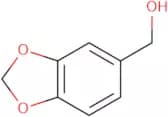
CAS:Controlled ProductPiperonyl alcohol is an enzyme inhibitor that blocks the oxidation of piperonal, a chemical found in many plants and fruits. It has been used as a pharmaceutical preparation to treat skin conditions such as acne and psoriasis. Piperonyl alcohol can be used in food composition as a preservative and antioxidant. This compound is also used in the production of polymers for paints, plastics, and rubber. Piperonyl alcohol inhibits melanogenesis by inhibiting tyrosinase activity and interrupting the synthesis of melanin. The use of this compound to inhibit melanin synthesis has been approved for cosmetic use in Europe. Piperonyl alcohol was first synthesized by Ludwig Knorr in 1885 from piperonal, an aromatic organic compound found in many plants and fruits. The reaction solution obtained from the hydrolysis of piperonyl acetate with hydrochloric acid is reacted with cationic polymerization using sodium carbonate (NaCO) as a catalyst to produceFormula:C8H8O3Purity:Min. 95%Color and Shape:PowderMolecular weight:152.15 g/mol2,4-Dimethoxy-5-methylbenzyl alcohol
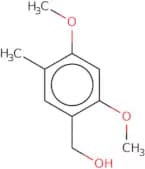
CAS:2,4-Dimethoxy-5-methylbenzyl alcohol is a high quality chemical that is used as an intermediate for the synthesis of complex compounds. It has been used as a reagent and as a building block for the synthesis of other chemicals. This compound can be used to produce fine chemicals and research chemicals. 2,4-Dimethoxy-5-methylbenzyl alcohol has been shown to be useful in the production of versatile building blocks and reaction components.
Formula:C10H14O3Purity:Min. 95%Molecular weight:182.22 g/mol4-[(5-Bromo-2-chlorophenyl)methyl]phenol
CAS:Intermediate in the synthesis of empagliflozinFormula:C13H10BrClOPurity:Min. 95%Color and Shape:PowderMolecular weight:297.57 g/mol1-Amino-2-methyl-propan-2-ol
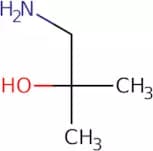
CAS:1-Amino-2-methyl-propan-2-ol is a cytotoxic molecule that has been shown to inhibit the growth of cancer cells. It is synthesized by converting 1,4-benzenediamine and cyclopentanol into the corresponding amines. The amines are then condensed with an alkanolamine in a kinetic reaction to form 1-amino-2-methylpropan-2-ol. This product's anticancer activity may be due to its ability to induce nucleophilic attack on DNA, leading to DNA strand breakage. 1AMPP has also been shown to have antiviral properties against HIV infection.Formula:C4H11NOPurity:Min. 95%Color and Shape:Colorless Clear LiquidMolecular weight:89.14 g/mol2-Bromomethylquinoline
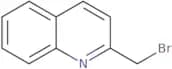
CAS:2-Bromomethylquinoline is a quinoline derivative that has been synthesized to study the interaction between metal ions, such as copper and zinc, and chelate rings. The reaction products formed by 2-bromomethylquinoline have been shown to have antifungal activity in vitro. It has been found that the addition of a fluorescent probe can be used to detect quinoline derivatives, which fluoresce when excited with light. This makes them useful as fluorescent probes for reactions involving metal ions.Formula:C10H8BrNPurity:Min. 95%Color and Shape:SolidMolecular weight:222.08 g/molFmoc-O-tert-butyl-L-threoninol
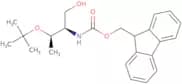
CAS:Fmoc-O-tert-butyl-L-threoninol is an aminoacyl chloroformate ester that is used in the synthesis of peptides. It has a conjugate acid chloride and a disulfide bond. The chloroformate group reacts with the carboxylic acid moiety of L-threonine to form an ester, which can then be cleaved by hydrolysis to yield L-threonine. This product is also used for the synthesis of peptides in which the threonine residue is conjugated to another amino acid such as cysteine or glutamic acid.
Fmoc-O-tert-butyl-L-threoninol is synthesized from l-threonine and isobutene via a phase chromatography process. The synthetic intermediate Fmoc-(S)-OH is reacted with trifluoroacetic acid (TFA)Formula:C23H29NO4Purity:Min. 98 Area-%Color and Shape:White PowderMolecular weight:383.48 g/mol2-Ethylphenol
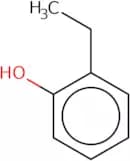
CAS:2-Ethylphenol is a phenolic acid, which is a type of organic compound that contains an hydroxyl group (-OH) bonded directly to an aromatic hydrocarbon ring. 2-Ethylphenol is used in the production of polymers, such as polyurethane and polyester, as well as in the manufacture of other chemicals. It can also be found in some food products, such as coffee beans and cocoa beans. 2-Ethylphenol has been shown to have P450 activity by increasing the rate at which rat liver microsomes metabolize testosterone into estradiol. The kinetic constants for this reaction were determined using solid phase microextraction (SPME). A multi-walled carbon nanotube (MWCNT) was used to extract 2-ethylphenol from a water sample. The sample preparation was done with anhydrous sodium sulfate, which acted as a desiccant and was then heated to remove any remaining water vaporFormula:C8H10OPurity:Min. 97 Area-%Color and Shape:Colorless Clear LiquidMolecular weight:122.16 g/mol1,6-Hexanediol dimethacrylate - stabilized with MEHQ
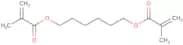
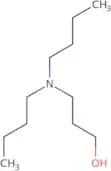
CAS:1,6-Hexanediol dimethacrylate - stabilized with MEHQ is a reactive chemical that is used to generate light-sensitive particles. The light exposure of these particles causes them to react and form new bonds, which can be exploited for various applications. 1,6-Hexanediol dimethacrylate - stabilized with MEHQ has been shown to cause genotoxic effects in primary cells and cell nuclei, as well as radiation-induced DNA damage in human fibroblast cells. It has also been shown to interfere with the replication of DNA in human cancer cells. This agent is chemically similar to other known carcinogens such as allyl carbonate and benzene.Formula:C14H22O4Purity:Min. 95%Color and Shape:Clear LiquidMolecular weight:254.32 g/mol3-(Dibutylamino)propan-1-ol
CAS:3-(Dibutylamino)propan-1-ol is an intermediate that is used in the synthesis of procainamide and procaine. It can be prepared by reaction of dibutylamine with propanol. 3-(Dibutylamino)propan-1-ol has a high stability in organic solvents, such as chloroform, as well as in bioreactors and automated synthesizers. This product is also an efficient catalyst for reactions involving esters. 3-(Dibutylamino)propan-1-ol has been shown to be effective at inhibiting the growth of Mycobacterium smegmatis and Mycobacterium tuberculosis.Formula:C11H25NOPurity:Min. 95%Color and Shape:Clear LiquidMolecular weight:187.32 g/mol(1S,2R,3S,5R)-2-((Benzyloxy)methyl)-6-oxabicyclo[3.1.0]hexan-3-ol
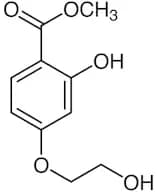
CAS:(1S,2R,3S,5R)-2-((Benzyloxy)methyl)-6-oxabicyclo[3.1.0]hexan-3-ol is a fine chemical with a CAS No. of 117641-39-1. It has been used as a versatile building block in the synthesis of complex compounds, and has also been used as a useful intermediate in the production of specialty chemicals. This compound is useful for research purposes and can be used as a reaction component in the synthesis of new compounds.Formula:C13H16O3Purity:Min. 95%Color and Shape:Clear LiquidMolecular weight:220.26 g/molMethyl 4-(2-Hydroxyethoxy)salicylate
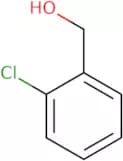
Formula:C10H12O5Purity:>98.0%(GC)Color and Shape:White to Light yellow to Light orange powder to crystalMolecular weight:212.202-Chlorobenzyl alcohol
CAS:2-Chlorobenzyl alcohol is a chemical compound that is used to synthesize other compounds. It is produced by the reaction of ethyl formate and hydrogen chloride in a reaction vessel. It reacts with benzoates to produce 2-chlorobenzoates, which are used as intermediates in the synthesis of pharmaceuticals. Hydroxyl groups can react with hydrogen fluoride to produce hydrofluoric acid, which is used as an industrial solvent. 2-Chlorobenzyl alcohol also reacts with hydroxide ions to produce ethylene glycol, which is used in making polyester fibers and plastics. This chemical compound has structural studies that show it has a proton and two hydroxyl groups that can react with hydrogen bond. Hydrogen bonds are important for the stability of DNA structures. The molecular structures of velvetleaf plants contain 2-chlorobenzyl alcohol, which may be due to its role in transferring oxygen from leaves to roots for respiration during
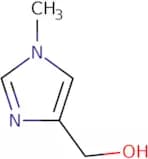
Formula:C7H7ClOPurity:Min. 95%Color and Shape:PowderMolecular weight:142.58 g/mol(1-Methyl-1H-imidazol-4-yl)methanol
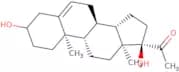
CAS:(1-Methyl-1H-imidazol-4-yl)methanol is a chemical that can be used as a building block for the synthesis of complex compounds. It is an intermediate in organic synthesis, and has been used as a reagent for research and as a speciality chemical. (1-Methyl-1H-imidazol-4-yl)methanol is also a versatile building block for the construction of complex molecules. This compound has been used in the manufacture of pesticides, pharmaceuticals, and dyes. The CAS number for (1-methyl-1H-imidazol-4-yl)methanol is 172892577.Formula:C5H8N2OPurity:Min. 95%Color and Shape:SolidMolecular weight:112.13 g/mol17alpha-Hydroxypregnenolone
CAS:Controlled Product17alpha-Hydroxypregnenolone is a steroid hormone that has been shown to have effects on the metabolism of lipids, glucose and protein. This compound is synthesized from progesterone by the enzyme 17alpha-hydroxylase and is converted to 17beta-hydroxyprogesterone by the enzyme 17,20 lyase. It has been shown to have an effect on body mass index in humans and model organisms such as mice. The tissue culture studies showed that 17alpha-Hydroxypregnenolone led to an increase in serum bile acids. In adrenocortical carcinoma cell lines, this compound was found to inhibit the growth of cancer cells through inhibition of DNA synthesis and protein synthesis through inhibition of RNA polymerase II activity. It also inhibits infectious diseases by decreasing virus production and increasing the production of interferon alpha. When synthesized for use in experimental models, this compound can be used as a marker for metabolic disorders or cation
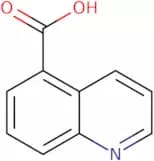
Formula:C21H32O3Purity:Min. 95%Color and Shape:White PowderMolecular weight:332.48 g/molQuinoline-5-carboxylic acid
CAS:Quinoline-5-carboxylic acid is a peroxide that is produced by the oxidation of quinoline derivatives. Quinoline-5-carboxylic acid has been shown to have antibacterial activity, and it also has affinity values for chloride ions. The chemical isomers of quinoline-5-carboxylic acid are called quninolines, which are produced by the hydrolysis of quinoline-5-carboxylic acid. Quinolines can be obtained by the oxidation of aniline. Quinolines have been shown to catalyze reactions with carbonyl groups in organic molecules, such as the reaction between an alkoxycarbonyl group and a hydroxyl group to form an aldehyde or ketone. Kinetic data for this reaction was obtained using titration calorimetry.
Formula:C10H7NO2Purity:Min. 95%Color and Shape:White To Beige To Light Brown To Grey SolidMolecular weight:173.17 g/mol2-Boc-6-hydroxy-1,2,3,4-tetrahydroisoquinoline-1-carboxylic acid
CAS:2-Boc-6-hydroxy-1,2,3,4-tetrahydroisoquinoline-1-carboxylic acid is a useful scaffold with a high quality. It can be used as a building block in the synthesis of complex compounds and fine chemicals. 2-Boc-6-hydroxy-1,2,3,4-tetrahydroisoquinoline-1-carboxylic acid is also a useful intermediate and reagent in organic synthesis. This compound has CAS number 362492-00-0.
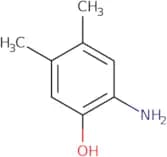
Formula:C15H19NO5Purity:Min. 95%Color and Shape:PowderMolecular weight:293.32 g/mol2-Amino-4,5-dimethylphenol
CAS:2-Amino-4,5-dimethylphenol is a compound that exhibits anticancer activity. It is an arylimine that has been shown to inhibit the proliferation of cancer cells in vitro and in vivo. The mechanism of action is not fully understood, but it is believed that 2-amino-4,5-dimethylphenol may act as a nucleophile in reverse Michael addition reactions with electrophiles. This compound also has been shown to be potent against some cancer cell lines and to induce apoptosis through caspase activation. 2-Amino-4,5-dimethylphenol interacts with aminophenols in vitro, forming supramolecular complexes that are cytotoxic to cancer cells.
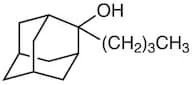
Formula:C8H11NOPurity:Min. 95%Color and Shape:Brown SolidMolecular weight:137.18 g/mol2-Butyl-2-adamantanol
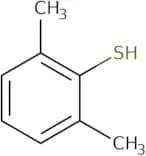
CAS:Formula:C14H24OPurity:>98.0%(GC)Color and Shape:White to Almost white powder to crystalMolecular weight:208.352,6-Dimethylthiophenol
CAS:2,6-Dimethylthiophenol is a structural analog of the natural product sumatrana. It has been shown to be an effective catalyst for the cleavage of carbon-carbon bonds in organic molecules and fatty acids. 2,6-Dimethylthiophenol is unique because it contains two sulfur atoms that are part of a thiolate group, which can easily be oxidized to a sulfoxide or sulfone. This property makes 2,6-dimethylthiophenol an excellent reductant in reactions that require a metallacycle intermediate. The reactivity of this molecule is also influenced by its redox potential and the presence of nitrogen atoms. 2,6-Dimethylthiophenol was synthesized and studied using model compounds, yielding reaction yields as high as 98%.
Formula:C8H10SPurity:Min. 95 Area-%Color and Shape:Clear LiquidMolecular weight:138.23 g/molDeoxynivalenol
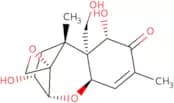
CAS:Deoxynivalenol is a mycotoxin that is produced by the fungi Fusarium graminearum and F. culmorum. It produces toxic effects in humans and animals, including human immunoglobulin E (IgE) production, acute toxicities, and cytotoxic effects on cultured human leukocytes. The analytical method for deoxynivalenol detection includes a variety of in vitro methods such as enzyme-linked immunosorbent assays (ELISA), competitive ELISA, fluorescent antibody staining assay, fluorescence polarization immunoassay (FPIA), competitive FPIA, and high performance liquid chromatography (HPLC). Deoxynivalenol binds to dna with high affinity and has been shown to have fusarial activity. The toxicity of deoxynivalenol can be confirmed by the mitochondrial membrane potential assay or by the assessment of vomitoxin levels. Colloidal gold can be used for identification of deox
Formula:C15H20O6Purity:Min. 95%Color and Shape:White PowderMolecular weight:296.32 g/mol3-Methyl-2-hydroxy-3H-imidazo[4,5-f]quinoline
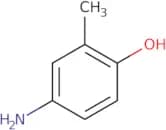
CAS:3-Methyl-2-hydroxy-3H-imidazo[4,5-f]quinoline is a high quality reagent that can be used as an intermediate or building block in the synthesis of other compounds. It is a fine chemical with CAS No. 144486-08-8 and can be used as a speciality chemical in research. This compound has versatile building blocks that are useful in reactions and have been shown to be a reaction component in the synthesis of various compounds.Formula:C11H9N3OPurity:Min. 95%Color and Shape:Yellow PowderMolecular weight:199.21 g/mol4-Amino-2-methylphenol
CAS:4-Amino-2-methylphenol is a chemical substance that is used in the production of dyes, cationic surfactants, and basic dyes. It can be produced through oxidation of phenol or by dehydration of aniline. 4-Amino-2-methylphenol has been shown to have potential use as a surface enhancer for Raman spectroscopy. This compound has also been used to extract amines and ethers from organic solvents.Formula:C7H9NOPurity:Min. 95%Color and Shape:SolidMolecular weight:123.15 g/mol2-(Hydroxymethyl)pyridin-4-ol
CAS:2-(Hydroxymethyl)pyridin-4-ol is a versatile building block that can be used in the synthesis of complex compounds and research chemicals. This fine chemical is a reagent, speciality chemical, and useful scaffold in organic synthesis. 2-(Hydroxymethyl)pyridin-4-ol is also an intermediate for the production of useful building blocks. It has high purity and can be used as a reaction component or a useful scaffold in organic synthesis.Formula:C6H7NO2Purity:Min. 95%Color and Shape:White PowderMolecular weight:125.13 g/mol3-(1,1,2,2-Tetrafluoroethoxy)phenol
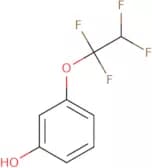
CAS:3-(1,1,2,2-Tetrafluoroethoxy)phenol is a versatile building block that can be used in the synthesis of complex compounds. It is also a reagent and speciality chemical and has CAS No. 53997-99-2. 3-(1,1,2,2-Tetrafluoroethoxy)phenol is a useful building block for organic synthesis and has been used as a reaction component or scaffold.
Formula:C8H6F4O2Purity:Min. 95%Molecular weight:210.13 g/molPhloroglucinol dihydrate
CAS:Phloroglucinol dihydrate is a chemical substance that can be used as a denaturant, conditioner and deodorant. It is soluble in water and has been shown to have enzyme-inhibiting properties. Phloroglucinol dihydrate has been shown to have anti-inflammatory properties by inhibiting the production of prostaglandins. This compound also has optical properties, which are determined by its chromene structure. There is no phase transition temperature for this compound because it does not melt or freeze.
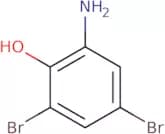
Formula:C6H6O3•(H2O)2Purity:Min. 95%Color and Shape:PowderMolecular weight:162.14 g/mol2-Amino-4,6-dibromophenol
CAS:2-Amino-4,6-dibromophenol is an organic compound that is used in research for the synthesis of benzoxazoles and related compounds. It is a lactam analog that can be synthesized from commercially available starting materials. 2-Amino-4,6-dibromophenol has been shown to have pharmacological activity against tumor cells. This compound has also been used to synthesize regiospecific skeletal analogs of natural products.Formula:C6H5Br2NOPurity:Min. 95 Area-%Color and Shape:Off-White PowderMolecular weight:266.92 g/mol5-Oxa-2-octyne-1,7-diol
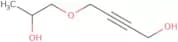
CAS:5-Oxa-2-octyne-1,7-diol is a monomer that belongs to the class of heterocyclic compounds. It has been used in research studies to coat metal surfaces with silicone. This compound is also a surfactant, which can be used for cleaning and degreasing dishes, pots and pans. 5-Oxa-2-octyne-1,7-diol is resistant to degradation by sulfate ester or carboxylate ester solvents. It has shown activity as a monomer with methyl esters and alkenyls for use in polymers.Formula:C7H12O3Purity:Min. 95%Color and Shape:PowderMolecular weight:144.17 g/molFrench maritime pine bark extract ™
CAS:Pycnogenol is a nonsteroidal anti-inflammatory drug that is derived from the bark of the French maritime pine tree. It has been shown to reduce bowel disease activity in animal models and has been found to be as effective as ibuprofen in human studies. Pycnogenol also inhibits the expression of toll-like receptor 4, which reduces inflammation in cells. Pycnogenol has also been shown to have an anti-inflammatory effect on human polymorphonuclear leukocytes and may be useful for treating various diseases such as cancer, cardiovascular diseases, or asthma. This compound also has natural antioxidant properties that are thought to protect against oxidative damage and help regulate blood pressure by inhibiting vascular smooth muscle proliferation.
Purity:Min 95%Color and Shape:Powder1-O-Hexadecyl-2-O-methyl-rac-glycerol
CAS:1-O-Hexadecyl-2-O-methyl-rac-glycerol is a metabolite of phosphatidylethanolamine that is structurally related to the neurotransmitter serotonin. It binds to the 5HT7 receptor, which is involved in the regulation of infectious diseases and cytokine production. 1-O-Hexadecyl-2-O-methyl-racglycerol has been shown to stimulate growth factor production and protein synthesis, as well as inhibit serotonin reuptake. This compound also activates phosphorylation of PKC, which leads to an increase in cytosolic calcium levels and activation of PKC. As a result, diacylglycerol levels are increased, leading to an increase in mitochondrial membrane potential and camp levels.Formula:C20H42O3Purity:Min. 95%Molecular weight:330.55 g/mol3-Methoxyphenylmethylcarbinol
CAS:3-Methoxyphenylmethylcarbinol is a hydrogen tartrate that can be used as an intermediate in the Friedel-Crafts reaction. It is also an imine, which is formed when a nitrogen atom of an amine reacts with a carbon atom of formaldehyde. 3-Methoxyphenylmethylcarbinol has been shown to have stereoselective properties in the Friedel-Crafts reaction, which means that only one product is produced from two reactants. In this case, the hydrogen tartrate and phosphorus oxychloride are reacted to produce oxone and chloride compounds. The selectivity of 3-methoxyphenylmethylcarbinol can be increased by adding triphosgene or dimethylamine to the reaction mixture. This compound dissociates easily into its component parts and can be regenerated by adding ethyl formate or ferrocene.Formula:C9H12O2Purity:Min. 95%Color and Shape:PowderMolecular weight:152.19 g/mol4-Phenoxybenzyl alcohol
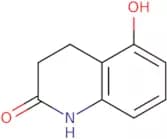
CAS:4-Phenoxybenzyl alcohol is an organic compound that is used as a reagent in the introduction of fatty acids. It has been used to study the fluidity, disulfides, and amide bonds of fatty acid chains. 4-Phenoxybenzyl alcohol also has been shown to inhibit lipase activity. In vitro assays have demonstrated that it can inhibit monoacylglycerol lipase, which is a key enzyme for the hydrolysis of endocannabinoids such as 2-arachidonoylglycerol. 4-Phenoxybenzyl alcohol has also been shown to be a potent inhibitor of potassium phosphate esterase and monoacylglycerol lipase in vitro.Formula:C13H12O2Purity:Min. 95%Color and Shape:PowderMolecular weight:200.23 g/mol5-Hydroxy-3,4-dihydro-2(1H)-quinolinone
CAS:5-Hydroxy-3,4-dihydro-2(1H)-quinolinone is a high quality reagent with a CAS number of 30389-33-4. It has been shown to be a useful intermediate in the synthesis of complex compounds. This compound can also be used as an important building block for the synthesis of speciality chemicals and research chemicals. 5-Hydroxy-3,4-dihydro-2(1H)-quinolinone is versatile and can be used as a reaction component in many reactions that require the introduction of oxygen into molecules.Formula:C9H9NO2Purity:Min. 95%Color and Shape:White PowderMolecular weight:163.17 g/mol2,4-Hexadien-1-ol
CAS:2,4-Hexadien-1-ol is an organic compound that belongs to the group of aliphatic alcohols. It is a colorless liquid with a pleasant odor and high boiling point. 2,4-Hexadien-1-ol has been shown to be a potent inhibitor of tyrosinase in vitro. This inhibition may be due to its ability to form hydrogen bonds with zirconium oxide or the hydroxyl group on its structure. 2,4-Hexadien-1-ol also has been shown to inhibit enzymes that are involved in the metabolic pathways for xenobiotics such as sodium citrate. 2,4-Hexadien-1-ol is used in wastewater treatment because it can decompose organic matter and reduce sludge volume by increasing the solubility of oils and fats.
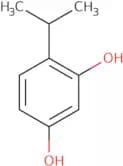
Formula:C6H10OPurity:Min. 95%Color and Shape:White PowderMolecular weight:98.14 g/mol4-Isopropylresorcinol
CAS:4-Isopropylresorcinol or 4-Isopropylbenzene-1,3-diol belongs to the family of alkylresorcinol. It is a synthetic molecule that has been shown to reduce tumor size and inhibit cancer cell growth in vitro and in vivo. It also inhibits the expression of heat shock protein (Hsp90), which is highly expressed in most tumor cells. A study done on human lung cancer cell lines showed that 4-isopropylresorcinol inhibited the growth of xenograft tumors with no side effects, by enhancing the sensitivity of lung cancer cells to photodynamic therapy, and arrests non-small cell lung cancer cells in the G1 phase with an associated increase in apoptosis. It also induces efflux transporters in tumor cells, which leads to a time-dependent pharmacokinetics.
Formula:C9H12O2Purity:Min. 98 Area-%Color and Shape:White Off-White PowderMolecular weight:152.19 g/mol[4-(Aminomethyl)cyclohexyl]methanol
CAS:4-(Aminomethyl)cyclohexyl]methanol is a dicarboxylic acid and ester with the chemical formula CH2=C(CH3)(CO2H). It is used to synthesize polycarbonates, which are polyesters that contain carbonate groups. 4-(Aminomethyl)cyclohexyl]methanol has two carboxyl groups and one hydroxyl group that can react with trimellitic anhydride to form polycarbonates. Polycarbonate is a polymer that contains bisphenol A, which is the building block of many plastics and resins. 4-(Aminomethyl)cyclohexyl]methanol can be used as a monomer in the synthesis of polyesters and copolymers.Formula:C8H17NOPurity:Min. 95%Color and Shape:Beige PowderMolecular weight:143.23 g/mol6-(4,4,5,5-Tetramethyl-[1,3,2]dioxaborolan-2-yl)-isoquinoline
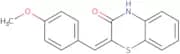
CAS:6-(4,4,5,5-Tetramethyl-[1,3,2]dioxaborolan-2-yl)-isoquinoline is a versatile building block for the synthesis of complex compounds. This product is a reagent that can be used in organic synthesis as a reaction component or as a reagent to form new compounds. 6-(4,4,5,5-Tetramethyl-[1,3,2]dioxaborolan-2-yl)-isoquinoline has shown high quality in research and is useful for the synthesis of fine chemicals and speciality chemicals.Formula:C15H18BNO2Purity:Min. 95%Color and Shape:White To Beige SolidMolecular weight:255.12 g/mol3-((4-Methoxyphenyl)methylene)-1,4-dihydro-4-thiaquinolin-2-one
CAS:Please enquire for more information about 3-((4-Methoxyphenyl)methylene)-1,4-dihydro-4-thiaquinolin-2-one including the price, delivery time and more detailed product information at the technical inquiry form on this pageFormula:C16H13NO2SPurity:Min. 95%Color and Shape:PowderMolecular weight:283.35 g/molEthyl 4-oxo-7-(benzyloxy)hydroquinoline-3-carboxylate
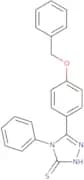
CAS:Please enquire for more information about Ethyl 4-oxo-7-(benzyloxy)hydroquinoline-3-carboxylate including the price, delivery time and more detailed product information at the technical inquiry form on this pagePurity:Min. 95%4-phenyl-5-(4-(benzyloxy)phenyl)-1,2,4-triazole-3-thiol
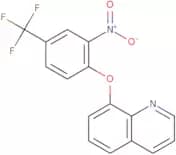
CAS:Please enquire for more information about 4-phenyl-5-(4-(benzyloxy)phenyl)-1,2,4-triazole-3-thiol including the price, delivery time and more detailed product information at the technical inquiry form on this pageFormula:C21H17N3OSPurity:Min. 95%Color and Shape:PowderMolecular weight:359.44 g/mol2-Nitro-1-(8-quinolyloxy)-4-(trifluoromethyl)benzene
CAS:Please enquire for more information about 2-Nitro-1-(8-quinolyloxy)-4-(trifluoromethyl)benzene including the price, delivery time and more detailed product information at the technical inquiry form on this pageFormula:C16H9F3N2O3Purity:Min. 95%Color and Shape:PowderMolecular weight:334.25 g/mol16α,17α-Epoxypregnenolone
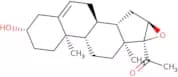
CAS:16alpha,17alpha-Epoxypregnenolone is a synthetic insect odorant that binds to the odorant binding protein (OBP) and has been used in research to investigate the relationship between odorant binding and olfaction. The OBPs are thought to play an important role in the detection of odors by binding to specific odorants, which then initiate a sensory response. 16alpha,17alpha-Epoxypregnenolone has also been shown to bind with recombinant OBP and have fluorescence properties, making it useful for biosensors. This compound may be useful as an experimental or research tool for investigating olfactory receptors in insects or other organisms.
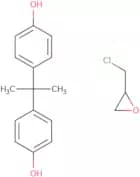
Formula:C21H30O3Purity:Min. 95%Molecular weight:330.47 g/molPoly(bisphenol-A-co-epichlorohydrin)
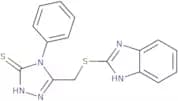
CAS:Poly(bisphenol-A-co-epichlorohydrin) is an epoxy polymer that reacts with a fatty acid to form a cationic polymer. It has a high resistance to thermal expansion and inorganic acids, making it a good sealant. In addition, poly(bisphenol-A-co-epichlorohydrin) is insoluble and not reactive, which makes it resistant to structural analysis. Poly(bisphenol-A-co-epichlorohydrin)'s thermal stability also makes it suitable for use as a boron nitride coating on zirconium oxide.Purity:(%) Min. 60%Color and Shape:Clear LiquidMolecular weight:1.15 g/mol5-(Benzimidazol-2-ylthiomethyl)-4-phenyl-1,2,4-triazole-3-thiol
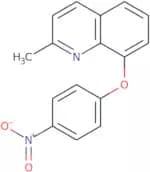
CAS:Please enquire for more information about 5-(Benzimidazol-2-ylthiomethyl)-4-phenyl-1,2,4-triazole-3-thiol including the price, delivery time and more detailed product information at the technical inquiry form on this pageFormula:C16H13N5S2Purity:Min. 95%Color and Shape:PowderMolecular weight:339.44 g/mol4-(2-methyl(8-quinolyloxy))-1-nitrobenzene
CAS:Please enquire for more information about 4-(2-methyl(8-quinolyloxy))-1-nitrobenzene including the price, delivery time and more detailed product information at the technical inquiry form on this page
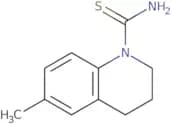
Purity:Min. 95%Amino(6-methyl(1,2,3,4-tetrahydroquinol-1-yl))methane-1-thione
CAS:Please enquire for more information about Amino(6-methyl(1,2,3,4-tetrahydroquinol-1-yl))methane-1-thione including the price, delivery time and more detailed product information at the technical inquiry form on this pagePurity:Min. 95%3-(4-Bromophenyl)-5-(hydroxyimino)-7,7-dimethyl-6,7,8-trihydrocinnoline
CAS:Please enquire for more information about 3-(4-Bromophenyl)-5-(hydroxyimino)-7,7-dimethyl-6,7,8-trihydrocinnoline including the price, delivery time and more detailed product information at the technical inquiry form on this page
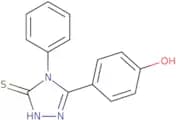
Formula:C16H16BrN3OPurity:Min. 95%Color and Shape:PowderMolecular weight:346.22 g/mol4-(5-Phenyl-4-thioxo-2,3,5-triazolinyl)phenol
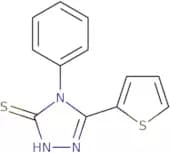
CAS:Please enquire for more information about 4-(5-Phenyl-4-thioxo-2,3,5-triazolinyl)phenol including the price, delivery time and more detailed product information at the technical inquiry form on this pageFormula:C14H11N3OSPurity:Min. 95%Color and Shape:PowderMolecular weight:269.32 g/mol4-Phenyl-5-(2-thienyl)-4H-1,2,4-triazole-3-thiol
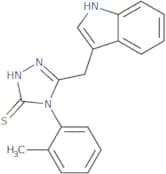
CAS:Please enquire for more information about 4-Phenyl-5-(2-thienyl)-4H-1,2,4-triazole-3-thiol including the price, delivery time and more detailed product information at the technical inquiry form on this pageFormula:C12H9N3S2Purity:Min. 95%Color and Shape:PowderMolecular weight:259.35 g/mol5-(indol-3-ylmethyl)-4-(2-methylphenyl)-1,2,4-triazole-3-thiol
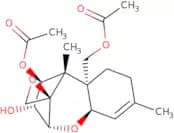
CAS:Please enquire for more information about 5-(indol-3-ylmethyl)-4-(2-methylphenyl)-1,2,4-triazole-3-thiol including the price, delivery time and more detailed product information at the technical inquiry form on this pageFormula:C18H16N4SPurity:Min. 95%Color and Shape:PowderMolecular weight:320.41 g/molDiacetoxyscirpenol
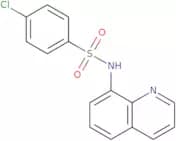
CAS:Controlled ProductDiacetoxyscirpenol is a mycotoxin that is found in wastewater and has been shown to have the ability to inhibit certain enzyme activities. It is a glucuronide conjugate that is excreted by humans, and can be detected in urine samples. The metabolite of Diacetoxyscirpenol, 4-hydroxy-2,3-dihydroxymethyl-5-(2H)-furanone (4OH-DMF), has been shown to induce antibody response in mice. The LC-MS/MS method for detecting Diacetoxyscirpenol uses a monoclonal antibody that recognizes the toxin. This antibody binds to the toxin and activates an enzyme cascade that leads to the production of a fluorescent dye. The intensity of fluorescence can be quantified using fluorometry or spectrophotometry. /nowiki>/pre>Formula:C19H26O7Purity:Min. 95%Molecular weight:366.41 g/mol((4-Chlorophenyl)sulfonyl)-8-quinolylamine
CAS:Please enquire for more information about ((4-Chlorophenyl)sulfonyl)-8-quinolylamine including the price, delivery time and more detailed product information at the technical inquiry form on this pageFormula:C15H11ClN2O2SPurity:Min. 95%Color and Shape:PowderMolecular weight:318.78 g/mol2-Chloro-1-(6-methyl(1,2,3,4-tetrahydroquinolyl))propan-1-one
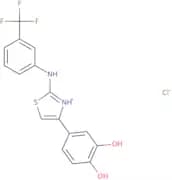
Please enquire for more information about 2-Chloro-1-(6-methyl(1,2,3,4-tetrahydroquinolyl))propan-1-one including the price, delivery time and more detailed product information at the technical inquiry form on this pagePurity:Min. 95%4-(4-((3-(trifluoromethyl)phenyl)amino)-3,5-thiazolyl)benzene-1,2-diol, hydrochloride
CAS:Please enquire for more information about 4-(4-((3-(trifluoromethyl)phenyl)amino)-3,5-thiazolyl)benzene-1,2-diol, hydrochloride including the price, delivery time and more detailed product information at the technical inquiry form on this pageFormula:C16H11F3N2O2S·ClHPurity:Min. 95%Color and Shape:PowderMolecular weight:388.79 g/mol5-(3-Chlorophenyl)-4-phenyl-4H-1,2,4-triazole-3-thiol
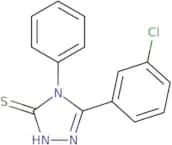
CAS:Please enquire for more information about 5-(3-Chlorophenyl)-4-phenyl-4H-1,2,4-triazole-3-thiol including the price, delivery time and more detailed product information at the technical inquiry form on this pageFormula:C14H10ClN3SPurity:Min. 95%Color and Shape:PowderMolecular weight:287.77 g/mol2-[(3-Phenoxyphenyl)methylene]-2H-1,4-benzothiazin-3(4H)-one
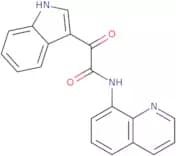
CAS:Please enquire for more information about 2-[(3-Phenoxyphenyl)methylene]-2H-1,4-benzothiazin-3(4H)-one including the price, delivery time and more detailed product information at the technical inquiry form on this pageFormula:C21H15NO2SPurity:Min. 95%Color and Shape:Powder2-Indol-3-yl-2-oxo-N-(8-quinolyl)ethanamide
CAS:Please enquire for more information about 2-Indol-3-yl-2-oxo-N-(8-quinolyl)ethanamide including the price, delivery time and more detailed product information at the technical inquiry form on this page
Formula:C19H13N3O2Purity:Min. 95%Color and Shape:PowderMolecular weight:315.33 g/mol1-(2-Methyl(8-quinolyloxy))-2-nitro-4-(trifluoromethyl)benzene
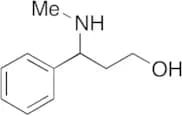
CAS:Please enquire for more information about 1-(2-Methyl(8-quinolyloxy))-2-nitro-4-(trifluoromethyl)benzene including the price, delivery time and more detailed product information at the technical inquiry form on this pagePurity:Min. 95%γ-(Methylamino)benzenepropanol
CAS:Controlled ProductFormula:C10H15NOColor and Shape:NeatMolecular weight:165.2325-Thiazolemethanol
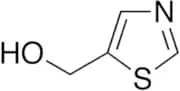
CAS:Controlled ProductApplications 5-Thiazolemethanol (cas# 38585-74-9) is a compound useful in organic synthesis.
Formula:C4H5NOSColor and Shape:NeatMolecular weight:115.15Amino-PEG4-alcohol
CAS:Controlled ProductApplications 1-Amino-3,6,9-trioxaundecanyl-11-ol (cas# 86770-74-3) is a compound useful in organic synthesis.
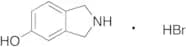
Formula:C8H19NO4Color and Shape:NeatMolecular weight:193.24Isoindolin-5-ol Hydrobromide
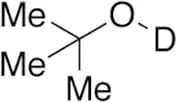
CAS:Controlled ProductFormula:C8H9NO·(HBr)Color and Shape:NeatMolecular weight:216.07Tert-butyl Alcohol-OD
CAS:Controlled ProductApplications Labelled Tert-butyl Alcohol is used as an organic solvent. Also it is used in the synthesis of proteosome inhibitors that are quite potent.
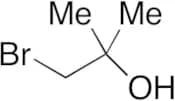
References Kawamura, S. et al.: J. Med. Chem., 56, 3689 (2013); Galy, N. et al.: Tetra. lett., 54, 2703 (2013);Formula:C4DH9OColor and Shape:NeatMolecular weight:75.13Bromo-tert-butyl Alcohol
CAS:Controlled ProductApplications Bromo-tert-butyl Alcohol, is an organic building block that can be used in the variety of chemical synthesis. It is used in the synthesis of Monohalogeno-t-butyloxycarbonylamino Acids.
Not a dangerous good if item is equal to or less than 1g/ml and there is less than 100g/ml in the package
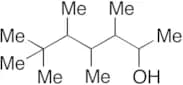
References Takanobu, O. et al.: Bull. Chem.Sco. Jap., 45, 2603 (1972);Formula:C4H9BrOColor and Shape:NeatMolecular weight:153.023,4,5,6,6-Pentamethyl-2-heptanol
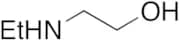
CAS:Controlled ProductFormula:C12H26OColor and Shape:NeatMolecular weight:186.3342-(Ethylamino)ethanol
CAS:Controlled ProductApplications 2-(Ethylamino)ethanol is used in the preparation of novel indole-2-carboxamide and 3-acetamide derivatives as antioxidant protective agents. Also used in the synthesis of novel amino acid based arginase inhibitors used towards the treatments of myocardial ischemia reperfusion injury.
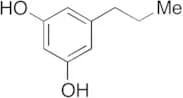
References Oelgen, S. et al.: J. Enz. Inhib. Med. Chem., 28, 58 (2013); Van Zandt, M. et al.: J. Med. Chem., 56, 2568 (2013);Formula:C4H11NOColor and Shape:NeatMolecular weight:89.145-Propylbenzene-1,3-diol
CAS:Controlled ProductApplications 5-Propylbenzene-1,3-diol is an intermediate used to prepare Cannabigerovarin (C175140) which stimulates thermosensitive transient receptor potential (TRP) channels of vanilloid type-4 (TRPV4)-mediated [Ca2+]i with moderate-high efficacy (30-60% of the effect of ionomycin) and potency (EC50 0.9-6.4 μM),
References De Petrocellis, L., et al.: Acta Physiologica, 204, 255 (2012)Formula:C9H12O2Color and Shape:NeatMolecular weight:152.197-Octyn-1-ol
CAS:Controlled ProductApplications 7-Octyn-1-ol is used in the synthesis of the sex pheromone of the citrus leafminer, Phyllocnistis citrella.
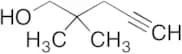
References Ando, T., et al.: Agric. Biol. Chem., 49, 3633 (1985), Beevor, P., et al.: J. Chem. Ecol., 12, 1 (1986), Kerr, D., et al.: J. Med. Chem., 33, 1958 (1990), McElfresh, J., et al.: Ecology, 82, 3505 (2002),Formula:C8H14OColor and Shape:NeatMolecular weight:126.22,2-Dimethyl-4-pentyn-1-ol
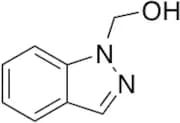
CAS:Controlled ProductFormula:C7H12OColor and Shape:NeatMolecular weight:112.171H-Indazol-1-ylmethanol
CAS:Controlled ProductStability Unstable in aqueous media
Applications 1H-indazol-1-ylmethanol (cas# 1006-29-7) is a useful research chemical.Formula:C8H8N2OColor and Shape:NeatMolecular weight:148.163-Trimethylsilyl-1-propanol
CAS:Controlled ProductFormula:C6H16OSiColor and Shape:NeatMolecular weight:132.287N-[1-(2-Carboxy)ethyl]allopurinol
CAS:Controlled ProductApplications 7N-[1-(2-Carboxy)ethyl]allopurinol (cas# 34397-00-7) is a compound useful in organic synthesis.
Formula:C8H8N4O3Color and Shape:NeatMolecular weight:208.171,3-Dihydro-1-hydroxy-2,1-benzoxaborol-5-ol
CAS:Controlled ProductApplications 1,3-Dihydro-1-hydroxy-2,1-benzoxaborol-5-ol is used as a reagent in the synthesis of P4-benzoxaborole-substituted macrocyclic inhibitors of HCV NS3 protease.
References Ding, C.Z., et al.: Bioorg. Med. Chem. Lett., 20, 7317 (2010)Formula:C7H7BO3Color and Shape:NeatMolecular weight:149.943,7-Dimethyl-1-octanol
CAS:Controlled ProductApplications 3,7-Dimethyl-1-octanol is a useful organic reactant/reagent.
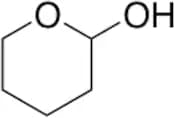
References Dantignana, V., et al.: ACS Cent Sci., 3, 1350-58 (2017); Jana, S., et al.: Org, Lett., 19, 746-49 (2017);Formula:C10H22OColor and Shape:NeatMolecular weight:158.28Tetrahydro-2H-pyran-2-ol, >90%
CAS:Controlled ProductApplications Tetrahydro-2H-pyran-2-ol (cas# 694-54-2) is a useful research chemical.
Formula:C5H10O2Purity:>90%Color and Shape:NeatMolecular weight:102.134-Isothiocyanatophenol
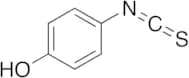
CAS:Controlled ProductFormula:C7H5NOSColor and Shape:NeatMolecular weight:151.1863,4,5-Trimethoxyphenol
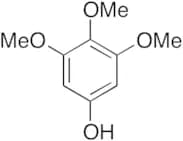
CAS:Controlled ProductApplications 3,4,5-Trimethoxyphenol is a useful synthetic intermediate in the synthesis of Thymonin (T413210); a flavonoid compound with potential antioxidant activity against peroxyl radicals.
References Dugas, A.J., et al.: J. Nat. Prod., 63, 327 (2000)Formula:C13H24N2OColor and Shape:NeatMolecular weight:224.3435-Aminobenzene-1,3-diol
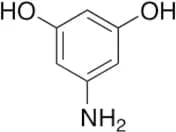
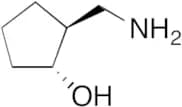
CAS:Controlled ProductFormula:C6H7NO2Color and Shape:NeatMolecular weight:125.125(1R,2S)-2-(Aminomethyl)cyclopentan-1-ol
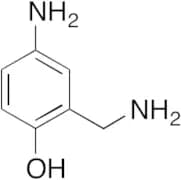
CAS:Controlled ProductFormula:C6H13NOColor and Shape:NeatMolecular weight:115.1742-Aminomethyl-4-aminophenol
CAS:Controlled ProductFormula:C7H10N2OColor and Shape:NeatMolecular weight:138.16710-Undecen-1-ol
CAS:Controlled ProductApplications 10-Undecen-1-ol (cas# 112-43-6) is a useful research chemical.
Formula:C11H22OColor and Shape:NeatMolecular weight:170.292-Amino-2-cyclopropylpropan-1-ol
CAS:Controlled ProductApplications 2-amino-2-cyclopropylpropan-1-ol (cas# 1184403-67-5) is a useful research chemical.
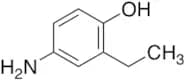
Formula:C6H13NOColor and Shape:NeatMolecular weight:115.174-Amino-2-ethylphenol Hydrochloride
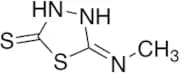
CAS:Controlled ProductFormula:C8H11NOColor and Shape:NeatMolecular weight:137.1795-(Methylamino)-1,3,4-thiadiazole-2-thiol
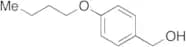
CAS:Controlled ProductFormula:C3H5N3S2Color and Shape:NeatMolecular weight:147.2224-Butoxybenzyl Alcohol
CAS:Controlled ProductApplications The toxicity of 4-Butoxybenzyl Alcohol has been studied on rapidly dividing cancer cells (L1210 leukemia).
References Kapur, S., et. al.: Chemosphere, 41, 1643 (2000)Formula:C11H16O2Color and Shape:NeatMolecular weight:180.24rac-1-Anthracen-2-yl-ethanol
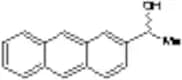
CAS:Controlled ProductStability Prone to polymerize, store in that dark at -20°C.
Applications rac-1-Anthracen-2-yl-ethanol (cas# 22371-34-2) is a compound useful in organic synthesis.Formula:C16H14OColor and Shape:NeatMolecular weight:222.283-Amino-1,2-propandiol
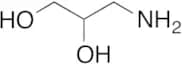
CAS:Controlled ProductApplications 3-Amino-1,2-propandiol is used in the synthesis of Decarbazolyl Carvedilol (D212720), a metabolite of Carvedilol (C184625) found in humans, rats, dogs and mice.
Not a dangerous good if item is equal to or less than 1g/ml and there is less than 100g/ml in the package
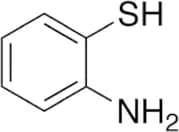
References Schaefer, W.H. et al.: Drug. Metab. Dispos., 26, 958 (1998); Neugebauer, G. & Neubert, P.: Eur. J. Drug. Metabol. Ph., 16, 257 (1991); Neugebauer, G. et al.: J. Cardiovasc. Pharm., 10, S85 (1987)Formula:C3H9NO2Color and Shape:NeatMolecular weight:91.112-Aminothiophenol 90%
CAS:Controlled ProductStability Air Sensitive
Applications A multifunctional compound which shows antioxidant activity in a skin cell model of UVA-induced stress.
Not a dangerous good if item is equal to or less than 1g/ml and there is less than 100g/ml in the package
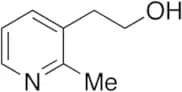
References Sies, H., et al.: Eur. J. Biochem., 215, 213 (1993), Meotti, F., et al.: Environ. Res., 94, 276 (2004),Formula:C6H7NSPurity:90%Color and Shape:NeatMolecular weight:125.192-Picoline-3-ethanol
CAS:Controlled ProductApplications Used in the preparation of pyridine analogues of vitamin B1.
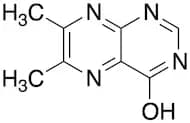
References Tracy, A. & Elderfield, R.; J. Org. Chem., 6, 54 (1941); Tracy, A. & Elderfield, R.; Science, 92, 180 (1940)Formula:C8H11NOColor and Shape:NeatMolecular weight:137.186,7-Dimethyl-pteridin-4-ol
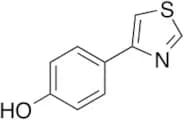
CAS:Controlled ProductFormula:C8H8N4OColor and Shape:NeatMolecular weight:176.1754-(1,3-Thiazol-4-yl)phenol
CAS:Controlled ProductApplications 4-(1,3-thiazol-4-yl)phenol (cas# 68535-57-9) is a useful research chemical.
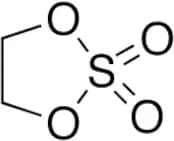
Formula:C9H7NOSColor and Shape:NeatMolecular weight:177.2231,3,2-Dioxathiolane 2,2-Dioxide
CAS:Controlled ProductApplications 1,3,2-Dioxathiolane 2,2-Dioxide is an alkylating agent with carcinogenic activty.
References Van Duuren, B.L. et al.: J. Nat. Cancer Inst., 53, 695 (1974);Formula:C2H4O4SColor and Shape:NeatMolecular weight:124.12trans-Benzo[a]pyrene-4,5-dihydrodiol
CAS:Controlled ProductFormula:C20H14O2Color and Shape:NeatMolecular weight:286.32423-Azido-3,6,9,12,15,18,21-Heptaoxatricosan-1-ol
CAS:Controlled ProductApplications 23-Azido-3,6,9,12,15,18,21-Heptaoxatricosan-1-ol is used in the synthesis of heterobifunctionalized oligo(ethylene glycol) linkers for use in drug delivery.
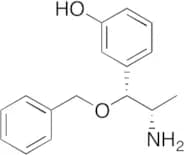
References Goswami, L. et al.: Org. Biomol. Chem., 11, 1116 (2013);Formula:C16H33N3O8Color and Shape:NeatMolecular weight:395.449O-Benzylmetaraminol
Controlled ProductApplications O-Benzylmetaraminol is an impurity of M225565.
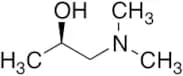
Formula:C16H19NO2Color and Shape:NeatMolecular weight:257.328(2R)-1-(dimethylamino)propan-2-ol
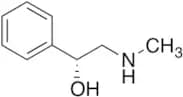
CAS:Controlled ProductFormula:C5H13NOColor and Shape:NeatMolecular weight:103.163(1R)-2-(Methylamino)-1-phenylethan-1-ol Hydrochloride
CAS:Controlled ProductApplications (1R)-2-(methylamino)-1-phenylethan-1-ol (cas# 495-42-1) is a useful research chemical.
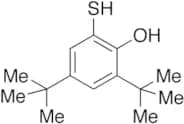
Formula:C9H13NO·ClHColor and Shape:NeatMolecular weight:187.6672-Mercapto-4,6-di-tert-butylphenol
CAS:Controlled ProductApplications 2-Mercapto-4,6-di-tert-butylphenol (cas# 53551-74-9) is a compound useful in organic synthesis.
Formula:C14H22OSColor and Shape:NeatMolecular weight:238.395-Amino-2-chloro-4-fluorophenol
CAS:Controlled ProductApplications 5-Amino-2-chloro-4-fluorophenol is a reagent involved in the design and structure of potent vascular endothelial growth factor (VEGF) receptor tyrosine kinase inhibitors.
References Hennequin, L. F., et al.: J. Med. Chem., 42, 5369-5389 (1999);Formula:C6H5ClFNOColor and Shape:NeatMolecular weight:161.56

![4-[(5-Bromo-2-chlorophenyl)methyl]phenol](/_next/image/?url=https%3A%2Fstatic.cymitquimica.com%2Fproducts%2F3D%2Fthumb-webp%2FFB76123.webp&w=3840&q=75)
![(1S,2R,3S,5R)-2-((Benzyloxy)methyl)-6-oxabicyclo[3.1.0]hexan-3-ol](/_next/image/?url=https%3A%2Fstatic.cymitquimica.com%2Fproducts%2F3D%2Fthumb-webp%2FFB167338.webp&w=3840&q=75)


![3-Methyl-2-hydroxy-3H-imidazo[4,5-f]quinoline](/_next/image/?url=https%3A%2Fstatic.cymitquimica.com%2Fproducts%2F3D%2Fthumb-webp%2FFM25639.webp&w=3840&q=75)






![[4-(Aminomethyl)cyclohexyl]methanol](/_next/image/?url=https%3A%2Fstatic.cymitquimica.com%2Fproducts%2F3D%2Fthumb-webp%2FFA123010.webp&w=3840&q=75)
![6-(4,4,5,5-Tetramethyl-[1,3,2]dioxaborolan-2-yl)-isoquinoline](/_next/image/?url=https%3A%2Fstatic.cymitquimica.com%2Fproducts%2F3D%2Fthumb-webp%2FFT76191.webp&w=3840&q=75)


![2-[(3-Phenoxyphenyl)methylene]-2H-1,4-benzothiazin-3(4H)-one](/_next/image/?url=https%3A%2Fstatic.cymitquimica.com%2Fproducts%2F3D%2Fthumb-webp%2FFP169832.webp&w=3840&q=75)





![7N-[1-(2-Carboxy)ethyl]allopurinol](/_next/image/?url=https%3A%2Fstatic.cymitquimica.com%2Fproducts%2FTR%2Fthumb-webp%2FC177940.webp&w=3840&q=75)




![trans-Benzo[a]pyrene-4,5-dihydrodiol](/_next/image/?url=https%3A%2Fstatic.cymitquimica.com%2Fproducts%2FTR%2Fthumb-webp%2FB205830.webp&w=3840&q=75)