Alcohols
Subcategories of "Alcohols"
Found 5817 products of "Alcohols"
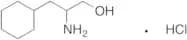
D-Cyclohexylalaninol Hydrochloride
CAS:Controlled ProductFormula:C9H19NO·HClColor and Shape:NeatMolecular weight:193.7142-Butoxyethanol
CAS:Applications 2-Butoxyethanol is a reagent in the synthesis of 4-butoxyethoxy-N-octadecyl-1,8-naphthalimide as a new fluorescent probe for the determination of proteins. Also used as a reagent in the synthesis of 4-hydroxybenzaldehyde derivatives as tyrosinase inhibitors.
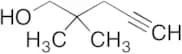
References Sun, Y., et al.: Bioorg. Med. Chem. Lett., 21, 3798 (2011); Yi, W., et al.: Eur. J. Med. Chem., 45, 639 (2010)Formula:C6H14O2Color and Shape:ColourlessMolecular weight:118.172,2-Dimethyl-4-pentyn-1-ol
CAS:Controlled ProductFormula:C7H12OColor and Shape:NeatMolecular weight:112.17M-PEG4-thiol
CAS:Controlled ProductApplications M-PEG4-THIOL (cas# 52190-55-3) is a useful research chemical.
Formula:C9H20O4SColor and Shape:NeatMolecular weight:224.32(R,R)-trans-3-Amino-1-indanol
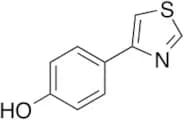
CAS:Controlled ProductFormula:C9H11NOColor and Shape:NeatMolecular weight:149.194-(1,3-Thiazol-4-yl)phenol
CAS:Controlled ProductApplications 4-(1,3-thiazol-4-yl)phenol (cas# 68535-57-9) is a useful research chemical.
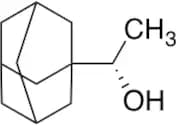
Formula:C9H7NOSColor and Shape:NeatMolecular weight:177.223(1S)-1-(Adamantan-1-yl)ethan-1-ol
CAS:Controlled ProductApplications (1S)-1-(adamantan-1-yl)ethan-1-ol (cas# 138309-12-3) is a useful research chemical.
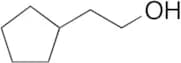
Formula:C12H20OColor and Shape:NeatMolecular weight:180.287Cyclopentaneethanol
CAS:Controlled ProductApplications Cyclopentaneethanol is used in the prepartion of phenylalanine derivatives for incorporation into peptides as CD4 mimetic miniproteins interacting with HIV-1 surface glycoprotein. It is also used in the preparation of tertiary amine muscarinic receptor antagonists applied towards the treatment of chronic obstructive pulmonary disease.
References Morellato-Castillo, L. et al.: J. Med. Chem., 56, 5033 (2013); Glossop, P. et al.: J. Med. Chem., 54, 6888 (2011);Formula:C7H14OColor and Shape:NeatMolecular weight:114.194-Butoxybutanol
CAS:Controlled ProductApplications 4-Butoxybutanol is used in the synthesis of biomedical polyurethane for application as scaffold materials.
References Liu, H. et al.: J. App. Polym. Sci., 117, 235 (2010);Formula:C8H18O2Color and Shape:NeatMolecular weight:146.23[4-(Trimethylammonium)benzyl] Alcohol Bromide
CAS:Controlled ProductApplications [4-(Trimethylammonium)benzyl] Alcohol Bromide is a compound useful in organic synthesis.
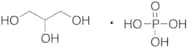
Formula:C10H16NO·BrColor and Shape:NeatMolecular weight:246.144Glycerol Phosphate
CAS:Controlled ProductApplications Glycerol is used both in sample preparation and gel formation for polyacrylamide gel electrophoresis. Glycerol (5-10%) increases the density of a sample so that the sample will layer at the bottom of a gel’s sample well. Glycerol is also used to aid in casting gradient gels and as a protein stabilizer and storage buffer component.
References Bartsch, W., et al.: Arzeim.-Forsch., 26, 1581 (1976)Formula:C3H11O7PColor and Shape:NeatMolecular weight:190.09(2R)-Sorbitan Monolauric Acid Ester
CAS:Controlled ProductFormula:C18H36O7Color and Shape:NeatMolecular weight:364.472-Nonyn-1-ol
CAS:Controlled ProductApplications 2-Nonyn-1-ol is a Propargyl alcohol (P762550) derivative that is used as a reagent to synthesize Microcarpalide, a microfilament disrupting agent that is weakly cytotoxic to mammalian cells. 2-Nonyn-1-ol is also thought to have potential antifungal properties.
Not a dangerous good if item is equal to or less than 1g/ml and there is less than 100g/ml in the package
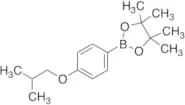
References Gershon, H., et al.: J. Pharm. Sci., 73, 1840 (1984); Ratnayake, A., et al.: Org. Lett., 3, 3479 (2001); Tamao, K., et al.: Tetrahedron Lett., 29, 6955 (1988)Formula:C9H16OColor and Shape:NeatMolecular weight:140.222-(4- lsobutoxyphenol)-4,4,5,5-tetramethyl-1,3,2-dioxaborolane
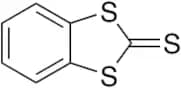
CAS:Controlled ProductFormula:C16H25BO3Color and Shape:NeatMolecular weight:276.1792H-1,3-Benzodithiole-2-thione
CAS:Controlled ProductApplications 2H-1,3-benzodithiole-2-thione (cas# 934-36-1) is a useful research chemical.
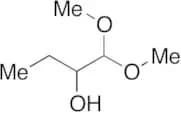
Formula:C7H4S3Color and Shape:NeatMolecular weight:184.31,1-Dimethoxy-2-butanol
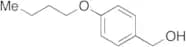
CAS:Controlled ProductFormula:C6H14O3Color and Shape:NeatMolecular weight:134.174-Butoxybenzyl Alcohol
CAS:Controlled ProductApplications The toxicity of 4-Butoxybenzyl Alcohol has been studied on rapidly dividing cancer cells (L1210 leukemia).
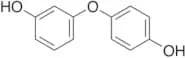
References Kapur, S., et. al.: Chemosphere, 41, 1643 (2000)Formula:C11H16O2Color and Shape:NeatMolecular weight:180.243-(4-Hydroxyphenoxy)phenol
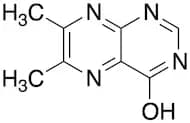
CAS:Controlled ProductFormula:C12H10O3Color and Shape:NeatMolecular weight:202.2066,7-Dimethyl-pteridin-4-ol
CAS:Controlled ProductFormula:C8H8N4OColor and Shape:NeatMolecular weight:176.175rac-cis-3-Amino-1-indanol
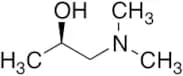
CAS:Controlled ProductFormula:C9H11NOColor and Shape:NeatMolecular weight:149.19(2R)-1-(dimethylamino)propan-2-ol
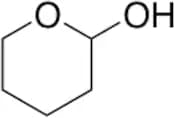
CAS:Controlled ProductFormula:C5H13NOColor and Shape:NeatMolecular weight:103.163Tetrahydro-2H-pyran-2-ol, >90%
CAS:Controlled ProductApplications Tetrahydro-2H-pyran-2-ol (cas# 694-54-2) is a useful research chemical.
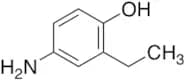
Formula:C5H10O2Purity:>90%Color and Shape:NeatMolecular weight:102.134-Amino-2-ethylphenol Hydrochloride
CAS:Controlled ProductFormula:C8H11NOColor and Shape:NeatMolecular weight:137.179rac-Cyclohexylalaninol Hydrochloride
CAS:Controlled ProductFormula:C9H19NO·HClColor and Shape:NeatMolecular weight:193.714Cyclopropylmethanol
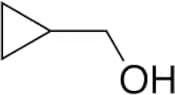
CAS:Controlled ProductApplications Cyclopropylmethanol used to increase selectivity of pyridyl-cinnoline phosphodiesterase 10A, inhibitors against phosphodiesterase 3 (PDE3). Also used in the synthesis of benzodiazapin-2-ones
References Hu, E. et al.: Bioorg. Med. Chem. Lett., 22, 6938 (2012);Formula:C4H8OColor and Shape:NeatMolecular weight:72.114-Nitro-benzeneethanol
CAS:Controlled ProductApplications 4-Nitro-benzeneethanol is a useful synthetic intermediate. It can be used to synthesize N-phenylethylindole carboxamides as SAR study of allosteric modulators of CB1 receptor. It can also be used to prepare 2-aza-2'-deoxyinosine-containing oligodeoxyribonucleotide duplexes.
References Piscitelli, F., et al.: J. Med. Chem., 55, 5627 (2012); Acedo, M., et al.: J. Org. Chem., 60, 6262 (1995)Formula:C8H9NO3Color and Shape:NeatMolecular weight:167.161,3-Didocosahexaenoyl-2-oleoyl Glycerol
Controlled ProductFormula:C65H102O5Color and Shape:NeatMolecular weight:963.50210-Undecen-1-ol
CAS:Controlled ProductApplications 10-Undecen-1-ol (cas# 112-43-6) is a useful research chemical.
Formula:C11H22OColor and Shape:NeatMolecular weight:170.293,3-Diphenylpropanol
CAS:Controlled ProductApplications 3,3-DIPHENYLPROPANOL (cas# 20017-67-8) is a useful research chemical.
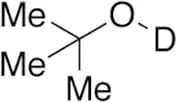
Formula:C15H16OColor and Shape:NeatMolecular weight:212.28Tert-butyl Alcohol-OD
CAS:Controlled ProductApplications Labelled Tert-butyl Alcohol is used as an organic solvent. Also it is used in the synthesis of proteosome inhibitors that are quite potent.
References Kawamura, S. et al.: J. Med. Chem., 56, 3689 (2013); Galy, N. et al.: Tetra. lett., 54, 2703 (2013);Formula:C4DH9OColor and Shape:NeatMolecular weight:75.131-Heptanol
CAS:Controlled ProductApplications 1-Heptanol have also been used in the fragrance industry due to its pleasant smell.
References Ren, Q., et al.: J. Food. Agri. Environ., 10, 67 (2012); Mendes, C.E., et al.: Quimica. Nova., 35, 1787 (2012);Formula:C7H16OColor and Shape:NeatMolecular weight:116.22-[(Tributylstannyl)methyl]-2-propen-1-ol
CAS:Controlled ProductApplications 2-[(Tributylstannyl)methyl]-2-propen-1-ol is a useful reagent for organic synthesis.
Formula:C16H34OSnColor and Shape:NeatMolecular weight:361.1512-Eicosyl-1-tetracosanol
CAS:Controlled ProductFormula:C44H90OColor and Shape:NeatMolecular weight:635.1852-[(7-Nitro-2,1,3-benzoxadiazol-4-yl)amino]ethanethiol
CAS:Controlled ProductApplications 2-[(7-Nitro-2,1,3-benzoxadiazol-4-yl)amino]ethanethiol is used in the preparation of fluorescent N/S acyl derivatives.
References 2-[(7-Nitro-2,1,3-benzoxadiazol-4-yl)thio]ethanamineFormula:C8H8N4O3SColor and Shape:NeatMolecular weight:240.2423-Azido-3,6,9,12,15,18,21-Heptaoxatricosan-1-ol
CAS:Controlled ProductApplications 23-Azido-3,6,9,12,15,18,21-Heptaoxatricosan-1-ol is used in the synthesis of heterobifunctionalized oligo(ethylene glycol) linkers for use in drug delivery.
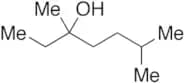
References Goswami, L. et al.: Org. Biomol. Chem., 11, 1116 (2013);Formula:C16H33N3O8Color and Shape:NeatMolecular weight:395.4493,6-Dimethyl-3-heptanol
CAS:Controlled ProductApplications 3,6-Dimethyl-3-heptanol (cas# 1573-28-0) is a compound useful in organic synthesis.
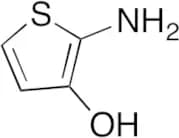
Formula:C9H20OColor and Shape:NeatMolecular weight:144.252-Aminothiophen-3-ol
CAS:Controlled ProductApplications 2-Aminothiophen-3-ol, is a heterocyclic building block used for the synthesis of various pharmaceutical compounds.
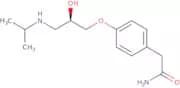
Formula:C4H5NOSColor and Shape:NeatMolecular weight:115.154(R)-(+)-Atenolol
CAS:Controlled ProductBeta-1-adrenoceptor blockerFormula:C14H22N2O3Purity:Min. 95%Color and Shape:White/Off-White SolidMolecular weight:266.34 g/mol2-[(4-Phenylpiperazin-1-yl)carbonyl]phenol
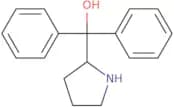
CAS:Controlled ProductPlease enquire for more information about 2-[(4-Phenylpiperazin-1-yl)carbonyl]phenol including the price, delivery time and more detailed product information at the technical inquiry form on this pageFormula:C17H18N2O2Purity:Min. 95%Molecular weight:282.34 g/molDiphenylprolinol
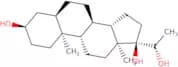
CAS:Controlled ProductDiphenylprolinol is a synthetic cannabinoid that is used as an agonist of the CB1 and CB2 receptors in the brain. It has been shown to have high affinity for both the CB1 and CB2 receptors, with Ki values of 0.07 and 0.05 nM respectively. Diphenylprolinol is a full agonist of the CB1 receptor, but only a partial agonist of the CB2 receptor. Diphenylprolinol binds to these receptors in a manner that resembles endocannabinoids, which are endogenous cannabinoids produced by animals. This drug has shown antipsychotic effects through its binding to serotonin reuptake inhibitors and its ability to block dopamine release in the prefrontal cortex. Diphenylprolinol also acts as a potent growth factor by stimulating cell proliferation via activation of protein kinase C (PKC). PKC activation leads to increased levels of intracellular calcium ions (Ca2+) and stimulates growth factor production such asPurity:Min. 95%Pregnantriol
CAS:Controlled ProductPregnantriol is a naturally occurring steroid hormone that is produced in the placenta and the adrenal glands. Pregnantriol has been shown to be a potent inducer of liver cells, which may be due to its ability to bind to enzymes that are involved in lipid metabolism. This compound has also been shown to have diagnostic properties and is used as a diagnostic agent for adrenocortical carcinoma, urinary tract infections, metabolic disorders, and acid formation. Pregnantriol can be detected using fluorescence detection.Formula:C21H36O3Purity:Min. 95%Color and Shape:PowderMolecular weight:336.51 g/mol2,2-Dimethyl-1-propanol
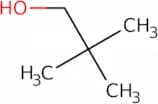
CAS:2,2-Dimethyl-1-propanol (DMPA) is an inorganic acid that can be used as a coagulant for wastewater treatment. It has been shown to be effective in removing malonic acid from water at pH 4.0 and below. The reaction mechanism of DMPA is not fully understood, but it is thought to involve the formation of a hydroxyl group on the methyl group of DMPA, which then reacts with the acid and releases hydrogen ions. The hydrogen ions react with sodium carbonate to form sodium bicarbonate and release water vapor. This process continues until all the DMPA has reacted or until there is no more acid present. Asymmetric synthesis of DMPA is possible using neopentyl alcohol and fatty acids as starting materials.
Formula:C5H12OPurity:Min. 95%Color and Shape:White Clear LiquidMolecular weight:88.15 g/mol2-(2-Methyl-1H-imidazol-1-yl)ethanol
CAS:2-(2-Methyl-1H-imidazol-1-yl)ethanol is a synthetic intermediate that has been used to synthesize antibiotics and antiviral agents. It has a terminal half-life of about 2 days and its pharmacokinetics are linear with an oral dose range from 10 to 100 mg/kg. The fruit extract of Camptotheca acuminata contains alkaloids, which can be converted into 2-(2-methyl-1H-imidazol-1-yl)ethanol by alkalization. 2-(2-Methyl-1H-imidazol-1-yl)ethanol is effective against hordeolum, acne, and infectious diseases caused by viruses such as herpes simplex. This drug has antibacterial properties and can be used in the treatment of bacterial infections such as staphylococcal skin infections, streptococcal throat infections, or gonorrhea. Dehydration is anFormula:C6H10N2OPurity:Min. 95%Molecular weight:126.16 g/mol2-Butanol
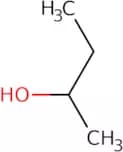
CAS:Controlled Product2-Butanol is a colorless liquid that has inhibitory properties against the enzyme activities of hydroxylase, acetaldehyde dehydrogenase, and alpha-ketoglutarate decarboxylase. 2-Butanol is used as an active antiretroviral therapy for HIV patients. It also acts as a solid catalyst in the hydrogenation of carboxylic acids. The reactivity of 2-butanol is due to its ability to form stable complexes with enzymes by hydrogen bonding interactions. This chemical can be used in kinetic studies and analytical methods, such as gas chromatography and mass spectrometry, which are used to identify the structure of the enzyme complex and analyze the reaction mechanism.
Formula:C4H10OPurity:Min. 95%Color and Shape:Clear LiquidMolecular weight:74.12 g/mol1-Boc-4-piperidinol
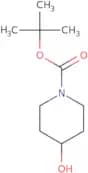
CAS:1-Boc-4-piperidinol is an inhibitor of serine proteases. It also has potent inhibitory activity against 5-HT2A receptors and inhibits the growth of cancer cells. 1-Boc-4-piperidinol is a molecule that contains a hydroxy group and a serine protease inhibitor. It reacts with hydrochloric acid to form 1-boc piperazine, which is then reacted with hydrogen chloride to form the final product. The pharmacokinetic properties of this drug are not known due to the lack of oral bioavailability in rats. However, it does show slow absorption by inhalation and subcutaneous administration, suggesting that it may be absorbed through these routes as well.Formula:C10H19NO3Purity:Min. 95%Color and Shape:Off-White PowderMolecular weight:201.26 g/mol(aR)-a-[[[2-(4-Nitrophenyl)ethyl]amino]methyl]benzenemethanol
CAS:(aR)-a-[[[2-(4-Nitrophenyl)ethyl]amino]methyl]benzenemethanol is a chiral, carbonyl compound that has been used in the synthesis of mirabegron. It is synthesized by reacting an amide with a hydrochloric acid salt. The product yield of (aR)-a-[[[2-(4-Nitrophenyl)ethyl]amino]methyl]benzenemethanol is high and it does not react with aluminium or amide impurities. This compound can be used for the industrial synthesis of mirabegron, which is a drug for the treatment of urinary incontinence. The reduction reaction and hydrolysis reactions are both important to this process.
Purity:Min. 95%5-Chloropentanol
CAS:5-Chloropentanol is a reactive compound that can be used as an epidermal growth factor. It has been shown to have potentiating effects on the production of epidermal growth factor in a biological sample. 5-Chloropentanol has also been shown to increase the rate of cell proliferation, which could be due to its ability to generate reactive chloroform in cells. It is not known whether 5-Chloropentanol has any carcinogenic properties.Purity:Min. 95%all-trans-13,14-Dihydro retinol
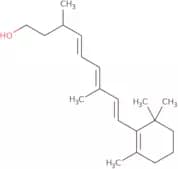
CAS:Retinol is a form of vitamin A that is used for the treatment of insulin resistance. It can be synthesized by the body from all-trans-retinol, which is found in many animal and plant sources. Retinol can also be obtained from supplements, although it is poorly absorbed by the body. Retinol has been shown to improve insulin sensitivity in a cell culture model system, as well as in wild-type mice with diabetes mellitus. This drug has been shown to have strong anti-inflammatory effects and may also be useful for the treatment of hepatic steatosis. Retinol binds competitively to cellular retinoic acid receptors, leading to transcriptional activation of target genes, such as those involved in fatty acid metabolism.Formula:C20H32OPurity:Min. 95 Area-%Color and Shape:Clear Viscous LiquidMolecular weight:288.47 g/mol1-Ethynyl-cyclohexan-1-ol
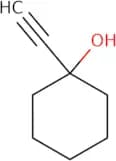
CAS:1-ethynyl-cyclohexan-1-ol is a silicon sealant that can be used in a variety of industries. 1-ethynyl-cyclohexan-1-ol has high resistance to water, oil and other chemical substances. 1-ethynyl-cyclohexan-1-ol is a molecule with the formula CH2CH(OH)CH2 and it is not soluble in water. It is also chemically stable and does not react with hydrochloric acid. The FTIR spectra show that the carbonyl group in 1-ethynyl cyclohexanone is present as an ester. The nmr spectra indicate that the substrate film contains methyl ethyl silicone and that there are no other components present.
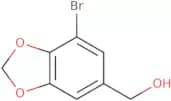
Formula:C8H12OPurity:Min. 95%Color and Shape:PowderMolecular weight:124.18 g/mol(7-bromo-2H-1,3-benzodioxol-5-yl)methanol
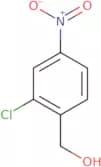
CAS:Controlled ProductPlease enquire for more information about (7-bromo-2H-1,3-benzodioxol-5-yl)methanol including the price, delivery time and more detailed product information at the technical inquiry form on this pagePurity:Min. 95%Molecular weight:231.045(2-Chloro-4-nitrophenyl)methanol
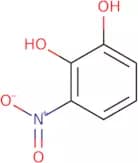
CAS:Please enquire for more information about (2-Chloro-4-nitrophenyl)methanol including the price, delivery time and more detailed product information at the technical inquiry form on this pageFormula:C7H6ClNO3Purity:Min. 95%Color and Shape:PowderMolecular weight:187.58 g/mol3-Nitro-benzene-1,2-diol
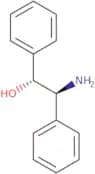
CAS:3-Nitro-benzene-1,2-diol is an inhibitor of catechol-o-methyltransferase (COMT), which catalyzes the transfer of a methyl group from S-adenosyl methionine to dopamine. This results in the formation of 3-O-(methylamino) catechol. COMT inhibitors are used as pharmaceutical preparations for the treatment of Parkinson's disease and other diseases involving dopamine. 3-Nitro-benzene-1,2-diol has been shown to inhibit COMT and prevent the breakdown of dopamine in the brain, which may be beneficial for treating Parkinson's disease and other nervous system diseases.Formula:C6H5NO4Purity:Min. 95%Molecular weight:155.11 g/mol(1R,2S)-(-)-2-Amino-1,2-diphenylethanol
CAS:Controlled ProductThe compound is a stereoselective amine. The molecule has two diastereomers, one of which is the (1R,2S) configuration and the other of which is the (1S,2R) configuration. The compound is an efficient method for preparing fatty acid esters with aromatic hydrocarbons. The chemical structure of the molecule provides a cavity that can be used to bind with ethyl bromoacetate. This cavity has been shown in x-ray crystal structures to be able to bind with ethyl bromoacetate and provide an efficient method for preparing fatty acid esters with aromatic hydrocarbons.Formula:C14H15NOPurity:Min. 95%Molecular weight:213.28 g/mol3-O-Methyl 4-hydroxy estradiol
CAS:Controlled ProductPlease enquire for more information about 3-O-Methyl 4-hydroxy estradiol including the price, delivery time and more detailed product information at the technical inquiry form on this pageFormula:C19H26O3Purity:Min. 95%Molecular weight:302.41 g/mol4-Aminoquinoline-2-one
CAS:4-Aminoquinoline-2-one is a nonsteroidal anti-inflammatory drug that has tuberculostatic activity. It binds to the nitrogen atoms of the enzyme dihydropteroate synthase, which is involved in the synthesis of folic acid and DNA. This leads to an increase in reactive oxygen species and inflammation, which causes disease activity. 4-Aminoquinoline-2-one has been shown to be synergistic with monoclonal antibodies when used as a treatment for inflammatory diseases. In order for 4-aminoquinoline-2-one to be taken up by cells, it must bind to cellular uptake proteins through hydrogen bonds or disulfide bonds.
Formula:C9H8N2OPurity:Min. 95%Molecular weight:160.17 g/molTrimethylsilylmethanethiol
CAS:Trimethylsilylmethanethiol (TMSET) is a thiol that is used as a reagent in organic synthesis. It is soluble in water and it has a high boiling point, making it useful for reactions that require heat. TMSET has been shown to be an effective antiviral agent against hepatitis C virus (HCV) and influenza A virus by binding to the viral receptor on the cell surface and preventing its entry into the cell. TMSET also inhibits neuronal function by binding to the hydroxy group of proteins, thereby disrupting their structure and function.Formula:C4H12SSiPurity:Min. 95%Molecular weight:120.29 g/molChromagnol
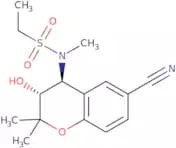
CAS:Chromagnol is a drug that inhibits the enzyme protein kinase C (PKC). It has been shown to have inhibitory properties on cardiac muscle cells and whole-cell recordings of heart cells. Chromagnol has also been shown to affect the function of bowel disease, including papillary muscle. Chromagnol has been shown to have effects on cardiac and atrial tissue. This drug may be a potential treatment for autoimmune diseases, such as multiple sclerosis, or other diseases that are caused by PKC overactivity. The mechanisms of action are not fully understood but it is believed that chromanol binds to the cytosolic Ca2+ ion channel, preventing it from opening and releasing Ca2+, which leads to an increase in intracellular Ca2+.
Formula:C15H20N2O4SPurity:Min. 95%Molecular weight:324.4 g/mol3-Dehydro retinol
CAS:3-Dehydro retinol is a carotenoid that is found in the skin. It is derived from retinol, and has been shown to have antioxidant properties. 3-Dehydro retinol can be isolated from the fungus Monascus purpureus by chromatographic methods. The enzyme activities of 3-dehydroretinol are not well understood, but it has been hypothesized that chronic exposure to this compound may lead to an increase in cell proliferation or an increase in cell differentiation. 3-Dehydro retinol has also been shown to inhibit the oxidation of other molecules such as hydrogen chloride.
Formula:C20H28OPurity:90%MinMolecular weight:284.44 g/molDodecane-1-thiol
CAS:Dodecane-1-thiol is a chemical that is used as an ingredient in the production of nanoparticles. It has been shown to have high resistance to sodium salts and is chemically stable. Dodecane-1-thiol can be synthesized by reacting dodecane with hydroxylamine and mercaptan, which are both highly reactive compounds. Dodecane-1-thiol has a hydroxyl group on the thiol group and a dimethyl fumarate molecule attached to it. The hydroxyl group reacts with mercaptan, while the dimethyl fumarate molecule attaches to the thiol group to provide stability. Dodecane-1-thiol can also be synthesized using polymerization reactions.Formula:C12H26SPurity:95%MinMolecular weight:202.4 g/mol5-Nitrosoquinolin-8-ol
CAS:5-Nitrosoquinolin-8-ol is a chemical inhibitor that can be used in the study of enzyme function. It reacts with the active site of the enzymes and prevents them from carrying out their normal functions. 5-Nitrosoquinolin-8-ol has been shown to inhibit the growth of cancer cells and to have antiinflammatory properties. 5-Nitrosoquinolin-8-ol has been shown to bind to sephadex G-100 and potassium dichromate, which are both types of ion exchangers. The redox potential for this compound is -0.84 V. This means it will not react easily with other compounds, which makes it a good candidate for use as an inhibitor in biochemical studies. The nitrogen atoms in this compound are reactive, which means they can form covalent bonds with other molecules in a reaction called nitrosation. Structural biology is a branch of science that deals with studying the three dimensional structure of biological macFormula:C9H6N2O2Purity:Min. 95%Color and Shape:Yellow To Green SolidMolecular weight:174.16 g/molΔ9,11-estradiol
CAS:Controlled ProductDelta9,11-Estradiol is an estrogen that has been found to bind to the estrogen receptor α. The growth factor activity of this drug is mediated through the binding of this receptor and the activation of various intracellular signaling pathways. This drug is effective in treating eye disorders such as macular degeneration. Delta9,11-Estradiol also has a protective effect on ganglion cells by reducing oxidative stress, inhibiting apoptosis, and modulating inflammatory responses. The hydroxyl group in Delta9,11-Estradiol can be used as a corrosion inhibitor in eye drops and other ophthalmic solutions. It binds to viral gene promoters and inhibits transcriptional activity of these genes.
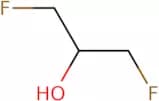
Formula:C18H22O2Purity:Min. 95%Color and Shape:SolidMolecular weight:270.37 g/mol1,3-Difluoro-2-propanol
CAS:1,3-Difluoro-2-propanol is a hydrogen bond donor. It is used as an animal repellent and insecticide. It has been shown to be effective against the larvae of mosquitoes and flies. 1,3-Difluoro-2-propanol has also been found to be effective against some fungi, although it is not active against bacteria. The octanol/water partition coefficient (log Kow) of 1,3-difluoro-2-propanol is -0.86. 1,3-Difluoro-2-propanol has been shown to inhibit biochemical reactions in animals by inhibiting ATPase and phosphate uptake in mitochondria. This inhibition leads to the accumulation of metabolites such as lactic acid and pyruvic acid which are responsible for the symptoms seen with exposure to this chemical. 1,3-Difluoro-2-propanol has also been shown
Formula:C3H6F2OPurity:Min. 99 Area-%Color and Shape:Colorless Clear LiquidMolecular weight:96.08 g/molCP 55940
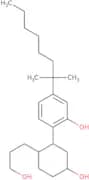
CAS:Controlled ProductCP 55940 is a cannabinoid receptor agonist that inhibits acetylcholine release in the brain and has been shown to cause neuronal death. CP 55940 binds to the α7 nicotinic acetylcholine receptor, which is important for memory and learning. The binding of this drug causes an increase in guanine nucleotide-binding protein (G protein) activity by reducing the rate of GTP hydrolysis, leading to inhibition of adenylyl cyclase activity and subsequent decrease in cAMP levels. CP 55940 has significant up-regulation of toll-like receptors following exposure, which leads to an increased immune response. This drug can also cause bowel disease or side effects such as seizures and psychotic symptoms. CP 55940 can interact with other drugs, including cannabinoids that may lead to serious side effects.Formula:C24H40O3Purity:Min. 95%Molecular weight:376.57 g/mol2-Bromobenzo[d]thiazol-6-ol
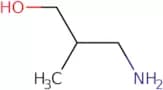
CAS:2-Bromobenzo[d]thiazol-6-ol is a diagnostic agent that is used in positron emission tomography (PET) scans to detect Alzheimer's disease. 2-Bromobenzo[d]thiazol-6-ol binds to amyloid plaques and deposits of beta amyloid peptide, the hallmark of Alzheimer's disease. It can be synthesized by cross coupling nitro compounds with aminoacids or by alkylation of nitro compounds with alkenes. Other methods for its synthesis include the microwave irradiation of bromobenzene and thiourea in a nitric acid medium. This compound undergoes metabolism via cytochrome P450 enzymes to form benzo[d]thiazole-2,6(3H)-diol, which is then oxidized by NADPH to form benzo[e]thiazole-2,6(3H)-quinone.Formula:C7H4BrNOSPurity:Min. 95%Molecular weight:230.08 g/mol3-Amino-2-methylpropan-1-ol
CAS:3-Amino-2-methylpropan-1-ol is a reactive chemical that can be used as a reactant in the synthesis of other chemicals. It is an alkanolamine and can be found in small amounts in water vapor. 3-Amino-2-methylpropan-1-ol has been shown to have low energy and it reacts with water vapor to form 3,4-dihydroxybutanal, which is a product that can be converted into other useful chemicals. 3-Amino-2-methylpropan-1-ol also reacts with high energy photons to form new substances, such as 3,4,5,6 tetrahydroxymethylbenzaldehyde. 3Amino - 2 - methylpropan - 1 - ol has been shown to have many uses including the production of low molecular weight polymers and resins for paints and coatings.
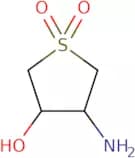
Formula:C4H11NOPurity:Min. 95%Molecular weight:89.14 g/mol4-Aminotetrahydrothiophene-3-ol 1,1-dioxide
CAS:Please enquire for more information about 4-Aminotetrahydrothiophene-3-ol 1,1-dioxide including the price, delivery time and more detailed product information at the technical inquiry form on this page
Formula:C4H9NO3SPurity:Min. 95%Molecular weight:151.19 g/mol1,2,3,4-Tetrahydroquinoline-3-carboxylic acid
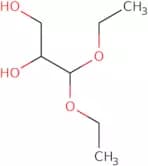
CAS:Tetrahydroquinoline-3-carboxylic acid is a crystalline, water-soluble compound. It is an intermediate in the synthesis of l-phenylalanine, paraformaldehyde and formaldehyde. Tetrahydroquinoline-3-carboxylic acid can be hydrolyzed to produce formic acid and hydrogen chloride. This product is also optically active and can be used as an indicator for hydroiodic acid.Formula:C10H11NO2Purity:Min. 95%Molecular weight:177.2 g/mol3,3-Diethoxy-1,2-propanediol
CAS:3,3-Diethoxy-1,2-propanediol is a chemical compound that has been found to have an acidic character and to be an allylation agent. This ingredient also has the ability to form flavonoids and act as a ring-opening polymerization catalyst. It can be used in leaf extract as an astringent or antibacterial. 3,3-Diethoxy-1,2-propanediol is used in the production of this product. The medicinal properties of this compound are scientifically analysed and tested for efficacy. It has been shown to act as a laxative when taken in excessive amounts. 3,3-Diethoxy-1,2-propanediol is not known to have any negative side effects on the human body such as skin irritation or sensitization.Formula:C7H16O4Purity:Min. 95%Molecular weight:164.2 g/mol2,2,4-Trimethyl-1,2-dihydroquinolin-6-yl phenylacetate
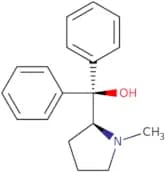
CAS:Controlled ProductPlease enquire for more information about 2,2,4-Trimethyl-1,2-dihydroquinolin-6-yl phenylacetate including the price, delivery time and more detailed product information at the technical inquiry form on this pageFormula:C20H21NO2Purity:Min. 95%Molecular weight:307.39 g/mol(S)-a,a-Diphenylmethylprolinol
CAS:Controlled Product(S)-a,a-Diphenylmethylprolinol is a chiral ligand that is used in asymmetric synthesis. It has been shown to react with alkylating agents to form chiral methyl esters. The reaction product can be resolved into the desired enantiomer by the use of a chiral stationary phase or an experimental method called isotopic labeling. (S)-a,a-Diphenylmethylprolinol was prepared by a preparative method involving the reaction of cyanate, aldehyde and hexane.Formula:C18H21NOPurity:Min. 95%Molecular weight:267.37 g/mol5-Amino-8-hydroxyquinoline dihydrochloride
CAS:5-Amino-8-hydroxyquinoline dihydrochloride (5-AQDH) is an anticancer drug that inhibits the activity of survivin, a protein that is overexpressed in cancer cells. It has been shown to be effective in vivo against melanoma tumor growth. 5-AQDH binds to the unpaired cysteine residues of the survivin molecule and inhibits its function by binding to the active site, blocking access to ATP and preventing DNA synthesis. The efficacy of 5-AQDH has been confirmed in vitro by studying the effect on cell viability and DNA synthesis, as well as by measuring plasma mass spectrometry data from melanoma patients. This drug is currently being investigated for its potential use as an anticancer agent.Formula:C9H8N2O•(HCl)2Purity:Min. 95%Molecular weight:212.63 g/mol(S)-5,6,6a,7-Tetrahydro-6-methyl- 4H-dibenzo[de,g]quinoline-10,11-diol hydrochloride
CAS:Controlled ProductPlease enquire for more information about (S)-5,6,6a,7-Tetrahydro-6-methyl- 4H-dibenzo[de,g]quinoline-10,11-diol hydrochloride including the price, delivery time and more detailed product information at the technical inquiry form on this pageFormula:C17H17NO2·HClPurity:Min. 95%Color and Shape:SolidMolecular weight:303.78 g/mol4-Hydroxy-7-methoxyquinoline
CAS:4-Hydroxy-7-methoxyquinoline is an anti-malarial drug that belongs to the class of trimethyl, trifluoromethyl group. It is a cyclic compound and its synthesis starts with cyclization of the methyl derivative, which forms a ring. This product is used in clinical practice as an inhibitor of malarial protozoa and has been shown to have mechanistic effects on the cytochrome bc1 complex containing red blood cells. 4-Hydroxy-7-methoxyquinoline also inhibits the growth of bacteria by binding to the enzyme methionine synthase, which is involved in the biosynthesis of methionine from homocysteine. The product also has an inhibitory effect on DNA synthesis and protein synthesis.
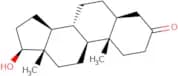
Formula:C10H9NO2Purity:Min. 95%Molecular weight:175.18 g/molAndrostanolone
CAS:Controlled ProductDihydrotestosterone is a potent androgen that is used in hormone replacement therapy to treat conditions such as testosterone deficiency, delayed puberty, and impotence. It is also used to treat breast cancer in women and prostate cancer in men. Dihydrotestosterone binds to the androgen receptor, which alters the expression of genes by altering their nucleotide sequences. It has been shown to have anti-tumor effects on prostate cells in vitro, but not on breast or ovarian carcinoma cell lines. The drug has been shown to be active against HIV replication in cell culture models.
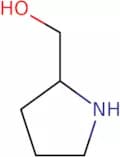
Formula:C19H30O2Purity:Min. 95%Color and Shape:SolidMolecular weight:290.44 g/molrac-prolinol
CAS:Rac-prolinol is a picolinic acid derivative that has been shown to inhibit the production of pyrrolidinecarboxylic acid in the form of l-tartaric acid. This inhibition is due to the formation of a hydrogen bond with the hydroxyl group on the substrate molecule, which prevents its conversion into pyrrolidinecarboxylic acid. Rac-prolinol has also been shown to inhibit collagen production in cells. Rac-prolinol binds to receptors that are involved in regulating cell proliferation and differentiation, including transforming growth factor beta receptor and epidermal growth factor receptor. It inhibits collagen synthesis by acting as a competitive inhibitor of proline hydroxylase, an enzyme responsible for catalyzing proline into hydroxyproline. The molecule also inhibits DNA synthesis by binding to the erythrocyte membrane skeleton and blocking ATP synthesis.Formula:C5H11NOPurity:Min. 95%Molecular weight:101.15 g/mol(5-Methoxy-1-methyl-1H-benzimidazol-2-yl)methanol
CAS:Controlled ProductPlease enquire for more information about (5-Methoxy-1-methyl-1H-benzimidazol-2-yl)methanol including the price, delivery time and more detailed product information at the technical inquiry form on this pageFormula:C10H12N2O2Purity:Min. 95%Molecular weight:192.21 g/mol1-(2-Nitrophenyl)-1,2-ethanediol
CAS:1-(2-Nitrophenyl)-1,2-ethanediol is a chemical that has been shown to inhibit the glutamate-induced increase in cytosolic Ca2+ concentration. It also prevents the loss of membrane integrity and protects against cell death by inhibiting apoptosis. 1-(2-Nitrophenyl)-1,2-ethanediol also inhibits amp-activated protein kinase activity and increases ATP production. These effects may be due to its ability to reduce intracellular Ca2+ levels and prevent Ca2+ overload in mitochondria. 1-(2-Nitrophenyl)-1,2-ethanediol has been shown to have a protective effect on isolated heart cells and ventricular myocytes from hypoxia/reoxygenation injury and is an effective model system for investigating biochemical properties of glutamate excitotoxicity.Formula:C8H9NO4Purity:Min. 95%Color and Shape:PowderMolecular weight:183.16 g/molRac 1,2-bis-palmitoyl-3-chloropropanediol
CAS:Rac-1,2-bis-palmitoyl-3-chloropropanediol is a dispersive molecule that is composed of a fatty acid and a chlorinated derivative of palmitic acid. It is used to calibrate the mass spectrometer and as an internal standard in quantitative analysis. Rac-1,2-bis-palmitoyl-3-chloropropanediol reacts with electrospray ionization with a dose-dependent response. It has been shown to be toxic to kidney cells at high doses but not at low doses. This chemical has been detected in food samples after being absorbed from the gastrointestinal tract. Rac 1,2-bis-palmitoyl 3 chloropropanediol can be found in the dipalmitate form or as formic acid.
Formula:C35H67ClO4Purity:95%NmrColor and Shape:PowderMolecular weight:587.36 g/mol(R)-2-Methylbutanol
CAS:(R)-2-Methylbutanol is a volatile pheromone that is produced by both sexes of the avocado tree. It is emitted from the flowers, fruits, and leaves of the plant as well as from wounds on the bark and branches. (R)-2-Methylbutanol has also been identified in other plants such as pine trees. This compound is synthesized in organisms through a cross-coupling reaction and an acetylation reaction. The acetylation reaction involves the addition of an acetyl group to an organic molecule, which may be accomplished using a host plant or synthetic reagents. The cross-coupling reaction involves two molecules that are coupled together by a metal catalyst such as palladium or nickel. In this process, one molecule donates a pair of electrons to another molecule, which accepts them and becomes reduced. This compound has been found to be important for microhabitat selection in some insects because it plays a role in pheromFormula:C5H12OPurity:Min. 95%Molecular weight:88.15 g/mol{1-[2-(4-Methylphenoxy)ethyl]-1H-benzimidazol-2-yl}methanol
CAS:Controlled ProductPlease enquire for more information about {1-[2-(4-Methylphenoxy)ethyl]-1H-benzimidazol-2-yl}methanol including the price, delivery time and more detailed product information at the technical inquiry form on this page
Formula:C17H18N2O2Purity:Min. 95%Molecular weight:282.34 g/mol1-(RS)-2-(Dibutylamino)-2-[2,7-dichloro-9-(4-chlorobenxylidene)]-9H-fluoren- 4-yl]ethanol - E/Z mixture
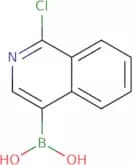
CAS:Please enquire for more information about 1-(RS)-2-(Dibutylamino)-2-[2,7-dichloro-9-(4-chlorobenxylidene)]-9H-fluoren- 4-yl]ethanol - E/Z mixture including the price, delivery time and more detailed product information at the technical inquiry form on this pageFormula:C30H32Cl3NOPurity:Min. 95%Molecular weight:528.94 g/mol(1-Chloroisoquinolin-4-yl)boronic acid
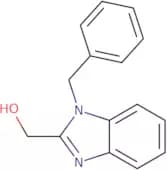
CAS:Please enquire for more information about (1-Chloroisoquinolin-4-yl)boronic acid including the price, delivery time and more detailed product information at the technical inquiry form on this pageFormula:C9H7BClNO2Purity:Min. 95%Molecular weight:207.42 g/mol(1-Benzyl-1H-benzimidazol-2-yl)methanol
CAS:Controlled ProductPlease enquire for more information about (1-Benzyl-1H-benzimidazol-2-yl)methanol including the price, delivery time and more detailed product information at the technical inquiry form on this page
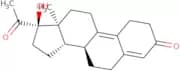
Formula:C15H14N2OPurity:Min. 95%Molecular weight:238.28 g/molGestadienol
CAS:Controlled ProductGestadienol is a synthetic, reconstituted drug that is used to treat congestive heart failure. Gestadienol is produced by reacting hydrochloric acid with isopropyl palmitate and diluent. The reaction yield of this process can be increased by implanting the drug into animal tissue for a period of time before extraction. Gestadienol binds to glucuronidated compounds in the blood, which may be due to its chemical similarity to estradiol. This binding prevents the glucuronidated compound from being excreted in urine and increases their concentration in the bloodstream. Gestadienol has been shown to increase postnatal development in rats, which may be due to its ability to bind progesterone receptors on cells and inhibit progesterone-mediated effects.Formula:C20H26O3Purity:Min. 95%Molecular weight:314.42 g/mol(1-Methyl-1H-benzimidazol-2-yl)methanol
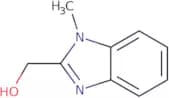
CAS:Controlled Product1-Methyl-1H-benzimidazol-2-yl)methanol is a mononuclear, ligand anion with a sulfate group. The compound has a molecular weight of 180.07 and its chemical formula is C6H5NOSO3S. It is soluble in water and alcohols, but insoluble in ethers and chloroform. 1-Methyl-1H-benzimidazol-2-yl)methanol reacts with oxygen to form the corresponding peroxide, which has a boiling point of 228°C at 760 mm Hg pressure. This compound also reacts with nitric acid to form the corresponding nitrate salt, which can be precipitated by adding sodium chloride or ammonium chloride.Formula:C9H10N2OPurity:Min. 95%Molecular weight:162.19 g/mol1,4-Bis[3,4-dihydro-2(1H)-quinolinon-7-oxy]butane
CAS:Controlled ProductPlease enquire for more information about 1,4-Bis[3,4-dihydro-2(1H)-quinolinon-7-oxy]butane including the price, delivery time and more detailed product information at the technical inquiry form on this pageFormula:C22H24N2O4Purity:Min. 95%Molecular weight:380.44 g/mol5-[3-(Dimethylamino)propyl]-10,11-dihydro-5H-dibenzo[a,d]cyclohepten-5-ol
CAS:Please enquire for more information about 5-[3-(Dimethylamino)propyl]-10,11-dihydro-5H-dibenzo[a,d]cyclohepten-5-ol including the price, delivery time and more detailed product information at the technical inquiry form on this pageFormula:C20H25NOPurity:Min. 95%Color and Shape:Beige SolidMolecular weight:295.42 g/mol3,29-Dibenzoyl rarounitriol
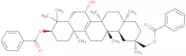
CAS:Controlled Product3,29-Dibenzoyl rarounitriol (3,29-DBR) is a quercetin glycoside that has been shown to be an effective inhibitor of the H1 receptor. It prevents the binding of histamine to the H1 receptor on cells, preventing the release of inflammatory compounds such as lysosomal enzymes and prostaglandins. 3,29-DBR has been shown to be a potent inhibitor of terfenadine in both rats and humans. It has also been shown to inhibit other drugs metabolized by cytochrome P450 2D6. In a pharmacokinetic study in rats, 3,29-DBR was found to have a half-life of 5 hours and peak plasma concentrations at 1 hour following oral administration. Pharmacokinetic parameters are dose dependent with Cmax values ranging from 0.5 µg/mL for low doses to 14 µg/mL for high doses.
Purity:Min. 95%T2 toxin triol
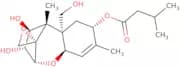
CAS:Controlled ProductT2 toxin triol is a bacterial strain that is used as a model system for the study of zearalenone. It has been shown to inhibit the growth of trifluoroacetic acid-treated cells and prevent the formation of glucuronide conjugates. T2 toxin triol has also been shown to be toxic to rat liver microsomes in vitro, but not to tissue culture or monoclonal antibody-transfected cells. The toxicity was found to be due to its basic structure, which causes an increase in intracellular levels of reactive oxygen species and lipid peroxidation.
Formula:C20H30O7Purity:Min. 95%Molecular weight:382.45 g/mol2-Cyclohexyl-4,6-dinitrophenol
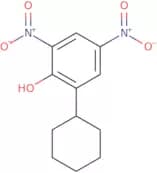
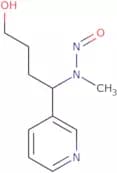
CAS:2-Cyclohexyl-4,6-dinitrophenol is a chemical that inhibits the synthesis of viral DNA. It has been shown to have minimal toxicity in animal models and may be used for the treatment of metabolic disorders, such as hepatic steatosis or hepatitis. 2-Cyclohexyl-4,6-dinitrophenol has also been shown to inhibit the toll-like receptor (TLR) pathway and induce an antiviral state in vitro. In addition, it was found to have an effect on mitochondrial membrane potential, which may explain its antiviral activity. 2-Cyclohexyl-4,6-dinitrophenol has also been shown to inhibit viral replication in cells infected with HIV and other viruses such as Hepatitis C virus.Formula:C12H14N2O5Purity:Min. 95%Molecular weight:266.25 g/mol4-(N-Methyl-N-nitrosamino)-4-(3-pyridyl)butane-1-ol
CAS:4-(N-Methyl-N-nitrosamino)-4-(3-pyridyl)butane-1-ol is a chemical that can be found in tobacco smoke. It has been shown that chronic exposure to 4-(N-methyl-N-nitrosamino)-4-(3-pyridyl)butane-1-ol causes cancer in rodents, as evidenced by increased rates of tumorigenesis. This chemical also has the ability to inhibit butyric acid formation, which may reduce the risk of colon cancer. The carcinogenic effect of this chemical is due to its ability to react with DNA and form adducts that cause methylation at C8 position on guanine nucleotide (G). These adducts lead to mutations, which can lead to cancer.Formula:C10H15N3O2Purity:Min. 95%Molecular weight:209.25 g/mol5-Ethyl-2-pyridineethanol
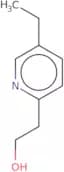
CAS:5-Ethyl-2-pyridineethanol is an anti-diabetic drug that belongs to the class of thiazolidinediones. It is the active form of pioglitazone, which has been shown to bind to peroxisome proliferator-activated receptor gamma (PPARγ). This binding results in increased expression and activity of insulin receptors on cell membranes. 5-Ethyl-2-pyridineethanol also binds to PPARγ in a similar manner as pioglitazone, and it has been shown to be an agonist for PPARγ. This compound has a number of other biological effects such as inhibition of the production of acetone by the liver, which is due to its ability to inhibit diazotization.
Formula:C9H13NOPurity:Min. 95%Color and Shape:White To Yellow Solid Or Liquid (May Vary)Molecular weight:151.21 g/mol1-Docosahexaenoin-2-oleoyl 3-phosphocholine
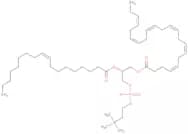
CAS:1-Docosahexaenoin-2-oleoyl 3-phosphocholine is a phospholipid compound that has shown promising potential in cancer research. This compound belongs to the steroid family and has been studied for its diagnostic capabilities in detecting breast cancer. It has also been investigated for its antiviral properties, particularly against HIV-1. Additionally, 1-Docosahexaenoin-2-oleoyl 3-phosphocholine has been researched for its use in diabetes management, with studies exploring its effects on insulin secretion and glucose metabolism. This compound has also been evaluated as a potential therapeutic agent for certain types of tumors due to its ability to inhibit tumor growth.Formula:C48H82NO8PPurity:Min. 95%Molecular weight:832.14 g/mol2'-[(1H-Tetrazol-5-yl)biphenyl-4-yl]methanol
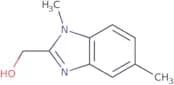
CAS:Please enquire for more information about 2'-[(1H-Tetrazol-5-yl)biphenyl-4-yl]methanol including the price, delivery time and more detailed product information at the technical inquiry form on this pageFormula:C14H12N4OPurity:Min. 95%Molecular weight:252.27 g/mol(1,5-Dimethyl-1H-benzimidazol-2-yl)methanol
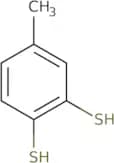
CAS:Controlled ProductPlease enquire for more information about (1,5-Dimethyl-1H-benzimidazol-2-yl)methanol including the price, delivery time and more detailed product information at the technical inquiry form on this pageFormula:C10H12N2OPurity:Min. 95%Molecular weight:176.22 g/molToluene-3,4-dithiol
CAS:Toluene-3,4-dithiol is a reactive dithiol that has been shown to have synergistic effects with other organic compounds. It is used in the preparation of methyl ethyl and its derivatives. Toluene-3,4-dithiol has also been shown to inhibit both the activity of enzymes and the growth of bacteria. The biological properties of this compound are not well understood, but it can be used as a model system for studying disulfide bonds and their role in protein folding. Studies have shown that this compound inhibits enzymatic activity and reduces bacterial growth without affecting cell viability.
Formula:C7H8S2Purity:Min. 95%Molecular weight:156.27 g/mol2(2-Ethoxyethoxy)ethanol
CAS:2(2-Ethoxyethoxy)ethanol is a glycol ether that is used as a substrate film in analytical methods, such as thin layer chromatography. It has been shown to be toxic to the liver and kidney, but not the heart. 2(2-Ethoxyethoxy)ethanol is also an experimental solubility data and can be used to measure the hydrophobic effect of organic compounds. This substance has high values for solubility, which may be due to its glycol ester type. 2(2-Ethoxyethoxy)ethanol does not show toxicity to the heart when administered orally or by inhalation, but does show toxicity to the liver and kidney at high doses.Formula:C6H14O3Purity:Min. 98 Area-%Color and Shape:PowderMolecular weight:134.17 g/mol






![[4-(Trimethylammonium)benzyl] Alcohol Bromide](/_next/image/?url=https%3A%2Fstatic.cymitquimica.com%2Fproducts%2FTR%2Fthumb-webp%2FT795775.webp&w=3840&q=75)








![2-[(Tributylstannyl)methyl]-2-propen-1-ol](/_next/image/?url=https%3A%2Fstatic.cymitquimica.com%2Fproducts%2FTR%2Fthumb-webp%2FT773200.webp&w=3840&q=75)

![2-[(7-Nitro-2,1,3-benzoxadiazol-4-yl)amino]ethanethiol](/_next/image/?url=https%3A%2Fstatic.cymitquimica.com%2Fproducts%2FTR%2Fthumb-webp%2FN493585.webp&w=3840&q=75)


![2-[(4-Phenylpiperazin-1-yl)carbonyl]phenol](/_next/image/?url=https%3A%2Fstatic.cymitquimica.com%2Fproducts%2F3D%2Fthumb-webp%2FFP131062.webp&w=3840&q=75)

![(aR)-a-[[[2-(4-Nitrophenyl)ethyl]amino]methyl]benzenemethanol](/_next/image/?url=https%3A%2Fstatic.cymitquimica.com%2Fproducts%2F3D%2Fthumb-webp%2FFN75044.webp&w=3840&q=75)







![2-Bromobenzo[d]thiazol-6-ol](/_next/image/?url=https%3A%2Fstatic.cymitquimica.com%2Fproducts%2F3D%2Fthumb-webp%2FFB144121.webp&w=3840&q=75)



![(S)-5,6,6a,7-Tetrahydro-6-methyl- 4H-dibenzo[de,g]quinoline-10,11-diol hydrochloride](/_next/image/?url=https%3A%2Fstatic.cymitquimica.com%2Fproducts%2F3D%2Fthumb-webp%2FFT46165.webp&w=3840&q=75)





![{1-[2-(4-Methylphenoxy)ethyl]-1H-benzimidazol-2-yl}methanol](/_next/image/?url=https%3A%2Fstatic.cymitquimica.com%2Fproducts%2F3D%2Fthumb-webp%2FFM135811.webp&w=3840&q=75)
![1-(RS)-2-(Dibutylamino)-2-[2,7-dichloro-9-(4-chlorobenxylidene)]-9H-fluoren- 4-yl]ethanol - E/Z mi…](/_next/image/?url=https%3A%2Fstatic.cymitquimica.com%2Fproducts%2F3D%2Fthumb-webp%2FFD71423.webp&w=3840&q=75)
![1,4-Bis[3,4-dihydro-2(1H)-quinolinon-7-oxy]butane](/_next/image/?url=https%3A%2Fstatic.cymitquimica.com%2Fproducts%2F3D%2Fthumb-webp%2FFB18792.webp&w=3840&q=75)
![5-[3-(Dimethylamino)propyl]-10,11-dihydro-5H-dibenzo[a,d]cyclohepten-5-ol](/_next/image/?url=https%3A%2Fstatic.cymitquimica.com%2Fproducts%2F3D%2Fthumb-webp%2FFD22331.webp&w=3840&q=75)
![2'-[(1H-Tetrazol-5-yl)biphenyl-4-yl]methanol](/_next/image/?url=https%3A%2Fstatic.cymitquimica.com%2Fproducts%2F3D%2Fthumb-webp%2FFT28188.webp&w=3840&q=75)