Alcohols
Alcohols are a wide range of organic molecules derived from hydrocarbons that contain one or more hydroxyl groups (OH group). These compounds are essential in various chemical reactions and are widely used in laboratory settings for synthesis, as solvents, and in analytical chemistry. At CymitQuimica, we offer high-quality alcohols prepared for laboratory use, supporting your research and industrial applications with reliable and effective products. Our selection ensures you have the right alcohols for your specific needs, whether for routine laboratory work or specialized research projects.
Subcategories of "Alcohols"
Found 5814 products of "Alcohols"
Sort by
Purity (%)
0
100
|
0
|
50
|
90
|
95
|
100
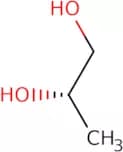
(S)-(+)-1,2-Propanediol
CAS:(S)-(+)-1,2-Propanediol is a diol that is a chemical compound with the molecular formula HOCHCHOH. It has an asymmetric carbon atom and can exist as two enantiomers (S)-(+)-1,2-propanediol and (R)-(-)-1,2-propanediol. The compound is produced in the laboratory by oxidation of propylene with hydrogen peroxide in the presence of a metal catalyst. It undergoes dehydration reactions to form sugars such as erythritol and xylitol. This process also occurs naturally in some plants and bacteria where glucose is oxidized to form glycerol. The conversion of propane-1,2-diol to glycerol is catalyzed by alcohol dehydrogenase from yeast or fungi such as Candida boidinii or Candida kefyr. It also reacts with other molecules such as proteins via amide formation to form new compounds called aFormula:C3H8O2Purity:Min. 98%Color and Shape:Colorless Slightly Yellow Clear LiquidMolecular weight:76.09 g/mol(1R,4aS,7S,7aR)-Hexahydro-4,7-dimethylcyclopenta[c]pyran-1-ol
CAS:<p>(1R,4aS,7S,7aR)-Hexahydro-4,7-dimethylcyclopenta[c]pyran-1-ol is a chemical compound that belongs to the group of speciality chemicals. It is an intermediate for a number of different reactions in the synthesis of complex molecules and can be used as a building block for new compounds. This compound has a number of industrial applications and can be used in research as well as in the production of pharmaceuticals. The CAS number for this compound is 109215-55-6.</p>Formula:C10H16O2Purity:Min. 95%Color and Shape:Colorless PowderMolecular weight:168.23 g/mol(+/-)-Salsolinol hydrobromide
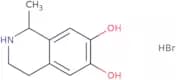
CAS:<p>(+/-)-Salsolinol hydrobromide is a chemical compound derived from the condensation of dopamine and acetaldehyde. This compound occurs naturally in the brain and certain fermented beverages, influencing neurological pathways. As a dopaminergic compound, it affects dopaminergic neurons by stimulating or inhibiting dopamine receptors, depending on the context of its application.The interest in (+/-)-Salsolinol hydrobromide centers around its potential involvement in neurodegenerative conditions such as Parkinson's disease. It is studied for its role in modulating dopamine metabolism and its impact on dopaminergic tone. The compound is also researched for its contribution to the addictive properties observed in alcohol consumption, given its formation during the metabolic processes initiated by alcohol intake.As a research tool, (+/-)-Salsolinol hydrobromide aids in understanding the interactions between neurotransmitter systems and their implications in neuropsychiatric disorders. Ongoing studies aim to elucidate its precise function, contributing to broader insights into the development of therapeutic targets for related pathological states.</p>Formula:C10H14BrNO2Purity:Min. 97 Area-%Color and Shape:PowderMolecular weight:260.13 g/mol2,4-Dichloro-3-nitrophenol
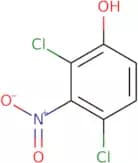
CAS:<p>2,4-Dichloro-3-nitrophenol is a synthetic chemical that is used as an intermediate in the synthesis of chloroamines. It is a derivative of phenol and has a chlorine atom on the 2 position. The alcohol group on the 4 position and the chlorine atom on the 3 position are both substituted with chlorine atoms. 2,4-Dichloro-3-nitrophenol has been shown to be effective for the synthesis of chloroamines resistant to nitro groups. This chemical has been shown to be resistant to amines and thus can be used for immobilization purposes. Furthermore, it can be used as an intermediate for chemists who work with organic chemistry due to its ability to undergo reactions with alcohols and phenols.</p>Formula:C6H3Cl2NO3Purity:Min. 95%Color and Shape:White Clear LiquidMolecular weight:208 g/molTriolein
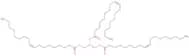
CAS:Triolein is a triacylglycerol that is present in fats and oils. It has been used as an experimental model for studying enzyme activities, model systems, cellular physiology, biochemical composition, and reaction mechanisms. Triolein has also been used as a model for studying water vapor absorption and wastewater treatment. The reaction mechanism of triolein is not well understood but it may involve the transfer of hydrogen atoms from the glycerol molecule to the fatty acid chains or the formation of esters from glycerol and fatty acids. Caproic acid can be found in triolein samples with high levels of unsaturation.Formula:C57H104O6Purity:Min. 80 Area-%Color and Shape:Clear LiquidMolecular weight:885.43 g/mol3,5-Dimethylpyrazin-2-ol
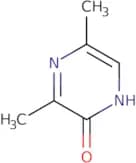
CAS:3,5-Dimethylpyrazin-2-ol is a specific ligand that binds to the disulfide bond in the antimicrobial peptide. The 3,5-dimethylpyrazin-2-ol binds to an allosteric site on the protein, which is a region of the protein that is different from the active site. This binding causes an alteration in protein conformation and changes its activity. The 3,5-dimethylpyrazin-2-ol has been shown to bind to dna binding domains and transcriptional regulation architectures. It has also been shown to have biological function and a paradigm shift effect on cellular function and analytical methods.Formula:C6H8N2OPurity:Min. 95%Color and Shape:PowderMolecular weight:124.14 g/mol4-Pregnen-20β-ol-3-one
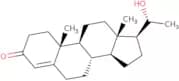
CAS:Controlled Product4-Pregnen-20beta-ol-3-one is a synthetic progestin that has been shown to have both contraceptive and noncontraceptive activities. It is used primarily to treat female infertility, endometriosis, and amenorrhea. The drug also has a number of other effects on the body, including anti-inflammatory and anti-angiogenic properties. 4-Pregnen-20beta-ol-3-one binds to the human liver receptor, which is responsible for its metabolism. The drug also has some activity in the endometrium of pregnant women and in the ovary cells of postmenopausal women. It increases epidermal growth factor production in skin cells and may be involved in lipid metabolism. 4-Pregnen-20beta-ol-3-one also stimulates lactogenic hormone production in women.Formula:C21H32O2Purity:Min. 95%Color and Shape:PowderMolecular weight:316.48 g/molMycophenolic acid
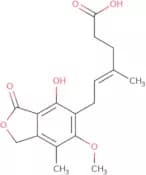
CAS:<p>Mycophenolic acid is a guanosine monophosphate synthesis pathway blocker. It selectively inhibits inosine monophosphate dehydrogenase (IMPDH) which blocks the conversion of inosine-5-phosphate and xanthine-5-phosphate to guanosine-5-phosphate. This drug inhibits de novo purine biosynthesis. Mycophenolic acid is an immunosuppressant metabolite present in drug formulations that are used to prevent rejections after organ transplants. It has also shown to have antibacterial and antifungal properties.</p>Formula:C17H20O6Purity:Min. 95%Color and Shape:PowderMolecular weight:320.34 g/mol4-Methoxy propranolol
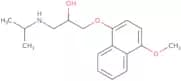
CAS:<p>4-Methoxy propranolol is an intermediate in the synthesis of propranolol, a beta blocker.</p>Formula:C17H23NO3Purity:Min. 95%Molecular weight:289.37 g/molPabulenol
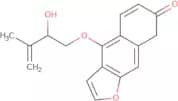
CAS:Pabulenol is an innovative biopolymer, which is synthesized from renewable plant-based resources through advanced biotechnological methods involving enzymatic polymerization. With its unique molecular structure, Pabulenol exhibits specific mode of action by facilitating biodegradation under ambient conditions, catalyzed by naturally occurring microbes. The polymer’s intrinsic ability to break down into non-toxic byproducts makes it an exceptional choice for sustainable environmental applications.Purity:Min. 95%DL-Homocysteine thiolactone hydrochloride
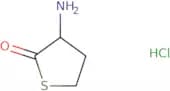
CAS:DL-Homocysteine thiolactone hydrochloride is a compound that has been found in human serum and urine. It is used to measure the concentration of homocysteine in the blood, which may be an indicator of coronary heart disease. DL-Homocysteine thiolactone hydrochloride is used to synthesize the amino acid cysteine, which is vital for cell growth and protein synthesis. DL-Homocysteine thiolactone hydrochloride also has optical properties that make it suitable as a photochromic material. The compound has been shown to be a hydrogen bond donor, which makes it useful for stabilizing proteins in mammalian cells.Formula:C4H8ClNOSPurity:Min. 95%Color and Shape:White PowderMolecular weight:153.63 g/mol4-Methylresorcinol
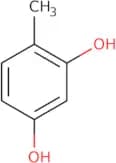
CAS:4-Methylresorcinol is a phenolic compound that has been shown to have a broad spectrum of antimicrobial activity. It is an inhibitor of 3-hydroxybenzoic acid, a key metabolic intermediate in the biosynthesis of aromatic amino acids and lignin. 4-Methylresorcinol inhibits the enzyme tyrosine ammonia lyase, which converts tyrosine to 3-hydroxybenzoic acid. The synthetic nature of 4-methylresorcinol makes it an attractive candidate for use as an antifungal agent, since it does not produce any byproducts in the human body. 4-Methylresorcinol also has antifungal activity against other organisms such as Candida albicans, Aspergillus niger, and Trichoderma viride.Formula:C7H8O2Purity:Area-% Min. 90 Area-%Color and Shape:White PowderMolecular weight:124.14 g/mol3-Methyl-2-nitrophenol
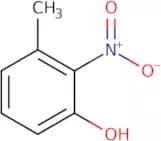
CAS:<p>3-Methyl-2-nitrophenol is a hydroxy group that contains a reactive methylene group. It has been shown to be formed by the reaction of nitric acid with alcohols or amines. The rate of formation is influenced by the steric interactions and intramolecular hydrogen bonds present in the reactants. 3-Methyl-2-nitrophenol can react with other molecules to form various reaction products, such as 2-methylphenol, nitrobenzene, and picric acid. 3-Methyl-2-nitrophenol also has phytotoxic properties, which may be due to its ability to inhibit root growth and chlorophyll production in plants.</p>Formula:C7H7NO3Purity:Min. 95%Molecular weight:153.14 g/mol2,6-Dimethyl-4-iodophenol
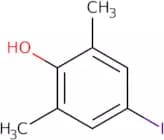
CAS:<p>2,6-Dimethyl-4-iodophenol is a small organic molecule that has been shown to be an inhibitor of the virus SARS coronavirus. 2,6-Dimethyl-4-iodophenol inhibits the virus in a specific test for inhibition activity against SARS coronavirus. The compound binds to the viral membrane and blocks a hydrogen bonding interaction with the viral envelope protein. This binding prevents the formation of an active complex with the enzyme RNA polymerase, which is required for transcription of viral RNA. 2,6-Dimethyl-4-iodophenol has also been shown to inhibit other viruses in addition to SARS coronavirus, such as influenza A virus and poliovirus.</p>Formula:C8H9IOPurity:Min. 95%Color and Shape:PowderMolecular weight:248.06 g/mol2-(4-Methylphenyl)ethanol
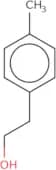
CAS:<p>2-(4-Methylphenyl)ethanol is a chemical compound that is used as a solvent. It is also used in the synthesis of 2-hydroxyphenylacetic acid, an intermediate in the synthesis of 4-methylbenzoic acid and 4-methylphenol. The toxicologic properties of 2-(4-methylphenyl)ethanol are not well known. However, it has been shown to inhibit tyrosinase activity and stimulate melanogenesis in rats. The chemical structure of 2-(4-methylphenyl)ethanol consists of two functional groups: a phenyl group with a methyl substitution and an alcohol group. The molecular formula for this compound is C9H12O2, which indicates that it contains one carbon atom, nine hydrogen atoms, one oxygen atom, and two hydrogens. This compound has been studied by nuclear magnetic resonance spectroscopy (NMR).</p>Formula:C9H12OPurity:Min. 95%Color and Shape:Clear LiquidMolecular weight:136.19 g/mol1-Linoleoyl-rac-glycerol
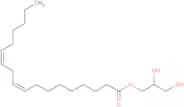
CAS:1-Linoleoyl-rac-glycerol is a lipid with a structure similar to that of linoleic acid. The compound is used as a substrate for the study of the effects of oxygenation on lipid metabolism. 1-Linoleoyl-rac-glycerol has been shown to have anti-inflammatory properties in chronic kidney disease and pancreatitis models, which may be due to its inhibition of pancreatic lipase. 1-Linoleoyl-rac-glycerol is also used as a reaction product in sample preparation techniques, such as thin layer chromatography and high performance liquid chromatography. A variety of reactions can be performed with this compound, including hydrolysis by thrombin or trypsin, esterification with methanol or chloroform, or oxidation by potassium permanganate. 1-Linoleoyl-rac-glycerol has been shown to inhibit the growth of human lung epithelial cells (thp1Formula:C21H38O4Purity:Min. 95 Area-%Color and Shape:Clear LiquidMolecular weight:354.52 g/mol(S)-(-)-3-tert-Butylamino-1,2-propanediol
CAS:<p>(S)-(-)-3-tert-Butylamino-1,2-propanediol is a hydrophobic liquid that has been used as a stationary phase in chromatography. It interacts with nonaromatic compounds and has been used for the validation of high performance liquid chromatography (HPLC) detection sensitivity. It is also used as a ligand for ternary complexes and as an anion in chromatographic science. This compound's interactions are studied using evaporative light scattering, which can be used to determine the molecular weight of the compound.</p>Formula:C7H17NO2Purity:Min. 95%Molecular weight:147.22 g/mol4-Vinylphenol, 10 wt % in propylene glycol
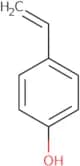
CAS:<p>4-Vinylphenol is a chemical compound that has the molecular formula CH2=CHC6H4OH. It is a hydroxyl derivative of phenol and has the chemical structure of a phenolic acid. This compound is used in the laboratory to study the effects of cationic polymerization on surface methodology and activation energies. 4-Vinylphenol inhibits Saccharomyces cerevisiae strain, which is commonly found in urine samples as well as in recombinant cells, by inhibiting cell growth and reducing ATP production. The inhibition of Saccharomyces cerevisiae strain by 4-vinylphenol can be reversed with p-hydroxybenzoic acid or cationic polymerization. The molecule also contains two nitrogen atoms that can form hydrogen bonds with other molecules, such as water molecules. It is possible that these hydrogen bonds are what allow 4-vinylphenol to inhibit Saccharomyces cerevisiae strain, although this hypothesis has</p>Formula:C8H8OPurity:Min. 95 Area-%Color and Shape:Colorless Clear LiquidMolecular weight:120.15 g/mol1-(Methylthio)ethanethiol
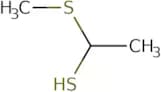
CAS:1-(Methylthio)ethanethiol (MTET) is a highly volatile, naphthenic compound that has been shown experimentally to be a sulfide and ethanal precursor. It is also an ethyl cinnamate solvent. MTET is soluble in organic solvents such as chloroform and benzene. MTET has been used to produce polymers by coating sensor surfaces with polymer film and evaporating the solvent. The fluorescence of MTET increases in the presence of oxygen, which may be due to its oxidation by air.Formula:C3H8S2Purity:Min. 95%Color and Shape:PowderMolecular weight:108.23 g/mol4-(1-Adamantyl) phenol
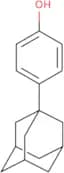
CAS:4-(1-Adamantyl) phenol is a natural compound that is found in the essential oil of nutmeg and mace. 4-(1-Adamantyl) phenol binds to the receptor for 1-adamantanol, which is a neurotransmitter in animals and humans. This binding inhibits the response pathway of this neurotransmitter, which can lead to an inhibitory effect on pain transmission. The structure of 4-(1-Adamantyl) phenol has been determined by X-ray crystallography and molecular docking analysis. It also has been shown that this compound reacts with trifluoroacetic acid under Friedel-Crafts conditions to form 3-(2'-hydroxyethyl)-4-(1'-adamantyl)-phenol. These compounds have been shown to have an inhibitory effect on animal health.Formula:C16H20OPurity:Min. 95%Color and Shape:PowderMolecular weight:228.33 g/mol2-Oxo-1,2,3,4-tetrahydroquinoline-4-carboxylic acid
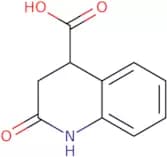
CAS:<p>2-Oxo-1,2,3,4-tetrahydroquinoline-4-carboxylic acid is a carboxylic acid that is an intermediate in the chemical synthesis of 2H and 3H tetrahydroquinolines. It can be synthesized by the oxidation of 2-(N,N-dimethylamino)benzaldehyde with hydrogen peroxide in methanol. The compound has been used to label animals for use in mass spectrometry studies and as a reactant in electron and nuclear magnetic resonance (NMR) spectroscopy experiments. In addition, 2-oxo-1,2,3,4-tetrahydroquinoline-4-carboxylic acid has been used to study equilibrium and reversible reactions as well as to identify the abundances of different spectral peaks. 2-Oxo-1,2,3,4-tetrahydroquinoline-4</p>Formula:C10H9NO3Purity:Min. 95%Molecular weight:191.18 g/molCoconut diethanolamide
CAS:Controlled Product<p>Coconut diethanolamide is a chemical substance that is used as a test compound in carcinogenesis studies. It is a fatty acid and a fatty alcohol, and it has been shown to promote the growth of cancer cells. Coconut diethanolamide has not been found to be an allergen, but it has shown carcinogenic potential. The bioassay for long-term exposure to coconut diethanolamide showed epidermal hyperplasia in mice.</p>Color and Shape:Brown Yellow Clear Viscous Liquid(22S,23S)-28-Homo brassinolide
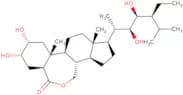
CAS:<p>(22S,23S)-28-Homo brassinolide is a synthetic brassinosteroid that has been shown to have growth-promoting activity in the plant. It is synthesized by the reaction of tetroxide and 28-homobrassinolide. The structure of (22S,23S)-28-Homo brassinolide is stereoselective, with an R configuration at C2 and a S configuration at C3. The hydrogen atoms at C2 and C3 are involved in hydrogen bonds with other molecules. (22S,23S)-28-Homo brassinolide exhibits a conformation that differs from 24-epibrassinolide because it does not contain an intramolecular hydrogen bond between the two rings. This synthetic brassinosteroid also has anti-inflammatory effects due to its ability to inhibit prostaglandins.</p>Formula:C29H50O6Color and Shape:PowderMolecular weight:494.7 g/mol2-Amino-4-cyano-phenol
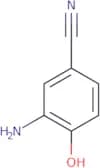
CAS:2-Amino-4-cyano-phenol is a compound that has been shown to have antitubercular activity. It modulates the activity of cromakalim, which is a drug used for the treatment of tuberculosis. 2-Amino-4-cyano-phenol is also an antibacterial agent and has been shown to activate bacterial DNA replication and protein synthesis. The mechanism of action of this compound is thought to be due in part to its ability to bind with the ribosomes on the outside surface of cells and inhibit their function. 2-Amino-4-cyano-phenol has also been shown to have structural similarities with phenylephrine, which inhibits bacterial growth by binding to DNA gyrase, thereby preventing transcription and replication.Formula:C7H6N2OPurity:Min. 95%Color and Shape:PowderMolecular weight:134.14 g/mol4-Phenylazophenol
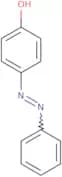
CAS:<p>4-Phenylazophenol is an organic azobenzene that has a specific treatment for the degradation of amines and mineralization. It has been shown to reduce the levels of phenols, fatty acids, and amines in wastewater. 4-Phenylazophenol is also used as an enzyme inhibitor in reactions with hydrogen bond formation and as a receptor α ligand. The natural compounds found in 4-phenylazophenol have borohydride reduction properties.</p>Formula:C12H10N2OPurity:(Uv) Min. 98%Color and Shape:PowderMolecular weight:198.22 g/mol9-Fluoro-3-methyl-7-oxo-10-(1-piperazinyl)-2,3-dihydro-7H-[1,4]oxazino[2,3,4-Ij]quinoline-6-carboxylic acid
CAS:9-Fluoro-3-methyl-7-oxo-10-(1-piperazinyl)-2,3-dihydro-7H-[1,4]oxazino[2,3,4-Ij]quinoline (FQ) is a fluoroquinolone antibiotic. It inhibits the DNA gyrase and topoisomerase IV enzymes that maintain the integrity of bacterial DNA. FQ has been used to treat urinary tract infections in humans and other animals. This drug is also effective against methicillin resistant Staphylococcus aureus (MRSA) and Clostridium perfringens. FQ binds to bacterial 16S ribosomal RNA and inhibits protein synthesis leading to cell death by inhibiting the production of proteins vital for cell division. The 9 position on the quinoline ring can be detected using UV detection at 260 nm. FQ can be analyzed using mass spectrometry with fluorFormula:C17H18FN3O4Purity:Min. 95 Area-%Color and Shape:White PowderMolecular weight:347.34 g/mol17a-Estradiol
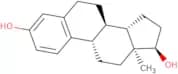
CAS:Controlled Product17a-Estradiol is a steroid hormone that belongs to the group of estrogens. It is a natural hormone produced by the ovaries and also found in plants, animals, and humans. 17a-Estradiol has been shown to have physiological effects on blood pressure, pro-apoptotic protein expression, allergic symptoms, and intracellular Ca2+ levels. 17a-Estradiol can be used to treat estrogen deficiency or as an adjunct treatment for breast cancer.Formula:C18H24O2Purity:Min. 98 Area-%Color and Shape:White PowderMolecular weight:272.38 g/mol7-[(Dimethylamino)methyl]-2,2,4-trimethyl-1,2-dihydroquinolin-6-ol
CAS:<p>7-[(Dimethylamino)methyl]-2,2,4-trimethyl-1,2-dihydroquinolin-6-ol is a chemical compound that belongs to the group of fine chemicals. It is a versatile building block and useful intermediate for research chemicals. 7-[(Dimethylamino)methyl]-2,2,4-trimethyl-1,2-dihydroquinolin-6-ol is also a speciality chemical with high purity and quality. CAS No. 300690-44-2</p>Formula:C15H22N2OPurity:Min. 95 Area-%Color and Shape:PowderMolecular weight:246.35 g/molLauryl isoquinolinium bromide
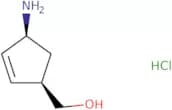
CAS:<p>Lauryl isoquinolinium bromide is a pyridinium cationic surfactant that is used as a diagnostic agent and pharmaceutical preparation. It is also used as an antimicrobial agent in liquid chromatography, which is a technique to separate chemical compounds. Lauryl isoquinolinium bromide has been shown to be effective against Gram-positive bacteria such as Staphylococcus aureus and Enterococcus faecalis, and Gram-negative bacteria such as Pseudomonas aeruginosa. Lauryl isoquinolinium bromide has also been shown to be effective against yeast such as Candida albicans. Lauryl isoquinolinium bromide is not effective against viruses or fungi. This agent can be used to enhance the permeability of membranes during cross-linking reactions between polymers.</p>Formula:C21H32NBrPurity:Min. 95%Color and Shape:PowderMolecular weight:378.39 g/mol(1R,4S)-4-Amino-2-cyclopentene-1-methanol hydrochloride
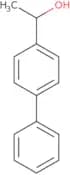
CAS:<p>(1R,4S)-4-Amino-2-cyclopentene-1-methanol hydrochloride is a chemical compound that is used as a building block in the synthesis of other compounds. It is also known to be a speciality chemical and a research chemical. (1R,4S)-4-Amino-2-cyclopentene-1-methanol hydrochloride can be used as an intermediate in the production of fine chemicals, pharmaceuticals and agrochemicals. The compound has been found to have high quality and good purity by the manufacturer.</p>Formula:C6H11NO•HClPurity:Min. 95%Color and Shape:Brown SolidMolecular weight:149.62 g/mol4-Diphenylmethylcarbinol
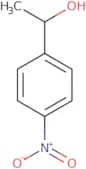
CAS:4-Diphenylmethylcarbinol is an organic compound that is a primary alcohol. It can be synthesized by the hydrogenolysis of biphenyl. 4-Diphenylmethylcarbinol has been used in the Raney-type process for the production of aluminum from bauxite and as a catalyst in the dehydrating reaction. This compound has also been used as a reagent for the synthesis of enantiomers and as a solvent for acetonitrile. The transfer of 4-diphenylmethylcarbinol to benzene, chlorobenzene, and phenanthrene has been studied.Formula:C14H14OPurity:Min. 95%Color and Shape:PowderMolecular weight:198.26 g/mol4-Nitrophenylmethylcarbinol
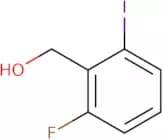
CAS:<p>4-Nitrophenylmethylcarbinol is a nitro compound that has been isolated from the nitration of 4-nitrophenol. It is used as a reagent to synthesize β-unsaturated ketones. The inhibitory effect of 4-nitrophenylmethylcarbinol is due to the presence of two nitro groups and one methyl group on its structure. This compound has been shown to have an inhibitory effect on glucose 6-phosphate dehydrogenase, which functions in cellular respiration by catalyzing the conversion of glucose 6-phosphate to glucose 1,6-bisphosphate. The inhibition of this enzyme leads to a reduction in the formation of ATP and NADPH, which are essential for cell growth. 4-Nitrophenylmethylcarbinol also has reductase activities that allow it to reduce phosphotriesters (e.g., DNA) and dehydrogenase deficiency (e.g., py</p>Formula:C8H9NO3Purity:Min. 95%Color and Shape:Orange Clear LiquidMolecular weight:167.16 g/mol6-Fluoro-2-iodobenzyl alcohol
CAS:6-Fluoro-2-iodobenzyl Alcohol is a versatile building block for the synthesis of complex compounds. It is used in research and as a reagent for the synthesis of pharmaceuticals, pesticides and other organic compounds. 6-Fluoro-2-iodobenzyl alcohol has been shown to be useful in the formation of high quality and useful intermediates, reaction components, and scaffolds. The CAS number for this chemical is 911825-94-0.Formula:C7H6FIOPurity:Min. 95%Molecular weight:252.02 g/mol2-tert-Butyl-6-(5-chloro-2H-benzotriazol-2-yl)-4-methylphenol
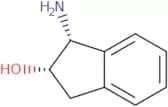
CAS:<p>2-tert-Butyl-6-(5-chloro-2H-benzotriazol-2-yl)-4-methylphenol is the chemical compound with formula C12H7ClO3. It is a white solid that is soluble in water and ethanol, but not in ether or hexane. 2,6-Tertiarybutylphenol has been used as a cell nucleus marker to study locomotion of cells, as well as to analyze other samples including metal ions and water vapor. The method involves the use of a laser ablation technique, which can be used for complex sample analysis. The compound is structurally similar to 2,4,6-trimethylphenol, which has an OH group in place of the CH3 group on the tertiary butyl side chain. This difference makes it more reactive than 2,4,6-trimethylphenol because it has a higher concentration of hydroxyl groups.</p>Formula:C17H18ClN3OPurity:Min. 98 Area-%Color and Shape:Slightly Yellow PowderMolecular weight:315.8 g/mol(1R,2S)-1-Amino-2-indanol
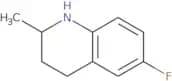
CAS:<p>(1R,2S)-1-Amino-2-indanol is a potential drug candidate that can be used in asymmetric synthesis. It has been shown to inhibit the flow of hydrogen bond and to form an enantiomer. The enantiomer is more active than the racemic mixture, which may be due to the higher binding affinity for the enzyme. This compound has also been shown to inhibit herpes simplex virus and HIV in vitro with a high potency. (1R,2S)-1-Amino-2-indanol is modeled using molecular dynamics simulations and quantum mechanical calculations.</p>Purity:Min. 95%Color and Shape:PowderMolecular weight:149.19 g/mol6-Fluoro-1,2,3,4-tetrahydro-2-methylquinoline
CAS:<p>6-Fluoro-1,2,3,4-tetrahydro-2-methylquinoline is an organocatalytic fluorine compound that has been investigated as a fluoroquinolone antibiotic. It is an enantiopure compound and has been shown to be effective in the treatment of bacterial infections. 6-Fluoro-1,2,3,4-tetrahydro-2-methylquinoline inhibits bacterial growth by binding to DNA gyrase and topoisomerase IV. 6FLMQ is a chiral molecule with two possible configurations (R or S), which can be determined from x-ray crystallography. The S configuration is more potent than the R configuration. 6FLMQ also binds with chloride ions to form a cationic complex that can be used for antibacterial activity against Gram negative bacteria such as Escherichia coli and Pseudomonas aeruginosa.<br>6FLMQ has</p>Formula:C10H12FNPurity:Min. 95%Color and Shape:PowderMolecular weight:165.21 g/mol(1S,2R)-(-)-cis-1-Amino-2-indanol
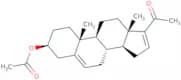
CAS:<p>Precusor for preparation of indinavir; a chiral ligand for asymmetric synthesis</p>Formula:C9H11NOPurity:Min. 95%Color and Shape:White PowderMolecular weight:149.19 g/mol16-Dehydropregnenolone acetate
CAS:Controlled Product<p>16-Dehydropregnenolone acetate is a synthetic compound that can be used in wastewater treatment. It reacts with phosphorus pentoxide to form an insoluble solid product. 16-Dehydropregnenolone acetate has been shown to inhibit the growth of human prostate cancer cells and breast cancer cells in vitro and in vivo. 16-Dehydropregnenolone acetate is also a specific agonist for the progesterone receptor, which may be due to its ability to bind to the stereospecific (S) binding site on this receptor. The optimum concentration for 16-dehydropregnanediol is 10 mM and it requires the presence of phosphotungstic acid for maximum activity. This substance has biological properties that are similar to those of natural progesterones, but it does not have any estrogenic properties.</p>Formula:C23H32O3Purity:Min. 95%Color and Shape:PowderMolecular weight:356.5 g/mol3-Hexyn-1-ol
CAS:Controlled Product<p>Applications 3-Hexyn-1-ol is an unsaturated alcohol that, when subjected to stereoselective hydrogenation, produces cis-3-Hexen-1-ol (H295005), a compound that is important in the fragrance industry. 3-Hexyn-1-ol also exhibits antifungal properties against Aspergillus oryzae, a fungus that is used to produce fermented foods and beverages in Japan.<br>References Machida, M., et al.: Nature, 438, 1157 (2005); Sachse, A., et al.: Dalt. Trans., 42, 1378 (2013); Witte, P., et al.: Stud. Surf. Sci. Catal., 175, 135 (2010)<br></p>Formula:C6H10OColor and Shape:NeatMolecular weight:98.14cis-3-Dodecen-1-ol
CAS:Controlled Product<p>Applications cis-3-Dodecen-1-ol is an intermediate for the synthesis of Z-3-Dodecenyl E-Crotonate, which can be used to develop insecticides and sex pheromone trap against Sweetpotato weevil.<br>References Reddy, G. V., et al.: Environ Entomol 43, 767 (2014); McQuate, G. T.: Sci Rep 4, 4499 (2014)<br></p>Formula:C12H24OColor and Shape:NeatMolecular weight:184.321,4-Cyclohexanediol (Cis/Trans Mixture)
CAS:Controlled Product<p>Applications 1,4-Cyclohexanediol is used as a reagent in the development of noviomimetics as C-terminal Hsp90 inhibitors.<br>References Anyika, M., et al.: ACS Med. Chem. Lett., 7, 67 (2016)<br></p>Formula:C6H12O2Color and Shape:NeatMolecular weight:116.161-Butanol-d
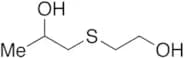
CAS:Controlled Product<p>Applications Labelled form of 1-Butanol, which is used for the production of dimethylfuran for liquid fuels.<br>References Roman-Leshkov, Y. et al.: Nature, 447, 982 (2007);<br></p>Formula:C4DH9OColor and Shape:NeatMolecular weight:75.13Hydroxyethylthio Propanol
CAS:Controlled Product<p>Applications Hydroxyethylthio Propanol (cas# 6713-03-7) is a compound useful in organic synthesis.<br></p>Formula:C5H12O2SColor and Shape:NeatMolecular weight:136.213-(3-(3-(Benzyloxy)propoxy)propoxy)propan-1-ol
Controlled Product<p>Applications 3-(3-(3-(Benzyloxy)propoxy)propoxy)propan-1-ol is an intermediate in the synthesis of 3,3'-[Oxybis(3,1-propanediyloxy)]bis[1-propanol] (O870290). 3,3'-[Oxybis(3,1-propanediyloxy)]bis[1-propanol] is derived from 3-(Benzyloxy)propyl 4-Toluenesulfonate (B288830), which is used as a reagent in the synthesis of Silodosin (S465000); an antidysuria drug. 3-(Benzyloxy)propyl 4-Toluenesulfonate is also used as a reagent in the preparation of aryloxyalkyl derivatives of adenine which have antiviral activity.<br>References Calogero, F., et al.: Eur. J. Org. Chem., 2015, 6011 (2015); Petrov, V.I., et al.: Chem. Heterocyc. Compd., 39, 1218 (2003)<br></p>Formula:C16H26O4Color and Shape:NeatMolecular weight:282.3753-(Dimethylamino)-1,2-propanediol
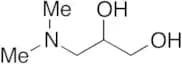
CAS:Controlled Product<p>Applications 3-(Dimethylamino)-1,2-propanediol is a reagent in the synthesis of 1,2-Dioleoyl-3-trimethylammonium-propane, Chloride (D484450).<br> Not a dangerous good if item is equal to or less than 1g/ml and there is less than 100g/ml in the package<br></p>Formula:C5H13NO2Color and Shape:NeatMolecular weight:119.162-Aminobenzyl Alcohol
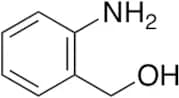
CAS:Controlled Product<p>Applications 2-Aminobenzyl alcohol (cas# 5344-90-1) is a useful research chemical.<br></p>Formula:C7H9NOColor and Shape:NeatMolecular weight:123.151,3-Bis(tert-Butyldimethylsiloxy)-2-propanol
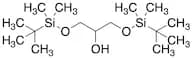
CAS:Controlled Product<p>Applications 1,3-Bis(tert-Butyldimethylsiloxy)-2-propanol is an intermediate in the synthesis of 2-Linoleoyl-rac-glycerol (L467960), which is a atty acid monoglycerides in vegetable oils with medium unsaturation.<br>References Compton, D., et al.: J. Pharmacol. Exp. Ther., 277, 586 (1996), Devane, W., et al.: Science, 258, 1946 (1992),<br></p>Formula:C15H36O3Si2Color and Shape:NeatMolecular weight:320.623,4-Dimethoxyphenol
CAS:Controlled Product<p>Applications A substituted alkynyl phenoxy compound as new synergists in pesticidal compositions.<br>References Hefner,T., et al.: Bioorg. Med. Chem., 10, 1731 (2002),<br></p>Formula:C8H10O3Color and Shape:NeatMolecular weight:154.161-(Phenylmethoxy)-3-(2-propen-1-yloxy)-2-propanol
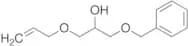
CAS:Controlled Product<p>Applications 1-(Phenylmethoxy)-3-(2-propen-1-yloxy)-2-propanol (cas# 83016-75-5) is a compound useful in organic synthesis.<br></p>Formula:C13H18O3Color and Shape:NeatMolecular weight:222.28Hexen-5-ol
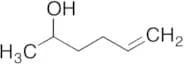
CAS:Controlled Product<p>Applications Hexen-5-ol is an intermediate in he synthesis of 5-Chloro-1-hexene which is a reagent with difluoroacetic acid that results in the formation of 5-chloro-2-hexyl-2-d trifluoro-acetate and 1,4-chlorine shift.<br>References Peterson, P. E., et al.: J. Am. Chem. Soc., 86, 4503-4 (1964)<br></p>Formula:C7H4ClF3O2Color and Shape:NeatMolecular weight:212.554

![(1R,4aS,7S,7aR)-Hexahydro-4,7-dimethylcyclopenta[c]pyran-1-ol](/_next/image/?url=https%3A%2Fstatic.cymitquimica.com%2Fproducts%2F3D%2Fthumb-webp%2FFH106458.webp&w=3840&q=75)

![9-Fluoro-3-methyl-7-oxo-10-(1-piperazinyl)-2,3-dihydro-7H-[1,4]oxazino[2,3,4-Ij]quinoline-6-carbox…](/_next/image/?url=https%3A%2Fstatic.cymitquimica.com%2Fproducts%2F3D%2Fthumb-webp%2FFF102861.webp&w=3840&q=75)
![7-[(Dimethylamino)methyl]-2,2,4-trimethyl-1,2-dihydroquinolin-6-ol](/_next/image/?url=https%3A%2Fstatic.cymitquimica.com%2Fproducts%2F3D%2Fthumb-webp%2FFD129815.webp&w=3840&q=75)