Amines
Amines are a set of molecules containing an amino functional group (derived from ammonia). This category includes amines at any level of substitution : primary, secondary, tertiary, and ammonium salts. Amines are fundamental in organic synthesis and are widely used in pharmaceuticals, agrochemicals, and materials science. At CymitQuimica, we provide a comprehensive selection of amines to meet your research and industrial needs. Our range ensures access to various amines for diverse chemical processes and innovative research.
Subcategories of "Amines"
- Nitrosamines(2,606 products)
- Primary Amines(30,947 products)
- Quaternary Ammonium Cations and Salts(1,098 products)
- Secondary Amines(20,886 products)
- Tertiary Amines(17,193 products)
Found 8780 products of "Amines"
Sort by
Purity (%)
0
100
|
0
|
50
|
90
|
95
|
100
Amino-PEG10-Amine
CAS:Amino-PEG10-Amine is a PEG polymer categorised as homobifunctional PEG (X-PEG X). Used as a linker, amino-PEG10-amine is used to attached PEG to proteins, peptides, oligonucleotides, nanoparticles and small molecules via pegylation, a bioconjugation technique.Formula:C22H48N2O10Purity:Min. 95%Color and Shape:Colourless To Pale Yellow LiquidMolecular weight:500.33095-Bromo-6-chloropyrazin-2-amine
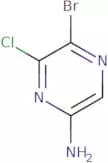
CAS:<p>5-Bromo-6-chloropyrazin-2-amine is a high quality, versatile building block for the synthesis of a variety of chemical compounds. It is also a reagent used in organic chemistry for the conversion of alcohols to alkyl chlorides and bromides. It can be used as an intermediate for the preparation of various complex compounds with potential use as pharmaceuticals or fine chemicals. This compound has been shown to have potential as a useful scaffold for the development of novel drugs which could be used to treat bacterial infections such as tuberculosis. 5-Bromo-6-chloropyrazin-2-amine has also been shown to be an excellent starting material for the synthesis of research chemicals and speciality chemicals.</p>Formula:C4H3BrClN3Purity:Min. 95%Molecular weight:208.44 g/mol4-Hydroxy benzeneacetic acid 2-(dimethylamino)-2-oxoethyl ester
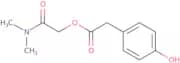
CAS:<p>4-Hydroxybenzeneacetic acid 2-(dimethylamino)-2-oxoethyl ester is a reagent with a CAS number of 59721-16-3. It is one of the building blocks of complex compounds, useful as an intermediate in fine chemicals and research chemicals. This chemical is used in reactions as a reaction component or scaffold. The versatility of this chemical makes it a useful building block for speciality chemicals.</p>Formula:C12H15NO4Purity:Min. 95%Color and Shape:PowderMolecular weight:237.25 g/molBoc-D-glutamine
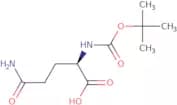
CAS:Boc-D-glutamine is a small, water-soluble amino acid that has shown anticancer efficacy in vivo. It is structurally related to the cyclic peptide, glutamic acid-α-ketoglutarate (GAK). Boc-D-glutamine specifically binds to the tumor vasculature and inhibits cancer cell growth by inhibiting the uptake of essential nutrients. This drug also inhibits tumor angiogenesis and prevents metastasis by preventing the formation of new blood vessels. Boc-D-glutamine has been shown to have a greater effect on human nasopharyngeal carcinoma cells than other types of cancer cells because it targets a specific receptor found in these cells. The anticancer activity of this drug is due to its inhibition of uptake and chloride ion transport. In addition, Boc-D-glutamine has been shown to inhibit the proliferation of human embryonic kidney cells when used at high concentrations.Formula:C10H18N2O5Color and Shape:White Off-White PowderMolecular weight:246.26 g/mol5-Amino-1,3-dimethyl-1,3-dihydro-2H-benzimidazol-2-one dihydrochloride
CAS:<p>5-Amino-1,3-dimethyl-1,3-dihydro-2H-benzimidazol-2-one dihydrochloride (5ADMB) is a high quality reagent that is used as a complex compound. It has been shown to be useful in the synthesis of various compounds and is a fine chemical that can be used as a building block. 5ADMB has also been shown to be an excellent scaffold for the synthesis of benzo[b]thiophenes. This compound is also useful as a research chemical or specialty chemical. 5ADMB can be used in organic syntheses as a versatile building block and it reacts with nucleophiles such as alcohols and amines to form substituted derivatives. It has an appearance of white solid powder and its CAS number is 1986846-08-5.</p>Formula:C9H11N3O·2HClPurity:Min. 95%Color and Shape:PowderMolecular weight:250.12 g/mol[2-(Pyridin-2-ylthio)ethyl]amine dihydrochloride
CAS:<p>2-(Pyridin-2-ylthio)ethyl]amine dihydrochloride is a chemical compound that has been used as a research reagent. It reacts with other compounds to produce new substances, and it can be used as a building block for more complex compounds. 2-(Pyridin-2-ylthio)ethyl]amine dihydrochloride is soluble in water and organic solvents such as acetone and ethanol, making it useful for reactions that require both types of solvents. This product also has CAS No. 40379-31-5, which means it is listed on the Chemical Abstracts Service registry. 2-(Pyridin-2-ylthio)ethyl]amine dihydrochloride has an interesting chemical structure that makes it a versatile building block or intermediate for many different reactions.</p>Formula:C7H10N2S•(HCl)2Purity:Min. 95%Color and Shape:PowderMolecular weight:227.15 g/mol2-Amino-3-chloropyrazine
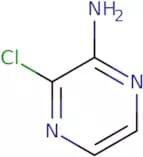
CAS:<p>2-Amino-3-chloropyrazine is an active analogue of pyrazinamide, which is a potent antimycobacterial drug. It has been shown to have bacteriostatic activity against Mycobacterium tuberculosis in vitro and in vivo. 2-Amino-3-chloropyrazine has been shown to inhibit mitochondrial membrane potential, which may be due to its ability to inhibit hepg2 cell growth by decreasing intracellular ATP levels. It also inhibits the synthesis of bacterial DNA and protein, thereby inhibiting bacterial growth. 2-Amino-3-chloropyrazine has also been shown to have antitumor properties against mouse tumor cells. The pharmacokinetic properties of this drug are not well understood yet, but it has been shown that it can be detected in serum after administration</p>Purity:Min. 95%Color and Shape:PowderMolecular weight:129.55 g/moltrans-4-Aminocyclohexanol hydrochloride
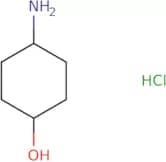
CAS:<p>Trans-4-aminocyclohexanol hydrochloride is a monomer that has been used in the synthesis of polymers, which are used in the production of medical devices. Trans-4-aminocyclohexanol hydrochloride has shown anticancer activity and is used to inhibit the growth of murine leukemia cells. It has also shown uptake in different tissues and amination reaction with amino acids. The melting point of trans-4-aminocyclohexanol hydrochloride is 198°C, constant at 1.0, and impurities are less than 0.2%. Trans-4-aminocyclohexanol hydrochloride has been found to be a colorless solid with a molecular weight of 154.2 g/mol, an amorphous morphology, and a particle size distribution between 5 nm and 10 μm.</p>Formula:C6H13NO·HClColor and Shape:White Off-White PowderMolecular weight:151.63 g/molAmmoniumdithiocarbamate
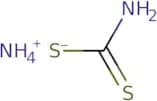
CAS:<p>Ammoniumdithiocarbamate is a group p2 compound that reacts with hydrochloric acid to form a dithiocarbamic acid. This reaction is reversible and an equilibrium between the two compounds exists. Ammoniumdithiocarbamate can be used to synthesize nucleophilic substitutions, which are used in many industrial applications. The reactivity of ammoniumdithiocarbamate is increased by the presence of amp-activated protein, which increases hydrogen bonding interactions with the dithiocarbamic acid. Ammoniumdithiocarbamate has been shown in animal studies to inhibit inflammatory diseases and lung damage caused by carbon disulphide.</p>Formula:CH6N2S2Purity:Min. 95%Color and Shape:PowderMolecular weight:110.2 g/molDL-3-Aminoisobutyric acid
CAS:<p>DL-3-Aminoisobutyric acid (LAA) is a metabolite of the amino acid L-arginine. It is produced in the liver by the enzyme arginase and can be used to diagnose hepatic steatosis. It is also found in urine and human serum, as well as in microbial metabolism. LAA has been shown to regulate gene transcription and metabolism through its ability to inhibit the activity of gamma-aminobutyric acid (GABA), an inhibitory neurotransmitter that regulates energy metabolism and metabolic disorders. In addition, LAA has been shown to have antioxidant properties, which may be related to its role in caproic acid biosynthesis.</p>Formula:C4H9NO2Color and Shape:White Off-White PowderMolecular weight:103.12 g/molEthyl 3-(dimethylamino)acrylate - Liquid
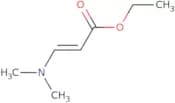
CAS:<p>Ethyl 3-(dimethylamino)acrylate (EDMA) is a liquid amide that has potent inhibitory activity against the chloride ion. EDMA is reactive and can form an adduct with the chloride ion. Molecular modeling studies have shown that EDMA binds to the cap-dependent endonuclease domain of the protein, inhibiting dioxime formation and DNA synthesis in bacteria. The β-unsaturated ketones in EDMA are also antibacterial. This compound has been found to be efficient at reducing oxalyl levels, which may be due to its ability to react with oxalate ions.</p>Formula:C7H13NO2Purity:Min. 95%Color and Shape:Yellow Clear LiquidMolecular weight:143.18 g/mol2-Bromo-N-methyl-ethylamine hydrobromide
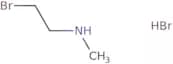
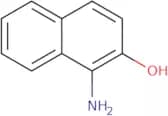
CAS:<p>2-Bromo-N-methyl-ethylamine hydrobromide is a versatile building block that can be used in the synthesis of many fine chemicals. It is a high quality research chemical that is used to synthesize complex compounds. 2-Bromo-N-methyl-ethylamine hydrobromide is also used as a reagent and reaction component for organic synthesis, especially for the production of pharmaceuticals and other speciality chemicals. CAS No. 40052-63-9</p>Formula:C3H9Br2NPurity:Min. 95%Color and Shape:PowderMolecular weight:218.92 g/mol1-amino-2-naphthol hydrochloride
CAS:<p>1-Amino-2-naphthol hydrochloride (1ANH) is a sulphanilic compound that has been used as a test compound in flow system experiments. 1ANH reacts with methoxy groups to form an amine, which is then converted to a reactive intermediate. This intermediate can react with the hydroxy group of another molecule and produce a new product that contains both the reactive and hydroxy groups. 1ANH has been shown to be cytotoxic, inhibiting the growth of cultured cells. It also has potential as a biomarker for pharmaceutical preparations, since it may have effects on metabolism or cell proliferation.</p>Formula:C10H9NO·HClPurity:Min. 95%Color and Shape:PowderMolecular weight:195.65 g/molN-[(1-Ethyl-1H-indol-3-yl)methyl]propan-2-amine
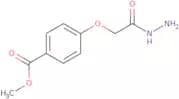
CAS:Controlled Product<p>Please enquire for more information about N-[(1-Ethyl-1H-indol-3-yl)methyl]propan-2-amine including the price, delivery time and more detailed product information at the technical inquiry form on this page</p>Formula:C14H20N2Purity:Min. 95%Molecular weight:216.32 g/molMethyl 4-((aminocarbamoyl)methoxy)benzoate
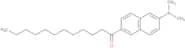
CAS:<p>Please enquire for more information about Methyl 4-((aminocarbamoyl)methoxy)benzoate including the price, delivery time and more detailed product information at the technical inquiry form on this page</p>Formula:C10H12N2O4Purity:Min. 95%Color and Shape:PowderMolecular weight:224.21 g/mol2-(Dimethylamino)-6-dodecanoylnaphthalene
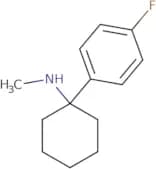
CAS:<p>2-(Dimethylamino)-6-dodecanoylnaphthalene (2DODN) is a fluorescent probe that interacts with cell membranes and has been shown to be cytotoxic. This compound also has high values for phase transition temperature, fluorescence and emission. 2DODN is used as a fluorescence probe in the study of HIV infection and can be used to measure the fatty acid composition of cellular membranes. 2DODN has been shown to bind to hiv viral envelope protein gp120 and inhibit its function. 2DODN binds to model systems such as k562 cells, which are primary cells derived from human erythrocytes and can be used for titration calorimetry measurements.</p>Formula:C24H35NOColor and Shape:PowderMolecular weight:353.54 g/mol1-(4-Fluorophenyl)-N-Methylcyclohexylamine
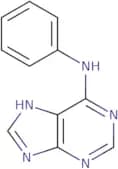
CAS:Controlled Product<p>1-(4-Fluorophenyl)-N-Methylcyclohexylamine is a planar molecule with an electron density distribution that is more concentrated in the region of the benzene ring. The 4-fluorostyrene substituent has a vinyl group. The electron density distribution is more concentrated in the region of the benzene ring, and is less concentrated in the region of the methyl group, which is substituted by a fluorine atom. This molecule can be used as an intermediate to synthesize other molecules with conformational, planar, or hybridized properties.</p>Formula:C13H18FNPurity:Min. 95%Molecular weight:207.29 g/molPhenyl(9H-purin-6-yl)amine
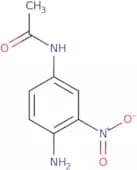
CAS:<p>Phenyl(9H-purin-6-yl)amine is a chemical compound that belongs to the class of alkylating agents. It has optimum concentrations of 10-100 μg/mL and inhibits the growth of bacteria. Phenyl(9H-purin-6-yl)amine has been shown to inhibit nitrosation reactions in vitro by reacting with nitrite, hydroxyl groups, and amines. This chemical can also be used as a nutrient for cell cultures because it does not interfere with other nutrients and can be used at high concentrations without affecting cell growth. Phenyl(9H-purin-6-yl)amine has also been shown to inhibit dehydrogenase activity on excised tissues in vitro.</p>Formula:C11H9N5Purity:Min. 95%Molecular weight:211.22 g/mol1-N-Acetyl-3-nitro-p-phenylenediamine
CAS:<p>1-N-Acetyl-3-nitro-p-phenylenediamine is a hydrolytic product of 1,4-diaminobenzene. It is an intermediate in the preparation of naphthalene diamine and has been shown to hydrolyze in acidic solutions.</p>Formula:C8H9N3O3Purity:Min. 95%Color and Shape:PowderMolecular weight:195.18 g/mol4-Amino-3-fluorobenzoic acid
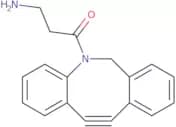
CAS:4-Amino-3-fluorobenzoic acid (4AFB) is an inhibitor of the enzyme nitric oxide synthase. It has been shown to inhibit chronic inflammation by reducing blood pressure and inhibiting the production of reactive oxygen species that can cause damage to cells in the body. 4AFB is a competitive inhibitor of nitric oxide synthase, which prevents the production of nitric oxide from L-arginine. Nitric oxide is an important signaling molecule in the nervous system, and its inhibition may lead to hyperpolarization of the membrane, which can have therapeutic benefits for certain conditions.Formula:C7H6FNO2Purity:Min. 95%Color and Shape:PowderMolecular weight:155.13 g/molDibenzocyclooctyne-amine
CAS:<p>Dibenzocyclooctyne-amine is used in SPAAC reactions to link drugs or biomolecules to provide stable conjugates in ADC synthesis.</p>Formula:C18H16N2OPurity:Min. 95%Molecular weight:276.33 g/molN-[2-(p-Cinnamylamino)ethyl]-5-isoquinolone sulfonamide
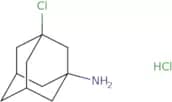
CAS:<p>N-[2-(p-Cinnamylamino)ethyl]-5-isoquinolone sulfonamide is a high quality chemical that can be used as a reagent, complex compound, and useful intermediate. N-[2-(p-Cinnamylamino)ethyl]-5-isoquinolone sulfonamide is a fine chemical that is useful in the production of speciality chemicals. It can be used as a versatile building block and reaction component to produce various compounds.</p>Formula:C20H21N3O2SPurity:Min. 95%Color and Shape:SolidMolecular weight:367.47 g/mol3-Chloro-1-aminoadamantane hydrochloride
CAS:3-Chloro-1-aminoadamantane hydrochloride is a versatile building block that can be used to synthesize a variety of complex compounds. It has been shown to be an effective reagent for the synthesis of new chemical compounds and has also been used in the synthesis of pharmaceuticals, agrochemicals, and other useful organic compounds. 3-Chloro-1-aminoadamantane hydrochloride can be used as a high quality intermediate for the synthesis of other chemicals or as a reaction component for organic reactions. This compound is also an important scaffold for the construction of biologically active molecules.Formula:C10H16ClN•HClPurity:Min. 95%Color and Shape:PowderMolecular weight:222.15 g/mol{[2-(2-Methoxyphenyl)-1,3-thiazol-5-yl]methyl}amine
CAS:<p>Please enquire for more information about {[2-(2-Methoxyphenyl)-1,3-thiazol-5-yl]methyl}amine including the price, delivery time and more detailed product information at the technical inquiry form on this page</p>Formula:C11H12N2OSPurity:Min. 95%Color and Shape:PowderMolecular weight:220.29 g/molMethyl 4-aminocinnamate
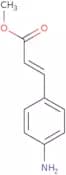
CAS:<p>Methyl 4-aminocinnamate is an inhibitor of the integrase enzyme. It inhibits HIV-1 integrase and has been shown to be selective for this enzyme over other cellular enzymes. Methyl 4-aminocinnamate has been shown to inhibit cervical carcinoma, breast carcinoma, and esters as well as inhibiting the growth of human cancer cells in culture. The IC50 for methyl 4-aminocinnamate against cervical carcinoma was found to be in the micromolar range, which is considerably less than that of other anti-cancer agents.</p>Formula:C10H11NO2Purity:Min. 95%Color and Shape:Off-White PowderMolecular weight:177.2 g/mol2-Acetamido-5-aminopentanoic acid
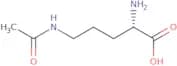
CAS:2-Acetamido-5-aminopentanoic acid (2AAP) is a potential biomarker for obesity. 2AAP is synthesized from the amino acid glutamate by a synthetase that is active in adipose tissue and has a high level of aminotransferase activity. This molecule can be an inhibitor of the enzyme aconitase, which plays an important role in the citric acid cycle. This inhibition could lead to changes in body mass index (BMI). The wild-type strain of Escherichia coli and Salmonella typhimurium have been shown to produce 2AAP with x-ray diffraction data. Preparative hplc was used to isolate this compound from urine samples.Formula:C7H14N2O3Purity:Min. 95 Area-%Color and Shape:White Off-White PowderMolecular weight:174.2 g/molAmmonium persulfate
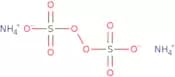
CAS:<p>Ammonium persulfate is used as a strong oxidizing agent in histological staining to produce an insoluble precipitate of silver sulfide on the tissue. It is also used for the manufacture of glycol ethers, which are solvents that are used in paints, varnishes, and lacquers. The reaction mechanism of ammonium persulfate is complex and involves three stages:<br>1) Ammonium persulfate reacts with water vapor to form hydrogen peroxide and ammonia gas.<br>2) Potassium dichromate reacts with hydrogen peroxide to form chromic acid and water. <br>3) The ammonium ion reacts with chromic acid to form a soluble salt (chromium(III) ammonium nitrate).<br>The reaction solution contains ammonium ions, which can be detected by electrochemical impedance spectroscopy (EIS).</p>Formula:N2H8S2O8Purity:Min. 95%Color and Shape:PowderMolecular weight:228.2 g/mol(S)-1-(2-Fluorophenyl)ethylamine
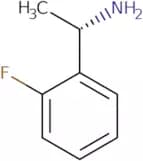
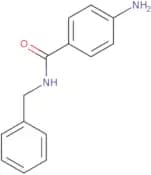
CAS:<p>(S)-1-(2-Fluorophenyl)ethylamine is a fine chemical that is used as a versatile building block and reaction component. It has been shown to be an intermediate in the synthesis of other compounds such as (±) -N-benzyl-2,4-dioxo-3-piperidinamine. This compound can also be used as a reagent for the preparation of other high quality chemicals. The CAS Registry Number for this compound is 68285-25-6.</p>Formula:C8H10FNPurity:Min. 95%Color and Shape:Colorless Clear LiquidMolecular weight:139.17 g/mol4-Amino-N-benzylbenzamide
CAS:<p>4-Amino-N-benzylbenzamide is a high quality chemical that is an intermediate in the synthesis of other useful compounds. It is a reagent for organic synthesis, and has many uses as a complex compound, as well as being a useful building block for more complicated molecules. 4-Amino-N-benzylbenzamide is also used as a speciality chemical in research labs, and can be used as a versatile building block to make different products.</p>Formula:C14H14N2OPurity:Min. 95%Color and Shape:PowderMolecular weight:226.27 g/mol(6S)-5,6,7,8-Tetrahydro-6-[propyl[2-(2-thienyl)ethyl]amino]-1-naphthalenol hydrochloride
CAS:Controlled Product<p>(6S)-5,6,7,8-Tetrahydro-6-[propyl[2-(2-thienyl)ethyl]amino]-1-naphthalenol hydrochloride is a reagent that can be used as an intermediate for the synthesis of many complex compounds. It is a useful building block for the synthesis of pharmaceuticals with speciality chemicals and research chemicals. This compound has been shown to be a versatile building block in the synthesis of natural products, pharmaceuticals and other organic molecules. (6S)-5,6,7,8-Tetrahydro-6-[propyl[2-(2-thienyl)ethyl]amino]-1-naphthalenol hydrochloride is also a reaction component that can be used to synthesize many chemical substances with different functional groups.</p>Formula:C19H26ClNOSPurity:Min. 95%Color and Shape:White PowderMolecular weight:351.93 g/molO,O'-Bis(2-aminoethyl)hexaethylene glycol
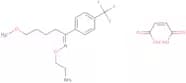
CAS:O,O'-Bis(2-aminoethyl)hexaethylene glycol is a PEG polymer categorised as homobifunctional PEG (X-PEG X). Used as a linker, O,O'-bis(2-aminoethyl)hexaethylene glycol is used to attached PEG to proteins, peptides, oligonucleotides, nanoparticles and small molecules via pegylation, a bioconjugation technique.Formula:C16H36N2O7Purity:Min. 95%Color and Shape:Clear LiquidMolecular weight:368.47 g/molFluvoxamine maleate
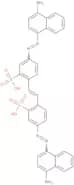
CAS:Controlled Product<p>Serotonin reuptake inhibitor; anti-depressant</p>Formula:C15H21F3N2O2·C4H4O4Purity:(Hplc) Min. 98.0%Color and Shape:PowderMolecular weight:434.41 g/mol4,4'-Bis(4-amino-1-naphthylazo)-2,2'-stilbenedisulfonic acid - 70%
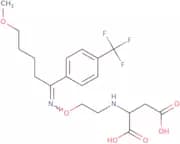
CAS:<p>4,4'-Bis(4-amino-1-naphthylazo)-2,2'-stilbenedisulfonic acid - 70% (DABS) is a chemical compound that has been used in biochemical research. It is an azo dye and was originally synthesized by reacting 1-naphthol with 4-aminodiphenylamine. The color of DABS varies according to the pH. It can be obtained as either a red or blue compound at pH > 7 and as a yellow compound at pH 7. DABS interacts with human recombinant proteins, such as collagen and endoplasmic reticulum, and is capable of binding to the surface of cells. This dye also shows biological properties that are similar to those of phenothiazines when it is used in biochemical experiments involving recombinant human proteins.</p>Formula:C34H26N6O6S2Purity:Min. 95%Color and Shape:Purple PowderMolecular weight:678.74 g/molN-(2-Succinyl) fluvoxamine
CAS:<p>N-(2-Succinyl) fluvoxamine is a fine chemical that is used as a versatile building block in the synthesis of complex compounds. It is also a research chemical, reagent, and speciality chemical. N-(2-Succinyl) fluvoxamine can be used as an intermediate to produce other compounds. It has been shown to be useful in the synthesis of scaffolds for drugs, antibiotics, and other organic molecules. This compound has high quality and can be used as a reactant or catalyst in reactions with water or alcohols.</p>Formula:C19H25F3N2O6Purity:Min. 95%Color and Shape:PowderMolecular weight:434.41 g/mol1-Pyrrolidinecarbodithioic acid,ammonium
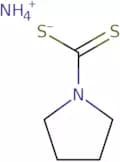
CAS:1-Pyrrolidinecarbodithioic acid, ammonium salt is an inhibitor of the NMDA receptor. It blocks the activation of this receptor by glutamate, a neurotransmitter that plays an important role in pain transmission and memory formation. 1-Pyrrolidinecarbodithioic acid, ammonium salt has been shown to inhibit the growth of human pathogenic fungi in cell culture. The polymerase chain reaction (PCR) technique was used to detect the presence of this drug in solutions and phase microextraction was used for chromatographic analysis. The control method for these experiments was pyrrolidine dithiocarbamate, which is a structural analog of 1-pyrrolidinecarbodithioic acid, ammonium salt. Pyrrolidine dithiocarbamate inhibits NF-κB pathway and is used to treat injury. This drug also has anti-inflammatory properties due to its inhibition of nuclear factor kappa B (NF-Formula:C5H9NS2•NH3Purity:Min. 95%Color and Shape:PowderMolecular weight:164.29 g/molZanamivir amine
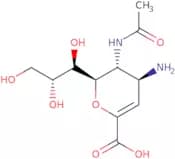
CAS:<p>Anti-viral; influenza neuraminidase inhibitor</p>Formula:C11H18N2O7Purity:Min. 95%Color and Shape:PowderMolecular weight:290.27 g/mol1,5-Diaminopentanedihydrochloride
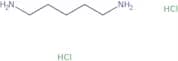
CAS:<p>1,5-Diaminopentanedihydrochloride (1,5-DAHP) is a chemical compound that can be used in the preparation of biological samples for analysis. It is able to bind to protein molecules and thus alter their properties. 1,5-DAHP has been shown to inhibit cancer cell growth by interfering with the matrix effect. The fluorescence detector can be used for detection of amines, which are known to be produced at high levels in cancer cells. A study was conducted on the use of 1,5-DAHP as an analytical tool in urine samples. It was found that 1,5-DAHP could successfully detect coryneform bacteria in urine cultures and also showed a high specificity for identifying lysine residues at pH 6.0 and pH 8.0</p>Formula:C5H16Cl2N2Purity:Min. 95%Color and Shape:PowderMolecular weight:175.1 g/mol6-Benzylamino-7-deazapurine
CAS:<p>6-Benzylamino-7-deazapurine is a drug that has been shown to be effective in the treatment of pancreatic cancer. It is a monomer that reacts with nucleophiles such as 6-mercaptopurine, which are present in the human lung. The reaction generates an exergonic molecule that can be used to generate ATP and regenerate NAD+ during irradiation. This process has been observed using kinetic studies on human colon adenocarcinoma cells. 6-Benzylamino-7-deazapurine can also react with triazole compounds to form a linker and increase the rate of polymerization. The optimization of this reaction time could lead to more efficient cancer treatments.</p>Formula:C13H12N4Purity:Min. 95%Color and Shape:PowderMolecular weight:224.26 g/mol(R)-3-(2-Amino-2-oxoethyl)-5-methylhexanoic acid
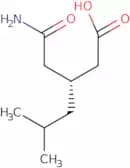
CAS:<p>(R)-3-(2-Amino-2-oxoethyl)-5-methylhexanoic acid (cis) is an intermediate in the synthesis of a chiral drug. It is prepared by a ring-opening reaction with an alkyl substituent, followed by asymmetric synthesis to provide optically pure cis stereoisomers. This compound has been shown to be active as a desymmetrizer of esters and as an intermediate in the synthesis of biologically active compounds.</p>Formula:C9H17NO3Purity:Min. 95%Color and Shape:White Off-White PowderMolecular weight:187.24 g/mol4-Bromobutan-1-amine hydrobromide
CAS:<p>4-Bromobutan-1-amine hydrobromide is a microtubule stabilizer that blocks the polymerization of tubulin and prevents cell division. It is activated by protonation and can be used to probe for cisplatin sensitivity. 4-Bromobutan-1-amine hydrobromide has been shown to have a high degree of specificity for cancer cells in culture, as well as sensitivity in animal models. This drug also has an excellent safety profile in humans and is an FDA approved chemotherapeutic agent.</p>Formula:C4H11Br2NPurity:Min. 95%Color and Shape:PowderMolecular weight:232.94 g/mol3-Ethyl 1-adamantanamine hydrochloride
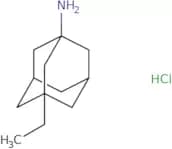
CAS:<p>3-Ethyl 1-adamantanamine hydrochloride is a versatile building block that is used as a research chemical. It is a reagent and speciality chemical, as well as an intermediate in the production of other compounds. 3-Ethyl 1-adamantanamine hydrochloride can be used as a high quality building block for the synthesis of other compounds. It has been shown to be useful in the synthesis of complex compounds.</p>Formula:C12H21N•HClPurity:Min. 95%Color and Shape:White PowderMolecular weight:215.76 g/mol3-Nitrotyramine
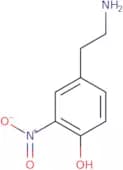
CAS:<p>3-Nitrotyramine is a compound that has catabolic properties. It is the product of tyrosine, which is an amino acid found in most proteins. 3-Nitrotyramine has been shown to be metabolized by humans through the liver and kidneys. The metabolic pathway for this compound starts with the conversion of L-methionine into dl-methionine. This reaction generates a molecule called S-adenosyl methionine, or SAMe, which is involved in many biological processes such as neurotransmitter synthesis and gene expression regulation. 3-Nitrotyramine can also be converted into dopamine by way of the enzyme catecholamine methyltransferase. Dopamine has been shown to have a variety of effects on human physiology, including being involved in mood disorders and motor control. 3-Nitrotyramine can also be converted into gold nanoparticles by means of an acid analysis test.</p>Formula:C8H10N2O3Purity:Min. 95%Color and Shape:PowderMolecular weight:182.18 g/molN-(3-Methyl-2-propan-2-ylimidazol-4-Yl)-N-oxidohydroxylamine
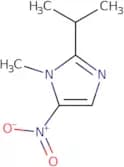
CAS:<p>N-(3-Methyl-2-propan-2-ylimidazol-4-yl)-N-oxidohydroxylamine is a chemical compound that has been shown to have antimicrobial activity in vitro. It interacts with the matrix effect and can be used as a chemotherapeutic agent. The molecule is also an analytical method for detection of cancer cells, which can be performed using a lc-ms/ms method.</p>Formula:C7H11N3O2Purity:Min. 95%Color and Shape:PowderMolecular weight:169.18 g/mol(2-Aminophenyl)boronic acid hydrochloride
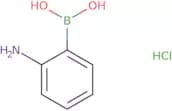
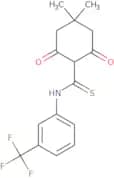
CAS:<p>(2-Aminophenyl)boronic acid hydrochloride is an analytical reagent that is used in the cross-coupling reaction between aryl bromides and organoboron compounds. It has been synthesized from 2-aminophenylboronic acid, which can be produced by the alkylation of phenol with 3-bromoquinoline. This compound has been shown to have antimalarial activity against the human malaria parasite Plasmodium falciparum in vitro. (2-Aminophenyl)boronic acid hydrochloride has also been shown to have a high intestinal absorption rate when given orally to rats. In vivo studies are needed to determine whether this chemical is safe for humans.</p>Formula:C6H9BClNO2Purity:Min. 95%Color and Shape:PowderMolecular weight:173.41 g/mol5,5-dimethyl-2-(thioxo((3-(trifluoromethyl)phenyl)amino)methyl)cyclohexane-1,3-dione
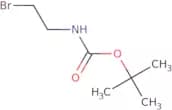
CAS:Please enquire for more information about 5,5-dimethyl-2-(thioxo((3-(trifluoromethyl)phenyl)amino)methyl)cyclohexane-1,3-dione including the price, delivery time and more detailed product information at the technical inquiry form on this pagePurity:Min. 95%N-Boc-2-bromoethylamine
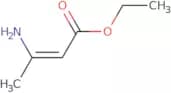
CAS:<p>N-Boc-2-bromoethylamine is a chemical compound that is used as a gadolinium chelate. This molecule has been shown to be chemically stable and can be easily synthesized in high yield, which makes it an ideal candidate for use in cell culture experiments. The reaction solution of N-Boc-2-bromoethylamine with serine proteases, such as trypsin and chymotrypsin, has been shown to result in the formation of peptides with amide bonds at the C terminus. This process is called a "Michael addition." The 2-nitroimidazole group of N-Boc-2-bromoethylamine is potent inhibitor of protein kinases and has been shown to inhibit hypoxic tumor growth by inhibiting the uptake of glucose by cancer cells. It also has antimicrobial properties, acting as an affinity ligand for binding to bacterial or fungal cells.</p>Formula:C7H14BrNO2Purity:Min. 95%Color and Shape:PowderMolecular weight:224.1 g/molEthyl 3-aminobut-2-enoate
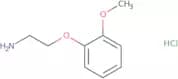
CAS:<p>Ethyl 3-aminobut-2-enoate is an organic compound that belongs to the class of amides. It can be prepared from the reaction of ethyl acetoacetate with ammonia and sodium ethoxide in a solvent such as ethanol or water. Ethyl 3-aminobut-2-enoate has been used as a substrate for the synthesis of felodipine, which is a drug used to treat high blood pressure. The molecule has efficient hydrogen bonding properties and can form acid conjugates with chloride ions and alcohols. This compound can also form intermolecular hydrogen bonds between different molecules to give crystalline structures with vibrational, rotational, and electronic spectra that have been studied using nmr spectroscopy and crystallography.</p>Formula:C6H11NO2Purity:Min. 95%Color and Shape:PowderMolecular weight:129.16 g/mol2-(2-Methoxyphenoxy)ethylamine hydrochloride
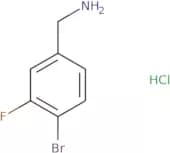
CAS:<p>2-(2-Methoxyphenoxy)ethylamine hydrochloride is a fine chemical with the CAS No. of 64464-07-9. It is a versatile building block that can be used as an intermediate for research chemicals, reaction components and specialty chemicals. This compound has been shown to work as a reagent in high quality synthesis.</p>Formula:C9H14ClNO2Purity:Min. 95%Color and Shape:PowderMolecular weight:203.67 g/mol4-Bromo-3-fluorobenzylamine hydrochloride
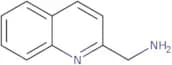
CAS:<p>4-Bromo-3-fluorobenzylamine hydrochloride (4BFBAH) is a compound that has been used in the past as a chemical intermediate. It is now being studied for use in boosting and stratigraphic research. This compound can be produced by reacting 4-bromo-3-fluorobenzoic acid with ammonia, and it has been shown to have waterlogging properties. 4BFBAH has also been shown to be useful in the analysis of infrastructures and socioeconomic conditions.</p>Formula:C7H8BrClFNPurity:Min. 95%Color and Shape:PowderMolecular weight:240.5 g/molQuinolin-2-yl-methylamine
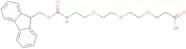
CAS:<p>Quinolin-2-yl-methylamine is an amine that is used in the synthesis of other compounds. It can be prepared by protonation of quinoline with methylamine, followed by crystallization. The yield of this reaction is dependent on the purity of the starting materials and the reaction conditions. This compound has a molecular weight of 169.07 g/mol and a melting point at 217 °C. The infrared spectrum for Quinolin-2-yl-methylamine shows peaks at 2900 cm−1, 1670 cm−1, and 1590 cm−1. It also has x-ray crystallography data (space group P21/c).</p>Formula:C10H10N2Purity:Min. 96 Area-%Color and Shape:PowderMolecular weight:158.2 g/molFmoc-12-amino-4,7,10-trioxadodecanoic acid
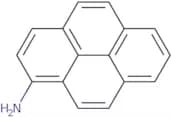
CAS:Fmoc-12-amino-4,7,10-trioxadodecanoic acid is a PEG compound with two different functional groups (also known as heterobifunctional). Unlike homobifunctional PEG compounds (same functional group on both ends), this type of compounds are more versatile as have two different anchor points. Fmoc-12-amino-4,7,10-trioxadodecanoic acid is used as a linker and spacer to add a PEG moiety, via pegylation (a bioconjugation technique) to proteins, peptides, oligonucleotides, small molecules and nanoparticles.Formula:C24H29NO7Purity:Min. 97 Area-%Color and Shape:White Off-White Solidified MassMolecular weight:443.49 g/mol1-Aminopyrene
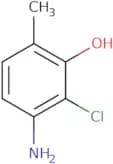
CAS:<p>1-Aminopyrene is a chemical compound that has been shown to be an optical sensor for the detection of skin cancer. The compound reacts with nitrite ions in the blood, leading to a change in its optical properties. 1-Aminopyrene can be used as a tracer molecule and has been shown to be effective in tracking and imaging tumor cells in mice. This chemical is stable under most conditions and does not react with other chemicals, which makes it suitable for use in biological systems.<br>1-Aminopyrene is also able to inhibit microbial metabolism by reacting with nitrite ions, thereby inhibiting enzyme activity. It has been shown that this reaction may be due to the transfer of electrons from 1-aminopyrene to nitrite ions and the protonation of 1-aminopyrene by a hydroxyl ion.</p>Formula:C16H11NPurity:Min. 95%Color and Shape:PowderMolecular weight:217.27 g/mol3-Amino-2-chloro-6-methylphenol
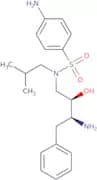
CAS:<p>3-Amino-2-chloro-6-methylphenol is a chemical substance that has been shown to have potential as a therapeutic agent for treating human cancers. 3-Amino-2-chloro-6-methylphenol has been shown to express in humans and is sensitive to the human body, which may be due to its ability to react with DNA and damage it. 3-Amino-2-chloro-6-methylphenol has also been shown to have an inhibitory effect on other chemical substances that are responsible for allergic reactions. This chemical substance has not yet been validated in animal models or clinical trials.</p>Formula:C7H8ClNOPurity:Min. 95%Color and Shape:PowderMolecular weight:157.6 g/mol4-Amino-N-((2R,3S)-3-amino-2-hydroxy-4-phenylbutyl)-N-ispobutylbenzenesulfonamide
CAS:<p>4-Amino-N-((2R,3S)-3-amino-2-hydroxy-4-phenylbutyl)-N-isobutylbenzenesulfonamide is an amide that is used to treat HIV infections. It has been shown to have potent anti-viral activity against HIV infected cells in the laboratory and can inhibit the replication of HIV by interfering with the virus's ability to use the reverse transcriptase enzyme. 4ABAB has been shown to bind to the enzyme ribonuclease H (crth2), which is responsible for breaking down viral RNA. This binding prevents crth2 from cleaving viral RNA, thus inhibiting DNA synthesis and preventing cell death. 4ABAB also interferes with a hydrogen bond between ethyl group and the hydroxyl group on crth2, leading to a decrease in activity.</p>Formula:C20H29N3O3SPurity:Min. 95%Color and Shape:White PowderMolecular weight:391.53 g/molFmoc-21-amino-4,7,10,13,16,19-hexaoxaheneicosanoic acid
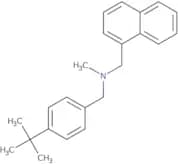
CAS:Fmoc-21-amino-4,7,10,13,16,19-hexaoxaheneicosanoic acid is a PEG compound with two different functional groups (also known as heterobifunctional). Unlike homobifunctional PEG compounds (same functional group on both ends), this type of compounds are more versatile as have two different anchor points. Fmoc-21-amino-4,7,10,13,16,19-hexaoxaheneicosanoic acid is used as a linker and spacer to add a PEG moiety, via pegylation (a bioconjugation technique) to proteins, peptides, oligonucleotides, small molecules and nanoparticles.Formula:C30H41NO10Purity:Min. 95%Color and Shape:PowderMolecular weight:575.65 g/molButenafine
CAS:<p>Butenafine hydrochloride is a mycological agent that is used to treat tinea. It has been shown to have an antifungal activity in vitro against wild-type strains of c. glabrata. Butenafine hydrochloride inhibits the synthesis of ergosterol, which is a vital component of fungal cell membranes, by blocking the conversion of squalene to lanosterol through inhibition of 14alpha-demethylase. It also has antimicrobial properties, which may be due to its ability to inhibit bacterial growth.</p>Formula:C23H27NPurity:Min. 95%Molecular weight:317.47 g/mol[1-(Azepan-1-ylcarbonyl)butyl]amine hydrochloride
CAS:Controlled Product<p>Please enquire for more information about [1-(Azepan-1-ylcarbonyl)butyl]amine hydrochloride including the price, delivery time and more detailed product information at the technical inquiry form on this page</p>Formula:C11H22N2OPurity:Min. 95%Molecular weight:198.31 g/mol[4-(2-Methyl-1,3-oxazol-5-yl)phenyl]amine
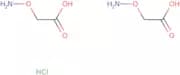
CAS:<p>4-(2-Methyl-1,3-oxazol-5-yl)phenyl]amine is a versatile building block that is widely used in the research and development of complex compounds. This compound can be used as a reagent, speciality chemical, or useful intermediate as it has high reactivity and good solubility. 4-(2-Methyl-1,3-oxazol-5-yl)phenyl]amine is also a useful scaffold for producing other compounds.</p>Formula:C10H10N2OPurity:Min. 95 Area-%Color and Shape:PowderMolecular weight:174.2 g/molCarboxymethoxyamine hemihydrochloride
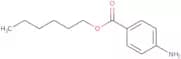
CAS:Carboxymethoxyamine hemihydrochloride (CMAH) is a gamma-aminobutyric acid analogue that has inhibitory properties. It is used in the treatment of syncytial virus infections and has been shown to reduce the severity of symptoms, as well as shorten the course of the disease. CMAH binds to the receptors in cells that are sensitive to gamma-aminobutyric acid. This binding inhibits uptake of calcium ions into cells, thereby reducing intracellular Ca2+ levels and inhibiting synaptic transmission. CMAH also has an effect on aminotransferase activity, which may be due to its ability to inhibit protein synthesis or dephosphorylate proteins.Formula:C2H5NO3HClColor and Shape:White PowderMolecular weight:109.3 g/mol4-Aminobenzoic acid hexyl ester
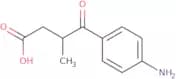
CAS:<p>4-Aminobenzoic acid hexyl ester is a cytoskeletal molecule that interacts with actin and myosin to form filaments. It has been shown to regulate transcriptional activity by reducing the level of reactive oxygen species or hydrogen peroxide, which are thought to induce cell death. 4-Aminobenzoic acid hexyl ester has also been shown to interact with imatinib, which is used in cancer treatment. This interaction may be due to the ability of 4-aminobenzoic acid hexyl ester to inhibit protein–protein interactions between proteins in the Wnt signaling pathway.</p>Formula:C13H19NO2Purity:Min. 95%Color and Shape:PowderMolecular weight:221.3 g/mol4-(4-Aminophenyl)-3-methyl-4-oxobutanoic acid
CAS:<p>4-(4-Aminophenyl)-3-methyl-4-oxobutanoicacid is a chemical substance that has been shown to be effective in treating insects. It is also used as an insecticide and herbicide. 4-(4-Aminophenyl)-3-methyl-4-oxobutanoicacid has been shown to have a high toxicity against insects, with a LD50 value of 5.6 mg/kg. This compound has been tested for its effects against the weevil species Rhinotia haemoptera, which is a pest that damages crops in Australia. 4-(4-Aminophenyl)-3-methyl-4-oxobutanoicacid was found to be highly toxic to this species of insect with an LC50 value of 0.1%.</p>Formula:C11H13NO3Purity:Min. 95%Color and Shape:SolidMolecular weight:207.23 g/molEthyl 3-((4-chlorophenyl)amino)-5-methyl-2,4-thiazolecarboxylate
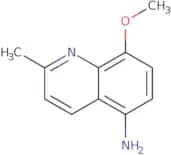
CAS:<p>Please enquire for more information about Ethyl 3-((4-chlorophenyl)amino)-5-methyl-2,4-thiazolecarboxylate including the price, delivery time and more detailed product information at the technical inquiry form on this page</p>Purity:Min. 90%8-Methoxy-2-methylquinolin-5-amine monohydrochloride
CAS:<p>8-Methoxy-2-methylquinolin-5-amine monohydrochloride is a fine chemical that is used as a versatile building block in the synthesis of complex compounds. 8-Methoxy-2-methylquinolin-5-amine monohydrochloride is an intermediate for the production of research chemicals and pharmaceuticals. It can be used to synthesize speciality chemicals, useful scaffolds, and reagents. It also has a wide range of applications as a reaction component in synthetic organic chemistry. 8-Methoxy-2-methylquinolin-5-amine monohydrochloride has high purity and quality.</p>Formula:C11H12N2O•HClPurity:Min. 95 Area-%Color and Shape:PowderMolecular weight:224.73 g/mol3-Hydroxyphenethylamine hydrobromide
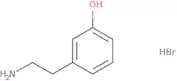
CAS:<p>3-Hydroxyphenethylamine hydrobromide is a synthetic compound that binds to the adenosine A1 receptor. 3-Hydroxyphenethylamine hydrobromide is used to study the interaction of adenosine A1 receptors with other compounds and its role in neuropathic pain. This drug has been shown to inhibit the contractions of guinea-pig trachea, which may be due to its ability to act as a fluorescent probe. Compounds that are able to bind to this receptor will have affinity constants (Ki) in the micromolar range. The interactions between 3-hydroxyphenethylamine hydrobromide and other compounds can also be studied using fluorescence probes, which allow for advances in research involving amines and their conjugates.</p>Formula:C8H11NO•HBrPurity:Min. 95%Color and Shape:White to off-white solid.Molecular weight:218.09 g/molβ-(3-Aminophenyl)propionic acid
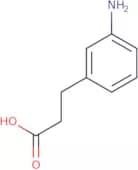
CAS:<p>Beta-(3-aminophenyl)propionic acid (BAPA) is a β-amino acid that inhibits the formation of nitric oxide and other reactive oxygen species by binding to a receptor on the surface of cells. BAPA also has inhibitory properties against certain enzymes, such as aminopyrine N-demethylase and carbonic anhydrase. It is used in analytical methods for amines, malonic acid, and hydrochloride salts. Carbon sources that are metabolized by fungi can be converted into BAPA through the process of asymmetric synthesis. This compound is also used as a precursor for gamma-aminobutyric acid (GABA), which is a neurotransmitter in the central nervous system.</p>Formula:C9H11NO2Purity:Min. 95%Color and Shape:PowderMolecular weight:165.19 g/mol6-Amino-2-methylthio-4(3H)pyrimidinone
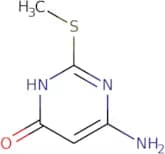
CAS:<p>6-Amino-2-methylthio-4(3H)pyrimidinone is a potential antitumor drug with a radical mechanism of action. It inhibits the activity of the NS5B polymerase, an enzyme in the virus's RNA replication complex. The drug has been shown to inhibit proliferation of cancer cells in vitro and to have antiviral effects against a number of viruses, including influenza A and B. 6-Amino-2-methylthio-4(3H)pyrimidinone inhibits tyrosine kinases and also inhibits erythrocyte progenitors from differentiating into megakaryocytes. This drug is not metabolized by cytochrome P450 enzymes and does not bind to plasma proteins.</p>Formula:C5H7N3OSPurity:Min. 95%Color and Shape:White PowderMolecular weight:157.19 g/mol2-(Tributylstannyl)pyrimidin-5-amine
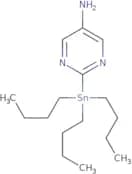
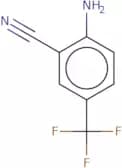
CAS:Controlled ProductPlease enquire for more information about 2-(Tributylstannyl)pyrimidin-5-amine including the price, delivery time and more detailed product information at the technical inquiry form on this pageFormula:C16H31N3SnPurity:Min. 95%Molecular weight:384.15 g/mol2-Amino-5-(trifluoromethyl)benzonitrile
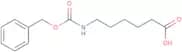
CAS:<p>2-Amino-5-(trifluoromethyl)benzonitrile is a versatile chemical building block that can be used in a variety of reactions. It has been used as a reagent and intermediate for research, as well as a speciality chemical. This compound has been found to have applications in the synthesis of complex compounds, such as pharmaceuticals and agrochemicals. 2-Amino-5-(trifluoromethyl)benzonitrile is also a useful scaffold for organic synthesis, due to its high quality and versatility.</p>Formula:C8H5F3N2Purity:Min. 95%Color and Shape:solid.Molecular weight:186.13 g/molN-Benzyloxycarbonyl-6-aminocaproic acid
CAS:<p>N-Benzyloxycarbonyl-6-aminocaproic acid is a synthetic molecule that has been shown to inhibit ubiquitin ligases. It may be used as an antigen for the detection of cancer cells, and it can also serve as a potential drug for inhibiting the growth of cancer cells. This molecule is a peptidomimetic that mimics the structure of ubiquitin. N-Benzyloxycarbonyl-6-aminocaproic acid binds to ubiquitin through hydrogen bonding interactions and can interfere with the protein's function by forming crosslinks with other proteins. N-Benzyloxycarbonyl-6-aminocaproic acid has been found to have a high molecular weight (MW) and viscosity, which makes it difficult to use in biological systems. However, this molecule can be used as an e3 ubiquitin ligase inhibitor in supramolecular systems because it does not interfere with other</p>Formula:C14H19NO4Purity:Min. 95%Color and Shape:White PowderMolecular weight:265.31 g/mol1,2-Diaminoethane trityl resin
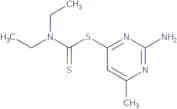
CAS:<p>1,2-Diaminoethane trityl resin is a versatile solid support widely used in peptide synthesis and proteomics research. This resin comprises a trityl group attached to a polystyrene backbone, functionalized with 1,2-diaminoethane groups, enabling its role as a covalent cross-linker for plasma membrane binding. The resin's primary applications include solid-phase peptide synthesis, antibody immobilization for immunoassays, and various proteomics studies. Its unique structure allows for the synthesis of peptidyl-aminoethylamines using Fmoc solid-phase peptide synthesis (SPPS) techniques, which offers a free primary amine at the C-terminus for further modifications. Its trityl linker allows mild cleavage conditions using TFA, compatible with most Fmoc-protected amino acids. The resin's lower loading capacity benefits challenging sequence synthesis to optimize coupling efficiency with typical coupling agents (e.g. HATU, PyBOP, HBTU, and HOBt), especially for initial amino acids, as the ethylenediamine spacer may affect these reactions. The resulting peptides, featuring a flexible C-terminal amine, are valuable for creating peptide-drug conjugates, fluorescent probes, and other bioactive molecules.</p>Purity:Min. 95%(2-Amino-6-methylpyrimidin-4-ylthio)(diethylamino)methane-1-thione
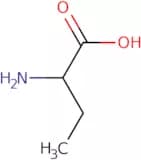
CAS:<p>Please enquire for more information about (2-Amino-6-methylpyrimidin-4-ylthio)(diethylamino)methane-1-thione including the price, delivery time and more detailed product information at the technical inquiry form on this page</p>Formula:C10H16N4S2Purity:Min. 95%Color and Shape:PowderMolecular weight:256.39 g/molDL-Aminobutyric acid
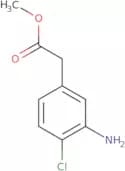
CAS:<p>DL-Aminobutyric acid is an analog of amino acids and a potent inhibitor of protease activity. It has been shown to inhibit the proteolytic activity of amyloid protein in human serum, most likely by competitive inhibition. DL-Aminobutyric acid also inhibits the enzyme activities that are responsible for the production of ammonia from amino acids. DL-Aminobutyric acid is an analyte in blood sampling and has a pH optimum of 8.0. It has been shown to have inhibitory properties on bacteria strains including Staphylococcus aureus and Streptococcus pneumoniae, but not Mycobacterium tuberculosis or Escherichia coli.</p>Formula:C4H9NO2Purity:Min 97%Color and Shape:PowderMolecular weight:103.12 g/mol3-Amino-4-chlorophenylacetic acid methyl ester
CAS:<p>3-Amino-4-chlorophenylacetic acid methyl ester is a fine chemical that is useful as a building block in the synthesis of complex compounds. It has been used as a reagent and speciality chemical, which can be used for research purposes. CAS No. 59833-69-1</p>Formula:C9H10ClNO2Purity:Min. 95%Molecular weight:199.63 g/molClorsulon
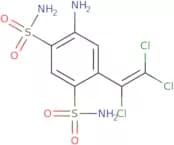
CAS:<p>Clorsulon is an anthelmintic drug that belongs to the group of benzimidazoles. It is used in veterinary medicine to treat nematode and cestode infections, as well as tapeworm infections. Clorsulon is a dispersive solid-phase extraction (DSPE) extractant that can be used for the separation of drugs and their metabolites from biological fluids. The chemical stability of clorsulon was assessed by exposing it to various solvents and pHs. Clorsulon was found to be stable in acetate, benzene, chloroform, ethyl acetate, ethanol, methanol, and water at pH 1-14 and a variety of temperatures ranging from -20 ˚C to 50 ˚C. No significant loss or degradation occurred after exposure to these conditions for up to 24 hours.</p>Formula:C8H8Cl3N3O4S2Purity:(Hplc) Min. 98.0%Color and Shape:PowderMolecular weight:380.66 g/mol4-Amino-3-bromobenzonitrile
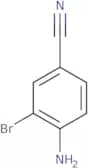
CAS:<p>4-Amino-3-bromobenzonitrile is a chemical compound that is synthesized by the reaction of 4-amino-2-bromobenzonitrile and NaBH4. It can be used as a ligand for copper, nickel, and cobalt ions. The crystalline form of 4-amino-3-bromobenzonitrile has been studied using x-ray diffraction and ultraviolet irradiation. The absorption spectra of the compound are in agreement with its nature as an azobenzene derivative.</p>Formula:C7H5BrN2Purity:Min. 95%Color and Shape:PowderMolecular weight:197.03 g/molPiperacillin
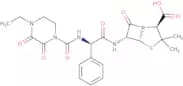
CAS:<p>Piperacillin is a β-lactam antibiotic that inhibits the synthesis of bacterial cell walls by binding to penicillin-binding proteins. It is used for the treatment of serious infections caused by gram-negative organisms such as Aerogenes, Enterobacter, and Klebsiella. Piperacillin has a high MIC90 value against Staphylococcus and other gram-positive bacteria, but it is not active against β-lactamase producing strains of bacteria such as E. coli or Klebsiella pneumoniae. The MIC90 values are determined through an analytical method on different strains of bacteria and validated with a sample preparation before use in clinical trials.</p>Formula:C23H27N5O7SPurity:Min. 95 Area-%Color and Shape:White PowderMolecular weight:517.56 g/mol5-Amino-2-bromobenzoic acid
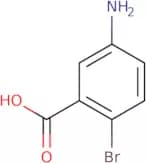
CAS:<p>5-Amino-2-bromobenzoic acid is an organic compound that is used in the manufacture of other chemicals. It is a white crystalline solid with a melting point of 133°C, and it has a molecular weight of 222.27 g/mol. This chemical has been shown to be mutagenic, and it may also cause adverse effects on the liver, kidneys, stomach, and skin when taken orally or applied to the skin. 5-Amino-2-bromobenzoic acid is found in many products that are used for industrial purposes such as dyes, rubber chemicals, textile chemicals, pesticides, and herbicides. The chemical can be found in products that are sold in hardware stores and supermarkets.</p>Formula:C7H6BrNO2Purity:Min. 95%Color and Shape:PowderMolecular weight:216.03 g/molPerfluorooctylsulfonylpropylaminoethyl acrylate
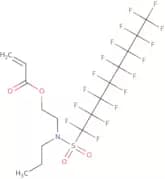
CAS:Controlled Product<p>Perfluorooctylsulfonylpropylaminoethyl acrylate is a sulfonate, which is a chemical that can be found in mixtures. It is a chemical substance that has the ability to connect with other chemicals. This chemical has not been classified as hazardous by the National Institute for Occupational Safety and Health (NIOSH).</p>Formula:C16H14F17NO4SPurity:Min. 95%Molecular weight:639.33 g/molL-Glutamic acid gamma-(3-carboxy-4-nitroanilide) ammonium salt
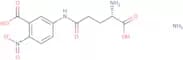
CAS:<p>L-Glutamic acid gamma-(3-carboxy-4-nitroanilide) ammonium salt has been used as a synthetic substrate for gamma-glutamyltransferase (GGT) to determine GGT activity.</p>Formula:C12H16N4O7Purity:Min. 99 Area-%Color and Shape:White PowderMolecular weight:328.28 g/mol4-Diethylaminobenzylamine
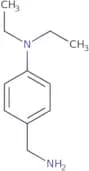
CAS:<p>4-Diethylaminobenzylamine is a pharmacophore that binds to cannabinoid receptors. It has been shown to have anticancer activity in vitro and in vivo. 4-Diethylaminobenzylamine binds to the cannabinoid receptors, which are expressed in various tissues of the body, including the brain and nervous system. The affinity of this compound for these receptors has been shown by its ability to inhibit cancer cell growth in vitro and in vivo. 4-Diethylaminobenzylamine has also been shown to be a functional inhibitor of uptake of serotonin and dopamine into rat brain synaptosomes. This drug is being studied as a possible treatment for diseases such as sclerosis, because it may help regulate the production of cytokines that contribute to inflammation.</p>Formula:C11H18N2Purity:90%Color and Shape:PowderMolecular weight:178.27 g/molDodecyltrimethylammonium chloride
CAS:<p>Dodecyltrimethylammonium chloride is a surfactant that belongs to the group of cationic surfactants. It has been shown to be effective as an adsorbent for phosphate ions in micelles. Dodecyltrimethylammonium chloride has also been shown to act as a detergent in solutions, and can be used as a cleaning agent. It is commonly used as a surfactant in various industrial processes, such as the production of glycol ethers. The chemical structure of dodecyltrimethylammonium chloride consists of dodecanol and trimethylamine (CH3(CH2)12N(CH3)(OH)3).</p>Formula:C15H34NClPurity:Min. 95%Color and Shape:PowderMolecular weight:263.89 g/mol2-Aminofluorene
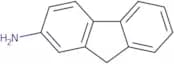
CAS:<p>2-Aminofluorene is a nucleoside phosphonate that is used in the study of DNA duplexes and as a possible anticancer drug. It has shown to be toxic to cells, such as HL-60 cells, by lysing them. This compound has also been shown to have an effect on polymerase chain reaction (PCR) by inhibiting the enzyme activity of DNA polymerase, which led to the cell lysis. 2-Aminofluorene binds to DNA at the minor groove of the double helix and prevents the formation of hydrogen bonds between complementary bases, causing steric hindrance that leads to cell death. 2-Aminofluorene shows conformational properties that are similar to acyclic nucleosides, such as cytidine and adenosine.</p>Formula:C13H11NColor and Shape:White PowderMolecular weight:181.23 g/mol1-Aminophthalazine
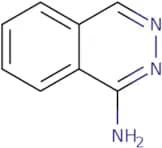
CAS:<p>1-Aminophthalazine is a drug that has been used to treat cancer and other diseases. It has the ability to react with nitrogen atoms in the body, which can cause adverse reactions such as psychosis and drug reactions. 1-Aminophthalazine also blocks tyrosine kinases, which are involved in cell growth and differentiation. 1-Aminophthalazine is a reactive compound that can form diazonium salts with an oxidizing agent such as hydrogen peroxide or peracetic acid. The diazonium salt is then able to react with DNA, and is selective for bacterial DNA when it lacks organic material for the diazonium salt to react with. This makes 1-aminophthalazine a specific treatment for bacterial infections.</p>Formula:C8H7N3Purity:Min. 95%Color and Shape:PowderMolecular weight:145.16 g/mol4-(N-Formylmethylamino)benzoic acid
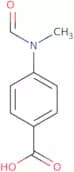
CAS:<p>4-(N-Formylmethylamino)benzoic acid is a white crystalline solid that has been used as a reagent, complex compound, and useful intermediate. It is also an important building block for the synthesis of many other compounds. 4-(N-Formylmethylamino)benzoic acid is soluble in water, ethanol, ether, benzene, chloroform and acetone. The product can be used in the preparation of various drugs and pesticides.</p>Formula:C9H9NO3Purity:Min. 95%Color and Shape:PowderMolecular weight:179.17 g/molPhenoprolamine hydrochloride
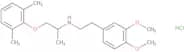
CAS:<p>Phenoprolamine hydrochloride is a synthetic polymerase chain reaction (PCR) enhancer that enhances the efficiency of DNA replication. It can be used as an alternative to dithiothreitol and is not subject to the same limitations, such as toxicity and interference with other enzymes. Phenoprolamine hydrochloride has been shown to increase cardiac contractility in rats, although it may cause a decrease in heart rate. This agent also has been shown to improve prognosis for colorectal adenocarcinoma patients, as well as inhibit the growth of several carcinoma cell lines. This drug binds to enzymes involved in the synthesis of ester linkages, which are necessary for nucleic acid synthesis.</p>Formula:C21H29NO3•HClPurity:Min. 95%Color and Shape:White To Off-White SolidMolecular weight:379.92 g/molAmmonium acetate
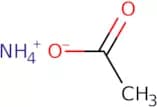
CAS:<p>Ammonium acetate is a salt that is used in the laboratory to synthesize ubiquitin ligases. It has been shown to have receptor activity and can be used to study the interaction between ammonium ions and sodium citrate. Ammonium acetate is a chemical reagent that is used to synthesize ubiquitin ligases, which are proteins that are involved in the degradation of other proteins. Ammonium acetate can also be used as an experimental model for myocardial infarct. The reaction between ammonium and water vapor yields ammonia gas, which can be analyzed with electrochemical impedance spectroscopy (EIS). A solution of ammonium acetate and palladium on zirconium oxide is suitable for coupling reactions, such as amination reactions. This compound has been used as an analytical method for the structural analysis of organic compounds.</p>Formula:C2H7NO2Color and Shape:White Clear LiquidMolecular weight:77.08 g/molHistamine diphosphate monohydrate
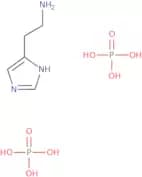
CAS:Controlled Product<p>Endogenous ligand for histamine receptors; neurotransmitter</p>Formula:C5H9N3·2H3PO4·H2OPurity:Min. 95%Color and Shape:White/Off-White SolidMolecular weight:325.15 g/molp-Phenylenediamine-2,5-disulphonic acid
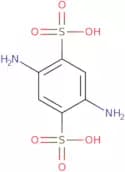
CAS:P-Phenylenediamine-2,5-disulphonic acid is a diazonium salt that is used as a chemical in the textile industry. It can be activated with chlorine and hydrolyzed to form 2,5-dichloro-p-phenylenediamine (DCPD). DCPD is a viscose activator, which increases the viscosity of the viscose solution. The activation of p-Phenylenediamine-2,5-disulphonic acid with chlorine produces cyanuric chloride as an intermediate product. Cyanuric chloride has been shown to have a yellow colour when dissolved in water.Formula:C6H8N2O6S2Purity:Min. 95%Color and Shape:PowderMolecular weight:268.27 g/mol2-Amino-4'-fluoroacetophenone hydrochloride
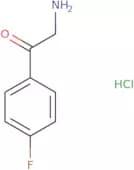
CAS:Controlled Product<p>2-Amino-4'-fluoroacetophenone hydrochloride is a fine chemical with a versatile building block. It is an intermediate used in research and a reaction component for the synthesis of complex compounds. 2-Amino-4'-fluoroacetophenone hydrochloride can be used as a reagent in the synthesis of pharmaceuticals or other useful chemicals. Its CAS number is 456-00-8.</p>Formula:C8H9ClFNOPurity:Min. 95%Molecular weight:189.61 g/molBis-Boc-amino-oxyacetic acid
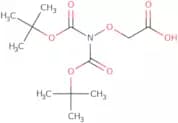
CAS:<p>Bis-Boc-amino-oxyacetic acid is an analog of goserelin acetate. It binds to the androgen receptor in prostate cancer cells, which leads to cytostatic effects. This drug has shown a low potency in human serum and does not bind to human serum proteins.<br>The uptake of Bis-Boc-amino-oxyacetic acid by prostate cancer cells was found to be significantly greater than that of goserelin acetate. The binding affinity of this drug for the androgen receptor is also lower than that of goserelin acetate, making it more selective for prostate cancer cells over other tissues.</p>Formula:C12H21NO7Purity:Min. 95%Color and Shape:White PowderMolecular weight:291.3 g/mol(S)-(-)-3-Aminoquinuclidine 2HCl
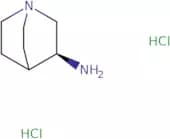
CAS:<p>(S)-(-)-3-Aminoquinuclidine 2HCl is a cholinergic agonist that has been shown to be effective in inducing the release of acetylcholine from brain synaptosomes. This drug binds to the nicotinic acetylcholine receptor (nAChR) and inhibits the action of the enzyme acetylcholinesterase, thereby increasing the concentration of acetylcholine in the synaptic cleft. The drug is also able to cross the blood-brain barrier and bind to receptors on neurons. It has been shown that this drug can be used as an imaging agent for molecular magnetic resonance tomography (MRT), with high sensitivity and specificity.</p>Formula:C7H16Cl2N2Purity:Min. 95%Color and Shape:White PowderMolecular weight:199.12 g/mol6-amino-4-(2-methoxyphenyl)-3-methyl-4H-pyrano[3,2-d]pyrazole-5-carbonitrile
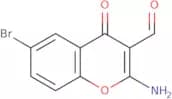
CAS:<p>Please enquire for more information about 6-amino-4-(2-methoxyphenyl)-3-methyl-4H-pyrano[3,2-d]pyrazole-5-carbonitrile including the price, delivery time and more detailed product information at the technical inquiry form on this page</p>Formula:C15H14N4O2Purity:Min. 95%Color and Shape:PowderMolecular weight:282.30 g/mol2-Amino-6-bromo-3-formylchromone
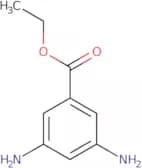
CAS:<p>2-Amino-6-bromo-3-formylchromone is a chemical compound with the molecular formula CHNO. It has a vibrational frequency of 1426.81 cm−1 and a potential energy of −29.35 kcal/mol. The molecule can be classified as an aromatic compound, due to the presence of one or more benzene rings in its structure, and is colored red or orange in solution. 2-Amino-6-bromo-3-formylchromone can be used to produce other compounds that have different spectral properties than it does, such as 2-(2-(2-(2-(2-(2-(benzoyloxy)ethoxy)ethoxy)ethoxy)ethoxy)ethoxy)-4'-nitroacetophenone.</p>Formula:C10H6BrNO3Purity:Min. 95%Color and Shape:PowderMolecular weight:268.06 g/molEthyl 3,5-diaminobenzoate
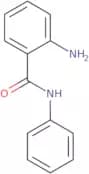
CAS:<p>Ethyl 3,5-diaminobenzoate is a monoacid with a reactive functional group. It is soluble in organic solvents and forms stable linkages with other molecules. Ethyl 3,5-diaminobenzoate has been used as a diagnostic tool for the identification of rhesus monkeys. The residue of this compound is degradable and can be degraded by conjugates or cavitation.</p>Formula:C9H12N2O2Purity:Min. 95%Color and Shape:PowderMolecular weight:180.2 g/mol2-Aminobenzanilide
CAS:<p>2-Aminobenzanilide is a chemical compound that has been found to have antimycobacterial activity. It is an allosteric inhibitor of the ribosome-inactivating protein (RIP) which inhibits the production of tnf-α, a proinflammatory cytokine. 2-Aminobenzanilide has also been shown to inhibit the growth of cancer cells in various in vitro assays and inhibits tumor growth in vivo. It binds to sulfonic acid groups on the surface of bacterial cell walls and alters their permeability, thus inhibiting the synthesis of proteins vital for cell division. 2-Aminobenzanilide has also been shown to react with acetylated salicylic acid ligands.</p>Formula:C13H12N2OPurity:Min. 98 Area-%Color and Shape:PowderMolecular weight:212.25 g/molBoc-1-amino-4,7,10-trioxa-13-tridecanamine
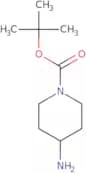
CAS:<p>Boc-1-amino-4,7,10-trioxa-13-tridecanamine (BocAT) is a triazine compound that has been used to synthesize azides as well as to inhibit the growth of cancer cells. The inhibition of tumor cells is achieved through the covalent attachment of BocAT to lysine residues on the cell surface. This process leads to cell death by preventing the synthesis of proteins necessary for cell division and metabolism. BocAT has also been shown to bind gadolinium and other metal ions with high specificity. It can be used in vivo for tumor tissue localization and imaging with magnetic resonance imaging (MRI).</p>Formula:C15H32N2O5Purity:Min. 95%Color and Shape:Yellow LiquidMolecular weight:320.43 g/mol4-Amino-1-Boc-piperidine
CAS:<p>4-Amino-1-Boc-piperidine is a potent inhibitor of the CCR5 receptor. It is an x-ray crystal structure with a hydroxide solution that inhibits the growth of cancer cells. The inhibitor binding site for 4-Amino-1-Boc-piperidine was determined to be the CCR5 receptor, which is located on the surface of hematopoietic cells. The compound has been shown to inhibit human T lymphocyte proliferation in vitro and inhibit HIV replication in infected patients. 4-Amino-1-Boc-piperidine is able to inhibit the growth of cancer cells by blocking the production of cytokines, such as interleukin 2, that are needed for cell division and growth.</p>Formula:C10H20N2O2Purity:Min. 95%Color and Shape:PowderMolecular weight:200.28 g/mol4,6-Dimethyl-N-phenylpyrimidin-2-amine
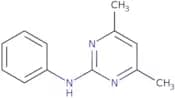
CAS:4,6-Dimethyl-N-phenylpyrimidin-2-amine is a fungicide that is effective against the production of nitrite ion in the liver. It has been shown to be a potent inhibitor of hepatic steatosis. 4,6-Dimethyl-N-phenylpyrimidin-2-amine was also shown to have an inhibitory effect on the growth of fungal strains in vitro. This compound has been demonstrated to be active against a number of plant pathogens and may be useful in postharvest applications. 4,6-Dimethyl-N-phenylpyrimidin-2-amine interacts with the hippocampus formation and may play a role in preventing neurodegenerative diseases such as Alzheimer's disease or Parkinson's disease.Formula:C12H13N3Purity:Min. 95%Color and Shape:PowderMolecular weight:199.25 g/molFmoc-(S)-2-(aminomethyl)-4-methylpentanoic acid
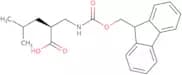
CAS:<p>Fmoc-(S)-2-(aminomethyl)-4-methylpentanoic acid is a proteinogenic amino acid that is used in the production of casein and other dairy products. It is also found in wheat, where it can be converted to the essential amino acid methionine. Fmoc-(S)-2-(aminomethyl)-4-methylpentanoic acid is classified as a high-quality protein because it contains all eight essential amino acids (EAAs). It has been shown that when dietary intakes are low, malnourished children may benefit from increased intake of this amino acid.</p>Formula:C22H25NO4Purity:Area-% Min. 95 Area-%Color and Shape:PowderMolecular weight:367.44 g/mol5-Cyclobutyl-1,2,4-oxadiazol-3-amine
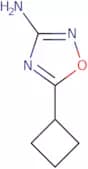
CAS:<p>5-Cyclobutyl-1,2,4-oxadiazol-3-amine is a fine chemical that is a useful scaffold and versatile building block. It has been used as an intermediate in the synthesis of other compounds with potential uses in research chemicals and as a reaction component in the synthesis of complex compounds. The compound is also useful as a building block for the production of high quality reagents.</p>Formula:C6H9N3OPurity:Min. 95%Color and Shape:PowderMolecular weight:139.16 g/mol


![[2-(Pyridin-2-ylthio)ethyl]amine dihydrochloride](/_next/image/?url=https%3A%2Fstatic.cymitquimica.com%2Fproducts%2F3D%2Fthumb-webp%2FFP121658.webp&w=3840&q=75)

![N-[(1-Ethyl-1H-indol-3-yl)methyl]propan-2-amine](/_next/image/?url=https%3A%2Fstatic.cymitquimica.com%2Fproducts%2F3D%2Fthumb-webp%2FFE128437.webp&w=3840&q=75)

![N-[2-(p-Cinnamylamino)ethyl]-5-isoquinolone sulfonamide](/_next/image/?url=https%3A%2Fstatic.cymitquimica.com%2Fproducts%2F3D%2Fthumb-webp%2FFC20451.webp&w=3840&q=75)
![{[2-(2-Methoxyphenyl)-1,3-thiazol-5-yl]methyl}amine](/_next/image/?url=https%3A%2Fstatic.cymitquimica.com%2Fproducts%2F3D%2Fthumb-webp%2FFM124085.webp&w=3840&q=75)
![(6S)-5,6,7,8-Tetrahydro-6-[propyl[2-(2-thienyl)ethyl]amino]-1-naphthalenol hydrochloride](/_next/image/?url=https%3A%2Fstatic.cymitquimica.com%2Fproducts%2F3D%2Fthumb-webp%2FFT27763.webp&w=3840&q=75)




![[1-(Azepan-1-ylcarbonyl)butyl]amine hydrochloride](/_next/image/?url=https%3A%2Fstatic.cymitquimica.com%2Fproducts%2F3D%2Fthumb-webp%2FFA130693.webp&w=3840&q=75)
![[4-(2-Methyl-1,3-oxazol-5-yl)phenyl]amine](/_next/image/?url=https%3A%2Fstatic.cymitquimica.com%2Fproducts%2F3D%2Fthumb-webp%2FFM131648.webp&w=3840&q=75)

![6-amino-4-(2-methoxyphenyl)-3-methyl-4H-pyrano[3,2-d]pyrazole-5-carbonitrile](/_next/image/?url=https%3A%2Fstatic.cymitquimica.com%2Fproducts%2F3D%2Fthumb-webp%2FFA169804.webp&w=3840&q=75)