Amines
Subcategories of "Amines"
- Nitrosamines(2,618 products)
- Primary Amines(30,967 products)
- Quaternary Ammonium Cations and Salts(1,101 products)
- Secondary Amines(20,913 products)
- Tertiary Amines(17,219 products)
Found 8793 products of "Amines"
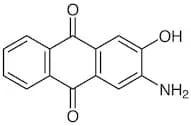
2-Amino-3-hydroxyanthraquinone
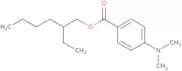
CAS:Formula:C14H9NO3Purity:>98.0%(T)Color and Shape:Orange to Amber to Dark red powder to crystalMolecular weight:239.232-Ethylhexyl 4-dimethylaminobenzoate
CAS:2-Ethylhexyl 4-dimethylaminobenzoate is a sulfa drug that is used for the prevention of skin cancer, and it has been shown to be effective against bacterial strains in vitro. It also has a monosodium salt and a hydroxyl group. 2-Ethylhexyl 4-dimethylaminobenzoate is used as an analytical method for measuring the concentration of zirconium oxide in wastewater and drinking water samples. This compound has been used in vivo to show that it can inhibit the growth of bacteria by interfering with DNA synthesis. 2-Ethylhexyl 4-dimethylaminobenzoate is also used as a sunscreen and provides protection against UV radiation by absorbing light at wavelengths between 280 and 320 nm.Formula:C17H27NO2Purity:Min. 95%Color and Shape:Clear LiquidMolecular weight:277.4 g/mol(R)-(+)-N-Benzyl-1-phenylethylamine
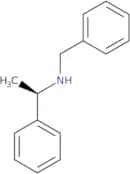
CAS:(R)-(+)-N-Benzyl-1-phenylethylamine is an enantiomer of phenylethylamine. It is a chiral, vinylic amine that can be used to produce catalytic asymmetric Grignard reactions. The synthesis of this compound starts with the addition of benzyl chloride to 1-phenylethylamine. This reaction produces (R)-(+)-N-benzyl-1-phenylethylamine as the major product and its corresponding bisulfate salt as the minor product. This compound has been shown to be an anti HIV drug in a number of studies, which may be due to its ability to inhibit reverse transcriptase and/or prevent viral entry into cells.
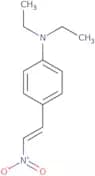
Formula:C15H17NPurity:Min. 95%Color and Shape:Colourless To Pale Yellow LiquidMolecular weight:211.3 g/mol(1-(4-Diethylamino)phenyl)-2-nitroethene
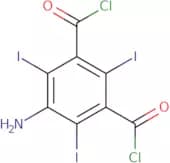
CAS:(1-(4-Diethylamino)phenyl)-2-nitroethene is a fluorescent probe that can be used to measure the growth rate of microorganisms. It is also a polarizable fluorescent molecule that is sensitive to environmental effects such as pH, temperature, and light intensity. This compound has been used as a chromophore in optical devices and has been observed to have linear responses to changes in time constants. The fluorescence of (1-(4-diethylamino)phenyl)-2-nitroethene is proportional to the molecular response of the protein or nucleic acid it binds to. This compound is also an inorganic compound with dipole moments, which are properties that allow it to interact with other compounds.Formula:C12H16N2O2Purity:Min. 95%Molecular weight:220.27 g/mol5-Amino-2,4,6,-triiodoisophthaloyl dichloride
CAS:5-Amino-2,4,6,-triiodoisophthaloyl dichloride is a triiodinated compound that has been shown to bind to the receptor for asialoglycoprotein. It is used in the diagnosis of liver and kidney diseases. 5-Amino-2,4,6,-triiodoisophthaloyl dichloride is taken up by tissues and organs and causes damage to these tissues. The chloride ion binds to the molecule, making it more water soluble. The lactobionic acid residue is then cleaved off by an enzyme in the cell called beta-galactosidase. This leaves a molecule containing iodine which can be detected with a diagnostic technique such as X-ray crystallography or nuclear magnetic resonance spectroscopy.Formula:C8H2Cl2I3NO2Purity:Min. 95%Color and Shape:Slightly Yellow PowderMolecular weight:595.73 g/molO-(N-Boc-2-aminoethyl)-O'-(N-diglycolyl-2-aminoethyl)hexaethyleneglycol
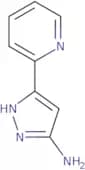
CAS:O-(N-Boc-2-aminoethyl)-O'-(N-diglycolyl-2-aminoethyl)hexaethyleneglycol is a PEG compound with two different functional groups (also known as heterobifunctional). Unlike homobifunctional PEG compounds (same functional group on both ends), this type of compounds are more versatile as have two different anchor points. O-(N-Boc-2-aminoethyl)-O'-(N-diglycolyl-2-aminoethyl)hexaethyleneglycol is used as a linker and spacer to add a PEG moiety, via pegylation (a bioconjugation technique) to proteins, peptides, oligonucleotides, small molecules and nanoparticles.Formula:C25H48N2O13Purity:Min. 95%Color and Shape:PowderMolecular weight:584.65 g/mol5-Pyridin-2-yl-2H-pyrazol-3-ylamine
CAS:5-Pyridin-2-yl-2H-pyrazol-3-ylamine is a chemical intermediate that can be used in the synthesis of many different compounds. This compound is a versatile building block that can be used to make complex substances, as well as being an excellent reagent for research purposes. It has been shown to be useful as a reactant in the preparation of high quality chemicals and speciality chemicals. 5-Pyridin-2-yl-2H-pyrazol-3-ylamine is a fine chemical with CAS No. 92352-29-9.Formula:C8H8N4Purity:Min. 95%Color and Shape:Off-White Or Light Brown SolidMolecular weight:160.18 g/molBoc-(2R,3R)-3-amino-2-hydroxy-4-phenylbutyric acid
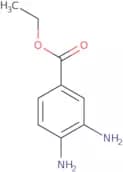
CAS:Boc-(2R,3R)-3-amino-2-hydroxy-4-phenylbutyric acid is a reagent and speciality chemical that is used as a building block in organic synthesis. It is a versatile intermediate that can be used to synthesize complex compounds with high quality and purity. Boc-(2R,3R)-3-amino-2-hydroxy-4-phenylbutyric acid has been shown to be stable under acidic conditions, making it an excellent choice for use in reactions involving strong acids. This compound can also be used as a scaffold for the synthesis of peptides and proteins.Formula:C15H21NO5Purity:Min. 95%Color and Shape:PowderMolecular weight:295.33 g/molEthyl 3,4-diaminobenzoate
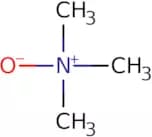
CAS:Ethyl 3,4-diaminobenzoate is a molecule that belongs to the family of aldehydes. It has been synthesized by hydrolysis of naphthalene using hydrogen chloride in the presence of ethyl acetate and water. The synthesis process was monitored by gravimetric analysis and X-ray diffraction studies. The product was purified by recrystallization from ethanol before being characterized by single-crystal X-ray diffraction. The crystal structure has revealed two different conformations for the molecule, which are related to its mesoporous nature. The compound is an inhibitor for enzymes that control glycolysis and hydrogen bond formation, such as ferroptosis.Formula:C9H12N2O2Purity:Min. 95%Molecular weight:180.2 g/molTrimethylamine N-oxide
CAS:Trimethylamine N-oxide (TMAO) is a trimethylamine derivative that is produced by the oxidation of trimethylamine. TMAO has been shown to be released during digestion and can be detected in plasma and urine. The presence of TMAO in atherosclerotic lesions may have pathological implications, as it has been shown to inhibit the polymerase chain reaction (PCR) for DNA polymerase beta. TMAO has also been associated with bowel disease, as it has been shown to induce an immune response in patients with ulcerative colitis. Furthermore, TMAO inhibits the synthesis of proteins by blocking ribosomal RNA transcription and translation. Trimethylamine N-oxide is known to act as a signal peptide that activates primary sclerosing cholangitis in patients with biliary tract diseases such as primary sclerosing cholangitis or primary biliary cirrhosis.Formula:C3H9NOPurity:Min. 95%Color and Shape:PowderMolecular weight:75.11 g/molBES
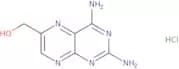
CAS:BES, also known as 2-[N,N-Bis-(2-hydroxyethyl)amino]ethanesulfonic acid, is a buffering agent that forms complexes with DNA and certain metal ions, It has an optimal pH range of 6.4-7.8 and a pKa of 7.09.Formula:C6H15NO5SPurity:(%) Min. 99.0%Color and Shape:PowderMolecular weight:213.2 g/mol2,4-Diamino-8-(hydroxymethyl)pteridine HCl
CAS:2,4-Diamino-8-(hydroxymethyl)pteridine HCl is a fine chemical that is used as a building block for the synthesis of complex compounds. It is also an intermediate in the synthesis of other compounds, such as 2,4-diaminopyridine HCl. This compound is a versatile scaffold for organic synthesis and can be used to produce high quality reagents.Formula:C7H8N6O·HClPurity:Min. 95%Color and Shape:PowderMolecular weight:228.64 g/mol4-[Bis(2-hydroxypropyl)amino]benzoic acid ethyl ester, 90%
CAS:4-[Bis(2-hydroxypropyl)amino]benzoic acid ethyl ester is an absorber that is used in the production of cationic surfactants. It has been shown to have clinical properties and can be combined with antibiotics for the treatment of inflammatory diseases. 4-[Bis(2-hydroxypropyl)amino]benzoic acid ethyl ester is also used as a radiation absorber, which prevents the formation of free radicals by absorbing radiation. This drug also has an antioxidant effect and may protect skin cells from damage caused by UV light.Formula:C15H23NO4Purity:Min. 95%Color and Shape:Yellow PowderMolecular weight:281.35 g/molThiamine nitrate
CAS:Thiamine nitrate is a form of vitamin B1 that is used to treat thiamine deficiency. Thiamine nitrate is an oxidized form of thiamin, also known as vitamin B1. It can be synthesized by reacting thiamin hydrochloride with nitric acid. Thiamine nitrate has been shown to protect against neuronal death in the brain and restores cognitive function in patients with Wernicke-Korsakoff syndrome due to its ability to target enzymes involved in energy metabolism and calcium ion homeostasis. It also prevents acute alcohol intoxication and protects against neurotoxicity caused by nonsteroidal anti-inflammatory drugs. Thiamine nitrate also has a fluorescence probe that can be used for detection and quantification of some proteins, such as DNA polymerase or ribonucleotide reductase, which are essential for cell growth or DNA synthesis.Formula:C12H17N4OS·NO3Purity:Min. 95%Color and Shape:White Clear LiquidMolecular weight:327.36 g/mol2,5-Bis(aminomethyl)tetrahydrofuran
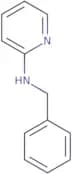
CAS:2,5-Bis(aminomethyl)tetrahydrofuran is a polymerization catalyst for polyethylene terephthalate that has been shown to be effective at low temperatures. It is not active at high temperatures and is stable in acidic and neutral media. 2,5-Bis(aminomethyl)tetrahydrofuran can be used as an electrochemical catalyst for the conversion of 5-hydroxymethylfurfural (HMF) to formic acid. This reaction has been shown to have a high turnover frequency and to be sustainable because it does not require fossil fuels or heavy metals as reactants. The parameters of this reaction are still being investigated, including the effect of oxidant on the rate of catalysis.Formula:C6H14N2OPurity:Min. 95%Color and Shape:Colorless PowderMolecular weight:130.19 g/mol2-Benzylaminopyridine
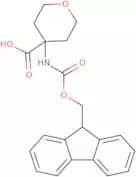
CAS:2-Benzylaminopyridine is a hydrogen bond donor that interacts with anions. This compound has been shown to be bactericidal and able to inhibit the activity of tyrosine kinase. It was also found to have functional theory properties. 2-Benzylaminopyridine is a ligand for coordination chemistry, which is used in supramolecular chemistry. The constant of this compound is high, making it useful as a starting material in the synthesis of other compounds. The imidazole derivatives of 2-benzylaminopyridine are chloride, which can be used as a ligand for interaction chemistry and dichroism spectroscopy.Formula:C12H12N2Purity:Min. 98 Area-%Color and Shape:Yellow PowderMolecular weight:184.24 g/molFmoc-4-amino-tetrahydropyran-4-carboxylic acid
CAS:Fmoc-4-amino-tetrahydropyran-4-carboxylic acid is a versatile building block that can be used for the synthesis of many complex compounds and research chemicals. It is a speciality chemical which has been shown to be a useful intermediate in reactions, as well as being a reagent. Fmoc-4-amino-tetrahydropyran-4-carboxylic acid has also been shown to be an effective scaffold for drug design and development.Formula:C21H21NO5Purity:Min. 95%Color and Shape:White/Off-White SolidMolecular weight:367.4 g/mol6-Chloro-2-methyl-4-pyrimidinamine
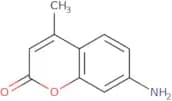
CAS:6-Chloro-2-methyl-4-pyrimidinamine is a molecule that has been studied for anticancer activity. It is an urea nitrogen, which is a hydrogen bond donor. The fructus of the 6-chloro-2-methyl-4-pyrimidinamine molecule has been shown to have anticancer activity in vitro. The anticancer activities of 6-chloro-2-methyl-4-pyrimidinamine are thermodynamic and vibrational, with etridiazole as the most potent inhibitor. The diamine tetraacetic acid (DTA) protonation state of the molecule was found to be 5.6, while the chloride protonation state was 3.6. In addition, it has been shown that 6CHMPA binds to Triticum aestivum cells through ethylene diamine and atomic orbital interactions.Formula:C5H6ClN3Purity:Min. 95%Color and Shape:White To Off-White SolidMolecular weight:143.57 g/mol7-Amino-4-methylcoumarin
CAS:Fluorescent probe for AMC-based labelling of oligosaccharides or peptides
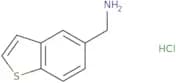
Formula:C10H9NO2Purity:Min. 98 Area-%Color and Shape:Yellow PowderMolecular weight:175.18 g/mol(1-Benzothien-5-ylmethyl)amine hydrochloride
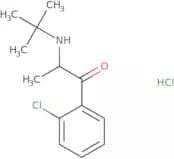
CAS:(1-Benzothien-5-ylmethyl)amine hydrochloride is a white crystalline solid that is soluble in organic solvents. It has been used as a research chemical, reagent, and speciality chemical. It is also an intermediate for the synthesis of other compounds.Formula:C9H9NS·HClPurity:Min. 95%Color and Shape:SolidMolecular weight:199.7 g/mol2-(tert-Butylamino)-2'-chloropropiophenone hydrochloride
CAS:Controlled Product2-(tert-Butylamino)-2'-chloropropiophenone hydrochloride (BAPCH) is a fine chemical that is used as a building block in the synthesis of other compounds. It can be used as a reagent or speciality chemical in research, and is also an intermediate for the synthesis of other chemicals. BAPCH has a CAS number of 1049718-57-1, and is a versatile building block with many reactions. BAPCH has been shown to be useful in complex syntheses that require reactive groups and scaffolds.Formula:C13H19Cl2NOPurity:Min. 95%Color and Shape:White To Off-White SolidMolecular weight:276.2 g/mol[5-(4-Aminophenyl)-2-furyl]methanol
CAS:Please enquire for more information about [5-(4-Aminophenyl)-2-furyl]methanol including the price, delivery time and more detailed product information at the technical inquiry form on this page
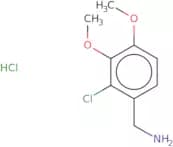
Formula:C11H11NO2Purity:Min. 95%Color and Shape:Brown PowderMolecular weight:189.21 g/mol2-Chloro-3,4-dimethoxybenzylamine HCl
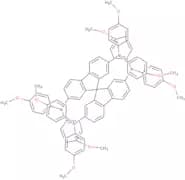
CAS:2-Chloro-3,4-dimethoxybenzylamine HCl is a fine chemical that can be used as a building block to synthesize new compounds. It is also a useful intermediate in the production of pharmaceuticals and other organic chemicals. 2-Chloro-3,4-dimethoxybenzylamine HCl has been used as a reaction component for the synthesis of various complex compounds. This compound has been shown to have high purity and quality.Formula:C9H12ClNO2·HClPurity:Min. 95%Molecular weight:238.11 g/mol2,2',7,7'-Tetrakis-(N,N-di-4-methoxyphenylamino)-9,9'-spirobifluorene - Sublimed grade
CAS:2,2',7,7'-Tetrakis-(N,N-di-4-methoxyphenylamino)-9,9'-spirobifluorene (TPB) is a model system for investigating the transport of light signal in polymers. TPB can be used as a component in solar cells to increase their efficiency and improve their resistance to heat. TPB has shown high resistance to hydrochloric acid and other aggressive chemicals. TPB has been shown to be an effective photoelectron donor with a redox potential that is close to the one of copper; this property can be used for electrochemical impedance spectroscopy.Formula:C81H68N4O8Purity:Min. 95%Color and Shape:Off-white to yellow solid.Molecular weight:1,225.43 g/molN,N-Bis(4-bromobenzyl)amine
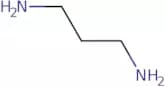
CAS:Formula:C14H13Br2NPurity:>98.0%(GC)(T)Color and Shape:White to Orange to Green powder to crystalMolecular weight:355.071,3-Diaminopropane
CAS:1,3-Diaminopropane is a molecule that belongs to the group of organic compounds known as diamine. It is a colorless liquid with an unpleasant odor. 1,3-Diaminopropane has inhibitory properties and can be used in the treatment of squamous cell carcinoma and galleria mellonella. The mechanism of action for this compound has been determined by x-ray crystal structures. 1,3-Diaminopropane reacts with picolinic acid (PA) to form an intramolecular hydrogen bond, which inhibits PA's ability to react with other molecules. This results in PA being unable to form reactive intermediates that normally lead to cancerous changes in cells.Formula:C3H10N2Purity:Min. 95%Color and Shape:Clear LiquidMolecular weight:74.12 g/mol2-(4-Benzylpiperidin-1-yl)ethanamine
CAS:2-(4-Benzylpiperidin-1-yl)ethanamine is a fine chemical that is useful for the preparation of versatile building blocks. This compound is an intermediate in the synthesis of a variety of compounds, including research chemicals and speciality chemicals. It has been used as a reaction component in the synthesis of complex compounds with high quality. 2-(4-Benzylpiperidin-1-yl)ethanamine is also a reagent that can be used to synthesize amines and amides. CAS No. 25842-32-4Formula:C14H22N2Purity:Min. 95%Color and Shape:LiquidMolecular weight:218.34 g/mol4-Nitro-4'-acetylaminodiphenyl sulfone
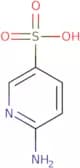
CAS:4-Nitro-4'-acetylaminodiphenyl sulfone is a high quality reagent that is useful for the synthesis of complex compounds. It is a useful intermediate and building block in the synthesis of fine chemicals, pharmaceuticals, and other organic compounds. 4-Nitro-4'-acetylaminodiphenyl sulfone has CAS No. 1775-37-7 and can be used as a speciality chemical in research laboratories. This compound has versatile uses in many types of reactions and can be used as a reaction component in the synthesis of many types of organic compounds.Formula:C14H12N2O5SPurity:Min. 95%Molecular weight:320.32 g/mol2-Aminopyridine-5-sulfonic acid
CAS:2-Aminopyridine-5-sulfonic acid is an alkaline hydrolysis product of benzene and water. It is an organic compound that is classified as a heterocyclic amine. The molecule has a pyridine ring with two nitrogen atoms in the ring. 2-Aminopyridine-5-sulfonic acid has been shown to be used as a ligand for coordination of ruthenium metal ions, which has been studied by theory and experiment. This ligand was also found to be able to coordinate halides such as chloride, bromide, or iodide ions. 2-Aminopyridine-5-sulfonic acid can exist in two different isomers: (S)-2-(benzyloxycarbonylamino)pyridine 5 sulfonic acid or (R)-2-(benzyloxycarbonylamino)pyridine 5 sulfonic acid.Formula:C5H6N2O3SPurity:Min. 95%Color and Shape:SolidMolecular weight:174.18 g/molN-[4-(Acetylamino)phenyl]glycine
CAS:N-[4-(Acetylamino)phenyl]glycine is a fine chemical that can be used as a building block in the synthesis of pharmaceuticals, agricultural chemicals, and other speciality chemicals. It is an intermediate in the synthesis of heterocyclic compounds and has been shown to be useful for the preparation of complex compounds. N-[4-(Acetylamino)phenyl]glycine also serves as a reaction component in many organic reactions and has been used as a research chemical. This compound has high purity and can be obtained at competitive prices.Formula:C10H12N2O3Purity:Min. 95%Color and Shape:PowderMolecular weight:208.21 g/mol4,6-Dimethyl-5-nitro-m-phenylenediamine
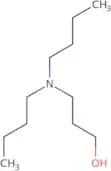
CAS:4,6-Dimethyl-5-nitro-m-phenylenediamine is a versatile building block that can be used as a reagent or a speciality chemical. It is used in research to test the susceptibility of bacteria to antibiotics and other toxic substances. 4,6-Dimethyl-5-nitro-m-phenylenediamine has been shown to inhibit the growth of Mycobacterium tuberculosis, Mycobacterium avium complex, and some strains of Staphylococcus aureus. This product is also useful for making high quality compounds that are useful scaffolds for drug development.br> 4,6-Dimethyl-5-nitro-m-phenylenediamine is an organic compound with the chemical formula C9H8N2O3. It has two asymmetric carbon atoms and exists as two enantiomers, one of which is more reactive than the other. The (S)-enFormula:C8H11N3O2Purity:Min. 95%Molecular weight:181.19 g/mol3-(Dibutylamino)propan-1-ol
CAS:3-(Dibutylamino)propan-1-ol is an intermediate that is used in the synthesis of procainamide and procaine. It can be prepared by reaction of dibutylamine with propanol. 3-(Dibutylamino)propan-1-ol has a high stability in organic solvents, such as chloroform, as well as in bioreactors and automated synthesizers. This product is also an efficient catalyst for reactions involving esters. 3-(Dibutylamino)propan-1-ol has been shown to be effective at inhibiting the growth of Mycobacterium smegmatis and Mycobacterium tuberculosis.Formula:C11H25NOPurity:Min. 95%Color and Shape:Clear LiquidMolecular weight:187.32 g/mol3-[Methyl(methylsulfonyl)amino]benzoic acid
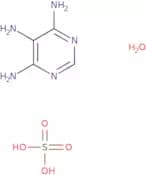
CAS:3-[Methyl(methylsulfonyl)amino]benzoic acid is a chemical compound that is used as a building block for many other compounds. It is also a useful intermediate in the synthesis of various chemicals, such as pharmaceuticals and pesticides. This compound has been shown to be useful as a reaction component in the synthesis of complex compounds and can be used as a reagent in research. 3-[Methyl(methylsulfonyl)amino]benzoic acid has CAS number 89469-46-5 and is available at high quality from our company.Formula:C9H11NO4SPurity:Min. 95%Color and Shape:White PowderMolecular weight:229.25 g/mol4,5,6-Pyrimidinetriamine sulfate hydrate
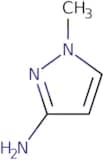
CAS:4,5,6-Pyrimidinetriamine sulfate hydrate is a pyrimidine derivative that can be used as a building block for the synthesis of a wide range of compounds. It is used as a starting material in organic chemistry and pharmaceuticals. 4,5,6-Pyrimidinetriamine sulfate hydrate is also used in research and development as an intermediate or reagent.Formula:C4H7N5·H2SO4·xH2OPurity:Min. 95%Molecular weight:223.21 g/mol3-Amino-1-methylpyrazole
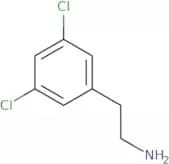
CAS:3-Amino-1-methylpyrazole is a molecule in the amide family. It is a natural product, which has been found to have signalling properties. 3-Amino-1-methylpyrazole has also been shown to inhibit telomerase activity and can be used as a potential anticancer agent in the future. This compound was designed for use in pharmaceutical research and has shown great pharmacokinetic properties that can be optimized for pharmaceutical research. 3-Amino-1-methylpyrazole is not yet approved for any therapeutic use but has shown great potential as an anticancer agent, especially when combined with other drugs or chemotherapy treatments.Formula:C4H7N3Purity:Min. 95%Color and Shape:Clear LiquidMolecular weight:97.12 g/mol2-(3,5-Dichlorophenyl)ethanamine
CAS:Controlled Product2-(3,5-Dichlorophenyl)ethanamine is a versatile building block that can be used in research and development of many compounds. This compound is a fine chemical that has been used as a reagent in organic synthesis. 2-(3,5-Dichlorophenyl)ethanamine is a useful intermediate and reaction component in the synthesis of other organics. It can also be used as a scaffold to synthesize more complicated molecules.Formula:C8H9Cl2NPurity:Min. 95%Color and Shape:Clear LiquidMolecular weight:190.07 g/mol3-Fluoro-4-(4-morpholinyl) benzenamine
CAS:3-Fluoro-4-(4-morpholinyl) benzenamine is an antibiotic drug that belongs to the group of nitro compounds. It is active against bacteria and fungi, but not against viruses. It has been shown to inhibit bacterial growth by binding to the gyrase enzyme, which is essential for DNA replication. 3-Fluoro-4-(4-morpholinyl) benzenamine also inhibits protein synthesis by topoisomerase inhibition and has been shown to be effective against a wide range of bacteria including Pseudomonas aeruginosa, Escherichia coli, Enterobacter cloacae, Klebsiella pneumoniae, Proteus mirabilis, Serratia marcescens, and Staphylococcus aureus. 3-Fluoro-4-(4-morpholinyl) benzenamine has low toxicity in humans because it reacts with nitric oxide (NO), producing harmless fluoroacetate
Formula:C10H13FN2OPurity:Min. 95%Color and Shape:PowderMolecular weight:196.22 g/mol[1-(3-Methylpyridin-2-yl)ethyl]amine
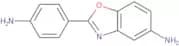
CAS:1-(3-Methylpyridin-2-yl)ethyl]amine is a fine chemical that is a useful building block for research chemicals, reagents and speciality chemicals. It is used as a reaction component and as an intermediate in the synthesis of various complex compounds. 1-(3-Methylpyridin-2-yl)ethyl]amine is also versatile and can be used as a scaffold in organic synthesis.Formula:C8H12N2Purity:Min. 95%Color and Shape:Colorless PowderMolecular weight:136.19 g/mol5-Amino-2-(4-aminophenyl)benzoxazole
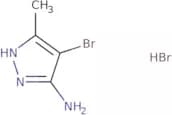
CAS:5-Amino-2-(4-aminophenyl)benzoxazole is a drug that has been shown to have anti-diabetic properties. It acts by activating the protein kinase B (PKB), which is a key regulator of insulin resistance and glucose metabolism. 5-Amino-2-(4-aminophenyl)benzoxazole also binds to heat shock proteins, which may be responsible for its effects on liver cells, and has been shown to reduce viscosity in deionized water. This drug also acts as an inhibitor of protozoan parasites such as Plasmodium falciparum and Leishmania major, through its ability to inhibit their aldehyde dehydrogenase enzyme. 5-Amino-2-(4-aminophenyl)benzoxazole has a crystalline structure similar to that of the active form of insulin.Formula:C13H11N3OPurity:Min. 95%Color and Shape:White PowderMolecular weight:225.25 g/mol5-Amino-4-bromo-3-methylpyrazole hydrobromide
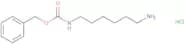
CAS:5-Amino-4-bromo-3-methylpyrazole hydrobromide is an intermediate in the synthesis of a variety of compounds. It is also a building block for the synthesis of heterocycles, such as pyrazoles, indazoles, benzoxazoles, and benzothiazoles. 5-Amino-4-bromo-3-methylpyrazole hydrobromide can be used as a reagent to synthesize pharmaceuticals and other useful compounds. 5-Amino-4-bromo-3-methylpyrazole hydrobromide is a versatile building block that can be used in the synthesis of many different types of compounds. This compound has been shown to react with various groups on organic molecules to form new chemical structures.Formula:C4H6BrN3•BrHPurity:Min. 95%Color and Shape:PowderMolecular weight:256.93 g/molZ-1,6-diaminohexane·HCl
CAS:Z-1,6-Diaminohexane·HCl is a versatile building block that can be used as a reagent, speciality chemical, or useful scaffold. This compound has been shown to be a useful intermediate in the synthesis of other compounds and can also react with metal ions to generate metal complexes. Z-1,6-Diaminohexane·HCl is a high quality compound that is stable and soluble in water, making it suitable for use in reactions at room temperature.Formula:C14H22N2O2·HClPurity:Min. 95%Color and Shape:White PowderMolecular weight:286.8 g/mol6-Amino-8-methyl-2H-1,4-benzoxazin-3(4H)-one
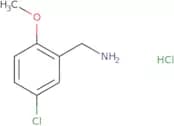
CAS:6-Amino-8-methyl-2H-1,4-benzoxazin-3(4H)-one is a fine chemical that is a useful building block for research chemicals and speciality chemicals. It can be used as a reagent in organic synthesis, as well as in the production of high quality and versatile building blocks. 6-Amino-8-methyl-2H-1,4-benzoxazin-3(4H)-one can be reacted to form useful scaffolds or intermediates that are valuable in the process of making complex compounds.Formula:C9H10N2O2Purity:Min. 95%Color and Shape:PowderMolecular weight:178.19 g/mol5-Chloro-2-methoxybenzylamine hydrochloride
CAS:5-Chloro-2-methoxybenzylamine hydrochloride is a chemical substance that is used as an intermediate in the synthesis of pharmaceuticals and other chemicals. It can be used as a building block to create complex compounds, or it can be used in reactions to produce speciality chemicals. 5-Chloro-2-methoxybenzylamine hydrochloride is a high quality reagent that can be used as a reaction component in research and development. A fine chemical, 5-Chloro-2-methoxybenzylamine hydrochloride has many uses as a versatile building block for organic synthesis. It is also useful for generating research chemicals and complex compounds for use in medicines and other products.Formula:C8H10ClNO·(HCl)Purity:Min. 95%Color and Shape:PowderMolecular weight:208.08 g/molBoc-(3S)-3-amino-4-phenyl-2-butanone
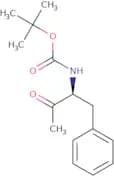
CAS:Boc-(3S)-3-amino-4-phenyl-2-butanone is a chemical intermediate that is useful as a building block in organic synthesis. It has been used as a reaction component, reagent and high quality research chemical. Boc-(3S)-3-amino-4-phenyl-2-butanone is also a versatile building block and useful intermediate for the preparation of complex compounds. This chemical has shown to have speciality applications in fine chemicals such as pharmaceuticals and agrochemicals.
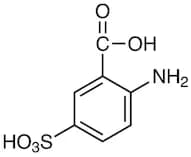
Formula:C15H21NO3Purity:Min. 95%Color and Shape:White to off-white solid.Molecular weight:263.33 g/mol2-Amino-5-sulfobenzoic Acid
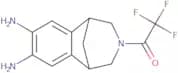
CAS:Formula:C7H7NO5SPurity:>96.0%(T)(HPLC)Color and Shape:White to Light yellow to Light orange powder to crystalMolecular weight:217.201-(7,8-Diamino-1,2,4,5-tetrahydro-1,5-methano-3H-3-benzazepin-3-yl)-2,2,2-trifluoroethanone
CAS:Varenicline Diamine Impurity - Bio-X ™ is a diamine impurity of varenicline, a medication used for smoking cessation. Varenicline acts as a partial agonist at α4β2 nicotinic acetylcholine receptors, which are involved in the addictive effects of nicotine. Researchers utilize this compound to study its effects on nicotine addiction and develop potential treatments for smoking cessation. This impurity is used as a reference standard or analytical tool in the quality control and manufacturing process of varenicline and serves as an important marker for ensuring the purity and consistency of varenicline during its production, helping to maintain the medication's safety and efficacy for patients seeking to quit smoking.Formula:C13H14F3N3OPurity:Min. 96 Area-%Color and Shape:PowderMolecular weight:285.27 g/mol2,4,6-Triaminopyrimidine
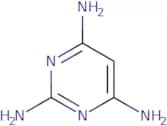
CAS:2,4,6-Triaminopyrimidine is an organic compound that can be found in a variety of sources. It is used as a research chemical and has shown to have anti-inflammatory properties in the rat kidney. This compound has been shown to bind with nucleobases and form hydrogen bonds with glycosidic bonds. 2,4,6-Triaminopyrimidine has also been shown to be a ligand for affinity chromatography.Formula:C4H7N5Purity:Min. 95%Color and Shape:Off-White To Yellow SolidMolecular weight:125.070152-Amino-2',4-dichlorodiphenyl Ether
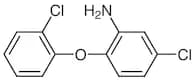
CAS:Formula:C12H9Cl2NOPurity:>98.0%(GC)(T)Color and Shape:Colorless to Brown clear liquidMolecular weight:254.11Polyethylene Glycol Stearylamine (n=approx. 10)
Purity:min. 90.0 %Color and Shape:Orange to Brown to Dark red clear liquid1-Benzyl-3-[3-(dimethylamino)propoxy]-1H-indazole hydrochloride
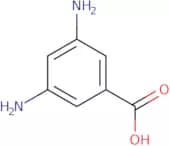
CAS:Controlled Product1-Benzyl-3-[3-(dimethylamino)propoxy]-1H-indazole hydrochloride is an intubation agent that belongs to the group of benzydamine. It has been shown to have anti-inflammatory properties and may be used for the treatment of throat inflammation, including sore throat caused by squamous cell carcinoma, as well as for other inflammatory conditions such as mucositis, which is a complication from radiation therapy or chemotherapy. This drug can also be used with nonsteroidal anti-inflammatory drugs (NSAIDs) to treat pain and inflammation associated with osteoarthritis. 1-Benzyl-3-[3-(dimethylamino)propoxy]-1H-indazole hydrochloride has been shown to inhibit polymerization reactions by intramolecular hydrogen transfer and may have analytical applications in polymer compositions.Formula:C19H24ClN3OPurity:Min. 95%Color and Shape:White PowderMolecular weight:345.87 g/mol3,5-Diaminobenzoic acid
CAS:3,5-Diaminobenzoic acid is an amide compound. It can be used to remove caffeine and other organic compounds from wastewater. 3,5-Diaminobenzoic acid is a fluorescent probe that can be used in the detection of water vapor and 2,4-dichlorobenzoic acid in the atmosphere. This chemical is also capable of removing polymerase chain reactions from DNA samples. 3,5-Diaminobenzoic acid has been shown to have water permeability and a high chemical stability. It has a hydrogen bond with diphenyl ether and can undergo transfer reactions with polymaleic acid and mda-mb-231 breast cancer cells.Formula:C7H8N2O2Purity:Min. 95%Color and Shape:White PowderMolecular weight:152.15 g/molFmoc-(1R,2R)-2-aminocyclohexane carboxylic acid
CAS:Fmoc-(1R,2R)-2-aminocyclohexane carboxylic acid is a versatile building block used as a reaction component in the synthesis of chemical compounds. It is classified as a speciality chemical and has been shown to be useful in the synthesis of complex compounds. The CAS number for this compound is 389057-34-5.Formula:C22H23NO4Purity:Min. 99 Area-%Color and Shape:PowderMolecular weight:365.42 g/molMethenamine hippurate
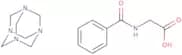
CAS:Controlled ProductMethenamine hippurate is a drug that has been used in the treatment of urinary tract infections. It is also used to prevent recurrence of these infections. Methenamine hippurate works by releasing formaldehyde, which inhibits the growth of bacteria by affecting their cell membrane. The release of formaldehyde is dependent on the concentration of methenamine and the pH, with a pH range from 7.0 to 8.5 being most effective for inhibiting bacterial growth. The release of formaldehyde can be inhibited by adding an acid to the urine sample or by adding hippurate to methenamine hippurate. Methenamine hippurate may cause drug interactions with other drugs that are eliminated through the kidneys, such as acetaminophen, sulfonamides, and indomethacin. This drug also has been shown to have therapeutic effects on choroidal neovascularization and geriatric patients with urinary tract infections.!-- END-->Formula:C6H12N4·C9H9NO3Purity:Min. 95%Color and Shape:White PowderMolecular weight:319.36 g/molTrt-cysteamine hydrochloride
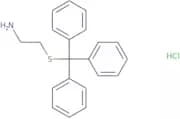
CAS:Trt-cysteamine hydrochloride is a prodrug that is metabolized to cysteamine in vivo. Cysteamine inhibits the production of tumor necrosis factor (TNF) by binding to its receptor and blocking NF-κB signaling pathways. In vitro models have shown that trt-cysteamine hydrochloride has minimal effects on cells, but when used in vivo, it can inhibit oxidative stress and induce cell death. Trt-cysteamine hydrochloride also binds to molecular targets with disulfide bonds, which may be potential therapeutic targets for cancer treatment.Formula:C21H21NS·HClPurity:Min. 95%Color and Shape:White Off-White PowderMolecular weight:355.92 g/mol2,3-Dihydro-1,4-benzodioxin-2-ylmethylamine
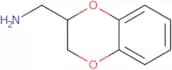
CAS:2,3-Dihydro-1,4-benzodioxin-2-ylmethylamine (DHBMA) is a pharmacophore that has been shown to be an epileptic and convulsant in epidemiological studies. This drug binds to the receptor binding site of the Na+/K+ ATPase enzyme and inhibits its binding affinity for sodium ions. DHBMA has been shown to increase blood pressure in rats when it is injected into the cerebral ventricles. DHBMA also increases the affinity for dopamine D2 receptors which are linked to Parkinson's disease. This drug is used as a linker in the synthesis of prenylated synthons, which can be used to produce drugs with high affinity values and stereoisomers.Formula:C9H11NO2Purity:Min. 95%Color and Shape:Colorless Clear LiquidMolecular weight:165.19 g/molN-Acetyl-β-D-glucosaminyl-(1→4)-N-acetylmuramoyl-L-alanyl-D-isoglutamine
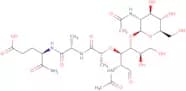
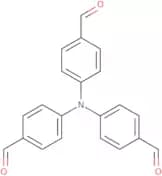
CAS:Please enquire for more information about N-Acetyl-β-D-glucosaminyl-(1→4)-N-acetylmuramoyl-L-alanyl-D-isoglutamine including the price, delivery time and more detailed product information at the technical inquiry form on this pageFormula:C27H45N5O16Purity:Min. 95%Color and Shape:PowderMolecular weight:695.67 g/molTris(4-formylphenyl)amine
CAS:Tris(4-formylphenyl)amine is an organic molecule with a phenol and formamidine functional group. It has been shown to be effective in clinical studies when used as a chelating agent. Tris(4-formylphenyl)amine is able to bind metal ions in the presence of oxygen, which is due to its acidic nature. The molecule also has peroxidase-like activity, which can be used for the detection of plasma samples. Tris(4-formylphenyl)amine has been shown to have fluorescence properties that are dependent on pH and temperature, as well as fluorescence lifetimes. This molecule also exhibits optical properties that are dependent on the wavelength of light used for excitation.Formula:C21H15NO3Purity:Min. 95%Color and Shape:Slightly Yellow PowderMolecular weight:329.35 g/molMethyl 3-aminophenylacetate hydrochloride
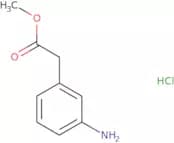
CAS:Methyl 3-aminophenylacetate hydrochloride is a versatile building block that can be used as a reagent for the synthesis of complex compounds. It has been widely used in the production of specialty chemicals, research chemicals and other building blocks. Methyl 3-aminophenylacetate hydrochloride is also an important intermediate in the production of speciality chemicals and pharmaceuticals. This chemical is a high quality chemical that can be used as a reaction component or scaffold for the synthesis of organic compounds.Formula:C9H12ClNO2Purity:Min. 95%Molecular weight:201.65 g/molS-2-Benzothiazolyl (Z)-2-(5-amino-1,2,4-thiadiazol-3-yl)-2-methoxyiminothioacetate
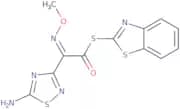
CAS:S-2-Benzothiazolyl (Z)-2-(5-amino-1,2,4-thiadiazol-3-yl)-2-methoxyiminothioacetate is an experimental drug that has been studied in research, solvents and clinical data. It has a strong ability to disrupt the physiology of cells by inhibiting reactions that require S-adenosylmethionine. The reaction time is approximately 10 seconds, and human patients have been used for clinical development and translational research. This reducer is also able to produce high yield with a synthesis time of only 1 hour.Formula:C12H9N5O2S3Purity:Min. 95%Color and Shape:White PowderMolecular weight:351.43 g/mol3,4-(Methylenedioxyphenyl)ethylamine
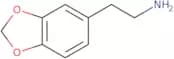
CAS:Controlled Product3,4-(Methylenedioxyphenyl)ethylamine (MDPA) is an anticancer drug that is used to treat various types of cancer. It has been shown to inhibit the growth of human colon cancer cells and breast cancer cells by binding to sphingosine kinase. MDPA is also a dietary supplement that can be found in Stephania japonica plants. This compound has a structural formula of C14H18N2O2, with a molar mass of 220.30 g/mol. The chromatographic science technique can be used for the separation and identification of this compound. It binds to dopamine receptors, which are G-protein coupled receptors that mediate the release of various neurotransmitters such as dopamine and serotonin from neurons in the brain. These natural compounds are acylated with amines or amino acids before they react with hydrochloric acid to produce MDPA.br>Formula:C9H11NO2Purity:Min. 95%Color and Shape:Clear LiquidMolecular weight:165.19 g/mol2-(3-Bromophenyl)ethanamine
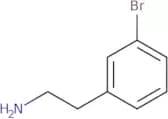
CAS:Controlled Product2-(3-Bromophenyl)ethanamine is an affinity ligand for the 5-hydroxytryptamine receptor 7 (5-HT7). It has a high affinity for the 5-HT7 receptor and can also be used to study other serotonin receptors. This compound has been shown to bind to the 5-HT7 with a Kd of 0.3 nM and no significant binding at other serotonin receptors. It was found that 2-(3-bromophenyl)ethanamine does not inhibit the uptake of serotonin from synaptosomal preparations, but does inhibit the uptake of serotonin from cerebrospinal fluid. These results were confirmed in vitro using radioligand binding assays and autoradiography, demonstrating that 2-(3-bromophenyl)ethanamine binds selectively to the 5-HT7 receptor.Formula:C8H10BrNPurity:Min. 95%Color and Shape:Colorless PowderMolecular weight:200.08 g/molN-Methyl-2-(4-methoxyphenyl)ethylamine
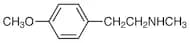
CAS:Formula:C10H15NOPurity:>95.0%(GC)(T)Color and Shape:Light orange to Yellow to Green clear liquidMolecular weight:165.242-Dicyclohexylphosphino-2',6'-bis(N,N-dimethylamino)biphenyl
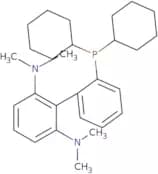
CAS:2-Dicyclohexylphosphino-2',6'-bis(N,N-dimethylamino)biphenyl (PCP-DMAP) is a phosphorus compound that is used for the synthesis of aryl chlorides. It has been validated as an effective reagent for the conversion of aryl chlorides to aryl halides. PCP-DMAP can be used in peptidomimetic synthesis and profiling. It is also useful in the synthesis of natural products where activation with N,N-dimethylchloramine (DMC) is required. PCP-DMAP can be used as an efficient alternative to other methods for activation with DMC, using less time and producing less waste. This compound has been shown to be stable against hydrolysis and oxidation in both acidic and basic media, making it a good reagent for use under these conditions. PCP-DMAP can also be used in the synthesisFormula:C28H41N2PPurity:Min. 95%Color and Shape:PowderMolecular weight:436.61 g/molTributylammonium pyrophosphate
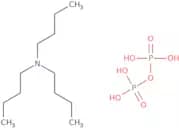
CAS:Controlled ProductTributylammonium pyrophosphate is a phosphorylating reagent used in the synthesis of phosphorylated nucleosides, particularly nucleoside triphosphates used as building blocks for the synthesis of DNA, RNA and sugar nucleotides; as well as a source of cellular energy. Nucleoside triphosphates are typically synthesised by treating free nucleosides with phosphorus oxychloride, then adding tributylammonium pyrophosphate to the reaction intermediate, where the lipophilic tributylammonium salt enhances solubility in organic solvents. Additionally, tributylammonium pyrophosphate was used in the preparation of structurally complex dinucleotide-5’-triphosphates.Formula:(C12H27N)2•H4O7P2Purity:Min. 95%Color and Shape:White PowderMolecular weight:548.68 g/molImidazo[1,2-a]pyridin-2-yl-methylamine dihydrochloride
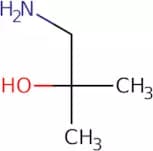
CAS:Imidazo[1,2-a]pyridin-2-yl-methylamine dihydrochloride is a fine chemical that is used as an intermediate in the synthesis of various compounds. It has been found to be an excellent building block for complex compounds and useful scaffold for a variety of research chemicals. Imidazo[1,2-a]pyridin-2-yl-methylamine dihydrochloride is also a reaction component that can be used in the synthesis of speciality chemicals and pharmaceuticals. Imidazo[1,2-a]pyridin-2-yl-methylamine dihydrochloride is soluble in water and methanol and can be stored at room temperature. This product has a CAS number of 452967-56-5.Formula:C8H9N3·2HClPurity:Min. 95%Color and Shape:PowderMolecular weight:220.1 g/mol1-Amino-2-methyl-propan-2-ol
CAS:1-Amino-2-methyl-propan-2-ol is a cytotoxic molecule that has been shown to inhibit the growth of cancer cells. It is synthesized by converting 1,4-benzenediamine and cyclopentanol into the corresponding amines. The amines are then condensed with an alkanolamine in a kinetic reaction to form 1-amino-2-methylpropan-2-ol. This product's anticancer activity may be due to its ability to induce nucleophilic attack on DNA, leading to DNA strand breakage. 1AMPP has also been shown to have antiviral properties against HIV infection.Formula:C4H11NOPurity:Min. 95%Color and Shape:Colorless Clear LiquidMolecular weight:89.14 g/molFmoc-cis-4-aminocyclohexane carboxylic acid
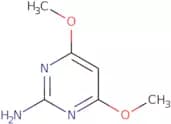
CAS:Fmoc-cis-4-aminocyclohexane carboxylic acid is a reagent, useful for the synthesis of complex compounds. It is also used as an intermediate in the production of fine chemicals and speciality chemicals. In addition, it is a versatile building block that can be used to synthesize many different types of compounds, including pharmaceuticals and pesticides. Fmoc-cis-4-aminocyclohexane carboxylic acid is a high quality compound with a CAS number of 147900-45-6. It has been shown to be an effective scaffold for the synthesis of novel reaction components.Formula:C22H23NO4Purity:Min. 95%Color and Shape:White/Off-White SolidMolecular weight:365.42 g/mol4,6-Dimethoxypyrimidin-2-amine
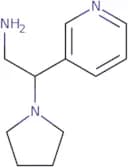
CAS:4,6-Dimethoxypyrimidin-2-amine is a pyrimidine compound with the molecular formula C5H4N4O2. It can be prepared from the reaction of 2,4,6-trichloropyrimidine with formaldehyde and sodium cyanide in an organic solution. The properties of 4,6-Dimethoxypyrimidin-2-amine were studied on bacterial strain and human urine samples. This molecule is soluble in water and reacts with carboxylic acid to form a hydrogen bond. The nitrogen atoms show some reactivity towards copper chloride and hydrogen chloride.Formula:C6H9N3O2Purity:Min. 95%Color and Shape:White PowderMolecular weight:155.15 g/mol2-(3-Pyridyl)-2-pyrrolidinylethylamine
CAS:2-(3-Pyridyl)-2-pyrrolidinylethylamine is a fine chemical that is used as a versatile building block in the synthesis of complex compounds. It is also used as a reagent and speciality chemical for research purposes. This compound can be used to produce useful intermediates and reaction components in organic synthesis. 2-(3-Pyridyl)-2-pyrrolidinylethylamine is also a useful scaffold for making high quality, useful compounds. CAS No. 855659-43-7
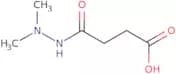
Formula:C11H17N3Purity:Min. 95%Color and Shape:Clear LiquidMolecular weight:191.27 g/molDaminozide
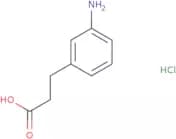
CAS:Daminozide is a plant growth regulator that belongs to the group of chemical substances called dinitrophenols. It is used in agriculture as a pre-planting seed treatment for potatoes and other vegetables to inhibit sprouting, increase yield, and reduce the incidence of disease. Daminozide has been shown to inhibit the activity of two enzymes, fatty acid desaturase (FAD) and lysine decarboxylase (LDC), in plants. The optimum concentration for daminozide is 0.1 mM, which can be achieved by adding ethylene diamine to tissue culture media at a concentration of 1 mM. Daminozide has not been shown to have any significant physiological effects in plants when applied at this concentration.Formula:C6H12N2O3Purity:Min. 95%Color and Shape:PowderMolecular weight:160.17 g/molbeta-(3-Aminophenyl)propionic acid hydrochloride
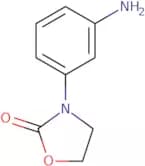
CAS:Beta- (3-aminophenyl)propionic acid hydrochloride is a drug that belongs to the class of pharmaceuticals and is used as a gastric antacid. It has been shown to be effective in treating acute and chronic gastritis, as well as ulcers in humans. Beta-(3-aminophenyl)propionic acid hydrochloride has been shown to have strong effects on tissues, membranes, and chlorides. The drug binds to hydrogen chloride and chlorine ions in the stomach, thereby preventing the formation of hydrochloric acid (HCL). This prevents the damage caused by HCL on tissues and membranes of the stomach. Beta-(3-aminophenyl)propionic acid hydrochloride also has health effects with high concentrations, such as chloroform or chlorine gas.Formula:C9H12ClNO2Purity:Min. 95%Molecular weight:201.65 g/mol3-(3-Aminophenyl)-1,3-oxazolidin-2-one
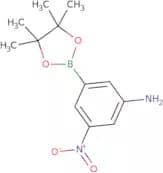
CAS:3-(3-Aminophenyl)-1,3-oxazolidin-2-one is a fine chemical that is used as a building block for more complex compounds. It has been shown to be an effective reagent for the synthesis of complex compounds and can be used as a reaction component in research. 3-(3-Aminophenyl)-1,3-oxazolidin-2-one is also useful in the production of pharmaceuticals and other specialty chemicals.Formula:C9H10N2O2Purity:(¹H-Nmr) Min. 95 Area-%Color and Shape:PowderMolecular weight:178.19 g/mol3-Amino-5-nitrophenylboronic acid pinacol ester
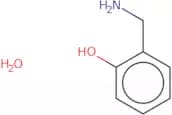
CAS:3-Amino-5-nitrophenylboronic acid pinacol ester is a versatile building block that can be used in the synthesis of complex compounds. This compound has been shown to have useful properties in research chemicals and as reagents or speciality chemicals. Useful intermediates are usually synthesized from 3-Amino-5-nitrophenylboronic acid pinacol ester, which is also a useful scaffold for the synthesis of other compounds.Formula:C12H17BN2O4Purity:Min. 95%Color and Shape:Yellow PowderMolecular weight:264.09 g/mol2-Hydroxybenzylamine hydrate
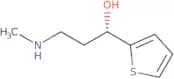
CAS:2-Hydroxybenzylamine hydrate is a fine chemical, useful building block, research chemical, and reagent. It is soluble in water and has a neutral pH. 2-Hydroxybenzylamine hydrate is an intermediate in the synthesis of amphetamines and phenethylamines. This product is also used as a reaction component for the synthesis of polymers, pharmaceuticals, natural products, and other organic compounds. 2-Hydroxybenzylamine hydrate has a high quality level and can be used as a versatile building block in complex reactions.Formula:C7H9NO·H2OPurity:Min. 95%Molecular weight:141.17 g/mol(S)-3-Methylamino-1-(2-thienyl)-1-propanol
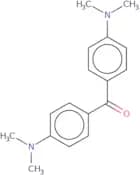
CAS:(S)-3-Methylamino-1-(2-thienyl)-1-propanol is a chiral molecule with two stereogenic centers. It is synthesized by the demethylation of acetylthiophene and the crystallization of the reaction mixture. The class of compounds to which (S)-3-Methylamino-1-(2-thienyl)-1-propanol belongs includes those that have hydroxy groups or diastereomeric salts. The hydroxy group on (S)-3-Methylamino-1-(2-thienyl)-1-propanol can be removed by demethylation, which leads to a mixture of products, including hydroxy and demethylated compounds.Formula:C8H13NOSPurity:Min. 95%Color and Shape:White PowderMolecular weight:171.26 g/mol4,4'-Bis(dimethylamino)benzophenone
CAS:4,4'-Bis(dimethylamino)benzophenone (4,4'-BDMAB) is an organic molecule that has the potential to cause genotoxic effects at high concentrations. It is a cationic polymerization initiator that has been shown to bind to DNA and inhibit hl-60 cells. 4,4'-BDMAB also reacts with phenoxy groups in nucleotide phosphate chains, forming toxic products. The mechanism of this reaction is not yet clear. Studies have shown that 4,4'-BDMAB can cause cell death by inducing apoptosis as well as necrosis. This molecule can also form ketones through reactions with carbonyl groups in cell culture.Formula:C17H20N2OPurity:Min. 95%Molecular weight:268.35 g/mol2-[(4-Chlorophenyl)-2-pyridinylmethoxy]-N,N-dimethylethanamine maleate salt
CAS:Controlled Product2-[(4-Chlorophenyl)-2-pyridinylmethoxy]-N,N-dimethylethanamine maleate salt (DCLM) is a controlled-release preparation of an antihistamine that is used for the relief of allergic symptoms. It is a prodrug that is hydrolyzed to 2-[(4-chlorophenyl)-2-pyridinylmethoxy]ethanol (DCPEM) in vivo. DCLM has been shown to be effective against viruses and has been found to have receptor activity in human serum. The drug can be administered either orally or by injection. DCLM has also been shown to suppress allergic symptoms in vitro with LC-MS/MS analysis.
Formula:C20H23ClN2O5Purity:Min. 95%Color and Shape:White To Off-White SolidMolecular weight:406.86 g/mol2-Aminobiphenyl [for Sugar determination]
CAS:Formula:C12H11NPurity:>99.0%(GC)(T)Color and Shape:White to Light yellow powder to crystalMolecular weight:169.231-Biotinylamino-3,6,9-trioxaundecane-11-bromide
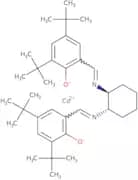
CAS:1-Biotinylamino-3,6,9-trioxaundecane-11-bromide is a high quality reagent that is used in research and development. It has a CAS number of 1041766-91-9. 1-Biotinylamino-3,6,9-trioxaundecane-11-bromide is a versatile building block that can be used as an intermediate or scaffold in chemical reactions. It is also a useful reaction component for the synthesis of fine chemicals.Formula:C18H32BrN3O5SPurity:Min. 95%Color and Shape:PowderMolecular weight:482.43 g/mol(S,S)-(+)-N,N'-Bis(3,5-di-tert-butylsalicylidene)-1,2-cyclohexanediaminocobalt(II)
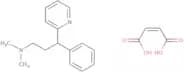
CAS:The (S,S)-(+)-N,N'-Bis(3,5-di-tert-butylsalicylidene)-1,2-cyclohexanediaminocobalt(II) is an orange copolymer that is soluble in water and organic solvents. It has a molecular weight of 542.83 g/mol and a density of 1.221 g/cm3. The (S,S)-(+)-N,N'-Bis(3,5-di-tert-butylsalicylidene)-1,2-cyclohexanediaminocobalt(II) is used to catalyze the desymmetrization of epoxides and the ligand in enantioselective kinetic preparative reactions. The (S,S)-(+)-N,N'-Bis(3,5-di-tert-butylsalicylFormula:C36H52CoN2O2Purity:(Icp) Min. 96%Color and Shape:Red PowderMolecular weight:603.74 g/molPheniramine maleate
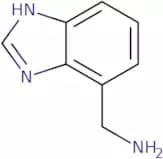
CAS:Histamine receptor H1 antagonistFormula:C16H20N2·C4H4O4Purity:Min. 95%Color and Shape:PowderMolecular weight:356.42 g/mol1-(1H-Benzimidazol-4-yl)methanamine hydrochloride
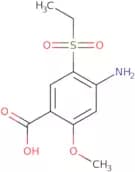
CAS:1-(1H-Benzimidazol-4-yl)methanamine hydrochloride is a versatile building block that can be used as a research chemical, reaction component, or a speciality chemical. It is a fine chemical with high purity and quality. This compound can be used as a useful scaffold for the preparation of other compounds, including pharmaceuticals and agrochemicals. 1-(1H-Benzimidazol-4-yl)methanamine hydrochloride is an intermediate in organic synthesis reactions that are used to synthesize other organic compounds.Formula:C8H8N3·HClPurity:Min. 95%Color and Shape:PowderMolecular weight:182.63 g/mol2-Methoxy-4-amino-5-ethylsulfonyl benzoic acid
CAS:2-Methoxy-4-amino-5-ethylsulfonyl benzoic acid is a synthetic chemical that is used in wastewater treatment. It is also used as a precursor for the production of other chemicals, such as thiocyanates, peroxides, and bromoethanes. 2-Methoxy-4-amino-5-ethylsulfonyl benzoic acid can be produced by the reaction of hydrochloric acid with thionyl chloride. It reacts with aluminium to produce an acylation reaction that produces 2,2'-dithiodiethanol (DTE). The DTE can be reacted with an organic compound to produce a variety of products, including salicylic acid or bromoethanes.Formula:C10H13NO5SPurity:Min. 95%Color and Shape:PowderMolecular weight:259.28 g/molN-(4-Methoxyphenyl)ethane-1,2-diamine
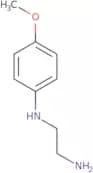
CAS:N-(4-Methoxyphenyl)ethane-1,2-diamine is a synthetic compound that has been shown to inhibit the activity of cathepsins. It can be used in the treatment of diseases caused by these enzymes, such as osteoarthritis and Alzheimer's disease. N-(4-Methoxyphenyl)ethane-1,2-diamine has a pharmacokinetic profile that is favorable for oral administration. The drug is absorbed from the gastrointestinal tract readily and undergoes extensive metabolism in the liver. This process leads to the formation of active metabolites which are excreted in urine or bile. N-(4-Methoxyphenyl)ethane-1,2-diamine also inhibits nitroalkanes with activated aromatic rings, such as 4-nitrobenzaldehyde and 2,4,6-trinitrobenzene.Formula:C9H14N2OPurity:Min. 95%Color and Shape:Slightly Yellow PowderMolecular weight:166.22 g/mol2-((4-methylphenyl)sulfonyl)-3-(phenylamino)-3-sulfanylprop-2-enenitrile
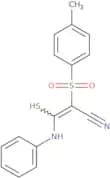
CAS:Please enquire for more information about 2-((4-methylphenyl)sulfonyl)-3-(phenylamino)-3-sulfanylprop-2-enenitrile including the price, delivery time and more detailed product information at the technical inquiry form on this pagePurity:Min. 95%ethyl 2-(4-((4-((ethoxycarbonyl)methyl)-2,5-thiazolyl)amino)-3,5-thiazolyl)acetate
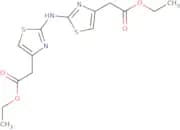
CAS:Please enquire for more information about ethyl 2-(4-((4-((ethoxycarbonyl)methyl)-2,5-thiazolyl)amino)-3,5-thiazolyl)acetate including the price, delivery time and more detailed product information at the technical inquiry form on this pagePurity:Min. 95%ethyl 4-((3-fluorophenyl)amino)-3,5-thiazolecarboxylate
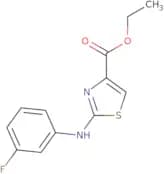
CAS:Please enquire for more information about ethyl 4-((3-fluorophenyl)amino)-3,5-thiazolecarboxylate including the price, delivery time and more detailed product information at the technical inquiry form on this page
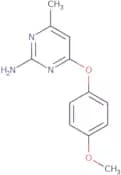
Purity:Min. 95%4-(4-Methoxyphenoxy)-6-methyl-2-pyrimidinamine
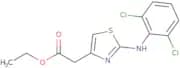
CAS:Please enquire for more information about 4-(4-Methoxyphenoxy)-6-methyl-2-pyrimidinamine including the price, delivery time and more detailed product information at the technical inquiry form on this pageFormula:C12H13N3O2Purity:Min. 95%Color and Shape:PowderMolecular weight:231.25 g/molEthyl 2-(4-(2,6-dichlorophenylamino)-3,5-thiazolyl)acetate
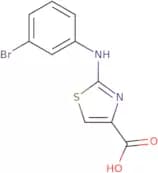
CAS:Please enquire for more information about Ethyl 2-(4-(2,6-dichlorophenylamino)-3,5-thiazolyl)acetate including the price, delivery time and more detailed product information at the technical inquiry form on this pagePurity:Min. 95%2-((3-Bromophenyl)amino)-1,3-thiazole-4-carboxylic acid
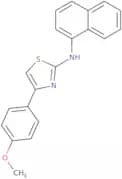
CAS:Please enquire for more information about 2-((3-Bromophenyl)amino)-1,3-thiazole-4-carboxylic acid including the price, delivery time and more detailed product information at the technical inquiry form on this pagePurity:Min. 95%(4-(4-methoxyphenyl)(2,5-thiazolyl))-1-naphthylamine
CAS:Please enquire for more information about (4-(4-methoxyphenyl)(2,5-thiazolyl))-1-naphthylamine including the price, delivery time and more detailed product information at the technical inquiry form on this page
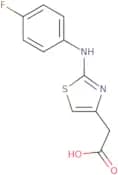
Purity:Min. 95%2-(4-(4-Fluorophenylamino)-3,5-thiazolyl)acetic acid
CAS:Please enquire for more information about 2-(4-(4-Fluorophenylamino)-3,5-thiazolyl)acetic acid including the price, delivery time and more detailed product information at the technical inquiry form on this pageFormula:C11H9FN2O2SPurity:Min. 95%Color and Shape:PowderMolecular weight:252.26 g/mol(3-Aminophenyl)-N-(4-(trifluoromethoxy)phenyl)formamide
Please enquire for more information about (3-Aminophenyl)-N-(4-(trifluoromethoxy)phenyl)formamide including the price, delivery time and more detailed product information at the technical inquiry form on this page
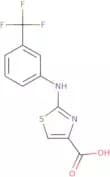
Purity:Min. 95%2-((3-(Trifluoromethyl)phenyl)amino)-1,3-thiazole-4-carboxylic acid
CAS:Please enquire for more information about 2-((3-(Trifluoromethyl)phenyl)amino)-1,3-thiazole-4-carboxylic acid including the price, delivery time and more detailed product information at the technical inquiry form on this page
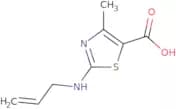
Purity:Min. 95%3-(Prop-2-enylamino)-5-methyl-2,4-thiazole-5-carboxylic acid
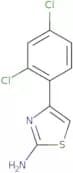
CAS:Please enquire for more information about 3-(Prop-2-enylamino)-5-methyl-2,4-thiazole-5-carboxylic acid including the price, delivery time and more detailed product information at the technical inquiry form on this pagePurity:Min. 95%4-(2,4-Dichlorophenyl)-1,3-thiazol-2-amine
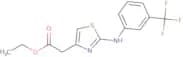
CAS:Please enquire for more information about 4-(2,4-Dichlorophenyl)-1,3-thiazol-2-amine including the price, delivery time and more detailed product information at the technical inquiry form on this pageFormula:C9H6Cl2N2SPurity:Min. 95%Molecular weight:245.13 g/molEthyl 2-(4-(3-(trifluoromethyl)phenylamino)-3,5-thiazolyl)acetate
CAS:Please enquire for more information about Ethyl 2-(4-(3-(trifluoromethyl)phenylamino)-3,5-thiazolyl)acetate including the price, delivery time and more detailed product information at the technical inquiry form on this pagePurity:Min. 95%Ethyl 3-((4-ethoxyphenyl)amino)-5-methyl-2,4-thiazolecarboxylate
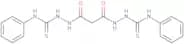
CAS:Please enquire for more information about Ethyl 3-((4-ethoxyphenyl)amino)-5-methyl-2,4-thiazolecarboxylate including the price, delivery time and more detailed product information at the technical inquiry form on this pagePurity:Min. 95%N-(((Phenylamino)thioxomethyl)amino)-N'-(((phenylamino)thioxomethyl)amino)propane-1,3-diamide
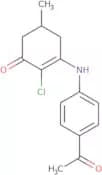
CAS:Please enquire for more information about N-(((Phenylamino)thioxomethyl)amino)-N'-(((phenylamino)thioxomethyl)amino)propane-1,3-diamide including the price, delivery time and more detailed product information at the technical inquiry form on this pageFormula:C17H18N6O2S2Purity:Min. 95%Color and Shape:PowderMolecular weight:402.49 g/mol3-((4-Acetylphenyl)amino)-2-chloro-5-methylcyclohex-2-en-1-one
CAS:Please enquire for more information about 3-((4-Acetylphenyl)amino)-2-chloro-5-methylcyclohex-2-en-1-one including the price, delivery time and more detailed product information at the technical inquiry form on this page
Formula:C15H16ClNO2Purity:Min. 95%Color and Shape:PowderMolecular weight:277.75 g/mol





![4-[Bis(2-hydroxypropyl)amino]benzoic acid ethyl ester, 90%](/_next/image/?url=https%3A%2Fstatic.cymitquimica.com%2Fproducts%2F3D%2Fthumb-webp%2FFB18673.webp&w=3840&q=75)



![[5-(4-Aminophenyl)-2-furyl]methanol](/_next/image/?url=https%3A%2Fstatic.cymitquimica.com%2Fproducts%2F3D%2Fthumb-webp%2FFA134137.webp&w=3840&q=75)



![N-[4-(Acetylamino)phenyl]glycine](/_next/image/?url=https%3A%2Fstatic.cymitquimica.com%2Fproducts%2F3D%2Fthumb-webp%2FFA123743.webp&w=3840&q=75)

![3-[Methyl(methylsulfonyl)amino]benzoic acid](/_next/image/?url=https%3A%2Fstatic.cymitquimica.com%2Fproducts%2F3D%2Fthumb-webp%2FFM136650.webp&w=3840&q=75)

![[1-(3-Methylpyridin-2-yl)ethyl]amine](/_next/image/?url=https%3A%2Fstatic.cymitquimica.com%2Fproducts%2F3D%2Fthumb-webp%2FFM121577.webp&w=3840&q=75)


![1-Benzyl-3-[3-(dimethylamino)propoxy]-1H-indazole hydrochloride](/_next/image/?url=https%3A%2Fstatic.cymitquimica.com%2Fproducts%2F3D%2Fthumb-webp%2FFB18262.webp&w=3840&q=75)

![Imidazo[1,2-a]pyridin-2-yl-methylamine dihydrochloride](/_next/image/?url=https%3A%2Fstatic.cymitquimica.com%2Fproducts%2F3D%2Fthumb-webp%2FFI51742.webp&w=3840&q=75)

![2-[(4-Chlorophenyl)-2-pyridinylmethoxy]-N,N-dimethylethanamine maleate salt](/_next/image/?url=https%3A%2Fstatic.cymitquimica.com%2Fproducts%2F3D%2Fthumb-webp%2FFC19699.webp&w=3840&q=75)
![2-Aminobiphenyl [for Sugar determination]](/_next/image/?url=https%3A%2Fstatic.cymitquimica.com%2Fproducts%2F3B%2Fthumb-webp%2FB0467.webp&w=3840&q=75)