


Amines
Amines are a set of molecules containing an amino functional group (derived from ammonia). This category includes amines at any level of substitution : primary, secondary, tertiary, and ammonium salts. Amines are fundamental in organic synthesis and are widely used in pharmaceuticals, agrochemicals, and materials science. At CymitQuimica, we provide a comprehensive selection of amines to meet your research and industrial needs. Our range ensures access to various amines for diverse chemical processes and innovative research.
Subcategories of "Amines"
- Nitrosamines(2,605 products)
- Primary Amines(30,821 products)
- Quaternary Ammonium Cations and Salts(1,099 products)
- Secondary Amines(20,817 products)
- Tertiary Amines(17,117 products)
Found 8780 products of "Amines"
Sort by
Purity (%)
0
100
|
0
|
50
|
90
|
95
|
100
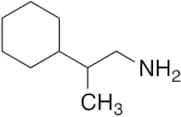
2-Cyclohexylpropan-1-amine
CAS:Controlled Product<p>Applications 2-cyclohexylpropan-1-amine (cas# 103254-49-5) is a useful research chemical.<br></p>Formula:C9H19NColor and Shape:NeatMolecular weight:141.25Ethyl (2Z)-2-[(Acetyloxy)imino]-2-amino-acetic Acid Ester
CAS:Controlled Product<p>Applications Ethyl (2Z)-2-[(Acetyloxy)imino]-2-amino-acetic Acid Ester is an intermediate used in the synthesis of N-(2-Hydroxyethyl)-5-methyl-1,2,4-oxadiazole-3-carboxamide (H942278), which is a photolysis product of Metronidazole (M338880), an antibiotic.<br>References Moore, Douglas E., et al.: Radiation Phy. and Chem., 36(4), 547-50 (1990)<br></p>Formula:C6H10N2O4Color and Shape:NeatMolecular weight:174.155N,N-Dimethyl-4-azepanamine Dihydrochloride
CAS:Controlled ProductFormula:C8H18N2·2(HCl)Color and Shape:NeatMolecular weight:215.165-Amino-2-bromobenzoic Acid
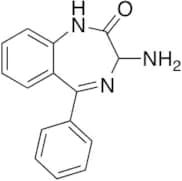
CAS:Controlled Product<p>Applications 5-Amino-2-bromobenzoic acid (cas# 2840-02-0) is a useful research chemical.<br></p>Formula:C7H6NO2BrColor and Shape:NeatMolecular weight:216.033-Amino-5-phenyl-1,3-dihydro-1,4-benzodiazepin-2-one
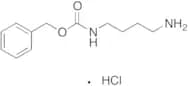
CAS:Controlled ProductFormula:C15H13N3OColor and Shape:NeatMolecular weight:251.283N-CBZ-1,4-Diaminobutane HCl
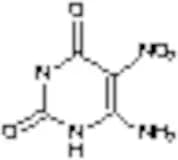
CAS:<p>Applications N-Carbobenzoxy-1,4-diaminobutane HCl is used in the synthetic preparation of pyrazolyl glucopyranoside and galactopyranoside derivative inhibitors of human sodium-glucose cotransporter 1 (SGLT1) for preventives or therapeutics for diseases related to hyperglycemia or galactosemia.<br>References Teranishi, H.; et al.: PCT Int. Appl. 215 pp. Patent 2004 CODEN:PIXXD2<br></p>Formula:C12H18N2O2·ClHColor and Shape:Off White PowderMolecular weight:258.746-Amino-5-nitrouracil
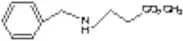
CAS:Controlled Product<p>Applications 6-Amino-5-nitrouracil (cas# 3346-22-3) is a compound useful in organic synthesis.<br>References Graves, A., et al.: J. Mol. Biol., 377, 914 (2008),<br></p>Formula:C4H4N4O4Color and Shape:NeatMolecular weight:172.10Methyl 3-(N-Benzylamino)propionate
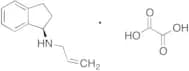
CAS:Controlled Product<p>Applications Used for the preparation of dihydrouracils as anti-ictogenic or anti-epileptogenic agents.<br>References Akoulitchev, S., et al.: Nature, 377, 557 (1995), Marshall, N., et al.: J. Biol. Chem., 270, 12335 (1995), Marshall, N., et al.: J. Biol. Chem., 271, 27176 (1996), Shapiro, G., et al.: J. Clin. Oncol., 24, 1770 (2006),<br></p>Formula:C11H15NO2Color and Shape:NeatMolecular weight:193.24(1R)-2,3-Dihydro-N-2-propen-1-yl-1H-inden-1-amine Ethanedioate
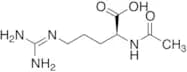
CAS:Controlled Product<p>Applications (1R)-2,3-Dihydro-N-2-propen-1-yl-1H-inden-1-amine Ethanedioate is an intermediate used in the synthesis of propargylated aminoindan derivatives via allylation, bromination, dehalogenation sequence.<br>References Phull, M., et al.: PCT Int. Appl., WO 2009081148 A1 20090702 (2009)<br></p>Formula:C21H23NO10Color and Shape:NeatMolecular weight:449.408(2S)-2-Acetamido-5-(diaminomethylideneamino)pentanoic Acid
CAS:Controlled Product<p>Applications (2S)-2-acetamido-5-(diaminomethylideneamino)pentanoic Acid (cas# 155-84-0) is a useful research chemical.<br></p>Formula:C8H16N4O3Color and Shape:NeatMolecular weight:216.2376N-[(2,4-Difluorophenyl)methyl]-2,4-difluoro-benzenemethanamine
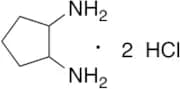
CAS:Controlled Product<p>Applications N-[(2,4-Difluorophenyl)methyl]-2,4-difluoro-benzenemethanamine is derived from 2,4-Difluorobenzylamine (D45085), which acts as a reagent for the design of pyrazole derivatives as non-nucleoside heptatitis B virus inhibitors. It is also used as a reagent in the preparation, HIV antiviral activity, SAR, and molecular modelling of hydroxypyridonecarboxylic acids as HIV reverse transcriptase inhibitors.<br>References Jia, H., et al.: Eur. J. Med. Chem., 123, 202 (2016); Kankanala, J., et al.: J. Med. Chem., 59, 5051 (2016)<br></p>Formula:C14H11F4NColor and Shape:NeatMolecular weight:269.238Cyclopentane-1,2-diamine Dihydrochloride
CAS:Controlled ProductFormula:C5H12N2HClColor and Shape:NeatMolecular weight:173.084Tris(tetrabutylammonium) Hydrogen Pyrophosphate
CAS:Controlled Product<p>Applications Phosphorylating reagent.<br>References Santner, T. et al.: Bioorg. Med. Chem, 20, 2416 (2012); Sun, D. et al.: ChemMedChem, 4, 1649 (2009)<br></p>Formula:C48H109N3O7P2Color and Shape:NeatMolecular weight:902.347-Amino-2,3-dihydro-1,4,-benzoxazepine 1,1-Dimethyl Ester
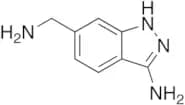
CAS:Controlled ProductFormula:C14H20N2O3Color and Shape:NeatMolecular weight:264.32(6-Aminomethyl-1H-indazol-3-yl)amine
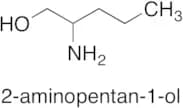
CAS:Controlled ProductFormula:C8H10N4Color and Shape:NeatMolecular weight:162.192DL-2-Amino-1-pentanol
CAS:Controlled Product<p>Applications DL-2-Amino-1-pentanol is a useful intermediate for organic synthesis. It is used in the preparation of amino-substituted pyrimidine derivatives and other aminoethanethiol derivatives with potential antiradiation properties.<br>References Yoo, K. H., et al.: Korean J. Med. Chem., 9, 83 (1999); Fernandez, S., et al.: Synthesis, 9, 713 (1991)<br></p>Formula:C5H13NOColor and Shape:NeatMolecular weight:103.16(3S)-3-Amino-4-mercapto-1-butanesulfonic Acid
CAS:Controlled ProductFormula:C4H11NO3S2Color and Shape:Off-WhiteMolecular weight:185.265tert-Butyl (2-((4-Aminophenyl)amino)-2-oxoethyl)carbamate
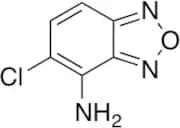
CAS:Controlled Product<p>Applications tert-Butyl (2-((4-Aminophenyl)amino)-2-oxoethyl)carbamate is an intermediate in the synthesis of (E)-2-Formamido-N-(4-((4-(4-hydroxybutyl)phenyl)diazenyl)phenyl)acetamide (F792100), a compound useful in organic synthesis.<br></p>Formula:C13H19N3O3Color and Shape:NeatMolecular weight:265.3085-chloro-2,1,3-benzoxadiazol-4-amine
CAS:Controlled Product<p>Applications 5-chloro-2,1,3-benzoxadiazol-4-amine (cas# 80277-04-9) is a useful research chemical.<br></p>Formula:C6H4N3OClColor and Shape:NeatMolecular weight:169.56[1-(2,4-Dichlorophenyl)cyclohexyl]methanamine Hydrochloride
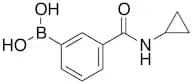
CAS:Controlled ProductFormula:C13H17Cl2N·HClColor and Shape:NeatMolecular weight:294.6483-(Cyclopropylcarbamoyl)phenylboronic Acid (>90%)
CAS:Controlled Product<p>Applications 3-(Cyclopropylaminocarbonyl)phenylboronic acid<br></p>Formula:C10H12BNO3Purity:>90%Color and Shape:NeatMolecular weight:205.024-(3-Aminopropyl)-N,N-dimethylaniline Hydrochloride
CAS:Controlled Product<p>Applications 4-(3-aminopropyl)-N,N-dimethylaniline (cas# 112103-97-6) is a useful research chemical.<br></p>Formula:C11H18N2·HClColor and Shape:NeatMolecular weight:214.735Amino-PEG3-C2-Azido
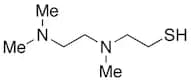
CAS:Controlled Product<p>Stability Light Sensitive<br>Applications A PEG derivative, which contains a free amine that can be conjugated to biological molecules directly by an amide linkage (or via the corresponding isothiocyanate) and an azide that can be reduced to an amine for conjugation to other molecules. PEG derivatives are water soluble. Bifunctional water soluble compounds with flexible dimensions allow for conjugation of small molecules to proteins or molecular probes. 1-amino-11-azido-3,6,9-trioxaundecane can be reacted with small organic molecules for the synthesis of heterobifunctional compounds. It has been used to synthesize a mannose-fluorescein conjugate for the study of cell-surface mannose-specific lectins.<br> Not a dangerous good if item is equal to or less than 1g/ml and there is less than 100g/ml in the package<br>References Aslan, K., et al.: J. Fluoresc., 14, 391 (2004), Gole, A., et al.: Langmuir, 20, 7117 (2004), Cavalcante, A., et al.: Biochem. Eng. J., 29, 258 (2006),<br></p>Formula:C8H18N4O3Color and Shape:NeatMolecular weight:218.25N,N,N’-Trimethyl-N'-thioethylethylene Diamine
CAS:Controlled Product<p>Applications An intermediate of Synergistin. Antibacterial.<br></p>Formula:C7H18N2SColor and Shape:NeatMolecular weight:162.296N-Benzylethylenediamine
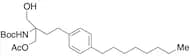
CAS:Controlled Product<p>Applications N-Benzylethylenediamine can be used to develop imidazoline derivatives as ligands for dopamine D4 receptor. It is also a reagent for enantioselective synthesis of epoxides and piperazinones.<br> Not a dangerous good if item is equal to or less than 1g/ml and there is less than 100g/ml in the package<br>References Mammoli, V., et al.: ChemMedChem 11, 1819 (2016); Meninno, S., et al.: Org. Lett. 17, 4348 (2015)<br></p>Formula:C9H14N2Color and Shape:NeatMolecular weight:150.222-((tert-Butoxycarbonyl)amino)-2-(hydroxymethyl)-4-(4-octylphenyl)butyl Acetate
CAS:Controlled Product<p>Applications 2-((tert-bButoxycarbonyl)amino)-2-(hydroxymethyl)-4-(4-octylphenyl)butyl Acetate is the intermediate in the synthesis of Mono-O-acetyl Fingolimod TFA (F524600), which is an impurity of Fingolimod (F805000, HCl salt) which is a novel immune modulator that prolongs allograft transplant survival in numberour models by inhibiting lymphocyte emigration from lymphoid organs.<br>References Brinkmann, V., et al.: Transplantation, 72, 764 (2001). Brinkmann, et al.: J. Biol. Chem., 277, 24, 21453 (2002). Mtaloubian, M., et al.: Nature, 427, 355 (2004)<br></p>Formula:C26H43NO5Color and Shape:NeatMolecular weight:449.6231,10-Diaminodecane
CAS:Controlled Product<p>Applications 1,10-Diaminodecane (cas# 646-25-3) is a useful research chemical.<br></p>Formula:C10H24N2Color and Shape:NeatMolecular weight:172.312-[3-(Methylsulfonyl)phenyl]ethylamine
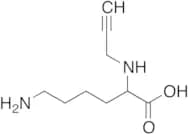
CAS:Controlled ProductFormula:C9H13NO2SColor and Shape:NeatMolecular weight:199.276-Amino-2-(prop-2-yn-1-ylamino)hexanoic Acid
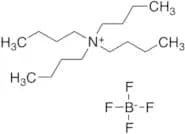
CAS:Controlled ProductFormula:C9H16N2O2Color and Shape:NeatMolecular weight:184.236Tetrabutylammonium Tetrafluoroborate
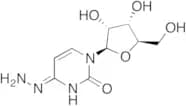
CAS:Controlled Product<p>Applications Tetrabutylammonium tetrafluoroborate (cas# 429-42-5) is a useful research chemical.<br></p>Formula:C16H36BF4NColor and Shape:NeatMolecular weight:329.27N4-Aminocytidine
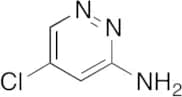
CAS:Controlled Product<p>Applications N4-Aminocytidine (cas# 57294-74-3) is a useful research chemical.<br></p>Formula:C9H14N4O5Color and Shape:NeatMolecular weight:258.235-Chloropyridazin-3-amine
CAS:Controlled Product<p>Applications 5-Chloropyridazin-3-amine is an intermediate used to prepare aminopyrazines as novel, potent Nav1.7 antagonists.<br>References Bregman, H., et al.: Bioorg. Med. Chem. Lett., 22, 2033 (2012)<br></p>Formula:C4H4ClN3Color and Shape:NeatMolecular weight:129.551-Amino-2-nitro-ethenol Ammonium Salt
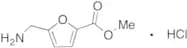
CAS:Controlled ProductFormula:C2H4N2O3•NH3Color and Shape:NeatMolecular weight:121.09Methyl 5-(Aminomethyl)furan-2-carboxylate Hydrochloride
CAS:Controlled ProductFormula:C7H9NO3·HClColor and Shape:NeatMolecular weight:191.612[1-(Aminomethyl)cyclohexyl]methanamine
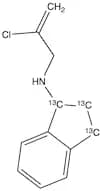
CAS:Controlled ProductFormula:C8H18N2Color and Shape:NeatMolecular weight:142.242N-(2-chloroallyl)-2,3-dihydro-1H-inden-1-amine- C13
CAS:Controlled ProductFormula:C3C9H9ClNColor and Shape:NeatMolecular weight:205.637O-(Tetrahydro-2H-pyran-2-yl)hydroxylamine
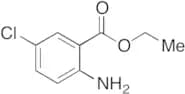
CAS:<p>Applications O-(Tetrahydro-2H-pyran-2-yl)hydroxylamine can be used to treat fibrotic and inflammatory diseases.<br>References Gomer, R.H., et.al., PCT Int. Appl., 167, (2020);<br></p>Formula:C5H11NO2Color and Shape:NeatMolecular weight:117.15Ethyl 2-Amino-5-chlorobenzoate
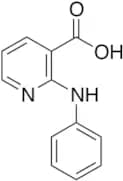
CAS:Controlled ProductFormula:C9H10ClNO2Color and Shape:NeatMolecular weight:199.6342-(Phenylamino)nicotinic Acid
CAS:Controlled Product<p>Applications 2-(Phenylamino)nicotinic Acid (cas# 16344-24-4) is a useful research chemical.<br></p>Formula:C12H10N2O2Color and Shape:NeatMolecular weight:214.222-Amino-5,5-dimethyl-5,6-dihydro-4h-benzothiazol-7-one
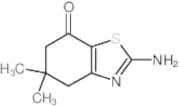
CAS:Controlled Product<p>Applications 2-Amino-5,5-dimethyl-5,6-dihydro-4h-benzothiazol-7-one<br></p>Formula:C9H12N2OSColor and Shape:NeatMolecular weight:196.27Ammonium Bisulfite - In water
CAS:Controlled Product<p>Applications Ammonium bisulfite - In water (cas# 10192-30-0) is a useful research chemical.<br></p>Formula:H5NO3SColor and Shape:Single SolutionMolecular weight:99.112-Amino-2-cyclopropylpropanenitrile
CAS:Controlled Product<p>Applications 2-Amino-2-cyclopropylpropanenitrile, is an enamine building block that can be used in the synthesis of various chemical compounds, such as in synthesis of 5-substituted hydantoins, and Ketone-Derived Enamides.<br>References Murray, R. G. et al.: Organic & Biomolecular Chemistry, Vol: 6, P: 988-99 1 (2008); Coussanes, G. et al.: euro. J. Org. Chem, Vol 2016, P: 4176-4188 (2016);<br></p>Formula:C6H10N2Color and Shape:NeatMolecular weight:297.178Ethyl 4-[[(methylphenylamino)methylene]amino]benzoate
CAS:Controlled Product<p>Applications Ethyl 4-[[(methylphenylamino)methylene]amino]benzoate<br></p>Formula:C17H18N2O2Color and Shape:NeatMolecular weight:282.34Methyl (2S)-2-amino-3-[(triphenylmethyl)sulfanyl]propanoate
CAS:Controlled Product<p>Applications Methyl (2S)-2-amino-3-[(triphenylmethyl)sulfanyl]propanoate<br></p>Formula:C23H23NO2SColor and Shape:NeatMolecular weight:377.5N-Cbz-(1R,2R)-(-)-Diaminocyclohexane
CAS:Controlled ProductFormula:C14H20N2O2Color and Shape:NeatMolecular weight:220.2682-Amino-6-oxo-4,5,6,7-tetrahydrobenzothiazole
CAS:Controlled Product<p>Applications 2-Amino-6-oxo-4,5,6,7-tetrahydrobenzothiazole, is an intermediate in the synthesis of pharmaceutical and biologically active compounds including therapeutic agents. It is an intermediate for the synthesis of Pramipexole (P700755).<br>References Schilling, J.C., et al.: Clin. Pharmacol. Ther., 51, 541 (1992), Kieburtz, K., et al.: J. Am. Med. Assoc., 278, 125 (1997)<br></p>Formula:C7H8N2OSColor and Shape:NeatMolecular weight:168.2162-Amino-4-cyclohexylbutanoic Acid
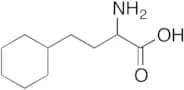
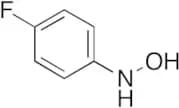
CAS:Controlled ProductFormula:C10H19NO2Color and Shape:NeatMolecular weight:185.263N-(p-Fluorophenyl)-hydroxylamine
CAS:Controlled Product<p>Applications N-(p-Fluorophenyl)-hydroxylamine, is a reactant used in various chemical synthesis, such as in preparation of spiro-isoxazoline and spiro-isoxazolidine derivatives of tomentosin.<br>References Zaki, M., et al.: RSC Advances, Vol. 7, Iss 11, P: 6523-6529 (2017);<br></p>Formula:C6H6FNOColor and Shape:NeatMolecular weight:127.1164-[(1R,3R)-3-[(5-Chloro-2-methoxybenzoyl)amino]-2,2-dimethylcyclopropyl]-rel-benzenesulfonic Acid
CAS:Controlled ProductFormula:C20H22ClNO4SColor and Shape:NeatMolecular weight:407.911(1-Aminoethyl)phosphonic Acid
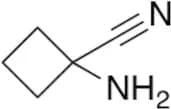
CAS:Controlled ProductFormula:C2H8NO3PColor and Shape:NeatMolecular weight:125.0641-Aminocyclobutanecarbonitrile >80%
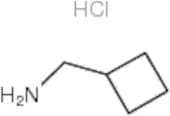
CAS:Controlled Product<p>Applications 1-aminocyclobutanecarbonitrile (cas# 70780-84-6) is a useful research chemical.<br></p>Formula:C5H8N2Purity:>80%Color and Shape:NeatMolecular weight:96.13Cyclobutylmethylamine Hydrochloride
CAS:Controlled Product<p>Stability Hygroscopic<br>Applications Cyclobutylmethylamine Hydrochloride<br></p>Formula:C5H12ClNColor and Shape:NeatMolecular weight:121.614-N,N-Diphenylamino-ß-phenylstilbene
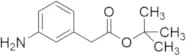
CAS:Controlled Product<p>Applications 4-N,N-Diphenylamino-ß-phenylstilbene (cas# 89114-90-9) is a compound useful in organic synthesis.<br></p>Formula:C32H25NColor and Shape:NeatMolecular weight:423.55tert-Butyl 2-(3-Aminophenyl)acetate
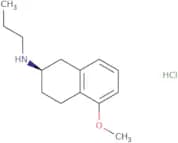
CAS:Controlled Product<p>Applications tert-Butyl 2-(3-Aminophenyl)acetate can be used as anti-heparanase to treat diseases and disorders associated with heparanase activity.<br>References Giannini, G., et.al.: PCT Int. Appl., 103, (2018);<br></p>Formula:C12H17NO2Color and Shape:NeatMolecular weight:207.269(R)-1,2,3,4-Tetrahydro-5-methoxy-N-propyl-2-naphthalenamine hydrochloride
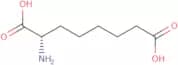
CAS:Controlled Product<p>Please enquire for more information about (R)-1,2,3,4-Tetrahydro-5-methoxy-N-propyl-2-naphthalenamine hydrochloride including the price, delivery time and more detailed product information at the technical inquiry form on this page</p>Formula:C14H22ClNOPurity:Min. 95%Molecular weight:255.78 g/molL-a-Aminosuberic acid
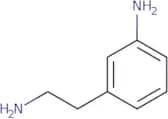
CAS:<p>L-a-aminosuberic acid is a synthetic amino acid that has been used as an analog of L-cysteine. It can be used to induce tumor cell death by inhibiting the uptake of fatty acids in prostate cancer cells. L-a-aminosuberic acid is also able to inhibit the expression of proteins that are involved in prostate cancer, such as monoclonal antibodies and sequences. This compound may be a potential biomarker for the diagnosis of prostate cancer. The low expression levels may be due to the lack of disulfide bond formation, which is necessary for protein activity.</p>Formula:C8H15NO4Purity:Min. 95%Molecular weight:189.21 g/mol3-(2-Amino-ethyl)-aniline
CAS:<p>3-(2-Amino-ethyl)-aniline is a covalent tyrosine kinase inhibitor that binds reversibly to the active site of tyrosine kinases. This compound has been optimized for clinical use as a selective and potent inhibitor of the BCR-ABL fusion protein, which is associated with chronic myelogenous leukemia. 3-(2-Amino-ethyl)-aniline has also been shown to inhibit other tyrosine kinases, including those involved in oncogenesis.</p>Formula:C8H12N2Purity:Min. 95%Molecular weight:136.19 g/molN-[2-[4-(Aminosulfonyl)-phenyl]-ethyl]-5-methyl-2-pyrazinecarboxamide
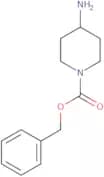
CAS:<p>Fluoxetine is a potent inhibitor of the enzyme cytochrome P450 (CYP) 2C19. The inhibition of CYP2C19 by fluoxetine may lead to an increase in the plasma concentration of other drugs that are metabolized by this enzyme, such as glipizide and hydroxycyclohexyl. Fluoxetine inhibits human uric acid secretion and increases plasma concentrations of uric acid. This drug also inhibits human erythrocyte dihydropyrimidine dehydrogenase, leading to increased blood levels of pyrimidines, especially cytotoxic ones like 6-fluoro-3-indoxyl-beta-D-galactopyranoside. Fluoxetine has been shown to have a protective effect against acetaminophen toxicity in rats because it enhances the conversion of acetaminophen to its less toxic metabolite N-acetylcysteine.</p>Formula:C14H16N4O3SPurity:Min. 95%Color and Shape:White To Off-White SolidMolecular weight:320.37 g/molBenzyl 4-aminopiperidine-1-carboxylate
CAS:<p>Please enquire for more information about Benzyl 4-aminopiperidine-1-carboxylate including the price, delivery time and more detailed product information at the technical inquiry form on this page</p>Formula:C13H18N2O2Purity:Min. 95%Color and Shape:PowderMolecular weight:234.29 g/molMethyl-(2-m-tolyl-ethyl)amine
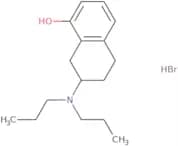
CAS:Controlled Product<p>Please enquire for more information about Methyl-(2-m-tolyl-ethyl)amine including the price, delivery time and more detailed product information at the technical inquiry form on this page</p>Formula:C10H15NPurity:Min. 95%Molecular weight:149.23 g/molrac-8-hydroxy-2-dipropylaminotetralin hydrobromide
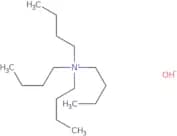
CAS:Controlled Product<p>Rac-8-hydroxy-2-dipropylaminotetralin hydrobromide is a potent 5-HT agonist that has been shown to inhibit the release of prolactin in the serum of rats. Rac-8-hydroxy-2-dipropylaminotetralin hydrobromide was found to be an antagonist of 5HT receptors, with a potency comparable to that of 8-OHDPAT and WAY 100635. Rac rac8-hydroxy-2-dipropylaminotetralin hydrobromide also inhibits locomotor activity induced by the 5HT1A agonist 8OHDPAT. Experiments in vivo have shown that rac rac8-hydroxy-2-dipropylaminotetralin hydrobromide binds to benzodiazepine binding sites and has a low affinity for dopamine receptors. It also blocks cholinergic transmission in the brain, which may explain its</p>Formula:C16H26BrNOPurity:Min. 95%Molecular weight:328.29 g/molTetrabutylammonium hydroxide - 40 wt. % aqueous solution
CAS:<p>Picolinic acid is a product of the reaction between sodium salts and tetrabutylammonium hydroxide. It has been shown to have anti-inflammatory properties in chronic arthritis patients and may be due to its ability to inhibit the production of prostaglandins. Picolinic acid also has been shown to inhibit the growth of bacteria, including Mycobacterium tuberculosis, by preventing protein synthesis. The analytical method for picolinic acid is electrochemical impedance spectroscopy with a 5% picolinic acid solution in human serum or other biological sample.</p>Formula:C16H37NOPurity:Min. 95%Color and Shape:Clear LiquidMolecular weight:259.47 g/molDemethyl benzydamine hydrochloride
CAS:Controlled Product<p>Please enquire for more information about Demethyl benzydamine hydrochloride including the price, delivery time and more detailed product information at the technical inquiry form on this page</p>Formula:C18H22ClN3OPurity:Min. 95%Molecular weight:331.84 g/mol2,3-Dihydro-1-(3-hydroxypropyl)-5-[(2R)-2-[[2-[2-(2,2,2-trifluoroethoxy)phenoxy]ethyl]amino]propyl]-1H-indole-7-carbonitrile
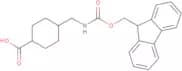
CAS:<p>Please enquire for more information about 2,3-Dihydro-1-(3-hydroxypropyl)-5-[(2R)-2-[[2-[2-(2,2,2-trifluoroethoxy)phenoxy]ethyl]amino]propyl]-1H-indole-7-carbonitrile including the price, delivery time and more detailed product information at the technical inquiry form on this page</p>Formula:C25H30F3N3O3Purity:Min. 95%Molecular weight:477.52 g/molFmoc-trans-4-(aminomethyl)cyclohexane-1-carboxylic acid
CAS:<p>Fmoc-trans-4-(aminomethyl)cyclohexane-1-carboxylic acid is a synthetic amino acid that has been shown in vitro to inhibit the growth of prostate cancer cells. It is an analog of butyric acid, a naturally occurring fatty acid. Fmoc-trans-4-(aminomethyl)cyclohexane-1-carboxylic acid has been synthesized by solid phase methods and labeled with radiotracers such as indium 111 or technetium 99m. The use of Fmoc-trans-4-(aminomethyl)cyclohexane-1-carboxylic acid in vivo is limited by its short circulating half life, rapid metabolism, and high toxicity.</p>Formula:C23H25NO4Purity:Min. 95%Color and Shape:White SolidMolecular weight:379.45 g/mol4-Amino-3,5-difluorobenzoic Acid
CAS:<p>4-Amino-3,5-difluorobenzoic Acid is a chemical compound that is used to manufacture dyes and pharmaceuticals. It is prepared by the reaction of dimethyl formamide with bromobenzoate and hydrobromic acid. The reaction product is decompressed to remove the toxic hydrogen cyanide gas and then reacted with sodium borohydride in liquid ammonia. This process yields 4-amino-3,5-difluorobenzoic acid which can be purified by recrystallization from water or chloroform.</p>Formula:C7H5F2NO2Purity:Min. 95%Molecular weight:173.12 g/mol2,6-Diamino-5-hydroxy-3-(phenylazo)pyridine
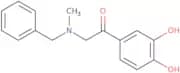
CAS:<p>2,6-Diamino-5-hydroxy-3-(phenylazo)pyridine is a versatile chemical substance that has various applications in different industries. It can be used as a dianhydride to create high-performance polymers or as an electrode material for batteries and fuel cells. This compound is also used in the production of lacosamide, a medication used to treat epilepsy. In addition to its industrial uses, 2,6-Diamino-5-hydroxy-3-(phenylazo)pyridine is also utilized in research laboratories as a reagent or marker. It is commonly used in aerosol compositions for testing purposes and in the analysis of toxicological samples. Researchers also rely on this compound for dispersive solid-phase extraction techniques and for studying photodegradation processes. Furthermore, 2,6-Diamino-5-hydroxy-3-(phenylazo)pyridine has shown potential in the development of polymeric compositions with</p>Formula:C11H11N5OPurity:Min. 95%Molecular weight:229.24 g/mol2-(Benzylmethylamino)-3',4'-dihydroxyacetophenone
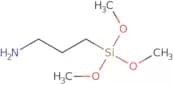
CAS:Controlled Product<p>Please enquire for more information about 2-(Benzylmethylamino)-3',4'-dihydroxyacetophenone including the price, delivery time and more detailed product information at the technical inquiry form on this page</p>Formula:C16H17NO3Purity:Min. 95%Molecular weight:271.31 g/mol3-Aminopropyltrimethoxysilane
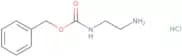
CAS:3-Aminopropyltrimethoxysilane is a chemical that belongs to the group of aminopropyltriethoxysilanes. It is a reactive substance and is commonly used as an additive in adhesives and sealants. 3-Aminopropyltrimethoxysilane has been shown to be an efficient coupling agent for the formation of hydroxyl groups on nanoparticles, which are then used as drug carriers. The optimum concentration of 3-aminopropyltrimethoxysilane lies between 0.01 and 0.1 M, with a pH range of 6 and 8. This chemical can react with hydrochloric acid, resulting in the production of hydrogen gas; with cervical cancer cells in culture, leading to cell death; or with skin cells, causing damage to their transport properties.Formula:C6H17NO3SiPurity:Min. 95%Color and Shape:Clear LiquidMolecular weight:179.29 g/molBenzyl N-(2-aminoethyl)carbamate hydrochloride
CAS:<p>Please enquire for more information about Benzyl N-(2-aminoethyl)carbamate hydrochloride including the price, delivery time and more detailed product information at the technical inquiry form on this page</p>Formula:C10H15ClN2O2Purity:Min. 95%Molecular weight:230.69 g/molTetramethylrhodamine isothiocyanate - mixed isomers
CAS:<p>Tetramethylrhodamine isothiocyanate - mixed isomers (TMR-MI) is a fluorescent probe that can be used to study the interactions between cells and particles. TMR-MI binds to DNA and RNA molecules and has been used as a model system for studying enzyme inhibition. TMR-MI has also been shown to inhibit bowel disease in animal models, but it is not specific to any one cell type. This compound has been used extensively in biomedical research, including studies of autoimmune diseases, cancer, and tissue culture. It has also been used as a marker for detecting reactive oxygen species in laser ablation experiments in mitochondria. TMR-MI can be used to enhance the detection sensitivity of analytical chemistry measurements.</p>Formula:C25H21N3O3SPurity:Min. 95%Color and Shape:PowderMolecular weight:443.52 g/mol2N-Boc-2',2''-triaminotriethylamine
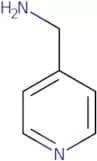
CAS:<p>Please enquire for more information about 2N-Boc-2',2''-triaminotriethylamine including the price, delivery time and more detailed product information at the technical inquiry form on this page</p>Formula:C11H26N4O2Purity:Min. 95%Color and Shape:Yellow PowderMolecular weight:246.35 g/molPyridin-4-ylmethanamine
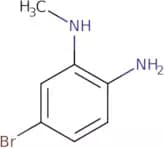
CAS:<p>Pyridin-4-ylmethanamine is a chemical compound that contains a pyridine ring and an amine (-NH2) group. It is usually used as a building block for the synthesis of other compounds. Pyridin-4-ylmethanamine can be synthesized from picolinic acid, which is obtained through a reaction with sodium hydrochloride in an alkaline solution. This reaction proceeds via two steps: first, the formation of a pyridinecarboxylic acid ester and then the addition of ammonia to form pyridin-4-ylmethanamine. The transfer reactions that occur during this process are highly dependent on temperature and pH. The frequency shift effect can be observed when pyridin-4-ylmethanamine interacts with amines, which changes its absorption spectrum.</p>Formula:C6H8N2Purity:Min. 95%Color and Shape:Colorless Clear LiquidMolecular weight:108.14 g/mol5-Bromo-N1-methylbenzene-1,2-diamine
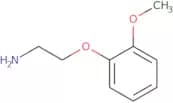
CAS:<p>Please enquire for more information about 5-Bromo-N1-methylbenzene-1,2-diamine including the price, delivery time and more detailed product information at the technical inquiry form on this page</p>Formula:C7H9BrN2Purity:Min. 95%Molecular weight:201.06 g/mol2-(2-Methoxyphenoxy)ethylamine base
CAS:<p>2-(2-Methoxyphenoxy)ethylamine base is an inorganic base with a hydroxyl group. It is soluble in organic solvents and has been used as a coumarin derivative. 2-(2-Methoxyphenoxy)ethylamine base has shown potential use as an antifungal agent, which may be due to its ability to cause lysis in fungi cells. This compound has also shown in vitro activity against bacteria and viruses, including herpes simplex virus type 1 and HIV-1. The 2-(2-methoxyphenoxy)ethylamine base can be sulfonated or acid catalyzed to produce other derivatives that have potential use as anti-inflammatory or analgesic agents.</p>Formula:C9H13NO2Purity:Min. 95%Molecular weight:167.21 g/mol[4-(4-Aminophenoxy)(2-pyridyl)]-N-methylcarboxamide
CAS:<p>4-(4-Aminophenoxy)(2-pyridyl)]-N-methylcarboxamide is a chemical compound that inhibits the growth of cancer cells by binding to the active site of b-raf and blocking its activity. It has been shown in a pharmacokinetics study that 4-(4-aminophenoxy)(2-pyridyl)]-N-methylcarboxamide is absorbed rapidly through the oral administration, excreted in urine, and eliminated rapidly from the body. The optimal reaction for this drug was found to be at pH 7.0 with an ionic strength of 0.1 M (sodium chloride). This drug also has significant inhibitory activities against human cervical carcinoma and breast cancer cell lines (MDA-MB-231).</p>Formula:C13H13N3O2Purity:Min. 95%Color and Shape:Off-White To Beige To Light Brown SolidMolecular weight:243.26 g/mol[(1,4-Dimethyl-1H-benzimidazol-2-yl)methyl]amine
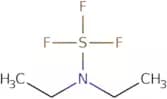
CAS:Controlled Product<p>Please enquire for more information about [(1,4-Dimethyl-1H-benzimidazol-2-yl)methyl]amine including the price, delivery time and more detailed product information at the technical inquiry form on this page</p>Formula:C10H13N3Purity:Min. 95%Molecular weight:175.23 g/molDiethylaminosulfur trifluoride
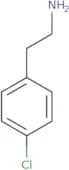
CAS:<p>Diethylaminosulfur trifluoride (DAST) is a reactive chemical that can be used as a methylating agent. It reacts with the hydroxyl group of carotenoids, including β-carotene, to produce x-ray crystal structures with the alcohol methanol solvent. DAST also reacts with 6alkyl and methyl glycosides, such as sucrose, producing a hydroxy derivative. DAST has been shown to have carcinogenic properties in tumor cell lines and is able to induce apoptosis in these cells by damaging their DNA. The use of DAST for cancer treatment can be done through laser ablation or injection into tumors.</p>Formula:C4H10F3NSPurity:(1H-Nmr) Min. 95%Color and Shape:Clear LiquidMolecular weight:161.19 g/mol2-(4-Chlorophenyl)ethylamine
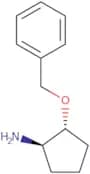
CAS:Controlled Product<p>2-(4-Chlorophenyl)ethylamine (CPA) is a synthetic serotonergic amine that has inhibitory activities. It is able to bind with the 5-HT receptor, which is also known as the serotonin receptor. CPA has been shown to be an anticancer compound and can be used in experimental solubility studies. This drug binds to brain cells, but does not affect their viability. CPA hydrolyzes in the presence of hydrochloric acid or hydrogen chloride to produce 2-(4-chlorophenyl)ethanol (CPE). The reaction of CPA with serotonin produces 4-chloroamphetamine (PCA), which is a stimulant drug.</p>Formula:C8H10ClNPurity:Min. 95%Molecular weight:155.62 g/mol(1R,2R)-1-Amino-2-benzyloxycyclopentane
CAS:<p>(1R,2R)-1-Amino-2-benzyloxycyclopentane is achiral. It is a synthetic chemical that has been used as an initiator for polymerization of amines and hexafluoroisopropanol. The synthesis of this compound can be achieved through a chiral technique known as interfacial polymerization. (1R,2R)-1-Amino-2-benzyloxycyclopentane is an initiator for the production of polymers with alternating helical chains. This process relies on the presence of achiral molecules to initiate the polymerization process.</p>Formula:C12H17NOPurity:Min. 95%Color and Shape:Clear LiquidMolecular weight:191.27 g/molAmmonium carbonate
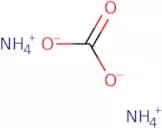
CAS:<p>Ammonium carbonate is an inorganic salt that consists of ammonium ion and carbonate ion. It is a white crystalline solid with a molecular weight of about 166.4 g/mol. Ammonium carbonate is soluble in water, alcohol, acetone, and other organic solvents. It has been used as a buffer solution for pH adjustment and as a source of ammonium ions in analytical chemistry. Ammonium carbonate can be formed by the reaction of sodium carbonate with ammonia gas or liquid ammonia, or the reaction of sodium bicarbonate with ammonia gas or liquid ammonia. The thermal expansion coefficient of ammonium carbonate is higher than those of sodium salts such as sodium chloride and potassium chloride. Electrochemical impedance spectroscopy (EIS) measurements have shown that the reactivity between ammonium carbonate and plasma mass spectrometry is high due to its high values on the electric spectrum graph at low frequencies (1 kHz).</p>Formula:CH8N2O3Purity:Min. 95%Color and Shape:White SolidMolecular weight:96.09 g/molDidecyl dimethyl ammonium chloride - 80% aqueous solution
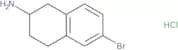
CAS:<p>Didecyl dimethyl ammonium chloride is a quaternary ammonium compound that has been shown to have a broad-spectrum antimicrobial activity. It has been used in disinfectants and as an active ingredient in pharmaceuticals, cosmetics, and foods. The compound is not toxic to humans or animals at concentrations up to 50%. Didecyl dimethyl ammonium chloride has been shown to be effective against infectious diseases caused by bacteria, viruses, fungi, and protozoa. This compound also has an effect on the epithelial-mesenchymal transition (EMT) process. Didecyl dimethyl ammonium chloride can be prepared by titration calorimetry or analytical method. The preparation of didecyl dimethyl ammonium chloride can be done using chloroform and benzalkonium chloride or glycol ether.</p>Formula:C22H48ClNColor and Shape:Clear LiquidMolecular weight:362.08 g/mol6-Bromo-1,2,3,4-tetrahydronaphthalen-2-ylamine hydrochloride
CAS:Controlled Product<p>Please enquire for more information about 6-Bromo-1,2,3,4-tetrahydronaphthalen-2-ylamine hydrochloride including the price, delivery time and more detailed product information at the technical inquiry form on this page</p>Formula:C10H12BrN·HClPurity:Min. 95%Molecular weight:262.57 g/mol(R)-(-)-2-Amino-1-butanol
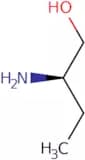
CAS:<p>(R)-(-)-2-Amino-1-butanol is an organic compound that is used as a reagent in the synthesis of pharmaceuticals. It has antimycobacterial properties and can be used to treat tuberculosis. The mechanism for its antimycobacterial activity is not fully understood, but it may involve copper complex formation with the mycobacteria. The chloride ion may also play a role in this process by binding to the copper complex and increasing its solubility in water. This compound may react with aminothiols from the host cell, leading to degradation of DNA, RNA, and proteins. (R)-(-)-2-Amino-1-butanol has been shown to have cytotoxic effects on colorectal adenocarcinoma cells and human lung cancer cells in culture. It also inhibits human colon carcinoma cells in culture through the production of organic acids such as formic acid and acetic acid.</p>Formula:C4H11NOPurity:Min. 95%Molecular weight:89.14 g/molMethyl-1-naphthalenemethylamine
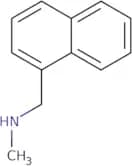
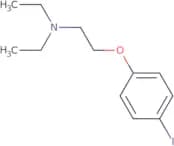
CAS:<p>Methyl-1-naphthalenemethylamine is a synthetic drug that is used as an anti-fungal agent. It is used to treat dermatophytosis and onychomycosis caused by Trichophyton mentagrophytes. Methyl-1-naphthalenemethylamine has been shown to have a clinical response in patients with the skin condition tinea pedis. This drug inhibits the growth of fungi by inhibiting cell membrane synthesis, which leads to cell death. Methyl-1-naphthalenemethylamine has been shown to be effective against Trichophyton mentagrophytes in plasma samples from patients with tinea pedis who were treated with this drug. The effectiveness of this drug may be due to its ability to inhibit the synthesis of polysaccharides, proteins, and lipids in the fungal cell membrane, or its ability to inhibit protein synthesis by binding with ribos</p>Formula:C12H13NPurity:Min. 95%Color and Shape:Clear LiquidMolecular weight:171.24 g/mol2- (4-Iodophenoxy) - N, N- diethylethanamine
CAS:Controlled Product<p>Please enquire for more information about 2- (4-Iodophenoxy) - N, N- diethylethanamine including the price, delivery time and more detailed product information at the technical inquiry form on this page</p>Formula:C12H18INOPurity:Min. 95%Molecular weight:319.18 g/mol5[(R)-(2-Aminopropyl)]-2-methoxybenzenesulfonamide hydrochloride
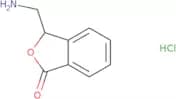
CAS:Controlled Product<p>Please enquire for more information about 5[(R)-(2-Aminopropyl)]-2-methoxybenzenesulfonamide hydrochloride including the price, delivery time and more detailed product information at the technical inquiry form on this page</p>Formula:C10H17ClN2O3SPurity:Min. 95%Molecular weight:280.77 g/mol3-Aminomethylphthalide hydrochloride
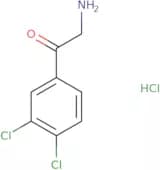
CAS:<p>Please enquire for more information about 3-Aminomethylphthalide hydrochloride including the price, delivery time and more detailed product information at the technical inquiry form on this page</p>Formula:C9H9NO2•HClPurity:Min. 95%Color and Shape:PowderMolecular weight:199.63 g/mol2-(3,4-Dichlorophenyl)-2-oxoethylamineHydrochloride
CAS:Controlled Product<p>Please enquire for more information about 2-(3,4-Dichlorophenyl)-2-oxoethylamineHydrochloride including the price, delivery time and more detailed product information at the technical inquiry form on this page</p>Formula:C8H8Cl3NOPurity:Min. 95%Molecular weight:240.51 g/molN-Methyl-1-(3,4,5-trimethoxyphenyl)methanamine hydrochloride
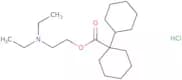
CAS:Controlled ProductPlease enquire for more information about N-Methyl-1-(3,4,5-trimethoxyphenyl)methanamine hydrochloride including the price, delivery time and more detailed product information at the technical inquiry form on this pageFormula:C11H17NO3Purity:Min. 95%Molecular weight:211.26 g/mol2-Diethylaminoethyl 1-cyclohexylcyclohexane-1-carboxylate hydrochloride
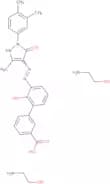
CAS:2-Diethylaminoethyl 1-cyclohexylcyclohexane-1-carboxylate hydrochloride is a methyltransferase inhibitor that blocks the synthesis of monoethyl ether, which is used to synthesize dicyclomine. It has been shown to be effective in vitro against biological samples such as rat liver and blood cells. 2-Diethylaminoethyl 1-cyclohexylcyclohexane-1-carboxylate hydrochloride also has been shown to have a pharmacological effect on rats with bowel disease, congestive heart failure, and crystalline cellulose. The chemical structure of 2-Diethylaminoethyl 1-cyclohexylcyclohexane-1-carboxylate hydrochloride is similar to that of phosphorus pentoxide, which makes it difficult for this drug to cross the blood brain barrier.Formula:C19H36ClNO2Purity:Min. 95%Molecular weight:345.95 g/molEltrombopag olamine
CAS:<p>Eltrombopag olamine is an orally active drug that belongs to the class of thiazolidinones. It has been used for the treatment of thrombocytopenia in patients with chronic liver disease and myelodysplastic syndrome. Eltrombopag olamine inhibits platelet aggregation by binding to glycoprotein IIb/IIIa receptors on the surface of platelets. The drug is a prodrug that is metabolized in vivo to its active form, eltrombopag. This conversion is catalysed by CYP3A4 and CYP2D6 enzymes and can be inhibited by drugs that inhibit these enzymes, such as trifluoroacetic acid and hydroxyl group-containing compounds. Eltrombopag olamine binds to erythrocytes, which may be due to its ability to form intramolecular hydrogen bonds with nitrogen atoms. The synthesis of elt</p>Formula:C25H22N4O4•(C2H7NO)2Purity:Min. 95%Color and Shape:PowderMolecular weight:564.63 g/molE-3-(Tributylstannyl)-2-propen-1-amine
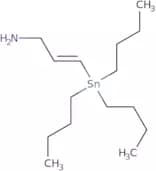
CAS:Controlled Product<p>Please enquire for more information about E-3-(Tributylstannyl)-2-propen-1-amine including the price, delivery time and more detailed product information at the technical inquiry form on this page</p>Formula:C15H33NSnPurity:Min. 95%Molecular weight:346.14 g/mol2-(2-Aminoethyl)-1,3-dioxolane
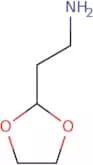
CAS:<p>2-(2-Aminoethyl)-1,3-dioxolane is a model membrane used to study the transport of hydrazides across membranes. It is also a vector for the study of supramolecular polymers and has been shown to be activated by aldehydes. 2-(2-Aminoethyl)-1,3-dioxolane has biological activity against human cells and has been used as a screening agent for hydrazide drugs. This compound can be used to study transport efficiency and functionality in vitro.</p>Formula:C5H11NO2Purity:Min. 95%Color and Shape:Clear LiquidMolecular weight:117.15 g/mol[2-(5-Chloro-1-methyl-1H-benzimidazol-2-yl)ethyl]amine dihydrochloride
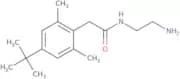
CAS:Controlled Product<p>Please enquire for more information about [2-(5-Chloro-1-methyl-1H-benzimidazol-2-yl)ethyl]amine dihydrochloride including the price, delivery time and more detailed product information at the technical inquiry form on this page</p>Formula:C10H12ClN3Purity:Min. 95%Molecular weight:209.68 g/molN-(2-Aminoethyl)-4-(1,1-dimethylethyl)-2,6-dimethylbenzeneacetamide
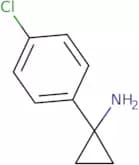
CAS:<p>Please enquire for more information about N-(2-Aminoethyl)-4-(1,1-dimethylethyl)-2,6-dimethylbenzeneacetamide including the price, delivery time and more detailed product information at the technical inquiry form on this page</p>Formula:C16H26N2OPurity:Min. 95%Color and Shape:PowderMolecular weight:262.39 g/mol1-(4-Chlorophenyl)cyclopropylamine
CAS:<p>Please enquire for more information about 1-(4-Chlorophenyl)cyclopropylamine including the price, delivery time and more detailed product information at the technical inquiry form on this page</p>Formula:C9H10ClNPurity:Min. 95%Molecular weight:167.64 g/mol4-Methoxybenzylamine
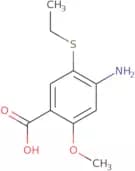
CAS:<p>4-Methoxybenzylamine is an organic amine that has a redox potential of -0.14 V (vs. SHE) and a pK a of 10.5. It is used in the synthesis of trifluoroacetic acid esters, which are used as pharmaceutical intermediates. 4-Methoxybenzylamine has been shown to be effective in alleviating pain in animal models, and its mechanism of action may be due to inhibition of the enzyme cyclooxygenase. The kinetic data for this reaction were obtained by studying the deuterium isotope effect, which is characterized by a low energy barrier and rapid reaction rate. The hydrolysis step is also important for the reaction mechanism, with protocatechuic acid being an intermediate product. Hydrochloric acid is needed for dehydration of the reactants, while an aryl halide can be used instead in some cases. In these reactions, there are many possible reaction</p>Formula:C8H11NOPurity:Min. 95%Molecular weight:137.18 g/mol2-Methoxy-4-amino-5-ethylthiobenzoic acid
CAS:<p>Please enquire for more information about 2-Methoxy-4-amino-5-ethylthiobenzoic acid including the price, delivery time and more detailed product information at the technical inquiry form on this page</p>Formula:C10H13NO3SPurity:Min. 95%Molecular weight:227.28 g/molN-[1-(2,3-Dioleoyloxy)propyl]-n,n,n-trimethylammonium methyl-sulfate
CAS:<p>Dioleoyloxypropyl-N,N,N-trimethylammonium methylsulfate (DOTAP) is an antibacterial agent that disrupts the bacterial membrane. It has been shown to inhibit the uptake of chlamydia by inhibiting the binding of chlamydia to cells and enhancing the detection of chlamydia in cells. DOTAP also has pharmacological properties that are related to its ability to interfere with cellular membranes. DOTAP can be used as a strategy for developing antibacterial agents because it inhibits bacterial growth by disrupting their cellular membranes. This results in a decrease in phosphatidylethanolamine levels, leading to increased cell death.</p>Formula:C43H83NO7SPurity:Min. 95%Molecular weight:758.19 g/mol

![Ethyl (2Z)-2-[(Acetyloxy)imino]-2-amino-acetic Acid Ester](/_next/image/?url=https%3A%2Fstatic.cymitquimica.com%2Fproducts%2FTR%2Fthumb-webp%2FE928425.webp&w=3840&q=75)


![N-[(2,4-Difluorophenyl)methyl]-2,4-difluoro-benzenemethanamine](/_next/image/?url=https%3A%2Fstatic.cymitquimica.com%2Fproducts%2FTR%2Fthumb-webp%2FD448188.webp&w=3840&q=75)




![[1-(2,4-Dichlorophenyl)cyclohexyl]methanamine Hydrochloride](/_next/image/?url=https%3A%2Fstatic.cymitquimica.com%2Fproducts%2FTR%2Fthumb-webp%2FD484158.webp&w=3840&q=75)




![2-[3-(Methylsulfonyl)phenyl]ethylamine](/_next/image/?url=https%3A%2Fstatic.cymitquimica.com%2Fproducts%2FTR%2Fthumb-webp%2FM354198.webp&w=3840&q=75)

![[1-(Aminomethyl)cyclohexyl]methanamine](/_next/image/?url=https%3A%2Fstatic.cymitquimica.com%2Fproducts%2FTR%2Fthumb-webp%2FA636278.webp&w=3840&q=75)



![Ethyl 4-[[(methylphenylamino)methylene]amino]benzoate](/_next/image/?url=https%3A%2Fstatic.cymitquimica.com%2Fproducts%2FTR%2Fthumb-webp%2FE925558.webp&w=3840&q=75)
![Methyl (2S)-2-amino-3-[(triphenylmethyl)sulfanyl]propanoate](/_next/image/?url=https%3A%2Fstatic.cymitquimica.com%2Fproducts%2FTR%2Fthumb-webp%2FM331033.webp&w=3840&q=75)


![4-[(1R,3R)-3-[(5-Chloro-2-methoxybenzoyl)amino]-2,2-dimethylcyclopropyl]-rel-benzen…](/_next/image/?url=https%3A%2Fstatic.cymitquimica.com%2Fproducts%2FTR%2Fthumb-webp%2FC785965.webp&w=3840&q=75)



![N-[2-[4-(Aminosulfonyl)-phenyl]-ethyl]-5-methyl-2-pyrazinecarboxamide](/_next/image/?url=https%3A%2Fstatic.cymitquimica.com%2Fproducts%2F3D%2Fthumb-webp%2FFA150607.webp&w=3840&q=75)


![2,3-Dihydro-1-(3-hydroxypropyl)-5-[(2R)-2-[[2-[2-(2,2,2-trifluoroethoxy)phenoxy]ethyl]amino]propyl…](/_next/image/?url=https%3A%2Fstatic.cymitquimica.com%2Fproducts%2F3D%2Fthumb-webp%2FFD103483.webp&w=3840&q=75)




![[4-(4-Aminophenoxy)(2-pyridyl)]-N-methylcarboxamide](/_next/image/?url=https%3A%2Fstatic.cymitquimica.com%2Fproducts%2F3D%2Fthumb-webp%2FFA17813.webp&w=3840&q=75)
![[(1,4-Dimethyl-1H-benzimidazol-2-yl)methyl]amine](/_next/image/?url=https%3A%2Fstatic.cymitquimica.com%2Fproducts%2F3D%2Fthumb-webp%2FFD136030.webp&w=3840&q=75)

![5[(R)-(2-Aminopropyl)]-2-methoxybenzenesulfonamide hydrochloride](/_next/image/?url=https%3A%2Fstatic.cymitquimica.com%2Fproducts%2F3D%2Fthumb-webp%2FFA17834.webp&w=3840&q=75)

![[2-(5-Chloro-1-methyl-1H-benzimidazol-2-yl)ethyl]amine dihydrochloride](/_next/image/?url=https%3A%2Fstatic.cymitquimica.com%2Fproducts%2F3D%2Fthumb-webp%2FFC135802.webp&w=3840&q=75)

![N-[1-(2,3-Dioleoyloxy)propyl]-n,n,n-trimethylammonium methyl-sulfate](/_next/image/?url=https%3A%2Fstatic.cymitquimica.com%2Fproducts%2F3D%2Fthumb-webp%2FFD157467.webp&w=3840&q=75)