Amines
Amines are a set of molecules containing an amino functional group (derived from ammonia). This category includes amines at any level of substitution : primary, secondary, tertiary, and ammonium salts. Amines are fundamental in organic synthesis and are widely used in pharmaceuticals, agrochemicals, and materials science. At CymitQuimica, we provide a comprehensive selection of amines to meet your research and industrial needs. Our range ensures access to various amines for diverse chemical processes and innovative research.
Subcategories of "Amines"
- Nitrosamines(2,605 products)
- Primary Amines(30,821 products)
- Quaternary Ammonium Cations and Salts(1,099 products)
- Secondary Amines(20,817 products)
- Tertiary Amines(17,117 products)
Found 8778 products of "Amines"
Sort by
Purity (%)
0
100
|
0
|
50
|
90
|
95
|
100
O,O-Diethyl Dithiophosphate Ammonium Salt
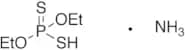
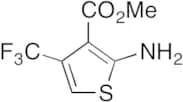
CAS:Controlled Product<p>Applications Used in the synthesis of novel phosphorothioates and phosphorodithioates as cholinesterase inhibitor.<br> Not a dangerous good if item is equal to or less than 1g/ml and there is less than 100g/ml in the package<br>References Millard, C., et al.: J. Neurochem., 64, 1909 (1995), Nicolet, Y., et al.: J. Biol. Chem., 278, 41141 (2003), Casida, J., et al.: Chem. Res. Toxicol., 17, 983 (2004),<br></p>Formula:C4H10O2PS2·H4NColor and Shape:White To Off-WhiteMolecular weight:203.26Methyl 2-Amino-4-trifluoromethylthiophene-3-carboxylate
CAS:Controlled ProductFormula:C7H6F3NO2SColor and Shape:NeatMolecular weight:225.194-[(1,1-Dioxidobenzo[d]isothiazol-3-yl)(methyl)amino]phenyl Acrylate
CAS:Controlled ProductFormula:C17H14N2O4SColor and Shape:NeatMolecular weight:342.37N-(3-Aminopropyl)acetamide Hydrochloride (>90%)
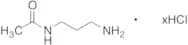
CAS:Controlled Product<p>Applications N-(3-Aminopropyl)acetamide Hydrochloride salt is a salt form of N-Acetyl-1,3-propanediamine (A165390), which is an protected intermediate in the synthesis of analogs of Spermidine (S680400), an antineoplastic agent.<br>References Bergeron, R. et al.: J. Med. Chem, 40, 1475 (1997);<br></p>Formula:C5H12N2O·x(HCl)Purity:>90%Color and Shape:NeatMolecular weight:116.16 + x(36.46)6-Azidohexan-1-amine (~90%)
CAS:Controlled Product<p>Applications 6-AZIDOHEXAN-1-AMINE (cas# 349553-73-7) is a useful research chemical.<br> Not a dangerous good if item is equal to or less than 1g/ml and there is less than 100g/ml in the package<br></p>Formula:C6H14N4Purity:~90%Color and Shape:NeatMolecular weight:142.2N-[(2,4-Difluorophenyl)methylene]-2,4-difluoro-benzenemethanamine
CAS:Controlled Product<p>Applications N-[(2,4-Difluorophenyl)methylene]-2,4-difluoro-benzenemethanamine is derived from 2,4-Difluorobenzylamine (D450850), which acts as a reagent for the design of pyrazole derivatives as non-nucleoside heptatitis B virus inhibitors. It is also used as a reagent in the preparation, HIV antiviral activity, SAR, and molecular modelling of hydroxypyridonecarboxylic acids as HIV reverse transcriptase inhibitors.<br>References Jia, H., et al.: Eur. J. Med. Chem., 123, 202 (2016); Kankanala, J., et al.: J. Med. Chem., 59, 5051 (2016)<br></p>Formula:C14H9F4NColor and Shape:NeatMolecular weight:267.222(±)-trans-1,2-Diaminocyclohexane
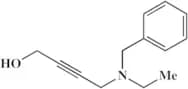
CAS:Controlled Product<p>Applications (±)-trans-1,2-Diaminocyclohexane is a reagent used in the thyroid receptor agonists for treatment of androgenetic alopecia.<br> Not a dangerous good if item is equal to or less than 1g/ml and there is less than 100g/ml in the package<br>References Li, J. J., et al.: Bioorg. Med. Chem. Lett., 20, 306 (2010)<br></p>Formula:C6H14N2Color and Shape:NeatMolecular weight:114.194-(Benzyl(ethyl)amino)but-2-yn-1-ol
CAS:Controlled ProductFormula:C13H17NOColor and Shape:NeatMolecular weight:203.28α-(Trifluoromethyl)cyclopropanemethanamine Hydrochloride
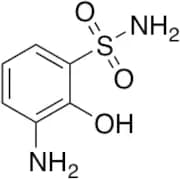
CAS:Controlled ProductFormula:C5H8F3N•HClColor and Shape:NeatMolecular weight:175.583-Amino-2-hydroxybenzenesulfonamide
CAS:Controlled ProductFormula:C6H8N2O3SColor and Shape:NeatMolecular weight:188.204O-(2-Aminoethyl)-O-(2-azidoethyl)nonaethylene Glycol
CAS:Controlled ProductFormula:C22H46N4O10Color and Shape:NeatMolecular weight:526.6214-Isopropyl-1,3-thiazol-2-amine
CAS:Controlled Product<p>Applications 4-Isopropyl-1,3-thiazol-2-amine<br> Not a dangerous good if item is equal to or less than 1g/ml and there is less than 100g/ml in the package<br></p>Formula:C6H10N2SColor and Shape:NeatMolecular weight:142.22[4-(3,4-Dihydro-2H-1-benzopyran-6-yl)phenyl]methanamine
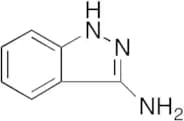
CAS:Controlled ProductFormula:C16H17NOColor and Shape:NeatMolecular weight:239.3121H-Indazol-3-amine
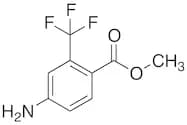
CAS:Controlled Product<p>Applications 1H-Indazol-3-amine is a reagent used in the preparation of indazole derivatives as potential antimicrobial and antitumor agents.<br>References Plescia, S., et al.: ARKIVOC, 10, 163 (2010)<br></p>Formula:C7H7N3Color and Shape:Light RedMolecular weight:133.15Methyl 4-amino-2-(trifluoromethyl)benzoate
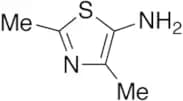
CAS:Controlled ProductFormula:C9H8F3NO2Color and Shape:NeatMolecular weight:219.165-Amino-2,4-dimethylthiazole
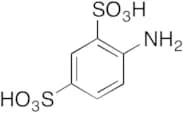
CAS:Controlled ProductFormula:C5H8N2SColor and Shape:NeatMolecular weight:128.1954-Amino-1,3-benzenedisulfonic Acid (>90%)
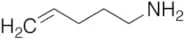
CAS:Controlled Product<p>Applications 4-Amino-1,3-benzenedisulfonic Acid is used as a reagent in the synthesis of arylazopyridoxal phosphate and phosphonate derivatives as P2 receptor antagonists.<br>References Kim, Y., et al.: Drug Develop. Res., 45, 52 (1998)<br></p>Formula:C6H7NO6S2Purity:>90%Color and Shape:NeatMolecular weight:253.254-Penten-1-amine
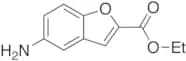
CAS:Controlled Product<p>Stability Volatile<br>Applications In the presence of sugars, lysine, similarly to asparagine and phenylalanine, can undergo carbonyl-assisted decarboxylative deamination reaction to generate pent-4-en-1-amine, the counterpart of acrylamide.<br> Not a dangerous good if item is equal to or less than 1g/ml and there is less than 100g/ml in the package<br>References Stadler, R., et al.: Chem. Res. Toxicol., 16, 1242 (2003), Stadler, R., et al.: J. Agric. Food Chem., 52, 5550 (2004),<br></p>Formula:C5H11NColor and Shape:NeatMolecular weight:85.15Ethyl 5-amino-1-benzofuran-2-carboxylate
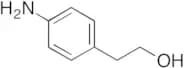
CAS:Controlled Product<p>Applications Ethyl 5-amino-1-benzofuran-2-carboxylate is used as an synthetic intermediate in the preparation of indolebutylpiperazines, a class of dual 5-HT1A receptor agonists and serotonin reuptake inhibitors. Ethyl 5-amino-1-benzofuran-2-carboxylate was also used as a potential radiolabelled analog for melanoma imaging and targeted radiotherapy.<br>References Chezal, J.M., et al.: J. Medn. Chem., 51, 3133 (2008); Heinrich, T., et al.: J. Medn. Chem., 47, 4684 (2004);<br></p>Formula:C11H11NO3Color and Shape:NeatMolecular weight:205.214-Aminophenethyl Alcohol
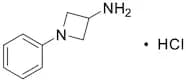
CAS:Controlled Product<p>Applications 4-Aminophenethyl Alcohol, is a building block that can be used in the synthesis of various compounds, such as in synthesis of 4-aminostyrene, and in functionalization of graphene nanoplatelets.<br>References Li L, et al.Polymer Journal 33(4), 364-370; Hagiwara T, et al. Macromolecules 24(26), 6856-6858, (1991);<br></p>Formula:C8H11NOColor and Shape:NeatMolecular weight:137.181-Phenyl-3-Azetidinamine Dihydrochloride
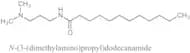
CAS:Controlled ProductFormula:C9H14Cl2N2Color and Shape:NeatMolecular weight:184.666N-(3-(Dimethylamino)propyl)dodecanamide
CAS:Controlled Product<p>Applications N-(3-(Dimethylamino)propyl)dodecanamide is used in the study of surface chemistry and colloids as a new surfactnt for hydrate anti-agglomeration in hydrocarbon flowlines and seabed oil capture.<br>References Sun, Minwei, Journal of Colloid and Interface Science, 402, 312-319, (2013)<br></p>Formula:C17H36N2OColor and Shape:NeatMolecular weight:284.48Ethyl 3-Aminocrotonate
CAS:Controlled Product<p>Applications Ethyl 3-Aminocrotonate is used as a reagent to synthesize Nitrendipine (N490150), a calcium channel antagonist that is used to treat patients with hypertension. Ethyl 3-Aminocrotonate is also used as a reagent to synthesize (S)-Felodipine (F232370), a calcium entry blocker that has antihypertensive properties.<br> Not a dangerous good if item is equal to or less than 1g/ml and there is less than 100g/ml in the package<br>References Bailey, D., et al.: Clin. Invest. Med., 12, 357 (1989); Bean, B.: Proc. Nat. Acad. Sci., 81, 6388 (1984); Kwon, K., et al.: Tetrahedron, 67, 10222 (2011); Leenen, F. & Holiwell, D.: Am. J. Cardio., 69, 639 (1992); Meyer, H., et al.: Arz. Forsch., 33, 1528 (1983); Stoepel, K., et al.: Arz. Forsch., 31, 2056 (1980)<br></p>Formula:C6H11NO2Color and Shape:NeatMolecular weight:129.16Ethyl 4-Amino-2-fluorobenzoate
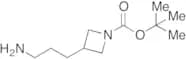
CAS:Controlled Product<p>Applications ETHYL 4-AMINO-2-FLUOROBENZOATE (cas# 73792-06-0) is a useful research chemical.<br></p>Formula:C9H10NO2FColor and Shape:NeatMolecular weight:183.18tert-Butyl 3-(3-Aminopropyl)azetidine-1-carboxylate
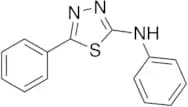
CAS:Controlled ProductFormula:C11H22N2O2Color and Shape:NeatMolecular weight:214.31N,5-diphenyl-1,3,4-thiadiazol-2-amine
CAS:Controlled Product<p>Applications N,5-diphenyl-1,3,4-thiadiazol-2-amine (cas# 1437-57-6) is a useful research chemical.<br></p>Formula:C14H11N3SColor and Shape:NeatMolecular weight:253.322[1-(Aminomethyl)cyclohexyl]methanamine
CAS:Controlled ProductFormula:C8H18N2Color and Shape:NeatMolecular weight:142.2421-Amino-2-nitro-ethenol Ammonium Salt
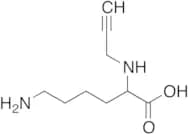
CAS:Controlled ProductFormula:C2H4N2O3•NH3Color and Shape:NeatMolecular weight:121.096-Amino-2-(prop-2-yn-1-ylamino)hexanoic Acid
CAS:Controlled ProductFormula:C9H16N2O2Color and Shape:NeatMolecular weight:184.2364'-Methoxy-[1,1'-biphenyl]-4-methanamine
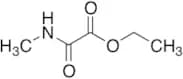
CAS:Controlled ProductFormula:C14H15NOColor and Shape:NeatMolecular weight:213.275ethyl 2-(methylamino)-2-oxoacetate
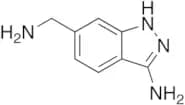
CAS:Controlled Product<p>Applications ethyl 2-(methylamino)-2-oxoacetate (cas# 18522-95-7) is a useful research chemical.<br></p>Formula:C5H9NO3Color and Shape:NeatMolecular weight:131.12(6-Aminomethyl-1H-indazol-3-yl)amine
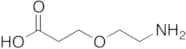
CAS:Controlled ProductFormula:C8H10N4Color and Shape:NeatMolecular weight:162.1923-(2-Aminoethoxy)propionic Acid
CAS:Controlled Product<p>Applications 3-(2-Aminoethoxy)propionic Acid (cas# 144942-89-2) is a compound useful in organic synthesis.<br></p>Formula:C5H11NO3Color and Shape:NeatMolecular weight:133.15[(5-Cyclopropyl-1,2,4-oxadiazol-3-yl)methyl]amine
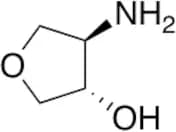
CAS:Controlled ProductFormula:C6H9N3OColor and Shape:NeatMolecular weight:139.155(3S,4R)-4-Aminooxolan-3-ol Hydrichloride Salt
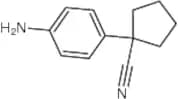
CAS:Controlled Product<p>Applications (3S,4R)-4-aminooxolan-3-ol (cas# 153610-14-1) is a useful research chemical.<br></p>Formula:C4H9NO2·xHClColor and Shape:NeatMolecular weight:139.571-(4-Aminophenyl)cyclopentanecarbonitrile
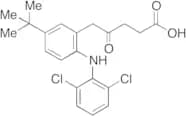
CAS:Controlled ProductFormula:C12H14N2Color and Shape:NeatMolecular weight:186.2535-(5-(Tert-butyl)-2-((2,6-dichlorophenyl)amino)phenyl)-4-oxopentanoic acid
Controlled ProductFormula:C21H23Cl2NO3Color and Shape:NeatMolecular weight:408.318Oleylamine
CAS:<p>Applications Oleylamine is a surfactant in the synthesis of nanoparticles.<br> Not a dangerous good if item is equal to or less than 1g/ml and there is less than 100g/ml in the package<br></p>Formula:C18H37NColor and Shape:NeatMolecular weight:267.493Ethyl 5-Benzyloxy-7-(N-Boc)amino-4-oxo-heptanoate
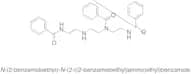
Controlled ProductFormula:C21H31NO6Color and Shape:NeatMolecular weight:393.474N-(2-Benzamidoethyl)-N-(2-((2-benzamidoethyl)amino)ethyl)benzamide
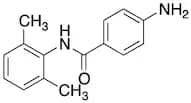
Controlled ProductFormula:C27H30N4O3Color and Shape:NeatMolecular weight:458.5524-Amino-N-(2,6-dimethylphenyl)benzamide
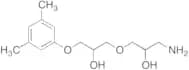
CAS:Controlled Product<p>Applications 4-amino-N-(2,6-dimethylphenyl)benzamide (cas# 787-93-9) is a useful research chemical.<br></p>Formula:C15H16N2OColor and Shape:NeatMolecular weight:240.31-Amino-3-(3-(3,5-dimethylphenoxy)-2-hydroxypropoxy)propan-2-ol
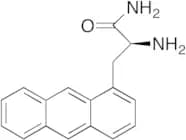
Controlled ProductFormula:C14H23NO4Color and Shape:NeatMolecular weight:269.337(S)-2-Amino-3-(anthracen-1-yl)propanamide
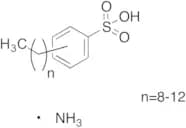
Controlled ProductFormula:C17H16N2OColor and Shape:NeatMolecular weight:264.322Ammonium Alkylbenzenesulfonate (Mixture of different chain lengths)
CAS:Controlled Product<p>Applications It can be used in the preparation of sanitizer for use in factories.<br>References Yuan, H., et al.: Sanitizer used in factory and preparation method thereof, CN 106038470 (2016)<br></p>Formula:C11H10BrClN4Color and Shape:Neat2-(3-Aminopropylamino)ethanol
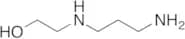
CAS:Controlled Product<p>Applications 2-(3-Aminopropylamino)ethanol is the hydroxy analogue of WR-1065 (A576820), a metabolite of Amifostine (A576810). Amifostine is an organic thiophosphate that has the ability to protect a broad range of tissues from cytotoxicity (e.g. from chemotherapeutic agents) without inducing an antitumour response. 2-(3-Aminopropylamino)ethanol is also used as an nucleophilic tag in the detection of human butyrylcholinesterase adducts.<br> Not a dangerous good if item is equal to or less than 1g/ml and there is less than 100g/ml in the package<br>References Antonadou, D., et al.: Int. J. Rad. Oncol. Biol. Phys., 52, 739 (2002); Kemp, G., et al.: J. Clin. Oncol., 14, 2101 (1996)<br></p>Formula:C5H14N2OColor and Shape:NeatMolecular weight:118.184-(Dimethyloxidoamino)butanoic Acid Hydrochloride
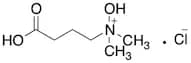
CAS:Controlled Product<p>Applications 4-(Dimethyloxidoamino)butanoic Acid Hydrochloride, is a metabolite of Lauramine Oxide (L178530), which is a frequently used amine oxide surfactant. It is strongly hydrophilic , and it forms normal micelles and normal liquid crystalline phases.<br>References Kocherbitov, v., et al.: J. Molec. Struct.: Theochem., 808, 111 (2007); Kocherbitov, v., et al.: J. Phys. Chem. B., 110 (27), 13649 (2006); Turan, T.S., et al.: Xenobiotica, 11, 447 (1981)<br></p>Formula:C6H14NO3·ClColor and Shape:NeatMolecular weight:183.6335-Amino-2-chloro-4-fluorophenol
CAS:Controlled Product<p>Applications 5-Amino-2-chloro-4-fluorophenol is a reagent involved in the design and structure of potent vascular endothelial growth factor (VEGF) receptor tyrosine kinase inhibitors.<br>References Hennequin, L. F., et al.: J. Med. Chem., 42, 5369-5389 (1999);<br></p>Formula:C6H5ClFNOColor and Shape:NeatMolecular weight:161.562-Phenyl-4-thiazolamine
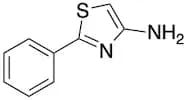
CAS:Controlled ProductFormula:C9H8N2SColor and Shape:NeatMolecular weight:176.238N,N'-Dihydroxy-2,3-dimethyl-2,3-butanediamine
CAS:Controlled ProductFormula:C6H16N2O2Color and Shape:NeatMolecular weight:148.203(alphaR,gammaR)-γ-[[(1,1-Dimethylethoxy)carbonyl]amino]-α-methyl-[1,1'-biphenyl]-4-pentanoic Acid
CAS:Controlled ProductFormula:C23H29NO4Color and Shape:NeatMolecular weight:383.4812-Aminopropane-1,3-diol
CAS:Controlled Product<p>Applications 2-Aminopropane-1,3-diol is used in the synthesis of novel potent inhibitors of human uridine phosphorylase used to reduce toxicity of 5-fluorouracil without affecting its antitumor activity.<br>References Renck, D. et al.: J. Med. Chem., 56, 8892 (2013);<br></p>Formula:C3H9NO2Color and Shape:NeatMolecular weight:91.114-((4-(2-(Dimethylamino)ethoxy)phenyl)(phenyl)methyl)benzoic acid
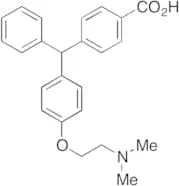
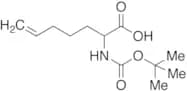
Controlled ProductFormula:C24H25NO3Color and Shape:NeatMolecular weight:375.462-tert-Butyloxycarbonylamino-5-heptenoic Acid
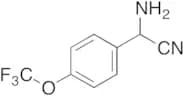
CAS:Controlled Product<p>Applications A reactant used in the preparation of (-)-Amathaspiramide F.<br>References Sakaguchi, K. et al.: Tetrahedron, 65, 10355 (2009); Sakaguchi, K. et al.: Org. Lett., 10, 5449 (2008)<br></p>Formula:C12H21NO4Color and Shape:NeatMolecular weight:243.3α-Amino-4-(trifluoromethoxy)benzeneacetonitrile Hydrochloride
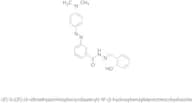
CAS:Controlled ProductFormula:C9H7F3N2OColor and Shape:NeatMolecular weight:216.16(E)-3-((E)-(4-(Dimethylamino)phenyl)diazenyl)-N'-(2-hydroxybenzylidene)benzohydrazide
Controlled ProductFormula:C22H21N5O2Color and Shape:NeatMolecular weight:387.434Bis(3-chloropropyl)amine Hydrochloride
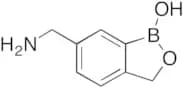
CAS:Controlled Product<p>Stability Hygroscopic<br>Applications Bis(3-chloropropyl)amine Hydrochloride is used in silica studies, and is grafted onto a silica support to evaluate CO2 adsorption.<br>References Yoo, C. et al.: Ind. Eng. Chem. Res., 59, 7061 (2020);<br></p>Formula:C6H13NCl2·HClColor and Shape:NeatMolecular weight:206.546-(Aminomethyl)-1,3-dihydro-2,1-benzoxaborol-1-ol
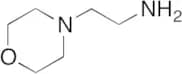
CAS:Controlled ProductFormula:C8H10BNO2Color and Shape:NeatMolecular weight:162.9824-(2-Aminoethyl)morpholine
CAS:Controlled Product<p>Stability Air Sensitive<br>Applications 4-(2-Aminoethyl)morpholine is used as a reagent in the synthesis of novel quinoxaline-5-carboxamide derivatives which have antibacterial activity. Also used as a reagent in the synthesis of pyrazol-4-ylpyrimidine derivatives as potential ROS1 kinase inhibitors.<br> Not a dangerous good if item is equal to or less than 1g/ml and there is less than 100g/ml in the package<br>References Srinivas, K., et al.: J. Appl. Chem., 3, 1432 (2014); Abdelazem, A.Z., et al.: Eur. J. Med. Chem., 90, 195 (2015)<br></p>Formula:C6H14N2OColor and Shape:NeatMolecular weight:130.193-Aminocyclopentanol
CAS:Controlled ProductFormula:C5H11NOColor and Shape:NeatMolecular weight:101.147Di-[2-(2,3-dichlorophenyl)aminoethyl]amine
CAS:Controlled Product<p>Applications Di-[2-(2,3-dichlorophenyl)aminoethyl]amine is prepared from 1-Bromo-2,3-dichlorobenzene(B687435) and Diethylenetriamine (D444255). 1-Bromo-2,3-dichlorobenzene is a reagent used in the preparation of selective nonpeptidic inhibitors of striatal-enriched protein tryosine phosphatase.<br>References Baguley, T.D., et al.: J. Med. Chem., 56, 7636 (2013)<br></p>Formula:C16H17Cl4N3Color and Shape:NeatMolecular weight:393.138[4-(4-Aminophenoxy)(2-pyridyl)]-N-methylcarboxamide
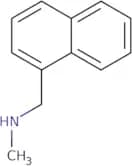
CAS:<p>4-(4-Aminophenoxy)(2-pyridyl)]-N-methylcarboxamide is a chemical compound that inhibits the growth of cancer cells by binding to the active site of b-raf and blocking its activity. It has been shown in a pharmacokinetics study that 4-(4-aminophenoxy)(2-pyridyl)]-N-methylcarboxamide is absorbed rapidly through the oral administration, excreted in urine, and eliminated rapidly from the body. The optimal reaction for this drug was found to be at pH 7.0 with an ionic strength of 0.1 M (sodium chloride). This drug also has significant inhibitory activities against human cervical carcinoma and breast cancer cell lines (MDA-MB-231).</p>Formula:C13H13N3O2Purity:Min. 95%Color and Shape:Off-White To Beige To Light Brown SolidMolecular weight:243.26 g/molMethyl-1-naphthalenemethylamine
CAS:<p>Methyl-1-naphthalenemethylamine is a synthetic drug that is used as an anti-fungal agent. It is used to treat dermatophytosis and onychomycosis caused by Trichophyton mentagrophytes. Methyl-1-naphthalenemethylamine has been shown to have a clinical response in patients with the skin condition tinea pedis. This drug inhibits the growth of fungi by inhibiting cell membrane synthesis, which leads to cell death. Methyl-1-naphthalenemethylamine has been shown to be effective against Trichophyton mentagrophytes in plasma samples from patients with tinea pedis who were treated with this drug. The effectiveness of this drug may be due to its ability to inhibit the synthesis of polysaccharides, proteins, and lipids in the fungal cell membrane, or its ability to inhibit protein synthesis by binding with ribos</p>Formula:C12H13NPurity:Min. 95%Color and Shape:Clear LiquidMolecular weight:171.24 g/mol[2-(1-Isopropyl-1H-benzimidazol-2-yl)ethyl]amine dihydrochloride
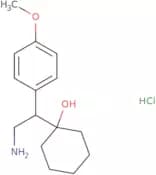
CAS:Controlled Product<p>Please enquire for more information about [2-(1-Isopropyl-1H-benzimidazol-2-yl)ethyl]amine dihydrochloride including the price, delivery time and more detailed product information at the technical inquiry form on this page</p>Formula:C12H17N3Purity:Min. 95%Molecular weight:203.28 g/mol2-(4-Methoxyphenyl)-2-(1-hydroxycyclohexyl)ethylamineHydrochloride
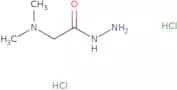
CAS:<p>Please enquire for more information about 2-(4-Methoxyphenyl)-2-(1-hydroxycyclohexyl)ethylamineHydrochloride including the price, delivery time and more detailed product information at the technical inquiry form on this page</p>Formula:C15H24ClNO2Purity:Min. 95%Molecular weight:285.81 g/molDimethylaminoacetic acid hydrazide dihydrochloride
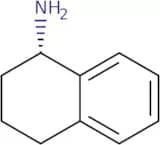
CAS:<p>Please enquire for more information about Dimethylaminoacetic acid hydrazide dihydrochloride including the price, delivery time and more detailed product information at the technical inquiry form on this page</p>Purity:Min. 95%S-(+)-1-Aminotetrahydronaphthalene
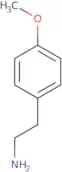
CAS:<p>S-(+)-1-Aminotetrahydronaphthalene is an amido derivative that is the enantiomer of S-(-)-1-amino-N,N'-diphenylformamide. It has been shown to have anti-obesity effects in mice by increasing energy expenditure and reducing food intake. S-(+)-1-Aminotetrahydronaphthalene also inhibits the release of fatty acids from adipose tissue, which may be due to its ability to suppress lipolysis. The molecular mechanism for these effects is not yet known, but it is thought that the amide group on this compound interacts with certain protein surfaces and steric interactions are involved in its activity.</p>Formula:C10H13NPurity:Min. 95%Molecular weight:147.22 g/mol4-Methoxy phenethylamine
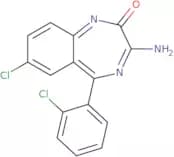
CAS:Controlled Product<p>4-Methoxy phenethylamine (4MPEA) is a natural compound that has been found to have biological properties. It is a precursor of dopamine and norepinephrine, which are neurotransmitters in the brain. 4MPEA is an irreversible enzyme inhibitor with a hydroxyl group. The kinetic data for this compound has been determined by nitrogen atoms. Gamma-aminobutyric acid (GABA) is involved in the regulation of neuronal excitability and plays an important role in preventing seizures. 4MPEA may have potential as a drug for treating epilepsy or other neurological disorders.</p>Formula:C9H13NOPurity:Min. 95%Molecular weight:151.21 g/molZ-(R,S)-3-amino-7-chloro-5-(2-chlorophenyl)-2-oxo-1,4-benzodiazepine
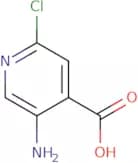
CAS:Controlled Product<p>Please enquire for more information about Z-(R,S)-3-amino-7-chloro-5-(2-chlorophenyl)-2-oxo-1,4-benzodiazepine including the price, delivery time and more detailed product information at the technical inquiry form on this page</p>Formula:C23H17N3O3Cl2Purity:Min. 95%Molecular weight:454.3 g/mol5-Amino-2-chloropyridine-4-carboxylic acid
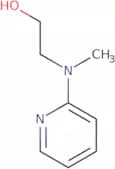
CAS:<p>5-Amino-2-chloropyridine-4-carboxylic acid is a potent tyrosine kinase inhibitor. It inhibits the activation of EGFR, which may be due to its binding to the ATP-binding pocket in EGFR. 5-Amino-2-chloropyridine-4-carboxylic acid has been shown to inhibit cancer cell growth and induce apoptosis in vitro. This drug has also been shown to have potent anticancer activity in vivo, as well as inhibitory effect on tumor growth in xenograft models of human cancer cells. In addition, it inhibits the production of formamidine acetate, a precursor for histamine synthesis. 5-Amino-2-chloropyridine-4-carboxylic acid binds to formamide and formamidine acetate with high affinity and therefore inhibits histamine synthesis.</p>Formula:C6H5ClN2O2Purity:Min. 95%Color and Shape:White PowderMolecular weight:172.57 g/mol2-(Methyl-2-pyridylamino)ethanol
CAS:<p>2-(Methyl-2-pyridylamino)ethanol (2MPE) is a small molecule that has been studied for its potential use as an inhibitor of the enzyme protein kinase C-alpha. The reaction mechanism of 2MPE with rosiglitazone, a drug used to treat type II diabetes mellitus, has been shown to be nucleophilic and proceeds through an addition-elimination mechanism. The kinetic parameters for this reaction have been determined by studying the effect of temperature on the reaction rate. Density measurements indicate that 2MPE is a low-molecular weight compound with a density of 1.08 g/mL at 25°C and 1 atm pressure. This study also found that microreactors are capable of producing high reaction yields in shorter amounts of time than larger reactors, making them well suited to the synthesis of small molecules such as 2MPE.</p>Formula:C8H12N2OPurity:Min. 95%Molecular weight:152.19 g/molN,N-Dimethyl-N-[4-(piperazin-1-ylmethyl)phenyl]amine
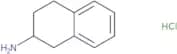
CAS:Controlled Product<p>Please enquire for more information about N,N-Dimethyl-N-[4-(piperazin-1-ylmethyl)phenyl]amine including the price, delivery time and more detailed product information at the technical inquiry form on this page</p>Formula:C13H21N3Purity:Min. 95%Molecular weight:219.33 g/mol1,2,3,4-Tetrahydronaphthalen-2-ylamine hydrochloride
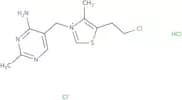
CAS:Controlled Product<p>1,2,3,4-Tetrahydronaphthalen-2-ylamine hydrochloride (THN) is a prodrug that is converted to the active form in the gastrointestinal tract by beta-lactamases. It inhibits bacterial growth and crosslinks bacterial cell walls. THN has been shown to be effective against colitis and ulcerative colitis in animals. It also has anticancer activity, which may be due to its ability to inhibit colon cancer cells from proliferating by interfering with protein synthesis. THN also inhibits the growth of colorectal cancer cells in a dose-dependent manner.</p>Formula:C10H13N·HClPurity:Min. 95%Molecular weight:183.68 g/molBeclotiamine hydrochloride
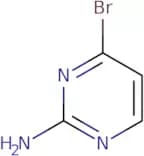
CAS:<p>Beclotiamine hydrochloride, also known as beclamethasone 17,21-dipropionate, is a synthetic corticosteroid that has anti-inflammatory and anticoccidial properties. It is not active against coccidiosis in piglets. Beclotiamine hydrochloride has been shown to have a prophylactic effect on coccidiosis in piglets by inhibiting the development of the oocysts. The mechanism of action is not fully understood but may involve inhibition of the uptake of pyrophosphate or interference with the conversion of organic phosphates to inorganic phosphate. Beclotiamine hydrochloride can be used for the treatment and prevention of coccidiosis in pigs.</p>Formula:C12H17Cl3N4SPurity:Min. 95%Color and Shape:PowderMolecular weight:355.71 g/mol2-Amino-4-bromopyrimidine
CAS:<p>Please enquire for more information about 2-Amino-4-bromopyrimidine including the price, delivery time and more detailed product information at the technical inquiry form on this page</p>Formula:C4H4BrN3Purity:Min. 95%Color and Shape:White PowderMolecular weight:174 g/molN-[3-Fluoro-4-[(methylamino)carbonyl]phenyl]-2-methylalanine
CAS:<p>Please enquire for more information about N-[3-Fluoro-4-[(methylamino)carbonyl]phenyl]-2-methylalanine including the price, delivery time and more detailed product information at the technical inquiry form on this page</p>Formula:C12H15FN2O3Purity:Min. 95%Molecular weight:254.26 g/mol2-Isopropyl-4-(methylaminomethyl)thiazole
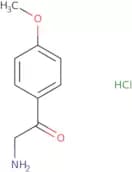
CAS:<p>2-Isopropyl-4-(methylaminomethyl)thiazole is a chemical compound that belongs to the group of halogenating agents. It is used as a precursor in the manufacturing process of pesticides and pharmaceuticals. 2-Isopropyl-4-(methylaminomethyl)thiazole is produced by the chlorination reaction of methylamine with chlorine. This chemical has a variety of industrial uses, including as an intermediate for herbicides, insecticides, and fungicides.</p>Formula:C8H14N2SPurity:Min. 95%Molecular weight:170.28 g/mol2-Amino-4'-methoxyacetophenone hydrochloride
CAS:Controlled Product<p>Please enquire for more information about 2-Amino-4'-methoxyacetophenone hydrochloride including the price, delivery time and more detailed product information at the technical inquiry form on this page</p>Formula:C9H11NO2·HClPurity:Min. 95%Color and Shape:PowderMolecular weight:201.65 g/mol(R)-Tetrahydro-2H-pyran-3-amine hydrochloride
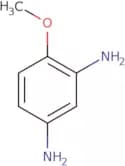
CAS:<p>Please enquire for more information about (R)-Tetrahydro-2H-pyran-3-amine hydrochloride including the price, delivery time and more detailed product information at the technical inquiry form on this page</p>Formula:C5H12ClNOPurity:Min. 95%Molecular weight:137.61 g/mol2,4-Diaminoanisole
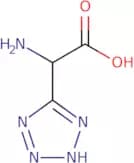
CAS:Controlled Product<p>2,4-Diaminoanisole is a non-responsive substance that belongs to the group of aromatic amines. It has been shown to have carcinogenic properties in rats. 2,4-Diaminoanisole binds to rat liver microsomes and blocks the activity of protein synthesis by blocking the enzyme methionine synthase. This substance also inhibits an enzyme called cytochrome P450 reductase, which is involved in the metabolism of steroid hormones and other drugs. 2,4-Diaminoanisole can be acylated to form dyes with a variety of colors and it can also be used as a photochemical sensitizer for photographic film.</p>Formula:C7H10N2OPurity:Min. 95%Color and Shape:PowderMolecular weight:138.17 g/molα-Amino-2H-tetrazole-5-acetic acid
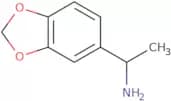
CAS:<p>Alpha-amino-2H-tetrazole-5-acetic acid (AAT) is a neurotoxin that inhibits glutamate receptors and causes neuronal cell death. It also decreases heart function in rats by inhibiting the cardiac sodium channel. AAT has been shown to be effective for inducing neuronal death in Xenopus oocytes, as well as decreasing the expression of certain receptor protein, such as NMDA and AMPA receptor subtypes. AAT is also known to cause apoptosis, which may be due to its inhibition of receptor function.</p>Formula:C3H5N5O2Purity:Min. 95%Color and Shape:Light (Or Pale) Green To Green SolidMolecular weight:143.1 g/mol1-(1,3-Benzodioxol-5-yl)ethanamine
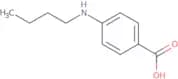
CAS:Controlled Product<p>1-(1,3-Benzodioxol-5-yl)ethanamine is a psychostimulant drug that is structurally related to amphetamine. It has been shown to increase the hatchability of eggs and also to have supersensitivity effects on embryos. The hatchability was increased by pretreatment with 1-(1,3-benzodioxol-5-yl)ethanamine before being incubated with d-amphetamine. The supersensitivity effects were demonstrated by experiments in which the hatchability of eggs was enhanced when they were incubated with various concentrations of this drug. 1-(1,3-Benzodioxol-5-yl)ethanamine has not been shown to have any effect on motility or vocalization in organisms.</p>Formula:C9H11NO2Purity:Min. 95%Molecular weight:165.19 g/mol4-(Butylamino)benzoic acid
CAS:<p>4-(Butylamino)benzoic acid is a non-steroidal anti-inflammatory drug (NSAID) that has been used to treat pain. It is a prodrug, which is metabolized in the liver to 4-(butylamino)-phenylacetic acid, its active form. The 4-(butylamino)benzoic acid molecule has a hydrophobic effect and binds to chloride ions. This binding inhibits the production of prostaglandins, which are mediators of pain. 4-(Butylamino)benzoic acid also reduces the activity of plasma cells that produce antibodies and increases the activity of lymphocytes and platelets, leading to an increase in immunoglobulin levels.</p>Formula:C11H15NO2Purity:Min. 95%Color and Shape:PowderMolecular weight:193.24 g/mol4-Amino-1,3-dimethyl-2,6-dioxo-5-nitrosopyrimidine
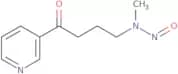
CAS:<p>4-Amino-1,3-dimethyl-2,6-dioxo-5-nitrosopyrimidine is a monoclonal antibody that binds to cancer cells. It has been shown to be effective in the treatment of leukemia, Hodgkin's disease, and non-Hodgkin's lymphoma. The binding of 4-Amino-1,3-dimethyl-2,6-dioxo-5-nitrosopyrimidine to cancer cells is due to the formation of a coordination geometry between the copper complex and the nitrogen atoms on the amino group. This drug has been shown to inhibit tumor growth by blocking the synthesis of DNA and RNA, which are key components in cell division. 4AADNP also inhibits cancer cells' ability to uptake glucose by inhibiting cellular glucose transporters. The binding affinity of 4AADNP for cancer cells is higher than for normal cells because cancer cells have more receptors for this drug</p>Formula:C6H8N4O3Purity:Min. 95%Molecular weight:184.15 g/mol4-(Methylnitrosoamino)-1-(3-pyridinyl)-1-butanone
CAS:<p>4-(Methylnitrosoamino)-1-(3-pyridinyl)-1-butanone (NNK) is a carcinogenic chemical that has been identified in tobacco smoke. It induces squamous cell carcinomas in the respiratory tract of rodents and induces lung cancer in the offspring of pregnant rats exposed to NNK. This compound binds to double-stranded DNA, with high affinity for the minor groove, and inhibits DNA synthesis by binding to enzymes such as polymerase chain. In addition, it has been shown to cause transformation of epithelial cells into mesenchymal cells in vitro. 4-(Methylnitrosoamino)-1-(3-pyridinyl)-1-butanone binds to α7 nicotinic acetylcholine receptors and increases the response element activity.</p>Formula:C10H13N3O2Purity:Min. 95%Color and Shape:PowderMolecular weight:207.23 g/mol3-Amino-4-methoxypyridine
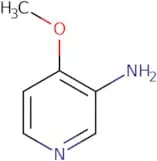
CAS:<p>3-Amino-4-methoxypyridine is a molecule that has been shown to have anesthetic activity. It has been shown to inhibit the uptake of glycogen by glioblastoma cells and decrease the rate of glycogen synthesis in these cells. 3-Amino-4-methoxypyridine also inhibits the production of ATP in cardiac muscle cells, which may be due to its ability to inhibit glycogen synthase kinase-3 (GSK3) and glycogen synthase. This drug also inhibits cancer cell growth by inhibiting protein synthesis, as well as inflammatory disease progression by inhibiting NFκB activation and cytokine production. 3-Amino-4-methoxypyridine can be synthesized from aminopyridines such as isonicotinic acid or nicotinic acid, which are oxidized with hydrogen peroxide and sodium nitrite in the presence of a base catalyst.</p>Formula:C6H8N2OPurity:Min. 95%Molecular weight:124.14 g/molEthyl 2-amino-4-thiazoleacetate
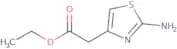
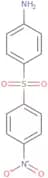
CAS:<p>Ethyl 2-amino-4-thiazoleacetate is a supramolecular molecule that has the potential to be an anticancer agent. It inhibits the growth of tumor cells by binding to tyrosinase and hydrogen-bonding with chloride ions in solution. Ethyl 2-amino-4-thiazoleacetate also binds to a metal ion, such as zinc, which is important for biological functions. When it binds to these metals, it inhibits the enzyme hepg2 cell, which is involved in the synthesis of protein from RNA. Inhibition of this enzyme leads to decreased production of cytokines, which are molecules that regulate immune responses. This drug also has inhibitory activities against oral cephalosporins when used in combination with other drugs.</p>Formula:C7H10N2O2SPurity:Min. 95%Molecular weight:186.23 g/mol4-Nitro-4'-aminodiphenyl sulfone
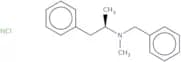
CAS:<p>4-Nitro-4'-aminodiphenyl sulfone is a surfactant that is used in a variety of industries, including wastewater treatment and the manufacture of plastics. It has been shown to inhibit the synthesis of fatty acids and other molecules in cells. 4-Nitro-4'-aminodiphenyl sulfone also inhibits the synthesis of regulatory pathways involved in antimicrobial resistance in bacteria such as chlorobium and solanum tuberosum. The inhibition of fatty acid biosynthesis by 4-nitro-4'-aminodiphenyl sulfone may be due to its ability to bind to catalytic sites on enzymes responsible for this process. This binding prevents them from functioning properly, resulting in an accumulation of fatty acid precursors.</p>Formula:C12H10N2O4SPurity:Min. 95%Molecular weight:278.28 g/mol(R)-Benzphetamine hydrochloride
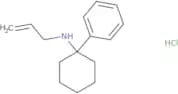
CAS:Controlled Product<p>Please enquire for more information about (R)-Benzphetamine hydrochloride including the price, delivery time and more detailed product information at the technical inquiry form on this page</p>Formula:C17H22ClNPurity:Min. 95%Molecular weight:275.82 g/molN-Allyl-1-phenylcyclohexanamine hydrochloride
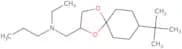
CAS:Controlled Product<p>Please enquire for more information about N-Allyl-1-phenylcyclohexanamine hydrochloride including the price, delivery time and more detailed product information at the technical inquiry form on this page</p>Formula:C15H21NPurity:Min. 95%Molecular weight:215.33 g/molSpiroxamine
CAS:<p>Spiroxamine is a glycol ether compound that is used as a pesticide. Spiroxamine inhibits the synthesis of proteins and nucleic acids, which are essential for cellular function. This antibiotic has been shown to have synergistic effects with tebuconazole and prothioconazole in wild-type strains of fungi. It can also be used as an analytical tool to measure protein content in cell lysates by preparative high-performance liquid chromatography (HPLC).</p>Formula:C18H35NO2Purity:Min. 97%Color and Shape:Slightly Yellow Clear LiquidMolecular weight:297.48 g/molCysteamine 2-chlorotrityl resin
<p>Cysteamine 2-chlorotrityl resin is a synthetic polymer that is used in peptidomimetic synthesis. It has been shown to inhibit the growth of cancer cells, and has been studied as a potential therapeutic agent for cancer treatment. Cysteamine 2-chlorotrityl resin has also been studied as an adjuvant for immunotherapy strategies against cancers. Cysteamine 2-chlorotrityl resin interacts with the cell membrane, highlighting its diagnostic and therapeutic potentials.</p>Color and Shape:Powder2,5-Diaminopyridine dihydrochloride
CAS:<p>2,5-Diaminopyridine dihydrochloride is a compound that belongs to the class of hydroxamic acids. It is an intermediate in the synthesis of the anti-cancer drug, hydroxyurea (hydroxylamine). 2,5-Diaminopyridine dihydrochloride can be used as a cross-coupling reagent for coupling reactions with chlorinated and tritiated organic compounds. The efficiency of this reaction is dependent on the coulombic and mutagenic properties of 2,5-diaminopyridine dihydrochloride. 2,5-Diaminopyridine dihydrochloride has been shown to cause cancer in animal studies.</p>Formula:C5H7N3•(HCl)2Purity:Min. 95%Molecular weight:182.05 g/mol3-Chloro-N-methylpropan-1-amine HCl
CAS:<p>Please enquire for more information about 3-Chloro-N-methylpropan-1-amine HCl including the price, delivery time and more detailed product information at the technical inquiry form on this page</p>Formula:C4H11Cl2NPurity:Min. 95%Molecular weight:144.04 g/molMethyl 3-(aminomethyl)-5-methylhexanoate hydrochloride
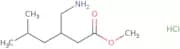
CAS:Controlled Product<p>Please enquire for more information about Methyl 3-(aminomethyl)-5-methylhexanoate hydrochloride including the price, delivery time and more detailed product information at the technical inquiry form on this page</p>Purity:Min. 95%N-Desmethyl diphenhydramine hydrochloride
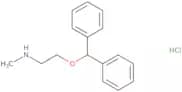
CAS:<p>N-Desmethyl diphenhydramine hydrochloride is a high quality, complex compound with CAS No. 53499-40-4 that can be used as a useful intermediate, speciality chemical, or research chemicals. It is a versatile building block and reaction component.</p>Formula:C16H20ClNOPurity:Min. 95 Area-%Color and Shape:PowderMolecular weight:277.79 g/mol2-(Diethylamino)-N-(2,4-dimethylphenyl ) acetamide HCl
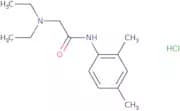
CAS:<p>Please enquire for more information about 2-(Diethylamino)-N-(2,4-dimethylphenyl ) acetamide HCl including the price, delivery time and more detailed product information at the technical inquiry form on this page</p>Formula:C14H22N2O·HClPurity:Min. 95 Area-%Molecular weight:270.8 g/mol2-Aminomethylpyrazine
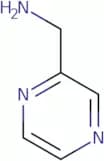
CAS:<p>2-Aminomethylpyrazine (2-AP) is a molecule that has been studied for its potential as an anti-cancer agent. It has been shown to bind to the DNA of tumor cells and prevent them from dividing, leading to cell death. 2-AP also prevents the production of survivin, which is a protein that promotes cancer cell growth and survival. 2-AP can be used in positron emission tomography (PET) scans to detect tumors, and has shown promise in treating acute myeloid leukemia.</p>Formula:C5H7N3Purity:Min. 95%Molecular weight:109.13 g/mol1,2-Diamino-2-methylpropane
CAS:<p>Intermediate in the synthesis of anagliptin</p>Formula:C4H12N2Purity:Min. 95%Molecular weight:88.15 g/molIsopropyl 2-aminobenzoate
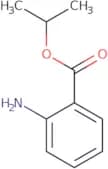
CAS:Controlled Product<p>Isopropyl 2-aminobenzoate is a reactive chemical that can be found in tissues. It is used as an intermediate in the synthesis of many compounds, including isopropylamine and cycloaliphatic compounds. Isopropyl 2-aminobenzoate can be metabolized by methylation and oxidation to produce methyl anthranilate, which has been shown to have analgesic properties. This chemical reacts with alkanoic acid to form antinociceptive profiles, which are used for fingerprint identification.</p>Formula:C10H13NO2Purity:Min. 95%Molecular weight:179.22 g/molN1-Boc-diethylenetriamine
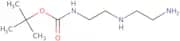
CAS:<p>N1-Boc-diethylenetriamine is a triamine that can be used as a linker in the synthesis of nucleotides and nucleobases. It has been used to synthesize adenosine triphosphate (ATP) and other nucleotides. A study on the fluorescence intensity of N1-Boc-diethylenetriamine revealed that it has resonance energy transfer interactions with naphthalimide, hydrogen bonding interactions with adenosine, and fluorescence emission from the naphthalimide group.</p>Formula:C9H21N3O2Purity:Min. 95%Color and Shape:Clear LiquidMolecular weight:203.28 g/mol

![4-[(1,1-Dioxidobenzo[d]isothiazol-3-yl)(methyl)amino]phenyl Acrylate](/_next/image/?url=https%3A%2Fstatic.cymitquimica.com%2Fproducts%2FTR%2Fthumb-webp%2FD486983.webp&w=3840&q=75)

![N-[(2,4-Difluorophenyl)methylene]-2,4-difluoro-benzenemethanamine](/_next/image/?url=https%3A%2Fstatic.cymitquimica.com%2Fproducts%2FTR%2Fthumb-webp%2FD448128.webp&w=3840&q=75)



![[4-(3,4-Dihydro-2H-1-benzopyran-6-yl)phenyl]methanamine](/_next/image/?url=https%3A%2Fstatic.cymitquimica.com%2Fproducts%2FTR%2Fthumb-webp%2FD453165.webp&w=3840&q=75)


![[1-(Aminomethyl)cyclohexyl]methanamine](/_next/image/?url=https%3A%2Fstatic.cymitquimica.com%2Fproducts%2FTR%2Fthumb-webp%2FA636278.webp&w=3840&q=75)

![4'-Methoxy-[1,1'-biphenyl]-4-methanamine](/_next/image/?url=https%3A%2Fstatic.cymitquimica.com%2Fproducts%2FTR%2Fthumb-webp%2FM261345.webp&w=3840&q=75)
![[(5-Cyclopropyl-1,2,4-oxadiazol-3-yl)methyl]amine](/_next/image/?url=https%3A%2Fstatic.cymitquimica.com%2Fproducts%2FTR%2Fthumb-webp%2FB424888.webp&w=3840&q=75)




![(alphaR,gammaR)-γ-[[(1,1-Dimethylethoxy)carbonyl]amino]-α-methyl-[1,1'-biphenyl]-4-…](/_next/image/?url=https%3A%2Fstatic.cymitquimica.com%2Fproducts%2FTR%2Fthumb-webp%2FD473805.webp&w=3840&q=75)



![Di-[2-(2,3-dichlorophenyl)aminoethyl]amine](/_next/image/?url=https%3A%2Fstatic.cymitquimica.com%2Fproducts%2FTR%2Fthumb-webp%2FD441740.webp&w=3840&q=75)
![[4-(4-Aminophenoxy)(2-pyridyl)]-N-methylcarboxamide](/_next/image/?url=https%3A%2Fstatic.cymitquimica.com%2Fproducts%2F3D%2Fthumb-webp%2FFA17813.webp&w=3840&q=75)

![[2-(1-Isopropyl-1H-benzimidazol-2-yl)ethyl]amine dihydrochloride](/_next/image/?url=https%3A%2Fstatic.cymitquimica.com%2Fproducts%2F3D%2Fthumb-webp%2FFI126434.webp&w=3840&q=75)
![N,N-Dimethyl-N-[4-(piperazin-1-ylmethyl)phenyl]amine](/_next/image/?url=https%3A%2Fstatic.cymitquimica.com%2Fproducts%2F3D%2Fthumb-webp%2FFD113841.webp&w=3840&q=75)
![N-[3-Fluoro-4-[(methylamino)carbonyl]phenyl]-2-methylalanine](/_next/image/?url=https%3A%2Fstatic.cymitquimica.com%2Fproducts%2F3D%2Fthumb-webp%2FFF99416.webp&w=3840&q=75)