


Amines
Amines are a set of molecules containing an amino functional group (derived from ammonia). This category includes amines at any level of substitution : primary, secondary, tertiary, and ammonium salts. Amines are fundamental in organic synthesis and are widely used in pharmaceuticals, agrochemicals, and materials science. At CymitQuimica, we provide a comprehensive selection of amines to meet your research and industrial needs. Our range ensures access to various amines for diverse chemical processes and innovative research.
Subcategories of "Amines"
- Nitrosamines(2,605 products)
- Primary Amines(30,805 products)
- Quaternary Ammonium Cations and Salts(1,099 products)
- Secondary Amines(20,809 products)
- Tertiary Amines(17,111 products)
Found 8776 products of "Amines"
Sort by
Purity (%)
0
100
|
0
|
50
|
90
|
95
|
100
N,N'-Diisopropylethylenediamine
CAS:<p>N,N'-Diisopropylethylenediamine is a light-resistant, microprocessor-grade ligand that binds to imatinib. It is used in the synthesis of acrylonitrile and potassium clavulanate. N,N'-Diisopropylethylenediamine has been shown to bind to copper ions and bortezomib, which are drugs used for the treatment of cancer. This chemical may be an organic solvent that can cross-link proteins and prevent them from unfolding.</p>Formula:C8H20N2Purity:Min. 95%Molecular weight:144.26 g/molTetramethylrhodamine isothiocyanate - mixed isomers
CAS:<p>Tetramethylrhodamine isothiocyanate - mixed isomers (TMR-MI) is a fluorescent probe that can be used to study the interactions between cells and particles. TMR-MI binds to DNA and RNA molecules and has been used as a model system for studying enzyme inhibition. TMR-MI has also been shown to inhibit bowel disease in animal models, but it is not specific to any one cell type. This compound has been used extensively in biomedical research, including studies of autoimmune diseases, cancer, and tissue culture. It has also been used as a marker for detecting reactive oxygen species in laser ablation experiments in mitochondria. TMR-MI can be used to enhance the detection sensitivity of analytical chemistry measurements.</p>Formula:C25H21N3O3SPurity:Min. 95%Color and Shape:PowderMolecular weight:443.52 g/molN-Propyl-N-isopropylamine
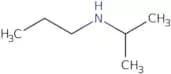
CAS:<p>N-Propyl-N-isopropylamine is a beta-blocker that is used in the treatment of hypertension. It has potent inhibition of the enzyme transaminase, which is involved in the metabolism of amino acids and branched chain amino acids. N-Propyl-N-isopropylamine inhibits the synthesis of catecholamines, such as adrenaline, noradrenaline, and dopamine. Beta blockers are also used to treat angina pectoris and heart failure. Beta blockers work by blocking beta receptors in the sympathetic nervous system, thereby decreasing cardiac output and blood pressure. The drug can be administered orally or intravenously to achieve its desired effects. This drug is also catalytic with a low toxicity profile that makes it suitable for wastewater treatment.</p>Formula:C6H15NPurity:Min. 95%Molecular weight:101.19 g/mol3-Aminopyridine
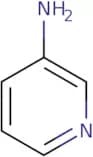
CAS:<p>3-Aminopyridine is a compound with the chemical formula C6H5N3. It is used in biological studies as a model for the hydrogen bond, and has been shown to be effective against some bacteria and fungi. 3-Aminopyridine may also have antimicrobial activity. The mechanism of action of 3-aminopyridine is not well understood, but it is thought that this compound might bind to the active site of an enzyme or receptor and deactivate it. 3-Aminopyridine has been found to inhibit dinucleotide phosphate (DNP) reductase, which may play a role in carcinogenesis. There are two nitrogen atoms in 3-aminopyridine, one in the amine group and one in the pyridine ring. The hydroxyl group on the molecule can form hydrogen bonds with other molecules such as hydrochloric acid or hydrogen tartrate, which may be why it reacts with these substances so easily.</p>Purity:Min. 95%Molecular weight:94.11 g/mol[3-(1-Naphthyl)propyl]amine
CAS:<p>3-(1-Naphthyl)propyl]amine is an organic compound that is a colorless solid with a melting point of -118°C. It is soluble in water, methanol, and acetone. 3-(1-Naphthyl)propyl]amine forms acid when heated with concentrated hydrochloric acid. The reaction produces hydrogen chloride gas and benzoic acid as a byproduct. 3-(1-Naphthyl)propyl]amine also reacts with pyridine to produce carbamic acid and ammonia gas as a byproduct. This can be rationalized systematically by the loss of the amine group from the nitrogen atom of the amine molecule. Carbamic acid has two acidic protons on it which are stabilized by the carbonyl group on the other side of the molecule. 3-(1-Naphthyl)propyl]amine can also react with anions such as carbonate ions to form carbamate salts,</p>Formula:C13H15NPurity:Min. 95%Color and Shape:Clear LiquidMolecular weight:185.26 g/mol2-Diethylaminoethyl 1-cyclohexylcyclohexane-1-carboxylate hydrochloride
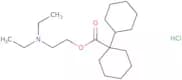
CAS:<p>2-Diethylaminoethyl 1-cyclohexylcyclohexane-1-carboxylate hydrochloride is a methyltransferase inhibitor that blocks the synthesis of monoethyl ether, which is used to synthesize dicyclomine. It has been shown to be effective in vitro against biological samples such as rat liver and blood cells. 2-Diethylaminoethyl 1-cyclohexylcyclohexane-1-carboxylate hydrochloride also has been shown to have a pharmacological effect on rats with bowel disease, congestive heart failure, and crystalline cellulose. The chemical structure of 2-Diethylaminoethyl 1-cyclohexylcyclohexane-1-carboxylate hydrochloride is similar to that of phosphorus pentoxide, which makes it difficult for this drug to cross the blood brain barrier.</p>Formula:C19H36ClNO2Purity:Min. 95%Molecular weight:345.95 g/molEltrombopag olamine
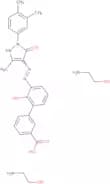
CAS:<p>Eltrombopag olamine is an orally active drug that belongs to the class of thiazolidinones. It has been used for the treatment of thrombocytopenia in patients with chronic liver disease and myelodysplastic syndrome. Eltrombopag olamine inhibits platelet aggregation by binding to glycoprotein IIb/IIIa receptors on the surface of platelets. The drug is a prodrug that is metabolized in vivo to its active form, eltrombopag. This conversion is catalysed by CYP3A4 and CYP2D6 enzymes and can be inhibited by drugs that inhibit these enzymes, such as trifluoroacetic acid and hydroxyl group-containing compounds. Eltrombopag olamine binds to erythrocytes, which may be due to its ability to form intramolecular hydrogen bonds with nitrogen atoms. The synthesis of elt</p>Formula:C25H22N4O4•(C2H7NO)2Purity:Min. 95%Color and Shape:PowderMolecular weight:564.63 g/mol8-[(2-Hydroxyethyl)(methyl)amino]-1,3,9-trimethyl-3,9-dihydro-1H-purine-2,6-dione
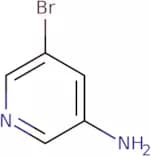
CAS:Controlled Product<p>Please enquire for more information about 8-[(2-Hydroxyethyl)(methyl)amino]-1,3,9-trimethyl-3,9-dihydro-1H-purine-2,6-dione including the price, delivery time and more detailed product information at the technical inquiry form on this page</p>Formula:C11H17N5O3Purity:Min. 95%Molecular weight:267.28 g/mol3-Amino-5-bromopyridine
CAS:<p>3-Amino-5-bromopyridine (3ABP) is a linker for the synthesis of cisplatin. It has been shown to have strong bactericidal activity against Escherichia coli and Staphylococcus aureus. 3ABP is cytotoxic to both renal proximal tubule cells and ring-opening cells, which are found in the kidney. It is also an inhibitor of nicotinic acetylcholine receptors (nAChRs), which are proteins that control nerve cell communication. 3ABP's pharmacokinetic properties make it suitable as a linker for cisplatin, as it has good oral bioavailability, low systemic toxicity, and high tissue selectivity.</p>Formula:C5H5BrN2Purity:Min. 98 Area-%Molecular weight:173.01 g/mol3-Aminopropyl Silica Gel (0.6-1.3mmol/g)
<p>Please enquire for more information about 3-Aminopropyl Silica Gel (0.6-1.3mmol/g) including the price, delivery time and more detailed product information at the technical inquiry form on this page</p>Purity:Min. 95%[2-(5-Fluoro-1-methyl-1H-indol-3-yl)ethyl]amine hydrochloride
CAS:Controlled Product<p>Please enquire for more information about [2-(5-Fluoro-1-methyl-1H-indol-3-yl)ethyl]amine hydrochloride including the price, delivery time and more detailed product information at the technical inquiry form on this page</p>Formula:C11H13FN2·HClPurity:Min. 95%Molecular weight:228.69 g/mol[1-Methyl-2-(7-methyl-1H-indol-3-yl)ethyl]amine hydrochloride
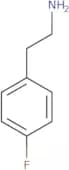
CAS:Controlled Product<p>Please enquire for more information about [1-Methyl-2-(7-methyl-1H-indol-3-yl)ethyl]amine hydrochloride including the price, delivery time and more detailed product information at the technical inquiry form on this page</p>Formula:C12H16N2Purity:Min. 95%Molecular weight:188.27 g/mol4-Fluorophenethylamine
CAS:Controlled Product<p>4-Fluorophenethylamine is a fluorinated amine with the chemical formula C8H11FO. It is a 5-HT agonist and has been shown to have affinity constants for the CB2 receptor. 4-Fluorophenethylamine has been shown to be an uptake inhibitor of amines, as well as being a hydrogen bond donor.</p>Formula:C8H10FNPurity:Min. 95%Color and Shape:Clear LiquidMolecular weight:139.17 g/molTetraethylenepentamine
CAS:<p>Tetraethylenepentamine is a cell-signaling agent that binds to the MCL-1 protein and inhibits its function as a cell factor. This inhibition prevents the induction of apoptosis, which is important for the development of bowel disease. Tetraethylenepentamine can be used in wastewater treatment to remove glycol ethers from industrial effluent. It also has been shown to adsorb at acidic pH levels, making it an ideal candidate for use in solid phase microextraction (SPME) experiments. Tetraethylenepentamine interacts with fluorescence probes such as hydroxycoumarin, which makes it useful for surface methodology studies.</p>Formula:C8H23N5Purity:Min. 95%Color and Shape:Clear LiquidMolecular weight:189.3 g/mol(3-IMidazol-1-yl-propyl)-[4-(4,4,5,5-tetraMethyl-[1,3,2]dioxaborolan-2-yl)-benzyl]aMine
CAS:<p>Please enquire for more information about (3-IMidazol-1-yl-propyl)-[4-(4,4,5,5-tetraMethyl-[1,3,2]dioxaborolan-2-yl)-benzyl]aMine including the price, delivery time and more detailed product information at the technical inquiry form on this page</p>Purity:Min. 95%3-{[(3,4-Dichlorophenyl)amino]carbonyl}bicyclo[2.2.1]hept-5-ene-2-carboxylic acid
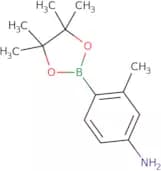
CAS:<p>Please enquire for more information about 3-{[(3,4-Dichlorophenyl)amino]carbonyl}bicyclo[2.2.1]hept-5-ene-2-carboxylic acid including the price, delivery time and more detailed product information at the technical inquiry form on this page</p>Formula:C15H13Cl2NO3Purity:Min. 95%Molecular weight:326.17 g/mol4-Amino-2-methylphenylboronic acid, pinacol ester
CAS:<p>Please enquire for more information about 4-Amino-2-methylphenylboronic acid, pinacol ester including the price, delivery time and more detailed product information at the technical inquiry form on this page</p>Formula:C13H20BNO2Purity:Min. 95%Molecular weight:233.11 g/mol[(1-Ethyl-1H-benzimidazol-2-yl)methyl]amine dihydrochloride
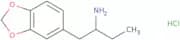
CAS:Controlled Product<p>Please enquire for more information about [(1-Ethyl-1H-benzimidazol-2-yl)methyl]amine dihydrochloride including the price, delivery time and more detailed product information at the technical inquiry form on this page</p>Formula:C10H13N3Purity:Min. 95%Molecular weight:175.23 g/molrac benzodioxole-5-butanamine hydrochloride
CAS:Controlled Product<p>Racemic benzodioxole-5-butanamine hydrochloride (RAC) is a pharmacologic agent that has been shown to bind to dopamine receptors, thereby activating them. It has been shown to be an effective treatment for depression and other mental illnesses. Racemic benzodioxole-5-butanamine hydrochloride is also used in analytical toxicology as a chromatographic standard. This compound has been synthesized using the asymmetric synthesis of primary amines. RAC is also an enantiomer and can exist in two forms: (+)-RAC and (-)-RAC, which are mirror images of each other. The (+) form of racemic benzodioxole-5-butanamine hydrochloride is the more active form, with greater binding affinity for dopamine receptors than the (-) form.</p>Formula:C11H16ClNO2Purity:Min. 95%Molecular weight:229.7 g/mol[(6-Chloro-1-isopropyl-1H-benzimidazol-2-yl)methyl]amine dihydrochloride
CAS:Controlled Product<p>Please enquire for more information about [(6-Chloro-1-isopropyl-1H-benzimidazol-2-yl)methyl]amine dihydrochloride including the price, delivery time and more detailed product information at the technical inquiry form on this page</p>Formula:C11H14ClN3Purity:Min. 95%Molecular weight:223.7 g/mol1-(Boc-amino)-4,9-dioxa-12-dodecanamine
CAS:Controlled Product<p>Please enquire for more information about 1-(Boc-amino)-4,9-dioxa-12-dodecanamine including the price, delivery time and more detailed product information at the technical inquiry form on this page</p>Formula:C15H32N2O4Purity:Min. 95%Molecular weight:304.43 g/mol2-(Trifluoroacetamido)Ethylamine Hydrochloride
CAS:<p>Please enquire for more information about 2-(Trifluoroacetamido)Ethylamine Hydrochloride including the price, delivery time and more detailed product information at the technical inquiry form on this page</p>Formula:C4H7F3N2OPurity:Min. 95%Molecular weight:156.11 g/mol(1R,2R)-Boc-aminocyclopentane carboxylic acid
CAS:<p>(1R,2R)-Boc-aminocyclopentane carboxylic acid (BCPC) is a high quality, reagent, and useful intermediate. It is a versatile building block that can be used as a speciality chemical or research chemical. BCPC has been shown to react with amines to form ureas, with nitriles to form oxazolidines, and with epoxides to form aziridinones.</p>Formula:C11H19NO4Purity:Min. 95%Color and Shape:White PowderMolecular weight:229.27 g/molHydroxylamine hydrochloride
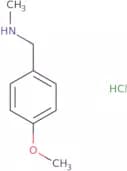
CAS:<p>Hydroxylamine HCl is a chemical compound that has been shown to exhibit anti-inflammatory properties. It is a nitrosobenzene derivative with the molecular formula NH2OH, and it is also known as hydroxylamine salt or hydroxylamine sulfate. Hydroxylamine HCl has been used in pharmaceutical preparations for the treatment of inflammatory bowel diseases such as ulcerative colitis and Crohn's disease. This drug inhibits the production of inflammatory cytokines by binding to the receptor sites on cells in the body. Hydroxylamine HCl binds to the herpes simplex virus (HSV) and inhibits viral replication, which may be due to its ability to inhibit protein synthesis at an early stage of HSV infection. This drug also binds to CD-1 mouse liver cells and blocks cellular respiration, leading to cell death.</p>Formula:ClH4NOPurity:Min. 95%Color and Shape:PowderMolecular weight:69.49 g/mol4-Methoxy-N-methylbenzylamine hydrochloride
CAS:<p>Please enquire for more information about 4-Methoxy-N-methylbenzylamine hydrochloride including the price, delivery time and more detailed product information at the technical inquiry form on this page</p>Formula:C9H14NOClPurity:Min. 95%Molecular weight:187.67 g/mol3-Methoxy methamphetamine hydrochloride
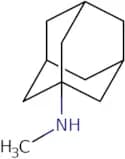
CAS:Controlled Product<p>Please enquire for more information about 3-Methoxy methamphetamine hydrochloride including the price, delivery time and more detailed product information at the technical inquiry form on this page</p>Formula:C11H18ClNOPurity:Min. 95%Molecular weight:215.72 g/mol1-(Methylamino)adamantane
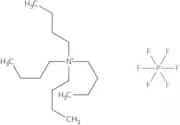
CAS:<p>1-(Methylamino)adamantane is a dopamine receptor ligand that has been shown to be neuroprotective in rodent models of ischemia-reperfusion injury. 1-(Methylamino)adamantane exhibits high affinity for the D2 subtype, with potency and efficacy that are comparable to those of dopamine. It also acts as an agonist at the D1 and D3 receptors, although it displays weaker binding affinity than dopamine. The neuroprotective effects of 1-(methylamino)adamantane have been demonstrated in wild-type mice following ischemia-reperfusion injury, but not in animals with a mutant form of the gene encoding dopamine receptors. These findings suggest that 1-(methylamino)adamantane may be able to provide protection against ischemia-reperfusion injury by acting on downstream pathways such as protein kinase C or nitric oxide synthase.</p>Formula:C11H19NPurity:Min. 95%Molecular weight:165.28 g/molTetrabutylammonium hexafluorophosphate
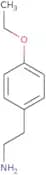
CAS:<p>Tetrabutylammonium hexafluorophosphate is a chemical reagent that is used in organic synthesis. It is a strong Lewis acid that reacts with substrates to form adducts. Tetrabutylammonium hexafluorophosphate reacts with trifluoroacetic acid, ethylene diamine, and hydrogen fluoride to produce the salt tetrabutylammonium hexafluorophosphate dihydrate (TBAPF). The reaction proceeds through an ionic intermediate that involves the abstraction of a proton from the substrate by the tetrabutylammonium cation followed by nucleophilic attack on the anion by water. Tetrabutylammonium hexafluorophosphate dihydrate can be formed via this mechanism as well as through a simple salt metathesis reaction between TBAPF and sodium carbonate. This reagent has been shown to form crystals of good quality for</p>Formula:C16H36F6NPPurity:Min. 98.0%Color and Shape:PowderMolecular weight:387.43 g/mol(4-Ethoxyphenyl)ethylamine
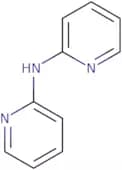
CAS:Controlled Product<p>Please enquire for more information about (4-Ethoxyphenyl)ethylamine including the price, delivery time and more detailed product information at the technical inquiry form on this page</p>Formula:C10H15NOPurity:Min. 95%Molecular weight:165.23 g/mol2,2'-Dipyridylamine
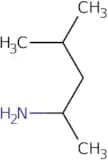
CAS:<p>2,2'-Dipyridylamine is a compound that belongs to the group of low-energy compounds. It has been shown to have antimicrobial activity against bacteria and fungi and has been demonstrated to be effective in treating cancer cells. 2,2'-Dipyridylamine is a molecule with two nitrogen atoms, which are bound by hydrogen bonds. This compound also contains methoxy groups that are coordinated by the nitrogen atoms. The structural analysis shows that there are three open coordination sites for metal ions that can bind with the nitrogen atoms. The x-ray diffraction data show that 2,2'-dipyridylamine crystallizes in a monoclinic system with an orthorhombic unit cell.</p>Formula:C10H9N3Purity:Min. 95%Molecular weight:171.2 g/mol(1,3-Dimethylbutyl)amine
CAS:Controlled Product<p>(1,3-Dimethylbutyl)amine is a chemical substance that can be found in dietary supplements. It is structurally similar to amines and has been shown to have an effect on blood pressure. (1,3-Dimethylbutyl)amine has also been reported as being used in the manufacture of medicines for the treatment of heart disease. This chemical substance is produced by the reaction of hydrochloric acid with isovaleric acid. The product is then purified by chromatography and converted into its salt form for use as a dietary supplement. In addition to this, (1,3-Dimethylbutyl)amine is also used in some herbal remedies.</p>Formula:C6H15NPurity:Min. 95%Color and Shape:Clear LiquidMolecular weight:101.19 g/molMethyl-(2-m-tolyl-ethyl)amine
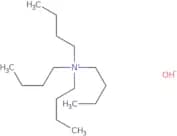
CAS:Controlled Product<p>Please enquire for more information about Methyl-(2-m-tolyl-ethyl)amine including the price, delivery time and more detailed product information at the technical inquiry form on this page</p>Formula:C10H15NPurity:Min. 95%Molecular weight:149.23 g/molTetrabutylammonium hydroxide - 40 wt. % aqueous solution
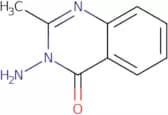
CAS:<p>Picolinic acid is a product of the reaction between sodium salts and tetrabutylammonium hydroxide. It has been shown to have anti-inflammatory properties in chronic arthritis patients and may be due to its ability to inhibit the production of prostaglandins. Picolinic acid also has been shown to inhibit the growth of bacteria, including Mycobacterium tuberculosis, by preventing protein synthesis. The analytical method for picolinic acid is electrochemical impedance spectroscopy with a 5% picolinic acid solution in human serum or other biological sample.</p>Formula:C16H37NOPurity:Min. 95%Color and Shape:Clear LiquidMolecular weight:259.47 g/mol3-Amino-2-methylquinazolin-4(3H)-one
CAS:Controlled Product<p>3-Amino-2-methylquinazolin-4(3H)-one is a bidentate ligand that has been shown to have antibacterial and anticancer activity. The functional theory of the compound is based on its ability to form an imine nitrogen with metal ions such as Fe(II) or Cu(II). 3-Amino-2-methylquinazolin-4(3H)-one is not active against Staphylococcus aureus, but inhibits the growth of other bacteria by binding to their ribosomes and inhibiting protein synthesis. 3-Amino-2-methylquinazolin-4(3H)-one also has in vitro anticancer activity, which may be due to its ability to inhibit DNA synthesis and cell division.</p>Formula:C9H9N3OPurity:Min. 95%Molecular weight:175.19 g/mol1-(4-Ethylphenyl)ethanamine
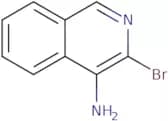
CAS:<p>Please enquire for more information about 1-(4-Ethylphenyl)ethanamine including the price, delivery time and more detailed product information at the technical inquiry form on this page</p>Formula:C10H15NPurity:Min. 95%Molecular weight:149.23 g/mol4-Amino-3-bromoisoquinoline
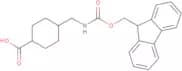
CAS:<p>4-Amino-3-bromoisoquinoline is an isocyanide that reacts with nucleophilic heteroatoms such as the amino group. It also reacts with bromine to form a bromopyridine. The nitrile group of 4-amino-3-bromoisoquinoline can be reduced with sodium borohydride to produce 4-aminoquinoline. This compound has shown potential for use in chemotherapy and treating bacterial infections.</p>Purity:Min. 95%Fmoc-trans-4-(aminomethyl)cyclohexane-1-carboxylic acid
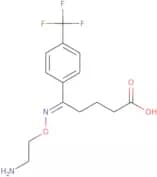
CAS:<p>Fmoc-trans-4-(aminomethyl)cyclohexane-1-carboxylic acid is a synthetic amino acid that has been shown in vitro to inhibit the growth of prostate cancer cells. It is an analog of butyric acid, a naturally occurring fatty acid. Fmoc-trans-4-(aminomethyl)cyclohexane-1-carboxylic acid has been synthesized by solid phase methods and labeled with radiotracers such as indium 111 or technetium 99m. The use of Fmoc-trans-4-(aminomethyl)cyclohexane-1-carboxylic acid in vivo is limited by its short circulating half life, rapid metabolism, and high toxicity.</p>Formula:C23H25NO4Purity:Min. 95%Color and Shape:White SolidMolecular weight:379.45 g/molFluvoxamine acid
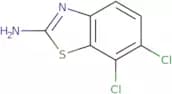
CAS:<p>Fluvoxamine acid is a serotonin reuptake inhibitor that is used to treat depression. It is metabolized by hydrolysis to the active form, fluvoxamine, which inhibits the re-uptake of serotonin in the presynaptic neuron. Fluvoxamine acid has been shown to be effective for some types of depression and has a low incidence of adverse effects. Fluvoxamine acid binds to human serum albumin (HSA) and plasma proteins such as alpha-1-acid glycoprotein. The drug also has pharmacokinetic properties including an acidic pH, high lipophilicity and low protein binding.</p>Formula:C14H17F3N2O3Purity:Min. 95%Molecular weight:318.29 g/mol2-Amino-5,6-dichlorobenzothiazole
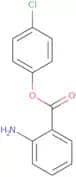
CAS:<p>2-Amino-5,6-dichlorobenzothiazole is an aminobenzothiazole derivative that has been shown to have antibacterial activity. It is a hydrophobic molecule with a skeleton consisting of alternating amines and carboxylic acids. 2-Amino-5,6-dichlorobenzothiazole binds to the fatty acid ester component of bacterial cell walls by hydrogen bonding or ionic interactions, disrupting the integrity of the cell wall and inhibiting the growth of bacteria. 2-Amino-5,6-dichlorobenzothiazole can be used to decolorize dyes and textiles that have been stained by oily materials. It is also used as a surfactant in personal care products such as shampoos and conditioners.</p>Formula:C7H4Cl2N2SPurity:Min. 95%Molecular weight:219.09 g/mol4-Chlorophenyl 2-aminobenzoate
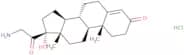
CAS:Controlled Product<p>Please enquire for more information about 4-Chlorophenyl 2-aminobenzoate including the price, delivery time and more detailed product information at the technical inquiry form on this page</p>Formula:C13H10ClNO2Purity:Min. 95%Molecular weight:247.68 g/mol21-Amino-17-hydroxyprogesteroneHydrochloride
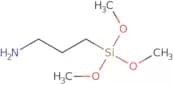
CAS:Controlled Product<p>21-Amino-17-hydroxyprogesteroneHydrochloride is a synthetic corticosteroid that is used to suppress the immune system in patients with severe allergies and those who have had an organ transplant. It binds to receptors on the surface of lymphocytes, preventing them from producing antibodies. It also inhibits the production of white blood cells by interfering with DNA synthesis and protein synthesis. 21-Amino-17-hydroxyprogesteroneHydrochloride is used to treat conditions such as sepsis, rheumatoid arthritis, lupus erythematosus, and myasthenia gravis. The medication is administered by injection into muscle or vein.</p>Formula:C21H32ClNO3Purity:Min. 95%Molecular weight:381.94 g/mol3-Aminopropyltrimethoxysilane
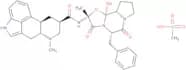
CAS:<p>3-Aminopropyltrimethoxysilane is a chemical that belongs to the group of aminopropyltriethoxysilanes. It is a reactive substance and is commonly used as an additive in adhesives and sealants. 3-Aminopropyltrimethoxysilane has been shown to be an efficient coupling agent for the formation of hydroxyl groups on nanoparticles, which are then used as drug carriers. The optimum concentration of 3-aminopropyltrimethoxysilane lies between 0.01 and 0.1 M, with a pH range of 6 and 8. This chemical can react with hydrochloric acid, resulting in the production of hydrogen gas; with cervical cancer cells in culture, leading to cell death; or with skin cells, causing damage to their transport properties.</p>Formula:C6H17NO3SiPurity:Min. 95%Color and Shape:Clear LiquidMolecular weight:179.29 g/molDihydro ergotamine mesylate
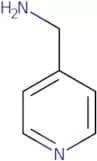
CAS:Controlled Product<p>Dihydroergotamine mesylate is a medication that is used in the treatment of migraines. It belongs to the group of drugs called ergot alkaloids and has been shown to have high values in cerebral metabolism. Dihydroergotamine mesylate has also been shown to have an effect on dopamine levels in human serum, which may be due to its ability to inhibit neuronal death. Dihydroergotamine mesylate is administered intravenously, orally or intramuscularly for the treatment of acute migraine attacks. The drug can also be given rectally for the prevention of chronic migraine episodes. This drug may cause side effects such as nausea, vomiting and dizziness.</p>Formula:C34H41N5O8SPurity:Min. 95%Color and Shape:PowderMolecular weight:679.78 g/molPyridin-4-ylmethanamine
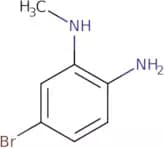
CAS:<p>Pyridin-4-ylmethanamine is a chemical compound that contains a pyridine ring and an amine (-NH2) group. It is usually used as a building block for the synthesis of other compounds. Pyridin-4-ylmethanamine can be synthesized from picolinic acid, which is obtained through a reaction with sodium hydrochloride in an alkaline solution. This reaction proceeds via two steps: first, the formation of a pyridinecarboxylic acid ester and then the addition of ammonia to form pyridin-4-ylmethanamine. The transfer reactions that occur during this process are highly dependent on temperature and pH. The frequency shift effect can be observed when pyridin-4-ylmethanamine interacts with amines, which changes its absorption spectrum.</p>Formula:C6H8N2Purity:Min. 95%Color and Shape:Colorless Clear LiquidMolecular weight:108.14 g/mol5-Bromo-N1-methylbenzene-1,2-diamine
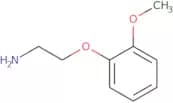
CAS:<p>Please enquire for more information about 5-Bromo-N1-methylbenzene-1,2-diamine including the price, delivery time and more detailed product information at the technical inquiry form on this page</p>Formula:C7H9BrN2Purity:Min. 95%Molecular weight:201.06 g/mol2-(2-Methoxyphenoxy)ethylamine base
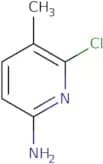
CAS:<p>2-(2-Methoxyphenoxy)ethylamine base is an inorganic base with a hydroxyl group. It is soluble in organic solvents and has been used as a coumarin derivative. 2-(2-Methoxyphenoxy)ethylamine base has shown potential use as an antifungal agent, which may be due to its ability to cause lysis in fungi cells. This compound has also shown in vitro activity against bacteria and viruses, including herpes simplex virus type 1 and HIV-1. The 2-(2-methoxyphenoxy)ethylamine base can be sulfonated or acid catalyzed to produce other derivatives that have potential use as anti-inflammatory or analgesic agents.</p>Formula:C9H13NO2Purity:Min. 95%Molecular weight:167.21 g/mol6-Chloro-5-methylpyridin-2-amine
CAS:<p>6-Amino-2-chloro-3-methylpyridine is a heteroaromatic compound that belongs to the class of imidazopyridine. It is a monomer used in research, and can be transformed into the cross-coupling reaction with electron irradiation, which provides an efficient method for synthesizing other heteroaromatic compounds. 6-Amino-2-chloro-3-methylpyridine has low ionization potential and can be used as a drug discovery agent.</p>Formula:C6H7ClN2Purity:Min. 95%Molecular weight:142.59 g/mol4-Fluoro methamphetamine hydrochloride
CAS:Controlled Product<p>4-Fluoro methamphetamine hydrochloride is a psychoactive substance that can be detected by the use of a gas chromatograph. It is a formic acid derivative of methamphetamine, which is found in methanolic solution. The drug is used as an illicit recreational drug and can be used to treat ADHD and narcolepsy. 4-Fluoro methamphetamine hydrochloride is also used as a research chemical. The detection of this substance in urine samples can be done by the use of chromatography, with confirmation by mass spectrometry or gas chromatography-mass spectrometry.</p>Formula:C10H15ClFNPurity:Min. 95%Molecular weight:203.68 g/mol(N,N-Dimethyl)methyleneammonium iodide
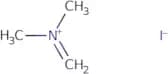
CAS:<p>(N,N-Dimethyl)methyleneammonium iodide is a potent antagonist for the histamine H2 receptor that has been shown to inhibit gastric acid secretion. It is an enantiopure compound that can be prepared by asymmetric synthesis using palladium complexes. The methylene group in this molecule is activated with hydroxylamine and acrylates, which are then reacted with ethyl diazoacetate and amines to produce (N,N-dimethyl)methyleneammonium iodide. (N,N-Dimethyl)methyleneammonium iodide is a potent antagonist at the histamine H2 receptor, where it can inhibit gastric acid secretion and reduce stomach ulcers. It also has been shown to have anti-inflammatory effects.</p>Formula:C3H8INMolecular weight:185.01 g/mol3,5-Dibromo-6-methylpyrazin-2-amine
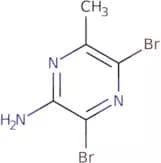
CAS:<p>Please enquire for more information about 3,5-Dibromo-6-methylpyrazin-2-amine including the price, delivery time and more detailed product information at the technical inquiry form on this page</p>Formula:C5H5Br2N3Purity:Min. 95%Molecular weight:266.92 g/mol2-Hydroxy-2-(3,4-dimethoxyphenyl)ethylamine hydrochloride
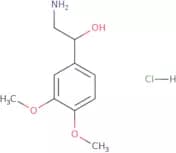
CAS:Controlled Product<p>Please enquire for more information about 2-Hydroxy-2-(3,4-dimethoxyphenyl)ethylamine hydrochloride including the price, delivery time and more detailed product information at the technical inquiry form on this page</p>Formula:C10H15NO3·HClPurity:Min. 95%Molecular weight:233.69 g/molrac-8-hydroxy-2-dipropylaminotetralin hydrobromide
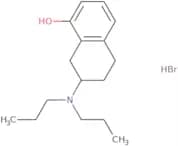
CAS:Controlled Product<p>Rac-8-hydroxy-2-dipropylaminotetralin hydrobromide is a potent 5-HT agonist that has been shown to inhibit the release of prolactin in the serum of rats. Rac-8-hydroxy-2-dipropylaminotetralin hydrobromide was found to be an antagonist of 5HT receptors, with a potency comparable to that of 8-OHDPAT and WAY 100635. Rac rac8-hydroxy-2-dipropylaminotetralin hydrobromide also inhibits locomotor activity induced by the 5HT1A agonist 8OHDPAT. Experiments in vivo have shown that rac rac8-hydroxy-2-dipropylaminotetralin hydrobromide binds to benzodiazepine binding sites and has a low affinity for dopamine receptors. It also blocks cholinergic transmission in the brain, which may explain its</p>Formula:C16H26BrNOPurity:Min. 95%Molecular weight:328.29 g/molDimethyl-p-phenylenediamine sulfate
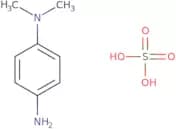
CAS:<p>Dimethyl-p-phenylenediamine sulfate (DMPD) is a response element that is involved in the regulation of physiological function and energy metabolism. DMPD is found in prostate cancer cells, which may be due to its ability to regulate the apoptosis pathway. The clinical relevance of DMPD has been shown by a low dose study on rats with myocardial infarcts. Rats were given doses of 0.5, 1, or 2 mg/kg DMPD for 3 weeks before being subjected to an occlusive coronary artery ligation procedure. The results showed that the rats given DMPD had significantly lower systolic blood pressure than those not given DMPD, but there was no difference in diastolic blood pressure.</p>Formula:C8H14N2O4SPurity:Min. 95%Molecular weight:234.27 g/mol2,3-Diaminotoluene
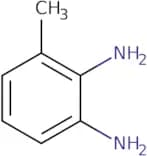
CAS:<p>2,3-Diaminotoluene is a compound that can be synthesized through the reaction of 2,4-diaminotoluene and picric acid. It has been used as a fluorescent probe for palladium complexes and has been shown to have efficient fluorescence properties in chromatographic applications. 2,3-Diaminotoluene has also been found to be an effective anti-bacterial agent against Gram-positive bacteria such as Staphylococcus aureus and Enterococcus faecalis. This compound has also been shown to have antitumour activity against leukemia cells. The synthesis of 2,3-diaminotoluene involves the reaction of amines with formaldehyde followed by dehydration.</p>Formula:C7H10N2Purity:Min. 95%Color and Shape:PowderMolecular weight:122.17 g/molZ-(R,S)-3-amino-2-oxo-5-phenyl-1,4-benzodiazepine
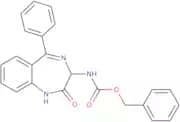
CAS:Controlled Product<p>Please enquire for more information about Z-(R,S)-3-amino-2-oxo-5-phenyl-1,4-benzodiazepine including the price, delivery time and more detailed product information at the technical inquiry form on this page</p>Formula:C23H19N3O3Purity:Min. 95%Molecular weight:385.42 g/mol(R)-(+)-1-Ethylbenzylamine
CAS:<p>(R)-(+)-1-Ethylbenzylamine is a hydrogenated compound, which means that it contains at least one double bond. It also reacts with other molecules to form new compounds. It can be synthesized in an asymmetric synthesis, which means that the product can have different stereoisomers. This product has a primary amine group and a functional group on the same side of the molecule. The compound is expressed as a white crystalline solid and has been shown to react with glyoxylate to form an iminium ion. The iminium ion is five-membered and has two resonance structures, which are shown in the structural analysis.</p>Formula:C9H13NPurity:Min. 95%Molecular weight:135.21 g/molMethylamine Hydroiodide
CAS:Controlled Product<p>Methylamine hydroiodide is a chemical compound that has been used as a light-sensitive absorber in solar cells. It can be synthesized by reacting methylammonium with hydroiodic acid, although it can also be prepared electrochemically. Methylamine hydroiodide is crystalline and has an optical band gap of 1.2 eV, which makes it an efficient absorber of electromagnetic radiation in the visible region of the spectrum. The hydrogen bond between the methylammonium and iodide groups provides for its stability and high chemical reactivity. The functional groups on methylamine hydroiodide have been studied using various techniques, including electrochemical impedance spectroscopy (EIS), thermal analysis, and crystallography.</p>Formula:CH6NIPurity:Min. 95%Molecular weight:158.97 g/mol2-Amino-6-chloropyrazine
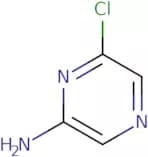
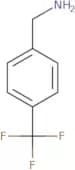
CAS:<p>2-Amino-6-chloropyrazine (2ACP) is an inhibitor that binds to the active site on human protein kinase C (PKC). It has been shown to inhibit PKC by hydrogen bonding with the hydroxide ion, which blocks its catalytic activity. 2ACP has been studied for its potential use in treating cancer and for inhibiting amine oxidases, which are enzymes associated with inflammation and chronic obstructive pulmonary disease. The inhibition of these enzymes may help to reduce stenosis in the lungs or other organs. 2ACP also has been shown to have antimycobacterial activity against Mycobacterium tuberculosis, M. avium complex, and M. leprae by inhibiting DNA synthesis and RNA synthesis. 2ACP inhibits the kinase receptor on the cell membrane that phosphorylates a water molecule into a chlorine atom, which then reacts with hydrogen peroxide to form free radicals that can kill bacteria</p>Formula:C4H4ClN3Purity:Min. 95%Molecular weight:129.55 g/mol4-(Trifluoromethyl)benzyl amine
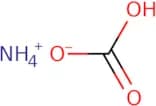
CAS:<p>4-(Trifluoromethyl)benzyl amine is a nucleophilic reagent that is used for the asymmetric synthesis of chiral amines. The reaction mechanism involves the nucleophilic attack of the trifluoromethyl group on an electron-deficient carbon atom of a substrate, followed by elimination of hydrogen fluoride. The trifluoromethyl group also acts as a light emitter when irradiated with UV light. 4-(Trifluoromethyl)benzyl amine is able to produce carbonyl groups through irreversible oxidation and has been shown to inhibit cancer cell proliferation in vitro and in vivo. This compound can be found as white crystals and has a polymorphic nature.</p>Formula:C8H8F3NPurity:Min. 95%Color and Shape:PowderMolecular weight:175.15 g/molAmmonium bicarbonate
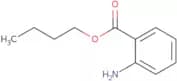
CAS:<p>Ammonium bicarbonate is a substance that has been used as a buffer to maintain pH in wastewater treatment. Ammonium bicarbonate has also been shown to be effective in the treatment of metabolic disorders, such as glycogen storage diseases and urea cycle disorders. Ammonium bicarbonate is synthesized by reacting aqueous solutions of ammonium chloride and sodium or potassium carbonate. It can also be produced through the reaction of ammonia with carbon dioxide in water vapor. The analytical method for ammonium bicarbonate is based on the reaction with trifluoroacetic acid (TFA) and the formation of ammonium trifluoroacetate. This compound can react with water to produce carbon dioxide and ammonia, which may function as a nutrient solution for microorganisms. Cyclic nucleotide phosphodiesterases are enzymes that break down cyclic nucleotides, which are important for many physiological functions, including muscle contraction and regulation of blood pressure</p>Formula:CH5NO3Purity:Min. 95%Color and Shape:White SolidMolecular weight:79.06 g/molButyl 2-aminobenzoate
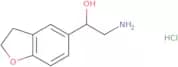
CAS:Controlled Product<p>Butyl 2-aminobenzoate is the chemical compound with the formula C5H7NO2. It is a colorless liquid that is soluble in water and organic solvents. The hydrochloride salt of butyl 2-aminobenzoate is an antimicrobial agent. This compound was first isolated in 1876 by the French chemist Charles-Adolphe Wurtz from a reaction of phosphorus pentachloride with methyl anthranilate. Butyl 2-aminobenzoate is also known as benzoic acid amide, nitrobenzene, or 1-aminoanthracene. This compound has been shown to have low energy and viscosity properties that make it useful for use in mosquito repellent sprays.</p>Formula:C11H15NO2Purity:Min. 95%Molecular weight:193.24 g/mol2-Amino-1-(2,3-dihydro-benzofuran-5-yl)-ethanolHydrochloride
CAS:Controlled Product<p>Please enquire for more information about 2-Amino-1-(2,3-dihydro-benzofuran-5-yl)-ethanolHydrochloride including the price, delivery time and more detailed product information at the technical inquiry form on this page</p>Formula:C10H14ClNO2Purity:Min. 95%Molecular weight:215.68 g/molN-[4-Amino-3-(trifluoromethyl)phenyl]-2-methylpropanamide
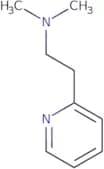
CAS:<p>Please enquire for more information about N-[4-Amino-3-(trifluoromethyl)phenyl]-2-methylpropanamide including the price, delivery time and more detailed product information at the technical inquiry form on this page</p>Formula:C11H13F3N2OPurity:Min. 95%Molecular weight:246.23 g/mol2-(2-Dimethylamino)Ethyl) Pyridine
CAS:<p>2-(2-Dimethylamino)Ethyl) Pyridine is a chemical compound that contains oxygen atoms, hydroxo, and nitrogen atoms. It has a tetranuclear hexahydrate form and the molecular formula C5H7N3O2. 2-(2-Dimethylamino)Ethyl) Pyridine has been shown to have desilylation properties. 2-(2-Dimethylamino)Ethyl) Pyridine binds to group P2 of RNA and represses translation by preventing ribosomal binding to the mRNA strand. This drug is also an x-ray data collection agent in which it is used as a ligand in magnetic resonance imaging (MRI).</p>Formula:C9H14N2Purity:Min. 95%Molecular weight:150.22 g/molN,N'-Bis(3-aminopropyl)-1,3-propanediamine
CAS:<p>N,N'-Bis(3-aminopropyl)-1,3-propanediamine is a polyamine that is used in the chromatographic analysis of oligopeptides and proteins. This compound has been shown to inhibit the activities of enzymes involved in the synthesis of polyamines. N,N'-Bis(3-aminopropyl)-1,3-propanediamine also inhibits human serum albumin from binding to DNA and causes cell nuclei to condense. It has been shown that this drug can inhibit antitumor responses and induce apoptosis in cancer cells. In addition, this compound has been shown to be an inhibitor for both polyamine oxidase and spermidine synthase.</p>Formula:C9H24N4Purity:Min. 95%Color and Shape:Clear LiquidMolecular weight:188.31 g/molTris(dimethylaminomethyl)phenol
CAS:<p>Tris(dimethylaminomethyl)phenol (TDAP) is a compound that has been used as an additive in detergents, paints, and sealants. TDAP is a reactive chemical with the potential to cause adverse effects in humans such as allergic reactions and environmental pollution. TDAP is classified as an extremely hazardous substance by the United States Environmental Protection Agency. TDAP can be found in many household products and building materials, including paint and sealants. TDAP can also be found in cosmetics such as shampoos, lotions, and deodorant. TDAP may also be found in some types of food packaging materials. Long-term exposure to TDAP may lead to calcium carbonate deposits on the lungs or kidney stones due to increased levels of boron nitride-induced calcium oxalate crystals in urine.</p>Formula:C15H27N3OPurity:Min. 95%Color and Shape:Clear LiquidMolecular weight:265.39 g/molN-(1H-Indol-4-ylmethyl)-N-[2-(4-methoxyphenyl)ethyl]amine hydrochloride
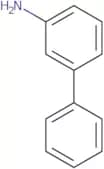
CAS:Controlled Product<p>Please enquire for more information about N-(1H-Indol-4-ylmethyl)-N-[2-(4-methoxyphenyl)ethyl]amine hydrochloride including the price, delivery time and more detailed product information at the technical inquiry form on this page</p>Formula:C18H20N2OPurity:Min. 95%Molecular weight:280.36 g/mol3-Aminobiphenyl
CAS:<p>3-Aminobiphenyl is a biphenyl compound that is used in the production of dyes and pesticides. It has been detected in human urine samples using an analytical method based on chemical ionization. 3-Aminobiphenyl can be detoxified by conjugation with glutathione, but the conjugation process can be inhibited by the presence of amines such as caffeine, which competitively bind to glutathione. 3-Aminobiphenyl may also cause cancer, but there is no evidence for this theory at present.</p>Formula:C12H11NPurity:Min. 95%Molecular weight:169.22 g/mol2-Methyltryptamine
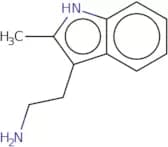
CAS:Controlled Product<p>2-Methyltryptamine is a tryptamine derivative that binds to the 5-HT2 receptors in the brain and blocks the action of serotonin. It has been proposed as a possible treatment for human immunodeficiency, but more research is needed to determine its efficacy. 2-Methyltryptamine acts as an agonist at 5-HT2 receptors and can be used in plate tests to detect histones deacetylase activity.</p>Formula:C11H14N2Color and Shape:Slightly Yellow PowderMolecular weight:174.24 g/mol3-Aminobenzotrifluoride
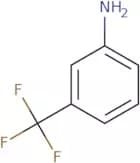
CAS:<p>3-Aminobenzotrifluoride is a chemical substance that can be used as an intermediate in the synthesis of pharmaceuticals. It is an aryl halide and has been shown to react with hydrogen fluoride, hydrochloric acid, nitrous acid, and trifluoroacetic acid to produce 3-aminobenzotrifluoride derivatives. This product is not readily bioavailable due to its low solubility in water and high lipophilicity. The preparation of 3-aminobenzotrifluoride requires a sample preparation step such as diazonium salt or diphenyl ether. Magnetic resonance spectroscopy has been used to identify the chemical structures of 3-aminobenzotrifluoride derivatives.</p>Formula:C7H6F3NPurity:Min. 95%Color and Shape:Colorless Clear LiquidMolecular weight:161.12 g/mol[2-(4-methoxyphenyl)ethyl]methylamine
CAS:Controlled Product<p>2-(4-methoxyphenyl)ethyl]methylamine is a pharmacological agent that inhibits protein synthesis. It has been shown to have an optimum concentration of 1 μM, with maximal inhibition at 10 μM. 2-(4-methoxyphenyl)ethyl]methylamine binds to the basic amino acid residues of proteins and inhibits the activity of eosinophil cationic protein, which is responsible for histamine release. 2-(4-Methoxyphenyl)ethyl]methylamine has also been shown to reduce the activity of epidermal growth factor, which is responsible for cell proliferation and differentiation. The drug has been demonstrated to be an effective inhibitor of activated eosinophils, but not normal cells. 2-(4-Methoxyphenyl)ethyl]methylamine may be used as a treatment for chronic asthma patients who suffer from eosinophilic inflammation in their</p>Formula:C10H15NOPurity:Min. 95%Molecular weight:165.23 g/molrac-N-ethyl amphetamine hydrochloride
CAS:Controlled Product<p>Racemic amphetamine is a psychoactive substance that has been extensively used in the past as a stimulant, for example in the treatment of ADHD and narcolepsy. Racemic amphetamine is typically used to monitor drug use or to identify adulterants in urine samples. It is also used in the analysis of psychoactive substances and for the detection of phenylpropanolamine (PPA) and formic acid. Racemic amphetamine is a controlled substance that can be found in various forms, including methanolic solution, dilution, analyze, and reaction monitoring. Its use has been shown to be linear and it can be quantified by high-performance liquid chromatography.</p>Formula:C11H18ClNPurity:Min. 95%Molecular weight:199.72 g/molMethscopolamine bromide
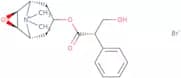
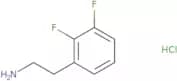
CAS:<p>Methscopolamine bromide is a leukotriene receptor antagonist that is used to treat various conditions including bowel diseases and autoimmune diseases. Methscopolamine bromide binds to muscarinic receptors and blocks the action of acetylcholine, which mediates inflammation. Methscopolamine bromide can also be used to treat congestive heart failure. This drug has significant interactions with other medications, including thermal expansion, fatty acid metabolism, or symptoms of bowel disease. The drug should not be taken by patients who have had a stroke or who have asthma. It is contraindicated in patients who are pregnant or breastfeeding.</p>Formula:C18H24BrNO4Purity:Min. 95%Color and Shape:White PowderMolecular weight:398.29 g/mol2-(2,3-Difluorophenyl)ethan-1-amine hydrochloride
CAS:Controlled Product<p>Please enquire for more information about 2-(2,3-Difluorophenyl)ethan-1-amine hydrochloride including the price, delivery time and more detailed product information at the technical inquiry form on this page</p>Formula:C8H10ClF2NPurity:Min. 95%Molecular weight:193.62 g/molN-Ethyl-4-methoxy amphetamine hydrochloride
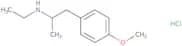
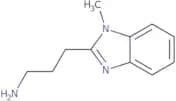
CAS:Controlled Product<p>Please enquire for more information about N-Ethyl-4-methoxy amphetamine hydrochloride including the price, delivery time and more detailed product information at the technical inquiry form on this page</p>Formula:C12H20ClNOPurity:Min. 95%Molecular weight:229.75 g/mol3-(1-Methyl-1H-benzimidazol-2-yl)propan-1-amine hydrochloride
CAS:Controlled Product<p>Please enquire for more information about 3-(1-Methyl-1H-benzimidazol-2-yl)propan-1-amine hydrochloride including the price, delivery time and more detailed product information at the technical inquiry form on this page</p>Formula:C11H15N3Purity:Min. 95%Molecular weight:189.26 g/mol3-Amino-1,2,4-triazole
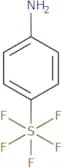
CAS:<p>3-Amino-1,2,4-triazole is a fine chemical that has been used as a versatile building block in the synthesis of complex compounds. It reacts with many different types of molecules to form covalent bonds, and can also be used as a reactant in many organic reactions, such as the formation of amides. 3-Amino-1,2,4-triazole is not currently available commercially but can be synthesized in the laboratory from readily available starting materials. 3-Amino-1,2,4-triazole is a high quality chemical with few impurities that is suitable for use in research or industrial settings.</p>Formula:C2H4N4Molecular weight:84.08 g/mol(Oc-6-21)-(4-Aminophenyl)Pentafluoro-Sulfur
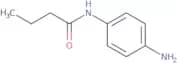
CAS:<p>(Oc-6-21)-(4-Aminophenyl)Pentafluoro-Sulfur is a synthetic chemical that has the molecular formula of CF5SO2NH. It is a five membered heterocycle with an affinity for chloride ions. The compound was synthesized using phenacyl chloride and chlorosulfonyl fluoride in a one step synthesis. This chemical has shown to be an analog of serotonin with hydrogen bonding capabilities. (Oc-6-21)-(4-Aminophenyl)Pentafluoro-Sulfur can act as both a sensor and an electroneutral chlorine ionophore.</p>Formula:C6H6F5NSPurity:Min. 95%Molecular weight:219.18 g/molN-(4-Aminophenyl)butanamide
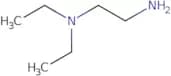
CAS:<p>Please enquire for more information about N-(4-Aminophenyl)butanamide including the price, delivery time and more detailed product information at the technical inquiry form on this page</p>Formula:C10H14N2OPurity:Min. 95%Molecular weight:178.23 g/molN,N-Diethylethylenediamine
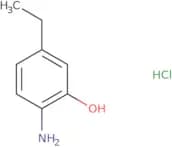
CAS:<p>N,N-Diethylethylenediamine (DEEDA) is a nitrosamine with the chemical structure of N 2 H 4 C 2 H 4 NH 2 . It has been shown to have tumor-inhibiting properties. DEEDA has been shown to have a redox potential that is similar to that of glutathione and cysteine, which are important for the reduction of reactive oxygen species in cells. This compound also shows high uptake by primary cells and can be used as a model system to study the effects of nitrogen compounds on copper complexes. The biological properties of DEEDA are related to steric interactions with proteins and other biomolecules.</p>Formula:C6H16N2Purity:Min. 95%Color and Shape:Colorless Clear LiquidMolecular weight:116.2 g/mol2-Amino-5-ethylphenol hydrochloride
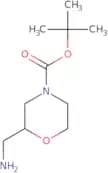
CAS:<p>Please enquire for more information about 2-Amino-5-ethylphenol hydrochloride including the price, delivery time and more detailed product information at the technical inquiry form on this page</p>Formula:C8H12ClNOPurity:Min. 95%Molecular weight:173.64 g/mol2-Aminomethyl-4-boc-morpholine
CAS:<p>Please enquire for more information about 2-Aminomethyl-4-boc-morpholine including the price, delivery time and more detailed product information at the technical inquiry form on this page</p>Formula:C10H20N2O3Purity:Min. 95%Color and Shape:PowderMolecular weight:216.28 g/mol3-(Diethylamino)-1,5-dihydro-2,4,3-benzodioxaphosphepin
CAS:<p>3-(Diethylamino)-1,5-dihydro-2,4,3-benzodioxaphosphepin is a reagent used in the hydrogenolysis of alcohols. It is insoluble in water but soluble in organic solvents. 3-(Diethylamino)-1,5-dihydro-2,4,3-benzodioxaphosphepin has been used to prepare a number of alcohols including pyridinium and polyhydroxy alcohols. The compound has also been shown to be a messenger molecule that can induce transduction when it binds to the receptor protein.</p>Formula:C12H18NO2PPurity:Min. 95%Molecular weight:239.25 g/mol[2-(1-Isopropyl-1H-benzimidazol-2-yl)ethyl]amine dihydrochloride
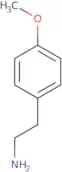
CAS:Controlled Product<p>Please enquire for more information about [2-(1-Isopropyl-1H-benzimidazol-2-yl)ethyl]amine dihydrochloride including the price, delivery time and more detailed product information at the technical inquiry form on this page</p>Formula:C12H17N3Purity:Min. 95%Molecular weight:203.28 g/mol4-Methoxy phenethylamine
CAS:Controlled Product<p>4-Methoxy phenethylamine (4MPEA) is a natural compound that has been found to have biological properties. It is a precursor of dopamine and norepinephrine, which are neurotransmitters in the brain. 4MPEA is an irreversible enzyme inhibitor with a hydroxyl group. The kinetic data for this compound has been determined by nitrogen atoms. Gamma-aminobutyric acid (GABA) is involved in the regulation of neuronal excitability and plays an important role in preventing seizures. 4MPEA may have potential as a drug for treating epilepsy or other neurological disorders.</p>Formula:C9H13NOPurity:Min. 95%Molecular weight:151.21 g/mol1-(2-Aminoethyl)-3-Phenylurea Hydrochloride
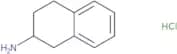
CAS:<p>Please enquire for more information about 1-(2-Aminoethyl)-3-Phenylurea Hydrochloride including the price, delivery time and more detailed product information at the technical inquiry form on this page</p>Formula:C9H13N3O·HClPurity:Min. 95%Molecular weight:215.68 g/mol1,2,3,4-Tetrahydronaphthalen-2-ylamine hydrochloride
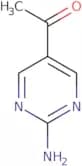
CAS:Controlled Product<p>1,2,3,4-Tetrahydronaphthalen-2-ylamine hydrochloride (THN) is a prodrug that is converted to the active form in the gastrointestinal tract by beta-lactamases. It inhibits bacterial growth and crosslinks bacterial cell walls. THN has been shown to be effective against colitis and ulcerative colitis in animals. It also has anticancer activity, which may be due to its ability to inhibit colon cancer cells from proliferating by interfering with protein synthesis. THN also inhibits the growth of colorectal cancer cells in a dose-dependent manner.</p>Formula:C10H13N·HClPurity:Min. 95%Molecular weight:183.68 g/mol1-(2-Aminopyrimidin-5-yl)ethanone
CAS:<p>Please enquire for more information about 1-(2-Aminopyrimidin-5-yl)ethanone including the price, delivery time and more detailed product information at the technical inquiry form on this page</p>Formula:C6H7N3OPurity:Min. 95%Molecular weight:137.14 g/mol3,5-Diamino-2,4,6-trimethylbenzenesulfonicacid
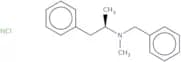
CAS:<p>3,5-Diamino-2,4,6-trimethylbenzenesulfonic acid (DTMS) is an aromatic hydrocarbon that has been found in the environment. DTMS is used as a chlorine scavenger in water treatment plants and wastewater treatment facilities to remove chlorinated organics from the water. It has been shown to be a ligand for uranium. DTMS reacts with cyanuric acid to form 3,5-dichloro-2,4,6-trimethylbenzenesulfonyl chloride (CAS No. 52834-57-1). DTMS also exhibits affinity for metal ions such as copper and nickel.</p>Formula:C9H14N2O3SPurity:90%NmrMolecular weight:230.29 g/mol(R)-Benzphetamine hydrochloride
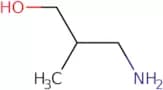
CAS:Controlled Product<p>Please enquire for more information about (R)-Benzphetamine hydrochloride including the price, delivery time and more detailed product information at the technical inquiry form on this page</p>Formula:C17H22ClNPurity:Min. 95%Molecular weight:275.82 g/mol3-Amino-2-methylpropan-1-ol
CAS:<p>3-Amino-2-methylpropan-1-ol is a reactive chemical that can be used as a reactant in the synthesis of other chemicals. It is an alkanolamine and can be found in small amounts in water vapor. 3-Amino-2-methylpropan-1-ol has been shown to have low energy and it reacts with water vapor to form 3,4-dihydroxybutanal, which is a product that can be converted into other useful chemicals. 3-Amino-2-methylpropan-1-ol also reacts with high energy photons to form new substances, such as 3,4,5,6 tetrahydroxymethylbenzaldehyde. 3Amino - 2 - methylpropan - 1 - ol has been shown to have many uses including the production of low molecular weight polymers and resins for paints and coatings.</p>Formula:C4H11NOPurity:Min. 95%Molecular weight:89.14 g/mol[2-(2,5-Dimethyl-1H-indol-3-yl)ethyl]amine hydrochloride
CAS:Controlled Product<p>Please enquire for more information about [2-(2,5-Dimethyl-1H-indol-3-yl)ethyl]amine hydrochloride including the price, delivery time and more detailed product information at the technical inquiry form on this page</p>Formula:C12H16N2Purity:Min. 95%Molecular weight:188.27 g/molAmmonium ferric citrate
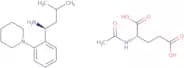
CAS:<p>Ammonium ferric citrate is a solution of ammonium ferric citrate, which is a mixture of ammonium and ferric ions. It is used in biological research as a reaction solution for the determination of mitochondrial membrane potential. The chemical composition of the solution is such that it can be used to determine the iron homeostasis in human serum samples and other biological samples. Ammonium ferric citrate reacts with sodium citrate to form a polymerase chain reaction product that generates light signals proportional to the concentration of electron transfer agents in the system. This process can be monitored using an optical sensor or by measuring electrochemical impedance spectroscopy (EIS) data on the solution.</p>Formula:C6H8O7·xFe·xH3NPurity:Min. 95%Color and Shape:Powder(S,S')-3-Methyl-1-(2-piperidinophenyl)butylamine, N-acetyl-glutamate salt
CAS:<p>Please enquire for more information about (S,S')-3-Methyl-1-(2-piperidinophenyl)butylamine, N-acetyl-glutamate salt including the price, delivery time and more detailed product information at the technical inquiry form on this page</p>Formula:C23H37N3O5Purity:Min. 95%Molecular weight:435.56 g/mol6-Hydroxytryptamine creatinine sulfate
CAS:Controlled Product<p>6-Hydroxytryptamine creatinine sulfate (HTPS) is a metabolite of serotonin and dopamine that can be found in human urine. HTPS is not active on its own, but it has been shown to increase blood pressure in rats when administered together with other substances such as 5-hydroxytryptamine. HTPS also interacts with noradrenaline and hydroxylates serotonin to produce 6-hydroxyserotonin. The biosynthesis of HTPS starts with the hydroxylation of tryptophan by tryptophan 4-hydroxylase (TPH), followed by the conversion of 5-hydroxytryptophan to 5-hydroxyindoleacetic acid (5HIAA). This enzyme is inhibited by drugs such as clozapine, which is used for treatment of schizophrenia. 6-Hydroxytryptamine creatinine sulfate can be found in many tissues, including the brain and kidney</p>Formula:C14H21N5O6SPurity:Min. 95%Molecular weight:387.41 g/mol[4-(4-Aminophenoxy)(2-pyridyl)]-N-methylcarboxamide
CAS:<p>4-(4-Aminophenoxy)(2-pyridyl)]-N-methylcarboxamide is a chemical compound that inhibits the growth of cancer cells by binding to the active site of b-raf and blocking its activity. It has been shown in a pharmacokinetics study that 4-(4-aminophenoxy)(2-pyridyl)]-N-methylcarboxamide is absorbed rapidly through the oral administration, excreted in urine, and eliminated rapidly from the body. The optimal reaction for this drug was found to be at pH 7.0 with an ionic strength of 0.1 M (sodium chloride). This drug also has significant inhibitory activities against human cervical carcinoma and breast cancer cell lines (MDA-MB-231).</p>Formula:C13H13N3O2Purity:Min. 95%Color and Shape:Off-White To Beige To Light Brown SolidMolecular weight:243.26 g/mol4-Bromophenylethylamine HCl
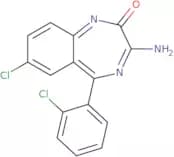
CAS:Controlled Product<p>Please enquire for more information about 4-Bromophenylethylamine HCl including the price, delivery time and more detailed product information at the technical inquiry form on this page</p>Formula:C8H10Br·HClPurity:Min. 95%Molecular weight:222.53 g/molZ-(R,S)-3-amino-7-chloro-5-(2-chlorophenyl)-2-oxo-1,4-benzodiazepine
CAS:Controlled Product<p>Please enquire for more information about Z-(R,S)-3-amino-7-chloro-5-(2-chlorophenyl)-2-oxo-1,4-benzodiazepine including the price, delivery time and more detailed product information at the technical inquiry form on this page</p>Formula:C23H17N3O3Cl2Purity:Min. 95%Molecular weight:454.3 g/molSpiroxamine
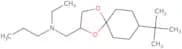
CAS:<p>Spiroxamine is a glycol ether compound that is used as a pesticide. Spiroxamine inhibits the synthesis of proteins and nucleic acids, which are essential for cellular function. This antibiotic has been shown to have synergistic effects with tebuconazole and prothioconazole in wild-type strains of fungi. It can also be used as an analytical tool to measure protein content in cell lysates by preparative high-performance liquid chromatography (HPLC).</p>Formula:C18H35NO2Purity:Min. 97%Color and Shape:Slightly Yellow Clear LiquidMolecular weight:297.48 g/mol[2-(1,2-Dimethyl-1H-indol-3-yl)ethyl]amine hydrochloride
CAS:Controlled Product<p>Please enquire for more information about [2-(1,2-Dimethyl-1H-indol-3-yl)ethyl]amine hydrochloride including the price, delivery time and more detailed product information at the technical inquiry form on this page</p>Formula:C12H16N2Purity:Min. 95%Molecular weight:188.27 g/mol


![[3-(1-Naphthyl)propyl]amine](/_next/image/?url=https%3A%2Fstatic.cymitquimica.com%2Fproducts%2F3D%2Fthumb-webp%2FFN134365.webp&w=3840&q=75)
![8-[(2-Hydroxyethyl)(methyl)amino]-1,3,9-trimethyl-3,9-dihydro-1H-purine-2,6-dione](/_next/image/?url=https%3A%2Fstatic.cymitquimica.com%2Fproducts%2F3D%2Fthumb-webp%2FFH132897.webp&w=3840&q=75)

![[2-(5-Fluoro-1-methyl-1H-indol-3-yl)ethyl]amine hydrochloride](/_next/image/?url=https%3A%2Fstatic.cymitquimica.com%2Fproducts%2F3D%2Fthumb-webp%2FFF118334.webp&w=3840&q=75)
![[1-Methyl-2-(7-methyl-1H-indol-3-yl)ethyl]amine hydrochloride](/_next/image/?url=https%3A%2Fstatic.cymitquimica.com%2Fproducts%2F3D%2Fthumb-webp%2FFM123634.webp&w=3840&q=75)

![(3-IMidazol-1-yl-propyl)-[4-(4,4,5,5-tetraMethyl-[1,3,2]dioxaborolan-2-yl)-benzyl]aMine](/_next/image/?url=https%3A%2Fstatic.cymitquimica.com%2Fproducts%2F3D%2Fthumb-webp%2FFI39774.webp&w=3840&q=75)
![3-{[(3,4-Dichlorophenyl)amino]carbonyl}bicyclo[2.2.1]hept-5-ene-2-carboxylic acid](/_next/image/?url=https%3A%2Fstatic.cymitquimica.com%2Fproducts%2F3D%2Fthumb-webp%2FFD136060.webp&w=3840&q=75)
![[(1-Ethyl-1H-benzimidazol-2-yl)methyl]amine dihydrochloride](/_next/image/?url=https%3A%2Fstatic.cymitquimica.com%2Fproducts%2F3D%2Fthumb-webp%2FFE126425.webp&w=3840&q=75)
![[(6-Chloro-1-isopropyl-1H-benzimidazol-2-yl)methyl]amine dihydrochloride](/_next/image/?url=https%3A%2Fstatic.cymitquimica.com%2Fproducts%2F3D%2Fthumb-webp%2FFC135800.webp&w=3840&q=75)









![N-[4-Amino-3-(trifluoromethyl)phenyl]-2-methylpropanamide](/_next/image/?url=https%3A%2Fstatic.cymitquimica.com%2Fproducts%2F3D%2Fthumb-webp%2FFA17485.webp&w=3840&q=75)

![N-(1H-Indol-4-ylmethyl)-N-[2-(4-methoxyphenyl)ethyl]amine hydrochloride](/_next/image/?url=https%3A%2Fstatic.cymitquimica.com%2Fproducts%2F3D%2Fthumb-webp%2FFI116235.webp&w=3840&q=75)
![[2-(4-methoxyphenyl)ethyl]methylamine](/_next/image/?url=https%3A%2Fstatic.cymitquimica.com%2Fproducts%2F3D%2Fthumb-webp%2FFM51362.webp&w=3840&q=75)



![[2-(1-Isopropyl-1H-benzimidazol-2-yl)ethyl]amine dihydrochloride](/_next/image/?url=https%3A%2Fstatic.cymitquimica.com%2Fproducts%2F3D%2Fthumb-webp%2FFI126434.webp&w=3840&q=75)


![[2-(2,5-Dimethyl-1H-indol-3-yl)ethyl]amine hydrochloride](/_next/image/?url=https%3A%2Fstatic.cymitquimica.com%2Fproducts%2F3D%2Fthumb-webp%2FFD118369.webp&w=3840&q=75)


![[4-(4-Aminophenoxy)(2-pyridyl)]-N-methylcarboxamide](/_next/image/?url=https%3A%2Fstatic.cymitquimica.com%2Fproducts%2F3D%2Fthumb-webp%2FFA17813.webp&w=3840&q=75)

![[2-(1,2-Dimethyl-1H-indol-3-yl)ethyl]amine hydrochloride](/_next/image/?url=https%3A%2Fstatic.cymitquimica.com%2Fproducts%2F3D%2Fthumb-webp%2FFD135164.webp&w=3840&q=75)