Amines
Amines are a set of molecules containing an amino functional group (derived from ammonia). This category includes amines at any level of substitution : primary, secondary, tertiary, and ammonium salts. Amines are fundamental in organic synthesis and are widely used in pharmaceuticals, agrochemicals, and materials science. At CymitQuimica, we provide a comprehensive selection of amines to meet your research and industrial needs. Our range ensures access to various amines for diverse chemical processes and innovative research.
Subcategories of "Amines"
- Nitrosamines(2,605 products)
- Primary Amines(30,821 products)
- Quaternary Ammonium Cations and Salts(1,099 products)
- Secondary Amines(20,817 products)
- Tertiary Amines(17,117 products)
Found 8778 products of "Amines"
Sort by
Purity (%)
0
100
|
0
|
50
|
90
|
95
|
100
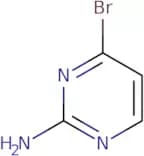
2-Amino-4-bromopyrimidine
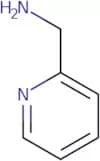
CAS:<p>Please enquire for more information about 2-Amino-4-bromopyrimidine including the price, delivery time and more detailed product information at the technical inquiry form on this page</p>Formula:C4H4BrN3Purity:Min. 95%Color and Shape:White PowderMolecular weight:174 g/mol2-Picolylamine
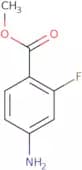
CAS:<p>2-Picolylamine is a biologically active compound that is structurally related to the amino acid lysine. It is a weak base that reacts with acids to produce picolines, which are intermediates in the reaction mechanism. 2-Picolylamine has been shown to have toxicological properties and was found to be lethal to the rat at doses of 250 mg/kg. The molecular weight of 2-picolylamine is 88.06 g/mol, and its chemical formula is C9H14N2O2. The product's anti-tuberculosis drugs prevent bacterial growth by binding to DNA-dependent RNA polymerase, thereby preventing transcription and replication. The high frequency of human activity has been shown using a patch-clamp technique on human erythrocytes. This active form is metabolized through a number of metabolic transformations, including hydrolysis by esterases or glucuronidases, oxidation by cytochrome P450 enzymes</p>Formula:C6H8N2Purity:Min. 95%Molecular weight:108.14 g/molMethyl 4-amino-2-fluorobenzoate
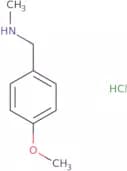
CAS:<p>Please enquire for more information about Methyl 4-amino-2-fluorobenzoate including the price, delivery time and more detailed product information at the technical inquiry form on this page</p>Formula:C8H8FNO2Purity:Min. 95%Molecular weight:169.15 g/mol4-Methoxy-N-methylbenzylamine hydrochloride
CAS:<p>Please enquire for more information about 4-Methoxy-N-methylbenzylamine hydrochloride including the price, delivery time and more detailed product information at the technical inquiry form on this page</p>Formula:C9H14NOClPurity:Min. 95%Molecular weight:187.67 g/mol1-(4-Amino-6,7-dimethoxy-2-quinazolinyl)-4-[(tetrahydro-2-furanyl)carbonxyl]piperazine hydrochloride
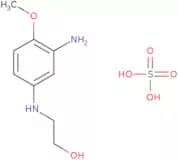
CAS:<p>Terazosin HCL dehydrate is an inhibitor of alpha-1 adrenergic receptors. This results in vasodilation followed by a reduction in urethral resistance, venous return to the heart and peripheral vascular resistance. In particular Terazosin HCL hydrate’s ability to recover urine flow and alleviate symptoms in patients with benign prostatic hyperplasia is of benefit to the therapeutic and clinical industries.</p>Formula:C19H26ClN5O4Purity:Min. 95%Molecular weight:423.89 g/mol2-((3-Amino-4-methoxyphenyl)amino)ethanol sulfate
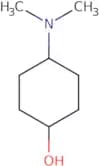
CAS:<p>2-((3-Amino-4-methoxyphenyl)amino)ethanol sulfate is a potent antibacterial agent that inhibits the growth of bacteria by binding to the 50S ribosomal subunit. It is also used in dermatology, as an aminophenol, and as an ingredient in cosmetics. 2-((3-Amino-4-methoxyphenyl)amino)ethanol sulfate has been shown to be efficacious against bacterial infections caused by methicillin resistant Staphylococcus aureus (MRSA), Pseudomonas aeruginosa, Proteus mirabilis, and Klebsiella pneumoniae. This compound also has antihistamine properties.</p>Formula:C9H16N2O6SPurity:Min. 95%Molecular weight:280.3 g/mol4-(Dimethylamino)cyclohexanol
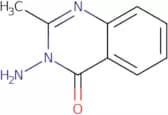
CAS:<p>4-(Dimethylamino)cyclohexanol is a colorless liquid that has a sweet odor. It is insoluble in water but soluble in alcohol, ether, and chloroform. This compound has been used as a solvent for fats, oils, waxes, resins, and rubber. 4-(Dimethylamino)cyclohexanol is found in the environment as a result of its use in insecticides and herbicides. 4-(Dimethylamino)cyclohexanol has been shown to be carcinogenic in animal studies.</p>Formula:C8H17NOPurity:Min. 95%Molecular weight:143.23 g/mol3-Amino-2-methylquinazolin-4(3H)-one
CAS:Controlled Product<p>3-Amino-2-methylquinazolin-4(3H)-one is a bidentate ligand that has been shown to have antibacterial and anticancer activity. The functional theory of the compound is based on its ability to form an imine nitrogen with metal ions such as Fe(II) or Cu(II). 3-Amino-2-methylquinazolin-4(3H)-one is not active against Staphylococcus aureus, but inhibits the growth of other bacteria by binding to their ribosomes and inhibiting protein synthesis. 3-Amino-2-methylquinazolin-4(3H)-one also has in vitro anticancer activity, which may be due to its ability to inhibit DNA synthesis and cell division.</p>Formula:C9H9N3OPurity:Min. 95%Molecular weight:175.19 g/mol[(5-Chloro-1-methyl-1H-benzimidazol-2-yl)methyl]amine hydrochloride
CAS:Controlled Product<p>Please enquire for more information about [(5-Chloro-1-methyl-1H-benzimidazol-2-yl)methyl]amine hydrochloride including the price, delivery time and more detailed product information at the technical inquiry form on this page</p>Formula:C9H10ClN3Purity:Min. 95%Molecular weight:195.65 g/mol4-Aminobicyclo[2.2.2]octan-1-ol hydrochloride
CAS:<p>Please enquire for more information about 4-Aminobicyclo[2.2.2]octan-1-ol hydrochloride including the price, delivery time and more detailed product information at the technical inquiry form on this page</p>Formula:C8H15NO•HClPurity:Min. 95%Molecular weight:177.67 g/mol(7S)-7-Amino-1,2,3,10-tetramethoxy-6,7-dihydro-5H-benzo[g]heptalen-9-one
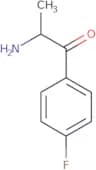
CAS:<p>(7S)-7-Amino-1,2,3,10-tetramethoxy-6,7-dihydro-5H-benzo[g]heptalen-9-one is a hydroxylated analog of demecolcine. It has been shown to be an effective antimicrobial agent with proteolytic and hypoglycemic effects in mice. 7SATM is able to inhibit the activity of human macrophages. This drug has also been shown to have diagnostic potential by binding to a monoclonal antibody that recognizes the myeloperoxidase enzyme on the surface of neutrophils.</p>Formula:C20H23NO5Purity:Min. 95 Area-%Color and Shape:Slightly Yellow PowderMolecular weight:357.4 g/mol2-Amino-1-(4-fluorophenyl)-1-propanone
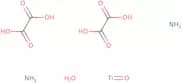
CAS:Controlled Product<p>2-Amino-1-(4-fluorophenyl)-1-propanone (Fluoroamphetamine) is a chemical that binds to the serotonin transporter, which is responsible for the reuptake of serotonin into the presynaptic neuron. Fluoroamphetamine has been shown to lower empathy and increase feelings of reward in animals. This drug has no significant effect on dopamine and noradrenaline levels but does cause an increase in metabolic acidosis. Fluoroamphetamine is most often used by analytical laboratories as a synthetic intermediate, but it can also be used as a strategy to develop specific antidotes against serotonin blockers. Fluoroamphetamine's health effects are similar to those of amphetamine with regards to cardiovascular risks and addictive potential.</p>Formula:C9H10FNOPurity:Min. 95%Molecular weight:167.18 g/molAmmonium titanyl oxalate monohydrate
CAS:<p>Ammonium titanyl oxalate monohydrate is a compound that can be used as an antioxidant in a composition, including an electrophotographic composition. It has been shown to prevent photoreduction and nucleophilic attack on the surface of the photoconductor, as well as to reduce the magnitude of carboxylation reactions with transfer mechanism. Ammonium titanyl oxalate monohydrate may also be used for rechargeable batteries, which are devices that use electric current to generate chemical reactions. The addition of ammonium titanyl oxalate monohydrate to these batteries increases their capacity by reducing the number of cycles required before recharging. This compound also exhibits photocatalytic activity on metal surfaces in the presence of UV irradiation.</p>Formula:C4H10N2O10TiPurity:Min. 97%Molecular weight:294 g/molZ-α-aminoisobutyric acid
CAS:<p>Z-alpha-aminoisobutyric acid is an amide with a conformational pattern that resembles the alpha-helix. It has been shown to inhibit the formation of oligomers, which are aggregates of peptides and proteins, in the gas phase. Z-alpha-aminoisobutyric acid also stabilizes peptides and proteins in aqueous solution by preventing them from forming intramolecular hydrogen bonds. The infrared spectroscopy shows that z-alpha-aminoisobutyric acid is a conformer with a dihedral angle of about 120 degrees.</p>Formula:C12H15NO4Purity:Min. 95%Molecular weight:237.25 g/mol2-Amino-3,7,8-trimethyl-3H-imidazo[4,5-f]quinoxaline
CAS:<p>2-Amino-3,7,8-trimethyl-3H-imidazo[4,5-f]quinoxaline is a synthetic compound that is used as an analytical reagent. It has been shown to inhibit the growth of cancer cells by reacting with amines in the cell nucleus and forming the corresponding quinone. This reaction products then react with alkoxy radical to form reactive oxygen species that induce apoptosis. The use of 2-amino-3,7,8-trimethyl-3H-imidazo[4,5-f]quinoxaline as an analytical reagent has been shown to be effective in the determination of creatine and creatinine levels.</p>Formula:C12H13N5Purity:Min. 95%Molecular weight:227.27 g/molN,N'-Diisopropylethylenediamine
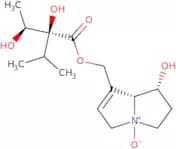
CAS:<p>N,N'-Diisopropylethylenediamine is a light-resistant, microprocessor-grade ligand that binds to imatinib. It is used in the synthesis of acrylonitrile and potassium clavulanate. N,N'-Diisopropylethylenediamine has been shown to bind to copper ions and bortezomib, which are drugs used for the treatment of cancer. This chemical may be an organic solvent that can cross-link proteins and prevent them from unfolding.</p>Formula:C8H20N2Purity:Min. 95%Molecular weight:144.26 g/molLycopsamine N-oxide
CAS:<p>Lycopsamine N-oxide is a pyrrolizidine alkaloid derivative, which is a naturally occurring compound found in certain plant species, particularly within the Boraginaceae family. This compound is typically produced as a secondary metabolite in these plants. Its mode of action involves metabolic activation in the liver, where enzymes convert it into reactive intermediates capable of binding to cellular macromolecules, ultimately leading to toxic effects.</p>Formula:C15H25NO6Purity:Min. 95%Molecular weight:315.36 g/molN-(p-Hydroxyphenethyl)-N-(3-hydroxy-4-methoxy)benzylamine
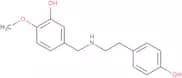
CAS:Controlled Product<p>Narciprimine is a natural product with cytotoxic activity and was first isolated from the Narcissus plant. It is a n-oxide that contains a hydroxyphenethyl group, which is substituted by an oxygen function. This compound has been shown to have biological properties and chemical diversity due to its n-oxide structure. Narciprimine has been shown to inhibit the biosynthesis of narciclasine and haemanthamine, which are alkaloids with cytotoxic activities. The protopine moiety has also been found in narciprimin, but is not present in other related compounds such as narciclasine or haemanthamine. Narciprimin belongs to the chemical class of n-oxides, which are derived from nitrosobenzene derivatives.</p>Formula:C16H19NO3Purity:Min. 95%Color and Shape:PowderMolecular weight:273.33 g/molZ-3-(Tributylstannyl)-2-propen-1-amine
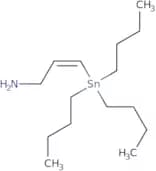
CAS:Controlled Product<p>Please enquire for more information about Z-3-(Tributylstannyl)-2-propen-1-amine including the price, delivery time and more detailed product information at the technical inquiry form on this page</p>Formula:C15H33NSnPurity:Min. 95%Molecular weight:346.14 g/molN-[1-(4-Fluorophenyl)propan-2-Yl]-N-methylprop-2-Yn-1-amine
CAS:Controlled Product<p>N-[1-(4-Fluorophenyl)propan-2-Yl]-N-methylprop-2-Yn-1-amine is a synthetic molecule that has been shown to be an inhibitor of the enzyme nitroethane reductase. This drug is also capable of inhibiting the activity of other enzymes and is being investigated for its potential use in the treatment of various types of cancer. N-[1-(4-Fluorophenyl)propan-2-Yl]-N-methylprop-2-Yn-1-amine inhibits nitroethane reductase by binding reversibly to the active site and competitively inhibiting the substrate. The potency of this drug against nitroethane reductase has been shown to be increased by alkylation.br><br>The inhibition of nitroethane reductase by N-[1-(4-fluorophenyl)propan-2-Yl]-</p>Formula:C13H16FNPurity:Min. 95%Molecular weight:205.27 g/mol5-(2-Aminopropyl)-2-methoxybenzenesulphonamide
CAS:Controlled Product<p>5-(2-Aminopropyl)-2-methoxybenzenesulphonamide is a trimethyl derivative of the aminopropyl group. It is used as a reagent to introduce hydroxymethyl groups into organic compounds. 5-(2-Aminopropyl)-2-methoxybenzenesulphonamide reacts with hydrochloric acid and an organic solvent in the preparation process. In the Friedel-Crafts reaction, 5-(2-Aminopropyl)-2-methoxybenzenesulphonamide reacts with d-alanine to form an optical isomer, which can be converted to its racemic form by ammonolysis. This compound is also used as a prostatic agent and an amide in the synthesis of benzene and phenoxymethyl alcohols.</p>Formula:C10H16N2O3SPurity:Min. 95%Molecular weight:244.31 g/mol4-Ethyl-2,5-dimethoxy-benzeneethanamineHydrochloride
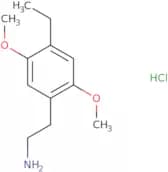
CAS:Controlled Product<p>4-Ethyl-2,5-dimethoxy-benzeneethanamineHydrochloride is a metabolic substrate of CYP2D6. It is also an inhibitor of CYP1A2 and CYP3A4. The class of 4-Ethyl-2,5-dimethoxy-benzeneethanamineHydrochloride is not yet known. 4-Ethyl-2,5-dimethoxy-benzeneethanamineHydrochloride has been shown to cause toxicity in animal studies. Toxicity may be due to its inhibition of cytochrome P450 enzymes, which are involved in metabolism and detoxification.</p>Formula:C12H20ClNO2Purity:Min. 95%Molecular weight:245.75 g/mol4-Methylcyclohexylamine
CAS:<p>4-Methylcyclohexylamine is a compound that is used as an inhibitor of the enzyme ornithine decarboxylase. It also has been shown to have anti-inflammatory properties in cell culture and in animal models of inflammatory bowel disease. 4-Methylcyclohexylamine binds to the active site of the enzyme, preventing it from converting ornithine into putrescine. Ornithine decarboxylase inhibitors are a new class of drugs for the treatment of inflammatory bowel disease, which are effective against both ulcerative colitis and Crohn's disease.</p>Formula:C7H15NPurity:Min. 95%Molecular weight:113.2 g/molN-Boc (S)-amphetamine
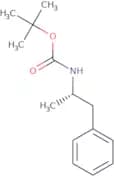
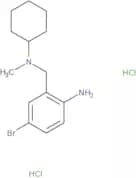
CAS:Controlled Product<p>Please enquire for more information about N-Boc (S)-amphetamine including the price, delivery time and more detailed product information at the technical inquiry form on this page</p>Formula:C14H21NO2Purity:Min. 95%Molecular weight:235.32 g/mol2-Amino-5-bromo-N-cyclohexyl-N-methylbenzylamine dihydrochloride
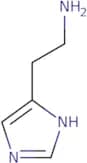
CAS:<p>Please enquire for more information about 2-Amino-5-bromo-N-cyclohexyl-N-methylbenzylamine dihydrochloride including the price, delivery time and more detailed product information at the technical inquiry form on this page</p>Formula:C14H23BrCl2N2Purity:Min. 95%Color and Shape:PowderMolecular weight:370.16 g/molHistamine
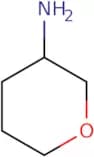
CAS:<p>Endogenous ligand for histamine receptors; neurotransmitterA toxic biogenic amine produced in spoiled and fermented food</p>Formula:C5H9N3Purity:Min. 95%Color and Shape:Yellow PowderMolecular weight:111.15 g/molTetrahydropyran-3-ylamine
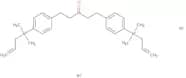
CAS:<p>Tetrahydropyran-3-ylamine is a potent and selective inhibitor of dipeptidyl peptidase IV (DPP-IV), an enzyme that plays an important role in the metabolism of proteins. Tetrahydropyran-3-ylamine is used for the treatment of type 2 diabetes and other metabolic disorders. This compound has been shown to inhibit DPP-IV activity in human plasma and in vitro, with IC50 values of 0.6 μM and 0.2 μM respectively. Tetrahydropyran-3-ylamine also inhibits the production of amyloid β peptides, which are associated with Alzheimer's disease. Tetrahydropyran-3-ylamine is orally active and stable at acidic pH levels, making it suitable for oral administration. It has a high degree of crystallinity, with the crystalline substance being thermally stable up to 200°C. Tetrahydropyr</p>Formula:C5H11NOPurity:Min. 95%Molecular weight:101.15 g/mol1,5-Bis(4-allyldimethylammoniumphenyl)pentan-3-one, dibromide
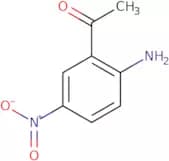
CAS:<p>1,5-Bis(4-allyldimethylammoniumphenyl)pentan-3-one, dibromide is a reversible inhibitor of acetylcholinesterase. It has been shown to inhibit the enzyme activity in vitro and in vivo. 1,5-Bis(4-allyldimethylammoniumphenyl)pentan-3-one, dibromide has been shown to be an effective inhibitor of nicotinic acetylcholine receptors in model organisms such as Xenopus oocytes and Acetylcholine esterase activated rat pheochromocytoma cells. The molecule also inhibits the phosphorylation of pnitrophenyl phosphate by choline kinase. This inhibiting effect on choline kinase leads to a decrease in the concentration of choline available for neurotransmitter synthesis. Monoclonal antibodies against acetylcholinesterase are used to detect this</p>Formula:C27H38Br2N2OPurity:Min. 95%Molecular weight:566.41 g/mol1-(2-Amino-5-nitrophenyl)ethanone
CAS:<p>Please enquire for more information about 1-(2-Amino-5-nitrophenyl)ethanone including the price, delivery time and more detailed product information at the technical inquiry form on this page</p>Formula:C8H8N2O3Purity:Min. 95%Molecular weight:180.16 g/mol1,1,2,2,3,3,3-Heptafluoro-n,n-bis(1,1,2,2,3,3,3-heptafluoropropyl)-1-propanamine
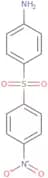
CAS:Controlled Product<p>1,1,2,2,3,3,3-Heptafluoro-n,n-bis(1,1,2,2,3,3-heptafluoropropyl)-1-propanamine (HFIP) is a fluorinated compound that is used as a solvent for hydrogen fluoride and water vapor. HFIP has been shown to be toxic to the liver cells of rats. It also causes lesions in the liver of the isolated heart. The monoclonal antibody against HFIP has been shown to reduce the transport properties of this solvent to tissues and reduce light emission from this compound. HFIP is not chemically reactive with other chemicals at room temperature and has excellent chemical stability in light exposure.</p>Formula:C9F21NPurity:Min. 90 Area-%Color and Shape:Colorless PowderMolecular weight:521.07 g/mol4-Nitro-4'-aminodiphenyl sulfone
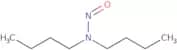
CAS:<p>4-Nitro-4'-aminodiphenyl sulfone is a surfactant that is used in a variety of industries, including wastewater treatment and the manufacture of plastics. It has been shown to inhibit the synthesis of fatty acids and other molecules in cells. 4-Nitro-4'-aminodiphenyl sulfone also inhibits the synthesis of regulatory pathways involved in antimicrobial resistance in bacteria such as chlorobium and solanum tuberosum. The inhibition of fatty acid biosynthesis by 4-nitro-4'-aminodiphenyl sulfone may be due to its ability to bind to catalytic sites on enzymes responsible for this process. This binding prevents them from functioning properly, resulting in an accumulation of fatty acid precursors.</p>Formula:C12H10N2O4SPurity:Min. 95%Molecular weight:278.28 g/molN-Nitroso-di-n-butylamine
CAS:<p>N-Nitroso-di-n-butylamine is a nitrosamine that is a product of wastewater treatment. It has been shown to inhibit mitochondrial function and induce liver lesions in rats at high doses. N-Nitroso-di-n-butylamine is structurally similar to the natural substrate ribose, which leads to inhibition of xanthine oxidase, an enzyme involved in purine metabolism. The structural analysis revealed the presence of reactive sites that are susceptible to attack by nucleophiles, such as hydroxyl radicals or hydrogen peroxide. This indicates that N-Nitroso-di-n-butylamine may be a precursor for other carcinogenic compounds. NADH is reduced by NADH dehydrogenase (complex I) in mitochondria to produce NAD+, which subsequently donates electrons to the electron transport chain and generates ATP. The ability of NNDB to inhibit complex I activity was assessed using hl60</p>Formula:C8H18N2OPurity:Min. 95%Molecular weight:158.24 g/molN-α-Trityl-Nβ-Fmoc-L-2,3-diaminopropionic acid
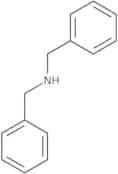
CAS:<p>Please enquire for more information about N-alpha-Trityl-Nbeta-Fmoc-L-2,3-diaminopropionic acid including the price, delivery time and more detailed product information at the technical inquiry form on this page</p>Formula:C37H32N2O4Purity:Min. 95%Molecular weight:568.66 g/molN,N-Dibenzylamine
CAS:<p>N,N-Dibenzylamine is a pyrimidine compound that is used as a model system to study the fatty acid-pyrimidine interactions. The iminodibenzyl group on N,N-dibenzylamine reacts with the ethylene diamine moiety in a reaction mechanism that is analogous to the reactions of natural nucleic acids. This reaction can be used to determine the water vapor pressure, which is useful in predicting locomotor activity and pharmacokinetic properties. This compound has been found to have antidepressant effects when administered orally in rats.</p>Formula:C14H15NPurity:Min. 95%Color and Shape:Clear LiquidMolecular weight:197.28 g/molCysteamine 2-chlorotrityl resin
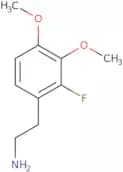
<p>Cysteamine 2-chlorotrityl resin is a synthetic polymer that is used in peptidomimetic synthesis. It has been shown to inhibit the growth of cancer cells, and has been studied as a potential therapeutic agent for cancer treatment. Cysteamine 2-chlorotrityl resin has also been studied as an adjuvant for immunotherapy strategies against cancers. Cysteamine 2-chlorotrityl resin interacts with the cell membrane, highlighting its diagnostic and therapeutic potentials.</p>Color and Shape:Powder2-(2-Fluoro-3,4-dimethoxyphenyl)ethanamine
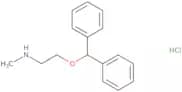
CAS:Controlled Product<p>Please enquire for more information about 2-(2-Fluoro-3,4-dimethoxyphenyl)ethanamine including the price, delivery time and more detailed product information at the technical inquiry form on this page</p>Formula:C10H14FNO2Purity:Min. 95%Molecular weight:199.22 g/molN-Desmethyl diphenhydramine hydrochloride
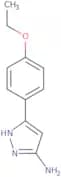
CAS:<p>N-Desmethyl diphenhydramine hydrochloride is a high quality, complex compound with CAS No. 53499-40-4 that can be used as a useful intermediate, speciality chemical, or research chemicals. It is a versatile building block and reaction component.</p>Formula:C16H20ClNOPurity:Min. 95 Area-%Color and Shape:PowderMolecular weight:277.79 g/mol5-(4-Ethoxyphenyl)-1H-pyrazol-3-amine
CAS:<p>Please enquire for more information about 5-(4-Ethoxyphenyl)-1H-pyrazol-3-amine including the price, delivery time and more detailed product information at the technical inquiry form on this page</p>Formula:C11H13N3OPurity:Min. 95%Molecular weight:203.24 g/molChloro[2-(di-tert-butylphosphino)-2',4',6'-triisopropyl-1,1'-biphenyl][2-(2-aminoethyl)phenyl)]palladium(II)
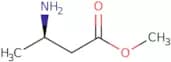
CAS:Controlled Product<p>Chloro[2-(di-tert-butylphosphino)-2',4',6'-triisopropyl-1,1'-biphenyl][2-(2-aminoethyl)phenyl)]palladium(II) is a molecule that inhibits the adenosine receptor in autoimmune diseases and cancer. It also has an inhibitory effect on the membrane transport of glucose, glucosan, and aziridine. This drug can be used to treat inflammatory diseases such as diabetes, asthma, and inflammatory bowel disease. The geometric isomers of this molecule are not identical in shape or size and can have different effects on the body.</p>Formula:C37H55ClNPPdPurity:Min. 95%Molecular weight:686.69 g/mol(R)-3-Amino-butyric acid methyl ester
CAS:<p>Please enquire for more information about (R)-3-Amino-butyric acid methyl ester including the price, delivery time and more detailed product information at the technical inquiry form on this page</p>Formula:C5H11NO2Purity:Min. 95%Molecular weight:117.15 g/mol2,3-Dihydro-1-(3-hydroxypropyl)-5-[(2R)-2-[[2-[2-(2,2,2-trifluoroethoxy)phenoxy]ethyl]amino]propyl]-1H-indole-7-carbonitrile
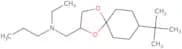
CAS:<p>Please enquire for more information about 2,3-Dihydro-1-(3-hydroxypropyl)-5-[(2R)-2-[[2-[2-(2,2,2-trifluoroethoxy)phenoxy]ethyl]amino]propyl]-1H-indole-7-carbonitrile including the price, delivery time and more detailed product information at the technical inquiry form on this page</p>Formula:C25H30F3N3O3Purity:Min. 95%Molecular weight:477.52 g/molSpiroxamine
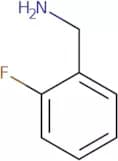
CAS:<p>Spiroxamine is a glycol ether compound that is used as a pesticide. Spiroxamine inhibits the synthesis of proteins and nucleic acids, which are essential for cellular function. This antibiotic has been shown to have synergistic effects with tebuconazole and prothioconazole in wild-type strains of fungi. It can also be used as an analytical tool to measure protein content in cell lysates by preparative high-performance liquid chromatography (HPLC).</p>Formula:C18H35NO2Purity:Min. 97%Color and Shape:Slightly Yellow Clear LiquidMolecular weight:297.48 g/molo-Fluorobenzyl amine
CAS:<p>o-Fluorobenzyl amine (o-FA) is an inhibitor of the HIV integrase enzyme. It forms a covalent bond with the active site of the enzyme and has been shown to be effective in inhibiting HIV replication in vitro. Impurities such as chloride, water molecule, hydrogen bond, and fluorine can be found in o-FA. o-FA has been shown to inhibit monoamine oxidase and may have other biological properties. o-FA also has an intramolecular hydrogen bond that is stabilized by a dihedral angle. The low energy of this compound makes it difficult to detect by chromatographic methods or spectrometry.</p>Formula:C7H8FNPurity:Min. 95%Color and Shape:Clear LiquidMolecular weight:125.14 g/molPhenyltrimethylammonium tribromide
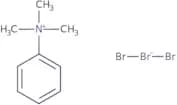
CAS:<p>Phenyltrimethylammonium tribromide is a quaternary ammonium compound that is used in combination preparations. It is an inhibitor of the replication of RNA and DNA, and modulates enzyme activity. Phenyltrimethylammonium tribromide has been shown to be a potent inhibitor of nicotinic acetylcholine receptors, which are important for nerve transmission. This drug also has been shown to inhibit the replication of HIV-1 and other viruses in vitro. Phenyltrimethylammonium tribromide can be synthesized by reacting epoxides with benzalkonium chloride or other quaternary ammonia compounds. The structural formula for phenyltrimethylammonium tribromide can be viewed here: br> C8H17N+Br− br> C6H5N+(CH3)3+Br− br></p>Formula:C9H14Br3NPurity:Min. 95%Molecular weight:375.93 g/mol1-(2-Aminopyrimidin-5-yl)ethanone
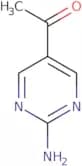
CAS:<p>Please enquire for more information about 1-(2-Aminopyrimidin-5-yl)ethanone including the price, delivery time and more detailed product information at the technical inquiry form on this page</p>Formula:C6H7N3OPurity:Min. 95%Molecular weight:137.14 g/mol4-tert-Butylcyclohexanamine
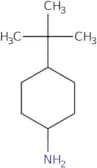
CAS:<p>4-tert-Butylcyclohexanamine is an unsymmetrical compound that is a potent antagonist of the dopamine D2 receptor. It is one of the stereoisomers of 4-tert-butylcyclohexaneamine. This drug has been synthesized by reacting naphthalene with amines and primary alcohols. The compound has optical properties, which may be due to its chiral nature and the presence of two rings in its structure. 4-tert-Butylcyclohexanamine crystallizes from water as needles or plates, depending on the concentration.</p>Formula:C10H21NPurity:Min. 95%Color and Shape:Clear LiquidMolecular weight:155.28 g/mol3-Amino-5-fluoropyridine
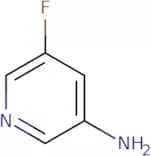
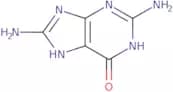
CAS:<p>3-Amino-5-fluoropyridine is a chiral amino acid that can be synthesized from butyronitrile and fluorine in the presence of an organocatalyst. The synthesis can be carried out with either a biodegradable or non-biodegradable catalyst. 3-Amino-5-fluoropyridine can be used as a precursor to prepare medicines such as fluoroquinolones, which are antibiotics that inhibit bacterial growth by binding to DNA-dependent RNA polymerase and preventing transcription and replication. Fluoroquinolones are also potent anti-inflammatory agents and have been shown to reduce inflammation in animal models of asthma, arthritis, and colitis. 3-Amino-5-fluoropyridine can be synthesized from nitro compounds with aluminium mediated reactions. Nitro compounds are toxic substances that have been used in explosives or as herbicides.</p>Formula:C5H5FN2Purity:Min. 95%Color and Shape:Off-White PowderMolecular weight:112.11 g/mol8-Aminoguanine
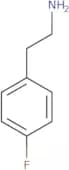
CAS:<p>8-Aminoguanine is an anti-cancer agent that is used to treat leukemia. It is a hydrophobic molecule with a redox potential of −0.20 V and has been shown to inhibit the enzyme ribonucleotide reductase in vitro and in vivo. 8-Aminoguanine inhibits the production of guanine nucleotides, which are necessary for DNA synthesis and cell division. This drug also has angiogenic properties, which may be due to its ability to stimulate the formation of new blood vessels by increasing nitric oxide synthase activity. 8-Aminoguanine has also been shown to improve congestive heart failure by reducing myocardial fibrosis and ventricular hypertrophy through activation of the glycosidic bond cleavage system.</p>Formula:C5H6N6OPurity:Min. 95%Color and Shape:Off-White PowderMolecular weight:166.14 g/mol4-Fluorophenethylamine
CAS:Controlled Product<p>4-Fluorophenethylamine is a fluorinated amine with the chemical formula C8H11FO. It is a 5-HT agonist and has been shown to have affinity constants for the CB2 receptor. 4-Fluorophenethylamine has been shown to be an uptake inhibitor of amines, as well as being a hydrogen bond donor.</p>Formula:C8H10FNPurity:Min. 95%Color and Shape:Clear LiquidMolecular weight:139.17 g/mol[(1-Ethyl-1H-benzimidazol-2-yl)methyl]amine dihydrochloride
CAS:Controlled Product<p>Please enquire for more information about [(1-Ethyl-1H-benzimidazol-2-yl)methyl]amine dihydrochloride including the price, delivery time and more detailed product information at the technical inquiry form on this page</p>Formula:C10H13N3Purity:Min. 95%Molecular weight:175.23 g/molNicotianamine
CAS:<p>Nicotianamine is a nicotinic acid amide that is synthesized from nicotianamine synthase. Nicotianamine is a nutrient that plays an important role in iron homeostasis. It is also involved in the regulation of plant metabolism and enzyme activities. Nicotianamine has been shown to be stable in complex with iron, which makes it a good candidate for use as an analytical reagent for measuring plant metabolites. The nicotianamine assay can be used to determine concentrations of nicotianamine and nicotinic acid amides in plants by plasma mass spectrometry. This method takes advantage of the ability of nicotianamine to form stable complexes with iron ions, which can be measured by quantifying the concentration of free iron ions. Nicotianamine can also be used as an indicator of nutrient solution quality because it reacts with various compounds present in the solution, such as phosphate, nitrate, and sulfate ions. The matrix effect can affect the</p>Formula:C12H21N3O6Purity:(%) Min. 94%Color and Shape:PowderMolecular weight:303.31 g/molN-[4-(Aminosulfonyl)-2,1,3-benzoxadiazol-7-yl]-2-aminoethyl methanethiosulfonate
CAS:<p>Please enquire for more information about N-[4-(Aminosulfonyl)-2,1,3-benzoxadiazol-7-yl]-2-aminoethyl methanethiosulfonate including the price, delivery time and more detailed product information at the technical inquiry form on this page</p>Formula:C9H12N4O5S3Purity:Min. 95%Molecular weight:352.41 g/mol9-[(5-Amino-1,3,4-thiadiazol-2-yl)methyl]-1,3-dimethyl-3,9-dihydro-1H-purine-2,6-dione
CAS:Controlled Product<p>Please enquire for more information about 9-[(5-Amino-1,3,4-thiadiazol-2-yl)methyl]-1,3-dimethyl-3,9-dihydro-1H-purine-2,6-dione including the price, delivery time and more detailed product information at the technical inquiry form on this page</p>Formula:C10H11N7O2SPurity:Min. 95%Molecular weight:293.31 g/molMethyl 1-aminocyclohexanecarboxylate hydrochloride
CAS:<p>Please enquire for more information about Methyl 1-aminocyclohexanecarboxylate hydrochloride including the price, delivery time and more detailed product information at the technical inquiry form on this page</p>Formula:C8H15NO2Purity:Min. 95%Molecular weight:157.21 g/mol1-[1-(2-Aminoethyl)-1H-indol-3-yl]ethanone oxalate
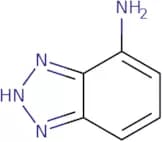
CAS:Controlled Product<p>Please enquire for more information about 1-[1-(2-Aminoethyl)-1H-indol-3-yl]ethanone oxalate including the price, delivery time and more detailed product information at the technical inquiry form on this page</p>Formula:C12H14N2OPurity:Min. 95%Molecular weight:202.25 g/mol1H-1,2,3-Benzotriazol-4-amine
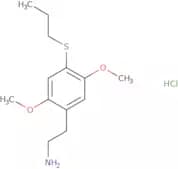
CAS:<p>1H-1,2,3-Benzotriazol-4-amine is a hydroxylated compound that belongs to the group of benzotriazole derivatives. It has been shown to inhibit the growth of cells in culture by binding to the nitrogen atoms in glutamate and inhibiting the production of nitric oxide synthase. 1H-1,2,3-Benzotriazol-4-amine also has binding constants for certain growth regulators that are 10 times higher than for other benzotriazoles. In vitro assays have shown that 1H-1,2,3-benzotriazol-4-amine is a potent corrosion inhibitor with an optical purity greater than 98%. The molecule was modeled using molecular modeling software and found to be stable when exposed to light. The molecule has also been tested on Sprague Dawley rats and found not to cause skin reactions.</p>Formula:C6H6N4Purity:Min. 95%Molecular weight:134.14 g/mol2,5-Dimethoxy-4-(propylsulfanyl)phenethylamine hydrochloride
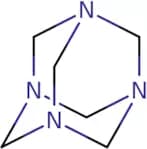
CAS:Controlled Product<p>Please enquire for more information about 2,5-Dimethoxy-4-(propylsulfanyl)phenethylamine hydrochloride including the price, delivery time and more detailed product information at the technical inquiry form on this page</p>Formula:C13H22ClNO2SPurity:Min. 95%Molecular weight:291.84 g/molHexamethylenetetramine
CAS:Controlled Product<p>Hexamethylenetetramine is a chemical compound that is used in the manufacture of many types of chemicals. It can be found in the wastewater treatment process, where it is used to remove silver ions and heavy metals. Hexamethylenetetramine may also be used as an antidote for methenamine poisoning. Hexamethylenetetramine has been shown to have toxic effects on laboratory animals and humans, although these are not well understood. The substance has been shown to inhibit the polymerase chain reaction in mouse monoclonal antibody studies and may have adverse effects on biochemical composition, including changes in protein synthesis. Hexamethylenetetramine may also cause drug interactions by inhibiting the activity of cytochrome P450 enzymes. This substance can cause serious side effects, such as hematological toxicity, which may lead to death in rare cases.</p>Formula:C6H12N4Purity:Min. 95%Color and Shape:White Clear LiquidMolecular weight:140.19 g/mol...2-(Dimethylamino)ethylamine
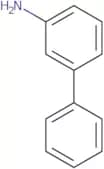
CAS:<p>2-(Dimethylamino)ethylamine is an organic compound that is used in the synthesis of other compounds. It is a colorless, water-soluble liquid that has a fishy odor at lower concentrations and can be detected with a smell threshold of 0.1 ppm. This molecule has redox potentials that are higher than those of fatty acids, which may have physiological functions. 2-(Dimethylamino)ethylamine can also be used to detect diazonium salts by reacting with them to form a blue color. The chemical is found in human serum, fetal bovine serum, and water vapor. 2-(Dimethylamino)ethylamine has been studied for its biological effects on humans and animals as well as its ability to prevent the formation of nitrosamines in meat products.</p>Formula:C4H12N2Purity:Min. 95%Color and Shape:Clear Colourless To Yellow To Light (Or Pale) Red To Green-Yellow LiquidMolecular weight:88.15 g/mol3-Aminobiphenyl
CAS:<p>3-Aminobiphenyl is a biphenyl compound that is used in the production of dyes and pesticides. It has been detected in human urine samples using an analytical method based on chemical ionization. 3-Aminobiphenyl can be detoxified by conjugation with glutathione, but the conjugation process can be inhibited by the presence of amines such as caffeine, which competitively bind to glutathione. 3-Aminobiphenyl may also cause cancer, but there is no evidence for this theory at present.</p>Formula:C12H11NPurity:Min. 95%Molecular weight:169.22 g/mol4-amino[1,1'-biphenyl]-3-carboxylic acid
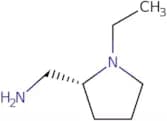
CAS:<p>Please enquire for more information about 4-amino[1,1'-biphenyl]-3-carboxylic acid including the price, delivery time and more detailed product information at the technical inquiry form on this page</p>Formula:C13H11O2NPurity:Min. 95%Molecular weight:213.23 g/mol(R)-(+)-2-Aminomethyl-1-ethylpyrrolidine
CAS:<p>Please enquire for more information about (R)-(+)-2-Aminomethyl-1-ethylpyrrolidine including the price, delivery time and more detailed product information at the technical inquiry form on this page</p>Formula:C7H16N2Purity:Min. 95%Color and Shape:Clear LiquidMolecular weight:128.22 g/mol3,5-Dibromo-6-methylpyrazin-2-amine
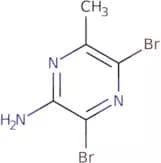
CAS:<p>Please enquire for more information about 3,5-Dibromo-6-methylpyrazin-2-amine including the price, delivery time and more detailed product information at the technical inquiry form on this page</p>Formula:C5H5Br2N3Purity:Min. 95%Molecular weight:266.92 g/mol3-(Methylnitrosamino)propionitrile
CAS:<p>3-(Methylnitrosamino)propionitrile (NNK) is a potent, but toxic, carcinogen that has been shown to be one of the major causes of lung cancer in animals. It is metabolized to 3-aminobenzamide and N-nitrosodimethylamine (NDMA) by cytochrome P450 enzymes. These metabolites are then further converted into reactive species that bind covalently with DNA, leading to mutations and ultimately cancer. The activation of NNK can be prevented by inhibiting the enzyme hydrolysis or by blocking the synthesis of the reactive metabolites.</p>Formula:C4H7N3OPurity:Area-% Min. 95 Area-%Molecular weight:113.12 g/mol2-Chloro-7H-pyrrolo[2,3-d]pyrimidin-4-amine
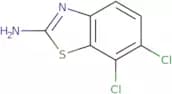
CAS:<p>Please enquire for more information about 2-Chloro-7H-pyrrolo[2,3-d]pyrimidin-4-amine including the price, delivery time and more detailed product information at the technical inquiry form on this page</p>Formula:C6H5ClN4Purity:Min. 95%Molecular weight:168.58 g/mol2-Amino-5,6-dichlorobenzothiazole
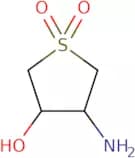
CAS:<p>2-Amino-5,6-dichlorobenzothiazole is an aminobenzothiazole derivative that has been shown to have antibacterial activity. It is a hydrophobic molecule with a skeleton consisting of alternating amines and carboxylic acids. 2-Amino-5,6-dichlorobenzothiazole binds to the fatty acid ester component of bacterial cell walls by hydrogen bonding or ionic interactions, disrupting the integrity of the cell wall and inhibiting the growth of bacteria. 2-Amino-5,6-dichlorobenzothiazole can be used to decolorize dyes and textiles that have been stained by oily materials. It is also used as a surfactant in personal care products such as shampoos and conditioners.</p>Formula:C7H4Cl2N2SPurity:Min. 95%Molecular weight:219.09 g/mol4-Aminotetrahydrothiophene-3-ol 1,1-dioxide
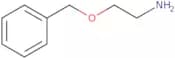
CAS:<p>Please enquire for more information about 4-Aminotetrahydrothiophene-3-ol 1,1-dioxide including the price, delivery time and more detailed product information at the technical inquiry form on this page</p>Formula:C4H9NO3SPurity:Min. 95%Molecular weight:151.19 g/mol2-(Benzyloxy)-1-ethanamine
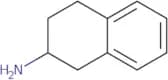
CAS:<p>2-(Benzyloxy)-1-ethanamine is a radionuclide that has been shown to have potent antitumor activity. It is an imidazopyridine that binds to the 5-HT2C receptor and blocks serotonin from binding to it. This leads to an increase in dopamine levels, which is associated with the therapeutic effects of this drug. The 2-(Benzyloxy)-1-ethanamine molecule has two isomers, with different pharmacological properties: 2-(benzyloxy)ethylamine and 2-(benzyloxy)propylamine. Both molecules are ligands that bind to metal ions and can be used as pharmaceutical formulations. They are also used as modifiers in drug molecules.</p>Formula:C9H13NOPurity:Min. 95%Color and Shape:Clear LiquidMolecular weight:151.21 g/mol1,2,3,4-Tetrahydronaphthalen-2-amine hydrobromide
CAS:Controlled Product<p>1,2,3,4-Tetrahydronaphthalen-2-amine hydrobromide (THNA) is an amine that inhibits the enzyme tyrosine hydroxylase. This inhibition leads to a decrease in the synthesis of dopamine and norepinephrine. THNA has been shown to have inhibitory properties on locomotor activity, acid complex formation, and aminotransferases. It also exhibits receptor binding and agonist binding site activity. One study found that THNA had no effect on rat striatal tissue. The drug has been shown to be effective in metabolic disorders such as obesity.</p>Formula:C10H13NPurity:Min. 95%Molecular weight:147.22 g/mol4-[(4-Acetylphenyl)amino]-4-oxobutanoic acid
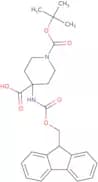
CAS:<p>Please enquire for more information about 4-[(4-Acetylphenyl)amino]-4-oxobutanoic acid including the price, delivery time and more detailed product information at the technical inquiry form on this page</p>Formula:C12H13NO4Purity:Min. 95%Molecular weight:235.24 g/molN-Boc-amino-(4-N-fmoc-piperidinyl)carboxylic acid
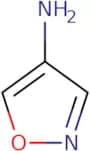
CAS:<p>Please enquire for more information about N-Boc-amino-(4-N-fmoc-piperidinyl)carboxylic acid including the price, delivery time and more detailed product information at the technical inquiry form on this page</p>Formula:C26H30N2O6Purity:Min. 95%Molecular weight:466.53 g/mol4-Aminoisoxazole
CAS:<p>4-Aminoisoxazole is a triazole that has been found to be active against tumor cell lines. It is synthesized by reacting zinc powder with an acid solution containing 4-nitrobenzaldehyde, which results in the formation of 4-aminobenzonitrile, which subsequently undergoes nitration and reduction to form 4-aminoisoxazole. The synthesis of this compound can also be achieved by reacting ammonium nitrate with nitric acid in the presence of hydrochloric acid.</p>Formula:C3H4N2OPurity:Min. 95%Molecular weight:84.08 g/molN-(2-Aminoethyl)-3-aminopropylmethyldimethoxysilane
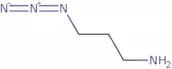
CAS:<p>N-(2-Aminoethyl)-3-aminopropylmethyldimethoxysilane is an antibacterial agent that inhibits the growth of bacteria by binding to the cell wall, thereby preventing the synthesis of proteins. It is used in dentistry and medicine as a coating for metal surfaces. This compound has been shown to be effective against Escherichia coli and Enterococcus faecalis. The optimum concentration for this compound is 1 mg/mL.</p>Formula:C8H22N2O2SiPurity:Min. 95%Molecular weight:206.36 g/mol3-Azido-1-propanamine
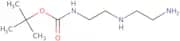
CAS:<p>3-Azido-1-propanamine is a model protein that has been used in analytical chemistry and clinical relevance. It has also been used as a model system to study the effects of immobilization, titration calorimetry, reactive species, and hepg2 cells on cancer growth. 3-Azido-1-propanamine is reactive with superparamagnetic iron, which results in a change in the redox potential. This change can be detected by using disulfide bonds.</p>Formula:C3H8N4Purity:Min. 95%Color and Shape:Clear LiquidMolecular weight:100.12 g/molN1-Boc-diethylenetriamine
CAS:<p>N1-Boc-diethylenetriamine is a triamine that can be used as a linker in the synthesis of nucleotides and nucleobases. It has been used to synthesize adenosine triphosphate (ATP) and other nucleotides. A study on the fluorescence intensity of N1-Boc-diethylenetriamine revealed that it has resonance energy transfer interactions with naphthalimide, hydrogen bonding interactions with adenosine, and fluorescence emission from the naphthalimide group.</p>Formula:C9H21N3O2Purity:Min. 95%Color and Shape:Clear LiquidMolecular weight:203.28 g/mol1,2-Diamino-2-methylpropane
CAS:<p>Intermediate in the synthesis of anagliptin</p>Formula:C4H12N2Purity:Min. 95%Molecular weight:88.15 g/mol1-(4-Aminophenyl)-1H-pyridin-2-one
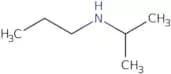
CAS:<p>1-(4-Aminophenyl)-1H-pyridin-2-one is a synthetic chemical that is used in the manufacturing of 8-hydroxyquinoline. It is an industrial chemical that is used to produce potassium carbonate by a reflux reaction with potassium and carbonate. 1-(4-Aminophenyl)-1H-pyridin-2-one is a gas at room temperature and pressure and has been shown to be stable under these conditions.</p>Formula:C11H10N2OPurity:Min. 95%Color and Shape:White PowderMolecular weight:186.21 g/molN-Propyl-N-isopropylamine
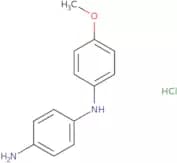
CAS:<p>N-Propyl-N-isopropylamine is a beta-blocker that is used in the treatment of hypertension. It has potent inhibition of the enzyme transaminase, which is involved in the metabolism of amino acids and branched chain amino acids. N-Propyl-N-isopropylamine inhibits the synthesis of catecholamines, such as adrenaline, noradrenaline, and dopamine. Beta blockers are also used to treat angina pectoris and heart failure. Beta blockers work by blocking beta receptors in the sympathetic nervous system, thereby decreasing cardiac output and blood pressure. The drug can be administered orally or intravenously to achieve its desired effects. This drug is also catalytic with a low toxicity profile that makes it suitable for wastewater treatment.</p>Formula:C6H15NPurity:Min. 95%Molecular weight:101.19 g/mol4-Amino-4'-methoxydiphenylamine HCl
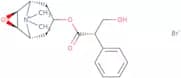
CAS:<p>4-Amino-4'-methoxydiphenylamine HCl is a chemical compound that can be used as an analytical tool. It is prepared by the reaction of 4-aminophenol with 4-chloromethylphenol and formaldehyde in the presence of hydrochloric acid. This product has been found to have a potentiodynamic polarization curve that resembles that of a cationic surfactant. The detection methods for this product are electrochemical impedance spectroscopy, microscopy, and chemical reactions.</p>Purity:Min. 95%Molecular weight:250.72 g/molMethscopolamine bromide
CAS:<p>Methscopolamine bromide is a leukotriene receptor antagonist that is used to treat various conditions including bowel diseases and autoimmune diseases. Methscopolamine bromide binds to muscarinic receptors and blocks the action of acetylcholine, which mediates inflammation. Methscopolamine bromide can also be used to treat congestive heart failure. This drug has significant interactions with other medications, including thermal expansion, fatty acid metabolism, or symptoms of bowel disease. The drug should not be taken by patients who have had a stroke or who have asthma. It is contraindicated in patients who are pregnant or breastfeeding.</p>Formula:C18H24BrNO4Purity:Min. 95%Color and Shape:White PowderMolecular weight:398.29 g/mol3,4-(Dibenzyloxy)phenethylamineHydrochloride
CAS:<p>3,4-(Dibenzyloxy)phenethylamine Hydrochloride is an antidiabetic drug that belongs to the class of medicines used to treat diabetes mellitus. This drug inhibits the synthesis of fatty acids and the production of glucose by pancreatic β-cells. 3,4-(Dibenzyloxy)phenethylamine Hydrochloride also has a hypoglycemic effect on rats with diabetes mellitus. The medicine has been shown to be effective in inhibiting apoptotic cell death in k562 cells and also has an inhibitory effect on dopamine-stimulated cAMP production.</p>Formula:C22H24ClNO2Purity:Min. 95%Molecular weight:369.88 g/molN-Fmoc-N'-trityl-D-glutamine
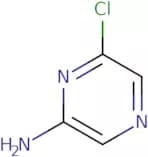
CAS:<p>N-Fmoc-N'-trityl-D-glutamine is a synthetic molecule that has been shown to have antibacterial activity. It inhibits the influenza virus by binding to the hemagglutinin protein and blocking the ability of the virus to infect cells. This compound also inhibits bacterial growth by binding to the cell wall, preventing cell division. N-Fmoc-N'-trityl-D-glutamine is stable at room temperature and can be stored for up to three years if stored in a dry environment.</p>Formula:C39H34N2O5Purity:Min. 95%Color and Shape:PowderMolecular weight:610.7 g/mol2-Amino-6-chloropyrazine
CAS:<p>2-Amino-6-chloropyrazine (2ACP) is an inhibitor that binds to the active site on human protein kinase C (PKC). It has been shown to inhibit PKC by hydrogen bonding with the hydroxide ion, which blocks its catalytic activity. 2ACP has been studied for its potential use in treating cancer and for inhibiting amine oxidases, which are enzymes associated with inflammation and chronic obstructive pulmonary disease. The inhibition of these enzymes may help to reduce stenosis in the lungs or other organs. 2ACP also has been shown to have antimycobacterial activity against Mycobacterium tuberculosis, M. avium complex, and M. leprae by inhibiting DNA synthesis and RNA synthesis. 2ACP inhibits the kinase receptor on the cell membrane that phosphorylates a water molecule into a chlorine atom, which then reacts with hydrogen peroxide to form free radicals that can kill bacteria</p>Formula:C4H4ClN3Purity:Min. 95%Molecular weight:129.55 g/mol2-Aminoindane HCl
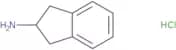
CAS:Controlled Product<p>2-Aminoindane HCl is a betalamic acid derivative that inhibits the activity of the dopamine receptor. It has been shown to inhibit the binding of dopamine in both rat and human liver, as well as in a model system. 2-Aminoindane HCl is formed by intramolecular hydrogenation of betalamic acid and hydrolysis of the resulting 2-aminoindane acetic acid chloride. The carbonic ester group on the indane ring forms an alkoxy radical with hydrogen chloride in water, which then reacts with a hydroxy group on the indane ring to form 2-aminoindane HCl. This process can be modeled using molecular modeling techniques.</p>Purity:Min. 95%Molecular weight:169.65 g/mol1H-Pyrrolo[2,3-b]pyridin-5-ylamine
CAS:<p>1H-Pyrrolo[2,3-b]pyridin-5-ylamine is a heterocycle that can be synthesized by cyclization of pyrrole with an alkyne. The microwave irradiation of the reaction mixture leads to selective formation of 1-(2-hydroxyphenyl)pyrrolo[2,3-b]pyridine. This heterocycle can be used in the synthesis of other heterocycles and pharmaceuticals.</p>Purity:Min. 95%(4-Aminophenyl)boronic acid pinacol ester
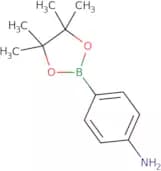
CAS:<p>(4-Aminophenyl)boronic acid pinacol ester is a semiconducting material that can be used in thin film devices. It has been shown to be a good candidate for transistor and device applications due to its high yield, low cost, and high stability. This compound can also be used to modify the structure of other compounds through substitution reactions. (4-Aminophenyl)boronic acid pinacol ester has been synthesized from inexpensive starting materials, such as triphenylamine and amines.</p>Formula:C12H18BNO2Purity:Min. 95%Color and Shape:White PowderMolecular weight:219.09 g/mol5[(R)-(2-Aminopropyl)]-2-methoxybenzenesulfonamide hydrochloride
CAS:Controlled Product<p>Please enquire for more information about 5[(R)-(2-Aminopropyl)]-2-methoxybenzenesulfonamide hydrochloride including the price, delivery time and more detailed product information at the technical inquiry form on this page</p>Formula:C10H17ClN2O3SPurity:Min. 95%Molecular weight:280.77 g/mol2-Hydroxybenzylamine
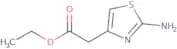
CAS:<p>2-Hydroxybenzylamine is a dietary supplement that is used to prevent atherosclerosis and cardiovascular disease. It inhibits the oxidation of fatty acids and decreases the production of reactive oxygen species. This drug has been shown to have an effect on cardiac hypertrophy and blood pressure. 2-Hydroxybenzylamine has been shown to reduce the levels of 4-hydroxybutyric acid, malondialdehyde, and reactive oxygen species in cultured cells. These effects may be due to its ability to inhibit the enzyme fatty acid synthase. 2HBA also has a protective effect against oxidative injury by reducing the release of reactive oxygen species from mitochondria in cultured cells.</p>Formula:C7H9NOPurity:Min. 95%Molecular weight:123.15 g/molEthyl 2-amino-4-thiazoleacetate
CAS:<p>Ethyl 2-amino-4-thiazoleacetate is a supramolecular molecule that has the potential to be an anticancer agent. It inhibits the growth of tumor cells by binding to tyrosinase and hydrogen-bonding with chloride ions in solution. Ethyl 2-amino-4-thiazoleacetate also binds to a metal ion, such as zinc, which is important for biological functions. When it binds to these metals, it inhibits the enzyme hepg2 cell, which is involved in the synthesis of protein from RNA. Inhibition of this enzyme leads to decreased production of cytokines, which are molecules that regulate immune responses. This drug also has inhibitory activities against oral cephalosporins when used in combination with other drugs.</p>Formula:C7H10N2O2SPurity:Min. 95%Molecular weight:186.23 g/molPoly(2-hydroxypropyldimethylammonium chloride)
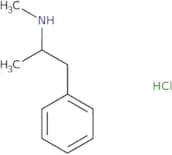
CAS:Controlled Product<p>Poly(2-Hydroxypropyl Dimethylammonium Chloride) is a polymer that has been shown to inhibit the growth of bacteria by forming stable complexes with chloride ions. Its application include water treatment.</p>Formula:(C5H12ClNO)nPurity:Min. 95%Color and Shape:Clear LiquidR-(-)-Methamphetamine hydrochloride
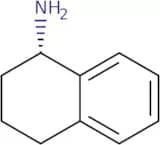
CAS:Controlled Product<p>Please enquire for more information about R-(-)-Methamphetamine hydrochloride including the price, delivery time and more detailed product information at the technical inquiry form on this page</p>Formula:C10H15N•HClPurity:Min. 95%Color and Shape:PowderMolecular weight:185.69 g/molS-(+)-1-Aminotetrahydronaphthalene
CAS:<p>S-(+)-1-Aminotetrahydronaphthalene is an amido derivative that is the enantiomer of S-(-)-1-amino-N,N'-diphenylformamide. It has been shown to have anti-obesity effects in mice by increasing energy expenditure and reducing food intake. S-(+)-1-Aminotetrahydronaphthalene also inhibits the release of fatty acids from adipose tissue, which may be due to its ability to suppress lipolysis. The molecular mechanism for these effects is not yet known, but it is thought that the amide group on this compound interacts with certain protein surfaces and steric interactions are involved in its activity.</p>Formula:C10H13NPurity:Min. 95%Molecular weight:147.22 g/molCyclohexamine hydrochloride
CAS:Controlled Product<p>Cyclohexamine hydrochloride is a potent non-selective muscarinic antagonist that has been used as an anesthetic for rodents for the past three decades. It binds to the muscarinic acetylcholine receptors and blocks the effects of acetylcholine, which are involved in regulating heart rate, blood pressure, and other cardiovascular functions. It is also used to treat Alzheimer's disease by blocking acetylcholine from binding to its receptor. Cyclohexamine hydrochloride can cause psychotic symptoms such as hallucinations and delusions when taken in high doses. It may also be toxic to the cerebral cortex when administered at high doses.</p>Formula:C14H22ClNPurity:Min. 95%Molecular weight:239.78 g/mol2-(4-Aminophenylthio)acetic acid
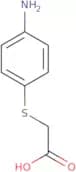
CAS:<p>2-(4-Aminophenylthio)acetic acid is an analytical reagent that is used for the determination of nitrite ion. It reacts with nitrous acid to form a red-colored dye. 2-(4-Aminophenylthio)acetic acid has been shown to be an effective anhydrase inhibitor, which can be used in analytical chemistry as a method for determining the concentration of nitrate ion. This compound also has a constant value of 1.5, which can be used to calculate the concentration of nitric acid in hydrochloric acid by using the following equation: 2 NaOH + HCl → NaCl + 2 H2O 1.5 (aq) + 4H+(aq) → 6H2O(l) 6H2O(l) ÷ 1.5 (mol/L) = 3 mol/L 3 mol/L ÷ 0.037 (mol/g) =</p>Formula:C8H9NO2SPurity:Min. 95%Molecular weight:183.23 g/mol5-Aminobenzooxazole
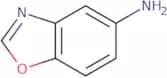
CAS:<p>5-Aminobenzooxazole is a cox-2 inhibitor that has been shown to inhibit the growth of cervical cancer cells. It acts by inhibiting ubiquitin ligases, which are enzymes that regulate protein degradation. 5-Aminobenzooxazole has shown anticancer activity in vitro and in vivo and induces cell cycle arrest and apoptosis (cell death) of cervical cancer cells. The mechanism for this effect may be due to the ability of 5-aminobenzooxazole to disrupt the acidic environment of the tumor microenvironment. This drug also inhibits glutamate neurotransmitter release, leading to neuronal death. 5-Aminobenzooxazole is not active against normal cells because they lack the enzyme needed for this reaction.</p>Formula:C7H6N2OPurity:Min. 95%Color and Shape:PowderMolecular weight:134.14 g/mol4-(1-Adamantyl)-2-aminophenol
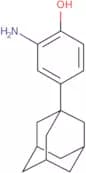
CAS:<p>Please enquire for more information about 4-(1-Adamantyl)-2-aminophenol including the price, delivery time and more detailed product information at the technical inquiry form on this page</p>Formula:C16H21NOPurity:Min. 95%Molecular weight:243.34 g/mol3-Aminopyridine
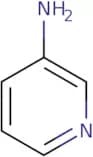
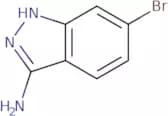
CAS:<p>3-Aminopyridine is a compound with the chemical formula C6H5N3. It is used in biological studies as a model for the hydrogen bond, and has been shown to be effective against some bacteria and fungi. 3-Aminopyridine may also have antimicrobial activity. The mechanism of action of 3-aminopyridine is not well understood, but it is thought that this compound might bind to the active site of an enzyme or receptor and deactivate it. 3-Aminopyridine has been found to inhibit dinucleotide phosphate (DNP) reductase, which may play a role in carcinogenesis. There are two nitrogen atoms in 3-aminopyridine, one in the amine group and one in the pyridine ring. The hydroxyl group on the molecule can form hydrogen bonds with other molecules such as hydrochloric acid or hydrogen tartrate, which may be why it reacts with these substances so easily.</p>Purity:Min. 95%Molecular weight:94.11 g/mol6-Bromo-1H-indazol-3-yl-amine
CAS:<p>6-Bromo-1H-indazol-3-yl-amine is an indazole derivative that has shown anti-cancer effects in vitro and in vivo. 6-Bromo-1H-indazol-3-yl-amine inhibits the proliferation of cancer cells, which may be due to its inhibition of cell cycle progression at the G2/M phase. It also inhibits the growth of tumor cells by inducing apoptosis. The drug's mechanism of action is not yet fully understood, but it has been shown to inhibit the activity of axitinib, a tyrosine kinase inhibitor. This drug has also shown anti-proliferative activities with acid catalysts and supramolecular systems. In addition, 6-bromo 1H indazol 3 yl amine contains functional groups such as nitro and pyrrole groups.</p>Formula:C7H6BrN3Purity:Min. 95%Molecular weight:212.05 g/mol2-Dimethylaminoisopropyl chloride hydrochloride
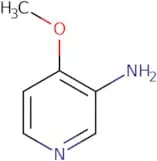
CAS:<p>2-Dimethylaminoisopropyl chloride hydrochloride is a fluorescent molecule that emits light at wavelengths of 370-430 nm. It has a number of uses, such as detecting the presence or absence of chloride ions in water samples, determining the composition of petroleum products, and measuring the concentration of sodium ions in electrolytes. 2-Dimethylamino-1-propanesulfonic acid chloride hydrochloride can be used to identify the transition metal (Cu) in a sample, because it absorbs light at wavelengths below 450 nm.</p>Formula:C5H12ClN·HClPurity:Min. 95%Color and Shape:White to off-white solid.Molecular weight:158.07 g/mol3-Amino-4-methoxypyridine
CAS:<p>3-Amino-4-methoxypyridine is a molecule that has been shown to have anesthetic activity. It has been shown to inhibit the uptake of glycogen by glioblastoma cells and decrease the rate of glycogen synthesis in these cells. 3-Amino-4-methoxypyridine also inhibits the production of ATP in cardiac muscle cells, which may be due to its ability to inhibit glycogen synthase kinase-3 (GSK3) and glycogen synthase. This drug also inhibits cancer cell growth by inhibiting protein synthesis, as well as inflammatory disease progression by inhibiting NFκB activation and cytokine production. 3-Amino-4-methoxypyridine can be synthesized from aminopyridines such as isonicotinic acid or nicotinic acid, which are oxidized with hydrogen peroxide and sodium nitrite in the presence of a base catalyst.</p>Formula:C6H8N2OPurity:Min. 95%Molecular weight:124.14 g/mol

![1-(4-Amino-6,7-dimethoxy-2-quinazolinyl)-4-[(tetrahydro-2-furanyl)carbonxyl]piperazine hydrochlori…](/_next/image/?url=https%3A%2Fstatic.cymitquimica.com%2Fproducts%2F3D%2Fthumb-webp%2FFA28036.webp&w=3840&q=75)
![[(5-Chloro-1-methyl-1H-benzimidazol-2-yl)methyl]amine hydrochloride](/_next/image/?url=https%3A%2Fstatic.cymitquimica.com%2Fproducts%2F3D%2Fthumb-webp%2FFC135791.webp&w=3840&q=75)
![4-Aminobicyclo[2.2.2]octan-1-ol hydrochloride](/_next/image/?url=https%3A%2Fstatic.cymitquimica.com%2Fproducts%2F3D%2Fthumb-webp%2FFA63102.webp&w=3840&q=75)
![(7S)-7-Amino-1,2,3,10-tetramethoxy-6,7-dihydro-5H-benzo[g]heptalen-9-one](/_next/image/?url=https%3A%2Fstatic.cymitquimica.com%2Fproducts%2F3D%2Fthumb-webp%2FFA20821.webp&w=3840&q=75)

![2-Amino-3,7,8-trimethyl-3H-imidazo[4,5-f]quinoxaline](/_next/image/?url=https%3A%2Fstatic.cymitquimica.com%2Fproducts%2F3D%2Fthumb-webp%2FFA17506.webp&w=3840&q=75)

![N-[1-(4-Fluorophenyl)propan-2-Yl]-N-methylprop-2-Yn-1-amine](/_next/image/?url=https%3A%2Fstatic.cymitquimica.com%2Fproducts%2F3D%2Fthumb-webp%2FFF95966.webp&w=3840&q=75)



![Chloro[2-(di-tert-butylphosphino)-2',4',6'-triisopropyl-1,1'-biphenyl][2-(2-aminoethyl)phenyl)]pal…](/_next/image/?url=https%3A%2Fstatic.cymitquimica.com%2Fproducts%2F3D%2Fthumb-webp%2FFC156938.webp&w=3840&q=75)
![2,3-Dihydro-1-(3-hydroxypropyl)-5-[(2R)-2-[[2-[2-(2,2,2-trifluoroethoxy)phenoxy]ethyl]amino]propyl…](/_next/image/?url=https%3A%2Fstatic.cymitquimica.com%2Fproducts%2F3D%2Fthumb-webp%2FFD103483.webp&w=3840&q=75)
![[(1-Ethyl-1H-benzimidazol-2-yl)methyl]amine dihydrochloride](/_next/image/?url=https%3A%2Fstatic.cymitquimica.com%2Fproducts%2F3D%2Fthumb-webp%2FFE126425.webp&w=3840&q=75)

![N-[4-(Aminosulfonyl)-2,1,3-benzoxadiazol-7-yl]-2-aminoethyl methanethiosulfonate](/_next/image/?url=https%3A%2Fstatic.cymitquimica.com%2Fproducts%2F3D%2Fthumb-webp%2FFA17849.webp&w=3840&q=75)
![9-[(5-Amino-1,3,4-thiadiazol-2-yl)methyl]-1,3-dimethyl-3,9-dihydro-1H-purine-2,6-dione](/_next/image/?url=https%3A%2Fstatic.cymitquimica.com%2Fproducts%2F3D%2Fthumb-webp%2FFA125300.webp&w=3840&q=75)

![1-[1-(2-Aminoethyl)-1H-indol-3-yl]ethanone oxalate](/_next/image/?url=https%3A%2Fstatic.cymitquimica.com%2Fproducts%2F3D%2Fthumb-webp%2FFA135415.webp&w=3840&q=75)

![4-amino[1,1'-biphenyl]-3-carboxylic acid](/_next/image/?url=https%3A%2Fstatic.cymitquimica.com%2Fproducts%2F3D%2Fthumb-webp%2FFA58870.webp&w=3840&q=75)

![2-Chloro-7H-pyrrolo[2,3-d]pyrimidin-4-amine](/_next/image/?url=https%3A%2Fstatic.cymitquimica.com%2Fproducts%2F3D%2Fthumb-webp%2FFC63357.webp&w=3840&q=75)
![4-[(4-Acetylphenyl)amino]-4-oxobutanoic acid](/_next/image/?url=https%3A%2Fstatic.cymitquimica.com%2Fproducts%2F3D%2Fthumb-webp%2FFA114593.webp&w=3840&q=75)





![1H-Pyrrolo[2,3-b]pyridin-5-ylamine](/_next/image/?url=https%3A%2Fstatic.cymitquimica.com%2Fproducts%2F3D%2Fthumb-webp%2FFP143125.webp&w=3840&q=75)
![5[(R)-(2-Aminopropyl)]-2-methoxybenzenesulfonamide hydrochloride](/_next/image/?url=https%3A%2Fstatic.cymitquimica.com%2Fproducts%2F3D%2Fthumb-webp%2FFA17834.webp&w=3840&q=75)