Amines
Amines are a set of molecules containing an amino functional group (derived from ammonia). This category includes amines at any level of substitution : primary, secondary, tertiary, and ammonium salts. Amines are fundamental in organic synthesis and are widely used in pharmaceuticals, agrochemicals, and materials science. At CymitQuimica, we provide a comprehensive selection of amines to meet your research and industrial needs. Our range ensures access to various amines for diverse chemical processes and innovative research.
Subcategories of "Amines"
- Nitrosamines(2,606 products)
- Primary Amines(30,821 products)
- Quaternary Ammonium Cations and Salts(1,099 products)
- Secondary Amines(20,817 products)
- Tertiary Amines(17,117 products)
Found 8778 products of "Amines"
Sort by
Purity (%)
0
100
|
0
|
50
|
90
|
95
|
100
Methyltetrazine amine
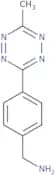
CAS:<p>A building block used for derivatization of carboxylic acids or activated esters with methytetrazine moiety. The stability of Methyltetrazine Amine is substantially improved compared to hydrogen substituted tetrazine-tmine. Superior stability of methyltetrazine-amine allows this reagent to be used in wider range of chemical transformations. Long-term storage of methyltetrazine-amine, especially in aqueous buffer, is also greatly improved compared to Tetrazine Amine.Supplied as the HCl salt</p>Formula:C10H11N5Purity:Min. 95%Color and Shape:PowderMolecular weight:201.23 g/molMca-(Asn670,Leu671)-Amyloid β/A4 Protein Precursor770 (667-675)-Lys(Dnp) ammonium acetate salt
CAS:<p>Please enquire for more information about Mca-(Asn670,Leu671)-Amyloid beta/A4 Protein Precursor770 (667-675)-Lys(Dnp) ammonium acetate salt including the price, delivery time and more detailed product information at the technical inquiry form on this page</p>Formula:C68H88N14O27Purity:Min. 95%Molecular weight:1,533.5 g/mol2-[(1S)-1-Aminopropyl]-5-fluoro-3-phenyl-4(3H)-quinazolinone
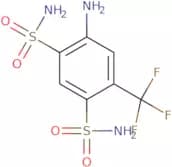
CAS:Controlled Product<p>Intermediate in the synthesis of idelalisib (CAL 101)</p>Formula:C17H16FN3OPurity:Min. 95%Molecular weight:297.33 g/mol4-Amino-6-(trifluoromethyl)benzene-1,3-disulfonamide
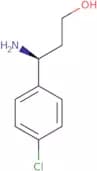
CAS:<p>4-Amino-6-(trifluoromethyl)benzene-1,3-disulfonamide (4AFBDS) is a chemical compound that can be used for the treatment of wastewater. It has shown to be effective against anhydrase, which is an enzyme that catalyzes the conversion of water to hydrogen peroxide and hydroxide ion. 4AFBDS also attenuates oxidative stress in cardiac cells and inhibits the production of active oxygen species by inhibiting the activity of carbonic anhydrase. The chromatographic method used to detect 4AFBDS was found to be more sensitive than a standard colorimetric assay, making it a better tool for detecting this compound in wastewater samples. br> br> br> br> br> This compound has been shown to have inhibitory effects on e3 ubiquitin ligase, which plays a role in protein degradation via aut</p>Formula:C7H8F3N3O4S2Purity:Min. 95%Molecular weight:319.28 g/mol(S)-3-Amino-3-(4-chlorophenyl)-propan-1-ol
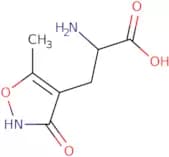
CAS:<p>Please enquire for more information about (S)-3-Amino-3-(4-chlorophenyl)-propan-1-ol including the price, delivery time and more detailed product information at the technical inquiry form on this page</p>Formula:C9H12ClNOPurity:Min. 95%Molecular weight:185.65 g/mol(R,S)-α-Amino-3-hydroxy-5-methyl-4-isoxazolepropionic acid hydrobromide
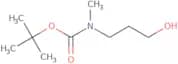
CAS:<p>(R,S)-AMPA is a synthetic analog of the excitatory neurotransmitter glutamate, specifically designed to activate AMPA receptors, a subtype of ionotropic glutamate receptors. These receptors are pivotal in mediating fast synaptic transmission in the central nervous system. (R,S)-AMPA serves as a prototypical agonist for AMPA receptors, facilitating the study of receptor function and synaptic plasticity.</p>Formula:C7H10N2O4•HBrPurity:Min. 95%Molecular weight:267.08 g/molN-Methyl-N-boc-aminopropan-3-ol
CAS:<p>N-Methyl-N-boc-aminopropan-3-ol is a fine chemical with CAS No. 98642-44-5 that is used in the synthesis of complex compounds, as a reagent for research chemicals, and as a speciality chemical. It is also used in the synthesis of versatile building blocks, reaction components and scaffolds. N-Methyl-N-boc-aminopropan-3-ol has a high quality and can be used as a versatile intermediate or a useful scaffold.</p>Formula:C9H19NO3Purity:Min. 95%Color and Shape:Colourless To Pale Yellow LiquidMolecular weight:189.25 g/molAmmonium isothiocyanate
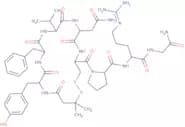
CAS:<p>Ammonium thiocyanate is a natural compound that is found in the blood of humans and animals. It binds to an antigen-binding molecule and has been shown to be effective against infectious diseases. Ammonium thiocyanate is toxic, so it should only be administered as a last resort for treatment. The toxicity of ammonium thiocyanate can be reduced by complexing with copper chloride or zirconium oxide. Ammonium thiocyanate has also been shown to have high redox potentials, which are indicative of its ability to donate electrons. These properties make ammonium thiocyanate an ideal candidate for use in electrochemical impedance spectroscopy experiments.</p>Formula:CH4N2SPurity:Min. 95%Color and Shape:PowderMolecular weight:76.12 g/mol(Deamino-Pen 1,Val4,D-Arg8)-Vasopressin
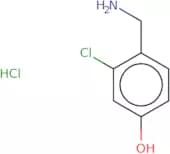
CAS:<p>Vasopressin is a peptide hormone that regulates water balance. It is synthesized in the hypothalamus and stored in the posterior pituitary gland, from where it is released when blood pressure falls. Vasopressin binds to V1 receptors in the kidney and vascular smooth muscle cells, causing vasoconstriction and increased blood pressure. Vasopressin also stimulates phosphatidic acid synthesis and hypotension, which are mediated through V2 receptors. Vasopressin has been found to be effective against cardiac arrest and myocardial infarction in animals. This drug has also been shown to stimulate the paraventricular nucleus of the hypothalamus and inhibit sympathetic activity in ganglia.</p>Formula:C48H69N13O11S2Purity:Min. 95%Molecular weight:1,068.27 g/mol2-Chloro-4-hydroxybenzylamine hydrochloride
CAS:<p>2-Chloro-4-hydroxybenzylamine hydrochloride is a versatile chemical that can be used as a reaction component, reagent, or useful scaffold in the synthesis of many organic compounds. It has a CAS number of 2418727-24-7 and is a fine chemical. This compound has been shown to be useful in the manufacture of other chemical products such as pharmaceuticals, pesticides, and dyestuffs.</p>Formula:C7H8ClNO·HClPurity:Min. 95%Color and Shape:Brown PowderMolecular weight:194.06 g/molN-[2-[(2-Bromo-4,6-dinitrophenyl)azo]-5-(diethylamino)phenyl]acetamide
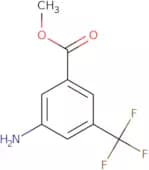
CAS:<p>N-2-[(2-bromo-4,6-dinitrophenyl)azo]-5-(diethylamino)phenyl]acetamide (NBDPA) is a yellowish solid that is soluble in water. It has a molecular weight of 308.3 and chemical formula C14H21BrN2O4. NBDPA is used as an analytical reagent for the kinetic data of liver cells and in wastewater treatment. This compound has been shown to exhibit carcinogenic potential in rats, causing genetic damage to the DNA of liver cells and kidney tissue. NBDPA has also been shown to be toxic to fish embryos and larvae, with significant effects on the development of larvae at high concentrations.</p>Formula:C18H19BrN6O5Purity:90%MinMolecular weight:479.28 g/molMethyl 3-amino-5-(trifluoromethyl)benzoate
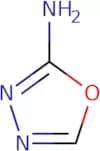
CAS:<p>Please enquire for more information about Methyl 3-amino-5-(trifluoromethyl)benzoate including the price, delivery time and more detailed product information at the technical inquiry form on this page</p>Formula:C9H8F3NO2Purity:Min. 95%Molecular weight:219.16 g/mol1,3,4-Oxadiazol-2-amine
CAS:<p>1,3,4-Oxadiazol-2-amine is a synthetic compound that belongs to the group of peptidomimetics. It is an alkylating agent that has been shown to inhibit glycogen synthase kinase 3 (GSK3) and prevent the formation of amyloid plaques in Alzheimer's disease. 1,3,4-Oxadiazol-2-amine also has antibacterial activity against Gram-positive and Gram-negative bacteria. This compound can be synthesized by reacting chloroacetaldehyde with 2-(2'-aminophenoxy)ethanol in the presence of acid. The molecular weight for this compound is 167.260 g/mol. Crystals are obtained from melting the substance at 180 °C under vacuum and then allowing it to cool down to room temperature over a period of 4 hours. The crystal system for this molecule is monoclinic and its space group is P21/c. X-ray diffraction</p>Formula:C2H3N3OPurity:Min. 95%Molecular weight:85.06 g/mol1,2-Distearoyl-sn-glycero-3-phosphoethanolamine-N-[amino(polyethylene glycol) 2000] (ammonium salt)
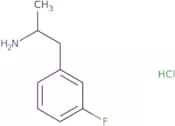
CAS:<p>1,2-Distearoyl-sn-glycero-3-phosphoethanolamine-N-[amino(polyethylene glycol) 2000] (ammonium salt) is a PEG compound with two different functional groups (also known as heterobifunctional). Unlike homobifunctional PEG compounds (same functional group on both ends), this type of compounds are more versatile as have two different anchor points. 1,2-Distearoyl-sn-glycero-3-phosphoethanolamine-N-[amino(polyethylene glycol) 2000] (ammonium salt) is used as a linker and spacer to add a PEG moiety, via pegylation (a bioconjugation technique) to proteins, peptides, oligonucleotides, small molecules and nanoparticles.</p>Formula:(C2H4O)nC44H87N2O10P•H3NPurity:Min. 95%Color and Shape:White Powderrac 3-fluoro amphetamine hydochloride
CAS:Controlled Product<p>3-Fluoroamphetamine hydrochloride (3FAH) is a histological and microscopic technique used to study the effects of analgesics on human skin. 3FAH is an analgesic that has been shown to reduce pain in a number of studies. It has also been observed to enhance the effects of laser treatments on human skin, as it reduces inflammation and increases transdermal permeation. This drug is applied topically or injected for the treatment of pain, muscle spasms, or Parkinson’s disease. 3FAH can be administered by iontophoresis or permeation techniques, which are both effective ways to deliver drugs through skin.</p>Formula:C9H13ClFNPurity:Min. 95%Molecular weight:189.66 g/molN-Methyl-N-((3R,4R)-4-methylpiperidin-3-yl)-7H-pyrrolo[2,3-d]pyrimidin-4-amine
CAS:<p>Intermediate in the synthesis of tofacitinib</p>Formula:C13H19N5Purity:Min. 95%Molecular weight:245.32 g/mol3-Amino-5-chloropyrazine-2-carbonitrile
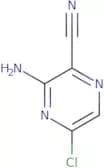
CAS:<p>Please enquire for more information about 3-Amino-5-chloropyrazine-2-carbonitrile including the price, delivery time and more detailed product information at the technical inquiry form on this page</p>Formula:C5H3ClN4Purity:Min. 95%Molecular weight:154.56 g/molMozavaptan
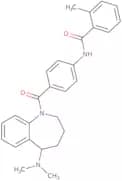
CAS:Controlled Product<p>Mozavaptan is a pharmacological agent that acts as a vasopressin V2 receptor antagonist. It is derived through synthetic chemical processes designed to target specific neurohormonal pathways in the body. Mozavaptan exerts its effects by inhibiting the action of vasopressin, a hormone that promotes water reabsorption in the kidneys. By blocking the vasopressin receptors, it enhances water excretion and corrects imbalances in electrolyte levels, particularly addressing conditions like hyponatremia.</p>Formula:C27H29N3O2Purity:Min. 98 Area-%Color and Shape:PowderMolecular weight:427.54 g/molZ-L-α-aminobutyric acid
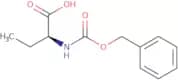
CAS:<p>Z-L-alpha-aminobutyric acid is a homogeneous, optically active, linear phosphinic analogue of alpha-aminobutyric acid. It has been used in the synthesis of phosphinic analogues of cyclosporin and undecapeptides with high yields. The coupling reaction between Z-L-alpha-aminobutyric acid and benzaldehyde was carried out in two steps to produce the desired product. A stepwise condensation between Z-L-alpha-aminobutyric acid and 3,4,5,6 tetrahydropyrimidine was also successful.</p>Formula:C12H15NO4Purity:Min. 98 Area-%Color and Shape:White PowderMolecular weight:237.25 g/molDidecylamine
CAS:<p>Didecylamine is an amine that can be used as a cross-linking agent in the production of polyurethane foam. It is synthesized from acetaldehyde, which reacts with hydroxyl groups in the presence of sodium carbonate. The reaction product has a carbonyl group and two hydrochloric acid molecules. Didecylamine has been shown to have transport properties and is used in fatty acid synthesis. This compound also has liver cell toxicity and has been shown to cause cross-linking of human liver cells. Didecylamine binds to cationic surfactants, metal chelates, or multi-walled carbon particles by forming hydrogen bonds with their amines. It also undergoes frequency shifts and can be used as an amine reactant for the production of polyurethane foam due to its high boiling point.</p>Formula:C20H43NPurity:Min. 95%Molecular weight:297.56 g/mol


![2-[(1S)-1-Aminopropyl]-5-fluoro-3-phenyl-4(3H)-quinazolinone](/_next/image/?url=https%3A%2Fstatic.cymitquimica.com%2Fproducts%2F3D%2Fthumb-webp%2FFA96431.webp&w=3840&q=75)

![N-[2-[(2-Bromo-4,6-dinitrophenyl)azo]-5-(diethylamino)phenyl]acetamide](/_next/image/?url=https%3A%2Fstatic.cymitquimica.com%2Fproducts%2F3D%2Fthumb-webp%2FFB151321.webp&w=3840&q=75)
![1,2-Distearoyl-sn-glycero-3-phosphoethanolamine-N-[amino(polyethylene glycol) 2000] (ammonium salt)](/_next/image/?url=https%3A%2Fstatic.cymitquimica.com%2Fproducts%2F3D%2Fthumb-webp%2FFD157101.webp&w=3840&q=75)
![N-Methyl-N-((3R,4R)-4-methylpiperidin-3-yl)-7H-pyrrolo[2,3-d]pyrimidin-4-amine](/_next/image/?url=https%3A%2Fstatic.cymitquimica.com%2Fproducts%2F3D%2Fthumb-webp%2FFM154245.webp&w=3840&q=75)