Amines
Amines are a set of molecules containing an amino functional group (derived from ammonia). This category includes amines at any level of substitution : primary, secondary, tertiary, and ammonium salts. Amines are fundamental in organic synthesis and are widely used in pharmaceuticals, agrochemicals, and materials science. At CymitQuimica, we provide a comprehensive selection of amines to meet your research and industrial needs. Our range ensures access to various amines for diverse chemical processes and innovative research.
Subcategories of "Amines"
- Nitrosamines(2,606 products)
- Primary Amines(30,821 products)
- Quaternary Ammonium Cations and Salts(1,100 products)
- Secondary Amines(20,817 products)
- Tertiary Amines(17,117 products)
Found 8779 products of "Amines"
Sort by
Purity (%)
0
100
|
0
|
50
|
90
|
95
|
100
Didecyl dimethyl ammonium chloride - 80% aqueous solution
CAS:<p>Didecyl dimethyl ammonium chloride is a quaternary ammonium compound that has been shown to have a broad-spectrum antimicrobial activity. It has been used in disinfectants and as an active ingredient in pharmaceuticals, cosmetics, and foods. The compound is not toxic to humans or animals at concentrations up to 50%. Didecyl dimethyl ammonium chloride has been shown to be effective against infectious diseases caused by bacteria, viruses, fungi, and protozoa. This compound also has an effect on the epithelial-mesenchymal transition (EMT) process. Didecyl dimethyl ammonium chloride can be prepared by titration calorimetry or analytical method. The preparation of didecyl dimethyl ammonium chloride can be done using chloroform and benzalkonium chloride or glycol ether.</p>Formula:C22H48ClNColor and Shape:Clear LiquidMolecular weight:362.08 g/molGamma-Aminobutyric acid
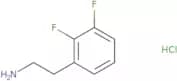
CAS:<p>Gamma-aminobutyric acid (GABA) is a neurotransmitter that inhibits the transmission of nerve impulses in the brain. GABA binds to specific receptors and blocks voltage-dependent calcium channels, which are ion channels that allow the passage of calcium ions into cells. GABA also has a number of other functions, including biochemical properties, its role in brain function and drug interactions. The GABA receptor is found on neurons and is subject to modulation by drugs that interact with GABA receptors. In addition, GABA can react with water vapor to produce hydrogen bonding interactions. This reaction is used in electrochemical impedance spectroscopy as an analytical tool for determining the concentration of free water in a sample.</p>Formula:C4H9NO2Purity:Min. 98.0%Color and Shape:White PowderMolecular weight:103.12 g/mol2-(2,3-Difluorophenyl)ethan-1-amine hydrochloride
CAS:Controlled Product<p>Please enquire for more information about 2-(2,3-Difluorophenyl)ethan-1-amine hydrochloride including the price, delivery time and more detailed product information at the technical inquiry form on this page</p>Formula:C8H10ClF2NPurity:Min. 95%Molecular weight:193.62 g/molN-alpha-Boc-Ngamma-Azido-L-2,4-diaminobutyric acid cyclohexylamine salt
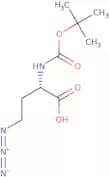
CAS:<p>Please enquire for more information about N-alpha-Boc-Ngamma-Azido-L-2,4-diaminobutyric acid cyclohexylamine salt including the price, delivery time and more detailed product information at the technical inquiry form on this page</p>Formula:C9H16N4O4·C6H13NPurity:Min. 95%Molecular weight:343.42 g/mol2-Aminoindan
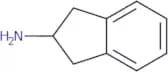
CAS:Controlled Product<p>2-Aminoindan is a compound that has inhibitory properties against the human liver enzyme dopamine β-hydroxylase. It binds to the active site of the enzyme and inhibits its activity, which decreases the production of dopamine and other monoamines in the body. 2-Aminoindan has been shown to be effective in animal models of Parkinson's disease by reducing oxidative stress and restoring dopamine levels. The drug also has a chemical diversity, with many different possible structures for medicinal use. 2-Aminoindan has been shown to inhibit the formation of carbonic acid, which is used by mammalian tissue as a buffer for pH regulation. This property may account for its inhibitory effect on carbonic anhydrase II (CAII), an enzyme involved in tissue respiration and acid-base balance. 2-Aminoindan has also been shown to have inhibitory effects on two bacterial enzymes: ddpP and ddpD, which are involved</p>Formula:C9H11NPurity:Min. 95%Molecular weight:133.19 g/mol6-Chloro-5-methylpyridin-2-amine
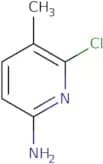
CAS:<p>6-Amino-2-chloro-3-methylpyridine is a heteroaromatic compound that belongs to the class of imidazopyridine. It is a monomer used in research, and can be transformed into the cross-coupling reaction with electron irradiation, which provides an efficient method for synthesizing other heteroaromatic compounds. 6-Amino-2-chloro-3-methylpyridine has low ionization potential and can be used as a drug discovery agent.</p>Formula:C6H7ClN2Purity:Min. 95%Molecular weight:142.59 g/mol1-(4-Ethylphenyl)ethanamine
CAS:<p>Please enquire for more information about 1-(4-Ethylphenyl)ethanamine including the price, delivery time and more detailed product information at the technical inquiry form on this page</p>Formula:C10H15NPurity:Min. 95%Molecular weight:149.23 g/molFmoc-(4-aminomethyl) benzoic acid
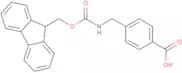
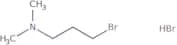
CAS:<p>Please enquire for more information about Fmoc-(4-aminomethyl) benzoic acid including the price, delivery time and more detailed product information at the technical inquiry form on this page</p>Formula:C23H19NO4Purity:Min. 95%Molecular weight:373.4 g/mol3-Bromo-N,N-dimethylpropan-1-amine hydrobromide
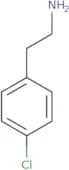
CAS:<p>Please enquire for more information about 3-Bromo-N,N-dimethylpropan-1-amine hydrobromide including the price, delivery time and more detailed product information at the technical inquiry form on this page</p>Purity:Min. 95%2-(4-Chlorophenyl)ethylamine
CAS:Controlled Product<p>2-(4-Chlorophenyl)ethylamine (CPA) is a synthetic serotonergic amine that has inhibitory activities. It is able to bind with the 5-HT receptor, which is also known as the serotonin receptor. CPA has been shown to be an anticancer compound and can be used in experimental solubility studies. This drug binds to brain cells, but does not affect their viability. CPA hydrolyzes in the presence of hydrochloric acid or hydrogen chloride to produce 2-(4-chlorophenyl)ethanol (CPE). The reaction of CPA with serotonin produces 4-chloroamphetamine (PCA), which is a stimulant drug.</p>Formula:C8H10ClNPurity:Min. 95%Molecular weight:155.62 g/mol1-Benzyl-3-[3-(diethylamino)propoxy]-1H-indazole
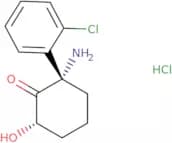
CAS:Controlled Product<p>Please enquire for more information about 1-Benzyl-3-[3-(diethylamino)propoxy]-1H-indazole including the price, delivery time and more detailed product information at the technical inquiry form on this page</p>Formula:C21H27N3OPurity:Min. 98 Area-%Color and Shape:Clear LiquidMolecular weight:337.46 g/mol(2S,6S)-2-Amino-2-(2-chlorophenyl)-6-hydroxycyclohexan-1-one HCl
CAS:Controlled Product<p>Please enquire for more information about (2S,6S)-2-Amino-2-(2-chlorophenyl)-6-hydroxycyclohexan-1-one HCl including the price, delivery time and more detailed product information at the technical inquiry form on this page</p>Formula:C12H15CI2NO2Purity:Min. 95%Color and Shape:PowderMolecular weight:471.07 g/mol5-Amino-8-hydroxyquinoline dihydrochloride
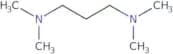
CAS:<p>5-Amino-8-hydroxyquinoline dihydrochloride (5-AQDH) is an anticancer drug that inhibits the activity of survivin, a protein that is overexpressed in cancer cells. It has been shown to be effective in vivo against melanoma tumor growth. 5-AQDH binds to the unpaired cysteine residues of the survivin molecule and inhibits its function by binding to the active site, blocking access to ATP and preventing DNA synthesis. The efficacy of 5-AQDH has been confirmed in vitro by studying the effect on cell viability and DNA synthesis, as well as by measuring plasma mass spectrometry data from melanoma patients. This drug is currently being investigated for its potential use as an anticancer agent.</p>Formula:C9H8N2O•(HCl)2Purity:Min. 95%Molecular weight:212.63 g/molN,N,N',N'-Tetramethyl-1,3-diaminopropane
CAS:<p>N,N,N',N'-Tetramethyl-1,3-diaminopropane is a chemical compound that is used as a cross-linking agent. It reacts with fatty acids and hydroxyl groups in the presence of sodium citrate to form cross-links between molecules. This reaction is useful for modifying the transport properties of fat cells. N,N,N',N'-Tetramethyl-1,3-diaminopropane can also be used as a reactive chemical in the synthesis of other compounds such as selenium compounds.</p>Formula:C7H18N2Purity:Min. 98.0 Area-%Color and Shape:Clear LiquidMolecular weight:130.23 g/mol3-Aminobiphenyl
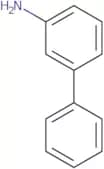
CAS:<p>3-Aminobiphenyl is a biphenyl compound that is used in the production of dyes and pesticides. It has been detected in human urine samples using an analytical method based on chemical ionization. 3-Aminobiphenyl can be detoxified by conjugation with glutathione, but the conjugation process can be inhibited by the presence of amines such as caffeine, which competitively bind to glutathione. 3-Aminobiphenyl may also cause cancer, but there is no evidence for this theory at present.</p>Formula:C12H11NPurity:Min. 95%Molecular weight:169.22 g/molNitrosobis(2-hydroxyethyl)amine
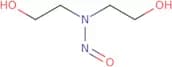
CAS:<p>Nitrosobis(2-hydroxyethyl)amine (NBEA) is an inhibitor of nitrite reductase, an enzyme that catalyzes the reduction of nitrite to ammonia. Nitrite reductase is used in wastewater treatment and is also involved in the metabolism of some carcinogens. NBEA has been shown to inhibit the activity of nitrite reductase by binding to its active site, preventing the enzyme from reducing nitrite to ammonia. NBEA has genotoxic effects on E. coli K-12 cells and increases DNA damage with prolonged exposure, which may be due to the production of reactive oxygen species such as superoxide radical anion and hydrogen peroxide.</p>Formula:C4H10N2O3Purity:Min. 95%Color and Shape:Clear LiquidMolecular weight:134.13 g/molN-(p-Hydroxyphenethyl)-N-(3-hydroxy-4-methoxy)benzylamine
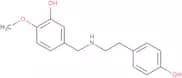
CAS:Controlled Product<p>Narciprimine is a natural product with cytotoxic activity and was first isolated from the Narcissus plant. It is a n-oxide that contains a hydroxyphenethyl group, which is substituted by an oxygen function. This compound has been shown to have biological properties and chemical diversity due to its n-oxide structure. Narciprimine has been shown to inhibit the biosynthesis of narciclasine and haemanthamine, which are alkaloids with cytotoxic activities. The protopine moiety has also been found in narciprimin, but is not present in other related compounds such as narciclasine or haemanthamine. Narciprimin belongs to the chemical class of n-oxides, which are derived from nitrosobenzene derivatives.</p>Formula:C16H19NO3Purity:Min. 95%Color and Shape:PowderMolecular weight:273.33 g/molDehydroevodiamine
CAS:<p>Dehydroevodiamine is a plant-derived indole alkaloid, which is extracted from the fruit of the Evodia rutaecarpa plant. This compound is garnering scientific interest due to its potential neuroprotective properties. The mode of action of dehydroevodiamine is multifaceted, involving the modulation of neurotransmitter systems, particularly the enhancement of cholinergic function, as well as antioxidant effects that mitigate oxidative stress.</p>Purity:Min. 95%2-(2-Aminoethoxy)ethanol
CAS:<p>2-(2-Aminoethoxy)ethanol (2-AE) is a natural compound that has been synthesized from ethanol and 2-aminoethanol. It has been shown to react with sodium carbonate to form stable complexes that are resistant to hydrolysis by amines. The stability of the complex is attributed to the formation of an intermolecular hydrogen bond between the hydroxyl group on the 2-AE molecule and the carboxylate group on the sodium carbonate molecule. 2-AE reacts with benzalkonium chloride, a quaternary ammonium salt, in water vapor to produce an alcohol and a fatty acid, which is then hydrolyzed by glycol ethers into glycolates. This mechanism is similar to that of other reactions involving quaternary ammonium salts, such as those in fatty acids or glycol ethers.</p>Formula:C4H11NO2Purity:Min. 95%Molecular weight:105.14 g/mol(R)-(-)-a-[[(4-Ethyl-2,3-dioxo-1-piperazinyl)carbonyl]amino]benzeneacetic Acid
CAS:<p>(R)-(-)-a-[[(4-Ethyl-2,3-dioxo-1-piperazinyl)carbonyl]amino]benzeneacetic Acid is an inhibitor of the enzyme histamine N-methyltransferase (HNMT), which is responsible for the synthesis of histamine. The inhibition of HNMT leads to a decrease in histamine levels and therefore has been used as a treatment for chronic prostatitis, lacrimal gland, and energy efficiency. Histamine N-methyltransferase also participates in the regulation of apoptosis by methylating proapoptotic proteins like Bax, so inhibition can lead to an increase in apoptosis. This chemical is also able to bind with chloride ions and form diphenyl ethers through a reaction solution, which are known to have anticancer properties.</p>Formula:C15H17N3O5Purity:Min. 98 Area-%Color and Shape:PowderMolecular weight:319.31 g/mol3-Amino-5-bromopyridine
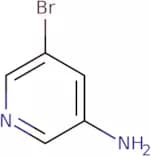
CAS:<p>3-Amino-5-bromopyridine (3ABP) is a linker for the synthesis of cisplatin. It has been shown to have strong bactericidal activity against Escherichia coli and Staphylococcus aureus. 3ABP is cytotoxic to both renal proximal tubule cells and ring-opening cells, which are found in the kidney. It is also an inhibitor of nicotinic acetylcholine receptors (nAChRs), which are proteins that control nerve cell communication. 3ABP's pharmacokinetic properties make it suitable as a linker for cisplatin, as it has good oral bioavailability, low systemic toxicity, and high tissue selectivity.</p>Formula:C5H5BrN2Purity:Min. 98 Area-%Molecular weight:173.01 g/molN-Methyl-N-hydroxyethyl-4-aminobenzaldehyde
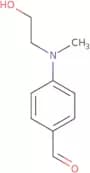
CAS:<p>N-Methyl-N-hydroxyethyl-4-aminobenzaldehyde (NHABA) is a bathochromic molecule that absorbs light at wavelengths of 400 to 500 nm. It is reactive and reacts with metal cations to form chromophores. NHABA has been shown to be a fluorescent probe for the detection of tyrosinase and autophagy in human serum. It also has inhibitory properties against tyrosinase, which may be due to its ability to inhibit the formation of melanin. NHABA is used as an analytical chemistry reagent for the determination of ammonia, nitrite, and nitrate ions in water samples. This molecule can also be used as a chemosensor for the detection of phenolic compounds in water samples.</p>Formula:C10H13NO2Purity:Min. 95%Molecular weight:179.22 g/mol2-(2-Aminothiazol-4-yl)acetic acid HCl
CAS:<p>2-(2-Aminothiazol-4-yl)acetic acid HCl is a white to off-white crystalline solid that is soluble in organic solvents. It is an intermediate used in the synthesis of thiourea derivatives, which are used as pharmaceuticals and agrochemicals. 2-(2-Aminothiazol-4-yl)acetic acid HCl is synthesized by the reaction of 2-aminothiazole with acetic anhydride. The purity can be determined using GC or NMR spectroscopy. Impurities may be removed by recrystallization with a solvent such as chloroform or dichloromethane. The melting point of 2-(2-aminothiazol-4-yl)acetic acid HCl is 147°C (298K). 2-(2-Aminothiazol-4-yl)acetic acid HCl can be purified by distillation at</p>Formula:C5H7ClN2O2SPurity:Min. 95%Molecular weight:194.64 g/mol1H,1H-Nonafluoropentylamine
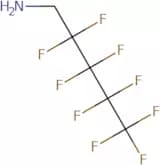
CAS:<p>Please enquire for more information about 1H,1H-Nonafluoropentylamine including the price, delivery time and more detailed product information at the technical inquiry form on this page</p>Formula:C5H4F9NPurity:Min. 95%Color and Shape:Clear LiquidMolecular weight:249.08 g/mol2-Amino-5-bromo-N-cyclohexyl-N-methylbenzylamine dihydrochloride
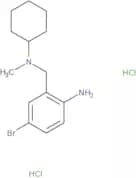
CAS:<p>Please enquire for more information about 2-Amino-5-bromo-N-cyclohexyl-N-methylbenzylamine dihydrochloride including the price, delivery time and more detailed product information at the technical inquiry form on this page</p>Formula:C14H23BrCl2N2Purity:Min. 95%Color and Shape:PowderMolecular weight:370.16 g/mol4-Aminomethylphenylacetic acid
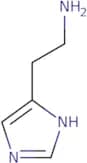
CAS:<p>4-Aminomethylphenylacetic acid is a nonsteroidal anti-inflammatory drug that is used to treat inflammation and pain. It belongs to the class of peptidomimetics, which are compounds that mimic the structure of a natural biological molecule. 4-Aminomethylphenylacetic acid has an analog with a lactam ring at position 3, which is not present in other NSAIDs. This structural difference may contribute to its high stability and low reactivity. 4-Aminomethylphenylacetic acid has been shown to exhibit antiviral activity against viruses such as HIV or Hepatitis C virus by inhibiting viral replication.</p>Formula:C9H11NO2·HClPurity:Min. 95%Molecular weight:201.65 g/molHistamine
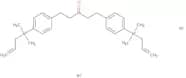
CAS:<p>Endogenous ligand for histamine receptors; neurotransmitterA toxic biogenic amine produced in spoiled and fermented food</p>Formula:C5H9N3Purity:Min. 95%Color and Shape:Yellow PowderMolecular weight:111.15 g/mol1,5-Bis(4-allyldimethylammoniumphenyl)pentan-3-one, dibromide
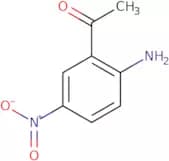
CAS:<p>1,5-Bis(4-allyldimethylammoniumphenyl)pentan-3-one, dibromide is a reversible inhibitor of acetylcholinesterase. It has been shown to inhibit the enzyme activity in vitro and in vivo. 1,5-Bis(4-allyldimethylammoniumphenyl)pentan-3-one, dibromide has been shown to be an effective inhibitor of nicotinic acetylcholine receptors in model organisms such as Xenopus oocytes and Acetylcholine esterase activated rat pheochromocytoma cells. The molecule also inhibits the phosphorylation of pnitrophenyl phosphate by choline kinase. This inhibiting effect on choline kinase leads to a decrease in the concentration of choline available for neurotransmitter synthesis. Monoclonal antibodies against acetylcholinesterase are used to detect this</p>Formula:C27H38Br2N2OPurity:Min. 95%Molecular weight:566.41 g/mol1-(2-Amino-5-nitrophenyl)ethanone
CAS:<p>Please enquire for more information about 1-(2-Amino-5-nitrophenyl)ethanone including the price, delivery time and more detailed product information at the technical inquiry form on this page</p>Formula:C8H8N2O3Purity:Min. 95%Molecular weight:180.16 g/molN-Methyl-5H-dibenzo[a,d]cycloheptene-5-propylamine hydrochloride
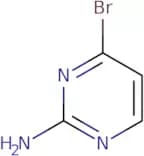
CAS:Controlled Product<p>N-Methyl-5H-dibenzo[a,d]cycloheptene-5-propylamine hydrochloride (NMBPD) is a drug with anti-inflammatory properties that belongs to the class of tricyclic antidepressants. It has been shown to have synergistic effects with synthetic matrix in vitro. This drug also has receptor activity and can be used to treat infectious diseases such as HIV and tuberculosis. NMBPD is excreted in the urine, which can lead to kidney fibrosis. The drug is metabolized by α1-acid glycoprotein, which may be related to its potential adverse effects on the liver and kidneys. The analytical method for quantification of NMBPD includes gas chromatography with mass spectrometry detection (GC/MS).</p>Formula:C19H22ClNPurity:Min. 95%Color and Shape:PowderMolecular weight:299.84 g/mol2-Amino-4-bromopyrimidine
CAS:<p>Please enquire for more information about 2-Amino-4-bromopyrimidine including the price, delivery time and more detailed product information at the technical inquiry form on this page</p>Formula:C4H4BrN3Purity:Min. 95%Color and Shape:White PowderMolecular weight:174 g/molN,N-Dimethyl-N-[4-(piperazin-1-ylmethyl)phenyl]amine
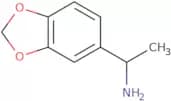
CAS:Controlled Product<p>Please enquire for more information about N,N-Dimethyl-N-[4-(piperazin-1-ylmethyl)phenyl]amine including the price, delivery time and more detailed product information at the technical inquiry form on this page</p>Formula:C13H21N3Purity:Min. 95%Molecular weight:219.33 g/mol1-(1,3-Benzodioxol-5-yl)ethanamine
CAS:Controlled Product<p>1-(1,3-Benzodioxol-5-yl)ethanamine is a psychostimulant drug that is structurally related to amphetamine. It has been shown to increase the hatchability of eggs and also to have supersensitivity effects on embryos. The hatchability was increased by pretreatment with 1-(1,3-benzodioxol-5-yl)ethanamine before being incubated with d-amphetamine. The supersensitivity effects were demonstrated by experiments in which the hatchability of eggs was enhanced when they were incubated with various concentrations of this drug. 1-(1,3-Benzodioxol-5-yl)ethanamine has not been shown to have any effect on motility or vocalization in organisms.</p>Formula:C9H11NO2Purity:Min. 95%Molecular weight:165.19 g/mol2-Amino-7-(2,3,4-trimethoxyphenyl)-7,8-dihydroquinazolin-5(6H)-one
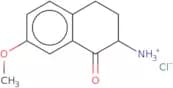
CAS:Controlled Product<p>Please enquire for more information about 2-Amino-7-(2,3,4-trimethoxyphenyl)-7,8-dihydroquinazolin-5(6H)-one including the price, delivery time and more detailed product information at the technical inquiry form on this page</p>Formula:C17H19N3O4Purity:Min. 95%Molecular weight:329.35 g/mol2-Amino-3,4-dihydro-7-methoxy-2H-1-naphthalenone, hydrochloride
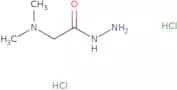
CAS:Controlled Product<p>Please enquire for more information about 2-Amino-3,4-dihydro-7-methoxy-2H-1-naphthalenone, hydrochloride including the price, delivery time and more detailed product information at the technical inquiry form on this page</p>Formula:C11H14ClNO2Purity:Min. 95%Molecular weight:227.69 g/molDimethylaminoacetic acid hydrazide dihydrochloride
CAS:Please enquire for more information about Dimethylaminoacetic acid hydrazide dihydrochloride including the price, delivery time and more detailed product information at the technical inquiry form on this pagePurity:Min. 95%Ethyl 7-aminoheptanoate hydrochloride
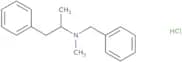
CAS:<p>Ethyl 7-aminoheptanoate hydrochloride is an antibiotic that belongs to the class of esters. It has been shown to inhibit the growth of bacteria in vitro, which is attributed to its ability to inhibit protein synthesis. This drug has been used as a chemical manipulator in animal experiments. Ethyl 7-aminoheptanoate hydrochloride binds to the ribosomal RNA of bacteria and prevents amino acid incorporation into proteins, which leads to cell death. The endpoint of this experiment was determined by counting the number of rotations on a rotator after treatment with ethyl 7-aminoheptanoate hydrochloride or saline solution. Treatment with ethyl 7-aminoheptanoate hydrochloride resulted in an increase in the number of rotations, which is indicative of bacterial death.</p>Formula:C9H20ClNO2Purity:Min. 95%Molecular weight:209.71 g/molrac benzphetamine hydrochloride
CAS:Controlled Product<p>Rac benzphetamine hydrochloride is a repurposed drug that has been shown to have the ability to modulate the activity of various receptors, including the dopamine receptor. Rac benzphetamine hydrochloride is a layered molecule with two stereogenic centers and three chiral centers. It has been shown to have hydroxylase activity, which is catalyzed by the enzyme aryl hydrocarbon hydroxylase. Rac benzphetamine hydrochloride also has potential as an anti-inflammatory agent because it inhibits myelination in mice. Rac benzphetamine hydrochloride was found to be carcinogenic in animal studies, but not in human trials. The drug can be given intravenously or intraperitoneally, depending on the desired effect.</p>Formula:C17H22ClNPurity:Min. 95%Molecular weight:275.82 g/mol(7S)-7-Amino-1,2,3,10-tetramethoxy-6,7-dihydro-5H-benzo[g]heptalen-9-one
CAS:(7S)-7-Amino-1,2,3,10-tetramethoxy-6,7-dihydro-5H-benzo[g]heptalen-9-one is a hydroxylated analog of demecolcine. It has been shown to be an effective antimicrobial agent with proteolytic and hypoglycemic effects in mice. 7SATM is able to inhibit the activity of human macrophages. This drug has also been shown to have diagnostic potential by binding to a monoclonal antibody that recognizes the myeloperoxidase enzyme on the surface of neutrophils.Formula:C20H23NO5Purity:Min. 95 Area-%Color and Shape:Slightly Yellow PowderMolecular weight:357.4 g/mol3-Amino-5-methylisoxazole
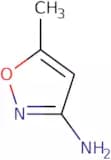
CAS:<p>3-Amino-5-methylisoxazole is a chemical compound that is used in the treatment of wastewater. It belongs to the group of p2, which includes sulfamethoxazole and sulfa drugs. 3-Amino-5-methylisoxazole is activated by multi-walled carbon or fatty acid and has a neutral pH. It has been shown to have significant cytotoxicity against cancer cells and also has antibiotic combinations with other drugs. 3-Amino-5-methylisoxazole is a drug that can be used in chemotherapy, but it may cause drug reactions.</p>Formula:C4H6N2OPurity:Min. 95%Molecular weight:98.1 g/mol4-Chlorophenyl 2-aminobenzoate
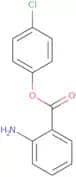
CAS:Controlled Product<p>Please enquire for more information about 4-Chlorophenyl 2-aminobenzoate including the price, delivery time and more detailed product information at the technical inquiry form on this page</p>Formula:C13H10ClNO2Purity:Min. 95%Molecular weight:247.68 g/mol5-(4-Ethoxyphenyl)-1H-pyrazol-3-amine
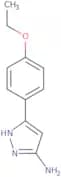
CAS:<p>Please enquire for more information about 5-(4-Ethoxyphenyl)-1H-pyrazol-3-amine including the price, delivery time and more detailed product information at the technical inquiry form on this page</p>Formula:C11H13N3OPurity:Min. 95%Molecular weight:203.24 g/mol3-Fluorophenethylamine
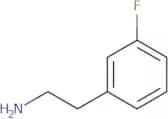
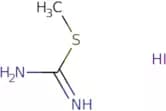
CAS:Controlled Product<p>3-Fluorophenethylamine is a fluorinated analog of phenethylamine that binds to the same receptors and has a similar effect on neurotransmitters as the parent compound. 3-Fluorophenethylamine inhibits the production of tumor necrosis factor-α (TNF-α) in vitro, which may be due to its ability to inhibit prostaglandin synthesis by binding to cyclooxygenase. This drug has also been shown to have anti-inflammatory effects that are mediated by inhibition of TNF-α production and activation of nuclear factor kappa B (NFκB) pathways in hippocampal neurons.</p>Formula:C8H10FNPurity:Min. 95%Molecular weight:139.17 g/molMethyl aminomethanimidothioate hydroiodide
CAS:<p>Methyl aminomethanimidothioate hydroiodide (MAI) is a nitro-substituted methylated analogue of the natural amino acid methionine. It has been shown to inhibit creatine kinase, which is an enzyme that regulates the conversion of energy from ATP to creatinine. MAI also inhibits adenosine receptors and can be used as an anti-inflammatory agent. It has been shown to suppress inflammatory diseases, such as arthritis and cancer, by inhibiting the production of inflammatory cytokines. MAI has been shown to be effective against viruses such as HIV and herpes simplex virus type 1 (HSV-1).</p>Formula:C2H6N2S·HIPurity:Min. 95%Color and Shape:PowderMolecular weight:218.06 g/mol(2R)-2-Amino-3-phenylpropionyl amide
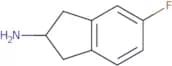
CAS:<p>(2R)-2-Amino-3-phenylpropionyl amide is a synthetic cannabinoid that has been shown to bind to the CB2 receptor. It has been found to be an effective analgesic in rat models of inflammatory and neuropathic pain. This drug is also a serine protease inhibitor, with activity against ochrobactrum, an antibiotic-resistant bacteria. (2R)-2-Amino-3-phenylpropionyl amide is also used as a substrate for d-alanine synthesis and has been sequenced. It can form hydrogen bonds with water molecules and chloride ions. (2R)-2-Amino-3-phenylpropionyl amide has been synthesized by Clostridium coli K12 cells and is expected to have similar effects on human cells.</p>Formula:C9H12N2OPurity:Min. 95%Molecular weight:164.2 g/mol5-Fluoro-2-Indanamine
CAS:Controlled Product<p>Please enquire for more information about 5-Fluoro-2-Indanamine including the price, delivery time and more detailed product information at the technical inquiry form on this page</p>Formula:C9H10FNPurity:Min. 95%Molecular weight:151.18 g/mol2-[2-(Dimethylamino)ethyl]-1-indanone
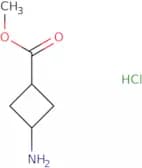
CAS:<p>Please enquire for more information about 2-[2-(Dimethylamino)ethyl]-1-indanone including the price, delivery time and more detailed product information at the technical inquiry form on this page</p>Formula:C13H17NOPurity:Min. 95%Molecular weight:203.28 g/mol(1S,3S)-Methyl 3-aminocyclobutane carboxylate hydrochloride
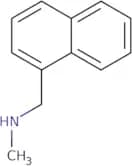
CAS:<p>Please enquire for more information about (1S,3S)-Methyl 3-aminocyclobutane carboxylate hydrochloride including the price, delivery time and more detailed product information at the technical inquiry form on this page</p>Formula:C6H12ClNO2Purity:Min. 95%Molecular weight:165.62 g/molMethyl-1-naphthalenemethylamine
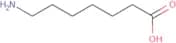
CAS:<p>Methyl-1-naphthalenemethylamine is a synthetic drug that is used as an anti-fungal agent. It is used to treat dermatophytosis and onychomycosis caused by Trichophyton mentagrophytes. Methyl-1-naphthalenemethylamine has been shown to have a clinical response in patients with the skin condition tinea pedis. This drug inhibits the growth of fungi by inhibiting cell membrane synthesis, which leads to cell death. Methyl-1-naphthalenemethylamine has been shown to be effective against Trichophyton mentagrophytes in plasma samples from patients with tinea pedis who were treated with this drug. The effectiveness of this drug may be due to its ability to inhibit the synthesis of polysaccharides, proteins, and lipids in the fungal cell membrane, or its ability to inhibit protein synthesis by binding with ribos</p>Formula:C12H13NPurity:Min. 95%Color and Shape:Clear LiquidMolecular weight:171.24 g/mol7-Aminoheptanoic acid
CAS:<p>7-Aminoheptanoic acid is a fatty acid that contains a hydroxyl group on the seventh carbon of its chain. This compound has been shown to bind to and activate the receptor GPR120. It is also used in the synthesis of pharmaceuticals, such as anti-inflammatory agents, and in analytical methods for detecting peptides. 7-Aminoheptanoic acid can be synthesized by reacting hydrochloric acid with an amine or amide, followed by reaction with an ester hydrochloride. The compound can be purified using preparative high performance liquid chromatography (HPLC).</p>Formula:C7H15NO2Purity:Min. 95%Molecular weight:145.2 g/mol




![1-Benzyl-3-[3-(diethylamino)propoxy]-1H-indazole](/_next/image/?url=https%3A%2Fstatic.cymitquimica.com%2Fproducts%2F3D%2Fthumb-webp%2FFB162091.webp&w=3840&q=75)


![(R)-(-)-a-[[(4-Ethyl-2,3-dioxo-1-piperazinyl)carbonyl]amino]benzeneacetic Acid](/_next/image/?url=https%3A%2Fstatic.cymitquimica.com%2Fproducts%2F3D%2Fthumb-webp%2FFE60111.webp&w=3840&q=75)


![N-Methyl-5H-dibenzo[a,d]cycloheptene-5-propylamine hydrochloride](/_next/image/?url=https%3A%2Fstatic.cymitquimica.com%2Fproducts%2F3D%2Fthumb-webp%2FFN76683.webp&w=3840&q=75)
![N,N-Dimethyl-N-[4-(piperazin-1-ylmethyl)phenyl]amine](/_next/image/?url=https%3A%2Fstatic.cymitquimica.com%2Fproducts%2F3D%2Fthumb-webp%2FFD113841.webp&w=3840&q=75)


![(7S)-7-Amino-1,2,3,10-tetramethoxy-6,7-dihydro-5H-benzo[g]heptalen-9-one](/_next/image/?url=https%3A%2Fstatic.cymitquimica.com%2Fproducts%2F3D%2Fthumb-webp%2FFA20821.webp&w=3840&q=75)

![2-[2-(Dimethylamino)ethyl]-1-indanone](/_next/image/?url=https%3A%2Fstatic.cymitquimica.com%2Fproducts%2F3D%2Fthumb-webp%2FFD22321.webp&w=3840&q=75)