Amines
Amines are a set of molecules containing an amino functional group (derived from ammonia). This category includes amines at any level of substitution : primary, secondary, tertiary, and ammonium salts. Amines are fundamental in organic synthesis and are widely used in pharmaceuticals, agrochemicals, and materials science. At CymitQuimica, we provide a comprehensive selection of amines to meet your research and industrial needs. Our range ensures access to various amines for diverse chemical processes and innovative research.
Subcategories of "Amines"
- Nitrosamines(2,606 products)
- Primary Amines(30,805 products)
- Quaternary Ammonium Cations and Salts(1,099 products)
- Secondary Amines(20,809 products)
- Tertiary Amines(17,111 products)
Found 8777 products of "Amines"
Sort by
Purity (%)
0
100
|
0
|
50
|
90
|
95
|
100
6-Bromo-1H-indazol-3-yl-amine
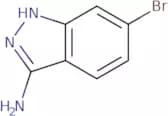
CAS:<p>6-Bromo-1H-indazol-3-yl-amine is an indazole derivative that has shown anti-cancer effects in vitro and in vivo. 6-Bromo-1H-indazol-3-yl-amine inhibits the proliferation of cancer cells, which may be due to its inhibition of cell cycle progression at the G2/M phase. It also inhibits the growth of tumor cells by inducing apoptosis. The drug's mechanism of action is not yet fully understood, but it has been shown to inhibit the activity of axitinib, a tyrosine kinase inhibitor. This drug has also shown anti-proliferative activities with acid catalysts and supramolecular systems. In addition, 6-bromo 1H indazol 3 yl amine contains functional groups such as nitro and pyrrole groups.</p>Formula:C7H6BrN3Purity:Min. 95%Molecular weight:212.05 g/mol1H,1H-Nonafluoropentylamine
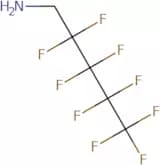
CAS:<p>Please enquire for more information about 1H,1H-Nonafluoropentylamine including the price, delivery time and more detailed product information at the technical inquiry form on this page</p>Formula:C5H4F9NPurity:Min. 95%Color and Shape:Clear LiquidMolecular weight:249.08 g/molN-(2-Aminoethyl)piperazine
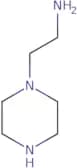
CAS:<p>N-(2-Aminoethyl)piperazine (NAPE) is a chemical compound that can be used as an environmentally friendly catalyst for the degradation of ethylene diamine and other amines. NAPE has been shown to be stable under alkaline conditions, and its fluorescence probe has been used to monitor the progress of the reaction. This compound is a coordination complex with nitrogen atoms at the corners of a square and two amines at opposite corners of the square. The amine groups are coordinated to metal ions in a geometry that is determined by the atomic number of the metal ion. Disulfide bonds form between two cysteine residues on adjacent chains. Glycol ethers can also form disulfide bonds with NAPE, forming glycol ether-NAPE complexes. Antibodies have been shown to bind to glycol ether-NAPE complexes, suggesting that these complexes may play a role in antibody response, although experimental solubility data have not yet confirmed this</p>Formula:C6H15N3Purity:Min. 95%Molecular weight:129.2 g/mol1-(RS)-2-(Dibutylamino)-2-[2,7-dichloro-9-(4-chlorobenxylidene)]-9H-fluoren- 4-yl]ethanol - E/Z mixture
CAS:<p>Please enquire for more information about 1-(RS)-2-(Dibutylamino)-2-[2,7-dichloro-9-(4-chlorobenxylidene)]-9H-fluoren- 4-yl]ethanol - E/Z mixture including the price, delivery time and more detailed product information at the technical inquiry form on this page</p>Formula:C30H32Cl3NOPurity:Min. 95%Molecular weight:528.94 g/mol2’-Nor thiamine hydrochloride
CAS:<p>Please enquire for more information about 2’-Nor thiamine hydrochloride including the price, delivery time and more detailed product information at the technical inquiry form on this page</p>Formula:C11H16Cl2N4OSPurity:Min. 95%Molecular weight:323.24 g/molImidazo[1,2-a]pyridin-8-ylamine dihydrochloride
CAS:<p>Imidazo[1,2-a]pyridin-8-ylamine dihydrochloride is an arylation agent that reacts with nucleophiles to form an amide linkage. Imidazo[1,2-a]pyridin-8-ylamine dihydrochloride is used in the synthesis of carboxylic acid derivatives and other biomolecules. It can be used for selective functionalization of unsymmetrical carboxylic acids.</p>Formula:C7H7N3·2HClPurity:Min. 95%Molecular weight:206.07 g/molN,α-Dimethyl-2-thiopheneethanamine hydrochloride
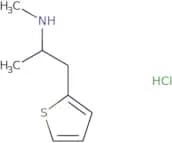
CAS:Controlled Product<p>Methiopropamine is a synthetic psychoactive substance that has been associated with long-term health effects. It is used recreationally for its stimulant properties, such as increased alertness and wakefulness. Methiopropamine may cause paranoia and delusions, as well as other long-term effects. The drug can be detected in the urine for up to five days after ingestion. Methiopropamine is an amphetamine analogue of cathinone, which is a naturally occurring substance found in the khat plant. It is classified by the DEA as a Schedule I controlled substance in the United States.</p>Formula:C8H14ClNSPurity:Min. 95%Molecular weight:191.72 g/mol4-Nitro-1,2,5-oxadiazol-3-amine
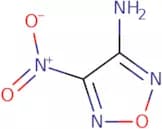
CAS:Controlled Product<p>4-Nitro-1,2,5-oxadiazol-3-amine is a molecule that has been shown to be an inhibitor of the epidermal growth factor receptor (EGFR). The optimal reaction conditions for this molecule were determined by crystallography. These results were confirmed by prognosis assays and the determination of tautomers. This molecule may be used in diagnosis and as a potential treatment for cancer. 4-Nitro-1,2,5-oxadiazol-3-amine binds to the EGFR at a site different from that of erlotinib, an inhibitor currently used in the clinic. This binding leads to inhibition of protein synthesis and cell division by preventing the activation of downstream signal transduction pathways. The molecule also inhibits tumor cell proliferation and induces apoptosis by preventing the production of nitric oxide (NO) and reactive oxygen species (ROS).</p>Formula:C2H2N4O3Purity:Min. 95%Molecular weight:130.06 g/mol[3-(1-Piperidin-1-ylcyclohexyl)phenyl]amine hydrochloride
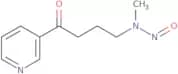
CAS:Controlled Product<p>3-(1-Piperidin-1-ylcyclohexyl)phenyl]amine hydrochloride is a ligand that binds to the acetylcholine receptor. 3-(1-Piperidin-1-ylcyclohexyl)phenyl]amine hydrochloride is an active analogue and has a high binding affinity for the cholinergic receptor. It has been shown to have a kinetic effect on the excitatory system, enhancing excitatory effects of acetylcholine without affecting inhibitory effects. 3-(1-Piperidin-1-ylcyclohexyl)phenyl]amine hydrochloride also has an antagonistic effect on modifiers of acetylcholine activity such as amantadine, but enhances the effects of other drugs, such as clonidine.</p>Formula:C17H26N2Purity:Min. 95%Molecular weight:258.4 g/mol4-(Methylnitrosoamino)-1-(3-pyridinyl)-1-butanone
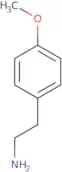
CAS:<p>4-(Methylnitrosoamino)-1-(3-pyridinyl)-1-butanone (NNK) is a carcinogenic chemical that has been identified in tobacco smoke. It induces squamous cell carcinomas in the respiratory tract of rodents and induces lung cancer in the offspring of pregnant rats exposed to NNK. This compound binds to double-stranded DNA, with high affinity for the minor groove, and inhibits DNA synthesis by binding to enzymes such as polymerase chain. In addition, it has been shown to cause transformation of epithelial cells into mesenchymal cells in vitro. 4-(Methylnitrosoamino)-1-(3-pyridinyl)-1-butanone binds to α7 nicotinic acetylcholine receptors and increases the response element activity.</p>Formula:C10H13N3O2Purity:Min. 95%Color and Shape:PowderMolecular weight:207.23 g/mol4-Methoxy phenethylamine
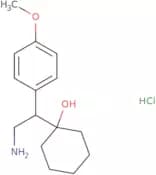
CAS:Controlled Product<p>4-Methoxy phenethylamine (4MPEA) is a natural compound that has been found to have biological properties. It is a precursor of dopamine and norepinephrine, which are neurotransmitters in the brain. 4MPEA is an irreversible enzyme inhibitor with a hydroxyl group. The kinetic data for this compound has been determined by nitrogen atoms. Gamma-aminobutyric acid (GABA) is involved in the regulation of neuronal excitability and plays an important role in preventing seizures. 4MPEA may have potential as a drug for treating epilepsy or other neurological disorders.</p>Formula:C9H13NOPurity:Min. 95%Molecular weight:151.21 g/mol2-(4-Methoxyphenyl)-2-(1-hydroxycyclohexyl)ethylamineHydrochloride
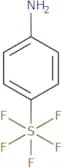
CAS:<p>Please enquire for more information about 2-(4-Methoxyphenyl)-2-(1-hydroxycyclohexyl)ethylamineHydrochloride including the price, delivery time and more detailed product information at the technical inquiry form on this page</p>Formula:C15H24ClNO2Purity:Min. 95%Molecular weight:285.81 g/mol(Oc-6-21)-(4-Aminophenyl)Pentafluoro-Sulfur
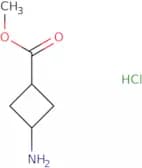
CAS:<p>(Oc-6-21)-(4-Aminophenyl)Pentafluoro-Sulfur is a synthetic chemical that has the molecular formula of CF5SO2NH. It is a five membered heterocycle with an affinity for chloride ions. The compound was synthesized using phenacyl chloride and chlorosulfonyl fluoride in a one step synthesis. This chemical has shown to be an analog of serotonin with hydrogen bonding capabilities. (Oc-6-21)-(4-Aminophenyl)Pentafluoro-Sulfur can act as both a sensor and an electroneutral chlorine ionophore.</p>Formula:C6H6F5NSPurity:Min. 95%Molecular weight:219.18 g/mol(1S,3S)-Methyl 3-aminocyclobutane carboxylate hydrochloride
CAS:<p>Please enquire for more information about (1S,3S)-Methyl 3-aminocyclobutane carboxylate hydrochloride including the price, delivery time and more detailed product information at the technical inquiry form on this page</p>Formula:C6H12ClNO2Purity:Min. 95%Molecular weight:165.62 g/mol1-Octadecylamine
CAS:<p>1-Octadecylamine is a chemical compound that can be used as a raw material for the synthesis of colloidal gold. It has been shown to have significant cytotoxicity and hypoglycemic effects, and is also used in the preparation of liposomes. 1-Octadecylamine is a component of polymer compositions that are used in the treatment of bowel disease. It has been shown to increase water vapor permeability and has an electrochemical impedance spectroscopy profile with a rate constant of 0.4 s−1. It also shows significant antimicrobial activity against Gram-positive bacteria such as Staphylococcus aureus, Streptococcus pyogenes, and Clostridium difficile, but not against Gram-negative bacteria such as Escherichia coli or Pseudomonas aeruginosa.</p>Formula:C18H39NPurity:Min. 95%Color and Shape:White/Off-White SolidMolecular weight:269.51 g/mol(2-{2-[2-(2-Aminoethyl)-4,5-dimethoxybenzyl]-4,5-dimethoxyphenyl}ethyl)amine dihydrochloride
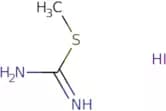
CAS:Controlled Product<p>Please enquire for more information about (2-{2-[2-(2-Aminoethyl)-4,5-dimethoxybenzyl]-4,5-dimethoxyphenyl}ethyl)amine dihydrochloride including the price, delivery time and more detailed product information at the technical inquiry form on this page</p>Formula:C21H30N2O4Purity:Min. 95%Molecular weight:374.47 g/molMethyl aminomethanimidothioate hydroiodide
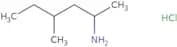
CAS:<p>Methyl aminomethanimidothioate hydroiodide (MAI) is a nitro-substituted methylated analogue of the natural amino acid methionine. It has been shown to inhibit creatine kinase, which is an enzyme that regulates the conversion of energy from ATP to creatinine. MAI also inhibits adenosine receptors and can be used as an anti-inflammatory agent. It has been shown to suppress inflammatory diseases, such as arthritis and cancer, by inhibiting the production of inflammatory cytokines. MAI has been shown to be effective against viruses such as HIV and herpes simplex virus type 1 (HSV-1).</p>Formula:C2H6N2S·HIPurity:Min. 95%Color and Shape:PowderMolecular weight:218.06 g/mol4-Methyl-2-hexanamine hydrochloride
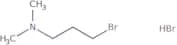
CAS:Controlled Product<p>4-Methyl-2-hexanamine hydrochloride is a synthetic amide that is used as a solvent in laboratories. It is a psychoactive substance and has been found to be an inhibitor of serotonin uptake, which may be related to its ability to inhibit the function of the serotonin transporter. The amount of 4-methyl-2-hexanamine hydrochloride absorbed by the body varies depending on how it is taken. When taken orally, 4-methyl-2-hexanamine hydrochloride enters through the digestive tract and reaches high levels in the blood stream. When taken intravenously, it enters the bloodstream directly and can reach higher concentrations in the blood. When inhaled, 4-methyl-2-hexanamine hydrochloride can enter into the lungs at high concentrations and then is absorbed into the bloodstream. 4-Methyl-2-hexanamine hydrochloride also degrades quickly in natural environments due to its biodegradable properties.</p>Formula:C7H18ClNPurity:Min. 95%Color and Shape:PowderMolecular weight:151.68 g/mol3-Bromo-N,N-dimethylpropan-1-amine hydrobromide
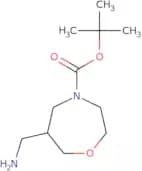
CAS:<p>Please enquire for more information about 3-Bromo-N,N-dimethylpropan-1-amine hydrobromide including the price, delivery time and more detailed product information at the technical inquiry form on this page</p>Purity:Min. 95%tert-Butyl 6-(aminomethyl)-1,4-oxazepane-4-carboxylate
CAS:<p>Please enquire for more information about tert-Butyl 6-(aminomethyl)-1,4-oxazepane-4-carboxylate including the price, delivery time and more detailed product information at the technical inquiry form on this page</p>Formula:C11H22N2O3Purity:Min. 95%Molecular weight:230.3 g/mol4-Aminobenzenesulfonic acid
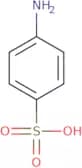
CAS:<p>4-Aminobenzenesulfonic acid is a sulfonic acid that is used in wastewater treatment. It has been shown to be an excellent water permeability agent and can be used as an additive to the process of making sulfonated polymers for use in water filtration. 4-Aminobenzenesulfonic acid has been shown to have enzyme inhibitory effects on metal hydroxide-dependent enzymes, such as sulphanilic and sulfanilic acid. This compound also has been investigated as a potential therapeutic agent for the treatment of cancer, with some success. It has been shown to stimulate the production of picolinic acid, which is an intermediate in the kynurenine pathway leading to production of nicotinamide adenine dinucleotide (NAD+). In humans, 4-aminobenzenesulfonic acid can bind toll-like receptors (TLRs) and activate TLR4 signaling pathways.</p>Formula:C6H7NO3SPurity:Min. 95%Molecular weight:173.19 g/mol2-Amino-3,4-dihydro-7-methoxy-2H-1-naphthalenone, hydrochloride
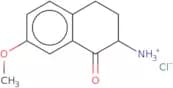
CAS:Controlled Product<p>Please enquire for more information about 2-Amino-3,4-dihydro-7-methoxy-2H-1-naphthalenone, hydrochloride including the price, delivery time and more detailed product information at the technical inquiry form on this page</p>Formula:C11H14ClNO2Purity:Min. 95%Molecular weight:227.69 g/mol4-Aminobicyclo[2.2.2]octane-1-carboxylic acid methyl ester
CAS:<p>Please enquire for more information about 4-Aminobicyclo[2.2.2]octane-1-carboxylic acid methyl ester including the price, delivery time and more detailed product information at the technical inquiry form on this page</p>Formula:C10H17NO2Purity:Min. 95%Molecular weight:183.25 g/mol7-Bromo-[1,2,4]triazolo[1,5-a]pyridin-2-ylamine
CAS:<p>Please enquire for more information about 7-Bromo-[1,2,4]triazolo[1,5-a]pyridin-2-ylamine including the price, delivery time and more detailed product information at the technical inquiry form on this page</p>Formula:C6H5BrN4Purity:Min. 95%Molecular weight:213.03 g/mol3-Fluorophenethylamine
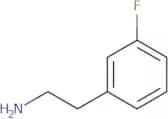
CAS:Controlled Product<p>3-Fluorophenethylamine is a fluorinated analog of phenethylamine that binds to the same receptors and has a similar effect on neurotransmitters as the parent compound. 3-Fluorophenethylamine inhibits the production of tumor necrosis factor-α (TNF-α) in vitro, which may be due to its ability to inhibit prostaglandin synthesis by binding to cyclooxygenase. This drug has also been shown to have anti-inflammatory effects that are mediated by inhibition of TNF-α production and activation of nuclear factor kappa B (NFκB) pathways in hippocampal neurons.</p>Formula:C8H10FNPurity:Min. 95%Molecular weight:139.17 g/mol5-(3-Methylphenyl)-1,3,4-oxadiazol-2-amine
CAS:<p>Please enquire for more information about 5-(3-Methylphenyl)-1,3,4-oxadiazol-2-amine including the price, delivery time and more detailed product information at the technical inquiry form on this page</p>Formula:C9H9N3OPurity:Min. 95%Molecular weight:175.19 g/mol4-Methoxyphenethylamine HCl
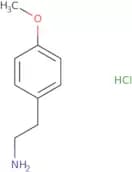
CAS:Controlled Product<p>4-Methoxyphenethylamine HCl is a chemical that inhibits the activity of the protein tyrosine phosphatase 1B (PTP1B). It has been shown to inhibit the growth of lung fibroblasts and fruit tree cells. 4-Methoxyphenethylamine HCl has also been used in animal experiments to diagnose animals with growth factor-β1 deficiency. It is also used to stain collagen for diagnosis.</p>Formula:C9H13NO·HClPurity:Min. 95%Molecular weight:187.67 g/molN-Butyl nor scopolamine hydrochloride
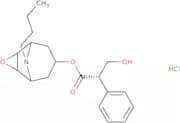
CAS:<p>Please enquire for more information about N-Butyl nor scopolamine hydrochloride including the price, delivery time and more detailed product information at the technical inquiry form on this page</p>Formula:C20H28ClNO4Purity:Min. 95%Molecular weight:381.89 g/mol1H-Pyrrolo[2,3-b]pyridin-5-ylamine
CAS:<p>1H-Pyrrolo[2,3-b]pyridin-5-ylamine is a heterocycle that can be synthesized by cyclization of pyrrole with an alkyne. The microwave irradiation of the reaction mixture leads to selective formation of 1-(2-hydroxyphenyl)pyrrolo[2,3-b]pyridine. This heterocycle can be used in the synthesis of other heterocycles and pharmaceuticals.</p>Purity:Min. 95%Dimethyl-p-phenylenediamine sulfate
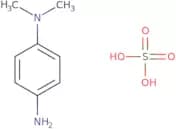
CAS:<p>Dimethyl-p-phenylenediamine sulfate (DMPD) is a response element that is involved in the regulation of physiological function and energy metabolism. DMPD is found in prostate cancer cells, which may be due to its ability to regulate the apoptosis pathway. The clinical relevance of DMPD has been shown by a low dose study on rats with myocardial infarcts. Rats were given doses of 0.5, 1, or 2 mg/kg DMPD for 3 weeks before being subjected to an occlusive coronary artery ligation procedure. The results showed that the rats given DMPD had significantly lower systolic blood pressure than those not given DMPD, but there was no difference in diastolic blood pressure.</p>Formula:C8H14N2O4SPurity:Min. 95%Molecular weight:234.27 g/mol2-Hydroxy-2-(3,4-dimethoxyphenyl)ethylamine hydrochloride
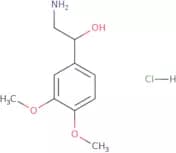
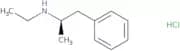
CAS:Controlled Product<p>Please enquire for more information about 2-Hydroxy-2-(3,4-dimethoxyphenyl)ethylamine hydrochloride including the price, delivery time and more detailed product information at the technical inquiry form on this page</p>Formula:C10H15NO3·HClPurity:Min. 95%Molecular weight:233.69 g/mol(R)-N-Ethyl amphetamine hydrochloride
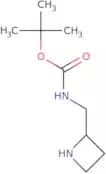
CAS:Controlled Product<p>Please enquire for more information about (R)-N-Ethyl amphetamine hydrochloride including the price, delivery time and more detailed product information at the technical inquiry form on this page</p>Formula:C11H18ClNPurity:Min. 95%Molecular weight:199.72 g/mol2-(N-Boc-aminomethyl)azetidine
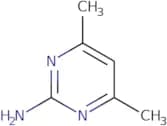
CAS:<p>Please enquire for more information about 2-(N-Boc-aminomethyl)azetidine including the price, delivery time and more detailed product information at the technical inquiry form on this page</p>Formula:C9H18N2O2Purity:Min. 95%Molecular weight:186.25 g/mol2-Amino-4,6-dimethylpyrimidine
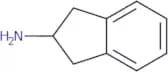
CAS:<p>2-Amino-4,6-dimethylpyrimidine is a molecule that contains a hydroxyl group, copper chloride, nitrogen atoms, sodium carbonate, and hydroxybenzoic acid. The antimicrobial properties of 2-amino-4,6-dimethylpyrimidine are due to the presence of the hydroxyl group and copper chloride in its structure. This compound has been shown to have bactericidal activity against Pseudomonas aeruginosa and other gram-negative bacteria. It also inhibits the growth of these bacteria by interfering with their ability to synthesize proteins. 2-Amino-4,6-dimethylpyrimidine is a molecule that has an octahedral coordination geometry and forms hydrogen bonds with water molecules. It binds to the surface of minerals such as calcite or quartz and can be used for gravimetric analysis.</p>Formula:C6H9N3Purity:Min. 95%Molecular weight:123.16 g/mol2-Aminoindan
CAS:Controlled Product<p>2-Aminoindan is a compound that has inhibitory properties against the human liver enzyme dopamine β-hydroxylase. It binds to the active site of the enzyme and inhibits its activity, which decreases the production of dopamine and other monoamines in the body. 2-Aminoindan has been shown to be effective in animal models of Parkinson's disease by reducing oxidative stress and restoring dopamine levels. The drug also has a chemical diversity, with many different possible structures for medicinal use. 2-Aminoindan has been shown to inhibit the formation of carbonic acid, which is used by mammalian tissue as a buffer for pH regulation. This property may account for its inhibitory effect on carbonic anhydrase II (CAII), an enzyme involved in tissue respiration and acid-base balance. 2-Aminoindan has also been shown to have inhibitory effects on two bacterial enzymes: ddpP and ddpD, which are involved</p>Formula:C9H11NPurity:Min. 95%Molecular weight:133.19 g/molAmmonium molybdate
CAS:<p>Ammonium molybdate is a form of the mineral molybdenum that is used as a nutrient in the solution for hepg2 cells. Ammonium molybdate has been shown to inhibit the growth of multi-walled carbon nanotubes, which may be due to its ability to catalyze hydrogen fluoride and zirconium oxide. It also has an inhibitory effect on serine protease (a protein found in many tissues and secretions). The chemical stability of ammonium molybdate has been studied by exposing it to hydrogen fluoride and it was found that this compound is stable at pH levels of around 7.5.</p>Formula:H8N2MoO4Purity:Min. 95%Color and Shape:White PowderMolecular weight:196.03 g/mol2-Methylaminoethanol
CAS:<p>2-Methylaminoethanol is a colorless, water-soluble liquid. It is an alkanolamine that has a dipole moment of 1.8 debye. 2-Methylaminoethanol can be synthesized by reacting potassium dichromate with ethanolamine in the presence of borohydride and ammonia. The reaction yield for this process is about 50%. 2-Methylaminoethanol reacts with maleic acid to form maleate salt. Maleate salt molecules have two amine groups attached to a carbonyl group, which are used as raw materials for the production of various other chemicals like nylon 11, nylon 12, and polyethylene terephthalate (PET). Maleates also serve as intermediates in the manufacture of esters and nitrites from alcohols and phenols. 2-Methylaminoethanol has been shown to cause blood pressure reduction in mammals due to its ability to inhibit vasoconstriction caused by</p>Formula:C3H9NOPurity:Min. 95%Color and Shape:Clear LiquidMolecular weight:75.11 g/mol1-[1-(2-Aminoethyl)-1H-indol-3-yl]ethanone oxalate
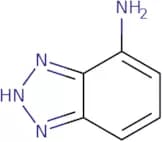
CAS:Controlled Product<p>Please enquire for more information about 1-[1-(2-Aminoethyl)-1H-indol-3-yl]ethanone oxalate including the price, delivery time and more detailed product information at the technical inquiry form on this page</p>Formula:C12H14N2OPurity:Min. 95%Molecular weight:202.25 g/mol1H-1,2,3-Benzotriazol-4-amine
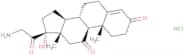
CAS:<p>1H-1,2,3-Benzotriazol-4-amine is a hydroxylated compound that belongs to the group of benzotriazole derivatives. It has been shown to inhibit the growth of cells in culture by binding to the nitrogen atoms in glutamate and inhibiting the production of nitric oxide synthase. 1H-1,2,3-Benzotriazol-4-amine also has binding constants for certain growth regulators that are 10 times higher than for other benzotriazoles. In vitro assays have shown that 1H-1,2,3-benzotriazol-4-amine is a potent corrosion inhibitor with an optical purity greater than 98%. The molecule was modeled using molecular modeling software and found to be stable when exposed to light. The molecule has also been tested on Sprague Dawley rats and found not to cause skin reactions.</p>Formula:C6H6N4Purity:Min. 95%Molecular weight:134.14 g/mol21-Amino-17-hydroxypregn-4-ene-3,11,20-trioneHydrochloride
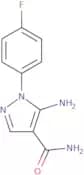
CAS:Controlled Product<p>Please enquire for more information about 21-Amino-17-hydroxypregn-4-ene-3,11,20-trioneHydrochloride including the price, delivery time and more detailed product information at the technical inquiry form on this page</p>Formula:C21H30ClNO4Purity:Min. 95%Molecular weight:395.92 g/mol5-Amino-1-(4-Fluorophenyl)-1H-Pyrazole-4-Carboxamide
CAS:<p>Please enquire for more information about 5-Amino-1-(4-Fluorophenyl)-1H-Pyrazole-4-Carboxamide including the price, delivery time and more detailed product information at the technical inquiry form on this page</p>Formula:C10H9FN4OPurity:Min. 95%Molecular weight:220.2 g/mol(R,S)-Z-3-Amino-7-chloro-2-oxo-5-phenyl-1,4-benzodiazepine
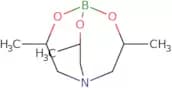
CAS:Controlled Product<p>Please enquire for more information about (R,S)-Z-3-Amino-7-chloro-2-oxo-5-phenyl-1,4-benzodiazepine including the price, delivery time and more detailed product information at the technical inquiry form on this page</p>Formula:C23H18ClN3O3Purity:Min. 95%Molecular weight:419.86 g/molTriisopropanolamine Borate
CAS:<p>Triisopropanolamine borate is an organic compound with the formula (CH3)3N(CH2)3OH. It is a colorless liquid with a sweet, amine-like odor. Triisopropanolamine borate is widely used as a cross-linking agent in coatings, and as a reactive functional group in polycarboxylic acid synthesis and cationic polymerization. It also has been used as a blood pressure lowering agent and to treat high calcium levels in the blood. The chemical structure of triisopropanolamine borate can be seen below: Triisopropanolamine Borate, Chemical Structure The chemical formula for triisopropanolamine borate is CH3N(CH2)3OH. Triisopropanolamine borate has many applications due to its reactive functional groups, including cross-linking agents for coatings and polycarboxylic acid synthesis</p>Formula:C9H18BNO3Purity:Min. 95%Molecular weight:199.06 g/mol1-Boc-4-aminopiperidine-4-carboxylic acid
CAS:<p>Please enquire for more information about 1-Boc-4-aminopiperidine-4-carboxylic acid including the price, delivery time and more detailed product information at the technical inquiry form on this page</p>Formula:C11H20N2O4Purity:Min. 95%Color and Shape:White To Beige SolidMolecular weight:244.29 g/mol[(4-Methyl-1,3-thiazol-2-yl)methyl]amine dihydrochloride
CAS:<p>Please enquire for more information about [(4-Methyl-1,3-thiazol-2-yl)methyl]amine dihydrochloride including the price, delivery time and more detailed product information at the technical inquiry form on this page</p>Formula:C5H8N2SPurity:Min. 95%Molecular weight:128.2 g/molN,N'-Di-(4-methyl-phenyl)-N,N'-diphenyl-1,4-phenylendiamine
CAS:<p>Please enquire for more information about N,N'-Di-(4-methyl-phenyl)-N,N'-diphenyl-1,4-phenylendiamine including the price, delivery time and more detailed product information at the technical inquiry form on this page</p>Formula:C32H28N2Purity:Min. 95%Molecular weight:440.58 g/mol1,1,2,2,3,3,3-Heptafluoro-n,n-bis(1,1,2,2,3,3,3-heptafluoropropyl)-1-propanamine
CAS:Controlled Product<p>1,1,2,2,3,3,3-Heptafluoro-n,n-bis(1,1,2,2,3,3-heptafluoropropyl)-1-propanamine (HFIP) is a fluorinated compound that is used as a solvent for hydrogen fluoride and water vapor. HFIP has been shown to be toxic to the liver cells of rats. It also causes lesions in the liver of the isolated heart. The monoclonal antibody against HFIP has been shown to reduce the transport properties of this solvent to tissues and reduce light emission from this compound. HFIP is not chemically reactive with other chemicals at room temperature and has excellent chemical stability in light exposure.</p>Formula:C9F21NPurity:Min. 90 Area-%Color and Shape:Colorless PowderMolecular weight:521.07 g/mol(2-Cyclohexyl-1-methylethyl)methylamine
CAS:Controlled Product<p>2-Cyclohexyl-1-methylethyl)methylamine is a monoethyl ether of (2-cyclohexyl-1-methylethyl)amine. It is used as a nasal decongestant and has been shown to be effective against respiratory disorders such as bronchitis, sinusitis, and allergies. The drug can also be used for the diagnosis and prognosis of congestive heart failure. 2-Cyclohexyl-1-methylethyl)methylamine has been shown to bind to calcium ions in the nasal mucosa, thereby inhibiting the production of inflammatory mediators such as prostaglandins and leukotrienes. This drug also has an inhibitory effect on receptor activity for histamine, which leads to relief from allergic symptoms by reducing inflammation in the nose.</p>Formula:C10H22BrNPurity:Min. 95%Molecular weight:236.19 g/mol3-Amino-2-methylpropan-1-ol
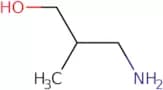
CAS:<p>3-Amino-2-methylpropan-1-ol is a reactive chemical that can be used as a reactant in the synthesis of other chemicals. It is an alkanolamine and can be found in small amounts in water vapor. 3-Amino-2-methylpropan-1-ol has been shown to have low energy and it reacts with water vapor to form 3,4-dihydroxybutanal, which is a product that can be converted into other useful chemicals. 3-Amino-2-methylpropan-1-ol also reacts with high energy photons to form new substances, such as 3,4,5,6 tetrahydroxymethylbenzaldehyde. 3Amino - 2 - methylpropan - 1 - ol has been shown to have many uses including the production of low molecular weight polymers and resins for paints and coatings.</p>Formula:C4H11NOPurity:Min. 95%Molecular weight:89.14 g/molDL-1-Phenylethylamine
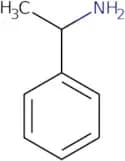
CAS:Controlled Product<p>DL-1-phenylethylamine is a chiral compound that has been studied for its biological properties. It can exist in either of two forms, or stereoisomers. DL-1-phenylethylamine is an amide and a methyl ester of phenethylamine hydrochloride. This compound has shown to have a high affinity for copper chloride and copper sulfate, and the 1R form is more soluble in water than the 2S form. The biological properties of DL-1-phenylethylamine are not fully understood but it may play a role in autoimmune diseases because it acts as an immunosuppressant and has anti-inflammatory activities.</p>Formula:C8H11NPurity:Min. 95%Molecular weight:121.18 g/mol

![1-(RS)-2-(Dibutylamino)-2-[2,7-dichloro-9-(4-chlorobenxylidene)]-9H-fluoren- 4-yl]ethanol - E/Z mi…](/_next/image/?url=https%3A%2Fstatic.cymitquimica.com%2Fproducts%2F3D%2Fthumb-webp%2FFD71423.webp&w=3840&q=75)
![Imidazo[1,2-a]pyridin-8-ylamine dihydrochloride](/_next/image/?url=https%3A%2Fstatic.cymitquimica.com%2Fproducts%2F3D%2Fthumb-webp%2FFI51744.webp&w=3840&q=75)
![[3-(1-Piperidin-1-ylcyclohexyl)phenyl]amine hydrochloride](/_next/image/?url=https%3A%2Fstatic.cymitquimica.com%2Fproducts%2F3D%2Fthumb-webp%2FFP120158.webp&w=3840&q=75)

![(2-{2-[2-(2-Aminoethyl)-4,5-dimethoxybenzyl]-4,5-dimethoxyphenyl}ethyl)amine dihydrochloride](/_next/image/?url=https%3A%2Fstatic.cymitquimica.com%2Fproducts%2F3D%2Fthumb-webp%2FFA135464.webp&w=3840&q=75)
![4-Aminobicyclo[2.2.2]octane-1-carboxylic acid methyl ester](/_next/image/?url=https%3A%2Fstatic.cymitquimica.com%2Fproducts%2F3D%2Fthumb-webp%2FFA44258.webp&w=3840&q=75)
![7-Bromo-[1,2,4]triazolo[1,5-a]pyridin-2-ylamine](/_next/image/?url=https%3A%2Fstatic.cymitquimica.com%2Fproducts%2F3D%2Fthumb-webp%2FFB140382.webp&w=3840&q=75)

![1H-Pyrrolo[2,3-b]pyridin-5-ylamine](/_next/image/?url=https%3A%2Fstatic.cymitquimica.com%2Fproducts%2F3D%2Fthumb-webp%2FFP143125.webp&w=3840&q=75)


![1-[1-(2-Aminoethyl)-1H-indol-3-yl]ethanone oxalate](/_next/image/?url=https%3A%2Fstatic.cymitquimica.com%2Fproducts%2F3D%2Fthumb-webp%2FFA135415.webp&w=3840&q=75)


![[(4-Methyl-1,3-thiazol-2-yl)methyl]amine dihydrochloride](/_next/image/?url=https%3A%2Fstatic.cymitquimica.com%2Fproducts%2F3D%2Fthumb-webp%2FFM124176.webp&w=3840&q=75)