Amines
Subcategories of "Amines"
- Nitrosamines(2,643 products)
- Primary Amines(30,948 products)
- Quaternary Ammonium Cations and Salts(1,102 products)
- Secondary Amines(20,887 products)
- Tertiary Amines(17,195 products)
Found 8790 products of "Amines"
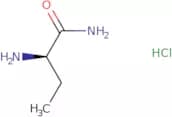
(R)-2-Aminobutanamide hydrochloride
CAS:(R)-2-Aminobutanamide hydrochloride is a compound that contains chloride gas. This compound is an alkylating agent, which means it can form new carbon-nitrogen bonds by adding to the electrophilic center of a molecule. This process is used industrially to produce butyronitrile, which is a precursor for nylon and other plastics. The introduction of (R)-2-aminobutanamide hydrochloride into industrial processes has decreased the use of l-tartaric acid, diluent, and hydrogen chloride. The impurities in this compound are typically quantified using gas chromatography with flame ionization detection.
(R)-2-Aminobutanamide hydrochloride is an acidic compound that dissociates in water to release hydrogen chloride. It has two chiral forms:
The enantiomers have different chemical properties due to their different configurations around the central carbon atom. In the case of (Formula:C4H10N2O·HClPurity:Min. 95%Color and Shape:White PowderMolecular weight:138.6 g/molRef: 3D-FA61376
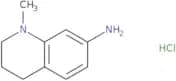
Discontinued product1-Methyl-1,2,3,4-tetrahydroquinolin-7-amine hydrochloride
CAS:1-Methyl-1,2,3,4-tetrahydroquinolin-7-amine hydrochloride (MQ) is a fluorescent probe that has been used to study the photostability of cisplatin in real time. MQ was synthesized by reacting 3-(2'-bromoacetyl)-7-methoxy-1,2,3,4-tetrahydroquinolin with 7-aminoquinaldine. The emission spectrum of MQ peaks at 615 nm and has an extinction coefficient at 615 nm of 12.5 mM/cm. This probe has been shown to be photostable for long periods of time and can be used to visualize DNA polymerase activity in living cells.Formula:C10H15ClN2Purity:Min. 95%Color and Shape:Off-White PowderMolecular weight:198.69 g/molRef: 3D-FM117303
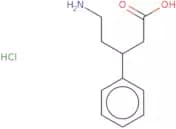
Discontinued product4-(Aminomethyl)-3-phenylbutyric acid hydrochloride
CAS:4-(Aminomethyl)-3-phenylbutyric acid hydrochloride is a reagent that can be used as a building block in synthesizing new chemical compounds. It is also an intermediate for the synthesis of 4-(aminomethyl)benzoic acid, which is useful for producing pharmaceuticals, pesticides, and other agrochemicals. 4-(Aminomethyl)-3-phenylbutyric acid hydrochloride has a CAS number of 860252-34-2 and can be used in reactions with a variety of reagents to produce fine chemicals, research chemicals, and speciality chemicals.
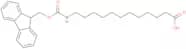
Formula:C11H16ClNO2Purity:Min. 95%Molecular weight:229.7 g/molFmoc-12-aminododecanoic acid
CAS:Fmoc-12-aminododecanoic acid is a synthetic amino acid that has been shown to lower blood pressure in both animal and human studies. It binds to albumin, which regulates the passage of substances into and out of the bloodstream, and also binds to b2 receptors that regulate the release of insulin from pancreatic cells. Fmoc-12-aminododecanoic acid has also been shown to inhibit cancer cell growth in vitro and has been used as an anti-cancer agent in animal experiments. This drug also inhibits bacterial growth by binding to a transporter protein, preventing uptake of glucose. Fmoc-12-aminododecanoic acid is a substrate for 4-tert butylbenzoic acid (4TBBA), which is taken up by bacteria such as P. aeruginosa at high rates.
Formula:C27H35NO4Purity:Min. 95%Molecular weight:437.57 g/molRef: 3D-FF48336
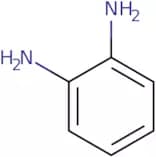
Discontinued product1,2-Phenylenediamine
CAS:1,2-Phenylenediamine is an aromatic amine that can be used as a precursor for the synthesis of various heterocyclic compounds. It has been shown to have an acidic character, which is due to its coordination geometry with three of its nitrogen atoms in the form of pyramidal nitrogen atoms. 1,2-Phenylenediamine is also a ligand for toll-like receptor (TLR) 4 and TLR9. It has been shown to activate these receptors by binding and activating downstream signaling pathways such as NF-κB and MAPK. This compound also has the ability to induce apoptosis in HL60 cells through inhibition of protein synthesis and activation of caspases.
Formula:C6H8N2Purity:Min. 98 Area-%Color and Shape:White PowderMolecular weight:108.14 g/molRef: 3D-FP26951
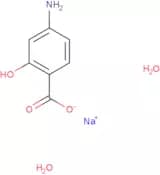
Discontinued product4-Aminosalicylic acid sodium salt dihydrate
CAS:4-Aminosalicylic acid sodium salt dihydrate is a molecule that has been shown to be useful for the diagnosis of viral, autoimmune, and cancerous diseases. It is a diagnostic agent that can be used in both the diagnosis and treatment of bowel disease. 4-Aminosalicylic acid sodium salt dihydrate can also be used to treat cavity formation in teeth. It binds to fatty acids in the target tissue, which leads to cell death by apoptosis. This drug has been shown to be effective against inflammatory bowel disease (IBD) as well as other types of bowel disease. This drug has been shown to have no adverse effects on healthy cells or tissues, but it may cause kidney toxicity when taken orally or injected intravenously.
Formula:C7H6NNaO3·2H2OPurity:Min. 95%Color and Shape:White PowderMolecular weight:211.15 g/molRef: 3D-FA32507
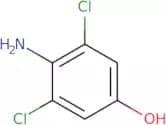
Discontinued product4-Amino-3,5-dichlorophenol
CAS:4-Amino-3,5-dichlorophenol is a decoupling agent that has been shown to have acute toxicities in cultures. It is also used as a regulatory control for the analysis of hydroxyl groups and for broad-spectrum antimicrobial agents. 4-Amino-3,5-dichlorophenol reacts with hydrochloric acid to form chlorohydrin, which can be detected by an electrochemical detector. This reaction mechanism has been proposed as the basis for the use of this chemical as a decoupling agent in analytical chemistry. Its use as an antimicrobial agent is based on its ability to inhibit bacterial growth by reacting with thiol groups in enzymes or proteins and blocking their activity.
Formula:C6H5Cl2NOPurity:Min. 95%Color and Shape:PowderMolecular weight:178.02 g/molRef: 3D-FA58353
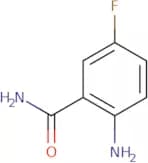
Discontinued product2-Amino-5-fluorobenzamide
CAS:2-Amino-5-fluorobenzamide (2AFB) is a compound that has been shown to have neurotoxic properties. 2AFB is a ring-opening agent, which means it can open the six-membered ring of aromatic compounds such as benzene or pyridine. 2AFB also has affinity for metal ions and therefore can be used in magnetic separations. The reaction system of 2AFB includes an enzyme, pentylenetetrazole (PTZ), that catalyzes the reaction between 2AFB and its substrate, 4-nitrophenol (4NP). This reaction produces free radicals that react with oxygen to produce peroxides. These peroxides are then detected by a chemiluminescence assay. In this way, the amount of 2AFB and 4NP can be measured quantitatively.
2AFB also has antioxidant properties, which may be due to its ability to scavenge free radicals fromFormula:C7H7FN2OPurity:Min. 95%Color and Shape:PowderMolecular weight:154.14 g/molRef: 3D-FA70235
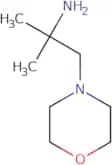
Discontinued product1,1-Dimethyl-2-morpholin-4-ylethylamine
CAS:1,1-Dimethyl-2-morpholin-4-ylethylamine (DMMEA) is a quaternary ammonium compound that has antimicrobial properties. DMMEA is an analog of 1,1-dimethylpiperidinium chloride and is used as an intermediate for the synthesis of other compounds. It can be synthesized from 1,1,2-trimethoxyethane and morpholine in the presence of ammonium chloride. DMMEA has been shown to have antimicrobial activities against Gram negative bacteria such as Escherichia coli and Enterobacter aerogenes. It also has some activity against Gram positive bacteria such as Staphylococcus aureus.
Formula:C8H18N2OPurity:Min. 95%Color and Shape:Clear LiquidMolecular weight:158.24 g/molRef: 3D-FD116630
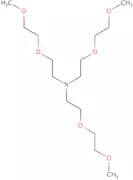
Discontinued productTris(dioxa-3,6-heptyl)amine
CAS:Phase transfer catalyst; intermediate in telithromycin synthesis
Formula:C15H33NO6Purity:Min. 95%Color and Shape:Colorless Clear LiquidMolecular weight:323.43 g/molRef: 3D-FT11570
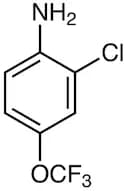
Discontinued product2-Chloro-4-(trifluoromethoxy)aniline
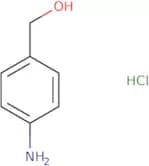
CAS:Formula:C7H5ClF3NOPurity:>97.0%(GC)(T)Color and Shape:Colorless to Light yellow to Light orange clear liquidMolecular weight:211.574-Aminobenzyl alcohol hydrochloride
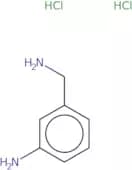
CAS:4-Aminobenzyl alcohol hydrochloride is a fine chemical that is used as a building block for research chemicals, reagents, and specialty chemicals. It can be used as a versatile building block in the synthesis of many complex compounds. 4-Aminobenzyl alcohol hydrochloride is also an intermediate for the synthesis of pharmaceuticals and other useful compounds. CAS No. 170926-25-7Formula:C7H10ClNOPurity:Min. 95%Color and Shape:PowderMolecular weight:159.61 g/mol3-Aminobenzylamine dihydrochloride
CAS:3-Aminobenzylamine dihydrochloride is a chemical building block that is useful for the synthesis of complex compounds. 3-Aminobenzylamine dihydrochloride is an aminobenzamide and has been used as a reagent or reaction component in laboratory research. This chemical is a versatile building block that can be used to synthesize a variety of compounds. 3-Aminobenzylamine dihydrochloride has been shown to be effective in the synthesis of 1,2,4-triazole derivatives, which are useful as pharmaceuticals or herbicides. 3-Aminobenzylamine dihydrochloride is also useful for the preparation of other fine chemicals and speciality chemicals.
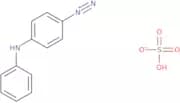
Formula:C7H10N2·2ClHPurity:Min. 95%Color and Shape:SolidMolecular weight:195.09 g/mol4-Diazodiphenylamine sulfate
CAS:4-Diazodiphenylamine sulfate is a phosphatase inhibitor that can be used to inhibit tyrosinase activity in the biochemical and enzymatic reactions. The inhibition constant for 4-diazodiphenylamine sulfate against tyrosinase activity is 1.5 μM. This inhibitor has been shown to have a low energy surface-enhanced Raman spectrum, which can be used to detect protein coatings on surfaces such as glass beads or sephadex g-100. It has also been shown to inhibit the phosphatase activity of human urine samples, which may be due to its ability to bind to the enzyme's active site and reduce substrate accessibility. 4-Diazodiphenylamine sulfate is also known for its ability to bind with DNA and form an adduct with p-nitrophenyl phosphate.
Formula:C12H9N3·H2SO4Purity:Min. 95%Color and Shape:PowderMolecular weight:293.3 g/molRef: 3D-FD171768
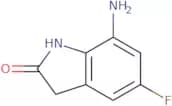
Discontinued product7-Amino-5-fluoro-1,3-dihydroindol-2-one
CAS:7-Amino-5-fluoro-1,3-dihydroindol-2-one is a compound that can be used as a research chemical. It has been shown to react with various other compounds in the laboratory and may have potential uses as a versatile building block or useful intermediate. 7-Amino-5-fluoro-1,3-dihydroindol-2-one is also known for its high quality and speciality chemical status.
Formula:C8H7FN2OPurity:Min. 95%Color and Shape:PowderMolecular weight:166.15 g/molRef: 3D-FA104789
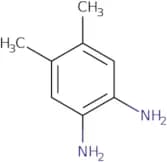
Discontinued product4,5-Dimethyl-1,2-phenylenediamine
CAS:4,5-Dimethyl-1,2-phenylenediamine is a fluorescent derivative of an unlabeled amine that is used in analytical chemistry. It has been shown to react with hydrogen bond donors and acceptors in aqueous solution to produce a new compound with a different fluorescence spectrum. This reaction mechanism can be used for sample preparation prior to analysis by various analytical methods. The coordination geometry of 4,5-dimethyl-1,2-phenylenediamine has been determined using x-ray crystal structures obtained from the compound in fetal bovine serum. A model system that mimics the disease activity of diabetic patients has been constructed using this compound as the analyte.
Formula:C8H12N2Purity:Min. 95%Color and Shape:PowderMolecular weight:136.19 g/molRef: 3D-FD07754
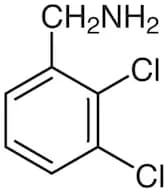
Discontinued product2,3-Dichlorobenzylamine
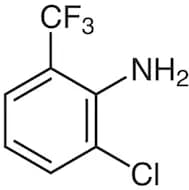
CAS:Formula:C7H7Cl2NPurity:>98.0%(GC)(T)Color and Shape:Colorless to Light orange to Yellow clear liquidMolecular weight:176.042-Amino-3-chlorobenzotrifluoride
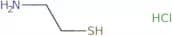
CAS:Formula:C7H5ClF3NPurity:>97.0%(GC)Color and Shape:Colorless to Almost colorless clear liquidMolecular weight:195.572-Aminoethanethiol HCl
CAS:2-Aminoethanethiol HCl is an organosulfur compound used in the treatment of cystinosis. Cystinosis is a rare autosomal recessive metabolic disorder that leads to the accumulation of cysteine and other amino acids in the lysosomes of cells. 2-Aminoethanethiol HCl is also used for the treatment of enteritidis, a disease caused by infection with bacteria such as Salmonella typhi, Shigella dysenteriae, or Escherichia coli. It has been shown to inhibit protein synthesis in vitro and in experimental models. The mechanism of 2-aminoethanethiol HCl's inhibition may be due to its ability to reduce mitochondrial membrane potential, thereby inhibiting ATP production and inhibiting cellular respiration.
2-Aminoethanethiol HCl has been found to be effective against many strains of bacteria that are resistant to standard antibiotics (eFormula:C2H7NS·HClPurity:Min. 95%Color and Shape:White PowderMolecular weight:113.61 g/molRef: 3D-FA08270
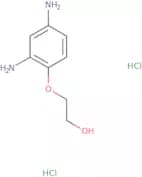
Discontinued product2,4-Diaminophenoxyethanol 2HCl
CAS:2,4-Diaminophenoxyethanol 2HCl is a cross-linking agent that is used in the production of emulsions. It has been shown to bind to fatty acids and form an insoluble precipitate with calcium ions. This product is also effective as an adsorbent for crystal violet, which can be used for the purification of fatty acids. The adsorption kinetics of this product have been studied using a diode at different wavelengths with a wavelength of 700 nm being the most suitable for this application. 2,4-Diaminophenoxyethanol 2HCl has shown to be able to reduce weight in animals by binding water molecules and forming crystals in the body, which may contribute to its anti-obesity effects.
Formula:C8H12N2O2•(HCl)2Purity:Min. 95%Color and Shape:PowderMolecular weight:241.11 g/molRef: 3D-FD38978
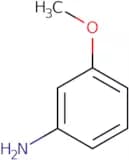
Discontinued product3-Methoxybenzenamine
CAS:3-Methoxybenzenamine is a molecule that can be synthesized by an asymmetric reaction. It has carcinogenic potential and is classified as a chemical substance. 3-Methoxybenzenamine reacts with hydrochloric acid to form hydrogen chloride gas and methoxybenzene. The hydroxyl group on the molecule reacts with l-tartaric acid to form an ester, which then undergoes hydrolysis to produce 3-hydroxybutanoic acid. This reaction also produces water, which may result in a decrease of the concentration of the reactants. 3-Methoxybenzenamine can also react with amines to form quaternary ammonium salts, which are highly soluble in water and have a high detection sensitivity.
Formula:C7H9NOPurity:Min. 95%Color and Shape:Clear LiquidMolecular weight:123.15 g/molRef: 3D-FM41595
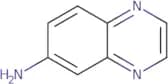
Discontinued product6-Aminoquinoxaline
CAS:6-Aminoquinoxaline is a quinoxaline derivative that has been shown to be effective against the bacterium, Salmonella typhimurium. 6-Aminoquinoxaline has significant cytotoxicity and significant activity against the ryanodine receptor (RYR). This compound is also a dopamine analog which may have neuroprotective effects. It was also shown to have no adverse effects on skeletal development in rats. 6-Aminoquinoxaline is an analog of quinoxaline and it can undergo a thermal expansion reaction with other organic molecules. The biological properties of this compound are still being researched, but it has been shown to be toxic to cells in culture due to its ability to inhibit protein synthesis and DNA replication.
Formula:C8H7N3Purity:Min. 95%Color and Shape:Yellow PowderMolecular weight:145.16 g/molRef: 3D-FA05410
Discontinued product2-Aminothiazole-5-carboxylic acid
CAS:2-Aminothiazole-5-carboxylic acid is a synthetic compound that is currently being investigated as a potential anticancer agent. 2-Aminothiazole-5-carboxylic acid has shown anticancer activity in clinical studies, with an increase in the number of cancer cells killed and a decrease in the number of cancer cells surviving after treatment. The mechanism of action for this drug is not well understood, but it may be due to its ability to inhibit cellular processes such as DNA synthesis and protein synthesis.
2-Aminothiazole-5-carboxylic acid does not show significant toxicity at therapeutic doses, although it can cause some side effects including nausea, vomiting, constipation, diarrhea, headaches, and fever.Formula:C4H4N2O2SPurity:Min. 95%Color and Shape:PowderMolecular weight:144.15 g/molRef: 3D-FA36283
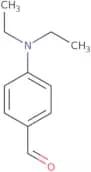
Discontinued product4-Diethylaminobenzaldehyde
CAS:4-Diethylaminobenzaldehyde is an organic compound that contains a hydroxyl group. It is a fluorescent probe and can be used to measure the transcriptional regulation of genes. This molecule has been shown to be an effective fluorescence probe for the detection of cb2 receptors in Langmuir adsorption isotherms and LC-MS/MS methods. 4-Diethylaminobenzaldehyde has also been shown to have chemopreventive properties against carcinoma cells.
Formula:C11H15NOPurity:Min. 98%Color and Shape:PowderMolecular weight:177.24 g/molRef: 3D-FD54843
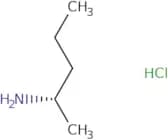
Discontinued product(2S)-Pentan-2-amine hydrochloride
CAS:(2S)-Pentan-2-amine hydrochloride is a versatile building block that can be used as a reaction component, reagent, or useful scaffold for the synthesis of complex organic compounds. It is a high quality chemical that can be used in both research and commercial applications. CAS No. 216237-52-4.
Formula:C5H14ClNPurity:Min. 95%Color and Shape:PowderMolecular weight:123.62 g/molRef: 3D-FP168110
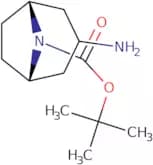
Discontinued productN-Boc-endo-3-aminotropane
CAS:N-Boc-endo-3-aminotropane is a useful building block for the synthesis of a variety of chemical compounds. It is a versatile intermediate for the synthesis of diverse chemical compounds and is also used in research as a reagent. N-Boc-endo-3-aminotropane has been shown to be highly reactive and to undergo many reactions, including nucleophilic substitution and addition reactions. The compound can be reacted with alkyl halides to form amines, or with nitroalkanes to form oximes. N-Boc-endo-3-aminotropane can also react with anhydrides or acid chlorides to form carboxylic acids, or with sulfonyl chlorides to form sulfonamides. This compound also reacts with thiols or alcohols to form thioethers and ethers respectively.
Formula:C12H22N2O2Purity:Min. 95%Color and Shape:White PowderMolecular weight:226.32 g/molRef: 3D-FB71481
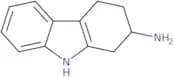
Discontinued product2,3,4,9-Tetrahydro-1H-carbazol-2-amine
CAS:2,3,4,9-Tetrahydro-1H-carbazol-2-amine is a fine chemical that has been used as a building block in the synthesis of pharmaceuticals and pesticides. It is also an intermediate in the synthesis of other complex compounds. 2,3,4,9-Tetrahydro-1H-carbazol-2-amine is versatile with many reactions that can be performed on it and it is a useful scaffold for organic synthesis.
Formula:C12H14N2Purity:Min. 95%Color and Shape:Beige SolidMolecular weight:186.25 g/molRef: 3D-FT141000
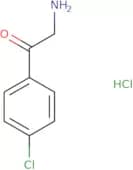
Discontinued product2-Amino-4'-chloroacetophenone hydrochloride
CAS:Controlled Product2-Amino-4'-chloroacetophenone hydrochloride is a cytotoxic compound that inhibits the polymerization of tubulin. It has been shown to have cytotoxic effects and inhibit the growth of cancer cells in vitro at low micromolar concentrations. 2-Amino-4'-chloroacetophenone hydrochloride is a member of the cytotoxic class of compounds and can be used to slow or stop cell division by inhibiting the production of proteins vital for cell division, such as tubulin. This effect is due to its ability to bind to the beta subunit of tubulin, which disrupts its structure and prevents polymerization from occurring.
Formula:C8H8ClNO•HClPurity:Min. 95%Color and Shape:PowderMolecular weight:206.07 g/molRef: 3D-FA55395
Discontinued product2-Amino-4-thiazolecarboxylic acid
CAS:2-Amino-4-thiazolecarboxylic acid is a potent antiviral agent that inhibits influenza virus replication. It has been shown to be effective in vivo against the growth of tumor cells and to inhibit the activity of viral proteases. It also inhibits the activity of human plasma cholinesterase, which may be due to its structural similarity to acetylcholine. 2-Amino-4-thiazolecarboxylic acid is soluble in water and hydrochloric acid, but insoluble in ether or chloroform. This compound has been used as an analytical standard for measuring plasma levels of chloride ions by ion chromatography.
Formula:C4H4N2O2SPurity:Min. 95%Color and Shape:PowderMolecular weight:144.15 g/molRef: 3D-FA43719
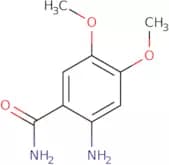
Discontinued product2-Amino-4,5-dimethoxybenzamide
CAS:2-Amino-4,5-dimethoxybenzamide is an anticancer agent that inhibits the epidermal growth factor receptor tyrosine kinase. It binds to the linker region of the epidermal growth factor receptor and prevents autophosphorylation. 2-Amino-4,5-dimethoxybenzamide has shown in vitro cytotoxic activity against testicular cancer cells and acute lymphoblastic leukemia cells. 2-Amino-4,5-dimethoxybenzamide is a synthetic compound that has been shown to have bioisosteric properties with other growth factors such as epidermal growth factor.
Formula:C9H12N2O3Purity:Min. 95%Color and Shape:PowderMolecular weight:196.2 g/molRef: 3D-FA70368
Discontinued productClavulanic acid ammonium
CAS:Clavulanic acid is a beta-lactamase inhibitor that is used to treat infections caused by bacteria that are resistant to penicillin. It is a combination of clavulanate and ammonium. Clavulanic acid blocks the action of beta-lactamases, which are enzymes produced by bacteria that can destroy penicillin before it can act on the bacterial cell wall. Clavulanic acid has been shown to be active against penicillin-resistant strains of Staphylococcus aureus, Enterobacter cloacae, and Klebsiella pneumoniae. Clavulanic acid also inhibits the growth of Mycobacterium avium complex and Mycobacterium tuberculosis.Formula:C8H9NO5•NH3Purity:Min. 95%Molecular weight:216.19 g/mol4-Propylbenzylamine
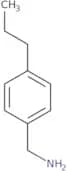
CAS:4-Propylbenzylamine is a chemical compound that is an intermediate for the synthesis of other chemicals. It is a versatile building block that can be used in research to create useful scaffolds or as a reaction component to form complex compounds. 4-Propylbenzylamine has been shown to have high purity, and it is soluble in most solvents. The CAS number for this chemical is 538342-98-2.
Formula:C10H15NPurity:Min. 95%Color and Shape:PowderMolecular weight:149.23 g/molRef: 3D-FP66225
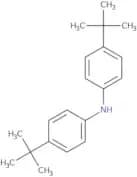
Discontinued productBis(4-tert-butylphenyl)amine
CAS:Bis(4-tert-butylphenyl)amine is a compound that has been shown to have antioxidative properties in cell culture experiments. It is also an aromatic hydrocarbon with a phenoxazine and suzuki coupling reaction. Bis(4-tert-butylphenyl)amine can be used as ancillary ligands in the activation of neutral form of ruthenium, which leads to the emission of thermally activated emissions.
Formula:C20H27NPurity:Min. 95%Color and Shape:White To Light (Or Pale) Yellow SolidMolecular weight:281.44 g/molRef: 3D-FB62294
Discontinued product2-Anilino-6-dibutylamino-3-methylfluoran
CAS:2-Anilino-6-dibutylamino-3-methylfluoran is a switchable fluorescent dye that has been used to detect and measure biochemically active substances in living cells. The dye is introduced into the cell, where it binds to specific proteins or nucleic acids, causing a change in fluorescence. This change can then be detected using a microscope with an ultraviolet light source. 2-Anilino-6-dibutylamino-3-methylfluoran has also been used to detect bacteria in wastewater samples. An experiment was conducted to determine the effects of temperature on the reaction time of 2AADMF and metal ion concentration. Increasing the temperature resulted in an increase in reaction time, while increasing the concentration of metal ions had no effect on reaction time. 2AADMF also reacts differently depending on whether it is inside microcapsules or not. Microcapsules with 2AADMF reacted faster than those without it when
Formula:C35H36N2O3Purity:Min. 95%Color and Shape:White PowderMolecular weight:532.67 g/molRef: 3D-FA161411
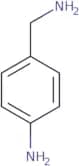
Discontinued product4-Aminobenzylamine
CAS:4-Aminobenzylamine is a triazine compound that has two nitrogen atoms, each of which carries a proton. The protonated amines are reactive and can undergo diazonium salt formation with the nitrous acid. 4-Aminobenzylamine has been shown to have biological properties, such as inhibiting protein synthesis in various cells types. It inhibits the growth of multi-walled carbon nanotubes (MWNTs) by blocking the lysine residues on the surface of these MWNTs. 4-Aminobenzylamine also binds to magnetic resonance spectroscopy (NMR) and exhibits a characteristic spectrum with an alpha peak at about -0.2 ppm, indicative of a hydrogen bond between the amine group and one of the hydrogens in water molecules.
Formula:C7H10N2Purity:Min. 95%Color and Shape:Clear LiquidMolecular weight:122.17 g/molRef: 3D-FA36390
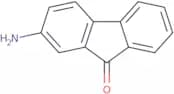
Discontinued product2-Amino-9-fluorenone
CAS:2-Amino-9-fluorenone is a borohydride reduction product of 2-amino-4,5,6,7-tetrahydrobenzofuran. It is synthesized by the reaction of ethyl esters with cavity and protonation. The synthesis of 2-amino-9-fluorenone has been shown to proceed through a noncompetitive inhibition mechanism. It is used as a fluorescent probe for amines in gravimetric analysis and mass spectrometry. 2-Amino-9-fluorenone has also been used as a fluorescence probe for carbonyl groups in fluoroimetric analysis.
2 aminofluorene exhibits steady state fluorescence when excited at 295 nm and 365 nm.Formula:C13H9NOPurity:Min. 95%Molecular weight:195.22 g/molRef: 3D-FA62363
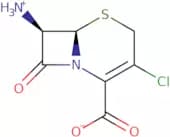
Discontinued product7-Amino-3-chloro cephalosporanic acid
CAS:7-Amino-3-chloro cephalosporanic acid is a molecule that can be used to synthesize the drug cefaclor. It is a synthetic compound that has been shown to have anticancer activity and antibacterial activity. This molecule is an ester hydrochloride and has a bulk density of 1.2 g/cm³. 7-Amino-3-chloro cephalosporanic acid is activated by hydrochloric acid in the presence of an organic solvent, such as ethyl acetate, at room temperature. The molecule is also bioactive and its expression can be induced by adding an activator, such as sodium butyrate or benzyl alcohol, to the medium.br>br>
7-Amino-3-chloro cephalosporanic acid exhibits antibacterial activity against Gram positive bacteria, such as Bacillus subtilis and Staphylococcus epidermidFormula:C7H7ClN2O3SPurity:Min. 95%Color and Shape:PowderMolecular weight:234.66 g/molRef: 3D-FA34171
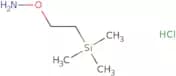
Discontinued productO-(2-Trimethylsilylethyl)hydroxylamine HCl
CAS:O-(2-Trimethylsilylethyl)hydroxylamine HCl is a fine chemical that can be used as a versatile building block in the synthesis of complex compounds. It is also an intermediate for research chemicals, reagents, and speciality chemicals. O-(2-Trimethylsilylethyl)hydroxylamine HCl can be used as a reaction component in organic synthesis and has been shown to be useful in the synthesis of new scaffolds.
Formula:C5H15NOSi·HClPurity:Min. 95%Color and Shape:White PowderMolecular weight:169.72 g/mol2,3-Diphenyl-3-phenylamino-acrylonitrile
2,3-Diphenyl-3-phenylaminoacrylonitrile (DPAN) is a fine chemical that is used as a building block in the synthesis of more complex compounds. DPAN can be used as a reagent and speciality chemical in research and development. It has been shown to react with other chemicals to form new compounds, some of which have been shown to have potential therapeutic properties. This compound has also been shown to have potential use as a scaffold for drug discovery.
Purity:Min. 95%Ref: 3D-FD65949
Discontinued productAmmonium hexafluorotitanate(iv)
CAS:Ammonium hexafluorotitanate(IV) is a fine chemical that can be used as a reagent, building block, or intermediate in the synthesis of other chemicals. It is a versatile building block and reacts with other compounds to form complex compounds. Ammonium hexafluorotitanate(IV) is also an intermediate for the production of ammonium hexafluorophosphate (III), which is used in the manufacture of fertilizers. Ammonium hexafluorotitanate(IV) can be used as a reactant to produce titanium metal, which has many industrial applications.
Formula:F6H8N2TiPurity:Min. 95%Color and Shape:White SolidMolecular weight:197.93 g/molRef: 3D-FA105292
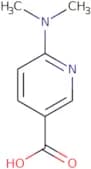
Discontinued product6-(Dimethylamino)nicotinic acid
CAS:6-(Dimethylamino)nicotinic acid is a fine chemical and research chemical that is useful as a building block for complex compounds. It is also used as a reagent in the synthesis of other chemicals, or as an intermediate or scaffold molecule in organic chemistry. This chemical has been shown to be useful in the synthesis of many drugs, including penicillin and erythromycin. 6-(Dimethylamino)nicotinic acid has CAS number 82846-28-4.
Formula:C8H10N2O2Purity:Min. 95%Color and Shape:White PowderMolecular weight:166.18 g/molRef: 3D-FD122894
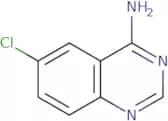
Discontinued product6-Chloroquinazolin-4-amine
CAS:6-Chloroquinazolin-4-amine is a versatile building block that can be used in the synthesis of various drugs and other compounds. This compound is a useful intermediate for the synthesis of various heterocyclic compounds, including pharmaceuticals, agrochemicals, and other speciality chemicals. The high quality of 6-chloroquinazolin-4-amine makes it an excellent starting material for chemical reactions. It's also a useful scaffold for research into new drug development.
Formula:C8H6ClN3Purity:Min. 95%Color and Shape:Off-White PowderMolecular weight:179.61 g/molRef: 3D-FC42050
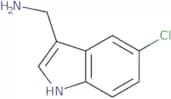
Discontinued product(5-Chloro-1H-indol-3-yl)methanamine
CAS:5-Chloro-1H-indol-3-ylamine (5CI) is a chemical that has been shown to have antitubercular and antifungal properties. It is a potent inhibitor of mycobacterium tuberculosis, inhibiting the growth of mycobacterium tuberculosis at concentrations as low as 10 micrograms per milliliter. 5CI also has antibacterial activity against various strains of bacteria and antimicrobial activity against various strains of fungi. 5CI was shown to be more active than isoniazid in inhibiting the growth of Mycobacterium tuberculosis.
Formula:C9H9ClN2Purity:Min. 95%Color and Shape:Off-White PowderMolecular weight:180.63 g/molRef: 3D-FC154360
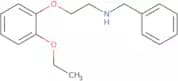
Discontinued productN-Benzyl-N-(2-ethoxyphenoxy)ethylamine
CAS:N-Benzyl-N-(2-ethoxyphenoxy)ethylamine is a fine chemical that belongs to the category of building blocks and research chemicals. It is a versatile intermediate that can be used in the synthesis of a wide range of compounds. This compound has been shown to be useful as a reaction component and scaffold for the construction of complex organic molecules. It has also been used as an intermediate in the synthesis of high quality speciality chemicals.Formula:C17H21NO2Purity:Min. 95%Color and Shape:PowderMolecular weight:271.35 g/molRef: 3D-FB18398
Discontinued productThiamine monophosphate chloride dihydrate
CAS:Thiamine monophosphate chloride dihydrate is a form of the vitamin thiamine. It has been used in control analysis to measure the activity of enzymes that require thiamine as a cofactor, such as transketolase and pyruvate kinase. Thiamine monophosphate chloride dihydrate has also been studied in biochemical properties, where it was found that this compound can be cleaved by picolinic acid to form thiazole phosphate. The matrix effect is an important factor in polymerase chain reactions and has been shown to be dependent on the presence of dinucleotide phosphate. This compound is an essential component of energy metabolism and plays a role in protein synthesis. Thiamine monophosphate chloride dihydrate also has toxicological studies, including a model system using wild-type strains of yeast. These studies have shown that this compound leads to physiological effects such as inhibition of glycolysis and lactic acid production.
Formula:C12H18N4O4PS•Cl•(H2O)2Purity:Min. 99 Area-%Color and Shape:PowderMolecular weight:416.82 g/molRef: 3D-FT47110
Discontinued productNb[n-N-butyl-N-acetyl]aminopropionic acid ethyl ester
CAS:Nb[n-N-butyl-N-acetyl]aminopropionic acid ethyl ester is a nitro compound that can be used as a repellent. It is often used in pharmaceutical preparations, such as topical and oral medications. The Nb[n-N-butyl-N-acetyl]aminopropionic acid ethyl ester molecule has nitrogen atoms with two hydrogens each, which are separated by an oxygen atom. This makes it a polar molecule because the hydrogen atoms are not on the same side of the molecule. The Nb[n-N-butyl-N-acetyl]aminopropionic acid ethyl ester also contains two carboxylic acids, which are fatty acids with one carbon atom and two hydrogens each. This makes it an organic compound that can be analyzed using gas chromatography or high performance liquid chromatography.
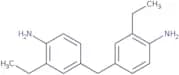
Formula:C11H21NO3Purity:Min. 95%Color and Shape:Clear LiquidMolecular weight:215.29 g/mol4,4'-Methylenebis(2-ethylbenzenamine)
CAS:4,4'-Methylenebis(2-ethylbenzenamine) is a linear polymer that is soluble in organic solvents and insoluble in water. It has a molecular weight of about 320 and a viscosity of about 800 cps at 25 degrees Celsius. This sealant is heat resistant and can be used for sealing joints in industrial processes involving high temperatures. 4,4'-Methylenebis(2-ethylbenzenamine) can be used as a diluent for other sealants or adhesives because it does not interfere with their properties. 4,4'-Methylenebis(2-ethylbenzenamine) is also an effective filler material for polymeric matrix systems due to its ability to form micelles with linear chains of molecules that provide interconnections within the system.
Formula:C17H22N2Purity:Min. 95%Color and Shape:Off-White Clear LiquidMolecular weight:254.37 g/molRef: 3D-FM55213
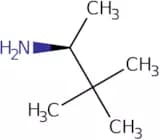
Discontinued product(S)-(+)-3,3-Dimethyl-2-butylamine
CAS:Chiral bulding block used in the synthesis of allosteric modulators
Formula:C6H15NPurity:Min. 95%Color and Shape:Colorless Clear LiquidMolecular weight:101.19 g/molRef: 3D-FS156801
Discontinued product2-Aminothiophene-3-methyl carboxylate
CAS:2-Aminothiophene-3-methyl carboxylate is a hydrogen bond that is derived from the amino acid methionine. It has been shown to have potent antitumor activity and can be used for the treatment of cancer. 2-Aminothiophene-3-methyl carboxylate has a molecular weight of 244.6 g/mol, an isolated yield of 0.68%, and a melting point of 245 °C.
Formula:C4H2SCOOCH3NH2Purity:Min. 95%Color and Shape:Yellow PowderMolecular weight:157.19 g/molRef: 3D-FA16014
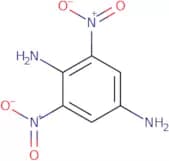
Discontinued product2,6-Dinitro-1,4-phenylenediamine
CAS:2,6-Dinitro-1,4-phenylenediamine is a versatile building block that can be used in the synthesis of complex compounds. It is a high quality chemical with excellent stability and purity. This chemical is also useful as an intermediate for the synthesis of other chemicals, and as a reagent for research purposes. 2,6-Dinitro-1,4-phenylenediamine is also useful in organic chemistry as a scaffold for synthesizing important organic molecules.
Formula:C6H6N4O4Purity:Min. 95%Molecular weight:198.14 g/mol








![Nb[n-N-butyl-N-acetyl]aminopropionic acid ethyl ester](/_next/image/?url=https%3A%2Fstatic.cymitquimica.com%2Fproducts%2F3D%2Fthumb-webp%2FFN149896.webp&w=3840&q=75)