Amines
Amines are a set of molecules containing an amino functional group (derived from ammonia). This category includes amines at any level of substitution : primary, secondary, tertiary, and ammonium salts. Amines are fundamental in organic synthesis and are widely used in pharmaceuticals, agrochemicals, and materials science. At CymitQuimica, we provide a comprehensive selection of amines to meet your research and industrial needs. Our range ensures access to various amines for diverse chemical processes and innovative research.
Subcategories of "Amines"
- Nitrosamines(2,605 products)
- Primary Amines(30,805 products)
- Quaternary Ammonium Cations and Salts(1,099 products)
- Secondary Amines(20,809 products)
- Tertiary Amines(17,111 products)
Found 8776 products of "Amines"
Sort by
Purity (%)
0
100
|
0
|
50
|
90
|
95
|
100
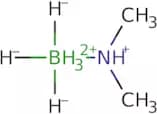
Borane dimethylamine complex
CAS:<p>Please enquire for more information about Borane dimethylamine complex including the price, delivery time and more detailed product information at the technical inquiry form on this page</p>Formula:C2H10BNPurity:Min. 95%Color and Shape:White Clear LiquidMolecular weight:58.92 g/mol4-Nitrophenethylamine HCl
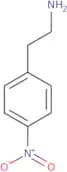
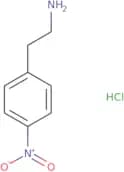
CAS:Controlled Product<p>Intermediate in the synthesis of mirabegron</p>Formula:C8H10N2O2·HClPurity:Min. 95%Color and Shape:Off-White PowderMolecular weight:202.64 g/molEthyl 2-((tert-butoxycarbonylamino)methyl)thiazole-4-carboxylate
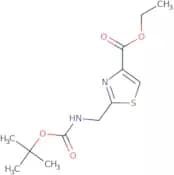
CAS:<p>Please enquire for more information about Ethyl 2-((tert-butoxycarbonylamino)methyl)thiazole-4-carboxylate including the price, delivery time and more detailed product information at the technical inquiry form on this page</p>Formula:C12H18N2O4SPurity:Min. 95%Molecular weight:286.35 g/mol4-Aminobutyrophenone
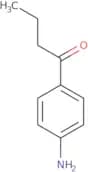
CAS:<p>4-Aminobutyrophenone is a butyrophenone, a nitro compound that is the amine derivative of 4-aminobutyric acid. This product is used as a control agent in pest control and as an intermediate for pharmaceuticals and dyes. It has been used to produce methemoglobin, which is used to treat nitrate poisoning. 4-Aminobutyrophenone undergoes acylation reactions with chloride or sulfoxide groups to form chlorohydrins and thiohydrins respectively. These products are bioisosteres of the carbonyl group, which can be hydrolyzed with acid or alkali to produce carboxylic acids or alcohols respectively. Friedel-Crafts acylation with phenol gives benzoylphenylhydroxylamine, which can be oxidized by hydrogen peroxide to give the corresponding nitro compound.</p>Formula:C10H13NOColor and Shape:PowderMolecular weight:163.22 g/mol(alphaR)-α-[[[2-(4-Nitrophenyl)ethyl]amino]methyl]benzenemethanol hydrochloride
CAS:<p>Intermediate in the synthesis of mirabegron</p>Formula:C16H18N2O3·HClPurity:Min. 95%Molecular weight:322.79 g/mol(1R,3S)-3-Aminocyclopentanol hydrochloride
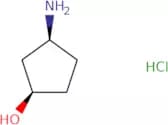
CAS:<p>Intermediate in the synthesis of bictegravir</p>Formula:C5H12ClNOPurity:Min. 95%Molecular weight:137.61 g/molN-(2-Amino-ethyl)-2-(benzyl-phenyl-amino)-acetamide
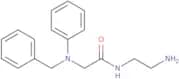
CAS:<p>Please enquire for more information about N-(2-Amino-ethyl)-2-(benzyl-phenyl-amino)-acetamide including the price, delivery time and more detailed product information at the technical inquiry form on this page</p>Formula:C17H21N3OPurity:Min. 95%Color and Shape:White PowderMolecular weight:283.37 g/molMidodrine
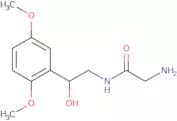
CAS:Controlled Product<p>2-Amino-N-[2-(2,5-dimethoxyphenyl)-2-hydroxyethyl]-acetamide is a drug that has been used to treat a variety of diseases and conditions. It is an alpha adrenergic agonist that works by stimulating the alpha receptors in the body, which increase blood pressure and improve blood flow. This drug also has significant effects on energy metabolism, including the production of ATP. 2-Amino-N-[2-(2,5-dimethoxyphenyl)-2-hydroxyethyl]-acetamide is used to treat patients with congestive heart failure who are taking low doses of midodrine hydrochloride or nonsteroidal antiinflammatory drugs.</p>Formula:C12H18N2O4Purity:Min. 95%Color and Shape:PowderMolecular weight:254.28 g/mol(E)-2-(Aminomethyl)-N,N-diethyl-1-phenylcyclopropanecarboxamideHydrochloride
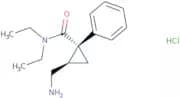
CAS:Controlled Product<p>Levomilnacipran is a serotonin-norepinephrine reuptake inhibitor (SNRI) that is used for the treatment of major depressive disorder and fibromyalgia. It has been shown to have antidepressant effects in patients with major depressive disorder and fibromyalgia. Levomilnacipran inhibits the reuptake of serotonin and norepinephrine by blocking the transporter proteins in these neurotransmitter pathways, increasing their availability to interact with receptors in the brain. Levomilnacipran also has been found to inhibit aminotransferase activity, which may be responsible for its hepatotoxicity.</p>Formula:C15H23ClN2OPurity:Min. 95%Molecular weight:282.81 g/molEthylammonium Tetrafluoroborate
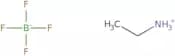
CAS:Controlled Product<p>Ethylammonium tetrafluoroborate is an ionic liquid that is a colorless, nonvolatile liquid at room temperature. It has a melting point of -9 °C and a boiling point of 230 °C. This compound is soluble in water and organic solvents, but insoluble in diethyl ether. Ethylammonium tetrafluoroborate can be used as an electrolyte for lithium-ion batteries. The reversible oxidation reaction of ethylammonium tetrafluoroborate can be catalyzed by the addition of fluorine or carbonyl groups to the molecule. The NMR spectra of ethylammonium tetrafluoroborate show that it contains an alcohol group with a phase transition temperature near 35 °C and an activation energy near 15 kJ/mol. This compound also undergoes polymerization reactions with various types of monomers, such as vinyl acetate and methyl methacrylate,</p>Formula:C2H7BF4NPurity:Min. 95%Color and Shape:PowderMolecular weight:131.89 g/molN'-Nitrosopentyl-(3-picolyl)amine
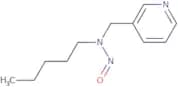
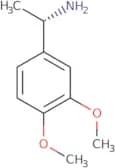
CAS:<p>N'-Nitrosopentyl-(3-picolyl)amine is a research chemical that can be used as a reaction component, reagent, or intermediate. It is a high quality and versatile building block for the synthesis of complex compounds. N'-Nitrosopentyl-(3-picolyl)amine has been shown to be useful as an intermediate in the synthesis of drugs such as pentoxifylline and lodoxamide, which are used to treat respiratory diseases. This chemical is also used to synthesize other compounds that have speciality applications such as pharmaceuticals and rubber additives.</p>Formula:C11H17N3OPurity:Min. 95%Color and Shape:Off-White To Yellow LiquidMolecular weight:207.27 g/mol(1S)-1-(3,4-Dimethoxyphenyl)ethan-1-amine
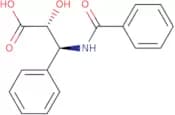
CAS:<p>Please enquire for more information about (1S)-1-(3,4-Dimethoxyphenyl)ethan-1-amine including the price, delivery time and more detailed product information at the technical inquiry form on this page</p>Formula:C10H15NO2Purity:Min. 95%Molecular weight:181.23 g/molN-Benzoyl-(2R,3S)-3-amino-2-hydroxy-3-phenyl-propionicacid
CAS:<p>N-Benzoyl-(2R,3S)-3-amino-2-hydroxy-3-phenylpropionic acid (BAPA) is a substance that is used in the manufacture of various drugs. It is also a potent anticancer drug that can be used for the treatment of cancer. BAPA has been shown to be an effective chemotherapeutic agent against many types of cancer cells. This drug is synthesized through an asymmetric synthesis process and has been shown to have potent cytotoxic effects against cancer cells with low levels of glutathione peroxide reductase. BAPA also inhibits the growth of bacteria by hydrolyzing or oxidizing proteins or by binding to DNA and RNA.</p>Formula:C16H15NO4Purity:Min. 95%Molecular weight:285.29 g/mol3-Nitro-4-[[(tetrahydropyran-4-yl)methyl]amino]benzenesulfonamide
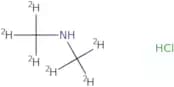
CAS:<p>Please enquire for more information about 3-Nitro-4-[[(tetrahydropyran-4-yl)methyl]amino]benzenesulfonamide including the price, delivery time and more detailed product information at the technical inquiry form on this page</p>Formula:C12H17N3O5SPurity:Min. 95%Molecular weight:315.35 g/molDimethyl-d6-amine HCl
CAS:Controlled Product<p>Dimethyl-d6-amine HCl is a drug that inhibits the growth of cancer cells. It is an inhibitor of epidermal growth factor (EGF), which has been shown to be effective in the treatment of skin cancer. Dimethyl-d6-amine HCl is also effective against some strains of bacteria that are resistant to other antibiotics, such as erythromycin and tetracycline. Dimethyl-d6-amine HCl has been shown to have a suppressive effect on the production of sesquiterpene lactones by dehydrocostus lactone, which may be responsible for its anti-inflammatory properties.</p>Formula:C2H2ClD6NPurity:Min. 95%Color and Shape:White PowderMolecular weight:87.58 g/mol6-(7-Nitro-benzo[2,1,3]oxadiazol-4-ylamino)-hexanoyl-Arg-Pro-Lys-Pro-Leu-Ala-Nva-Trp-Lys((7-dimethylaminocoumarin-4-yl)-acetyl)-NH2 trifluoroacetate salt
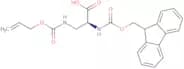
CAS:<p>Please enquire for more information about 6-(7-Nitro-benzo[2,1,3]oxadiazol-4-ylamino)-hexanoyl-Arg-Pro-Lys-Pro-Leu-Ala-Nva-Trp-Lys((7-dimethylaminocoumarin-4-yl)-acetyl)-NH2 trifluoroacetate salt including the price, delivery time and more detailed product information at the technical inquiry form on this page</p>Formula:C78H111N21O16Purity:Min. 95%Molecular weight:1,598.85 g/molN-α-Fmoc-Nβ-allyloxycarbonyl-L-2,3-diaminopropionic acid
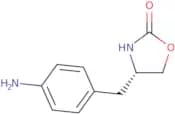
CAS:<p>Please enquire for more information about N-alpha-Fmoc-Nbeta-allyloxycarbonyl-L-2,3-diaminopropionic acid including the price, delivery time and more detailed product information at the technical inquiry form on this page</p>Formula:C22H22N2O6Purity:Min. 95%Molecular weight:410.53 g/mol(S)-4-(4-Aminobenzyl)-2-(1H)-oxazolidinone
CAS:<p>(S)-4-(4-Aminobenzyl)-2-(1H)-oxazolidinone is a drug substance. It is an intermediate in the synthesis of doripenem, an antibiotic used to treat bacterial infections. The compound's purity can be determined using LC-MS/MS methods. (S)-4-(4-Aminobenzyl)-2-(1H)-oxazolidinone can be quantitated by utilizing the following analytical methods: isocratic high performance liquid chromatography with UV detection at 254 nm, isocratic high performance liquid chromatography with UV detection at 280 nm, and electrospray ionization mass spectrometry.</p>Formula:C10H12N2O2Purity:Min. 95%Molecular weight:192.21 g/molMozavaptan
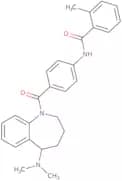
CAS:Controlled Product<p>Mozavaptan is a pharmacological agent that acts as a vasopressin V2 receptor antagonist. It is derived through synthetic chemical processes designed to target specific neurohormonal pathways in the body. Mozavaptan exerts its effects by inhibiting the action of vasopressin, a hormone that promotes water reabsorption in the kidneys. By blocking the vasopressin receptors, it enhances water excretion and corrects imbalances in electrolyte levels, particularly addressing conditions like hyponatremia.</p>Formula:C27H29N3O2Purity:Min. 98 Area-%Color and Shape:PowderMolecular weight:427.54 g/molAc-p-amino-Phe-OMe
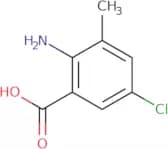
CAS:<p>Please enquire for more information about Ac-p-amino-Phe-OMe including the price, delivery time and more detailed product information at the technical inquiry form on this page</p>Formula:C12H16N2O3Purity:Min. 95%Molecular weight:236.27 g/mol2-Amino-5-chloro-3-methylbenzoic acid
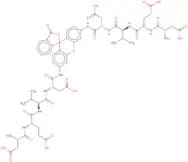
CAS:<p>2-Amino-5-chloro-3-methylbenzoic acid (ACMB) is a substructure of the insecticidal compound chlorantraniliprole. It is a solid at room temperature and has a molecular weight of 142.15 g/mol. ACMB can be extracted from n-hexane, chlorantraniliprole, or xylene using gravimetric analysis. The bioactivity of ACMB can be determined by an anthranilic assay, while its solubility data are available in the literature. ACMB has been shown to have insecticidal activity against lepidoptera larvae and cyanuric activity against mosquito larvae.</p>Formula:C8H8ClNO2Purity:Min. 95%Molecular weight:185.61 g/mol(H-Asp-Glu-Val-Asp)2-Rhodamine 110 trifluoroacetate salt
CAS:<p>Please enquire for more information about (H-Asp-Glu-Val-Asp)2-Rhodamine 110 trifluoroacetate salt including the price, delivery time and more detailed product information at the technical inquiry form on this page</p>Formula:C56H66N10O23Purity:Min. 95%Molecular weight:1,247.18 g/molAc-Val-Met-[(2S,4S,5S)-5-amino-4-hydroxy-2-isopropyl-7-methyl-octanoyl]-Ala-Glu-Phe-OH trifluoroacetate salt
CAS:<p>Please enquire for more information about Ac-Val-Met-[(2S,4S,5S)-5-amino-4-hydroxy-2-isopropyl-7-methyl-octanoyl]-Ala-Glu-Phe-OH trifluoroacetate salt including the price, delivery time and more detailed product information at the technical inquiry form on this page</p>Formula:C41H66N6O11SPurity:Min. 95%Molecular weight:851.06 g/mol(R)-3-[((tert-Butoxy)carbonyl)amino]-4-(2,5-difluorophenyl)butanoic acid
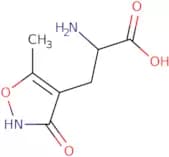
CAS:<p>Please enquire for more information about (R)-3-[((tert-Butoxy)carbonyl)amino]-4-(2,5-difluorophenyl)butanoic acid including the price, delivery time and more detailed product information at the technical inquiry form on this page</p>Formula:C15H19F2NO4Purity:Min. 95%Molecular weight:315.31 g/mol(R,S)-α-Amino-3-hydroxy-5-methyl-4-isoxazolepropionic acid hydrobromide
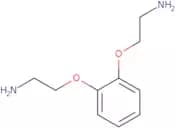
CAS:<p>(R,S)-AMPA is a synthetic analog of the excitatory neurotransmitter glutamate, specifically designed to activate AMPA receptors, a subtype of ionotropic glutamate receptors. These receptors are pivotal in mediating fast synaptic transmission in the central nervous system. (R,S)-AMPA serves as a prototypical agonist for AMPA receptors, facilitating the study of receptor function and synaptic plasticity.</p>Formula:C7H10N2O4•HBrPurity:Min. 95%Molecular weight:267.08 g/molO-Bis(2-aminoethoxy)benzene
CAS:<p>O-Bis(2-aminoethoxy)benzene is a cyclic compound that has a predominantly thionyl character. It has an amide group, which is formed by the condensation of two carboxylic acids. O-Bis(2-aminoethoxy)benzene can act as a ligand for metal ions in the form of an anion or chloride ion, and it also interacts with neutral ligands. This compound can be used to prepare ferrocenyl derivatives through alkylation. The interaction between O-Bis(2-aminoethoxy)benzene and ferrocene was studied using voltammetry.</p>Formula:C10H16N2O2Purity:Min. 95%Molecular weight:196.25 g/molN1-Glutathionyl-spermidine disulfide [
CAS:<p>N1-Glutathionyl-spermidine disulfide (N1-GS) is a molecule that has been shown to have clinical use in the treatment of chronic hepatitis C infection. The N1-GS molecule is composed of a glutathione (GSH) scaffold with two sulfhydryl groups and an amino acid side chain. N1-GS has a hydrophobic nature, which allows it to penetrate the cellular membrane and enter cells. It is also able to form hydrogen bonds and act as a catalyst for reactions. Fluorescence analysis revealed that this molecule is selective for disulfides over thiols, amines, or alcohols. Disulfides are very important in biological systems since they can be found in enzymes, proteins, and cellular membranes. The insolubility of the N1-GS molecule makes it difficult to analyze its structure using traditional methods such as gas chromatography or nuclear magnetic resonance spectroscopy. However, fluorescence</p>Formula:C34H66N12O10S2Purity:Min. 95%Molecular weight:867.09 g/molAmmonium isothiocyanate
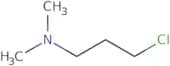
CAS:<p>Ammonium thiocyanate is a natural compound that is found in the blood of humans and animals. It binds to an antigen-binding molecule and has been shown to be effective against infectious diseases. Ammonium thiocyanate is toxic, so it should only be administered as a last resort for treatment. The toxicity of ammonium thiocyanate can be reduced by complexing with copper chloride or zirconium oxide. Ammonium thiocyanate has also been shown to have high redox potentials, which are indicative of its ability to donate electrons. These properties make ammonium thiocyanate an ideal candidate for use in electrochemical impedance spectroscopy experiments.</p>Formula:CH4N2SPurity:Min. 95%Color and Shape:PowderMolecular weight:76.12 g/mol3-Chloro-N,N-dimethylpropan-1-amine
CAS:<p>3-Chloro-N,N-dimethylpropan-1-amine (3CMP) is a chemical that belongs to the group of organic solvents. It is soluble in water and has a low toxicity for mammals. 3CMP has been shown to have antimicrobial properties against typhimurium and other bacteria. 3CMP binds to the hydroxyl group of biomembranes and interferes with bacterial replication by inhibiting RNA synthesis. The mechanism of this inhibition may be due to the chloride ions that are released from the membrane or may be due to an increase in cell size, which can lead to hypertrophy. 3CMP binds to the chloride ion on bacterial membranes, which inhibits the synthesis of RNA by blocking its ability to bind with the ribosome. This leads to cell death by inhibiting protein synthesis and cell division.</p>Formula:C5H12ClNPurity:Min. 95%Molecular weight:121.61 g/molAminocaproic acid
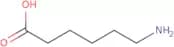
CAS:<p>Aminocaproic acid is a non-specific lysing agent that is used in the treatment of acute blood clots. Aminocaproic acid has minimal toxicity and low-dose effects, and can be used for the treatment of thrombotic disorders. It also has biological properties that are different from those of aminocaproate, which can lead to a more rapid dissolution of the clot. Aminocaproic acid is an organic compound that belongs to the class of dicarboxylic acids. It is synthesized from two molecules of aminoacetic acid by the enzyme aminocaproic acid synthetase. The synthesis occurs in a two-step process: first, caprylic acid reacts with ATP to form aminopropyl-adenylate (APA), followed by hydrolysis by APA lyase to form aminocaproic acid.</p>Formula:C6H13NO2Color and Shape:PowderMolecular weight:131.17 g/molN-(Fmoc-5-amino-3-oxa-pentyl)succinamic acid
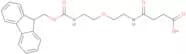
CAS:<p>N-(Fmoc-5-amino-3-oxa-pentyl)succinamic acid is a high quality chemical that is used as an intermediate in the production of pharmaceuticals and other fine chemicals. It is also a reagent for use in peptide synthesis. N-(Fmoc-5-amino-3-oxa-pentyl)succinamic acid has a CAS No. 669073-62-5 and can be used as a useful scaffold for the production of complex compounds. This compound is also useful for research purposes, due to its versatility as a building block with speciality chemical applications.</p>Formula:C23H26N2O6Purity:Min. 95%Molecular weight:426.46 g/molBoc-epi-statine (3R,4S)-4-(Boc-amino)-3-hydroxy-6-methyl-heptanoic acid
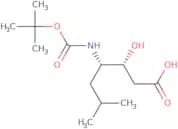
CAS:<p>Please enquire for more information about Boc-epi-statine (3R,4S)-4-(Boc-amino)-3-hydroxy-6-methyl-heptanoic acid including the price, delivery time and more detailed product information at the technical inquiry form on this page</p>Formula:C13H25NO5Purity:Min. 95%Molecular weight:275.34 g/mol5-Nitro-2-aminophenol
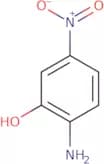
CAS:<p>5-Nitro-2-aminophenol is an aminophenol that has been shown to be a carcinogen in animal studies. It can cause allergic reactions and has been shown to have oxidative DNA damage, which can lead to cancer. 5-Nitro-2-aminophenol is used as a chemical intermediate in the preparation of other chemicals and pharmaceuticals. This chemical has been studied extensively for its analytical properties and is used as a reagent in chromatography. The coordination geometry of 5-nitro-2-aminophenol is octahedral, with nitro groups occupying one axial site each. The toxicity of this compound in animals has been studied extensively, including carcinogenic potential and mutagenicity studies, and it has been shown to inhibit the growth of cultured cells at high concentrations.</p>Formula:C6H6N2O3Purity:Min. 95%Molecular weight:154.12 g/mol4-Nitrophenethylamine
CAS:Controlled Product<p>4-Nitrophenethylamine is a synthetic chemical that is used as an antigen to raise antibodies. It is used in the detection of chemical substances that are associated with the production of histamine and acetylcholine. This chemical has been shown to inhibit the reaction between nitro and acylation, which can lead to the formation of carcinogenic nitrosamines. 4-Nitrophenethylamine also has an inhibitory effect on oxidases and amines, which are enzymes found in cells. This chemical binds to amide groups in proteins and inhibits their activity.</p>Formula:C8H10N2O2Purity:Min. 95%Color and Shape:LiquidMolecular weight:166.18 g/molFmoc-4-(Boc-amino)-L-phenylalanine
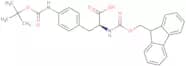
CAS:<p>Fmoc-4-(Boc-amino)-L-phenylalanine is a useful building block, which is used in the synthesis of complex compounds and research chemicals. It is also a reaction component in the synthesis of compounds. Fmoc-4-(Boc-amino)-L-phenylalanine has CAS No. 174132-31-1 and can be used as a versatile building block to produce high quality reagents.</p>Formula:C29H30N2O6Purity:Min. 98 Area-%Color and Shape:SolidMolecular weight:502.56 g/molLys(Dabsyl)-(Asn670,Leu671)-Amyloid β/A4 Protein Precursor770 (667-676)-Gln-Lucifer Yellow ammonium salt
CAS:<p>Please enquire for more information about Lys(Dabsyl)-(Asn670,Leu671)-Amyloid beta/A4 Protein Precursor770 (667-676)-Gln-Lucifer Yellow ammonium salt including the price, delivery time and more detailed product information at the technical inquiry form on this page</p>Formula:C89H122N24O31S3Purity:Min. 95%Molecular weight:2,120.26 g/mol2-Chloro-4-hydroxybenzylamine hydrochloride
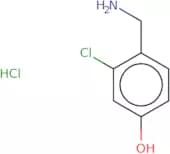
CAS:<p>2-Chloro-4-hydroxybenzylamine hydrochloride is a versatile chemical that can be used as a reaction component, reagent, or useful scaffold in the synthesis of many organic compounds. It has a CAS number of 2418727-24-7 and is a fine chemical. This compound has been shown to be useful in the manufacture of other chemical products such as pharmaceuticals, pesticides, and dyestuffs.</p>Formula:C7H8ClNO·HClPurity:Min. 95%Color and Shape:Brown PowderMolecular weight:194.06 g/mol4-Methyl-benzhydrylamine resin (100-200 mesh)·HCl
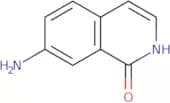
<p>Please enquire for more information about 4-Methyl-benzhydrylamine resin (100-200 mesh)·HCl including the price, delivery time and more detailed product information at the technical inquiry form on this page</p>Purity:Min. 95%7-Amino-1(2h)-isoquinolinone
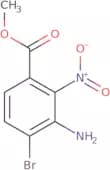
CAS:<p>Please enquire for more information about 7-Amino-1(2h)-isoquinolinone including the price, delivery time and more detailed product information at the technical inquiry form on this page</p>Formula:C9H8N2OPurity:Min. 95%Molecular weight:160.17 g/molMethyl 3-amino-4-bromo-2-nitrobenzoate
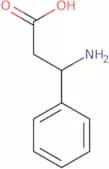
CAS:<p>Please enquire for more information about Methyl 3-amino-4-bromo-2-nitrobenzoate including the price, delivery time and more detailed product information at the technical inquiry form on this page</p>Formula:C8H7BrN2O4Purity:Min. 95%Molecular weight:275.06 g/molDL-3-Amino-3-phenylpropionic acid
CAS:<p>DL-3-Amino-3-phenylpropionic acid is an amino acid that is synthesized by the reaction of malonic acid and ethyl ester. This compound is a competitive inhibitor of the enzyme pyruvate carboxylase and inhibits this enzyme in the conversion of pyruvic acid to acetyl CoA, which plays a key role in metabolism. DL-3-Amino-3-phenylpropionic acid has been shown to inhibit the growth of bacteria such as Escherichia coli, Salmonella typhimurium and Staphylococcus aureus. The inhibition of pyruvate carboxylase by DL-3-Amino-3-phenylpropionic acid prevents the production of acetaldehyde from pyruvate, which is toxic to cells.</p>Formula:C9H11NO2Purity:Min. 95%Molecular weight:165.19 g/mol2-Amino-6-chloropyrimidin-4(3h)-one
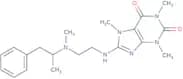
CAS:<p>2-Amino-6-chloropyrimidin-4(3H)-one (ACPP) is a betaine that has been shown to exhibit potent activity against clinical isolates of methicillin-resistant Staphylococcus aureus (MRSA). It is a mesomeric molecule, which means that it can exist as two different tautomers. The frequency of the absorption bands in the FTIR spectra for ACPP are characteristic of the carbenes and ethanolamine tautomers. The presence of these tautomers may be due to stabilization from the nucleophilic character of the nitrogen atom in betaines. Betaines are also able to form polymersized chains by reacting with themselves or other molecules, such as ethanolamine.</p>Formula:C4H4ClN3OPurity:Min. 95%Color and Shape:PowderMolecular weight:145.55 g/molFencamine
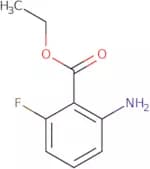
CAS:Controlled Product<p>Fencamine is a substrate molecule that is used in the synthesis of peptide hormones. It can be detected in urine samples and has been shown to be a synthetic cannabinoid. Fencamine can be used for diagnostic purposes. Fencamine has been shown to have matrix effects on the bowel disease, hepatitis, and hepatitis C., as well as exerting control analysis of the metabolite molecule. Fencamine has also been shown to have an effect on inflammatory bowel disease, hepatitis C., and toll-like receptor 2.</p>Formula:C20H28N6O2Purity:Min. 95%Color and Shape:PowderMolecular weight:384.48 g/mol2-Amino-6-fluorobenzoic acid ethyl ester
CAS:<p>2-Amino-6-fluorobenzoic acid ethyl ester is a chemical that can be used as a building block in the synthesis of more complex compounds. It is a versatile intermediate and can be used to synthesize other important compounds, such as pharmaceuticals. This compound has been shown to be useful for the preparation of 2-amino-4,6-difluorobenzoic acid ethyl ester and many other derivatives. The colorless solid is soluble in ether and dichloromethane.</p>Formula:C9H10FNO2Purity:Min. 95%Color and Shape:PowderMolecular weight:183.18 g/molMca-(Asn670,Leu671)-Amyloid β/A4 Protein Precursor770 (667-675)-Lys(Dnp) ammonium acetate salt
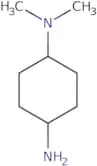
CAS:<p>Please enquire for more information about Mca-(Asn670,Leu671)-Amyloid beta/A4 Protein Precursor770 (667-675)-Lys(Dnp) ammonium acetate salt including the price, delivery time and more detailed product information at the technical inquiry form on this page</p>Formula:C68H88N14O27Purity:Min. 95%Molecular weight:1,533.5 g/molN,N-Dimethyl-cyclohexane-1,4-diamine
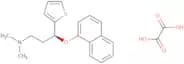
CAS:<p>Please enquire for more information about N,N-Dimethyl-cyclohexane-1,4-diamine including the price, delivery time and more detailed product information at the technical inquiry form on this page</p>Formula:C8H18N2Purity:Min. 95%Molecular weight:142.24 g/molS-(+)-N,N-Dimethyl-3-(1-naphthalenyloxy)-3-(2-thienyl)-1-propanamine oxalate
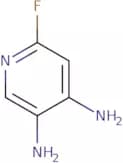
CAS:<p>Please enquire for more information about S-(+)-N,N-Dimethyl-3-(1-naphthalenyloxy)-3-(2-thienyl)-1-propanamine oxalate including the price, delivery time and more detailed product information at the technical inquiry form on this page</p>Purity:Min. 95%6-Fluoro-3,4-Pyridinediamine
CAS:<p>Please enquire for more information about 6-Fluoro-3,4-Pyridinediamine including the price, delivery time and more detailed product information at the technical inquiry form on this page</p>Formula:C5H6FN3Purity:Min. 95%Molecular weight:127.12 g/mol4-Aminobenzocyclobutene
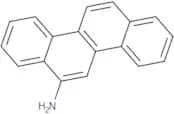
CAS:<p>4-Aminobenzocyclobutene is a monomer that can be used as a crosslinker. It has been shown to have magnetic properties and is soluble in organic solvents such as dioxane and dichloromethane. 4-Aminobenzocyclobutene readily reacts with paraformaldehyde to form the corresponding paraformaldehyde resin, which is insoluble in water and can be used for the preparation of coatings or adhesives. The hydrosilylation reaction between 4-aminobenzocyclobutene and 3-chloropropyl trimethoxysilane leads to the formation of an aminosilane resin, which exhibits a low water absorption rate and high thermal expansion coefficient. This material can also be used for coating or adhesive applications.</p>Formula:C8H7NPurity:Min. 95%Molecular weight:117.15 g/mol6-Aminochrysene
CAS:<p>Inhibitor of benzopyrene metabolism</p>Formula:C18H13NPurity:Min. 95%Color and Shape:Slightly Yellow PowderMolecular weight:243.3 g/mol

![(alphaR)-α-[[[2-(4-Nitrophenyl)ethyl]amino]methyl]benzenemethanol hydrochloride](/_next/image/?url=https%3A%2Fstatic.cymitquimica.com%2Fproducts%2F3D%2Fthumb-webp%2FFN156825.webp&w=3840&q=75)
![3-Nitro-4-[[(tetrahydropyran-4-yl)methyl]amino]benzenesulfonamide](/_next/image/?url=https%3A%2Fstatic.cymitquimica.com%2Fproducts%2F3D%2Fthumb-webp%2FFN145631.webp&w=3840&q=75)
![6-(7-Nitro-benzo[2,1,3]oxadiazol-4-ylamino)-hexanoyl-Arg-Pro-Lys-Pro-Leu-Ala-Nva-Trp-Lys((7-dimeth…](/_next/image/?url=https%3A%2Fstatic.cymitquimica.com%2Fproducts%2F3D%2Fthumb-webp%2FFN110943.webp&w=3840&q=75)

![Ac-Val-Met-[(2S,4S,5S)-5-amino-4-hydroxy-2-isopropyl-7-methyl-octanoyl]-Ala-Glu-Phe-OH trifluoroac…](/_next/image/?url=https%3A%2Fstatic.cymitquimica.com%2Fproducts%2F3D%2Fthumb-webp%2FFA111093.webp&w=3840&q=75)
![(R)-3-[((tert-Butoxy)carbonyl)amino]-4-(2,5-difluorophenyl)butanoic acid](/_next/image/?url=https%3A%2Fstatic.cymitquimica.com%2Fproducts%2F3D%2Fthumb-webp%2FFB103971.webp&w=3840&q=75)