Amines
Amines are a set of molecules containing an amino functional group (derived from ammonia). This category includes amines at any level of substitution : primary, secondary, tertiary, and ammonium salts. Amines are fundamental in organic synthesis and are widely used in pharmaceuticals, agrochemicals, and materials science. At CymitQuimica, we provide a comprehensive selection of amines to meet your research and industrial needs. Our range ensures access to various amines for diverse chemical processes and innovative research.
Subcategories of "Amines"
- Nitrosamines(2,603 products)
- Primary Amines(30,805 products)
- Quaternary Ammonium Cations and Salts(1,099 products)
- Secondary Amines(20,809 products)
- Tertiary Amines(17,111 products)
Found 8777 products of "Amines"
Sort by
Purity (%)
0
100
|
0
|
50
|
90
|
95
|
100
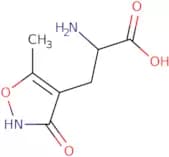
(R,S)-α-Amino-3-hydroxy-5-methyl-4-isoxazolepropionic acid hydrobromide
CAS:<p>(R,S)-AMPA is a synthetic analog of the excitatory neurotransmitter glutamate, specifically designed to activate AMPA receptors, a subtype of ionotropic glutamate receptors. These receptors are pivotal in mediating fast synaptic transmission in the central nervous system. (R,S)-AMPA serves as a prototypical agonist for AMPA receptors, facilitating the study of receptor function and synaptic plasticity.</p>Formula:C7H10N2O4•HBrPurity:Min. 95%Molecular weight:267.08 g/molEthyl 3-(pyridin-2-ylamino)propanoate
CAS:<p>Ethyl 3-(pyridin-2-ylamino)propanoate is a thrombin inhibitor that can be used for the treatment of cancer. Ethyl 3-(pyridin-2-ylamino)propanoate is a reactive, profile compound with electrons and hydrogen bonds. It has been shown to have anticancer activity in vitro and in vivo, inhibiting tumor cell growth by inhibiting DNA synthesis. This molecule also has anti-inflammatory properties, which may be due to its ability to inhibit platelet aggregation.</p>Formula:C10H14N2O2Purity:Min. 95 Area-%Color and Shape:PowderMolecular weight:194.23 g/mol5-Amino-2-methoxybenzonitrile
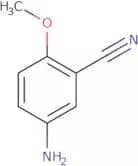
CAS:<p>Please enquire for more information about 5-Amino-2-methoxybenzonitrile including the price, delivery time and more detailed product information at the technical inquiry form on this page</p>Formula:C8H8N2OPurity:Min. 95%Molecular weight:148.16 g/molN,N'-Ethane-1,2-diylidenebis(2-methylpropan-2-amine)
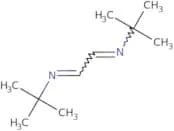
CAS:<p>Please enquire for more information about N,N'-Ethane-1,2-diylidenebis(2-methylpropan-2-amine) including the price, delivery time and more detailed product information at the technical inquiry form on this page</p>Formula:C10H20N2Purity:Min. 95%Color and Shape:PowderMolecular weight:168.28 g/mol1-Aminoadamantane sulphate
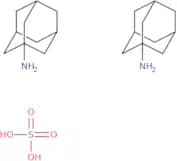
CAS:Controlled Product<p>1-Aminoadamantane sulphate is a drug that has been used for the treatment of autoimmune diseases, such as multiple sclerosis and chronic inflammatory demyelinating polyneuropathy. It inhibits Na channels in nerves and therefore blocks the transmission of nerve impulses. 1-Aminoadamantane sulphate has also shown to inhibit amyloid protein formation, which is associated with Alzheimer's disease. This drug binds to an adenine nucleotide and inhibits the transport of hydrogen fluoride into cells. The drug also has anti-viral properties. 1-Aminoadamantane sulphate is able to bind to calcium ions and prevent the binding of viruses to cells by interfering with their ability to attach themselves to the cell surface.</p>Color and Shape:White Off-White PowderMolecular weight:400.58 g/mol(aR)-a-[[[2-(4-Aminophenyl)ethyl]amino]methyl]-benzenemethanol
CAS:<p>Please enquire for more information about (aR)-a-[[[2-(4-Aminophenyl)ethyl]amino]methyl]-benzenemethanol including the price, delivery time and more detailed product information at the technical inquiry form on this page</p>Formula:C16H20N2OPurity:Min. 95%Color and Shape:PowderMolecular weight:256.34 g/mol2-Amino-6-chloropyrimidin-4(3h)-one
CAS:<p>2-Amino-6-chloropyrimidin-4(3H)-one (ACPP) is a betaine that has been shown to exhibit potent activity against clinical isolates of methicillin-resistant Staphylococcus aureus (MRSA). It is a mesomeric molecule, which means that it can exist as two different tautomers. The frequency of the absorption bands in the FTIR spectra for ACPP are characteristic of the carbenes and ethanolamine tautomers. The presence of these tautomers may be due to stabilization from the nucleophilic character of the nitrogen atom in betaines. Betaines are also able to form polymersized chains by reacting with themselves or other molecules, such as ethanolamine.</p>Formula:C4H4ClN3OPurity:Min. 95%Color and Shape:PowderMolecular weight:145.55 g/mol4-Amino-6-chloro-1,3-benzenedisulfonamide
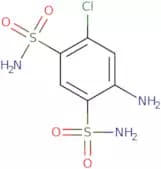
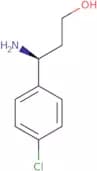
CAS:<p>4-Amino-6-chloro-1,3-benzenedisulfonamide is a natural substance that has been used in Chinese medicine preparations for the treatment of cardiac problems. It belongs to the class of organic compounds called benzenedisulfonamides. 4-Amino-6-chloro-1,3-benzenedisulfonamide is produced by the bacterial enzyme aminase from amino acid and benzoic acid. The adsorption mechanism of 4-Amino-6-chloro-1,3-benzenedisulfonamide is not fully understood, but it is believed that the benzyl groups are key players in this process. The high affinity of 4-Amino-6-chloro1,3 benzenedisulfonamide to proteins may be due to its ability to form hydrogen bonds with protein side chains, such as serine or threonine residues. 4 Amino</p>Formula:C6H8ClN3O4S2Purity:Min. 95%Color and Shape:White To Light Brown SolidMolecular weight:285.73 g/mol(S)-3-Amino-3-(4-chlorophenyl)-propan-1-ol
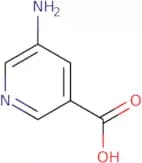
CAS:<p>Please enquire for more information about (S)-3-Amino-3-(4-chlorophenyl)-propan-1-ol including the price, delivery time and more detailed product information at the technical inquiry form on this page</p>Formula:C9H12ClNOPurity:Min. 95%Molecular weight:185.65 g/mol5-Aminopyridine-3-carboxylic acid
CAS:<p>5-Aminopyridine-3-carboxylic acid (5APC) is a structural analog of nicotinic acid that has been shown to have anti-inflammatory effects. 5APC inhibits the production of inflammatory cytokines, such as IL-10 and IL-17, by inhibiting the activation of NFκB and MAPK pathways. This drug also has significant inhibitory activities against dextran sulfate sodium (DSS)-induced acute colitis in experimental models. 5APC is thought to act by interrupting the assembly of p38 mitogen activated protein kinase (MAPK) and nuclear factor kappa B (NFκB) signaling complexes.</p>Formula:C6H6N2O2Purity:Min. 95%Molecular weight:138.12 g/molMethyl 2-amino-6-bromobenzoate
CAS:<p>Please enquire for more information about Methyl 2-amino-6-bromobenzoate including the price, delivery time and more detailed product information at the technical inquiry form on this page</p>Formula:C8H8BrNO2Purity:Min. 95%Color and Shape:Clear LiquidMolecular weight:230.06 g/mol3-[(Dimethylamino)methyl]-1,2,4-oxadiazol-5-amine hydrochloride
CAS:<p>3-[(Dimethylamino)methyl]-1,2,4-oxadiazol-5-amine hydrochloride is a versatile building block that is used as an intermediate in the synthesis of fine chemicals. It is also a useful scaffold for the synthesis of biologically active compounds and research chemicals. 3-[(Dimethylamino)methyl]-1,2,4-oxadiazol-5-amine hydrochloride can be prepared by reacting methylamine with 2-aminothiophenol in the presence of a base. This reagent is also useful for the preparation of other compounds such as carbamates and cyclic ureas.</p>Formula:C5H10N4O•HClPurity:Min. 95%Color and Shape:PowderMolecular weight:178.62 g/molN-Methyl-N-((3R,4R)-4-methylpiperidin-3-yl)-7H-pyrrolo[2,3-d]pyrimidin-4-amine
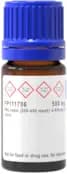
CAS:<p>Intermediate in the synthesis of tofacitinib</p>Formula:C13H19N5Purity:Min. 95%Molecular weight:245.32 g/molPAL resin (200-400 mesh) 4-Alkoxy-2,6-dimethoxybenzylamine resin
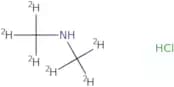
<p>Please enquire for more information about PAL resin (200-400 mesh) 4-Alkoxy-2,6-dimethoxybenzylamine resin including the price, delivery time and more detailed product information at the technical inquiry form on this page</p>Purity:Min. 95%Dimethyl-d6-amine HCl
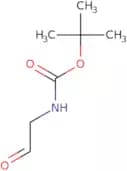
CAS:Controlled Product<p>Dimethyl-d6-amine HCl is a drug that inhibits the growth of cancer cells. It is an inhibitor of epidermal growth factor (EGF), which has been shown to be effective in the treatment of skin cancer. Dimethyl-d6-amine HCl is also effective against some strains of bacteria that are resistant to other antibiotics, such as erythromycin and tetracycline. Dimethyl-d6-amine HCl has been shown to have a suppressive effect on the production of sesquiterpene lactones by dehydrocostus lactone, which may be responsible for its anti-inflammatory properties.</p>Formula:C2H2ClD6NPurity:Min. 95%Color and Shape:White PowderMolecular weight:87.58 g/molN-Boc-2-aminoacetaldehyde
CAS:<p>N-Boc-2-aminoacetaldehyde is an aliphatic aldehyde that has been used in the synthesis of a number of bioactive molecules. It is synthesized by reacting an N-Boc amino acid with chloroform and hydrochloric acid. The reaction time is typically 2 hours at room temperature, although it can be decreased to 20 minutes if the temperature is increased to 60°C. The product can be purified using extraction or recrystallization methods. N-Boc-2-aminoacetaldehyde reacts with chloride ions to form phosphoranes, which are useful in clinical development as antimicrobial peptides. This compound also reacts with fluorine to form hydrogenated derivatives that have been shown to have neurokinin activity in animal models.</p>Formula:C7H13NO3Purity:Min. 95%Color and Shape:Colorless PowderMolecular weight:159.18 g/mol3-Nitro-4-[[(tetrahydropyran-4-yl)methyl]amino]benzenesulfonamide
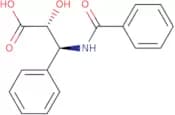
CAS:<p>Please enquire for more information about 3-Nitro-4-[[(tetrahydropyran-4-yl)methyl]amino]benzenesulfonamide including the price, delivery time and more detailed product information at the technical inquiry form on this page</p>Formula:C12H17N3O5SPurity:Min. 95%Molecular weight:315.35 g/molN-Benzoyl-(2R,3S)-3-amino-2-hydroxy-3-phenyl-propionicacid
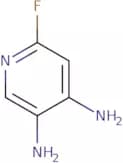
CAS:<p>N-Benzoyl-(2R,3S)-3-amino-2-hydroxy-3-phenylpropionic acid (BAPA) is a substance that is used in the manufacture of various drugs. It is also a potent anticancer drug that can be used for the treatment of cancer. BAPA has been shown to be an effective chemotherapeutic agent against many types of cancer cells. This drug is synthesized through an asymmetric synthesis process and has been shown to have potent cytotoxic effects against cancer cells with low levels of glutathione peroxide reductase. BAPA also inhibits the growth of bacteria by hydrolyzing or oxidizing proteins or by binding to DNA and RNA.</p>Formula:C16H15NO4Purity:Min. 95%Molecular weight:285.29 g/mol6-Fluoro-3,4-Pyridinediamine
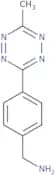
CAS:<p>Please enquire for more information about 6-Fluoro-3,4-Pyridinediamine including the price, delivery time and more detailed product information at the technical inquiry form on this page</p>Formula:C5H6FN3Purity:Min. 95%Molecular weight:127.12 g/molMethyltetrazine amine
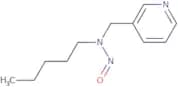
CAS:<p>A building block used for derivatization of carboxylic acids or activated esters with methytetrazine moiety. The stability of Methyltetrazine Amine is substantially improved compared to hydrogen substituted tetrazine-tmine. Superior stability of methyltetrazine-amine allows this reagent to be used in wider range of chemical transformations. Long-term storage of methyltetrazine-amine, especially in aqueous buffer, is also greatly improved compared to Tetrazine Amine.Supplied as the HCl salt</p>Formula:C10H11N5Purity:Min. 95%Color and Shape:PowderMolecular weight:201.23 g/molN'-Nitrosopentyl-(3-picolyl)amine
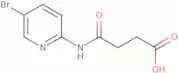
CAS:<p>N'-Nitrosopentyl-(3-picolyl)amine is a research chemical that can be used as a reaction component, reagent, or intermediate. It is a high quality and versatile building block for the synthesis of complex compounds. N'-Nitrosopentyl-(3-picolyl)amine has been shown to be useful as an intermediate in the synthesis of drugs such as pentoxifylline and lodoxamide, which are used to treat respiratory diseases. This chemical is also used to synthesize other compounds that have speciality applications such as pharmaceuticals and rubber additives.</p>Formula:C11H17N3OPurity:Min. 95%Color and Shape:Off-White To Yellow LiquidMolecular weight:207.27 g/mol4-((5-Bromopyridin-2-yl)amino)-4-oxobutanoic acid
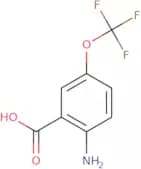
CAS:<p>4-((5-Bromopyridin-2-yl)amino)-4-oxobutanoic acid (BABA) is a potent photosynthetic inhibitor that inhibits light-driven electron transport in chloroplasts. This inhibition of electron transport leads to the accumulation of reactive oxygen species and cellular dysfunction. BABA is used to induce dormancy in plants and is also used as a chemical inhibitor for arabidopsis thaliana, a type of plant commonly used in molecular biology research. Studies have shown that BABA inhibits the growth of fat cells, which may be due to its ability to inhibit protein synthesis, leading to decreased fat deposition. In addition, this drug has been shown to reduce eye disorders such as retinal degeneration and cataracts by inhibiting the production of reactive oxygen species, which causes oxidative stress.</p>Formula:C9H9BrN2O3Purity:(Elemental Analysis) Min. 97%Color and Shape:PowderMolecular weight:273.08 g/mol2-Amino-5-(trifluoromethoxy)benzoic acid
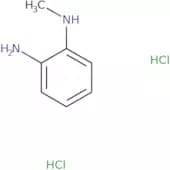
CAS:<p>Please enquire for more information about 2-Amino-5-(trifluoromethoxy)benzoic acid including the price, delivery time and more detailed product information at the technical inquiry form on this page</p>Formula:C8H6F3NO3Purity:Min. 95%Molecular weight:221.13 g/molN-Methyl-1,2-phenylenediamine dihydrochloride
CAS:<p>N-Methyl-1,2-phenylenediamine dihydrochloride (NMP) is a synthetic compound that is used as the precursor to various pharmaceuticals, such as the antihypertensive drug clonidine. NMP can be synthesized from benzene and ammonia or phenylmagnesium bromide. It is carcinogenic in animals and humans, and has been shown to cause DNA damage and cell apoptosis. The chemical has a high potential for nitrosation reactions when exposed to nitrites. This reaction produces nitric oxide, which is cytotoxic and can lead to liver cancer in rats.<br>The synthesis of NMP generates impurities such as methanol solvent, sodium sulfide, and hydrogen chloride gas. These impurities are often found in recycled NMP due to incomplete removal during processing.</p>Formula:C7H12Cl2N2Purity:Min. 95%Color and Shape:PowderMolecular weight:195.09 g/molMidodrine
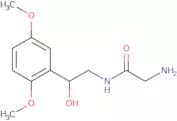
CAS:Controlled Product<p>2-Amino-N-[2-(2,5-dimethoxyphenyl)-2-hydroxyethyl]-acetamide is a drug that has been used to treat a variety of diseases and conditions. It is an alpha adrenergic agonist that works by stimulating the alpha receptors in the body, which increase blood pressure and improve blood flow. This drug also has significant effects on energy metabolism, including the production of ATP. 2-Amino-N-[2-(2,5-dimethoxyphenyl)-2-hydroxyethyl]-acetamide is used to treat patients with congestive heart failure who are taking low doses of midodrine hydrochloride or nonsteroidal antiinflammatory drugs.</p>Formula:C12H18N2O4Purity:Min. 95%Color and Shape:PowderMolecular weight:254.28 g/mol(Deamino-Cys1,b-(3-pyridyl)-D-Ala2,Arg8)-Vasopressin trifluoroacetate salt
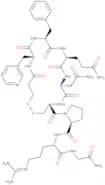
CAS:<p>DDAVP is an analogue of vasopressin, which belongs to the class of inositol phosphates. It is a potent agonist for the V1 receptor and has a higher affinity for this receptor than vasopressin. DDAVP also has antagonist properties at the V2 receptor. The biological activity of DDAVP is mediated by its ability to increase phospholipase A2 activity and cause the release of arachidonic acid from membrane phospholipids. This activation causes an increase in prostaglandin synthesis, leading to increased vascular permeability and hypotension. DDAVP may also have antidiuretic effects due to its antagonism of oxytocin receptors.</p>Formula:C45H63N15O11S2Purity:Min. 95%Molecular weight:1,054.21 g/mol(2R,3S)-3-Amino-2-hydroxy-3-phenylpropanoic acid hydrochloride
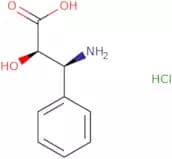
CAS:<p>(2R,3S)-3-Amino-2-hydroxy-3-phenylpropanoic acid hydrochloride is an organic compound that is used in the manufacture of taxol, an anticancer drug. It is synthesized by reacting chloroacetic acid with a metal hydroxide, such as sodium hydroxide or potassium hydroxide. The reaction proceeds spontaneously to form the enantiomerically pure (2R,3S) form and unreacted (2S,3R) form. The (2R,3S) enantiomer has been found to be more reactive than the (2S,3R) form. Quaternary ammonium salts are formed when the (2R,3S) enantiomer reacts with quaternary ammonium compounds such as benzyltrimethylammonium chloride. This compound can also be used in catalytic reactions to produce drugs such as carbapenems and pen</p>Formula:C9H12ClNO3Purity:Min. 95%Molecular weight:217.65 g/molDABCYL-(Asn670,Leu671)-Amyloid b/A4 Protein Precursor770 (661-675)-EDANS ammonium salt
CAS:<p>Please enquire for more information about DABCYL-(Asn670,Leu671)-Amyloid b/A4 Protein Precursor770 (661-675)-EDANS ammonium salt including the price, delivery time and more detailed product information at the technical inquiry form on this page</p>Formula:C103H146N22O32SPurity:Min. 95%Molecular weight:2,236.46 g/mol2-(Boc-Aminomethyl)pyrrolidine
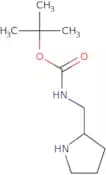
CAS:<p>Please enquire for more information about 2-(Boc-Aminomethyl)pyrrolidine including the price, delivery time and more detailed product information at the technical inquiry form on this page</p>Formula:C10H20N2O2Purity:Min. 95%Molecular weight:200.28 g/molN-[2-[(2-Bromo-4,6-dinitrophenyl)azo]-5-(diethylamino)phenyl]acetamide
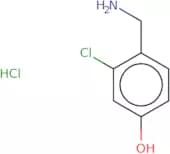
CAS:<p>N-2-[(2-bromo-4,6-dinitrophenyl)azo]-5-(diethylamino)phenyl]acetamide (NBDPA) is a yellowish solid that is soluble in water. It has a molecular weight of 308.3 and chemical formula C14H21BrN2O4. NBDPA is used as an analytical reagent for the kinetic data of liver cells and in wastewater treatment. This compound has been shown to exhibit carcinogenic potential in rats, causing genetic damage to the DNA of liver cells and kidney tissue. NBDPA has also been shown to be toxic to fish embryos and larvae, with significant effects on the development of larvae at high concentrations.</p>Formula:C18H19BrN6O5Purity:90%MinMolecular weight:479.28 g/mol2-Chloro-4-hydroxybenzylamine hydrochloride
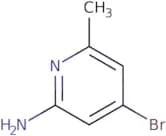
CAS:<p>2-Chloro-4-hydroxybenzylamine hydrochloride is a versatile chemical that can be used as a reaction component, reagent, or useful scaffold in the synthesis of many organic compounds. It has a CAS number of 2418727-24-7 and is a fine chemical. This compound has been shown to be useful in the manufacture of other chemical products such as pharmaceuticals, pesticides, and dyestuffs.</p>Formula:C7H8ClNO·HClPurity:Min. 95%Color and Shape:Brown PowderMolecular weight:194.06 g/mol4-Bromo-6-methyl-2-pyridinamine
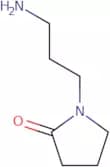
CAS:<p>4-Bromo-6-methyl-2-pyridinamine is a small molecule that binds to the bromodomain of the human protein BRD4. This binding inhibits the interaction between BRD4 and acetylated lysine residues on histones, thereby inhibiting transcriptional activation. 4-Bromo-6-methyl-2-pyridinamine has been shown to be a potent inhibitor of the activity of BRD4, which may be due to its chemical stability and ability to inhibit protein synthesis. The compound's potency in inhibition assays and its lack of biochemical toxicity make it an attractive lead compound for further study.</p>Formula:C6H7BrN2Purity:Min. 95%Molecular weight:187.04 g/mol1-(3-Aminopropyl)-2-pyrrolidinone
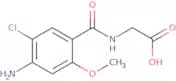
CAS:<p>1-(3-Aminopropyl)-2-pyrrolidinone is a chemical compound that has been used as a chemotherapeutic treatment for heart disease and polyamine oxidase deficiency. The compound has also been shown to have a direct effect on the synthesis of fatty acids in the body, which may lead to the development of new treatments for diabetes. 1-(3-Aminopropyl)-2-pyrrolidinone can be formulated into conjugates with other molecules, such as chloride ions or fatty acids, in order to target specific cells or tissues. This method of delivery is efficient and has been shown to be able to cross the blood-brain barrier. 1-(3-Aminopropyl)-2-pyrrolidinone is an amino acid derivative that contains an aminoguanidine functional group. Aminoguanidine inhibits polyamine oxidase activity in vitro by reacting with the carbonyl group at position C</p>Formula:C7H14N2OPurity:Min. 95%Color and Shape:Colorless Clear LiquidMolecular weight:142.2 g/molN-Des(2-diethylamino) metoclopramide acetic acid
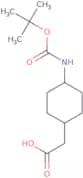
CAS:<p>N-Des(2-diethylamino) metoclopramide acetic acid is a benzyl ester of metoclopramide, a prodrug that is metabolized to the active form in the body. It has been shown to be effective against healthy human subjects and hplc analyses of biological samples have shown it to be a metabolite of metoclopramide. N-Des(2-diethylamino) metoclopramide acetic acid is used as a catalyst for catalytic hydrogenation reactions, such as the conversion of methyl esters into ethyl or butyl esters. It can also be used for catalytic hydrogenation reactions with diazomethane, such as those required for the synthesis of quinolones.</p>Formula:C10H11ClN2O4Purity:Min. 95%Molecular weight:258.66 g/molBoc-trans-4-aminocyclohexane acetic acid
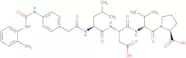
CAS:<p>Please enquire for more information about Boc-trans-4-aminocyclohexane acetic acid including the price, delivery time and more detailed product information at the technical inquiry form on this page</p>Formula:C13H23NO4Molecular weight:257.33 g/mol(4-((2-Methylphenyl)aminocarbonyl)-aminophenyl)acetyl-Fibronectin CS-1 Fragment (1980-1983)
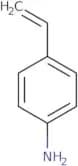
CAS:<p>Please enquire for more information about (4-((2-Methylphenyl)aminocarbonyl)-aminophenyl)acetyl-Fibronectin CS-1 Fragment (1980-1983) including the price, delivery time and more detailed product information at the technical inquiry form on this page</p>Formula:C36H48N6O9Purity:Min. 95%Molecular weight:708.8 g/mol4-Aminostyrene
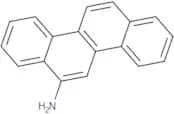
CAS:<p>4-Aminostyrene is a chemical compound that belongs to the class of ethylene diamines. It is a photoelectron acceptor and can be used as a cross-linking agent. 4-Aminostyrene reacts with nitro groups to form polycarboxylic acid amines, which are used in the preparation of model proteins. The use of 4-aminostyrene is limited by its high reactivity with oxygen and light, which leads to degradation.</p>Formula:C8H9NPurity:Min. 95%Color and Shape:Liquid.Molecular weight:119.16 g/mol6-Aminochrysene
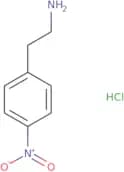
CAS:<p>Inhibitor of benzopyrene metabolism</p>Formula:C18H13NPurity:Min. 95%Color and Shape:Slightly Yellow PowderMolecular weight:243.3 g/mol4-Nitrophenethylamine HCl
CAS:Controlled Product<p>Intermediate in the synthesis of mirabegron</p>Formula:C8H10N2O2·HClPurity:Min. 95%Color and Shape:Off-White PowderMolecular weight:202.64 g/molTridodecylmethylammonium chloride
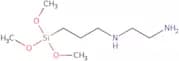
CAS:<p>Tridodecylmethylammonium chloride (TDMAC) is a biocompatible and non-toxic polymer that is used in the manufacture of sensors. TDMAC can be used as a coating on electrodes to increase their sensitivity to changes in pH and ionic strength. TDMAC is also used as a blood substitute, and has been shown to have anticoagulant properties. TDMAC has been shown to be effective at preventing heparin-induced thrombocytopenia when combined with dextran sulfate. This polymer has also been studied for use in biosensors and bioelectrochemical impedance spectroscopy devices.</p>Formula:C37H78ClNPurity:Min. 95%Color and Shape:White To Off-White SolidMolecular weight:572.47 g/molN-(2-Aminoethyl)-3-(trimethoxysilyl)propylamine
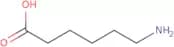
CAS:<p>N-(2-Aminoethyl)-3-(trimethoxysilyl)propylamine (NAP) is a cationic surfactant that is used as a fluorescent probe to study the binding of proteins to cell surface integrin receptors. The adsorption mechanism is based on the interaction between the hydrophobic parts of the protein and the hydrophobic parts of NAP. This interaction leads to an increase in the concentration of NAP at the interface and thus an increase in fluorescence. NAP has been shown to bind human serum albumin, fatty acids, and monoclonal antibodies with high affinity. It also has been shown to bind to plasma proteins through hydrogen bonding. The optimum concentration for NAP adsorption is 1mM.</p>Formula:C8H22N2O3SiPurity:Min. 95%Molecular weight:222.36 g/molAminocaproic acid
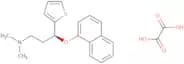
CAS:<p>Aminocaproic acid is a non-specific lysing agent that is used in the treatment of acute blood clots. Aminocaproic acid has minimal toxicity and low-dose effects, and can be used for the treatment of thrombotic disorders. It also has biological properties that are different from those of aminocaproate, which can lead to a more rapid dissolution of the clot. Aminocaproic acid is an organic compound that belongs to the class of dicarboxylic acids. It is synthesized from two molecules of aminoacetic acid by the enzyme aminocaproic acid synthetase. The synthesis occurs in a two-step process: first, caprylic acid reacts with ATP to form aminopropyl-adenylate (APA), followed by hydrolysis by APA lyase to form aminocaproic acid.</p>Formula:C6H13NO2Color and Shape:PowderMolecular weight:131.17 g/molS-(+)-N,N-Dimethyl-3-(1-naphthalenyloxy)-3-(2-thienyl)-1-propanamine oxalate
CAS:<p>Please enquire for more information about S-(+)-N,N-Dimethyl-3-(1-naphthalenyloxy)-3-(2-thienyl)-1-propanamine oxalate including the price, delivery time and more detailed product information at the technical inquiry form on this page</p>Purity:Min. 95%FITC-b-Ala-Amyloid b-Protein (1-42) ammonium salt
CAS:<p>Please enquire for more information about FITC-b-Ala-Amyloid b-Protein (1-42) ammonium salt including the price, delivery time and more detailed product information at the technical inquiry form on this page</p>Formula:C227H327N57O66S2Purity:Min. 95%Molecular weight:4,974.5 g/mol1,2-Distearoyl-sn-glycero-3-phosphoethanolamine-N-[amino(polyethylene glycol) 2000] (ammonium salt)
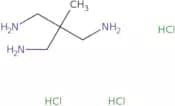
CAS:<p>1,2-Distearoyl-sn-glycero-3-phosphoethanolamine-N-[amino(polyethylene glycol) 2000] (ammonium salt) is a PEG compound with two different functional groups (also known as heterobifunctional). Unlike homobifunctional PEG compounds (same functional group on both ends), this type of compounds are more versatile as have two different anchor points. 1,2-Distearoyl-sn-glycero-3-phosphoethanolamine-N-[amino(polyethylene glycol) 2000] (ammonium salt) is used as a linker and spacer to add a PEG moiety, via pegylation (a bioconjugation technique) to proteins, peptides, oligonucleotides, small molecules and nanoparticles.</p>Formula:(C2H4O)nC44H87N2O10P•H3NPurity:Min. 95%Color and Shape:White Powder2-(Aminomethyl)-2-methyl-1,3-propanediamine trihydrochloride
CAS:<p>Please enquire for more information about 2-(Aminomethyl)-2-methyl-1,3-propanediamine trihydrochloride including the price, delivery time and more detailed product information at the technical inquiry form on this page</p>Formula:C5H15N3•(HCl)3Purity:Min. 95%Color and Shape:PowderMolecular weight:226.57 g/mol2-[(1S)-1-Aminopropyl]-5-fluoro-3-phenyl-4(3H)-quinazolinone
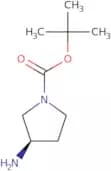
CAS:Controlled Product<p>Intermediate in the synthesis of idelalisib (CAL 101)</p>Formula:C17H16FN3OPurity:Min. 95%Molecular weight:297.33 g/mol(R)-1-Boc-3-Aminopyrrolidine
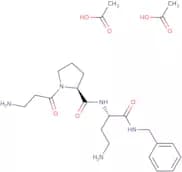
CAS:<p>(R)-1-Boc-3-Aminopyrrolidine is a small molecule that inhibits 3-kinase. It has been shown to bind to the ATP binding site of PI3Kδ and inhibit its activity. This results in the inhibition of phosphoinositide production, which leads to decreased cell proliferation and survival. (R)-1-Boc-3-Aminopyrrolidine has also been shown to have selectivity for isoform α over β, γ, and δ. The drug binds specifically to the ATP binding site on PI3Kδ, but does not disrupt other interactions such as hydrogen bonding or pi stacking interactions with residues in the vicinity of the ATP binding site. The IC50 values for (R)-1-Boc-3-Aminopyrrolidine were determined using siRNA knockdown experiments against human isoform α PI3Kδ.</p>Formula:C9H18N2O2Purity:Min. 95%Molecular weight:186.25 g/mol(2S)-β-Alanyl-L-prolyl-2,4-diamino-N-(phenylmethyl)butanamideacetate
CAS:Controlled Product<p>(2S)-beta-Alanyl-L-prolyl-2,4-diamino-N-(phenylmethyl)butanamideacetate (BAP) is a skin care product that can be applied topically to the skin. BAP is an amino acid derivative that has been shown in clinical studies to hydrate the skin. It acts as a humectant and binds to water molecules, thus increasing the moisture content of the skin. This product also has antioxidant and anti-inflammatory properties, as well as anti-aging effects. BAP is often used in cosmetic products for its film forming properties and ability to form polymeric films on the surface of cells.</p>Formula:C21H33N5O5Purity:Min. 95%Molecular weight:435.52 g/molGly-Amyloid b-Protein (15-25)-Gly-ε-aminocaproyl(-Lys)6
CAS:<p>Please enquire for more information about Gly-Amyloid b-Protein (15-25)-Gly-epsilon-aminocaproyl(-Lys)6 including the price, delivery time and more detailed product information at the technical inquiry form on this page</p>Formula:C105H178N28O26Purity:Min. 95%Molecular weight:2,248.71 g/mol


![(aR)-a-[[[2-(4-Aminophenyl)ethyl]amino]methyl]-benzenemethanol](/_next/image/?url=https%3A%2Fstatic.cymitquimica.com%2Fproducts%2F3D%2Fthumb-webp%2FFA75045.webp&w=3840&q=75)


![3-[(Dimethylamino)methyl]-1,2,4-oxadiazol-5-amine hydrochloride](/_next/image/?url=https%3A%2Fstatic.cymitquimica.com%2Fproducts%2F3D%2Fthumb-webp%2FFD135937.webp&w=3840&q=75)
![N-Methyl-N-((3R,4R)-4-methylpiperidin-3-yl)-7H-pyrrolo[2,3-d]pyrimidin-4-amine](/_next/image/?url=https%3A%2Fstatic.cymitquimica.com%2Fproducts%2F3D%2Fthumb-webp%2FFM154245.webp&w=3840&q=75)
![3-Nitro-4-[[(tetrahydropyran-4-yl)methyl]amino]benzenesulfonamide](/_next/image/?url=https%3A%2Fstatic.cymitquimica.com%2Fproducts%2F3D%2Fthumb-webp%2FFN145631.webp&w=3840&q=75)

![N-[2-[(2-Bromo-4,6-dinitrophenyl)azo]-5-(diethylamino)phenyl]acetamide](/_next/image/?url=https%3A%2Fstatic.cymitquimica.com%2Fproducts%2F3D%2Fthumb-webp%2FFB151321.webp&w=3840&q=75)

![1,2-Distearoyl-sn-glycero-3-phosphoethanolamine-N-[amino(polyethylene glycol) 2000] (ammonium salt)](/_next/image/?url=https%3A%2Fstatic.cymitquimica.com%2Fproducts%2F3D%2Fthumb-webp%2FFD157101.webp&w=3840&q=75)
![2-[(1S)-1-Aminopropyl]-5-fluoro-3-phenyl-4(3H)-quinazolinone](/_next/image/?url=https%3A%2Fstatic.cymitquimica.com%2Fproducts%2F3D%2Fthumb-webp%2FFA96431.webp&w=3840&q=75)