Imines
Imines are organic compounds featuring a carbon-nitrogen double bond (C=N). These compounds serves as intermediates in many chemical reactions and are essential in the synthesis of pharmaceuticals and agrochemicals. At CymitQuimica, we offer a wide range of imines to support your synthetic and research needs. Our high-quality imines are designed to provide reliable and reproducible results in your experimental work.
Found 130 products of "Imines"
Sort by
Purity (%)
0
100
|
0
|
50
|
90
|
95
|
100
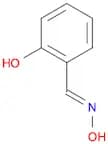
2-Hydroxybenzaldehyde oxime
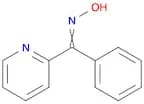
CAS:Formula:C7H7NO2Purity:98%Color and Shape:SolidMolecular weight:137.1360Methanone, phenyl-2-pyridinyl-, oxime
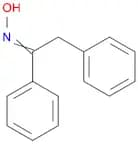
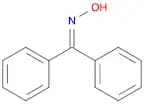
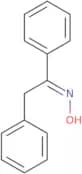
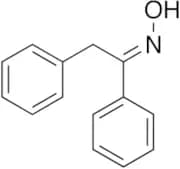
CAS:Formula:C12H10N2OPurity:98%Color and Shape:SolidMolecular weight:198.22061,2-Diphenyl-1-ethanone oxime
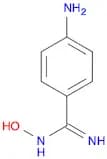
CAS:Formula:C14H13NOPurity:97%Color and Shape:SolidMolecular weight:211.2591Benzenecarboximidamide, 4-amino-N-hydroxy-
CAS:Formula:C7H9N3OPurity:97%Color and Shape:SolidMolecular weight:151.1659N-Hydroxybenzo[d][1,3]dioxole-5-carboximidamide
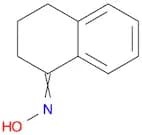
CAS:Formula:C8H8N2O3Purity:97%Color and Shape:SolidMolecular weight:180.16071,2,3,4-TETRAHYDRONAPHTHALEN-1-ONE OXIME
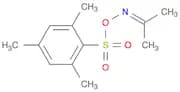
CAS:Formula:C10H11NOPurity:99%Color and Shape:SolidMolecular weight:161.2004Acetoxime o-(2,4,6-trimethylphenylsulfonate)
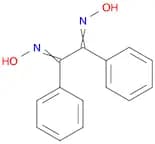
CAS:Formula:C12H17NO3SPurity:97%Color and Shape:SolidMolecular weight:255.3333(1E,2E)-Benzil dioxime
CAS:Formula:C14H12N2O2Purity:97%Color and Shape:SolidMolecular weight:240.2573Ref: IN-DA000WIK
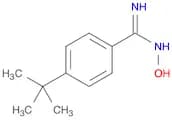
1kgTo inquire25g20.00€50gTo inquire5kgTo inquire100g24.00€10kgTo inquire250g25.00€25kg261.00€500g28.00€4-tert-Butylbenzamidoxime
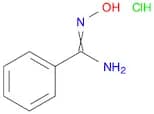
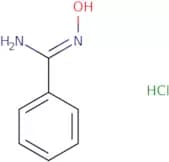
CAS:Formula:C11H16N2OPurity:97%Color and Shape:SolidMolecular weight:192.2575N'-Hydroxybenzenecarboximidamide hydrochloride
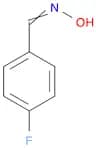
CAS:Formula:C7H9ClN2OPurity:97%Color and Shape:SolidMolecular weight:172.6122(E)-4-Fluorobenzaldehydeoxime
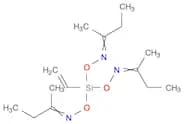
CAS:Formula:C7H6FNOPurity:97%Color and Shape:SolidMolecular weight:139.1270Vinyltris(methylethylketoxime)silane
CAS:Formula:C14H27N3O3SiPurity:93%Color and Shape:LiquidMolecular weight:313.46805,5-Dimethylcyclohexane-1,3-dione dioxime
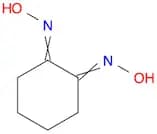
CAS:Formula:C8H14N2O2Color and Shape:SolidMolecular weight:170.20901,2-Cyclohexanedione, 1,2-dioxime
CAS:Formula:C6H10N2O2Purity:95%Color and Shape:SolidMolecular weight:142.1558Tetrahydrothiopyran-4-one oxime
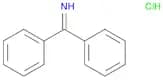
CAS:Formula:C5H9NOSPurity:98%Color and Shape:SolidMolecular weight:131.1961Diphenylmethanimine HCl
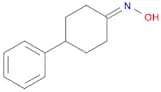
CAS:Formula:C13H12ClNPurity:97%Color and Shape:SolidMolecular weight:217.69414-Phenylcyclohexane-1-oneoxime
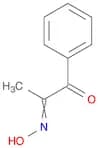
CAS:Formula:C12H15NOPurity:%Color and Shape:SolidMolecular weight:189.25361-Phenyl-1,2-propanedione-2-oxime
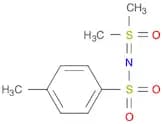
CAS:Formula:C9H9NO2Purity:98%Color and Shape:SolidMolecular weight:163.1733Benzenesulfonamide, N-(dimethyloxido-λ4-sulfanylidene)-4-methyl-
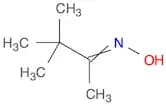
CAS:Formula:C9H13NO3S2Purity:95%Color and Shape:SolidMolecular weight:247.33442-Butanone, 3,3-dimethyl-, oxime
CAS:Formula:C6H13NOPurity:97%Color and Shape:SolidMolecular weight:115.1735Methyltris(Methylethylketoxime)Silane
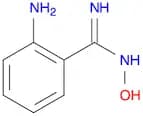
CAS:Formula:C13H27N3O3SiPurity:93%Color and Shape:LiquidMolecular weight:301.4573Benzenecarboximidamide, 2-amino-N-hydroxy-
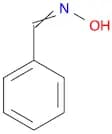
CAS:Formula:C7H9N3OPurity:97%Color and Shape:SolidMolecular weight:151.1659N-(phenylmethylidene)hydroxylamine
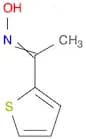
CAS:Formula:C7H7NOPurity:95%Color and Shape:LiquidMolecular weight:121.13661-Thiophen-2-yl-ethanone oxime
CAS:Formula:C6H7NOSPurity:95%Color and Shape:SolidMolecular weight:141.1909Azocine, octahydro-1-nitroso-
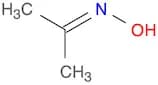
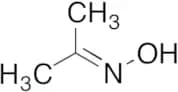
CAS:Formula:C7H14N2OPurity:99%Color and Shape:LiquidMolecular weight:142.1989Acetone Oxime
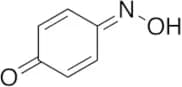
CAS:Controlled Product<p>Applications Acetone oxime was one of the reagents used as a part of preparation of arylbenzoxazoles as potent and selective estrogen receptor-β ligands.<br> Not a dangerous good if item is equal to or less than 1g/ml and there is less than 100g/ml in the package<br>References Malamas, M., et al.: J. Med. Chem., 47, 5021 (2004)<br></p>Formula:C3H7NOColor and Shape:NeatMolecular weight:73.14-Benzoquinone Monoxime
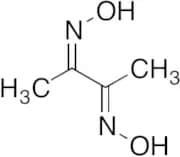
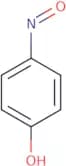
CAS:Controlled Product<p>Applications Reagent used to prepare poly-substituted benzenes.<br>References Grady, R., et al.: J. Cell. Biochem., 25, 15 (1984), Powis, G., et al.: Cancer Res., 47, 2363 (1987), Zeiger, E., et al.: Environ. Mol. Mut., 11, 1 (1988),<br></p>Formula:C6H5NO2Color and Shape:NeatMolecular weight:123.11Dimethylglyoxime
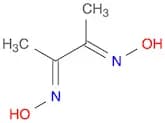
CAS:<p>Applications Dimethylglyoxime is a chelating agent which forms complexes with metals such as copper, nickel, and palladium..<br> Not a dangerous good if item is equal to or less than 1g/ml and there is less than 100g/ml in the package<br></p>Formula:C4H8N2O2Color and Shape:WhiteMolecular weight:116.12Benzamide Oxime
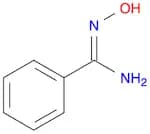
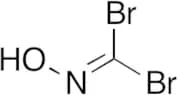
CAS:<p>Applications Benzamide Oxime is used to prepare aryloxadiazoles as apoptosis inducers and anticancer agents. It is also used in the synthesis of aryloxadiazolyltropane analogs of cocaine.<br> Not a dangerous good if item is equal to or less than 1g/ml and there is less than 100g/ml in the package<br>References Zhang, H., et al.: J. Med. Chem., 48, 5215 (2005); Carroll, F., et al.: J. Med. Chem., 36, 2886 (1993)<br></p>Formula:C7H8N2OColor and Shape:NeatMolecular weight:136.15Dibromoformaldoxime
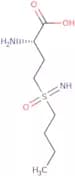
CAS:Controlled Product<p>Applications Dibromoformaldoxime is a reagent that undergoes cycloaddition with alkynes to prepare substituted 3-bromo-isoxazoles in high yield.<br>References Chiarino, D., et al.: J. Heterocyclic Chem., 24, 43 (1987); De Amici, M., et al.: J. Org. Chem., 54, 2646 (1989); Castelhano, A., et al.: 16, 335 (1988).<br></p>Formula:CHBr2NOColor and Shape:NeatMolecular weight:202.83L-Methionine [R,S]-sulfoximine
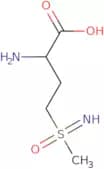
CAS:<p>L-Methionine [R,S]-sulfoximine is a sulfoximide that inhibits the synthesis of methionine. Methionine is an essential amino acid that is converted to homocysteine and then to cysteine in the body. L-Methionine [R,S]-sulfoximine has been shown to inhibit the conversion of methionine to cysteine in vivo by acting as a competitive inhibitor of methioninase.</p>Formula:C5H12N2O3SPurity:(Elemental Analysis) Min. 97%Color and Shape:PowderMolecular weight:180.23 g/molDeoxybenzoic oxime
CAS:<p>Deoxybenzoic oxime is an oxime derivative that inhibits the enzyme toll-like receptor 4 (TLR4) and also blocks activation of chloride channels. It has been shown to inhibit the production of nitric oxide and proinflammatory cytokines in vitro. Deoxybenzoic oxime has also been shown to have a broad spectrum of activity against chemical species, such as benzonitrile, sulfide, and amines. This drug has shown inhibitory activities against a wide variety of functional groups including hydroxyl, nitrile, amine, thiol, ethers, phosphates and carboxylic acids.</p>Formula:C14H13NOPurity:Min. 95%Molecular weight:211.26 g/mol4-(N,N-Dimethylamino)benzaldoxime
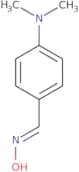
CAS:<p>4-(N,N-Dimethylamino)benzaldoxime is an efficient method for the detection of cinnamic acid and its esters. It reacts with aldehydes to form 4-nitrosobenzaldehyde products that are detectable by ultraviolet spectroscopy. The reaction takes place in aqueous solutions with a pH range of 5-8 and is catalyzed by an enzyme called carboxylate. This reaction has been shown to be useful for the detection of cinnamic acid and its esters in food, tobacco smoke, and other samples.</p>Formula:C9H12N2OPurity:Min. 95%Color and Shape:PowderMolecular weight:164.2 g/mol4-Benzoquinone monoxime
CAS:<p>4-Benzoquinone monoxime (BQM) is a phospholipid analog that has reactive properties. It reacts with hydrochloric acid to form a nitrite ion, which is then reduced to nitric oxide. Nitric oxide has been shown to be effective in the treatment of bacterial infections and as a disinfectant. BQM also reacts with hydroxyl groups, producing sephadex g-100, which is used for separation of biological materials. The reaction mechanism of BQM has been studied using deuterium isotope labeling and electrochemical detection. This reaction takes place on the cytosolic surface of bacteria and on protein synthesis enzymes in the cytoplasm.</p>Formula:C6H5NO2Purity:Min. 95%Color and Shape:PowderMolecular weight:123.11 g/mol3,4-Dimethylbenzaldehyde oxime
CAS:<p>3,4-Dimethylbenzaldehyde oxime is a reactive oxygen species (ROS) that is produced by the oxidation of 3,4-dimethylbenzaldehyde. It has been shown to be an efficient oxidant in aerobic oxidation reactions. The active species generated by this reaction is the aldehyde or ketone form of 3,4-dimethylbenzaldehyde oxime, which can then react with another substrate to generate an oxidized product. This reaction is catalyzed by metal ions and is activated by molecular oxygen.</p>Formula:C9H11NOPurity:Min. 95%Color and Shape:White Off-White PowderMolecular weight:149.19 g/mol(S)-(+)-Methyl phenyl sulfoximine
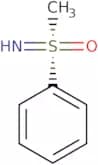
CAS:<p>(S)-(+)-Methyl phenyl sulfoximine, or MMPS, is a synthetic chiral organocatalyst that has been shown to be a highly effective catalyst for the asymmetric synthesis of benzothiazines. It is used in a variety of reactions including cross-coupling, catalytic asymmetric synthesis, desymmetrization and solvents. MMPS has been shown to be enantiopure and stereochemically pure. The yield of this reaction using MMPS as a catalyst was about 98%.</p>Formula:C7H9NOSPurity:Min. 95%Color and Shape:Colorless PowderMolecular weight:155.22 g/molBenzamidoxime hydrochloride
CAS:<p>Benzamidoxime hydrochloride is an activator that can be used in the synthesis of 6-membered alkylaryl compounds. It contains a six-membered amidine ring and a six-membered ring.</p>Formula:C7H8N2O·HClPurity:Min. 95%Color and Shape:PowderMolecular weight:172.61 g/mol2-Chloro-6-fluorobenzaldehyde oxime
CAS:<p>2-Chloro-6-fluorobenzaldehyde oxime is the chemical compound with the formula ClCH=C(O)N(OH)Cl. It is a white solid that is soluble in water and ethanol. 2-Chloro-6-fluorobenzaldehyde oxime is used as a versatile building block in organic synthesis, for example as a reagent for the preparation of amides, esters, and nitriles. It is also useful as a reagent for the conversion of ketones to nitriles.</p>Formula:C7H5ClFNOPurity:Min. 95%Molecular weight:173.57 g/mol2,3-Dichlorobenzaldehyde oxime
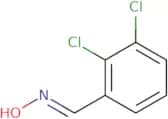
CAS:<p>2,3-Dichlorobenzaldehyde oxime is a versatile building block and reagent in the synthesis of complex compounds. It is mainly used as a research chemical and speciality chemical. 2,3-Dichlorobenzaldehyde oxime has been widely used for the preparation of fine chemicals, pharmaceuticals, agrochemicals, and other organic compounds. This compound can be reacted with various reagents to produce useful scaffolds or reaction components.</p>Formula:C7H5Cl2NOPurity:Min. 95%Color and Shape:PowderMolecular weight:190.03 g/molButyraldoxime
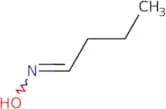
CAS:<p>Butyraldoxime is a chemical that is used in the treatment of skin cancer. It has been shown to inhibit the growth of cultured human cells, including melanoma cells and leukemia cells. In vitro tests have shown that butyraldoxime inhibits sodium citrate-induced changes in cell morphology, an increase in cellular protein content and DNA synthesis, and an increase in tumor size. The mechanism of action for butyraldoxime is thought to be similar to that of the oxime inhibitor drugs. Oximes react with nitrite ion to form a reactive intermediate called nitrous acid, which reacts with caproic acid to form a nitric oxide radical. Nitric oxide radicals are then able to react with free methyl ethyl groups on the surface of cells and produce reactive oxygen species (ROS). ROS can cause damage to cell membranes, proteins and DNA within the cell. This damage may lead to cell death or inhibition of cellular function.</p>Formula:C4H9NOPurity:Min. 95%Molecular weight:87.12 g/molPiperonal oxime
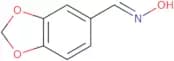
CAS:Controlled Product<p>Piperonal oxime is a chemical compound that is used in the synthesis of the fragrance piperonal. It can be produced by the reaction of sodium carbonate and piperonal with an aldehyde such as n-propyl chloride. Piperonal oxime can also be produced by refluxing piperonal in water with sodium carbonate, followed by acidification and polymerization. Piperonal oxime is insoluble in water and has a melting point range between 118-121 °C. The compound has been shown to catalyze the oxidation of benzaldehyde to benzoic acid and o-xylene to ortho-xylene, which are useful for the production of polymers such as nylon 6.</p>Formula:C8H7NO3Purity:Min. 90%Molecular weight:165.15 g/mol4-Chlorobenzaldehyde oxime
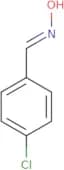
CAS:<p>4-Chlorobenzaldehyde oxime is an antibacterial agent that is classified as a chloroamine. It has been shown to be an effective inhibitor of bacterial growth, with a low toxicity to mammalian cells. 4-Chlorobenzaldehyde oxime has been shown to be activated by amines and hydroxylamine, and the resulting intermediate can cleave a variety of bonds in the bacterial cell wall. The molecular orbitals of this compound have been calculated using crystallographic data and functional theory. 4-Chlorobenzaldehyde oxime also binds to chloride ions and forms a complex with ammonium nitrate, which may account for its activity against some bacteria that are resistant to chlorinated compounds (e.g., Clostridium difficile). This compound also contains functional groups that may react with disulfides present in the bacterial cell wall.</p>Formula:C7H6ClNOPurity:Min. 95%Color and Shape:PowderMolecular weight:155.58 g/mol2,4-Dimethylbenzaldehyde oxime
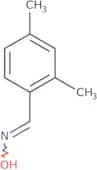
CAS:<p>2,4-Dimethylbenzaldehyde oxime is a useful chemical for the synthesis of complex organic compounds. It is used as a research chemical and as a speciality chemical in the production of fine chemicals. 2,4-Dimethylbenzaldehyde oxime can be used as a versatile building block to form new compounds with different substituents. The compound has been shown to have high reactivity and good quality.</p>Formula:C9H11NOPurity:Min. 95%Molecular weight:149.19 g/mol3,5-Dimethylbenzaldehyde oxime
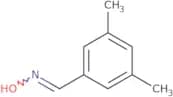
CAS:<p>3,5-Dimethylbenzaldehyde oxime is a white crystalline solid that is soluble in organic solvents. 3,5-Dimethylbenzaldehyde oxime reacts with water to produce hydrogen peroxide and formaldehyde. This reaction is an example of a dehydration reaction.</p>Formula:C9H11NOPurity:Min. 95%Color and Shape:PowderMolecular weight:149.19 g/molClarithromycin oxime
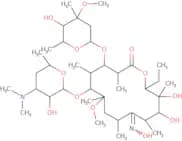
CAS:<p>Clarithromycin oxime is an erythromycin derivative that is a potent inhibitor of protein synthesis in bacteria. It contains a methylating group, which has been shown to be necessary for its antibacterial activity. Clarithromycin oxime inhibits the growth of filamentous fungi and can be used to treat infectious diseases caused by pyogenes and staphylococci. The effective dose is not known, but it should be administered orally or intravenously.</p>Formula:C38H70N2O13Purity:Min. 95 Area-%Color and Shape:White PowderMolecular weight:762.97 g/mol4-Nitrobenzaldehyde oxime
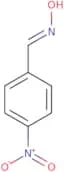
CAS:<p>4-Nitrobenzaldehyde oxime is a phenylhydrazone derivative that is a potent cytotoxic agent. The 1,2-nitration of the benzene ring in 4-nitrobenzaldehyde oxime produces a reactive intermediate that reacts with nucleophilic groups on cellular macromolecules to produce DNA strand breaks and other types of damage. 4-Nitrobenzaldehyde oxime has been shown to have significant anticancer activity against leukemia cells in culture, as well as antibacterial and anticancer activity against Staphylococcus aureus and Escherichia coli.</p>Formula:C7H6N2O3Purity:Min. 95%Color and Shape:PowderMolecular weight:166.13 g/mol(2-Methoxyphenyl)acetone oxime
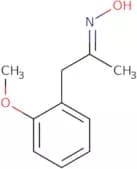
CAS:<p>2-Methoxyphenyl)acetone oxime is a versatile building block that can be used in the synthesis of complex compounds. It is a colourless crystalline solid with a melting point of 138°C and a boiling point of 188°C. This compound has been assigned CAS No. 43021-97-2 and is soluble in water, ethanol, acetone, benzene, chloroform, ether and ethyl acetate. The chemical structure for this compound is shown below:</p>Formula:C10H13NO2Purity:Min. 95%Color and Shape:PowderMolecular weight:179.22 g/molIndirubin-3'-monoxime
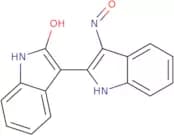
CAS:<p>Inhibitor of YB-1 nuclear translocation; anti-cancer</p>Formula:C16H11N3O2Purity:Min. 95%Color and Shape:PowderMolecular weight:277.28 g/mol2-Methoxybenzaldehyde oxime
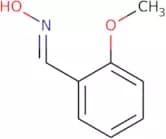
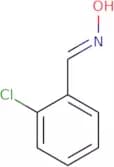
CAS:<p>2-Methoxybenzaldehyde oxime is a synthetic amine that is used in the synthesis of peroxides. The reaction rate and nature depend on the type of peroxide being synthesized, but typically, it is used with acetonitrile as a solvent and an acid catalyst. 2-Methoxybenzaldehyde oxime reacts with peracid to create an aldoxime and nitrite. This product can also be made by reacting benzaldehyde with nitrous acid, which will produce dioxane as an intermediate. The reaction time for this process takes about four hours at room temperature.</p>Formula:C8H9NO2Purity:Min. 95%Color and Shape:PowderMolecular weight:151.16 g/mol2-Chlorobenzaldehyde oxime
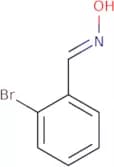
CAS:<p>2-Chlorobenzaldehyde oxime is a compound that inhibits the growth of mycobacterium tuberculosis. It reacts with chloride in the environment to form 2-chlorobenzaldehyde, which reacts with an isoxazole to produce a quinone. Quinones are toxic to mammals and are thought to be responsible for the antimycobacterial activity of this compound. The reaction mechanism of 2-chlorobenzaldehyde oxime has been studied using various techniques and its toxicity has been evaluated in both culture and animal studies. This compound has shown no significant effects on mice at up to 100 mg/kg body weight, but it was found to cause death in rats at doses as low as 0.1 mg/kg body weight.<br>2-Chlorobenzaldehyde oxime was synthesised by reacting 2-chlorobenzaldehyde with oxalyl chloride under conditions suitable for safety, and the product was purified by recrystallisation from acetone. The synthesis</p>Formula:C7H6ClNOPurity:Min. 95%Color and Shape:PowderMolecular weight:155.58 g/mol2-Bromobenzaldoxime
CAS:<p>2-Bromobenzaldoxime is a chemical compound that belongs to the class of isoxazoles. It is used as an agrochemical to control nematodes and insects in crops. 2-Bromobenzaldoxime has been shown to have a high transformation efficiency, with a low response of resistant strains, and is effective against acarids and insects. The product yields are high when 2-bromobenzaldoxime is applied on soil or as a foliar spray. This chemical can be used as an alternative to diethyl ether when it comes to controlling pests in agricultural environments.</p>Formula:C7H6BrNOPurity:Min. 95%Molecular weight:200.03 g/molSalicylaldoxime
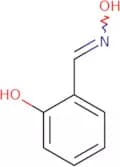
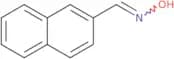
CAS:<p>Salicylaldoxime is a coordination compound that is used for the treatment of malaria. Salicylaldoxime has a high affinity for the cell nuclei, which leads to its inhibitory properties. It binds to cell factor and inhibits the growth of malarial parasites. The inhibition of x-ray crystal structures by salicylaldoxime has been shown in Langmuir adsorption isotherms and electrochemical impedance spectroscopy. This drug binds to metal ions and forms complexes with them, which can be detected through plasma mass spectrometry. The coordination geometry and reaction solution were also analyzed using structural analysis. Hydrogen bonding interactions are present in salicylaldoxime due to its formation of chelates with metals such as iron, copper, cobalt, nickel, and zinc.</p>Formula:C7H7NO2Purity:Min. 95%Color and Shape:PowderMolecular weight:137.14 g/mol2-Naphthaldehyde oxime
CAS:<p>2-Naphthaldehyde oxime is a reactive aldoxime that can be used as an oxidant in organic chemistry. It is able to increase the rate of hydrolysis by acid catalysts, and has been shown to cause biomolecular damage due to its ability to react with functional groups such as amines and alcohols. 2-Naphthaldehyde oxime reacts with silicon, styrene, and polystyrene. The reaction produces carbon dioxide, hydrogen, and water. This product also has the capability of solvating organic compounds through the use of water molecules. Hypervalent oxidation reactions may occur with 2-naphthaldehyde oxime due to its ability to form multiple bonds with oxygen atoms.</p>Formula:C11H9NOPurity:Min. 95%Color and Shape:PowderMolecular weight:171.2 g/mol9-Fluorenone oxime
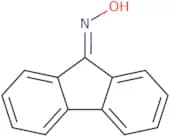
CAS:<p>9-Fluorenone oxime is a pharmacological agent that has been shown to inhibit the activity of proteases. It has been shown to be effective in the treatment of hepatitis caused by radiation and amines, such as fluorenone. 9-Fluorenone oxime binds to the hydroxyl group of the active site on the protease enzyme and forms a covalent bond with it. This prevents hydrolysis of substrate proteins and thus blocks protein synthesis. 9-Fluorenone oxime also has chelate ligand properties, which allow it to bind to metal ions, such as phosphotungstic acid or fluorescence probes, and form complexes. The thermal expansion property of 9-fluorenones can be used for thermometry in biochemistry research.</p>Formula:C13H9NOPurity:90%Color and Shape:PowderMolecular weight:195.22 g/molDL-Methionine-DL-sulfoximine
CAS:<p>DL-Methionine sulfoximine is a drug that blocks the synthesis of glutathione, an important antioxidant and detoxifying agent. DL-Methionine sulfoximine may be useful in preventing or treating eye disorders, such as age-related macular degeneration and retinitis pigmentosa. It also has been shown to have beneficial effects in animal models of epilepsy, Alzheimer’s disease, Parkinson's disease, and stroke. DL-Methionine sulfoximine has been shown to have beneficial effects in animal models of epilepsy, Alzheimer’s disease, Parkinson's disease, and stroke. This drug is being studied for its potential use in metabolic disorders such as diabetes and obesity.</p>Formula:C5H12N2O3SPurity:Min. 95%Color and Shape:White PowderMolecular weight:180.23 g/mola-Benzoin oxime
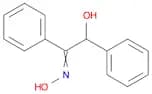
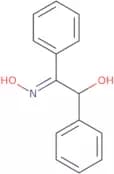
CAS:<p>a-Benzoin oxime is a molecule that has been synthesized and characterized by nuclear magnetic resonance (NMR) spectroscopy. The compound contains a hydroxy group, which is responsible for the vibrational mode observed in anhydrous acetonitrile, sodium citrate and galleria mellonella. This molecule also has a metal ion which coordinates with the hydroxyl group of the benzoin oxime. The coordination complex is formed in an enzyme preparation containing p. aeruginosa and molybdenum as the metal ion.</p>Formula:C14H13NO2Purity:Min. 95%Color and Shape:PowderMolecular weight:227.26 g/mol1-(4-Aminophenyl)ethanone oxime
CAS:<p>4-Aminoacetophenone oxime is an organic compound that is soluble in water and methanol. It has a molecular weight of 169.17 g/mol, a melting point of 190 °C, and a boiling point of 260 °C. 4-Aminoacetophenone oxime has been shown to have antimicrobial activity against Gram-positive bacteria, such as Staphylococcus aureus, but not against Gram-negative bacteria. This compound can be used as a ligand for metal ions such as copper and zinc, which are important in biological processes. The magnetic properties of 4-aminoacetophenone oxime make it possible to detect the molecule using nuclear magnetic resonance spectroscopy.<br>4-Aminoacetophenone oxime can be synthesized by reacting 5-nitrosalicylaldehyde with ammonium acetate in the presence of hydrochloric acid:</p>Formula:C8H10N2OPurity:Min. 95%Color and Shape:PowderMolecular weight:150.18 g/mol3-(3,4-dimethoxyphenyl)-1,6-dimethyl-(5,6,7-trihydro1H-indazol)-4-O-methyloxime
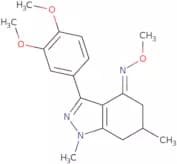
CAS:<p>Please enquire for more information about 3-(3,4-dimethoxyphenyl)-1,6-dimethyl-(5,6,7-trihydro1H-indazol)-4-O-methyloxime including the price, delivery time and more detailed product information at the technical inquiry form on this page</p>Purity:Min. 95%3,4-Dichlorobenzaldehyde oxime
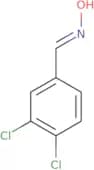
CAS:<p>3,4-Dichlorobenzaldehyde oxime is a natural carotenoid that has been shown to have antibacterial activity. 3,4-Dichlorobenzaldehyde oxime is produced by the reaction of malonate and aldehyde in an incubated system. This compound has been shown to be active against Gram-positive bacteria such as staphylococcus and aldoximes and Gram-negative bacteria such as E. coli, Salmonella typhimurium, and Shigella flexneri. 3,4-Dichlorobenzaldehyde oxime inhibits bacterial growth by binding to the 50S ribosomal subunit of the bacterial cell membrane. This binding prevents protein synthesis, leading to cell death. The biosynthesis of 3,4-dichlorobenzaldehyde oxime involves the conversion of abscisic acid (ABA) into ABA quinone through oxidation by an enzyme called ABA oxidase</p>Formula:C7H5Cl2NOPurity:Min. 95%Color and Shape:PowderMolecular weight:190.03 g/molβ-Resorcylic aldehyde oxime
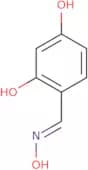
CAS:<p>beta-Resorcylic aldehyde oxime is a compound that can be used as a reagent, speciality chemical, and research chemical. It has the CAS number 5399-68-8, and it is a fine chemical that has been shown to be useful in organic synthesis. beta-Resorcylic aldehyde oxime is soluble in methanol, ethanol, benzene, diethyl ether, and acetone. This compound can be used as a building block for other compounds by reacting with amines or carboxylic acids. It can also be used as an intermediate for other reactions. beta-Resorcylic aldehyde oxime has been shown to have versatile properties that make it an excellent scaffold for creating new compounds.</p>Formula:C7H7NO3Molecular weight:153.14 g/mol4-Diethylaminobenzaldoxime
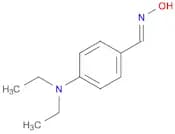
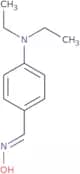
CAS:<p>4-Diethylaminobenzaldoxime is a reaction component that is used in the synthesis of complex compounds. It has been shown to be a useful scaffold for the construction of novel chemical entities. It also has high quality, and can be used as a reagent in research or as a speciality chemical. 4-Diethylaminobenzaldoxime is versatile and can be used as an intermediate or building block in organic chemistry. This chemical has CAS No. 54376-65-7 and is classified as a fine chemical.</p>Formula:C11H16N2OPurity:Min. 95%Color and Shape:PowderMolecular weight:192.26 g/mol2,3-Dimethoxybenzaldoxime
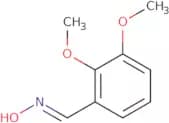
CAS:<p>2,3-Dimethoxybenzaldoxime is an oxime that can be used as a chlorinating agent in organic synthesis. It has been shown to be a good catalyst for the Suzuki coupling of chlorides and boronic acids and for the Miyaura coupling of alkenes and halides.<br>2,3-Dimethoxybenzaldoxime also reacts with alkenes to form dimers. This reaction is catalyzed by a palladium complex, which may be due to its ability to activate the alkene by oxidative addition or reductive elimination.</p>Formula:C9H11NO3Purity:Min. 95%Color and Shape:PowderMolecular weight:181.19 g/mol2,6-Dimethylbenzaldehyde oxime
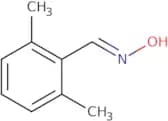
CAS:<p>2,6-Dimethylbenzaldehyde oxime is a reagent and useful intermediate for the synthesis of complex compounds. It is also a building block for speciality chemicals. 2,6-Dimethylbenzaldehyde oxime has been used in research and as a reaction component for various organic syntheses. This compound has a CAS number of 55882-62-7.</p>Formula:C9H11NOPurity:Min. 95%Molecular weight:149.19 g/mol4-Bromo-2-fluorobenzaldoxime
CAS:<p>4-Bromo-2-fluorobenzaldoxime is a fine chemical that is used as a building block in the synthesis of complex molecules. It is also an intermediate in the production of pharmaceuticals, research chemicals, and other specialty chemicals. 4-Bromo-2-fluorobenzaldoxime has a CAS number of 202865-64-3 and is a useful reagent for organic synthesis. It can be used to produce high quality compounds with versatile building blocks.</p>Formula:C7H5BrFNOPurity:Min. 95%Color and Shape:PowderMolecular weight:218.02 g/mol2-Oxopropanal oxime
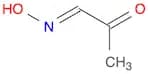
CAS:<p>2-Oxopropanal oxime is a coordination compound that has been shown to be an effective catalyst for the oxidation of hydrochloric acid to hydrogen chloride and methane. It has also been found to have a protective effect against the nerve agent sarin. 2-Oxopropanal oxime binds to the active site of the enzyme acetylcholinesterase, which breaks down acetylcholine, preventing its action on muscle cells and leading to paralysis. The reaction mechanism of 2-Oxopropanal oxime is not well understood, but it is hypothesized that it may involve a pyridinium intermediate. This compound has been investigated as a possible treatment for metabolic disorders, such as obesity and type II diabetes, due to its ability to stimulate detoxification enzymes in the liver. 2-Oxopropanal oxime is also used in plant biotechnology as an expression plasmid because it allows plants to produce large quantities of proteins with signal pept</p>Formula:C3H5NO2Purity:Min. 95%Molecular weight:87.08 g/molL-Methionine [R]-sulfoximine
CAS:<p>L-Methionine [R]-sulfoximine is a molecule that has been isolated from the environment. It is an electron-deconvolution and paramagnetic resonance study of the molecule. The spectrum was obtained in the frequency range from 10 to 500 MHz, with a resolution of 0.03 ppm, and a sensitivity of 20 μT. L-Methionine [R]-sulfoximine is an imine nitrogen that can be coordinated by metal ions to form an iminium ion. This compound has two enantiomers, which are both shown in this study. L-Methionine [R]-sulfoximine is a synthetase that catalyzes the formation of the methylamino group and its amino nitrogen.</p>Formula:C5H12N2O3SPurity:Min. 95%Color and Shape:White to pale yellow solid.Molecular weight:180.23 g/molDimethylglyoxime disodium salt octahydrate
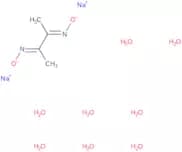
CAS:<p>Dimethylglyoxime is a pesticide that has been used to control insects and nematodes. It has been found to be effective in controlling mosquitoes, flies, and other pests. This compound is also used as an extractor in microextraction. Dimethylglyoxime is not toxic to humans and does not cause any adverse effects on the environment or human health. It can be used with chlorine for wastewater treatment.</p>Formula:C4H8N2Na2O2·8H2OPurity:Min. 95%Color and Shape:PowderMolecular weight:306.22 g/mol3-Bromobenzaldoxime
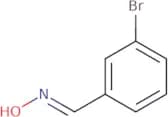
CAS:<p>3-Bromobenzaldoxime is a dialkylamino aldoxime compound that is soluble in organic solvents such as diethyl ether, chloroform, dichloromethane, and benzene. It can be synthesized from benzaldehyde and aniline through the reaction of cyclopentenes with phenylsulfonyl chloride. This reaction produces an intermediate that is then reacted with nitrobenzene to produce 3-bromobenzaldoxime. 3-Bromobenzaldoxime has been used in the synthesis of hydroxamic acids and its use as a solvent for nitro compounds.</p>Formula:C7H6BrNOPurity:Min. 98 Area-%Color and Shape:PowderMolecular weight:200.03 g/molSyringaldoxime
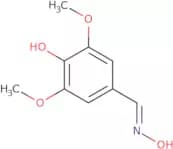
CAS:<p>Syringaldoxime is a tyrosinase inhibitor that inhibits the production of melanin. It is used in the treatment of vitiligo, a skin condition characterized by patches of depigmented skin. Syringaldoxime binds to benzal-dioxime and inhibits its activity. This inhibition leads to decreased production of hydroxytyrosine, which is an important intermediate in the synthesis of melanin. It also has inhibitory activity against l-dopa oxidation and enzyme catalyzed reactions. Syringaldoxime has two moieties, tropolone and methoxy, which are responsible for its inhibitory effects on tyrosinase activity.</p>Formula:C9H11NO4Purity:Min. 95%Color and Shape:PowderMolecular weight:197.19 g/molSalicylaldoxime
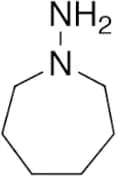
CAS:Controlled Product<p>Applications Salicylaldoxime (cas# 94-67-7) is a useful research chemical.<br></p>Formula:C7H7NO2Color and Shape:NeatMolecular weight:137.13N-Aminohexamethylenimine
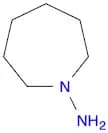
CAS:Controlled Product<p>Applications N-Aminohexamethylenimine is a sesquiterpene lactones with anti-hepatitis C virus activity.<br> Not a dangerous good if item is equal to or less than 1g/ml and there is less than 100g/ml in the package<br>References Rossini, M., et al.: Lett. Drug. Des. Discov., 9, 881 (2012); Hines, R.N., et al.: J. Pharmacol. Exp. Therap., 214, 88 (1980);<br></p>Formula:C6H14N2Color and Shape:NeatMolecular weight:114.196,7-Dinitro-2,3-dihydro-benzo[1,4]dioxime
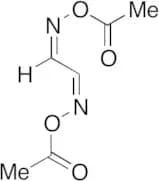
CAS:Controlled Product<p>Applications 6,7-Dinitro-2,3-dihydro-benzo[1,4]dioxime (cas# 57356-48-6) is a compound useful in organic synthesis.<br></p>Formula:C8H6N2O6Color and Shape:YellowMolecular weight:226.14N,N'-Diacetylglyoxime
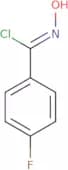
CAS:Controlled Product<p>Applications N,N'-Diacetylglyoxime is an intermediates in the synthesis of various nitriles.<br>References Subramanian, L.R., et al.: Sci. Synth., 19, 109 (2004);<br></p>Formula:C6H8N2O4Color and Shape:NeatMolecular weight:172.14α-Chloro-4-fluorobenzaldehyde oxime
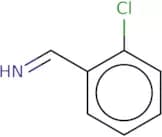
CAS:<p>Alpha-Chloro-4-fluorobenzaldehyde oxime is a selenium compound that can be stabilized with heat resistance and structuring. It is used as an additive in the plating of alloys, thermoplastics, and rubber products. Alpha-Chloro-4-fluorobenzaldehyde oxime has been shown to have anti-oxidant effects, which may be due to its ability to stabilize free radicals.</p>Formula:C7H5ClFNOPurity:Min. 95%Molecular weight:173.57 g/mol2-(Chlorophenyl)methanimine
CAS:<p>2-(Chlorophenyl)methanimine is a fine chemical with CAS No. 91589-24-1 that is used in the synthesis of other research chemicals and speciality chemicals. This compound has a high quality, complex structure, and can be used as an intermediate or scaffold for a variety of reactions. 2-(Chlorophenyl)methanimine is also versatile, as it can be used as a building block or reagent in many different reactions.</p>Formula:C7H6ClNPurity:Min. 95%Color and Shape:PowderMolecular weight:139.58 g/molN-Acetyl-4-benzoquinone imine
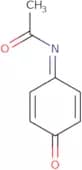
CAS:<p>N-Acetyl-4-benzoquinone imine is an antimicrobial agent that belongs to the class of paracetamol. It inhibits the enzyme form of acetaminophen (APAP). N-Acetyl-4-benzoquinone imine is a reactive compound and can cause oxidative injury in cells. This drug has been shown to have cytotoxic effects on cells at physiological levels and a concentration–time curve similar to acetaminophen. N-Acetyl-4-benzoquinone imine also affects mitochondrial membrane potential and matrix effect, which may be due to its ability to inhibit mitochondrial enzymes. The toxic effects of N-Acetyl-4-benzoquinone imine are reversible after it is metabolized by cytochrome P450 enzymes.</p>Formula:C8H7NO2Purity:Min. 95%Color and Shape:White PowderMolecular weight:149.15 g/mol2,6-Dimethoxybenzaldoxime
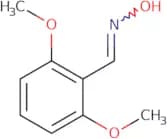
CAS:<p>2,6-Dimethoxybenzaldoxime is a phenylhydrazone that can be used in the catalytic system for oxidation of carbonyl compounds. The reaction proceeds through the periodate-mediated oxidation of the hydrazone to form the corresponding hydroxamic acid. This compound has been shown to be efficient and selective for the oxidation of a wide range of carbonyl compounds, including porphyrins. 2,6-Dimethoxybenzaldoxime is also used as a precursor for other syntheses, such as tetraphenylporphyrin.</p>Formula:C9H11NO3Purity:Min. 95%Molecular weight:181.19 g/mol2-Amino-5-chlorobenzophenone oxime
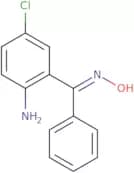
CAS:<p>2-Amino-5-chlorobenzophenone oxime is a drug that belongs to the class of hydrazides. It was originally developed as an antidepressant and it has been shown in animal experiments to have antidepressant effects. 2-Amino-5-chlorobenzophenone oxime inhibits the enzyme monoamine oxidase, which is responsible for breaking down amines such as serotonin and norepinephrine. This inhibition leads to increased levels of these neurotransmitters in the brain, which may be responsible for its antidepressant effect. 2-Amino-5-chlorobenzophenone oxime also has analgesic properties, with yields of up to 86%.</p>Formula:C13H11ClN2OPurity:Min. 85 Area-%Color and Shape:PowderMolecular weight:246.69 g/mol4-Phenylbenzaldehyde oxime
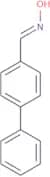
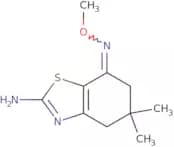
CAS:<p>4-Phenylbenzaldehyde oxime is a high quality reagent that is used as a building block in the synthesis of complex compounds. It is an aromatic compound with a chemical formula of C8H7O2N. This product can be used to make a variety of useful intermediates, fine chemicals, and speciality chemicals. 4-Phenylbenzaldehyde oxime has been identified as a potentially useful scaffold for synthetic organic chemistry and research into new drugs. It is also used as an intermediate in the production of other organic compounds. This product has been shown to be versatile and can be used to synthesize many different types of reactions.</p>Formula:C13H11NOPurity:Min. 95%Color and Shape:PowderMolecular weight:197.23 g/mol7-(O-methyloxime)-5,5-dimethyl-4,5,6-trihydrobenzothiazole-2-ylamine
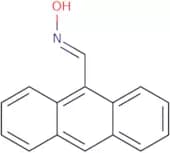
CAS:<p>Please enquire for more information about 7-(O-methyloxime)-5,5-dimethyl-4,5,6-trihydrobenzothiazole-2-ylamine including the price, delivery time and more detailed product information at the technical inquiry form on this page</p>Purity:Min. 95%9-Anthraldoxime
CAS:<p>9-Anthraldoxime is an oxime that is used in the preparation of new synthetic strategies. It has been shown to be a precursor for a variety of functional groups and has been used in the synthesis of a variety of organic compounds. 9-Anthraldoxime is also an electron spin resonance (ESR) reagent and can be used in the study of electron spin resonance spectra. This chemical compound is also useful for examining functional groups, such as methyl groups, through its spectral data. Being an ESR reagent, it can be used to measure the nature of electrons and their spin orientation.</p>Formula:C15H11NOPurity:Min. 95%Color and Shape:PowderMolecular weight:221.25 g/mol4-Acetophenone oxime
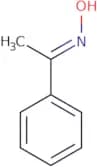
CAS:<p>4-Acetophenone oxime is a triazine compound that has been shown to inhibit the growth of bacteria by binding to the alcohol group of picolinic acid. The binding of 4-acetophenone oxime to picolinic acid creates an acylation intermediate, which is then hydrolyzed. This reaction is reversible and can be repeated multiple times. The inhibitory effect of 4-acetophenone oxime on bacterial growth is highly dependent on its concentration and the pH of the solution in which it is dissolved. 4-Acetophenone oxime has been used as a reagent for analytical chemistry and as a starting material for other organic compounds such as acetanilide, phenol, and phenylhydrazine. It has also been used in x-ray crystal structures obtained at different temperatures, which provided structural analyses and thermodynamic data.</p>Formula:C8H9NOPurity:Min. 95%Color and Shape:PowderMolecular weight:135.16 g/molVeratraldoxime
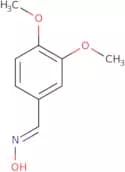
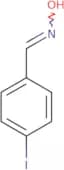
CAS:<p>Veratraldoxime is a synthetic compound that is the diacetate ester of oxime and has been used in the treatment of inflammatory bowel disease. It has been shown to be effective in some patients, but not all, with ulcerative colitis. Veratraldoxime inhibits the production of inflammatory mediators by inhibiting the activity of cyclooxygenase-2 and lipoxygenase. This drug also has anti-inflammatory properties by inhibiting prostaglandin synthesis at the level of phospholipase A2 and cyclooxygenase-1. The mechanism of action for this drug is similar to that of other nonsteroidal anti-inflammatory drugs (NSAIDs). Veratraldoxime also inhibits protein synthesis by blocking the formation of amide bonds, thereby inhibiting bacterial growth. The oxidation products are responsible for its antibiotic properties. Veratraldoxime binds to copper chromite to form a coordination complex, which is</p>Formula:C9H11NO3Purity:Min. 95%Color and Shape:PowderMolecular weight:181.19 g/mol4-Iodobenzaldoxime
CAS:<p>4-Iodobenzaldoxime is an isoxazoline, phenyl derivative that forms a 4-iodobenzaldehyde oxime from a 4-bromobenzaldehyde or 4-chlorobenzaldehyde. This compound has been used for the synthesis of organic compounds and pharmaceuticals. The reaction is catalyzed by acid or base in water or alcohol.</p>Formula:C7H6INOPurity:Min. 95%Color and Shape:PowderMolecular weight:247.03 g/molNaphthalene-2-sulphonylacetamide oxime
CAS:<p>Please enquire for more information about Naphthalene-2-sulphonylacetamide oxime including the price, delivery time and more detailed product information at the technical inquiry form on this page</p>Purity:Min. 95%2,5-Dichlorobenzenesulphonylacetamide oxime
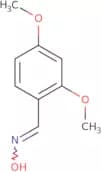
<p>Please enquire for more information about 2,5-Dichlorobenzenesulphonylacetamide oxime including the price, delivery time and more detailed product information at the technical inquiry form on this page</p>Purity:Min. 95%2,4-Dimethoxybenzaldoxime
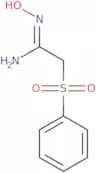
CAS:<p>2,4-Dimethoxybenzaldoxime is an aldoxime that has been used in the synthesis of formyl compounds. It is a synthetic molecule with a molecular weight of 192.2 g/mol and a melting point of 97°C. 2,4-Dimethoxybenzaldoxime is used to synthesize fulvenes, which are highly reactive molecules that have been shown to be useful in the study of formyl group reactivity. It also has been used as a photosensitizer for photochemical reactions. In addition, it can be used to prepare unsaturated alkyl compounds by reacting with alcohols in the presence of base or acid.</p>Formula:C9H11NO3Purity:Min. 95%Color and Shape:PowderMolecular weight:181.19 g/mol(Benzenesulphonyl)acetamide oxime
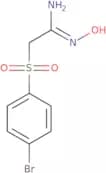
CAS:<p>Benzenesulphonyl)acetamide oxime is a herbicide that inhibits the growth of plants by binding to the enzyme acetohydroxy acid synthase, which is involved in the synthesis of fatty acids. The compound has been shown to be a potent herbicide against many types of weeds, such as thistles, canary grass, ragweed, and lambsquarters. Benzenesulphonyl)acetamide oxime is also used as an analytical reagent to detect peroxides.</p>Formula:C8H10N2O3SPurity:Min. 95%Color and Shape:PowderMolecular weight:214.24 g/mol4-Bromobenzenesulphonylacetamide oxime
CAS:<p>Please enquire for more information about 4-Bromobenzenesulphonylacetamide oxime including the price, delivery time and more detailed product information at the technical inquiry form on this page</p>Formula:C8H9BrN2O3SPurity:Min. 95%Color and Shape:PowderMolecular weight:293.14 g/molAcetaldoxime
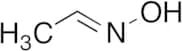
CAS:Controlled Product<p>Applications Acetaldoxime is a useful research chemical, an intermediate or a precursor used in the preparation of some heterocyclic compounds like spiroisoxazolines. An oxygen scavenger in boiler water.<br> Not a dangerous good if item is equal to or less than 1g/ml and there is less than 100g/ml in the package<br>References Lee, C. K. Y., et al.: ARKIVOC, 3, 175 (2006); Gallos, J. K., et al.: J. Chem. Soc., 4, 415 (2001); Zhao, Z., et al.: From Faming Zhuanli Shenqing (2019), CN 109368821 A 20190222<br></p>Formula:C2H5NOColor and Shape:NeatMolecular weight:59.07trans-Benzaldoxime
CAS:Controlled Product<p>Applications An antioxidant<br>References Jeong, H., et al.: Bioorg. Med. Chem. Lett., 16, 5576 (2006), Andresen Bergstroem, M., et al.: J. Med. Chem., 51, 2541 (2008),<br></p>Formula:C7H7NOColor and Shape:NeatMolecular weight:121.14N-Methoxyadamantan-2-imine
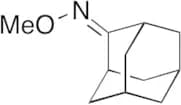
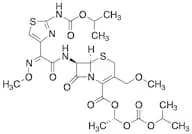
CAS:Controlled ProductFormula:C11H17NOColor and Shape:NeatMolecular weight:179.259(1S)-Cefpodoxime Proxetil Isopropylcarbamate
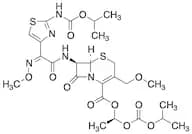
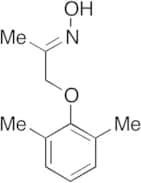
Controlled ProductFormula:C25H33N5O11S2Color and Shape:NeatMolecular weight:643.686(E)-1-(2,6-Dimethylphenoxy)propan-2-one Oxime
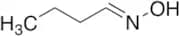
CAS:Controlled Product<p>Applications (E)-1-(2,6-Dimethylphenoxy)propan-2-one oxime is a useful reagent for organic synthesis.<br></p>Formula:C11H15NO2Color and Shape:NeatMolecular weight:193.242Butyraldoxime
CAS:Controlled Product<p>Applications Butyraldoxime (cas# 110-69-0) is a useful research chemical.<br></p>Formula:C4H9NOColor and Shape:NeatMolecular weight:87.12Cyclopentanimine
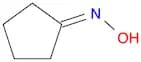
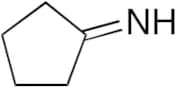
CAS:Controlled Product<p>Applications Cyclopentanimine can be obtained from Cyclopentanone (C988395) which is a chemical compound used in the synthesis of various simple and complex organic compounds. Also used in the synthesis of peptidase IV inhibitors for the treatment of type 2 diabetes.<br>References Imamoto, T. et al.: J. Am. Chem. Soc., 112, 5244 (1990); Augeri, D. et al.: J. Med. Chem., 48, 5025 (2005);<br></p>Formula:C5H9NColor and Shape:NeatMolecular weight:83.132Tempoxime Hydrochloride
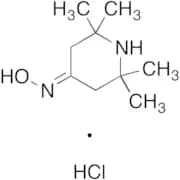
CAS:Controlled ProductFormula:C9H18N2O•HClColor and Shape:NeatMolecular weight:170.25 +(36.46)(E)-1-(Benzo[b]thiophen-2-yl)ethanone Oxime
CAS:Controlled Product<p>Applications (E)-1-(Benzo[b]thiophen-2-yl)ethanone Oxime is an isomer of N-(1-Benzo[b]thiophen-2-yl-ethyl)-hydroxylamine a reagent used in the preparation of Zileuton, an anti-asthmatic drug.<br>References Guinchard, X. et al.: J. Org. Chem., 73, 2028 (2008)<br></p>Formula:C10H9NOSColor and Shape:NeatMolecular weight:191.25Deoxybenzoin Oxime
CAS:Controlled Product<p>Applications Deoxybenzoin Oxime (cas# 26306-06-9) is a compound useful in organic synthesis.<br></p>Formula:C14H13NOColor and Shape:NeatMolecular weight:211.26Methyloxamide 2-Oxime
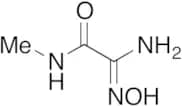
CAS:Controlled ProductFormula:C3H7N3O2Color and Shape:NeatMolecular weight:117.107(1R)-Cefpodoxime Proxetil Isopropylcarbamate
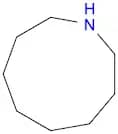
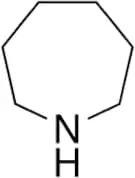
Controlled ProductFormula:C25H33N5O11S2Color and Shape:NeatMolecular weight:643.686Hexamethylenimine
CAS:Controlled Product<p>Applications A degradation product of herbicide Molinate in pot soil and rice plants.<br>References Kriek, E., et al.: Biochemistry, 6, 177 (1967), Farmer, P., et al.: Toxicol. Lett., 149, 3 (2004), Gyorffy, E., et al.: Carcinogenesis, 25, 1201 (2004),<br></p>Formula:C6H13NColor and Shape:NeatMolecular weight:99.179,10-Dihydro-1-benzo[a]pyrene-7(8H)-one Oxime
CAS:Controlled Product<p>Applications 9,10-Dihydro-1-benzo[a]pyrene-7(8H)-one Oxime (cas# 88909-82-4) is a compound useful in organic synthesis.<br></p>Formula:C20H15NOColor and Shape:NeatMolecular weight:285.34(Z)-1-(Benzo[b]thiophen-2-yl)ethanone Oxime
CAS:Controlled Product<p>Applications (Z)-1-(Benzo[b]thiophen-2-yl)ethanone Oxime is an isomer of N-(1-Benzo[b]thiophen-2-yl-ethyl)-hydroxylamine a reagent used in the preparation of Zileuton, an anti-asthmatic drug.<br>References Guinchard, X. et al.: J. Org. Chem., 73, 2028 (2008)<br></p>Formula:C10H9NOSColor and Shape:NeatMolecular weight:191.25Polyethylenimine - 50% in H2O, average Mw~800
CAS:Controlled Product<p>50% in water; Average molecular weight 800 Da</p>Formula:(C2H8N2)n•(C2H5N)nPurity:Min. 95%O-(2,3,4,5,6-Pentafluorobenzyl)formaldoxime
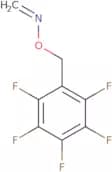
CAS:<p>Please enquire for more information about O-(2,3,4,5,6-Pentafluorobenzyl)formaldoxime including the price, delivery time and more detailed product information at the technical inquiry form on this page</p>Formula:C8H4F5NOPurity:Min. 95%Molecular weight:225.12 g/molDimethylglyoxime
CAS:<p>Dimethylglyoxime is a chelate ligand that can be used as an antimicrobial agent. The compound binds to metals, such as iron and copper, which are found in wastewater and industrial effluents. Dimethylglyoxime can also chelate metal ions that are present in the water supply. This property makes it an effective agent for removing heavy metals from water. Dimethylglyoxime has been shown to react with various metal ions by means of Langmuir adsorption isotherms and fluorescence spectrometry. When this reaction occurs, the compound forms a complex with the metal ion. The model system is a solution of dimethylglyoxime with sodium citrate and tetramethylammonium chloride (TMA). The reaction mechanism involves protonation and deprotonation of the ligand, which occurs when the pH is changed from acidic to basic conditions. The plasma mass spectrometry technique has been used to detect the presence of dimethyl</p>Formula:C4H8N2O2Color and Shape:PowderMolecular weight:116.12 g/molTestosterone 3-(O-carboxymethyl)oxime
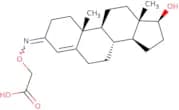
CAS:Controlled Product<p>Testosterone 3-(O-carboxymethyl)oxime is an inactive prodrug of testosterone. It is a potent and selective inhibitor of angiotensin II that causes vasodilation by blocking the conversion of angiotensin I to angiotensin II. Testosterone 3-(O-carboxymethyl)oxime has been shown to be effective in lowering blood pressure in patients with congestive heart failure, although it may cause side effects such as dizziness, headache, and nausea. This drug can also be used to treat prostate cancer because it inhibits the production of testosterone and reduces serum levels of luteinizing hormone. Testosterone 3-(O-carboxymethyl)oxime can also be used for diagnostic purposes as a marker for polycystic ovary syndrome (PCOS).</p>Formula:C21H31NO4Purity:Min. 95%Molecular weight:361.48 g/molDescarbamoyl cefuroxime
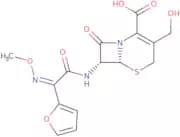
CAS:<p>Descarbamoyl cefuroxime is a prodrug that is hydrolyzed in vivo to cefuroxime, its active form. It can be prepared by acylation of cefuroxime with an organic acid chloride, such as acetyl chloride or propionyl chloride. The reaction is catalyzed by a strong base, such as sodium hydride or potassium tert-butoxide. Descarbamoyl cefuroxime has been shown to be effective against Staphylococcus aureus and Clostridium perfringens, although is not active against acid-fast bacteria such as Mycobacterium tuberculosis or Mycobacterium avium complex. This drug has shown anti-inflammatory properties, which may be due to its inhibition of prostaglandin synthesis.</p>Formula:C15H15N3O7SPurity:Min. 95%Molecular weight:381.36 g/molL-Buthionine-(S,R)-sulfoximine
CAS:<p>L-Buthionine-(S,R)-sulfoximine (BSO) is a glutathione-depleting agent that causes cell death by interrupting mitochondrial functions. BSO has been shown to be reactive with covalent linkages in polymer compositions and enzyme activities, which results in the inhibition of human osteosarcoma cells. It also has pro-apoptotic properties that have been demonstrated using multivariate logistic regression on taxol toxicity studies. Resistance to BSO is rare, but has been observed in breast cancer cells. The synergistic effect of BSO and other drugs, such as chemotherapeutic agents, is not well understood.</p>Formula:C8H18N2O3SPurity:Min. 97 Area-%Color and Shape:White PowderMolecular weight:222.31 g/mol4-Fluorobenzaldehyde oxime
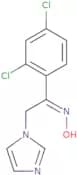
CAS:<p>4-Fluorobenzaldehyde oxime is a phenylhydrazine derivative that reacts with an aromatic amine to form a ternary complex. The reaction time for this process is short, and the yield of the product is high. 4-Fluorobenzaldehyde oxime also reacts with an aromatic amine to form an ion-pair. It can react with acidic hydrogen donors such as peracids and it also has high hydrogen bonding interactions. 4-Fluorobenzaldehyde oxime is used in pharmacological agents as well as other chemical reactions, including halogenation.</p>Formula:C7H6FNOPurity:Min. 95%Color and Shape:White PowderMolecular weight:139.13 g/mol(Z)-1-(2,4-Dichlorophenyl)-2-(1H-imidazol-1-yl)ethanone oxime
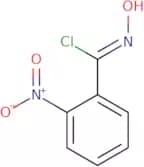
CAS:<p>(Z)-1-(2,4-Dichlorophenyl)-2-(1H-imidazol-1-yl)ethanone oxime is an antifungal agent that inhibits the synthesis of ergosterol, a major constituent of fungal cell membranes. It has been shown to be active against a variety of fungi and yeasts. (Z)-1-(2,4-Dichlorophenyl)-2-(1H-imidazol-1-yl)ethanone oxime also has antimicrobial activity against bacteria such as Staphylococcus aureus and Pseudomonas aeruginosa.</p>Formula:C11H9Cl2N3OPurity:Min. 95%Molecular weight:270.11 g/molα-Chloro-2-nitrobenzaldoxime
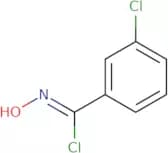
CAS:<p>The heterocycle alpha-chloro-2-nitrobenzaldoxime is a functional group that can be oriented in two different ways. The diversity of the product arises from the fact that it is possible to create new functional groups by substitution on the benzene ring and on the nitrogen. Heterocyclization of alpha-chloro-2-nitrobenzaldoxime can be achieved by using other heterocycles such as isoxazoles, which are readily available in large quantities, as building blocks. This reaction can be catalyzed by reductive means with sodium borohydride and methanol.</p>Formula:C7H5ClN2O3Purity:Min. 95%Molecular weight:200.58 g/molα,3-Dichlorobenzaldoxime
CAS:<p>Please enquire for more information about alpha,3-Dichlorobenzaldoxime including the price, delivery time and more detailed product information at the technical inquiry form on this page</p>Formula:C7H5Cl2NOPurity:Min. 95%Molecular weight:190.03 g/mol


![N-Hydroxybenzo[d][1,3]dioxole-5-carboximidamide](/_next/image/?url=https%3A%2Fstatic.cymitquimica.com%2Fproducts%2FIN%2Fthumb-webp%2FDA0071JT.webp&w=3840&q=75)

![Tricyclo[3.3.1.13,7]decanone, O-methyloxime](/_next/image/?url=https%3A%2Fstatic.cymitquimica.com%2Fproducts%2FIN%2Fthumb-webp%2FDA00IKWM.webp&w=3840&q=75)







![L-Methionine [R,S]-sulfoximine](/_next/image/?url=https%3A%2Fstatic.cymitquimica.com%2Fproducts%2F3D%2Fthumb-webp%2FFM25156.webp&w=3840&q=75)






![L-Methionine [R]-sulfoximine](/_next/image/?url=https%3A%2Fstatic.cymitquimica.com%2Fproducts%2F3D%2Fthumb-webp%2FFM25157.webp&w=3840&q=75)

![6,7-Dinitro-2,3-dihydro-benzo[1,4]dioxime](/_next/image/?url=https%3A%2Fstatic.cymitquimica.com%2Fproducts%2FTR%2Fthumb-webp%2FD479780.webp&w=3840&q=75)


![(E)-1-(Benzo[b]thiophen-2-yl)ethanone Oxime](/_next/image/?url=https%3A%2Fstatic.cymitquimica.com%2Fproducts%2FTR%2Fthumb-webp%2FB276763.webp&w=3840&q=75)
![9,10-Dihydro-1-benzo[a]pyrene-7(8H)-one Oxime](/_next/image/?url=https%3A%2Fstatic.cymitquimica.com%2Fproducts%2FTR%2Fthumb-webp%2FD448425.webp&w=3840&q=75)
![(Z)-1-(Benzo[b]thiophen-2-yl)ethanone Oxime](/_next/image/?url=https%3A%2Fstatic.cymitquimica.com%2Fproducts%2FTR%2Fthumb-webp%2FB276765.webp&w=3840&q=75)