Ethers
Ethers are organic compounds containing an ether functional group, characterized by an oxygen atom bonded to two hydrocarbon radicals. These compounds are valuable in synthesis and serve as solvents in various chemical reactions. At CymitQuimica, we offer a selection of high-quality ethers to support your research and industrial applications, ensuring reliable and effective results. Our range of ethers meets diverse laboratory requirements, from routine experiments to advanced research.
Found 40902 products of "Ethers"
Sort by
Purity (%)
0
100
|
0
|
50
|
90
|
95
|
100
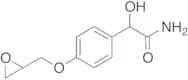
a-Hydroxy-4-(2-oxiranylmethoxy)-benzeneacetamide
CAS:Controlled Product<p>Applications α-Hydroxy-4-(2-oxiranylmethoxy)-benzeneacetamide is an intermediate in the synthesis of hydroxyatenolol (H802480), which is a metabolite of Atenolol (A790075); a cardioselective β-adrenergic blocker, antihypertensive, antianginal, and antiarrhythmic (class II).<br>References Escher, B., et al.: Environ. Sci. Technol., 40, 7402 (2006); Caplar, V., et al.: Anal. Profiles Drug Subs., 13, 1 (1984)<br></p>Formula:C11H13NO4Color and Shape:Off-WhiteMolecular weight:223.23Chloromethoxysulfonyl Chloride
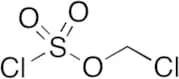
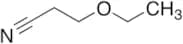
CAS:Controlled Product<p>Stability Moisture Sensitive<br>Applications Chloromethoxysulfonyl Chloride is a useful intermediate for organic synthesis. Chloromethoxysulfonyl Chloride is a useful reagent for the preparation of HIV-attachment inhibitor BMS-663068, and in the synthesis of water soluble benzimidazole derivatives useful for treatment of fasciolosis.<br>References Fox, R. J., et al.; Org. Process Res. Dev., 21, 1095 (2017); Flores-Ramos, M., et al.: Bioorg. Med. Chem. Lett., 24, 5814 (2014); Zheng, B., et al.: Org. Process Res. Dev., 16, 1827 (2012)<br></p>Formula:CH2Cl2O3SColor and Shape:NeatMolecular weight:164.9963-Ethoxypropionitrile
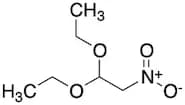
CAS:Controlled Product<p>Applications 3-Ethoxypropionitrile (cas# 2141-62-0) is a useful research chemical.<br></p>Formula:C5H9NOColor and Shape:NeatMolecular weight:99.131,1-Diethoxy-2-nitroethane
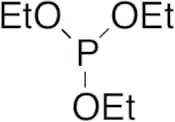
CAS:Controlled Product<p>Applications 1,1-diethoxy-2-nitroethane (cas# 34560-16-2) is a useful research chemical.<br></p>Formula:C6H13NO4Color and Shape:NeatMolecular weight:163.17Triethyl Phosphite
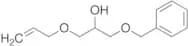
CAS:Controlled Product<p>Stability Air Sensitive, Moisture Sensitive<br>Applications Triethoxyphosphine is an common reagent used as a soft ligand in coordination chemistry and homogenous catalysis.<br> Not a dangerous good if item is equal to or less than 1g/ml and there is less than 100g/ml in the package<br>References Xiong, J.Y., et al.: Materials. Sci. Forum., 618 (2009); Mcpherson, A., et al. J. Structural. Biol., 156, 387 (2006);<br></p>Formula:C6H15O3PColor and Shape:NeatMolecular weight:166.161-(Phenylmethoxy)-3-(2-propen-1-yloxy)-2-propanol
CAS:Controlled Product<p>Applications 1-(Phenylmethoxy)-3-(2-propen-1-yloxy)-2-propanol (cas# 83016-75-5) is a compound useful in organic synthesis.<br></p>Formula:C13H18O3Color and Shape:NeatMolecular weight:222.28[(Methoxymethoxy)methyl]tributylstannane
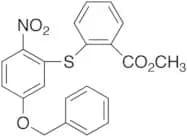
CAS:Controlled Product<p>Applications Reagent used to conduct (Methoxymethoxy)methyl additions<br> Not a dangerous good if item is equal to or less than 1g/ml and there is less than 100g/ml in the package<br></p>Formula:C15H34O2SnColor and Shape:NeatMolecular weight:365.144-Benzyloxy-2-(2’-carbomethoxy)thiophenylnitrobenzene
CAS:Controlled Product<p>Applications 4-Benzyloxy-2-(2’-carbomethoxy)thiophenylnitrobenzene (cas# 329217-03-0) is a compound useful in organic synthesis.<br></p>Formula:C21H17NO5SColor and Shape:YellowMolecular weight:395.432-Amino-4,5,7,8-tetrahydro-6-(N-carbethoxy)thiazolo[5,4-d]azepine
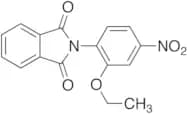
CAS:Controlled Product<p>Applications 2-Amino-4,5,7,8-tetrahydro-6-(N-carbethoxy)thiazolo[5,4-d]azepine (cas# 887352-57-0) is a compound useful in organic synthesis.<br></p>Formula:C10H15N3O2SColor and Shape:NeatMolecular weight:241.312-(4-Nitro-2-ethoxyphenyl)pthalimide
CAS:Controlled Product<p>Applications 2-(4-Nitro-2-ethoxyphenyl)pthalimide (cas# 106981-60-6) is a compound useful in organic synthesis.<br></p>Formula:C16H12N2O5Color and Shape:NeatMolecular weight:312.282,5-Dimethoxytetrahydrofuran
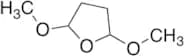
CAS:Controlled Product<p>Applications 2,5-DIMETHOXYTETRAHYDROFURAN (cas# 696-59-3) is a useful research chemical.<br> Not a dangerous good if item is equal to or less than 1g/ml and there is less than 100g/ml in the package<br></p>Formula:C6H12O3Color and Shape:NeatMolecular weight:132.161,1,1-Trimethoxybutane
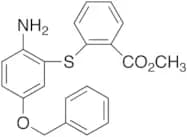
CAS:Controlled Product<p>Applications 1,1,1-Trimethoxybutane is used in the synthesis of angiotensin II receptor antagonists affecting blood pressure. Also used in the preparation of inhibitors of cyclin-dependant kinases.<br>References Yanagisawa, H. et al.: J. Med. Chem., 39, 323 (1996);<br></p>Formula:C7H16O3Color and Shape:NeatMolecular weight:148.24-Benzyloxy-2-(2’-carbomethoxy)thiophenylaniline
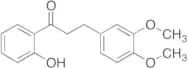
CAS:Controlled Product<p>Applications 4-Benzyloxy-2-(2’-carbomethoxy)thiophenylaniline (cas# 329217-05-2) is a compound useful in organic synthesis.<br></p>Formula:C21H19NO3SColor and Shape:NeatMolecular weight:365.453-(3,4-Dimethoxyphenyl)-1-(2-hydroxyphenyl)propan-1-one
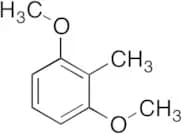
CAS:Controlled Product<p>Applications 3-(3,4-Dimethoxyphenyl)-1-(2-hydroxyphenyl)propan-1-one is an intermediate for the synthesis of dTAG-7 (D710015), which is a degradation tag, was tested for its efficiency at depleting FKBP12F36V -MELK(sg3R) and was found to have significantly degraded FKBP12F36V -MELK(sg3R) within 4 hours.Used in the study of cancer research.<br>References Hai-Tsang Huang., eLife, 1-29, (2017)<br></p>Formula:C17H18O4Color and Shape:NeatMolecular weight:286.322,6-Dimethoxytoluene
CAS:Controlled Product<p>Applications 2,6-Dimethoxytoluene is an organic synthesis intermediate.<br>References Liu, C., et al.: Bioorg. Med. Chem., 24, 4263 (2016); Della S., et al.: J. Org. Chem., 81, 5726 (2016); Zhang, M., et al.: Asian J. Org. Chem., 4, 1047 (2015); Peixoto, P. A., et al.: J. Am. Chem. Soc., 136, 15248 (2014)<br></p>Formula:C9H12O2Color and Shape:NeatMolecular weight:152.19(2S)-2-[[(phenylmethoxy)carbonyl]amino]-4-Pentenoic acid
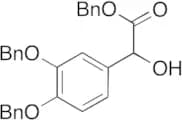
CAS:Controlled Product<p>Applications (2S)-2-[[(phenylmethoxy)carbonyl]amino]-4-Pentenoic acid is a useful building block, and has been used in the regioselective preparation of nonracemic silylated amino acids.<br>References Marchand, D.; et al.: Eur. J. Org. Chem., 18, 3107 (2008).<br></p>Formula:C13H15NO4Color and Shape:NeatMolecular weight:249.26α-Hydroxy-3,4-bis(phenylmethoxy)benzeneacetic Acid Phenylmethyl Ester
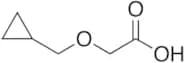
CAS:Controlled Product<p>Applications α-Hydroxy-3,4-bis(phenylmethoxy)benzeneacetic Acid Phenylmethyl Ester is an protected intermediate in the synthesis of metabolites of Catecholamines.<br></p>Formula:C29H26O5Color and Shape:NeatMolecular weight:454.512-(Cyclopropylmethoxy)-acetic Acid
CAS:Controlled Product<p>Applications 2-(Cyclopropylmethoxy)-acetic Acid (cas# 246869-08-9) is a compound useful in organic synthesis.<br></p>Formula:C6H10O3Color and Shape:NeatMolecular weight:130.14Chlorotriethoxysilane
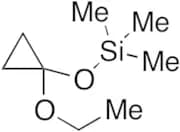
CAS:Controlled Product<p>Stability Moisture Sensitive<br>Applications Chlorotriethoxysilane (cas# 4667-99-6) is a useful research chemical.<br></p>Formula:C6H15ClO3SiColor and Shape:NeatMolecular weight:198.72(1-Ethoxycyclopropoxy)trimethylsilane
CAS:Controlled Product<p>Applications (1-Ethoxycyclopropoxy)trimethylsilane used as a reactant in the synthesis of di-, tri- and tetracyclopropylhydrazines. Also used as reagent in the synthesis of g elsemoxonine which is found in gelsemium plant species that is used in traditional asian medicine.<br> Not a dangerous good if item is equal to or less than 1g/ml and there is less than 100g/ml in the package<br>References Shestakov, A., et al.: Chem. Commun., 52, 2398 (2016); Diethelm, S., et al.: J. Am. Chem. Soc., 137, 6084 (2015);<br></p>Formula:C8H18O2SiColor and Shape:NeatMolecular weight:174.31N-[2-[3,4-Bis(phenylmethoxy)phenyl]ethyl]-3,4,5-trimethoxybenzeneacetamide
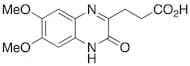
CAS:Controlled Product<p>Applications N-[2-[3,4-Bis(phenylmethoxy)phenyl]ethyl]-3,4,5-trimethoxybenzeneacetamide is an intermediate used in the synthesis of S-(-)-Tretoquinol Hydrochloride (T798100), which belongs to the class of adrenergic inhalants, selective β-2-adrenoreceptor agonists. S-(-)-Tretoquinol is used in the treatment of obstructive airway diseases. S-(-)-Tretoquinol is a bronchodilator.<br>References Meshi, et al.: Biochem. Pharmacol., 19, 2937 (1970), Satoh, et al.: Chem. Pharm. Bull., 19, 667 (1971),<br></p>Formula:C33H35NO6Color and Shape:NeatMolecular weight:541.633,4-Dihydro-6,7-dimethoxy-3-oxo-2-quinoxalinepropanoic Acid
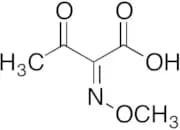
CAS:Controlled Product<p>Applications Intermediate in the production of DMEQ-TAD<br>References Shimizu, M., et al.: Anal. Biochem., 194, 77 (1991),<br></p>Formula:C13H14N2O5Color and Shape:NeatMolecular weight:278.26(Z)-2-(Methoxyimino)-3-oxo-butanoic Acid
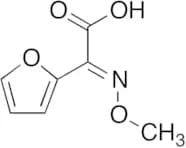
CAS:Controlled Product<p>Applications (Z)-2-(Methoxyimino)-3-oxo-butanoic Acid is an intermediate used in the synthesis of Cefotaxime Bromoacetyl Analogue (C242940), which is an impurity of Cefotaxime (C242950), a broad spectrum third generation cephalosporin antibiotic<br>References Wise, R., et al.: Antimicrob. Agents Chemother., 14, 807 (1978), Muhtadi, F.J., et al.: Anal. Profiles Drug Subs., 11, 139 (1982),<br></p>Formula:C5H7NO4Color and Shape:NeatMolecular weight:145.11(E)-(2-(Furan-2-yl)-2-(methoxyimino)acetic Acid
CAS:Controlled Product<p>Applications 2-(Furan-2-yl)-2-(methoxyimino)acetic Acid is an intermediate in the synthesis of Cephalosporin derivatives.<br>References Ger. Offen. (1978), DE 2731724 A1 19780119.<br></p>Formula:C15H10F3NOSColor and Shape:NeatMolecular weight:309.3063,4-Dimethoxyphenol
CAS:Controlled Product<p>Applications A substituted alkynyl phenoxy compound as new synergists in pesticidal compositions.<br>References Hefner,T., et al.: Bioorg. Med. Chem., 10, 1731 (2002),<br></p>Formula:C8H10O3Color and Shape:NeatMolecular weight:154.16cis-1-Ethoxy-2-(tributylstannyl)ethene
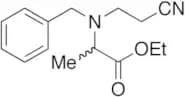
CAS:Controlled Product<p>Applications cis-1-Ethoxy-2-(tributylstannyl)ethene is used in the synthesis of (+)-pleuromutilin (P610500), an antibiotic substance produced by the basidiomycetes Pleurotus mutilus.<br> Not a dangerous good if item is equal to or less than 1g/ml and there is less than 100g/ml in the package<br>References Fazakerley, N.J., et. al.: Chem. Eur. J., 19, 6718 (2013)<br></p>Formula:C16H34OSnColor and Shape:NeatMolecular weight:361.15N-(β-Cyanoethyl)-N-(ethoxycarbonylethyl)benzylamine
CAS:Controlled Product<p>Applications N-(β-Cyanoethyl)-N-(ethoxycarbonylethyl)benzylamine is a compound useful in organic synthesis.<br> Not a dangerous good if item is equal to or less than 1g/ml and there is less than 100g/ml in the package<br></p>Formula:C15H20N2O2Color and Shape:NeatMolecular weight:260.331,2-Dimethoxyethane
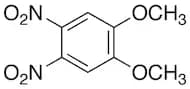
CAS:Controlled Product<p>Stability Hygroscopic<br>Applications 1,2-Dimethoxyethane is used in the synthesis of potent ligands for the central nicotinic acetylcholine receptor. Also used in the synthesis of new ruthenium sensitizers fo the production of highly efficient dye-sensitized solar cells.<br> Not a dangerous good if item is equal to or less than 1g/ml and there is less than 100g/ml in the package<br>References Nielsen, S. et al.: J. Med. Chem., 43, 2217, (2000); Shi, Y. et al.: ACS. App. Mat. Int., 5, 144 (2013);<br></p>Formula:C4H10O2Color and Shape:ColourlessMolecular weight:90.121,2-Dimethoxy-4,5-dinitrobenzene
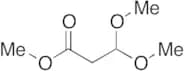
CAS:Controlled Product<p>Applications 1,2-Dimethoxy-4,5-dinitrobenzene (cas# 3395-03-7) is a compound useful in organic synthesis.<br> Not a dangerous good if item is equal to or less than 1g/ml and there is less than 100g/ml in the package<br></p>Formula:C8H8N2O6Color and Shape:NeatMolecular weight:228.16Methyl β,β-Dimethoxypropionate
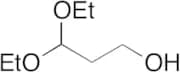
CAS:Controlled Product<p>Applications Methyl β,β-Dimethoxypropionate is used as a reactant in the preparation of tetrahydro-β-carboline derivatives as antitumor growth and metastasis agents.<br>References Zheng, C., et. al.: J. Med. Chem., 57, 600 (2014)<br></p>Formula:C6H12O4Color and Shape:NeatMolecular weight:148.162,2-Diethoxyethanol
CAS:Controlled Product<p>Applications 2,2-Diethoxyethanol is used in the synthesis of neooxazolomycin, part of the oxazolomycin family of antibiotics. Also used in the synthesis of pyrimidine based inhibitors of phosphodiesterase 7 (PDE7).<br>References Onyango, E. et al.: Angew. Chem. Int. Ed., 46, 6703 (2007); Kempson, J. et al.: Bioorg. Med. Chem. Lett., 15, 1829 (2005);<br></p>Formula:C6H14O3Color and Shape:NeatMolecular weight:134.17N-(Methoxymethyl)-N-[(trimethylsilyl)methyl]benzenemethanamine (>90%)
CAS:Controlled Product<p>Applications N-(Methoxymethyl)-N-[(trimethylsilyl)methyl]benzenemethanamine is used in the synthesis of pyrrolidine derivatives as novel sodium channel blockers used to treat ischemic related ailments.<br>References Seki, M. et al.: Bioorg. Med. Chem. Lett., 23, 4230 (2013);<br></p>Formula:C13H23NOSiPurity:>90%Color and Shape:NeatMolecular weight:237.414-Bromo-2-methoxytoluene
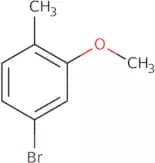
CAS:<p>4-Bromo-2-methoxytoluene is a lactone compound that has been shown to have bioactivities. It is also known as methoxy, an aromatic organic compound with one methyl substituent and two hydroxyl substituents on a benzene ring. 4-Bromo-2-methoxytoluene is found in the natural products cephalotaxaceae and cephalotaxus. This compound can be synthesized by reacting diisopropylamine with formylation of bromobenzene in the presence of acetic acid followed by treatment with sodium acetate. The chemical structure forms a skeleton containing four carbon atoms and six hydrogen atoms, which are arranged in three rings (a cyclic system). This compound exists as two isomers, namely cis and trans.</p>Formula:C8H9BrOPurity:Min. 95%Color and Shape:PowderMolecular weight:201.06 g/molMethyl 3,4,5-trimethoxyphenyl acetate
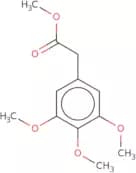
CAS:Methyl 3,4,5-trimethoxyphenyl acetate is an ester that is used as a building block and intermediate in the synthesis of pharmaceuticals. It can also be used as an intermediate in research and as a reagent for chemical analysis. Methyl 3,4,5-trimethoxyphenyl acetate has high purity and is available at competitive prices.Formula:C12H16O5Purity:Min. 95%Molecular weight:240.25 g/mol2-Ethoxyphenylacetic acid
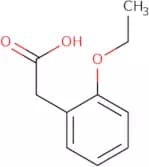
CAS:<p>2-Ethoxyphenylacetic acid (2EPA) is a drug that has been used in the treatment of cancer. It is a hydrophobic molecule that can inhibit the activity of various enzymes, such as sildenafil and triazolone. 2EPA has shown to be an antagonist at the active site of quinazolinone, which is a molecule involved in erectile dysfunction. The physicochemical properties of 2EPA have been studied using molecular dynamics simulations and quantum mechanical computations. This drug is able to form hydrophobic interactions with the active site of quinazolinone, which may account for its antagonistic activity.</p>Formula:C10H12O3Purity:90%Color and Shape:PowderMolecular weight:180.2 g/mol6-Ethoxypurine
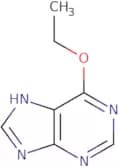
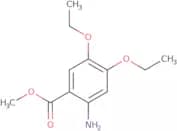
CAS:6-Ethoxypurine is a nucleoside analog that inhibits the enzyme ribonucleotide reductase, which converts ribonucleotides to deoxyribonucleotides. It is used in cell culture to measure the effects of radiation and hydrochloric acid on the production of ATP. 6-Ethoxypurine has been shown to inhibit influenza virus replication with an IC50 of 10 μM. This compound has reactive hydroxyl groups that allow it to participate in hydrogen bonding, which can be beneficial for interactions with other molecules. 6-Ethoxypurine also exhibits nucleophilic properties, which allows it to react with other chemical species and can be useful for generating new chemical compounds.Formula:C7H8N4OPurity:Min. 95%Color and Shape:PowderMolecular weight:164.16 g/mol2-Amino-4,5-diethoxy-benzoic acid methyl ester
CAS:<p>2-Amino-4,5-diethoxy-benzoic acid methyl ester is a fine chemical that is used as a building block in the synthesis of complex compounds. It is a versatile building block with many possible reactions and can be used as a reagent or speciality chemical. 2-Amino-4,5-diethoxy-benzoic acid methyl ester can be used in the synthesis of diverse scaffolds for use in research chemicals, pharmaceuticals and agrochemicals.</p>Formula:C12H17NO4Purity:Min. 95%Molecular weight:239.27 g/mol3'-(Trimethoxyphenyl)acetone
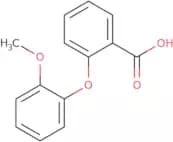
<p>3'-(Trimethoxyphenyl)acetone is a reagent and useful scaffold for the synthesis of complex compounds. It is also used as a reaction component in the preparation of valuable research chemicals, specialty chemicals, and fine chemicals. 3'-(Trimethoxyphenyl)acetone has been shown to be an effective building block for synthesizing complex compounds, such as heterocycles. This chemical has a CAS number of 689-52-3.</p>Purity:Min. 95%2-(2-Methoxyphenoxy)Benzoic Acid
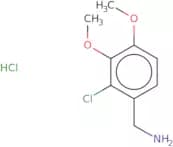
CAS:<p>2-(2-Methoxyphenoxy)benzoic acid is an organic compound that can be synthesized in the laboratory. It has been shown to dimerize spontaneously in aqueous solutions with the release of hydrogen peroxide and oxygen. The mechanism is thought to involve oxidative dimerization, which may lead to carboxylate bond cleavage, intramolecular radical formation, or mechanistically radical attack. This process also results in the formation of a 2-methoxyphenoxy radical.</p>Formula:C14H12O4Purity:Min. 95%Color and Shape:PowderMolecular weight:244.24 g/mol2-Chloro-3,4-dimethoxybenzylamine HCl
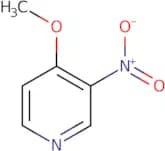
CAS:<p>2-Chloro-3,4-dimethoxybenzylamine HCl is a fine chemical that can be used as a building block to synthesize new compounds. It is also a useful intermediate in the production of pharmaceuticals and other organic chemicals. 2-Chloro-3,4-dimethoxybenzylamine HCl has been used as a reaction component for the synthesis of various complex compounds. This compound has been shown to have high purity and quality.</p>Formula:C9H12ClNO2·HClPurity:Min. 95%Molecular weight:238.11 g/mol4-Methoxy-3-nitropyridine
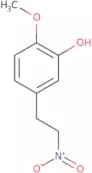
CAS:<p>4-Methoxy-3-nitropyridine (4MNOP) is an organic compound that is a white solid at room temperature. 4MNOP has been shown to interact with alkali metals and can be used in the preparation of emulsifying agents. It also has been found to have pharmacokinetic properties, including a low molecular weight, good solubility in water, and a high degree of absorption. The imidazopyridine ring system is susceptible to reductive amination reactions, which may lead to the formation of amine or surfactant residues.</p>Formula:C6H6N2O3Purity:Min. 95%Color and Shape:PowderMolecular weight:154.13 g/mol1-(3-Hydroxy-4-methoxyphenyl)-2-nitroethane
CAS:<p>1-(3-Hydroxy-4-methoxyphenyl)-2-nitroethane is a chemical intermediate that can be used in the synthesis of other compounds. It is a fine chemical with many potential uses, as well as being a versatile building block for organic synthesis. As an example, 1-(3-Hydroxy-4-methoxyphenyl)-2-nitroethane can be used to synthesize the drug erythromycin. This chemical has been shown to have antihistamine and antiinflammatory properties.</p>Formula:C9H11NO4Purity:Min. 95%Molecular weight:197.19 g/mol4-[2-(3,4-Dimethoxyphenyl)-1,2-dibromoethyl]-1,2-dimethoxybenzene
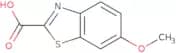
CAS:<p>4-[2-(3,4-Dimethoxyphenyl)-1,2-dibromoethyl]-1,2-dimethoxybenzene is a high quality chemical that is an intermediate for the synthesis of other compounds. It has been used as a reagent in the synthesis of complex compounds and has been shown to be useful for the production of fine chemicals. This compound can also be used as a scaffold or building block in organic chemistry. The versatility of 4-[2-(3,4-Dimethoxyphenyl)-1,2-dibromoethyl]-1,2-dimethoxybenzene makes it an important reaction component in organic chemistry and research chemicals.</p>Formula:C18H20Br2O4Purity:Min. 95%Molecular weight:460.16 g/mol6-Methoxybenzothiazole-2-carboxylic acid
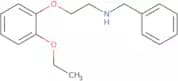
CAS:<p>6-Methoxybenzothiazole-2-carboxylic acid is a synthetic sulfur compound that is used in the synthesis of benzothiazines. It is also an intermediate in the biosynthesis of thiocyanate, a natural product that has been shown to have anti-inflammatory properties. 6-Methoxybenzothiazole-2-carboxylic acid has been shown to be highly efficient as a luciferin, and can be used in the production of bioluminescence. 6-Methoxybenzothiazole-2-carboxylic acid belongs to the family of benzothiazines, which are benzoquinones with two fused rings. Benzothiazines are found in marine natural products such as luciferins and some other nature products.</p>Formula:C9H7NO3SPurity:Min. 95%Color and Shape:PowderMolecular weight:209.22 g/molN-Benzyl-N-(2-ethoxyphenoxy)ethylamine
CAS:<p>N-Benzyl-N-(2-ethoxyphenoxy)ethylamine is a fine chemical that belongs to the category of building blocks and research chemicals. It is a versatile intermediate that can be used in the synthesis of a wide range of compounds. This compound has been shown to be useful as a reaction component and scaffold for the construction of complex organic molecules. It has also been used as an intermediate in the synthesis of high quality speciality chemicals.</p>Formula:C17H21NO2Purity:Min. 95%Color and Shape:PowderMolecular weight:271.35 g/mol3,6-Dimethoxyterephthaldicarboxaldehyde
<p>3,6-Dimethoxyterephthaldicarboxaldehyde is a chemical compound that can be used in the synthesis of complex compounds. It has been shown to be an effective reagent for the synthesis of heterocycles and has also been used as a building block in the synthesis of pharmaceuticals and other organic compounds. 3,6-Dimethoxyterephthaldicarboxaldehyde is a versatile building block with many potential uses. It has also been identified as a useful scaffold for drug design and development.</p>Purity:Min. 95%4-Fluoro-3-methoxybenzonitrile
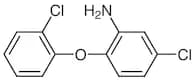
CAS:<p>4-Fluoro-3-methoxybenzonitrile (4FM) is an orally active dihydrobenzofuran derivative that has been optimized for oral bioavailability. The drug is a potent inhibitor of efflux and can be used to lower the oral bioavailability of drugs that are substrates for efflux. 4FM also inhibits heterocycle metabolism, which can be used as a strategy to evolve drugs with improved physicochemical properties. 4FM has shown preclinical efficacy in lowering heterocycle levels, including lowering of methadone levels in humans. The drug is a competitive inhibitor of the enzyme P450 2D6, which is responsible for the metabolism of many drugs. This inhibition may have adverse effects on these drugs and should be monitored closely during treatment with 4FM.</p>Formula:C8H6FNOPurity:Min. 95%Color and Shape:PowderMolecular weight:151.14 g/mol2-Amino-2',4-dichlorodiphenyl Ether
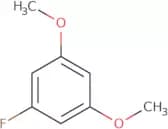
CAS:Formula:C12H9Cl2NOPurity:>98.0%(GC)(T)Color and Shape:Colorless to Brown clear liquidMolecular weight:254.111-Fluoro-3,5-dimethoxybenzene
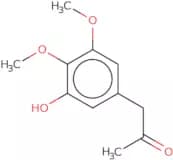
CAS:1-Fluoro-3,5-dimethoxybenzene has been shown to be a ferroelectric material with a dielectric constant of approximately 3000. It is soluble in organic solvents and can be isolated as an oil or solid. The crystalline form of 1-fluoro-3,5-dimethoxybenzene is obtained by sublimation at −20 °C. The compound has a molecular weight of 204.17 and melting point of 155 °C. This compound is used as a starting material for the synthesis of fluorotriphenylmethane analogs that are potential CB2 receptor agonists and other organic compounds, including tetrahydrocannabinol (THC) and its analogues. 1-Fluoro-3,5-dimethoxybenzene also reacts with chloride to form difluorobenzene (DFB). DFB's ability to bind aluminium ions allows it to catalyFormula:C8H9FO2Purity:Min. 98 Area-%Color and Shape:Clear LiquidMolecular weight:156.15 g/mol(3,4-Dimethoxy-5-hydroxyphenyl)acetone
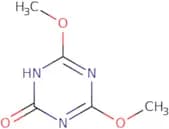
CAS:<p>(3,4-Dimethoxy-5-hydroxyphenyl)acetone is a fine chemical that belongs to the class of compounds known as reagents. It has been used in research and development as a building block or intermediate for the synthesis of other chemicals. It is also used as a versatile building block in complex organic syntheses, such as pharmaceuticals. The chemical is soluble in organic solvents and reacts with many other chemicals, making it useful for synthetic chemistry. This compound has been shown to be high quality and can be used to synthesize other chemicals with diverse properties.</p>Formula:C11H14O4Purity:Min. 95%Molecular weight:210.23 g/mol4,6-Dimethoxy-1H-1,3,5-triazin-2-one
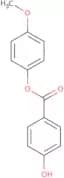
CAS:<p>4,6-Dimethoxy-1H-1,3,5-triazin-2-one is a conjugate of pyridinium with an amide. The compound has been used as a disinfectant for surfaces and in the treatment of wounds. It is also used as a biocide in water treatment. This compound has shown to be effective against Staphylococcus aureus and other bacteria, as well as some fungi. 4,6-Dimethoxy-1H-1,3,5-triazin-2-one can be synthesized from 2-(4'-methoxyphenyl)acetonitrile and chloral hydrate. The compound contains functionalities such as amines and oligosaccharides that are important for its antimicrobial activity.</p>Formula:C5H7N3O3Purity:Min. 95%Color and Shape:PowderMolecular weight:157.13 g/mol4-Methoxyphenyl 4-Hydroxybenzoate
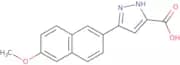
CAS:<p>4-Methoxyphenyl 4-hydroxybenzoate is a thermodynamic monomer with the molecular formula CHCOOH. It is a colorless to white solid that is soluble in water, methanol, and acetone. 4-Methoxyphenyl 4-hydroxybenzoate polymerizes under high pressure and temperature to form homopolymers and copolymers with phenoxy, trifluoromethyl, and amide groups. This compound has been used to make polyoxyethylene surfactants with a variety of properties including surface tension, viscosity, and efficiency.</p>Formula:C14H12O4Purity:Min. 95%Molecular weight:244.24 g/mol5-(6-Methoxynaphthalen-2-yl)-1H-pyrazole-3-carboxylic acid
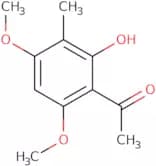
CAS:5-(6-Methoxynaphthalen-2-yl)-1H-pyrazole-3-carboxylic acid is a fine chemical that is used as an intermediate in research, development and production of pharmaceuticals. It can be also used as a reagent and speciality chemical, as well as a reaction component and useful scaffold when combined with other molecules. This compound has been found to be stable in air and water, which makes it easy to handle. 5-(6-Methoxynaphthalen-2-yl)-1H-pyrazole-3-carboxylic acid has CAS No. 1257877-12-5.Formula:C15H12N2O3Purity:Min. 95%Color and Shape:Off-White PowderMolecular weight:268.27 g/mol4',6'-Dimethoxy-2'-hydroxy-3-methylacetophenone
CAS:<p>4,6-Dimethoxy-2-hydroxy-3-methylacetophenone belongs to the group of natural products. It is a phenolic compound that has been isolated from the leaves of plants in the genus Eucalyptus. 4,6-Dimethoxy-2-hydroxy-3-methylacetophenone has shown cytotoxic activity against cancer cells in an animal bioassay and inhibits tumor growth by inhibiting protein synthesis. This compound also exhibits chemosystematic properties and may be useful for research on natural products.</p>Formula:C11H14O4Purity:Min. 95%Color and Shape:White PowderMolecular weight:210.23 g/mol3,5-Dimethyl-4-methoxybenzoic acid
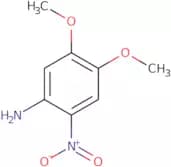
CAS:<p>3,5-Dimethyl-4-methoxybenzoic acid is a disulphide monomer with the chemical formula C7H8O2S. It can be used as a building block for organic synthesis. This compound has been widely studied because it contains a benzyl group, which is the simplest aromatic system. The symmetric and asymmetric vibrational frequencies of 3,5-dimethyl-4-methoxybenzoic acid have been measured by nmr spectroscopy and theory. The thermodynamic properties of this compound have also been studied by molecular dynamics simulations and quantum chemical calculations.</p>Formula:C10H12O3Purity:Min. 95%Molecular weight:180.2 g/mol4,5-Dimethoxy-2-nitroaniline
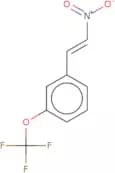
CAS:Controlled Product<p>4,5-Dimethoxy-2-nitroaniline (DMNA) is a nucleophilic compound that reacts with glyoxylate to form formic acid. DMNA has been shown to be an effective anti-malarial agent, as it inhibits the growth of leishmania and related protozoans. The mechanism of action is not fully understood but may be due to its ability to produce reactive oxygen species. DMNA also inhibits bacterial growth in vitro by interfering with DNA synthesis and protein synthesis. DMNA has been shown to have a cytotoxic effect on mammalian cells, which may be due to the production of free radicals from its reaction with formic acid.</p>Formula:C8H10N2O4Color and Shape:PowderMolecular weight:198.18 g/mol1-(3-(Trifluoromethoxy)phenyl)-2-nitroethene
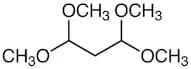
CAS:<p>1-(3-Trifluoromethoxy)phenyl)-2-nitroethene is a fluorinated aromatic compound that can be used as a building block for synthesis of pharmaceuticals, research chemicals, and other specialty chemicals. It is an intermediate that can be used in the production of other compounds. This compound may be used in pharmaceuticals to treat bacterial infections and inflammatory diseases. 1-(3-Trifluoromethoxy)phenyl)-2-nitroethene may also be utilized as a reaction component for synthesizing other organic compounds. It is soluble in solvents such as benzene, ether, chloroform, and acetone.</p>Formula:C9H6F3NO3Purity:Min. 95%Molecular weight:233.14 g/mol1,1,3,3-Tetramethoxypropane
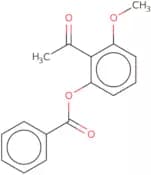
CAS:Formula:C7H16O4Purity:>98.0%(GC)Color and Shape:Colorless to Light yellow clear liquidMolecular weight:164.202'-Benzoyloxy-6'-methoxyacetophenone
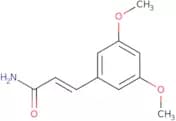
CAS:<p>2'-Benzoyloxy-6'-methoxyacetophenone is a fine chemical that is a useful building block for the synthesis of other chemicals. It has been used as a reagent and in the preparation of speciality chemicals, such as pyrazoles, pyridones, and carbamates. 2'-Benzoyloxy-6'-methoxyacetophenone is also an intermediate for the synthesis of complex compounds or scaffolds for use in drug design.</p>Formula:C16H14O4Purity:Min. 95%Molecular weight:270.28 g/mol3,5-Dimethoxycinnamide
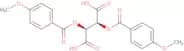
CAS:<p>3,5-Dimethoxycinnamide is a compound that has been shown to inhibit the C1-4 alkoxy and C1-4 alkyl esterase activity of the enzyme secretase. This enzyme is involved in the production of amyloid beta peptides and is thought to be an important contributor to Alzheimer's Disease. 3,5-Dimethoxycinnamide also inhibits the aspartyl protease activity of aspartyl proteases, which are enzymes that may play a role in Alzheimer's disease. 3,5-Dimethoxycinnamide binds to the hydrophobic region of these enzymes and prevents them from binding to their substrates. The affinity of this compound for these enzymes precludes its ability to bind with other proteins in the brain, thereby reducing its potential toxicity. 3,5-Dimethoxycinnamide can be labeled with halogeno groups or other chemical moieties for profiling purposes.</p>Formula:C11H13NO3Purity:Min. 95%Molecular weight:207.23 g/molDibenzoyl-(+)-p-methoxy-D-tartaric acid
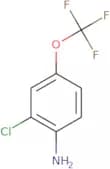
CAS:<p>Dibenzoyl-(+)-p-methoxy-D-tartaric acid is a macrocyclic molecule that has been synthesized as an enantiomer. It has been found to be an effective drug against schistosomiasis in experimental studies. The compound inhibits the growth of Schistosoma mansoni by preventing the formation of eggs, which are released by the female worms into the environment. Dibenzoyl-(+)-p-methoxy-D-tartaric acid also inhibits the development of larval stages and prevents the release of eggs from male worms. This drug is not yet used clinically for this purpose, but it is being researched for use in tropical regions where schistosomiasis is endemic.</p>Formula:C20H18O10Purity:Min. 95%Color and Shape:White PowderMolecular weight:418.35 g/mol2-Chloro-4-(trifluoromethoxy)aniline
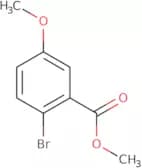
CAS:<p>2-Chloro-4-(trifluoromethoxy)aniline is a chemical reagent that is used in organic synthesis. It has a variety of uses including as a building block for complex compounds, an intermediate for the synthesis of other chemicals, and a reagent for the production of pharmaceuticals. 2-Chloro-4-(trifluoromethoxy)aniline is also useful in research to study the mechanism of certain reactions. The high quality and versatility of this compound make it a speciality chemical with many applications.</p>Formula:C7H5ClF3NOMolecular weight:211.57 g/mol2-Bromo-5-methoxybenzoic acid methyl ester
CAS:<p>2-Bromo-5-methoxybenzoic acid methyl ester is an antibiotic with a broad spectrum of activity against bacteria, including Staphylococcus aureus and Pseudomonas aeruginosa. 2-Bromo-5-methoxybenzoic acid methyl ester is an inhibitor of the enzyme benzohydrazide, which is involved in the production of prostaglandins. This drug also has antioxidant activity and can inhibit the growth of Escherichia coli and Cereus. 2-Bromo-5-methoxybenzoic acid methyl ester has analgesic properties and was shown to have analgesic activities in animal tests.</p>Formula:C9H9BrO3Purity:Min. 95%Color and Shape:Clear LiquidMolecular weight:245.07 g/mol1,1,2,2,3,3-Hexafluoro-1-(trifluoromethoxy)-3-[(1,2,2-trifluorovinyl)oxy]propane
CAS:Formula:C6F12O2Purity:>97.0%(GC)Color and Shape:Colorless to Almost colorless clear liquidMolecular weight:332.043-Methoxyphenylmethylcarbinol
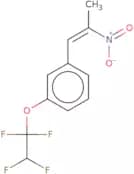
CAS:3-Methoxyphenylmethylcarbinol is a hydrogen tartrate that can be used as an intermediate in the Friedel-Crafts reaction. It is also an imine, which is formed when a nitrogen atom of an amine reacts with a carbon atom of formaldehyde. 3-Methoxyphenylmethylcarbinol has been shown to have stereoselective properties in the Friedel-Crafts reaction, which means that only one product is produced from two reactants. In this case, the hydrogen tartrate and phosphorus oxychloride are reacted to produce oxone and chloride compounds. The selectivity of 3-methoxyphenylmethylcarbinol can be increased by adding triphosgene or dimethylamine to the reaction mixture. This compound dissociates easily into its component parts and can be regenerated by adding ethyl formate or ferrocene.Formula:C9H12O2Purity:Min. 95%Color and Shape:PowderMolecular weight:152.19 g/mol3'-(Tetrafluoroethoxy)-beta-methyl-beta-nitrostyrene
CAS:<p>3'-(Tetrafluoroethoxy)-beta-methyl-beta-nitrostyrene is a versatile building block that can be used as a reaction component for the synthesis of more complex compounds. This compound is also known to have speciality chemical and research chemical properties. 3'-(Tetrafluoroethoxy)-beta-methyl-beta-nitrostyrene has been shown to be an effective reagent for the synthesis of high quality complex compounds.</p>Formula:C11H9F4NO3Purity:Min. 95%Molecular weight:279.19 g/mol2-Chloro-5-(4-chloro-5-difluoromethoxy-1-methylpyrazol-3-yl)-4-fluorophenoxyacetic acid monohydrate
CAS:<p>2-Chloro-5-(4-chloro-5-difluoromethoxy-1-methylpyrazol-3-yl)-4-fluorophenoxyacetic acid monohydrate (2,4,5P) is a phenoxy herbicide that has been shown to be an effective broadleaf and grass weed control agent. 2,4,5P is a granule formulation that can be applied by helicopter or ground equipment. It has synergistic effects with glyphosate when applied together to soybean plants and can be used in combination with other herbicides for more effective weed control.</p>Formula:C13H9Cl2F3N2O·H2OPurity:Min. 95%Color and Shape:White PowderMolecular weight:355.14 g/mol3-Chloro-4-methoxybenzoic acid
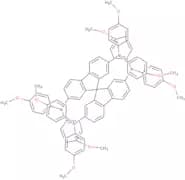
CAS:<p>3-Chloro-4-methoxybenzoic acid is a hydroxamic acid that is synthesized by the reaction of 3-chloro-4-methoxybenzaldehyde with hydroxylamine. It has anticancer activity and can inhibit the growth of cancer cells. 3-Chloro-4-methoxybenzoic acid has a low potency, which means that it needs to be used in high concentrations in order to be effective as an anticancer agent. The drug is also structurally similar to sorafenib, but has less potent anticancer activity.</p>Formula:C8H7ClO3Purity:Min. 95%Molecular weight:186.59 g/mol2,2',7,7'-Tetrakis-(N,N-di-4-methoxyphenylamino)-9,9'-spirobifluorene - Sublimed grade
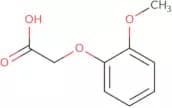
CAS:<p>2,2',7,7'-Tetrakis-(N,N-di-4-methoxyphenylamino)-9,9'-spirobifluorene (TPB) is a model system for investigating the transport of light signal in polymers. TPB can be used as a component in solar cells to increase their efficiency and improve their resistance to heat. TPB has shown high resistance to hydrochloric acid and other aggressive chemicals. TPB has been shown to be an effective photoelectron donor with a redox potential that is close to the one of copper; this property can be used for electrochemical impedance spectroscopy.</p>Formula:C81H68N4O8Purity:Min. 95%Color and Shape:Off-white to yellow solid.Molecular weight:1,225.43 g/mol(2-Methoxyphenoxy)acetic acid
CAS:<p>2-Methoxyphenoxyacetic acid is an organic compound that is used as a plant growth regulator and insecticide. It belongs to the group of phenoxyacetic acids and has a molecular weight of 152.2 g/mol. The chemical formula for 2-methoxyphenoxyacetic acid is C8H10O3. This compound is used as a control agent in pest control, where it is applied to crops to prevent damage from insects and mites. 2-Methoxyphenoxyacetic acid can be synthesized by reacting 5-carboxyvanillic acid with methanol in the presence of an oxidizing agent such as potassium permanganate or hydrogen peroxide. This chemical can also be prepared by oxidation of syringyl alcohols with chromium(VI) oxide in the presence of a reducing agent such as sodium bisulfite.<br>2-Methoxyphenoxyacetic acid can be detected</p>Formula:C9H10O4Purity:Min. 95%Color and Shape:PowderMolecular weight:182.17 g/mol8-Methoxycarbonyloctanoic acid
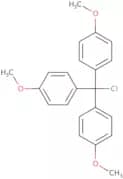
CAS:<p>8-Methoxycarbonyloctanoic acid is a fatty acid derivative that has been found to be a potent inhibitor of platelet aggregation. It exhibits anti-platelet activity in human pathogens and in the model system studied. The mechanism of this inhibition is not clearly understood, but it may involve the inhibition of the enzyme ns3 protease or an interaction with the cell membrane. 8-Methoxycarbonyloctanoic acid has also shown antibacterial efficacy against human pathogens such as Escherichia coli, Pseudomonas aeruginosa, Klebsiella pneumoniae, and Bacillus cereus. This drug also inhibits bacterial growth by binding to DNA-dependent RNA polymerase, thereby preventing transcription and replication. The high frequency of human activity has been shown using a patch-clamp technique on human erythrocytes. This active form is metabolized through a number of metabolic transformations, including hydrolysis by esterases or glucuron</p>Formula:C10H18O4Purity:Min. 95%Color and Shape:White/Off-White SolidMolecular weight:202.25 g/mol4,4',4''-Trimethoxytrityl chloride
CAS:<p>4,4',4''-Trimethoxytrityl chloride is a carbonyl compound that reacts with alkenyloxy groups to form alkaloids. It also reacts with halogen atoms to form halogenated products. 4,4',4''-Trimethoxytrityl chloride is used in the synthesis of ecteinascidins and acyl group compounds. This chemical can be used in the synthesis of alkaloids and alkenyloxy compounds. It has a reactive carbon atom that can be substituted by other organic groups.</p>Formula:C22H21ClO3Purity:Min. 95%Color and Shape:Off-White PowderMolecular weight:368.85 g/mol2-(1-Ethoxyethoxy)ethyl)benzene
CAS:<p>2-(1-Ethoxyethoxy)ethyl)benzene is a versatile building block that is used in the synthesis of many organic compounds. It can be used as a reagent, speciality chemical, and research chemical for making new substances. 2-(1-Ethoxyethoxy)ethyl)benzene is also useful as an intermediate for other reactions or as a scaffold for complex molecules. It is soluble in most solvents and has a high purity level.</p>Formula:C12H18O2Purity:Min. 95%Color and Shape:Colorless PowderMolecular weight:194.27 g/mol5-Methoxymethylacicerone
CAS:<p>5-Methoxymethylacicerone (5MMA) is an organic compound that is used in the production of polymers. It has a viscosity of approximately 12,000 cP and can be used as a thermoplastic at temperatures up to 400°C. 5MMA is also used as a viscosite component in automotive fluids and as an optical component in customized items. It is soluble in natural gas and forms a hydrophilic film on water surfaces, causing eutrophication. 5MMA can be found in natural products such as Griffonia simplicifolia.</p>Formula:C19H16O7Purity:Min. 95%Molecular weight:356.33 g/mol2-(2-Methoxyphenyl)-4,5-diphenylimidazole
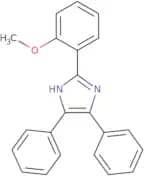
CAS:2-(2-Methoxyphenyl)-4,5-diphenylimidazole is a molecule with a dihedral angle of -115.1° and an asymmetric synthesis. It has antimicrobial activity against Escherichia coli, Staphylococcus aureus, and Bacillus subtilis. This compound also inhibits the synthesis of thromboxane A2 by blocking the 5-azaindole binding site on platelets and prolongs bleeding time in rats. 2-(2-Methoxyphenyl)-4,5-diphenylimidazole has been shown to be an antiplatelet drug that blocks the binding site of rilmenidine and imidazoline on platelets and reduces platelet aggregation. It also binds to the pyrazole ring of tautomers as well as hydrogen bonds to carbonyl groups on phenyl groups.Formula:C22H18N2OPurity:Min. 95%Color and Shape:PowderMolecular weight:326.39 g/mol2-Cyanoethyltriethoxysilane
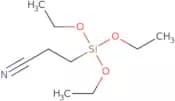
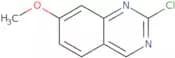
CAS:<p>2-Cyanoethyltriethoxysilane is a cross-linking agent that is used in coatings and adhesives. It has been shown to have an adsorption mechanism that is dependent on the pH of the solution, with a maximum adsorption at pH 3.2 and a minimum at pH 11. The rate of adsorption is also dependent on the concentration of 2-cyanoethyltriethoxysilane, with higher concentrations leading to faster adsorption rates. Kinetic data for 2-cyanoethyltriethoxysilane has been shown using gravimetric analysis to show that it has an adsorption rate constant of 1.0 × 10^4 s^(-1) at pH 3.2 and 6.5 × 10^4 s^(-1) at pH 11, which are independent of the concentration of this molecule in solution. Pluronic P123 was used as a model polymer</p>Formula:C9H19NO3SiPurity:Min. 97 Area-%Color and Shape:PowderMolecular weight:217.34 g/mol2-Chloro-7-methoxyquinazoline
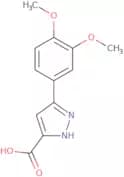
CAS:2-Chloro-7-methoxyquinazoline is a useful chemical that is used in the production of other compounds. It can be used as a building block for the synthesis of various organic compounds, such as pharmaceuticals and pesticides. This compound has been shown to have useful properties, such as high purity and low cost.Formula:C9H7ClN2OPurity:Min. 95%Color and Shape:Yellow PowderMolecular weight:194.62 g/mol3-(3,4-Dimethoxyphenyl)-1H-pyrazole-5-carboxylic acid
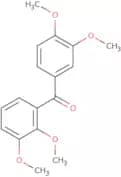
CAS:<p>3-(3,4-Dimethoxyphenyl)-1H-pyrazole-5-carboxylic acid is a fine chemical that is used as a building block for other compounds. It is also a research chemical that can be used in the production of many types of drugs and chemicals. 3-(3,4-Dimethoxyphenyl)-1H-pyrazole-5-carboxylic acid has been shown to be a useful reagent for reactions involving alcohols, amines, and acids. This product is also a versatile building block for the synthesis of complex molecules with many types of substituents.</p>Formula:C12H12N2O4Purity:Min. 95%Color and Shape:White PowderMolecular weight:248.23 g/mol2,3,3',4'-Tetramethoxybenzophenone
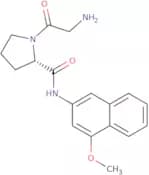
CAS:<p>2,3,3',4'-Tetramethoxybenzophenone is a fine chemical that is used as a versatile building block in the synthesis of various organic compounds. It is used as an intermediate to synthesize other chemicals and research chemicals. 2,3,3',4'-Tetramethoxybenzophenone has a CAS number of 50625-53-1 and can be found in the following chemical names: 2,2-Dimethoxy-2-phenylacetophenone; 2-(2'-Methoxyphenyl)-2-(methoxymethyl) acetophenone; 2,2'-(Phenylenediisopropylidene)bis(p-methoxyphenol); 1-[(2'-Methoxyphenyl)methyl]-1,2-diphenylethane. The compound is soluble in organic solvents but insoluble in water. This fine chemical</p>Formula:C17H18O5Purity:Min. 95%Color and Shape:PowderMolecular weight:302.32 g/molGly-pro-4-methoxy-beta-naphthylamide
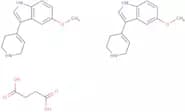
CAS:<p>Gly-pro-4-methoxy-beta-naphthylamide is a synthetic substrate that is used to measure the activity of human plasma phosphatases. Gly-pro-4-methoxy-beta-naphthylamide is synthesized in an organic solvent and then reacted with diazonium salt to form a glycosylated aminophosphonic acid. The product is purified by chromatography and identified by mass spectrometry. Gly-pro-4-methoxy beta naphthylamide has been shown to inhibit the growth of cancer cells in vitro, as well as having antiinflammatory properties. This drug also has been shown to be effective in treating patients with severe hyperbilirubinemia who are undergoing hematopoietic stem cell transplantation.</p>Formula:C18H21N3O3Purity:Min. 95%Molecular weight:327.38 g/mol5-Methoxy-3-(1,2,5,6-tetrahydro-4-pyridinyl)-1H-indole hemisuccinate
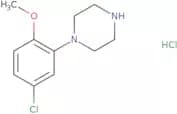
CAS:<p>5-Methoxy-3-(1,2,5,6-tetrahydro-4-pyridinyl)-1H-indole hemisuccinate is a serotonin receptor agonist that has been shown to stimulate the 5HT1A receptor. It stimulates insulin secretion and glucose uptake in rats and inhibits feeding behavior in mice. It has also been shown to have antihypertensive effects on rats by blocking the 5HT2 receptors. In addition, it stimulates regeneration of injured nerve cells. This drug has potential uses as a treatment for neurological diseases such as Parkinson's disease and depression.</p>Formula:C14H16N2O•(C4H6O4)0Purity:Min. 95%Color and Shape:Yellow solid.Molecular weight:287.33 g/mol1-(5-Chloro-2-methoxyphenyl)piperazine HCl
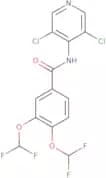
CAS:Controlled Product<p>1-(5-Chloro-2-methoxyphenyl)piperazine HCl is a fine chemical that belongs to the group of research chemicals. It is used as a reagent, speciality chemical and intermediate in organic synthesis. 1-(5-Chloro-2-methoxyphenyl)piperazine HCl is an effective building block for complex compounds, which can be used in reactions involving acetals, amides, nitriles, sulfones, sulfonamides and imines. This compound also has versatile building blocks and is a useful scaffold in organic synthesis.</p>Formula:C11H16Cl2N2OPurity:Min. 95%Color and Shape:Off-White PowderMolecular weight:263.16 g/mol3,4-Bis(difluoromethoxy) Roflumilast
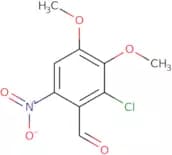
CAS:<p>3,4-Bis(difluoromethoxy) roflumilast is a reagent that is used to synthesize fine chemicals. It is an intermediate for the synthesis of 3,4-bis(difluoromethoxy) roflumilast-1-carboxylic acid and can also be used as a building block for other research chemicals. 3,4-Bis(difluoromethoxy) roflumilast has been shown to be useful in reactions that require versatile building blocks.</p>Formula:C14H8Cl2F4N2O3Purity:Min. 95%Color and Shape:PowderMolecular weight:399.12 g/mol2-Chloro-3,4-dimethoxy-6-nitrobenzaldehyde
CAS:2-Chloro-3,4-dimethoxy-6-nitrobenzaldehyde is a fine chemical with a CAS number of 82330-54-9. It is a versatile building block that can be used as a reagent or intermediate for the production of other chemicals. This product has been shown to have many different reactions. It is useful in the synthesis of complex compounds and offers high quality and purity.Formula:C9H8ClNO5Purity:Min. 95%Color and Shape:PowderMolecular weight:245.62 g/molMethyl 3,5-dibromo-2-methoxybenzoate
CAS:<p>Methyl 3,5-dibromo-2-methoxybenzoate is a fine chemical that is useful as a scaffold for the preparation of a variety of compounds. It is also used as an intermediate in the synthesis of pharmaceuticals and research chemicals. Methyl 3,5-dibromo-2-methoxybenzoate can be used as a reaction component to generate complex compounds with high purity and quality. This compound has been classified as a speciality chemical and may be reclassified due to its usefulness in research.</p>Formula:C9H8Br2O3Purity:Min. 95%Molecular weight:323.97 g/mol2-[2-[4-[Bis(4-fluorophenyl)methyl]piperazin-1-yl]ethoxy]acetic acid HCl
CAS:<p>2-[2-[4-[Bis(4-fluorophenyl)methyl]piperazin-1-yl]ethoxy]acetic acid HCl (BAY-85788) is a drug which acts as a histamine receptor antagonist. It has been shown to be effective in the treatment of idiopathic urticaria. BAY-85788 has also been found to have less potential for drug interactions than other histamine receptor antagonists, and does not cause an increase in blood pressure, unlike other compounds with this activity. This compound is metabolized by cytochrome P450 enzymes and does not contain nitrogen atoms or heterocyclic rings. Experimental studies have shown that orally administered BAY-85788 is absorbed from the GI tract and eliminated unchanged in urine. Studies have also shown that BAY-85788 is active against inflammatory diseases such as atopic dermatitis, asthma, and chronic obstructive pulmonary disease (COPD</p>Formula:C21H24F2N2O3·xHClPurity:Min. 95%Color and Shape:PowderMolecular weight:390.42 g/mol4'-Trifluoromethoxy-β-methyl-β-nitrostyrene
CAS:<p>4'-Trifluoromethoxy-beta-methyl-beta-nitrostyrene is a fine chemical that is a useful building block in organic synthesis. It can be used as a reagent, specialty chemical, or intermediate for the preparation of more complex compounds. This compound has been shown to be useful in the synthesis of natural products and pharmaceuticals.</p>Formula:C10H8F3NO3Purity:Min. 95%Molecular weight:247.17 g/mol2-(2-Bromo-1,1,2,2-tetrafluoroethoxy)-1,1,1,2,3,3-hexafluoro-3-(pentafluoroethoxy)propane
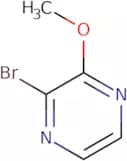
CAS:Formula:C7BrF15O2Purity:>98.0%(GC)Color and Shape:Colorless to Almost colorless clear liquidMolecular weight:480.962-Bromo-3-methoxypyrazine
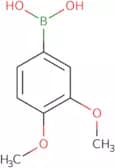
CAS:2-Bromo-3-methoxypyrazine is a chemical compound that is used as a precursor in the biosynthesis of geosmin. Geosmin, also known as 2-methylisoborneol or 2-MIB, is a volatile organic compound which has a musty or earthy smell. It is produced by some species of bacteria, including Myxobacterium and Chondromyces crocatus. It can be found in soil and water samples from areas with high levels of organic matter. 2-Bromo-3-methoxypyrazine was first isolated from cultures of M. crocatus in 1950. It can be synthesized from 3,4,5-trimethoxybenzaldehyde via bromination followed by reduction with sodium hydrosulfide. This process creates an intermediate called 2-(2'-bromoethyl)pyrazine, which undergoes methylation to create 2Formula:C5H5BrN2OPurity:Min. 95%Color and Shape:White Off-White PowderMolecular weight:189.01 g/mol3,4-Dimethoxyphenylboronic acid
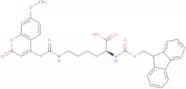
CAS:<p>3,4-Dimethoxyphenylboronic acid is a boronate ester that has been shown to be an effective coupling partner for the Suzuki reaction. It has also been used in cancer therapy and as a photochemical probe for the study of biological properties. 3,4-Dimethoxyphenylboronic acid has been shown to demethylate DNA and inhibit methionine aminopeptidase activity. It also cross-couples with halides, such as chlorides or iodides, and activates tertiary alcohols. 3,4-Dimethoxyphenylboronic acid is soluble in organic solvents and can be used in supramolecular chemistry.</p>Formula:C8H11BO4Purity:Min. 95%Color and Shape:White PowderMolecular weight:181.98 g/molN-α-Fmoc-Nε-7-methoxycoumarin-4-acetyl-L-lysine
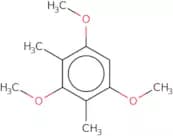
CAS:N-alpha-Fmoc-Nepsilon-7-methoxycoumarin-4-acetyl-L-lysine is a fluorogenic molecule that is synthesized by the solid phase method. It is an analog of lysine, which is a bioactive amino acid. This compound binds to copper and exhibits fluorescence emission at 585 nm when excited at 488 nm. N-alpha-Fmoc-Nepsilon-7-methoxycoumarin-4-acetyl-L-lysine can be used as a substrate for bone growth in vitro and in vivo. It can also be used as a labeling reagent for bone tissue, such as bone sections or cells. It has been shown to produce osteogenic activity in vitro and in vivo.Formula:C33H32N2O8Purity:Min. 97 Area-%Color and Shape:PowderMolecular weight:584.62 g/mol2,4,6-Trimethoxy-m-xylene
CAS:<p>2,4,6-Trimethoxy-m-xylene is a methylated aromatic hydrocarbon that can be found in coal tar and oil. It is a stable compound that can be protonated by superacids such as arenium ion (H2SO4). The protonation of 2,4,6-trimethoxy-m-xylene leads to the formation of carbocations, which are electron deficient species. This radical cation has a resonance structure with three double bonds between carbon atoms. The resonance structure of the radical cation is stabilized by hyperconjugative interactions between the electron pair on oxygen and the empty p orbital on carbon.</p>Formula:C11H16O3Purity:Min. 95%Molecular weight:196.24 g/molMethyl 4-methoxy-2-indolecarboxylate
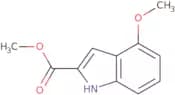
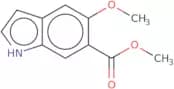
CAS:<p>Methyl 4-methoxy-2-indolecarboxylate is a natural product that has been shown to have cytotoxic and anticancer activity. It was first isolated from the leaves of Picrasma excelsa, which is a plant native to Southeast Asia. Methyl 4-methoxy-2-indolecarboxylate has been found to be effective against breast cancer cell lines and human cancer cells in culture. The anticancer effects may be due to its ability to inhibit protein synthesis by inhibiting the ribosome. This compound also inhibits dehydrocrenatine, which is a precursor of the hormone crenatine, thus leading to decreased production of this hormone.</p>Formula:C11H11NO3Purity:Min. 95%Color and Shape:PowderMolecular weight:205.21 g/mol5-Ethoxy-2(5H)-furanone
CAS:<p>5-Ethoxy-2(5H)-furanone is an oxidation product of 5-ethoxy-2(5H)-furanone. It has an isomeric, stereospecific, regiospecifically, and a tautomeric relationship with furfural. 5-Ethoxy-2(5H)-furanone can be produced by the oxidation of furfural with boron trifluoride etherate in the presence of iodosobenzene. The reaction mechanism involves the addition of hydrogen peroxide to the boron trifluoride etherate to form hydroperoxydiborane. This compound then reacts with iodosobenzene to produce 5-ethoxy-2(5H)-furanone and 2,5-dihydroxybenzaldehyde. The reaction produces a mixture of diastereomers that contain different numbers of carbon atoms due to the regiospecific</p>Formula:C6H8O3Purity:Min. 95%Color and Shape:PowderMolecular weight:128.13 g/mol3-Ethoxy-4-hydroxyphenylacetone
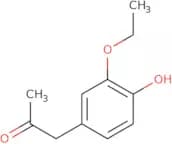
CAS:<p>3-Ethoxy-4-hydroxyphenylacetone is a fine chemical that can be used as a versatile building block and useful intermediate. It has a CAS number of 88659-82-9. 3-Ethoxy-4-hydroxyphenylacetone is a complex compound with many uses, such as research chemicals, reaction component, or speciality chemical. It is water soluble and has been shown to be non toxic. The purity of the product is high quality.</p>Formula:C11H14O3Purity:Min. 95%Molecular weight:194.23 g/mol3-(1,1,2,2-Tetrafluoroethoxy)phenol
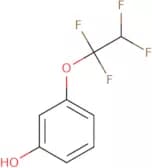
CAS:<p>3-(1,1,2,2-Tetrafluoroethoxy)phenol is a versatile building block that can be used in the synthesis of complex compounds. It is also a reagent and speciality chemical and has CAS No. 53997-99-2. 3-(1,1,2,2-Tetrafluoroethoxy)phenol is a useful building block for organic synthesis and has been used as a reaction component or scaffold.</p>Formula:C8H6F4O2Purity:Min. 95%Molecular weight:210.13 g/molHexadecyltrimethoxysilane
CAS:<p>Hexadecyltrimethoxysilane is a volatile organic compound that has high values in the water vapor range. It is soluble in water and organic solvents, and can be used as a surface treatment agent for hydrophobic surfaces. Hexadecyltrimethoxysilane has been shown to have antimicrobial effects against bacteria such as Staphylococcus aureus and Escherichia coli by disrupting the cell membrane. Hexadecyltrimethoxysilane also inhibits the growth of microorganisms by preventing the synthesis of proteins essential for cellular processes. The transport rate of hexadecyltrimethoxysilane is relatively slow, with an optimum concentration of about 1%. This compound does not react with sodium citrate and has chemical stability.</p>Formula:C19H42O3SiPurity:Min. 95%Color and Shape:Clear LiquidMolecular weight:346.62 g/mol1-(3-Fluoro-4-methoxyphenyl)-2-nitropropene
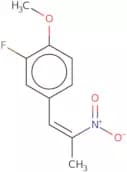
CAS:<p>1-(3-Fluoro-4-methoxyphenyl)-2-nitropropene is a chemical compound with the molecular formula CHNO. It is a high quality reagent that is useful for preparing complex compounds, scaffolds and building blocks for use in research and development. 1-(3-Fluoro-4-methoxyphenyl)-2-nitropropene is a fine chemical that can be used as a versatile building block in reactions.</p>Formula:C10H10FNO3Purity:Min. 95%Molecular weight:211.19 g/mol5-Acetoxy-6-methoxyindole
CAS:<p>5-Acetoxy-6-methoxyindole is a fine chemical, useful building block, and research chemical with CAS No. 112919-69-4. It is a versatile building block and reaction component that can be used as a reagent or speciality chemical in the synthesis of other complex compounds. 5-Acetoxy-6-methoxyindole is also used as an intermediate in the synthesis of drugs and pharmaceuticals. This compound has high purity, making it a high quality product with many uses.</p>Formula:C11H11NO3Purity:Min. 95%Molecular weight:205.21 g/mol11-Ethoxycarbonyldodecanoic acid
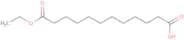
CAS:<p>11-Ethoxycarbonyldodecanoic acid is a high quality, useful intermediate, and versatile building block. It has been shown to be an efficient reagent for the synthesis of complex compounds. 11-Ethoxycarbonyldodecanoic acid can be used as a speciality chemical or research chemical in the production of fine chemicals, as well as in the synthesis of useful scaffolds and building blocks. This compound is also a reaction component that can be used in the production of many different types of products.</p>Formula:C14H26O4Purity:Min. 95%Color and Shape:PowderMolecular weight:258.35 g/mol

![[(Methoxymethoxy)methyl]tributylstannane](/_next/image/?url=https%3A%2Fstatic.cymitquimica.com%2Fproducts%2FTR%2Fthumb-webp%2FM263000.webp&w=3840&q=75)
![2-Amino-4,5,7,8-tetrahydro-6-(N-carbethoxy)thiazolo[5,4-d]azepine](/_next/image/?url=https%3A%2Fstatic.cymitquimica.com%2Fproducts%2FTR%2Fthumb-webp%2FA629920.webp&w=3840&q=75)

![(2S)-2-[[(phenylmethoxy)carbonyl]amino]-4-Pentenoic acid](/_next/image/?url=https%3A%2Fstatic.cymitquimica.com%2Fproducts%2FTR%2Fthumb-webp%2FP228100.webp&w=3840&q=75)

![N-[2-[3,4-Bis(phenylmethoxy)phenyl]ethyl]-3,4,5-trimethoxybenzeneacetamide](/_next/image/?url=https%3A%2Fstatic.cymitquimica.com%2Fproducts%2FTR%2Fthumb-webp%2FB521325.webp&w=3840&q=75)



![N-(Methoxymethyl)-N-[(trimethylsilyl)methyl]benzenemethanamine (>90%)](/_next/image/?url=https%3A%2Fstatic.cymitquimica.com%2Fproducts%2FTR%2Fthumb-webp%2FM264620.webp&w=3840&q=75)

![4-[2-(3,4-Dimethoxyphenyl)-1,2-dibromoethyl]-1,2-dimethoxybenzene](/_next/image/?url=https%3A%2Fstatic.cymitquimica.com%2Fproducts%2F3D%2Fthumb-webp%2FFD66282.webp&w=3840&q=75)



![1,1,2,2,3,3-Hexafluoro-1-(trifluoromethoxy)-3-[(1,2,2-trifluorovinyl)oxy]propane](/_next/image/?url=https%3A%2Fstatic.cymitquimica.com%2Fproducts%2F3B%2Fthumb-webp%2FH1610.webp&w=3840&q=75)





![2-[2-[4-[Bis(4-fluorophenyl)methyl]piperazin-1-yl]ethoxy]acetic acid HCl](/_next/image/?url=https%3A%2Fstatic.cymitquimica.com%2Fproducts%2F3D%2Fthumb-webp%2FFB98570.webp&w=3840&q=75)