Ethers
Ethers are organic compounds containing an ether functional group, characterized by an oxygen atom bonded to two hydrocarbon radicals. These compounds are valuable in synthesis and serve as solvents in various chemical reactions. At CymitQuimica, we offer a selection of high-quality ethers to support your research and industrial applications, ensuring reliable and effective results. Our range of ethers meets diverse laboratory requirements, from routine experiments to advanced research.
Found 40712 products of "Ethers"
Sort by
Purity (%)
0
100
|
0
|
50
|
90
|
95
|
100
4-(Trifluoromethoxy)phenylboronic Acid (contains varying amounts of Anhydride)
CAS:<p>4-(Trifluoromethoxy)phenylboronic acid is a boron-containing compound that has been shown to be a potent inhibitor of the histone deacetylase (HDAC) enzyme. It also has surfactant properties and can be used as a photochemical reagent. 4-(Trifluoromethoxy)phenylboronic acid is orally bioavailable and may have therapeutic potential for neurodegenerative diseases, such as Alzheimer's disease, Parkinson's disease, and Huntington's disease. It also has the ability to inhibit cancer cell growth by inhibiting HDAC activity. This drug has been found to cross-couple with organosilicon compounds in order to form new compounds with potent inhibitory activity against HDAC enzymes.</p>Formula:C7H6BF3O3Purity:Min. 95%Molecular weight:205.93 g/mol4-Methoxy-N-methylbenzylamine hydrochloride
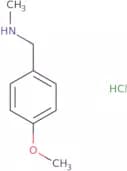
CAS:<p>Please enquire for more information about 4-Methoxy-N-methylbenzylamine hydrochloride including the price, delivery time and more detailed product information at the technical inquiry form on this page</p>Formula:C9H14NOClPurity:Min. 95%Molecular weight:187.67 g/molEthyl 2-(ethoxymethylene)-3-oxobutanoate
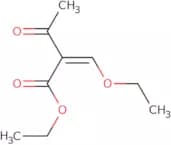
CAS:<p>Ethyl 2-(ethoxymethylene)-3-oxobutanoate is an industrial chemical that is used as a precursor to acetoacetate. It is produced by the condensation of formaldehyde and ethyl acetoacetate, which yields two molecules of ethyl 2-(ethoxymethylene)-3-oxobutanoate. This reaction can be performed in three steps, with the first step involving the addition of formaldehyde and hydrazine to acetoacetate. The second step involves heating the reaction mixture until it boils, followed by cooling and filtering. The third step requires refluxing for six hours before distilling off the liquid. Ethyl 2-(ethoxymethylene)-3-oxobutanoate can also be synthesized from orthoformic acid and ethyl acetoacetate in an experiment that produces 1 mole of product for every mole of starting material.</p>Formula:C9H14O4Purity:Min. 95%Molecular weight:186.21 g/mol(7S)-7-Amino-1,2,3,10-tetramethoxy-6,7-dihydro-5H-benzo[g]heptalen-9-one
CAS:<p>(7S)-7-Amino-1,2,3,10-tetramethoxy-6,7-dihydro-5H-benzo[g]heptalen-9-one is a hydroxylated analog of demecolcine. It has been shown to be an effective antimicrobial agent with proteolytic and hypoglycemic effects in mice. 7SATM is able to inhibit the activity of human macrophages. This drug has also been shown to have diagnostic potential by binding to a monoclonal antibody that recognizes the myeloperoxidase enzyme on the surface of neutrophils.</p>Formula:C20H23NO5Purity:Min. 95 Area-%Color and Shape:Slightly Yellow PowderMolecular weight:357.4 g/mol2-[(2S,3S,4S)-3-Formyl-5-Methoxycarbonyl-2-Methyl-3,4-Dihydro-2H-Pyran-4-Yl]Acetic Acid
CAS:<p>2-[(2S,3S,4S)-3-Formyl-5-Methoxycarbonyl-2-Methyl-3,4-Dihydro-2H-Pyran-4-Yl]Acetic Acid (PCA) is a natural phenolic compound that is found in olive oil. PCA has been shown to possess antioxidant and antiinflammatory properties. It also has minimal toxicity, with no adverse effects on the liver or kidney. PCA is metabolized by hydrolysis to form hydroxytyrosol and tyrosol. Hydroxytyrosol can be further metabolized to produce the aglycon 2-[(2S,3S,4S)-3-(acetyloxy)-5-(hydroxymethyl)oxolan-4-yl]acetic acid (OHA). OHA is an intermediate in the biosynthesis of erythromycin and other macrolide antibiotics such as</p>Formula:C11H14O6Purity:90%MinMolecular weight:242.23 g/mol2-(2-Fluoro-3,4-dimethoxyphenyl)ethanamine
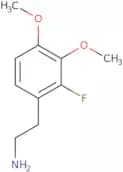
CAS:Controlled Product<p>Please enquire for more information about 2-(2-Fluoro-3,4-dimethoxyphenyl)ethanamine including the price, delivery time and more detailed product information at the technical inquiry form on this page</p>Formula:C10H14FNO2Purity:Min. 95%Molecular weight:199.22 g/mol(4-Ethoxyphenyl)boronic acid
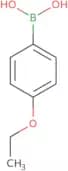
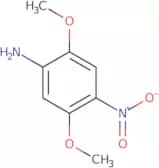
CAS:<p>4-Ethoxyphenylboronic acid is a boron-containing compound that has been shown to have potent antiviral activity. This compound is synthesized from adipose tissue and optical properties of the phenoxazine derivative are studied in order to find an efficient process for solid-phase synthesis. 4-Ethoxyphenylboronic acid has been shown to inhibit triglyceride lipase and fatty acid, which may be an important drug target. It has also been found to have potent antagonistic effects on fatty acids.</p>Formula:C8H11BO3Purity:Min. 95%Molecular weight:165.98 g/mol2,5-Dimethoxy-4-nitroaniline
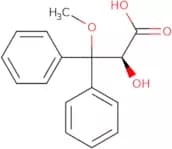
CAS:Controlled Product<p>Please enquire for more information about 2,5-Dimethoxy-4-nitroaniline including the price, delivery time and more detailed product information at the technical inquiry form on this page</p>Formula:C8H10N2O4Purity:Min. 95%Molecular weight:198.18 g/mol(S)-2-Hydroxy-3-methoxy-3,3-diphenylpropionic acid
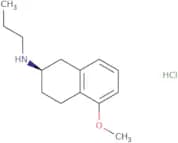
CAS:<p>This is a crystalline form of the pyrimidine derivative (S)-2-Hydroxy-3-methoxy-3,3-diphenylpropionic acid. The compound has been shown to have antiplatelet properties and is currently being developed as an antithrombotic agent. In vitro studies have shown that ambrisentan inhibits platelet aggregation, thromboxane synthesis, and leukocyte adhesion. It also reduces the levels of serum cholesterol and triglycerides in patients with chronic heart failure. Ambrisentan has been studied in clinical trials for the treatment of pulmonary hypertension associated with chronic obstructive pulmonary disease (COPD) and idiopathic pulmonary fibrosis (IPF).</p>Formula:C16H16O4Purity:Min. 95%Molecular weight:272.3 g/mol(R)-1,2,3,4-Tetrahydro-5-methoxy-N-propyl-2-naphthalenamine hydrochloride
CAS:Controlled Product<p>Please enquire for more information about (R)-1,2,3,4-Tetrahydro-5-methoxy-N-propyl-2-naphthalenamine hydrochloride including the price, delivery time and more detailed product information at the technical inquiry form on this page</p>Formula:C14H22ClNOPurity:Min. 95%Molecular weight:255.78 g/mol2-Fluoro-5-methoxyaniline
CAS:<p>2-Fluoro-5-methoxyaniline is a high quality reagent that is used as an intermediate in the synthesis of various complex compounds. The CAS number for this chemical is 62257-15-2 and it has been shown to be useful as a building block for the synthesis of fine chemicals, speciality chemicals, and research chemicals with many different uses. It is also a versatile building block that can be used in reactions involving amines, alcohols, thiols, and nitriles. 2-Fluoro-5-methoxyaniline may also be used as a reaction component in organic syntheses.</p>Formula:C7H8FNOPurity:Min. 95%Color and Shape:PowderMolecular weight:141.14 g/mol1-Chloro-2-(chloromethoxy)ethane
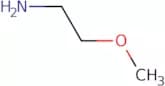
CAS:<p>1-Chloro-2-(chloromethoxy)ethane is an acyclic nucleoside phosphonate that is used as a HIV integrase inhibitor. It binds to the HIV RNA genome and prevents the integration of viral DNA into the host cell's genome, which blocks the replication of HIV. 1-Chloro-2-(chloromethoxy)ethane has been shown to be more potent than other acyclic nucleoside phosphonates in vitro and in vivo. This drug also inhibits herpes simplex virus type 1 (HSV1) thymidine kinase activity, which is essential for viral DNA synthesis. This drug has potential antitumor activities against certain tumor cells due to its ability to inhibit cell proliferation and induce apoptosis through inhibiting rna synthesis.</p>Formula:C3H6Cl2OPurity:Min. 95%Color and Shape:Clear LiquidMolecular weight:128.98 g/mol2-Methoxyethanamine
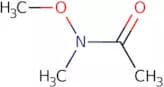
CAS:<p>2-Methoxyethanamine is a metabolite of the drug 2-methoxyethanol. It is an amine that can be found in urine samples. Its structure consists of a hydroxyl group, sodium carbonate, and an intramolecular hydrogen. 2-Methoxyethanamine inhibits the production of angiotensin II, which reduces blood pressure. This molecule has antihypertensive activity because it prevents the conversion of angiotensin I to angiotensin II in the kidneys. 2-Methoxyethanamine also has a stepwise mechanism for its synthesis from ethylene diamine and nitrogen atoms. It can be oxidized by hydrochloric acid or reduced by hydrogen bond or amines. The redox potential of this molecule is -0.06 V, which makes it a nucleophilic compound with an amide bond as its conjugate base.</p>Formula:C3H9NOPurity:Min. 95%Color and Shape:Colourless To Yellow Clear LiquidMolecular weight:75.11 g/molN-Methoxy-N-methylacetamide
CAS:<p>N-Methoxy-N-methylacetamide is a nucleophilic amide that can be synthesized by the reaction of acetamide with methylmagnesium chloride. It has been used to synthesize an enantiopure derivative of 2-aminopropanol, which is used in the synthesis of potent antitumor agents. N-Methoxy-N-methylacetamide has shown potent anticancer activity in mice and rats. This molecule exhibits a carbonyl group that can act as an enolate, which is a reactive intermediate within chemical reactions. The nucleophilic attack on this carbonyl group leads to intramolecular hydrogen transfer, producing a more stable product.</p>Formula:C4H9NO2Purity:Min. 95%Molecular weight:103.12 g/mol(2-{2-[2-(2-Aminoethyl)-4,5-dimethoxybenzyl]-4,5-dimethoxyphenyl}ethyl)amine dihydrochloride
CAS:Controlled Product<p>Please enquire for more information about (2-{2-[2-(2-Aminoethyl)-4,5-dimethoxybenzyl]-4,5-dimethoxyphenyl}ethyl)amine dihydrochloride including the price, delivery time and more detailed product information at the technical inquiry form on this page</p>Formula:C21H30N2O4Purity:Min. 95%Molecular weight:374.47 g/mol4-Methoxybenzylamine
CAS:<p>4-Methoxybenzylamine is an organic amine that has a redox potential of -0.14 V (vs. SHE) and a pK a of 10.5. It is used in the synthesis of trifluoroacetic acid esters, which are used as pharmaceutical intermediates. 4-Methoxybenzylamine has been shown to be effective in alleviating pain in animal models, and its mechanism of action may be due to inhibition of the enzyme cyclooxygenase. The kinetic data for this reaction were obtained by studying the deuterium isotope effect, which is characterized by a low energy barrier and rapid reaction rate. The hydrolysis step is also important for the reaction mechanism, with protocatechuic acid being an intermediate product. Hydrochloric acid is needed for dehydration of the reactants, while an aryl halide can be used instead in some cases. In these reactions, there are many possible reaction</p>Formula:C8H11NOPurity:Min. 95%Molecular weight:137.18 g/mol3-Methoxybenzyl bromide
CAS:<p>3-Methoxybenzyl bromide is a synthetic molecule that belongs to the group of amides. It is used as an intermediate in organic synthesis for the introduction of ether linkages and can be used to produce other molecules with inhibitory activities. 3-Methoxybenzyl bromide has been shown to be effective against Sarpogrelate hydrochloride, which is a drug used for the treatment of hypertension. This chemical inhibits the enzyme that produces superoxide radicals and has been shown to have therapeutic effects in patients with arterial hypertension. 3-Methoxybenzyl bromide also has a nucleophilic function and can react with halides such as chlorine or bromine to form 2,5-dimethoxybenzoic acid.</p>Formula:C8H9BrOPurity:Min. 95%Color and Shape:LiquidMolecular weight:201.06 g/mol[2-(4-methoxyphenyl)ethyl]methylamine
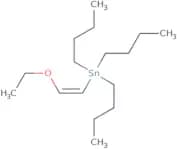
CAS:Controlled Product<p>2-(4-methoxyphenyl)ethyl]methylamine is a pharmacological agent that inhibits protein synthesis. It has been shown to have an optimum concentration of 1 μM, with maximal inhibition at 10 μM. 2-(4-methoxyphenyl)ethyl]methylamine binds to the basic amino acid residues of proteins and inhibits the activity of eosinophil cationic protein, which is responsible for histamine release. 2-(4-Methoxyphenyl)ethyl]methylamine has also been shown to reduce the activity of epidermal growth factor, which is responsible for cell proliferation and differentiation. The drug has been demonstrated to be an effective inhibitor of activated eosinophils, but not normal cells. 2-(4-Methoxyphenyl)ethyl]methylamine may be used as a treatment for chronic asthma patients who suffer from eosinophilic inflammation in their</p>Formula:C10H15NOPurity:Min. 95%Molecular weight:165.23 g/mol(Z)-1-Ethoxy-2-(tributylstannyl)ethene
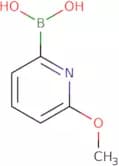
CAS:Controlled Product<p>(Z)-1-Ethoxy-2-(tributylstannyl)ethene is a synthetic intermediate that is used in palladium-catalyzed cross-coupling reactions. The product of the reaction can be an acetaldehyde or a halopyridine. The yield and selectivity of the reaction depends on the nature of the reactants, solvent, and catalyst. This compound has also been reinvestigated for its ability to form an anion with electrophilic reactants.</p>Purity:Min. 95%6-Methoxypyridine-2-boronic acid
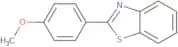
CAS:<p>6-Methoxypyridine-2-boronic acid is a boronate ligand that can be used to form coordination complexes with metals. It has been shown to interact with silver ions, which are the most effective ligands for enhancing the fluorescence of organic dyes. 6-Methoxypyridine-2-boronic acid is able to rigidify organic molecules by binding to their steric and electronic properties, making them more resistant to photodegradation. This property makes it an excellent candidate for the use in the development of fluorescent labels in analytical chemistry.</p>Formula:C6H8BNO3Purity:Min. 95%Molecular weight:152.94 g/mol2-(4-Methoxyphenyl)benzothiazole
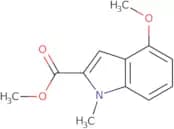
CAS:<p>2-(4-Methoxyphenyl)benzothiazole is a hydrogen-bond acceptor that is activated in the presence of an electron-withdrawing group. It has been shown to have anti-fungal properties and inhibitory properties against bacteria. 2-(4-Methoxyphenyl)benzothiazole also inhibits the activity of topoisomerase, which is an enzyme that controls DNA supercoiling and uncoiling, as well as DNA replication. The mechanism of this inhibition is not known, but it is thought to be due to the ability of 2-(4-methoxyphenyl)benzothiazole to form hydrogen bonds with the active site cysteine residues on topoisomerase I. 2-(4-Methoxyphenyl)benzothiazole also has been shown to be photophysical in nature, absorbing light at wavelengths of 350 nm and 480 nm and emitting light</p>Formula:C14H11NOSPurity:Min. 95%Color and Shape:PowderMolecular weight:241.31 g/molMethyl 4-methoxy-1-methyl-1H-indole-2-carboxylate
CAS:Controlled Product<p>Please enquire for more information about Methyl 4-methoxy-1-methyl-1H-indole-2-carboxylate including the price, delivery time and more detailed product information at the technical inquiry form on this page</p>Formula:C12H13NO3Purity:Min. 95%Molecular weight:219.24 g/mol2,3,4-Trimethoxyaniline
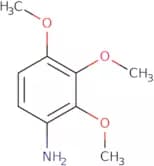
CAS:<p>2,3,4-Trimethoxyaniline (2,3,4-TMXA) is a methoxylated monophenolic compound. It has been shown to be effective at disrupting the microtubules in cancer cells and is believed to work by inhibiting the enzyme topoisomerase II. 2,3,4-TMXA also inhibits dopamine synthesis and blocks the amine uptake system in cancer cells. This agent has been shown to be an effective anticancer drug for human serum at nanomolar concentrations.</p>Formula:C9H13NO3Purity:Min. 95%Molecular weight:183.2 g/mol1-(2-Methoxyphenyl)piperazine
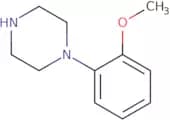
CAS:Controlled Product<p>1-(2-Methoxyphenyl)piperazine is a drug that has been shown to have locomotor activity, antihypertensive activity, and inhibitory properties. It also acts as a matrix effect and receptor activity. 1-(2-Methoxyphenyl)piperazine has been shown to have inhibitory effects on 5-ht7 receptors, which are mainly found in the brain. This drug binds to the 5-ht2 receptor, which is a type of serotonin receptor in the brain. The binding of 1-(2-methoxyphenyl)piperazine to the 5-ht2 receptor inhibits the release of dopamine from neurons and leads to necrotic cell death. This drug can also be used as an analytical tool for measuring 5-ht1a receptors, which is a type of serotonin receptor found in the brain.</p>Formula:C11H16N2OPurity:Min. 95%Molecular weight:192.26 g/mol4-Ethoxy-3-methoxybenzoic acid
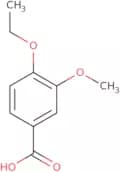
CAS:<p>4-Ethoxy-3-methoxybenzoic acid is a white crystalline solid that belongs to the class of isomers. This compound has been used in biological studies to study the functional theory of bond cleavage, hydroxyl group, and cleavage products. 4-Ethoxy-3-methoxybenzoic acid has also been shown to be a substrate for radical chain reactions, which are initiated by electron transfer from an organic molecule and may produce hydroperoxides or peroxides. The fatty acids found in this chemical react with trichloroacetic acid to form esters and conjugates. These esters are more water soluble than the original fatty acids, making them useful as solvents for organic reactions. 4-Ethoxy-3-methoxybenzoic acid is a precursor for coriolus pigment, which provides coloration for coniferous trees such as pine and spruce.</p>Formula:C10H12O4Purity:Min. 95%Molecular weight:196.2 g/molMethyl 4,5-dimethoxy-1-methyl-1H-indole-2-carboxylate
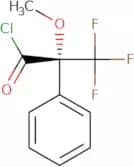
CAS:Controlled Product<p>Please enquire for more information about Methyl 4,5-dimethoxy-1-methyl-1H-indole-2-carboxylate including the price, delivery time and more detailed product information at the technical inquiry form on this page</p>Formula:C13H15NO4Purity:Min. 95%Molecular weight:249.26 g/molS-(+)-α-Methoxy-α-(trifluoromethyl)phenylacetic acid chloride
CAS:<p>S-(+)-alpha-Methoxy-alpha-(trifluoromethyl)phenylacetic acid chloride is an optical, amide, and epoxidation derivatizing agent that is used to chiralify amines. It is a liquid at room temperature with a molecular weight of 123.87 g/mol. This chemical reacts with alcohols to form esters, which can be identified by their different retention times in chromatography. It also reacts with hydroxyl groups to form ethers and esters, as well as hydroxyls on other molecules such as amino acids, peptides, and proteins. S-(+)-alpha-Methoxy-alpha-(trifluoromethyl)phenylacetic acid chloride has been used for the synthesis of bisoprolol from metoprolol and triethylphosphite.</p>Formula:C10H8ClF3O2Purity:Min. 95%Molecular weight:252.62 g/mol4-Amino-3-(trifluoromethoxy)benzoic acid
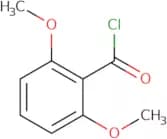
CAS:<p>Please enquire for more information about 4-Amino-3-(trifluoromethoxy)benzoic acid including the price, delivery time and more detailed product information at the technical inquiry form on this page</p>Formula:C8H6F3NO3Purity:Min. 95%Molecular weight:221.13 g/mol2,6-Dimethoxybenzoyl Chloride
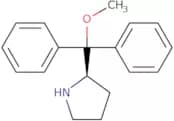
CAS:<p>2,6-Dimethoxybenzoyl chloride is a halide that is used in the synthesis of other compounds. It can be synthesized by the reaction of methoxy groups with demethylation and regiospecific chlorination. This compound has been used to synthesize other substances, such as 2-chloro-2′,6′-diethoxybenzophenone. 2,6-Dimethoxybenzoyl chloride also has enzymatic activity that can be catalyzed by chromatographic science. The chloride ion is the most common anion found in living cells and it is involved in a variety of reactions. Dimethoxybenzamido and tribromide are two types of organic compounds that contain chlorine.</p>Formula:C9H9ClO3Purity:Min. 95%Molecular weight:200.62 g/mol(R)-2-(Methoxydiphenylmethyl)pyrrolidine
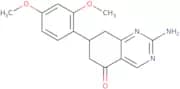
CAS:Controlled Product<p>Please enquire for more information about (R)-2-(Methoxydiphenylmethyl)pyrrolidine including the price, delivery time and more detailed product information at the technical inquiry form on this page</p>Formula:C18H21NOPurity:Min. 95%Molecular weight:267.37 g/mol2-Amino-7-(2,4-dimethoxyphenyl)-7,8-dihydroquinazolin-5(6H)-one
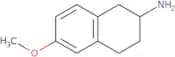
CAS:Controlled Product<p>Please enquire for more information about 2-Amino-7-(2,4-dimethoxyphenyl)-7,8-dihydroquinazolin-5(6H)-one including the price, delivery time and more detailed product information at the technical inquiry form on this page</p>Formula:C16H17N3O3Purity:Min. 95%Molecular weight:299.32 g/mol6-Methoxy-1,2,3,4-tetrahydronaphthalen-2-ylamine
CAS:Controlled Product<p>Please enquire for more information about 6-Methoxy-1,2,3,4-tetrahydronaphthalen-2-ylamine including the price, delivery time and more detailed product information at the technical inquiry form on this page</p>Formula:C11H15NOPurity:Min. 95%Molecular weight:177.24 g/mol1-(3-Methoxybenzyl)-1H-indole-3-carbaldehyde
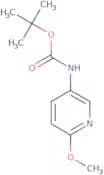
CAS:Controlled Product<p>Please enquire for more information about 1-(3-Methoxybenzyl)-1H-indole-3-carbaldehyde including the price, delivery time and more detailed product information at the technical inquiry form on this page</p>Formula:C17H15NO2Purity:Min. 95%Molecular weight:265.31 g/moltert-Butyl-n-(6-methoxy-3-pyridyl)carbamate
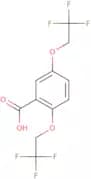
CAS:<p>Please enquire for more information about tert-Butyl-n-(6-methoxy-3-pyridyl)carbamate including the price, delivery time and more detailed product information at the technical inquiry form on this page</p>Formula:C11H16N2O3Purity:Min. 95%Molecular weight:224.26 g/mol2,5-Bis(2,2,2-trifluoroethoxy)benzoic acid
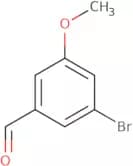
CAS:<p>Please enquire for more information about 2,5-Bis(2,2,2-trifluoroethoxy)benzoic acid including the price, delivery time and more detailed product information at the technical inquiry form on this page</p>Formula:C11H8F6O4Purity:Min. 95%Color and Shape:PowderMolecular weight:318.17 g/mol5-Bromo-3-methoxybenzaldehyde
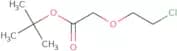
CAS:<p>5-Bromo-3-methoxybenzaldehyde is a type of growth factor that is synthesized by cancer cells. It has been shown to have anticancer activity when used in conjunction with other drugs. 5-Bromo-3-methoxybenzaldehyde has been shown to inhibit tumor growth in mice, which may be due to its ability to prevent the activation of PD-L1. This compound interacts with a tetranuclear ligand and can be activated by light.</p>Formula:C8H7BrO2Purity:Min. 95%Color and Shape:PowderMolecular weight:215.04 g/moltert-Butyl 2-(2-chloroethoxy)acetate
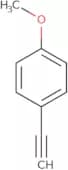
CAS:<p>Please enquire for more information about tert-Butyl 2-(2-chloroethoxy)acetate including the price, delivery time and more detailed product information at the technical inquiry form on this page</p>Formula:C8H15ClO3Purity:Min. 95%Color and Shape:Clear, colourless liquid.Molecular weight:194.66 g/mol4-Methoxyphenylacetylene
CAS:<p>4-Methoxyphenylacetylene is a phosphane that has been extensively studied for its reactivity in cross-coupling reactions with electron-deficient olefins. 4-Methoxyphenylacetylene has been shown to react with chlorides and form an intermediate chloride, which reacts with an olefin to form an ether. X-ray crystal structures of the reaction mechanism have been determined. The transfer mechanism involves nucleophilic attack of chloride on the phosphorus atom followed by elimination of hydrogen chloride from the phosphorus. The reaction product is an ether.</p>Formula:C9H8OPurity:Min. 95%Color and Shape:White Clear LiquidMolecular weight:132.16 g/mol4-Bromo-7-methoxy-1H-pyrrolo[2,3-c]pyridine
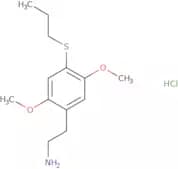
CAS:<p>Please enquire for more information about 4-Bromo-7-methoxy-1H-pyrrolo[2,3-c]pyridine including the price, delivery time and more detailed product information at the technical inquiry form on this page</p>Purity:Min. 95%2,5-Dimethoxy-4-(propylsulfanyl)phenethylamine hydrochloride
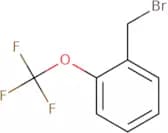
CAS:Controlled Product<p>Please enquire for more information about 2,5-Dimethoxy-4-(propylsulfanyl)phenethylamine hydrochloride including the price, delivery time and more detailed product information at the technical inquiry form on this page</p>Formula:C13H22ClNO2SPurity:Min. 95%Molecular weight:291.84 g/mol2-(Trifluoromethoxy)benzyl bromide
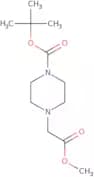
CAS:<p>2-(Trifluoromethoxy)benzyl bromide is a computational study of ionic liquids with substitutions. The viscosity of the liquid was found to be dependent on the size of the substituent and the number of substitutions. The compound was found to be selective for one isomer over another due to its different structural features. Experimental studies have shown that 2-(trifluoromethoxy)benzyl bromide has high permeability in ionic liquids, which is a desired property in ionic liquids. Advances in this field have led to new compounds and more knowledge about the properties of ionic liquids.</p>Purity:Min. 95%tert-Butyl 4-(2-methoxy-2-oxoethyl)piperazine-1-carboxylate
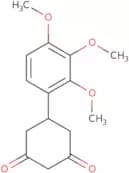
CAS:<p>Please enquire for more information about tert-Butyl 4-(2-methoxy-2-oxoethyl)piperazine-1-carboxylate including the price, delivery time and more detailed product information at the technical inquiry form on this page</p>Formula:C12H22N2O4Purity:Min. 95%Molecular weight:258.31 g/mol5-(2,3,4-Trimethoxyphenyl)cyclohexane-1,3-dione
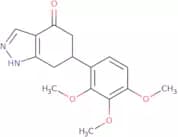
CAS:Controlled Product<p>Please enquire for more information about 5-(2,3,4-Trimethoxyphenyl)cyclohexane-1,3-dione including the price, delivery time and more detailed product information at the technical inquiry form on this page</p>Formula:C15H18O5Purity:Min. 95%Molecular weight:278.3 g/mol6-(2,3,4-Trimethoxyphenyl)-1,5,6,7-tetrahydro-4H-indazol-4-one
CAS:Controlled Product<p>Please enquire for more information about 6-(2,3,4-Trimethoxyphenyl)-1,5,6,7-tetrahydro-4H-indazol-4-one including the price, delivery time and more detailed product information at the technical inquiry form on this page</p>Formula:C16H18N2O4Purity:Min. 95%Molecular weight:302.33 g/mol3-Methoxy methamphetamine hydrochloride
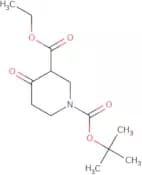
CAS:Controlled Product<p>Please enquire for more information about 3-Methoxy methamphetamine hydrochloride including the price, delivery time and more detailed product information at the technical inquiry form on this page</p>Formula:C11H18ClNOPurity:Min. 95%Molecular weight:215.72 g/molN-Boc-3-carboethoxy-4-piperidone
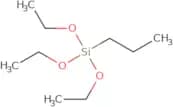
CAS:<p>Please enquire for more information about N-Boc-3-carboethoxy-4-piperidone including the price, delivery time and more detailed product information at the technical inquiry form on this page</p>Formula:C13H21NO5Purity:Min. 95%Molecular weight:271.31 g/molTriethoxy(propyl)silane
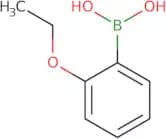
CAS:<p>Triethoxy(propyl)silane is an organosilicon compound that has reactive properties. It is a polymeric material that can be used as a component in paints, coatings, and sealants. The reaction of triethoxy(propyl)silane with sodium hydroxide solution yields hydrogen fluoride, water vapor, and hydrochloric acid. Triethoxy(propyl)silane has been shown to react with hydroxide solution to form polycarboxylic acids. The hydroxyl group on the triethoxy(propyl)silane molecule is responsible for the transport properties of this compound.</p>Formula:C9H22O3SiPurity:Min. 95%Molecular weight:206.35 g/mol2-Ethoxyphenylboronic acid
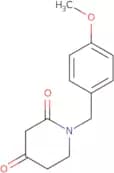
CAS:<p>Ethoxyphenylboronic acid is a triazine compound which inhibits inflammation by inhibiting the kinase that catalyzes the phosphorylation of arachidonic acid. It also inhibits lipid kinase, which is involved in the metabolism of lipids, and it has been shown to inhibit cancer cell growth through hydrogen bond interactions with DNA. Ethoxyphenylboronic acid has been shown to have anti-inflammatory properties and may be useful for the treatment of inflammatory diseases such as arthritis. The compound can also inhibit hydrogen peroxide-induced oxidative damage in cells, due to its ability to release intracellular glutathione.</p>Formula:C8H11BO3Purity:Min. 95%Molecular weight:165.98 g/mol1-(4-Methoxybenzyl)piperidine-2,4-dione
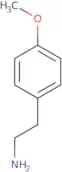
CAS:<p>Please enquire for more information about 1-(4-Methoxybenzyl)piperidine-2,4-dione including the price, delivery time and more detailed product information at the technical inquiry form on this page</p>Formula:C13H15NO3Purity:Min. 95%Molecular weight:233.26 g/mol4-Methoxy phenethylamine
CAS:Controlled Product<p>4-Methoxy phenethylamine (4MPEA) is a natural compound that has been found to have biological properties. It is a precursor of dopamine and norepinephrine, which are neurotransmitters in the brain. 4MPEA is an irreversible enzyme inhibitor with a hydroxyl group. The kinetic data for this compound has been determined by nitrogen atoms. Gamma-aminobutyric acid (GABA) is involved in the regulation of neuronal excitability and plays an important role in preventing seizures. 4MPEA may have potential as a drug for treating epilepsy or other neurological disorders.</p>Formula:C9H13NOPurity:Min. 95%Molecular weight:151.21 g/mol2-Chloro-3,4-dimethoxyphenethylamine HCl
CAS:Controlled Product<p>2-Chloro-3,4-dimethoxyphenethylamine is an intermediate in the synthesis of zepines. It can be synthesized by reduction of borohydride with 2-chloro-1,2,3,4-tetrahydrobenzaldehyde.</p>Purity:Min. 95%3-[4-(2-Methoxyethyl)phenoxy]-1,2-epoxypropane
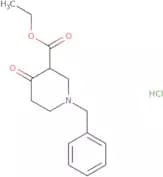
CAS:<p>3-[4-(2-Methoxyethyl)phenoxy]-1,2-epoxypropane is a chemical compound that is used in the industrial process of chloropropane production. It reacts with metoprolol to produce 3-[4-(2-methoxyethyl)phenoxy]-1,2-epoxypropane diol and metoprolol diol. This reaction occurs at lower temperatures than chlorination reactions, and without the use of radiation. 3-[4-(2-Methoxyethyl)phenoxy]-1,2-epoxypropane also reacts with chloropropane to produce 3-[4-(2-methoxyphenyl)phenyl]propene, which can be recycled for additional use.</p>Formula:C12H16O3Purity:Min. 95%Molecular weight:208.25 g/mol1-Benzyl-3-carbethoxy-4-piperidone hydrochloride
CAS:<p>1-Benzyl-3-carbethoxy-4-piperidone hydrochloride is a carboxylic acid that is used as a waterproofing agent in cyclohexane. It is absorbed by the skin and other tissues, which may lead to adverse effects on the body. Exposure to this compound has been shown to result in irritation of the skin, eyes, and respiratory tract, as well as changes in heart rate and blood pressure.</p>Formula:C15H19NO3•HClPurity:Min. 95%Molecular weight:297.78 g/molJ147
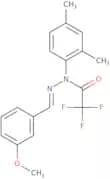
CAS:<p>2,2,2-Trifluoroacetic acid 1-(2,4-dimethylphenyl)-2-[(3-methoxyphenyl)methylene]hydrazide is a neuroprotective drug that belongs to the class of hydrazides. It has been shown to have neurotrophic activity in vitro and in vivo and can be used for the treatment of conditions such as diabetic neuropathy or cancer tissues. 2,2,2-Trifluoroacetic acid 1-(2,4-dimethylphenyl)-2-[(3-methoxyphenyl)methylene]hydrazide also has anti-inflammatory properties and can be used for the treatment of autoimmune diseases. The drug's mechanism of action is not fully understood but is thought to involve monoamine neurotransmitters.</p>Formula:C18H17F3N2O2Purity:Min. 95%Molecular weight:350.34 g/mol2-Mercapto-4,6-dimethoxypyrimidine
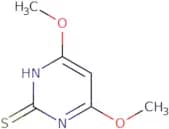
CAS:Controlled Product<p>2-Mercapto-4,6-dimethoxypyrimidine is a chemical reagent that belongs to the group of dibenzalacetone. This compound has been shown to selectively methylate benzene, dihydric alcohols, and aromatic ethers. It can be used in the chemical industry as a reagent for the production of zirconium metal oxide. 2-Mercapto-4,6-dimethoxypyrimidine has also been found to be an effective catalyst for the synthesis of dodecylbenzene from dimethylbenzene and sodium dodecylbenzenesulfonate.</p>Formula:C6H8N2O2SPurity:Min. 95%Color and Shape:PowderMolecular weight:172.21 g/molTrimethylolpropane ethoxylate - average Mn ~170
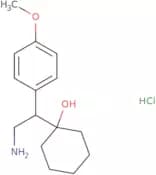
CAS:<p>Please enquire for more information about Trimethylolpropane ethoxylate - average Mn ~170 including the price, delivery time and more detailed product information at the technical inquiry form on this page</p>Formula:(C2H4O)n•(C2H4O)n•(C2H4O)n•C6H14O3Purity:Min. 95%2-(4-Methoxyphenyl)-2-(1-hydroxycyclohexyl)ethylamineHydrochloride
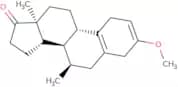
CAS:<p>Please enquire for more information about 2-(4-Methoxyphenyl)-2-(1-hydroxycyclohexyl)ethylamineHydrochloride including the price, delivery time and more detailed product information at the technical inquiry form on this page</p>Formula:C15H24ClNO2Purity:Min. 95%Molecular weight:285.81 g/mol3-Methoxy-7a-methyl-estra-2,5(10)-dien-17-one
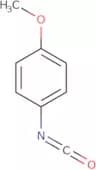
CAS:Controlled Product<p>Please enquire for more information about 3-Methoxy-7a-methyl-estra-2,5(10)-dien-17-one including the price, delivery time and more detailed product information at the technical inquiry form on this page</p>Formula:C20H28O2Purity:Min. 95%Molecular weight:300.44 g/mol4-Methoxyphenyl isocyanate
CAS:<p>4-Methoxyphenyl isocyanate (4MPIC) is a reactive organic compound that is used in the synthesis of polymers. 4MPIC reacts with amines to form amides, and can be used as a photophysical probe to study reaction mechanisms. It has been shown to react with hydroxy groups in polymers and form an insoluble polymer. 4MPIC also has antibacterial activity, although it is not active against all bacteria. This compound also reacts with chlorine atoms to form heterocycles, which are efficient for the synthesis of pharmaceuticals.</p>Formula:C8H7NO2Purity:Min. 95%Color and Shape:Clear LiquidMolecular weight:149.15 g/mol2-Methoxy-4-methylbenzenethiol
CAS:<p>Please enquire for more information about 2-Methoxy-4-methylbenzenethiol including the price, delivery time and more detailed product information at the technical inquiry form on this page</p>Formula:C8H10OSPurity:Min. 95%Molecular weight:154.23 g/mol[1-(2-Methoxyethyl)-1H-indol-3-yl]acetic acid
CAS:Controlled Product<p>Please enquire for more information about [1-(2-Methoxyethyl)-1H-indol-3-yl]acetic acid including the price, delivery time and more detailed product information at the technical inquiry form on this page</p>Formula:C13H15NO3Purity:Min. 95%Molecular weight:233.26 g/mol3-[2-(Ethoxycarbonyl)-1-methyl-1H-indol-3-yl]propanoic acid
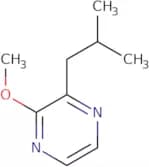
CAS:Controlled Product<p>Please enquire for more information about 3-[2-(Ethoxycarbonyl)-1-methyl-1H-indol-3-yl]propanoic acid including the price, delivery time and more detailed product information at the technical inquiry form on this page</p>Formula:C15H17NO4Purity:Min. 95%Molecular weight:275.3 g/mol2-Isobutyl-3-methoxypyrazine
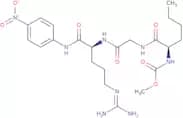
CAS:<p>2-Isobutyl-3-methoxypyrazine is a hydrophobic compound that is not soluble in water. It has a bound form and can be titrated with calorimetry. 2-Isobutyl-3-methoxypyrazine is synthesized by reacting 2,2,4-trimethylpentane with methoxyacetone in the presence of sodium methylate. The compound has been detected as an odorant in numerous plant species and is believed to play a role in plant physiology. 2-Isobutyl-3-methoxypyrazine has been shown to have potent antiviral activity against infectious diseases such as HIV, herpes simplex virus type 1 (HSV1), and varicella zoster virus (VZV). This specific antiviral activity may be due to its ability to bind fatty acids by hydrogen bonds, which may interfere with the synthesis of viral membranes.</p>Formula:C9H14N2OPurity:Min. 95%Molecular weight:166.22 g/molMethoxycarbonyl-D-Nle-Gly-Arg-pNA acetate salt
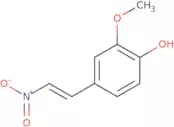
CAS:<p>Please enquire for more information about Methoxycarbonyl-D-Nle-Gly-Arg-pNA acetate salt including the price, delivery time and more detailed product information at the technical inquiry form on this page</p>Formula:C22H34N8O7Purity:Min. 95%Molecular weight:522.56 g/mol1-(4-Hydroxy-3-methoxyphenyl)-2-nitroethene
CAS:<p>1-(4-Hydroxy-3-methoxyphenyl)-2-nitroethene is an experimental molecule that was not previously known to exist. The intramolecular reaction of 1,4-dihydroxynitrobenzene and glyoxylic acid yields the product. It is a phenolic compound with biological activity, which has been shown to inhibit glycosidases and alkaloids.</p>Formula:C9H9NO4Purity:Min. 95%Color and Shape:SolidMolecular weight:195.17 g/mol3-(4-Methoxybenzoyl)acrylic acid
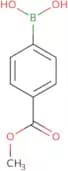
CAS:<p>Please enquire for more information about 3-(4-Methoxybenzoyl)acrylic acid including the price, delivery time and more detailed product information at the technical inquiry form on this page</p>Formula:C11H10O4Purity:Min. 95%Color and Shape:PowderMolecular weight:206.19 g/mol4-Methoxycarbonylphenylboronic acid
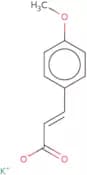
CAS:<p>4-Methoxycarbonylphenylboronic acid is an organic compound that can be synthesized from biphenyl. It is a diazonium salt with a bidentate ligand and a carbonyl group, which allows it to form an intermolecular hydrogen bond. The phenyl group of 4-methoxycarbonylphenylboronic acid can be oxidized to the corresponding carboxylic acid or reduced to the corresponding alcohol.<br>4-Methoxycarbonylphenylboronic acid is also soluble in halides, iodinations, and mercaptoacetic acid. This compound has been used as an acceptor in the oxidation of aluminium with diborane as a catalyst. 4-Methoxycarbonylphenylboronic acid has also been used to synthesize other compounds such as metronidazole (a drug) and erythromycin (an antibiotic).</p>Formula:C8H9BO4Purity:Min. 95%Color and Shape:White PowderMolecular weight:179.97 g/molPotassium 4-methoxycinnamate
CAS:<p>Potassium 4-methoxycinnamate is a fine chemical that is used as a versatile building block in the synthesis of complex compounds. It can be used in research and as a reagent or speciality chemical. It is also a useful building block for high quality, useful intermediate, and reaction component. Potassium 4-methoxycinnamate can be used as a scaffold to synthesize compounds with diverse applications such as pharmaceuticals, polymers, and agrochemicals.</p>Formula:C10H9O3·KPurity:Min. 95%Molecular weight:216.27 g/mol3-(3,5-Dimethoxyphenyl)propionic acid methyl ester
CAS:<p>3-(3,5-Dimethoxyphenyl)propionic acid methyl ester is a reagent that is used as a reactant in organic synthesis. It is also useful as a scaffold for the synthesis of heterocycles and other complex compounds. 3-(3,5-Dimethoxyphenyl)propionic acid methyl ester is used in research chemical synthesis and as a versatile building block for the production of fine chemicals. This chemical can be used to create products such as pharmaceuticals, pesticides, and cosmetics.</p>Formula:C12H16O4Purity:Min. 95%Molecular weight:224.25 g/molDibenzoyl-(-)-p-methoxy-L-tartaric acid
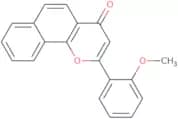
CAS:<p>Dibenzoyl-(-)-p-methoxy-L-tartaric acid is a chiral compound that has been extracted from plants and synthesized. It has a bitter taste and can be used as an enantiomer to treat schistosomiasis, a disease caused by parasitic flatworms. Dibenzoyl-(-)-p-methoxy-L-tartaric acid can be used as an enantiomer to treat schistosomiasis, which is caused by parasitic flatworms. The chemical is an anionic β-cyclodextrin derivative that binds to the parasites in the host's body and prevents them from releasing eggs into the water supply. This chemical also has pharmacological properties, such as antiinflammatory activities.</p>Formula:C20H18O10Purity:Min. 95%Color and Shape:White PowderMolecular weight:418.35 g/mol2'-Methoxy-α-naphthoflavone
CAS:<p>2'-Methoxy-alpha-naphthoflavone is a fine chemical that can be synthesized from naphthalene, benzaldehyde, and methoxyacetic acid. It is a versatile building block for research chemicals and has been shown to have high quality. 2'-Methoxy-alpha-naphthoflavone has been used as a reaction component in the synthesis of complex compounds with interesting biological activities.</p>Formula:C20H14O3Purity:Min. 95%Molecular weight:302.32 g/mol4-Chloro-2-(trifluoromethoxy)aniline
CAS:<p>4-Chloro-2-(trifluoromethoxy)aniline is a fine chemical that is used as a building block in the synthesis of other chemicals, such as pharmaceuticals and agrochemicals. It is also used in research as a reagent for organic synthesis and as a speciality chemical. 4-Chloro-2-(trifluoromethoxy)aniline has versatile applications in the manufacture of complex compounds, intermediates, and scaffolds.</p>Formula:C7H5ClF3NOPurity:Min. 95%Molecular weight:211.57 g/mol4-Difluoromethoxyphenylboronic acid pinacol ester
CAS:<p>Please enquire for more information about 4-Difluoromethoxyphenylboronic acid pinacol ester including the price, delivery time and more detailed product information at the technical inquiry form on this page</p>Formula:C13H17BF2O3Purity:Min. 95%Molecular weight:270.08 g/molH-Cys(4-methoxytrityl)-2-chlorotrityl resin (200-400 mesh)
<p>Please enquire for more information about H-Cys(4-methoxytrityl)-2-chlorotrityl resin (200-400 mesh) including the price, delivery time and more detailed product information at the technical inquiry form on this page</p>Purity:Min. 95%2-Methoxy-5-[[(phenylmethyl)sulfonyl]methyl]benzenamine
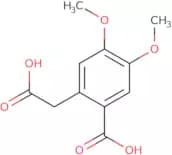
CAS:<p>3-Amino-4-methoxybenzyl sulphone is a high quality, versatile building block that is used in the synthesis of complex compounds. It is a reagent that can be used for reactions such as the coupling of amines and carboxylic acids. 3-Amino-4-methoxybenzyl sulphone is also useful in the synthesis of pharmaceuticals and speciality chemicals. The compound has been shown to react with other substances, such as thiols and alcohols, to form new materials with interesting properties.</p>Formula:C15H17NO3SPurity:Min. 95%Color and Shape:PowderMolecular weight:291.37 g/mol2-(Carboxymethyl)-4,5-dimethoxybenzoic acid
CAS:<p>Please enquire for more information about 2-(Carboxymethyl)-4,5-dimethoxybenzoic acid including the price, delivery time and more detailed product information at the technical inquiry form on this page</p>Formula:C11H12O6Purity:Min. 95%Molecular weight:240.21 g/mol2-Chloro-3-methoxybenzaldehyde
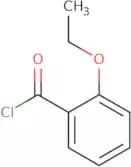
CAS:<p>Please enquire for more information about 2-Chloro-3-methoxybenzaldehyde including the price, delivery time and more detailed product information at the technical inquiry form on this page</p>Formula:C8H7ClO2Purity:Min. 95%Molecular weight:170.59 g/molo-Ethoxybenzoyl chloride
CAS:<p>O-Ethoxybenzoyl chloride is a pesticide that belongs to the group of sildenafil. It inhibits the activity of prolyl endopeptidase, an enzyme that degrades the peptide hormone vasoactive intestinal polypeptide (VIP). This inhibition prevents degradation of VIP, which is important for the regulation of blood vessel tone. The compound has been shown to be effective against Sclerotinia sclerotiorum and Claviceps purpurea. O-Ethoxybenzoyl chloride has been shown to have a high level of tolerance in plants and animals. It also has been found to be safe for humans with its low toxicity levels and low acute toxicity. It is not classified as hazardous by the World Health Organization (WHO).</p>Formula:C9H9ClO2Purity:Min. 95%Molecular weight:184.62 g/molDolastatin 15 (5S)-1-[(2S)-O-(N,N-Dimethyl-Val-Val-N-Me-Val-Pro-Pro)-2-hydroxyisovaleryl]-2-oxo-4-methoxy-5-benzyl-3-pyrroline
CAS:<p>Dolastatin 15 (5S)-1-[(2S)-O-(N,N-Dimethyl-Val-Val-N-Me-Val-Pro-Pro)-2-hydroxyisovaleryl]-2-oxo-4-methoxy-5-benzylpyrrolidinium is a natural compound that has been isolated from the Indian Ocean sea hare Dolabella auricularia. It has shown significant cytotoxicity against cancer cells as well as significant immunosuppressive activities in animals. Dolastatin 15 is an analog of dolastatin 10 and has been shown to be active against hepatitis B and C virus. It also has antiinflammatory properties and may be effective in combating autoimmune diseases. The synthesis of this compound is an asymmetric synthesis with a hydroxyl group on one side of the molecule and an amide on the other side.</p>Formula:C45H68N6O9Purity:Min. 95%Molecular weight:837.06 g/mol2-Fluoro-6-methoxybenzonitrile
CAS:<p>2-Fluoro-6-methoxybenzonitrile (2FMN) is a compound that is used as a starting material for the synthesis of other pharmaceuticals. It has been shown to bind to the acetylcholine receptor by using vibrational spectroscopy and functional theory. It also has been shown to be an effective chemokine inhibitor. Computational methods were used to optimize 2FMN's binding affinity for the acetylcholine receptor, and it was found that 2FMN binds with a dipole orientation in order to increase its binding affinity.</p>Formula:C8H6FNOPurity:Min. 95%Color and Shape:PowderMolecular weight:151.14 g/mol2-(2-Ethoxyphenoxy)ethyl bromide
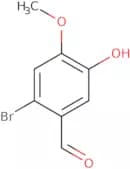
CAS:<p>2-(2-Ethoxyphenoxy)ethyl bromide is a substance that is found as an impurity in the drug sulphonamide. It has been shown to be an optical isomer of methanol and ethanol, which have base form. The substance crystallizes in the form of white needles and its base form is tamsulosin hydrochloride. It has been used as a reagent for organic chemistry reactions, such as recrystallization, and as an impurity in organic solvents.</p>Formula:C10H13BrO2Purity:Min. 95%Molecular weight:245.11 g/mol2-Bromo-5-hydroxy-4-methoxybenzaldehyde
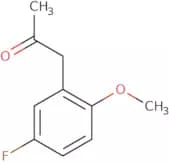
CAS:<p>2-Bromo-5-hydroxy-4-methoxybenzaldehyde is a death pathway inhibitor that has been shown to have radiosensitizing effects in vitro. It has also been found to inhibit the expression of matrix metalloproteinase (MMP) in human glioma cells and in a rat model of cerebral ischemia. This compound may be used as a potential chemotherapeutic agent for the treatment of cancer. 2-Bromo-5-hydroxy-4-methoxybenzaldehyde inhibits cell proliferation by inducing apoptosis, or programmed cell death, which may be due to its ability to suppress MMP activity.</p>Formula:C8H7BrO3Purity:Min. 95%Color and Shape:PowderMolecular weight:231.04 g/mol5-Fluoro-2-methoxyphenylacetone
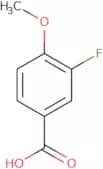
CAS:<p>5-Fluoro-2-methoxyphenylacetone is a chemical with a wide array of applications in research and industry. It is a versatile building block, useful intermediate, and reagent for organic synthesis. This compound has been used as a starting material in the synthesis of other compounds. CAS No. 1017082-10-8</p>Formula:C10H11FO2Color and Shape:PowderMolecular weight:182.19 g/mol3-Fluoro-4-methoxybenzoic acid
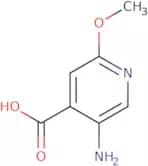
CAS:<p>3-Fluoro-4-methoxybenzoic acid is a dipolar molecule with a fluorine atom. It has been synthesized experimentally and the yields are determined by the experimental conditions. 3-Fluoro-4-methoxybenzoic acid has two isomers, which can be differentiated by their resonances. The molecule also has an asymmetric C3(CF)2Cl group in the middle of its structure that can rotate freely.</p>Formula:C8H7FO3Purity:Min. 95%Color and Shape:PowderMolecular weight:170.14 g/mol5-Amino-2-methoxyisonicotinic acid
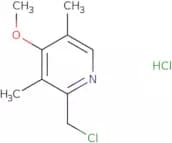
CAS:<p>5-Amino-2-methoxyisonicotinic acid is a carboxylic acid that is used in the synthesis of aminopyridines. The compound can be synthesized from formamidine acetate and diethyl dicarbonate. This process involves lithiation, followed by addition of an amine and finally conversion to the desired product with formamidine acetate. 5-Amino-2-methoxyisonicotinic acid can also be synthesized from formamide and diethyl ether. 5-Amino-2-methoxyisonicotinic acid is an analog of 2,4,6-trimethylaniline and has been shown to have similar properties to this compound, including strong basicity.</p>Formula:C7H8N2O3Purity:Min. 95%Molecular weight:168.15 g/mol2-(Chloromethyl)-4-methoxy-3,5-dimethylpyridine hydrochloride
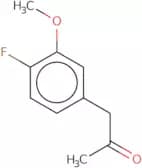
CAS:<p>2-(Chloromethyl)-4-methoxy-3,5-dimethylpyridine hydrochloride is a benzimidazole derivative. It has a chemical stability and can be used for wastewater treatment. It is also a pump inhibitor and can be used for anhydrous sodium magnesium salts. This product is synthesized from the reaction of protonated 2-bromo-4-methoxyphenol with 2,6-dimethylpyridine in the presence of hydrochloric acid. The reaction was carried out in an asymmetric synthesis using a proton transport system. 2-(Chloromethyl)-4-methoxy-3,5-dimethylpyridine hydrochloride is soluble in water and has a pH of 1 to 3. It has been shown that this product can be used as an antioxidant and as a metal chelation agent.</p>Formula:C9H13Cl2NOPurity:Min. 95%Color and Shape:PowderMolecular weight:222.11 g/mol4-Fluoro-3-methoxyphenylacetone
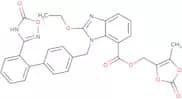
CAS:<p>4-Fluoro-3-methoxyphenylacetone is a high quality reagent that can be used as an intermediate in the synthesis of complex compounds. This compound is also useful for creating fine chemicals and speciality chemicals, for research purposes. 4-Fluoro-3-methoxyphenylacetone has been shown to be a versatile building block in organic synthesis, with many possible applications. It can react with other compounds to create new compounds or react with itself to form new molecules. CAS No. 320338-98-5</p>Formula:C10H11FO2Purity:Min. 95%Molecular weight:182.19 g/molAzilsartan medoxomil
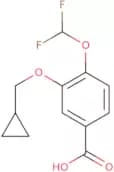
CAS:<p>Azilsartan medoxomil is an antihypertensive drug, which is a prodrug of the angiotensin II receptor blocker azilsartan. It is synthesized through a chemical process involving the modification of the medoxomil ester, converting it into its active form upon absorption in the gastrointestinal tract. The primary mode of action of azilsartan medoxomil involves selective antagonism of the angiotensin II type 1 (AT1) receptor. By blocking the effects of angiotensin II—a potent vasoconstrictor—azilsartan medoxomil effectively reduces vascular resistance, leading to decreased blood pressure.</p>Formula:C30H24N4O8Purity:Min. 95%Color and Shape:White PowderMolecular weight:568.53 g/mol3-Cyclopropylmethoxy-4-difluoromethoxy-benzoic acid
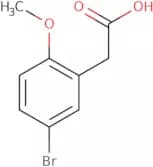
CAS:<p>3-Cyclopropylmethoxy-4-difluoromethoxy-benzoic acid is an industrial chemical that is used as a binding agent in the production of dyes, rubber, and pharmaceuticals. The compound is produced by the acylation of 3-chloromethoxybenzoic acid with cyclopropylmethanol. This reaction requires an inorganic base such as potassium carbonate or sodium bicarbonate to activate the chloride. 3-Cyclopropylmethoxy-4-difluoromethoxybenzoic acid can be used as a reactive alkylating agent for the production of amides and other organic compounds, which increases its versatility.</p>Formula:C12H12O4F2Purity:Min. 95%Color and Shape:White/Off-White SolidMolecular weight:258.22 g/mol(5-Bromo-2-methoxyphenyl)acetic acid
CAS:<p>5-Bromo-2-methoxyphenyl)acetic acid (BMPEA) is a hydroxylated derivative of aspartic acid. It has been shown to induce apoptotic cell death in various cell lines, including human lung cells and rat hippocampal cells. BMPEA is synthesized by the solid-phase method and is characterized by a constant structure. It can be used to treat degenerative diseases and other conditions where apoptosis is desirable, such as Alzheimer's disease, Parkinson's disease, amyotrophic lateral sclerosis, retinitis pigmentosa, and Duchenne muscular dystrophy.</p>Formula:C9H9BrO3Purity:Min. 95%Color and Shape:PowderMolecular weight:245.07 g/mol3'-Hydroxy-4'-methoxyacetophenone
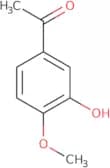
CAS:<p>3'-Hydroxy-4'-methoxyacetophenone is a chemical compound with the molecular formula CHO and it belongs to the group of bisbenzylisoquinoline alkaloids. It is a white crystalline powder that has a dry weight of 155.2g/mol and melting point of 154-158°C. 3'-Hydroxy-4'-methoxyacetophenone is used as an intermediate in the synthesis of other chemicals, such as methyl transferase inhibitors like metronidazole or oxidative stress agents like benzoquinones. 3'-Hydroxy-4'-methoxyacetophenone can be found in bowel disease patients, where it may be produced by bacteria in the gut. This chemical also has UV absorption properties and can be used as a sample preparation agent for hydroalcoholic samples.</p>Formula:C9H10O3Purity:Min. 95%Color and Shape:PowderMolecular weight:166.17 g/molN-2-Ethoxyethyl-Val-Ala-anilide
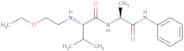
CAS:<p>Please enquire for more information about N-2-Ethoxyethyl-Val-Ala-anilide including the price, delivery time and more detailed product information at the technical inquiry form on this page</p>Formula:C18H29N3O3Purity:Min. 95%Molecular weight:335.44 g/mol2-(Difluoromethoxy)Phenol
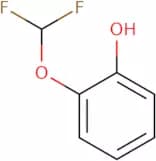
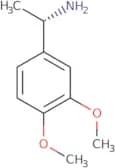
CAS:<p>2-(Difluoromethoxy)Phenol is a purine derivative and pyrimidine derivative. It has been shown to inhibit the growth of cancer cells in vitro and in vivo. 2-(Difluoromethoxy)phenol inhibits multidrug resistance by inhibiting the transport of drugs into cells and thereby preventing their accumulation. As a result, it suppresses inflammatory diseases and autoimmune diseases. The hydroxyl group in this compound can be replaced with fluorine or nitro groups to generate new derivatives with different properties. Piperidine can also be added to this molecule to create an analogue that is more potent than 2-(difluoromethoxy)phenol and has a longer duration of action.</p>Formula:C7H6F2O2Purity:Min. 95%Molecular weight:160.12 g/mol(1S)-1-(3,4-Dimethoxyphenyl)ethan-1-amine
CAS:<p>Please enquire for more information about (1S)-1-(3,4-Dimethoxyphenyl)ethan-1-amine including the price, delivery time and more detailed product information at the technical inquiry form on this page</p>Formula:C10H15NO2Purity:Min. 95%Molecular weight:181.23 g/molp-Methoxybenzylmercaptan
CAS:<p>P-Methoxybenzylmercaptan is an inhibitor of protein synthesis. It binds to the active site of the enzyme ribonuclease A, which is involved in the processing of messenger RNA. P-Methoxybenzylmercaptan also inhibits other enzymes such as alkaline phosphatase and esterases. It has been shown to be effective against HIV infection. This compound can be used for chemical ligation reactions and as a cell culture medium additive, as it protects cells from oxidation and provides a more acidic environment. P-Methoxybenzylmercaptan has been shown to bind to amines and is being investigated for its use in drug development.</p>Formula:C8H10OSPurity:Min. 95%Color and Shape:Clear LiquidMolecular weight:154.23 g/mol(4S,5R)-3-Benzoyl-2-(4-methoxyphenyl)-4-phenyl-5-oxazolidinecarboxylic acid
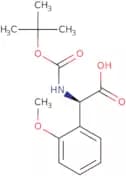
CAS:<p>Please enquire for more information about (4S,5R)-3-Benzoyl-2-(4-methoxyphenyl)-4-phenyl-5-oxazolidinecarboxylic acid including the price, delivery time and more detailed product information at the technical inquiry form on this page</p>Formula:C24H21NO5Purity:Min. 95%Color and Shape:White To Off-White SolidMolecular weight:403.43 g/molBoc-(R)-2-methoxyphenylglycine
CAS:<p>Please enquire for more information about Boc-(R)-2-methoxyphenylglycine including the price, delivery time and more detailed product information at the technical inquiry form on this page</p>Formula:C14H19NO5Purity:Min. 95%Molecular weight:281.3 g/mol6-Methoxy-2,3,4,9-tetrahydro-1H-β-carbolin-1-one
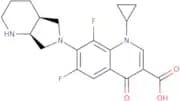
CAS:<p>6-Methoxy-2,3,4,9-tetrahydro-1H-beta-carbolin-1-one is a β-carboline alkaloid that is structurally related to harmaline and tetrahydroharmine. It has been shown to have antidepressant activity in animals. 6-Methoxy-2,3,4,9-tetrahydro-1H-beta-carbolin-1-one was analyzed by GC/MS and found to be present in the leaves of plants from the genus Tetraclinis. 6MHBC was also identified as a metabolite of diazepam in rat urine after administration of a single oral dose of 10 mg/kg diazepam. The observed β carboline metabolite was determined to be 6MHBC.</p>Formula:C12H12N2O2Purity:Min. 95%Molecular weight:216.24 g/mol8-Desmethoxy-8-fluoro moxifloxacin
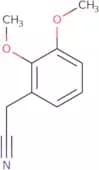
CAS:<p>8-Desmethoxy-8-fluoro moxifloxacin is a photolytic drug that is used to treat bacterial infections. It has a high degree of antibacterial activity against methicillin-resistant staphylococcus aureus, including methicillin resistant strains of Staphylococcus epidermidis. 8-Desmethoxy-8-fluoro moxifloxacin hydrochloride is produced by the addition of hydrochloric acid to moxifloxacin, which is then purified by ion chromatography. The compound has been shown to have good stability in human plasma and urine. It also shows excellent recoveries in acetonitrile and quantification results in flow rates.</p>Formula:C20H21F2N3O3Purity:Min. 95%Molecular weight:389.4 g/mol2,3-(Dimethoxyphenyl)acetonitrile
CAS:<p>2,3-(Dimethoxyphenyl)acetonitrile is a chemical intermediate that is used in the synthesis of pharmaceuticals and specialty chemicals. It can be used as a reaction component and reagent for the synthesis of other chemicals. This compound has a high quality and is also a versatile building block for complex compounds. 2,3-(Dimethoxyphenyl)acetonitrile has been shown to be useful in the production of fine chemicals such as pharmaceuticals, agrochemicals, and dyes. The CAS number for this compound is 4468-57-9.</p>Formula:C10H11NO2Purity:Min. 95%Molecular weight:177.2 g/mol


![(7S)-7-Amino-1,2,3,10-tetramethoxy-6,7-dihydro-5H-benzo[g]heptalen-9-one](/_next/image/?url=https%3A%2Fstatic.cymitquimica.com%2Fproducts%2F3D%2Fthumb-webp%2FFA20821.webp&w=3840&q=75)
![2-[(2S,3S,4S)-3-Formyl-5-Methoxycarbonyl-2-Methyl-3,4-Dihydro-2H-Pyran-4-Yl]Acetic Acid](/_next/image/?url=https%3A%2Fstatic.cymitquimica.com%2Fproducts%2F3D%2Fthumb-webp%2FFF71925.webp&w=3840&q=75)


![(2-{2-[2-(2-Aminoethyl)-4,5-dimethoxybenzyl]-4,5-dimethoxyphenyl}ethyl)amine dihydrochloride](/_next/image/?url=https%3A%2Fstatic.cymitquimica.com%2Fproducts%2F3D%2Fthumb-webp%2FFA135464.webp&w=3840&q=75)


![[2-(4-methoxyphenyl)ethyl]methylamine](/_next/image/?url=https%3A%2Fstatic.cymitquimica.com%2Fproducts%2F3D%2Fthumb-webp%2FFM51362.webp&w=3840&q=75)



![4-Bromo-7-methoxy-1H-pyrrolo[2,3-c]pyridine](/_next/image/?url=https%3A%2Fstatic.cymitquimica.com%2Fproducts%2F3D%2Fthumb-webp%2FFB141995.webp&w=3840&q=75)


![3-[4-(2-Methoxyethyl)phenoxy]-1,2-epoxypropane](/_next/image/?url=https%3A%2Fstatic.cymitquimica.com%2Fproducts%2F3D%2Fthumb-webp%2FFM25303.webp&w=3840&q=75)

![[1-(2-Methoxyethyl)-1H-indol-3-yl]acetic acid](/_next/image/?url=https%3A%2Fstatic.cymitquimica.com%2Fproducts%2F3D%2Fthumb-webp%2FFM135744.webp&w=3840&q=75)
![3-[2-(Ethoxycarbonyl)-1-methyl-1H-indol-3-yl]propanoic acid](/_next/image/?url=https%3A%2Fstatic.cymitquimica.com%2Fproducts%2F3D%2Fthumb-webp%2FFE127998.webp&w=3840&q=75)





![2-Methoxy-5-[[(phenylmethyl)sulfonyl]methyl]benzenamine](/_next/image/?url=https%3A%2Fstatic.cymitquimica.com%2Fproducts%2F3D%2Fthumb-webp%2FFA70820.webp&w=3840&q=75)

![Dolastatin 15 (5S)-1-[(2S)-O-(N,N-Dimethyl-Val-Val-N-Me-Val-Pro-Pro)-2-hydroxyisovaleryl]-2-oxo-4-…](/_next/image/?url=https%3A%2Fstatic.cymitquimica.com%2Fproducts%2F3D%2Fthumb-webp%2FFD110329.webp&w=3840&q=75)