Ethers
Ethers are organic compounds containing an ether functional group, characterized by an oxygen atom bonded to two hydrocarbon radicals. These compounds are valuable in synthesis and serve as solvents in various chemical reactions. At CymitQuimica, we offer a selection of high-quality ethers to support your research and industrial applications, ensuring reliable and effective results. Our range of ethers meets diverse laboratory requirements, from routine experiments to advanced research.
Found 40712 products of "Ethers"
Sort by
Purity (%)
0
100
|
0
|
50
|
90
|
95
|
100
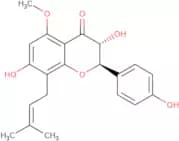
3,7,4'-Trihydroxy-5-methoxy-8-prenylflavanone, (2R,3R)-
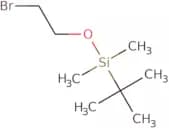
CAS:<p>3,7,4'-Trihydroxy-5-methoxy-8-prenylflavanone, (2R,3R)- is a prenylated flavonoid compound, which is a type of naturally occurring polyphenol. These compounds are known for their complex structures and biological activities, frequently contributing to the therapeutic properties of various plants. The source of this flavanone is often plants belonging to the Fabaceae family, including the roots and other parts of certain legumes, where it accumulates as part of the plant’s secondary metabolism.</p>Purity:Min. 95%(2-Bromoethoxy)-tert-butyldimethylsilane
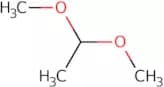
CAS:<p>2-Bromoethoxy-tert-butyldimethylsilane is a conjugate that has been shown to have anticancer efficacy in vivo. It is a pyrimidine derivative and inhibits the viral enzyme RNA polymerase, thereby inhibiting viral replication. 2-Bromoethoxy-tert-butyldimethylsilane also inhibits glyceraldehyde 3-phosphate dehydrogenase, which is an enzyme that catalyzes the conversion of glucose into glyceraldehyde 3-phosphate and plays an important role in glycolysis. The compound has been shown to be active against mouse tumors, which are associated with endogenous retroviruses. The compound has also been shown to inhibit gapdh, an enzyme involved in energy metabolism and cancer therapy.</p>Formula:C8H19BrOSiPurity:Min. 95%Color and Shape:Colorless Clear LiquidMolecular weight:239.23 g/mol1,1-Dimethoxyethane
CAS:<p>1,1-Dimethoxyethane is an organic compound that belongs to the group of isatin derivatives. It has inhibitory activity against acetal formation and can be used as a solvent in chemical reactions. 1,1-Dimethoxyethane also inhibits cancer cell growth by interfering with the production of carboxylic acids. This compound may also have therapeutic effects on Alzheimer's disease and vascular diseases such as atherosclerosis and angina pectoris.</p>Formula:C4H10O2Purity:Min. 95%Color and Shape:Clear LiquidMolecular weight:90.12 g/mol2,2'-Bis-(1-adamantyl)-4,4'-dimethoxybiphenyl
CAS:<p>2,2'-Bis-(1-adamantyl)-4,4'-dimethoxybiphenyl is a methyl ester of adapalene. It is used to assess the effects of adapalene on the skin and to determine its marker for topical application.</p>Formula:C34H42O2Purity:Min. 95%Molecular weight:482.7 g/molN-(1H-Indol-4-ylmethyl)-N-[2-(4-methoxyphenyl)ethyl]amine hydrochloride
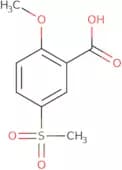
CAS:Controlled Product<p>Please enquire for more information about N-(1H-Indol-4-ylmethyl)-N-[2-(4-methoxyphenyl)ethyl]amine hydrochloride including the price, delivery time and more detailed product information at the technical inquiry form on this page</p>Formula:C18H20N2OPurity:Min. 95%Molecular weight:280.36 g/mol2-Methoxy-5-methylsulfonylbenzoicacid
CAS:<p>2-Methoxy-5-methylsulfonylbenzoic acid is an organic compound that can be used as a pharmaceutical intermediate. It has been used to synthesize diagnostic agents and drugs such as isradipine and sarpogrelate hydrochloride. 2-Methoxy-5-methylsulfonylbenzoic acid is also used as an intermediate in the synthesis of bortezomib, a drug that inhibits the proteasome. This product contains impurities that may interfere with its use as a pharmaceutical preparation. The flow rate of this product is sensitive to changes in temperature and pressure.</p>Formula:C9H10O5SPurity:Min. 95%Molecular weight:230.24 g/mol1-(4-Amino-6,7-dimethoxy-2-quinazolinyl)-4-[(tetrahydro-2-furanyl)carbonxyl]piperazine hydrochloride
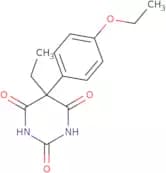
CAS:<p>Terazosin HCL dehydrate is an inhibitor of alpha-1 adrenergic receptors. This results in vasodilation followed by a reduction in urethral resistance, venous return to the heart and peripheral vascular resistance. In particular Terazosin HCL hydrate’s ability to recover urine flow and alleviate symptoms in patients with benign prostatic hyperplasia is of benefit to the therapeutic and clinical industries.</p>Formula:C19H26ClN5O4Purity:Min. 95%Molecular weight:423.89 g/mol5-(4-Ethoxyphenyl)-5-ethylbarbituric acid
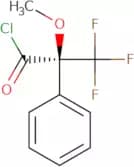
CAS:Controlled Product<p>Please enquire for more information about 5-(4-Ethoxyphenyl)-5-ethylbarbituric acid including the price, delivery time and more detailed product information at the technical inquiry form on this page</p>Formula:C14H16N2O4Purity:Min. 95%Molecular weight:276.29 g/mol(R)-(-)-α-Methoxy-α-(trifluoromethyl)phenylacetyl chloride
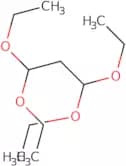
CAS:<p>(R)-(-)-alpha-Methoxy-alpha-trifluoromethyl-phenylacetyl chloride is an enantiomer that has a chiral center. It is used in the synthesis of metoprolol and bisoprolol, which are drugs that are prescribed to treat hypertension and angina pectoris. The racemate is used in the separation of amines by high performance liquid chromatography (Hplc). This compound also has a hydroxyl group and two fatty acids, which can be identified using a chromatographic method. The compound contains a chloride as well as a transfer group.</p>Formula:C10H8ClF3O2Purity:Min. 95%Color and Shape:Clear LiquidMolecular weight:252.62 g/mol1,1,3,3-Tetraethoxypropane
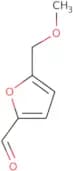
CAS:<p>1,1,3,3-Tetraethoxypropane is a fatty acid that is produced by the metabolism of plant and animal lipids. It has been used as a food additive to bind water and improve texture in baked goods. It also has shown to have antioxidant properties. In addition, 1,1,3,3-Tetraethoxypropane has been shown to be reactive with human feces and inhibit enzyme activities in infectious diseases. This compound is also an autoimmune disease agent that inhibits physiological activities in humans. The bound form of 1,1,3,3-Tetraethoxypropane can be found in human serum and liver cells.</p>Formula:C11H24O4Purity:Min. 95%Color and Shape:Clear LiquidMolecular weight:220.31 g/mol5-(Methoxymethyl)-2-furancarboxaldehyde
CAS:<p>5-hydroxymethylfurfural (5-hmf) is an organic compound that is produced when a carbohydrate or sugar undergoes oxidation. It is used as an additive in animal feed and as an industrial chemical. 5-hmf is a solid catalyst that can be used at high temperatures, making it suitable for use in the production of 2,6-dihydroxybenzoic acid. The reaction mechanism of 5-hmf involves the dehydration of furfural to form 5-hydroxymethylfurfural. This process occurs when a molecule of water reacts with furfural to produce two molecules of 5-hmf. The reaction may be accelerated by introducing heat, which breaks down the hydrogen bonds between the molecules of furfural and water.</p>Formula:C7H8O3Purity:Min. 95%Color and Shape:Clear LiquidMolecular weight:140.14 g/molN-Methoxy-N-methylacetamide
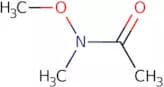
CAS:<p>N-Methoxy-N-methylacetamide is a nucleophilic amide that can be synthesized by the reaction of acetamide with methylmagnesium chloride. It has been used to synthesize an enantiopure derivative of 2-aminopropanol, which is used in the synthesis of potent antitumor agents. N-Methoxy-N-methylacetamide has shown potent anticancer activity in mice and rats. This molecule exhibits a carbonyl group that can act as an enolate, which is a reactive intermediate within chemical reactions. The nucleophilic attack on this carbonyl group leads to intramolecular hydrogen transfer, producing a more stable product.</p>Formula:C4H9NO2Purity:Min. 95%Molecular weight:103.12 g/mol5-Bromo-3-methoxybenzaldehyde
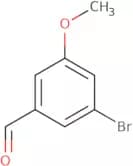
CAS:<p>5-Bromo-3-methoxybenzaldehyde is a type of growth factor that is synthesized by cancer cells. It has been shown to have anticancer activity when used in conjunction with other drugs. 5-Bromo-3-methoxybenzaldehyde has been shown to inhibit tumor growth in mice, which may be due to its ability to prevent the activation of PD-L1. This compound interacts with a tetranuclear ligand and can be activated by light.</p>Formula:C8H7BrO2Purity:Min. 95%Color and Shape:PowderMolecular weight:215.04 g/molTriethoxy(propyl)silane
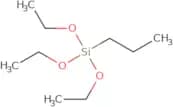
CAS:<p>Triethoxy(propyl)silane is an organosilicon compound that has reactive properties. It is a polymeric material that can be used as a component in paints, coatings, and sealants. The reaction of triethoxy(propyl)silane with sodium hydroxide solution yields hydrogen fluoride, water vapor, and hydrochloric acid. Triethoxy(propyl)silane has been shown to react with hydroxide solution to form polycarboxylic acids. The hydroxyl group on the triethoxy(propyl)silane molecule is responsible for the transport properties of this compound.</p>Formula:C9H22O3SiPurity:Min. 95%Molecular weight:206.35 g/mol1-Chloro-2-(chloromethoxy)ethane
CAS:<p>1-Chloro-2-(chloromethoxy)ethane is an acyclic nucleoside phosphonate that is used as a HIV integrase inhibitor. It binds to the HIV RNA genome and prevents the integration of viral DNA into the host cell's genome, which blocks the replication of HIV. 1-Chloro-2-(chloromethoxy)ethane has been shown to be more potent than other acyclic nucleoside phosphonates in vitro and in vivo. This drug also inhibits herpes simplex virus type 1 (HSV1) thymidine kinase activity, which is essential for viral DNA synthesis. This drug has potential antitumor activities against certain tumor cells due to its ability to inhibit cell proliferation and induce apoptosis through inhibiting rna synthesis.</p>Formula:C3H6Cl2OPurity:Min. 95%Color and Shape:Clear LiquidMolecular weight:128.98 g/molTrimethylolpropane ethoxylate - average Mn ~170
CAS:<p>Please enquire for more information about Trimethylolpropane ethoxylate - average Mn ~170 including the price, delivery time and more detailed product information at the technical inquiry form on this page</p>Formula:(C2H4O)n•(C2H4O)n•(C2H4O)n•C6H14O3Purity:Min. 95%Ethoxylated hydrogenated castor oil
CAS:<p>Ethoxylated hydrogenated castor oil is a surfactant that is often used in vitro to study cell nuclei. It has been shown to have an optimum concentration of 0.025% (v/v) in vitro assays. Ethoxylated hydrogenated castor oil also has the ability to prevent radiation-induced damage by stabilizing the cell membrane and preventing leakage of cellular contents, which can lead to cell death. This surfactant has been shown to increase synchronous fluorescence in vitro, and it is not toxic when applied topically at concentrations up to 10%. Ethoxylated hydrogenated castor oil has been found to inhibit the growth of infectious bacteria such as Chlamydia pneumoniae and Helicobacter pylori, and it may be a potential drug for treating cardiac dysfunction.</p>Purity:Min. 95%N-(2-Aminoethyl)-3-aminopropylmethyldimethoxysilane
CAS:<p>N-(2-Aminoethyl)-3-aminopropylmethyldimethoxysilane is an antibacterial agent that inhibits the growth of bacteria by binding to the cell wall, thereby preventing the synthesis of proteins. It is used in dentistry and medicine as a coating for metal surfaces. This compound has been shown to be effective against Escherichia coli and Enterococcus faecalis. The optimum concentration for this compound is 1 mg/mL.</p>Formula:C8H22N2O2SiPurity:Min. 95%Molecular weight:206.36 g/molN-Methyl-1-(3,4,5-trimethoxyphenyl)methanamine hydrochloride
CAS:Controlled Product<p>Please enquire for more information about N-Methyl-1-(3,4,5-trimethoxyphenyl)methanamine hydrochloride including the price, delivery time and more detailed product information at the technical inquiry form on this page</p>Formula:C11H17NO3Purity:Min. 95%Molecular weight:211.26 g/mol3-Amino-5-methoxybenzoic acid
CAS:<p>3-Amino-5-methoxybenzoic acid is a macrocyclist, which means that it can switch between two different forms. When the temperature is below 27 degrees Celsius, it exists as a mesomorphic phase and when the temperature increases above 27 degrees Celsius, it exists as an isotropic phase. 3-Amino-5-methoxybenzoic acid also has homologues that are also mesomorphic or isotropic depending on their temperatures. The chemoenzymatic parameters of the two phases are different and so are their lamellar morphologies. The fluorine atom in 3-amino-5-methoxybenzoic acid makes it act like a Lewis acid, decreasing its melting point and increasing its vapor pressure. There are two isomers of 3-amino-5-methoxybenzoic acid: dodecyl and octadecyl 3--amino--5--methoxyben</p>Formula:C8H9NO3Purity:Min. 95%Color and Shape:White To Yellow To Light Brown SolidMolecular weight:167.16 g/mol4-Bromo-7-methoxy-1H-pyrrolo[2,3-c]pyridine
CAS:<p>Please enquire for more information about 4-Bromo-7-methoxy-1H-pyrrolo[2,3-c]pyridine including the price, delivery time and more detailed product information at the technical inquiry form on this page</p>Purity:Min. 95%N-Benzyl-4-carboethoxypiperidine
CAS:<p>N-Benzyl-4-carboethoxypiperidine (NBP) is a potential drug for the treatment of Alzheimer's disease. It is an acetylcholinesterase inhibitor that blocks the breakdown of acetylcholine, leading to increased levels of this neurotransmitter in the brain. NBP has been shown to inhibit butyrylcholinesterase, an enzyme responsible for breaking down acetylcholine. This inhibition leads to increased levels of acetylcholine in the brain and prevents the development of Alzheimer's disease. NBP has also been shown to have a low level of toxicity in mice and rats and does not inhibit other enzymes such as carboxypeptidases or aminopeptidases.</p>Formula:C15H21NO2Purity:Min. 95%Color and Shape:Clear LiquidMolecular weight:247.33 g/mol3-Methoxy-7a-methyl-estra-2,5(10)-dien-17-one
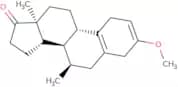
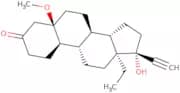
CAS:Controlled Product<p>Please enquire for more information about 3-Methoxy-7a-methyl-estra-2,5(10)-dien-17-one including the price, delivery time and more detailed product information at the technical inquiry form on this page</p>Formula:C20H28O2Purity:Min. 95%Molecular weight:300.44 g/mol4,5-Dihydro-5a-methoxy D-(-)-norgestrel
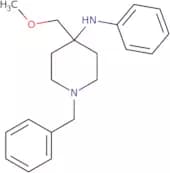
CAS:<p>Please enquire for more information about 4,5-Dihydro-5a-methoxy D-(-)-norgestrel including the price, delivery time and more detailed product information at the technical inquiry form on this page</p>Formula:C22H32O3Purity:Min. 95%Molecular weight:344.49 g/mol1-Benzyl-4-phenylamino-4-(methoxymethyl)piperidine
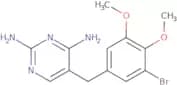
CAS:<p>Please enquire for more information about 1-Benzyl-4-phenylamino-4-(methoxymethyl)piperidine including the price, delivery time and more detailed product information at the technical inquiry form on this page</p>Formula:C20H26N2OPurity:Min. 95%Molecular weight:310.43 g/mol3-Desmethoxy-3-bromo Trimethoprim
CAS:<p>Please enquire for more information about 3-Desmethoxy-3-bromo Trimethoprim including the price, delivery time and more detailed product information at the technical inquiry form on this page</p>Formula:C13H15BrN4O2Purity:Min. 95%Molecular weight:339.19 g/mol6-(Methoxycarbonyl)spiro[3.3]heptane-2-carboxylic acid
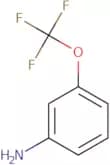
CAS:<p>Please enquire for more information about 6-(Methoxycarbonyl)spiro[3.3]heptane-2-carboxylic acid including the price, delivery time and more detailed product information at the technical inquiry form on this page</p>Formula:C10H14O4Purity:Min. 95%Molecular weight:198.22 g/mol3-(trifluoromethoxy)aniline
CAS:<p>3-(trifluoromethoxy)aniline is a compound that contains a trifluoromethoxy group. It has been shown to have antiproliferative effects in prostate cancer cells. 3-(trifluoromethoxy)aniline inhibits the activity of pim-1, which is important for cell proliferation and differentiation. The synthesis of 3-(trifluoromethoxy)aniline can be accomplished by one of two methods. In the first method, 3-chloroaniline is reacted with trifluoroacetic acid and bis(trimethylsilyl)acetamide in dichloromethane to form 3-hydroxy-4-chlorobenzenesulfonyl chloride (3HCBSCl). In the second method, the desired product is synthesized from 3-aminophenol and trifluoroacetic acid in acetonitrile. These two methods produce different isomers</p>Formula:C7H6F3NOPurity:Min. 95%Color and Shape:PowderMolecular weight:177.12 g/mol1-(4-Methoxyphenyl)-3-phenyl-1H-pyrazole-5-carboxylic acid
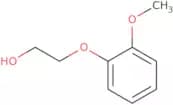
CAS:Controlled Product<p>Please enquire for more information about 1-(4-Methoxyphenyl)-3-phenyl-1H-pyrazole-5-carboxylic acid including the price, delivery time and more detailed product information at the technical inquiry form on this page</p>Formula:C17H14N2O3Purity:Min. 95%Color and Shape:PowderMolecular weight:294.3 g/mol2-(2-Methoxyphenoxy)ethanol
CAS:<p>2-(2-Methoxyphenoxy)ethanol (2-MPE) is a metabolite of propanediol, which is a precursor in the synthesis of polyurethanes. 2-MPE can be oxidized by monooxygenases to form syringyl and other reactive metabolites. Basic hydrolysis may also produce monomers such as phenols, alcohols, and carboxylic acids. Syringyl is one of the metabolic products of 2-MPE, which has been shown to be resistant to degradation by basidiomycete fungi.</p>Formula:C9H12O3Purity:Min. 95%Molecular weight:168.19 g/molα-(1,1,2,2,2-Pentafluoroethyl)-ω-[Tetrafluoro(Trifluoromethyl)Ethoxy]-Poly[Oxy[Trifluoro(Trifluoromethyl)-1,2-Ethanediyl]] - Average MW 2000
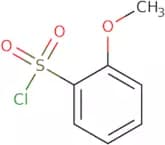
CAS:Controlled Product<p>Alpha-(1,1,2,2,2-Pentafluoroethyl)-omega-[Tetrafluoro(Trifluoromethyl)Ethoxy]-Poly[Oxy[Trifluoro(Trifluoromethyl)-1,2-Ethanediyl]] - Average MW 2000 (FTFEPA) is a fluorinated compound that is a monofluorophosphate. It is used as an electrolyte in nonaqueous systems. FTFEPA has been shown to be effective in reducing the corrosion of metals such as magnesium and aluminum.</p>Formula:(C3F6O)n•C5F12OPurity:Min. 95%2-Methoxybenzenesulphonyl chloride
CAS:<p>2-Methoxybenzenesulphonyl chloride is an enzyme inhibitor that has been shown to have anti-cancer and anti-HIV activity. It inhibits the growth of cancer cells by interfering with protein synthesis and preventing RNA transcription. 2-Methoxybenzenesulphonyl chloride has also been shown to be effective in treating chronic hepatitis, degenerative diseases, and autoimmune diseases. This drug is metabolized through a number of metabolic transformations, including oxidation by cytochrome P450 enzymes or conjugation with glucuronic acid. The pro-apoptotic protein Bax is induced by 2-methoxybenzenesulphonyl chloride in human HL60 cells, which may be due to its ability to induce transcriptional regulation.</p>Formula:C7H7ClO3SPurity:Min. 97%Color and Shape:PowderMolecular weight:206.65 g/mol7-(2-Carbomethoxyethyl)-5-(2-chlorophenyl)-thieno-1,4-diazepin-2-one
CAS:Controlled Product<p>Please enquire for more information about 7-(2-Carbomethoxyethyl)-5-(2-chlorophenyl)-thieno-1,4-diazepin-2-one including the price, delivery time and more detailed product information at the technical inquiry form on this page</p>Formula:C17H15ClN2O3SPurity:Min. 95%Molecular weight:362.83 g/mol4-(4-Hydroxymethyl-3-methoxyphenoxy)-butyric acid
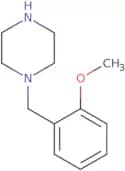
CAS:Controlled Product<p>4-(4-Hydroxymethyl-3-methoxyphenoxy)-butyric acid (HMPA) is a synthetic compound that is used in the production of butyric acid. It is also used as a reagent in the preparation of enzymes and enzyme preparations, such as serine proteases. HMPA has been used as an intermediate in the synthesis of ribulose, which is a sugar molecule found in plants. The structure of this compound can be determined by FTIR spectroscopy and by X-ray crystallography. HMPA has been shown to have hydrogen bonding between its molecules, which may account for its stability. Hydrogen bonding accounts for the solidity of this compound and its resistance to heat and solvents.</p>Formula:C12H16O5Purity:Min. 95%Molecular weight:240.25 g/mol1-(2-Methoxybenzyl)piperazine
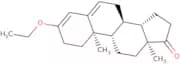
CAS:Controlled Product<p>1-(2-Methoxybenzyl)piperazine (1-MBP) is a multitarget drug that has been shown to have medicinal properties. It inhibits the cholinergic system, which is involved in memory and cognition, as well as pathways such as the inflammatory response and amyloid production. 1-MBP has been shown to inhibit acetylcholinesterase, an enzyme that breaks down acetylcholine, thus increasing the amount of acetylcholine available for signaling. 1-MBP also inhibits cholinesterase, which increases the amount of acetylcholine in the brain. This drug may have synergistic effects with other drugs for Alzheimer's disease, such as donepezil and tacrine. 1-MBP has been used in optimization studies to find new potential treatments for Alzheimer's disease by targeting different aspects of its pathogenesis.</p>Formula:C12H18N2OPurity:Min. 95%Color and Shape:PowderMolecular weight:206.28 g/mol3-Ethoxy-androsta-3,5-dien-17-one
CAS:Controlled Product<p>3-Ethoxy-androsta-3,5-dien-17-one is a chemical compound that can be synthesized by high performance liquid chromatography. It is an impurity in the synthesis of contraceptive drugs and is also used as a starting material for the preparation of other steroids with pharmacopeial standards. 3-Ethoxy-androsta-3,5-dien-17-one is a hydrogenation product of 3β,5α,17β-trihydroxyandrostanol and has been shown to have antiestrogenic activity. The substance produces chromatographic peaks at Rf 0.6 on silica gel TLC plates using triethyl orthoformate as the mobile phase.</p>Formula:C21H30O2Purity:Min. 95%Molecular weight:314.46 g/mol5-[(2-Methoxyphenoxy)-methyl]-2-oxazolidinone
CAS:Controlled Product<p>5-[(2-Methoxyphenoxy)-methyl]-2-oxazolidinone is a pharmacological agent that is structurally similar to rapamycin. It has been shown to inhibit the production of creatine kinase in rat liver microsomes and has been used in studies on degenerative diseases. 5-[(2-Methoxyphenoxy)-methyl]-2-oxazolidinone inhibits the activity of polymerase chain reaction (PCR) by binding to the DNA polymerase and blocking the extension of an oligonucleotide primer. It has also been shown to be toxic to humans, as it can cause fatty acid accumulation and a clinical response. In addition, this drug is enantiopure, meaning that it is composed of only one type of molecule with a specific configuration. The analytical chemistry for this drug includes gas chromatography (GC) and high performance liquid chromatography (HPLC).</p>Formula:C11H13NO4Purity:Min. 95%Color and Shape:White PowderMolecular weight:223.23 g/mol4-Methoxybenzene-1,3-diamine sulfate
CAS:Controlled Product<p>4-Methoxybenzene-1,3-diamine sulfate (4MBD) is a chemical substance that inhibits the activity of cytochrome P450 enzymes. It has been shown to inhibit the activity of rat liver microsomal p-450 enzymes, and is used in studies on the effects of chemicals on protein synthesis. When 4MBD is administered to rats at dietary concentrations, it causes an increase in thyroid hormone levels and a decrease in renal function. The enzyme inhibition caused by 4MBD may be due to its ability to acylate amines, which are located near the active site of the enzyme. Linear regression analysis showed that there was a strong correlation between dietary concentrations and the inhibition of protein synthesis caused by 4MBD.</p>Formula:C7H12N2O5SPurity:Min. 95%Molecular weight:236.25 g/mol3,4-Dimethoxybenzyl chloride
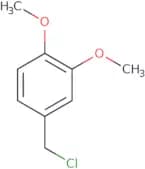
CAS:<p>3,4-Dimethoxybenzyl chloride is an acetate extract that has been shown to have anticancer properties. It is also a corrosion inhibitor with the ability to inhibit fatty acid demethylation and antimicrobial agents. It has been used in pharmaceutical preparations for treating high blood pressure, as well as in the production of eugenol, papaverine and other drugs.</p>Formula:C9H11ClO2Purity:Min. 95%Molecular weight:186.64 g/mol2-Chloro-3,4-dimethoxyphenethylamine HCl
CAS:Controlled Product<p>2-Chloro-3,4-dimethoxyphenethylamine is an intermediate in the synthesis of zepines. It can be synthesized by reduction of borohydride with 2-chloro-1,2,3,4-tetrahydrobenzaldehyde.</p>Purity:Min. 95%3-Aminopropyltrimethoxysilane
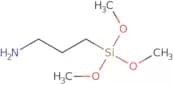
CAS:<p>3-Aminopropyltrimethoxysilane is a chemical that belongs to the group of aminopropyltriethoxysilanes. It is a reactive substance and is commonly used as an additive in adhesives and sealants. 3-Aminopropyltrimethoxysilane has been shown to be an efficient coupling agent for the formation of hydroxyl groups on nanoparticles, which are then used as drug carriers. The optimum concentration of 3-aminopropyltrimethoxysilane lies between 0.01 and 0.1 M, with a pH range of 6 and 8. This chemical can react with hydrochloric acid, resulting in the production of hydrogen gas; with cervical cancer cells in culture, leading to cell death; or with skin cells, causing damage to their transport properties.</p>Formula:C6H17NO3SiPurity:Min. 95%Color and Shape:Clear LiquidMolecular weight:179.29 g/mol4-Methoxyphenyl chloroformate
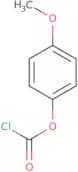
CAS:<p>4-Methoxyphenyl chloroformate is a reactive chemical that can be used to synthesize amides, esters, and anhydrides. It reacts with nucleophiles such as chloride or hydroxide to form an intermediate product. This intermediate product then reacts with the desired molecule to form the desired final product. 4-Methoxyphenyl chloroformate has shown selectivity for binding to opioid receptors, including mu and delta subtypes. This chemical may be used in the synthesis of antibiotic drugs that have similar receptor subtypes. 4-Methoxyphenyl chloroformate also has been shown to modulate G protein signaling pathways in cells, which may lead to improved pharmacokinetic properties.</p>Formula:C8H7ClO3Purity:Min. 95%Color and Shape:Clear LiquidMolecular weight:186.59 g/mol1-(4-Bromo-2,5-dimethoxybenzyl)piperazine
CAS:Controlled Product<p>Please enquire for more information about 1-(4-Bromo-2,5-dimethoxybenzyl)piperazine including the price, delivery time and more detailed product information at the technical inquiry form on this page</p>Formula:C13H19BrN2O2Purity:Min. 95%Molecular weight:315.21 g/mol[4-[2-(Diethylamino)ethoxy]-3-iodophenyl][2-(1-hydroxybutyl)-3-benzofuranyl]-methanone
CAS:Controlled Product<p>Please enquire for more information about [4-[2-(Diethylamino)ethoxy]-3-iodophenyl][2-(1-hydroxybutyl)-3-benzofuranyl]-methanone including the price, delivery time and more detailed product information at the technical inquiry form on this page</p>Formula:C25H30INO4Purity:Min. 95%Molecular weight:535.41 g/molDimethoxymethane
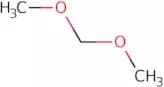
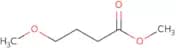
CAS:<p>Dimethoxymethane is a colorless liquid with a sweet odor. Dimethoxymethane has been used as an intermediate in organic synthesis, as well as a solvent for various reactions.</p>Formula:C3H8O2Purity:Min. 95%Molecular weight:76.09 g/molMethyl 4-methoxybutanoate
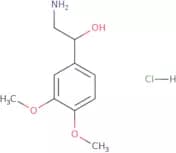
CAS:Controlled Product<p>Methyl 4-methoxybutanoate is a polymorphic amine that has been shown to react with sodium salts, such as sodium methoxide, to form a new class of compounds known as oxetanes. The reaction rate is enhanced by the presence of gamma-valerolactone and the oxetane itself. It has been shown that Methyl 4-methoxybutanoate reacts with organometallic reagents to form enantiopure compounds. The kinetic profile of this compound is not yet well understood.</p>Formula:C6H12O3Purity:Min. 95%Molecular weight:132.16 g/mol2-Hydroxy-2-(3,4-dimethoxyphenyl)ethylamine hydrochloride
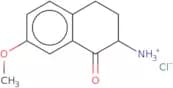
CAS:Controlled Product<p>Please enquire for more information about 2-Hydroxy-2-(3,4-dimethoxyphenyl)ethylamine hydrochloride including the price, delivery time and more detailed product information at the technical inquiry form on this page</p>Formula:C10H15NO3·HClPurity:Min. 95%Molecular weight:233.69 g/mol2-Amino-3,4-dihydro-7-methoxy-2H-1-naphthalenone, hydrochloride
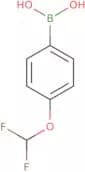
CAS:Controlled Product<p>Please enquire for more information about 2-Amino-3,4-dihydro-7-methoxy-2H-1-naphthalenone, hydrochloride including the price, delivery time and more detailed product information at the technical inquiry form on this page</p>Formula:C11H14ClNO2Purity:Min. 95%Molecular weight:227.69 g/mol4-(Difluoromethoxy)phenylboronic acid
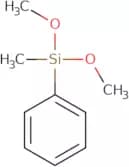
CAS:<p>Please enquire for more information about 4-(Difluoromethoxy)phenylboronic acid including the price, delivery time and more detailed product information at the technical inquiry form on this page</p>Formula:C7H7BF2O3Purity:Min. 95%Molecular weight:187.94 g/molDimethoxymethylphenylsilane
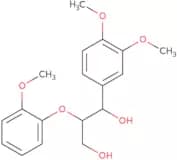
CAS:<p>Dimethoxymethylphenylsilane is a chemical compound that can be used as a substrate film. It is commonly used in gravimetric analysis, thermal expansion, and electrochemical impedance spectroscopy. Dimethoxymethylphenylsilane has been shown to form cationic polymers when heated with fatty acids. This polymerization process requires hydrochloric acid for activation. Dimethoxymethylphenylsilane has also been shown to react with zirconium oxide at high temperatures and form a reactive surface layer of titanium dioxide on the surface of the zirconium oxide. The molecule consists of an oxygen atom, two methyl groups, and two phenyl groups. The solid catalyst has a diameter of approximately 1 nm and its NMR spectra are consistent with those expected for this type of molecule.</p>Purity:Min. 95%1-(3,4-Dimethoxyphenyl)-2-(2-methoxyphenoxy)propane-1,3-diol
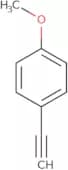
CAS:<p>1,3-Dimethoxy-2-(2-methoxyphenoxy)propane-1,3-diol (DMMP) is a natural product with antioxidant properties. It has been shown to be a potent inhibitor of the epidermal growth factor receptor (EGFR), and also inhibits the activity of the response elements for EGFR. DMMP is also a potent inhibitor of proliferation in human cancer cells and can inhibit the growth of tumour cells that are resistant to methotrexate. DMMP is a precursor to protocatechuic acid, which has been shown to have anti-herpes virus effects. DMMP has been shown to decrease the rate of second order reactions through its ability to react with carbonyl groups on proteins. This reaction leads to an increase in stability and decreases the rate of protein degradation by proteases. A mutant strain was found that can produce this compound without any external stimulus, making it ideal for use as an antibiotic against bacterial</p>Formula:C18H22O6Purity:Min. 95 Area-%Color and Shape:PowderMolecular weight:334.36 g/mol4-Methoxyphenylacetylene
CAS:<p>4-Methoxyphenylacetylene is a phosphane that has been extensively studied for its reactivity in cross-coupling reactions with electron-deficient olefins. 4-Methoxyphenylacetylene has been shown to react with chlorides and form an intermediate chloride, which reacts with an olefin to form an ether. X-ray crystal structures of the reaction mechanism have been determined. The transfer mechanism involves nucleophilic attack of chloride on the phosphorus atom followed by elimination of hydrogen chloride from the phosphorus. The reaction product is an ether.</p>Formula:C9H8OPurity:Min. 95%Color and Shape:White Clear LiquidMolecular weight:132.16 g/mol3,4-Dimethoxy-Benzamidine HCl
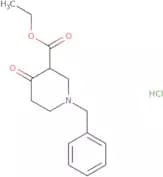
CAS:<p>Please enquire for more information about 3,4-Dimethoxy-Benzamidine HCl including the price, delivery time and more detailed product information at the technical inquiry form on this page</p>Formula:C9H12N2O2·HClPurity:Min. 95%Molecular weight:216.66 g/mol1-Benzyl-3-carbethoxy-4-piperidone hydrochloride
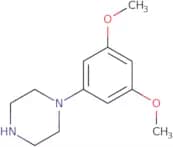
CAS:<p>1-Benzyl-3-carbethoxy-4-piperidone hydrochloride is a carboxylic acid that is used as a waterproofing agent in cyclohexane. It is absorbed by the skin and other tissues, which may lead to adverse effects on the body. Exposure to this compound has been shown to result in irritation of the skin, eyes, and respiratory tract, as well as changes in heart rate and blood pressure.</p>Formula:C15H19NO3•HClPurity:Min. 95%Molecular weight:297.78 g/mol1-(3,5-Dimethoxyphenyl)piperazine
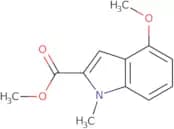
CAS:Controlled Product<p>1-(3,5-Dimethoxyphenyl)piperazine (1DMPP) is a phenylpiperazine derivative that has shown anticancer activity in vitro against human cancer cells. It is orally bioavailable and has been found to inhibit the growth of cancer cells in vivo. 1DMPP is metabolized by the liver into a number of metabolites that are excreted via the kidneys. The pharmacokinetic properties of 1DMPP have been studied in rats and mice, which revealed that it is well absorbed when administered orally and has a short terminal half-life. In vitro studies have demonstrated that 1DMPP inhibits cell growth through inhibition of protein synthesis and DNA replication.</p>Formula:C12H18N2O2Purity:Min. 95%Molecular weight:222.28 g/molMethyl 4-methoxy-1-methyl-1H-indole-2-carboxylate
CAS:Controlled Product<p>Please enquire for more information about Methyl 4-methoxy-1-methyl-1H-indole-2-carboxylate including the price, delivery time and more detailed product information at the technical inquiry form on this page</p>Formula:C12H13NO3Purity:Min. 95%Molecular weight:219.24 g/mol1-(4-Methoxyphenyl)-7-oxo-6-(4-(2-oxopiperidin-1-yl)phenyl)-4,5,6,7-tetrahydro-1H-pyrazolo[3,4-c]pyridine-3-carboxylic acid
CAS:<p>Apixaban is a novel, orally active, and selective factor Xa inhibitor. It is the first oral anticoagulant that has been developed to inhibit both free and clot-bound thrombin. Apixaban binds reversibly to the active site of factor Xa and inhibits factor Xa-mediated conversion of prothrombin to thrombin, resulting in an increased concentration of prothrombin in blood. Apixaban also inhibits the activity of thrombin-activated protein C (APC) that degrades fibrin clots by proteolytic cleavage of fibrinogen. This drug has a crystalline form with a particle size between 10 and 100 μm.</p>Formula:C25H24N4O5Purity:Min. 95%Molecular weight:460.48 g/mol(-)-N-[1-(R)-Ethoxycarbonxyl-3-phenylpropyl]-L-alanine
CAS:<p>Please enquire for more information about (-)-N-[1-(R)-Ethoxycarbonxyl-3-phenylpropyl]-L-alanine including the price, delivery time and more detailed product information at the technical inquiry form on this page</p>Formula:C15H21NO4Purity:Min. 95%Molecular weight:279.33 g/mol[2-(3,4-Dimethoxyphenyl)-1,3-thiazol-4-yl]acetic acid
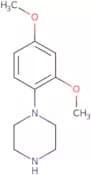
CAS:<p>Please enquire for more information about [2-(3,4-Dimethoxyphenyl)-1,3-thiazol-4-yl]acetic acid including the price, delivery time and more detailed product information at the technical inquiry form on this page</p>Formula:C13H13NO4SPurity:Min. 95%Molecular weight:279.31 g/mol1-(2,4-Dimethoxyphenyl)piperazine
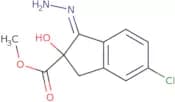
CAS:Controlled Product<p>Please enquire for more information about 1-(2,4-Dimethoxyphenyl)piperazine including the price, delivery time and more detailed product information at the technical inquiry form on this page</p>Formula:C12H18N2O2Purity:Min. 95%Molecular weight:222.28 g/mol5-Chloro-2-hydroxy-2-methoxycarbonyl-1-indanone
CAS:<p>Please enquire for more information about 5-Chloro-2-hydroxy-2-methoxycarbonyl-1-indanone including the price, delivery time and more detailed product information at the technical inquiry form on this page</p>Formula:C11H9ClO4Purity:Min. 95%Molecular weight:240.64 g/mol2-Iodo-5-methoxybenzoic acid
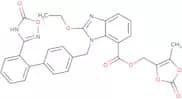
CAS:<p>2-Iodo-5-methoxybenzoic acid is a macrocyclic compound that has been synthesized in the Wittig reaction. It was first prepared by catalyzed intramolecular aryl demethylation of 2-iodo-5-nitrobenzoic acid, followed by coupling with methyl vinyl ketone. The cytotoxic activity of this compound is due to its ability to inhibit the synthesis of protein and DNA and induce apoptosis. This molecule has been shown to be effective against liverworts and ethers.</p>Formula:C8H7IO3Purity:Min. 95%Color and Shape:PowderMolecular weight:278.04 g/molAzilsartan medoxomil
CAS:<p>Azilsartan medoxomil is an antihypertensive drug, which is a prodrug of the angiotensin II receptor blocker azilsartan. It is synthesized through a chemical process involving the modification of the medoxomil ester, converting it into its active form upon absorption in the gastrointestinal tract. The primary mode of action of azilsartan medoxomil involves selective antagonism of the angiotensin II type 1 (AT1) receptor. By blocking the effects of angiotensin II—a potent vasoconstrictor—azilsartan medoxomil effectively reduces vascular resistance, leading to decreased blood pressure.</p>Formula:C30H24N4O8Purity:Min. 95%Color and Shape:White PowderMolecular weight:568.53 g/mol3-(3,5-Dimethoxyphenyl)propionic acid methyl ester
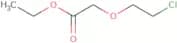
CAS:<p>3-(3,5-Dimethoxyphenyl)propionic acid methyl ester is a reagent that is used as a reactant in organic synthesis. It is also useful as a scaffold for the synthesis of heterocycles and other complex compounds. 3-(3,5-Dimethoxyphenyl)propionic acid methyl ester is used in research chemical synthesis and as a versatile building block for the production of fine chemicals. This chemical can be used to create products such as pharmaceuticals, pesticides, and cosmetics.</p>Formula:C12H16O4Purity:Min. 95%Molecular weight:224.25 g/molEthyl 2-(2-chloroethoxy)acetate
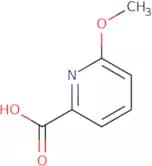
CAS:<p>Please enquire for more information about Ethyl 2-(2-chloroethoxy)acetate including the price, delivery time and more detailed product information at the technical inquiry form on this page</p>Formula:C6H11ClO3Purity:Min. 95%Molecular weight:166.6 g/mol2-Methoxy-6-picolinic acid
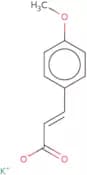
CAS:<p>2-Methoxy-6-picolinic acid (2MPA) is a picolinate that has been shown to be an effective catalyst for the conversion of alcohols into allylic alcohols. 2MPA is able to catalyze the reaction by abstracting hydrogen from the carbonyl group, and then adding it to the adjacent carbon. This reaction can produce peroxide as a byproduct, which is subsequently hydrolyzed to form water and alcohol. The β-unsaturated carbonyl group of 2MPA provides additional stability for this catalytic process.<br>2MPA can also be used as a catalyst in other reactions, such as the oxidation of benzylic alcohols with hydrogen peroxide to form benzylic carbonyl compounds.</p>Formula:C7H7NO3Purity:Min. 95%Color and Shape:PowderMolecular weight:153.14 g/molPotassium 4-methoxycinnamate
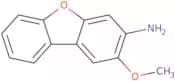
CAS:<p>Potassium 4-methoxycinnamate is a fine chemical that is used as a versatile building block in the synthesis of complex compounds. It can be used in research and as a reagent or speciality chemical. It is also a useful building block for high quality, useful intermediate, and reaction component. Potassium 4-methoxycinnamate can be used as a scaffold to synthesize compounds with diverse applications such as pharmaceuticals, polymers, and agrochemicals.</p>Formula:C10H9O3·KPurity:Min. 95%Molecular weight:216.27 g/mol3-Amino-2-methoxy-dibenzofuran
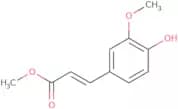
CAS:<p>3-Amino-2-methoxy-dibenzofuran (3AMD) is a cytotoxic agent that is used in the treatment of bladder carcinoma. 3AMD inhibits DNA synthesis, leading to cell death by inhibiting the production of proteins vital for cell division. 3AMD has been shown to be a potent inhibitor of cyclen-dependent kinases and to induce DNA damage in human cells. 3AMD also has significant cytotoxicity against malignant cells and has been shown to inhibit the growth of tumours in mice. 3AMD may have carcinogenic potential due to its structural similarity with other carcinogens such as aniline and aminobiphenyl.</p>Purity:Min. 95%Molecular weight:213.23 g/molMethyl (2E)-3-(4-hydroxy-3-methoxyphenyl)acrylate
CAS:<p>Methyl (2E)-3-(4-hydroxy-3-methoxyphenyl)acrylate is a natural compound, which belongs to the group of ferulate esters. It has been shown that methyl (2E)-3-(4-hydroxy-3-methoxyphenyl)acrylate inhibits the activity of esterases, which are enzymes that hydrolyze esters. This inhibition leads to an accumulation of ferulic acid in the blood, which is associated with bowel disease. Methyl (2E)-3-(4-hydroxy-3-methoxyphenyl)acrylate has been shown to be effective against murine hepatoma cells and polymorphonuclear leucocytes, which are white blood cells that can be found in the blood and other tissues. The inhibitory effect on these cells may be due to its ability to bind to ferulic acid and caffeic acids.</p>Formula:C11H12O4Purity:Min. 95%Color and Shape:White PowderMolecular weight:208.21 g/molN-(4-Methoxybenzylidene)-4-butylaniline
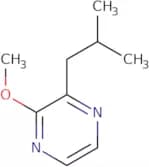
CAS:<p>N-(4-Methoxybenzylidene)-4-butylaniline is an organic compound that belongs to the group of liquid crystals. It has been used in the study of phase transitions and thermal properties. The melting point of N-(4-methoxybenzylidene)-4-butylaniline is between -80 and -90 °C, depending on the solvent. This compound has a low proton affinity, but it can be oxidized to form a radical cation.</p>Formula:C18H21NOPurity:Min. 95%Molecular weight:267.37 g/mol2-Isobutyl-3-methoxypyrazine
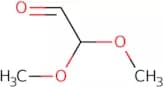
CAS:<p>2-Isobutyl-3-methoxypyrazine is a hydrophobic compound that is not soluble in water. It has a bound form and can be titrated with calorimetry. 2-Isobutyl-3-methoxypyrazine is synthesized by reacting 2,2,4-trimethylpentane with methoxyacetone in the presence of sodium methylate. The compound has been detected as an odorant in numerous plant species and is believed to play a role in plant physiology. 2-Isobutyl-3-methoxypyrazine has been shown to have potent antiviral activity against infectious diseases such as HIV, herpes simplex virus type 1 (HSV1), and varicella zoster virus (VZV). This specific antiviral activity may be due to its ability to bind fatty acids by hydrogen bonds, which may interfere with the synthesis of viral membranes.</p>Formula:C9H14N2OPurity:Min. 95%Molecular weight:166.22 g/mol2,2-Dimethoxyacetaldehyde - About 60% water solution
CAS:<p>2,2-Dimethoxyacetaldehyde is an inhibitor of the enzyme DNA polymerase. It has been shown to inhibit replication of the herpes simplex virus type 1 and 2 (HSV-1, HSV-2) in cell cultures. 2,2-Dimethoxyacetaldehyde has also been shown to inhibit the replication of HIV in cells and is a potential antiviral agent. This compound is also used as a building block for other drugs such as amide and ester hydrochloride. It is synthesized from 2,2-dimethoxypropane and formaldehyde with a two step process that starts with an asymmetric synthesis reaction between formaldehyde and methoxide ion followed by an ester hydrochloride formation reaction with methylamine. The product can be purified by recrystallization from water or acetone solution.</p>Formula:C4H8O3Purity:Min. 95%Molecular weight:104.1 g/mol7-Methoxy-4-(trifluoromethyl)coumarin
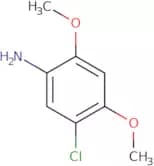
CAS:<p>7-Methoxy-4-(trifluoromethyl)coumarin is a potent and selective aromatase inhibitor. It inhibits the activity of the enzyme, which converts testosterone to estradiol. The inhibition of this enzyme may be beneficial in the treatment of breast cancer. This compound has also been shown to inhibit the activity of P450 enzymes and coumarin derivatives, which are involved in drug metabolism and detoxification.</p>Formula:C11H7F3O3Purity:Min. 95%Molecular weight:244.17 g/mol5-Chloro-2,4-dimethoxyaniline
CAS:<p>5-Chloro-2,4-dimethoxyaniline (5-CDA) is a crystalline solid that belongs to the amine class of chemical compounds. It is used in the production of polyhalogenated anilines and nitrosamines, which are known carcinogens. 5-CDA has been shown to be toxic to animals at high doses and can cause health effects such as irritation of the eyes, skin, and respiratory tract; central nervous system depression; and gastrointestinal disturbances. The toxicity of this compound is related to its ability to form nitrosamines when it comes into contact with nitrite or other N-nitroso compounds. 5-CDA is also present in wastewater effluents from paper mills and agricultural runoff from triticum aestivum fields.</p>Formula:C8H10ClNO2Purity:Min. 95%Molecular weight:187.62 g/mol2-Hydroxy-5-[(4-{[(6-methoxypyridazin-3-yl)amino]sulfonyl}phenyl)diazenyl]benzoic acid
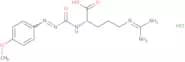
CAS:<p>Used in treatment of nonspecific ulcerative colitis</p>Formula:C18H15N5O6SPurity:Min. 95%Color and Shape:PowderMolecular weight:429.41 g/molN-(4-Methoxyphenylazoformyl)-Arg-OH·HCl
CAS:<p>Please enquire for more information about N-(4-Methoxyphenylazoformyl)-Arg-OH·HCl including the price, delivery time and more detailed product information at the technical inquiry form on this page</p>Formula:C14H20N6O4·HClPurity:Min. 95%Color and Shape:Orange Red SolidMolecular weight:372.81 g/mol4-(2',4'-Dimethoxyphenyl-Fmoc-aminomethyl)-phenoxymethyl-polystyrene resin (200-400 mesh)
<p>Please enquire for more information about 4-(2',4'-Dimethoxyphenyl-Fmoc-aminomethyl)-phenoxymethyl-polystyrene resin (200-400 mesh) including the price, delivery time and more detailed product information at the technical inquiry form on this page</p>Purity:Min. 95%Midodrine
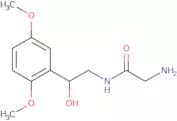
CAS:Controlled Product<p>2-Amino-N-[2-(2,5-dimethoxyphenyl)-2-hydroxyethyl]-acetamide is a drug that has been used to treat a variety of diseases and conditions. It is an alpha adrenergic agonist that works by stimulating the alpha receptors in the body, which increase blood pressure and improve blood flow. This drug also has significant effects on energy metabolism, including the production of ATP. 2-Amino-N-[2-(2,5-dimethoxyphenyl)-2-hydroxyethyl]-acetamide is used to treat patients with congestive heart failure who are taking low doses of midodrine hydrochloride or nonsteroidal antiinflammatory drugs.</p>Formula:C12H18N2O4Purity:Min. 95%Color and Shape:PowderMolecular weight:254.28 g/mol5-(Difluoromethoxy)-2-mercaptobenzimidazole
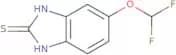
CAS:<p>5-(Difluoromethoxy)-2-mercaptobenzimidazole is an organic solvent that is used in the crystallization process of pantoprazole, a benzimidazole derivative. It is also used as a corrosion inhibitor and pump inhibitor in analytical chemistry. The purity of 5-(difluoromethoxy)-2-mercaptobenzimidazole can be determined by chromatographic methods or by the use of analytical chemistry. Impurities may be genotoxic and include reactive impurities such as thiourea and 2-thiouracil. These impurities are removed during the synthetic process to produce 5-(difluoromethoxy)-2-mercaptobenzimidazole. This drug substance has been found to inhibit DNA polymerase activity in vitro, but its effects on human cells have not been studied.</p>Formula:C8H6F2N2OSPurity:Min. 95%Color and Shape:Off-White PowderMolecular weight:216.21 g/molp-Methoxybenzylmercaptan
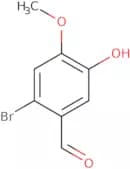
CAS:<p>P-Methoxybenzylmercaptan is an inhibitor of protein synthesis. It binds to the active site of the enzyme ribonuclease A, which is involved in the processing of messenger RNA. P-Methoxybenzylmercaptan also inhibits other enzymes such as alkaline phosphatase and esterases. It has been shown to be effective against HIV infection. This compound can be used for chemical ligation reactions and as a cell culture medium additive, as it protects cells from oxidation and provides a more acidic environment. P-Methoxybenzylmercaptan has been shown to bind to amines and is being investigated for its use in drug development.</p>Formula:C8H10OSPurity:Min. 95%Color and Shape:Clear LiquidMolecular weight:154.23 g/mol2-Bromo-5-hydroxy-4-methoxybenzaldehyde
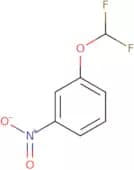
CAS:<p>2-Bromo-5-hydroxy-4-methoxybenzaldehyde is a death pathway inhibitor that has been shown to have radiosensitizing effects in vitro. It has also been found to inhibit the expression of matrix metalloproteinase (MMP) in human glioma cells and in a rat model of cerebral ischemia. This compound may be used as a potential chemotherapeutic agent for the treatment of cancer. 2-Bromo-5-hydroxy-4-methoxybenzaldehyde inhibits cell proliferation by inducing apoptosis, or programmed cell death, which may be due to its ability to suppress MMP activity.</p>Formula:C8H7BrO3Purity:Min. 95%Color and Shape:PowderMolecular weight:231.04 g/mol3-(Difluoromethoxy)nitrobenzene
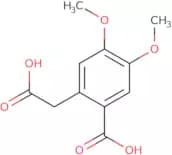
CAS:<p>Please enquire for more information about 3-(Difluoromethoxy)nitrobenzene including the price, delivery time and more detailed product information at the technical inquiry form on this page</p>Formula:C7H5F2NO3Purity:Min. 95%Molecular weight:189.12 g/mol2-(Carboxymethyl)-4,5-dimethoxybenzoic acid
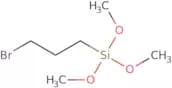
CAS:<p>Please enquire for more information about 2-(Carboxymethyl)-4,5-dimethoxybenzoic acid including the price, delivery time and more detailed product information at the technical inquiry form on this page</p>Formula:C11H12O6Purity:Min. 95%Molecular weight:240.21 g/mol(3-Bromopropyl)trimethoxysilane
CAS:<p>3-Bromopropyltrimethoxysilane is a divalent hydrocarbon that has been used as a model compound for the study of detection methods. It has been shown to have biocompatible properties and can be used as an immobilization template molecule. 3-Bromopropyltrimethoxysilane also reacts with pyridinium ions to form complexes that are highly stable. The stability of these complexes can be attributed to the functional groups on the pyridine ring, which are more susceptible to hydrolysis than those on the silica surface. 3-Bromopropyltrimethoxysilane is a substrate for nitrate reductase enzymes, resulting in inhibition of growth at concentrations low enough not to cause cytotoxicity.</p>Formula:C6H15BrO3SiPurity:Min. 95%Molecular weight:243.17 g/mol2-Amino-a-(methoxyimino)-4-thiazoleacetic acid
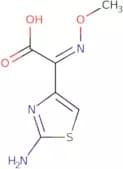
CAS:<p>2-Amino-a-(methoxyimino)-4-thiazoleacetic acid is a reaction product of cefotaxime and n-dimethyl formamide. It has been shown to be an effective agent for the treatment of wastewater with a high organic content. 2-Amino-a-(methoxyimino)-4-thiazoleacetic acid also reacts with chloride ions to form cleavage products that are soluble in water, making it an ideal choice for wastewater treatment. This compound is not toxic and can be used as a drug to treat patients with infections caused by bacteria resistant to other antibiotics. 2-Amino-a-(methoxyimino)-4-thiazoleacetic acid binds to mismatched base pairs in DNA, inhibiting DNA synthesis and causing cell death by apoptosis.</p>Formula:C6H7N3O3SPurity:Min. 95%Molecular weight:201.2 g/mol2-Chloro-3-methoxybenzaldehyde
CAS:<p>Please enquire for more information about 2-Chloro-3-methoxybenzaldehyde including the price, delivery time and more detailed product information at the technical inquiry form on this page</p>Formula:C8H7ClO2Purity:Min. 95%Molecular weight:170.59 g/molPAL resin (200-400 mesh) 4-Alkoxy-2,6-dimethoxybenzylamine resin
<p>Please enquire for more information about PAL resin (200-400 mesh) 4-Alkoxy-2,6-dimethoxybenzylamine resin including the price, delivery time and more detailed product information at the technical inquiry form on this page</p>Purity:Min. 95%8-[(1E)-2-(3,4-Dimethoxyphenyl)ethenyl]-1,3-diethyl-3,9-dihydro-1H-purine-2,6-dione
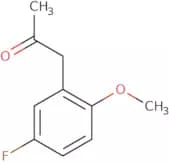
CAS:Controlled Product<p>Please enquire for more information about 8-[(1E)-2-(3,4-Dimethoxyphenyl)ethenyl]-1,3-diethyl-3,9-dihydro-1H-purine-2,6-dione including the price, delivery time and more detailed product information at the technical inquiry form on this page</p>Formula:C19H22N4O4Purity:Min. 95%Color and Shape:PowderMolecular weight:370.4 g/mol5-Fluoro-2-methoxyphenylacetone
CAS:<p>5-Fluoro-2-methoxyphenylacetone is a chemical with a wide array of applications in research and industry. It is a versatile building block, useful intermediate, and reagent for organic synthesis. This compound has been used as a starting material in the synthesis of other compounds. CAS No. 1017082-10-8</p>Formula:C10H11FO2Color and Shape:PowderMolecular weight:182.19 g/mol6-Methoxy-2,3,4,9-tetrahydro-1H-β-carbolin-1-one
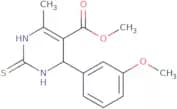
CAS:<p>6-Methoxy-2,3,4,9-tetrahydro-1H-beta-carbolin-1-one is a β-carboline alkaloid that is structurally related to harmaline and tetrahydroharmine. It has been shown to have antidepressant activity in animals. 6-Methoxy-2,3,4,9-tetrahydro-1H-beta-carbolin-1-one was analyzed by GC/MS and found to be present in the leaves of plants from the genus Tetraclinis. 6MHBC was also identified as a metabolite of diazepam in rat urine after administration of a single oral dose of 10 mg/kg diazepam. The observed β carboline metabolite was determined to be 6MHBC.</p>Formula:C12H12N2O2Purity:Min. 95%Molecular weight:216.24 g/molMethyl 4-(3-methoxyphenyl)-6-methyl-2-thioxo-1,2,3,4-tetrahydropyrimidine-5-carboxylate
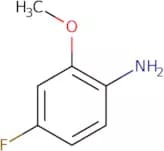
CAS:<p>Please enquire for more information about Methyl 4-(3-methoxyphenyl)-6-methyl-2-thioxo-1,2,3,4-tetrahydropyrimidine-5-carboxylate including the price, delivery time and more detailed product information at the technical inquiry form on this page</p>Formula:C14H16N2O3SPurity:85%MinMolecular weight:292.35 g/mol4-Fluoro-2-methoxyaniline
CAS:<p>4-Fluoro-2-methoxyaniline is an inhibitor of tyrosine kinase. It is a molecule that has been isolated from the ground leaves of erythroxylon coca and is used in the treatment of diabetes mellitus. 4-Fluoro-2-methoxyaniline inhibits the growth factor receptor, epidermal growth factor (EGF), and its receptor, EGF receptor. This inhibition leads to decreased proliferation of epidermal cells and decreased insulin production by pancreatic beta cells. 4-Fluoro-2-methoxyaniline also has antioxidant properties, which may be due to its ability to scavenge free radicals.</p>Formula:C7H8FNOPurity:Min. 95%Color and Shape:Light Brown To Brown LiquidMolecular weight:141.14 g/molKaempferol-7,4'-dimethoxy-8-butyryl ester
CAS:<p>Kaempferol-7,4'-dimethoxy-8-butyryl ester is a fine chemical that is used as a versatile building block for the synthesis of complex compounds. It is also used in research chemicals and as a reagent and speciality chemical. Kaempferol-7,4'-dimethoxy-8-butyryl ester has CAS number 1284229-43-1 and can be used as an intermediate for the synthesis of other compounds. It is also a useful scaffold for the synthesis of high quality compounds with potential pharmaceutical applications.</p>Formula:C21H20O7Purity:Min. 95%Molecular weight:384.38 g/mol3-(4-Methoxybenzoyl)acrylic acid
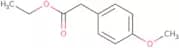
CAS:<p>Please enquire for more information about 3-(4-Methoxybenzoyl)acrylic acid including the price, delivery time and more detailed product information at the technical inquiry form on this page</p>Formula:C11H10O4Purity:Min. 95%Color and Shape:PowderMolecular weight:206.19 g/molEthyl 4-methoxyphenylacetate
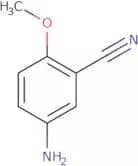
CAS:<p>Ethyl 4-methoxyphenylacetate is a fatty acid that is synthesized by the condensation of aniline and pyrrole. It has been shown to inhibit the growth of bacteria, such as Salmonella typhi and Staphylococcus aureus, in vitro. The inhibition of bacterial growth is thought to be due to its ability to react with hydrogen fluoride, which results in the formation of reactive oxygen species and nitrogen radicals. This compound also inhibits the production of tyrosinase in human skin cells, which may be beneficial for individuals with acne. Ethyl 4-methoxyphenylacetate has been shown to be safe for use in clinical trials.</p>Formula:C11H14O3Purity:Min. 95%Color and Shape:Clear LiquidMolecular weight:194.23 g/mol5-Amino-2-methoxybenzonitrile
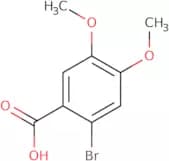
CAS:<p>Please enquire for more information about 5-Amino-2-methoxybenzonitrile including the price, delivery time and more detailed product information at the technical inquiry form on this page</p>Formula:C8H8N2OPurity:Min. 95%Molecular weight:148.16 g/mol2-Bromo-4,5-dimethoxybenzoic acid
CAS:<p>2-Bromo-4,5-dimethoxybenzoic acid is a synthetic compound that belongs to the group of anticancer drugs. It is a potent inhibitor of mitochondrial membrane depolarization and has been shown to inhibit tumor growth in vivo. 2-Bromo-4,5-dimethoxybenzoic acid also induces cell death by demethylation and hydroxylation of DNA, leading to apoptosis. This compound is synthesized by reacting 3,4-dihydroxybenzoic acid with bromine and potassium hydroxide. Surrogates such as amides are used for this synthesis because the original product is not stable enough. Protocatechuic acid can be produced from 2-bromo-4,5-dimethoxybenzoic acid through hydrolysis.</p>Formula:C9H9BrO4Purity:Min. 95%Color and Shape:PowderMolecular weight:261.07 g/mol2-Fluoro-6-methoxybenzonitrile
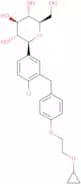
CAS:<p>2-Fluoro-6-methoxybenzonitrile (2FMN) is a compound that is used as a starting material for the synthesis of other pharmaceuticals. It has been shown to bind to the acetylcholine receptor by using vibrational spectroscopy and functional theory. It also has been shown to be an effective chemokine inhibitor. Computational methods were used to optimize 2FMN's binding affinity for the acetylcholine receptor, and it was found that 2FMN binds with a dipole orientation in order to increase its binding affinity.</p>Formula:C8H6FNOPurity:Min. 95%Color and Shape:PowderMolecular weight:151.14 g/molBexagliflozin
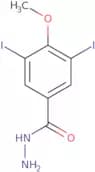
CAS:<p>Bexagliflozin is a drug that is used to treat type II diabetes in adults. It helps to control blood sugar levels by inhibiting the enzyme DPP-IV and increasing insulin release from the pancreas. Bexagliflozin has been shown to be effective in lowering blood sugar levels in patients with chronic kidney disease and cancer, as well as those with a body mass index (BMI) of 30 or higher. This drug is an oral hypoglycaemic agent that can be used for diagnostic purposes. It has also been shown to be clinically effective for the treatment of diabetic nephropathy and diabetic retinopathy. The enantiomers of bexagliflozin can be differentiated according to their pharmacological properties, which may allow for more targeted therapy.</p>Formula:C24H29ClO7Purity:Min. 95%Molecular weight:464.94 g/mol3,5-Diiodo-4-methoxybenzhydrazide
CAS:<p>3,5-Diiodo-4-methoxybenzhydrazide is a high quality chemical that is useful in the preparation of complex compounds. This compound has been shown to be an excellent reagent and useful intermediate for the synthesis of various fine chemicals. It has been used as a precursor for the production of the antiviral drug Tamiflu, among other pharmaceuticals. 3,5-Diiodo-4-methoxybenzhydrazide is also a versatile building block that can be used in research or as a reaction component in organic synthesis.</p>Formula:C8H8I2N2O2Purity:Min. 95%Color and Shape:PowderMolecular weight:417.97 g/mol


![N-(1H-Indol-4-ylmethyl)-N-[2-(4-methoxyphenyl)ethyl]amine hydrochloride](/_next/image/?url=https%3A%2Fstatic.cymitquimica.com%2Fproducts%2F3D%2Fthumb-webp%2FFI116235.webp&w=3840&q=75)
![1-(4-Amino-6,7-dimethoxy-2-quinazolinyl)-4-[(tetrahydro-2-furanyl)carbonxyl]piperazine hydrochlori…](/_next/image/?url=https%3A%2Fstatic.cymitquimica.com%2Fproducts%2F3D%2Fthumb-webp%2FFA28036.webp&w=3840&q=75)


![4-Bromo-7-methoxy-1H-pyrrolo[2,3-c]pyridine](/_next/image/?url=https%3A%2Fstatic.cymitquimica.com%2Fproducts%2F3D%2Fthumb-webp%2FFB141995.webp&w=3840&q=75)

![6-(Methoxycarbonyl)spiro[3.3]heptane-2-carboxylic acid](/_next/image/?url=https%3A%2Fstatic.cymitquimica.com%2Fproducts%2F3D%2Fthumb-webp%2FFM161396.webp&w=3840&q=75)

![α-(1,1,2,2,2-Pentafluoroethyl)-ω-[Tetrafluoro(Trifluoromethyl)Ethoxy]-Poly[Oxy[Trifluoro(Trifluoro…](/_next/image/?url=https%3A%2Fstatic.cymitquimica.com%2Fproducts%2F3D%2Fthumb-webp%2FFP103632.webp&w=3840&q=75)


![5-[(2-Methoxyphenoxy)-methyl]-2-oxazolidinone](/_next/image/?url=https%3A%2Fstatic.cymitquimica.com%2Fproducts%2F3D%2Fthumb-webp%2FFM25063.webp&w=3840&q=75)



![[4-[2-(Diethylamino)ethoxy]-3-iodophenyl][2-(1-hydroxybutyl)-3-benzofuranyl]-methanone](/_next/image/?url=https%3A%2Fstatic.cymitquimica.com%2Fproducts%2F3D%2Fthumb-webp%2FFD150040.webp&w=3840&q=75)

![1-(4-Methoxyphenyl)-7-oxo-6-(4-(2-oxopiperidin-1-yl)phenyl)-4,5,6,7-tetrahydro-1H-pyrazolo[3,4-c]p…](/_next/image/?url=https%3A%2Fstatic.cymitquimica.com%2Fproducts%2F3D%2Fthumb-webp%2FFM155764.webp&w=3840&q=75)
![(-)-N-[1-(R)-Ethoxycarbonxyl-3-phenylpropyl]-L-alanine](/_next/image/?url=https%3A%2Fstatic.cymitquimica.com%2Fproducts%2F3D%2Fthumb-webp%2FFE22879.webp&w=3840&q=75)
![[2-(3,4-Dimethoxyphenyl)-1,3-thiazol-4-yl]acetic acid](/_next/image/?url=https%3A%2Fstatic.cymitquimica.com%2Fproducts%2F3D%2Fthumb-webp%2FFD124430.webp&w=3840&q=75)




![2-Hydroxy-5-[(4-{[(6-methoxypyridazin-3-yl)amino]sulfonyl}phenyl)diazenyl]benzoic acid](/_next/image/?url=https%3A%2Fstatic.cymitquimica.com%2Fproducts%2F3D%2Fthumb-webp%2FFH134950.webp&w=3840&q=75)



![8-[(1E)-2-(3,4-Dimethoxyphenyl)ethenyl]-1,3-diethyl-3,9-dihydro-1H-purine-2,6-dione](/_next/image/?url=https%3A%2Fstatic.cymitquimica.com%2Fproducts%2F3D%2Fthumb-webp%2FFD152904.webp&w=3840&q=75)