


Ethers
Ethers are organic compounds containing an ether functional group, characterized by an oxygen atom bonded to two hydrocarbon radicals. These compounds are valuable in synthesis and serve as solvents in various chemical reactions. At CymitQuimica, we offer a selection of high-quality ethers to support your research and industrial applications, ensuring reliable and effective results. Our range of ethers meets diverse laboratory requirements, from routine experiments to advanced research.
Found 40712 products of "Ethers"
Sort by
Purity (%)
0
100
|
0
|
50
|
90
|
95
|
100
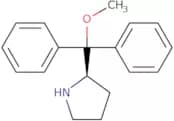
(R)-2-(Methoxydiphenylmethyl)pyrrolidine
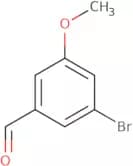
CAS:Controlled Product<p>Please enquire for more information about (R)-2-(Methoxydiphenylmethyl)pyrrolidine including the price, delivery time and more detailed product information at the technical inquiry form on this page</p>Formula:C18H21NOPurity:Min. 95%Molecular weight:267.37 g/mol5-Bromo-3-methoxybenzaldehyde
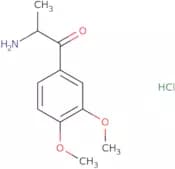
CAS:<p>5-Bromo-3-methoxybenzaldehyde is a type of growth factor that is synthesized by cancer cells. It has been shown to have anticancer activity when used in conjunction with other drugs. 5-Bromo-3-methoxybenzaldehyde has been shown to inhibit tumor growth in mice, which may be due to its ability to prevent the activation of PD-L1. This compound interacts with a tetranuclear ligand and can be activated by light.</p>Formula:C8H7BrO2Purity:Min. 95%Color and Shape:PowderMolecular weight:215.04 g/mol2-Amino-3',4'-dimethoxypropiophenone hydrochloride
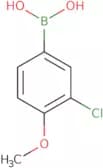
CAS:Controlled Product<p>Please enquire for more information about 2-Amino-3',4'-dimethoxypropiophenone hydrochloride including the price, delivery time and more detailed product information at the technical inquiry form on this page</p>Formula:C11H16ClNO3Purity:Min. 95%Molecular weight:245.7 g/mol3-Chloro-4-methoxyphenylboronic acid
CAS:<p>Please enquire for more information about 3-Chloro-4-methoxyphenylboronic acid including the price, delivery time and more detailed product information at the technical inquiry form on this page</p>Formula:C7H8BClO3Purity:Min. 95%Molecular weight:186.4 g/mol2-[(2-Methoxyphenoxy)methyl]oxirane
CAS:<p>2-[(2-Methoxyphenoxy)methyl]oxirane is an organic compound that is used in the synthesis of other compounds and in the industrial process. It is also used as a reactant in some catalytic processes, for example, hydroxylation. 2-[(2-Methoxyphenoxy)methyl]oxirane has a hydroxyl group at the end of its structure, which makes it an organic solvent. This compound can be synthesized from chloropropane and sodium hydroxide solution. The viscosity of this compound is low and it has a developable surface. The structural formula for 2-[(2-Methoxyphenoxy)methyl]oxirane is shown below: HNCHCOCHCHOH</p>Formula:C10H12O3Purity:Min. 95%Molecular weight:180.2 g/mol(R)-De(carboxymethoxy) cetirizine acetic acid hydrochloride
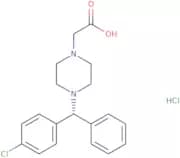
CAS:<p>Please enquire for more information about (R)-De(carboxymethoxy) cetirizine acetic acid hydrochloride including the price, delivery time and more detailed product information at the technical inquiry form on this page</p>Formula:C19H22Cl2N2O2Purity:Min. 95%Molecular weight:381.3 g/molMethoxypropoxypropanol
CAS:<p>Methoxypropoxypropanol (MPP) is a highly selective inhibitor of the enzyme picolinic acid carboxylase, which converts L-pyridoxal 5'-phosphate to picolinic acid. MPP has shown good efficacy in reducing disease activity in animal models and is being developed for the treatment of rheumatoid arthritis. This drug also has been shown to be toxicologically safe in both acute and chronic toxicity studies. Methoxypropoxypropanol has also been used as an analytical reagent for the qualitative detection of picolinic acid in urine and blood samples. The use of this compound as a wastewater treatment agent for removal of organic acids from industrial effluents is well studied. MPP has been found to have some beneficial effects on congestive heart failure in rats by lowering their blood pressure and cholesterol levels.</p>Formula:C7H16O3Purity:Min. 95%Color and Shape:Clear LiquidMolecular weight:148.2 g/mol3,3-Diethoxy-1,2-propanediol
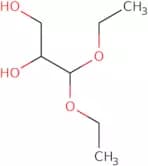
CAS:<p>3,3-Diethoxy-1,2-propanediol is a chemical compound that has been found to have an acidic character and to be an allylation agent. This ingredient also has the ability to form flavonoids and act as a ring-opening polymerization catalyst. It can be used in leaf extract as an astringent or antibacterial. 3,3-Diethoxy-1,2-propanediol is used in the production of this product. The medicinal properties of this compound are scientifically analysed and tested for efficacy. It has been shown to act as a laxative when taken in excessive amounts. 3,3-Diethoxy-1,2-propanediol is not known to have any negative side effects on the human body such as skin irritation or sensitization.</p>Formula:C7H16O4Purity:Min. 95%Molecular weight:164.2 g/mol(3-Mercaptopropyl)trimethoxysilane
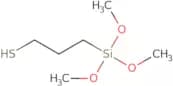
CAS:<p>3-Mercaptopropyl)trimethoxysilane is a molecule made up of three parts: a trimethoxysilane group, a trimethylsilyl group, and a mercapto group. The trimethoxysilane group is hydrophilic in nature and has an electron withdrawing effect on the molecule. The trimethylsilyl group is hydrophobic in nature and has an electron donating effect on the molecule. The mercapto group is reactive in nature and has a high redox potential. 3-Mercaptopropyl)trimethoxysilane can be used as a chemical additive to increase the stability of hydrochloric acid in water vapor by reacting with the hydroxyl groups to form stable compounds. This compound also reacts with hydrogen gas to produce methane gas, which can be used as fuel or as an alternative energy source. 3-Mercaptopropyl)trimethoxysilane also has synergistic</p>Formula:C6H16O3SSiPurity:Min. 98 Area-%Color and Shape:Colorless Clear LiquidMolecular weight:196.34 g/mol(17a)-13-Ethyl-3-methoxy-18,19-dinorpregna-3,5-dien-20-yn-17-ol
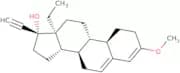
CAS:Controlled Product<p>Please enquire for more information about (17a)-13-Ethyl-3-methoxy-18,19-dinorpregna-3,5-dien-20-yn-17-ol including the price, delivery time and more detailed product information at the technical inquiry form on this page</p>Formula:C22H30O2Purity:Min. 95%Molecular weight:326.47 g/mol2-Chloro-4,6-dimethoxypyrimidine
CAS:<p>2-Chloro-4,6-dimethoxypyrimidine is a synthetic compound that is a triazolopyrimidine derivative. It has been shown to have significant antifungal activity against cryptococcus neoformans in toxicity studies. 2-Chloro-4,6-dimethoxypyrimidine is an amine that can be used as a fungicide or pesticide due to its toxicity and effectiveness against fungi. 2-Chloro-4,6-dimethoxypyrimidine has a molecular weight of 196 and contains three functional groups: chlorine, hydrogen chloride, and pyridinium. This compound also has the ability to form covalent bonds with organic molecules such as chloromethyl groups on proteins.</p>Formula:C6H7ClN2O2Purity:Min. 95%Color and Shape:Off-White To Yellow SolidMolecular weight:174.58 g/mol1-(3-Methoxybenzyl)-1H-indole-3-carbaldehyde
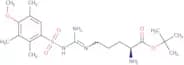
CAS:Controlled Product<p>Please enquire for more information about 1-(3-Methoxybenzyl)-1H-indole-3-carbaldehyde including the price, delivery time and more detailed product information at the technical inquiry form on this page</p>Formula:C17H15NO2Purity:Min. 95%Molecular weight:265.31 g/molNω-(4-Methoxy-2,3,6-trimethylbenzenesulfonyl)-L-arginine tert-butyl ester
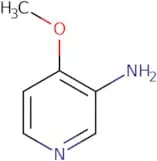
CAS:<p>Please enquire for more information about Nomega-(4-Methoxy-2,3,6-trimethylbenzenesulfonyl)-L-arginine tert-butyl ester including the price, delivery time and more detailed product information at the technical inquiry form on this page</p>Formula:C20H34N4O5SPurity:Min. 95%Molecular weight:442.57 g/mol3-Amino-4-methoxypyridine
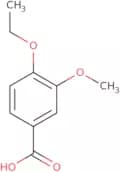
CAS:<p>3-Amino-4-methoxypyridine is a molecule that has been shown to have anesthetic activity. It has been shown to inhibit the uptake of glycogen by glioblastoma cells and decrease the rate of glycogen synthesis in these cells. 3-Amino-4-methoxypyridine also inhibits the production of ATP in cardiac muscle cells, which may be due to its ability to inhibit glycogen synthase kinase-3 (GSK3) and glycogen synthase. This drug also inhibits cancer cell growth by inhibiting protein synthesis, as well as inflammatory disease progression by inhibiting NFκB activation and cytokine production. 3-Amino-4-methoxypyridine can be synthesized from aminopyridines such as isonicotinic acid or nicotinic acid, which are oxidized with hydrogen peroxide and sodium nitrite in the presence of a base catalyst.</p>Formula:C6H8N2OPurity:Min. 95%Molecular weight:124.14 g/mol4-Ethoxy-3-methoxybenzoic acid
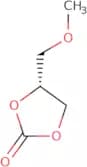
CAS:<p>4-Ethoxy-3-methoxybenzoic acid is a white crystalline solid that belongs to the class of isomers. This compound has been used in biological studies to study the functional theory of bond cleavage, hydroxyl group, and cleavage products. 4-Ethoxy-3-methoxybenzoic acid has also been shown to be a substrate for radical chain reactions, which are initiated by electron transfer from an organic molecule and may produce hydroperoxides or peroxides. The fatty acids found in this chemical react with trichloroacetic acid to form esters and conjugates. These esters are more water soluble than the original fatty acids, making them useful as solvents for organic reactions. 4-Ethoxy-3-methoxybenzoic acid is a precursor for coriolus pigment, which provides coloration for coniferous trees such as pine and spruce.</p>Formula:C10H12O4Purity:Min. 95%Molecular weight:196.2 g/mol(R)-(+)-4-(Methoxymethyl)-1,3-dioxolan-2-one
CAS:<p>Please enquire for more information about (R)-(+)-4-(Methoxymethyl)-1,3-dioxolan-2-one including the price, delivery time and more detailed product information at the technical inquiry form on this page</p>Formula:C5H8O4Purity:Min. 95%Molecular weight:132.11 g/molDimethyl 7,7'-dimethoxy-[4,4'-bibenzo[d][1,3]dioxole]-5,5'-dicarboxylate
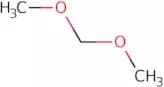
CAS:<p>Dimethyl 7,7'-dimethoxy-[4,4'-bibenzo[d][1,3]dioxole]-5,5'-dicarboxylate is a biocompatible polymer that can be used in the treatment of liver injury. It has been shown to have an inhibitory effect on hepatic enzyme activities and synchronous fluorescence. Dimethyl 7,7'-dimethoxy-[4,4'-bibenzo[d][1,3]dioxole]-5,5'-dicarboxylate can be used as a matrix for curcuma aromatica to remove wastewater contaminants. This polymer also has the ability to inhibit monoethyl ether-induced liver injury in low-dose groups and reduce hepatitis B virus replication.</p>Formula:C20H18O10Purity:Min. 95%Molecular weight:418.35 g/molDimethoxymethane
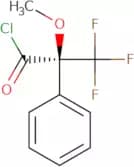
CAS:<p>Dimethoxymethane is a colorless liquid with a sweet odor. Dimethoxymethane has been used as an intermediate in organic synthesis, as well as a solvent for various reactions.</p>Formula:C3H8O2Purity:Min. 95%Molecular weight:76.09 g/mol(R)-(-)-α-Methoxy-α-(trifluoromethyl)phenylacetyl chloride
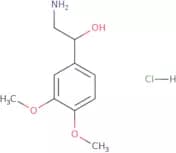
CAS:<p>(R)-(-)-alpha-Methoxy-alpha-trifluoromethyl-phenylacetyl chloride is an enantiomer that has a chiral center. It is used in the synthesis of metoprolol and bisoprolol, which are drugs that are prescribed to treat hypertension and angina pectoris. The racemate is used in the separation of amines by high performance liquid chromatography (Hplc). This compound also has a hydroxyl group and two fatty acids, which can be identified using a chromatographic method. The compound contains a chloride as well as a transfer group.</p>Formula:C10H8ClF3O2Purity:Min. 95%Color and Shape:Clear LiquidMolecular weight:252.62 g/mol2-Hydroxy-2-(3,4-dimethoxyphenyl)ethylamine hydrochloride
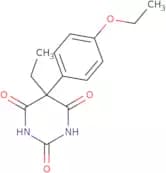
CAS:Controlled Product<p>Please enquire for more information about 2-Hydroxy-2-(3,4-dimethoxyphenyl)ethylamine hydrochloride including the price, delivery time and more detailed product information at the technical inquiry form on this page</p>Formula:C10H15NO3·HClPurity:Min. 95%Molecular weight:233.69 g/mol5-(4-Ethoxyphenyl)-5-ethylbarbituric acid
CAS:Controlled Product<p>Please enquire for more information about 5-(4-Ethoxyphenyl)-5-ethylbarbituric acid including the price, delivery time and more detailed product information at the technical inquiry form on this page</p>Formula:C14H16N2O4Purity:Min. 95%Molecular weight:276.29 g/mol4-(Benzyloxy)-5-methoxy-2-nitrobenzaldehyde
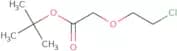
CAS:<p>4-(Benzyloxy)-5-methoxy-2-nitrobenzaldehyde (BOMBA) is an amide with affinity for microtubules. It has been shown to interact with the microtubule lattice and inhibit the polymerization of tubulin. This leads to a decrease in cell viability and cytotoxicity, as well as a decrease in tumor size. In vivo studies have demonstrated that BOMBA inhibits tumor growth by inducing thrombosis and coagulation, which results in reduced blood flow to the tumor. The mechanism of action of BOMBA is thought to be due to its ability to form sulfamates, which are known for their anti-coagulant activity.</p>Formula:C15H13NO5Purity:Min. 95%Molecular weight:287.27 g/moltert-Butyl 2-(2-chloroethoxy)acetate
CAS:<p>Please enquire for more information about tert-Butyl 2-(2-chloroethoxy)acetate including the price, delivery time and more detailed product information at the technical inquiry form on this page</p>Formula:C8H15ClO3Purity:Min. 95%Color and Shape:Clear, colourless liquid.Molecular weight:194.66 g/molN-Benzyl-4-carboethoxypiperidine
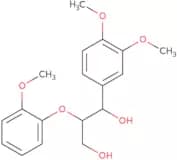
CAS:<p>N-Benzyl-4-carboethoxypiperidine (NBP) is a potential drug for the treatment of Alzheimer's disease. It is an acetylcholinesterase inhibitor that blocks the breakdown of acetylcholine, leading to increased levels of this neurotransmitter in the brain. NBP has been shown to inhibit butyrylcholinesterase, an enzyme responsible for breaking down acetylcholine. This inhibition leads to increased levels of acetylcholine in the brain and prevents the development of Alzheimer's disease. NBP has also been shown to have a low level of toxicity in mice and rats and does not inhibit other enzymes such as carboxypeptidases or aminopeptidases.</p>Formula:C15H21NO2Purity:Min. 95%Color and Shape:Clear LiquidMolecular weight:247.33 g/mol1-(3,4-Dimethoxyphenyl)-2-(2-methoxyphenoxy)propane-1,3-diol
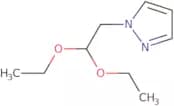
CAS:<p>1,3-Dimethoxy-2-(2-methoxyphenoxy)propane-1,3-diol (DMMP) is a natural product with antioxidant properties. It has been shown to be a potent inhibitor of the epidermal growth factor receptor (EGFR), and also inhibits the activity of the response elements for EGFR. DMMP is also a potent inhibitor of proliferation in human cancer cells and can inhibit the growth of tumour cells that are resistant to methotrexate. DMMP is a precursor to protocatechuic acid, which has been shown to have anti-herpes virus effects. DMMP has been shown to decrease the rate of second order reactions through its ability to react with carbonyl groups on proteins. This reaction leads to an increase in stability and decreases the rate of protein degradation by proteases. A mutant strain was found that can produce this compound without any external stimulus, making it ideal for use as an antibiotic against bacterial</p>Formula:C18H22O6Purity:Min. 95 Area-%Color and Shape:PowderMolecular weight:334.36 g/mol1-(2,2-Diethoxyethyl)-1H-pyrazole
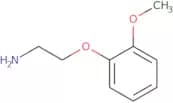
CAS:<p>Please enquire for more information about 1-(2,2-Diethoxyethyl)-1H-pyrazole including the price, delivery time and more detailed product information at the technical inquiry form on this page</p>Formula:C9H16N2O2Purity:Min. 95%Molecular weight:184.24 g/mol2-(2-Methoxyphenoxy)ethylamine base
CAS:<p>2-(2-Methoxyphenoxy)ethylamine base is an inorganic base with a hydroxyl group. It is soluble in organic solvents and has been used as a coumarin derivative. 2-(2-Methoxyphenoxy)ethylamine base has shown potential use as an antifungal agent, which may be due to its ability to cause lysis in fungi cells. This compound has also shown in vitro activity against bacteria and viruses, including herpes simplex virus type 1 and HIV-1. The 2-(2-methoxyphenoxy)ethylamine base can be sulfonated or acid catalyzed to produce other derivatives that have potential use as anti-inflammatory or analgesic agents.</p>Formula:C9H13NO2Purity:Min. 95%Molecular weight:167.21 g/mol3-[4-(2-Methoxyethyl)phenoxy]-1,2-epoxypropane
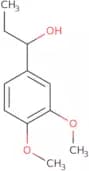
CAS:<p>3-[4-(2-Methoxyethyl)phenoxy]-1,2-epoxypropane is a chemical compound that is used in the industrial process of chloropropane production. It reacts with metoprolol to produce 3-[4-(2-methoxyethyl)phenoxy]-1,2-epoxypropane diol and metoprolol diol. This reaction occurs at lower temperatures than chlorination reactions, and without the use of radiation. 3-[4-(2-Methoxyethyl)phenoxy]-1,2-epoxypropane also reacts with chloropropane to produce 3-[4-(2-methoxyphenyl)phenyl]propene, which can be recycled for additional use.</p>Formula:C12H16O3Purity:Min. 95%Molecular weight:208.25 g/mol1-(3',4'-Dimethoxyphenyl)-1-propanol
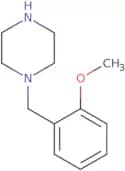
CAS:<p>1-(3’,4’-Dimethoxyphenyl)-1-propanol is a naturally occurring chemical with the molecular formula C10H14O2. It has been found in the bark of Pinus pinaster and the rhizome of Piper auritum. This compound has been shown to have an antiinflammatory effect by inhibiting prostaglandin synthesis. It also inhibits nitrosation reactions and is being studied for its potential as a cancer chemopreventive agent. 1-(3’,4’-Dimethoxyphenyl)-1-propanol is an enantiomer of 2-(3',4'-dimethoxyphenyl)propane-1,3-diol.</p>Formula:C11H16O3Purity:Min. 95%Molecular weight:196.24 g/mol1-(2-Methoxybenzyl)piperazine
CAS:Controlled Product<p>1-(2-Methoxybenzyl)piperazine (1-MBP) is a multitarget drug that has been shown to have medicinal properties. It inhibits the cholinergic system, which is involved in memory and cognition, as well as pathways such as the inflammatory response and amyloid production. 1-MBP has been shown to inhibit acetylcholinesterase, an enzyme that breaks down acetylcholine, thus increasing the amount of acetylcholine available for signaling. 1-MBP also inhibits cholinesterase, which increases the amount of acetylcholine in the brain. This drug may have synergistic effects with other drugs for Alzheimer's disease, such as donepezil and tacrine. 1-MBP has been used in optimization studies to find new potential treatments for Alzheimer's disease by targeting different aspects of its pathogenesis.</p>Formula:C12H18N2OPurity:Min. 95%Color and Shape:PowderMolecular weight:206.28 g/molN-Methyl-1-(3,4,5-trimethoxyphenyl)methanamine hydrochloride
CAS:Controlled Product<p>Please enquire for more information about N-Methyl-1-(3,4,5-trimethoxyphenyl)methanamine hydrochloride including the price, delivery time and more detailed product information at the technical inquiry form on this page</p>Formula:C11H17NO3Purity:Min. 95%Molecular weight:211.26 g/mol1-(4-Methoxyphenyl)-7-oxo-6-(4-(2-oxopiperidin-1-yl)phenyl)-4,5,6,7-tetrahydro-1H-pyrazolo[3,4-c]pyridine-3-carboxylic acid
CAS:<p>Apixaban is a novel, orally active, and selective factor Xa inhibitor. It is the first oral anticoagulant that has been developed to inhibit both free and clot-bound thrombin. Apixaban binds reversibly to the active site of factor Xa and inhibits factor Xa-mediated conversion of prothrombin to thrombin, resulting in an increased concentration of prothrombin in blood. Apixaban also inhibits the activity of thrombin-activated protein C (APC) that degrades fibrin clots by proteolytic cleavage of fibrinogen. This drug has a crystalline form with a particle size between 10 and 100 μm.</p>Formula:C25H24N4O5Purity:Min. 95%Molecular weight:460.48 g/molTrimethylolpropane ethoxylate - average Mn ~170
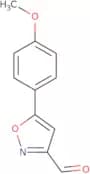
CAS:<p>Please enquire for more information about Trimethylolpropane ethoxylate - average Mn ~170 including the price, delivery time and more detailed product information at the technical inquiry form on this page</p>Formula:(C2H4O)n•(C2H4O)n•(C2H4O)n•C6H14O3Purity:Min. 95%5-(4-Methoxyphenyl)isoxazole-3-carboxaldehyde
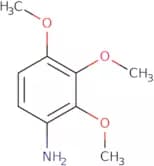
CAS:<p>5-(4-Methoxyphenyl)isoxazole-3-carboxaldehyde (5MI) is a broad-spectrum antimicrobial agent that exhibits activity against bacteria and fungi. It has been shown to be active against gram-positive bacteria, including Staphylococcus aureus, as well as Candida albicans and other pathogenic fungi. 5MI is active in the presence of ethanol, but not in the absence of alcohol. In vitro studies show that 5MI inhibits the growth of gram-negative bacteria such as Escherichia coli and Salmonella enterica serovar Typhimurium. 5MI also exhibits antifungal activity against Aspergillus niger and Saccharomyces cerevisiae.</p>Formula:C11H9NO3Purity:Min. 95%Molecular weight:203.19 g/mol2,3,4-Trimethoxyaniline
CAS:<p>2,3,4-Trimethoxyaniline (2,3,4-TMXA) is a methoxylated monophenolic compound. It has been shown to be effective at disrupting the microtubules in cancer cells and is believed to work by inhibiting the enzyme topoisomerase II. 2,3,4-TMXA also inhibits dopamine synthesis and blocks the amine uptake system in cancer cells. This agent has been shown to be an effective anticancer drug for human serum at nanomolar concentrations.</p>Formula:C9H13NO3Purity:Min. 95%Molecular weight:183.2 g/molEthyl 3-{[(1E)-(dimethylamino)methylene]amino}-5-methoxy-1-methyl-1H-indole-2-carboxylate
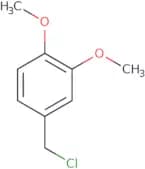
CAS:Controlled Product<p>Please enquire for more information about Ethyl 3-{[(1E)-(dimethylamino)methylene]amino}-5-methoxy-1-methyl-1H-indole-2-carboxylate including the price, delivery time and more detailed product information at the technical inquiry form on this page</p>Formula:C16H21N3O3Purity:Min. 95%Molecular weight:303.36 g/mol3,4-Dimethoxybenzyl chloride
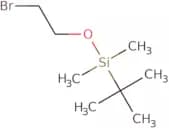
CAS:<p>3,4-Dimethoxybenzyl chloride is an acetate extract that has been shown to have anticancer properties. It is also a corrosion inhibitor with the ability to inhibit fatty acid demethylation and antimicrobial agents. It has been used in pharmaceutical preparations for treating high blood pressure, as well as in the production of eugenol, papaverine and other drugs.</p>Formula:C9H11ClO2Purity:Min. 95%Molecular weight:186.64 g/mol(2-Bromoethoxy)-tert-butyldimethylsilane
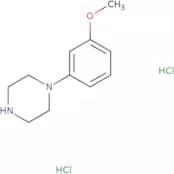
CAS:<p>2-Bromoethoxy-tert-butyldimethylsilane is a conjugate that has been shown to have anticancer efficacy in vivo. It is a pyrimidine derivative and inhibits the viral enzyme RNA polymerase, thereby inhibiting viral replication. 2-Bromoethoxy-tert-butyldimethylsilane also inhibits glyceraldehyde 3-phosphate dehydrogenase, which is an enzyme that catalyzes the conversion of glucose into glyceraldehyde 3-phosphate and plays an important role in glycolysis. The compound has been shown to be active against mouse tumors, which are associated with endogenous retroviruses. The compound has also been shown to inhibit gapdh, an enzyme involved in energy metabolism and cancer therapy.</p>Formula:C8H19BrOSiPurity:Min. 95%Color and Shape:Colorless Clear LiquidMolecular weight:239.23 g/mol1-(3-Methoxyphenyl)piperazine dihydrochloride
CAS:Controlled Product<p>Please enquire for more information about 1-(3-Methoxyphenyl)piperazine dihydrochloride including the price, delivery time and more detailed product information at the technical inquiry form on this page</p>Formula:C11H18Cl2N2OPurity:Min. 95%Color and Shape:PowderMolecular weight:265.18 g/mol2-[(Dimethylamino)methylene]-5-(2,3,4-trimethoxyphenyl)cyclohexane-1,3-dione
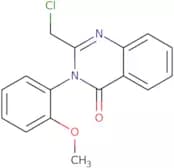
CAS:Controlled Product<p>Please enquire for more information about 2-[(Dimethylamino)methylene]-5-(2,3,4-trimethoxyphenyl)cyclohexane-1,3-dione including the price, delivery time and more detailed product information at the technical inquiry form on this page</p>Formula:C18H23NO5Purity:Min. 95%Molecular weight:333.38 g/mol2-(Chloromethyl)-3-(2-methoxyphenyl)quinazolin-4(3H)-one
CAS:Controlled Product<p>Please enquire for more information about 2-(Chloromethyl)-3-(2-methoxyphenyl)quinazolin-4(3H)-one including the price, delivery time and more detailed product information at the technical inquiry form on this page</p>Formula:C16H13ClN2O2Purity:Min. 95%Molecular weight:300.74 g/mol4-(4-Hydroxymethyl-3-methoxyphenoxy)-butyric acid
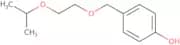
CAS:Controlled Product<p>4-(4-Hydroxymethyl-3-methoxyphenoxy)-butyric acid (HMPA) is a synthetic compound that is used in the production of butyric acid. It is also used as a reagent in the preparation of enzymes and enzyme preparations, such as serine proteases. HMPA has been used as an intermediate in the synthesis of ribulose, which is a sugar molecule found in plants. The structure of this compound can be determined by FTIR spectroscopy and by X-ray crystallography. HMPA has been shown to have hydrogen bonding between its molecules, which may account for its stability. Hydrogen bonding accounts for the solidity of this compound and its resistance to heat and solvents.</p>Formula:C12H16O5Purity:Min. 95%Molecular weight:240.25 g/mol4-Isopropoxyethoxymethyl-1-hydroxybenzene
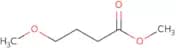
CAS:<p>4-Isopropoxyethoxymethyl-1-hydroxybenzene is a benzyl alcohol derivative that is synthesized by the reaction of 4-isopropoxyethoxymethylbenzene and sodium borohydride. This chemical compound has been used in the synthesis of bisoprolol, a cardioselective β1 adrenergic receptor blocker. It has also been used to synthesize phenolic compounds, such as hydroxybenzaldehyde and vanillin. The reaction time for this compound can be controlled by varying the amount of sodium borohydride used. The high yield obtained from this process makes it an industrially feasible method for large-scale production.br> 4-Isopropoxyethoxymethyl-1-hydroxybenzene is a white crystalline solid that does not dissolve in water but dissolves in organic solvents such as acetone or ethanol. It has an odorless and color</p>Formula:C12H18O3Purity:Min. 95%Molecular weight:210.27 g/molMethyl 4-methoxybutanoate
CAS:Controlled Product<p>Methyl 4-methoxybutanoate is a polymorphic amine that has been shown to react with sodium salts, such as sodium methoxide, to form a new class of compounds known as oxetanes. The reaction rate is enhanced by the presence of gamma-valerolactone and the oxetane itself. It has been shown that Methyl 4-methoxybutanoate reacts with organometallic reagents to form enantiopure compounds. The kinetic profile of this compound is not yet well understood.</p>Formula:C6H12O3Purity:Min. 95%Molecular weight:132.16 g/mol3-(4-Methoxyphenyl)pyrazole
CAS:<p>3-(4-Methoxyphenyl)pyrazole is a fungicide that belongs to the group of nitrophenol derivatives. It inhibits the growth of plant pathogenic fungi by inhibiting the synthesis of proteins and nucleic acids. 3-(4-Methoxyphenyl)pyrazole has an inhibitory effect on seed germination and germination, as well as on hydroxymethylation reactions in fungal mycelia. 3-(4-Methoxyphenyl)pyrazole also has bactericidal properties and can be used for controlling bacteria in water systems.</p>Formula:C10H10N2OPurity:Min. 95%Molecular weight:174.2 g/mol3-(Difluoromethoxy)aniline
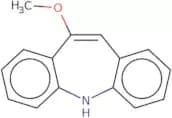
CAS:<p>Please enquire for more information about 3-(Difluoromethoxy)aniline including the price, delivery time and more detailed product information at the technical inquiry form on this page</p>Formula:C7H7F2NOPurity:Min. 95%Color and Shape:PowderMolecular weight:159.13 g/mol10-Methoxy iminostilbene
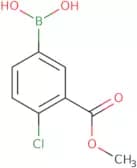
CAS:<p>10-Methoxy iminostilbene is a photophysical that has been shown to be toxic to mouse erythrocytes and to inhibit the DNA polymerase activity of calf thymus. It has also been shown to inhibit the growth of bacteria in an industrial process. 10-Methoxy iminostilbene is insoluble in water and organic solvents, which makes it difficult to purify. 10-Methoxy iminostilbene also has high levels of impurities and is sensitive to hydrochloric acid, methylbenzene, and amines. The functional groups present on this molecule are carbonyl, nitro, hydroxyls, ethers, amides, esters, ketones.</p>Formula:C15H13NOPurity:95%NmrColor and Shape:SolidMolecular weight:223.27 g/mol(4-Chloro-3-(methoxycarbonyl)phenyl)boronic acid
CAS:<p>Please enquire for more information about (4-Chloro-3-(methoxycarbonyl)phenyl)boronic acid including the price, delivery time and more detailed product information at the technical inquiry form on this page</p>Formula:C8H8BClO4Purity:Min. 95%Molecular weight:214.41 g/mol2,3-Dihydro-1-(3-hydroxypropyl)-5-[(2R)-2-[[2-[2-(2,2,2-trifluoroethoxy)phenoxy]ethyl]amino]propyl]-1H-indole-7-carbonitrile
CAS:<p>Please enquire for more information about 2,3-Dihydro-1-(3-hydroxypropyl)-5-[(2R)-2-[[2-[2-(2,2,2-trifluoroethoxy)phenoxy]ethyl]amino]propyl]-1H-indole-7-carbonitrile including the price, delivery time and more detailed product information at the technical inquiry form on this page</p>Formula:C25H30F3N3O3Purity:Min. 95%Molecular weight:477.52 g/mol2-[2-[2-(2-Azidoethoxy)ethoxy]ethoxy]ethanol
CAS:<p>2-[2-[2-(2-Azidoethoxy)ethoxy]ethoxy]ethanol is a PEG polymer categorised as monofunctional (OH-PEG-X). Used as a linker, 2-[2-[2-(2-azidoethoxy)ethoxy]ethoxy]ethanol is used to attached PEG to proteins, peptides, oligonucleotides, nanoparticles and small molecules via pegylation, a bioconjugation technique.</p>Formula:C8H17N3O4Purity:Min. 95%Color and Shape:Colorless PowderMolecular weight:219.24 g/mol

![2-[(2-Methoxyphenoxy)methyl]oxirane](/_next/image/?url=https%3A%2Fstatic.cymitquimica.com%2Fproducts%2F3D%2Fthumb-webp%2FFM25322.webp&w=3840&q=75)



![Dimethyl 7,7'-dimethoxy-[4,4'-bibenzo[d][1,3]dioxole]-5,5'-dicarboxylate](/_next/image/?url=https%3A%2Fstatic.cymitquimica.com%2Fproducts%2F3D%2Fthumb-webp%2FFD139796.webp&w=3840&q=75)


![3-[4-(2-Methoxyethyl)phenoxy]-1,2-epoxypropane](/_next/image/?url=https%3A%2Fstatic.cymitquimica.com%2Fproducts%2F3D%2Fthumb-webp%2FFM25303.webp&w=3840&q=75)

![1-(4-Methoxyphenyl)-7-oxo-6-(4-(2-oxopiperidin-1-yl)phenyl)-4,5,6,7-tetrahydro-1H-pyrazolo[3,4-c]p…](/_next/image/?url=https%3A%2Fstatic.cymitquimica.com%2Fproducts%2F3D%2Fthumb-webp%2FFM155764.webp&w=3840&q=75)

![Ethyl 3-{[(1E)-(dimethylamino)methylene]amino}-5-methoxy-1-methyl-1H-indole-2-carboxylate](/_next/image/?url=https%3A%2Fstatic.cymitquimica.com%2Fproducts%2F3D%2Fthumb-webp%2FFE123273.webp&w=3840&q=75)
![2-[(Dimethylamino)methylene]-5-(2,3,4-trimethoxyphenyl)cyclohexane-1,3-dione](/_next/image/?url=https%3A%2Fstatic.cymitquimica.com%2Fproducts%2F3D%2Fthumb-webp%2FFD134779.webp&w=3840&q=75)



![2,3-Dihydro-1-(3-hydroxypropyl)-5-[(2R)-2-[[2-[2-(2,2,2-trifluoroethoxy)phenoxy]ethyl]amino]propyl…](/_next/image/?url=https%3A%2Fstatic.cymitquimica.com%2Fproducts%2F3D%2Fthumb-webp%2FFD103483.webp&w=3840&q=75)
![2-[2-[2-(2-Azidoethoxy)ethoxy]ethoxy]ethanol](/_next/image/?url=https%3A%2Fstatic.cymitquimica.com%2Fproducts%2F3D%2Fthumb-webp%2FFA09300.webp&w=3840&q=75)