Ethers
Ethers are organic compounds containing an ether functional group, characterized by an oxygen atom bonded to two hydrocarbon radicals. These compounds are valuable in synthesis and serve as solvents in various chemical reactions. At CymitQuimica, we offer a selection of high-quality ethers to support your research and industrial applications, ensuring reliable and effective results. Our range of ethers meets diverse laboratory requirements, from routine experiments to advanced research.
Found 40712 products of "Ethers"
Sort by
Purity (%)
0
100
|
0
|
50
|
90
|
95
|
100
3-[2-(Ethoxycarbonyl)-1-methyl-1H-indol-3-yl]propanoic acid
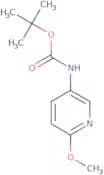
CAS:Controlled Product<p>Please enquire for more information about 3-[2-(Ethoxycarbonyl)-1-methyl-1H-indol-3-yl]propanoic acid including the price, delivery time and more detailed product information at the technical inquiry form on this page</p>Formula:C15H17NO4Purity:Min. 95%Molecular weight:275.3 g/moltert-Butyl-n-(6-methoxy-3-pyridyl)carbamate
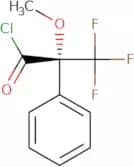
CAS:<p>Please enquire for more information about tert-Butyl-n-(6-methoxy-3-pyridyl)carbamate including the price, delivery time and more detailed product information at the technical inquiry form on this page</p>Formula:C11H16N2O3Purity:Min. 95%Molecular weight:224.26 g/molS-(+)-α-Methoxy-α-(trifluoromethyl)phenylacetic acid chloride
CAS:<p>S-(+)-alpha-Methoxy-alpha-(trifluoromethyl)phenylacetic acid chloride is an optical, amide, and epoxidation derivatizing agent that is used to chiralify amines. It is a liquid at room temperature with a molecular weight of 123.87 g/mol. This chemical reacts with alcohols to form esters, which can be identified by their different retention times in chromatography. It also reacts with hydroxyl groups to form ethers and esters, as well as hydroxyls on other molecules such as amino acids, peptides, and proteins. S-(+)-alpha-Methoxy-alpha-(trifluoromethyl)phenylacetic acid chloride has been used for the synthesis of bisoprolol from metoprolol and triethylphosphite.</p>Formula:C10H8ClF3O2Purity:Min. 95%Molecular weight:252.62 g/mol4-(4-Hydroxymethyl-3-methoxyphenoxy)-butyric acid
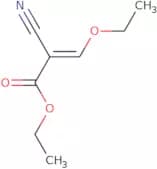
CAS:Controlled Product<p>4-(4-Hydroxymethyl-3-methoxyphenoxy)-butyric acid (HMPA) is a synthetic compound that is used in the production of butyric acid. It is also used as a reagent in the preparation of enzymes and enzyme preparations, such as serine proteases. HMPA has been used as an intermediate in the synthesis of ribulose, which is a sugar molecule found in plants. The structure of this compound can be determined by FTIR spectroscopy and by X-ray crystallography. HMPA has been shown to have hydrogen bonding between its molecules, which may account for its stability. Hydrogen bonding accounts for the solidity of this compound and its resistance to heat and solvents.</p>Formula:C12H16O5Purity:Min. 95%Molecular weight:240.25 g/molEthyl (ethoxymethylene) cyanoacetate
CAS:<p>Ethyl (Ethoxymethylene) cyanoacetate is a chemical compound that belongs to the family of aldehyde compounds. It is a colorless liquid at room temperature, with an odor similar to that of acetic acid. The compound has been used in the synthesis of epidermal growth factor and diazonium salts. It has also been used in the production of anti-cancer drugs such as malonic acid, which inhibits tumor growth by inhibiting protein synthesis. Ethyl (Ethoxymethylene) cyanoacetate reacts with quinoline derivatives to form carbon disulphide, which can be used as an antimicrobial agent and insecticide.</p>Formula:C8H11NO3Purity:Min. 95%Color and Shape:PowderMolecular weight:169.18 g/molDesmethoxy ranolazine
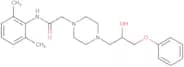
CAS:<p>Please enquire for more information about Desmethoxy ranolazine including the price, delivery time and more detailed product information at the technical inquiry form on this page</p>Formula:C23H31N3O3Purity:Min. 95%Molecular weight:397.51 g/mol3-[4-(2-Methoxyethyl)phenoxy]-1,2-epoxypropane
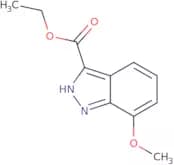
CAS:<p>3-[4-(2-Methoxyethyl)phenoxy]-1,2-epoxypropane is a chemical compound that is used in the industrial process of chloropropane production. It reacts with metoprolol to produce 3-[4-(2-methoxyethyl)phenoxy]-1,2-epoxypropane diol and metoprolol diol. This reaction occurs at lower temperatures than chlorination reactions, and without the use of radiation. 3-[4-(2-Methoxyethyl)phenoxy]-1,2-epoxypropane also reacts with chloropropane to produce 3-[4-(2-methoxyphenyl)phenyl]propene, which can be recycled for additional use.</p>Formula:C12H16O3Purity:Min. 95%Molecular weight:208.25 g/molEthyl 7-Methoxy-1H-Indazole-3-Carboxylate
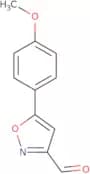
CAS:Controlled Product<p>Please enquire for more information about Ethyl 7-Methoxy-1H-Indazole-3-Carboxylate including the price, delivery time and more detailed product information at the technical inquiry form on this page</p>Formula:C11H12N2O3Purity:Min. 95%Molecular weight:220.22 g/mol5-(4-Methoxyphenyl)isoxazole-3-carboxaldehyde
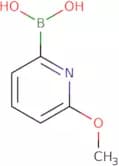
CAS:<p>5-(4-Methoxyphenyl)isoxazole-3-carboxaldehyde (5MI) is a broad-spectrum antimicrobial agent that exhibits activity against bacteria and fungi. It has been shown to be active against gram-positive bacteria, including Staphylococcus aureus, as well as Candida albicans and other pathogenic fungi. 5MI is active in the presence of ethanol, but not in the absence of alcohol. In vitro studies show that 5MI inhibits the growth of gram-negative bacteria such as Escherichia coli and Salmonella enterica serovar Typhimurium. 5MI also exhibits antifungal activity against Aspergillus niger and Saccharomyces cerevisiae.</p>Formula:C11H9NO3Purity:Min. 95%Molecular weight:203.19 g/mol6-Methoxypyridine-2-boronic acid
CAS:<p>6-Methoxypyridine-2-boronic acid is a boronate ligand that can be used to form coordination complexes with metals. It has been shown to interact with silver ions, which are the most effective ligands for enhancing the fluorescence of organic dyes. 6-Methoxypyridine-2-boronic acid is able to rigidify organic molecules by binding to their steric and electronic properties, making them more resistant to photodegradation. This property makes it an excellent candidate for the use in the development of fluorescent labels in analytical chemistry.</p>Formula:C6H8BNO3Purity:Min. 95%Molecular weight:152.94 g/molMethyl 4-methoxybutanoate
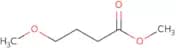
CAS:Controlled Product<p>Methyl 4-methoxybutanoate is a polymorphic amine that has been shown to react with sodium salts, such as sodium methoxide, to form a new class of compounds known as oxetanes. The reaction rate is enhanced by the presence of gamma-valerolactone and the oxetane itself. It has been shown that Methyl 4-methoxybutanoate reacts with organometallic reagents to form enantiopure compounds. The kinetic profile of this compound is not yet well understood.</p>Formula:C6H12O3Purity:Min. 95%Molecular weight:132.16 g/mol3-Ethoxy-androsta-3,5-dien-17-one
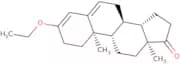
CAS:Controlled Product<p>3-Ethoxy-androsta-3,5-dien-17-one is a chemical compound that can be synthesized by high performance liquid chromatography. It is an impurity in the synthesis of contraceptive drugs and is also used as a starting material for the preparation of other steroids with pharmacopeial standards. 3-Ethoxy-androsta-3,5-dien-17-one is a hydrogenation product of 3β,5α,17β-trihydroxyandrostanol and has been shown to have antiestrogenic activity. The substance produces chromatographic peaks at Rf 0.6 on silica gel TLC plates using triethyl orthoformate as the mobile phase.</p>Formula:C21H30O2Purity:Min. 95%Molecular weight:314.46 g/mol(S)-(-)-2-Hydroxy-4-(2-methoxyphenyl)-5,5-dimethyl-1,3,2-dioxaphosphorinane 2-oxide
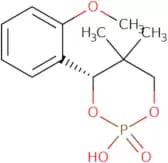
CAS:<p>(S)-(-)-2-Hydroxy-4-(2-methoxyphenyl)-5,5-dimethyl-1,3,2-dioxaphosphorinane 2-oxide is a crystallization inhibitor. It can be used in the treatment of osteoporosis and to prevent the calcification of prostate tissue. (S)-(-)-2-Hydroxy-4-(2-methoxyphenyl)-5,5-dimethyl-1,3,2-dioxaphosphorinane 2-oxide has been shown to inhibit nucleation and crystal growth by adsorbing to the surfaces of nuclei and inhibiting inhibitor molecules from diffusing into the nucleus. This compound also inhibits the crystallization process by binding to one molecule of phosphate on each phosphate site on a crystal surface. The result is that there are fewer sites available for other molecules to bind, preventing crystal growth.</p>Formula:C12H17O5PPurity:Min. 95%Color and Shape:Slightly Yellow PowderMolecular weight:272.23 g/mol2-(2-Aminoethoxy)ethanol
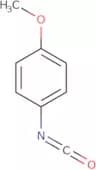
CAS:<p>2-(2-Aminoethoxy)ethanol (2-AE) is a natural compound that has been synthesized from ethanol and 2-aminoethanol. It has been shown to react with sodium carbonate to form stable complexes that are resistant to hydrolysis by amines. The stability of the complex is attributed to the formation of an intermolecular hydrogen bond between the hydroxyl group on the 2-AE molecule and the carboxylate group on the sodium carbonate molecule. 2-AE reacts with benzalkonium chloride, a quaternary ammonium salt, in water vapor to produce an alcohol and a fatty acid, which is then hydrolyzed by glycol ethers into glycolates. This mechanism is similar to that of other reactions involving quaternary ammonium salts, such as those in fatty acids or glycol ethers.</p>Formula:C4H11NO2Purity:Min. 95%Molecular weight:105.14 g/mol4-Methoxyphenyl isocyanate
CAS:<p>4-Methoxyphenyl isocyanate (4MPIC) is a reactive organic compound that is used in the synthesis of polymers. 4MPIC reacts with amines to form amides, and can be used as a photophysical probe to study reaction mechanisms. It has been shown to react with hydroxy groups in polymers and form an insoluble polymer. 4MPIC also has antibacterial activity, although it is not active against all bacteria. This compound also reacts with chlorine atoms to form heterocycles, which are efficient for the synthesis of pharmaceuticals.</p>Formula:C8H7NO2Purity:Min. 95%Color and Shape:Clear LiquidMolecular weight:149.15 g/mol4-Hydroxy-N-(2-Piperidinylmethyl)-2,5-Bis(2,2,2-Trifluoroethoxy)Benzamide
CAS:<p>Please enquire for more information about 4-Hydroxy-N-(2-Piperidinylmethyl)-2,5-Bis(2,2,2-Trifluoroethoxy)Benzamide including the price, delivery time and more detailed product information at the technical inquiry form on this page</p>Formula:C17H20F6N2O4Purity:Min. 95%Molecular weight:430.34 g/mol5[(R)-(2-Aminopropyl)]-2-methoxybenzenesulfonamide hydrochloride
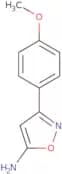
CAS:Controlled Product<p>Please enquire for more information about 5[(R)-(2-Aminopropyl)]-2-methoxybenzenesulfonamide hydrochloride including the price, delivery time and more detailed product information at the technical inquiry form on this page</p>Formula:C10H17ClN2O3SPurity:Min. 95%Molecular weight:280.77 g/mol3-(4-Methoxyphenyl)-1,2-oxazol-5-amine
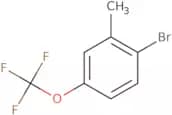
CAS:<p>Please enquire for more information about 3-(4-Methoxyphenyl)-1,2-oxazol-5-amine including the price, delivery time and more detailed product information at the technical inquiry form on this page</p>Formula:C10H10N2O2Purity:Min. 95%Molecular weight:190.2 g/mol2-Methyl-4-(trifluoromethoxy)bromobenzene
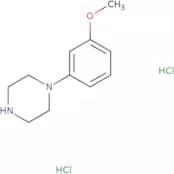
CAS:<p>Please enquire for more information about 2-Methyl-4-(trifluoromethoxy)bromobenzene including the price, delivery time and more detailed product information at the technical inquiry form on this page</p>Formula:C8H6BrF3OPurity:Min. 95%Color and Shape:Clear LiquidMolecular weight:255.03 g/mol1-(3-Methoxyphenyl)piperazine dihydrochloride
CAS:Controlled Product<p>Please enquire for more information about 1-(3-Methoxyphenyl)piperazine dihydrochloride including the price, delivery time and more detailed product information at the technical inquiry form on this page</p>Formula:C11H18Cl2N2OPurity:Min. 95%Color and Shape:PowderMolecular weight:265.18 g/mol3-[4-(4-Methoxyphenyl)piperazin-1-yl]-3-oxopropanenitrile
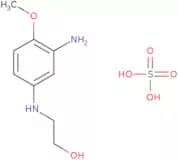
CAS:Controlled Product<p>Please enquire for more information about 3-[4-(4-Methoxyphenyl)piperazin-1-yl]-3-oxopropanenitrile including the price, delivery time and more detailed product information at the technical inquiry form on this page</p>Formula:C14H17N3O2Purity:Min. 95%Molecular weight:259.3 g/mol2-((3-Amino-4-methoxyphenyl)amino)ethanol sulfate
CAS:<p>2-((3-Amino-4-methoxyphenyl)amino)ethanol sulfate is a potent antibacterial agent that inhibits the growth of bacteria by binding to the 50S ribosomal subunit. It is also used in dermatology, as an aminophenol, and as an ingredient in cosmetics. 2-((3-Amino-4-methoxyphenyl)amino)ethanol sulfate has been shown to be efficacious against bacterial infections caused by methicillin resistant Staphylococcus aureus (MRSA), Pseudomonas aeruginosa, Proteus mirabilis, and Klebsiella pneumoniae. This compound also has antihistamine properties.</p>Formula:C9H16N2O6SPurity:Min. 95%Molecular weight:280.3 g/mol1-(4-Amino-6,7-dimethoxy-2-quinazolinyl)-4-[(tetrahydro-2-furanyl)carbonxyl]piperazine hydrochloride
CAS:<p>Terazosin HCL dehydrate is an inhibitor of alpha-1 adrenergic receptors. This results in vasodilation followed by a reduction in urethral resistance, venous return to the heart and peripheral vascular resistance. In particular Terazosin HCL hydrate’s ability to recover urine flow and alleviate symptoms in patients with benign prostatic hyperplasia is of benefit to the therapeutic and clinical industries.</p>Formula:C19H26ClN5O4Purity:Min. 95%Molecular weight:423.89 g/molN-(tert-Butoxycarbonyl)glycine N'-methoxy-N'-methylamide
CAS:<p>Please enquire for more information about N-(tert-Butoxycarbonyl)glycine N'-methoxy-N'-methylamide including the price, delivery time and more detailed product information at the technical inquiry form on this page</p>Formula:C9H18N2O4Purity:Min. 95%Molecular weight:218.25 g/mol3,4-Dimethoxy-Benzamidine HCl
CAS:<p>Please enquire for more information about 3,4-Dimethoxy-Benzamidine HCl including the price, delivery time and more detailed product information at the technical inquiry form on this page</p>Formula:C9H12N2O2·HClPurity:Min. 95%Molecular weight:216.66 g/mol4-Hydroxy-7-methoxyquinoline
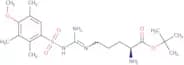
CAS:<p>4-Hydroxy-7-methoxyquinoline is an anti-malarial drug that belongs to the class of trimethyl, trifluoromethyl group. It is a cyclic compound and its synthesis starts with cyclization of the methyl derivative, which forms a ring. This product is used in clinical practice as an inhibitor of malarial protozoa and has been shown to have mechanistic effects on the cytochrome bc1 complex containing red blood cells. 4-Hydroxy-7-methoxyquinoline also inhibits the growth of bacteria by binding to the enzyme methionine synthase, which is involved in the biosynthesis of methionine from homocysteine. The product also has an inhibitory effect on DNA synthesis and protein synthesis.</p>Formula:C10H9NO2Purity:Min. 95%Molecular weight:175.18 g/molNω-(4-Methoxy-2,3,6-trimethylbenzenesulfonyl)-L-arginine tert-butyl ester
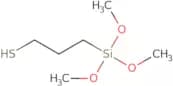
CAS:<p>Please enquire for more information about Nomega-(4-Methoxy-2,3,6-trimethylbenzenesulfonyl)-L-arginine tert-butyl ester including the price, delivery time and more detailed product information at the technical inquiry form on this page</p>Formula:C20H34N4O5SPurity:Min. 95%Molecular weight:442.57 g/mol(3-Mercaptopropyl)trimethoxysilane
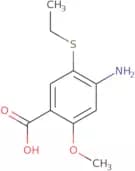
CAS:<p>3-Mercaptopropyl)trimethoxysilane is a molecule made up of three parts: a trimethoxysilane group, a trimethylsilyl group, and a mercapto group. The trimethoxysilane group is hydrophilic in nature and has an electron withdrawing effect on the molecule. The trimethylsilyl group is hydrophobic in nature and has an electron donating effect on the molecule. The mercapto group is reactive in nature and has a high redox potential. 3-Mercaptopropyl)trimethoxysilane can be used as a chemical additive to increase the stability of hydrochloric acid in water vapor by reacting with the hydroxyl groups to form stable compounds. This compound also reacts with hydrogen gas to produce methane gas, which can be used as fuel or as an alternative energy source. 3-Mercaptopropyl)trimethoxysilane also has synergistic</p>Formula:C6H16O3SSiPurity:Min. 98 Area-%Color and Shape:Colorless Clear LiquidMolecular weight:196.34 g/mol2-Methoxy-4-amino-5-ethylthiobenzoic acid
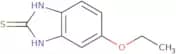
CAS:<p>Please enquire for more information about 2-Methoxy-4-amino-5-ethylthiobenzoic acid including the price, delivery time and more detailed product information at the technical inquiry form on this page</p>Formula:C10H13NO3SPurity:Min. 95%Molecular weight:227.28 g/mol5-Ethoxy-2-mercaptobenzimidazole
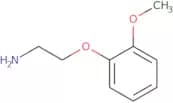
CAS:<p>5-Ethoxy-2-mercaptobenzimidazole is a corrosion inhibitor that has been shown to inhibit the growth of cancer cells by causing them to undergo apoptotic cell death. It also has a protective effect on nerve cells, as evidenced by its ability to prevent the neurotoxic effects of hydrochloric acid. 5-Ethoxy-2-mercaptobenzimidazole is synthesized from 2-(2'-hydroxyethoxy)benzaldehyde and ethyl chloroformate in the presence of sodium chloride and hydrochloric acid. It is then converted into 5-ethoxy-2-mercaptobenzimidazole with sodium hydroxide.</p>Formula:C9H10N2OSPurity:Min. 95%Color and Shape:PowderMolecular weight:194.25 g/mol2-(2-Methoxyphenoxy)ethylamine base
CAS:<p>2-(2-Methoxyphenoxy)ethylamine base is an inorganic base with a hydroxyl group. It is soluble in organic solvents and has been used as a coumarin derivative. 2-(2-Methoxyphenoxy)ethylamine base has shown potential use as an antifungal agent, which may be due to its ability to cause lysis in fungi cells. This compound has also shown in vitro activity against bacteria and viruses, including herpes simplex virus type 1 and HIV-1. The 2-(2-methoxyphenoxy)ethylamine base can be sulfonated or acid catalyzed to produce other derivatives that have potential use as anti-inflammatory or analgesic agents.</p>Formula:C9H13NO2Purity:Min. 95%Molecular weight:167.21 g/mol7-[(4Methoxyphenyl)methyl]-5-methyl-2H-pyrazolo[3,4-d]pyrimidine-4,6(5H,7H)-dione
CAS:Controlled Product<p>Please enquire for more information about 7-[(4Methoxyphenyl)methyl]-5-methyl-2H-pyrazolo[3,4-d]pyrimidine-4,6(5H,7H)-dione including the price, delivery time and more detailed product information at the technical inquiry form on this page</p>Formula:C14H14N4O3Purity:Min. 95%Molecular weight:286.29 g/molTrimethylolpropane ethoxylate - average Mn ~170
CAS:<p>Please enquire for more information about Trimethylolpropane ethoxylate - average Mn ~170 including the price, delivery time and more detailed product information at the technical inquiry form on this page</p>Formula:(C2H4O)n•(C2H4O)n•(C2H4O)n•C6H14O3Purity:Min. 95%2,5-Dichloro-4-methoxybenzoic acid
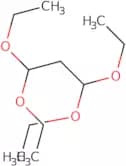
CAS:<p>2,5-Dichloro-4-methoxybenzoic acid is a synthetic herbicide that inhibits the enzyme 5-enolpyruvylshikimate-3-phosphate synthase (EPSPS). This enzyme is necessary for the synthesis of aromatic amino acids. 2,5-Dichloro-4-methoxybenzoic acid is used as a selective herbicide in plants grown in vitro to eliminate weeds. It is also used to control populations of wild plants and grasses. 2,5-Dichloro-4-methoxybenzoic acid has been shown to inhibit the growth of glyphosate resistant weed species by inhibiting EPSPS activity.</p>Purity:Min. 95%1,1,3,3-Tetraethoxypropane
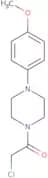
CAS:<p>1,1,3,3-Tetraethoxypropane is a fatty acid that is produced by the metabolism of plant and animal lipids. It has been used as a food additive to bind water and improve texture in baked goods. It also has shown to have antioxidant properties. In addition, 1,1,3,3-Tetraethoxypropane has been shown to be reactive with human feces and inhibit enzyme activities in infectious diseases. This compound is also an autoimmune disease agent that inhibits physiological activities in humans. The bound form of 1,1,3,3-Tetraethoxypropane can be found in human serum and liver cells.</p>Formula:C11H24O4Purity:Min. 95%Color and Shape:Clear LiquidMolecular weight:220.31 g/mol1-(Chloroacetyl)-4-(4-methoxyphenyl)piperazine
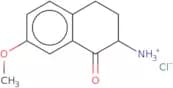
CAS:Controlled Product<p>Please enquire for more information about 1-(Chloroacetyl)-4-(4-methoxyphenyl)piperazine including the price, delivery time and more detailed product information at the technical inquiry form on this page</p>Formula:C13H17ClN2O2Purity:Min. 95%Molecular weight:268.74 g/mol2-Amino-3,4-dihydro-7-methoxy-2H-1-naphthalenone, hydrochloride
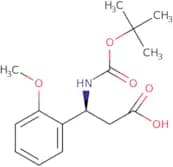
CAS:Controlled Product<p>Please enquire for more information about 2-Amino-3,4-dihydro-7-methoxy-2H-1-naphthalenone, hydrochloride including the price, delivery time and more detailed product information at the technical inquiry form on this page</p>Formula:C11H14ClNO2Purity:Min. 95%Molecular weight:227.69 g/molBoc-(S)-3-amino-3-(2-methoxyphenyl)propionic acid
CAS:<p>Please enquire for more information about Boc-(S)-3-amino-3-(2-methoxyphenyl)propionic acid including the price, delivery time and more detailed product information at the technical inquiry form on this page</p>Formula:C15H21NO5Purity:Min. 95%Color and Shape:PowderMolecular weight:295.33 g/mol1-(5-Chloro-2-methoxybenzyl)piperazine
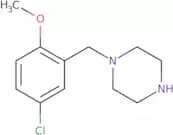
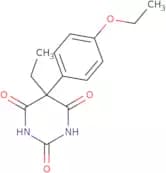
CAS:Controlled Product<p>Please enquire for more information about 1-(5-Chloro-2-methoxybenzyl)piperazine including the price, delivery time and more detailed product information at the technical inquiry form on this page</p>Formula:C12H17ClN2OPurity:Min. 95%Molecular weight:240.73 g/mol5-(4-Ethoxyphenyl)-5-ethylbarbituric acid
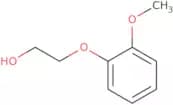
CAS:Controlled Product<p>Please enquire for more information about 5-(4-Ethoxyphenyl)-5-ethylbarbituric acid including the price, delivery time and more detailed product information at the technical inquiry form on this page</p>Formula:C14H16N2O4Purity:Min. 95%Molecular weight:276.29 g/mol2-(2-Methoxyphenoxy)ethanol
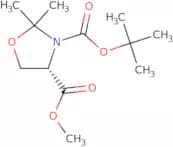
CAS:<p>2-(2-Methoxyphenoxy)ethanol (2-MPE) is a metabolite of propanediol, which is a precursor in the synthesis of polyurethanes. 2-MPE can be oxidized by monooxygenases to form syringyl and other reactive metabolites. Basic hydrolysis may also produce monomers such as phenols, alcohols, and carboxylic acids. Syringyl is one of the metabolic products of 2-MPE, which has been shown to be resistant to degradation by basidiomycete fungi.</p>Formula:C9H12O3Purity:Min. 95%Molecular weight:168.19 g/mol(S)-(-)-3-tert-Butoxycarbonyl-4-methoxycarbonyl-2,2-dimethyl-1,3-oxazolidine
CAS:<p>Please enquire for more information about (S)-(-)-3-tert-Butoxycarbonyl-4-methoxycarbonyl-2,2-dimethyl-1,3-oxazolidine including the price, delivery time and more detailed product information at the technical inquiry form on this page</p>Formula:C12H21NO5Purity:Min. 95%Molecular weight:259.3 g/mol3,7,4'-Trihydroxy-5-methoxy-8-prenylflavanone, (2R,3S)-
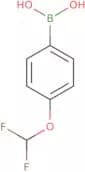
<p>3,7,4'-Trihydroxy-5-methoxy-8-prenylflavanone, (2R,3S)- is a naturally occurring prenylated flavanone, which is primarily sourced from various plant species. This compound is part of the larger flavonoid family and is often found in certain medicinal plants known for their wide range of therapeutic properties. Its structure comprises a flavanone backbone, modified by hydroxyl, methoxy, and prenyl groups that contribute to its distinctive chemical profile.</p>Purity:Min. 95%4-(Difluoromethoxy)phenylboronic acid
CAS:<p>Please enquire for more information about 4-(Difluoromethoxy)phenylboronic acid including the price, delivery time and more detailed product information at the technical inquiry form on this page</p>Formula:C7H7BF2O3Purity:Min. 95%Molecular weight:187.94 g/mol4-Amino-3-(trifluoromethoxy)benzoic acid
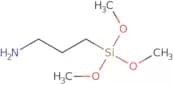
CAS:<p>Please enquire for more information about 4-Amino-3-(trifluoromethoxy)benzoic acid including the price, delivery time and more detailed product information at the technical inquiry form on this page</p>Formula:C8H6F3NO3Purity:Min. 95%Molecular weight:221.13 g/mol3-Aminopropyltrimethoxysilane
CAS:<p>3-Aminopropyltrimethoxysilane is a chemical that belongs to the group of aminopropyltriethoxysilanes. It is a reactive substance and is commonly used as an additive in adhesives and sealants. 3-Aminopropyltrimethoxysilane has been shown to be an efficient coupling agent for the formation of hydroxyl groups on nanoparticles, which are then used as drug carriers. The optimum concentration of 3-aminopropyltrimethoxysilane lies between 0.01 and 0.1 M, with a pH range of 6 and 8. This chemical can react with hydrochloric acid, resulting in the production of hydrogen gas; with cervical cancer cells in culture, leading to cell death; or with skin cells, causing damage to their transport properties.</p>Formula:C6H17NO3SiPurity:Min. 95%Color and Shape:Clear LiquidMolecular weight:179.29 g/mol1-(3-Methoxybenzyl)-1H-indole-3-carbaldehyde
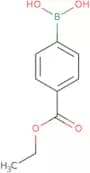
CAS:Controlled Product<p>Please enquire for more information about 1-(3-Methoxybenzyl)-1H-indole-3-carbaldehyde including the price, delivery time and more detailed product information at the technical inquiry form on this page</p>Formula:C17H15NO2Purity:Min. 95%Molecular weight:265.31 g/mol4-(Ethoxycarbonyl)phenylboronic acid
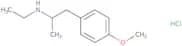
CAS:<p>4-(Ethoxycarbonyl)phenylboronic acid is a potential use for picric acid detection. It has been shown to be a chemosensor with an electrochemical impedance spectroscopy response that is sensitive to chloride ions. 4-(Ethoxycarbonyl)phenylboronic acid can be used as a linker in multigram-scale synthesis of aryl halides, and its reaction mechanism has been elucidated by crystal x-ray diffraction. The synthesis of this compound is scalable and involves the formation of an apical carboxylate from ethoxycarbonyl phenyl boronic acid and an aryl halide.</p>Formula:C9H11BO4Purity:Min. 95%Color and Shape:PowderMolecular weight:193.99 g/molN-Ethyl-4-methoxy amphetamine hydrochloride
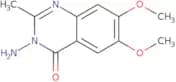
CAS:Controlled Product<p>Please enquire for more information about N-Ethyl-4-methoxy amphetamine hydrochloride including the price, delivery time and more detailed product information at the technical inquiry form on this page</p>Formula:C12H20ClNOPurity:Min. 95%Molecular weight:229.75 g/mol3-Amino-6,7-dimethoxy-2-methylquinazolin-4(3H)-one
CAS:Controlled Product<p>Please enquire for more information about 3-Amino-6,7-dimethoxy-2-methylquinazolin-4(3H)-one including the price, delivery time and more detailed product information at the technical inquiry form on this page</p>Formula:C11H13N3O3Purity:Min. 95%Molecular weight:235.24 g/mol
![3-[2-(Ethoxycarbonyl)-1-methyl-1H-indol-3-yl]propanoic acid](/_next/image/?url=https%3A%2Fstatic.cymitquimica.com%2Fproducts%2F3D%2Fthumb-webp%2FFE127998.webp&w=3840&q=75)


![3-[4-(2-Methoxyethyl)phenoxy]-1,2-epoxypropane](/_next/image/?url=https%3A%2Fstatic.cymitquimica.com%2Fproducts%2F3D%2Fthumb-webp%2FFM25303.webp&w=3840&q=75)

![5[(R)-(2-Aminopropyl)]-2-methoxybenzenesulfonamide hydrochloride](/_next/image/?url=https%3A%2Fstatic.cymitquimica.com%2Fproducts%2F3D%2Fthumb-webp%2FFA17834.webp&w=3840&q=75)
![3-[4-(4-Methoxyphenyl)piperazin-1-yl]-3-oxopropanenitrile](/_next/image/?url=https%3A%2Fstatic.cymitquimica.com%2Fproducts%2F3D%2Fthumb-webp%2FFM118645.webp&w=3840&q=75)
![1-(4-Amino-6,7-dimethoxy-2-quinazolinyl)-4-[(tetrahydro-2-furanyl)carbonxyl]piperazine hydrochlori…](/_next/image/?url=https%3A%2Fstatic.cymitquimica.com%2Fproducts%2F3D%2Fthumb-webp%2FFA28036.webp&w=3840&q=75)


![7-[(4Methoxyphenyl)methyl]-5-methyl-2H-pyrazolo[3,4-d]pyrimidine-4,6(5H,7H)-dione](/_next/image/?url=https%3A%2Fstatic.cymitquimica.com%2Fproducts%2F3D%2Fthumb-webp%2FFM168534.webp&w=3840&q=75)