Ethers
Ethers are organic compounds containing an ether functional group, characterized by an oxygen atom bonded to two hydrocarbon radicals. These compounds are valuable in synthesis and serve as solvents in various chemical reactions. At CymitQuimica, we offer a selection of high-quality ethers to support your research and industrial applications, ensuring reliable and effective results. Our range of ethers meets diverse laboratory requirements, from routine experiments to advanced research.
Found 40712 products of "Ethers"
Sort by
Purity (%)
0
100
|
0
|
50
|
90
|
95
|
100
1-(3,5-Dimethoxyphenyl)piperazine
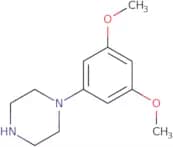
CAS:Controlled Product<p>1-(3,5-Dimethoxyphenyl)piperazine (1DMPP) is a phenylpiperazine derivative that has shown anticancer activity in vitro against human cancer cells. It is orally bioavailable and has been found to inhibit the growth of cancer cells in vivo. 1DMPP is metabolized by the liver into a number of metabolites that are excreted via the kidneys. The pharmacokinetic properties of 1DMPP have been studied in rats and mice, which revealed that it is well absorbed when administered orally and has a short terminal half-life. In vitro studies have demonstrated that 1DMPP inhibits cell growth through inhibition of protein synthesis and DNA replication.</p>Formula:C12H18N2O2Purity:Min. 95%Molecular weight:222.28 g/mol4-(Benzyloxy)-5-methoxy-2-nitrobenzaldehyde
CAS:<p>4-(Benzyloxy)-5-methoxy-2-nitrobenzaldehyde (BOMBA) is an amide with affinity for microtubules. It has been shown to interact with the microtubule lattice and inhibit the polymerization of tubulin. This leads to a decrease in cell viability and cytotoxicity, as well as a decrease in tumor size. In vivo studies have demonstrated that BOMBA inhibits tumor growth by inducing thrombosis and coagulation, which results in reduced blood flow to the tumor. The mechanism of action of BOMBA is thought to be due to its ability to form sulfamates, which are known for their anti-coagulant activity.</p>Formula:C15H13NO5Purity:Min. 95%Molecular weight:287.27 g/mol3-(Difluoromethoxy)benzaldehyde
CAS:<p>Please enquire for more information about 3-(Difluoromethoxy)benzaldehyde including the price, delivery time and more detailed product information at the technical inquiry form on this page</p>Formula:C8H6F2O2Purity:Min. 95%Molecular weight:172.13 g/mol7-(2-Carbomethoxyethyl)-5-(2-chlorophenyl)-thieno-1,4-diazepin-2-one
CAS:Controlled Product<p>Please enquire for more information about 7-(2-Carbomethoxyethyl)-5-(2-chlorophenyl)-thieno-1,4-diazepin-2-one including the price, delivery time and more detailed product information at the technical inquiry form on this page</p>Formula:C17H15ClN2O3SPurity:Min. 95%Molecular weight:362.83 g/mol4-Methoxybenzene-1,3-diamine sulfate
CAS:Controlled Product<p>4-Methoxybenzene-1,3-diamine sulfate (4MBD) is a chemical substance that inhibits the activity of cytochrome P450 enzymes. It has been shown to inhibit the activity of rat liver microsomal p-450 enzymes, and is used in studies on the effects of chemicals on protein synthesis. When 4MBD is administered to rats at dietary concentrations, it causes an increase in thyroid hormone levels and a decrease in renal function. The enzyme inhibition caused by 4MBD may be due to its ability to acylate amines, which are located near the active site of the enzyme. Linear regression analysis showed that there was a strong correlation between dietary concentrations and the inhibition of protein synthesis caused by 4MBD.</p>Formula:C7H12N2O5SPurity:Min. 95%Molecular weight:236.25 g/molMethyl trans -3-methoxy acrylate
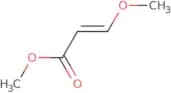
CAS:<p>Methyl trans-3-methoxy acrylate is a reactive monocarboxylic acid. It is used in the synthesis of other compounds, such as polymers and pharmaceuticals. Methyl trans-3-methoxy acrylate reacts with hydrogen chloride to form methyl 3-chloroacrylate and hydrochloric acid, and with trimethyl borate to form methyl 3-bromoacrylate. The reaction mechanism for the formation of methyl 3-bromoacrylate is similar to that for the formation of methyl 3-chloroacrylate. The reaction can be carried out in a steel or glass vessel equipped with a magnetic stirring device and equipped with an electric heating mantle or flame. The activation energies for these reactions are relatively high at 43 kcal/mol (for the metathesis reaction) and 44 kcal/mol (for the reaction with trimethyl borate). This product has been shown to react with propionate</p>Formula:C5H8O3Purity:Min. 95%Color and Shape:Clear LiquidMolecular weight:116.12 g/moltert-Butyl-n-(6-methoxy-3-pyridyl)carbamate
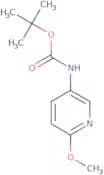
CAS:<p>Please enquire for more information about tert-Butyl-n-(6-methoxy-3-pyridyl)carbamate including the price, delivery time and more detailed product information at the technical inquiry form on this page</p>Formula:C11H16N2O3Purity:Min. 95%Molecular weight:224.26 g/molMethyl 4-methoxy-1-methyl-1H-indole-2-carboxylate
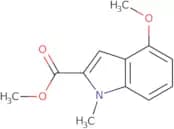
CAS:Controlled Product<p>Please enquire for more information about Methyl 4-methoxy-1-methyl-1H-indole-2-carboxylate including the price, delivery time and more detailed product information at the technical inquiry form on this page</p>Formula:C12H13NO3Purity:Min. 95%Molecular weight:219.24 g/mol4-Ethoxy-3-methoxybenzoic acid
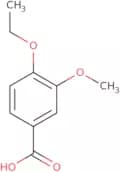
CAS:<p>4-Ethoxy-3-methoxybenzoic acid is a white crystalline solid that belongs to the class of isomers. This compound has been used in biological studies to study the functional theory of bond cleavage, hydroxyl group, and cleavage products. 4-Ethoxy-3-methoxybenzoic acid has also been shown to be a substrate for radical chain reactions, which are initiated by electron transfer from an organic molecule and may produce hydroperoxides or peroxides. The fatty acids found in this chemical react with trichloroacetic acid to form esters and conjugates. These esters are more water soluble than the original fatty acids, making them useful as solvents for organic reactions. 4-Ethoxy-3-methoxybenzoic acid is a precursor for coriolus pigment, which provides coloration for coniferous trees such as pine and spruce.</p>Formula:C10H12O4Purity:Min. 95%Molecular weight:196.2 g/molS-(+)-α-Methoxy-α-(trifluoromethyl)phenylacetic acid chloride
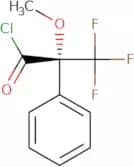
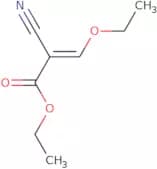
CAS:<p>S-(+)-alpha-Methoxy-alpha-(trifluoromethyl)phenylacetic acid chloride is an optical, amide, and epoxidation derivatizing agent that is used to chiralify amines. It is a liquid at room temperature with a molecular weight of 123.87 g/mol. This chemical reacts with alcohols to form esters, which can be identified by their different retention times in chromatography. It also reacts with hydroxyl groups to form ethers and esters, as well as hydroxyls on other molecules such as amino acids, peptides, and proteins. S-(+)-alpha-Methoxy-alpha-(trifluoromethyl)phenylacetic acid chloride has been used for the synthesis of bisoprolol from metoprolol and triethylphosphite.</p>Formula:C10H8ClF3O2Purity:Min. 95%Molecular weight:252.62 g/molEthyl (ethoxymethylene) cyanoacetate
CAS:<p>Ethyl (Ethoxymethylene) cyanoacetate is a chemical compound that belongs to the family of aldehyde compounds. It is a colorless liquid at room temperature, with an odor similar to that of acetic acid. The compound has been used in the synthesis of epidermal growth factor and diazonium salts. It has also been used in the production of anti-cancer drugs such as malonic acid, which inhibits tumor growth by inhibiting protein synthesis. Ethyl (Ethoxymethylene) cyanoacetate reacts with quinoline derivatives to form carbon disulphide, which can be used as an antimicrobial agent and insecticide.</p>Formula:C8H11NO3Purity:Min. 95%Color and Shape:PowderMolecular weight:169.18 g/molN-Methyl-1-(3,4,5-trimethoxyphenyl)methanamine hydrochloride
CAS:Controlled Product<p>Please enquire for more information about N-Methyl-1-(3,4,5-trimethoxyphenyl)methanamine hydrochloride including the price, delivery time and more detailed product information at the technical inquiry form on this page</p>Formula:C11H17NO3Purity:Min. 95%Molecular weight:211.26 g/mol3-(4-Methoxyphenyl)pyrazole
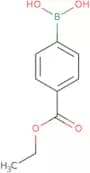
CAS:<p>3-(4-Methoxyphenyl)pyrazole is a fungicide that belongs to the group of nitrophenol derivatives. It inhibits the growth of plant pathogenic fungi by inhibiting the synthesis of proteins and nucleic acids. 3-(4-Methoxyphenyl)pyrazole has an inhibitory effect on seed germination and germination, as well as on hydroxymethylation reactions in fungal mycelia. 3-(4-Methoxyphenyl)pyrazole also has bactericidal properties and can be used for controlling bacteria in water systems.</p>Formula:C10H10N2OPurity:Min. 95%Molecular weight:174.2 g/mol4-(Ethoxycarbonyl)phenylboronic acid
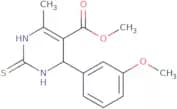
CAS:<p>4-(Ethoxycarbonyl)phenylboronic acid is a potential use for picric acid detection. It has been shown to be a chemosensor with an electrochemical impedance spectroscopy response that is sensitive to chloride ions. 4-(Ethoxycarbonyl)phenylboronic acid can be used as a linker in multigram-scale synthesis of aryl halides, and its reaction mechanism has been elucidated by crystal x-ray diffraction. The synthesis of this compound is scalable and involves the formation of an apical carboxylate from ethoxycarbonyl phenyl boronic acid and an aryl halide.</p>Formula:C9H11BO4Purity:Min. 95%Color and Shape:PowderMolecular weight:193.99 g/molMethyl 4-(3-methoxyphenyl)-6-methyl-2-thioxo-1,2,3,4-tetrahydropyrimidine-5-carboxylate
CAS:<p>Please enquire for more information about Methyl 4-(3-methoxyphenyl)-6-methyl-2-thioxo-1,2,3,4-tetrahydropyrimidine-5-carboxylate including the price, delivery time and more detailed product information at the technical inquiry form on this page</p>Formula:C14H16N2O3SPurity:85%MinMolecular weight:292.35 g/molKaempferol-7,4'-dimethoxy-8-butyryl ester
CAS:<p>Kaempferol-7,4'-dimethoxy-8-butyryl ester is a fine chemical that is used as a versatile building block for the synthesis of complex compounds. It is also used in research chemicals and as a reagent and speciality chemical. Kaempferol-7,4'-dimethoxy-8-butyryl ester has CAS number 1284229-43-1 and can be used as an intermediate for the synthesis of other compounds. It is also a useful scaffold for the synthesis of high quality compounds with potential pharmaceutical applications.</p>Formula:C21H20O7Purity:Min. 95%Molecular weight:384.38 g/mol4-(2',4'-Dimethoxyphenyl-Fmoc-aminomethyl)-phenoxymethyl-polystyrene resin (200-400 mesh)
<p>Please enquire for more information about 4-(2',4'-Dimethoxyphenyl-Fmoc-aminomethyl)-phenoxymethyl-polystyrene resin (200-400 mesh) including the price, delivery time and more detailed product information at the technical inquiry form on this page</p>Purity:Min. 95%3,4,5-Trimethoxybenzoic acid anhydride
CAS:<p>3,4,5-Trimethoxybenzoic acid anhydride is a synthetic chemical compound that is used as a pharmaceutical intermediate. It is mainly used to prepare potent anticancer agents and potent anticancer drugs. 3,4,5-Trimethoxybenzoic acid anhydride reacts with amines in the presence of a base to form substituted amides. This reaction has been shown by crystal x-ray diffraction to be sensitive to the solvent polarity and temperature of the reaction medium. The compound can also react with chloride ion to form 3,4,5-trichlorobenzoic acid anhydride (3TCBA).</p>Formula:C20H22O9Purity:(%) Min. 85%Color and Shape:PowderMolecular weight:406.38 g/mol3-(4-Methoxybenzoyl)acrylic acid
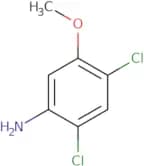
CAS:<p>Please enquire for more information about 3-(4-Methoxybenzoyl)acrylic acid including the price, delivery time and more detailed product information at the technical inquiry form on this page</p>Formula:C11H10O4Purity:Min. 95%Color and Shape:PowderMolecular weight:206.19 g/mol2,4-Dichloro-5-methoxyaniline
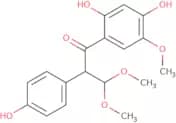
CAS:<p>2,4-Dichloro-5-methoxyaniline (2,4-DMA) is a trifluoroacetic acid derivative that inhibits the growth of cancer cells by interfering with cellular processes such as DNA replication and protein synthesis. It has been shown to have anticancer activity in vitro and in vivo. In addition, 2,4-DMA can inhibit the growth of cancer cells by preventing epidermal growth factor from binding to its receptor on the cell surface. A recent study showed that 2,4-DMA has anti-angiogenic properties and can prevent tumor growth by inhibiting bcr-abl kinase activity. 2,4-DMA also has an acidic property which may be due to its conversion of trifluoroacetic acid into hydrogen fluoride (HF) and hydrogen chloride (HCl).<br>2,4-Dichloro-5-methoxyaniline was approved for use in Japan</p>Formula:C7H7Cl2NOPurity:Min. 95%Color and Shape:White To Pink SolidMolecular weight:192.04 g/mol1-(2,4-Dihydroxy-5-methoxyphenyl)-2-(4-hydroxyphenyl)-3,3-dimethoxy-1-propanone
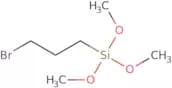
CAS:<p>Please enquire for more information about 1-(2,4-Dihydroxy-5-methoxyphenyl)-2-(4-hydroxyphenyl)-3,3-dimethoxy-1-propanone including the price, delivery time and more detailed product information at the technical inquiry form on this page</p>Formula:C18H20O7Purity:Min. 95%Molecular weight:348.35 g/mol(3-Bromopropyl)trimethoxysilane
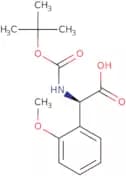
CAS:<p>3-Bromopropyltrimethoxysilane is a divalent hydrocarbon that has been used as a model compound for the study of detection methods. It has been shown to have biocompatible properties and can be used as an immobilization template molecule. 3-Bromopropyltrimethoxysilane also reacts with pyridinium ions to form complexes that are highly stable. The stability of these complexes can be attributed to the functional groups on the pyridine ring, which are more susceptible to hydrolysis than those on the silica surface. 3-Bromopropyltrimethoxysilane is a substrate for nitrate reductase enzymes, resulting in inhibition of growth at concentrations low enough not to cause cytotoxicity.</p>Formula:C6H15BrO3SiPurity:Min. 95%Molecular weight:243.17 g/molBoc-(R)-2-methoxyphenylglycine
CAS:<p>Please enquire for more information about Boc-(R)-2-methoxyphenylglycine including the price, delivery time and more detailed product information at the technical inquiry form on this page</p>Formula:C14H19NO5Purity:Min. 95%Molecular weight:281.3 g/mol2-Chloro-3-methoxybenzaldehyde
CAS:<p>Please enquire for more information about 2-Chloro-3-methoxybenzaldehyde including the price, delivery time and more detailed product information at the technical inquiry form on this page</p>Formula:C8H7ClO2Purity:Min. 95%Molecular weight:170.59 g/mol(2-{Ethyl-[4-(4-nitro-phenylazo)-phenyl]-amino}-ethoxy)-acetic acid-4-nitro-phenyl ester
CAS:<p>Please enquire for more information about (2-{Ethyl-[4-(4-nitro-phenylazo)-phenyl]-amino}-ethoxy)-acetic acid-4-nitro-phenyl ester including the price, delivery time and more detailed product information at the technical inquiry form on this page</p>Formula:C24H23N5O7Purity:Min. 95%Molecular weight:493.47 g/mol4-Chloro-2-(trifluoromethoxy)aniline
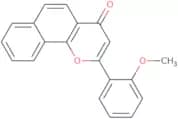
CAS:<p>4-Chloro-2-(trifluoromethoxy)aniline is a fine chemical that is used as a building block in the synthesis of other chemicals, such as pharmaceuticals and agrochemicals. It is also used in research as a reagent for organic synthesis and as a speciality chemical. 4-Chloro-2-(trifluoromethoxy)aniline has versatile applications in the manufacture of complex compounds, intermediates, and scaffolds.</p>Formula:C7H5ClF3NOPurity:Min. 95%Molecular weight:211.57 g/mol2'-Methoxy-α-naphthoflavone
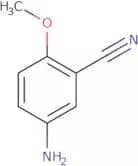
CAS:<p>2'-Methoxy-alpha-naphthoflavone is a fine chemical that can be synthesized from naphthalene, benzaldehyde, and methoxyacetic acid. It is a versatile building block for research chemicals and has been shown to have high quality. 2'-Methoxy-alpha-naphthoflavone has been used as a reaction component in the synthesis of complex compounds with interesting biological activities.</p>Formula:C20H14O3Purity:Min. 95%Molecular weight:302.32 g/mol5-Amino-2-methoxybenzonitrile
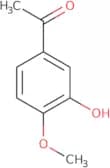
CAS:<p>Please enquire for more information about 5-Amino-2-methoxybenzonitrile including the price, delivery time and more detailed product information at the technical inquiry form on this page</p>Formula:C8H8N2OPurity:Min. 95%Molecular weight:148.16 g/mol3'-Hydroxy-4'-methoxyacetophenone
CAS:<p>3'-Hydroxy-4'-methoxyacetophenone is a chemical compound with the molecular formula CHO and it belongs to the group of bisbenzylisoquinoline alkaloids. It is a white crystalline powder that has a dry weight of 155.2g/mol and melting point of 154-158°C. 3'-Hydroxy-4'-methoxyacetophenone is used as an intermediate in the synthesis of other chemicals, such as methyl transferase inhibitors like metronidazole or oxidative stress agents like benzoquinones. 3'-Hydroxy-4'-methoxyacetophenone can be found in bowel disease patients, where it may be produced by bacteria in the gut. This chemical also has UV absorption properties and can be used as a sample preparation agent for hydroalcoholic samples.</p>Formula:C9H10O3Purity:Min. 95%Color and Shape:PowderMolecular weight:166.17 g/mol2-Fluoro-6-methoxybenzonitrile
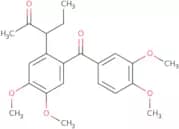
CAS:<p>2-Fluoro-6-methoxybenzonitrile (2FMN) is a compound that is used as a starting material for the synthesis of other pharmaceuticals. It has been shown to bind to the acetylcholine receptor by using vibrational spectroscopy and functional theory. It also has been shown to be an effective chemokine inhibitor. Computational methods were used to optimize 2FMN's binding affinity for the acetylcholine receptor, and it was found that 2FMN binds with a dipole orientation in order to increase its binding affinity.</p>Formula:C8H6FNOPurity:Min. 95%Color and Shape:PowderMolecular weight:151.14 g/mol3-(2-(3,4-Dimethoxybenzoyl)-4,5-dimethoxyphenyl)pentan-2-one
CAS:<p>3-(2-(3,4-Dimethoxybenzoyl)-4,5-dimethoxyphenyl)pentan-2-one is an alkylene that is produced by the reaction of hydrazine with 2,3,4-trimethoxybenzoic acid. This molecule has been shown to have anxiolytic properties in animal studies and hydrolyzes to form ethylene glycol. 3-(2-(3,4-Dimethoxybenzoyl)-4,5-dimethoxyphenyl)pentan-2-one also has a hydrolysis product of tofisopam. Tofisopam is an organic acid that has been used as an antidepressant for the treatment of anxiety disorders.</p>Formula:C22H26O6Purity:Min. 95%Molecular weight:386.44 g/mol(2R,3S)-2-[(1R)-1-[3,5-Bis(trifluoromethyl)phenyl]ethoxy]-3-(4-fluorophenyl)morpholine hydrochloride
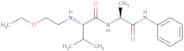
CAS:<p>Please enquire for more information about (2R,3S)-2-[(1R)-1-[3,5-Bis(trifluoromethyl)phenyl]ethoxy]-3-(4-fluorophenyl)morpholine hydrochloride including the price, delivery time and more detailed product information at the technical inquiry form on this page</p>Formula:C20H18F7NO2•HClPurity:Min. 95%Molecular weight:473.81 g/molN-2-Ethoxyethyl-Val-Ala-anilide
CAS:<p>Please enquire for more information about N-2-Ethoxyethyl-Val-Ala-anilide including the price, delivery time and more detailed product information at the technical inquiry form on this page</p>Formula:C18H29N3O3Purity:Min. 95%Molecular weight:335.44 g/molDolastatin 15 (5S)-1-[(2S)-O-(N,N-Dimethyl-Val-Val-N-Me-Val-Pro-Pro)-2-hydroxyisovaleryl]-2-oxo-4-methoxy-5-benzyl-3-pyrroline
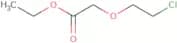
CAS:<p>Dolastatin 15 (5S)-1-[(2S)-O-(N,N-Dimethyl-Val-Val-N-Me-Val-Pro-Pro)-2-hydroxyisovaleryl]-2-oxo-4-methoxy-5-benzylpyrrolidinium is a natural compound that has been isolated from the Indian Ocean sea hare Dolabella auricularia. It has shown significant cytotoxicity against cancer cells as well as significant immunosuppressive activities in animals. Dolastatin 15 is an analog of dolastatin 10 and has been shown to be active against hepatitis B and C virus. It also has antiinflammatory properties and may be effective in combating autoimmune diseases. The synthesis of this compound is an asymmetric synthesis with a hydroxyl group on one side of the molecule and an amide on the other side.</p>Formula:C45H68N6O9Purity:Min. 95%Molecular weight:837.06 g/molEthyl 2-(2-chloroethoxy)acetate
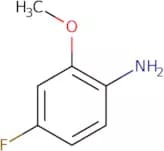
CAS:<p>Please enquire for more information about Ethyl 2-(2-chloroethoxy)acetate including the price, delivery time and more detailed product information at the technical inquiry form on this page</p>Formula:C6H11ClO3Purity:Min. 95%Molecular weight:166.6 g/mol4-Fluoro-2-methoxyaniline
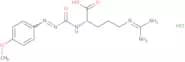
CAS:<p>4-Fluoro-2-methoxyaniline is an inhibitor of tyrosine kinase. It is a molecule that has been isolated from the ground leaves of erythroxylon coca and is used in the treatment of diabetes mellitus. 4-Fluoro-2-methoxyaniline inhibits the growth factor receptor, epidermal growth factor (EGF), and its receptor, EGF receptor. This inhibition leads to decreased proliferation of epidermal cells and decreased insulin production by pancreatic beta cells. 4-Fluoro-2-methoxyaniline also has antioxidant properties, which may be due to its ability to scavenge free radicals.</p>Formula:C7H8FNOPurity:Min. 95%Color and Shape:Light Brown To Brown LiquidMolecular weight:141.14 g/molN-(4-Methoxyphenylazoformyl)-Arg-OH·HCl
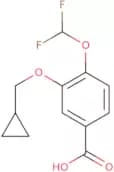
CAS:<p>Please enquire for more information about N-(4-Methoxyphenylazoformyl)-Arg-OH·HCl including the price, delivery time and more detailed product information at the technical inquiry form on this page</p>Formula:C14H20N6O4·HClPurity:Min. 95%Color and Shape:Orange Red SolidMolecular weight:372.81 g/mol3-Cyclopropylmethoxy-4-difluoromethoxy-benzoic acid
CAS:<p>3-Cyclopropylmethoxy-4-difluoromethoxy-benzoic acid is an industrial chemical that is used as a binding agent in the production of dyes, rubber, and pharmaceuticals. The compound is produced by the acylation of 3-chloromethoxybenzoic acid with cyclopropylmethanol. This reaction requires an inorganic base such as potassium carbonate or sodium bicarbonate to activate the chloride. 3-Cyclopropylmethoxy-4-difluoromethoxybenzoic acid can be used as a reactive alkylating agent for the production of amides and other organic compounds, which increases its versatility.</p>Formula:C12H12O4F2Purity:Min. 95%Color and Shape:White/Off-White SolidMolecular weight:258.22 g/mol4-[(4-chlorophenyl)-2-pyridinylmethoxy]-1-piperidinecarboxylic acid ethylester
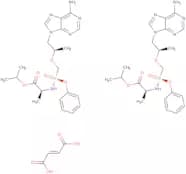
CAS:<p>Please enquire for more information about 4-[(4-chlorophenyl)-2-pyridinylmethoxy]-1-piperidinecarboxylic acid ethylester including the price, delivery time and more detailed product information at the technical inquiry form on this page</p>Formula:C20H23ClN2O3Purity:Min. 95%Molecular weight:374.86 g/mol1-Methylethyl N-((S)-(((1R)-2-(6-amino-9H-purin-9-yl)-1-methylethoxy)methyl)phenoxyphosphinoyl)-L-alaninate
CAS:<p>Tenofovir is a nucleoside analog reverse transcriptase inhibitor that binds to the RNA-dependent polymerase. This compound is used in combination with other antiviral agents for the treatment of HIV-1 infection and for prophylaxis against HIV-1 infection. Tenofovir has been shown to be effective against infections caused by strains of HIV-1, such as the drug resistant virus. Tenofovir is absorbed rapidly after oral administration, with a bioavailability of over 80%. The prodrug fumarate is hydrolyzed to tenofovir in vivo and this conversion occurs more efficiently in acidic conditions. Alafenamide, a prodrug of tenofovir, has been approved by the FDA as an alternative to tenofovir disoproxil fumarate (TDF) for the treatment of HIV-1 infection. Alafenamide is an acyclic nucleoside phosphonate that inhibits viral replication by inhibiting reverse</p>Formula:C46H62N12O14P2Purity:Min. 95%Color and Shape:PowderMolecular weight:1,069 g/mol5-Chloro-2,4-dimethoxyaniline
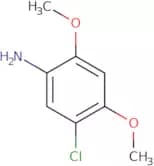
CAS:<p>5-Chloro-2,4-dimethoxyaniline (5-CDA) is a crystalline solid that belongs to the amine class of chemical compounds. It is used in the production of polyhalogenated anilines and nitrosamines, which are known carcinogens. 5-CDA has been shown to be toxic to animals at high doses and can cause health effects such as irritation of the eyes, skin, and respiratory tract; central nervous system depression; and gastrointestinal disturbances. The toxicity of this compound is related to its ability to form nitrosamines when it comes into contact with nitrite or other N-nitroso compounds. 5-CDA is also present in wastewater effluents from paper mills and agricultural runoff from triticum aestivum fields.</p>Formula:C8H10ClNO2Purity:Min. 95%Molecular weight:187.62 g/mol1,2-Difluoro-4,5-dimethoxybenzene
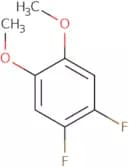
CAS:<p>Diffraction is a technique that is used to measure the angles of the reflections from a crystal or other material. Single-crystal x-ray diffraction (SCXRD) is one form of diffraction that uses a single crystal to generate an image. Diffraction was first observed in 1807 by English scientist William Hyde Wollaston and French physicist Joseph von Fraunhofer. Diffraction can be used to determine the structures of ionic, linear, or annulated frameworks, such as those found in 1,2-Difluoro-4,5-dimethoxybenzene. The molecular geometry and relative orientation of the atoms in these frameworks can be determined through diffraction. This technique is often used to characterize polymers with cyclic structures such as penicillin and cyclic voltammetry. <br>Diffraction studies have shown that 1,2-Difluoro-4,5-dimethoxybenzene has a hydroxylase</p>Formula:C8H8F2O2Purity:Min. 97 Area-%Color and Shape:PowderMolecular weight:174.14 g/mol5-Bromo-2-(trifluoromethoxy)benzaldehyde
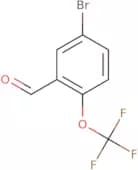
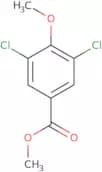
CAS:<p>5-Bromo-2-(trifluoromethoxy)benzaldehyde is a chemical that is used as a reactant in organic chemistry. It can be used as a building block for the synthesis of complex compounds, or as an intermediate in the preparation of fine chemicals. 5-Bromo-2-(trifluoromethoxy)benzaldehyde is also useful in research and development. It has been used to synthesize pharmaceuticals, pesticides, and other organic compounds.</p>Formula:C8H4BrF3O2Purity:Min. 95%Color and Shape:PowderMolecular weight:269.02 g/molMethyl 3,5-dichloro-4-methoxybenzoate
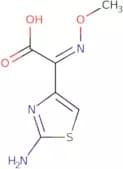
CAS:<p>Methyl 3,5-dichloro-4-methoxybenzoate is a fine chemical and useful building block for research chemicals. It belongs to the class of speciality chemicals and can be used as a reagent in organic synthesis. Methyl 3,5-dichloro-4-methoxybenzoate is a versatile building block that has been reported in the synthesis of many complex compounds. This compound can also be used as an intermediate or scaffold for medicinal chemistry applications.</p>Formula:C9H8Cl2O3Purity:Min. 95%Molecular weight:235.06 g/mol2-Amino-a-(methoxyimino)-4-thiazoleacetic acid
CAS:<p>2-Amino-a-(methoxyimino)-4-thiazoleacetic acid is a reaction product of cefotaxime and n-dimethyl formamide. It has been shown to be an effective agent for the treatment of wastewater with a high organic content. 2-Amino-a-(methoxyimino)-4-thiazoleacetic acid also reacts with chloride ions to form cleavage products that are soluble in water, making it an ideal choice for wastewater treatment. This compound is not toxic and can be used as a drug to treat patients with infections caused by bacteria resistant to other antibiotics. 2-Amino-a-(methoxyimino)-4-thiazoleacetic acid binds to mismatched base pairs in DNA, inhibiting DNA synthesis and causing cell death by apoptosis.</p>Formula:C6H7N3O3SPurity:Min. 95%Molecular weight:201.2 g/molH-D-Cys(4-methoxytrityl)-2-chlorotrityl resin (200-400 mesh)
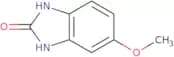
<p>Please enquire for more information about H-D-Cys(4-methoxytrityl)-2-chlorotrityl resin (200-400 mesh) including the price, delivery time and more detailed product information at the technical inquiry form on this page</p>Purity:Min. 95%2-Hydroxy-5-methoxybenzimidazole
CAS:<p>Please enquire for more information about 2-Hydroxy-5-methoxybenzimidazole including the price, delivery time and more detailed product information at the technical inquiry form on this page</p>Formula:C8H8N2O2Purity:Min. 95%Molecular weight:164.16 g/mol2-[(4-Chloro-2-nitrophenyl)azo]-N-(2-methoxyphenyl)-3-oxobutanamide
CAS:<p>2-[(4-Chloro-2-nitrophenyl)azo]-N-(2-methoxyphenyl)-3-oxobutanamide is a chelating agent that has been used as a control agent in the manufacture of dyes, plastics, and rubber. It is also used as an additive in paints, textiles, and paper. 2-[(4-Chloro-2-nitrophenyl)azo]-N-(2-methoxyphenyl)-3-oxobutanamide is nonvolatile, nonflammable, and does not produce toxic byproducts when heated. This compound has low molecular weight with a molecular formula of C12H13NO5Cl. The structure of this compound includes two hydroxy groups (OH), one aliphatic hydrocarbon group (CH3), one carboxylic acid group (COOH), and three chlorine atoms (Cl). This product is soluble in water</p>Formula:C17H15ClN4O5Color and Shape:Yellow Clear LiquidMolecular weight:390.78 g/molO-Bis(2-aminoethoxy)benzene
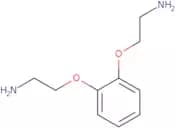
CAS:<p>O-Bis(2-aminoethoxy)benzene is a cyclic compound that has a predominantly thionyl character. It has an amide group, which is formed by the condensation of two carboxylic acids. O-Bis(2-aminoethoxy)benzene can act as a ligand for metal ions in the form of an anion or chloride ion, and it also interacts with neutral ligands. This compound can be used to prepare ferrocenyl derivatives through alkylation. The interaction between O-Bis(2-aminoethoxy)benzene and ferrocene was studied using voltammetry.</p>Formula:C10H16N2O2Purity:Min. 95%Molecular weight:196.25 g/mol5-(Difluoromethoxy)-2-mercaptobenzimidazole
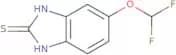
CAS:<p>5-(Difluoromethoxy)-2-mercaptobenzimidazole is an organic solvent that is used in the crystallization process of pantoprazole, a benzimidazole derivative. It is also used as a corrosion inhibitor and pump inhibitor in analytical chemistry. The purity of 5-(difluoromethoxy)-2-mercaptobenzimidazole can be determined by chromatographic methods or by the use of analytical chemistry. Impurities may be genotoxic and include reactive impurities such as thiourea and 2-thiouracil. These impurities are removed during the synthetic process to produce 5-(difluoromethoxy)-2-mercaptobenzimidazole. This drug substance has been found to inhibit DNA polymerase activity in vitro, but its effects on human cells have not been studied.</p>Formula:C8H6F2N2OSPurity:Min. 95%Color and Shape:Off-White PowderMolecular weight:216.21 g/mol







![(2-{Ethyl-[4-(4-nitro-phenylazo)-phenyl]-amino}-ethoxy)-acetic acid-4-nitro-phenyl ester](/_next/image/?url=https%3A%2Fstatic.cymitquimica.com%2Fproducts%2F3D%2Fthumb-webp%2FFE111186.webp&w=3840&q=75)


![(2R,3S)-2-[(1R)-1-[3,5-Bis(trifluoromethyl)phenyl]ethoxy]-3-(4-fluorophenyl)morpholine hydrochlori…](/_next/image/?url=https%3A%2Fstatic.cymitquimica.com%2Fproducts%2F3D%2Fthumb-webp%2FFB102459.webp&w=3840&q=75)
![Dolastatin 15 (5S)-1-[(2S)-O-(N,N-Dimethyl-Val-Val-N-Me-Val-Pro-Pro)-2-hydroxyisovaleryl]-2-oxo-4-…](/_next/image/?url=https%3A%2Fstatic.cymitquimica.com%2Fproducts%2F3D%2Fthumb-webp%2FFD110329.webp&w=3840&q=75)
![4-[(4-chlorophenyl)-2-pyridinylmethoxy]-1-piperidinecarboxylic acid ethylester](/_next/image/?url=https%3A%2Fstatic.cymitquimica.com%2Fproducts%2F3D%2Fthumb-webp%2FFP152183.webp&w=3840&q=75)

![2-[(4-Chloro-2-nitrophenyl)azo]-N-(2-methoxyphenyl)-3-oxobutanamide](/_next/image/?url=https%3A%2Fstatic.cymitquimica.com%2Fproducts%2F3D%2Fthumb-webp%2FFC149929.webp&w=3840&q=75)