Ethers
Ethers are organic compounds containing an ether functional group, characterized by an oxygen atom bonded to two hydrocarbon radicals. These compounds are valuable in synthesis and serve as solvents in various chemical reactions. At CymitQuimica, we offer a selection of high-quality ethers to support your research and industrial applications, ensuring reliable and effective results. Our range of ethers meets diverse laboratory requirements, from routine experiments to advanced research.
Found 40712 products of "Ethers"
Sort by
Purity (%)
0
100
|
0
|
50
|
90
|
95
|
100
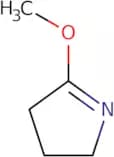
5-Methoxy-3,4-dihydro-2H-pyrrole
CAS:<p>5-Methoxy-3,4-dihydro-2H-pyrrole is a chemical compound that contains a pyrrole ring. It can be found in the form of dehydrogenation and intramolecular hydrogen. 5-Methoxy-3,4-dihydro-2H-pyrrole has been shown to have antibacterial effects against Mycobacterium tuberculosis and other bacteria. 5-Methoxy-3,4-dihydro-2H-pyrrole also reacts with nitroacetate to form an aziridine, which is an intermediate in the synthesis of several pharmaceuticals. This chemical compound is used in the preparation of bipyrrole compounds such as naphthalene and alicyclic compounds such as nitrophenols.</p>Formula:C5H9NOPurity:Min. 95%Molecular weight:99.13 g/mol(2-Methoxypropyl)amine hydrochloride
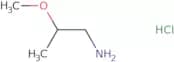
CAS:<p>2-Methoxypropyl)amine hydrochloride (2MPPA) is a versatile building block that can be used in the synthesis of complex compounds. It is a research chemical that is used as a reagent and as a speciality chemical for the production of pharmaceuticals, agrochemicals, and other organic chemicals. 2MPPA can be used as an intermediate in the manufacture of useful scaffolds or useful reaction components. This product has CAS number 70807-90-8 and is of high quality.</p>Formula:C4H11NO·HClPurity:Min. 95%Color and Shape:SolidMolecular weight:125.6 g/mol3,4,5-Trimethoxybenzoic acid anhydride
CAS:<p>3,4,5-Trimethoxybenzoic acid anhydride is a synthetic chemical compound that is used as a pharmaceutical intermediate. It is mainly used to prepare potent anticancer agents and potent anticancer drugs. 3,4,5-Trimethoxybenzoic acid anhydride reacts with amines in the presence of a base to form substituted amides. This reaction has been shown by crystal x-ray diffraction to be sensitive to the solvent polarity and temperature of the reaction medium. The compound can also react with chloride ion to form 3,4,5-trichlorobenzoic acid anhydride (3TCBA).</p>Formula:C20H22O9Purity:(%) Min. 85%Color and Shape:PowderMolecular weight:406.38 g/mol7-Methoxy-4-(trifluoromethyl)coumarin
CAS:<p>7-Methoxy-4-(trifluoromethyl)coumarin is a potent and selective aromatase inhibitor. It inhibits the activity of the enzyme, which converts testosterone to estradiol. The inhibition of this enzyme may be beneficial in the treatment of breast cancer. This compound has also been shown to inhibit the activity of P450 enzymes and coumarin derivatives, which are involved in drug metabolism and detoxification.</p>Formula:C11H7F3O3Purity:Min. 95%Molecular weight:244.17 g/mol7α-Methyl-3,3-dimethoxy-5(10)-estrene-17-one
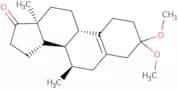
CAS:Controlled Product<p>Please enquire for more information about 7alpha-Methyl-3,3-dimethoxy-5(10)-estrene-17-one including the price, delivery time and more detailed product information at the technical inquiry form on this page</p>Formula:C21H32O3Purity:Min. 95%Color and Shape:PowderMolecular weight:332.48 g/mol1,3-Bis(methoxycarbonyl)-2-methyl-2-thiopseudourea
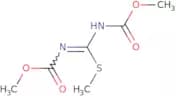
CAS:<p>1,3-Bis(methoxycarbonyl)-2-methyl-2-thiopseudourea (BMTC) is a novel anticancer agent that has been synthesized to be water soluble and also has significant cytotoxicity. BMTC is believed to exert its anticancer activity by binding to the colchicine binding site on tubulin which is involved in microtubule dynamics. The antitubulin effect of BMTC results in inhibition of cell division and growth. BMTC also inhibits cancer cell proliferation and migration. It has shown significant cytotoxicity against human prostate cancer cells and ovarian cancer cells, as well as inhibiting tumor xenografts in mice.</p>Formula:C6H10N2O4SPurity:Min. 95%Color and Shape:White PowderMolecular weight:206.22 g/mol3-(3,5-Dimethoxyphenyl)propionic acid methyl ester
CAS:<p>3-(3,5-Dimethoxyphenyl)propionic acid methyl ester is a reagent that is used as a reactant in organic synthesis. It is also useful as a scaffold for the synthesis of heterocycles and other complex compounds. 3-(3,5-Dimethoxyphenyl)propionic acid methyl ester is used in research chemical synthesis and as a versatile building block for the production of fine chemicals. This chemical can be used to create products such as pharmaceuticals, pesticides, and cosmetics.</p>Formula:C12H16O4Purity:Min. 95%Molecular weight:224.25 g/molFmoc-L-Lys[Oct-(otBu)-Glu-(otBu)-AEEA-AEEA]-OH
CAS:<p>Please enquire for more information about Fmoc-L-Lys[Oct-(otBu)-Glu-(otBu)-AEEA-AEEA]-OH including the price, delivery time and more detailed product information at the technical inquiry form on this page</p>Formula:C64H101N5O16Purity:Min. 95%Molecular weight:1,196.51 g/mol8-Desmethoxy-8-fluoro moxifloxacin
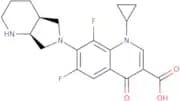
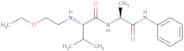
CAS:<p>8-Desmethoxy-8-fluoro moxifloxacin is a photolytic drug that is used to treat bacterial infections. It has a high degree of antibacterial activity against methicillin-resistant staphylococcus aureus, including methicillin resistant strains of Staphylococcus epidermidis. 8-Desmethoxy-8-fluoro moxifloxacin hydrochloride is produced by the addition of hydrochloric acid to moxifloxacin, which is then purified by ion chromatography. The compound has been shown to have good stability in human plasma and urine. It also shows excellent recoveries in acetonitrile and quantification results in flow rates.</p>Formula:C20H21F2N3O3Purity:Min. 95%Molecular weight:389.4 g/molN-2-Ethoxyethyl-Val-Ala-anilide
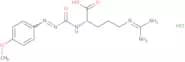
CAS:<p>Please enquire for more information about N-2-Ethoxyethyl-Val-Ala-anilide including the price, delivery time and more detailed product information at the technical inquiry form on this page</p>Formula:C18H29N3O3Purity:Min. 95%Molecular weight:335.44 g/molN-(4-Methoxyphenylazoformyl)-Arg-OH·HCl
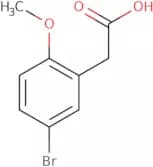
CAS:<p>Please enquire for more information about N-(4-Methoxyphenylazoformyl)-Arg-OH·HCl including the price, delivery time and more detailed product information at the technical inquiry form on this page</p>Formula:C14H20N6O4·HClPurity:Min. 95%Color and Shape:Orange Red SolidMolecular weight:372.81 g/mol(5-Bromo-2-methoxyphenyl)acetic acid
CAS:<p>5-Bromo-2-methoxyphenyl)acetic acid (BMPEA) is a hydroxylated derivative of aspartic acid. It has been shown to induce apoptotic cell death in various cell lines, including human lung cells and rat hippocampal cells. BMPEA is synthesized by the solid-phase method and is characterized by a constant structure. It can be used to treat degenerative diseases and other conditions where apoptosis is desirable, such as Alzheimer's disease, Parkinson's disease, amyotrophic lateral sclerosis, retinitis pigmentosa, and Duchenne muscular dystrophy.</p>Formula:C9H9BrO3Purity:Min. 95%Color and Shape:PowderMolecular weight:245.07 g/mol2-Iodo-5-methoxybenzoic acid
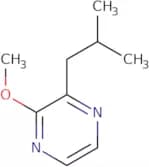
CAS:<p>2-Iodo-5-methoxybenzoic acid is a macrocyclic compound that has been synthesized in the Wittig reaction. It was first prepared by catalyzed intramolecular aryl demethylation of 2-iodo-5-nitrobenzoic acid, followed by coupling with methyl vinyl ketone. The cytotoxic activity of this compound is due to its ability to inhibit the synthesis of protein and DNA and induce apoptosis. This molecule has been shown to be effective against liverworts and ethers.</p>Formula:C8H7IO3Purity:Min. 95%Color and Shape:PowderMolecular weight:278.04 g/mol2-Isobutyl-3-methoxypyrazine
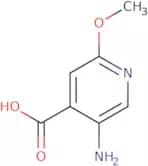
CAS:<p>2-Isobutyl-3-methoxypyrazine is a hydrophobic compound that is not soluble in water. It has a bound form and can be titrated with calorimetry. 2-Isobutyl-3-methoxypyrazine is synthesized by reacting 2,2,4-trimethylpentane with methoxyacetone in the presence of sodium methylate. The compound has been detected as an odorant in numerous plant species and is believed to play a role in plant physiology. 2-Isobutyl-3-methoxypyrazine has been shown to have potent antiviral activity against infectious diseases such as HIV, herpes simplex virus type 1 (HSV1), and varicella zoster virus (VZV). This specific antiviral activity may be due to its ability to bind fatty acids by hydrogen bonds, which may interfere with the synthesis of viral membranes.</p>Formula:C9H14N2OPurity:Min. 95%Molecular weight:166.22 g/mol5-Amino-2-methoxyisonicotinic acid
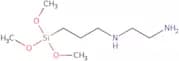
CAS:<p>5-Amino-2-methoxyisonicotinic acid is a carboxylic acid that is used in the synthesis of aminopyridines. The compound can be synthesized from formamidine acetate and diethyl dicarbonate. This process involves lithiation, followed by addition of an amine and finally conversion to the desired product with formamidine acetate. 5-Amino-2-methoxyisonicotinic acid can also be synthesized from formamide and diethyl ether. 5-Amino-2-methoxyisonicotinic acid is an analog of 2,4,6-trimethylaniline and has been shown to have similar properties to this compound, including strong basicity.</p>Formula:C7H8N2O3Purity:Min. 95%Molecular weight:168.15 g/molN-(2-Aminoethyl)-3-(trimethoxysilyl)propylamine
CAS:<p>N-(2-Aminoethyl)-3-(trimethoxysilyl)propylamine (NAP) is a cationic surfactant that is used as a fluorescent probe to study the binding of proteins to cell surface integrin receptors. The adsorption mechanism is based on the interaction between the hydrophobic parts of the protein and the hydrophobic parts of NAP. This interaction leads to an increase in the concentration of NAP at the interface and thus an increase in fluorescence. NAP has been shown to bind human serum albumin, fatty acids, and monoclonal antibodies with high affinity. It also has been shown to bind to plasma proteins through hydrogen bonding. The optimum concentration for NAP adsorption is 1mM.</p>Formula:C8H22N2O3SiPurity:Min. 95%Molecular weight:222.36 g/mol8-[(1E)-2-(3,4-Dimethoxyphenyl)ethenyl]-1,3-diethyl-3,9-dihydro-1H-purine-2,6-dione
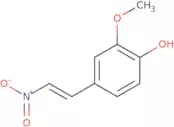
CAS:Controlled Product<p>Please enquire for more information about 8-[(1E)-2-(3,4-Dimethoxyphenyl)ethenyl]-1,3-diethyl-3,9-dihydro-1H-purine-2,6-dione including the price, delivery time and more detailed product information at the technical inquiry form on this page</p>Formula:C19H22N4O4Purity:Min. 95%Color and Shape:PowderMolecular weight:370.4 g/mol1-(4-Hydroxy-3-methoxyphenyl)-2-nitroethene
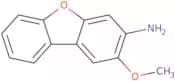
CAS:<p>1-(4-Hydroxy-3-methoxyphenyl)-2-nitroethene is an experimental molecule that was not previously known to exist. The intramolecular reaction of 1,4-dihydroxynitrobenzene and glyoxylic acid yields the product. It is a phenolic compound with biological activity, which has been shown to inhibit glycosidases and alkaloids.</p>Formula:C9H9NO4Purity:Min. 95%Color and Shape:SolidMolecular weight:195.17 g/mol3-Amino-2-methoxy-dibenzofuran
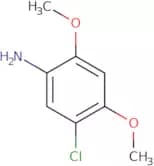
CAS:<p>3-Amino-2-methoxy-dibenzofuran (3AMD) is a cytotoxic agent that is used in the treatment of bladder carcinoma. 3AMD inhibits DNA synthesis, leading to cell death by inhibiting the production of proteins vital for cell division. 3AMD has been shown to be a potent inhibitor of cyclen-dependent kinases and to induce DNA damage in human cells. 3AMD also has significant cytotoxicity against malignant cells and has been shown to inhibit the growth of tumours in mice. 3AMD may have carcinogenic potential due to its structural similarity with other carcinogens such as aniline and aminobiphenyl.</p>Purity:Min. 95%Molecular weight:213.23 g/mol5-Chloro-2,4-dimethoxyaniline
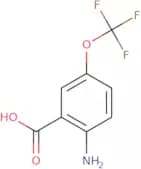
CAS:<p>5-Chloro-2,4-dimethoxyaniline (5-CDA) is a crystalline solid that belongs to the amine class of chemical compounds. It is used in the production of polyhalogenated anilines and nitrosamines, which are known carcinogens. 5-CDA has been shown to be toxic to animals at high doses and can cause health effects such as irritation of the eyes, skin, and respiratory tract; central nervous system depression; and gastrointestinal disturbances. The toxicity of this compound is related to its ability to form nitrosamines when it comes into contact with nitrite or other N-nitroso compounds. 5-CDA is also present in wastewater effluents from paper mills and agricultural runoff from triticum aestivum fields.</p>Formula:C8H10ClNO2Purity:Min. 95%Molecular weight:187.62 g/mol2-Amino-5-(trifluoromethoxy)benzoic acid
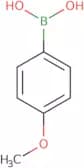
CAS:<p>Please enquire for more information about 2-Amino-5-(trifluoromethoxy)benzoic acid including the price, delivery time and more detailed product information at the technical inquiry form on this page</p>Formula:C8H6F3NO3Purity:Min. 95%Molecular weight:221.13 g/mol4-Methoxyphenyl boronic acid
CAS:<p>4-Methoxyphenyl boronic acid is a molecule with a hydroxyl group and a boronic acid. It is synthesized by reacting biphenyl with trifluoroacetic acid in the presence of sodium carbonate and palladium-catalyzed coupling. 4-Methoxyphenyl boronic acid has shown to bind to the receptor for fatty acids, which may be due to its structural similarity to p-hydroxybenzoic acid. The protonated form of this molecule has been shown to react with an electrophilic carbon atom and an electron-deficient alkyl or vinyl halide, resulting in ring formation. This reaction is known as the Suzuki coupling reaction.</p>Formula:C7H9BO3Purity:Min. 95%Color and Shape:PowderMolecular weight:151.96 g/mol6-Methoxy-2,3,4,9-tetrahydro-1H-β-carbolin-1-one
CAS:<p>6-Methoxy-2,3,4,9-tetrahydro-1H-beta-carbolin-1-one is a β-carboline alkaloid that is structurally related to harmaline and tetrahydroharmine. It has been shown to have antidepressant activity in animals. 6-Methoxy-2,3,4,9-tetrahydro-1H-beta-carbolin-1-one was analyzed by GC/MS and found to be present in the leaves of plants from the genus Tetraclinis. 6MHBC was also identified as a metabolite of diazepam in rat urine after administration of a single oral dose of 10 mg/kg diazepam. The observed β carboline metabolite was determined to be 6MHBC.</p>Formula:C12H12N2O2Purity:Min. 95%Molecular weight:216.24 g/mol4-Fluoro-2-methoxy-5-nitroaniline
CAS:<p>Intermediate in the synthesis of osimertinib (AZD9291)</p>Formula:C7H7FN2O3Purity:Min. 95%Molecular weight:186.14 g/mol2-(2-Ethoxyphenoxy)ethyl bromide
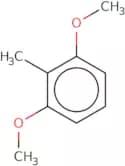
CAS:<p>2-(2-Ethoxyphenoxy)ethyl bromide is a substance that is found as an impurity in the drug sulphonamide. It has been shown to be an optical isomer of methanol and ethanol, which have base form. The substance crystallizes in the form of white needles and its base form is tamsulosin hydrochloride. It has been used as a reagent for organic chemistry reactions, such as recrystallization, and as an impurity in organic solvents.</p>Formula:C10H13BrO2Purity:Min. 95%Molecular weight:245.11 g/mol2,6-Dimethoxytoluene
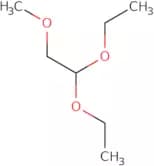
CAS:<p>2,6-Dimethoxytoluene is a regiospecific pentafluorophenyl compound with a thermal isomerization. It is an extractive yield that can be isolated from the reaction of acetaldehyde and formaldehyde in the presence of an imine. The process of making 2,6-dimethoxytoluene begins by reacting chloromethane with oxygenated tetrafluorobenzyne to make an intermediate. Then, this intermediate reacts with methoxylated fatty acids to create the final product. This reaction is stereoselective because it produces only one stereoisomer of 2,6-dimethoxytoluene.</p>Formula:C9H12O2Purity:Min. 95%Color and Shape:PowderMolecular weight:152.19 g/molMethoxyacetaldehyde diethyl acetal
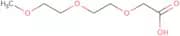
CAS:<p>Methoxyacetaldehyde diethyl acetal is a viscous liquid with a low vapor pressure. This substance is stable at high temperatures and has a high resistance to chemical interactions. It is also hydrophobic in nature. Methoxyacetaldehyde diethyl acetal has been shown to interact with the aminoglycoside antibiotics, erythromycin, streptomycin, and neomycin. The interaction of this substance with these antibiotics may be due to the fact that it has proton resonances similar to those of amino acids, as well as its ability to form hydrogen bonds with the antibiotic molecules. Methoxyacetaldehyde diethyl acetal also interacts with triethyl orthoformate, which can lead to the formation of an ester bond between them.</p>Formula:C7H16O3Purity:Min. 95%Color and Shape:Colorless Clear LiquidMolecular weight:148.2 g/mol(2-(2-Methoxyethoxy)ethoxy)acetic acid
CAS:<p>2-(2-Methoxyethoxy)ethoxy)acetic acid (MEAA) is a cell stabilizer that can be used in the treatment of cancer, diabetes, and other diseases. MEAA has been shown to inhibit the growth of cells by binding to and stabilizing the cytoskeleton through inhibition of protein synthesis. It also prevents the activation of pro-inflammatory cytokines and reactive oxygen species. MEAA's magnetic resonance spectroscopy properties have been studied in detail and it has been shown to bind well with silver ions. MEAA has also been shown to have high cytotoxicity when combined with laser ablation therapy.</p>Formula:C7H14O5Purity:90%Color and Shape:Clear LiquidMolecular weight:178.18 g/mol(4S,5R)-3-Benzoyl-2-(4-methoxyphenyl)-4-phenyl-5-oxazolidinecarboxylic acid
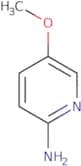
CAS:<p>Please enquire for more information about (4S,5R)-3-Benzoyl-2-(4-methoxyphenyl)-4-phenyl-5-oxazolidinecarboxylic acid including the price, delivery time and more detailed product information at the technical inquiry form on this page</p>Formula:C24H21NO5Purity:Min. 95%Color and Shape:White To Off-White SolidMolecular weight:403.43 g/mol2-Amino-5-methoxypyridine
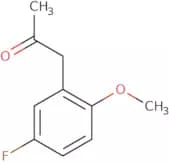
CAS:<p>2-Amino-5-methoxypyridine (2AM5MP) is a synthetic compound that is used to study the nicotinic acetylcholine receptor. It has been shown that 2AM5MP can be used as an agonist for the nicotinic acetylcholine receptor, which may be due to its ability to act as a substrate for amine oxidase. This compound has been shown to have anti-cancer properties and fluoresce when exposed to positron emission tomography (PET) scans. The anti-cancer effects of 2AM5MP are thought to be due to its ability to inhibit cancer cell proliferation and induce cancer cell apoptosis.</p>Formula:C6H8N2OPurity:Min. 95%Molecular weight:124.14 g/mol5-Fluoro-2-methoxyphenylacetone
CAS:<p>5-Fluoro-2-methoxyphenylacetone is a chemical with a wide array of applications in research and industry. It is a versatile building block, useful intermediate, and reagent for organic synthesis. This compound has been used as a starting material in the synthesis of other compounds. CAS No. 1017082-10-8</p>Formula:C10H11FO2Color and Shape:PowderMolecular weight:182.19 g/molEthyl-2-ethoxy-1-[[(2'-cyanobiphenyl-4-yl) methyl] benzimidazole-7-carboxylate
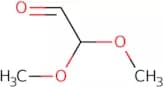
CAS:<p>Candesartan is a selective angiotensin II receptor antagonist that inhibits the binding of angiotensin II to its receptors, which in turn decreases the activity of angiotensin-converting enzyme. Candesartan cilexetil is an ester prodrug that has been shown to be effective in the treatment of high blood pressure. In the crystalline form, candesartan cilexetil is a white powder with a melting point of 130–135 °C and a solubility in water of >1 g/L. The molecular weight of candesartan cilexetil is 393.8 g/mol and it has a molecular formula C17H21NO2S. The chemical structure consists of two benzimidazole rings coupled together through an ethyl-2-ethoxy linker and attached to a carboxylate group on one end and an amide group on the other</p>Formula:C26H23N3O3Purity:Min. 95%Molecular weight:425.48 g/mol2,2-Dimethoxyacetaldehyde - About 60% water solution
CAS:<p>2,2-Dimethoxyacetaldehyde is an inhibitor of the enzyme DNA polymerase. It has been shown to inhibit replication of the herpes simplex virus type 1 and 2 (HSV-1, HSV-2) in cell cultures. 2,2-Dimethoxyacetaldehyde has also been shown to inhibit the replication of HIV in cells and is a potential antiviral agent. This compound is also used as a building block for other drugs such as amide and ester hydrochloride. It is synthesized from 2,2-dimethoxypropane and formaldehyde with a two step process that starts with an asymmetric synthesis reaction between formaldehyde and methoxide ion followed by an ester hydrochloride formation reaction with methylamine. The product can be purified by recrystallization from water or acetone solution.</p>Formula:C4H8O3Purity:Min. 95%Molecular weight:104.1 g/molDolastatin 15 (5S)-1-[(2S)-O-(N,N-Dimethyl-Val-Val-N-Me-Val-Pro-Pro)-2-hydroxyisovaleryl]-2-oxo-4-methoxy-5-benzyl-3-pyrroline
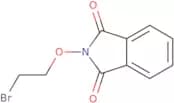
CAS:<p>Dolastatin 15 (5S)-1-[(2S)-O-(N,N-Dimethyl-Val-Val-N-Me-Val-Pro-Pro)-2-hydroxyisovaleryl]-2-oxo-4-methoxy-5-benzylpyrrolidinium is a natural compound that has been isolated from the Indian Ocean sea hare Dolabella auricularia. It has shown significant cytotoxicity against cancer cells as well as significant immunosuppressive activities in animals. Dolastatin 15 is an analog of dolastatin 10 and has been shown to be active against hepatitis B and C virus. It also has antiinflammatory properties and may be effective in combating autoimmune diseases. The synthesis of this compound is an asymmetric synthesis with a hydroxyl group on one side of the molecule and an amide on the other side.</p>Formula:C45H68N6O9Purity:Min. 95%Molecular weight:837.06 g/molN-(2-Bromoethoxy)phthalimide
CAS:<p>N-(2-Bromoethoxy)phthalimide is a chemical compound that has been shown to inhibit the activity of histone deacetylases. Histones are proteins that regulate gene expression and play an important role in the regulation of DNA transcription. The enzyme histone deacetylase (HDAC) removes acetyl groups from these proteins, which can lead to changes in gene expression and misregulation of cellular processes. HDACs have been linked to autoimmune diseases, such as arthritis and multiple sclerosis, because they can cause inflammation by affecting the production of inflammatory cytokines. N-(2-Bromoethoxy)phthalimide is able to inhibit HDACs by forming covalent bonds with the lysine residues on these enzymes. This inhibition causes modifications that affect the interaction between HDACs and their substrates, preventing them from modifying histones or interacting with other proteins.</p>Formula:C10H8BrNO3Purity:Min. 95%Molecular weight:270.08 g/mol4-[(4-chlorophenyl)-2-pyridinylmethoxy]-1-piperidinecarboxylic acid ethylester
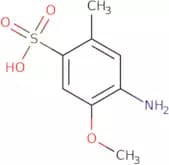
CAS:<p>Please enquire for more information about 4-[(4-chlorophenyl)-2-pyridinylmethoxy]-1-piperidinecarboxylic acid ethylester including the price, delivery time and more detailed product information at the technical inquiry form on this page</p>Formula:C20H23ClN2O3Purity:Min. 95%Molecular weight:374.86 g/mol4-Amino-5-methoxy-2-methylbenzenesulfonic acid
CAS:<p>4-Amino-5-methoxy-2-methylbenzenesulfonic acid is a compound that has been used as an additive to analytical reagents in order to improve their sensitivity. This compound is used as the sodium salt, which is water soluble and has a high degree of reproducibility. 4-Amino-5-methoxy-2-methylbenzenesulfonic acid has also been used for the validation of analytical methods, including calibration and cytotoxicity testing. The validation procedure includes colorants, spectra analysis, impurities, and solvents.</p>Formula:C8H11NO4SPurity:Min. 95%Color and Shape:PowderMolecular weight:217.24 g/mol3-(4-Methoxybenzoyl)acrylic acid
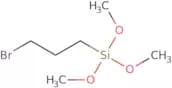
CAS:<p>Please enquire for more information about 3-(4-Methoxybenzoyl)acrylic acid including the price, delivery time and more detailed product information at the technical inquiry form on this page</p>Formula:C11H10O4Purity:Min. 95%Color and Shape:PowderMolecular weight:206.19 g/mol(3-Bromopropyl)trimethoxysilane
CAS:<p>3-Bromopropyltrimethoxysilane is a divalent hydrocarbon that has been used as a model compound for the study of detection methods. It has been shown to have biocompatible properties and can be used as an immobilization template molecule. 3-Bromopropyltrimethoxysilane also reacts with pyridinium ions to form complexes that are highly stable. The stability of these complexes can be attributed to the functional groups on the pyridine ring, which are more susceptible to hydrolysis than those on the silica surface. 3-Bromopropyltrimethoxysilane is a substrate for nitrate reductase enzymes, resulting in inhibition of growth at concentrations low enough not to cause cytotoxicity.</p>Formula:C6H15BrO3SiPurity:Min. 95%Molecular weight:243.17 g/mol2-Chloro-3-methoxybenzaldehyde
CAS:<p>Please enquire for more information about 2-Chloro-3-methoxybenzaldehyde including the price, delivery time and more detailed product information at the technical inquiry form on this page</p>Formula:C8H7ClO2Purity:Min. 95%Molecular weight:170.59 g/mol7,9-Dimethoxycarbonyl-2-ethoxycarbonyl-1H-pyrrolo-[2,3-f]quinoline-4,5-dione
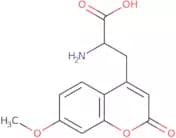
CAS:<p>7,9-Dimethoxycarbonyl-2-ethoxycarbonyl-1H-pyrrolo-[2,3-f]quinoline-4,5-dione is a chemical compound that is used as an intermediate for research chemicals. It has a CAS number of 80721-47-7 and is classified as a fine chemical with the Chemical Abstracts Service (CAS) classification code of 3272. This compound is a versatile building block that can be used in the synthesis of other compounds. 7,9-Dimethoxycarbonyl-2-ethoxycarbonyl-1H-pyrrolo-[2,3f]quinoline 4,5dione can be used to produce high quality products.</p>Formula:C18H14N2O8Purity:Min. 95%Color and Shape:Orange PowderMolecular weight:386.31 g/molH-β-(7-Methoxycoumarin-4-yl)-Ala-OH
CAS:<p>Please enquire for more information about H-beta-(7-Methoxycoumarin-4-yl)-Ala-OH including the price, delivery time and more detailed product information at the technical inquiry form on this page</p>Formula:C13H13NO5Purity:Min. 95%Molecular weight:263.25 g/molN-Methoxymethyl-N-(trimethylsilylmethyl)benzylamine
CAS:<p>N-Methoxymethyl-N-(trimethylsilylmethyl)benzylamine is a chiral, electron deficient reagent that reacts with aldehydes and boronic esters to form products with high chemical yields. This compound can be used as a catalyst for acylation reactions, such as the synthesis of p-nitrophenol. N-Methoxymethyl-N-(trimethylsilylmethyl)benzylamine is synthesized by the reaction of trifluoroacetic acid and an amine, followed by chloroformate displacement. The product is then reacted with acylating agents in the presence of catalysts.</p>Formula:C13H23NOSiPurity:Min. 95%Color and Shape:Clear Colourless To Pale Yellow LiquidMolecular weight:237.41 g/molH-D-Cys(4-methoxytrityl)-2-chlorotrityl resin (200-400 mesh)
<p>Please enquire for more information about H-D-Cys(4-methoxytrityl)-2-chlorotrityl resin (200-400 mesh) including the price, delivery time and more detailed product information at the technical inquiry form on this page</p>Purity:Min. 95%2'-Methoxy-α-naphthoflavone
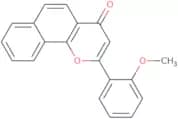
CAS:<p>2'-Methoxy-alpha-naphthoflavone is a fine chemical that can be synthesized from naphthalene, benzaldehyde, and methoxyacetic acid. It is a versatile building block for research chemicals and has been shown to have high quality. 2'-Methoxy-alpha-naphthoflavone has been used as a reaction component in the synthesis of complex compounds with interesting biological activities.</p>Formula:C20H14O3Purity:Min. 95%Molecular weight:302.32 g/mol2,4,5-Triethoxybenzophenone
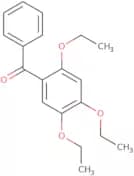
CAS:<p>2,4,5-Triethoxybenzophenone is a regioisomeric carbonyl compound that can be synthesized by reacting phenol with an ester of an aliphatic alcohol and an aromatic hydrocarbon. This product has a variety of uses, including as a precursor for the synthesis of other compounds. 2,4,5-Triethoxybenzophenone is used in the manufacture of benzoates, metal carbonyls, acetophenones, aryl ketones and arylcarbonyls. It has been shown to be effective in the treatment of various skin conditions such as acne and dandruff. The frequency factor for this compound is 5.</p>Formula:C19H22O4Purity:Min. 95%Color and Shape:PowderMolecular weight:314.38 g/mol2,3-(Dimethoxyphenyl)acetonitrile
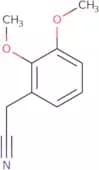
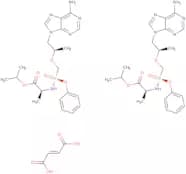
CAS:<p>2,3-(Dimethoxyphenyl)acetonitrile is a chemical intermediate that is used in the synthesis of pharmaceuticals and specialty chemicals. It can be used as a reaction component and reagent for the synthesis of other chemicals. This compound has a high quality and is also a versatile building block for complex compounds. 2,3-(Dimethoxyphenyl)acetonitrile has been shown to be useful in the production of fine chemicals such as pharmaceuticals, agrochemicals, and dyes. The CAS number for this compound is 4468-57-9.</p>Formula:C10H11NO2Purity:Min. 95%Molecular weight:177.2 g/mol1-Methylethyl N-((S)-(((1R)-2-(6-amino-9H-purin-9-yl)-1-methylethoxy)methyl)phenoxyphosphinoyl)-L-alaninate
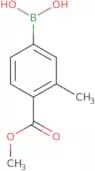
CAS:<p>Tenofovir is a nucleoside analog reverse transcriptase inhibitor that binds to the RNA-dependent polymerase. This compound is used in combination with other antiviral agents for the treatment of HIV-1 infection and for prophylaxis against HIV-1 infection. Tenofovir has been shown to be effective against infections caused by strains of HIV-1, such as the drug resistant virus. Tenofovir is absorbed rapidly after oral administration, with a bioavailability of over 80%. The prodrug fumarate is hydrolyzed to tenofovir in vivo and this conversion occurs more efficiently in acidic conditions. Alafenamide, a prodrug of tenofovir, has been approved by the FDA as an alternative to tenofovir disoproxil fumarate (TDF) for the treatment of HIV-1 infection. Alafenamide is an acyclic nucleoside phosphonate that inhibits viral replication by inhibiting reverse</p>Formula:C46H62N12O14P2Purity:Min. 95%Color and Shape:PowderMolecular weight:1,069 g/mol(4-(Methoxycarbonyl)-3-Methylphenyl)boronic acid
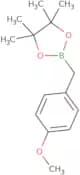
CAS:<p>Please enquire for more information about (4-(Methoxycarbonyl)-3-Methylphenyl)boronic acid including the price, delivery time and more detailed product information at the technical inquiry form on this page</p>Formula:C9H11BO4Purity:Min. 95%Molecular weight:193.99 g/mol4-Methoxybenzylboronic acid pinacolester
CAS:<p>Please enquire for more information about 4-Methoxybenzylboronic acid pinacolester including the price, delivery time and more detailed product information at the technical inquiry form on this page</p>Formula:C14H21BO3Purity:Min. 95%Molecular weight:248.13 g/mol




![Fmoc-L-Lys[Oct-(otBu)-Glu-(otBu)-AEEA-AEEA]-OH](/_next/image/?url=https%3A%2Fstatic.cymitquimica.com%2Fproducts%2F3D%2Fthumb-webp%2FFC165871.webp&w=3840&q=75)

![8-[(1E)-2-(3,4-Dimethoxyphenyl)ethenyl]-1,3-diethyl-3,9-dihydro-1H-purine-2,6-dione](/_next/image/?url=https%3A%2Fstatic.cymitquimica.com%2Fproducts%2F3D%2Fthumb-webp%2FFD152904.webp&w=3840&q=75)



![Ethyl-2-ethoxy-1-[[(2'-cyanobiphenyl-4-yl) methyl] benzimidazole-7-carboxylate](/_next/image/?url=https%3A%2Fstatic.cymitquimica.com%2Fproducts%2F3D%2Fthumb-webp%2FFE31863.webp&w=3840&q=75)
![Dolastatin 15 (5S)-1-[(2S)-O-(N,N-Dimethyl-Val-Val-N-Me-Val-Pro-Pro)-2-hydroxyisovaleryl]-2-oxo-4-…](/_next/image/?url=https%3A%2Fstatic.cymitquimica.com%2Fproducts%2F3D%2Fthumb-webp%2FFD110329.webp&w=3840&q=75)
![4-[(4-chlorophenyl)-2-pyridinylmethoxy]-1-piperidinecarboxylic acid ethylester](/_next/image/?url=https%3A%2Fstatic.cymitquimica.com%2Fproducts%2F3D%2Fthumb-webp%2FFP152183.webp&w=3840&q=75)


![7,9-Dimethoxycarbonyl-2-ethoxycarbonyl-1H-pyrrolo-[2,3-f]quinoline-4,5-dione](/_next/image/?url=https%3A%2Fstatic.cymitquimica.com%2Fproducts%2F3D%2Fthumb-webp%2FFD22201.webp&w=3840&q=75)