Ethers
Ethers are organic compounds containing an ether functional group, characterized by an oxygen atom bonded to two hydrocarbon radicals. These compounds are valuable in synthesis and serve as solvents in various chemical reactions. At CymitQuimica, we offer a selection of high-quality ethers to support your research and industrial applications, ensuring reliable and effective results. Our range of ethers meets diverse laboratory requirements, from routine experiments to advanced research.
Found 40712 products of "Ethers"
Sort by
Purity (%)
0
100
|
0
|
50
|
90
|
95
|
100
2-[(4-Chloro-2-nitrophenyl)azo]-N-(2-methoxyphenyl)-3-oxobutanamide
CAS:<p>2-[(4-Chloro-2-nitrophenyl)azo]-N-(2-methoxyphenyl)-3-oxobutanamide is a chelating agent that has been used as a control agent in the manufacture of dyes, plastics, and rubber. It is also used as an additive in paints, textiles, and paper. 2-[(4-Chloro-2-nitrophenyl)azo]-N-(2-methoxyphenyl)-3-oxobutanamide is nonvolatile, nonflammable, and does not produce toxic byproducts when heated. This compound has low molecular weight with a molecular formula of C12H13NO5Cl. The structure of this compound includes two hydroxy groups (OH), one aliphatic hydrocarbon group (CH3), one carboxylic acid group (COOH), and three chlorine atoms (Cl). This product is soluble in water</p>Formula:C17H15ClN4O5Color and Shape:Yellow Clear LiquidMolecular weight:390.78 g/molN-2-Ethoxyethyl-Val-Ala-anilide
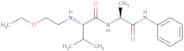
CAS:<p>Please enquire for more information about N-2-Ethoxyethyl-Val-Ala-anilide including the price, delivery time and more detailed product information at the technical inquiry form on this page</p>Formula:C18H29N3O3Purity:Min. 95%Molecular weight:335.44 g/mol3-Amino-2-methoxy-dibenzofuran
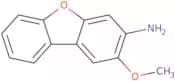
CAS:<p>3-Amino-2-methoxy-dibenzofuran (3AMD) is a cytotoxic agent that is used in the treatment of bladder carcinoma. 3AMD inhibits DNA synthesis, leading to cell death by inhibiting the production of proteins vital for cell division. 3AMD has been shown to be a potent inhibitor of cyclen-dependent kinases and to induce DNA damage in human cells. 3AMD also has significant cytotoxicity against malignant cells and has been shown to inhibit the growth of tumours in mice. 3AMD may have carcinogenic potential due to its structural similarity with other carcinogens such as aniline and aminobiphenyl.</p>Purity:Min. 95%Molecular weight:213.23 g/mol2-(Difluoromethoxy)Phenol
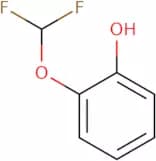
CAS:<p>2-(Difluoromethoxy)Phenol is a purine derivative and pyrimidine derivative. It has been shown to inhibit the growth of cancer cells in vitro and in vivo. 2-(Difluoromethoxy)phenol inhibits multidrug resistance by inhibiting the transport of drugs into cells and thereby preventing their accumulation. As a result, it suppresses inflammatory diseases and autoimmune diseases. The hydroxyl group in this compound can be replaced with fluorine or nitro groups to generate new derivatives with different properties. Piperidine can also be added to this molecule to create an analogue that is more potent than 2-(difluoromethoxy)phenol and has a longer duration of action.</p>Formula:C7H6F2O2Purity:Min. 95%Molecular weight:160.12 g/mol2-Hydroxy-5-[(4-{[(6-methoxypyridazin-3-yl)amino]sulfonyl}phenyl)diazenyl]benzoic acid
CAS:<p>Used in treatment of nonspecific ulcerative colitis</p>Formula:C18H15N5O6SPurity:Min. 95%Color and Shape:PowderMolecular weight:429.41 g/molEthyl-2-ethoxy-1-[[(2'-cyanobiphenyl-4-yl) methyl] benzimidazole-7-carboxylate
CAS:<p>Candesartan is a selective angiotensin II receptor antagonist that inhibits the binding of angiotensin II to its receptors, which in turn decreases the activity of angiotensin-converting enzyme. Candesartan cilexetil is an ester prodrug that has been shown to be effective in the treatment of high blood pressure. In the crystalline form, candesartan cilexetil is a white powder with a melting point of 130–135 °C and a solubility in water of >1 g/L. The molecular weight of candesartan cilexetil is 393.8 g/mol and it has a molecular formula C17H21NO2S. The chemical structure consists of two benzimidazole rings coupled together through an ethyl-2-ethoxy linker and attached to a carboxylate group on one end and an amide group on the other</p>Formula:C26H23N3O3Purity:Min. 95%Molecular weight:425.48 g/mol(2-Methoxypropyl)amine hydrochloride
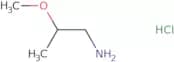
CAS:<p>2-Methoxypropyl)amine hydrochloride (2MPPA) is a versatile building block that can be used in the synthesis of complex compounds. It is a research chemical that is used as a reagent and as a speciality chemical for the production of pharmaceuticals, agrochemicals, and other organic chemicals. 2MPPA can be used as an intermediate in the manufacture of useful scaffolds or useful reaction components. This product has CAS number 70807-90-8 and is of high quality.</p>Formula:C4H11NO·HClPurity:Min. 95%Color and Shape:SolidMolecular weight:125.6 g/mol2-(4,5-Dimethoxy-2-(1-((2-methylphenyl)methyl)vinyl)cyclohexyl)ether
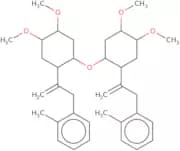
CAS:<p>2-(4,5-Dimethoxy-2-(1-((2-methylphenyl)methyl)vinyl)cyclohexyl)ether is a versatile building block for the synthesis of complex compounds. It is also an intermediate in the synthesis of useful scaffolds and reaction components. This compound has a high quality and can be used as a reagent or research chemicals.</p>Formula:C36H50O5Purity:Min. 95%Molecular weight:562.78 g/mol2-Methoxy estrone
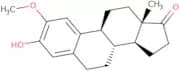
CAS:Controlled Product<p>2-Methoxy estrone is a metabolite of estrone and is produced by the enzyme 2-hydroxylase. This compound has minimal toxicity and can be used as a marker for biological processes, such as cellular transformation. 2-Methoxy estrone has been shown to inhibit the activity of acetylcholinesterase, an enzyme that breaks down acetylcholine, which is essential for neurotransmission. It has also been implicated in the regulation of angiogenic processes in vitro and in vivo. The role of 2-methoxy estrone in cancer cells is not fully understood but it may have potential as a biomarker for prostate cancer and breast cancer.</p>Formula:C19H24O3Purity:(%) Min. 95%Color and Shape:PowderMolecular weight:300.39 g/mol5-Amino-2-methoxy-4-methylpyridine
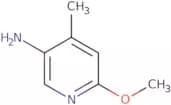
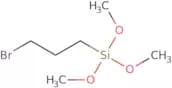
CAS:<p>5-Amino-2-methoxy-4-methylpyridine is a small molecule that inhibits bromodomains. Bromodomains are protein domains that bind to acetylated lysine residues on histones. 5-Amino-2-methoxy-4-methylpyridine binds to the bromodomain, preventing the acetylated lysine residues from binding with other proteins and inhibiting transcription. This drug has been shown to be effective in treating prostate cancer by interacting with the androgen receptor. 5-Amino-2-methoxy-4-methylpyridine also interacts with ATPase, which may lead to increased levels of ATP production, and has been shown to have antitumor effects in vitro.</p>Formula:C7H10N2OPurity:Min. 95%Molecular weight:138.17 g/mol(3-Bromopropyl)trimethoxysilane
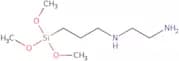
CAS:<p>3-Bromopropyltrimethoxysilane is a divalent hydrocarbon that has been used as a model compound for the study of detection methods. It has been shown to have biocompatible properties and can be used as an immobilization template molecule. 3-Bromopropyltrimethoxysilane also reacts with pyridinium ions to form complexes that are highly stable. The stability of these complexes can be attributed to the functional groups on the pyridine ring, which are more susceptible to hydrolysis than those on the silica surface. 3-Bromopropyltrimethoxysilane is a substrate for nitrate reductase enzymes, resulting in inhibition of growth at concentrations low enough not to cause cytotoxicity.</p>Formula:C6H15BrO3SiPurity:Min. 95%Molecular weight:243.17 g/molN-(2-Aminoethyl)-3-(trimethoxysilyl)propylamine
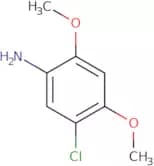
CAS:<p>N-(2-Aminoethyl)-3-(trimethoxysilyl)propylamine (NAP) is a cationic surfactant that is used as a fluorescent probe to study the binding of proteins to cell surface integrin receptors. The adsorption mechanism is based on the interaction between the hydrophobic parts of the protein and the hydrophobic parts of NAP. This interaction leads to an increase in the concentration of NAP at the interface and thus an increase in fluorescence. NAP has been shown to bind human serum albumin, fatty acids, and monoclonal antibodies with high affinity. It also has been shown to bind to plasma proteins through hydrogen bonding. The optimum concentration for NAP adsorption is 1mM.</p>Formula:C8H22N2O3SiPurity:Min. 95%Molecular weight:222.36 g/mol5-Chloro-2,4-dimethoxyaniline
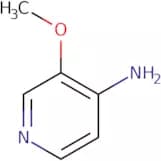
CAS:<p>5-Chloro-2,4-dimethoxyaniline (5-CDA) is a crystalline solid that belongs to the amine class of chemical compounds. It is used in the production of polyhalogenated anilines and nitrosamines, which are known carcinogens. 5-CDA has been shown to be toxic to animals at high doses and can cause health effects such as irritation of the eyes, skin, and respiratory tract; central nervous system depression; and gastrointestinal disturbances. The toxicity of this compound is related to its ability to form nitrosamines when it comes into contact with nitrite or other N-nitroso compounds. 5-CDA is also present in wastewater effluents from paper mills and agricultural runoff from triticum aestivum fields.</p>Formula:C8H10ClNO2Purity:Min. 95%Molecular weight:187.62 g/mol4-Amino-3-methoxypyridine
CAS:<p>4-Amino-3-methoxypyridine (4AMMP) is a naturally occurring amino acid that can be found in the nuclei of innervated tissues. It is an inhibitor of the enzyme tyrosine hydroxylase and inhibits the synthesis of catecholamines. The concentration of 4AMMP in blood was measured by radioactivity. This agent has been used for studies on the thalamic nucleus and cortex, as well as for measuring catecholamine levels in tissue homogenates.</p>Formula:C6H8N2OPurity:Min. 95%Molecular weight:124.14 g/molBexagliflozin
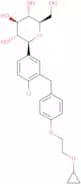
CAS:<p>Bexagliflozin is a drug that is used to treat type II diabetes in adults. It helps to control blood sugar levels by inhibiting the enzyme DPP-IV and increasing insulin release from the pancreas. Bexagliflozin has been shown to be effective in lowering blood sugar levels in patients with chronic kidney disease and cancer, as well as those with a body mass index (BMI) of 30 or higher. This drug is an oral hypoglycaemic agent that can be used for diagnostic purposes. It has also been shown to be clinically effective for the treatment of diabetic nephropathy and diabetic retinopathy. The enantiomers of bexagliflozin can be differentiated according to their pharmacological properties, which may allow for more targeted therapy.</p>Formula:C24H29ClO7Purity:Min. 95%Molecular weight:464.94 g/mol1,2-Difluoro-4,5-dimethoxybenzene
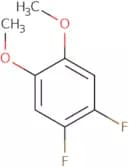
CAS:<p>Diffraction is a technique that is used to measure the angles of the reflections from a crystal or other material. Single-crystal x-ray diffraction (SCXRD) is one form of diffraction that uses a single crystal to generate an image. Diffraction was first observed in 1807 by English scientist William Hyde Wollaston and French physicist Joseph von Fraunhofer. Diffraction can be used to determine the structures of ionic, linear, or annulated frameworks, such as those found in 1,2-Difluoro-4,5-dimethoxybenzene. The molecular geometry and relative orientation of the atoms in these frameworks can be determined through diffraction. This technique is often used to characterize polymers with cyclic structures such as penicillin and cyclic voltammetry. <br>Diffraction studies have shown that 1,2-Difluoro-4,5-dimethoxybenzene has a hydroxylase</p>Formula:C8H8F2O2Purity:Min. 97 Area-%Color and Shape:PowderMolecular weight:174.14 g/mol3-Cyclopropylmethoxy-4-difluoromethoxy-benzoic acid
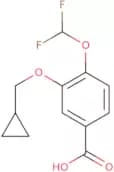
CAS:<p>3-Cyclopropylmethoxy-4-difluoromethoxy-benzoic acid is an industrial chemical that is used as a binding agent in the production of dyes, rubber, and pharmaceuticals. The compound is produced by the acylation of 3-chloromethoxybenzoic acid with cyclopropylmethanol. This reaction requires an inorganic base such as potassium carbonate or sodium bicarbonate to activate the chloride. 3-Cyclopropylmethoxy-4-difluoromethoxybenzoic acid can be used as a reactive alkylating agent for the production of amides and other organic compounds, which increases its versatility.</p>Formula:C12H12O4F2Purity:Min. 95%Color and Shape:White/Off-White SolidMolecular weight:258.22 g/mol5-Amino-2-methoxybenzonitrile
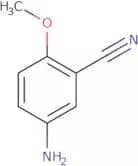
CAS:<p>Please enquire for more information about 5-Amino-2-methoxybenzonitrile including the price, delivery time and more detailed product information at the technical inquiry form on this page</p>Formula:C8H8N2OPurity:Min. 95%Molecular weight:148.16 g/mol2-Fluoro-6-methoxybenzonitrile
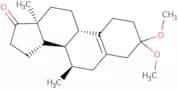
CAS:<p>2-Fluoro-6-methoxybenzonitrile (2FMN) is a compound that is used as a starting material for the synthesis of other pharmaceuticals. It has been shown to bind to the acetylcholine receptor by using vibrational spectroscopy and functional theory. It also has been shown to be an effective chemokine inhibitor. Computational methods were used to optimize 2FMN's binding affinity for the acetylcholine receptor, and it was found that 2FMN binds with a dipole orientation in order to increase its binding affinity.</p>Formula:C8H6FNOPurity:Min. 95%Color and Shape:PowderMolecular weight:151.14 g/mol7α-Methyl-3,3-dimethoxy-5(10)-estrene-17-one
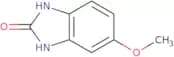
CAS:Controlled Product<p>Please enquire for more information about 7alpha-Methyl-3,3-dimethoxy-5(10)-estrene-17-one including the price, delivery time and more detailed product information at the technical inquiry form on this page</p>Formula:C21H32O3Purity:Min. 95%Color and Shape:PowderMolecular weight:332.48 g/mol2-Hydroxy-5-methoxybenzimidazole
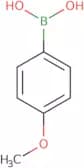
CAS:<p>Please enquire for more information about 2-Hydroxy-5-methoxybenzimidazole including the price, delivery time and more detailed product information at the technical inquiry form on this page</p>Formula:C8H8N2O2Purity:Min. 95%Molecular weight:164.16 g/mol4-Methoxyphenyl boronic acid
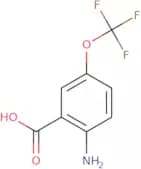
CAS:<p>4-Methoxyphenyl boronic acid is a molecule with a hydroxyl group and a boronic acid. It is synthesized by reacting biphenyl with trifluoroacetic acid in the presence of sodium carbonate and palladium-catalyzed coupling. 4-Methoxyphenyl boronic acid has shown to bind to the receptor for fatty acids, which may be due to its structural similarity to p-hydroxybenzoic acid. The protonated form of this molecule has been shown to react with an electrophilic carbon atom and an electron-deficient alkyl or vinyl halide, resulting in ring formation. This reaction is known as the Suzuki coupling reaction.</p>Formula:C7H9BO3Purity:Min. 95%Color and Shape:PowderMolecular weight:151.96 g/mol2-Amino-5-(trifluoromethoxy)benzoic acid
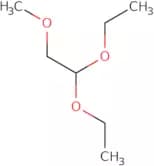
CAS:<p>Please enquire for more information about 2-Amino-5-(trifluoromethoxy)benzoic acid including the price, delivery time and more detailed product information at the technical inquiry form on this page</p>Formula:C8H6F3NO3Purity:Min. 95%Molecular weight:221.13 g/molMethoxyacetaldehyde diethyl acetal
CAS:<p>Methoxyacetaldehyde diethyl acetal is a viscous liquid with a low vapor pressure. This substance is stable at high temperatures and has a high resistance to chemical interactions. It is also hydrophobic in nature. Methoxyacetaldehyde diethyl acetal has been shown to interact with the aminoglycoside antibiotics, erythromycin, streptomycin, and neomycin. The interaction of this substance with these antibiotics may be due to the fact that it has proton resonances similar to those of amino acids, as well as its ability to form hydrogen bonds with the antibiotic molecules. Methoxyacetaldehyde diethyl acetal also interacts with triethyl orthoformate, which can lead to the formation of an ester bond between them.</p>Formula:C7H16O3Purity:Min. 95%Color and Shape:Colorless Clear LiquidMolecular weight:148.2 g/mol3'-methoxy apiin;Chrysoeiol-7-(2-O-apiosylglucoside)
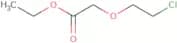
CAS:<p>Please enquire for more information about 3'-methoxy apiin;Chrysoeiol-7-(2-O-apiosylglucoside) including the price, delivery time and more detailed product information at the technical inquiry form on this page</p>Purity:Min. 95%Ethyl 2-(2-chloroethoxy)acetate
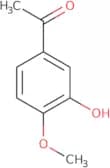
CAS:<p>Please enquire for more information about Ethyl 2-(2-chloroethoxy)acetate including the price, delivery time and more detailed product information at the technical inquiry form on this page</p>Formula:C6H11ClO3Purity:Min. 95%Molecular weight:166.6 g/mol3'-Hydroxy-4'-methoxyacetophenone
CAS:<p>3'-Hydroxy-4'-methoxyacetophenone is a chemical compound with the molecular formula CHO and it belongs to the group of bisbenzylisoquinoline alkaloids. It is a white crystalline powder that has a dry weight of 155.2g/mol and melting point of 154-158°C. 3'-Hydroxy-4'-methoxyacetophenone is used as an intermediate in the synthesis of other chemicals, such as methyl transferase inhibitors like metronidazole or oxidative stress agents like benzoquinones. 3'-Hydroxy-4'-methoxyacetophenone can be found in bowel disease patients, where it may be produced by bacteria in the gut. This chemical also has UV absorption properties and can be used as a sample preparation agent for hydroalcoholic samples.</p>Formula:C9H10O3Purity:Min. 95%Color and Shape:PowderMolecular weight:166.17 g/mol4-Fluoro-3-methoxyphenylacetone
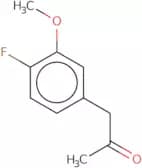
CAS:<p>4-Fluoro-3-methoxyphenylacetone is a high quality reagent that can be used as an intermediate in the synthesis of complex compounds. This compound is also useful for creating fine chemicals and speciality chemicals, for research purposes. 4-Fluoro-3-methoxyphenylacetone has been shown to be a versatile building block in organic synthesis, with many possible applications. It can react with other compounds to create new compounds or react with itself to form new molecules. CAS No. 320338-98-5</p>Formula:C10H11FO2Purity:Min. 95%Molecular weight:182.19 g/molN-Methoxymethyl-N-(trimethylsilylmethyl)benzylamine
CAS:<p>N-Methoxymethyl-N-(trimethylsilylmethyl)benzylamine is a chiral, electron deficient reagent that reacts with aldehydes and boronic esters to form products with high chemical yields. This compound can be used as a catalyst for acylation reactions, such as the synthesis of p-nitrophenol. N-Methoxymethyl-N-(trimethylsilylmethyl)benzylamine is synthesized by the reaction of trifluoroacetic acid and an amine, followed by chloroformate displacement. The product is then reacted with acylating agents in the presence of catalysts.</p>Formula:C13H23NOSiPurity:Min. 95%Color and Shape:Clear Colourless To Pale Yellow LiquidMolecular weight:237.41 g/molo-Ethoxybenzoyl chloride
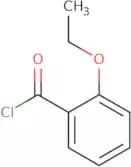
CAS:<p>O-Ethoxybenzoyl chloride is a pesticide that belongs to the group of sildenafil. It inhibits the activity of prolyl endopeptidase, an enzyme that degrades the peptide hormone vasoactive intestinal polypeptide (VIP). This inhibition prevents degradation of VIP, which is important for the regulation of blood vessel tone. The compound has been shown to be effective against Sclerotinia sclerotiorum and Claviceps purpurea. O-Ethoxybenzoyl chloride has been shown to have a high level of tolerance in plants and animals. It also has been found to be safe for humans with its low toxicity levels and low acute toxicity. It is not classified as hazardous by the World Health Organization (WHO).</p>Formula:C9H9ClO2Purity:Min. 95%Molecular weight:184.62 g/molDolastatin 15 (5S)-1-[(2S)-O-(N,N-Dimethyl-Val-Val-N-Me-Val-Pro-Pro)-2-hydroxyisovaleryl]-2-oxo-4-methoxy-5-benzyl-3-pyrroline
CAS:<p>Dolastatin 15 (5S)-1-[(2S)-O-(N,N-Dimethyl-Val-Val-N-Me-Val-Pro-Pro)-2-hydroxyisovaleryl]-2-oxo-4-methoxy-5-benzylpyrrolidinium is a natural compound that has been isolated from the Indian Ocean sea hare Dolabella auricularia. It has shown significant cytotoxicity against cancer cells as well as significant immunosuppressive activities in animals. Dolastatin 15 is an analog of dolastatin 10 and has been shown to be active against hepatitis B and C virus. It also has antiinflammatory properties and may be effective in combating autoimmune diseases. The synthesis of this compound is an asymmetric synthesis with a hydroxyl group on one side of the molecule and an amide on the other side.</p>Formula:C45H68N6O9Purity:Min. 95%Molecular weight:837.06 g/mol2,4-Dichloro-5-methoxyaniline
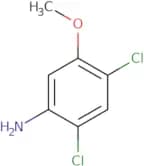
CAS:<p>2,4-Dichloro-5-methoxyaniline (2,4-DMA) is a trifluoroacetic acid derivative that inhibits the growth of cancer cells by interfering with cellular processes such as DNA replication and protein synthesis. It has been shown to have anticancer activity in vitro and in vivo. In addition, 2,4-DMA can inhibit the growth of cancer cells by preventing epidermal growth factor from binding to its receptor on the cell surface. A recent study showed that 2,4-DMA has anti-angiogenic properties and can prevent tumor growth by inhibiting bcr-abl kinase activity. 2,4-DMA also has an acidic property which may be due to its conversion of trifluoroacetic acid into hydrogen fluoride (HF) and hydrogen chloride (HCl).<br>2,4-Dichloro-5-methoxyaniline was approved for use in Japan</p>Formula:C7H7Cl2NOPurity:Min. 95%Color and Shape:White To Pink SolidMolecular weight:192.04 g/molFmoc-L-Lys[Oct-(otBu)-Glu-(otBu)-AEEA-AEEA]-OH
CAS:<p>Please enquire for more information about Fmoc-L-Lys[Oct-(otBu)-Glu-(otBu)-AEEA-AEEA]-OH including the price, delivery time and more detailed product information at the technical inquiry form on this page</p>Formula:C64H101N5O16Purity:Min. 95%Molecular weight:1,196.51 g/mol4-Chloro-2-(trifluoromethoxy)aniline
CAS:<p>4-Chloro-2-(trifluoromethoxy)aniline is a fine chemical that is used as a building block in the synthesis of other chemicals, such as pharmaceuticals and agrochemicals. It is also used in research as a reagent for organic synthesis and as a speciality chemical. 4-Chloro-2-(trifluoromethoxy)aniline has versatile applications in the manufacture of complex compounds, intermediates, and scaffolds.</p>Formula:C7H5ClF3NOPurity:Min. 95%Molecular weight:211.57 g/mol4-Bromo-3-methoxypyridine
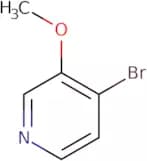
CAS:<p>Please enquire for more information about 4-Bromo-3-methoxypyridine including the price, delivery time and more detailed product information at the technical inquiry form on this page</p>Formula:C6H6BrNOPurity:Min. 95%Molecular weight:188.02 g/mol6-Methoxy-2,3,4,9-tetrahydro-1H-β-carbolin-1-one
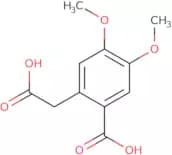
CAS:<p>6-Methoxy-2,3,4,9-tetrahydro-1H-beta-carbolin-1-one is a β-carboline alkaloid that is structurally related to harmaline and tetrahydroharmine. It has been shown to have antidepressant activity in animals. 6-Methoxy-2,3,4,9-tetrahydro-1H-beta-carbolin-1-one was analyzed by GC/MS and found to be present in the leaves of plants from the genus Tetraclinis. 6MHBC was also identified as a metabolite of diazepam in rat urine after administration of a single oral dose of 10 mg/kg diazepam. The observed β carboline metabolite was determined to be 6MHBC.</p>Formula:C12H12N2O2Purity:Min. 95%Molecular weight:216.24 g/mol2-(Carboxymethyl)-4,5-dimethoxybenzoic acid
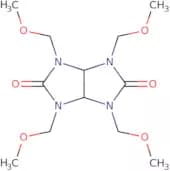
CAS:<p>Please enquire for more information about 2-(Carboxymethyl)-4,5-dimethoxybenzoic acid including the price, delivery time and more detailed product information at the technical inquiry form on this page</p>Formula:C11H12O6Purity:Min. 95%Molecular weight:240.21 g/mol1,3,4,6-Tetrakis(methoxymethyl)glycoluril
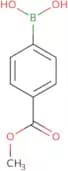
CAS:<p>Tetrakis(methoxymethyl)glycoluril is a cross-linking agent that can be immobilized on various surfaces, including polyvinyl and magnesium oxide. Tetrakis(methoxymethyl)glycoluril is a water soluble molecule that has been used to coat the surface of optical fibers in order to prevent light scattering. This molecule has also been used as a coating for photomasks in order to control the patterning of thin films, such as polymers or photoresists. Tetrakis(methoxymethyl)glycoluril can be synthesized by reacting magnesium oxide with chloromethyl ethers at high temperatures in the presence of phosphorus pentoxide. The reaction produces an intermediate which reacts with deionized water to yield tetrakis(methoxymethyl)glycoluril.</p>Formula:C12H22N4O6Purity:Min. 95%Color and Shape:White PowderMolecular weight:318.33 g/mol4-Methoxycarbonylphenylboronic acid
CAS:<p>4-Methoxycarbonylphenylboronic acid is an organic compound that can be synthesized from biphenyl. It is a diazonium salt with a bidentate ligand and a carbonyl group, which allows it to form an intermolecular hydrogen bond. The phenyl group of 4-methoxycarbonylphenylboronic acid can be oxidized to the corresponding carboxylic acid or reduced to the corresponding alcohol.<br>4-Methoxycarbonylphenylboronic acid is also soluble in halides, iodinations, and mercaptoacetic acid. This compound has been used as an acceptor in the oxidation of aluminium with diborane as a catalyst. 4-Methoxycarbonylphenylboronic acid has also been used to synthesize other compounds such as metronidazole (a drug) and erythromycin (an antibiotic).</p>Formula:C8H9BO4Purity:Min. 95%Color and Shape:White PowderMolecular weight:179.97 g/mol2-[2-Trifluoroethoxyphenoxy]ethyl methanesulfonate
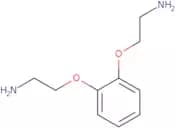
CAS:<p>2-[2-Trifluoroethoxyphenoxy]ethyl methanesulfonate is a research chemical that is commonly used in the synthesis of enantioselective compounds. It has been clinically studied for its potential use in the treatment of prostatic hyperplasia, a condition characterized by an enlargement of the prostate gland. This compound has shown promising results in inhibiting the growth of prostatic cells and reducing symptoms associated with hyperplasia. Its enantioselective properties make it an ideal candidate for targeted therapy, allowing for more precise and effective treatment options. Researchers continue to explore the potential applications of 2-[2-Trifluoroethoxyphenoxy]ethyl methanesulfonate in various fields, including medicine and pharmaceuticals.</p>Formula:C11H13F3O5SPurity:Min. 95%Molecular weight:314.28 g/molO-Bis(2-aminoethoxy)benzene
CAS:<p>O-Bis(2-aminoethoxy)benzene is a cyclic compound that has a predominantly thionyl character. It has an amide group, which is formed by the condensation of two carboxylic acids. O-Bis(2-aminoethoxy)benzene can act as a ligand for metal ions in the form of an anion or chloride ion, and it also interacts with neutral ligands. This compound can be used to prepare ferrocenyl derivatives through alkylation. The interaction between O-Bis(2-aminoethoxy)benzene and ferrocene was studied using voltammetry.</p>Formula:C10H16N2O2Purity:Min. 95%Molecular weight:196.25 g/molFmoc-4-methoxy-4'-(γ-carboxypropyloxy)-benzhydrylamine linked to Alanyl-aminomethyl resin (200-400 mesh)
<p>Please enquire for more information about Fmoc-4-methoxy-4'-(gamma-carboxypropyloxy)-benzhydrylamine linked to Alanyl-aminomethyl resin (200-400 mesh) including the price, delivery time and more detailed product information at the technical inquiry form on this page</p>Purity:Min. 95%H-Cys(4-methoxytrityl)-2-chlorotrityl resin (200-400 mesh)
<p>Please enquire for more information about H-Cys(4-methoxytrityl)-2-chlorotrityl resin (200-400 mesh) including the price, delivery time and more detailed product information at the technical inquiry form on this page</p>Purity:Min. 95%Methyl (2E)-3-(4-hydroxy-3-methoxyphenyl)acrylate
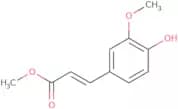
CAS:<p>Methyl (2E)-3-(4-hydroxy-3-methoxyphenyl)acrylate is a natural compound, which belongs to the group of ferulate esters. It has been shown that methyl (2E)-3-(4-hydroxy-3-methoxyphenyl)acrylate inhibits the activity of esterases, which are enzymes that hydrolyze esters. This inhibition leads to an accumulation of ferulic acid in the blood, which is associated with bowel disease. Methyl (2E)-3-(4-hydroxy-3-methoxyphenyl)acrylate has been shown to be effective against murine hepatoma cells and polymorphonuclear leucocytes, which are white blood cells that can be found in the blood and other tissues. The inhibitory effect on these cells may be due to its ability to bind to ferulic acid and caffeic acids.</p>Formula:C11H12O4Purity:Min. 95%Color and Shape:White PowderMolecular weight:208.21 g/mol4-Fluoro-2-methoxyaniline
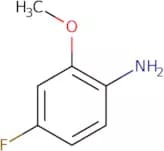
CAS:<p>4-Fluoro-2-methoxyaniline is an inhibitor of tyrosine kinase. It is a molecule that has been isolated from the ground leaves of erythroxylon coca and is used in the treatment of diabetes mellitus. 4-Fluoro-2-methoxyaniline inhibits the growth factor receptor, epidermal growth factor (EGF), and its receptor, EGF receptor. This inhibition leads to decreased proliferation of epidermal cells and decreased insulin production by pancreatic beta cells. 4-Fluoro-2-methoxyaniline also has antioxidant properties, which may be due to its ability to scavenge free radicals.</p>Formula:C7H8FNOPurity:Min. 95%Color and Shape:Light Brown To Brown LiquidMolecular weight:141.14 g/mol(S)-(-)-6,7-Dimethoxy-1,2,3,4-tetrahydroisoquinoline-3-carboxylic acid hydrochloride
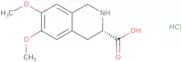
CAS:<p>(S)-(-)-6,7-Dimethoxy-1,2,3,4-tetrahydroisoquinoline-3-carboxylic acid hydrochloride is a synthetic chiral compound that is used to study the role of glyoxylate in biochemical reactions. This drug is an enolate and alkylating agent that can react with nucleophiles such as amines and thiols. It has been shown to be effective against perchlorates by hydrolyzing them into chlorine and oxygen gas. This drug has also been shown to inhibit the growth of Rhodobacter sphaeroides by inhibiting glyoxylate metabolism.</p>Formula:C12H15NO4·HClPurity:Min. 95%Color and Shape:White PowderMolecular weight:273.71 g/mol5-(5-Carboxy-2-ethoxyphenyl)-1-methyl-3-n-propyl-1,6-dihydro-7H-pyrazolo[4,3-d]pyrimidin-7-one
CAS:<p>Sildenafil is a drug that is used to treat erectile dysfunction. It inhibits the action of phosphodiesterase type 5 (PDE-5), an enzyme that breaks down the messenger cyclic guanosine monophosphate (cGMP) within the corpus cavernosum. This leads to increased levels of cGMP, which relaxes smooth muscle cells in the corpus cavernosum and allows for more blood flow into the penis. Sildenafil is synthesized from chrysanthemum morifolium, a plant also known as "shamrock." Sildenafil has been shown to have no effects on insulin resistance or lipid metabolism, but it does cause side effects such as headache, visual disturbances, and hearing loss.</p>Formula:C18H20N4O4Purity:Min. 95%Molecular weight:356.38 g/mol3,4-Diethoxybenzylalcohol
CAS:<p>3,4-Diethoxybenzylalcohol is a metabolite produced by the fungus Ustilago maydis. It has been shown to have pleiotropic effects on the metabolism of the organism. 3,4-Diethoxybenzylalcohol is involved in lignin biosynthesis and bond cleavage reactions. In addition to functioning as an intermediate in the pentose phosphate pathway, it is involved in the nature of the basidiomycete cell wall and also plays a role in carbon source utilization.</p>Formula:C11H16O3Purity:Min. 95%Color and Shape:PowderMolecular weight:196.24 g/mol4-[2-[[(1S)-1-(2-Aminophenyl)-3-methylbutyl]amino]-2-oxoethyl]-2-ethoxybenzoic acid
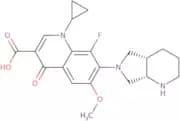
CAS:<p>Bosentan is a potent inhibitor of the uptake of organic anions. It is used in the treatment of pulmonary arterial hypertension and has been shown to be effective against pravastatin-resistant HIV protease inhibitors, such as saquinavir, quinidine, and rosuvastatin. Bosentan inhibits uptake by binding to the transporter protein at a site that does not overlap with the binding site for organic anion substrates. This leads to a change in kinetic parameters for substrates, such as pravastatin and saquinavir. The binding site on bosentan may also be elucidated through monolayer experiments with efflux transporters.</p>Formula:C22H28N2O4Purity:Min. 95%Molecular weight:384.47 g/mol8-Fluoro-6-methoxy moxifloxacin
CAS:<p>Please enquire for more information about 8-Fluoro-6-methoxy moxifloxacin including the price, delivery time and more detailed product information at the technical inquiry form on this page</p>Formula:C21H24FN3O4Purity:Min. 95%Molecular weight:401.43 g/mol
![2-[(4-Chloro-2-nitrophenyl)azo]-N-(2-methoxyphenyl)-3-oxobutanamide](/_next/image/?url=https%3A%2Fstatic.cymitquimica.com%2Fproducts%2F3D%2Fthumb-webp%2FFC149929.webp&w=3840&q=75)

![2-Hydroxy-5-[(4-{[(6-methoxypyridazin-3-yl)amino]sulfonyl}phenyl)diazenyl]benzoic acid](/_next/image/?url=https%3A%2Fstatic.cymitquimica.com%2Fproducts%2F3D%2Fthumb-webp%2FFH134950.webp&w=3840&q=75)
![Ethyl-2-ethoxy-1-[[(2'-cyanobiphenyl-4-yl) methyl] benzimidazole-7-carboxylate](/_next/image/?url=https%3A%2Fstatic.cymitquimica.com%2Fproducts%2F3D%2Fthumb-webp%2FFE31863.webp&w=3840&q=75)


![Dolastatin 15 (5S)-1-[(2S)-O-(N,N-Dimethyl-Val-Val-N-Me-Val-Pro-Pro)-2-hydroxyisovaleryl]-2-oxo-4-…](/_next/image/?url=https%3A%2Fstatic.cymitquimica.com%2Fproducts%2F3D%2Fthumb-webp%2FFD110329.webp&w=3840&q=75)
![Fmoc-L-Lys[Oct-(otBu)-Glu-(otBu)-AEEA-AEEA]-OH](/_next/image/?url=https%3A%2Fstatic.cymitquimica.com%2Fproducts%2F3D%2Fthumb-webp%2FFC165871.webp&w=3840&q=75)


![2-[2-Trifluoroethoxyphenoxy]ethyl methanesulfonate](/_next/image/?url=https%3A%2Fstatic.cymitquimica.com%2Fproducts%2F3D%2Fthumb-webp%2FFT33048.webp&w=3840&q=75)

![5-(5-Carboxy-2-ethoxyphenyl)-1-methyl-3-n-propyl-1,6-dihydro-7H-pyrazolo[4,3-d]pyrimidin-7-one](/_next/image/?url=https%3A%2Fstatic.cymitquimica.com%2Fproducts%2F3D%2Fthumb-webp%2FFC19751.webp&w=3840&q=75)

![4-[2-[[(1S)-1-(2-Aminophenyl)-3-methylbutyl]amino]-2-oxoethyl]-2-ethoxybenzoic acid](/_next/image/?url=https%3A%2Fstatic.cymitquimica.com%2Fproducts%2F3D%2Fthumb-webp%2FFD21379.webp&w=3840&q=75)