Organoboranes
Organoboranes are organic compounds characterized by the presence of boron atoms bonded to carbon. These compounds are derivatives of the BH3 molecule and play animportant role in various chemical reactions, including as intermediates in organic synthesis. At CymitQuimica, we offer a wide range of organoboranes to support your research and industrial needs. Our products are designed to deliver high performance and reliability in your synthetic processes.
Found 6101 products of "Organoboranes"
Sort by
Purity (%)
0
100
|
0
|
50
|
90
|
95
|
100
2,6-Dimethylphenylboronic Acid
CAS:Controlled Product<p>Applications 2,6-Dimethylphenylboronic acid<br></p>Formula:C8H11BO2Color and Shape:NeatMolecular weight:149.98(4-[(Trimethylsilyl)ethynyl]phenyl)boronic Acid
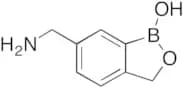
CAS:Controlled ProductFormula:C11H15BO2SiColor and Shape:NeatMolecular weight:218.1326-(Aminomethyl)-1,3-dihydro-2,1-benzoxaborol-1-ol
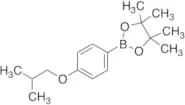
CAS:Controlled ProductFormula:C8H10BNO2Color and Shape:NeatMolecular weight:162.9822-(4- lsobutoxyphenol)-4,4,5,5-tetramethyl-1,3,2-dioxaborolane
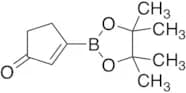
CAS:Controlled ProductFormula:C16H25BO3Color and Shape:NeatMolecular weight:276.1793-(4,4,5,5-Tetramethyl-1,3,2-dioxaborolan-2-yl)cyclopent-2-en-1-one
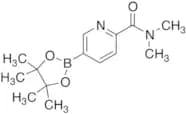
CAS:Controlled Product<p>Applications 3-(4,4,5,5-tetramethyl-1,3,2-dioxaborolan-2-yl)cyclopent-2-en-1-one (cas# 1370008-65-3) is a useful research chemical.<br></p>Formula:C11H17BO3Color and Shape:NeatMolecular weight:208.06N,N-Dimethyl-5-(4,4,5,5-tetramethyl-1,3,2-dioxaborolan-2-yl)picolinamide
CAS:Controlled ProductFormula:C14H21BN2O3Color and Shape:NeatMolecular weight:276.139B-(4-[1,1'-biphenyl]-4-yl-6-phenyl-1,3,5-triazin-2-yl)-Boronic acid
CAS:Controlled ProductFormula:C21H16BN3O2Color and Shape:NeatMolecular weight:353.1823-[[(1,1-Dimethylethyl)dimethylsilyl]oxy]cyclobutanone
CAS:Controlled ProductFormula:C10H20O2SiColor and Shape:NeatMolecular weight:200.351,1,1,5,7,7,7-Heptamethyl-3,3-bis[(trimethylsilyl)oxy]tetrasiloxane
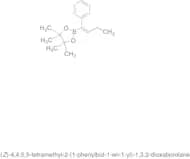
CAS:Controlled Product<p>Applications 1,1,1,5,7,7,7-Heptamethyl-3,3-bis[(trimethylsilyl)oxy]tetrasiloxane is used in the analysis of organosilicon compounds (eg hexamethyldisiloxane) using gas chromatography or mass spectrometry.<br>References Wurst, M., et al.: Chromatographia, 6, 359 (1973), Wurst, M.: Chemicky Prumysl, 22, 124 (1972)<br></p>Formula:C13H40O5Si6Color and Shape:NeatMolecular weight:444.967(Z)-4,4,5,5-Tetramethyl-2-(1-phenylbut-1-en-1-yl)-1,3,2-dioxaborolane
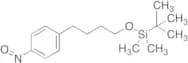
CAS:Controlled ProductFormula:C16H23BO2Color and Shape:NeatMolecular weight:258.164tert-Butyldimethyl(4-(nitrosophenyl)butoxy)silane
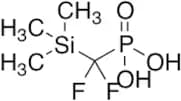
Controlled Product<p>Applications tert-Butyldimethyl(4-(nitrosophenyl)butoxy)silane is an intermediate used in the synthesis of (E)-S-(3-((4-((4-(4-hydroxybutyl)phenyl)diazenyl)phenyl)amino)-3-oxopropyl) methanesulfonothioate (H895230), which is a useful research chemical.<br></p>Formula:C16H27NO2SiColor and Shape:NeatMolecular weight:293.477Difluoro(trimethylsilyl)methylphosphonic Acid
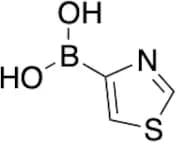
CAS:Controlled ProductFormula:C4H11F2O3PSiColor and Shape:NeatMolecular weight:204.184Thiazol-4-ylboronic Acid
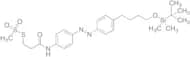
CAS:Controlled Product<p>Applications Thiazol-4-ylboronic acid (cas# 1016642-07-1) is a useful research chemical.<br></p>Formula:C3H4BNO2SColor and Shape:NeatMolecular weight:128.945(E)-S-(3-((4-((4-(4-((tert-Butyldimethylsilyl)oxy)butyl)phenyl)diazenyl)phenyl)amino)-3-oxopropyl) Methanesulfonothioate
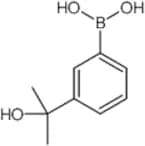
Controlled ProductFormula:C26H39N3O4S2SiColor and Shape:NeatMolecular weight:549.8213-(2-Hydroxypropan-2-yl)phenylboronic Acid
CAS:Controlled Product<p>Applications 3-(2-Hydroxypropan-2-yl)phenylboronic acid<br></p>Formula:C9H13BO3Color and Shape:NeatMolecular weight:180.01Bromotrimethylsilane
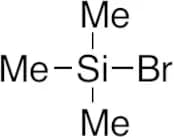
CAS:Controlled Product<p>Applications Bromotrimethylsilane is used as a reagent in the synthesis of α-carboxy nucleoside phosphonate analogs as HIV reverse transcriptase-targeting agents.<br> Not a dangerous good if item is equal to or less than 1g/ml and there is less than 100g/ml in the package<br>References Keane, S.J., et al.: J. Org. Chem., ahead of print (2014)<br></p>Formula:C3H9BrSiColor and Shape:NeatMolecular weight:153.09Triethylsilane
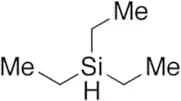
CAS:<p>Applications Triethylsilane is a trialkylsilicon hydride used in the synthesis of alkylsilanes via hydrosilation of olefins. Triethylsilane is also used as an effective reducing agent.<br> Not a dangerous good if item is equal to or less than 1g/ml and there is less than 100g/ml in the package<br>References Cesca, S. et al.: Chim. Indust., 51, 1093 (1969): Svoboda, P. et al.: Coll. Czech. Chem. Comm., 37, 1585 (1972); Tsuji, J. et al.: Tetrahedron, 30, 2143 (1974):<br></p>Formula:C6H16SiColor and Shape:NeatMolecular weight:116.281,2,2-Trimethylcyclopropyl Boronic Acid
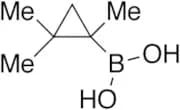
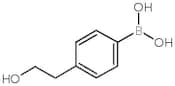
Controlled Product<p>Applications 1,2,2-Trimethylcyclopropyl Boronic Acid is the boronic acid analogue of 1,2,2-Trimethylcyclopropane. Boronic acid derivatives are widely used in several applications in organic synthesis.<br></p>Formula:C6H13BO2Color and Shape:NeatMolecular weight:127.9774-(2-Hydroxyethyl)phenylboronic acid
CAS:Controlled ProductFormula:C8H11BO3Color and Shape:NeatMolecular weight:165.9821,5-Anhydro-2,3-dideoxy-6-O-[(1,1-dimethylethyl)dimethylsilyl]-D-erythro-Hex-2-enitol
CAS:Controlled ProductFormula:C12H24O3SiColor and Shape:NeatMolecular weight:244.4034-[[[(1,1-Dimethylethyl)diphenylsilyl]oxy]methyl]-2,2-dimethyl-1,3-dioxolane
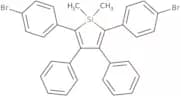
CAS:Controlled Product<p>Applications 4-[[[(1,1-Dimethylethyl)diphenylsilyl]oxy]methyl]-2,2-dimethyl-1,3-dioxolane is an intermediate in the synthesis of 1,2-Dioleoyl-rac-glycerol (D482175), which is an analog of 1,3-Dioleoylglycerol (D484210) which is used in the synthesis of amphiphilic gadolinium complexes as MRI contrast agents.<br>References Accardo, A., et. al.: J. Mater. Chem. B., 1, 617 (2013)<br></p>Formula:C22H30O3SiColor and Shape:NeatMolecular weight:370.5572,5-Bis(4-bromophenyl)-1,1-dimethyl-3,4-diphenylsilole
CAS:<p>Please enquire for more information about 2,5-Bis(4-bromophenyl)-1,1-dimethyl-3,4-diphenylsilole including the price, delivery time and more detailed product information at the technical inquiry form on this page</p>Formula:C30H24Br2SiPurity:Min. 95%Molecular weight:572.41 g/molTetramethylammonium triacetoxyborohydride
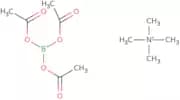
CAS:<p>Tetramethylammonium triacetoxyborohydride is a potent antagonist that binds to the active site of hydrogen-bond forming enzymes. It is used in the treatment of bowel disease, as well as other diseases such as cancer, diabetic neuropathy and inflammatory bowel disease. Tetramethylammonium triacetoxyborohydride has been shown to inhibit the growth of certain bacteria by inhibiting their ability to form hydrogen bonds. This chemical can also be used in asymmetric synthesis, which is the process of synthesizing only one enantiomer from a racemic mixture. Tetramethylammonium triacetoxyborohydride can function as an organocatalyst for this process by activating achiral substrates into chiral ones.</p>Formula:C10H22BNO6Purity:Min. 95%Color and Shape:White PowderMolecular weight:263.1 g/mol3-Cyanothiophene-4-boronic acid pinacol ester
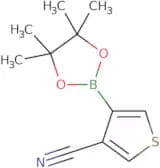
CAS:<p>Please enquire for more information about 3-Cyanothiophene-4-boronic acid pinacol ester including the price, delivery time and more detailed product information at the technical inquiry form on this page</p>Formula:C11H14BNO2SPurity:Min. 95%Molecular weight:235.11 g/molBoron carbide - 10um particle size
CAS:Controlled Product<p>Boron carbide is a hard, refractory material with high melting point. It is used in the production of ceramic and as a catalyst. Boron carbide has been shown to be effective in the treatment of wastewater due to its ability to adsorb organic matter and heavy metals. Boron carbide also has thermal expansion properties that make it suitable for use in various engineering applications. Boron carbide is composed of boron and carbon atoms, which interact through steric effects. The nitrogen atoms on the surface of boron carbide particles are responsible for its reactivity with other materials, such as silicon or zirconium oxide. The kinetic energy of the reaction mechanism can be determined by examining the surface methodology of boron carbide particles with a microscope.</p>Formula:B4CPurity:Min. 95%Molecular weight:55.25 g/molε caprolactam
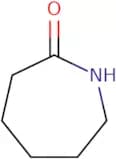
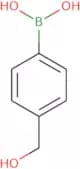
CAS:<p>Epsilon caprolactam is a poly-functional compound that can be used as a monomer for the production of polyamides. It is produced from lysine and caproic acid in the presence of copper chloride by oxidative decarboxylation. Epsilon caprolactam has been shown to have synergistic effects with other compounds, such as toxicity studies on rats and mice. This compound also has an acidic nature due to its carboxylic acid group. Plasma mass spectrometry has shown that there are high values of epsilon caprolactam in the plasma of bacterial strains and it is rapidly metabolized to l-lysine. Epsilon caprolactam is also a solid catalyst for organic reactions, which causes phase transition temperature to increase and promotes reaction mechanisms.</p>Formula:C6H11NOPurity:Min. 95%Color and Shape:White To Off-White SolidMolecular weight:113.16 g/mol4-(Hydroxymethyl)phenylboronic acid
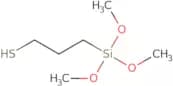
CAS:<p>4-(Hydroxymethyl)phenylboronic acid is an organic compound that has been identified as a reactive, fatty acid. It has shown antibacterial efficacy against gram-positive and gram-negative bacteria in the presence of nanogels. 4-(Hydroxymethyl)phenylboronic acid is also a cross-linking agent that can be used to form hydrogels for tissue engineering applications. This chemical is being studied as a potential treatment for inflammatory bowel disease and diabetes mellitus. 4-(Hydroxymethyl)phenylboronic acid has been shown to have anti-cancer properties by inhibiting the proliferation of cancer cells and inducing apoptosis. The molecule also undergoes structural analysis using confocal microscopy.</p>Formula:C7H9BO3Molecular weight:151.96 g/mol(3-Mercaptopropyl)trimethoxysilane
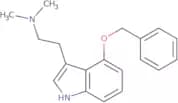
CAS:<p>3-Mercaptopropyl)trimethoxysilane is a molecule made up of three parts: a trimethoxysilane group, a trimethylsilyl group, and a mercapto group. The trimethoxysilane group is hydrophilic in nature and has an electron withdrawing effect on the molecule. The trimethylsilyl group is hydrophobic in nature and has an electron donating effect on the molecule. The mercapto group is reactive in nature and has a high redox potential. 3-Mercaptopropyl)trimethoxysilane can be used as a chemical additive to increase the stability of hydrochloric acid in water vapor by reacting with the hydroxyl groups to form stable compounds. This compound also reacts with hydrogen gas to produce methane gas, which can be used as fuel or as an alternative energy source. 3-Mercaptopropyl)trimethoxysilane also has synergistic</p>Formula:C6H16O3SSiPurity:Min. 98 Area-%Color and Shape:Colorless Clear LiquidMolecular weight:196.34 g/molO-Benzyl psilocin
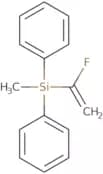
CAS:Controlled Product<p>O-Benzyl psilocin is a form of the hallucinogenic drug psilocybin. Psilocybin and other related substances are classified as indole alkaloids, which are synthesised by the enzyme tryptophan decarboxylase. O-Benzyl psilocin is synthesised in a two-step reaction that involves catalytic hydrogenation of 4-hydroxyindole to 4-hydroxyphenylacetaldehyde followed by formylation of the latter with formic acid or paraformaldehyde. It was first isolated from sheep's blood serum in 1958 and has been used as an immunogen to produce antisera against cocaine and serotonin. This substance also utilizes a number of endogenous substances for its metabolism, including dopamine, serotonin, noradrenaline, and adrenaline.</p>Formula:C19H22N2OPurity:Min. 95%Molecular weight:294.39 g/mol(1-Fluorovinyl)methyldiphenylsilane
CAS:<p>1-Fluorovinylmethyldiphenylsilane is a reactive, cross-coupling reagent that is used to synthesize organofluorine compounds. It reacts with nucleophiles such as sulfoxides, peroxides, halides, and amines to form an organofluorine compound. The nucleophile can be either in the presence or absence of hydrogen peroxide as a catalyst. The product of this reaction can be a sulfoxide, peroxide, or amine. 1-Fluorovinylmethyldiphenylsilane has been shown to react with nitro groups and iodides to form organofluorine compounds. 1-Fluorovinylmethyldiphenylsilane is soluble in organic solvents such as hexane and chloroform. This reagent should not be stored in metal containers because it will react with them spontaneously.</p>Formula:C15H15FSiPurity:Min. 95%Molecular weight:242.36 g/mol4-(Trifluoromethoxy)phenylboronic Acid (contains varying amounts of Anhydride)
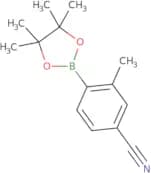
CAS:<p>4-(Trifluoromethoxy)phenylboronic acid is a boron-containing compound that has been shown to be a potent inhibitor of the histone deacetylase (HDAC) enzyme. It also has surfactant properties and can be used as a photochemical reagent. 4-(Trifluoromethoxy)phenylboronic acid is orally bioavailable and may have therapeutic potential for neurodegenerative diseases, such as Alzheimer's disease, Parkinson's disease, and Huntington's disease. It also has the ability to inhibit cancer cell growth by inhibiting HDAC activity. This drug has been found to cross-couple with organosilicon compounds in order to form new compounds with potent inhibitory activity against HDAC enzymes.</p>Formula:C7H6BF3O3Purity:Min. 95%Molecular weight:205.93 g/mol4-Cyano-2-methylphenylboronic acid, pinacol ester
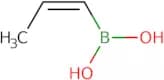
CAS:<p>Please enquire for more information about 4-Cyano-2-methylphenylboronic acid, pinacol ester including the price, delivery time and more detailed product information at the technical inquiry form on this page</p>Formula:C14H18BNO2Purity:Min. 95%Molecular weight:243.11 g/molcis-1-Propene-1-boronicacid
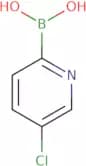
CAS:<p>cis-1-Propene-1-boronicacid is a chiral, pyranoside compound that can be synthesized from the reaction of 2,3,4,5-tetrahydropyran with boron trichloride. cis-1-Propene-1-boronicacid has been shown to be useful for the palladium catalyzed cross coupling reactions. cis-1-Propene-1-boronicacid has been shown to react with cyclopentenone and alkylate different functional groups such as amines and alcohols. cis-1 -Propene 1 boronic acid has been used in peptidomimetics as well as in nature.</p>Formula:C3H7BO2Purity:Min. 95%Molecular weight:85.9 g/mol5-Chloropyridine-2-boronicacid
CAS:<p>Please enquire for more information about 5-Chloropyridine-2-boronicacid including the price, delivery time and more detailed product information at the technical inquiry form on this page</p>Formula:C5H5BClNO2Purity:Min. 95%Molecular weight:157.36 g/molTrichlorooctadecylsilane
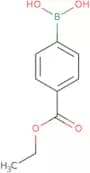
CAS:<p>Trichlorooctadecylsilane is a model system that consists of a monolayer of octadecyltrichlorosilane particles. The dispersive solid-phase extraction technique can be used to extract analytes from the surface of this particle. This technique involves removing the solvent from a sample by passing it through an adsorbent. The hydrophobic effect, which is the phenomenon that a nonpolar substance is dissolved in a nonpolar solvent, will cause analytes to bind to the hydrophobic surface of octadecyltrichlorosilane particles because they are hydrophobic.</p>Purity:Min. 95%4-(Ethoxycarbonyl)phenylboronic acid
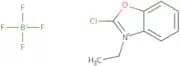
CAS:<p>4-(Ethoxycarbonyl)phenylboronic acid is a potential use for picric acid detection. It has been shown to be a chemosensor with an electrochemical impedance spectroscopy response that is sensitive to chloride ions. 4-(Ethoxycarbonyl)phenylboronic acid can be used as a linker in multigram-scale synthesis of aryl halides, and its reaction mechanism has been elucidated by crystal x-ray diffraction. The synthesis of this compound is scalable and involves the formation of an apical carboxylate from ethoxycarbonyl phenyl boronic acid and an aryl halide.</p>Formula:C9H11BO4Purity:Min. 95%Color and Shape:PowderMolecular weight:193.99 g/mol2-Chloro-3-ethylbenzoxazolium tetrafluoroborate
CAS:<p>2-Chloro-3-ethylbenzoxazolium tetrafluoroborate is a synthetic compound that inhibits the enzyme maltase. This compound is used in the treatment of diabetic patients with intestinal maltase deficiency and has been shown to be effective in clinical studies. 2-Chloro-3-ethylbenzoxazolium tetrafluoroborate has also been shown to inhibit other enzymes, such as thiocarbamate synthetase and aminooxazoline synthetase, which are involved in the biosynthesis of chlorinated pesticides and herbicides. The chloride ion is necessary for this inhibition activity. The compound can be prepared by a preparative method that involves hexaacetate and chloride ion or by using an aglycone, trehalamine, or stereospecific method.</p>Formula:C9H9BClF4NOPurity:Min. 95%Color and Shape:PowderMolecular weight:269.43 g/mol(-)-B-Chlorodiisopinocampheylborane, 65% heptane solution
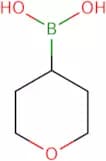
CAS:<p>(-)-B-Chlorodiisopinocampheylborane is a synthetic compound that belongs to the class of diketones. It has been used in asymmetric synthesis, metathesis reactions, and as a catalyst for the preparation of chiral compounds. (-)-B-Chlorodiisopinocampheylborane can be synthesized from trifluoromethylation using chlorodiphenylsilane and sodium borohydride in heptane. This agent has been shown to be effective for the production of β-unsaturated ketones by reaction with carbonyl groups. The reaction produces a racemic mixture of enantiomers, which are isomers that are not identical but have the same chemical formula and similar physical properties. (-)-B-Chlorodiisopinocampheylborane can also be used as an intermediate for the synthesis of latanoprost lactol, which is a prostaglandin</p>Formula:C20H34BClPurity:Min. 95%Color and Shape:Clear LiquidMolecular weight:320.75 g/molTetrahydropyran-4-boronicacid
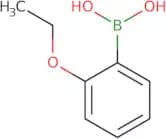
CAS:<p>Please enquire for more information about Tetrahydropyran-4-boronicacid including the price, delivery time and more detailed product information at the technical inquiry form on this page</p>Formula:C5H11BO3Purity:Min. 95%Molecular weight:129.95 g/mol2-Ethoxyphenylboronic acid
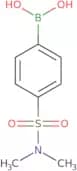
CAS:<p>Ethoxyphenylboronic acid is a triazine compound which inhibits inflammation by inhibiting the kinase that catalyzes the phosphorylation of arachidonic acid. It also inhibits lipid kinase, which is involved in the metabolism of lipids, and it has been shown to inhibit cancer cell growth through hydrogen bond interactions with DNA. Ethoxyphenylboronic acid has been shown to have anti-inflammatory properties and may be useful for the treatment of inflammatory diseases such as arthritis. The compound can also inhibit hydrogen peroxide-induced oxidative damage in cells, due to its ability to release intracellular glutathione.</p>Formula:C8H11BO3Purity:Min. 95%Molecular weight:165.98 g/molN,N-Dimethyl 4-boronobenzenesulfonamide
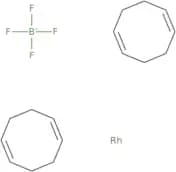
CAS:<p>Please enquire for more information about N,N-Dimethyl 4-boronobenzenesulfonamide including the price, delivery time and more detailed product information at the technical inquiry form on this page</p>Formula:C8H12BNO4SPurity:Min. 95%Molecular weight:229.06 g/molBis (1,5-Cyclooctadiene) rhodium(I)tetrafluoroborate
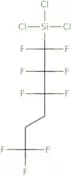
CAS:<p>Bis (1,5-Cyclooctadiene) rhodium(I)tetrafluoroborate (BODIPY) is a catalyst that enhances the rate of hydrosilylation reactions. This catalyst has been shown to be effective in the synthesis of aryl chlorides from amines and aldehydes with high enantioselectivity. BODIPY is also immobilized on silica gel to create an active catalyst for asymmetric synthesis. The immobilization process on silica gel is done by reacting BODIPY with ammonium formate and amines. The resulting catalyst can be used for the synthesis of functionalized organic compounds, such as pyrrolidines, tetrahydrofurans, and thiophenes.</p>Formula:C16H24BF4RhPurity:Min. 95%Molecular weight:406.07 g/molNonafluorohexyltrichlorosilane
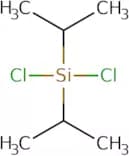
CAS:<p>Nonafluorohexyltrichlorosilane is a silicon-based surfactant that can be used as a surface treatment agent. It is hydrophilic and has excellent wetting properties. Nonafluorohexyltrichlorosilane is also an effective coagulant, which makes it useful for the treatment of wastewater containing suspended solids. This agent can be used to coat surfaces with silicon to make them more hydrophobic, making it useful in the production of photoreceptors, emulsions, and immobilized cell culture. The chemical structure of Nonafluorohexyltrichlorosilane allows it to be easily synthesized by the reaction between chlorosilanes and alcohols.</p>Formula:C6H4Cl3F9SiPurity:Min. 95%Color and Shape:Clear LiquidMolecular weight:381.53 g/molDichlorodiisopropylsilane
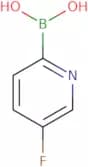
CAS:<p>Dichlorodiisopropylsilane is a cycloaddition process, which is the addition of two molecules to create a new ring. It reacts with an unsaturated organic compound, such as an alkene or alkyne, to produce a reactive functional group. Dichlorodiisopropylsilane has been used in chemistry as a cross-linking agent for proteins and as a solid catalyst. The chemical stability of dichlorodiisopropylsilane makes it useful in the synthesis of model proteins. This compound also has low bioavailability due to its high reactivity with hydrochloric acid found in the stomach.</p>Formula:C6H14Cl2SiPurity:Min. 95%Color and Shape:Clear LiquidMolecular weight:185.17 g/mol5-Fluoropyridine-2-boronic acid
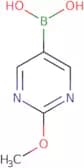
CAS:<p>Please enquire for more information about 5-Fluoropyridine-2-boronic acid including the price, delivery time and more detailed product information at the technical inquiry form on this page</p>Formula:C5H5BFNO2Purity:Min. 95%Molecular weight:140.91 g/mol2-Methoxypyrimidine-5-boronic acid
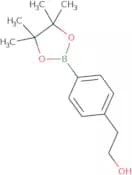
CAS:<p>Please enquire for more information about 2-Methoxypyrimidine-5-boronic acid including the price, delivery time and more detailed product information at the technical inquiry form on this page</p>Formula:C5H7BN2O3Purity:Min. 95%Molecular weight:153.93 g/mol2-(4-(4,4,5,5-Tetramethyl-l.3,2-dioxaborolan-2-yl)phenyl)ethanol
CAS:<p>2-(4-(4,4,5,5-Tetramethyl-l,3,2-dioxaborolan-2-yl)phenyl)ethanol is a fine chemical that has been used as a reagent and as a building block for the synthesis of complex compounds. It is also an intermediate in organic reactions and has been used as a reaction component in the synthesis of various drugs and agrochemicals. 2-(4-(4,4,5,5-Tetramethyl-l,3,2-dioxaborolan-2-yl)phenyl)ethanol is useful as a scaffold in organic synthesis. This compound can be converted to other useful chemicals such as tetrahydropyranones and dibenzalacetone derivatives. 2-(4-(4,4,5,5-Tetramethyl-l,3,2-dioxaborolan-2-yl)phenyl)ethanol</p>Formula:C14H21BO3Purity:Min. 95%Color and Shape:White PowderMolecular weight:248.13 g/molp-Carborane
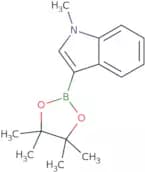
CAS:Controlled Product<p>p-Carborane is a compound that has been used in the palladium-catalyzed coupling of nitrogen atoms. It has been shown to have magnetic resonance spectroscopy, steric interactions, and cross-coupling properties. p-Carborane is stable under mild conditions and can be used as an alternative to other functional assays. p-Carborane also has been shown to inhibit the growth of prostate cancer cells and human leukemia cells (HL60). The redox potentials for this compound are low energy, making it difficult for these compounds to react with other substances.</p>Formula:C2H12B10Purity:Min. 95%Color and Shape:PowderMolecular weight:144.23 g/mol1-Methylindole-3-boronic acid pinacol ester
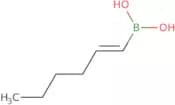
CAS:<p>Please enquire for more information about 1-Methylindole-3-boronic acid pinacol ester including the price, delivery time and more detailed product information at the technical inquiry form on this page</p>Formula:C15H20BNO2Purity:Min. 95%Molecular weight:257.14 g/molE-Hexen-1-ylboronic acid
CAS:<p>E-Hexen-1-ylboronic acid is a reactive, boron-containing compound that can be used for Suzuki coupling reactions and metathesis reactions. It is also useful in the analysis of organic compounds, due to its ability to form brightly coloured complexes with metal ions. E-Hexen-1-ylboronic acid has been shown to react with chloride, reoxidant and hexane. This compound can be used as an analytical reagent for the detection of stereoselectively in a stepwise reaction. E-Hexen-1-ylboronic acid forms crystals x-ray diffraction patterns that are characteristic of a chair conformation.</p>Formula:C6H13BO2Purity:Min. 95%Molecular weight:127.98 g/mol


![(4-[(Trimethylsilyl)ethynyl]phenyl)boronic Acid](/_next/image/?url=https%3A%2Fstatic.cymitquimica.com%2Fproducts%2FTR%2Fthumb-webp%2FT900203.webp&w=3840&q=75)
![B-(4-[1,1'-biphenyl]-4-yl-6-phenyl-1,3,5-triazin-2-yl)-Boronic acid](/_next/image/?url=https%3A%2Fstatic.cymitquimica.com%2Fproducts%2FTR%2Fthumb-webp%2FB666550.webp&w=3840&q=75)
![3-[[(1,1-Dimethylethyl)dimethylsilyl]oxy]cyclobutanone](/_next/image/?url=https%3A%2Fstatic.cymitquimica.com%2Fproducts%2FTR%2Fthumb-webp%2FD462393.webp&w=3840&q=75)
![1,1,1,5,7,7,7-Heptamethyl-3,3-bis[(trimethylsilyl)oxy]tetrasiloxane](/_next/image/?url=https%3A%2Fstatic.cymitquimica.com%2Fproducts%2FTR%2Fthumb-webp%2FH264925.webp&w=3840&q=75)
![1,5-Anhydro-2,3-dideoxy-6-O-[(1,1-dimethylethyl)dimethylsilyl]-D-erythro-Hex-2-enitol](/_next/image/?url=https%3A%2Fstatic.cymitquimica.com%2Fproducts%2FTR%2Fthumb-webp%2FA637880.webp&w=3840&q=75)
![4-[[[(1,1-Dimethylethyl)diphenylsilyl]oxy]methyl]-2,2-dimethyl-1,3-dioxolane](/_next/image/?url=https%3A%2Fstatic.cymitquimica.com%2Fproducts%2FTR%2Fthumb-webp%2FD118215.webp&w=3840&q=75)