Amides
Amides are a wide range of chemical compounds that contain at least one heterocyclic ring, which has atoms of at least two different elements in the ring structure, and at least one amide group (-CONH2). These compounds are crucial in the synthesis of pharmaceuticals, polymers, and agrochemicals. Amides exhibit unique properties and reactivity, making them valuable intermediates in organic synthesis. At CymitQuimica, we offer a comprehensive selection of high-quality amides to support your research and industrial needs.
Found 16401 products of "Amides"
Sort by
Purity (%)
0
100
|
0
|
50
|
90
|
95
|
100
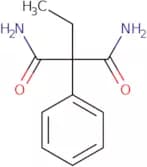
2-Ethyl-2-phenylmalonamide
CAS:<p>2-Ethyl-2-phenylmalonamide (2-EPMA) is a metabolite of primidone that acts as an inhibitor of glutamate dehydrogenase and may be used in the treatment of epilepsy. It has been shown to be effective in treating seizures caused by carbamazepine, phenobarbital, or phenytoin. 2-EPMA is also used to measure enzyme activities in serum, which can be used as a diagnostic tool for liver diseases. 2-EPMA is typically prepared for use as an enzyme inhibitor by diluting it with high salt or human serum. This compound may have carcinogenic potential and should not be administered with single doses greater than 100 mg/kg body weight. 2-EPMA interacts with many other drugs such as phenobarbital, phenytoin, and carbamazepine.</p>Formula:C11H14N2O2Purity:Min. 95%Molecular weight:206.24 g/molC8-Ceramide
CAS:<p>C8-Ceramide is a glucosylceramide that is involved in the production of C8-ceramides. It has shown to have potent apoptosis activity and inhibit p21, an inhibitor of cell cycle progression. C8-Ceramide also has been shown to be an inhibitor of tumor necrosis factor alpha (TNF-α) induced inflammation and apoptosis in mouse tumor cells. In addition, it can induce apoptosis by inhibiting the epidermal growth factor receptor (EGFR) pathway. This polymerase chain reaction (PCR) product was found to bind to DNA in a model system using calf thymus DNA as well as bacterial DNA gyrase and topoisomerase IV enzymes.</p>Formula:C26H51NO3Purity:Min. 95%Molecular weight:425.69 g/molD-Glutamic acid alpha-amide
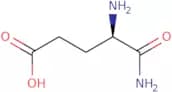
CAS:<p>D-Glutamic acid alpha-amide is a carbohydrate that has been shown to have antibiotic properties. It can be produced by chemoenzymatic synthesis and is used as an animal feed additive. D-Glutamic acid alpha-amide is a conjugate of D-glutamic acid with either glycine or beta-alanine. The residue of this compound on red blood cells is measured in order to assess the amount of D-glutamic acid alpha-amide that has been ingested. This compound has also been shown to have antigenic properties, which can elicit immune responses when injected into animals. The meningococcal vaccine that contains D-glutamic acid alpha-amide was found to be effective at stimulating an immune response in mice against meningitis caused by gram negative species, such as Neisseria meningitidis.</p>Formula:C5H10N2O3Purity:Min. 95%Color and Shape:PowderMolecular weight:146.14 g/molDesmethyl lacosamide
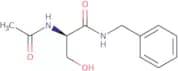
CAS:<p>Lacosamide is an antiepileptic drug that has been shown to be bioequivalent to the reference product, Gabapentin. Lacosamide binds to voltage-gated sodium channels and is thought to have a similar clinical profile as Gabapentin. It is used in the treatment of partial seizures (with or without secondary generalization) and adjunctive therapy for generalized seizures in adults and children aged 2 years or older. Lacosamide can interact with other drugs, such as gabapentin, by increasing their serum concentrations. This interaction may lead to adverse effects such as dizziness and confusion. Lacosamide plasma concentrations are measured using LC-MS/MS methods after a two-way crossover study in healthy human volunteers. This study also showed that lacosamide is excreted unchanged in urine samples at a rate of about 50% over 24 hours, indicating that it does not undergo extensive metabolism in humans.</p>Formula:C12H16N2O3Purity:Min. 95%Color and Shape:White Off-White PowderMolecular weight:236.27 g/molMetoclopramide base
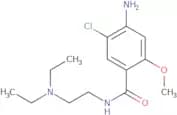
CAS:<p>Dopamine (D2) receptor antagonist</p>Formula:C14H22ClN3O2Purity:Min. 95%Color and Shape:White PowderMolecular weight:299.8 g/molN-(4-Aminophenyl)butanamide
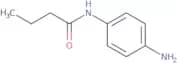
CAS:<p>Please enquire for more information about N-(4-Aminophenyl)butanamide including the price, delivery time and more detailed product information at the technical inquiry form on this page</p>Formula:C10H14N2OPurity:Min. 95%Molecular weight:178.23 g/molN,N-Dimethyformamide diethy acetal
CAS:<p>N,N-Dimethyformamide diethy acetal is a compound with a pyrazole ring and an ethyl formate substituent. It is an amide that can be synthesized by the reaction of dimethylformamide with ethyl formate. This compound has been found to inhibit the production of inflammatory cytokines such as chemokines in bowel disease patients. N,N-Dimethyformamide diethy acetal's amine group can also bind to adenosine receptors with high affinity. The hybridized nitrogen atoms in this molecule are more soluble than other amines and can be used as a supercritical fluid extraction solvent for solubility data.</p>Formula:C7H17NO2Purity:Min. 95%Color and Shape:Clear LiquidMolecular weight:147.22 g/molN-Methoxy-N-methylacetamide
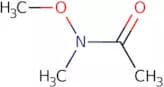
CAS:<p>N-Methoxy-N-methylacetamide is a nucleophilic amide that can be synthesized by the reaction of acetamide with methylmagnesium chloride. It has been used to synthesize an enantiopure derivative of 2-aminopropanol, which is used in the synthesis of potent antitumor agents. N-Methoxy-N-methylacetamide has shown potent anticancer activity in mice and rats. This molecule exhibits a carbonyl group that can act as an enolate, which is a reactive intermediate within chemical reactions. The nucleophilic attack on this carbonyl group leads to intramolecular hydrogen transfer, producing a more stable product.</p>Formula:C4H9NO2Purity:Min. 95%Molecular weight:103.12 g/molAcetohexamide
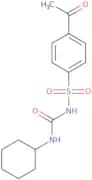
CAS:<p>Acetohexamide is a hypoglycemic drug that binds to the sulfonylurea receptor on pancreatic beta-cells and stimulates insulin release. It has been shown to have an oral hypoglycemic effect in humans, as well as in rats. Acetohexamide has been shown to inhibit the action of nonsteroidal anti-inflammatory drugs, such as indomethacin, through competitive inhibition. Acetohexamide also inhibits the enzyme activity of estradiol benzoate and acetohexamide hydrolase. This drug is not active against bacteria or fungi, but has been shown to be effective against some viruses. Acetohexamide is absorbed by the gastrointestinal tract and excreted unchanged in urine and feces. The drug does not bind to proteins and does not cross the blood-brain barrier.</p>Formula:C15H20N2O4SPurity:Min. 95%Color and Shape:PowderMolecular weight:324.4 g/molN-(4-(4-Fluorophenyl)-5-(hydroxymethyl)-6-isopropylpyrimidin-2-yl)-Nmethylmethanesulfonamide
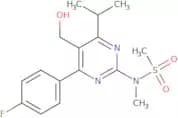
CAS:<p>Please enquire for more information about N-(4-(4-Fluorophenyl)-5-(hydroxymethyl)-6-isopropylpyrimidin-2-yl)-Nmethylmethanesulfonamide including the price, delivery time and more detailed product information at the technical inquiry form on this page</p>Formula:C16H20FN3O3SPurity:Min. 95%Molecular weight:353.41 g/molN-(tert-Butoxycarbonyl)glycine N'-methoxy-N'-methylamide
CAS:<p>Please enquire for more information about N-(tert-Butoxycarbonyl)glycine N'-methoxy-N'-methylamide including the price, delivery time and more detailed product information at the technical inquiry form on this page</p>Formula:C9H18N2O4Purity:Min. 95%Molecular weight:218.25 g/molN-(4-Hydroxyphenyl)-N-methylacetamide
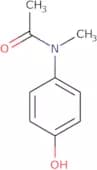
CAS:<p>Please enquire for more information about N-(4-Hydroxyphenyl)-N-methylacetamide including the price, delivery time and more detailed product information at the technical inquiry form on this page</p>Formula:C9H11NO2Purity:Min. 95%Molecular weight:165.19 g/molN-[(1S)-1-(Aminocarbonyl)propyl]-4-chlorobutanamide
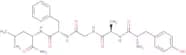
CAS:<p>Please enquire for more information about N-[(1S)-1-(Aminocarbonyl)propyl]-4-chlorobutanamide including the price, delivery time and more detailed product information at the technical inquiry form on this page</p>Formula:C8H15ClN2O2Purity:Min. 95%Color and Shape:PowderMolecular weight:206.67 g/mol(D-Ala2)-Leu-Enkephalin amide
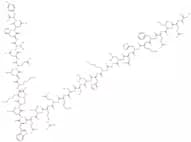
CAS:<p>Hyaluronic acid is a natural component of connective tissue and synovial fluid in animals. It is a linear, unbranched polysaccharide consisting of alternating D-glucuronic acid and N-acetyl-D-glucosamine. Hyaluronic acid has been shown to be useful in the treatment of long-term diseases such as heart disease or skin conditions like eczema. It is important for the efficient production of vaccines, which are used to prevent infectious diseases such as streptococcal infections. Hyaluronic acid can also be used as a microcontroller for minimally invasive procedures. This molecule can be used as an additive in the production of metallocene catalysts to increase the efficiency of these reactions, while reducing impurities during the process. The use of hyaluronic acid has been studied extensively, with many techniques employed to study its properties and functions. Genetic factors have also been found to play a role in</p>Formula:C29H40N6O6Purity:Min. 95%Molecular weight:568.66 g/mol(Nle 8·18,Tyr34)-pTH (3-34) amide (bovine)
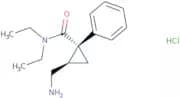
CAS:<p>Please enquire for more information about (Nle 8·18,Tyr34)-pTH (3-34) amide (bovine) including the price, delivery time and more detailed product information at the technical inquiry form on this page</p>Formula:C177H279N53O48Purity:Min. 95%Molecular weight:3,917.44 g/mol(E)-2-(Aminomethyl)-N,N-diethyl-1-phenylcyclopropanecarboxamideHydrochloride
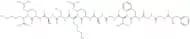
CAS:Controlled Product<p>Levomilnacipran is a serotonin-norepinephrine reuptake inhibitor (SNRI) that is used for the treatment of major depressive disorder and fibromyalgia. It has been shown to have antidepressant effects in patients with major depressive disorder and fibromyalgia. Levomilnacipran inhibits the reuptake of serotonin and norepinephrine by blocking the transporter proteins in these neurotransmitter pathways, increasing their availability to interact with receptors in the brain. Levomilnacipran also has been found to inhibit aminotransferase activity, which may be responsible for its hepatotoxicity.</p>Formula:C15H23ClN2OPurity:Min. 95%Molecular weight:282.81 g/molNociceptin (1-13) amide trifluoroacetate salt
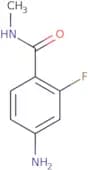
CAS:<p>Please enquire for more information about Nociceptin (1-13) amide trifluoroacetate salt including the price, delivery time and more detailed product information at the technical inquiry form on this page</p>Formula:C61H100N22O15Purity:Min. 95%Molecular weight:1,381.59 g/molN-Methyl-2-fluoro-4-aminobenzamide
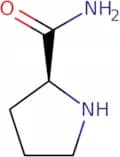
CAS:<p>N-Methyl-2-fluoro-4-aminobenzamide is a toxic compound that is commonly used as a reagent in chemical synthesis and research. It has been studied for its potential use in medicine, particularly in the treatment of castration-resistant prostate cancer. N-Methyl-2-fluoro-4-aminobenzamide acts as a nucleophilic agent, participating in reactions that involve the addition of an acyl group to a target molecule. Its stable formyl group allows for efficient reaction yields and reliable results. However, due to its toxic nature, caution must be exercised when handling this compound.</p>Formula:C8H9FN2OPurity:Min. 95%Molecular weight:168.17 g/molL-Prolinamide
CAS:<p>Intermediate in the synthesis of vildagliptin</p>Formula:C5H10N2OPurity:Min. 95%Color and Shape:PowderMolecular weight:114.15 g/molNeural-Cadherin (76-85) amide (chicken)
CAS:<p>Please enquire for more information about Neural-Cadherin (76-85) amide (chicken) including the price, delivery time and more detailed product information at the technical inquiry form on this page</p>Formula:C44H75N17O13Purity:Min. 95%Molecular weight:1,050.17 g/mol




![N-[(1S)-1-(Aminocarbonyl)propyl]-4-chlorobutanamide](/_next/image/?url=https%3A%2Fstatic.cymitquimica.com%2Fproducts%2F3D%2Fthumb-webp%2FFA171302.webp&w=3840&q=75)