Amides
Amides are a wide range of chemical compounds that contain at least one heterocyclic ring, which has atoms of at least two different elements in the ring structure, and at least one amide group (-CONH2). These compounds are crucial in the synthesis of pharmaceuticals, polymers, and agrochemicals. Amides exhibit unique properties and reactivity, making them valuable intermediates in organic synthesis. At CymitQuimica, we offer a comprehensive selection of high-quality amides to support your research and industrial needs.
Found 16385 products of "Amides"
Sort by
Purity (%)
0
100
|
0
|
50
|
90
|
95
|
100
N-Allyl-n-(2-chloro-5-cyanophenyl)acetamide
CAS:<p>N-Allyl-n-(2-chloro-5-cyanophenyl)acetamide is a fine chemical that is used as a building block in the synthesis of other compounds. It is also used in research and as a reagent or speciality chemical. N-Allyl-n-(2-chloro-5-cyanophenyl)acetamide has been shown to be an excellent intermediate for complex organic reactions, such as coupling reactions with amines, alcohols, and thiols. In addition, this compound can be used to form new scaffolds for biological studies.</p>Formula:C12H11ClN2OPurity:Min. 95%Color and Shape:PowderMolecular weight:234.68 g/mol4-Amino-N-(4-methylpyrimidin-2-yl)benzenesulfonamide
CAS:<p>4-Amino-N-(4-methylpyrimidin-2-yl)benzenesulfonamide (AMBPS) is a sulfonamide antimicrobial agent that belongs to the group of sulfa drugs. It is a potent inhibitor of tetracycline resistance in bacterial cells, and has been shown to be effective against infectious diseases such as tuberculosis, leprosy and pneumonia. AMBPS has also been used in wastewater treatment and biological studies with high values. This drug binds to sulfamerazine, which inhibits bacterial growth by inhibiting RNA synthesis. The hydrogen bonding interactions between AMBPS and sulfadiazine are thought to be responsible for the effects on congestive heart failure.</p>Formula:C11H12N4O2SPurity:Min. 95%Molecular weight:264.3 g/molTRAP-14 amide trifluoroacetate salt
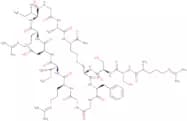
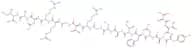
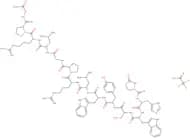
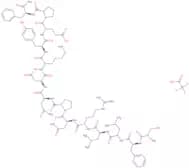
CAS:<p>Please enquire for more information about TRAP-14 amide trifluoroacetate salt including the price, delivery time and more detailed product information at the technical inquiry form on this page</p>Formula:C81H119N21O22Purity:Min. 95%Molecular weight:1,738.94 g/molClopamide
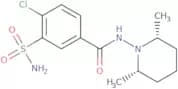
CAS:<p>Clopamide is a diuretic drug that belongs to the group of protein genes. It is used in the treatment of chronic heart failure, low-density lipoprotein cholesterol and infectious diseases. Clopamide has been shown to increase the glomerular filtration rate by inhibiting the sodium citrate enzyme, which is involved in the formation of urine from blood plasma. This drug also reduces blood pressure by blocking angiotensin II receptors on vascular smooth muscle cells. Clopamide does not have any significant interactions with other drugs, although caution should be exercised when using it with cardiac drugs due to its effects on blood pressure.</p>Formula:C14H20ClN3O3SPurity:Min. 98 Area-%Color and Shape:White PowderMolecular weight:345.85 g/molCecropin A (1-8)-Melittin (1-18) amide
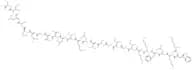
CAS:<p>Please enquire for more information about Cecropin A (1-8)-Melittin (1-18) amide including the price, delivery time and more detailed product information at the technical inquiry form on this page</p>Formula:C136H233N33O29Purity:Min. 95%Molecular weight:2,794.51 g/molN-Hydroxy-2-phenyl-acetamide
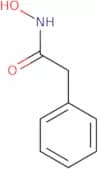
CAS:<p>N-Hydroxy-2-phenyl-acetamide is a metalloprotease inhibitor that binds to the active site of the enzyme, thereby preventing it from binding with its natural substrate. This drug has been shown to inhibit the production of TNF-α in mice with autoimmune diseases and may be able to inhibit other proinflammatory mediators. N-Hydroxy-2-phenyl-acetamide has been shown to bind to a water molecule and an aliphatic hydrocarbon in order to form a hydrogen bond. This coordination complex inhibits the activity of matrix metalloproteinases, which are enzymes that break down collagen, elastin, and other proteins in the extracellular matrix. N-Hydroxy-2-phenyl-acetamide is not active against acid complexes or tnfα.</p>Formula:C8H9NO2Purity:Min. 95%Color and Shape:White Yellow PowderMolecular weight:151.16 g/molN-[4-(2-Bromoacetyl)phenyl]methanesulfonamide
CAS:<p>N-[4-(2-Bromoacetyl)phenyl]methanesulfonamide is a chiral biocatalytic agent, which is synthesized by chemoenzymatic or enzymatic reactions. It has been used in enantioselective synthesis of 4-aminoacetophenone and as an antiarrhythmic agent. This compound is not active against bacterial infections.</p>Formula:C9H10BrNO3SPurity:Min. 95%Molecular weight:292.15 g/molDynorphin A (1-10) amide
CAS:<p>Dynorphin A (1-10) amide H-Tyr-Gly-Gly-Phe-Leu-Arg-Arg-Ile-Arg-Pro-NH2 is an analog of dynorphin A. It is a peptide that has been shown to be effective in reducing blood pressure and stress levels in animals. Dynorphin A (1-10) amide H-Tyr-Gly-Gly-Phe-Leu-Arg - Arg - Ile - Arg - Pro - NH2 also has analgesic properties and may be useful for the treatment of cardiac diseases.</p>Formula:C57H92N20O11Purity:Min. 95%Molecular weight:1,233.47 g/molPAR-4 (1-6) amide (mouse) trifluoroacetate salt
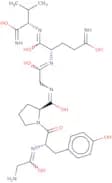
CAS:<p>PAR-4 (1-6) amide (mouse) trifluoroacetate salt H-Gly-Tyr-Pro-Gly-Lys-Phe-NH2 trifluoroacetate salt is a guanine nucleotide binding protein that belongs to the PAR family of proteins. It is expressed in wild type mice and binds to the cytosolic calcium, which regulates polymerase chain reaction. PAR-4 (1-6) amide (mouse) trifluoroacetate salt H-Gly-Tyr-Pro-Gly-Lys-Phe NH2 trifluoroacetate salt can be used as a potential drug target for epidermal growth factor. It has been shown to activate transcription polymerase chain and transcriptase polymerase chain during transcriptional regulation of messenger RNA.</p>Formula:C33H46N8O7Purity:Min. 95%Molecular weight:666.77 g/molMca-(Asn670,Leu671)-Amyloid β/A4 Protein Precursor770 (667-676)-Lys(Dnp)-Arg-Arg amide trifluoroacetate salt
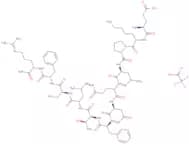
CAS:<p>Please enquire for more information about Mca-(Asn670,Leu671)-Amyloid beta/A4 Protein Precursor770 (667-676)-Lys(Dnp)-Arg-Arg amide trifluoroacetate salt including the price, delivery time and more detailed product information at the technical inquiry form on this page</p>Formula:C86H125N27O29Purity:Min. 95%Molecular weight:2,001.08 g/mol(D-Ala2)-Leu-Enkephalin amide
CAS:<p>Hyaluronic acid is a natural component of connective tissue and synovial fluid in animals. It is a linear, unbranched polysaccharide consisting of alternating D-glucuronic acid and N-acetyl-D-glucosamine. Hyaluronic acid has been shown to be useful in the treatment of long-term diseases such as heart disease or skin conditions like eczema. It is important for the efficient production of vaccines, which are used to prevent infectious diseases such as streptococcal infections. Hyaluronic acid can also be used as a microcontroller for minimally invasive procedures. This molecule can be used as an additive in the production of metallocene catalysts to increase the efficiency of these reactions, while reducing impurities during the process. The use of hyaluronic acid has been studied extensively, with many techniques employed to study its properties and functions. Genetic factors have also been found to play a role in</p>Formula:C29H40N6O6Purity:Min. 95%Molecular weight:568.66 g/mol(Cys18)-Atrial Natriuretic Factor (4-18) amide (mouse, rabbit, rat) trifluoroacetate salt
CAS:<p>Please enquire for more information about (Cys18)-Atrial Natriuretic Factor (4-18) amide (mouse, rabbit, rat) trifluoroacetate salt including the price, delivery time and more detailed product information at the technical inquiry form on this page</p>Formula:C64H107N25O19S2Purity:Min. 95%Molecular weight:1,594.82 g/molpTH-Related Protein (1-34) amide (human, mouse, rat) trifluoroacetate salt
CAS:<p>Parathyroid hormone-related protein (PTHrP) is a peptide hormone produced by the parathyroid gland that functions as a phosphatase, inhibiting alkaline phosphatase. It also has an inhibitory effect on osteoclastic bone resorption and stimulates osteoblastic bone formation. PTHrP has been shown to be useful in treating osteoporosis and Paget's disease. It also has been used in conjunction with dexamethasone to treat patients with malignancies of the head and neck. PTHrP is an inhibitor of protein kinase A and phosphodiesterases, which are enzymes that regulate cellular processes such as proliferation and differentiation.</p>Formula:C180H288N58O47Purity:Min. 95%Molecular weight:4,016.58 g/molNociceptin (1-13) amide trifluoroacetate salt
CAS:<p>Please enquire for more information about Nociceptin (1-13) amide trifluoroacetate salt including the price, delivery time and more detailed product information at the technical inquiry form on this page</p>Formula:C61H100N22O15Purity:Min. 95%Molecular weight:1,381.59 g/mol2,2-Dimethylpropionamide
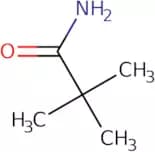
CAS:<p>2,2-Dimethylpropionamide is a synthetic chemical that has been shown to have cytotoxic and biochemical properties. It has been tested on leukemia cells (K562) and has been shown to inhibit the bcr-abl kinase. 2,2-Dimethylpropionamide has also been shown to inhibit the production of amide radicals in human serum under constant pressure. The structure of this compound was solved using X-ray diffraction data.</p>Formula:C5H11NOPurity:Min. 95%Molecular weight:101.15 g/molPAR-2 (6-1) amide (mouse, rat) trifluoroacetate salt
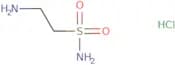
CAS:<p>PAR-2 (6-1) amide is a proteolytic enzyme that is activated by inflammatory stimuli. It has been shown to be a major contributor to the pathogenesis of inflammatory bowel disease, and is found in neurons, the bowel, and pancreatic acinar cells. PAR-2 (6-1) amide activates proteases such as trypsin and chymotrypsin and also functions as an antimicrobial peptide. Activation of PAR-2 (6-1) amide leads to the cleavage of proteins at specific sites on their amino acid chains. This cleavage can lead to changes in protein conformation or function. PAR-2 (6-1) amide has been shown to increase endothelial cell proliferation and inhibit bacterial growth, but does not have any effect on cultured normal human skin fibroblasts.</p>Formula:C29H56N10O7Purity:Min. 95%Molecular weight:656.82 g/mol2-Aminoethanesulphonamide monohydrochloride
CAS:<p>2-Aminoethanesulphonamide monohydrochloride is a perovskite with a hexagonal shape. It has been shown to interact with the pharmacophore of the enzyme cytochrome P450, and it has been optimized for the reaction by altering its structure. This product is soluble in gaseous form, but can also be used as a solid. 2-Aminoethanesulphonamide monohydrochloride has an absorption maximum at 325 nm and emits fluorescence at 420 nm. It is used in devices that detect ionizing radiation.</p>Formula:C2H8N2O2S•HClPurity:Min. 95%Color and Shape:PowderMolecular weight:160.62 g/mol(Nle 8·18,Tyr34)-pTH (1-34) amide (bovine) trifluoroacetate salt
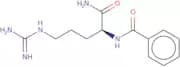
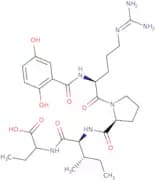
CAS:<p>Please enquire for more information about (Nle 8·18,Tyr34)-pTH (1-34) amide (bovine) trifluoroacetate salt including the price, delivery time and more detailed product information at the technical inquiry form on this page</p>Formula:C185H293N55O50Purity:Min. 95%Molecular weight:4,087.65 g/molN-α-Benzoyl-L-argininamide
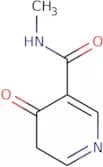
CAS:<p>N-alpha-Benzoyl-L-argininamide is a synthetic compound that is used as an enzyme inhibitor. It binds to the active site of proteases, thereby inhibiting their activity. This drug has been shown to inhibit the activities of phosphodiesterase and phosphatase enzymes in vitro. N-alpha-Benzoyl-L-argininamide also inhibits the proteolytic degradation of hippuric acid and casein in vitro. The binding affinity for this drug is due to its structural similarity with substrates such as glutamate and rhizosphere exudates.</p>Formula:C13H19N5O2Purity:Min 98%Color and Shape:White PowderMolecular weight:277.32 g/molN-Methyl-4-oxo-4,5-dihydropyridine-3-carboxamide
CAS:<p>N-Methyl-4-oxo-4,5-dihydropyridine-3-carboxamide is a fine chemical that can be used as a reagent or intermediate. It is a versatile building block that can be used in the production of useful scaffolds or useful intermediates. This compound has been shown to react with many different types of chemicals, including alcohols and amines. N-Methyl-4-oxo-4,5-dihydropyridine-3-carboxamide can also be used as a reaction component in the synthesis of diverse compounds.</p>Formula:C7H8N2O2Purity:Min. 95%Color and Shape:White to grey solid.Molecular weight:152.15 g/molcAMP-Dependent Protein Kinase Inhibitor-a (5-22) amide (human, mouse, rabbit, rat)
CAS:<p>Please enquire for more information about cAMP-Dependent Protein Kinase Inhibitor-a (5-22) amide (human, mouse, rabbit, rat) including the price, delivery time and more detailed product information at the technical inquiry form on this page</p>Formula:C84H137N29O26Purity:Min. 95%Molecular weight:1,969.17 g/molN-Des(2-diethylamino) metoclopramide acetic acid
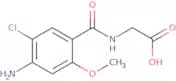
CAS:<p>N-Des(2-diethylamino) metoclopramide acetic acid is a benzyl ester of metoclopramide, a prodrug that is metabolized to the active form in the body. It has been shown to be effective against healthy human subjects and hplc analyses of biological samples have shown it to be a metabolite of metoclopramide. N-Des(2-diethylamino) metoclopramide acetic acid is used as a catalyst for catalytic hydrogenation reactions, such as the conversion of methyl esters into ethyl or butyl esters. It can also be used for catalytic hydrogenation reactions with diazomethane, such as those required for the synthesis of quinolones.</p>Formula:C10H11ClN2O4Purity:Min. 95%Molecular weight:258.66 g/mol(D-2-Nal 5,Cys6·11,Tyr7,D-Trp8,Val10, 2-Nal 12)-Somatostatin-14 (5-12) amide trifluoroacetate salt
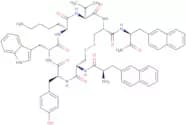
CAS:<p>Please enquire for more information about (D-2-Nal 5,Cys6·11,Tyr7,D-Trp8,Val10, 2-Nal 12)-Somatostatin-14 (5-12) amide trifluoroacetate salt including the price, delivery time and more detailed product information at the technical inquiry form on this page</p>Formula:C63H73N11O9S2Purity:Min. 95%Molecular weight:1,192.45 g/mol4-(Benzyloxy)-N,N-dimethyl-indole-3-glyoxylamide
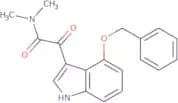
CAS:<p>Please enquire for more information about 4-(Benzyloxy)-N,N-dimethyl-indole-3-glyoxylamide including the price, delivery time and more detailed product information at the technical inquiry form on this page</p>Formula:C19H18N2O3Purity:Min. 95%Molecular weight:322.36 g/molLymnaDFamide-1
CAS:<p>LymnaDFamide-1 is a neuropeptide that belongs to the family of c-terminal peptides. It is a dipeptide with a sequence of L-Pro-Tyr-Asp-Arg-Ile-Ser-Asn-Ser-Ala-Phe. This peptide was found in the nervous system of invertebrates, where it is believed to play an important role in the regulation of neurotransmitter release. In mammals, LymnaDFamide has been detected in the brain and in the gallbladder. It may be involved in regulating feeding behavior and gastric motility.</p>Formula:C68H96N18O22Purity:Min. 95%Molecular weight:1,517.6 g/molN,N-Bis(2-hydroxyethyl)dodecanamide
CAS:<p>N,N-Bis(2-hydroxyethyl)dodecanamide is a surfactant that is used in the treatment of wastewater. It has been shown to be effective at removing p-hydroxybenzoic acid from water and at reducing the concentration of this compound in the environment. N,N-Bis(2-hydroxyethyl)dodecanamide also has antimicrobial properties and synergizes with other antimicrobial agents to provide a more potent effect than when it is used alone. This surfactant has been shown to have an effect on congestive heart failure by blocking the action of angiotensin II receptors.</p>Formula:C16H33NO3Color and Shape:Clear LiquidMolecular weight:287.44 g/molHe-LWamide II
CAS:<p>He-LWamide II is a neuropeptide that is found in the hydrozoa, cnidarians, and anthozoa. It is an endogenous hormone that is produced by the planula stage of development. He-LWamide II inhibits muscle contractions and can be used as a model system for studying the effects of neuropeptides on invertebrate development. The developmental effects of this peptide have been studied in animals and humans, including its role in regulating the maturation of eggs and spermatozoa. He-LWamide II also has inhibitory effects on the nervous system and muscles.</p>Formula:C35H53N9O6Purity:Min. 95%Molecular weight:695.85 g/molPAR-2 (1-6) amide (human) trifluoroacetate salt
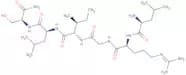
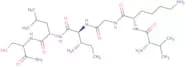
CAS:<p>PAR-2 (1-6) amide (human) trifluoroacetate salt H-Ser-Leu-Ile-Gly-Lys-Val-NH2 trifluoroacetate salt is a protease inhibitor that inhibits the activity of PAR2, a protein receptor. PAR2 is implicated in cancer and inflammation. It has been shown to inhibit growth factor signaling, as well as activate toll-like receptor 4 and other inflammatory pathways. PAR2 inhibition has also been studied in vivo and found to be effective in treating wild type mice with melanoma cells. In vitro studies have shown that PAR2 inhibition by PAR 2 (1-6) amide (human) trifluoroacetate salt H-Ser-Leu-Ile-Gly-Lys-Val NH2 trifluoroacetate salt blocks the production of tumour necrosis factor alpha and interleukin 6.</p>Formula:C28H54N8O7Purity:Min. 95%Molecular weight:614.78 g/molMetorphamide (free acid)
CAS:<p>Please enquire for more information about Metorphamide (free acid) including the price, delivery time and more detailed product information at the technical inquiry form on this page</p>Formula:C44H68N14O10SPurity:Min. 95%Molecular weight:985.17 g/molAcetyl-(Cys(Acm)33·42)-EGF (33-42) amide (mouse)
CAS:<p>Please enquire for more information about Acetyl-(Cys(Acm)33·42)-EGF (33-42) amide (mouse) including the price, delivery time and more detailed product information at the technical inquiry form on this page</p>Formula:C51H82N16O17S2Purity:Min. 95%Molecular weight:1,255.43 g/molTRAP-5 amide trifluoroacetate salt
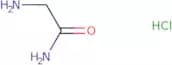
CAS:<p>Please enquire for more information about TRAP-5 amide trifluoroacetate salt including the price, delivery time and more detailed product information at the technical inquiry form on this page</p>Formula:C30H51N9O6Purity:Min. 95%Molecular weight:633.78 g/molGlycinamide hydrochloride
CAS:<p>Glycinamide hydrochloride is an inhibitor that binds to the glycine-binding site of the protein synthetase and inhibits the formation of glycinamide ribonucleotide. It has been shown to inhibit human glycinamide ribonucleotide synthetase in vitro. Glycinamide hydrochloride is also a glycinamide amide, which was synthesized by linking two molecules of glycine with an amide bond. This molecule is cross-linked with a macrogel, forming a hydrogel. The hydrogel can be used in biomedical applications, such as tissue engineering and drug delivery systems.</p>Formula:C2H7ClN2OColor and Shape:White PowderMolecular weight:110.54 g/mol(D-Trp6)-LHR
<p>Please enquire for more information about (D-Trp6)-LHR including the price, delivery time and more detailed product information at the technical inquiry form on this page</p>Formula:C83H115N25O17Purity:Min. 95%Molecular weight:1,734.96 g/molPAR-2 (6-1) amide (human) trifluoroacetate salt
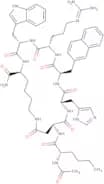
CAS:<p>Please enquire for more information about PAR-2 (6-1) amide (human) trifluoroacetate salt including the price, delivery time and more detailed product information at the technical inquiry form on this page</p>Formula:C28H54N8O7Purity:Min. 95%Molecular weight:614.78 g/molN-Acetyl-L-norleucyl-L-a-aspartyl-L-histidyl-3-(2-naphthalenyl)-D-alanyl-L-arginyl-L-tryptophyl-L-lysinamide-(2,7) -lactam
CAS:<p>Please enquire for more information about N-Acetyl-L-norleucyl-L-a-aspartyl-L-histidyl-3-(2-naphthalenyl)-D-alanyl-L-arginyl-L-tryptophyl-L-lysinamide-(2,7) -lactam including the price, delivery time and more detailed product information at the technical inquiry form on this page</p>Formula:C54H71N15O9Purity:Min. 95%Molecular weight:1,074.24 g/molNazumamide A
CAS:<p>Nazumamide A is a cyclic peptide with inhibitory activity against serine proteases. It binds to the active site of thrombin and inhibits its action, thereby inhibiting the fibrinogen degradation in blood. Nazumamide A is also found to have neuroprotective properties, which may be due to its ability to inhibit nitric oxide production by binding to the enzyme nitric oxide synthase. It has been shown to have anti-inflammatory activities and can be used for the treatment of inflammation-associated diseases such as asthma and arthritis. Nazumamide A is a nonribosomal peptide that does not require any cofactors for synthesis.</p>Formula:C28H43N7O8Purity:Min. 95%Molecular weight:605.68 g/molPAR-4 (1-6) amide (human) trifluoroacetate salt
CAS:<p>Please enquire for more information about PAR-4 (1-6) amide (human) trifluoroacetate salt including the price, delivery time and more detailed product information at the technical inquiry form on this page</p>Formula:C28H42N8O8Purity:Min. 95%Molecular weight:618.68 g/mol1-Methyl-4-nitro-1H-pyrazole-3-carboxamide
CAS:<p>Please enquire for more information about 1-Methyl-4-nitro-1H-pyrazole-3-carboxamide including the price, delivery time and more detailed product information at the technical inquiry form on this page</p>Purity:Min. 95%Amyloid P Component (27-38) amide trifluoroacetate salt
CAS:<p>Please enquire for more information about Amyloid P Component (27-38) amide trifluoroacetate salt including the price, delivery time and more detailed product information at the technical inquiry form on this page</p>Formula:C68H107N19O17SPurity:Min. 95%Molecular weight:1,494.76 g/molN-Hydroxyethylacrylamide
CAS:<p>N-Hydroxyethylacrylamide is a compound that has been shown to have anti-infective properties against microbial infection. It was found to inhibit the growth of bacteria in human serum and fetal bovine serum, and it has minimal toxicity in mice. N-Hydroxyethylacrylamide also prevents the growth of fungi and yeasts by binding to basic proteins, such as lysine, arginine, and histidine. This drug also inhibits the growth of viruses by inhibiting their ability to replicate their own nucleic acids. In addition, N-Hydroxyethylacrylamide may be used as an inhibitor in titration calorimetry to measure the concentration of other compounds.</p>Formula:C5H9NO2Purity:Min. 95%Color and Shape:Colourless To Pale Yellow Clear LiquidMolecular weight:115.13 g/molMet-Enkephalin-Arg-Phe amide
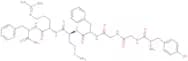
CAS:<p>Met-Enkephalin-Arg-Phe amide H-Tyr-Gly-Gly-Phe-Met-Arg-Phe is a subunit of the endogenous opioid peptide Met-enkephalin. It is a proteolytic cleavage product of proenkephalin A and is also known as Tyr2, Phe2, or Arg6. Met-enkephalin has been shown to participate in signal transduction pathways that regulate blood pressure and exocrine secretion. Metenkephalin is an amide containing two cysteine residues with a hydrophobic side chain, which can bind metal ions such as calcium ions. Metenkephalin binds to the membrane of cells, altering membrane potential and naloxone binding sites.<br>Met enkephalin has been shown to be involved in serotonin release from platelets and inhibition of serotonin uptake by platelets.</p>Formula:C42H57N11O8SPurity:Min. 95%Molecular weight:876.04 g/molLeptin (116-130) amide (mouse) trifluoroacetate salt
CAS:<p>Amide; Trifluoroacetate salt</p>Formula:C64H109N19O24SPurity:Min. 95%Molecular weight:1,560.73 g/molMca-Amyloid β/A4 Protein Precursor770 (667-676)-Lys(Dnp)-Arg-Arg amide trifluoroacetate salt
CAS:<p>Please enquire for more information about Mca-Amyloid beta/A4 Protein Precursor770 (667-676)-Lys(Dnp)-Arg-Arg amide trifluoroacetate salt including the price, delivery time and more detailed product information at the technical inquiry form on this page</p>Formula:C87H129N27O28SPurity:Min. 95%Molecular weight:2,033.19 g/mol(Phe1,Ser2,Tyr6)-PAR-1 (1-6) amide (human) trifluoroacetate salt
CAS:<p>Please enquire for more information about (Phe1,Ser2,Tyr6)-PAR-1 (1-6) amide (human) trifluoroacetate salt including the price, delivery time and more detailed product information at the technical inquiry form on this page</p>Formula:C39H60N10O8Purity:Min. 95%Molecular weight:796.96 g/molBig Endothelin-3 (22-41) amide (human) trifluoroacetate salt
CAS:<p>Please enquire for more information about Big Endothelin-3 (22-41) amide (human) trifluoroacetate salt including the price, delivery time and more detailed product information at the technical inquiry form on this page</p>Formula:C102H156N30O31Purity:Min. 95%Molecular weight:2,298.51 g/molAcetyl-Neurotrophin Receptor (368-381) amide (human)
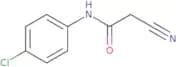
CAS:<p>Please enquire for more information about Acetyl-Neurotrophin Receptor (368-381) amide (human) including the price, delivery time and more detailed product information at the technical inquiry form on this page</p>Formula:C69H124N22O19Purity:Min. 95%Molecular weight:1,565.86 g/molN-(4-Chlorophenyl)-2-cyanoacetamide
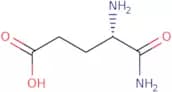
CAS:<p>N-(4-Chlorophenyl)-2-cyanoacetamide is a pyridine compound that can be synthesized from chloroacetonitrile and acetamide. It has been shown to react with an active methylene group in benzene or pyridine to produce a heterocycle. This reaction is reversible and can be used as a preparative method for the synthesis of heterocycles. The 1,3-dipolar cycloaddition of N-(4-chlorophenyl)-2-cyanoacetamide with nitro groups in nitrobenzene produces the corresponding 2-nitropyridines, which are important intermediates in the synthesis of other heterocycles. N-(4-Chlorophenyl)-2-cyanoacetamide has been used as an efficient method for the preparation of nitrogen nucleophiles that are useful for catalysis.</p>Formula:C9H7ClN2OPurity:Min. 95%Molecular weight:194.62 g/molL-Glutamic acid α-amide
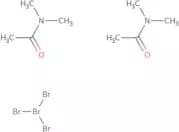
CAS:<p>L-Glutamic acid alpha-amide is an ester hydrochloride that is a tissue culture amide. It is a cyclic peptide analog and a hydroxyl group. L-glutamic acid alpha-amide has been shown to inhibit the inflammatory response in the bowel disease, Crohn's disease, by blocking the toll-like receptor 4 and 5. This drug also inhibits protein synthesis, which may be due to its ability to bind to fatty acids, thereby inhibiting the production of proteins vital for cell division.</p>Formula:C5H10N2O3Purity:Min. 95%Color and Shape:White PowderMolecular weight:146.14 g/molBis(N,N-dimethylacetamide) hydrogen dibromobromate
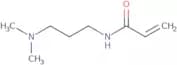
CAS:<p>Bis(N,N-dimethylacetamide) hydrogen dibromobromate (DMBB) is a chemical with a variety of uses in research and industrial chemistry. It is an intermediate for the synthesis of other chemicals and can be used as a reagent in organic synthesis. DMBB is also known to be useful as a building block for the synthesis of complex compounds. The CAS number for DMBB is 75381-80-5.</p>Formula:C4H9NO·HBr4Purity:Min. 95%Color and Shape:PowderMolecular weight:494.86 g/molN-(3-Dimethylaminopropyl)acrylamide, stabilized with MEHQ
CAS:<p>N-(3-Dimethylaminopropyl)acrylamide is a polymerization initiator that is used in the synthesis of polymers. It is also a model protein, which can be used to study bacterial growth rates and tissue metabolism. N-(3-Dimethylaminopropyl)acrylamide has been shown to have biological properties similar to human serum, as well as to serve as a model for primary cells. The FT-IR spectroscopy of N-(3-Dimethylaminopropyl)acrylamide reveals the presence of chloride ions in its molecular structure. The reaction mechanism for this compound has been determined by deionized water and ionic reactions with chloride ions.</p>Formula:C8H16N2OPurity:Min. 95%Molecular weight:156.23 g/mol


![N-[4-(2-Bromoacetyl)phenyl]methanesulfonamide](/_next/image/?url=https%3A%2Fstatic.cymitquimica.com%2Fproducts%2F3D%2Fthumb-webp%2FFB19192.webp&w=3840&q=75)