Amides
Amides are a wide range of chemical compounds that contain at least one heterocyclic ring, which has atoms of at least two different elements in the ring structure, and at least one amide group (-CONH2). These compounds are crucial in the synthesis of pharmaceuticals, polymers, and agrochemicals. Amides exhibit unique properties and reactivity, making them valuable intermediates in organic synthesis. At CymitQuimica, we offer a comprehensive selection of high-quality amides to support your research and industrial needs.
Found 16385 products of "Amides"
Sort by
Purity (%)
0
100
|
0
|
50
|
90
|
95
|
100
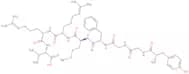
Met-Enkephalin-Arg-Phe amide
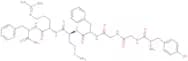
CAS:<p>Met-Enkephalin-Arg-Phe amide H-Tyr-Gly-Gly-Phe-Met-Arg-Phe is a subunit of the endogenous opioid peptide Met-enkephalin. It is a proteolytic cleavage product of proenkephalin A and is also known as Tyr2, Phe2, or Arg6. Met-enkephalin has been shown to participate in signal transduction pathways that regulate blood pressure and exocrine secretion. Metenkephalin is an amide containing two cysteine residues with a hydrophobic side chain, which can bind metal ions such as calcium ions. Metenkephalin binds to the membrane of cells, altering membrane potential and naloxone binding sites.<br>Met enkephalin has been shown to be involved in serotonin release from platelets and inhibition of serotonin uptake by platelets.</p>Formula:C42H57N11O8SPurity:Min. 95%Molecular weight:876.04 g/molC14-Ceramide
CAS:<p>Ceramide is a fatty acid that is an important component of cell membranes. It has been shown to inhibit the activity of enzymes such as phospholipase A2 and lipoxygenase, which are involved in inflammatory reactions. Ceramide can also be used to diagnose infectious diseases, such as tuberculosis and malaria. The diagnostic procedure involves measuring the enzyme activities of ceramidase and lysosomal sphingomyelinase with the help of a radioactive substrate. This can be done by extracting tissue from mammalian cells or by drawing blood samples from patients. In addition, ceramide may be associated with insulin resistance and cancer.</p>Formula:C32H63NO3Purity:Min. 95%Molecular weight:509.85 g/molPAR-2 (1-6) amide (human) trifluoroacetate salt
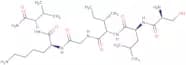
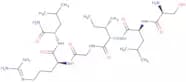
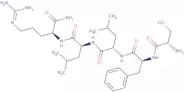
CAS:<p>PAR-2 (1-6) amide (human) trifluoroacetate salt H-Ser-Leu-Ile-Gly-Lys-Val-NH2 trifluoroacetate salt is a protease inhibitor that inhibits the activity of PAR2, a protein receptor. PAR2 is implicated in cancer and inflammation. It has been shown to inhibit growth factor signaling, as well as activate toll-like receptor 4 and other inflammatory pathways. PAR2 inhibition has also been studied in vivo and found to be effective in treating wild type mice with melanoma cells. In vitro studies have shown that PAR2 inhibition by PAR 2 (1-6) amide (human) trifluoroacetate salt H-Ser-Leu-Ile-Gly-Lys-Val NH2 trifluoroacetate salt blocks the production of tumour necrosis factor alpha and interleukin 6.</p>Formula:C28H54N8O7Purity:Min. 95%Molecular weight:614.78 g/molPAR-2 (1-6) amide (mouse, rat) trifluoroacetate salt
CAS:<p>PAR-2 agonist is a synthetic peptide that activates PAR-2. It binds to PAR-2 receptors, which are present in the mesenteric vasculature and in various other tissues. Activation of PAR-2 leads to an increase in intracellular calcium concentration, activation of protein kinase C, cytosolic calcium ion release, phosphorylation of myosin light chain, muscle cell proliferation, transcription and translation initiation, and increased production of vasoactive intestinal peptide. This drug also has anti-inflammatory effects and stimulates epidermal growth factor (EGF) and thrombin receptor expression as well as growth factor production.</p>Formula:C29H56N10O7Purity:Min. 95%Molecular weight:656.82 g/mol(Ser8)-GLP-1 (7-36) amide (human, bovine, guinea pig, mouse, rat) trifluoroacetate salt
CAS:<p>Please enquire for more information about (Ser8)-GLP-1 (7-36) amide (human, bovine, guinea pig, mouse, rat) trifluoroacetate salt including the price, delivery time and more detailed product information at the technical inquiry form on this page</p>Formula:C149H226N40O46Purity:Min. 95%Molecular weight:3,313.63 g/molBis(N,N-dimethylacetamide) hydrogen dibromobromate
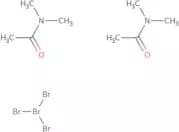
CAS:<p>Bis(N,N-dimethylacetamide) hydrogen dibromobromate (DMBB) is a chemical with a variety of uses in research and industrial chemistry. It is an intermediate for the synthesis of other chemicals and can be used as a reagent in organic synthesis. DMBB is also known to be useful as a building block for the synthesis of complex compounds. The CAS number for DMBB is 75381-80-5.</p>Formula:C4H9NO·HBr4Purity:Min. 95%Color and Shape:PowderMolecular weight:494.86 g/molNeural-Cadherin (76-85) amide (chicken)
CAS:<p>Please enquire for more information about Neural-Cadherin (76-85) amide (chicken) including the price, delivery time and more detailed product information at the technical inquiry form on this page</p>Formula:C44H75N17O13Purity:Min. 95%Molecular weight:1,050.17 g/molPep-1-cysteamide trifluoroacetate salt
CAS:<p>Please enquire for more information about Pep-1-cysteamide trifluoroacetate salt including the price, delivery time and more detailed product information at the technical inquiry form on this page</p>Formula:C140H202N36O33SPurity:Min. 95%Molecular weight:2,949.39 g/mol(D-Trp6)-LHR
<p>Please enquire for more information about (D-Trp6)-LHR including the price, delivery time and more detailed product information at the technical inquiry form on this page</p>Formula:C83H115N25O17Purity:Min. 95%Molecular weight:1,734.96 g/molSyndyphalin SD-33
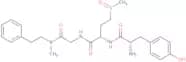
CAS:<p>Please enquire for more information about Syndyphalin SD-33 including the price, delivery time and more detailed product information at the technical inquiry form on this page</p>Formula:C25H34N4O5SPurity:Min. 95%Molecular weight:502.63 g/molTRAP-5 amide trifluoroacetate salt
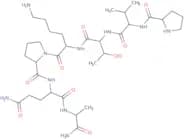
CAS:<p>Please enquire for more information about TRAP-5 amide trifluoroacetate salt including the price, delivery time and more detailed product information at the technical inquiry form on this page</p>Formula:C30H51N9O6Purity:Min. 95%Molecular weight:633.78 g/mol2-Chloro-N-[2-(diethylamino)ethyl]-4-quinolinecarboxamide
CAS:<p>2-Chloro-N-[2-(diethylamino)ethyl]-4-quinolinecarboxamide is a carboxamide analog of dibucaine. It is synthesized from chloroacetyl chloride and isatin in the presence of sodium hydroxide. The synthesis has been scaled to an industrial level. 2-Chloro-N-[2-(diethylamino)ethyl]-4-quinolinecarboxamide has been shown to have analgesic properties, similar to those of dibucaine. Radiolysis of this compound gives a carboxylic acid and a heterocyclic ring product.</p>Formula:C16H20ClN3OPurity:95%MinColor and Shape:PowderMolecular weight:305.8 g/mol(Deamino-Cys3, Nle 4,Arg5,D-2-Nal 7,Cys11)-a-MSH (3-11) amide trifluoroacetate salt
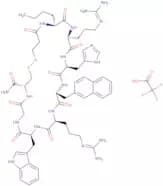
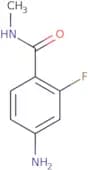
CAS:<p>Please enquire for more information about (Deamino-Cys3, Nle 4,Arg5,D-2-Nal 7,Cys11)-a-MSH (3-11) amide trifluoroacetate salt including the price, delivery time and more detailed product information at the technical inquiry form on this page</p>Formula:C56H76N18O9S2Purity:Min. 95%Molecular weight:1,209.45 g/molN-Methyl-2-fluoro-4-aminobenzamide
CAS:<p>N-Methyl-2-fluoro-4-aminobenzamide is a toxic compound that is commonly used as a reagent in chemical synthesis and research. It has been studied for its potential use in medicine, particularly in the treatment of castration-resistant prostate cancer. N-Methyl-2-fluoro-4-aminobenzamide acts as a nucleophilic agent, participating in reactions that involve the addition of an acyl group to a target molecule. Its stable formyl group allows for efficient reaction yields and reliable results. However, due to its toxic nature, caution must be exercised when handling this compound.</p>Formula:C8H9FN2OPurity:Min. 95%Molecular weight:168.17 g/mol2-[(4-Chloro-2-nitrophenyl)azo]-N-(2-methoxyphenyl)-3-oxobutanamide
CAS:<p>2-[(4-Chloro-2-nitrophenyl)azo]-N-(2-methoxyphenyl)-3-oxobutanamide is a chelating agent that has been used as a control agent in the manufacture of dyes, plastics, and rubber. It is also used as an additive in paints, textiles, and paper. 2-[(4-Chloro-2-nitrophenyl)azo]-N-(2-methoxyphenyl)-3-oxobutanamide is nonvolatile, nonflammable, and does not produce toxic byproducts when heated. This compound has low molecular weight with a molecular formula of C12H13NO5Cl. The structure of this compound includes two hydroxy groups (OH), one aliphatic hydrocarbon group (CH3), one carboxylic acid group (COOH), and three chlorine atoms (Cl). This product is soluble in water</p>Formula:C17H15ClN4O5Color and Shape:Yellow Clear LiquidMolecular weight:390.78 g/molN-3,5-Dimethyladamantan-1-yl formamide
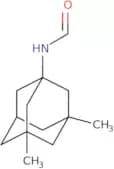
CAS:<p>N-3,5-Dimethyladamantan-1-yl formamide is a hydrocarbon that is synthesized by the amination of 3,5-dimethyladamantane with formic acid in the presence of hydrochloric acid. It is used as a solvent for various chemical reactions and has been shown to be an effective catalyst for the reduction of nitrobenzene to aniline. N-3,5-Dimethyladamantan-1-yl formamide is also a pollutant that can cause environmental pollution when it reacts with chlorine in the atmosphere. The reaction time can be shortened by using acetonitrile as a solvent instead of water.</p>Formula:C13H21NOPurity:Min. 95%Molecular weight:207.31 g/molBig Endothelin-3 (22-41) amide (human) trifluoroacetate salt
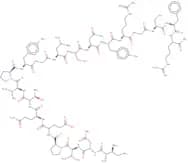
CAS:<p>Please enquire for more information about Big Endothelin-3 (22-41) amide (human) trifluoroacetate salt including the price, delivery time and more detailed product information at the technical inquiry form on this page</p>Formula:C102H156N30O31Purity:Min. 95%Molecular weight:2,298.51 g/molN-(Hydroxymethyl)-phenylacetamide
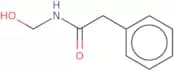
CAS:<p>N-(Hydroxymethyl)-phenylacetamide is an organic solvent that is used in the synthesis of certain antibiotics. It is a synthetic compound and can be obtained by reacting toluene with benzene, using a strong acid catalyst such as sulfuric acid. N-(Hydroxymethyl)-phenylacetamide has been used in the synthesis of isoquinolones, which are also antibiotics. This organic solvent can also be used for recrystallization, which is a process that helps purify solids from liquids or liquids from solids. The yield of this reaction is high, making it an efficient way to synthesize these compounds.</p>Formula:C9H11NO2Purity:Min. 95%Molecular weight:165.19 g/molNeuropeptide Y (1-24) amide (human, rat) trifluoroacetate salt
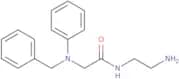
CAS:<p>Please enquire for more information about Neuropeptide Y (1-24) amide (human, rat) trifluoroacetate salt including the price, delivery time and more detailed product information at the technical inquiry form on this page</p>Formula:C116H170N30O40SPurity:Min. 95%Molecular weight:2,656.84 g/molN-(2-Amino-ethyl)-2-(benzyl-phenyl-amino)-acetamide
CAS:<p>Please enquire for more information about N-(2-Amino-ethyl)-2-(benzyl-phenyl-amino)-acetamide including the price, delivery time and more detailed product information at the technical inquiry form on this page</p>Formula:C17H21N3OPurity:Min. 95%Color and Shape:White PowderMolecular weight:283.37 g/molAcetyl-Neurotrophin Receptor (368-381) amide (human)
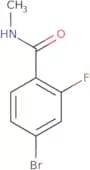
CAS:<p>Please enquire for more information about Acetyl-Neurotrophin Receptor (368-381) amide (human) including the price, delivery time and more detailed product information at the technical inquiry form on this page</p>Formula:C69H124N22O19Purity:Min. 95%Molecular weight:1,565.86 g/mol4-Bromo-2-fluoro-N-methylbenzamide
CAS:<p>4-Bromo-2-fluoro-N-methylbenzamide is an impurity in the pharmaceutical drug nilutamide. It is a ligand that binds to the androgen receptor and inhibits the binding of dihydrotestosterone, reducing its effect on prostate cells. 4-Bromo-2-fluoro-N-methylbenzamide has been shown to have pharmacokinetic properties similar to nilutamide, which is a drug used for treating prostate cancer. This impurity is also found in small quantities in other drugs including cyclobutanone, 2-aminoisobutyric acid, and chloral hydrate. The elucidation of these impurities can help regulate the quality of pharmaceutical drugs.</p>Formula:C8H7BrFNOPurity:Min. 95%Color and Shape:White Off-White PowderMolecular weight:232.05 g/molN1-Glutathionyl-spermidine disulfide [
CAS:<p>N1-Glutathionyl-spermidine disulfide (N1-GS) is a molecule that has been shown to have clinical use in the treatment of chronic hepatitis C infection. The N1-GS molecule is composed of a glutathione (GSH) scaffold with two sulfhydryl groups and an amino acid side chain. N1-GS has a hydrophobic nature, which allows it to penetrate the cellular membrane and enter cells. It is also able to form hydrogen bonds and act as a catalyst for reactions. Fluorescence analysis revealed that this molecule is selective for disulfides over thiols, amines, or alcohols. Disulfides are very important in biological systems since they can be found in enzymes, proteins, and cellular membranes. The insolubility of the N1-GS molecule makes it difficult to analyze its structure using traditional methods such as gas chromatography or nuclear magnetic resonance spectroscopy. However, fluorescence</p>Formula:C34H66N12O10S2Purity:Min. 95%Molecular weight:867.09 g/mol(Phe1,Ser2,Tyr6)-PAR-1 (1-6) amide (human) trifluoroacetate salt
CAS:<p>Please enquire for more information about (Phe1,Ser2,Tyr6)-PAR-1 (1-6) amide (human) trifluoroacetate salt including the price, delivery time and more detailed product information at the technical inquiry form on this page</p>Formula:C39H60N10O8Purity:Min. 95%Molecular weight:796.96 g/molGLP-1 (1-36) amide (human, bovine, guinea pig, mouse, rat) trifluoroacetate salt
CAS:<p>Please enquire for more information about GLP-1 (1-36) amide (human, bovine, guinea pig, mouse, rat) trifluoroacetate salt including the price, delivery time and more detailed product information at the technical inquiry form on this page</p>Formula:C184H273N51O57Purity:Min. 95%Molecular weight:4,111.45 g/molGalanin (2-11) amide trifluoroacetate salt
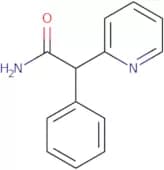
CAS:<p>Galanin (2-11) amide trifluoroacetate salt H-Trp-Thr-Leu-Asn-Ser-Ala-Gly-Tyr-Leu-Leu is a galanin analog and a ligand for the galanin receptor 1. It has affinity for the receptors in the brain, which are involved in cognition, and is used to study Alzheimer's disease. Galanin (2-11) amide trifluoroacetate salt H-Trp-Thr-Leu-Asn-Ser -Ala -Gly -Tyr -Leu -Leu is a member of the family of neuropeptides and neuromodulators that regulate nerve injury and alzheimer's disease.</p>Formula:C54H81N13O14Purity:Min. 95%Molecular weight:1,136.3 g/molPhenyl-(2-pyridyl)acetamide
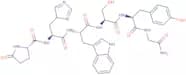
CAS:<p>Please enquire for more information about Phenyl-(2-pyridyl)acetamide including the price, delivery time and more detailed product information at the technical inquiry form on this page</p>Formula:C13H12N2OPurity:Min. 95%Molecular weight:212.25 g/molLHRH (1-6) amide Pyr-His-Trp-Ser-Tyr-Gly-NH2
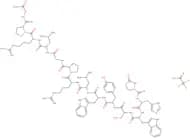
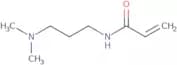
CAS:<p>Please enquire for more information about LHRH (1-6) amide Pyr-His-Trp-Ser-Tyr-Gly-NH2 including the price, delivery time and more detailed product information at the technical inquiry form on this page</p>Formula:C36H42N10O9Purity:Min. 95%Molecular weight:758.78 g/molN-(3-Dimethylaminopropyl)acrylamide, stabilized with MEHQ
CAS:<p>N-(3-Dimethylaminopropyl)acrylamide is a polymerization initiator that is used in the synthesis of polymers. It is also a model protein, which can be used to study bacterial growth rates and tissue metabolism. N-(3-Dimethylaminopropyl)acrylamide has been shown to have biological properties similar to human serum, as well as to serve as a model for primary cells. The FT-IR spectroscopy of N-(3-Dimethylaminopropyl)acrylamide reveals the presence of chloride ions in its molecular structure. The reaction mechanism for this compound has been determined by deionized water and ionic reactions with chloride ions.</p>Formula:C8H16N2OPurity:Min. 95%Molecular weight:156.23 g/molMetorphamide (free acid)
CAS:<p>Please enquire for more information about Metorphamide (free acid) including the price, delivery time and more detailed product information at the technical inquiry form on this page</p>Formula:C44H68N14O10SPurity:Min. 95%Molecular weight:985.17 g/molCys(NPys)-Antennapedia Homeobox (43-58) amide trifluoroacetate salt
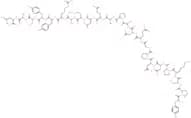
CAS:<p>Please enquire for more information about Cys(NPys)-Antennapedia Homeobox (43-58) amide trifluoroacetate salt including the price, delivery time and more detailed product information at the technical inquiry form on this page</p>Formula:C112H176N38O22S3Purity:Min. 95%Molecular weight:2,503.04 g/molAcetyl-(D-Phe2)-GRF (1-29) amide (human) trifluoroacetate salt
CAS:<p>Please enquire for more information about Acetyl-(D-Phe2)-GRF (1-29) amide (human) trifluoroacetate salt including the price, delivery time and more detailed product information at the technical inquiry form on this page</p>Formula:C157H252N44O43SPurity:Min. 95%Molecular weight:3,476.02 g/molPhenylacetyl-(D-Arg2·28,p-chloro-Phe6, Homoarg 9·29,Tyr(Me)10, Abu 15, Nle 27)-GRF (1-29) amide (human)
CAS:<p>Please enquire for more information about Phenylacetyl-(D-Arg2·28,p-chloro-Phe6, Homoarg 9·29,Tyr(Me)10, Abu 15, Nle 27)-GRF (1-29) amide (human) including the price, delivery time and more detailed product information at the technical inquiry form on this page</p>Formula:C172H284ClN53O41Purity:Min. 95%Molecular weight:3,785.88 g/molN,N-Dimethylformamide dibenzyl acetal
CAS:<p>N,N-Dimethylformamide dibenzyl acetal is an organic solvent that has a low volatility and high solubility in water. It is used as a cosolvent for reactions involving carboxylic acids, formamides, and epoxides. N,N-Dimethylformamide dibenzyl acetal can be used to produce peroxide as a reagent for oxidation reactions. Hydrogen peroxide can be produced from this compound by treatment with thionyl chloride or alkanoic acid. This chemical is also derivatized by the mesoporous method to provide mesoporous silica nanoparticles with enhanced surface area.</p>Purity:Min. 95%pTH-Related Protein (67-86) amide (human, bovine, dog, mouse, ovine, rat) trifluoroacetate salt
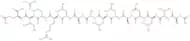
CAS:<p>Please enquire for more information about pTH-Related Protein (67-86) amide (human, bovine, dog, mouse, ovine, rat) trifluoroacetate salt including the price, delivery time and more detailed product information at the technical inquiry form on this page</p>Formula:C108H173N27O35Purity:Min. 95%Molecular weight:2,409.69 g/molN-Acetyl-L-norleucyl-L-glutaminyl-L-histidyl-D-phenylalanyl-L-arginyl-D-tryptophylglycinamide
CAS:<p>Please enquire for more information about N-Acetyl-L-norleucyl-L-glutaminyl-L-histidyl-D-phenylalanyl-L-arginyl-D-tryptophylglycinamide including the price, delivery time and more detailed product information at the technical inquiry form on this page</p>Formula:C47H65N15O9Purity:Min. 95%Molecular weight:984.11 g/mol(2R)-2-Aminopropanamide
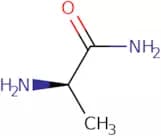
CAS:<p>(2R)-2-Aminopropanamide is a chemical compound that is classified as an amide. It has been shown to inhibit bacterial growth and induce apoptosis in mammalian cells, but not in bacteria. This drug has a number of hydrogen bonding interactions with the carbonyl group and amide functional groups and can bind to affinity ligands with hydrogen bonding interactions. (2R)-2-Aminopropanamide inhibits the activity of enzymes that are involved in the synthesis of d-alanine, which is a precursor for protein synthesis. It also inhibits the enzyme glutamine synthase, which plays a key role in building up nitrogen reserves in bacteria. The drug binds to DNA by forming hydrogen bonds with the phosphate backbone and intercalates into double-stranded DNA by forming van der Waals interactions with base pairs.</p>Formula:C3H8N2OPurity:Min. 95%Molecular weight:88.11 g/molN,N'-Methylenediacrylamide
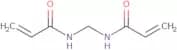
CAS:<p>N,N'-Methylenediacrylamide is a water-soluble compound that has been used as a fluorescent probe for hydrogen bonding. It has been shown to have different phase transition temperatures in different solvents and can be used as an experimental model for studying the effects of temperature on the behavior of water molecules. N,N'-Methylenediacrylamide reacts with hydrochloric acid to form the fatty acid N,N'-methylenebis(3-chloroacrylic acid) under acidic conditions. This reaction is reversible, and the reverse process can be catalyzed by sodium citrate or human serum. When exposed to radiation or surface methodology, it emits light at a wavelength of 350 nm.</p>Formula:C7H10N2O2Purity:Min. 95%Color and Shape:White Clear LiquidMolecular weight:154.17 g/molFmoc-rink amide resin
CAS:<p>Fmoc-rink amide resin is a synthetic, radionuclide, and constant polymer. It is used in chemical ligation to produce peptides from amines and growth factors. Fmoc-rink amide resin also has antimicrobial properties due to its ability to inhibit the growth of bacteria and fungi by binding to their cell membranes. This polymer can be conjugated with growth factor or antimicrobial peptides for use as a therapeutic agent or used in the production of antibodies against a particular protein. Fmoc-rink amide resin has been shown to increase epidermal growth factor (EGF) uptake into cells by targeting EGF receptors on the cell surface.</p>Purity:Min. 95%Gastric Inhibitory Polypeptide (1-30) amide (porcine)
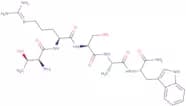
CAS:<p>Please enquire for more information about Gastric Inhibitory Polypeptide (1-30) amide (porcine) including the price, delivery time and more detailed product information at the technical inquiry form on this page</p>Formula:C162H245N41O47SPurity:Min. 95%Molecular weight:3,550.99 g/molSorbin (147-153) amide (porcine) trifluoroacetate salt
CAS:<p>Please enquire for more information about Sorbin (147-153) amide (porcine) trifluoroacetate salt including the price, delivery time and more detailed product information at the technical inquiry form on this page</p>Formula:C33H58N10O9Purity:Min. 95%Molecular weight:738.88 g/molGalanin Message Associated Peptide (44-59) amide
CAS:<p>Please enquire for more information about Galanin Message Associated Peptide (44-59) amide including the price, delivery time and more detailed product information at the technical inquiry form on this page</p>Formula:C61H100N18O25Purity:Min. 95%Molecular weight:1,485.55 g/molOsteostatin (1-5) amide (human, bovine, dog, horse, mouse, rabbit, rat) trifluoroacetate salt
CAS:<p>Please enquire for more information about Osteostatin (1-5) amide (human, bovine, dog, horse, mouse, rabbit, rat) trifluoroacetate salt including the price, delivery time and more detailed product information at the technical inquiry form on this page</p>Formula:C27H42N10O7Purity:Min. 95%Molecular weight:618.69 g/molGastric Inhibitory Polypeptide (6-30) amide (human) trifluoroacetate salt
CAS:<p>Please enquire for more information about Gastric Inhibitory Polypeptide (6-30) amide (human) trifluoroacetate salt including the price, delivery time and more detailed product information at the technical inquiry form on this page</p>Formula:C139H209N35O38SPurity:Min. 95%Molecular weight:3,010.43 g/mol(Nle 27)-GRF (1-29) amide (human)
CAS:<p>Please enquire for more information about (Nle 27)-GRF (1-29) amide (human) including the price, delivery time and more detailed product information at the technical inquiry form on this page</p>Formula:C150H248N44O42Purity:Min. 95%Molecular weight:3,339.85 g/mol3-[[[2-[(Aminoiminomethyl)amino]-4-thiazolyl]methyl]sulfinyl]-N-(aminosulfonyl)propanamide
CAS:<p>Please enquire for more information about 3-[[[2-[(Aminoiminomethyl)amino]-4-thiazolyl]methyl]sulfinyl]-N-(aminosulfonyl)propanamide including the price, delivery time and more detailed product information at the technical inquiry form on this page</p>Formula:C8H14N6O4S3Purity:Min. 95%Molecular weight:354.43 g/molGalanin Message Associated Peptide (25-41) amide
CAS:<p>Please enquire for more information about Galanin Message Associated Peptide (25-41) amide including the price, delivery time and more detailed product information at the technical inquiry form on this page</p>Formula:C90H143N21O22SPurity:Min. 95%Molecular weight:1,903.29 g/molGRF (1-29) amide (rat)
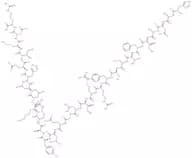
CAS:<p>Growth hormone-releasing factor (GRF) is a peptide fragment of amino acids 1–2 from GHRH (growth hormone-releasing hormone). This 1-29 region is the shortest fully functional fragment of GHRH. GRF is also known as sermorelin. Sermorelin binds to the growth hormone-releasing hormone receptor (GHRH-R), and acts as a surrogate for GHRH, causing growth hormone secretion.human: H-YADAIFTNSYRKVLGQLSARKLLQDIMSR-NH2rat: H-HADAIFTSSYRR I LGQLYARKLLHEIMNR-NH2</p>Formula:C155H251N49O40SPurity:Min. 95%Molecular weight:3,473.02 g/mol(Asn10,Leu11,D-Trp12)-pTH-Related Protein (7-34) amide (human, mouse, rat)
CAS:<p>Please enquire for more information about (Asn10,Leu11,D-Trp12)-pTH-Related Protein (7-34) amide (human, mouse, rat) including the price, delivery time and more detailed product information at the technical inquiry form on this page</p>Formula:C162H254N50O36Purity:Min. 95%Molecular weight:3,478.07 g/molSalicylamide
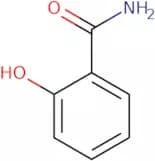
CAS:<p>Salicylamide is a drug that is used as an analgesic, antipyretic, and anti-inflammatory agent. It is also used to treat bowel disease, including ulcerative colitis and Crohn's disease. Salicylamide has been shown to inhibit the activity of enzymes such as cyclooxygenase-2 (COX-2) and 5-lipoxygenase (5-LOX), which are responsible for the production of inflammatory mediators. Salicylamide also inhibits copper chloride induced synchronous fluorescence in rat colon cells. Salicylamide also binds to human serum albumin and other nitrogen atoms, which can be measured using chemiluminescence methods. Salicylamide may also have properties that make it useful for the detection of cancerous tumors in the colon. Salicylamide can be detected using electrochemical impedance spectroscopy by measuring its resistance at different frequencies when a voltage is applied across a cell containing sal</p>Formula:C7H7NO2Purity:Min. 98 Area-%Color and Shape:PowderMolecular weight:137.14 g/mol



![2-Chloro-N-[2-(diethylamino)ethyl]-4-quinolinecarboxamide](/_next/image/?url=https%3A%2Fstatic.cymitquimica.com%2Fproducts%2F3D%2Fthumb-webp%2FFC20289.webp&w=3840&q=75)
![2-[(4-Chloro-2-nitrophenyl)azo]-N-(2-methoxyphenyl)-3-oxobutanamide](/_next/image/?url=https%3A%2Fstatic.cymitquimica.com%2Fproducts%2F3D%2Fthumb-webp%2FFC149929.webp&w=3840&q=75)





![3-[[[2-[(Aminoiminomethyl)amino]-4-thiazolyl]methyl]sulfinyl]-N-(aminosulfonyl)propanamide](/_next/image/?url=https%3A%2Fstatic.cymitquimica.com%2Fproducts%2F3D%2Fthumb-webp%2FFA21487.webp&w=3840&q=75)