Amides
Amides are a wide range of chemical compounds that contain at least one heterocyclic ring, which has atoms of at least two different elements in the ring structure, and at least one amide group (-CONH2). These compounds are crucial in the synthesis of pharmaceuticals, polymers, and agrochemicals. Amides exhibit unique properties and reactivity, making them valuable intermediates in organic synthesis. At CymitQuimica, we offer a comprehensive selection of high-quality amides to support your research and industrial needs.
Found 16385 products of "Amides"
Sort by
Purity (%)
0
100
|
0
|
50
|
90
|
95
|
100
2-Piperazin-1-ylnicotinamide dihydrochloride
CAS:<p>Please enquire for more information about 2-Piperazin-1-ylnicotinamide dihydrochloride including the price, delivery time and more detailed product information at the technical inquiry form on this page</p>Formula:C10H14N4OPurity:95%MinColor and Shape:PowderMolecular weight:206.24 g/molN-Phenylhydrazinecarbothioamide
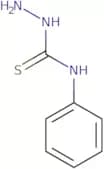
CAS:<p>N-Phenylhydrazinecarbothioamide is a chemical compound that is used in wastewater treatment. It is an organic molecule that is composed of hydrophobic and hydrophilic parts. The hydrophobic part, which contains the phenyl group, binds to the hydrophobic region of the cell membrane and causes the cell to lyse. The hydrophilic part has an affinity for water and can be used as an electrode material in electrochemical impedance spectroscopy. N-Phenylhydrazinecarbothioamide also has been shown to have antibacterial properties against human pathogens, including Mycobacterium tuberculosis, Clostridium perfringens, and Escherichia coli O157:H7. The compound has been shown to inhibit cervical cancer cells by inhibiting protein synthesis through inhibition of ribosomal activity and fragmentation assay analysis showed that N-phenylhydrazinecarbothioamide binds to copper ions at a coordination geometry of</p>Formula:C7H9N3SPurity:Min. 95%Color and Shape:SolidMolecular weight:167.23 g/molN-((3,4-dimethoxyphenyl)methyl)(3-(2-chlorophenyl)-5-methylisoxazol-4-yl)formamide
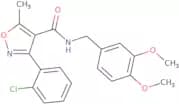
CAS:<p>Please enquire for more information about N-((3,4-dimethoxyphenyl)methyl)(3-(2-chlorophenyl)-5-methylisoxazol-4-yl)formamide including the price, delivery time and more detailed product information at the technical inquiry form on this page</p>Purity:Min. 95%Rink amide PEGA resin
<p>Rink amide PEGA resin is a cation-exchange resin that has been modified with poly(ethylene glycol) and poly(ethylene oxide). It binds to calcium ions, which are required for cell division. Activated resins can be used in animal diagnostic tests to measure blood glucose levels or as an adsorbent for the removal of heavy metals from drinking water. Rink amide PEGA resin can be used to modify polymer conjugates and assay biological properties, such as cancer cells or solid-phase synthesis.</p>Purity:Min. 95%Color and Shape:Powder2-Veratramide
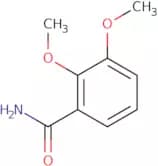
CAS:<p>2-Veratramide is a drug that belongs to the group of amides. It is a highly soluble, water-soluble and lipophilic molecule. The molecular modeling study revealed that it has a hydroxyl group in its structure and a hydrogen bond with the intramolecular hydrogen atom. 2-Veratramide has been observed to inhibit protein synthesis and cellular proliferation by binding to cancer cells or inflammatory cells. It also binds to dopamine receptors, inhibiting uptake of dopamine and subsequent activation of downstream signaling pathways. 2-Veratramide is an inhibitor of nitric oxide synthase (NOS), which plays an important role in inflammation, vascular tone, neurotransmission, and cell proliferation.<br>2-Veratramide inhibits NOS by competitively binding to the heme moiety at the active site of the enzyme, thereby blocking access to substrate arginine.</p>Formula:C9H11NO3Purity:Min. 97%Color and Shape:PowderMolecular weight:181.19 g/molN-[2-(2,3-Dimethoxyphenyl)ethyl]-2-chlorobenzamide
CAS:Controlled Product<p>N-[2-(2,3-Dimethoxyphenyl)ethyl]-2-chlorobenzamide is a versatile building block that can be used as a reaction component and reagent. It is an intermediate in the synthesis of pharmaceuticals and fine chemicals and has been shown to be useful in the synthesis of complex compounds. This compound reacts with nucleophiles, such as amines and alcohols, by replacing the chloride group with a variety of functional groups. The product is then hydrolyzed to release the original reactant. N-[2-(2,3-Dimethoxyphenyl)ethyl]-2-chlorobenzamide has a CAS number of 320576-19-0 and can be found at ChemDiv.com.</p>Formula:C17H18ClNO3Purity:Min. 95%Molecular weight:319.78 g/molN-(Phenylsulfonyl)palmitamide
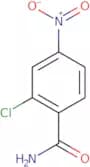
<p>N-(Phenylsulfonyl)palmitamide is a versatile building block that can be used to create complex compounds for research. CAS No. is 527-87-2 and it is a reagent and speciality chemical with high quality. It is also useful as a reaction component in the synthesis of other compounds, or as a scaffold for the synthesis of new derivatives.</p>Formula:C22H37NO3SMolecular weight:395.61 g/mol2-Chloro-4-nitro benzamide
CAS:<p>2-Chloro-4-nitrobenzamide is a drug that belongs to the sulfa drugs. It has been shown to be effective in treating autoimmune diseases, particularly bowel disease and inflammatory bowel disease. 2-Chloro-4-nitrobenzamide inhibits the synthesis of fatty acids by blocking the enzyme acetyl CoA carboxylase, which is involved in the formation of long chain fatty acids. This drug also has immunosuppressive activities, which may be due to its ability to block T cell proliferation. 2-Chloro-4-nitrobenzamide is used as a chemical intermediate for antibiotics such as maduramicin ammonium and salinomycin sodium. It is also used as a dietary supplement or pharmaceutical dosage form for cardiac glycoside drugs such as digoxin.</p>Formula:C7H5ClN2O3Purity:Min. 95%Color and Shape:PowderMolecular weight:200.58 g/mol3-Oxo-2-phenyl butanamide
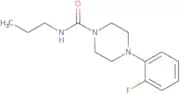
CAS:Controlled Product<p>3-Oxo-2-phenyl butanamide is an amphetamine that has been shown to be a potential marker for wastewater. 3-Oxo-2-phenyl butanamide is one of the many intermediates in the synthesis of amphetamine from phenylacetone and can be found in wastewater as an impurity. This compound has also been used as a marker for wastewater treatment malfunctioning. 3-Oxo-2-phenyl butanamide is excreted into the environment through urine, and its presence can be measured in water samples by gas chromatography/mass spectrometry or liquid chromatography/mass spectrometry.</p>Formula:C10H11NO2Purity:Min. 95%Color and Shape:PowderMolecular weight:177.2 g/mol(4-(2-Fluorophenyl)piperazinyl)-N-propylformamide
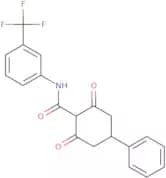
CAS:Controlled Product<p>Please enquire for more information about (4-(2-Fluorophenyl)piperazinyl)-N-propylformamide including the price, delivery time and more detailed product information at the technical inquiry form on this page</p>Formula:C14H20FN3OPurity:Min. 95%Color and Shape:PowderMolecular weight:265.33 g/mol(2,6-dioxo-4-phenylcyclohexyl)-N-(3-(trifluoromethyl)phenyl)formamide
CAS:<p>Please enquire for more information about (2,6-dioxo-4-phenylcyclohexyl)-N-(3-(trifluoromethyl)phenyl)formamide including the price, delivery time and more detailed product information at the technical inquiry form on this page</p>Purity:Min. 95%2-Amino-N-[2-(5-methoxy-1H-indol-3-yl)ethyl]acetamide hydrochloride
CAS:<p>2-Amino-N-[2-(5-methoxy-1H-indol-3-yl)ethyl]acetamide hydrochloride is a magnetic compound that has been shown to be an effective cancer antigen. It is a derivative of the amino acid sequence of α,β-unsaturated fatty acids and can be used as a dietary supplement. 2-Amino-N-[2-(5-methoxy-1H-indol-3-yl)ethyl]acetamide hydrochloride has been shown to bind to fatty acid receptors on the surface of antigen presenting cells (APCs). It also activates the immune system by activating APCs, which leads to the production of cytokines and chemokines. This compound has also been shown to stimulate T cells in culture, leading to activation and proliferation of tumor cells.</p>Formula:C13H17N3O2·HClPurity:Min. 95%Color and Shape:PowderMolecular weight:283.75 g/molQuinfamide
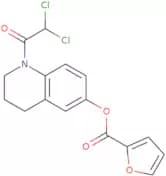
CAS:<p>Quinfamide is a polyunsaturated compound that contains a cevimeline hydrochloride molecule. It is used to treat bowel disease, usually in combination with other drugs. Quinfamide has been shown to have specific treatment effects on the symptoms of inflammatory bowel disease (IBD) when given at doses of 400-800 mg per day for up to 12 weeks. This drug can also be used as an analog for 5-membered heteroaryl compounds, such as benzalkonium chloride, which are also used to treat bowel disease. Quinfamide has been shown to have anti-inflammatory properties and may work by inhibiting fatty acid synthesis or by reducing the number of neutrophils in the gut.</p>Formula:C16H13Cl2NO4Purity:Min. 95%Color and Shape:White PowderMolecular weight:354.18 g/molRink amide MBHA resin
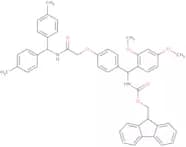
CAS:<p>Solid phase peptide anchor; tool for the Fmoc solid phase synthesis of peptide amides.<br>100-200 mesh. 1% DVB, substitution range 0.3-0.6 meq/g</p>Purity:Min. 95%Color and Shape:Powder2,6-Dichlorobenzamide
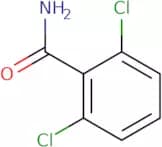
CAS:<p>2,6-Dichlorobenzamide is a chemical compound that belongs to the group of organochlorine compounds. It is soluble in water and has been shown to be an effective treatment for metal contamination in groundwater. 2,6-Dichlorobenzamide reacts with metal ions at the surface of cells by forming an insoluble metal chloride complex that accumulates inside the cell and leads to cell death. 2,6-Dichlorobenzamide has been shown to be toxic to bacteria, particularly gram-positive bacteria such as Staphylococcus aureus and Bacillus subtilis. This compound also binds to bacterial membrane lipids with high affinity constants. This activity may be due to its ability to form lipid hydroperoxides and free radicals.</p>Formula:C7H5Cl2NOPurity:Min. 95%Color and Shape:PowderMolecular weight:190.03 g/molN-Allyl-n-(4-cyano-2-chlorophenyl)acetamide
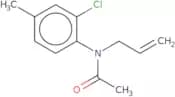
CAS:<p>N-Allyl-N-(4-cyano-2-chlorophenyl)acetamide is a high quality reagent that has been used as an intermediate in the synthesis of fine chemicals, useful scaffolds and building blocks. It is also a versatile building block that can be used to synthesize high quality compounds with a wide range of functionalities. N-Allyl-N-(4-cyano-2-chlorophenyl)acetamide is a speciality chemical that can be used for research purposes. This compound has been shown to produce reactions with other compounds, such as nitrobenzene, to generate useful products.</p>Formula:C12H11ClN2OPurity:Min. 95%Molecular weight:234.68 g/mol5-(Acetylamino)-N,N'-bis(2,3-dihydroxypropyl)-2,4,6-triiodo-1,3-benzenedicarboxamide
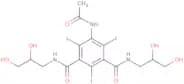
CAS:<p>5-(Acetylamino)-N,N'-bis(2,3-dihydroxypropyl)-2,4,6-triiodo-1,3-benzenedicarboxamide is a reactive iodinated contrast agent that is used in the diagnostic imaging of body cavities and blood vessels. It can be prepared by the acetylation of 5-(acetylamino)naphthalene-2,3-diol with 2,4,6-triiodobenzene dicarboxylic acid using an alkali metal as a base. The yields for this reaction are dependent on the type of solvent used. This chemical has two functional groups: an amide and an acetate group. It reacts with iohexol to form a radiocontrast product that contains both iodine and propanediol. This process is industrially carried out by mixing 5-(acetylamino)naphthalene-2,</p>Formula:C16H20I3N3O7Purity:Min. 95%Color and Shape:White PowderMolecular weight:747.06 g/molN-(2-Indol-3-ylethyl)-3-phenylprop-2-enamide
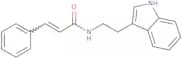
CAS:<p>N-(2-indol-3-ylethyl)-3-phenylprop-2-enamide is a serotonin analog that has been shown to inhibit the production of tryptophan decarboxylase in organisms. This compound has also been shown to be an inhibitor of the biosynthesis of p-coumaric acid, which is involved in the synthesis of lignin, phytoalexins, and other phenolic compounds. N-(2-indol-3-ylethyl)-3-phenylprop-2-enamide may be useful as a fungicide against pyricularia or as an antimicrobial against microbial infections.</p>Formula:C19H18N2OPurity:Min. 95%Color and Shape:PowderMolecular weight:290.36 g/molN-Benzylbenzamide
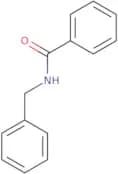
CAS:<p>N-Benzylbenzamide is a molecule that contains an amide group, which is considered to be a hydrogen bond acceptor. The amine group of this compound can also act as a hydrogen bond donor. It has been shown to inhibit the activity of tyrosinase, which is an enzyme responsible for the production of melanin in melanocytes. N-Benzylbenzamide has been shown to have a molecular mechanism similar to that of hydroquinone and other phenolic compounds. In addition, it has been found to decrease microvessel density and inhibit the growth of cancer cells in vitro. This compound is not yet approved for use as a drug but may be used in future research studies as an alternative treatment for cancer.</p>Formula:C14H13NOPurity:Min. 95%Color and Shape:White PowderMolecular weight:211.26 g/mol3-Aminobenzamide
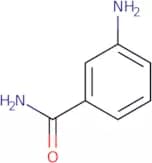
CAS:<p>3-Aminobenzamide is a drug that has been shown to be effective in the treatment of temozolomide-induced neuronal death. 3-Aminobenzamide inhibits the synthesis of ATP and blocks its binding to the atp-binding cassette transporter, which prevents the transport of this nucleotide into cells. This results in cell death due to insufficient energy metabolism and inability to repair DNA damage. 3-Aminobenzamide also increases production of reactive oxygen species, which are involved in reperfusion injury and myocardial infarcts. 3-Aminobenzamide is used as a model system for studying DNA repair and energy metabolism.</p>Formula:C7H8N2OPurity:Min. 95%Color and Shape:PowderMolecular weight:136.15 g/molSodium diformylamide
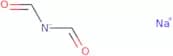
CAS:<p>Sodium diformylamide is a chemical compound that belongs to the class of amides. It has been shown to inhibit the activity of a number of enzymes including alkanoic acid, inorganic acid, and amide. It has also shown promising results in the prevention and treatment of metabolic disorders such as hepatitis. The asymmetric synthesis of this compound is achieved through the use of trifluoroacetic acid and nitrogen atoms. The biological properties of sodium diformylamide have not yet been fully researched but it has been found to have integrin receptor-binding properties.</p>Formula:C2H3NO2•NaPurity:Min. 95%Molecular weight:96.04 g/molNiclosamide
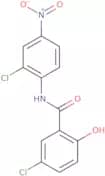
CAS:<p>Chemically a chlorinated salicylanilide, niclosamide is clinically used as an anthelmintic agent. The action of niclosamide has been proven to proceed by inhibiting the STAT3 signaling pathway. Recently, niclosamide, has been considered as an antiproliferative agent in cancer treatment, e.g. melanoma and colorectal cancer. In 2021, niclosamide has been tested for the treatment of COVID-19 patients.</p>Formula:C13H8Cl2N2O4Purity:Min. 98 Area-%Color and Shape:Off-White PowderMolecular weight:327.12 g/mol2-Chloro-N-(3,5-dichlorophenyl)acetamide
CAS:<p>2-Chloro-N-(3,5-dichlorophenyl)acetamide is a stabilized, crystalline compound. It has a planar structure with an amide bond and hydrogen bonds. The 2-chloro group is bonded to the nitrogen atom of the acetamide group. The 3,5-dichlorophenyl group is bonded to the carbon atom of the acetamide group. The chlorine atoms are in a planar configuration with adjacent chlorine atoms forming a skeletal arrangement. This chemical is used as an intermediate for other compounds.</p>Formula:C8H6Cl3NOPurity:Min. 95%Molecular weight:238.5 g/molN-[(3S)-2,5-Dioxotetrahydro-3-furanyl]-2,2,2-trifluoroacetamide
CAS:<p>N-[(3S)-2,5-Dioxotetrahydro-3-furanyl]-2,2,2-trifluoroacetamide is a boronic acid that has been used to synthesize polymers. This compound is of interest for the synthesis of hydrophobic amino acids such as threonine and lysine. The high yield and functionalisation of this molecule make it deserving of further investigation.</p>Formula:C6H4F3NO4Purity:Min. 95%Molecular weight:211.1 g/molN'-(2-Cyano-4-fluorophenyl)-N,N-dimethylimidoformamide
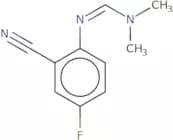
CAS:<p>N'-(2-Cyano-4-fluorophenyl)-N,N-dimethylimidoformamide is a high quality, reagent that is useful for the synthesis of complex compounds. It can be used as a fine chemical and speciality chemical in research and development. The CAS number for this compound is 1017082-62-0. N'-(2-Cyano-4-fluorophenyl)-N,N-dimethylimidoformamide has shown to be a versatile building block for the synthesis of novel compounds that are not commercially available. This product is suitable for use in reaction components as well as being an intermediate for the synthesis of other compounds.</p>Formula:C10H10FN3Purity:Min. 95%Color and Shape:PowderMolecular weight:191.21 g/molLacosamide
CAS:Controlled Product<p>Lacosamide is a drug that is used for the treatment of epilepsy. It has been shown to inhibit neuronal death in vitro and in animal models, and has been extensively studied for its potential benefits in the treatment of bowel disease. The mechanism of action for lacosamide involves inhibition of the transport of neurotransmitters from the synaptic cleft by binding to the neuronal sodium channels and increasing their recovery rate. Lacosamide has also been found to affect energy metabolism by inhibiting the activity of mitochondrial enzymes such as matrix effect and complex I/III.</p>Formula:C13H18N2O3Purity:Min. 98 Area-%Color and Shape:PowderMolecular weight:250.29 g/mol2-Piperazin-1-ylacetamide
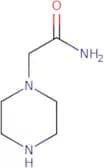
CAS:<p>2-Piperazin-1-ylacetamide hydrochloride is a drug that binds to the protein PCSK9, which transports cholesterol into cells. It blocks the transport of cholesterol and therefore lowers the level of cholesterol in blood. 2-Piperazin-1-ylacetamide hydrochloride is used for the treatment of bowel disease, atrial fibrillation (a type of irregular heartbeat), congestive heart failure, and as an anti-viral agent. This drug has been shown to reduce levels of LDL cholesterol by up to 60%. 2-Piperazin-1-ylacetamide hydrochloride has also been shown to be effective against cancers such as prostate cancer and inflammatory bowel disease.</p>Formula:C6H13N3OPurity:Min. 95%Molecular weight:143.19 g/molL-Alanine-β-naphthylamide
CAS:<p>L-alanine-β-naphthylamide is an amino acid that is synthesized by the action of β-Naphtholactamase on l-alanine. It is used as a substrate for enzyme studies and to determine the uptake of substances by cells. L-Alanine-β-naphthylamide has been shown to inhibit the activity of some enzymes, such as aminopeptidases and peptidases. The inhibition may be due to its ability to bind to lysine residues in the active site of these enzymes. This amino acid also inhibits the growth of bacteria at neutral pH and has a bacteriostatic effect at a pH range from 4.5 to 5.5.</p>Formula:C13H14N2OPurity:Min. 95%Color and Shape:PowderMolecular weight:214.26 g/mol2,5-Dichlorobenzamide
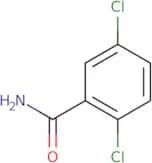
CAS:<p>2,5-Dichlorobenzamide is a halogenated compound that inhibits topoisomerase and proteasome activity. It has been shown to be cytotoxic against cancer cells in vitro. 2,5-Dichlorobenzamide can also inhibit the growth of tuberculosis bacteria and may be used as an operational agent for weed control. The safety profile of this drug has not yet been fully determined. 2,5-Dichlorobenzamide is available in two crystalline forms, both of which are active with different degrees of potency.<br>2,5-Dichlorobenzamide is a hybridization inhibitor that inhibits the enzyme DNA gyrase and proteasome activity. It binds to bacterial 16S ribosomal RNA and inhibits protein synthesis, leading to cell death by inhibiting the production of proteins vital for cell division.</p>Formula:C7H5Cl2NOPurity:Min. 95%Color and Shape:PowderMolecular weight:190.03 g/molHydroxy tolbutamide
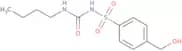
CAS:<p>Hydroxy tolbutamide is a drug with an unknown mechanism of action. It has been shown to inhibit the transcription-polymerase chain reaction and human serum in vitro. This drug may be used as a marker for renal disease, as it has been shown to increase the level of magnesium in urine and reduce the rate of protein synthesis in rat liver microsomes. Hydroxy tolbutamide also inhibits receptor activity, which may be due to its ability to inhibit the metabolic rate.</p>Formula:C12H18N2O4SPurity:Min. 95%Molecular weight:286.35 g/mol5-Methyl-2-nitrobenzamide
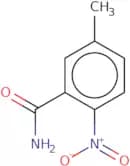
CAS:<p>5-Methyl-2-nitrobenzamide is a compound that has antiproliferative activity and is used as an anticancer drug. This drug inhibits the polymerization of the protein tubulin in cancer cells, thereby inhibiting cell division. It also inhibits the growth of certain tumor cell lines in vitro. 5-Methyl-2-nitrobenzamide was found to inhibit the proliferation of human ovarian carcinoma cells by binding to DNA, preventing transcription and replication of genetic information. In addition, this agent binds to tubulin and prevents its polymerization, leading to inhibition of cell division.</p>Formula:C8H8N2O3Purity:Min. 95%Color and Shape:PowderMolecular weight:180.16 g/mol6-Methylnicotinamide
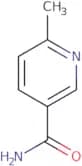
CAS:<p>6-Methylnicotinamide is a transport inhibitor that prevents the uptake of fatty acids and growth factors into cells. It has been shown to inhibit the activity of glutamate receptors by blocking the interaction between these receptors and their binding partners, which are called co-agonists. 6-Methylnicotinamide has also been shown to inhibit the synthesis of virus proteins in vitro and in vivo. There is a lack of evidence on its safety profile. 6-Methylnicotinamide may be used to treat hepatitis C and colorectal carcinoma.</p>Formula:C7H8N2OColor and Shape:White PowderMolecular weight:136.15 g/molN-[(4-Amino-2-methylpyrimidin-5-yl)methyl]formamide
CAS:<p>N-[(4-Amino-2-methylpyrimidin-5-yl)methyl]formamide (NAMPT) is a triazolo compound that inhibits the ATP binding cassette transporter and blocks the uptake of uridine and pyrimidine compounds. It also inhibits inorganic pyrophosphatase, which is an enzyme that catalyzes the hydrolysis of pyrophosphate to inorganic phosphate. NAMPT has been shown to be a substrate for hypochlorous acid production in neutrophils, suggesting it may play a role in the regulation of oxidative stress. Chemical biology studies have demonstrated that NAMPT plays a physiological function as an intermediate in vitamin B1 biosynthesis.</p>Formula:C7H10N4OPurity:Min. 95%Color and Shape:PowderMolecular weight:166.18 g/molN-((4-(2-Furylcarbonyl)piperazinyl)thioxomethyl)benzamide
CAS:<p>Please enquire for more information about N-((4-(2-Furylcarbonyl)piperazinyl)thioxomethyl)benzamide including the price, delivery time and more detailed product information at the technical inquiry form on this page</p>Formula:C17H17N3O3SPurity:Min. 95%Color and Shape:PowderMolecular weight:343.4 g/molN-[6-Chloro-5-(2-methoxyphenoxy)-(2,2-bipyrimidine)4-4-yl]-(1,1-dimethylethyl)-benzenesulfonamide
CAS:<p>N-[6-Chloro-5-(2-methoxyphenoxy)-(2,2-bipyrimidine)4-4-yl]-(1,1-dimethylethyl)-benzenesulfonamide is a reagent that can be used as a reaction component in the synthesis of complex compounds. It has high quality and is a versatile building block for the synthesis of speciality chemicals. N-[6-Chloro-5-(2-methoxyphenoxy)-(2,2-bipyrimidine)4-4-yl]-(1,1-dimethylethyl)-benzenesulfonamide is also a useful intermediate in the synthesis of fine chemicals.</p>Formula:C25H24ClN5O4SPurity:Min. 95%Color and Shape:White PowderMolecular weight:526.01 g/molAvanafil
CAS:<p>Avanafil is a drug that can be used as a treatment for male erectile dysfunction. It works by inhibiting the production of PDE5, which is an enzyme that regulates the levels of cGMP in the penis. Avanafil has been shown to be effective when taken at a dose of 100 mg; this is because it takes about 30 minutes for avanafil to reach its peak level. Avanafil has a chemical stability that is greater than 12 hours, with an average lifespan of 24 hours. The drug also has no major drug interactions and does not inhibit any other drugs from working.</p>Formula:C23H26ClN7O3Purity:Min. 98 Area-%Color and Shape:White PowderMolecular weight:483.95 g/molN-[(8-Fluoro-2,3-Dihydro-1-Methyl-5-Phenyl-1H-1,4-Benzodiazepin-2-Yl)Methyl]-3-Furancarboxamide
CAS:Controlled Product<p>N-[(8-Fluoro-2,3-Dihydro-1-Methyl-5-Phenyl-1H-1,4-Benzodiazepin-2-Yl)Methyl]-3-Furancarboxamide is a hydrophobic, implanting drug with an iontophoresis device. It has been shown to have therapeutic effects in cancer. The drug is a targetable molecule that can be used for diagnostic purposes and the treatment of various cancers. N-[(8-Fluoro-2,3-Dihydro-1,5 -Phenyl 1H -1,4 Benzodiazepin 2 Yl) Methyl] 3 Furancarboxamide has been shown to inhibit cell proliferation by blocking the synthesis of proteins required for DNA replication and also inhibits the activity of protein kinase C.</p>Purity:Min. 95%Dodeca 2E,4E,8Z,10E,Z-tetraenoic acid isobutylamide - ca. 10 mg/ml acetonitrile solution
CAS:<p>Dodeca 2E,4E,8Z,10E,Z-tetraenoic acid isobutylamide (DETBA) is a versatile building block that is used in the synthesis of natural products and pharmaceuticals. DETBA can be used as a reaction component in organic synthesis to form complex compounds such as polyesters, polyamides, polyurethanes, and polyimides. It also has high quality and can be used in research or speciality chemical applications.</p>Formula:C16H25NOPurity:Min. 96 Area-%Color and Shape:Clear LiquidMolecular weight:247.38 g/mol2-Chloro-N-(2-fluorophenyl)propanamide
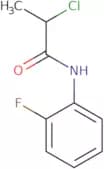
CAS:<p>Please enquire for more information about 2-Chloro-N-(2-fluorophenyl)propanamide including the price, delivery time and more detailed product information at the technical inquiry form on this page</p>Formula:C9H9ClFNOPurity:Min. 95%Molecular weight:201.63 g/mol2-Phenylbenzamide
CAS:<p>2-Phenylbenzamide (2PB) is a drug that belongs to the class of anthelmintics. It binds to the nicotinic acetylcholine receptor and inhibits the release of acetylcholine at neuromuscular junctions, leading to paralysis and death of the parasite. 2PB also has been shown to have anti-inflammatory properties in mice with colitis, which may be due to its ability to inhibit prostaglandin synthesis. The molecular docking analysis showed that 2PB binds covalently with nitro-containing molecules, such as nitrosamines, which are found in cigarette smoke and are known carcinogens. This binding may contribute to the development of cancer through inhibition of DNA repair mechanisms.</p>Formula:C13H11NOPurity:Min. 95%Color and Shape:PowderMolecular weight:197.23 g/molN,N'-Dimethyl benzamide
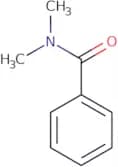
CAS:<p>N,N'-Dimethyl benzamide (DMAB) is an aryl halide that reacts with hydrogen to form the corresponding carbonyl group. The reaction solution of DMAB and hydrogen gas produces a chemical structure that resembles a hydrogen bond. DMAB has been shown to have anti-inflammatory effects in animals with inflammatory diseases. It has also been studied for its ability to inhibit the formation of amyloid plaque, which is associated with Alzheimer's disease. In addition, DMAB has been shown to have therapeutic effects against boron nitride and amides.<br>The crystal structure of DMAB can be found in both crystalline polymorphs: monoclinic and triclinic. The triclinic form is stable at room temperature and pressure, while the monoclinic form is only stable at higher temperatures. The monoclinic form is more soluble than the triclinic form, as it contains fewer hydrogen bonds between</p>Formula:C9H11NOPurity:Min. 95%Color and Shape:White PowderMolecular weight:149.19 g/molHomoveratramide
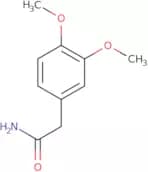
CAS:<p>Homoveratramide is a synthetic drug that is used as an antibacterial agent. It has a broad spectrum of activity against bacteria, fungi, and protozoa. Homoveratramide has been shown to be effective against both Gram-positive and Gram-negative bacteria, including Staphylococcus aureus, Streptococcus pneumoniae, Escherichia coli, Salmonella enterica, Pseudomonas aeruginosa, and Klebsiella pneumoniae. Homoveratramide inhibits the synthesis of DNA by binding to the enzyme ribonucleotide reductase. This produces a bacteriostatic effect on the cell by halting DNA replication and transcription.</p>Formula:C10H13NO3Purity:Min. 95%Color and Shape:PowderMolecular weight:195.22 g/molPigment YellOw 5;2-[(2-NitrOphenyl)azO]-3-OxO-N-phenylbutanamide
CAS:<p>Please enquire for more information about Pigment YellOw 5;2-[(2-NitrOphenyl)azO]-3-OxO-N-phenylbutanamide including the price, delivery time and more detailed product information at the technical inquiry form on this page</p>Purity:Min. 95%Pantethine
CAS:<p>Pantethine is a dietary supplement, which is a derivative of pantothenic acid, sourced from vitamin B5. As a biologically active compound, it undergoes conversion to pantetheine, which then forms coenzyme A (CoA) and acyl-carrier proteins. This conversion is critical, as CoA is an essential cofactor involved in numerous biochemical reactions that are integral to fatty acid metabolism, among other processes.</p>Formula:C22H42N4O8S2Purity:Min. 95%Color and Shape:PowderMolecular weight:554.72 g/molMorpholine-4-carboxamide
CAS:<p>Morpholine-4-carboxamide is a polymerase chain inhibitor that inhibits the activity of DNA polymerases. It binds to the DNA template strand and prevents the enzyme from adding nucleotides to the primer strand, thereby inhibiting DNA synthesis. Morpholine-4-carboxamide has shown efficacy in treating hyperproliferative diseases such as cancer cells and psoriasis. This drug has been shown to inhibit caspase activation and histone protein acetylation, which may be related to its anti-cancer properties. Morpholine-4-carboxamide also binds to cannabinoid receptor 2 (CB2) and may have therapeutic effects on inflammatory diseases such as psoriasis and arthritis.</p>Formula:C5H10N2O2Purity:Min. 95%Molecular weight:130.15 g/molLoperamide hydrochloride
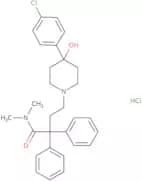
CAS:Controlled Product<p>μ-opioid receptor agonist; calcium channel inhibitor; anti-diarrheal</p>Formula:C29H33ClN2O2•HClPurity:Min. 95%Color and Shape:White PowderMolecular weight:513.5 g/mol(2-Aminophenyl)-N-((3,4-dimethoxyphenyl)methyl)formamide
CAS:<p>Please enquire for more information about (2-Aminophenyl)-N-((3,4-dimethoxyphenyl)methyl)formamide including the price, delivery time and more detailed product information at the technical inquiry form on this page</p>Formula:C16H18N2O3Purity:Min. 95%Color and Shape:PowderMolecular weight:286.33 g/molD-Proline amide
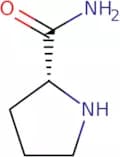
CAS:<p>Intermediate in the synthesis of vildagliptin</p>Formula:C5H10N2OPurity:Min. 95%Color and Shape:PowderMolecular weight:114.15 g/mol4-Hydroxyphenylacetamide
CAS:<p>4-Hydroxyphenylacetamide is a natural product that has been shown to have antibiotic properties. It inhibits the growth of bacteria by inhibiting the synthesis of p-hydroxybenzoic acid, which is an essential precursor for the biosynthesis of aromatic amino acids and other important compounds. 4-Hydroxyphenylacetamide also inhibits dopamine oxidation, which may lead to its anti-infective properties. The biological properties of 4-hydroxyphenylacetamide have been studied using electrochemical impedance spectroscopy (EIS) on bacterial strains and in vitro studies on P. aeruginosa. This compound is not metabolized by microorganisms and does not mineralize or react with oxygen at physiological pH levels. It can be used as a pharmaceutical dosage form for treatment of infectious diseases.</p>Formula:C8H9NO2Purity:Min. 95%Color and Shape:White PowderMolecular weight:151.16 g/mol4-Chloro-3,5-dinitrobenzamide
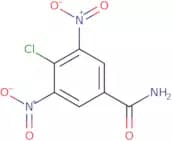
CAS:<p>4-Chloro-3,5-dinitrobenzamide is a bifunctional molecule that contains a chlorine atom. It has been found to react with dipolar solutes as well as vicinal dioxan arylation. The nucleophilic amide group is also labile and can be hydrolyzed by strong acids or bases. The electron lone pair of the chlorine atom in 4-chloro-3,5-dinitrobenzamide can be used for electrophilic substitution reactions with aromatic rings or amines. This molecule has been found to undergo an arylation reaction with imidazole in the presence of dioxan solvent at room temperature.</p>Formula:C7H4ClN3O5Purity:Min. 95%Molecular weight:245.58 g/mol


![N-[2-(2,3-Dimethoxyphenyl)ethyl]-2-chlorobenzamide](/_next/image/?url=https%3A%2Fstatic.cymitquimica.com%2Fproducts%2F3D%2Fthumb-webp%2FFD66108.webp&w=3840&q=75)


![2-Amino-N-[2-(5-methoxy-1H-indol-3-yl)ethyl]acetamide hydrochloride](/_next/image/?url=https%3A%2Fstatic.cymitquimica.com%2Fproducts%2F3D%2Fthumb-webp%2FFA116384.webp&w=3840&q=75)

![N-[(3S)-2,5-Dioxotetrahydro-3-furanyl]-2,2,2-trifluoroacetamide](/_next/image/?url=https%3A%2Fstatic.cymitquimica.com%2Fproducts%2F3D%2Fthumb-webp%2FFD97166.webp&w=3840&q=75)


![N-[(4-Amino-2-methylpyrimidin-5-yl)methyl]formamide](/_next/image/?url=https%3A%2Fstatic.cymitquimica.com%2Fproducts%2F3D%2Fthumb-webp%2FFA31702.webp&w=3840&q=75)

![N-[6-Chloro-5-(2-methoxyphenoxy)-(2,2-bipyrimidine)4-4-yl]-(1,1-dimethylethyl)-benzenesulfonamide](/_next/image/?url=https%3A%2Fstatic.cymitquimica.com%2Fproducts%2F3D%2Fthumb-webp%2FFC20113.webp&w=3840&q=75)

![N-[(8-Fluoro-2,3-Dihydro-1-Methyl-5-Phenyl-1H-1,4-Benzodiazepin-2-Yl)Methyl]-3-Furancarboxamide](/_next/image/?url=https%3A%2Fstatic.cymitquimica.com%2Fproducts%2F3D%2Fthumb-webp%2FFF102093.webp&w=3840&q=75)


![Pigment YellOw 5;2-[(2-NitrOphenyl)azO]-3-OxO-N-phenylbutanamide](/_next/image/?url=https%3A%2Fstatic.cymitquimica.com%2Fproducts%2F3D%2Fthumb-webp%2FFP40385.webp&w=3840&q=75)