Amides
Amides are a wide range of chemical compounds that contain at least one heterocyclic ring, which has atoms of at least two different elements in the ring structure, and at least one amide group (-CONH2). These compounds are crucial in the synthesis of pharmaceuticals, polymers, and agrochemicals. Amides exhibit unique properties and reactivity, making them valuable intermediates in organic synthesis. At CymitQuimica, we offer a comprehensive selection of high-quality amides to support your research and industrial needs.
Found 16399 products of "Amides"
Sort by
Purity (%)
0
100
|
0
|
50
|
90
|
95
|
100
N-Phenylpiperidine-4-carboxamide
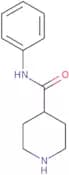
CAS:<p>N-Phenylpiperidine-4-carboxamide is a drug that inhibits the production of thromboxane A2 and other substances that promote clotting. It is used to treat patients with high blood pressure, as well as for the prevention of strokes and heart attacks. N-Phenylpiperidine-4-carboxamide is an analog of biphenyl and has been shown to have antiplatelet activity in humans. This drug also inhibits soluble guanylate cyclase, which prevents platelets from sticking together and forming clots. N-Phenylpiperidine-4-carboxamide is rapidly metabolized by esterases in the human body and excreted primarily in urine. The pharmacokinetic properties of this drug are not well understood but it can be synthesized using a number of different methods involving amide bonds.</p>Formula:C12H16N2OPurity:Min. 95%Color and Shape:White PowderMolecular weight:204.27 g/molAcetamide
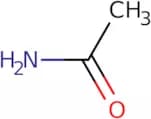
CAS:<p>Acetamide is an acyclic nucleoside phosphonate with a basic structure. Acetamide is metabolized to the corresponding ester hydrochloride, which has been shown to inhibit the polymerase chain reaction. This inhibition may be due to the effector proteins that are inactivated by acetamide, or it could be due to radiation-induced changes in the amide bond of the enzyme. Acetamide and its ester hydrochloride have been shown to inhibit skin cancer cells and carcinoma cell lines.</p>Formula:C2H5NOColor and Shape:Colorless Clear LiquidMolecular weight:59.07 g/molN-(Phenylsulfonyl)palmitamide
<p>N-(Phenylsulfonyl)palmitamide is a versatile building block that can be used to create complex compounds for research. CAS No. is 527-87-2 and it is a reagent and speciality chemical with high quality. It is also useful as a reaction component in the synthesis of other compounds, or as a scaffold for the synthesis of new derivatives.</p>Formula:C22H37NO3SMolecular weight:395.61 g/molFuran-2-carboximidamide hydrochloride
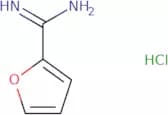
CAS:<p>Please enquire for more information about Furan-2-carboximidamide hydrochloride including the price, delivery time and more detailed product information at the technical inquiry form on this page</p>Formula:C5H6N2O•HClPurity:Min. 95%Molecular weight:146.57 g/molN-Benzyl Hexadecanamide
CAS:<p>N-Benzyl Hexadecanamide is a long-chain amide that is used in analytical chemistry as a sample preparation agent and to extract fatty acids from biological samples. It has been shown to have neuroprotective properties by reducing the uptake of glutamate and preventing neuronal cell death. N-Benzyl Hexadecanamide has also been found to prevent tumor growth and induce apoptosis in human cancer cells, which may be due to its ability to inhibit creatine kinase activity. This compound has also been shown to have anti-inflammatory effects, which are mediated through the inhibition of the activation of nuclear factor kappa B (NF-κB).</p>Formula:C23H39NOPurity:Min. 98 Area-%Color and Shape:PowderMolecular weight:345.56 g/molQuinfamide
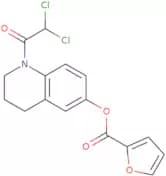
CAS:<p>Quinfamide is a polyunsaturated compound that contains a cevimeline hydrochloride molecule. It is used to treat bowel disease, usually in combination with other drugs. Quinfamide has been shown to have specific treatment effects on the symptoms of inflammatory bowel disease (IBD) when given at doses of 400-800 mg per day for up to 12 weeks. This drug can also be used as an analog for 5-membered heteroaryl compounds, such as benzalkonium chloride, which are also used to treat bowel disease. Quinfamide has been shown to have anti-inflammatory properties and may work by inhibiting fatty acid synthesis or by reducing the number of neutrophils in the gut.</p>Formula:C16H13Cl2NO4Purity:Min. 95%Color and Shape:White PowderMolecular weight:354.18 g/mol(4-(2-Fluorophenyl)piperazinyl)-N-propylformamide
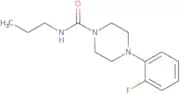
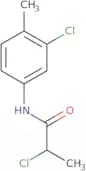
CAS:Controlled Product<p>Please enquire for more information about (4-(2-Fluorophenyl)piperazinyl)-N-propylformamide including the price, delivery time and more detailed product information at the technical inquiry form on this page</p>Formula:C14H20FN3OPurity:Min. 95%Color and Shape:PowderMolecular weight:265.33 g/mol2-Chloro-N-(3-chloro-4-methylphenyl)propanamide
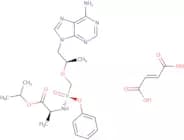
CAS:<p>Please enquire for more information about 2-Chloro-N-(3-chloro-4-methylphenyl)propanamide including the price, delivery time and more detailed product information at the technical inquiry form on this page</p>Formula:C10H11Cl2NOPurity:Min. 95%Molecular weight:232.11 g/molTenofovir alafenamide fumarate
CAS:<p>Tenofovir alafenamide fumarate is a prodrug of tenofovir, an active antiretroviral agent. Tenofovir binds to the viral polymerase and blocks the synthesis of viral DNA. Tenofovir alafenamide fumarate is a prodrug that undergoes hydrolysis to form tenofovir. It has been shown to inhibit growth factor-β1, which may reduce the risk of opportunistic infections in people with HIV or AIDS. Tenofovir alafenamide fumarate has also been shown to be effective as an antiviral prophylaxis when used in combination with other drugs for active antiretroviral therapy.</p>Formula:C21H29N6O5P•C4H4O4Purity:Min. 95%Color and Shape:PowderMolecular weight:592.54 g/molMetoclopramide hydrochloride hydrate
CAS:<p>Dopamine (D2) receptor antagonist; 5-HT4 serotonin receptor agonist</p>Formula:C14H22ClN3O2·HCl·H2OColor and Shape:White Off-White PowderMolecular weight:354.27 g/mol2'-Hydroxy-5'-nitrohexadecanamide
CAS:<p>2'-Hydroxy-5'-nitrohexadecanamide is a synthetic fatty acid derivative that inhibits lysosomal hydrolase, which is an enzyme that breaks down cellular lipids. This compound can be used as a diagnostic agent for the detection of certain types of cancer. 2'-Hydroxy-5'-nitrohexadecanamide reacts with the magnesium ion in the lysosome to form an insoluble precipitate, which then settles to the bottom of the test tube, allowing for easy detection of cells with high levels of lysosomal hydrolase.</p>Formula:C22H36N2O4Purity:Min. 95%Color and Shape:PowderMolecular weight:392.53 g/molTolbutamide
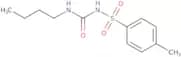
CAS:<p>Tolbutamide is a drug that is used to treat diabetes mellitus type 2. It is an inhibitor of the enzyme glucokinase and thus blocks the phosphorylation of glucose, which prevents its utilization by cells. This results in a decrease of blood glucose levels, which can be useful in the treatment of diabetes mellitus type 2. Tolbutamide has shown potent apoptosis-inducing effects on human breast cancer cells and endothelial cells. These effects are thought to be due to inhibition of protein kinase C (PKC) activity by tolbutamide. Additionally, this drug inhibits insulin secretion from pancreatic beta cells and induces cytochrome P450 enzymes, which may lead to increased metabolism of other drugs.</p>Formula:C12H18N2O3SPurity:Min. 95%Molecular weight:270.35 g/molC2 dihydroceramide
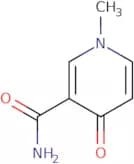
CAS:<p>C2 dihydroceramide is a lipid that belongs to the group of sphingolipids and is involved in neuronal death. It is a precursor for ceramide, which can also induce apoptosis. C2 dihydroceramide has been shown to inhibit axonal growth by interfering with the polymerase chain reaction, as well as inducing autophagy through toll-like receptor 4 signaling. This lipid has also been shown to inhibit intracellular Ca2+ levels, mitochondrial functions, and bowel disease. C2 dihydroceramide was identified in HL-60 cells and may be used as an analytical method for detecting other sphingolipids.</p>Formula:C20H41NO3Purity:Min. 95%Color and Shape:White PowderMolecular weight:343.54 g/molN-Methyl-4-pyridone-3-carboxamide
CAS:<p>N-Methyl-4-pyridone-3-carboxamide is a nonnutritive sweetener that has been shown to have no effect on peroxisome proliferation. It also had no effect on the levels of fatty acids in rat cardiomyocytes and did not affect uv absorption. N-Methyl-4-pyridone-3-carboxamide binds to the receptor α subunit of the taste receptor and inhibits adenosine uptake, which may be responsible for its effects on depression. This compound also alters energy metabolism by inhibiting mitochondrial ATP production and glycolysis.</p>Formula:C7H8N2O2Purity:(%) Min. 95%Color and Shape:PowderMolecular weight:152.15 g/molD-Valine amide hydrochloride
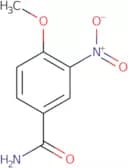
CAS:<p>Please enquire for more information about D-Valine amide hydrochloride including the price, delivery time and more detailed product information at the technical inquiry form on this page</p>Formula:C5H12N2O•HClPurity:Min. 95%Color and Shape:PowderMolecular weight:152.62 g/mol3-Nitro-4-methoxybenzamide
CAS:<p>3-Nitro-4-methoxybenzamide is a versatile building block that belongs to the group of fine chemicals. It is a reagent that is used in the synthesis of complex compounds. 3-Nitro-4-methoxybenzamide has been shown to be an effective intermediate for the synthesis of pharmaceuticals, such as antibiotics and immunosuppressants. This compound also has high quality and can be used as a scaffold for other chemical syntheses.</p>Formula:C8H8N2O4Purity:Min. 95%Color and Shape:PowderMolecular weight:196.16 g/mol3-(Dimethylphosphono)-N-methylolpropionamide
CAS:<p>Dimethylphosphonoacetamide (DMPPA) is a phosphorus-containing compound that is used as an intermediate in the synthesis of fatty acids. DMPPA can be synthesized by the reaction of ethylene diamine and phosphorus pentoxide, which is a common reagent for preparing phosphorus compounds. The reaction mechanism has been studied using electrochemical impedance spectroscopy. This study revealed that DMPPA can be converted to a water-soluble product by treatment with water vapor or by adding cotton. In addition, the kinetic data obtained from this study showed that the reaction rate was affected by temperature and the type of solvent used. The frequency shift observed during this study indicated that nitrogen atoms are involved in the reaction mechanism.</p>Formula:C6H14NO5PPurity:(%) Min. 80%Molecular weight:211.15 g/molN-[2-(p-Cinnamylamino)ethyl]-5-isoquinolone sulfonamide
CAS:<p>N-[2-(p-Cinnamylamino)ethyl]-5-isoquinolone sulfonamide is a high quality chemical that can be used as a reagent, complex compound, and useful intermediate. N-[2-(p-Cinnamylamino)ethyl]-5-isoquinolone sulfonamide is a fine chemical that is useful in the production of speciality chemicals. It can be used as a versatile building block and reaction component to produce various compounds.</p>Formula:C20H21N3O2SPurity:Min. 95%Color and Shape:SolidMolecular weight:367.47 g/mol2-Cyanobenzamide
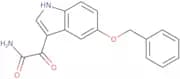
CAS:<p>2-Cyanobenzamide is a corrosion inhibitor that is used in the electrochemical industry to protect metals from corrosion. It has been shown to be suitable for use as a corrosion inhibitor in salt water and other corrosive environments. 2-Cyanobenzamide has been shown to have light sensitive properties, which is why it should not be exposed to direct light or stored in dark containers. It also inhibits enzymes that are involved in the production of reactive oxygen species (ROS) such as superoxide anion and hydrogen peroxide. The reaction of 2-cyanobenzamide with aluminium, sodium sulfide, and polymeric matrices has also been studied extensively.<br>2-Cyanobenzamide can be synthesized by reacting benzoyl chloride with ammonia and cyanogen bromide. This reaction produces a mixture of mono-, di-, tri-, and tetramers of 2-cyanobenzamide. These products can then be separated using analytical methods such as</p>Formula:C8H6N2OPurity:Min. 95%Molecular weight:146.15 g/mol5-Benzyloxyindole-3-glyoxylamide
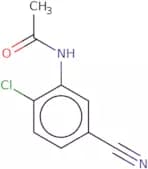
CAS:<p>5-Benzyloxyindole-3-glyoxylamide is a versatile building block that can be used in the synthesis of complex compounds. It has been shown to have a high quality and is useful as a reagent for research purposes. 5-Benzyloxyindole-3-glyoxylamide can be used as a reaction component and is useful as an intermediate in organic synthesis. 5BIGA has CAS number 22424-62-0 and is also known as 3-(benzyloxy)-5-(2,2,2-trifluoroethoxy)indole glyoxamide.</p>Formula:C17H14N2O3Purity:Min. 95%Molecular weight:294.3 g/molN-(5-Cyano-2-chlorophenyl)acetamide
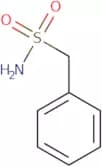
CAS:<p>N-(5-Cyano-2-chlorophenyl)acetamide is a high quality, reagent, and versatile building block. It is a fine chemical that can be used as a building block for the synthesis of other compounds. N-(5-Cyano-2-chlorophenyl)acetamide is also a speciality chemical that can be used in research or as a reaction component. It has been found to be useful as an intermediate in the synthesis of complex compounds.<br>END></p>Formula:C9H7ClN2OPurity:Min. 95%Molecular weight:194.62 g/molPhenylmethanesulfonamide
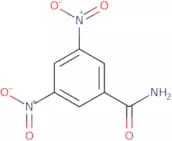
CAS:<p>Phenylmethanesulfonamide is a chemical compound that has been shown to inhibit the proliferation of cancer cells in vitro. This drug has also been shown to be effective in reducing inflammatory diseases, such as arthritis and asthma, which may be due to its ability to inhibit prostaglandin synthesis. Phenylmethanesulfonamide has shown anti-inflammatory properties, which may be due to its inhibition of prostaglandin synthesis.</p>Formula:C7H9NO2SPurity:Min. 95%Color and Shape:PowderMolecular weight:171.22 g/mol3,5-Dinitrobenzamide
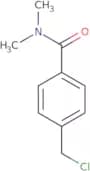
CAS:<p>3,5-Dinitrobenzamide is a sulfa drug that inhibits the growth of bacteria by inhibiting 3-dehydroquinate synthase (EC 4.2.1.23) and 3-dehydroquinate dehydratase (EC 4.2.1.46). The enzyme catalyzes the conversion of 3-dehydroquinic acid to quinic acid, which is an intermediate in the biosynthesis of benzoic acid from glucose. This inhibition occurs because 3,5-dinitrobenzamide forms a glycosidic bond with Cys34 in these enzymes, which prevents their function. This drug has been shown to have significant cytotoxicity against human pathogens and model organisms such as Salmonella typhimurium and Escherichia coli, but not against Saccharomyces cerevisiae or Candida albicans.</p>Formula:C7H5N3O5Purity:Min. 95%Color and Shape:PowderMolecular weight:211.13 g/mol4-(Chloromethyl)-N,N-dimethylbenzamide
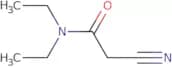
CAS:<p>4-(Chloromethyl)-N,N-dimethylbenzamide is a versatile building block that can be used in the synthesis of various complex compounds. It is a versatile intermediate and can be used in reactions as a reagent or building block. 4-(Chloromethyl)-N,N-dimethylbenzamide is also a high-quality chemical with a CAS number of 121083-51-0. The compound has many applications, including being useful as a reaction component or scaffold for research chemicals and speciality chemicals.</p>Formula:C10H12ClNOPurity:Min. 95%Color and Shape:PowderMolecular weight:197.66 g/molN,N-Diethylcyanoacetamide
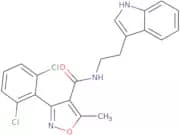
CAS:<p>N,N-Diethylcyanoacetamide is an organic compound that is used in the industrial production of polyurethane. It reacts with a nucleophile to form a new carbon-nitrogen bond. The reaction can be monitored in real time, and it has high specificity for the desired product. N,N-Diethylcyanoacetamide reacts with piperidine to produce a mixture of isomers in which the methyl group is attached to either the nitrogen or the oxygen atom. This mixture can be separated by crystallization, and it generates a pure product that can be used as a monocarboxylic acid.</p>Formula:C7H12N2OPurity:Min. 95%Color and Shape:Clear LiquidMolecular weight:140.18 g/mol(3-(2,6-dichlorophenyl)-5-methylisoxazol-4-yl)-N-(2-indol-3-ylethyl)formamide
CAS:<p>Please enquire for more information about (3-(2,6-dichlorophenyl)-5-methylisoxazol-4-yl)-N-(2-indol-3-ylethyl)formamide including the price, delivery time and more detailed product information at the technical inquiry form on this page</p>Purity:Min. 95%N-(2,6-Dimethylphenyl)-1-piperazineacetamide
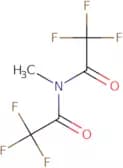
CAS:<p>N-(2,6-Dimethylphenyl)-1-piperazineacetamide is a byproduct of solvents and stabilizers. It has been found to be a crystalline solid with a molecular weight of 233.3 g/mol. The crystal structure was determined and found to be composed of two molecules of acetamide that are connected through hydrogen bonds. N-(2,6-Dimethylphenyl)-1-piperazineacetamide is soluble in ethanol and ether, but insoluble in water. This compound interacts with other substances, such as recrystallizing or substituting acetamides.</p>Formula:C14H21N3OPurity:Min. 95%Molecular weight:247.34 g/molN-Methylbis(trifluoroacetamide)
CAS:<p>N-Methylbis(trifluoroacetamide) is a molecule that is used in the preparation of an analytical method. This molecule reacts with human serum and urine to produce a reaction solution. The matrix effect can be seen in metabolic disorders, such as the case of creatine kinase which is not affected by the derivatization. N-Methylbis(trifluoroacetamide) is also used to prepare samples for solid phase microextraction with basic structures that are amines.</p>Formula:C5H3F6NO2Purity:Min. 95%Color and Shape:Clear LiquidMolecular weight:223.07 g/mol2-Phenyl-N-(phenylsulfonyl)acetamide
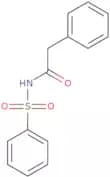
CAS:<p>2-Phenyl-N-(phenylsulfonyl)acetamide is a fine chemical, useful intermediate and research chemicals. It has a CAS number of 92200-24-3. This compound can be used as a versatile building block in the synthesis of complex compounds with high quality and purity. 2-Phenyl-N-(phenylsulfonyl)acetamide can also be used as a reaction component in the synthesis of speciality chemicals or as a reagent.</p>Formula:C14H13NO3SMolecular weight:275.33 g/molTiaramide hydrochloride
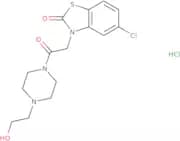
CAS:<p>Tiaramide hydrochloride is a nonsteroidal anti-inflammatory drug that inhibits the production of prostaglandins. It has been shown to have an anti-inflammatory activity in bowel disease and inflammatory bowel disease, which may be due to its ability to inhibit the production of prostaglandin synthesis. Tiaramide hydrochloride is also a coumarin derivative that can form an n-oxide on exposure to air or light. It has been used in tissue culture experiments as a nanoparticulate composition, where it was found to have a dose-dependent effect on cell viability and proliferation. Tiaramide hydrochloride has been used in sample preparation for human serum and rat liver microsomes, where it showed a hydroxyl group that binds with fatty acids.</p>Formula:C15H18ClN3O3S·HClPurity:Min. 95%Color and Shape:PowderMolecular weight:392.3 g/molDL-Leucine amide hydrochloride
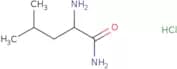
CAS:<p>DL-Leucine amide hydrochloride is a fine chemical that can be used as a building block for research chemicals, as a reagent for the preparation of other compounds, and as a speciality chemical. DL-Leucine amide hydrochloride has been shown to be effective in the synthesis of complex compounds. The compound is also versatile and can be used as an intermediate or scaffold in the synthesis of other compounds. DL-Leucine amide hydrochloride is useful in reactions such as condensation, substitution, elimination, and Grignard reactions. It is also used in peptide synthesis and polymerization reactions.</p>Formula:C6H14N2O·HClPurity:Min. 95%Molecular weight:166.65 g/mol4-Iodobenzenesulphonamide
CAS:<p>4-Iodobenzenesulphonamide is a drug with antifungal and anticancer activity. The compound has been shown to inhibit the growth of cancer cells in vitro. It also has an antifungal effect in vitro, which is most likely due to its ability to inhibit the synthesis of ergosterol, a component of the cell membrane. 4-Iodobenzenesulphonamide may be used for the treatment of cervical cancer and vulvovaginal candidiasis. This drug does not show any serious side effects, but it has been shown to have some adverse effects on liver function tests and red blood cells.</p>Formula:C6H6INO2SPurity:Min. 95%Color and Shape:PowderMolecular weight:283.09 g/mol2-Hydroxy-N,N,N-trimethylethanaminium salt with 1,1,1-trifluoro-N-[(trifluoromethyl)sulfonyl]methanesulfonamide
CAS:<p>2-Hydroxy-N,N,N-trimethylethanaminium salt with 1,1,1-trifluoro-N-[(trifluoromethyl)sulfonyl]methanesulfonamide is a hydroxyl group containing ionic liquid that has been used as an extractant. It is activated by a proton to form an oxyanion, which can be protonated again by the extractant to regenerate the ionic liquid. The thermodynamic properties of this ionic liquid are dependent on the concentration of solute and solvent. This ionic solute has been shown to inhibit bacterial growth and is toxic for animals.</p>Formula:C5H14NO•C2F6NO4S2Purity:Min. 95%Color and Shape:White PowderMolecular weight:384.32 g/molC2-Ceramide
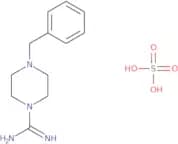
CAS:<p>Inducer of apoptosis; NF-κB activator; PP2A modulator</p>Formula:C20H39NO3Purity:Min. 95%Color and Shape:White PowderMolecular weight:341.53 g/mol4-Benzylpiperazine-1-carboximidamide sulfate
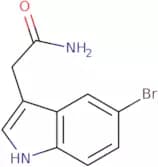
CAS:<p>4-Benzylpiperazine-1-carboximidamide sulfate is a versatile building block that can be used in the synthesis of complex compounds. It is a useful intermediate that can be used in the production of research chemicals and speciality chemicals. 4-Benzylpiperazine-1-carboximidamide sulfate is also an excellent reagent for reactions involving complex substrates, such as high quality and useful scaffolds.</p>Formula:C12H20N4O4SPurity:Min. 95%Color and Shape:PowderMolecular weight:316.4 g/mol2-(5-Bromo-1H-indol-3-yl)acetamide
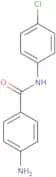
CAS:<p>2-(5-Bromo-1H-indol-3-yl)acetamide is a high quality, reagent, complex compound, useful intermediate and fine chemical. It is also a useful scaffold or building block for the synthesis of speciality chemicals. 2-(5-Bromo-1H-indol-3-yl)acetamide is used in research and development as a versatile building block for the synthesis of new compounds. The CAS number for this compound is 196081-79-5.</p>Formula:C10H9BrN2OPurity:Min. 98 Area-%Color and Shape:PowderMolecular weight:253.1 g/mol(4-Aminophenyl)-N-(4-chlorophenyl)formamide
CAS:<p>Please enquire for more information about (4-Aminophenyl)-N-(4-chlorophenyl)formamide including the price, delivery time and more detailed product information at the technical inquiry form on this page</p>Formula:C13H11ClN2OPurity:Min. 95%Color and Shape:PowderMolecular weight:246.69 g/molRink amide PEGA resin
<p>Rink amide PEGA resin is a cation-exchange resin that has been modified with poly(ethylene glycol) and poly(ethylene oxide). It binds to calcium ions, which are required for cell division. Activated resins can be used in animal diagnostic tests to measure blood glucose levels or as an adsorbent for the removal of heavy metals from drinking water. Rink amide PEGA resin can be used to modify polymer conjugates and assay biological properties, such as cancer cells or solid-phase synthesis.</p>Purity:Min. 95%Color and Shape:PowderN-[3-(3-Dimethylamino-1-oxo-2-propenyl)phenyl]-N-ethylacetamide
CAS:<p>N-[3-(3-Dimethylamino-1-oxo-2-propenyl)phenyl]-N-ethylacetamide is a high quality, complex compound that is useful as a reagent, intermediate, and building block. The CAS number for this product is 96605-66-2. This product has shown to have use in the synthesis of fine chemicals and research chemicals. It is a versatile building block that can be used as a reaction component.</p>Formula:C15H20N2O2Purity:Min. 95%Color and Shape:PowderMolecular weight:260.33 g/mol(3-(2,6-dichlorophenyl)-5-methylisoxazol-4-yl)-N-(5-methylisoxazol-3-yl)formamide
CAS:<p>Please enquire for more information about (3-(2,6-dichlorophenyl)-5-methylisoxazol-4-yl)-N-(5-methylisoxazol-3-yl)formamide including the price, delivery time and more detailed product information at the technical inquiry form on this page</p>Purity:Min. 95%2-Methylbenzamide
CAS:<p>2-Methylbenzamide is an amide with a carbonyl group and an intramolecular hydrogen. It has been shown to have synergic effects when combined with piperonyl butoxide in the treatment of autoimmune diseases. This synergistic effect is due to the inhibition of inflammatory mediator release, which can be achieved by blocking the enzyme cyclooxygenase-2. 2-Methylbenzamide has also been shown to inhibit deuterium isotope effect in cd-1 mice, which could make it beneficial for patients who are unable to tolerate other drugs.</p>Formula:C8H9NOPurity:Min. 95%Color and Shape:White PowderMolecular weight:135.16 g/molCoenzyme B12
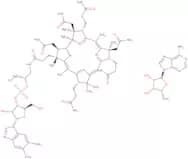
CAS:<p>Coenzyme B12, also known as vitamin B12, is a coenzyme that participates in the metabolism of amino acids and fatty acids. It is required for the conversion of homocysteine to methionine, which is an important step in the synthesis of S-adenosylmethionine (SAM), a major methyl donor. Coenzymes are required for many different reactions in cells, but they are not consumed during these reactions. Instead, they are regenerated and reused. Coenzyme B12 is synthesized by bacteria and archaea but not by animals. The cobalamin form of this coenzyme is made from cobaltous chloride or cobaltous sulfate and cyanide. This coenzyme has been shown to bind to riboswitches in bacteria and to ATP-binding cassette transporters in humans. Coenzyme B12 can exist in two different forms: adenosylcobalamin and methylcobalamin.</p>Formula:C72H100CoN18O17PPurity:Min. 97 Area-%Color and Shape:PowderMolecular weight:1,579.58 g/mol2-acetyl-N-phenyl-3-((3-(trifluoromethyl)phenyl)amino)prop-2-enamide
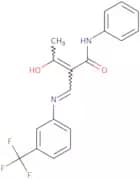
CAS:<p>Please enquire for more information about 2-acetyl-N-phenyl-3-((3-(trifluoromethyl)phenyl)amino)prop-2-enamide including the price, delivery time and more detailed product information at the technical inquiry form on this page</p>Formula:C18H15F3N2O2Purity:Min. 95%Color and Shape:PowderMolecular weight:348.32 g/mol4-N-Octyloxybenzamide
CAS:<p>4-N-Octyloxybenzamide is a fine chemical that can be used as a building block in organic synthesis, or as a reagent in research. It is available at high quality and has been shown to be versatile. The compound can also be used as an intermediate in the synthesis of other compounds and is useful for the production of pharmaceuticals, pesticides, and herbicides. 4-N-Octyloxybenzamide has CAS number 203243-94-1.</p>Formula:C15H23NO2Purity:Min. 95%Color and Shape:PowderMolecular weight:249.35 g/mol2-Phenyl-2-(2-piperidyl)acetamide
CAS:<p>2-Phenyl-2-(2-piperidyl)acetamide is an enantiomeric amide that can be used as a chiral building block for the synthesis of other organic compounds. It is synthesized by reacting phenylacetic acid with piperidine. 2-Phenyl-2-(2-piperidyl)acetamide is a primary amide and has been shown to have analgesic properties.</p>Formula:C13H18N2OPurity:Min. 97 Area-%Color and Shape:PowderMolecular weight:218.29 g/molN-Allyl-N-ethylheptadecafluorooctanesulphonamide
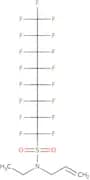
CAS:Controlled Product<p>N-Allyl-N-Ethylheptadecafluorooctanesulphonamide is a chemical substance that belongs to the group of sulfonates. It is an oily liquid with a boiling point of about 160°C, and is soluble in water. N-Allyl-N-Ethylheptadecafluorooctanesulphonamide has been used as a component of mixtures, such as cleaning agents and cosmetics. The chemical properties of this substance are not well studied due to its limited use.</p>Formula:C13H10F17NO2SPurity:Min. 95%Molecular weight:567.26 g/molIndole-3-glyoxylamide
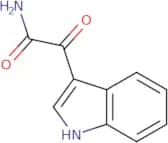
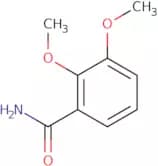
CAS:<p>Indole-3-glyoxylamide is a synthetic compound that was originally developed as a potential anti-cancer drug. It has been shown to inhibit glycogen synthase kinase 3 (GSK-3) and thereby reduce the production of proinflammatory cytokines in bowel disease. Indole-3-glyoxylamide also inhibits inflammatory bowel disease by inhibiting secretory phospholipase A2, which prevents the release of arachidonic acid from phospholipids. This synthesis is required for the production of prostaglandins and leukotrienes, which are involved in the inflammatory process. The compound has been shown to have immunomodulatory effects in chronic bronchitis, with an inhibitory effect on neutrophil chemotaxis, macrophage activity, and cytokine production. Indole-3-glyoxylamide has also been shown to be effective against cancer cells in vitro and in vivo animal models. It is metabolized through</p>Formula:C10H8N2O2Purity:Min. 95%Color and Shape:PowderMolecular weight:188.18 g/mol2-Veratramide
CAS:<p>2-Veratramide is a drug that belongs to the group of amides. It is a highly soluble, water-soluble and lipophilic molecule. The molecular modeling study revealed that it has a hydroxyl group in its structure and a hydrogen bond with the intramolecular hydrogen atom. 2-Veratramide has been observed to inhibit protein synthesis and cellular proliferation by binding to cancer cells or inflammatory cells. It also binds to dopamine receptors, inhibiting uptake of dopamine and subsequent activation of downstream signaling pathways. 2-Veratramide is an inhibitor of nitric oxide synthase (NOS), which plays an important role in inflammation, vascular tone, neurotransmission, and cell proliferation.<br>2-Veratramide inhibits NOS by competitively binding to the heme moiety at the active site of the enzyme, thereby blocking access to substrate arginine.</p>Formula:C9H11NO3Purity:Min. 97%Color and Shape:PowderMolecular weight:181.19 g/molN-(n-Butyl)thiophosphoric triamide
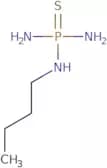
CAS:<p>N-(n-Butyl)thiophosphoric triamide is a triamide herbicide that inhibits the plant enzyme fatty acid synthase. It has been shown to inhibit the uptake of glycol ethers, such as glycol esters, into plants by acting on the glycol ester hydroxyl group. This chemical also inhibits the synthesis of fatty acids in plants and reduces lipid content in perennial ryegrass and solanum tuberosum. N-(n-Butyl)thiophosphoric triamide also inhibits nitrous oxide emissions from wastewater treatment plants.</p>Formula:C4H14N3PSPurity:Min. 95%Color and Shape:White PowderMolecular weight:167.21 g/molN-(2-Indol-3-ylethyl)(4-methylphenyl)formamide
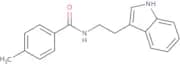
CAS:<p>Please enquire for more information about N-(2-Indol-3-ylethyl)(4-methylphenyl)formamide including the price, delivery time and more detailed product information at the technical inquiry form on this page</p>Formula:C18H18N2OPurity:Min. 95%Color and Shape:PowderMolecular weight:278.35 g/mol








![N-[2-(p-Cinnamylamino)ethyl]-5-isoquinolone sulfonamide](/_next/image/?url=https%3A%2Fstatic.cymitquimica.com%2Fproducts%2F3D%2Fthumb-webp%2FFC20451.webp&w=3840&q=75)



![2-Hydroxy-N,N,N-trimethylethanaminium salt with 1,1,1-trifluoro-N-[(trifluoromethyl)sulfonyl]metha…](/_next/image/?url=https%3A%2Fstatic.cymitquimica.com%2Fproducts%2F3D%2Fthumb-webp%2FFH103048.webp&w=3840&q=75)

![N-[3-(3-Dimethylamino-1-oxo-2-propenyl)phenyl]-N-ethylacetamide](/_next/image/?url=https%3A%2Fstatic.cymitquimica.com%2Fproducts%2F3D%2Fthumb-webp%2FFD70834.webp&w=3840&q=75)