Amides
Amides are a wide range of chemical compounds that contain at least one heterocyclic ring, which has atoms of at least two different elements in the ring structure, and at least one amide group (-CONH2). These compounds are crucial in the synthesis of pharmaceuticals, polymers, and agrochemicals. Amides exhibit unique properties and reactivity, making them valuable intermediates in organic synthesis. At CymitQuimica, we offer a comprehensive selection of high-quality amides to support your research and industrial needs.
Found 16485 products of "Amides"
Sort by
Purity (%)
0
100
|
0
|
50
|
90
|
95
|
100
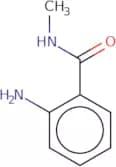
2-Amino-N-methylbenzamide
CAS:<p>2-Amino-N-methylbenzamide is a benzodiazepine receptor antagonist that has been shown to inhibit the proliferation of cancer cells in vitro. 2-Amino-N-methylbenzamide binds to the benzodiazepine receptor, which is found in cell nuclei and is involved in controlling the process of cell division. Benzodiazepines are a class of drugs that work by increasing the activity of GABA, which reduces neuronal excitability. 2-Amino-N-methylbenzamide prevents this activity by binding to the benzodiazepine receptor, preventing GABA from binding to its receptors and thereby inhibiting neuronal excitability. This drug has also been shown to inhibit cancer growth through an anthranilic acid derivative, methyl anthranilate. Methyl anthranilate inhibits DNA synthesis and induces apoptosis in cancer cells, leading to cell death.</p>Formula:C8H10N2OPurity:Min. 95%Color and Shape:PowderMolecular weight:150.18 g/molN-(2-Oxo-2-phenylethyl)-N-phenylbenzamide
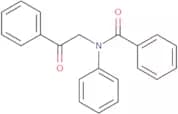
CAS:<p>N-(2-Oxo-2-phenylethyl)-N-phenylbenzamide is a fine chemical that can be used as a versatile building block and reagent for the synthesis of complex compounds. This compound has been shown to react with both amines and alcohols in the presence of acid to produce useful products. It is also an intermediate for the synthesis of other compounds, such as pharmaceuticals, pesticides, and herbicides. N-(2-Oxo-2-phenylethyl)-N-phenylbenzamide is soluble in organic solvents and can be purified by recrystallization or column chromatography. The purity of this compound can be confirmed by nuclear magnetic resonance spectroscopy (1H NMR) or mass spectrometry (MS).</p>Formula:C21H17NO2Purity:Min. 95%Molecular weight:315.37 g/mol2,2'-(Diazene-1,2-diyl)bis(2-methylpropanimidamide) dihydrochloride
CAS:<p>2,2'-(Diazene-1,2-diyl)bis(2-methylpropanimidamide) dihydrochloride (BPDC) is a synthetic compound that is used as an analytical reagent and a model system for oxidative injury. It has significant cytotoxicity on human cells in cell culture. BPDC induces oxidative damage to proteins and DNA by increasing the production of reactive oxygen species such as hydrogen peroxide, superoxide, and hydroxyl radicals. The mechanism of action is not well understood but may be due to Toll-like receptor signalling pathways. This compound has been shown to inhibit the activity of antioxidant enzymes such as glutathione peroxidase and catalase. It also inhibits the activity of proinflammatory cytokines such as IL-6 and IL-8. BPDC is being investigated for its potential use in bowel disease treatment.</p>Formula:C8H20Cl2N6Purity:Min. 95%Color and Shape:PowderMolecular weight:271.19 g/molN-(2,5-dimethylphenyl)(3-chlorobenzo[b]thiophen-2-yl)formamide
CAS:Please enquire for more information about N-(2,5-dimethylphenyl)(3-chlorobenzo[b]thiophen-2-yl)formamide including the price, delivery time and more detailed product information at the technical inquiry form on this pagePurity:Min. 95%3-[(Aminocarbonyl)amino]-5-[4-(morpholin-4-ylmethyl)phenyl]thiophene-2-carboxamide
CAS:<p>3-[(Aminocarbonyl)amino]-5-[4-(morpholin-4-ylmethyl)phenyl]thiophene-2-carboxamide is a chemical inhibitor that inhibits the activity of kinases. It has been shown to be cytotoxic against cancer cells and to induce apoptosis through a number of different mechanisms. 3-[(Aminocarbonyl)amino]-5-[4-(morpholin-4-ylmethyl)phenyl]thiophene-2-carboxamide binds to DNA and induces DNA repair, which can lead to cell death. This drug also has an anti-inflammatory effect, which may be due to its ability to inhibit pro-inflammatory cytokines such as TNFα and IL1β.</p>Formula:C17H20N4O3SPurity:Min. 95%Color and Shape:PowderMolecular weight:360.43 g/molN-(4-Acetylphenyl)-2-chloropropanamide
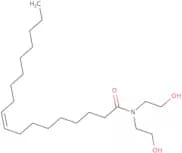
CAS:<p>Please enquire for more information about N-(4-Acetylphenyl)-2-chloropropanamide including the price, delivery time and more detailed product information at the technical inquiry form on this page</p>Formula:C11H12ClNO2Purity:Min. 95%Molecular weight:225.67 g/molDiethanololeamide
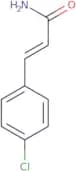
CAS:<p>Emulgator; stabilizing surfactant used in cosmetics, pharmaceuticals, textiles</p>Formula:C22H43NO3Color and Shape:Yellow PowderMolecular weight:369.58 g/mol4-Chlorocinnamide
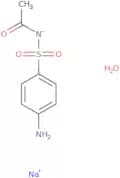
CAS:<p>4-Chlorocinnamide is an organochlorine compound that has been found to have antibacterial properties. It inhibits the shikimate pathway in bacteria, which is essential for bacterial growth. This molecule has been shown to bind with the cation channel of the nerve cells in the trigeminal nerve and inhibit their function. The inhibition of this channel leads to reduced sensitivity to pain. 4-Chlorocinnamide is also a precursor in the synthesis of stilbene derivatives, which are used as anticancer drugs.</p>Formula:C9H8ClNOPurity:Min. 95%Color and Shape:PowderMolecular weight:181.62 g/molSulfacetamide sodium monohydate
CAS:<p>Sulfacetamide sodium monohydrate is a sulfa drug that is used in the treatment of infections caused by bacteria that are sensitive to sulfonamides. It is also used to reduce the symptoms of rosacea, a skin condition. Sulfacetamide sodium monohydrate inhibits microbial growth by disrupting microbial fatty acid synthesis and inhibiting bacterial growth through various mechanisms including hydrolysis by hydrochloric acid, metabolic disorders, or changes in water permeability. It has been shown to be an effective treatment for congestive heart failure due to its ability to increase the thickness of the glomerular basement membrane and inhibit erythrocyte adhesion. This drug is also useful as a topical agent for treating mild cases of radiation dermatitis and has high values as an anhydrous sodium sulfate substitute for wastewater treatment.</p>Formula:C8H10N2O3S•H2O•NaPurity:Min. 95%Molecular weight:255.25 g/molN-Cyclohexyl-2-benzothiazolylsulfenamide
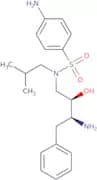
CAS:<p>N-Cyclohexyl-2-benzothiazolylsulfenamide is a cross-linking agent that is used in the production of polymeric matrices. It is a multi-walled carbon molecule with an aromatic hydrocarbon cross-linker. N-Cyclohexyl-2-benzothiazolylsulfenamide reacts with fatty acids to form cationic surfactants, which can be used as antimicrobial agents. The reaction mechanism for this type of chemical reaction has been studied under constant pressure conditions and it was found that sulfur transfer occurs in the first step, followed by activation energies for the second and third steps. The diameter of the product depends on the degree of polymerization (DP).</p>Formula:C13H16N2S2Purity:Min. 95%Color and Shape:PowderMolecular weight:264.41 g/mol4-Amino-N-((2R,3S)-3-amino-2-hydroxy-4-phenylbutyl)-N-ispobutylbenzenesulfonamide
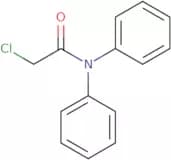
CAS:<p>4-Amino-N-((2R,3S)-3-amino-2-hydroxy-4-phenylbutyl)-N-isobutylbenzenesulfonamide is an amide that is used to treat HIV infections. It has been shown to have potent anti-viral activity against HIV infected cells in the laboratory and can inhibit the replication of HIV by interfering with the virus's ability to use the reverse transcriptase enzyme. 4ABAB has been shown to bind to the enzyme ribonuclease H (crth2), which is responsible for breaking down viral RNA. This binding prevents crth2 from cleaving viral RNA, thus inhibiting DNA synthesis and preventing cell death. 4ABAB also interferes with a hydrogen bond between ethyl group and the hydroxyl group on crth2, leading to a decrease in activity.</p>Formula:C20H29N3O3SPurity:Min. 95%Color and Shape:White PowderMolecular weight:391.53 g/mol2-Chloro-N,N-diphenylacetamide
CAS:<p>2-Chloro-N,N-diphenylacetamide is a functional theory that has been shown to have antimicrobial activity against mammalian cells. It is an acetamide derivative with a formyl group and two chloro substituents. 2-Chloro-N,N-diphenylacetamide inhibits the growth of Mycobacterium tuberculosis by binding to the ribosomal protein P0, which inhibits the production of proteins vital for cell division. This drug also has antifungal properties, inhibiting the synthesis of ergosterol in filamentous fungi such as Candida albicans.<br>2-Chloro-N,N-diphenylacetamide is also known to inhibit the growth of other bacteria by binding to their ribosomes and interfering with protein synthesis. This drug may also be active against viruses due to its ability to bind chloride ions.</p>Formula:C14H12ClNOPurity:Min. 95%Molecular weight:245.7 g/mol2-Amino-N-[2-(5-methoxy-1H-indol-3-yl)ethyl]acetamide hydrochloride
CAS:<p>2-Amino-N-[2-(5-methoxy-1H-indol-3-yl)ethyl]acetamide hydrochloride is a magnetic compound that has been shown to be an effective cancer antigen. It is a derivative of the amino acid sequence of α,β-unsaturated fatty acids and can be used as a dietary supplement. 2-Amino-N-[2-(5-methoxy-1H-indol-3-yl)ethyl]acetamide hydrochloride has been shown to bind to fatty acid receptors on the surface of antigen presenting cells (APCs). It also activates the immune system by activating APCs, which leads to the production of cytokines and chemokines. This compound has also been shown to stimulate T cells in culture, leading to activation and proliferation of tumor cells.</p>Formula:C13H17N3O2·HClPurity:Min. 95%Color and Shape:PowderMolecular weight:283.75 g/molRink amide-AM Resin
CAS:<p>Rink amide-AM resin is a cation exchange resin that is used in peptide synthesis. It has an optimal pH range of 8-9. Rink amide-AM resin can be activated with trifluoroacetic acid or piperidine and washed with a mixture of water and methanol to remove the salt byproduct. The resin can then be used for peptide synthesis, which is typically done by adding the desired amino acids in sequence to the resin. The synthesis is stopped when the linear peptide reaches a desired length, typically 12-15 amino acids long. The linear peptides are then cleaved from the resin using trifluoroacetic acid or piperidine, depending on which activation reagent was used during synthesis. After cleavage, the linear peptides are precipitated from solution using ethanol or acetone and collected by filtration.</p>Color and Shape:Off-White Powder2-Piperazin-1-ylnicotinamide dihydrochloride
CAS:<p>Please enquire for more information about 2-Piperazin-1-ylnicotinamide dihydrochloride including the price, delivery time and more detailed product information at the technical inquiry form on this page</p>Formula:C10H14N4OPurity:95%MinColor and Shape:PowderMolecular weight:206.24 g/molN-(2-(3,4-dimethoxyphenyl)ethyl)(2-(4-chlorophenoxy)(3-pyridyl))formamide
CAS:<p>Please enquire for more information about N-(2-(3,4-dimethoxyphenyl)ethyl)(2-(4-chlorophenoxy)(3-pyridyl))formamide including the price, delivery time and more detailed product information at the technical inquiry form on this page</p>Purity:Min. 95%2-Phenyl-N-phenylacetamide
CAS:<p>2-Phenyl-N-phenylacetamide is an amide that is a potent inhibitor of cholesterol acyltransferase. It has been shown to be effective in animal models of insulin resistance and hypertension, as well as in humans. 2-Phenyl-N-phenylacetamide inhibits the activity of cholesterol acyltransferase by competitive inhibition and thereby reduces the production of triglycerides. This drug also inhibits the synthesis of phospholipids and bile acids, which are important for fat digestion. 2-Phenyl-N-phenylacetamide reacts with phosphorus pentoxide to form phenoxyacetic acid, which is hydrolyzed to phenoxyacetate and phenol. The hydroxy group on phenol reacts with aryl halides to form aryl esters. These reactions lead to the formation of divalent hydrocarbon intermediates such as malonic acid, which can be used for energy production through oxidation or as precursors</p>Formula:C14H13NOPurity:Min. 95%Molecular weight:211.26 g/molN-[4-[1-(2-Fluorobenzyl)-3-butyl-2,6-dixo-2,3,6,7-tetrahydro-1H-purin-8-ylmethyl]phenyl]acetamide
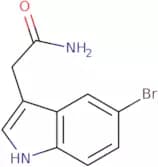
CAS:Controlled Product<p>N-[4-[1-(2-Fluorobenzyl)-3-butyl-2,6-dixo-2,3,6,7-tetrahydro-1H-purin-8-ylmethyl]phenyl]acetamide is a fine chemical with a diverse range of potential applications. It can be used as a versatile building block in the synthesis of complex compounds and is useful as a reaction component or reagent. Its CAS number is 628279-07-2.</p>Formula:C25H26FN5O3Purity:Min. 95%Color and Shape:White PowderMolecular weight:463.5 g/mol2-(5-Bromo-1H-indol-3-yl)acetamide
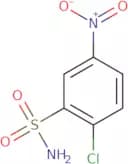
CAS:<p>2-(5-Bromo-1H-indol-3-yl)acetamide is a high quality, reagent, complex compound, useful intermediate and fine chemical. It is also a useful scaffold or building block for the synthesis of speciality chemicals. 2-(5-Bromo-1H-indol-3-yl)acetamide is used in research and development as a versatile building block for the synthesis of new compounds. The CAS number for this compound is 196081-79-5.</p>Formula:C10H9BrN2OPurity:Min. 98 Area-%Color and Shape:PowderMolecular weight:253.1 g/mol2-Chloro-5-nitrobenzene sulfonamide
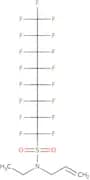
CAS:<p>2-Chloro-5-nitrobenzene sulfonamide (2CNS) is a glycol ether that has been shown to inhibit the activity of carbonic anhydrase. It has been shown to be a competitive inhibitor of the enzyme, and can be used as a lead compound for developing new drugs. 2CNS has been shown to inhibit an anhydrase that is found in bacteria, such as Streptococcus pneumoniae, Haemophilus influenzae, and Staphylococcus aureus. This inhibition causes increased levels of hydrogen ions in the bacterial environment, which leads to the acidification of their surroundings. 2CNS also inhibits chloride ion uptake in these bacteria.<br>2CNS's pharmacophore includes two aromatic hydrocarbon rings with at least one hydrogen bond acceptor group on each ring. This pharmacophore is responsible for its inhibition of carbonic anhydrase and chloride ion binding site.</p>Formula:C6H5ClN2O4SPurity:Min. 97 Area-%Color and Shape:White Off-White PowderMolecular weight:236.63 g/molN-Allyl-N-ethylheptadecafluorooctanesulphonamide
CAS:Controlled Product<p>N-Allyl-N-Ethylheptadecafluorooctanesulphonamide is a chemical substance that belongs to the group of sulfonates. It is an oily liquid with a boiling point of about 160°C, and is soluble in water. N-Allyl-N-Ethylheptadecafluorooctanesulphonamide has been used as a component of mixtures, such as cleaning agents and cosmetics. The chemical properties of this substance are not well studied due to its limited use.</p>Formula:C13H10F17NO2SPurity:Min. 95%Molecular weight:567.26 g/molC4-Ceramide
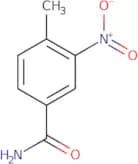
CAS:<p>Modulator of CFTR channel in cystic fibrosis models</p>Formula:C22H43NO3Purity:Min. 95%Color and Shape:PowderMolecular weight:369.58 g/mol4-Methyl-3-nitrobenzamide
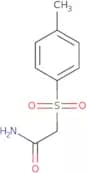
CAS:<p>4-Methyl-3-nitrobenzamide is a nitrile that can be synthesized by the reaction of potassium hydroxide and 3-nitrobenzamide. It has been shown to react with dichloroethane to form 4-methyl-3-nitrobenzoic acid. The optimum temperature for this reaction is 120°C, which leads to a high yield of 4-methyl-3-nitrobenzamide. This product is also available in an isotopic form at high purity.</p>Formula:C8H8N2O3Purity:Min. 95%Color and Shape:PowderMolecular weight:180.16 g/mol2-((4-Methylphenyl)sulfonyl)ethanamide
CAS:<p>2-((4-Methylphenyl)sulfonyl)ethanamide is an amide that has been shown to have antibacterial activity. It binds to the DNA of bacteria, inhibiting its replication and transcription. This drug also inhibits the growth of influenza virus in cell culture. 2-((4-Methylphenyl)sulfonyl)ethanamide is a sensor for chloride ions, which may be used as treatments for bacterial infections. This drug is also able to inhibit the replication of bacteria that are resistant to other antibiotics, such as penicillin. The unsaturated alkyl group on this molecule allows it to be activated by radiation treatment, which may be useful in the treatment of cancer cells or viral infections.</p>Formula:C9H11NO3SPurity:Min. 95%Color and Shape:PowderMolecular weight:213.25 g/mol2-Methylbenzamide
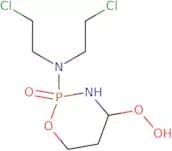
CAS:2-Methylbenzamide is an amide with a carbonyl group and an intramolecular hydrogen. It has been shown to have synergic effects when combined with piperonyl butoxide in the treatment of autoimmune diseases. This synergistic effect is due to the inhibition of inflammatory mediator release, which can be achieved by blocking the enzyme cyclooxygenase-2. 2-Methylbenzamide has also been shown to inhibit deuterium isotope effect in cd-1 mice, which could make it beneficial for patients who are unable to tolerate other drugs.Formula:C8H9NOPurity:Min. 95%Color and Shape:White PowderMolecular weight:135.16 g/mol4-Hydroperoxy cyclophosphamide
CAS:4-Hydroperoxycyclophosphamide (4-HPPC) is a cytotoxic agent with anti-cancer properties. It is a prodrug that is converted to 4-hydroxycyclophosphamide, the active form of the drug, by hydrolases in cells. The cytotoxicity of 4-HPPC has been demonstrated using a model system of human erythrocytes and HL60 cells. This drug also has an effect on tumor growth and metastasis, as well as on bowel disease. Rats treated with 4-HPPC showed decreased levels of blood glucose, increased glutathione peroxidase activity, and a decrease in the number of colonic tumors after only one dose. The low-dose group had improved mitochondrial membrane potential and an increase in cell factor receptor activity. These results indicate that 4-HPPC may be a useful anti-cancer compound for treating various types of cancer including colon cancer.Formula:C7H15Cl2N2O4PPurity:Min. 95%Color and Shape:PowderMolecular weight:293.08 g/molThioacetamide
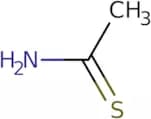
CAS:Controlled Product<p>Thioacetamide is a chemical compound that has been used as a model system to study apoptosis. It is also known to cause injury and biochemical changes in cells. Thioacetamide is metabolized by cytochrome P450 enzymes and conjugated with glucuronic acid, which prevents it from binding to DNA or protein. The oxidation of thioacetamide by cytochrome P450 enzymes leads to the formation of reactive oxygen species that may cause DNA damage. Apoptosis induced by thioacetamide has been shown to be mediated through the mitochondrial pathway, which involves the release of cytochrome C, activation of caspase-9, and cleavage of poly (ADP-ribose) polymerase (PARP). Thioacetamide also inhibits sorbitol dehydrogenase activity, which leads to an accumulation of sorbitol in cells. This accumulation can activate transcriptional factors such as nuclear factor kappa B (NF-κB), leading to</p>Formula:C2H5NSPurity:Min. 98 Area-%Color and Shape:PowderMolecular weight:75.13 g/mol4-Amino-5-chloro-2,3-dihydro-N-[1-(3-methoxypropyl)-4-piperidinyl]-7-benzofurancarboxamide
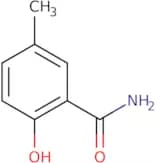
CAS:<p>The drug 4-Amino-5-chloro-2,3-dihydro-N-[1-(3-methoxypropyl)-4-piperidinyl]-7-benzofurancarboxamide (BZP) is a histamine H2 receptor antagonist. It binds to the histamine H2 receptor in the stomach and duodenum, thereby blocking stomach acid production. BZP has been shown to be effective for treating symptoms of constipation or diarrhoea caused by inflammatory bowel disease or abdominal surgery. BZP also reduces the risk of relapse after surgery but does not affect long term efficacy. This drug is not available in the United States and has significant interactions with other drugs and symptoms including constipation, bowel disease, long term efficacy, and analytical method.</p>Formula:C18H26ClN3O3Purity:Min. 95%Color and Shape:White PowderMolecular weight:367.87 g/mol2-Hydroxy-5-methylbenzamide
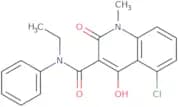
CAS:<p>Labetalol is a β-blocker that is used to treat high blood pressure. Labetalol hydrochloride, the active form of labetalol, is a white, crystalline compound with a melting point of 200 °C. It is soluble in water and has an acidic pH of 2. Labetalol hydrochloride is synthesized by reacting methylbenzene with labetalol, which forms intermediates such as methyl 4-hydroxylbenzoate and methyl 3-hydroxylbenzoate in the process. The intermediates are then recrystallized to form the final product. Labetalol hydrochloride undergoes thermal analysis using thermogravimetry, calorimetry, and residue analysis to determine its purity. This product also undergoes carbonaceous and oxidative analysis by GC-MS for quality control purposes.</p>Formula:C8H9NO2Purity:Min. 95%Color and Shape:PowderMolecular weight:151.16 g/mol5-Chloro-4-hydroxy-1-methyl-2-oxo-1,2-dihydro-quinoline-3-carboxylic acid ethyl-phenyl-amide
CAS:<p>Laquinimod is an immunomodulator drug that inhibits the activity of the immune system. It binds to toll-like receptor 7, which is a protein on the surface of certain cells that responds to infection and inflammation. Laquinimod has been shown to inhibit neurodegeneration in vitro, which may be due to its ability to bind with neuronal death receptors and block the inflammatory response. Laquinimod also inhibits bowel disease by reducing inflammation and controlling immunity in the intestinal tract. Laquinimod has been shown to have long-term efficacy when administered at physiological levels. This drug is chemically stable, even after exposure to light.</p>Formula:C19H17ClN2O3Purity:Min. 95%Color and Shape:White PowderMolecular weight:356.8 g/mol2-Phthalimidoyl-N-(methylsulfonyl)propanamide
<p>2-Phthalimidoyl-N-(methylsulfonyl)propanamide is a fine chemical that is used as a building block for research chemicals. It is a versatile intermediate that can be used as a reaction component. 2-Phthalimidoyl-N-(methylsulfonyl)propanamide has been shown to have high quality and can be used as a reagent in the synthesis of complex compounds.</p>Formula:C12H12N2O5SMolecular weight:296.30 g/mol3-Oxo-2-phenyl butanamide
CAS:Controlled Product3-Oxo-2-phenyl butanamide is an amphetamine that has been shown to be a potential marker for wastewater. 3-Oxo-2-phenyl butanamide is one of the many intermediates in the synthesis of amphetamine from phenylacetone and can be found in wastewater as an impurity. This compound has also been used as a marker for wastewater treatment malfunctioning. 3-Oxo-2-phenyl butanamide is excreted into the environment through urine, and its presence can be measured in water samples by gas chromatography/mass spectrometry or liquid chromatography/mass spectrometry.Formula:C10H11NO2Purity:Min. 95%Color and Shape:PowderMolecular weight:177.2 g/mol2,2,2-Trifluoroacetamide
CAS:<p>2,2,2-Trifluoroacetamide is a chemical compound that is stable under normal conditions and can be stored for long periods of time. The compound has been shown to react with trifluoroacetic acid and in the presence of an electrochemical probe to give a redox reaction. This reaction mechanism has been studied by using pharmacokinetic properties of 2,2,2-trifluoroacetamide and its metabolites. The compound is not active against infectious diseases but may be used as a reagent in analytical methods. 2,2,2-Trifluoroacetamide has also been investigated for its ability to bind hydrogen atoms and form intramolecular hydrogen bonds with tryptophan residues in proteins.</p>Formula:C2H2F3NOPurity:Min. 95%Color and Shape:PowderMolecular weight:113.04 g/molN-(Methyl)nonafluorobutanesulfonamide
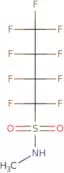
CAS:Nonafluorobutanesulfonamide (NFBS) is a volatile organic solvent that is used in the manufacture of coatings and other organic chemicals. It has been shown to have a high vapor pressure, which makes it useful for drying solvents. NFBS is also used as an intermediate in the production of fluorinated acrylates and methacrylates. NFBS reacts with styrene monomers to form ionic forms, and can be converted to its neutral form by reaction with acrylonitrile or acrylates. Nonafluorobutanesulfonamide has been shown to cause liver cancer in rats, but this effect has not been observed in humans.Formula:C5H4F9NO2SPurity:Min. 95%Color and Shape:PowderMolecular weight:313.14 g/molN-(n-Butyl)thiophosphoric triamide
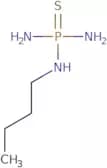
CAS:<p>N-(n-Butyl)thiophosphoric triamide is a triamide herbicide that inhibits the plant enzyme fatty acid synthase. It has been shown to inhibit the uptake of glycol ethers, such as glycol esters, into plants by acting on the glycol ester hydroxyl group. This chemical also inhibits the synthesis of fatty acids in plants and reduces lipid content in perennial ryegrass and solanum tuberosum. N-(n-Butyl)thiophosphoric triamide also inhibits nitrous oxide emissions from wastewater treatment plants.</p>Formula:C4H14N3PSPurity:Min. 95%Color and Shape:White PowderMolecular weight:167.21 g/mol4-Chloro-3-nitrobenzamide
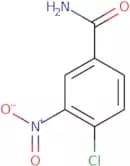
CAS:<p>4-Chloro-3-nitrobenzamide (4CNBA) is a potent inducer of hepatic drug metabolizing enzymes. It reacts with methyl cinnamate to form the 4-chloro-3-nitrobenzamide methyl ester and chloride ions. This reaction is catalyzed by copper, which binds to the 4CNBA molecule. The chloride ion then displaces water from the ester, producing a nitroso intermediate. This intermediate breaks down into an unstable nitrite, which in turn reacts with hydrogen peroxide to form a hydroxylamine intermediate. Hydroxylamine can then react with sulfhydryl groups to produce reactive thiols that are responsible for the induction of detoxification enzymes in the liver.<br>4CNBA has been shown to be toxic at high concentrations and is rapidly detoxified by Phase II enzymes such as glutathione S transferase, UDP glucuronosyltransferase, and N-acetyl</p>Formula:C7H5ClN2O3Purity:Min. 95%Color and Shape:PowderMolecular weight:200.58 g/mol2,2,2-Trifluoro-n-phenylacetamide
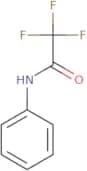
CAS:<p>2,2,2-Trifluoro-n-phenylacetamide is a functionalized trifluoroacetic acid. It is inactive and can be used for diagnostic purposes. 2,2,2-Trifluoro-n-phenylacetamide reacts with amines to form the corresponding deuterium isotope labeled amine. The heterocyclic amines that are formed react with diazonium salt to produce an enolate anion that reacts with chloride to form the corresponding carboxylic acid derivative. The proton of the carboxylic acid leaves as a protonated ammonium ion, which is stable in alkaline solutions. Amides have a negative charge on the nitrogen atom due to its electron withdrawing properties.</p>Formula:C8H6F3NOPurity:Min. 95%Color and Shape:PowderMolecular weight:189.13 g/mol2-Hydroxy-N,N,N-trimethylethanaminium salt with 1,1,1-trifluoro-N-[(trifluoromethyl)sulfonyl]methanesulfonamide
CAS:<p>2-Hydroxy-N,N,N-trimethylethanaminium salt with 1,1,1-trifluoro-N-[(trifluoromethyl)sulfonyl]methanesulfonamide is a hydroxyl group containing ionic liquid that has been used as an extractant. It is activated by a proton to form an oxyanion, which can be protonated again by the extractant to regenerate the ionic liquid. The thermodynamic properties of this ionic liquid are dependent on the concentration of solute and solvent. This ionic solute has been shown to inhibit bacterial growth and is toxic for animals.</p>Formula:C5H14NO•C2F6NO4S2Purity:Min. 95%Color and Shape:White PowderMolecular weight:384.32 g/molAcetamide
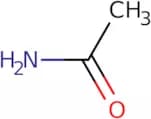
CAS:<p>Acetamide is an acyclic nucleoside phosphonate with a basic structure. Acetamide is metabolized to the corresponding ester hydrochloride, which has been shown to inhibit the polymerase chain reaction. This inhibition may be due to the effector proteins that are inactivated by acetamide, or it could be due to radiation-induced changes in the amide bond of the enzyme. Acetamide and its ester hydrochloride have been shown to inhibit skin cancer cells and carcinoma cell lines.</p>Formula:C2H5NOColor and Shape:Colorless Clear LiquidMolecular weight:59.07 g/molN-Allyl-n-(4-cyano-2-chlorophenyl)acetamide
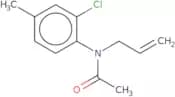
CAS:<p>N-Allyl-N-(4-cyano-2-chlorophenyl)acetamide is a high quality reagent that has been used as an intermediate in the synthesis of fine chemicals, useful scaffolds and building blocks. It is also a versatile building block that can be used to synthesize high quality compounds with a wide range of functionalities. N-Allyl-N-(4-cyano-2-chlorophenyl)acetamide is a speciality chemical that can be used for research purposes. This compound has been shown to produce reactions with other compounds, such as nitrobenzene, to generate useful products.</p>Formula:C12H11ClN2OPurity:Min. 95%Molecular weight:234.68 g/mol4-Benzylpiperazine-1-carboximidamide sulfate
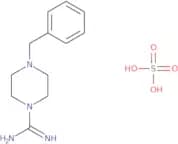
CAS:<p>4-Benzylpiperazine-1-carboximidamide sulfate is a versatile building block that can be used in the synthesis of complex compounds. It is a useful intermediate that can be used in the production of research chemicals and speciality chemicals. 4-Benzylpiperazine-1-carboximidamide sulfate is also an excellent reagent for reactions involving complex substrates, such as high quality and useful scaffolds.</p>Formula:C12H20N4O4SPurity:Min. 95%Color and Shape:PowderMolecular weight:316.4 g/molN-(4-Fluorophenyl)(5-methyl-3-phenylisoxazol-4-yl)formamide
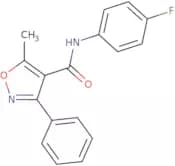
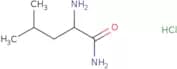
CAS:<p>Please enquire for more information about N-(4-Fluorophenyl)(5-methyl-3-phenylisoxazol-4-yl)formamide including the price, delivery time and more detailed product information at the technical inquiry form on this page</p>Formula:C17H13FN2O2Purity:Min. 95%Color and Shape:PowderMolecular weight:296.3 g/molDL-Leucine amide hydrochloride
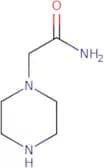
CAS:<p>DL-Leucine amide hydrochloride is a fine chemical that can be used as a building block for research chemicals, as a reagent for the preparation of other compounds, and as a speciality chemical. DL-Leucine amide hydrochloride has been shown to be effective in the synthesis of complex compounds. The compound is also versatile and can be used as an intermediate or scaffold in the synthesis of other compounds. DL-Leucine amide hydrochloride is useful in reactions such as condensation, substitution, elimination, and Grignard reactions. It is also used in peptide synthesis and polymerization reactions.</p>Formula:C6H14N2O·HClPurity:Min. 95%Molecular weight:166.65 g/mol2-Piperazin-1-ylacetamide
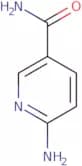
CAS:<p>2-Piperazin-1-ylacetamide hydrochloride is a drug that binds to the protein PCSK9, which transports cholesterol into cells. It blocks the transport of cholesterol and therefore lowers the level of cholesterol in blood. 2-Piperazin-1-ylacetamide hydrochloride is used for the treatment of bowel disease, atrial fibrillation (a type of irregular heartbeat), congestive heart failure, and as an anti-viral agent. This drug has been shown to reduce levels of LDL cholesterol by up to 60%. 2-Piperazin-1-ylacetamide hydrochloride has also been shown to be effective against cancers such as prostate cancer and inflammatory bowel disease.</p>Formula:C6H13N3OPurity:Min. 95%Molecular weight:143.19 g/mol6-Aminonicotinamide
CAS:6-Aminonicotinamide is an experimental drug that has shown promising results in animal studies. This compound may be useful for the treatment of cancer, due to its ability to inhibit reactive oxygen species and maintain mitochondrial membrane potential. 6-Aminonicotinamide also has a protective effect against radiation-induced cell damage, as it prevents oxidative injury to DNA and protein. In addition, 6-aminonicotinamide can stimulate the proliferation of pluripotent cells, which are cells that have the ability to differentiate into any type of cell in the body. Finally, this compound was shown to have antitumor effects by inhibiting squamous carcinoma tumor growth in experimental models.Formula:C6H7N3OPurity:Min. 95%Color and Shape:PowderMolecular weight:137.14 g/mol13,4-diaza-5-(tert-butyl)-2-hydroxy-7-oxotricyclo[6.4.0.0<2,6>]dodeca-1(8),4,9,11-tetraene-3-carboxamide
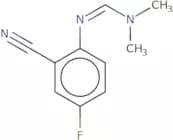
CAS:<p>Please enquire for more information about 13,4-diaza-5-(tert-butyl)-2-hydroxy-7-oxotricyclo[6.4.0.0<2,6>]dodeca-1(8),4,9,11-tetraene-3-carboxamide including the price, delivery time and more detailed product information at the technical inquiry form on this page</p>Purity:Min. 95%N'-(2-Cyano-4-fluorophenyl)-N,N-dimethylimidoformamide
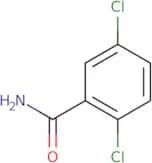
CAS:<p>N'-(2-Cyano-4-fluorophenyl)-N,N-dimethylimidoformamide is a high quality, reagent that is useful for the synthesis of complex compounds. It can be used as a fine chemical and speciality chemical in research and development. The CAS number for this compound is 1017082-62-0. N'-(2-Cyano-4-fluorophenyl)-N,N-dimethylimidoformamide has shown to be a versatile building block for the synthesis of novel compounds that are not commercially available. This product is suitable for use in reaction components as well as being an intermediate for the synthesis of other compounds.</p>Formula:C10H10FN3Purity:Min. 95%Color and Shape:PowderMolecular weight:191.21 g/mol2,5-Dichlorobenzamide
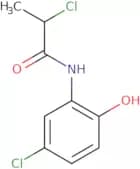
CAS:<p>2,5-Dichlorobenzamide is a halogenated compound that inhibits topoisomerase and proteasome activity. It has been shown to be cytotoxic against cancer cells in vitro. 2,5-Dichlorobenzamide can also inhibit the growth of tuberculosis bacteria and may be used as an operational agent for weed control. The safety profile of this drug has not yet been fully determined. 2,5-Dichlorobenzamide is available in two crystalline forms, both of which are active with different degrees of potency.<br>2,5-Dichlorobenzamide is a hybridization inhibitor that inhibits the enzyme DNA gyrase and proteasome activity. It binds to bacterial 16S ribosomal RNA and inhibits protein synthesis, leading to cell death by inhibiting the production of proteins vital for cell division.</p>Formula:C7H5Cl2NOPurity:Min. 95%Color and Shape:PowderMolecular weight:190.03 g/molN-(5-Chloro-2-hydroxyphenyl)-2-chloropropanamide
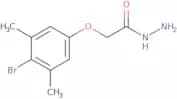
CAS:<p>Please enquire for more information about N-(5-Chloro-2-hydroxyphenyl)-2-chloropropanamide including the price, delivery time and more detailed product information at the technical inquiry form on this page</p>Purity:Min. 95%N-amino-2-(4-bromo-3,5-dimethylphenoxy)ethanamide
CAS:<p>Please enquire for more information about N-amino-2-(4-bromo-3,5-dimethylphenoxy)ethanamide including the price, delivery time and more detailed product information at the technical inquiry form on this page</p>Formula:C10H13BrN2O2Purity:Min. 95%Color and Shape:PowderMolecular weight:273.13 g/mol


![N-(2,5-dimethylphenyl)(3-chlorobenzo[b]thiophen-2-yl)formamide](/_next/image/?url=https%3A%2Fstatic.cymitquimica.com%2Fproducts%2F3D%2Fthumb-webp%2FFD169538.webp&w=3840&q=75)
![3-[(Aminocarbonyl)amino]-5-[4-(morpholin-4-ylmethyl)phenyl]thiophene-2-carboxamide](/_next/image/?url=https%3A%2Fstatic.cymitquimica.com%2Fproducts%2F3D%2Fthumb-webp%2FFA18119.webp&w=3840&q=75)


![2-Amino-N-[2-(5-methoxy-1H-indol-3-yl)ethyl]acetamide hydrochloride](/_next/image/?url=https%3A%2Fstatic.cymitquimica.com%2Fproducts%2F3D%2Fthumb-webp%2FFA116384.webp&w=3840&q=75)


![N-[4-[1-(2-Fluorobenzyl)-3-butyl-2,6-dixo-2,3,6,7-tetrahydro-1H-purin-8-ylmethyl]phenyl]acetamide](/_next/image/?url=https%3A%2Fstatic.cymitquimica.com%2Fproducts%2F3D%2Fthumb-webp%2FFF23426.webp&w=3840&q=75)


![4-Amino-5-chloro-2,3-dihydro-N-[1-(3-methoxypropyl)-4-piperidinyl]-7-benzofurancarboxamide](/_next/image/?url=https%3A%2Fstatic.cymitquimica.com%2Fproducts%2F3D%2Fthumb-webp%2FFA27248.webp&w=3840&q=75)


![2-Hydroxy-N,N,N-trimethylethanaminium salt with 1,1,1-trifluoro-N-[(trifluoromethyl)sulfonyl]metha…](/_next/image/?url=https%3A%2Fstatic.cymitquimica.com%2Fproducts%2F3D%2Fthumb-webp%2FFH103048.webp&w=3840&q=75)
![13,4-diaza-5-(tert-butyl)-2-hydroxy-7-oxotricyclo[6.4.0.0<2,6>]dodeca-1(8),4,9,11-tetraene-3-carbo…](/_next/image/?url=https%3A%2Fstatic.cymitquimica.com%2Fproducts%2F3D%2Fthumb-webp%2FFD169872.webp&w=3840&q=75)