Amides
Amides are a wide range of chemical compounds that contain at least one heterocyclic ring, which has atoms of at least two different elements in the ring structure, and at least one amide group (-CONH2). These compounds are crucial in the synthesis of pharmaceuticals, polymers, and agrochemicals. Amides exhibit unique properties and reactivity, making them valuable intermediates in organic synthesis. At CymitQuimica, we offer a comprehensive selection of high-quality amides to support your research and industrial needs.
Found 16485 products of "Amides"
Sort by
Purity (%)
0
100
|
0
|
50
|
90
|
95
|
100
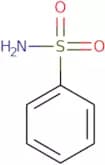
Benzenesulphonamide
CAS:<p>Benzenesulphonamide is a biologically active compound that has been shown to bind to an integrin receptor, which mediates the attachment of leukocytes to the endothelium. It also binds to a basic protein found in human immunoglobulin. Benzenesulphonamide has been shown to have cytotoxic effects on synchronous fluorescence cells and can be used for the treatment of bowel disease. This drug has also been shown to be toxic in vitro and in vivo, with a moderate acute oral toxicity and low chronic oral toxicity. Benzenesulphonamide has been shown to act as a surfactant by binding with sodium dodecyl sulfate (SDS), which is commonly used in detergents, disinfectants, shampoos, soaps, and other household products. The biological properties of benzenesulphonamide are not well-known due to its low solubility in water.</p>Formula:C6H7NO2SPurity:Min. 95%Molecular weight:157.19 g/molDorzolamide hydrochloride related compound A
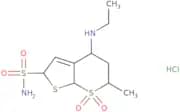
CAS:<p>Please enquire for more information about Dorzolamide hydrochloride related compound A including the price, delivery time and more detailed product information at the technical inquiry form on this page</p>Formula:C10H16N2O4S3·HClPurity:Min. 95%Molecular weight:360.9 g/mol2-Chloro-N-1-naphthylacetamide
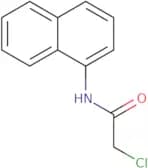
CAS:<p>2-Chloro-N-1-naphthylacetamide is a synthetic organic compound that belongs to the class of sulfur compounds. It is used in the synthesis of other compounds and has been shown to be a potent inhibitor of hydroxylapatite and sulfate hydrolysis. The reaction mechanism for this compound’s inhibition of sulfate hydrolysis is not known, but it may be due to its ability to act as an electron donor or acceptor. 2-Chloro-N-1-naphthylacetamide also has carcinogenic properties, with some studies suggesting that it can cause liver cancer in rodents.</p>Formula:C12H10ClNOPurity:Min. 95%Molecular weight:219.67 g/mol(2R)-2-Amino-3-phenylpropionyl amide
CAS:<p>(2R)-2-Amino-3-phenylpropionyl amide is a synthetic cannabinoid that has been shown to bind to the CB2 receptor. It has been found to be an effective analgesic in rat models of inflammatory and neuropathic pain. This drug is also a serine protease inhibitor, with activity against ochrobactrum, an antibiotic-resistant bacteria. (2R)-2-Amino-3-phenylpropionyl amide is also used as a substrate for d-alanine synthesis and has been sequenced. It can form hydrogen bonds with water molecules and chloride ions. (2R)-2-Amino-3-phenylpropionyl amide has been synthesized by Clostridium coli K12 cells and is expected to have similar effects on human cells.</p>Formula:C9H12N2OPurity:Min. 95%Molecular weight:164.2 g/molC8-Ceramide
CAS:<p>C8-Ceramide is a glucosylceramide that is involved in the production of C8-ceramides. It has shown to have potent apoptosis activity and inhibit p21, an inhibitor of cell cycle progression. C8-Ceramide also has been shown to be an inhibitor of tumor necrosis factor alpha (TNF-α) induced inflammation and apoptosis in mouse tumor cells. In addition, it can induce apoptosis by inhibiting the epidermal growth factor receptor (EGFR) pathway. This polymerase chain reaction (PCR) product was found to bind to DNA in a model system using calf thymus DNA as well as bacterial DNA gyrase and topoisomerase IV enzymes.</p>Formula:C26H51NO3Purity:Min. 95%Molecular weight:425.69 g/molAcetyl-L-alanine methyl amide
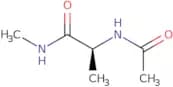
CAS:<p>Acetyl-L-alanine methyl amide is a pharmaceutical drug that is structurally similar to L-lysine. It has been synthesized as a model system for the study of receptor binding and intracellular signaling. Acetyl-L-alanine methyl amide has shown to be reactive and can form intramolecular hydrogen bonds with other molecules in the cell. This drug also reacts with microglia cells, which are responsible for clearing out dead cells and debris in the brain. Acetyl-L-alanine methyl amide is a proton donor, which may cause steric interactions with lysine residues on proteins due to their proximity within the cell. This drug also has an intermolecular hydrogen bond between its two molecules that could lead to an α subunit conformational change within the protein.</p>Formula:C6H12N2O2Purity:Min. 95%Molecular weight:144.17 g/mol5-(2-Aminopropyl)-2-methoxybenzenesulphonamide
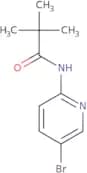
CAS:Controlled Product<p>5-(2-Aminopropyl)-2-methoxybenzenesulphonamide is a trimethyl derivative of the aminopropyl group. It is used as a reagent to introduce hydroxymethyl groups into organic compounds. 5-(2-Aminopropyl)-2-methoxybenzenesulphonamide reacts with hydrochloric acid and an organic solvent in the preparation process. In the Friedel-Crafts reaction, 5-(2-Aminopropyl)-2-methoxybenzenesulphonamide reacts with d-alanine to form an optical isomer, which can be converted to its racemic form by ammonolysis. This compound is also used as a prostatic agent and an amide in the synthesis of benzene and phenoxymethyl alcohols.</p>Formula:C10H16N2O3SPurity:Min. 95%Molecular weight:244.31 g/molN-(5-bromo-pyridin-2-yl)-2,2-dimethyl-propionamide
CAS:Please enquire for more information about N-(5-bromo-pyridin-2-yl)-2,2-dimethyl-propionamide including the price, delivery time and more detailed product information at the technical inquiry form on this pageFormula:C10H13BrN2OPurity:Min. 95%Molecular weight:257.13 g/mol(9Z)-N-[(3-Methoxyphenyl)methyl]-9-octadecenamide
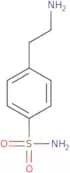
CAS:<p>Please enquire for more information about (9Z)-N-[(3-Methoxyphenyl)methyl]-9-octadecenamide including the price, delivery time and more detailed product information at the technical inquiry form on this page</p>Formula:C26H43NO2Purity:Min. 95%Molecular weight:401.63 g/mol4-(2-Aminoethyl)benzene sulfonamide
CAS:<p>4-(2-Aminoethyl)benzene sulfonamide is a small-molecule drug that inhibits the activity of proteases, including serine and cysteine proteases. It has been shown to inhibit the growth of human renal cell cancer cells, as well as subcutaneous tumors in mice. 4-(2-Aminoethyl)benzene sulfonamide also inhibits the proliferation of Hl-60 cells and shows antitumor activity in a mouse model system. This drug is an inhibitor of prostaglandin endoperoxide synthase (PGHS), which is involved in tumorigenesis by causing inflammation and oxidative stress. 4-(2-Aminoethyl)benzene sulfonamide has been shown to be effective for treating colorectal adenocarcinoma, with no significant side effects on other organs.</p>Formula:C8H12N2O2SPurity:Min. 95%Molecular weight:200.26 g/mol2-[(Diphenylmethyl)sulfinyl]-N-hydroxyacetamide
CAS:Controlled Product<p>Adrafinil is a prodrug. It is primarily metabolized in vivo to modafinil, resulting in very similar pharmacological effects.</p>Formula:C15H15NO3SPurity:Min. 98 Area-%Molecular weight:289.35 g/mol(NZ)-4-chloro-N-[1-[2-(4-nitrophenyl)ethyl]piperidin-2-ylidene]benzenesulfonamide
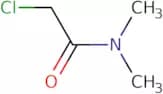
CAS:Controlled Product<p>Please enquire for more information about (NZ)-4-chloro-N-[1-[2-(4-nitrophenyl)ethyl]piperidin-2-ylidene]benzenesulfonamide including the price, delivery time and more detailed product information at the technical inquiry form on this page</p>Formula:C19H20ClN3O4SPurity:Min. 95%Molecular weight:421.9 g/molN,N-Dimethyl-2-chloroacetamide
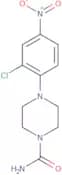
CAS:<p>N,N-Dimethyl-2-chloroacetamide is a chlorinated organic compound that has a reaction rate of 1.4 × 10^6. It is used as a treatment for acrylonitrile poisoning, and it is also used in the synthesis of thienopyridine and cetirizine. N,N-Dimethyl-2-chloroacetamide reacts with an amine to produce an amide; this reaction takes place in an organic solvent with a dicarboxylate, such as ethyl acetate or butyl acetate. This reaction produces a solution that is colorless to pale yellow. The time required for the reaction to complete depends on the concentration of reactants and the type of solvent used.</p>Formula:C4H8ClNOPurity:Min. 95%Molecular weight:121.57 g/mol4-(2-Chloro-4-nitrophenyl)piperazine-1-carboxamide
CAS:<p>Please enquire for more information about 4-(2-Chloro-4-nitrophenyl)piperazine-1-carboxamide including the price, delivery time and more detailed product information at the technical inquiry form on this page</p>Formula:C11H13ClN4O3Purity:Min. 95%Molecular weight:284.7 g/molAcetohexamide
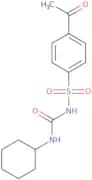
CAS:<p>Acetohexamide is a hypoglycemic drug that binds to the sulfonylurea receptor on pancreatic beta-cells and stimulates insulin release. It has been shown to have an oral hypoglycemic effect in humans, as well as in rats. Acetohexamide has been shown to inhibit the action of nonsteroidal anti-inflammatory drugs, such as indomethacin, through competitive inhibition. Acetohexamide also inhibits the enzyme activity of estradiol benzoate and acetohexamide hydrolase. This drug is not active against bacteria or fungi, but has been shown to be effective against some viruses. Acetohexamide is absorbed by the gastrointestinal tract and excreted unchanged in urine and feces. The drug does not bind to proteins and does not cross the blood-brain barrier.</p>Formula:C15H20N2O4SPurity:Min. 95%Color and Shape:PowderMolecular weight:324.4 g/molN-[2-[4-(Aminosulfonyl)-phenyl]-ethyl]-5-methyl-2-pyrazinecarboxamide
CAS:<p>Fluoxetine is a potent inhibitor of the enzyme cytochrome P450 (CYP) 2C19. The inhibition of CYP2C19 by fluoxetine may lead to an increase in the plasma concentration of other drugs that are metabolized by this enzyme, such as glipizide and hydroxycyclohexyl. Fluoxetine inhibits human uric acid secretion and increases plasma concentrations of uric acid. This drug also inhibits human erythrocyte dihydropyrimidine dehydrogenase, leading to increased blood levels of pyrimidines, especially cytotoxic ones like 6-fluoro-3-indoxyl-beta-D-galactopyranoside. Fluoxetine has been shown to have a protective effect against acetaminophen toxicity in rats because it enhances the conversion of acetaminophen to its less toxic metabolite N-acetylcysteine.</p>Formula:C14H16N4O3SPurity:Min. 95%Color and Shape:White To Off-White SolidMolecular weight:320.37 g/molD-Glutamic acid α-amide
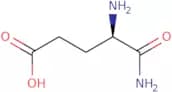
CAS:D-Glutamic acid alpha-amide is a carbohydrate that has been shown to have antibiotic properties. It can be produced by chemoenzymatic synthesis and is used as an animal feed additive. D-Glutamic acid alpha-amide is a conjugate of D-glutamic acid with either glycine or beta-alanine. The residue of this compound on red blood cells is measured in order to assess the amount of D-glutamic acid alpha-amide that has been ingested. This compound has also been shown to have antigenic properties, which can elicit immune responses when injected into animals. The meningococcal vaccine that contains D-glutamic acid alpha-amide was found to be effective at stimulating an immune response in mice against meningitis caused by gram negative species, such as Neisseria meningitidis.Formula:C5H10N2O3Purity:Min. 95%Color and Shape:PowderMolecular weight:146.14 g/molalpha-(Benzoylamino)-4-(benzoyloxy)-N,N-dipropylbenzenepropanamide
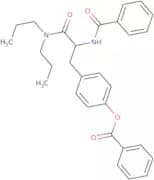
CAS:<p>Please enquire for more information about alpha-(Benzoylamino)-4-(benzoyloxy)-N,N-dipropylbenzenepropanamide including the price, delivery time and more detailed product information at the technical inquiry form on this page</p>Formula:C29H32N2O4Purity:Min. 95%Molecular weight:472.58 g/mol2-Methylbenzenesulfonamide
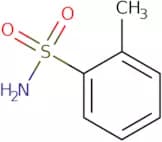
CAS:<p>2-Methylbenzenesulfonamide is a chemical compound that has been shown to induce apoptosis in bladder cancer cells. It is an acid conjugate of the drug 2-methylbenzene-1,4-sulfonamide and it can be used for the treatment of bladder cancer. The compound binds to the apoptosis protein and inhibits its function, leading to cell death. The cytotoxic effects of 2-methylbenzenesulfonamide have been shown in short term toxicity studies in rats. In long term animal studies, this compound showed no adverse effects on the liver or kidneys, but did show some indication of reproductive toxicity. 2-Methylbenzenesulfonamide is not mutagenic and does not affect male fertility when given orally at doses up to 2000 mg/kg body weight for 90 days. 2-Methylbenzenesulfonamide binds to receptors on the surface of cancerous cells and induces apoptosis by inhib</p>Formula:C7H9NO2SPurity:Min. 95%Molecular weight:171.0354N-(2-Aminoethyl)-4-(1,1-dimethylethyl)-2,6-dimethylbenzeneacetamide
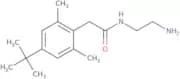
CAS:<p>Please enquire for more information about N-(2-Aminoethyl)-4-(1,1-dimethylethyl)-2,6-dimethylbenzeneacetamide including the price, delivery time and more detailed product information at the technical inquiry form on this page</p>Formula:C16H26N2OPurity:Min. 95%Color and Shape:PowderMolecular weight:262.39 g/mol




![(9Z)-N-[(3-Methoxyphenyl)methyl]-9-octadecenamide](/_next/image/?url=https%3A%2Fstatic.cymitquimica.com%2Fproducts%2F3D%2Fthumb-webp%2FFN165022.webp&w=3840&q=75)
![2-[(Diphenylmethyl)sulfinyl]-N-hydroxyacetamide](/_next/image/?url=https%3A%2Fstatic.cymitquimica.com%2Fproducts%2F3D%2Fthumb-webp%2FW-104904.webp&w=3840&q=75)
![(NZ)-4-chloro-N-[1-[2-(4-nitrophenyl)ethyl]piperidin-2-ylidene]benzenesulfonamide](/_next/image/?url=https%3A%2Fstatic.cymitquimica.com%2Fproducts%2F3D%2Fthumb-webp%2FFN154024.webp&w=3840&q=75)
![N-[2-[4-(Aminosulfonyl)-phenyl]-ethyl]-5-methyl-2-pyrazinecarboxamide](/_next/image/?url=https%3A%2Fstatic.cymitquimica.com%2Fproducts%2F3D%2Fthumb-webp%2FFA150607.webp&w=3840&q=75)