Carboxylic Acids
Found 12457 products of "Carboxylic Acids"
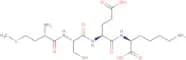
H-Met-Cys-Glu-Lys-OH trifluoroacetate salt
CAS:Please enquire for more information about H-Met-Cys-Glu-Lys-OH trifluoroacetate salt including the price, delivery time and more detailed product information at the technical inquiry form on this page
Formula:C19H35N5O7S2Purity:Min. 95%Molecular weight:509.64 g/molRef: 3D-FM109242
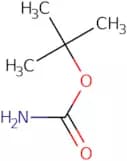
Discontinued producttert-Butyl carbamate
CAS:tert-Butyl carbamate is a chemical compound that has been shown to inhibit the ubiquitin ligases, which are enzymes responsible for protein degradation. It binds to the active site of these enzymes and inhibits their activity. Tert-butyl carbamate has also been shown to have anti-inflammatory properties due to its ability to inhibit prostaglandin synthesis. This drug has been shown to be safe in humans at high doses and has a low toxicity profile.
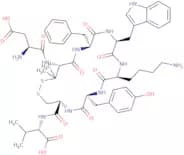
Formula:C5H11NO2Purity:Min. 95%Color and Shape:White PowderMolecular weight:117.15 g/mol(Pen 5)-Urotensin II (4-11) (human) trifluoroacetate salt
CAS:Please enquire for more information about (Pen 5)-Urotensin II (4-11) (human) trifluoroacetate salt including the price, delivery time and more detailed product information at the technical inquiry form on this page
Formula:C52H68N10O12S2Purity:Min. 95%Molecular weight:1,089.29 g/molRef: 3D-FP109652
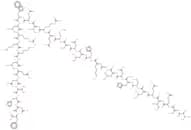
Discontinued productpTH (1-84) (rat) trifluoroacetate salt
Please enquire for more information about pTH (1-84) (rat) trifluoroacetate salt including the price, delivery time and more detailed product information at the technical inquiry form on this page
Formula:C406H670N122O126S3Purity:Min. 95%Molecular weight:9,372.61 g/molRef: 3D-FP109826
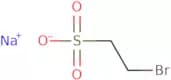
Discontinued product2-Bromoethanesulfonic acid sodium
CAS:2-Bromoethanesulfonic acid sodium (2BESA) is a chemical inhibitor that is used to control methanogenic activity. It has been shown to be effective in the treatment of wastewater, although it is not very soluble in water. 2BESA inhibits methanogenesis by binding to the enzyme methane monooxygenase, which blocks electron transfer from methane to oxygen. This prevents the formation of hydrogen and carbon dioxide, which are products of fermentation. 2BESA also has electrochemical properties that make it a good candidate for use as an electrode material in fuel cells. In vitro assays have demonstrated that 2BESA inhibits bacterial growth by inhibiting DNA synthesis and protein synthesis.
Formula:C2H4BrNaO3SPurity:Min. 95%Molecular weight:211.01 g/molRef: 3D-FB19225
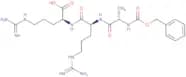
Discontinued productZ-Ala-Arg-Arg-4MbetaNA acetate salt
CAS:Please enquire for more information about Z-Ala-Arg-Arg-4MbetaNA acetate salt including the price, delivery time and more detailed product information at the technical inquiry form on this page
Formula:C34H46N10O6Purity:Min. 95%Molecular weight:690.79 g/molRef: 3D-FA110621
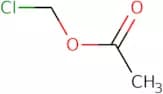
Discontinued productChloromethyl acetate
CAS:Chloromethyl acetate is a potent antibacterial agent that inhibits the growth of bacteria by inhibiting the synthesis of fatty acids. It also has an inhibitory effect on adenosine receptors and is used to treat congestive heart failure, inflammatory diseases, metabolic disorders, and other conditions. Chloromethyl acetate has been shown to be effective against a number of bacterial strains, including methicillin-resistant Staphylococcus aureus (MRSA), Streptococcus pneumoniae, and Mycobacterium tuberculosis. Chloromethyl acetate binds to the cyanoformate group in the bacterial cell wall by competitive inhibition. This binding prevents the formation of an antibiotic-inhibitor complex with the enzyme fatty acid synthase that is required for fatty acid biosynthesis, inhibiting protein synthesis and cell division.
Formula:C3H5ClO2Purity:Min. 95%Molecular weight:108.52 g/molPHM-27 (human) trifluoroacetate salt
CAS:PHM-27 is a human protein that contains a c-terminal histidine and n-terminal lysine. It contains an amino acid composition of histidine, valine, alanine, aspartic acid, glycine, serine, threonine, arginine, and methionine. PHM-27 is present in the cardiovascular system, nervous system, gastrointestinal system, and respiratory system. It has been shown to be involved in the synthesis of peptides important for blood clotting.
Formula:C135H214N34O40SPurity:Min. 95%Molecular weight:2,985.41 g/molRef: 3D-FP109808
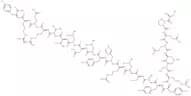
Discontinued productAdrenomedullin (rat) trifluoroacetate salt
CAS:Please enquire for more information about Adrenomedullin (rat) trifluoroacetate salt including the price, delivery time and more detailed product information at the technical inquiry form on this page
Formula:C242H381N77O75S5Purity:Min. 95%Molecular weight:5,729.42 g/molRef: 3D-FA108808
Discontinued productToxin GaTx1 trifluoroacetate salt
Please enquire for more information about Toxin GaTx1 trifluoroacetate salt including the price, delivery time and more detailed product information at the technical inquiry form on this page
Formula:C147H224N46O47S9Purity:Min. 95%Molecular weight:3,676.23 g/molRef: 3D-FT109929
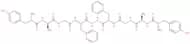
Discontinued productBiphalin trifluoroacetate salt (
CAS:Biphalin trifluoroacetate salt (H-Tyr-D-Ala-Gly-Phe-NH)2 trifluoroacetate salt is a peptide hormone. It has been shown to be an opioid that binds to the μ and δ opioid receptors and inhibits the production of inflammatory mediators. Biphalin trifluoroacetate salt (H-Tyr-D-Ala-Gly-Phe-NH)2 trifluoroacetate salt has also been shown to have neuroprotective effects. This drug has low potency and can only be used in vivo models. Biphalin trifluoroacetate salt (H-Tyr-D-Ala-Gly-Phe-NH)2 trifluoroacetate salt is not active against skin cancer cells, but does show activity against other types of cancer cells.Formula:C46H56N10O10Purity:Min. 95%Molecular weight:909 g/molRef: 3D-FB110181
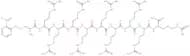
Discontinued productH-Cys(NPys)-Arg-Arg-Arg-Arg-Arg-Arg-Arg-Arg-Arg-NH2 trifluoroacetate salt
CAS:Please enquire for more information about H-Cys(NPys)-Arg-Arg-Arg-Arg-Arg-Arg-Arg-Arg-Arg-NH2 trifluoroacetate salt including the price, delivery time and more detailed product information at the technical inquiry form on this pageFormula:C62H118N40O12S2Purity:Min. 95%Molecular weight:1,679.99 g/molRef: 3D-FC110138
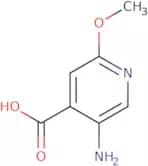
Discontinued product5-Amino-2-methoxyisonicotinic acid
CAS:5-Amino-2-methoxyisonicotinic acid is a carboxylic acid that is used in the synthesis of aminopyridines. The compound can be synthesized from formamidine acetate and diethyl dicarbonate. This process involves lithiation, followed by addition of an amine and finally conversion to the desired product with formamidine acetate. 5-Amino-2-methoxyisonicotinic acid can also be synthesized from formamide and diethyl ether. 5-Amino-2-methoxyisonicotinic acid is an analog of 2,4,6-trimethylaniline and has been shown to have similar properties to this compound, including strong basicity.
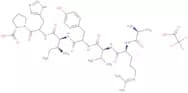
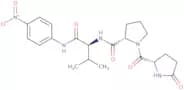
Formula:C7H8N2O3Purity:Min. 95%Molecular weight:168.15 g/molPyr-Pro-Val-pNA trifluoroacetate salt
CAS:Pyr-Pro-Val-pNA is a synthetic peptide that is structurally homologous to the proteases serine and chymotrypsin. This peptide has been shown to have proteolytic activity on fibronectin, n-terminal of angiotensin, and epithelium. Pyr-Pro-Val-pNA also causes an inflammatory response in leukocytes and shigella.
Formula:C21H27N5O6Purity:Min. 95%Molecular weight:445.47 g/molRef: 3D-FP110822
Discontinued productNeuropeptide EI (human, mouse, rat) trifluoroacetate salt
CAS:Neuropeptide EI is a cyclic peptide that has been shown to have receptor activity in the caudate putamen, as well as locomotor activity and metabolic rate. Neuropeptide EI has also been shown to inhibit lymphatic vessels and amide sequences in fat cells. It has been shown to have various biological functions, such as an anti-inflammatory agent, an analgesic, and a chemotherapeutic agent. It is active against cancer cells and autoimmune diseases, but is inactive against bacteria.
Formula:C63H98N16O23Purity:Min. 95%Molecular weight:1,447.55 g/molRef: 3D-FN108663
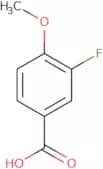
Discontinued product3-Fluoro-4-methoxybenzoic acid
CAS:3-Fluoro-4-methoxybenzoic acid is a dipolar molecule with a fluorine atom. It has been synthesized experimentally and the yields are determined by the experimental conditions. 3-Fluoro-4-methoxybenzoic acid has two isomers, which can be differentiated by their resonances. The molecule also has an asymmetric C3(CF)2Cl group in the middle of its structure that can rotate freely.
Formula:C8H7FO3Purity:Min. 95%Color and Shape:PowderMolecular weight:170.14 g/molRef: 3D-FF55157
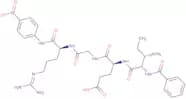
Discontinued productBz-Ile-Glu-Gly-Arg-pNA acetate salt
CAS:Bz-Ile-Glu-Gly-Arg-pNA acetate salt is an anticoagulant that binds to heparin. It has been shown to inhibit protease activity in soybean trypsin by binding to the active site of the enzyme. Bz-Ile-Glu-Gly-Arg-pNA acetate salt has also been shown to have a molecular weight of heparin and a protein synthesis inhibition rate of fibrinogen, which is responsible for coagulation.
Formula:C32H43N9O9Purity:Min. 95%Molecular weight:697.74 g/molRef: 3D-FB110748
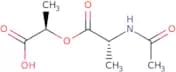
Discontinued productAc-D-Ala-D-lactic acid
CAS:Please enquire for more information about Ac-D-Ala-D-lactic acid including the price, delivery time and more detailed product information at the technical inquiry form on this page
Formula:C8H13NO5Purity:Min. 95%Molecular weight:203.19 g/molRef: 3D-FA107910
Discontinued productNeuromedin S (human) trifluoroacetate salt
Please enquire for more information about Neuromedin S (human) trifluoroacetate salt including the price, delivery time and more detailed product information at the technical inquiry form on this page
Formula:C173H265N53O44Purity:Min. 95%Molecular weight:3,791.29 g/molRef: 3D-FN109764
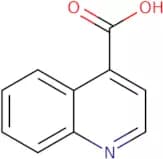
Discontinued productQuinoline-4-carboxylic acid
CAS:Quinoline-4-carboxylic acid is a natural compound that is derived from the amino acid tryptophan. It has been shown to have antiinflammatory activity and to be an inhibitor of prostaglandin synthesis. Quinoline-4-carboxylic acid inhibits the growth of carcinoma cells in culture by inducing apoptosis, which is mediated by inhibition of protein synthesis. Quinoline-4-carboxylic acid also has pharmacokinetic properties, including a low volume of distribution, low clearance rate and high bioavailability.
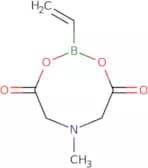
Formula:C10H7NO2Purity:Min. 97 Area-%Molecular weight:173.17 g/molVinylboronic acid MIDA ester
CAS:Vinylboronic acid MIDA ester is a boronic ester that can be used as an additive to control weeds. It is a mixture of two diastereomers, with the vinyl group on one end of the molecule and the boron atom on the other. Vinylboronic acid MIDA ester has been shown to be more effective than methoxy for weed control, with yields of up to 100%. The addition of this compound to herbicides increases their activity against weeds, which may be due to its ability to increase the solubility of active ingredients.
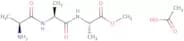
Formula:C7H10BNO4Purity:Min. 95%Molecular weight:182.97 g/molH-Ala-Ala-Ala-OMe acetate salt
CAS:Controlled ProductPlease enquire for more information about H-Ala-Ala-Ala-OMe acetate salt including the price, delivery time and more detailed product information at the technical inquiry form on this page
Formula:C10H19N3O4Purity:Min. 95%Molecular weight:245.28 g/molRef: 3D-FA110833
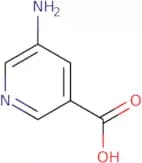
Discontinued product5-Aminopyridine-3-carboxylic acid
CAS:5-Aminopyridine-3-carboxylic acid (5APC) is a structural analog of nicotinic acid that has been shown to have anti-inflammatory effects. 5APC inhibits the production of inflammatory cytokines, such as IL-10 and IL-17, by inhibiting the activation of NFκB and MAPK pathways. This drug also has significant inhibitory activities against dextran sulfate sodium (DSS)-induced acute colitis in experimental models. 5APC is thought to act by interrupting the assembly of p38 mitogen activated protein kinase (MAPK) and nuclear factor kappa B (NFκB) signaling complexes.
Formula:C6H6N2O2Purity:Min. 95%Molecular weight:138.12 g/molRef: 3D-FA66664
Discontinued productTIP-39 trifluoroacetate salt
CAS:Please enquire for more information about TIP-39 trifluoroacetate salt including the price, delivery time and more detailed product information at the technical inquiry form on this pageFormula:C202H325N61O54SPurity:Min. 95%Molecular weight:4,504.19 g/molRef: 3D-FT109386
Discontinued productpTH (28-48) (human) trifluoroacetate salt
CAS:Please enquire for more information about pTH (28-48) (human) trifluoroacetate salt including the price, delivery time and more detailed product information at the technical inquiry form on this page
Formula:C95H150N28O29Purity:Min. 95%Molecular weight:2,148.38 g/molRef: 3D-FP109111
Discontinued productAmylin (human) trifluoroacetate salt
CAS:Amylin is a hormone that regulates the release of insulin from the pancreas. Amylin is a protein that consists of 39 amino acids, and in its natural form it is not soluble in water. The amyloid fibrils are insoluble aggregates of proteins that can be found in the brain tissue of patients with Alzheimer's disease. Amylin has been shown to have an entrapment efficiency greater than 96% by using polymeric particles with a diameter less than 50 microns. These particles are able to increase water solubility and nutrient metabolism, as well as improve evaporation rates. They also provide an increased surface area for absorption and pharmacological properties. Amylin has been shown to lower postprandial glycemia when used with insulin in type II diabetes mellitus patients, and may also be an anorectic agent.
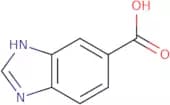
Formula:C165H261N51O55S2Purity:Min. 95%Molecular weight:3,903.28 g/molBenzimidazole-5-carboxylic acid
CAS:Benzimidazole-5-carboxylic acid is a monoclonal antibody that binds to the amide group of an amino acid. It has been shown to be a potent inhibitor of cell growth in cervical cancer cells and rat liver microsomes. It also showed inhibitory activity against fatty acid and nucleotide synthesis. Benzimidazole-5-carboxylic acid is a benzimidazole compound that has been shown to have anti-inflammatory effects in animal models and also inhibits the replication of HIV. This drug can inhibit the replication of influenza A virus in vitro and may be useful as an antiviral agent for treatment of influenza A infection.
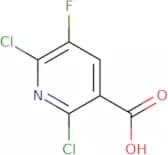
Formula:C8H6N2O2Purity:Min. 98%Color and Shape:PowderMolecular weight:162.15 g/mol2,6-Dichloro-5-fluoronicotinic acid
CAS:2,6-Dichloro-5-fluoronicotinic acid (2,6-DCFNA) is a chlorinating agent that is activated in acidic solutions. It is used to produce the disinfectant peracetic acid and in the industrial process of producing phenol. 2,6-DCFNA reacts with chloride to form hypochlorous acid (HOCl), which causes inflammation in cells by activating inflammatory cells such as neutrophils and macrophages. 2,6-DCFNA also inhibits tyrosine kinase activity, which may contribute to its anti-inflammatory properties. The toxic effects of 2,6-DCFNA have been studied on hematopoietic cells in vitro. Studies show that this compound can cause apoptosis or death of these cells and may be useful for the treatment of inflammatory diseases such as rheumatoid arthritis. 2,6-DCFNA has also been shown to inhibit tumor growth when
Formula:C6H2Cl2FNO2Purity:Min. 95%Color and Shape:PowderMolecular weight:209.99 g/molRef: 3D-FD70870
Discontinued productAcetyl-PACAP-38 (human, mouse, ovine, porcine, rat) trifluoroacetate salt
CAS:Please enquire for more information about Acetyl-PACAP-38 (human, mouse, ovine, porcine, rat) trifluoroacetate salt including the price, delivery time and more detailed product information at the technical inquiry form on this pageFormula:C205H333N63O54SPurity:Min. 95%Molecular weight:4,576.3 g/molRef: 3D-FA109807
Discontinued productPeptide YY (13-36) (canine, mouse, porcine, rat) trifluoroacetate salt
CAS:Please enquire for more information about Peptide YY (13-36) (canine, mouse, porcine, rat) trifluoroacetate salt including the price, delivery time and more detailed product information at the technical inquiry form on this pageFormula:C135H209N41O38Purity:Min. 95%Molecular weight:3,014.36 g/molRef: 3D-FP110395
Discontinued productAdrenomedullin 5 (primate) trifluoroacetate salt
CAS:Please enquire for more information about Adrenomedullin 5 (primate) trifluoroacetate salt including the price, delivery time and more detailed product information at the technical inquiry form on this page
Formula:C253H394N82O71S2Purity:Min. 95%Molecular weight:5,784.48 g/molRef: 3D-FA109901
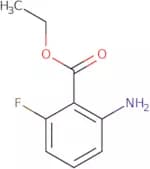
Discontinued product2-Amino-6-fluorobenzoic acid ethyl ester
CAS:2-Amino-6-fluorobenzoic acid ethyl ester is a chemical that can be used as a building block in the synthesis of more complex compounds. It is a versatile intermediate and can be used to synthesize other important compounds, such as pharmaceuticals. This compound has been shown to be useful for the preparation of 2-amino-4,6-difluorobenzoic acid ethyl ester and many other derivatives. The colorless solid is soluble in ether and dichloromethane.
Formula:C9H10FNO2Purity:Min. 95%Color and Shape:PowderMolecular weight:183.18 g/molRef: 3D-FA67884
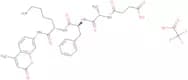
Discontinued productSuc-Ala-Phe-Lys-AMC trifluoroacetate salt
CAS:Please enquire for more information about Suc-Ala-Phe-Lys-AMC trifluoroacetate salt including the price, delivery time and more detailed product information at the technical inquiry form on this page
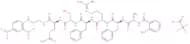
Formula:C32H39N5O8·C2HF3O2Purity:Min. 95%Molecular weight:735.7 g/molAbz-Ala-Phe-Arg-Phe-Ser-Gln-EDDnp trifluoroacetate salt
CAS:Please enquire for more information about Abz-Ala-Phe-Arg-Phe-Ser-Gln-EDDnp trifluoroacetate salt including the price, delivery time and more detailed product information at the technical inquiry form on this pageFormula:C50H63N15O13Purity:Min. 95%Molecular weight:1,082.13 g/molRef: 3D-FA110993
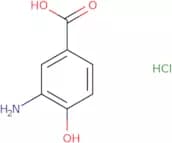
Discontinued product3-Amino-4-hydroxybenzoic acid hydrochloride
CAS:3-Amino-4-hydroxybenzoic acid hydrochloride (3ABA) is a crystalline compound with a molecular formula of C6H5NO2. It is an acidic compound that is soluble in water and alcohol, but not in ether. 3ABA has been used as the starting material for the synthesis of many other organic compounds. It can be obtained by reacting phenol with chlorobenzoyl chloride to form the chlorobenzoate salt, which on hydrolysis yields 3ABA. This compound has also been used as a reagent for synthesizing carbon nanotubes. The crystal structure of 3ABA was determined using X-ray diffraction data from crystallographic studies, and it was found to have three independent molecules per unit cell. Diffraction indicated that each molecule is composed of two benzene rings joined by a single bond between carbon atoms 1 and 2 and another bond between carbon atoms 2 and 3.
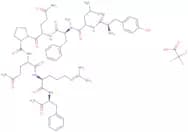
Formula:C7H8ClNO3Purity:Min. 95%Molecular weight:189.6 g/mol(D-Tyr1,N-Me-Phe3)-Neuropeptide FF trifluoroacetate salt
CAS:Please enquire for more information about (D-Tyr1,N-Me-Phe3)-Neuropeptide FF trifluoroacetate salt including the price, delivery time and more detailed product information at the technical inquiry form on this pageFormula:C55H78N14O11Purity:Min. 95%Molecular weight:1,111.3 g/molRef: 3D-FT109351
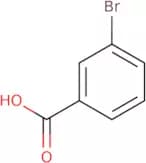
Discontinued product3-Bromobenzoic acid
CAS:3-Bromobenzoic acid is a molecule that is classified as a Group P2. It has an electronegativity of 1.3 and an acidity of 0.8, which are both in the middle range of values for this group. 3-Bromobenzoic acid is soluble in water and is soluble in ethanol, acetone, and ether. The chemical structure of 3-bromobenzoic acid can be determined by its monoclonal antibody binding sites, electrochemical impedance spectroscopy data, and Langmuir adsorption isotherm data. 3-Bromobenzoic acid reacts with hydrochloric acid to form benzoate and HCl gas. Chronic exposure to 3-bromobenzoic acid has been shown to cause glutamate dehydrogenase inhibition, leading to an accumulation of p-hydroxybenzoic acid in the body. This compound also reacts with thiourea or
Formula:C7H5BrO2Purity:Min. 95%Color and Shape:PowderMolecular weight:201.02 g/molAmyloid b-Protein (6-20) trifluoroacetate salt
CAS:Please enquire for more information about Amyloid b-Protein (6-20) trifluoroacetate salt including the price, delivery time and more detailed product information at the technical inquiry form on this page
Formula:C86H119N23O23Purity:Min. 95%Molecular weight:1,843.01 g/molRef: 3D-FA109813
Discontinued productXenopsin-Related Peptide 1 (XP-1) trifluoroacetate salt
CAS:Xenopsin-related peptide 1 (XP-1) is a synthetic peptide that has been shown to bind to the neurotensin receptor. XP-1 is expressed in gastrointestinal tissues and has been found to modulate intestinal motility, as well as glucose homeostasis. It also has immunohistochemical staining for pancreatic tissues and vasoactive intestinal polypeptide, which are both involved in glucose control. XP-1 can reduce high plasma concentrations of glucose by stimulating the pancreas and lowering the release of glucagon from the α cells of the pancreas. The function of XP-1 is not yet fully understood, but it may have potential therapeutic effects on diabetes mellitus type 2.Formula:C51H79N15O9Purity:Min. 95%Molecular weight:1,046.27 g/molRef: 3D-FX110420
Discontinued productpTH (2-34) (human) acetate salt
CAS:Please enquire for more information about pTH (2-34) (human) acetate salt including the price, delivery time and more detailed product information at the technical inquiry form on this page
Formula:C178H286N54O49S2Purity:Min. 95%Molecular weight:4,030.64 g/molRef: 3D-FP109974
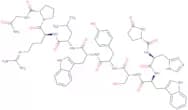
Discontinued product(D-Ser4,D-Trp6)-LHRH trifluoroacetate salt
CAS:Please enquire for more information about (D-Ser4,D-Trp6)-LHRH trifluoroacetate salt including the price, delivery time and more detailed product information at the technical inquiry form on this pageFormula:C64H82N18O13Purity:Min. 95%Molecular weight:1,311.45 g/molRef: 3D-FS109324
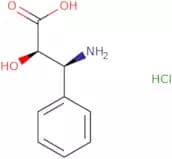
Discontinued product(2R,3S)-3-Amino-2-hydroxy-3-phenylpropanoic acid hydrochloride
CAS:(2R,3S)-3-Amino-2-hydroxy-3-phenylpropanoic acid hydrochloride is an organic compound that is used in the manufacture of taxol, an anticancer drug. It is synthesized by reacting chloroacetic acid with a metal hydroxide, such as sodium hydroxide or potassium hydroxide. The reaction proceeds spontaneously to form the enantiomerically pure (2R,3S) form and unreacted (2S,3R) form. The (2R,3S) enantiomer has been found to be more reactive than the (2S,3R) form. Quaternary ammonium salts are formed when the (2R,3S) enantiomer reacts with quaternary ammonium compounds such as benzyltrimethylammonium chloride. This compound can also be used in catalytic reactions to produce drugs such as carbapenems and pen
Formula:C9H12ClNO3Purity:Min. 95%Molecular weight:217.65 g/molRef: 3D-FA140332
Discontinued productAmyloid beta-Protein (1-11) trifluoroacetate salt
CAS:Please enquire for more information about Amyloid beta-Protein (1-11) trifluoroacetate salt including the price, delivery time and more detailed product information at the technical inquiry form on this page
Formula:C56H76N16O22Purity:Min. 95%Molecular weight:1,325.3 g/molRef: 3D-FA108822
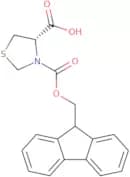
Discontinued productFmoc-D-thiazolidine-4-carboxylic acid
CAS:Please enquire for more information about Fmoc-D-thiazolidine-4-carboxylic acid including the price, delivery time and more detailed product information at the technical inquiry form on this page
Formula:C19H17NO4SPurity:Min. 95%Molecular weight:355.41 g/molRef: 3D-FF111379
Discontinued productDnp-(Leu421)-Collagen Type VIII a1 Chain (419-426) amide (human, mouse) trifluoroacetate salt
Please enquire for more information about Dnp-(Leu421)-Collagen Type VIII a1 Chain (419-426) amide (human, mouse) trifluoroacetate salt including the price, delivery time and more detailed product information at the technical inquiry form on this page
Formula:C40H64N14O12SPurity:Min. 95%Molecular weight:965.09 g/molRef: 3D-FD110972
Discontinued productNeuroendocrine Regulatory Peptide-4 (human, mouse, rat) trifluoroacetate salt
CAS:Please enquire for more information about Neuroendocrine Regulatory Peptide-4 (human, mouse, rat) trifluoroacetate salt including the price, delivery time and more detailed product information at the technical inquiry form on this pageFormula:C87H135N25O24Purity:Min. 95%Molecular weight:1,915.16 g/molRef: 3D-FN110030
Discontinued productNeuropeptide Y-Lys(biotinyl) (free acid) (human, rat) trifluoroacetate salt
Please enquire for more information about Neuropeptide Y-Lys(biotinyl) (free acid) (human, rat) trifluoroacetate salt including the price, delivery time and more detailed product information at the technical inquiry form on this page
Formula:C205H310N58O61S2Purity:Min. 95%Molecular weight:4,627.14 g/molRef: 3D-FN110180
Discontinued productNociceptin trifluoroacetate salt
CAS:Nociceptin trifluoroacetate salt is an opioid with low potency that is used in the treatment of pain. It has been shown to bind to the protein and inhibit protease, which has been proposed as a possible mechanism for its analgesic effects. Nociceptin trifluoroacetate salt may also have indirect effects on brain functions by regulating levels of nociceptin, a neuropeptide that interacts with nociceptive neurons in the brain. This drug has been shown to have nootropic effects in mice, including increased locomotor activity and improved memory retention. Nociceptin trifluoroacetate salt inhibits kappa-opioid receptors and is therefore used as a pharmacological tool for research into opioid receptor function.
Formula:C79H129N27O22Purity:Min. 95%Molecular weight:1,809.04 g/molRef: 3D-FN108853
Discontinued product4-[2-[[(1S)-1-(2-Aminophenyl)-3-methylbutyl]amino]-2-oxoethyl]-2-ethoxybenzoic acid
CAS:Bosentan is a potent inhibitor of the uptake of organic anions. It is used in the treatment of pulmonary arterial hypertension and has been shown to be effective against pravastatin-resistant HIV protease inhibitors, such as saquinavir, quinidine, and rosuvastatin. Bosentan inhibits uptake by binding to the transporter protein at a site that does not overlap with the binding site for organic anion substrates. This leads to a change in kinetic parameters for substrates, such as pravastatin and saquinavir. The binding site on bosentan may also be elucidated through monolayer experiments with efflux transporters.
Formula:C22H28N2O4Purity:Min. 95%Molecular weight:384.47 g/molRef: 3D-FD21379
Discontinued productAngiotensin A (1-7) trifluoroacetate
CAS:Endogenous heptapetide which causes vasodilation and has anti-hypertensive properties.
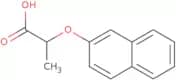
Formula:C40H62N12O9•(C2HF3O2)xPurity:Min. 95%Color and Shape:PowderMolecular weight:855 g/mol2-(2-Naphthyloxy)propanoic acid
CAS:2-(2-Naphthyloxy)propanoic acid is a naphthalene derivative that is found in the plant species Carthamus tinctorius. It has been shown to have potent antagonist activity against the NMDA receptor, as well as antinociceptive and analgesic properties in vivo. 2-(2-Naphthyloxy)propanoic acid also shows potent anti-inflammatory and cardioprotective effects in vitro and in vivo. 2-(2-Naphthyloxy)propanoic acid can be used for the treatment of bone cancer, congestive heart failure, diabetic neuropathy, or other disorders of the peripheral nervous system.
Formula:C13H12O3Purity:Min. 95%Molecular weight:216.23 g/molRef: 3D-FN112710
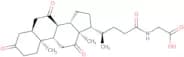
Discontinued productGlycodehydrocholic acid
CAS:Controlled ProductGlycodehydrocholic acid is a bile acid that is synthesized from cholesterol by the liver and intestine. It is used for the diagnosis of cancer and other medical conditions, such as obesity. Glycodehydrocholic acid inhibits the growth of adipose tissue cells, which may be due to its ability to increase the expression of genes related to lipid metabolism. This drug has also been shown to have an inhibitory effect on mitochondria and tumor cells in human serum. Glycodehydrocholic acid can be measured using chromatographic methods with a sample preparation before analysis. This drug can also be detected in urine samples by gas-liquid chromatography or mass spectrometry. The metabolic profiles of women differ from men, so it is important to take this into account when performing analytical chemistry procedures on this compound.
Formula:C26H37NO6Purity:Min. 95%Color and Shape:White/Off-White SolidMolecular weight:459.58 g/molRef: 3D-FG158865
Discontinued product5,7-Docosadiynoic acid
CAS:5,7-Docosadiynoic acid is a fluorescent molecule that has been found to have low molecular weight, which makes it ideal for use in a variety of strategies. This compound can be used as a fluorescent probe for the detection of membrane interactions and also has many potential applications in polymerized optical devices. 5,7-Docosadiynoic acid is able to fluoresce when irradiated with light at wavelengths above 500 nm and has been shown to be excited by UV light. The chemical properties of 5,7-docosadiynoic acid make it an excellent candidate for use in sensors and optical devices.
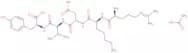
Formula:C22H36O2Purity:Min. 95%Molecular weight:332.52 g/molThymopentin acetate salt
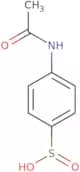
CAS:Controlled ProductThymopentin acetate salt H-Arg-Lys-Asp-Val-Tyr-OH acetate salt is an experimental model system that has been shown to replicate the physiological effects of thymopoietin in vitro. It has also been shown to inhibit the growth of Candida glabrata, a fungus that causes infection in patients with HIV or AIDS. Thymopentin acetate salt H-Arg-Lys-Asp-Val-Tyr-OH acetate salt has been shown to activate both toll like receptor and IL2 receptor, which may be due to its ability to stimulate polyamine synthesis.Formula:C30H49N9O9Purity:Min. 95%Molecular weight:679.77 g/mol4-Acetamidobenzenesulfonic acid
CAS:4-Acetamidobenzenesulfonic acid (4ABS) is an organic compound that is used as a sulfa drug. It is found in the filtrate of the chemical reaction between inulin and sulfamic acid. 4ABS acts as an amine catalyst for acyl transfer reactions. 4ABS also reacts with chloroethanol to form a primary amino group on a colloidal particle surface. This reaction has been shown to be reversible, where hydrochloric acid can react with 4ABS to form the corresponding sulfamic acid.
Formula:C8H9NO3SPurity:Min. 95%Molecular weight:199.23 g/molRef: 3D-FA16937
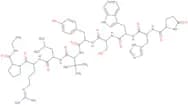
Discontinued product(Des-Gly10, tBu-D-Gly6,Pro-NHEt 9)-LHRH acetate salt
CAS:(Des-Gly10, tBu-D-Gly6,Pro-NHEt 9)-LHRH acetate salt Pyr-His-Trp-Ser-Tyr-tBu-D-Gly-Leu-Arg-Pro-NHEt acetate salt is a synthetic hormone that belongs to the group of gonadotropin releasing hormones (GnRH). It is used in veterinary medicine to stimulate ovulation and follicular growth in animals. (Des-Gly10, tBu-D-Gly6, Pro -NHEt9)-LHRH acetate salt Pyr -His -Trp -Ser -Tyr -tBu -D -Gly -Leu -Arg -Pro NHEt acetate salt is a prodrug that is hydrolyzed in vivo to buserelin, its active form. This drug has been shown to be effective against estradiol benzoate and sodium salts
Formula:C59H84N16O12·xC2H4O2Purity:Min. 95%Molecular weight:1,209.4 g/molRef: 3D-FD109861
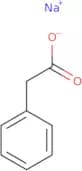
Discontinued productSodium phenylacetate
CAS:Controlled ProductSodium phenylacetate is a chemical compound that is used as an antifungal agent in vitro. It has also been shown to have anti-proliferative and cytotoxic effects on neuroblastoma cells. The physiological function of sodium phenylacetate is not well understood, but it may act as a neurotransmitter by inhibiting the release of acetylcholine or by regulating cell signaling pathways. Sodium phenylacetate may also inhibit angiogenesis, which would limit the growth of cancerous tumors.
Formula:C8H7NaO2Purity:Min. 95%Color and Shape:PowderMolecular weight:158.13 g/mol









![4-[2-[[(1S)-1-(2-Aminophenyl)-3-methylbutyl]amino]-2-oxoethyl]-2-ethoxybenzoic acid](/_next/image/?url=https%3A%2Fstatic.cymitquimica.com%2Fproducts%2F3D%2Fthumb-webp%2FFD21379.webp&w=3840&q=75)