Carboxylic Acids
Carboxylic acids are organic molecules characterized by having a carboxyl-type functional group (-COOH). These acids are fundamental in various chemical reactions, including esterification, amidation, and decarboxylation. Carboxylic acids are widely used in the production of pharmaceuticals, polymers, and agrochemicals. In this section, you can find a large number of carboxylic acids ready to be used. At CymitQuimica, we provide a broad range of high-quality carboxylic acids to support your research and industrial applications.
Found 12453 products of "Carboxylic Acids"
Sort by
Purity (%)
0
100
|
0
|
50
|
90
|
95
|
100
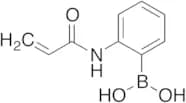
2-Acrylamidophenylboronic Acid
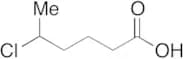
CAS:Controlled ProductFormula:C9H10BNO3Color and Shape:NeatMolecular weight:190.9925-Chlorohexanoic Acid
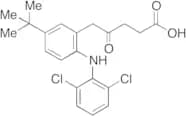
CAS:Controlled Product<p>Applications 5-Chlorohexanoic acid CAS#: 112176-22-4 is a building block used in organic synthesis.<br>References Liang, S., et al., Green Chemistry., 20, 680 (2018)<br></p>Formula:C6H11ClO2Color and Shape:NeatMolecular weight:150.6035-(5-(Tert-butyl)-2-((2,6-dichlorophenyl)amino)phenyl)-4-oxopentanoic acid
Controlled ProductFormula:C21H23Cl2NO3Color and Shape:NeatMolecular weight:408.3186-Chloro-1-benzofuran-2-carboxylic Acid
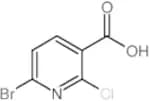
CAS:Controlled Product<p>Applications 6-Chloro-1-benzofuran-2-carboxylic Acid is used to prepare cis-diaminocyclohexane derivatives as factor Xa inhibitors. It is also used to synthesize tachykinin NK2 receptor antagonists.<br>References Bioorg. Med. Chem., 17, 8206 (2009); Gensini, M., et al.: ChemMedChem, 5, 65 (2010)<br></p>Formula:C9H5ClO3Color and Shape:NeatMolecular weight:196.596-Bromo-2-chloronicotinic Acid
CAS:Controlled Product<p>Applications 6-Bromo-2-chloronicotinic acid<br></p>Formula:C6H3BrClNO2Color and Shape:NeatMolecular weight:236.451(R)-3-(Benzyloxy)-2-hydroxypropanoic Acid
CAS:Controlled ProductFormula:C10H12O4Color and Shape:NeatMolecular weight:196.23-(Dimethylcarbamoyl)benzoic Acid
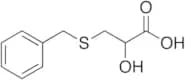
CAS:Controlled ProductFormula:C10H11NO3Color and Shape:NeatMolecular weight:193.199DL-3-(Benzylthio)lactic Acid
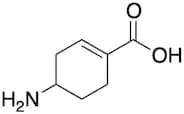
CAS:Controlled Product<p>Applications DL-3-(Benzylthio)lactic Acid is used in the preparation of somatostatin analogs, affecting growth hormones.<br></p>Formula:C10H12O3SColor and Shape:NeatMolecular weight:212.274-Amino-1-cyclohexene-1-carboxylic Acid
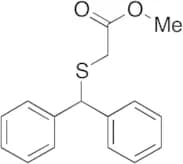
CAS:Controlled ProductFormula:C7H11NO2Color and Shape:NeatMolecular weight:141.168Methyl 2-(Benzhydrylthio)acetate
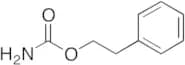
CAS:Controlled Product<p>Applications Methyl 2-(benzhydrylthio)acetate is a useful reagent for organic synthesis.<br></p>Formula:C16H16O2SColor and Shape:NeatMolecular weight:272.362Phenethyl Carbamate
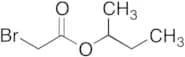
CAS:Controlled Product<p>Applications Phenethyl Carbamate is an impurity in the synthesis of Felbamate (F231000), an antiepileptic, structurally similar to meprobamate.<br>References Swinyard, E.A., et al.: Epilepsia, 27, 27 (1986), Remmel, R.P., et al.: Ther. Drug Monit., 12, 90 (1990), Sofia, R.D., et al.: Epilepsy Res. Suppl., 3, 103 (1991),<br></p>Formula:C9H11NO2Color and Shape:NeatMolecular weight:165.19sec-Butyl 2-Bromoacetate
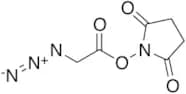
CAS:Controlled ProductFormula:C6H11BrO2Color and Shape:NeatMolecular weight:195.054Azidoacetic Acid Succinimidyl Ester
CAS:Controlled Product<p>Applications Azidoacetic acid NHS ester (cas# 824426-32-6) is a useful research chemical.<br></p>Formula:C6H6N4O4Color and Shape:NeatMolecular weight:198.144-(tert-Butyl)benzenesulfonic Acid
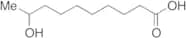
CAS:Controlled ProductFormula:C10H14O3SColor and Shape:NeatMolecular weight:214.2819-Hydroxydecanoic Acid
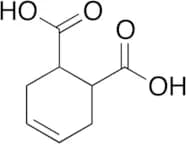
CAS:Controlled Product<p>Applications 9-Hydroxydecanoic Acid is an intermediate in the synthesis of Monocarboxyisodecyl Phthalate (M525575), a metabolite of Dibutyl phthalate (DBP) (D429495), which is found widely in consumer products.<br>References Weber, A. E., et al.: J. Med. Chem., 35, 3755 (1992);<br></p>Formula:C10H20O3Color and Shape:NeatMolecular weight:188.26cis-δ4-Tetrahydrophthalic Acid Sodium Salt
CAS:Controlled Product<p>Stability Hygroscopic<br>Applications Tetrahydrophthalic acid is a useful building block in organic synthesis.<br></p>Formula:C8H10O4•xNaColor and Shape:NeatMolecular weight:170.16 + x(22.98)4-(Aminomethyl)cyclohexanecarboxylic Acid
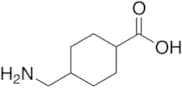
CAS:Controlled Product<p>Applications 4-(Aminomethyl)-Cyclohexanecarboxylic Acid (cas# 701-54-2) is a useful research chemical.<br></p>Formula:C8H15NO2Color and Shape:NeatMolecular weight:157.21Methyl 2-(4-Bromophenyl)-2,2-dimethylacetate
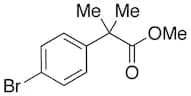
CAS:Controlled Product<p>Applications Methyl 2-(4-Bromophenyl)-2,2-dimethylacetate (cas# 154825-97-5) is a compound useful in organic synthesis.<br></p>Formula:C11H13BrO2Color and Shape:NeatMolecular weight:257.12α-Hydroxy-3-oxetaneacetic Acid
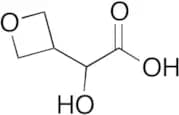
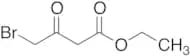
CAS:Controlled ProductFormula:C5H8O4Color and Shape:NeatMolecular weight:132.11Ethyl 4-Bromoacetoacetate
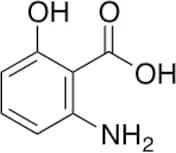
CAS:Controlled Product<p>Applications Ethyl 4-bromoacetoacetate<br></p>Formula:C6H9BrO3Color and Shape:NeatMolecular weight:209.042-amino-6-hydroxybenzoic acid
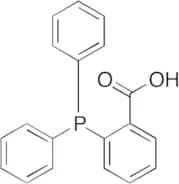
CAS:Controlled Product<p>Applications 2-amino-6-hydroxybenzoic acid (cas# 567-62-4) is a useful research chemical.<br></p>Formula:C7H7NO3Color and Shape:NeatMolecular weight:153.142-(Diphenylphosphino)benzoic Acid
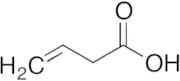
CAS:Controlled Product<p>Applications 2-(Diphenylphosphino)benzoic Acid is used in small molecule control of protein function through staudinger reduction.<br>References Luo, J., et al.: Nat. Chem., 8, 1027 (2016)<br></p>Formula:C19H15O2PColor and Shape:NeatMolecular weight:306.29Vinylacetic Acid
CAS:Controlled Product<p>Stability Light Sensitive<br>Applications Vinylacetic Acid can be used as a reagent in the synthesis of 4-Phenyl-3-butenoic Acid which is an in vivo inhibitor of the peptide amidating enzyme peptidylglycine hydroxylase.<br> Not a dangerous good if item is equal to or less than 1g/ml and there is less than 100g/ml in the package<br>References Bradbury, A.F., et al.: Eur. J. Biochem., 189, 33 (1990)<br></p>Formula:C4H6O2Color and Shape:NeatMolecular weight:86.09(R)-5-[(Aminoiminomethyl)amino]-2-hydroxy-pentanoic Acid
CAS:Controlled ProductFormula:C6H13N3O3Color and Shape:NeatMolecular weight:175.186Methyl 1-formylcyclopropanecarboxylate
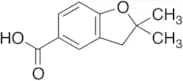
CAS:Controlled Product<p>Applications Methyl 1-formylcyclopropane-1-carboxylate, is a building block used in the synthesis of chemical compounds.<br></p>Formula:C6H8O3Color and Shape:NeatMolecular weight:128.1262,3-Dihydro-2,2-dimethylbenzofuran-5-carboxylic Acid
CAS:Controlled Product<p>Applications 2,3-dihydro-2,2-dimethylbenzofuran-5-carboxylic acid (cas# 123656-34-8) is a useful research chemical.<br></p>Formula:C11H12O3Color and Shape:NeatMolecular weight:192.21Eicosanedioic Acid
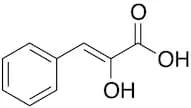
CAS:Controlled Product<p>Applications Eicosanedioic Acid is an intermediate used to prepare haloperidol-based bivalent ligands targeting dopamine D2-like receptors.<br>References Salama, I., et al.; Bioorg. Med. Chem. Lett., 24, 3753 (2014)<br></p>Formula:C20H38O4Color and Shape:NeatMolecular weight:342.512-Hydroxy-3-phenyl-acrylic Acid
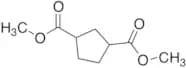
CAS:Controlled Product<p>Applications 2-Hydroxy-3-phenyl-acrylic Acid is a chemical reagent in the synthesis of an atropos biphenyl biphosphine ligand as well as in the synthesis of novel cinnamanilides as potential immunosuppressive agents.<br>References Shi, L. et al.: Eur. J. Med. Chem., 47, 585 (2012);<br></p>Formula:C9H8O3Color and Shape:NeatMolecular weight:164.158Dimethyl cyclopentane-1,3-dicarboxylate
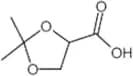
CAS:Controlled Product<p>Applications Dimethyl cyclopentane-1,3-dicarboxylate (cas# 2435-36-1) is a useful research chemical.<br></p>Formula:C9H14O4Color and Shape:NeatMolecular weight:186.212,2-Dimethyl-1,3-dioxolane-4-carboxylic acid
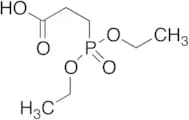
CAS:Controlled Product<p>Applications 2,2-Dimethyl-1,3-dioxolane-4-carboxylic acid<br></p>Formula:C6H10O4Color and Shape:NeatMolecular weight:146.1413-(Diethylphosphono)propanoic acid (Technical Grade)
CAS:Controlled Product<p>Applications 3-(Diethylphosphono)propanoic acid<br></p>Formula:C21H28O6Color and Shape:NeatMolecular weight:376.4432-[2-[2-(2-Mercaptoethoxy)ethoxy]ethoxy]acetic Acid
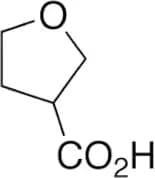
CAS:Controlled ProductFormula:C8H16O5SColor and Shape:NeatMolecular weight:224.275Tetrahydro-3-furoic Acid
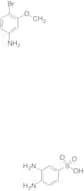
CAS:Controlled Product<p>Applications Used in the synthesis of anti-tumor compounds comprising of hydroxyisovalerylshikonin analogs. Furthermore, the compound is a reagent in the synthesis of class II c-Met inhibitors, in the treatment of c-Met dependant tumors.<br>References Rao, Z. et al.: Eur. J. Med. Chem., 46, 3934 (2011); Liu, L. et al.: J. Med. Chem., 55, 1868 (2012);<br></p>Formula:C5H8O3Color and Shape:NeatMolecular weight:116.123,4-Diaminobenzenesulfonic Acid
CAS:Controlled Product<p>Applications 3,4-Diaminobenzenesulfonic Acid is a useful organic synthetic reagent and a sulfonate-aminium zwitterion.<br> Not a dangerous good if item is equal to or less than 1g/ml and there is less than 100g/ml in the package<br>References Liu, J., et al.: Acta Crystallogr. B., 66, 3281 (2010)<br></p>Formula:C6H8N2O3SColor and Shape:NeatMolecular weight:188.24-(Methoxycarbonyl)phenylboronic Acid
CAS:Controlled Product<p>Applications 4-(Methoxycarbonyl)phenylboronic Acid is used in the synthesis and evaluation of several organic compounds including that of 4-Cyclohexylbutyl-N-[(S)-2-oxoazetidin-3-yl]carbamate which is a potent inhibitor of intracellular NAAA activity. Also used in the design and synthesis of BMS-955176 which is a potent, orally active second generation HIV-1 maturation inhibitor.<br>References Nuzzi, A., et al.: Eur. J. Med. Chem., 111, 138 (2016); Rogueiro-Ren, A., et al.: ACS Med. Chem. Lett., 7, 568 (2016);<br></p>Formula:C8H9BO4Color and Shape:NeatMolecular weight:179.97rel-N-[(1R,4R)-4-(Hydroxymethyl)-2-cyclopenten-1-yl]carbamic Acid 1,1-Dimethylethyl Ester
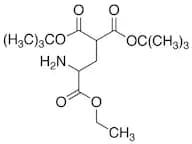
CAS:Controlled Product<p>Applications rel-N-[(1R,4R)-4-(Hydroxymethyl)-2-cyclopenten-1-yl]carbamic Acid 1,1-Dimethylethyl Ester is an intermediate used in the synthesis of the HIV reverse transcriptase inhibitor ziagen.<br>References Grumann, A., et al.: Tetrahedron. Lett., 36, 7767 (1995);<br></p>Formula:C11H19NO3Color and Shape:NeatMolecular weight:213.274γ-Carboxyglutamic Acid γ,γ-Di-t-butyl 3-Ethyl Ester
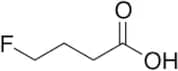
CAS:Controlled ProductFormula:C16H29NO6Color and Shape:NeatMolecular weight:331.4054-fluorobutanoic acid
CAS:Controlled Product<p>Applications 4-fluorobutanoic acid (cas# 462-23-7) is a useful research chemical.<br> Not a dangerous good if item is equal to or less than 1g/ml and there is less than 100g/ml in the package<br></p>Formula:C4H7FO2Color and Shape:NeatMolecular weight:106.12-Hydroxy-1,2,3-propanetricarboxylic Acid 1-Butyl Ester
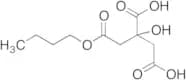
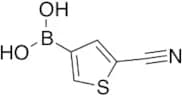
CAS:Controlled ProductFormula:C10H16O7Color and Shape:NeatMolecular weight:248.23(5-Cyanothiophen-3-yl)boronic Acid
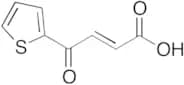
CAS:Controlled ProductFormula:C5H4BNO2SColor and Shape:NeatMolecular weight:152.967trans-3-(2-Thenoyl)acrylic Acid
CAS:Controlled ProductFormula:C8H6O3SColor and Shape:NeatMolecular weight:182.1964-(Cyclopropylcarbonyl)-α,α-dimethylbenzeneacetic Acid
CAS:Controlled Product<p>Applications 4-(Cyclopropylcarbonyl)-α,α-dimethylbenzeneacetic Acid is used for the preparation of Terfenadine ((T114500) analogs.<br>References Uchida., et al.: Chem. Pharm. Bull., 37, 958 (1989),<br></p>Formula:C14H16O3Color and Shape:NeatMolecular weight:232.275-[(4-Chlorophenyl)thio]-1,2,3-thiadiazole-4-carboxylic Acid
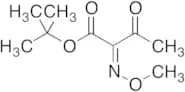
CAS:Controlled ProductFormula:C9H5ClN2O2S2Color and Shape:NeatMolecular weight:272.7312-(Methoxyimino)-3-oxo-butanoic Acid 1,1-Dimethylethyl Ester
CAS:Controlled Product<p>Applications 2-(Methoxyimino)-3-oxo-butanoic Acid 1,1-Dimethylethyl Ester is an intermediate used in the synthesis of Cefotaxime Bromoacetyl Analogue (C242940), which is an impurity of Cefotaxime (C242950), a broad spectrum third generation cephalosporin antibiotic.<br>References Wise, R., et al.: Antimicrob. Agents Chemother., 14, 807 (1978), Muhtadi, F.J., et al.: Anal. Profiles Drug Subs., 11, 139 (1982),<br></p>Formula:C9H15NO4Color and Shape:NeatMolecular weight:201.22rac-trans-5-Hydroxy-1,3-oxathiolane-2-carboxylic Acid
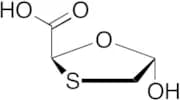
CAS:Controlled Product<p>Stability Epimerize in solution<br>Applications 5-Hydroxy-1,3-oxathiolane-2-carboxylic Acid is used in the synthesis of potent antiviral agent (-)-2’-Deoxy-3’-thiacytidine and its enantiomer.<br>References Jin, H.L., et al.: J. Org. Chem., 60, 2621 (1995);<br></p>Formula:C4H6O4SColor and Shape:NeatMolecular weight:150.15Ethyl 2-(2,6-Dichlorophenyl)acetate
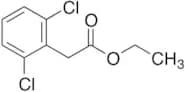
CAS:Controlled Product<p>Applications Ethyl 2-(2,6-Dichlorophenyl)acetate (cas# 90793-64-9) is a useful research chemical.<br></p>Formula:C10H10O2Cl2Color and Shape:NeatMolecular weight:233.094-Acetylphenylboronic Acid
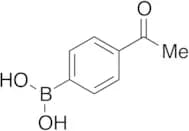
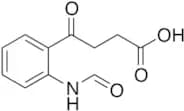
CAS:Controlled Product<p>Applications 4-Acetylphenylboronic acid4-Acetylphenylboronic Acid is used in several metal catalyzed cross-coupling reaction studies.<br>References Saito, S., et al.: J. Org. Chem., 2, 8024 (1997); Sakai, M., et al.: Organomet., 16, 4229 (1997); Molander, G., et al.: J. Org. Chem., 68, 4302 (2003);<br></p>Formula:C8H9BO3Color and Shape:NeatMolecular weight:163.974-(2-Formylamino-phenyl)-4-oxo-butyric Acid
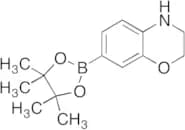
CAS:Controlled ProductFormula:C11H11NO4Color and Shape:NeatMolecular weight:221.2093,4-Dihydro-2H-1,4-benzoxazine-7-boronic Acid Pinacol Ester
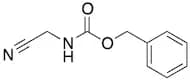
CAS:Controlled Product<p>Applications 3,4-Dihydro-2H-1,4-benzoxazine-7-boronic acid pinacol ester is a useful intermediate for the synthesis of naphthamides which functions as VEGFR-2 kinase inhibitors for cancer treatment.<br>References Lv, Y., et al.: ACS Med. Chem. Lett., 5, 592 (2014)<br></p>Formula:C14H20BNO3Color and Shape:NeatMolecular weight:261.12Benzyl Cyanomethylcarbamate
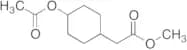
CAS:Controlled Product<p>Applications BENZYL CYANOMETHYLCARBAMATE (cas# 3589-41-1) is a useful research chemical.<br></p>Formula:C10H10N2O2Color and Shape:NeatMolecular weight:190.19Methyl 2-(4-Acetoxycyclohexyl)acetate
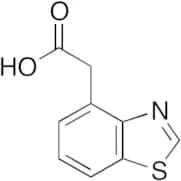
Controlled ProductFormula:C11H18O4Color and Shape:NeatMolecular weight:214.2584-Benzothiazoleacetic Acid
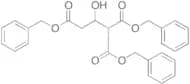
CAS:Controlled ProductFormula:C9H7NO2SColor and Shape:NeatMolecular weight:193.222Tribenzyl 2-Hydroxypropane-1,1,3-tricarboxylate
Controlled ProductFormula:C27H26O7Color and Shape:NeatMolecular weight:462.491[[[3-[(2-Amino-1,6-dihydro-6-oxo-9H-purin-9-yl)methyl]phenyl]methoxy]methyl]-phosphonic Acid Monoammonium Salt
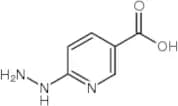
CAS:Controlled ProductFormula:C14H16N5O5P·(NH3)Color and Shape:NeatMolecular weight:382.115456-Hydrazinonicotinic acid
CAS:Controlled Product<p>Applications 6-Hydrazinonicotinic acid<br></p>Formula:C6H7N3O2Color and Shape:NeatMolecular weight:153.14(±)-2-Acetoxybutyric Acid
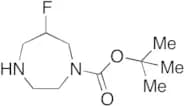
CAS:Controlled Product<p>Applications (±)-2-Acetoxybutyric Acid is an intermediate in synthesizing 2-Hydroxy-N-(pyridin-4-yl)butanamide (H953495). It is a is a useful synthetic intermediate.<br></p>Formula:C6H10O4Color and Shape:NeatMolecular weight:146.14tert-Butyl 6-Fluoro-1,4-diazepane-1-carboxylate
CAS:Controlled ProductFormula:C10H19FN2O2Color and Shape:NeatMolecular weight:218.268Methyl (1R,4S)-4-[[(1,1-Dimethylethoxy)carbonyl]amino]-2-cyclopentene-1-carboxylic Acid Ester
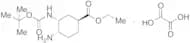
CAS:Controlled Product<p>Applications Methyl (1R,4S)-4-[[(1,1-Dimethylethoxy)carbonyl]amino]-2-cyclopentene-1-carboxylic Acid Ester is used in the discovery of a potent, selective and orally bioavailable dual CCR2 and CCR5 antagonist.<br>References Zheng, C., et al.: Bioorg. Med. Chem. Lett., 21, 1442-1446 (2011)<br></p>Formula:C12H19NO4Color and Shape:NeatMolecular weight:241.284(1S,3R,4S)-Ethyl 4-Amino-3-((tert-butoxycarbonyl)amino)cyclohexanecarboxylate Oxalate
CAS:Controlled Product<p>Applications (1S,3R,4S)-Ethyl 4-Amino-3-((tert-butoxycarbonyl)amino)cyclohexanecarboxylate Oxalate has been used as a reactant for the preparation of oxadiazole compounds containing cyclohexanediamine moiety.<br></p>Formula:C14H26N2O4·C2H2O4Color and Shape:NeatMolecular weight:376.402Methyl 5-Chloro-3-(chlorosulfonyl)thiophene-2-carboxylate
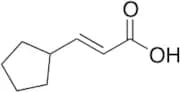
CAS:Controlled Product<p>Applications Methyl 5-Chloro-3-(Chlorosulfonyl)Thiophene-2-Carboxylate (cas# 126910-68-7) is a useful research chemical.<br></p>Formula:C6H4Cl2O4S2Color and Shape:NeatMolecular weight:275.11(E)-3-Cyclopentylprop-2-enoic Acid
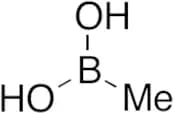
CAS:Controlled ProductFormula:C8H12O2Color and Shape:NeatMolecular weight:493.53Methylboronic Acid
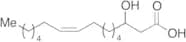
CAS:Controlled Product<p>Applications Methylboronic Acid is a methylated derivative of boronic acid, a building block towards various intermediates in suzuki coupling.<br>References Baker, J. O., et al.: Biochem.. 22, 2098 (1983); Garner, C.W., et al.: J. Biol. Chem., 255, 5064 (1980)<br></p>Formula:CH5BO2Color and Shape:NeatMolecular weight:59.86rac-(9Z)-3-Hydroxy-9-hexadecenoic Acid
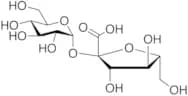
CAS:Controlled ProductFormula:C16H30O3Color and Shape:NeatMolecular weight:186.248Sucrose 1’-Carboxylic Acid
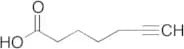
CAS:Controlled ProductFormula:C12H20O12Color and Shape:NeatMolecular weight:356.286-Heptynoic Acid
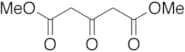
CAS:Controlled Product<p>Applications 6-Heptynoic Acid is used as a reagent in organic synthesis, inlcuding that of some novel triazole derivatives which display antiproliferative activity and also of acetylenic fatty acids and their esters.<br> Not a dangerous good if item is equal to or less than 1g/ml and there is less than 100g/ml in the package<br>References Pertino, M., et al.: Molecules, 19, 2523 (2014); Nakatani, M., et al.: B. Chem. Soc. Jpn., 59, 3535 (1986);<br></p>Formula:C7H10O2Color and Shape:NeatMolecular weight:126.15Dimethyl-1,3-acetonedicarboxylate
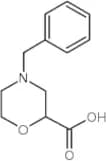
CAS:Controlled Product<p>Applications Dimethyl-1,3-acetonedicarboxylate is used in the preparation of optically active lycorane. It has also been substituted into bispidone derivatives for their use as ligands in PET imaging.<br>References Yoshizaki, H. et al.: J. Org. Chem., 60, 2016 (1995); Legdali, T. et al.: J. Org. Chem., 77, 11167 (2012);<br></p>Formula:C7H10O5Color and Shape:NeatMolecular weight:174.154-Benzyl-morpholine-2-carboxylic Acid Hydrochloride Salt
CAS:Controlled Product<p>Stability Hygroscopic<br>Applications 4-Benzyl-morpholine-2-carboxylic is used in the synthesis of novel morpholine conjugated benzophenone analogs and evaluation of antagonistic role against neoplastic development.<br>References Al-Ghorbani, Mohammed. et al., Bioorg. Chem. 71, 55-66(2017);<br></p>Formula:C12H15NO3·xHClColor and Shape:NeatMolecular weight:221.25 + x(36.46)Di-tert-butyl Azodicarboxylate
CAS:Controlled Product<p>Applications Di-tert-butyl azodicarboxylate is a reagent used in the preparation of acyl hydrazinedicarboxylates via photoorganocatalytic hydroacylation of dialkyl azodicarboxylates with aldehydes in presence of phenylglyoxylic acid as photocatalyst.<br>References Papadopoulos, G. N., et al.: Chem. Eur. J., 20, 13811 (2014);<br></p>Formula:C10H18N2O4Color and Shape:YellowMolecular weight:230.262-Bromopropionic acid
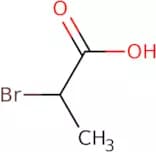
CAS:<p>2-Bromopropionic acid is a tetroxide used in organic synthesis. It is an intermediate in the synthesis of 2,4-dibromopropionamide and 2,4-dibromo-3-methylpentanoic acid. The reaction mechanism of this process starts with the formation of a bromine atom from bromine monoxide and hydrogen peroxide. This bromine atom reacts with the carbon to form an alkyl radical that reacts with another molecule of bromine monoxide to form an alkyl radical that is stabilized by two atoms of hydrogen (i.e., CBr). The alkyl radical then undergoes a nucleophilic attack on iodobenzene to form an iodoalkane intermediate. This intermediate reacts with acetic acid to form the desired product, acetyl chloride. This reaction also produces iodoacetic acid as a byproduct.</p>Formula:C3H5BrO2Purity:Min. 95%Molecular weight:152.97 g/molMethyl azido acetate
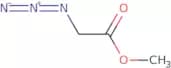
CAS:<p>Methyl azido acetate is a chemical compound with the molecular formula CH3N3O. It is used in biological studies to study the effects of amides on inflammatory bowel disease and solid tumours. Methyl azido acetate has been shown to be cytotoxic against cells, which may be due to its ability to inhibit integrase enzyme activity.</p>Formula:C3H5N3O2Purity:Min. 95%Color and Shape:Clear LiquidMolecular weight:115.09 g/molGlycochenodeoxycholic acid 3-sulfate disodium salt
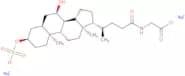
CAS:<p>Please enquire for more information about Glycochenodeoxycholic acid 3-sulfate disodium salt including the price, delivery time and more detailed product information at the technical inquiry form on this page</p>Formula:C26H41NNa2O8SPurity:Min. 95%Color and Shape:PowderMolecular weight:573.65 g/mol17-Methylestra-3,5-diene-3,17b-diol diacetate
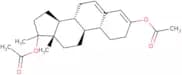
CAS:Controlled Product<p>Please enquire for more information about 17-Methylestra-3,5-diene-3,17b-diol diacetate including the price, delivery time and more detailed product information at the technical inquiry form on this page</p>Formula:C23H32O4Purity:Min. 95%Molecular weight:372.5 g/molGlycodeoxycholic Acid monohydrate
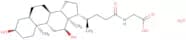
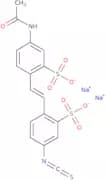
CAS:Controlled Product<p>Glycodeoxycholic acid is a bile acid that has been shown to inhibit bacterial translocation. It is used as an adjuvant therapy in the treatment of primary sclerosing cholangitis and other inflammatory conditions of the liver, such as pancreatitis, and it has also been studied for its effects on iron homeostasis. Glycodeoxycholic acid is produced by the human body and can be found in the serum. The biosynthesis of glycodeoxycholic acid is dependent on microbial metabolism, which may be inhibited by nonsteroidal anti-inflammatory drugs. This compound has been shown to inhibit cell signaling pathways and increase sodium ion uptake into cells through inhibition of sodium-potassium ATPase activity.</p>Purity:Min. 95%4-Acetamido-4'-isothiocyanatostilbene-2,2'-disulfonic acid, sodium salt
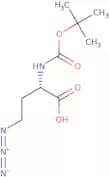
CAS:<p>4-Acetamido-4'-isothiocyanatostilbene-2,2'-disulfonic acid, sodium salt (AITC-S) is a stilbene derivative with inhibitory properties. It has been shown to inhibit the uptake of camp in rat ventricular myocytes and caco-2 cells as well as the release of camp from rat renal proximal tubules. AITC-S also inhibits the transport of camp into the cells. The mechanism by which AITC-S inhibits uptake is not yet known, but it may be due to competition for a common carrier or an effect on intracellular metabolism. This compound has also been shown to have an acute ischemic protective effect on rats when administered before reperfusion following coronary artery occlusion.</p>Formula:C17H12N2Na2O7S3Purity:Min. 95%Molecular weight:498.46 g/molN-α-Boc-Nγ-Azido-L-2,4-diaminobutyric acid cyclohexylamine salt
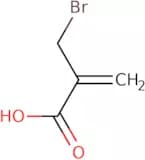
CAS:<p>Please enquire for more information about N-alpha-Boc-Ngamma-Azido-L-2,4-diaminobutyric acid cyclohexylamine salt including the price, delivery time and more detailed product information at the technical inquiry form on this page</p>Formula:C9H16N4O4·C6H13NPurity:Min. 95%Molecular weight:343.42 g/mol2-(Bromomethyl)acrylic acid
CAS:<p>2-(Bromomethyl)acrylic acid is a monomer that has been synthesized from bromoacetic acid and acrylic acid. It is an efficient method for the synthesis of 2-bromoethyl acrylate, which can be used as a precursor for polyurethanes and other polymers. The 2-bromoethyl acrylate can be obtained through allylation with ethylene glycol, followed by hydrolysis to produce acrylic acid. This monomer reacts with free hydroxyl groups to form esters and ethers. It also reacts with nitrogen atoms to form amides or nitriles. Cell culture studies have shown that this compound has no toxic effects on human erythrocytes or hepatocytes.</p>Formula:C4H5BrO2Purity:Min. 95%Color and Shape:PowderMolecular weight:164.99 g/mol2-Bromo-5,6-dihydro-8h-imidazo[1,2-a]pyrazine-7-carboxylic acid tert-butyl ester
CAS:<p>Please enquire for more information about 2-Bromo-5,6-dihydro-8h-imidazo[1,2-a]pyrazine-7-carboxylic acid tert-butyl ester including the price, delivery time and more detailed product information at the technical inquiry form on this page</p>Formula:C11H16BrN3O2Purity:Min. 95%Molecular weight:302.17 g/molMethyl 4,5-dimethoxy-1-methyl-1H-indole-2-carboxylate
CAS:Controlled Product<p>Please enquire for more information about Methyl 4,5-dimethoxy-1-methyl-1H-indole-2-carboxylate including the price, delivery time and more detailed product information at the technical inquiry form on this page</p>Formula:C13H15NO4Purity:Min. 95%Molecular weight:249.26 g/mol4-Chlorobutyric acid
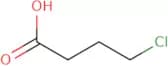
CAS:<p>4-Chlorobutyric acid is a fatty acid with the chemical formula CH3ClC(O)CH2CO2H. It can be found in animal fats, vegetable oils, and butter. 4-Chlorobutyric acid has been shown to inhibit the growth of PC12 cells by hydrogen bonding to the cell membrane. This inhibition results in an increase in sodium hydroxide solution activity, which leads to increased production of gamma-aminobutyric acid. The butyrolactone that is produced inhibits nerve function and has been shown to have biological treatment potential for hydrochloric acid and cell culture models.</p>Formula:C4H7ClO2Purity:Min. 95%Color and Shape:Clear LiquidMolecular weight:122.55 g/mol2-Methyl-3-(2-methyl-1H-imidazol-1-yl)propanoic acid
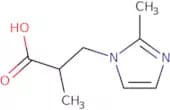
CAS:Controlled Product<p>Please enquire for more information about 2-Methyl-3-(2-methyl-1H-imidazol-1-yl)propanoic acid including the price, delivery time and more detailed product information at the technical inquiry form on this page</p>Formula:C8H12N2O2Purity:Min. 95%Molecular weight:168.19 g/molJ147
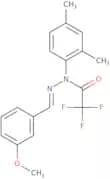
CAS:<p>2,2,2-Trifluoroacetic acid 1-(2,4-dimethylphenyl)-2-[(3-methoxyphenyl)methylene]hydrazide is a neuroprotective drug that belongs to the class of hydrazides. It has been shown to have neurotrophic activity in vitro and in vivo and can be used for the treatment of conditions such as diabetic neuropathy or cancer tissues. 2,2,2-Trifluoroacetic acid 1-(2,4-dimethylphenyl)-2-[(3-methoxyphenyl)methylene]hydrazide also has anti-inflammatory properties and can be used for the treatment of autoimmune diseases. The drug's mechanism of action is not fully understood but is thought to involve monoamine neurotransmitters.</p>Formula:C18H17F3N2O2Purity:Min. 95%Molecular weight:350.34 g/molEthyl 2-amino-4-thiazoleacetate
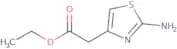
CAS:<p>Ethyl 2-amino-4-thiazoleacetate is a supramolecular molecule that has the potential to be an anticancer agent. It inhibits the growth of tumor cells by binding to tyrosinase and hydrogen-bonding with chloride ions in solution. Ethyl 2-amino-4-thiazoleacetate also binds to a metal ion, such as zinc, which is important for biological functions. When it binds to these metals, it inhibits the enzyme hepg2 cell, which is involved in the synthesis of protein from RNA. Inhibition of this enzyme leads to decreased production of cytokines, which are molecules that regulate immune responses. This drug also has inhibitory activities against oral cephalosporins when used in combination with other drugs.</p>Formula:C7H10N2O2SPurity:Min. 95%Molecular weight:186.23 g/mol5β-Cholanic acid
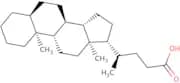
CAS:Controlled Product<p>5beta-Cholanic acid is a fatty acid that is the product of cholesterol metabolism. It has been shown to inhibit tumor growth by binding to ATP-binding cassette transporter and blocking the transport of tumor cells. 5beta-Cholanic acid also inhibits HIV infection by interfering with the virus's ability to bind and enter host cells. 5beta-Cholanic acid may also be used as a treatment for autoimmune diseases such as multiple sclerosis, rheumatoid arthritis, ulcerative colitis and Crohn's disease. This compound has been shown to inhibit mitochondrial membrane potential and induce apoptosis in prostate cancer cells in vitro. The mechanism of action for this compound is not well understood but it may be due to its ability to decrease ATP levels in mitochondria or interfere with the production of bile acids from cholesterol by inhibiting hydroxylation reactions.</p>Formula:C24H40O2Purity:Min. 95%Color and Shape:PowderMolecular weight:360.57 g/molMethyl 4H-furo[3,2-b]pyrrole-5-carboxylate
CAS:<p>Please enquire for more information about Methyl 4H-furo[3,2-b]pyrrole-5-carboxylate including the price, delivery time and more detailed product information at the technical inquiry form on this page</p>Formula:C8H7NO3Purity:Min. 95%Molecular weight:165.15 g/mol2-Diethylaminoethyl 1-cyclohexylcyclohexane-1-carboxylate hydrochloride
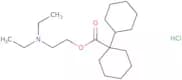
CAS:<p>2-Diethylaminoethyl 1-cyclohexylcyclohexane-1-carboxylate hydrochloride is a methyltransferase inhibitor that blocks the synthesis of monoethyl ether, which is used to synthesize dicyclomine. It has been shown to be effective in vitro against biological samples such as rat liver and blood cells. 2-Diethylaminoethyl 1-cyclohexylcyclohexane-1-carboxylate hydrochloride also has been shown to have a pharmacological effect on rats with bowel disease, congestive heart failure, and crystalline cellulose. The chemical structure of 2-Diethylaminoethyl 1-cyclohexylcyclohexane-1-carboxylate hydrochloride is similar to that of phosphorus pentoxide, which makes it difficult for this drug to cross the blood brain barrier.</p>Formula:C19H36ClNO2Purity:Min. 95%Molecular weight:345.95 g/mol3-Sulfoglycolithocholic acid disodium
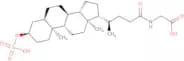
CAS:<p>3-Sulfoglycolithocholic acid disodium is a potential biomarker for inflammatory bowel disease. It is also used as an analytical method to measure bile acids in the blood. 3-Sulfoglycolithocholic acid disodium has been shown to be a strong indicator of liver inflammation and hepatitis. This compound can also be used as a diagnostic tool for infectious diseases, such as HIV and hepatitis C, by measuring serum bile acids levels. The level of this molecule can be measured in the blood and urine of patients with bowel disease, such as ulcerative colitis or Crohn's disease. 3-Sulfoglycolithocholic acid disodium can also be used to diagnose atrial fibrillation.</p>Formula:C26H43NO7S•Na2Purity:Min. 95%Molecular weight:559.67 g/molEthyl 3-(difluoromethyl)-1H-pyrazole-5-carboxylate
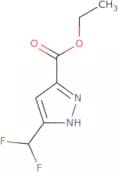
CAS:<p>Please enquire for more information about Ethyl 3-(difluoromethyl)-1H-pyrazole-5-carboxylate including the price, delivery time and more detailed product information at the technical inquiry form on this page</p>Formula:C7H8F2N2O2Purity:Min. 95%Color and Shape:PowderMolecular weight:190.15 g/molTrestolone acetate
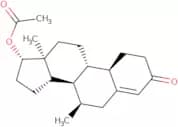
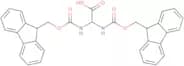
CAS:Controlled Product<p>Trestolone acetate is a synthetic anti-cancer compound that has been shown to inhibit the growth of cancer cells in animal models. It is an estrogen receptor modulator that binds to the estrogen receptor and inhibits its activation by estradiol. Trestolone acetate has also been shown to inhibit the production of inflammatory cytokines, such as tumor necrosis factor-α (TNF-α) and interleukin-1β (IL-1β), which may be due to its ability to act as a growth factor for immune cells. Trestolone acetate can be used for the treatment of degenerative diseases or bowel disease, such as Crohn's disease. This drug also has a beneficial effect in inflammatory diseases, such as IBD, and autoimmune diseases, such as rheumatoid arthritis. The effective dose is 10 mg/kg body weight per day given orally.</p>Formula:C21H30O3Purity:Min. 95%Molecular weight:330.46 g/molN,N'-bis-Fmoc-diaminoacetic acid
CAS:<p>Please enquire for more information about N,N'-bis-Fmoc-diaminoacetic acid including the price, delivery time and more detailed product information at the technical inquiry form on this page</p>Formula:C32H26N2O6Purity:Min. 95%Molecular weight:534.56 g/molAcetyl-ACTH (3-24) (human, bovine, rat) trifluoroacetate salt
CAS:<p>Please enquire for more information about Acetyl-ACTH (3-24) (human, bovine, rat) trifluoroacetate salt including the price, delivery time and more detailed product information at the technical inquiry form on this page</p>Formula:C126H198N38O28SPurity:Min. 95%Molecular weight:2,725.23 g/molEthyl 6-bromo-5-hydroxy-1-methyl-2-(phenylsulfanylmethyl)indole-3-carboxylate
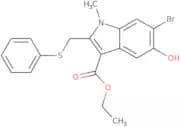
CAS:Controlled Product<p>Please enquire for more information about Ethyl 6-bromo-5-hydroxy-1-methyl-2-(phenylsulfanylmethyl)indole-3-carboxylate including the price, delivery time and more detailed product information at the technical inquiry form on this page</p>Purity:Min. 95%1,5-Diphenyl-1H-pyrazole-3-carboxylic acid
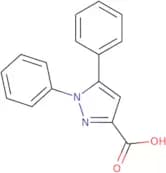
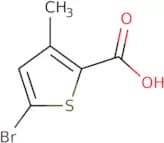
CAS:Controlled Product<p>1,5-Diphenyl-1H-pyrazole-3-carboxylic acid is a herbicide that belongs to the family of alkyloxycarbonyl amides. It is used in weed control and has shown good activity against many broadleaf weeds. 1,5-Diphenyl-1H-pyrazole-3-carboxylic acid inhibits the growth of plants by interfering with photosynthesis and the production of chlorophyll. The compound binds to the thylakoid membrane in chloroplasts, preventing electron transport and blocking the synthesis of carbohydrates from carbon dioxide and water. This leads to cell death as a result of oxygen depletion. 1,5-Diphenyl-1H-pyrazole-3-carboxylic acid also inhibits acetolactate synthase in plants, which produces amides that are important for protein synthesis.</p>Formula:C16H12N2O2Purity:Min. 95%Molecular weight:264.28 g/mol5-Bromo-3-methylthiophene-2-carboxylic acid
CAS:<p>5-bromo-3-methylthiophene-2-carboxylic acid (5BmtCA) is a potential therapeutic that has been shown to have the same estrogenic activity as estradiol. It may be used for the treatment of osteoporosis and other conditions associated with estrogen deficiency, including resorption and bone loss. 5BmtCA is an amide with two phenyl groups at the C3 position, which are bioisosteres of the sulfur in estradiol. The substitutions on these phenyl groups can be changed to produce analogs with different properties. For example, 5BmtCA may be substituted with a ketone group at position C3 to produce the corresponding ketone analog 5BmtCK. This compound would be expected to have reduced bone resorption activity relative to 5BmtCA.</p>Formula:C6H5BrO2SPurity:Min. 95%Color and Shape:PowderMolecular weight:221.07 g/molLevetiracetam carboxylic acid
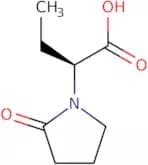
CAS:<p>Synaptic vesicle protein 2A ligand; anti-seizure drug</p>Formula:C8H13NO3Purity:Min. 95%Molecular weight:171.19 g/molL-Cysteinesulfinic acid, monohydrate
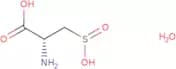
CAS:<p>Please enquire for more information about L-Cysteinesulfinic acid, monohydrate including the price, delivery time and more detailed product information at the technical inquiry form on this page</p>Formula:C3H7NO4S·H2OPurity:Min. 95%Molecular weight:171.17 g/molCyclopiazonic acid
CAS:<p>Cyclopiazonic acid is a sesquiterpene lactone that inhibits the transcription activator-binding site in the promoter region of c-myc and c-jun. Cyclopiazonic acid also inhibits protein synthesis by preventing phosphorylation of dinucleotide phosphate, which leads to an increase in intracellular calcium levels. This compound also has a cytotoxic effect on HL60 cells, which may be due to its ability to inhibit the production of secretases. Cyclopiazonic acid's effects on pluripotent cells have not been well studied, but it is known to have pharmacological properties that are similar to other compounds that are being studied for their potential anti-cancer effects.</p>Formula:C20H20N2O3Purity:Min. 95%Color and Shape:PowderMolecular weight:336.39 g/molKisspeptin-54 (human) trifluoroacetate salt
CAS:<p>Kisspeptin-54 is a mammalian peptide hormone that regulates the release of gonadotropin-releasing hormone (GnRH) from the hypothalamus. Kisspeptin-54 has been shown to be potently immunogenic in humans and can be used as an antigen for the production of monoclonal antibodies. It is also a candidate drug for the treatment of obesity and may have neuroprotective effects. Kisspeptin-54 has been shown to reduce body mass index, which may be due to its ability to stimulate the immune system and promote antibody production against tumors. This peptide also has potent on-line binding properties that are useful in polymerase chain reactions.</p>Formula:C258H401N79O78Purity:Min. 95%Molecular weight:5,857.43 g/mol2-(5-Chloro-1H-indol-2-yl)acetic acid
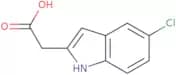
CAS:<p>Please enquire for more information about 2-(5-Chloro-1H-indol-2-yl)acetic acid including the price, delivery time and more detailed product information at the technical inquiry form on this page</p>Formula:C10H8CINO2Purity:Min. 95%Molecular weight:313.09 g/molBoc-(3S)-1,2,3,4-tetrahydroisoquinoline-7-hydroxy-3-carboxylic acid
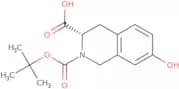
CAS:<p>Boc-(3S)-1,2,3,4-tetrahydroisoquinoline-7-hydroxy-3-carboxylic acid is a synthetic opioid that is chemically related to morphine. It binds to the δ opioid receptor and has a clinical development in the treatment of pain. The drug has been shown to inhibit the binding of gtpγs, which leads to the suppression of neuronal activity. Boc-(3S)-1,2,3,4-tetrahydroisoquinoline-7-hydroxy-3-carboxylic acid also has low molecular weight and low toxicity.</p>Formula:C15H19NO5Purity:Min. 95%Color and Shape:PowderMolecular weight:293.32 g/mol




![(R)-5-[(Aminoiminomethyl)amino]-2-hydroxy-pentanoic Acid](/_next/image/?url=https%3A%2Fstatic.cymitquimica.com%2Fproducts%2FTR%2Fthumb-webp%2FA612280.webp&w=3840&q=75)


![2-[2-[2-(2-Mercaptoethoxy)ethoxy]ethoxy]acetic Acid](/_next/image/?url=https%3A%2Fstatic.cymitquimica.com%2Fproducts%2FTR%2Fthumb-webp%2FM225235.webp&w=3840&q=75)

![rel-N-[(1R,4R)-4-(Hydroxymethyl)-2-cyclopenten-1-yl]carbamic Acid 1,1-Dimethylethyl Ester](/_next/image/?url=https%3A%2Fstatic.cymitquimica.com%2Fproducts%2FTR%2Fthumb-webp%2FH926260.webp&w=3840&q=75)

![5-[(4-Chlorophenyl)thio]-1,2,3-thiadiazole-4-carboxylic Acid](/_next/image/?url=https%3A%2Fstatic.cymitquimica.com%2Fproducts%2FTR%2Fthumb-webp%2FC350848.webp&w=3840&q=75)
![[[[3-[(2-Amino-1,6-dihydro-6-oxo-9H-purin-9-yl)methyl]phenyl]methoxy]methyl]-phosphonic Acid Monoa…](/_next/image/?url=https%3A%2Fstatic.cymitquimica.com%2Fproducts%2FTR%2Fthumb-webp%2FA610075.webp&w=3840&q=75)

![Methyl (1R,4S)-4-[[(1,1-Dimethylethoxy)carbonyl]amino]-2-cyclopentene-1-carboxylic Acid Ester](/_next/image/?url=https%3A%2Fstatic.cymitquimica.com%2Fproducts%2FTR%2Fthumb-webp%2FM220430.webp&w=3840&q=75)



![2-Bromo-5,6-dihydro-8h-imidazo[1,2-a]pyrazine-7-carboxylic acid tert-butyl ester](/_next/image/?url=https%3A%2Fstatic.cymitquimica.com%2Fproducts%2F3D%2Fthumb-webp%2FFB163714.webp&w=3840&q=75)

![Methyl 4H-furo[3,2-b]pyrrole-5-carboxylate](/_next/image/?url=https%3A%2Fstatic.cymitquimica.com%2Fproducts%2F3D%2Fthumb-webp%2FFM155237.webp&w=3840&q=75)