Carboxylic Acids
Carboxylic acids are organic molecules characterized by having a carboxyl-type functional group (-COOH). These acids are fundamental in various chemical reactions, including esterification, amidation, and decarboxylation. Carboxylic acids are widely used in the production of pharmaceuticals, polymers, and agrochemicals. In this section, you can find a large number of carboxylic acids ready to be used. At CymitQuimica, we provide a broad range of high-quality carboxylic acids to support your research and industrial applications.
Found 12453 products of "Carboxylic Acids"
Sort by
Purity (%)
0
100
|
0
|
50
|
90
|
95
|
100
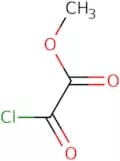
Methyl chlorooxoacetate
CAS:<p>Methyl chlorooxoacetate is an oxalyl ester that has been used for the synthesis of glycol esters. Methyl chlorooxoacetate has been shown to have a high solubility in water and organic solvents, which is desirable for industrial processes. This molecule also has the ability to be acylated with various organic groups and can act as a process-optimization agent in plant physiology. Methyl chlorooxoacetate binds as a receptor to growth factors and HIV infection, which leads to amide formation and carbonyl group formation.</p>Formula:C3H3ClO3Purity:Min. 95%Color and Shape:Clear LiquidMolecular weight:122.51 g/mol(2S, 3S)-3-(Ethoxycarbonyl)-oxirane-2-carboxylic acid
CAS:<p>Please enquire for more information about (2S, 3S)-3-(Ethoxycarbonyl)-oxirane-2-carboxylic acid including the price, delivery time and more detailed product information at the technical inquiry form on this page</p>Formula:C6H8O5Purity:Min. 95%Color and Shape:Clear LiquidMolecular weight:160.12 g/mol5-Chloro-2-(ethylsulfonyl)pyrimidine-4-carboxylic acid
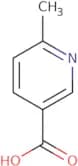
CAS:<p>Please enquire for more information about 5-Chloro-2-(ethylsulfonyl)pyrimidine-4-carboxylic acid including the price, delivery time and more detailed product information at the technical inquiry form on this page</p>Formula:C7H7ClN2O4SPurity:Min. 95%Molecular weight:250.66 g/mol6-Methylnicotinic acid
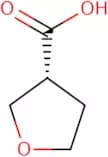
CAS:<p>6-Methylnicotinic acid is the major metabolite of nicotine, which is a natural alkaloid. The formation of 6-methylnicotinic acid from nicotine in the body is induced by carbon sources such as glucose and sucrose. This compound has been shown to inhibit herpes simplex virus type 1 replication in tissue culture and animal experiments. 6-Methylnicotinic acid also has an effect on the reaction rate of 2-chloro-6-methylnicotinic acid with hydrogen gas, forming methyl nicotinate, which is an organic acid found in tobacco leaves. 6-Methylnicotinic acid is hydrophilic and can be separated from other compounds using hydrophilic interaction chromatography (HIC).</p>Formula:C7H7NO2Purity:Min. 95%Color and Shape:PowderMolecular weight:137.14 g/mol(R)-Tetrahydrofuran-3-carboxylic acid
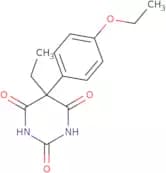
CAS:<p>Please enquire for more information about (R)-Tetrahydrofuran-3-carboxylic acid including the price, delivery time and more detailed product information at the technical inquiry form on this page</p>Formula:C5H8O3Purity:Min. 95%Molecular weight:116.12 g/mol5-(4-Ethoxyphenyl)-5-ethylbarbituric acid
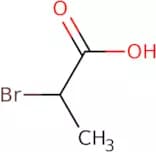
CAS:Controlled Product<p>Please enquire for more information about 5-(4-Ethoxyphenyl)-5-ethylbarbituric acid including the price, delivery time and more detailed product information at the technical inquiry form on this page</p>Formula:C14H16N2O4Purity:Min. 95%Molecular weight:276.29 g/mol2-Bromopropionic acid
CAS:<p>2-Bromopropionic acid is a tetroxide used in organic synthesis. It is an intermediate in the synthesis of 2,4-dibromopropionamide and 2,4-dibromo-3-methylpentanoic acid. The reaction mechanism of this process starts with the formation of a bromine atom from bromine monoxide and hydrogen peroxide. This bromine atom reacts with the carbon to form an alkyl radical that reacts with another molecule of bromine monoxide to form an alkyl radical that is stabilized by two atoms of hydrogen (i.e., CBr). The alkyl radical then undergoes a nucleophilic attack on iodobenzene to form an iodoalkane intermediate. This intermediate reacts with acetic acid to form the desired product, acetyl chloride. This reaction also produces iodoacetic acid as a byproduct.</p>Formula:C3H5BrO2Purity:Min. 95%Molecular weight:152.97 g/mol3-Cyanopropionic acid methyl ester
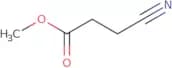
CAS:<p>3-Cyanopropionic acid methyl ester is a compound that belongs to the class of aliphatic carboxylic acids. It is an intermediate in the production of adiponitrile and acrylonitrile. This compound is used as a feedstock for the manufacture of vinylene, which can be used to produce c1-6 alkyl. 3-Cyanopropionic acid methyl ester can be produced from propylene and hydrogen cyanide in a high salt, activated reaction system. It has been shown that this compound may have metabolic disorders due to its ability to inhibit fatty acid oxidation and increase viscosity. 3-Cyanopropionic acid methyl ester is a colorless liquid at room temperature with a boiling point of 154°C and a molecular weight of 98.14 g/mol.</p>Formula:C5H7NO2Purity:Min. 95%Color and Shape:Clear LiquidMolecular weight:113.11 g/molα,α-Difluorophenylacetic acid
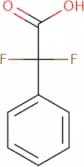
CAS:<p>Please enquire for more information about alpha,alpha-Difluorophenylacetic acid including the price, delivery time and more detailed product information at the technical inquiry form on this page</p>Formula:C8H6F2O2Purity:Min. 95%Molecular weight:172.13 g/mol(1H-Benzo[d][1,2,3]triazol-5-yl)boronic acid
CAS:<p>Please enquire for more information about (1H-Benzo[d][1,2,3]triazol-5-yl)boronic acid including the price, delivery time and more detailed product information at the technical inquiry form on this page</p>Formula:C6H6BN3O2Purity:Min. 95%Molecular weight:162.94 g/moltert-Butyl diazoacetate
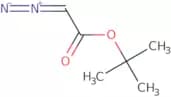
CAS:<p>Tert-Butyl diazoacetate is an ethyl diazoacetate that undergoes a copper-catalyzed alkylation with 4-acetamidobenzene sulfonyl azide. The reaction rate is dependent on the concentration of chloride, which is the only byproduct. This compound has been used in asymmetric synthesis of 4-formylbenzenesulfonyl azide and has shown to be a useful tool for organic chemists due to its size-exclusion chromatography properties. Tert-Butyl diazoacetate also reacts with styrene to produce unsaturated ketones such as salicylaldehyde, which can be further modified. Tert-Butyl diazoacetate is also an important bioactive molecule because it can be isolated from natural sources like horseradish or soybean sprouts.</p>Formula:C6H10N2O2Purity:Min. 95%Molecular weight:142.16 g/mol(Des-Gly10,D-Ala6,Pro-NHEt 9)-LHRH acetate salt
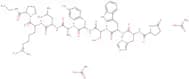
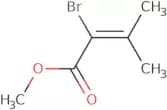
CAS:Controlled Product<p>Des-Gly10,D-Ala6,Pro-NHEt 9)-LHRH acetate salt Pyr-His-Trp-Ser-Tyr-D-Ala-Leu-Arg-Pro-NHEt acetate (DGPRP) is a drug that is used to treat endometriosis. It is an agonist of the LHRH receptor and inhibits body formation by preventing the release of gonadotropin hormones. DGPRP has been shown to inhibit cell proliferation in cancer tissues and may be useful for the treatment of leukemia. This drug has also been shown to be biocompatible with polymer scaffolds and can be synthesized using methods such as solid phase peptide synthesis.</p>Formula:C56H78N16O12•xC2H4O2Purity:Min. 95%Molecular weight:1,167.32 g/mol2-Bromo-3-methylbutenoic acid methyl ester
CAS:<p>Please enquire for more information about 2-Bromo-3-methylbutenoic acid methyl ester including the price, delivery time and more detailed product information at the technical inquiry form on this page</p>Formula:C6H9BrO2Purity:Min. 95%Molecular weight:193.04 g/mol2-(Dimethylaminocarbonyl)ethylboronic acid, pinacol ester
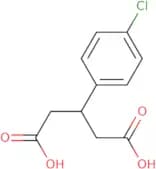
CAS:<p>Please enquire for more information about 2-(Dimethylaminocarbonyl)ethylboronic acid, pinacol ester including the price, delivery time and more detailed product information at the technical inquiry form on this page</p>Formula:C11H22BNO3Purity:Min. 95%Molecular weight:227.11 g/mol3-(4-Chlorophenyl)glutaric acid
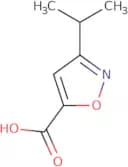
CAS:<p>3-(4-Chlorophenyl)glutaric acid is a subunit of lanthanide complexes. It has been synthesized from cinchona alkaloids and single-crystal x-ray diffraction data obtained in the absence of ligands. 3-(4-Chlorophenyl)glutaric acid is a desymmetrization reagent and has been shown to be an effective ligand for lanthanide complexes. This compound has the potential to form impurities during the synthesis process, which can lead to morphological changes, luminescence, or high-performance liquid chromatography interference.</p>Formula:C11H11ClO4Purity:Min. 95%Molecular weight:242.66 g/mol3-Isopropylisoxazole-5-carboxylic acid
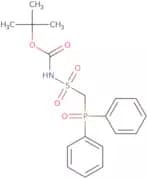
CAS:<p>3-Isopropylisoxazole-5-carboxylic acid (3IPA) is an inhibitor of voltage-gated calcium channels. It has been shown to be effective in the treatment of neuropathic pain by reducing the excitability of neurons. 3IPA exhibits its analgesic properties through its binding to the t-type calcium channel, which is responsible for regulating the flow of calcium ions into cells. 3IPA also reduces neuronal excitability by inhibiting voltage-gated potassium channels and glutamate release. 3IPA may be a potential therapeutic agent for neuropathic pain, as it provides a novel approach to treating this type of pain.</p>Formula:C7H9NO3Purity:Min. 95%Molecular weight:155.15 g/moltert-Butyl ((diphenylphosphoryl)methyl)sulfonylcarbamate
CAS:<p>Please enquire for more information about tert-Butyl ((diphenylphosphoryl)methyl)sulfonylcarbamate including the price, delivery time and more detailed product information at the technical inquiry form on this page</p>Formula:C18H22NO5PSPurity:Min. 95%Color and Shape:PowderMolecular weight:395.41 g/molKisspeptin-54 (human) trifluoroacetate salt
CAS:<p>Kisspeptin-54 is a mammalian peptide hormone that regulates the release of gonadotropin-releasing hormone (GnRH) from the hypothalamus. Kisspeptin-54 has been shown to be potently immunogenic in humans and can be used as an antigen for the production of monoclonal antibodies. It is also a candidate drug for the treatment of obesity and may have neuroprotective effects. Kisspeptin-54 has been shown to reduce body mass index, which may be due to its ability to stimulate the immune system and promote antibody production against tumors. This peptide also has potent on-line binding properties that are useful in polymerase chain reactions.</p>Formula:C258H401N79O78Purity:Min. 95%Molecular weight:5,857.43 g/molOxaloacetic acid-13C4
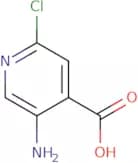
CAS:<p>A labelled form of the oxalacetic acid (FO12113).</p>Formula:C4H4O5Purity:Min. 95%Molecular weight:136.04 g/mol5-Amino-2-chloropyridine-4-carboxylic acid
CAS:<p>5-Amino-2-chloropyridine-4-carboxylic acid is a potent tyrosine kinase inhibitor. It inhibits the activation of EGFR, which may be due to its binding to the ATP-binding pocket in EGFR. 5-Amino-2-chloropyridine-4-carboxylic acid has been shown to inhibit cancer cell growth and induce apoptosis in vitro. This drug has also been shown to have potent anticancer activity in vivo, as well as inhibitory effect on tumor growth in xenograft models of human cancer cells. In addition, it inhibits the production of formamidine acetate, a precursor for histamine synthesis. 5-Amino-2-chloropyridine-4-carboxylic acid binds to formamide and formamidine acetate with high affinity and therefore inhibits histamine synthesis.</p>Formula:C6H5ClN2O2Purity:Min. 95%Color and Shape:White PowderMolecular weight:172.57 g/mol4-(4-Nitrophenoxy)butanoic acid
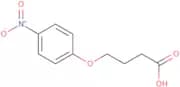
CAS:Controlled Product<p>Please enquire for more information about 4-(4-Nitrophenoxy)butanoic acid including the price, delivery time and more detailed product information at the technical inquiry form on this page</p>Formula:C10H11NO5Purity:Min. 95%Molecular weight:225.2 g/mol(4S,6S)-6-(Cyanomethyl)-2,2-dimethyl-1,3-dioxane-4-acetic acid tert-butyl ester
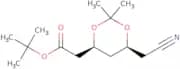
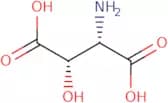
CAS:<p>Please enquire for more information about (4S,6S)-6-(Cyanomethyl)-2,2-dimethyl-1,3-dioxane-4-acetic acid tert-butyl ester including the price, delivery time and more detailed product information at the technical inquiry form on this page</p>Formula:C14H23NO4Purity:Min. 95%Molecular weight:269.34 g/molD,L-Threo-b-hydroxy aspartic acid
CAS:<p>D,L-Threo-b-hydroxy aspartic acid is a stereoselective synthetic amino acid that has been used to study the uptake and hydrolysis of D,L-threo-b-hydroxy aspartic acid by rat brain synaptosomes. It has also been used in the synthesis of an L-alanine analogue with the same stereochemistry at the chiral center. The stereoselective synthesis of this compound is achieved by epimerization reaction using d-alanine as a starting material. Threo bhda has been shown to inhibit glutamate release from neurons and stimulate GABA release in synaptosomes, which may be due to its ability to bind to ion channels. Threo bhda has also been found to inhibit the binding of radioactive thymidine to calf thymus DNA with a high degree of stereoselectivity.</p>Formula:C4H7NO5Purity:Min. 95%Molecular weight:149.1 g/mol1,2,3,4-Tetrahydroquinoline-3-carboxylic acid
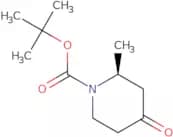
CAS:<p>Tetrahydroquinoline-3-carboxylic acid is a crystalline, water-soluble compound. It is an intermediate in the synthesis of l-phenylalanine, paraformaldehyde and formaldehyde. Tetrahydroquinoline-3-carboxylic acid can be hydrolyzed to produce formic acid and hydrogen chloride. This product is also optically active and can be used as an indicator for hydroiodic acid.</p>Formula:C10H11NO2Purity:Min. 95%Molecular weight:177.2 g/moltert-butyl (2S)-2-Methyl-4-oxopiperidine-1-carboxylate
CAS:<p>Please enquire for more information about tert-butyl (2S)-2-Methyl-4-oxopiperidine-1-carboxylate including the price, delivery time and more detailed product information at the technical inquiry form on this page</p>Formula:C11H19NO3Purity:Min. 95%Molecular weight:213.27 g/mol6-Chloroindole-2-carboxylic acid
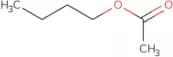
CAS:<p>6-Chloroindole-2-carboxylicacid is a potent inhibitor of β-lactamase enzymes. It has been shown to act as a competitive inhibitor with an affinity for the β-lactamase enzyme in the nanomolar range. 6-Chloroindole-2-carboxylicacid is also a potent compound that can be used in experiments and screening. It has been shown to bind to the β-lactamase enzyme, which inhibits its activity, leading to a decrease in fluorescence. 6-Chloroindole-2-carboxylicacid has also been shown to have an inhibitory effect on bacterial cells by inhibiting protein synthesis, DNA replication, and RNA transcription.</p>Formula:C9H6ClNO2Purity:95%NmrMolecular weight:195.6 g/molButyl acetate
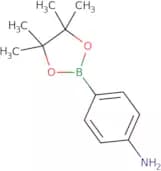
CAS:<p>Butyl acetate is a reactive solvent that has been used in wastewater treatment. It has also been proposed as an analytical method for the determination of the concentration of butyl ester in mixtures. In this technique, a constant pressure is maintained until the butyl ester is released from the sample matrix and enters into a gas phase. The gas phase is then drawn into a solid-phase microextraction (SPME) fiber and analyzed by gas chromatography/mass spectrometry. Butyl acetate has limited solubility in water, which limits its practical use as a solvent. However, it can be mixed with other solvents such as ethanoate or n-butyl acetate to produce solutions that are more easily soluble in water. The structural analysis of butyl acetate was carried out using infrared spectroscopy and nuclear magnetic resonance (NMR).</p>Formula:C6H12O2Purity:Min. 95%Color and Shape:Clear LiquidMolecular weight:116.16 g/mol(4-Aminophenyl)boronic acid pinacol ester
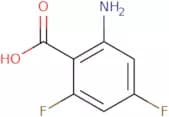
CAS:<p>(4-Aminophenyl)boronic acid pinacol ester is a semiconducting material that can be used in thin film devices. It has been shown to be a good candidate for transistor and device applications due to its high yield, low cost, and high stability. This compound can also be used to modify the structure of other compounds through substitution reactions. (4-Aminophenyl)boronic acid pinacol ester has been synthesized from inexpensive starting materials, such as triphenylamine and amines.</p>Formula:C12H18BNO2Purity:Min. 95%Color and Shape:White PowderMolecular weight:219.09 g/mol2-Amino-4,6-difluorobenzoic acid
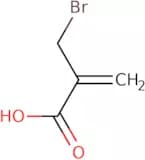
CAS:<p>Please enquire for more information about 2-Amino-4,6-difluorobenzoic acid including the price, delivery time and more detailed product information at the technical inquiry form on this page</p>Formula:C7H5F2NO2Purity:Min. 95%Molecular weight:173.12 g/mol2-(Bromomethyl)acrylic acid
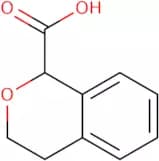
CAS:<p>2-(Bromomethyl)acrylic acid is a monomer that has been synthesized from bromoacetic acid and acrylic acid. It is an efficient method for the synthesis of 2-bromoethyl acrylate, which can be used as a precursor for polyurethanes and other polymers. The 2-bromoethyl acrylate can be obtained through allylation with ethylene glycol, followed by hydrolysis to produce acrylic acid. This monomer reacts with free hydroxyl groups to form esters and ethers. It also reacts with nitrogen atoms to form amides or nitriles. Cell culture studies have shown that this compound has no toxic effects on human erythrocytes or hepatocytes.</p>Formula:C4H5BrO2Purity:Min. 95%Color and Shape:PowderMolecular weight:164.99 g/mol3,4-Dihydro-1H-isochromene-1-carboxylic acid
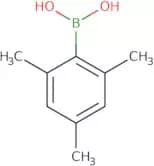
CAS:<p>3,4-Dihydro-1H-isochromene-1-carboxylic acid is a pyridine derivative that has been used as an intermediate in the synthesis of other compounds. 3,4-Dihydro-1H-isochromene-1-carboxylic acid is a weak acid that can be prepared by the reaction of 3,4-dihydroisoquinoline with chloroform and hydrochloric acid. It is also synthesized from 1,4 benzodioxane and phenylacetic acid. This compound has been used to prepare amides, amidines, and ureas. 3,4-Dihydroisoquinoline is also used as a precursor for the synthesis of pyridinium salts.</p>Formula:C10H10O3Purity:Min. 95%Molecular weight:178.18 g/molMesitylboronic acid
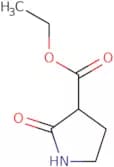
CAS:<p>Mesitylboronic acid is a divalent organoboron compound with the molecular formula CHB(O)OH. It is a white solid that is soluble in organic solvents, but not water. Mesitylboronic acid has been used for the palladium-catalyzed cross-coupling of aryl halides and vinylogous esters, yielding substituted pyridines. Mesitylboronic acid also catalyzes the Suzuki coupling reaction of aryl boronic acids and alkenes, producing substituted indoles. This compound has diagnostic applications due to its ability to form a fluorescent complex with certain metal ions. It also plays an important role in insulin resistance due to its ability to form cross-couplings with unsymmetrical boron compounds.</p>Formula:C9H13BO2Purity:Min. 95%Molecular weight:164.01 g/mol2-Oxopyrrolidine-3-carboxylic acid ethyl ester
CAS:<p>Please enquire for more information about 2-Oxopyrrolidine-3-carboxylic acid ethyl ester including the price, delivery time and more detailed product information at the technical inquiry form on this page</p>Formula:C7H11NO3Purity:Min. 95%Molecular weight:157.17 g/molAntimony(III) acetate
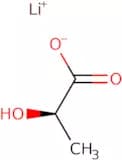
CAS:<p>Antimony(III) acetate is a catalyst that is used in glycol esters and other organic reactions. It has been shown to have an activity index of 1.2-1.5, which means it can be used in place of antimony trioxide for many purposes. The chemical species is the film-forming polymer with particle size between 0.2-0.4 microns and a hydroxide solution of pH 3-6. Antimony(III) acetate can be used in the production of polymers with high viscosity, such as polyester, polyurethane, or polyethylene terephthalate (PET). This catalyst also reacts with hydrochloric acid or trifluoroacetic acid to produce a polymer film that is used in various applications such as coatings and adhesives.br>br> The following are some common uses for this product:</p>Formula:C6H12O6•SbPurity:Min. 95%Color and Shape:PowderMolecular weight:301.92 g/molD-Lactic acid lithium
CAS:<p>D(+)-Lactic acid lithium salt is a dipolar molecule with an activation energy of about 44 kJ/mol. It has been studied by NMR techniques and found to have a resonance in the range of 1.8-2.0 ppm, which is characteristic of protons on the oxygen atom. The proton magnetic resonance (PMR) study showed that the d-lactate resonances were very broad and shifted to higher frequencies, whereas the l-lactate resonances were sharp and shifted to lower frequencies. This may be due to the different number of protons on each type of lactate molecule. The magnetic resonance (NMR) study showed that lithium salt was a radical with a spin density distribution around 2.6 ppm in the nmr spectrum.</p>Formula:C3H6O3•LiPurity:Min. 95%Color and Shape:PowderMolecular weight:97.02 g/molDelta-9(11)-Fluorometholone acetate
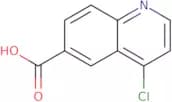
CAS:Controlled Product<p>Please enquire for more information about Delta-9(11)-Fluorometholone acetate including the price, delivery time and more detailed product information at the technical inquiry form on this page</p>Formula:C24H30O4Purity:Min. 95%Molecular weight:382.49 g/mol4-Chloroquinoline-6-carboxylicacid
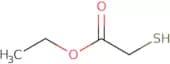
CAS:<p>Please enquire for more information about 4-Chloroquinoline-6-carboxylicacid including the price, delivery time and more detailed product information at the technical inquiry form on this page</p>Formula:C10H6ClNO2Purity:Min. 95%Molecular weight:207.61 g/molEthyl mercaptoacetate
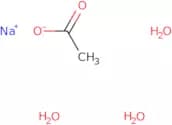
CAS:<p>Ethyl mercaptoacetate (EM) is a metabolite of ethyl diazoacetate (EDA) that reacts with nucleophilic groups such as hydroxyl, amino, and thiol groups. It binds to the receptor binding sites of an enzyme that is involved in inflammatory diseases. EM has been shown to have inhibitory effects on the activity of this enzyme and may be used for the treatment of inflammatory diseases. EM also inhibits the production of epoxides by acting as an alkylating agent on protein cysteine residues. This reaction leads to changes in the nmr spectra which can be used for identification purposes.</p>Formula:C4H8O2SPurity:Min. 95%Molecular weight:120.17 g/molSodium acetate trihydrate
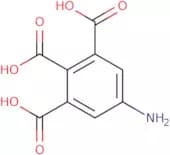
CAS:<p>Sodium acetate trihydrate is a salt that is used in the production of sodium salts and surface methodology, as well as in analytical methods. It is also used to prepare anhydrous sodium. Sodium acetate trihydrate can be used as a cell lysis agent for water vapor.</p>Formula:CH3COONa·3H2OPurity:Min. 95%Color and Shape:White/Off-White SolidMolecular weight:136.08 g/mol1-Aminobenzene-3,4,5-tricarboxylic acid
CAS:<p>1-Aminobenzene-3,4,5-tricarboxylic acid is a transport inhibitor that is used to block the uptake of 1-aminobenzene by cells. It has been shown to have a diameter of 6 nm and chemical stability. This substance can be dissolved in water, alcohols, and polar organic solvents. The particles are spherical with an average size of 10 nm. This compound exhibits strong absorption in the ultraviolet region. It is fluorescent and has high fluorescence properties. 1-Aminobenzene-3,4,5-tricarboxylic acid can enter cells through passive diffusion or active transport mechanisms. It binds to metal ions and multi-walled carbon nanotubes which can be used for uv irradiation.</p>Formula:C9H7NO6Purity:Min. 95%Color and Shape:PowderMolecular weight:225.16 g/mol4-(2-Chlorophenyl)-9-methyl-6H-thieno[3,2-f][1,2,4]triazolo[4,3-a][1,4]diazepine-2-propanoic acid methyl ester
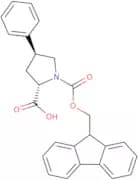
CAS:Controlled Product<p>Please enquire for more information about 4-(2-Chlorophenyl)-9-methyl-6H-thieno[3,2-f][1,2,4]triazolo[4,3-a][1,4]diazepine-2-propanoic acid methyl ester including the price, delivery time and more detailed product information at the technical inquiry form on this page</p>Formula:C19H17ClN4O2SPurity:Min. 95%Molecular weight:400.88 g/molFmoc-(2S,4S)-4-phenylpyrrolidine-2-carboxylic acid
CAS:<p>Please enquire for more information about Fmoc-(2S,4S)-4-phenylpyrrolidine-2-carboxylic acid including the price, delivery time and more detailed product information at the technical inquiry form on this page</p>Formula:C26H23NO4Purity:Min. 95%Molecular weight:413.47 g/mol3,4-Dihydroisoquinolin-2(1H)-ylacetic acid
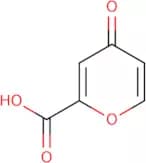
CAS:<p>3,4-Dihydroisoquinolin-2(1H)-ylacetic acid is a chemical compound with the molecular formula of C8H11NO2. It is a useful scaffold for the synthesis of complex compounds and research chemicals. 3,4-Dihydroisoquinolin-2(1H)-ylacetic acid is also a versatile building block for the preparation of fine chemicals. It is used as a reaction component in many organic reactions and can be used as a speciality chemical or reagent due to its high quality.</p>Formula:C11H13NO2Purity:Min. 95%Color and Shape:PowderMolecular weight:191.23 g/molComanic acid
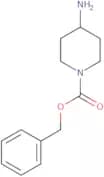
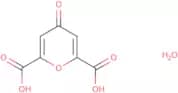
CAS:<p>Comanic acid is an organic compound that is a derivative of pyridinium. It can be synthesized from acetyl chloride and pyridine by reaction with silver ions in the presence of ethyl esters. Comanic acid has been shown to have anticholinergic activity and inhibit prostatic hypertrophy in rats. It is metabolized to propantheline, which has been shown to be a molecule that binds to chemokine receptors, inhibiting chemotaxis of activated T lymphocytes.</p>Formula:C6H4O4Purity:Min. 95%Color and Shape:White To Yellow To Red SolidMolecular weight:140.09 g/molBenzyl 4-aminopiperidine-1-carboxylate
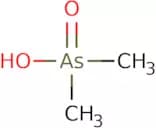
CAS:<p>Please enquire for more information about Benzyl 4-aminopiperidine-1-carboxylate including the price, delivery time and more detailed product information at the technical inquiry form on this page</p>Formula:C13H18N2O2Purity:Min. 95%Color and Shape:PowderMolecular weight:234.29 g/molCacodylic acid
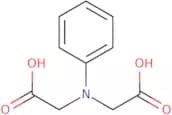
CAS:<p>Cacodylic acid is a white to brown crystalline powder that is soluble in water. It has been used as an analytical reagent, polymerase chain reaction (PCR) inhibitor, and skin cancer treatment. Cacodylic acid inhibits the activity of the bacterial enzyme activities in humans and other mammals. The mechanism of action of cacodylic acid is not completely understood but it appears that it binds to inorganic iron and blocks its availability for use by bacterial enzymes such as dihydropteroate synthase, which is required for DNA synthesis. This leads to cell death. Cacodylic acid has also been shown to inhibit the growth of human HL-60 cells in vitro, suggesting that it may have carcinogenic potential.</p>Formula:C2H7AsO2Purity:Min. 95%Color and Shape:PowderMolecular weight:138 g/molN-Phenyliminodiacetic acid
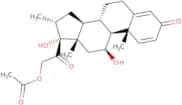
CAS:<p>N-Phenyliminodiacetic acid (NPD) is an organic acid that functions as a monomer and polymerization initiator in polyanhydrides. It has been shown to function as a redox potential sensor, having a strong response to changes in the environment. NPD has been shown to be sensitive to reactive oxygen species, such as HCl, which can affect its fluorescence properties. This compound is also active against aneurysms and has been used in simulations of these lesions. NPD also chelates with metal ions and can be used in the treatment of heavy metal poisoning.</p>Formula:C10H11NO4Purity:Min. 95%Molecular weight:209.2 g/mol16a-Methyl prednisolone 21-acetate
CAS:Controlled Product<p>Please enquire for more information about 16a-Methyl prednisolone 21-acetate including the price, delivery time and more detailed product information at the technical inquiry form on this page</p>Formula:C24H32O6Purity:Min. 95%Molecular weight:416.51 g/molChelidonic acid monohydrate
CAS:<p>Chelidonic acid monohydrate is an organometallic compound that can be synthesized by reacting 4-hydroxybenzoic acid with an organometallic reagent. Chelidonic acid monohydrate has antihypertensive activity and is used in the treatment of viral infections. Chelidonic acid monohydrate has a hydroxy group on the skeleton, which is a molecule that contains two or more amino groups. It also has a carboxylic group and alkynyl group, which are both organic functional groups that contain at least one carbon atom bonded to a hydroxyl group. Chelidonic acid monohydrate is a metal complex with calixarenes as ligands, which are heterocycles that have six members in their ring system. Chelidonic acid monohydrate is also cisplatin-resistant and can be used for the treatment of cancers such as breast cancer and leukemia.</p>Purity:Min. 95%2-Diethylaminoethyl 1-cyclohexylcyclohexane-1-carboxylate hydrochloride
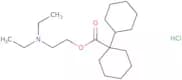
CAS:<p>2-Diethylaminoethyl 1-cyclohexylcyclohexane-1-carboxylate hydrochloride is a methyltransferase inhibitor that blocks the synthesis of monoethyl ether, which is used to synthesize dicyclomine. It has been shown to be effective in vitro against biological samples such as rat liver and blood cells. 2-Diethylaminoethyl 1-cyclohexylcyclohexane-1-carboxylate hydrochloride also has been shown to have a pharmacological effect on rats with bowel disease, congestive heart failure, and crystalline cellulose. The chemical structure of 2-Diethylaminoethyl 1-cyclohexylcyclohexane-1-carboxylate hydrochloride is similar to that of phosphorus pentoxide, which makes it difficult for this drug to cross the blood brain barrier.</p>Formula:C19H36ClNO2Purity:Min. 95%Molecular weight:345.95 g/molEthyl (3R,4S,5S)-4,5-epoxy-3-(1-ethylpropoxy)cyclohex-1-ene-1-carboxylate
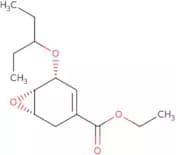
CAS:<p>Please enquire for more information about Ethyl (3R,4S,5S)-4,5-epoxy-3-(1-ethylpropoxy)cyclohex-1-ene-1-carboxylate including the price, delivery time and more detailed product information at the technical inquiry form on this page</p>Formula:C14H22O4Purity:Min. 95%Molecular weight:254.32 g/mol2-(Chloromethyl)benzoic acid
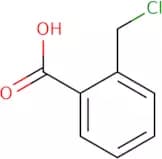
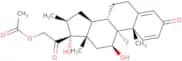
CAS:<p>2-(Chloromethyl)benzoic acid (CMBA) is a reactive chemical that can be used as an oxidant or a carbanion. CMBA is activated by sulfinyl, alicyclic, and sulfoxides, which are organic compounds with one or more sulfur atoms. These reactions may be either alkylation or condensation reactions. The activated CMBA can then react with chlorine to form chlorinated products. This reaction can be catalyzed by low energy sources, such as light or heat.</p>Formula:C8H7ClO2Purity:Min. 95%Color and Shape:PowderMolecular weight:170.59 g/molBetamethasone 21-acetate
CAS:<p>Betamethasone 21-acetate is a potent corticosteroid that is effective in the treatment of inflammatory conditions, such as asthma and arthritis. It also helps to reduce the symptoms of inflammatory skin diseases, including atopic dermatitis, contact dermatitis, and psoriasis. Betamethasone 21-acetate is used to treat perinatal complications such as preterm labor and neonatal respiratory distress syndrome. This drug has been shown to have a low cardiac effect when administered at a low dose (1 mg/kg). The stability of betamethasone 21-acetate in blood samples is increased by adding benzalkonium chloride or trifluoroacetic acid. Betamethasone 21-acetate has been shown to be absorbed rapidly from the gastrointestinal tract and distributed widely throughout the body. It binds to plasma proteins and has a short elimination half-life of 1.5 hours.</p>Formula:C24H31FO6Purity:Min. 95%Color and Shape:PowderMolecular weight:434.5 g/mol(5-bromo-2-fluorophenyl)boronic Acid
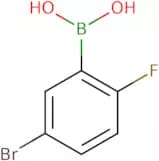
CAS:<p>5-Bromo-2-fluorophenyl)boronic acid is a synthetic chemical that is used in the synthesis of pharmaceuticals and pesticides. This compound is an inhibitor of bace1, which is an enzyme involved in the production of amyloid beta peptide (Aβ) and other proteins implicated in Alzheimer's disease. 5-Bromo-2-fluorophenyl)boronic acid has been shown to be effective at reducing Aβ levels in mice with Alzheimer's disease. It also inhibits pyrethroid, a pesticide that is used on crops to control insects, by binding to the active site of the enzyme. 5-Bromo-2-fluorophenyl)boronic acid has been evaluated for use as a cancer treatment, but these studies have not been completed.</p>Formula:C6H5BBrFO2Purity:Min. 95%Molecular weight:218.82 g/moltert-Butyl 4-(6-aminopyridin-3-yl)piperazine-1-carboxylate
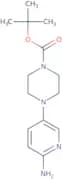
CAS:<p>tert-Butyl 4-(6-aminopyridin-3-yl)piperazine-1-carboxylate is an organic compound that can be synthesized by the reduction of 5-bromo-2-nitro pyridine with a palladium catalyst. It has been shown to inhibit the growth of cancer cells in vitro and in vivo, and is being investigated as a potential treatment for breast cancer.</p>Formula:C14H22N4O2Purity:Min. 95%Molecular weight:278.35 g/moltert-Butyl azetidine-3-carboxylate
CAS:<p>Please enquire for more information about tert-Butyl azetidine-3-carboxylate including the price, delivery time and more detailed product information at the technical inquiry form on this page</p>Formula:C8H15NO2Purity:Min. 95%Molecular weight:157.21 g/mol(3-Acetyl-1H-indol-1-yl)acetic acid
CAS:Controlled Product<p>Please enquire for more information about (3-Acetyl-1H-indol-1-yl)acetic acid including the price, delivery time and more detailed product information at the technical inquiry form on this page</p>Formula:C12H11NO3Purity:Min. 95%Molecular weight:217.22 g/mol4'-[[1,4'-Dimethyl-2'-propyl(2,6'-bi-1H-benzimidazol)-1'-yl]-methyl]-1,1'-biphenyl-2-carboxylicacid 1,1-dimethylethylester
CAS:<p>4'-[[1,4'-Dimethyl-2'-propyl(2,6'-bi-1H-benzimidazol)-1'-yl]-methyl]-1,1'-biphenyl-2-carboxylic acid 1,1-dimethylethyl ester (DMBPC) is a drug substance that is used in the manufacture of solid oral dosage forms. It has been shown to be present at low levels as an impurity in other drug substances. The presence of this impurity has been shown to cause problems with the chromatographic and hplc methods used for its quantification. The following are some important aspects of DMBPC: A. Impurities: The purity of DMBPC is 98%. The impurity profile includes 6% 2-propylbenzimidazole (2PB), 3% 4'-[[2-(6' -methoxycarbony</p>Formula:C37H38N4O2Purity:Min. 95%Molecular weight:570.72 g/mol5-(Aminomethyl)-2-furoic acid hydrochloride
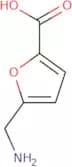
CAS:<p>5-(Aminomethyl)-2-furoic acid hydrochloride is a molecule that belongs to the group of carboxylates. It has a molecular weight of 191.2 g/mol and a chemical formula of CHNO. The structure of 5-(aminomethyl)-2-furoic acid hydrochloride is similar to that of hexamethylenetetramine, a common organic compound with the formula (CH)N(H)CH. 5-(Aminomethyl)-2-furoic acid hydrochloride can be used as an acceptor in hydrogen chloride gas generation reactions, which are used in the synthesis of some pharmaceutical drugs and other organic compounds. The molecule also has potential use in telomerase research because it is structurally similar to natural telomeres. In addition, this molecule has been shown to have anti-inflammatory properties due to its ability to inhibit prostaglandin synthesis.</p>Formula:C6H7NO3Purity:Min. 95%Molecular weight:141.12 g/mol4-Aminobicyclo[2.2.2]octane-1-carboxylic acid methyl ester
CAS:<p>Please enquire for more information about 4-Aminobicyclo[2.2.2]octane-1-carboxylic acid methyl ester including the price, delivery time and more detailed product information at the technical inquiry form on this page</p>Formula:C10H17NO2Purity:Min. 95%Molecular weight:183.25 g/mol5-Bromo-1-methyl-1H-indole-3-carboxylic acid
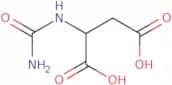
CAS:Controlled Product<p>Please enquire for more information about 5-Bromo-1-methyl-1H-indole-3-carboxylic acid including the price, delivery time and more detailed product information at the technical inquiry form on this page</p>Formula:C10H8BrNO2Purity:Min. 95%Molecular weight:254.08 g/molN-(Aminocarbonyl)aspartic acid
CAS:<p>N-Aminocarbonyl-L-aspartic acid (NACD) is a molecule that is found in urine samples. It can be used as a biomarker to detect cancer, HIV infection, and many other diseases. The presence of NACD has been correlated with the development of acidosis, which is characterized by an increase in the pH of body fluids. The following are a few examples of how this product might be described on an eCommerce site: Rifapentine is an anti-tuberculosis drug that belongs to the class of rifamycins. It is the most active of the rifamycins for the treatment of tuberculosis. Rifapentine inhibits bacterial growth by binding to DNA-dependent RNA polymerase, thereby preventing transcription and replication. The high frequency of human activity has been shown using a patch-clamp technique on human erythrocytes. This active form is metabolized through</p>Formula:C5H8N2O5Purity:Min. 95%Color and Shape:PowderMolecular weight:176.13 g/molRibonucleic acid free acid
CAS:<p>Ribonucleic acid free acid (ribo-FAA) is a derivative of the immunosuppressive drug rapamycin. It is an immunosuppressant that inhibits the immune system by binding to a protein called FKBP12, which is involved in the activation of T cells and other immune system cells. Ribo-FAA has been shown to be effective in treating HIV patients undergoing active antiretroviral therapy, as well as for treatment of other infectious diseases such as tuberculosis or leishmaniasis. Ribo-FAA binds to FKBP12 and prevents it from activating T cells or other immune system cells, which leads to suppression of the immune response.</p>Purity:Min. 95%Color and Shape:Yellow PowderZ-α-aminoisobutyric acid
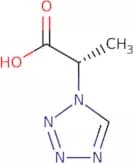
CAS:<p>Z-alpha-aminoisobutyric acid is an amide with a conformational pattern that resembles the alpha-helix. It has been shown to inhibit the formation of oligomers, which are aggregates of peptides and proteins, in the gas phase. Z-alpha-aminoisobutyric acid also stabilizes peptides and proteins in aqueous solution by preventing them from forming intramolecular hydrogen bonds. The infrared spectroscopy shows that z-alpha-aminoisobutyric acid is a conformer with a dihedral angle of about 120 degrees.</p>Formula:C12H15NO4Purity:Min. 95%Molecular weight:237.25 g/mol(2S)-2-(1H-Tetrazol-1-yl)propanoic acid
CAS:<p>Please enquire for more information about (2S)-2-(1H-Tetrazol-1-yl)propanoic acid including the price, delivery time and more detailed product information at the technical inquiry form on this page</p>Formula:C4H6N4O2Purity:Min. 95%Molecular weight:142.12 g/molZiconotide acetate
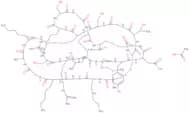
CAS:Controlled Product<p>Ziconotide acetate is a polymer conjugate of ziconotide and goserelin acetate. It is used to treat severe chronic pain in patients who have not responded to other treatments, such as opioids or local anesthetics. Ziconotide acetate is administered by injection into the intrathecal space, where it acts on nerve cells in the dorsal horn of the spinal cord. The drug is slowly released from the polymer conjugate over time, which effectively reduces its irritant effects. It also has low solubility in water, which helps reduce its rate of clearance from the body. The active substances in this drug are ziconotide and goserelin acetate, both of which have been shown to be effective for treating chronic pain. Ziconotide acetate has also been shown to cause a decrease in blood levels of cholesterol and lipoproteins, although this effect may be due to goserelin acetate rather than ziconotide itself.</p>Formula:C102H172N36O32S7C2H4O2Purity:Min. 95%Molecular weight:2,699.19 g/mol4-(4-Hydroxymethyl-3-methoxyphenoxy)-butyric acid
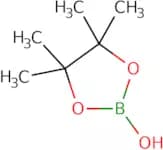
CAS:Controlled Product<p>4-(4-Hydroxymethyl-3-methoxyphenoxy)-butyric acid (HMPA) is a synthetic compound that is used in the production of butyric acid. It is also used as a reagent in the preparation of enzymes and enzyme preparations, such as serine proteases. HMPA has been used as an intermediate in the synthesis of ribulose, which is a sugar molecule found in plants. The structure of this compound can be determined by FTIR spectroscopy and by X-ray crystallography. HMPA has been shown to have hydrogen bonding between its molecules, which may account for its stability. Hydrogen bonding accounts for the solidity of this compound and its resistance to heat and solvents.</p>Formula:C12H16O5Purity:Min. 95%Molecular weight:240.25 g/molBoric acid, pinacol ester
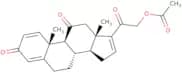
CAS:<p>Boric acid, pinacol ester (BP) is a chemical compound that inhibits the 5-HT7 receptor. BP has been shown to be an inhibitor of growth factor and is used to treat autoimmune diseases. BP inhibits the formation of a copper complex with the BCR-ABL kinase, which is associated with chronic myeloid leukemia. It also inhibits epidermal growth factor and has been shown to have anti-inflammatory properties in eye disorders. BP has a chemical stability that is greater than other inhibitors of 5-HT7 receptors, due to its hydroxyl group and nitrogen atoms. BP can be synthesized using a Suzuki coupling reaction as well as an optical sensor for monitoring the reaction rate. It has been found to be effective in treating hyperproliferative disease such as cancerous tumors and fibrosis.</p>Formula:C6H13BO3Purity:Min. 95%Molecular weight:143.98 g/mol21-Hydroxy-pregna-1,4,16-triene-3,11,20-trione 21-acetate
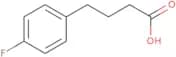
CAS:Controlled Product<p>Please enquire for more information about 21-Hydroxy-pregna-1,4,16-triene-3,11,20-trione 21-acetate including the price, delivery time and more detailed product information at the technical inquiry form on this page</p>Formula:C23H26O5Purity:Min. 95%Molecular weight:382.45 g/mol4-(4-fluorophenyl)butanoic Acid
CAS:<p>Please enquire for more information about 4-(4-fluorophenyl)butanoic Acid including the price, delivery time and more detailed product information at the technical inquiry form on this page</p>Formula:C10H11FO2Purity:Min. 95%Molecular weight:182.19 g/molIsobutyl acetate
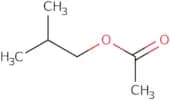
CAS:<p>Isobutyl acetate is an organic compound that is used in the synthesis of other chemicals and as a solvent. Isobutyl acetate is synthesized by reacting ethyl decanoate with water vapor, a reaction that requires constant pressure. The product of this reaction has a fatty acid chain with a hydroxyl group on the third carbon atom. This hydroxyl group reacts with caproic acid to form an ester. Isobutyl acetate is acidic, which can be seen in its biochemical properties. It also has an acidic complex, which consists of the conjugated carboxylic acid and the hydroxyl group. The methyl ethyl group is connected to the second carbon atom from the alcohol group. Wild-type strains have been shown to be more reactive than mutants, so Isobutyl acetate is reactive when it interacts with certain substances.</p>Formula:C6H12O2Purity:Min. 95%Color and Shape:Clear LiquidMolecular weight:116.16 g/molHydroxymethanesulfinic acid monosodium salt dihydrate
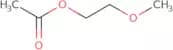
CAS:<p>Hydroxymethanesulfinic acid monosodium salt dihydrate (HMSD) is a chemical that can be used to remove sulfoxylate and formaldehyde in wastewater. It can also be used as a polymerization catalyst, an activator for epoxy resins, and as a stabilizer of glycol ethers. HMSD is formed by the reaction of methyl ethyl sulfoxide with copper chloride. This chemical has been shown to have thermal expansion properties and high chemical stability, making it useful for industrial processes involving polymerization or glycol esters.</p>Formula:CH3NaO3S·2H2OPurity:Min. 95%Color and Shape:White/Off-White SolidMolecular weight:154.12 g/molEthylene glycol monomethyl ether acetate
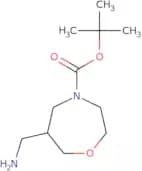
CAS:<p>Ethylene glycol monomethyl ether acetate (EMEA) is a solvent that is used for the extraction of organic compounds in the laboratory. It can be used to extract fatty acids from animal tissue or to isolate DNA from blood samples. EMEA is also used as a solvent in analytical methods such as gas chromatography and high-performance liquid chromatography. This compound is mainly used as an inorganic acid, but it can also be used as a nitrogen source for some chemical reactions. EMEA reacts with light exposure, which makes it a potent inducer of chemical reactions. The hydrolysis reaction of EMEA by hydrochloric acid yields glycol ethers and diethyl succinate.</p>Formula:C5H10O3Purity:Min. 95%Molecular weight:118.13 g/moltert-Butyl 6-(aminomethyl)-1,4-oxazepane-4-carboxylate
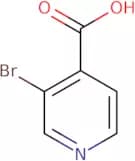
CAS:<p>Please enquire for more information about tert-Butyl 6-(aminomethyl)-1,4-oxazepane-4-carboxylate including the price, delivery time and more detailed product information at the technical inquiry form on this page</p>Formula:C11H22N2O3Purity:Min. 95%Molecular weight:230.3 g/mol3-Bromo-4-pyridinecarboxylic acid
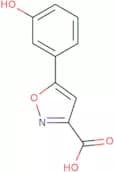
CAS:<p>3-Bromo-4-pyridinecarboxylic acid is a naphthyridine derivative that is used in drug development. It is a crystalline solid that can be dissolved in organic solvents. 3-Bromo-4-pyridinecarboxylic acid has been shown to have antiinflammatory properties and can be used as an oxidant. 3-Bromo-4-pyridinecarboxylic acid is being investigated as a receptor subtype for inflammatory diseases, and it has also been used to study the mechanism of chronic inflammatory diseases.</p>Formula:C6H4BrNO2Purity:Min. 95%Molecular weight:202.01 g/mol5-(3-Hydroxyphenyl)isoxazole-3-carboxylic acid
CAS:<p>Please enquire for more information about 5-(3-Hydroxyphenyl)isoxazole-3-carboxylic acid including the price, delivery time and more detailed product information at the technical inquiry form on this page</p>Formula:C10H7NO4Purity:Min. 95%Molecular weight:205.17 g/molL-(2S,3aS,7aS)-Octahydro-1H-indole-2-carboxylic acid benzyl ester tosylate salt
CAS:<p>Please enquire for more information about L-(2S,3aS,7aS)-Octahydro-1H-indole-2-carboxylic acid benzyl ester tosylate salt including the price, delivery time and more detailed product information at the technical inquiry form on this page</p>Formula:C23H29NO5SPurity:Min. 95%Molecular weight:431.55 g/moltert-Butyl 2,7-diazaspiro[3.5]nonane-7-carboxylate
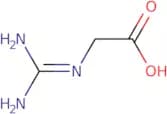
CAS:<p>Please enquire for more information about tert-Butyl 2,7-diazaspiro[3.5]nonane-7-carboxylate including the price, delivery time and more detailed product information at the technical inquiry form on this page</p>Formula:C12H22N2O2Purity:Min. 95%Molecular weight:226.32 g/molGuanidinoacetic acid
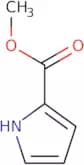
CAS:<p>Guanidinoacetic acid is a metabolite of creatine and is formed by reaction with the amino acid arginine. It is also synthesized from guanidinoacetate, which is derived from the oxidation of arginine. Guanidinoacetic acid can be found in human serum and eye disorders such as glaucoma. The analytical method for guanidinoacetic acid involves the conversion of guanidine to guanidinoacetic acid using nitrous acid, followed by gas chromatographic separation of the products. The concentration of guanidinoacetic acid in human serum has been shown to have an inverse relationship with body mass index (BMI). This means that people with a higher BMI have lower levels of guanidinoacetic acids in their blood than those who are thinner. Guanidinoacetate has also been shown to increase energy metabolism and inhibit glycolysis in humans.</p>Formula:C3H7N3O2Purity:Min. 95%Molecular weight:117.11 g/mol1H-Pyrrole-2-carboxylic acid, methyl ester
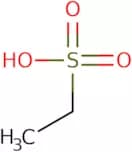
CAS:<p>1H-Pyrrole-2-carboxylic acid, methyl ester is a catalytic asymmetric reagent that can be used to produce chiral derivatives from simple substrates. It has been shown to be effective in the Friedel-Crafts reaction and Wolff-Kishner reduction. The catalyst forms a bond with the carbonyl group of the reactant, which is then cleaved by chloride ions. The reaction time depends on the type of metal halide and solvent used. 1H-Pyrrole-2-carboxylic acid, methyl ester also reacts with acetyl or alkyl groups at low temperatures to form acetate or alkylate products.</p>Formula:C6H7NO2Purity:Min. 95%Molecular weight:125.13 g/molEthanesulfonic acid - 70% aqueous solution
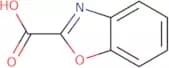
CAS:<p>Ethanesulfonic acid is a highly reactive and readily available chemical that has been investigated for the treatment of cancer. It has shown to be effective as an adjuvant in the treatment of bowel disease and radiation therapy. Ethanesulfonic acid is also used as an antimicrobial agent and disinfectant. This chemical can be used to produce polymers with glycol ethers, coumarin derivatives, and dextran sulfate for use in biological samples such as blood or urine. Ethanesulfonic acid is a potent inhibitor of the polymerase chain reaction (PCR). The inhibition of PCR may be due to its ability to inhibit enzyme activities involved in DNA synthesis, including dinucleotide phosphate enzymes and glycol-ether-sensitive enzymes.</p>Formula:C2H6O3SPurity:Min. 95%Color and Shape:Colourless To Pale Yellow Clear LiquidMolecular weight:110.13 g/molcBenzooxazole-2-carboxylic acid
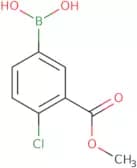
CAS:<p>Benzooxazole-2-carboxylic acid is a chemical compound that has been studied for its potential in the treatment of cancer. It has been shown to bind to estrogen receptors and inhibit the growth of cancer cells. This anti-cancer agent also inhibits the growth of bacteria by binding to metal ions, such as chloride, which are needed for bacterial growth. Benzooxazole-2-carboxylic acid is excreted via urine, which can lead to kidney damage if taken in high doses.</p>Formula:C8H5NO3Purity:Min. 95%Molecular weight:163.13 g/mol(4-Chloro-3-(methoxycarbonyl)phenyl)boronic acid
CAS:<p>Please enquire for more information about (4-Chloro-3-(methoxycarbonyl)phenyl)boronic acid including the price, delivery time and more detailed product information at the technical inquiry form on this page</p>Formula:C8H8BClO4Purity:Min. 95%Molecular weight:214.41 g/mol[2-(4-Chlorophenyl)-1,3-thiazol-4-yl]acetic acid
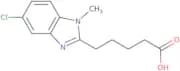
CAS:<p>[2-(4-Chlorophenyl)-1,3-thiazol-4-yl]acetic acid is a potent antimicrobial agent that inhibits the growth of bacteria by binding to the 50S ribosomal subunit. It has shown antiinflammatory properties in animal models of bowel disease, skin cancer, and autoimmune diseases. This drug has also been shown to have no observable toxicity in humans at doses up to 5000 mg/day for 28 days. The drug binds to a number of enzymes including reactive oxygen species (ROS) scavengers and metabolic enzymes. There are no known drug interactions with this drug and it can be used safely with other nonsteroidal antiinflammatory drugs (NSAIDs).</p>Formula:C11H8ClNO2SPurity:Min. 95%Molecular weight:253.71 g/mol5-(5-Chloro-1-methyl-1H-benzimidazol-2-yl)pentanoic acid
CAS:Controlled Product<p>Please enquire for more information about 5-(5-Chloro-1-methyl-1H-benzimidazol-2-yl)pentanoic acid including the price, delivery time and more detailed product information at the technical inquiry form on this page</p>Formula:C13H15ClN2O2Purity:Min. 95%Molecular weight:266.72 g/molDimethyl 7,7'-dimethoxy-[4,4'-bibenzo[d][1,3]dioxole]-5,5'-dicarboxylate
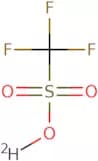
CAS:<p>Dimethyl 7,7'-dimethoxy-[4,4'-bibenzo[d][1,3]dioxole]-5,5'-dicarboxylate is a biocompatible polymer that can be used in the treatment of liver injury. It has been shown to have an inhibitory effect on hepatic enzyme activities and synchronous fluorescence. Dimethyl 7,7'-dimethoxy-[4,4'-bibenzo[d][1,3]dioxole]-5,5'-dicarboxylate can be used as a matrix for curcuma aromatica to remove wastewater contaminants. This polymer also has the ability to inhibit monoethyl ether-induced liver injury in low-dose groups and reduce hepatitis B virus replication.</p>Formula:C20H18O10Purity:Min. 95%Molecular weight:418.35 g/molTrifluoromethanesulfonic acid-D
CAS:Controlled Product<p>Triflic acid is a strong acid that reacts with nucleophiles such as water, alcohols, and amines. It is used in organic synthesis for desulfurization reactions, for example to convert thiophene to benzothiophene. Triflic acid is a synthetic chemical that is prepared by the reaction of sulfur trioxide with chlorotrifluoroethanesulfonyl fluoride. The protonation of the triflic acid molecule generates a sulfide anion. This anion then reacts with a nucleophile (e.g., chloride ion) to generate a chloride anion and regenerate the triflic acid molecule, which can then react again with another nucleophile. The reaction mechanism is shown below: HSOClF + NH3 → HSOClF + NH2Cl HSOClF + Cl- → HSO-Cl- + Cl The reaction mechanism for this process is shown below: HSOCl</p>Formula:CDF3O3SPurity:Min. 95%Color and Shape:Clear LiquidMolecular weight:151.08 g/molMethyl 6-methyl-2-oxo-4-phenyl-1,2,3,4-tetrahydropyrimidine-5-carboxylate
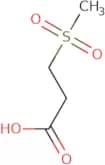
CAS:<p>Please enquire for more information about Methyl 6-methyl-2-oxo-4-phenyl-1,2,3,4-tetrahydropyrimidine-5-carboxylate including the price, delivery time and more detailed product information at the technical inquiry form on this page</p>Formula:C13H14N2O3Purity:Min. 95%Molecular weight:246.26 g/mol3-(Methylsulfonyl)propanoic acid
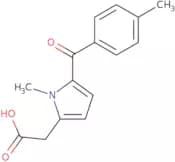
CAS:<p>3-(Methylsulfonyl)propanoic acid is a polynucleotide that is used in sequencing reactions. It has been shown to bind to the protein Smegmatis and increase the rate of the polymer composition. 3-(Methylsulfonyl)propanoic acid has also been shown to have a structural similarity with porins, which are proteins that form pores in cell membranes for ion transport. 3-methylsulfanylpropanoic acid binds to porins by coordinating geometry, allowing it to be transported into cells. The 6-Fluoro-3-indoxyl-beta-D-galactopyranoside is an antituberculosis drug that belongs to the class of rifamycins. Rifapentine inhibits bacterial growth by binding to DNA-dependent RNA polymerase, thereby preventing transcription and replication. The high frequency of human activity has been shown using a patch-clamp technique on human ery</p>Formula:C4H8O4SPurity:Min. 95%Molecular weight:152.17 g/mol2-(1-Methyl-5-(4-methylbenzoyl)-1H-pyrrol-2-yl)acetic acid
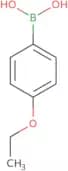
CAS:<p>2-(1-Methyl-5-(4-methylbenzoyl)-1H-pyrrol-2-yl)acetic acid is a nonsteroidal antiinflammatory drug that belongs to the group of drugs called arylpropionic acids. The drug is used to relieve inflammation and pain. 2-(1-Methyl-5-(4-methylbenzoyl)-1H-pyrrol-2-yl)acetic acid has been shown in vitro assays to be toxic to epidermal cells and inhibit the production of inflammatory mediators such as prostaglandins and leukotrienes. The drug also inhibits the production of proinflammatory cytokines such as IL6, IL8, and TNFα by activated human monocytes in vitro. It has been shown to have antiinflammatory activity in experimental models for arthritis, colitis, and asthma.</p>Formula:C15H15NO3Purity:Min. 95%Molecular weight:257.28 g/mol(4-Ethoxyphenyl)boronic acid
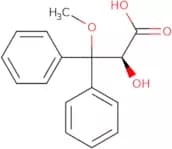
CAS:<p>4-Ethoxyphenylboronic acid is a boron-containing compound that has been shown to have potent antiviral activity. This compound is synthesized from adipose tissue and optical properties of the phenoxazine derivative are studied in order to find an efficient process for solid-phase synthesis. 4-Ethoxyphenylboronic acid has been shown to inhibit triglyceride lipase and fatty acid, which may be an important drug target. It has also been found to have potent antagonistic effects on fatty acids.</p>Formula:C8H11BO3Purity:Min. 95%Molecular weight:165.98 g/mol(S)-2-Hydroxy-3-methoxy-3,3-diphenylpropionic acid
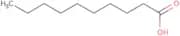
CAS:<p>This is a crystalline form of the pyrimidine derivative (S)-2-Hydroxy-3-methoxy-3,3-diphenylpropionic acid. The compound has been shown to have antiplatelet properties and is currently being developed as an antithrombotic agent. In vitro studies have shown that ambrisentan inhibits platelet aggregation, thromboxane synthesis, and leukocyte adhesion. It also reduces the levels of serum cholesterol and triglycerides in patients with chronic heart failure. Ambrisentan has been studied in clinical trials for the treatment of pulmonary hypertension associated with chronic obstructive pulmonary disease (COPD) and idiopathic pulmonary fibrosis (IPF).</p>Formula:C16H16O4Purity:Min. 95%Molecular weight:272.3 g/molDecanoic acid
CAS:<p>Decanoic acid is a saturated fatty acid that has been used as a pharmaceutical agent for the treatment of congestive heart failure. Decanoic acid is also used in the production of glycol ethers and as an intermediate in organic synthesis. The melting point of decanoic acid is between 30 and 35 degrees Celsius, which is lower than the melting points of caproic acid (40 degress) or lauric acid (45 degrees Celsius). Decanoic acid has been shown to reduce blood glucose levels in diabetic mice and rats and has also been shown to have antimicrobial activity against c. glabrata, S. aureus, and E. coli. Decanoic acid may be effective as an adjuvant therapy for melanoma by inducing apoptosis through mitochondrial membrane potential disruption.</p>Formula:C10H20O2Purity:Min. 95%Color and Shape:PowderMolecular weight:172.26 g/mol(1R,2R)-Boc-aminocyclopentane carboxylic acid
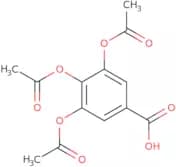
CAS:<p>(1R,2R)-Boc-aminocyclopentane carboxylic acid (BCPC) is a high quality, reagent, and useful intermediate. It is a versatile building block that can be used as a speciality chemical or research chemical. BCPC has been shown to react with amines to form ureas, with nitriles to form oxazolidines, and with epoxides to form aziridinones.</p>Formula:C11H19NO4Purity:Min. 95%Color and Shape:White PowderMolecular weight:229.27 g/mol3,4,5-Triacetoxybenzoic acid
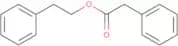
CAS:<p>Trifluoroacetic acid is an organic acid that is used in the synthesis of esters, ethers, and amides. It can be used to produce 3,4,5-triacetoxybenzoic acid (TABA), which inhibits the proliferation of leukemia cells. TABA binds to the active site of the protein runx2, which is involved in development and differentiation. It also inhibits vibrational spectra and chemical profiles that are related to cancer cell growth. TABA has been shown to induce autophagy through activation of AMPK signaling pathways in leukemia cells. TABA also inhibits lipid accumulation by inhibiting the expression of genes such as SREBP1c and ACC2.</p>Formula:C13H12O8Purity:Min. 97 Area-%Color and Shape:PowderMolecular weight:296.23 g/molPhenylacetic acid 2-phenylethyl ester
CAS:Controlled Product<p>Phenylacetic acid 2-phenylethyl ester is an ester of caproic acid and phenylethyl. It is used as a control agent in the manufacture of chemical substances, detergent compositions, and lemongrass oil. Phenylacetic acid 2-phenylethyl ester can be synthesized by reacting methyl anthranilate with benzoic acid in the presence of phosphotungstic acid. The required starting materials are available from commercial sources. The product has a structural formula that can be confirmed by nmr spectroscopy.</p>Formula:C16H16O2Purity:Min. 95%Color and Shape:Clear LiquidMolecular weight:240.3 g/mol4,6-Diaminobenzene-1,3-dicarboxylic acid
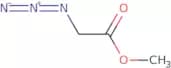
CAS:<p>4,6-Diaminobenzene-1,3-dicarboxylic acid is an inorganic copper compound that is used as a copper salt. It has been shown to be effective as a chelating agent for the treatment of copper toxicity. 4,6-Diaminobenzene-1,3-dicarboxylic acid binds to metal ions and forms a complex with them. This complex can then be excreted from the body through urine or bile.</p>Formula:C8H8N2O4Purity:Min. 95%Molecular weight:196.16 g/molMethyl azido acetate
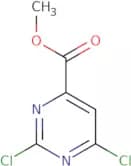
CAS:<p>Methyl azido acetate is a chemical compound with the molecular formula CH3N3O. It is used in biological studies to study the effects of amides on inflammatory bowel disease and solid tumours. Methyl azido acetate has been shown to be cytotoxic against cells, which may be due to its ability to inhibit integrase enzyme activity.</p>Formula:C3H5N3O2Purity:Min. 95%Color and Shape:Clear LiquidMolecular weight:115.09 g/molMethyl 2,4-dichloropyrimidine-6-carboxylate
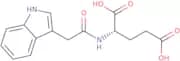
CAS:<p>Please enquire for more information about Methyl 2,4-dichloropyrimidine-6-carboxylate including the price, delivery time and more detailed product information at the technical inquiry form on this page</p>Formula:C6H4Cl2N2O2Purity:Min. 95%Color and Shape:Off-White To Yellow SolidMolecular weight:207.01 g/molIndole-3-acetyl-L-glutamic acid
CAS:<p>Indole-3-acetyl-L-glutamic acid is an endogenous substance that is found in plants. It is the conjugated form of indole-3-acetaldehyde and L-glutamic acid. Indole-3-acetylglutamic acid has shown to have antioxidant potential and can be used to regulate plant growth, as well as protect against environmental stresses. Indole-3-acetylglutamic acid also has a role in regulating the production of other hormones, such as ethylene and auxin, which are involved in plant growth regulation.</p>Formula:C15H16N2O5Purity:Min. 98 Area-%Color and Shape:PowderMolecular weight:304.3 g/mol


![(1H-Benzo[d][1,2,3]triazol-5-yl)boronic acid](/_next/image/?url=https%3A%2Fstatic.cymitquimica.com%2Fproducts%2F3D%2Fthumb-webp%2FFB141627.webp&w=3840&q=75)






![4-(2-Chlorophenyl)-9-methyl-6H-thieno[3,2-f][1,2,4]triazolo[4,3-a][1,4]diazepine-2-propanoic acid …](/_next/image/?url=https%3A%2Fstatic.cymitquimica.com%2Fproducts%2F3D%2Fthumb-webp%2FFC20337.webp&w=3840&q=75)



![4'-[[1,4'-Dimethyl-2'-propyl(2,6'-bi-1H-benzimidazol)-1'-yl]-methyl]-1,1'-biphenyl-2-carboxylicaci…](/_next/image/?url=https%3A%2Fstatic.cymitquimica.com%2Fproducts%2F3D%2Fthumb-webp%2FFD148340.webp&w=3840&q=75)
![4-Aminobicyclo[2.2.2]octane-1-carboxylic acid methyl ester](/_next/image/?url=https%3A%2Fstatic.cymitquimica.com%2Fproducts%2F3D%2Fthumb-webp%2FFA44258.webp&w=3840&q=75)






![tert-Butyl 2,7-diazaspiro[3.5]nonane-7-carboxylate](/_next/image/?url=https%3A%2Fstatic.cymitquimica.com%2Fproducts%2F3D%2Fthumb-webp%2FFT138842.webp&w=3840&q=75)
![[2-(4-Chlorophenyl)-1,3-thiazol-4-yl]acetic acid](/_next/image/?url=https%3A%2Fstatic.cymitquimica.com%2Fproducts%2F3D%2Fthumb-webp%2FFC124498.webp&w=3840&q=75)
![Dimethyl 7,7'-dimethoxy-[4,4'-bibenzo[d][1,3]dioxole]-5,5'-dicarboxylate](/_next/image/?url=https%3A%2Fstatic.cymitquimica.com%2Fproducts%2F3D%2Fthumb-webp%2FFD139796.webp&w=3840&q=75)